
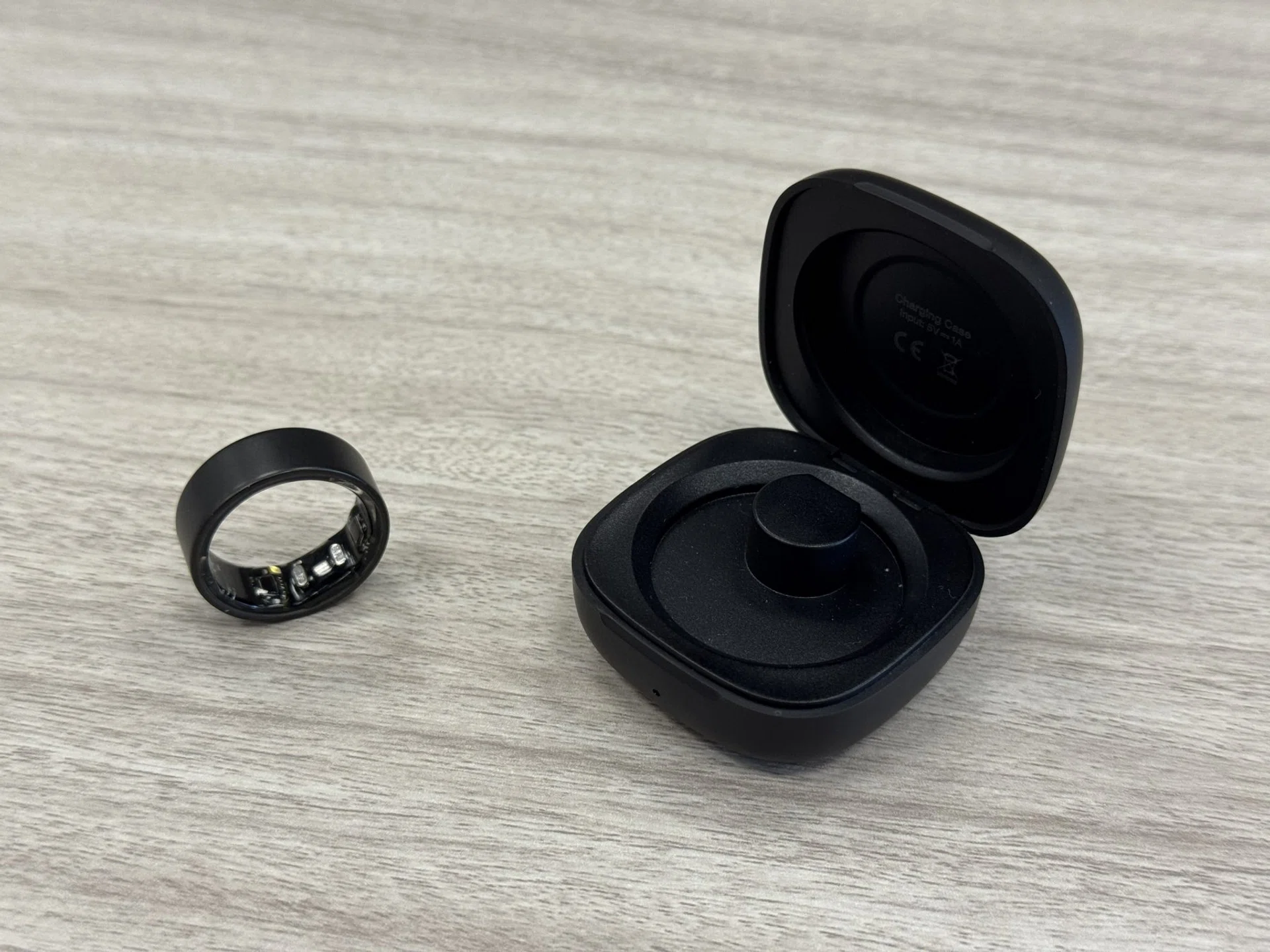
I wrote about the Actxa Core smart ring when it was first announced, and I was genuinely excited because of a unique feature called BGEM (Blood Glucose Evaluation and Monitoring). BGEM is the world’s first non-invasive, AI-powered diabetic risk assessment technology developed by Actxa, making the Core smart ring the first consumer wearable to feature this technology.
Diabetic Risk Assessment Capability
Prior to this, BGEM had undergone a joint study with KK Women’s and Children’s Hospital that’s published in the Singapore Medical Journal titled, “Utility of photoplethysmography in detecting elevated blood glucose among non-diabetics”. There have also been other international clinical trials as well as a published scientific paper titled, “Assessing Elevated Blood Glucose Levels Through Blood Glucose Evaluation and Monitoring Using Machine Learning and Wearable Photoplethysmography Sensors: Algorithm Development and Validation”.
BGEM makes use of the standard PPG sensor of most wearables (the active optical sensor you often see on the back of these devices) and uses Actxa’s proprietary AI model to compute certain biomarkers to determine user diabetic risk. Among the now-mature smart wearable market, BGEM was a breath of fresh air.
I’ve written about wearables and advancing sensor technology in past reviews, where actionable data is more important than another cryptic stat (for reference, check out my Amazfit Balance smartwatch review). BGEM provides a simple, clear result that can be acted on immediately. It is a feature that’s relevant to the broadest possible audience: everyone. We’re all susceptible to diabetic risks, and with early detection, a condition that can be managed and even reversible through healthy living, diet and exercise.
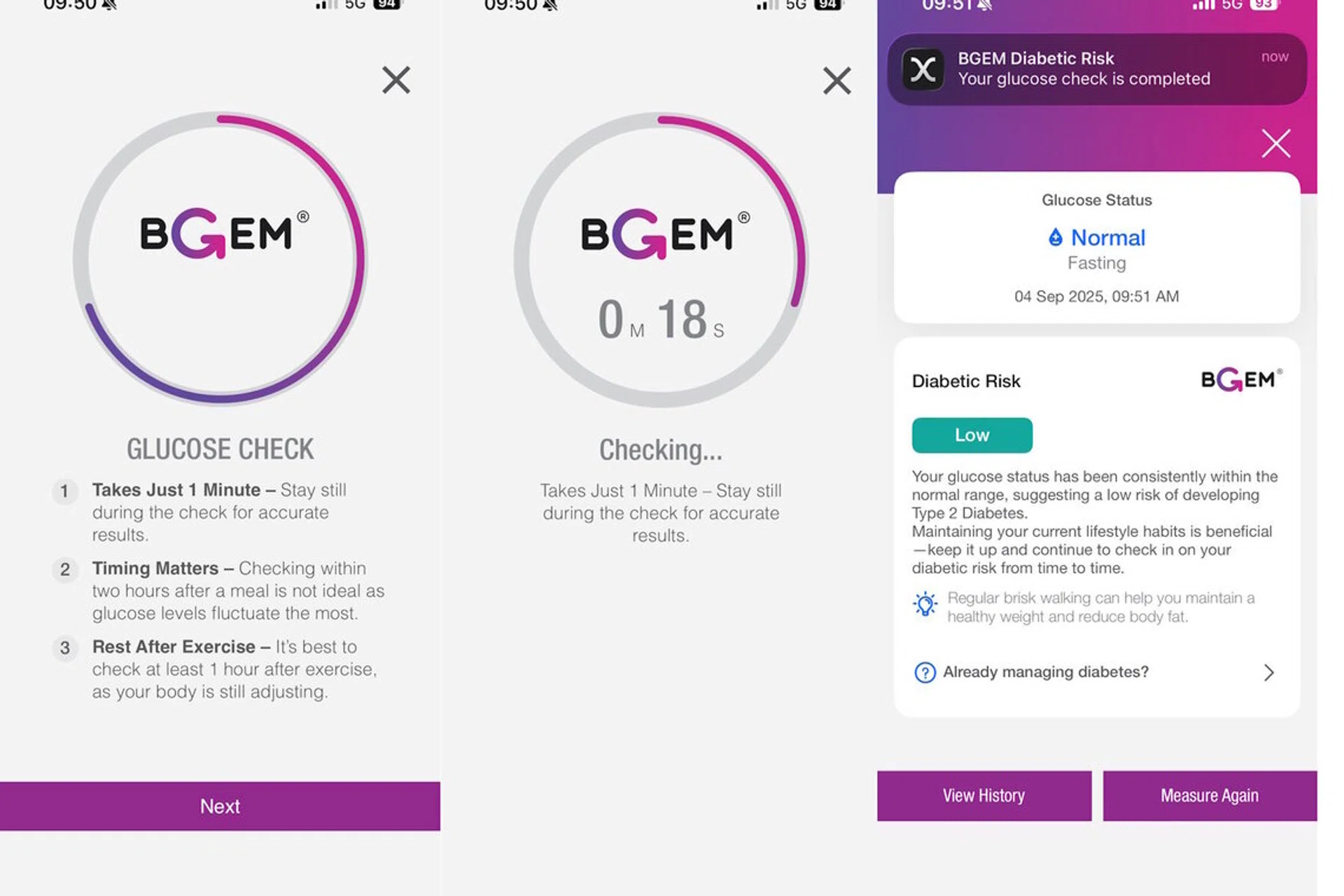
BGEM testing on the Actxa Core smart ring.
To start, you simply the BGEM test from the Actxa app 3 times within a 7-day window. As with any blood glucose test, it’s best you do it in a fasted state, but if you’re in doubt, the app provides all the necessary guidance. The test itself is simple since it’s non-invasive and takes only a minute to complete. After three tests, you’ll get your risk assessment results, and it’ll simply tell you if you are Low or High Risk.
If you’re at risk, go see a doctor immediately, stick to your diet and health plan, and test regularly to keep yourself in check.
Now here’s the bad news. Like any medically inclined function, BGEM is deemed to require regulatory approvals, and as such, it is unfortunately not available in Singapore when the Core smart ring was made available for purchase (late August 2025). I’ve actually delayed this review for a while just to see if there are any developments, but so far, no luck. If anyone remembers when smartwatches first started to feature atrial fibrillation (AFib) through ECG readings, it took years to approve. Let’s hope BGEM doesn’t take that long, especially as it was developed locally with local clinical studies.
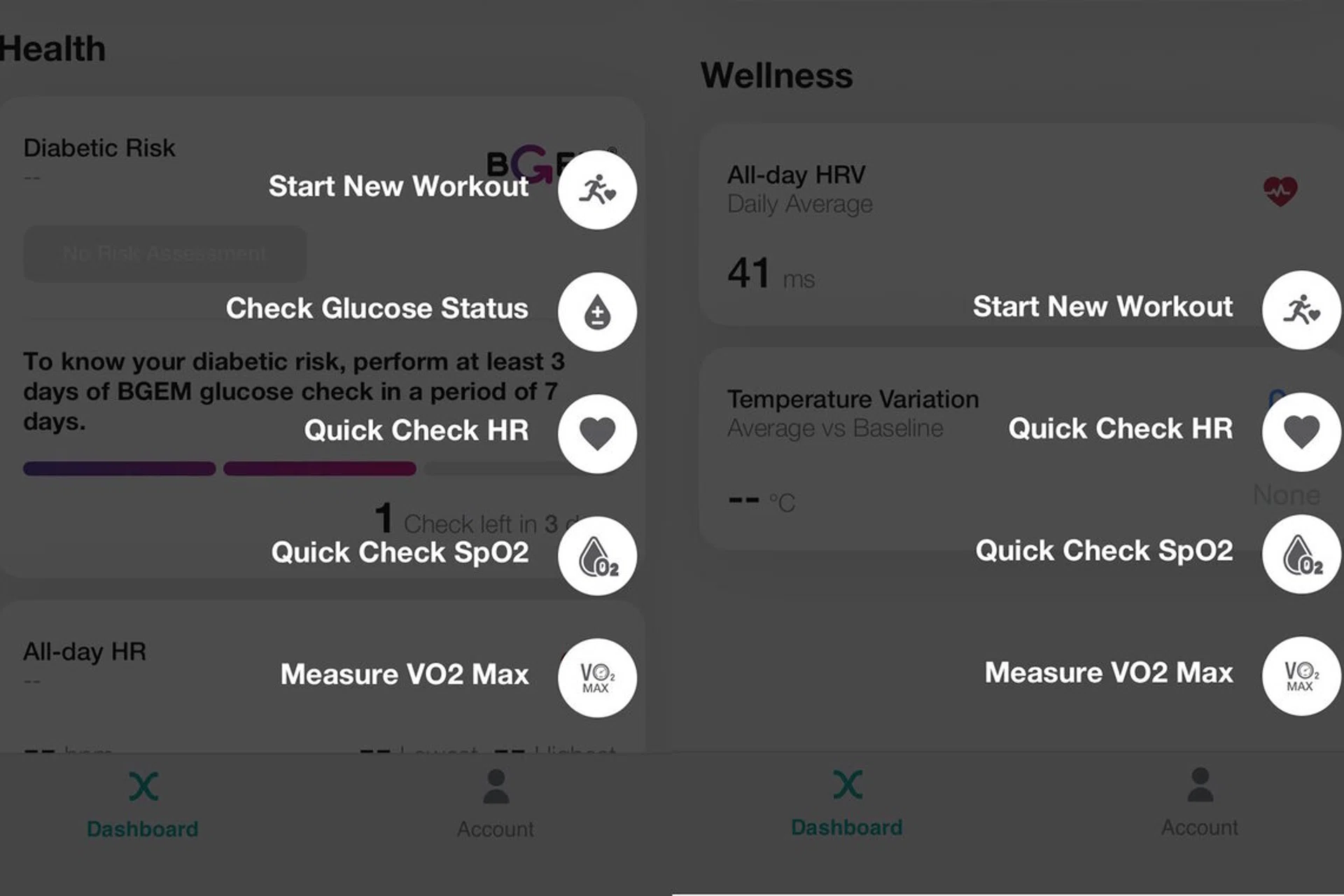
However, Singapore won’t get this feature till it gets the appropriate regulatory approvals. It will simply be disabled in the app, and you can’t choose it. As seen in our screenshots, there’s no diabetic risk check or anything remotely related.
Design & Capablities
So, I’ve spent a good chunk of this review writing about BGEM. How about the Core ring itself? Well, it’s Actxa’s first smart ring, and specs-wise, it matches most of the popular ones you can buy in Singapore, like the Samsung Galaxy Ring, Ultrahuman Ring Air and RingConn Smart Ring. It is made of aerospace-grade titanium for durability, just 2.2mm thin and between 2.5g-3.2g in weight depending on ring size. Now, I’m not sure about the Galaxy Ring and Ultrahuman, but I’ve tested the RingConn Gen 1 and Gen 2, and the Actxa Core ring is comparable in size, weight and feel. However, in terms of design, I prefer the RingConn Gen 2 as it is angular on the outside, which makes it seem thinner than it is, especially in the space between fingers if you wear multiple rings. The Actxa Core ring is fully rounded, and I find that it knocks against the ring adjacent to it. A small matter, and it is up to user preferences.
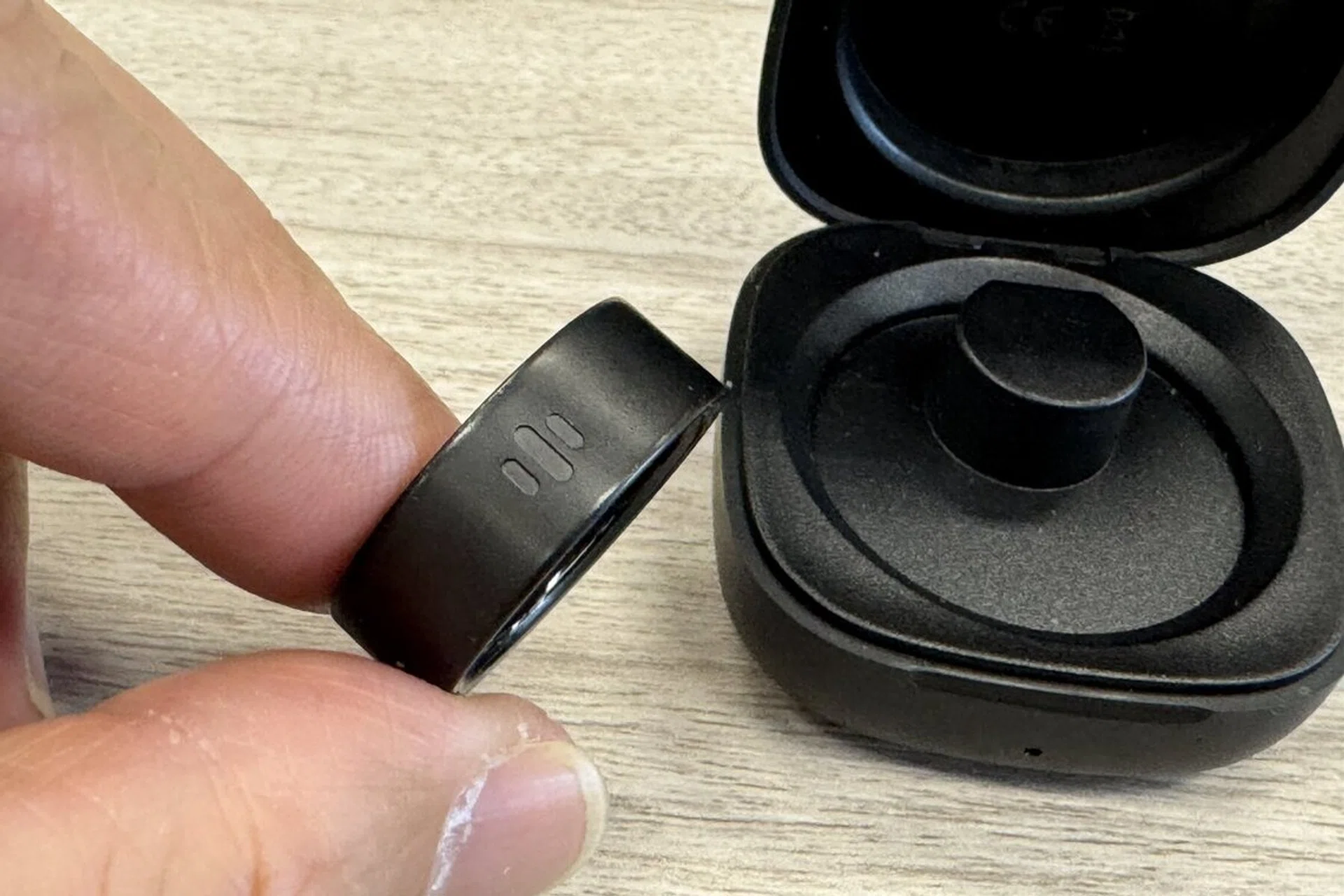
There’s a deliberate design indent on the ring to let you know where the sensor is without having to look at it.
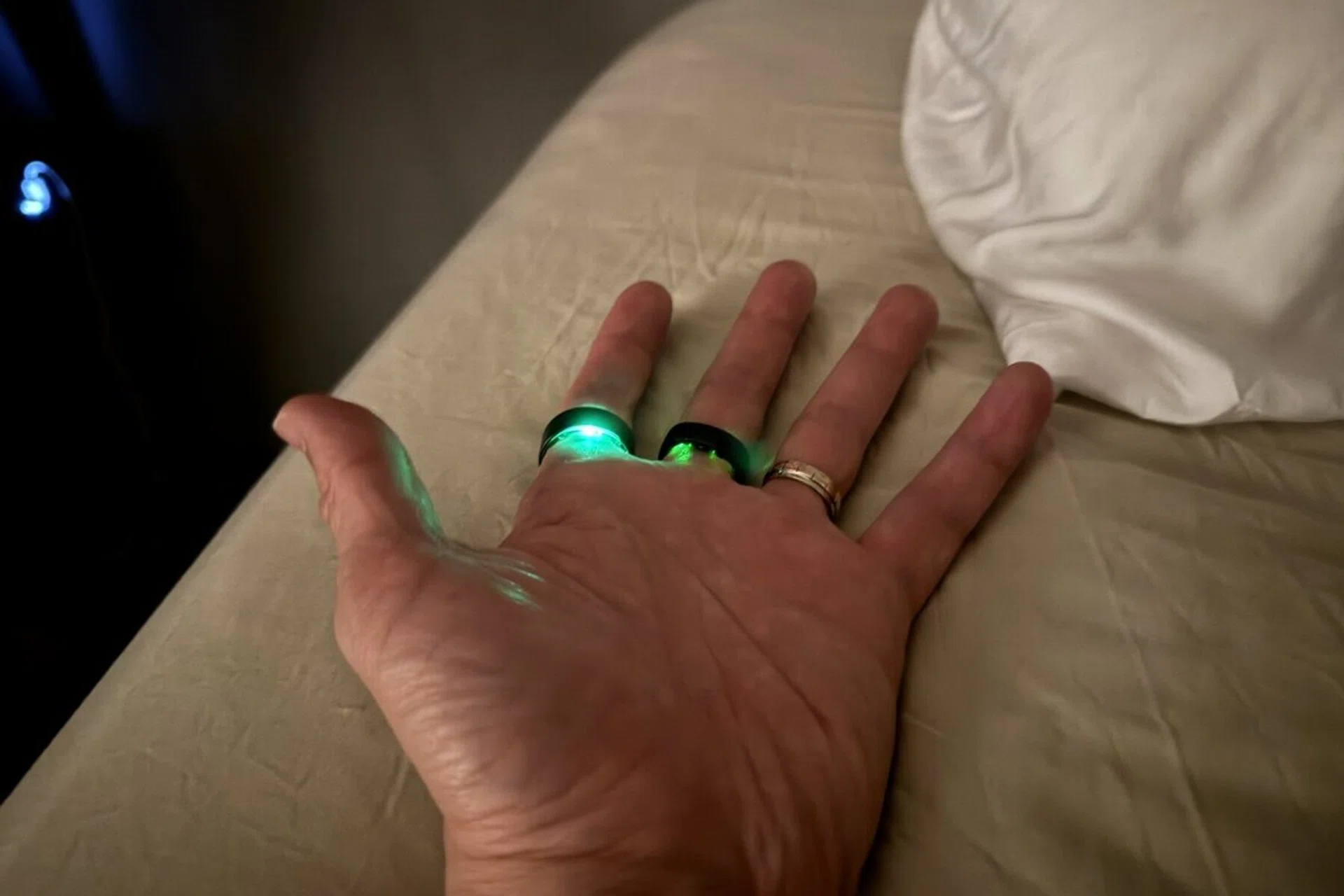
Quick comparison between the Actxa Core (on index finger), and RingConn Gen 2 (middle finger). At night, the Core’s sensor light is brighter and leaks more.
The Actxa Core also has all the standard sensors and health monitoring we’ve come to expect, including all-day heart-rate monitoring with heart-rate variability (HRV) for stress detection, SpO2, VO2 Max, skin temperature variation, and sleep stages. It does not however feature Sleep Apnea detection like the RingConn Gen 2 or women’s health and cycle detection like the Ultrahuman Ring Air. The Ultrahuman Ring also has AFib detection features too, but again, that’s unavailable due to the lack of regulatory approvals.
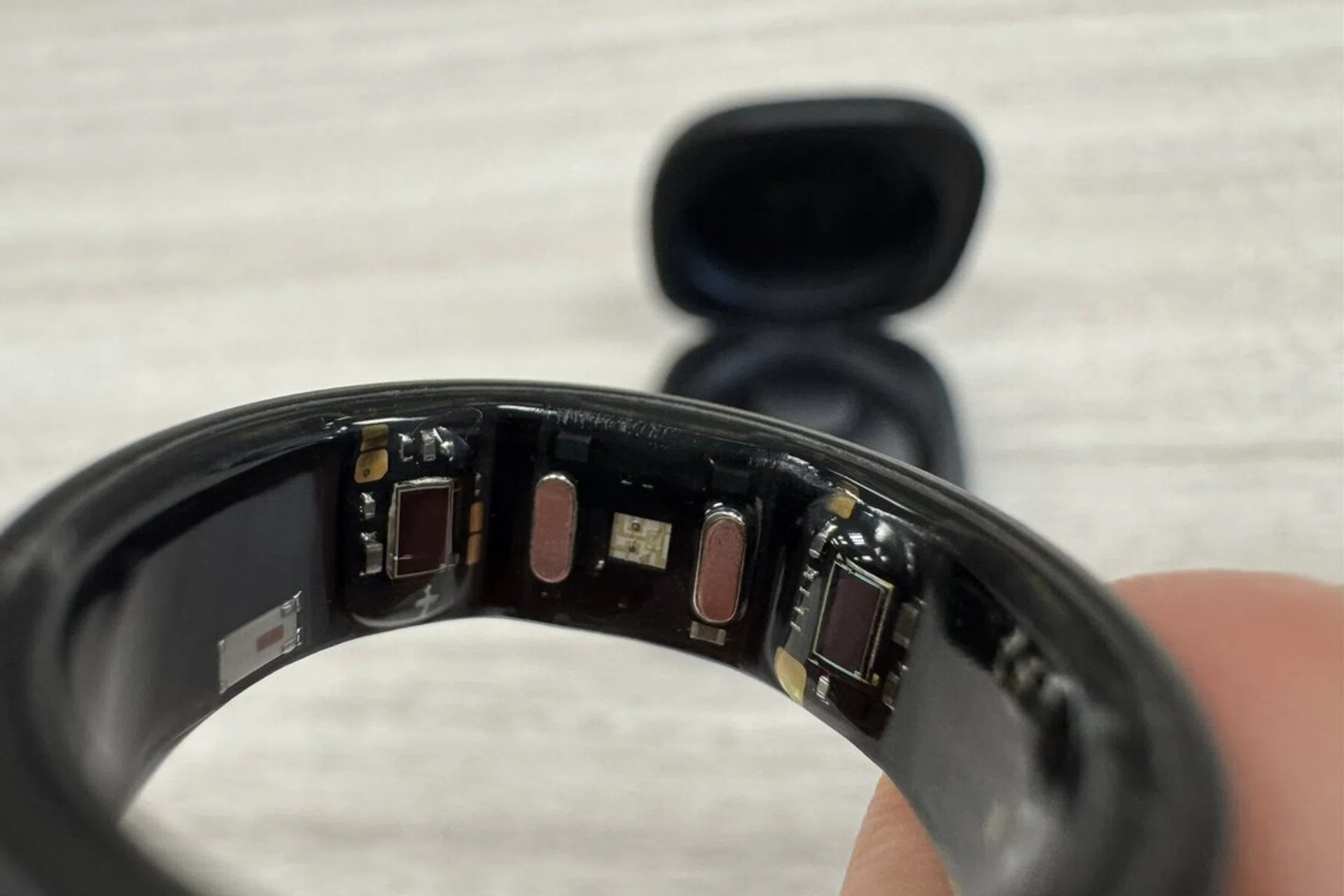
The Actxa Core has all the sensors expected of a modern health and activity tracker.
I spoke with Actxa, and they’ve mentioned that some of these features such as cycle tracking are in the works and may be added in the future, but otherwise, the Core smart ring is as complete as any of its competitors for general daily health tracking.
It supports a range of workouts as well, including runs, walks, cycling, and generic workout tracking, which basically bumps up the sensor for real-time tracking. By default, the Core (and most smart rings) operate on a periodic cycle (which can be changed in the app for more frequent scanning, though this will impact battery life). This is to be expected considering how small rings are and to conserve battery. The fact that the Core ring lasts longer than most smartwatches is already a big plus for anyone looking to just have health insights. Out of the box, I’ve gotten the Core ring to last about 5 full days and nights with 1-2 workouts per week. I can stretch it to the 6th day on most occasions, but I prefer to have it charged on day 5 before I go to sleep.
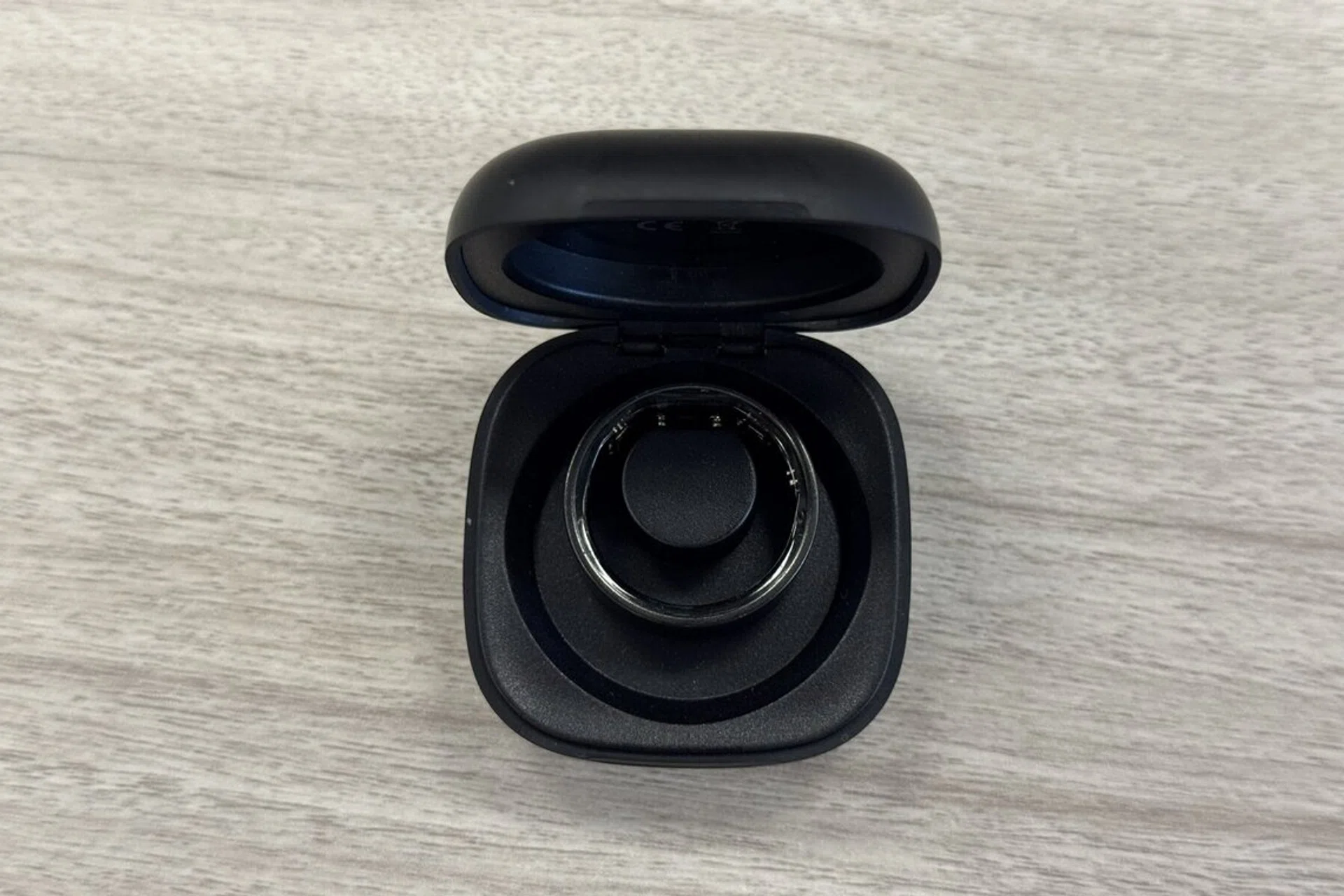
The Actxa Core charging dock looks like a case, but does not have its own battery; it’s just a dock and has to be plugged in to charge the ring.
App Experience & Stats Reporting
The only thing holding the Core back is, of course, software experience, and the Actxa app isn’t as comprehensive as the competition. The good thing is that it doesn’t require any subscription to activate or use any of its features, but it’s quite barebones. You get a simple view of your activity and summary, and that’s all most people need, but the app’s not the most friendly if you’re looking at deep-diving into your history. Accessing past data is not very intuitive as the dashboard forces you to manually click through every single day—at least I haven’t found an option to just pick a date or a calendar view. Weekly and monthly summaries are available, but you can’t click into individual days from there. Workout and sleep data logs can be accessed, but they’re hidden under multiple layers of sub-menus.
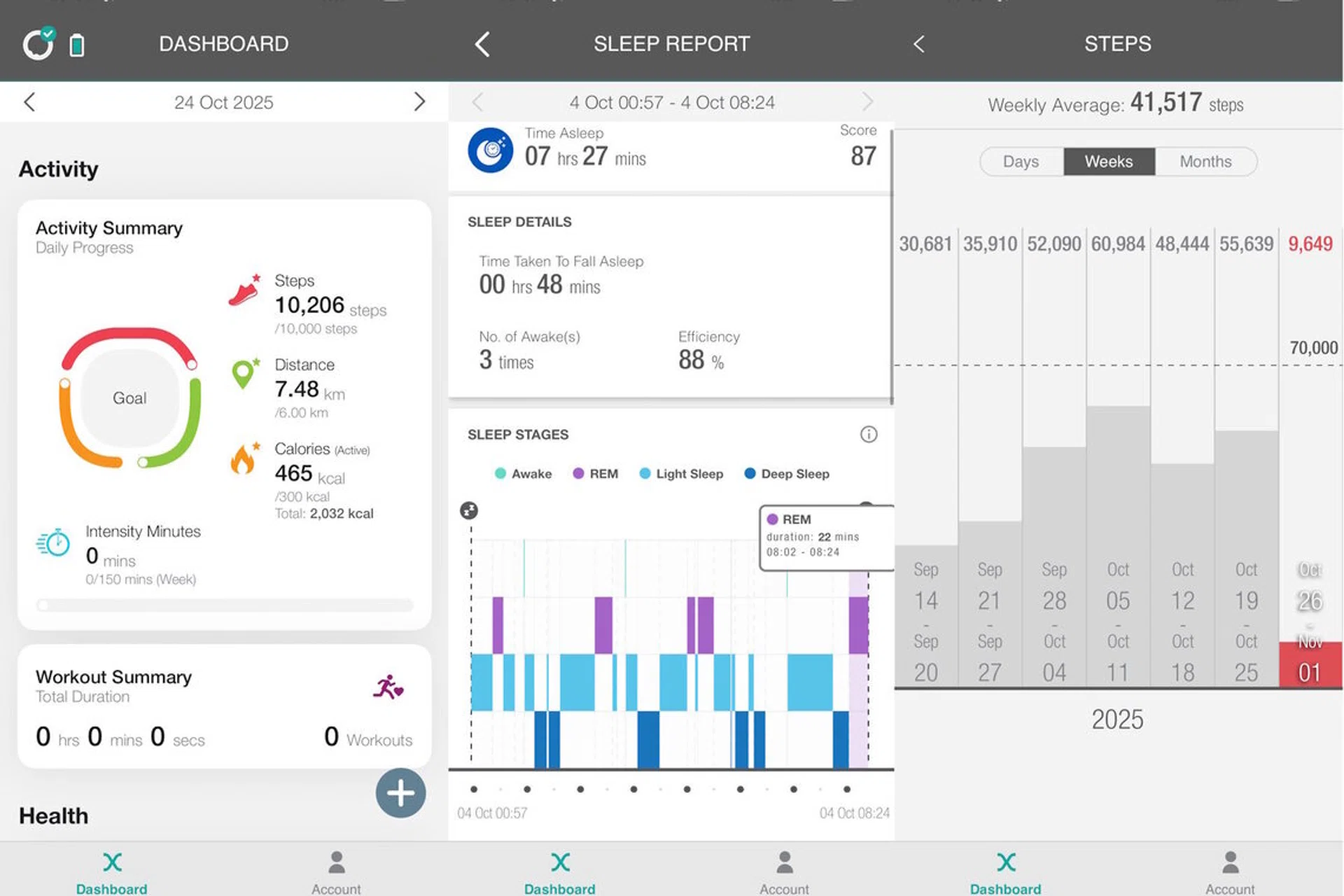
Actxa app will give you most info at a glance, but not very intuitive if you want to jump to different dates and get quick insights or comparisons.
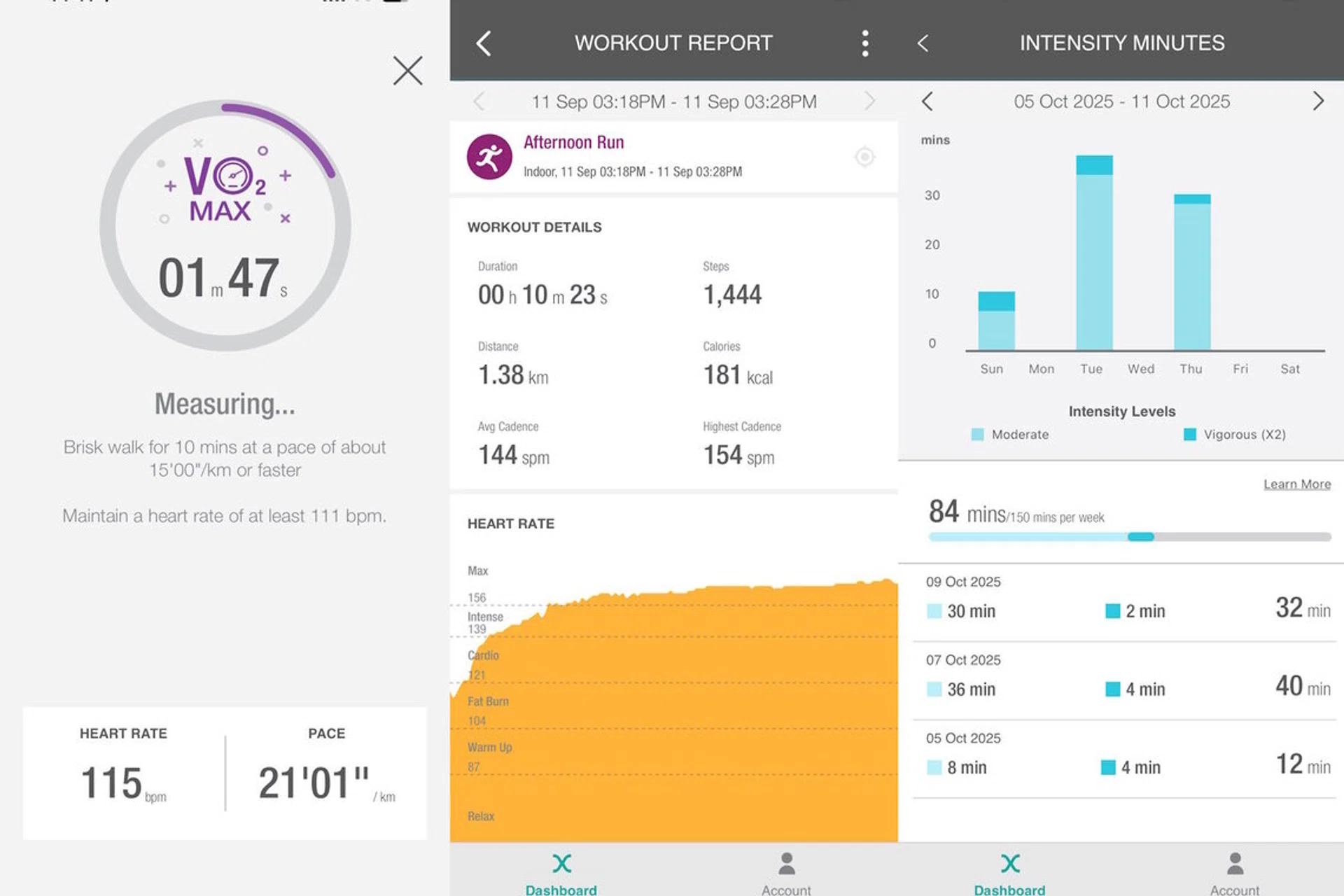
Workout data is otherwise solid.
Conclusion
So, even though BGEM is not yet available in Singapore and its app can use some sprucing up, the Actxa Core ring is competent as a health tracker and comparable with the competition in terms of design, weight, battery life.
The biggest plus point is that it’s almost S$100 cheaper than either the Samsung Galaxy Ring, Ultrahuman Ring Air or RingConn Gen 2; all three currently retail around the S$440-450 price point. Actxa is asking for just S$349 for the Core smart ring, which makes it an incredibly attractive option, and when (not if) BGEM is finally approved for use, it will be one of the most useful personal smart health tools to have on hand…or finger.
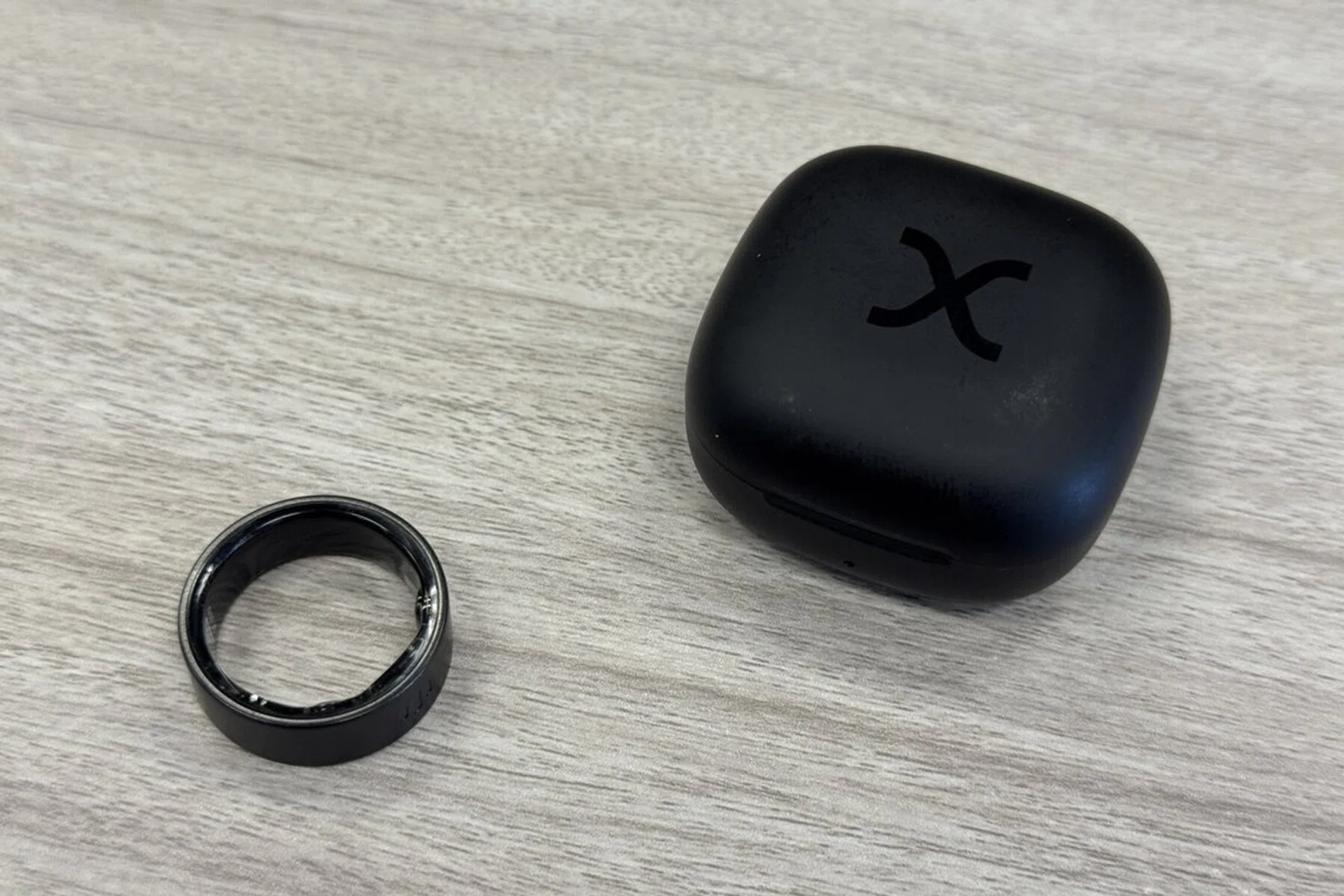
Actxa Core smart ring and it’s charging dock.
You can buy the Actxa Core smart ring on their webstore or Lazada.