
Samsung Galaxy S10e review: The best of the bunch?
The Samsung Galaxy S10e is the smallest, most affordable phone in the Galaxy S10 lineup. But is it actually the best one in the line? We find out.

Note: This article was first published on 19th Match 2019.
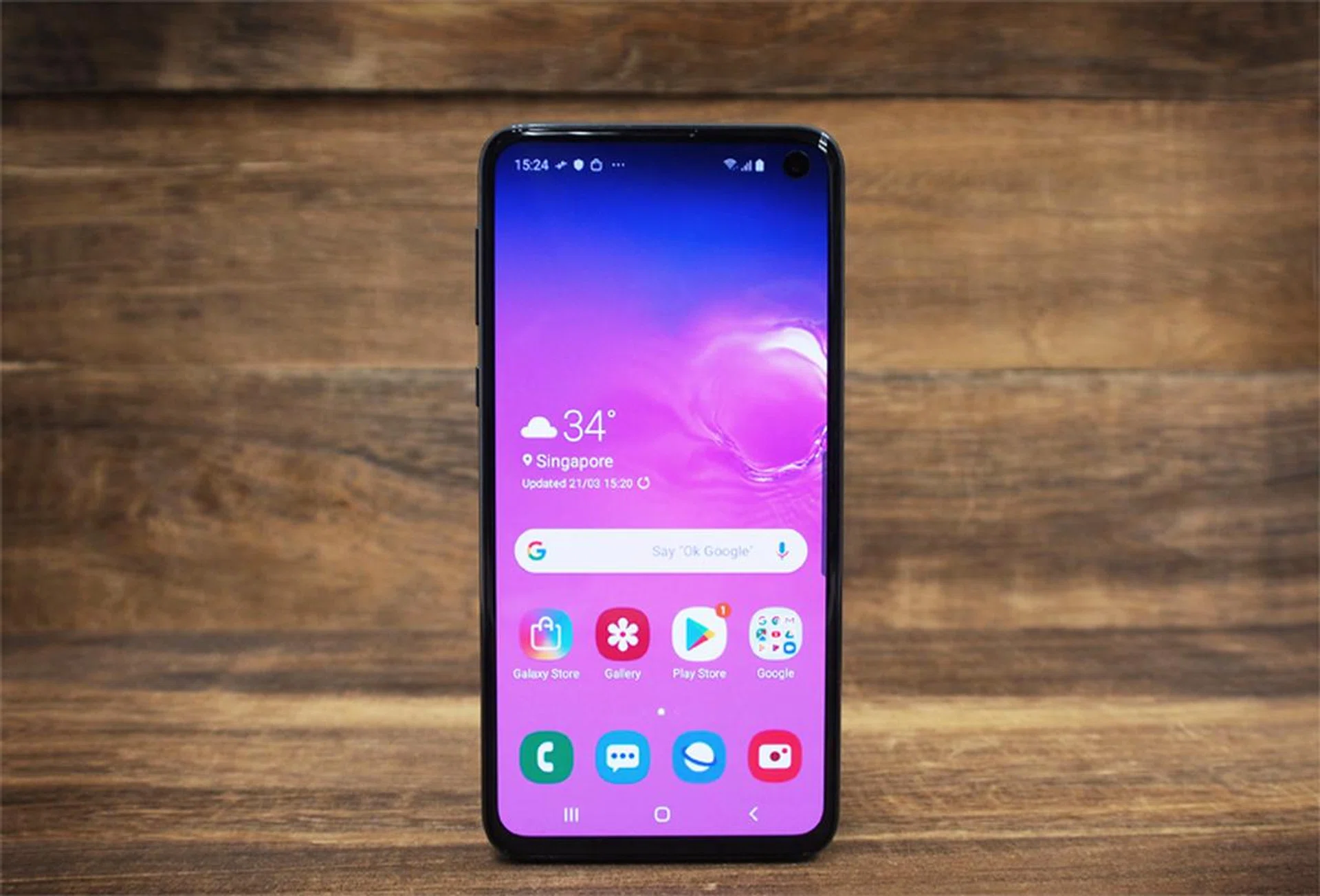
Overview
The Samsung S10e ('e' stands for 'Essential') is the budget model in Samsung's new Galaxy S10 lineup. Like Apple's iPhone XS, XS Max, and XR lineup, Samsung is trying a three-model approach this year with two premium models (the Galaxy S10 and S10+) and one budget model. There's actually a fourth, even more premium, S10 5G, but we don't know when that will launch.
Compared to the S10 and S10+, the S10e has a flatter, smaller, lower-resolution display, lacks an ultrasonic in-display fingerprint scanner, and loses the 2x optical zoom telephoto rear camera lens - but it's also much more affordable at just S$1,078, which is S$220 cheaper than the cheapest S10.
So, should you save some money and go for the S10e, or spend a bit more to get one of the more premium models? Let's find out.
Design
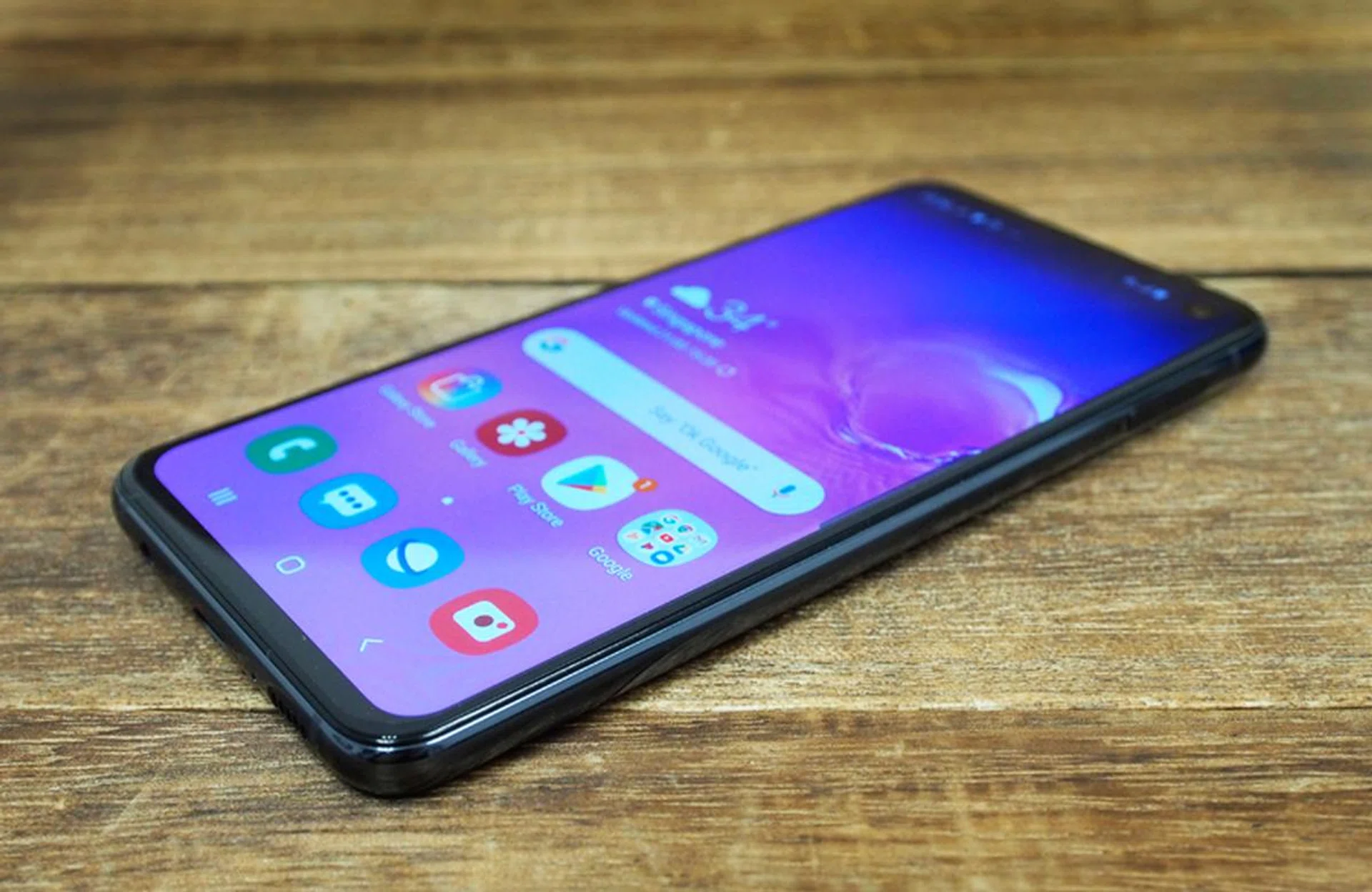
The first thing you'll notice about the S10e is that it has a flat display, something we haven't seen on a Samsung flagship since the Galaxy S7. The lack of curves makes the bezels slightly thicker, and it doesn't look quite as premium; but on the plus side, it does make the phone easier to hold and there's no risk of accidentally touching the display.
The compact size and flat display make the phone feel very similar in hand to the iPhone XS, and in terms of dimensions, they're actually very close, although the S10e is much lighter, at just 150g.
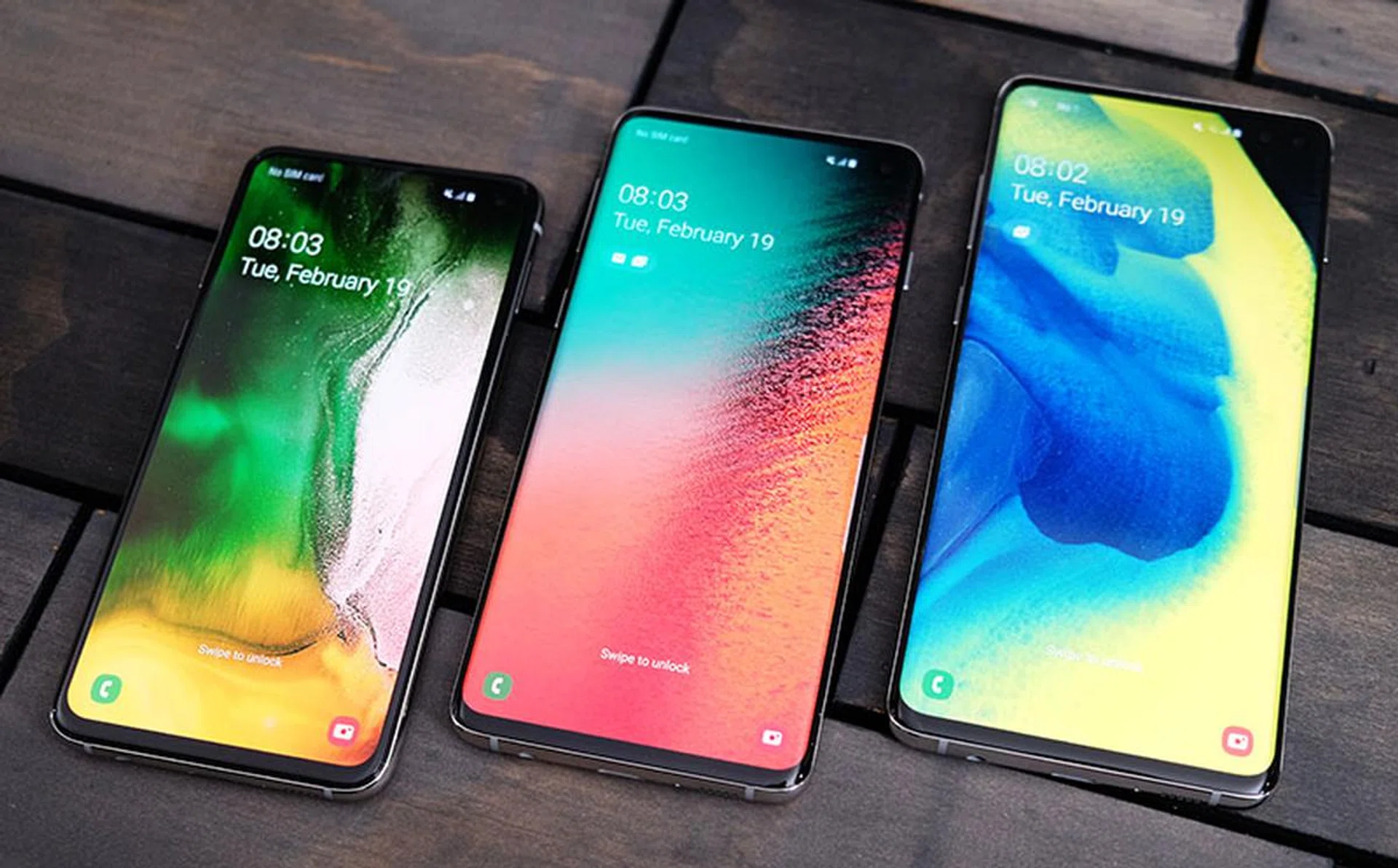
Here's what the S10e looks like next to its bigger brothers. As you can see, it's actually not that much smaller than the S10:
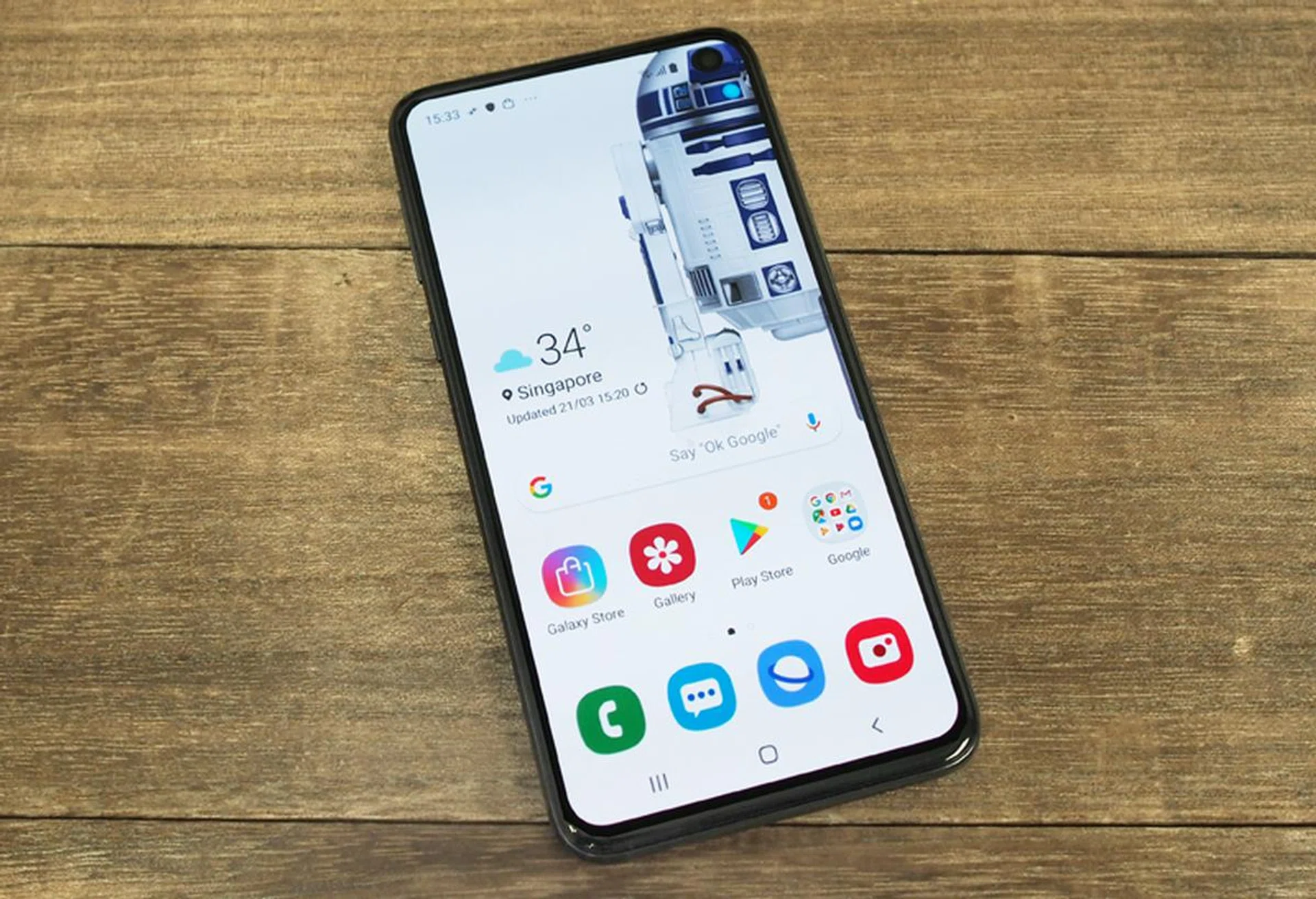
Despite the lack of curved edges, Samsung still calls the S10e's display an Infinity-O display, which means it has a small hole punch cutout in the top right corner. The cutout is fairly unobtrusive and there are some clever ways to hide it with the right wallpaper:
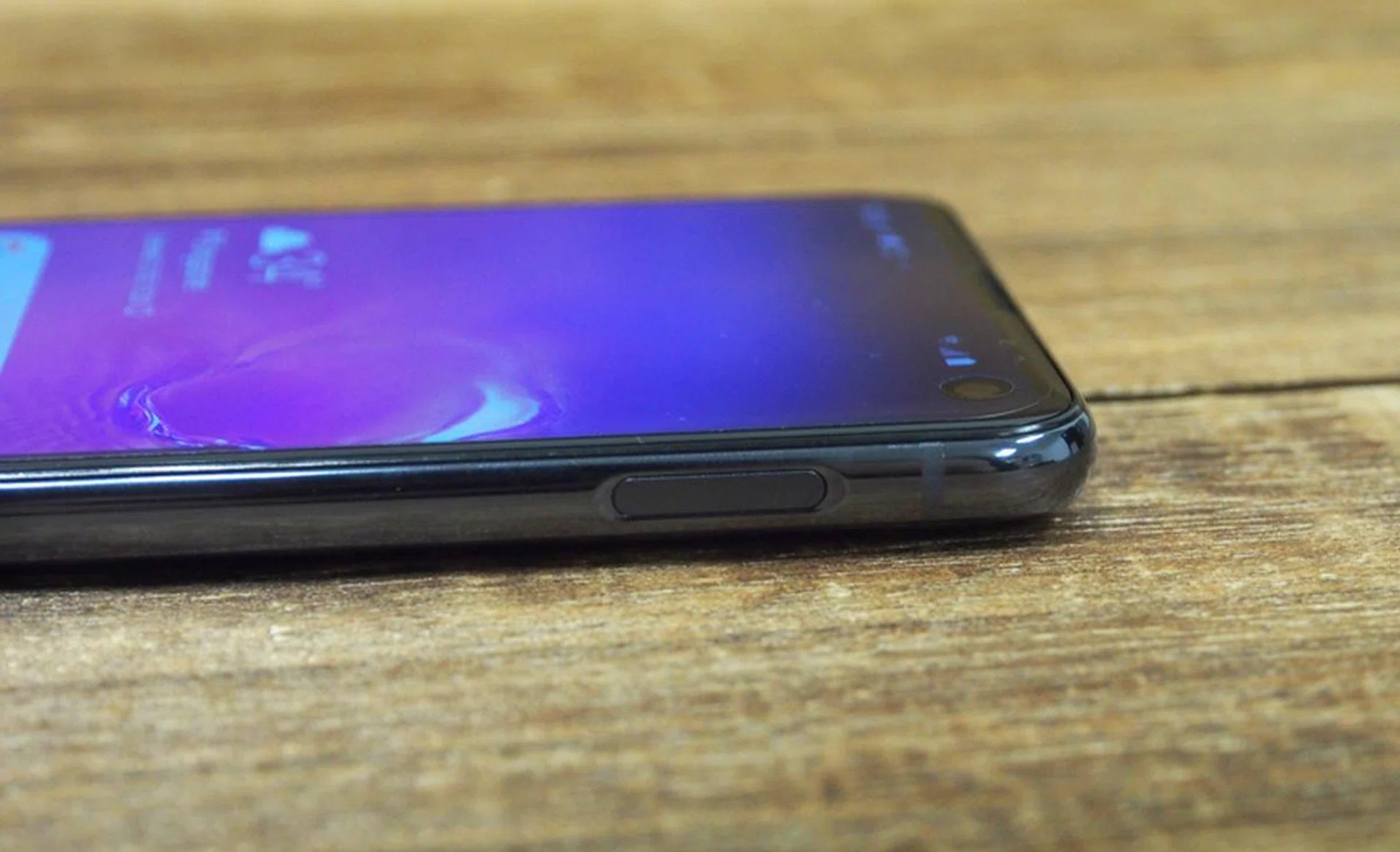
Instead of an ultrasonic in-display fingerprint scanner, the S10e uses a side-mounted fingerprint scanner integrated into the power button. The power button is a long oblong shape, and is slightly concave to make it easier to place your finger in the correct spot.
I actually really like this scanner, and so far I've found it to be faster and more reliable than the in-display scanners on the S10 and S10+. I also like that you can wake and unlock the S10e in a single action. Like its bigger brothers, the power button is a little high up on the right side, but due to the phone's more compact size, it isn't as big of an issue.
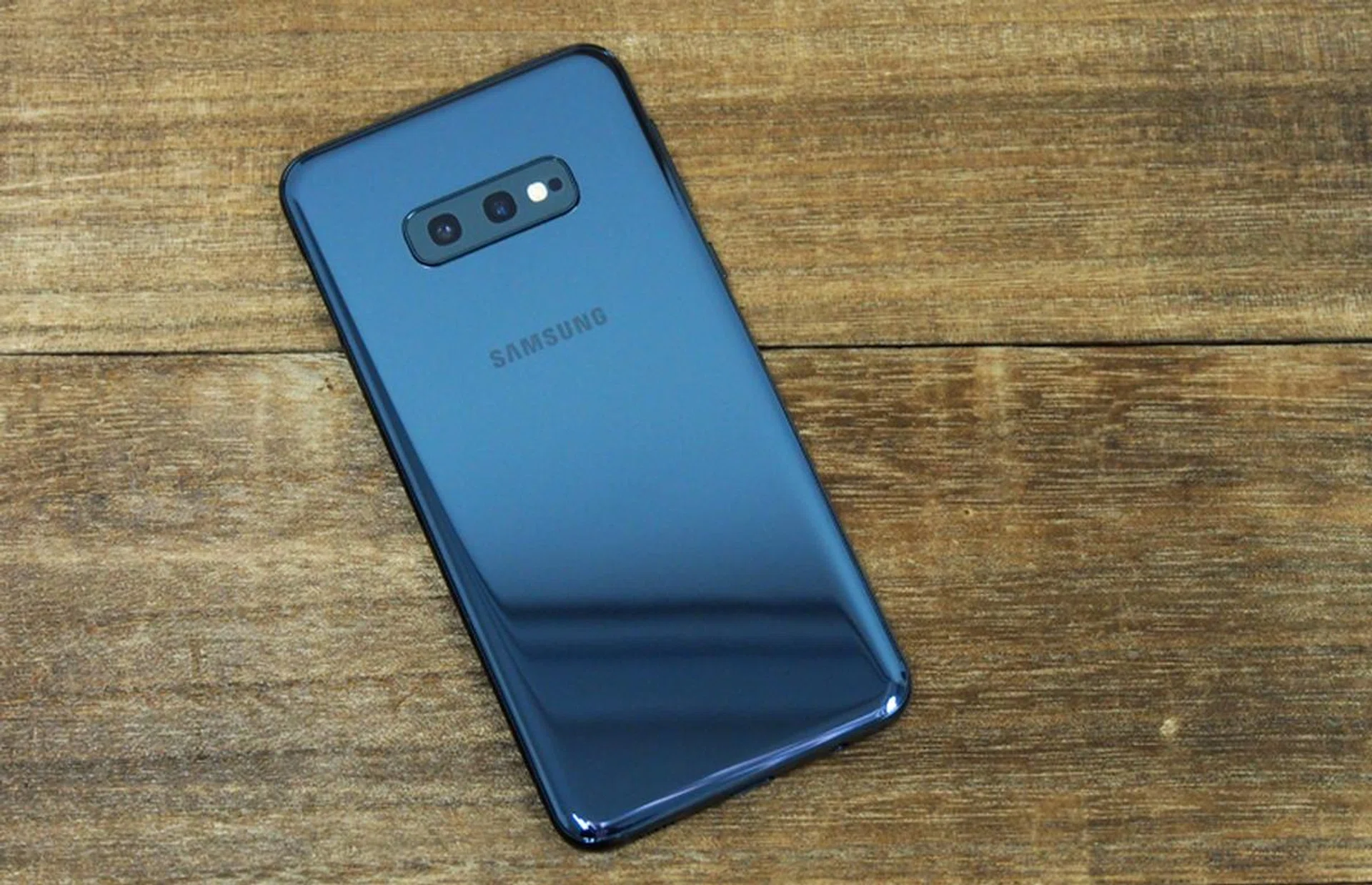
Instead of the usual curves you find at the back of most flagship smartphones, the back of the S10e is flatter to match the front. And instead of the S10's triple camera setup, the S10e sports a dual rear camera pairing a 12-megapixel variable aperture f/1.5 + f/2.4 wide-angle lens with a 16-megapixel f/2.2 ultra-wide-angle lens. I would have preferred a telephoto option instead, but I suspect that would have driven the price up.
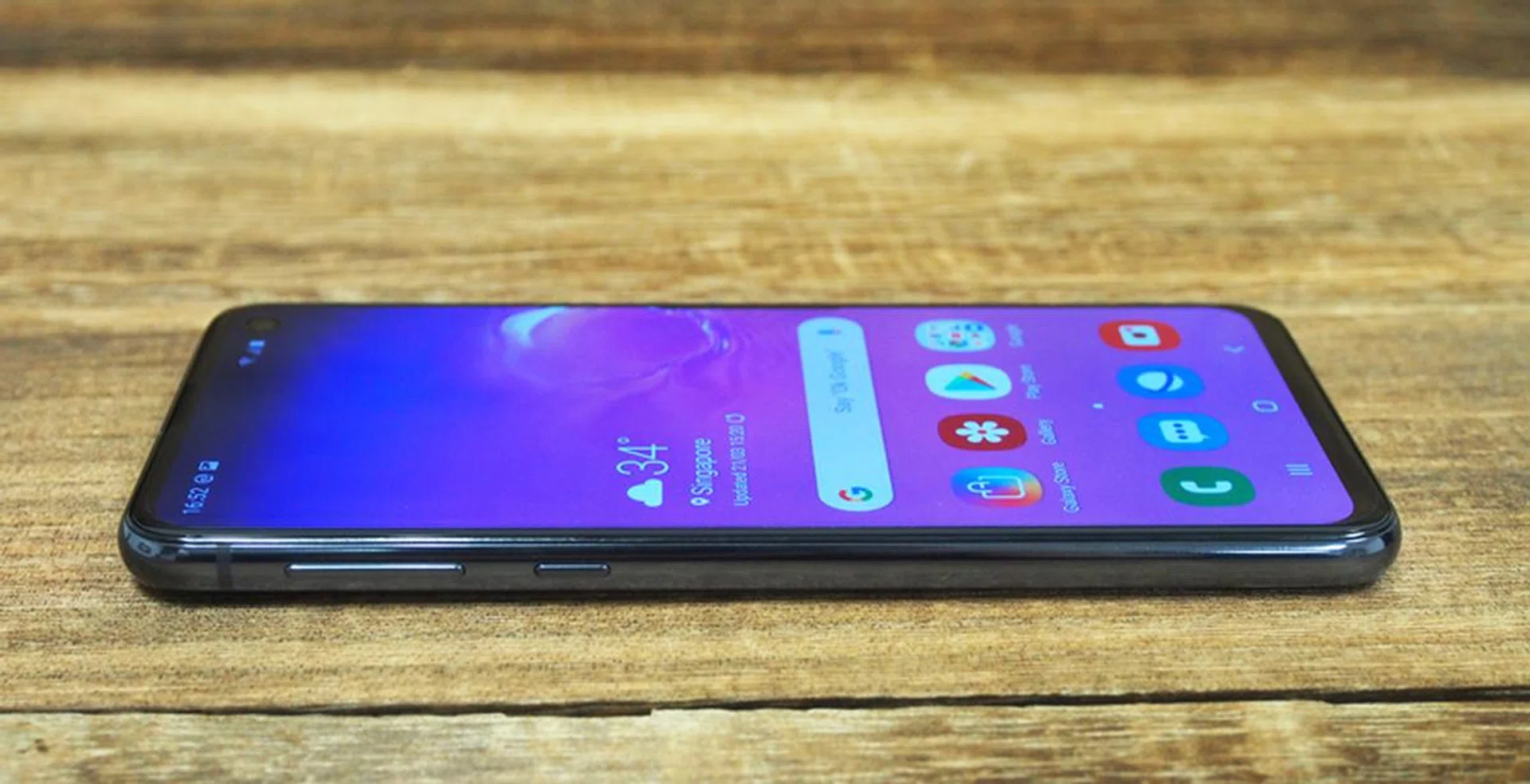
On the left side of the phone, you'll find the volume rocker and dedicated Bixby assistant launcher. Unlike previous years, the Bixby button can now be remapped to launch other apps. While the button has three options - single press, double press, and long press - only the first two can be remapped. Long pressing the button will always launch Bixby.
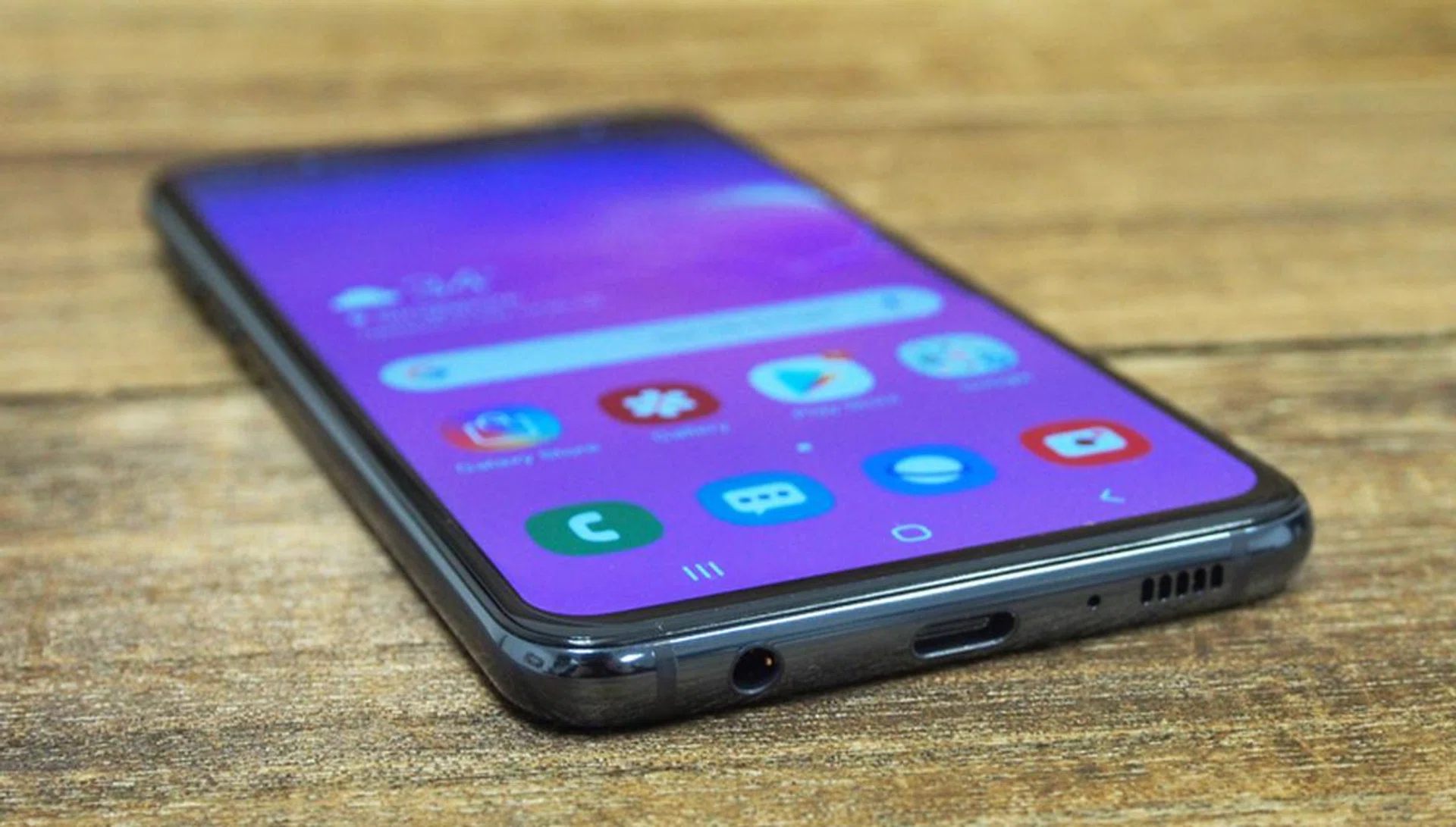
Like the S10 and S10+, the bottom of the phone houses a USB-C port, a downward-firing speaker, and a 3.5mm headphone jack. As with all Samsung flagships, the S10e is IP68 rated against dust and water.
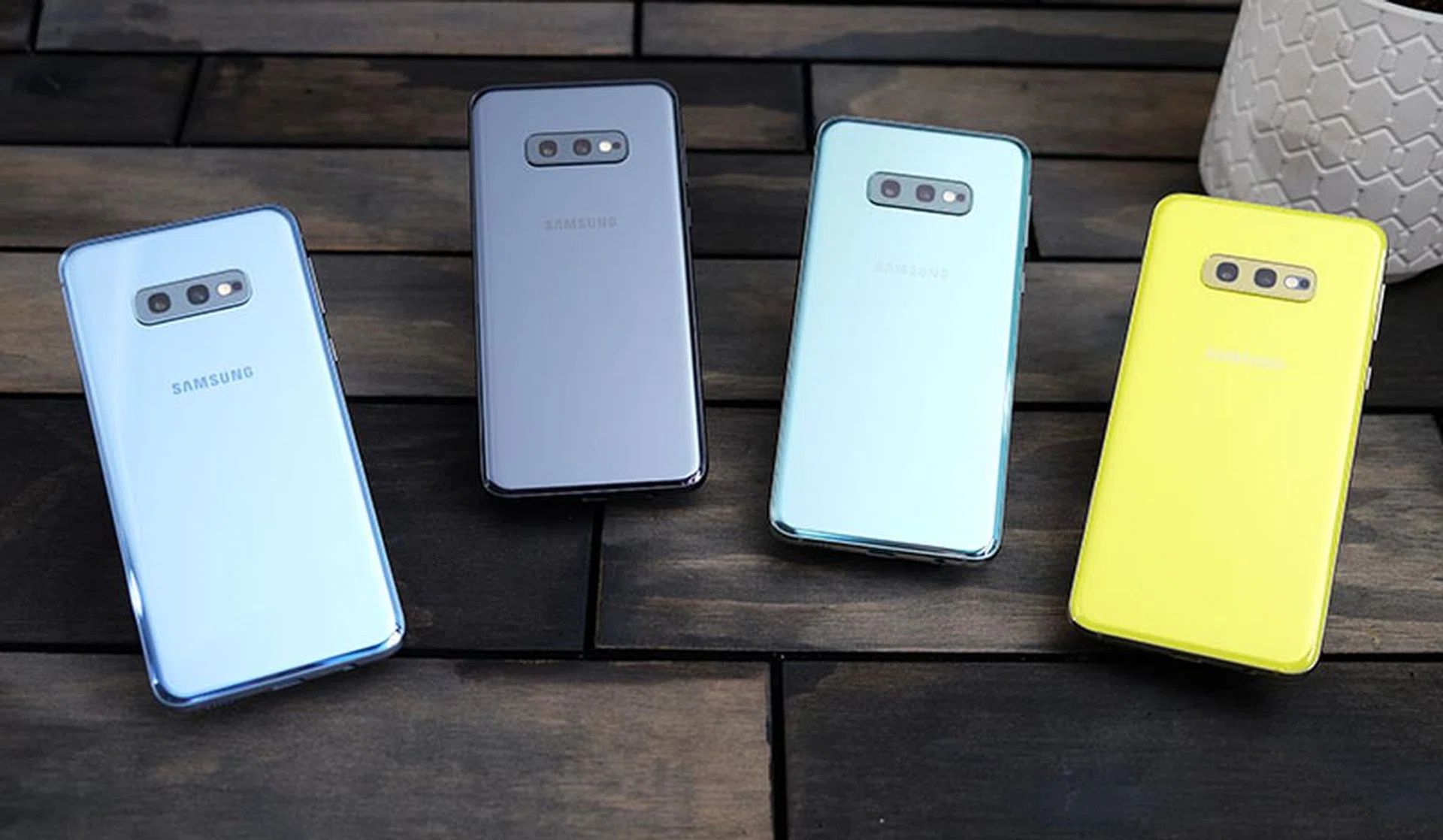
The S10e is available in the same Prism colors (Black, White, and Green) as the S10. There's also an interesting Canary Yellow color, which even includes a gold frame, but unfortunately it's not currently available in Singapore.
Display & Audio
The S10e has a 5.8-inch, 19:9 aspect ratio Dynamic AMOLED display with a Full HD+ 2,280 x 1,080-pixel resolution (438ppi). Technically it has lower screen clarity than the higher resolution S10 and S10+, but honestly, I can't tell the difference comparing the three phones side by side. The S10e is plenty sharp, and just like its bigger brothers, it has excellent color reproduction, great contrast and wide viewing angles. The display is exceptionally bright too, with a maximum 1,200 nits, which is practically unheard of, especially for an OLED display.
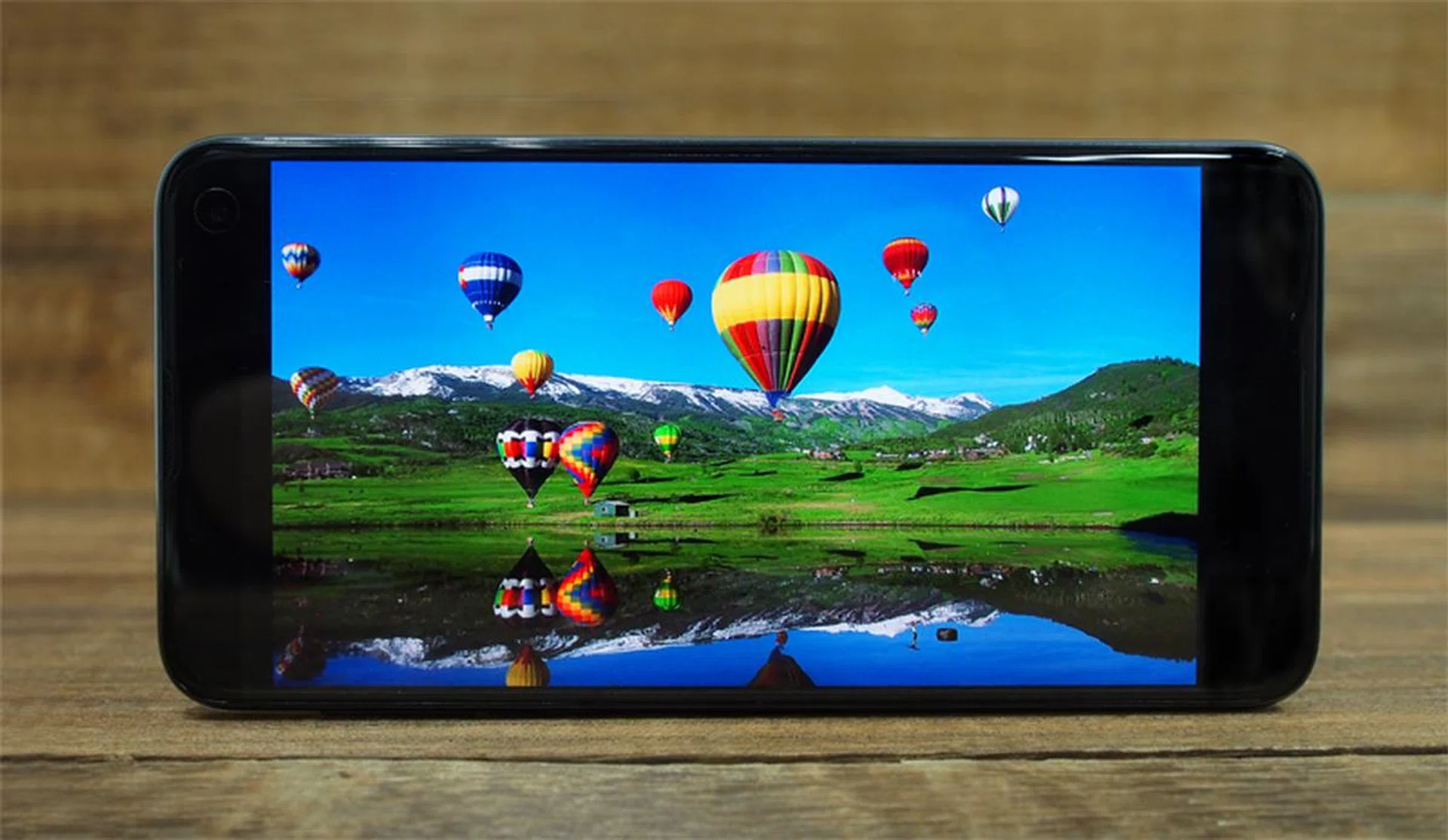
Like the S10 and S10+, the S10e's display supports HDR10+, an HDR format championed by Samsung. One thing to note is that, right now, there's very limited HDR10+ content out there. In fact, it's pretty much limited to some content on Amazon Prime Video, although Netflix has said it's open to supporting HDR10+ in the future.
The S10e has the same stereo speaker setup as the S10 and S10+, using one speaker on the bottom of the phone, and the earpiece above the display doubling up as the second speaker. The speakers are tuned by AKG and are very loud, with a surprisingly decent amount of bass.
UI
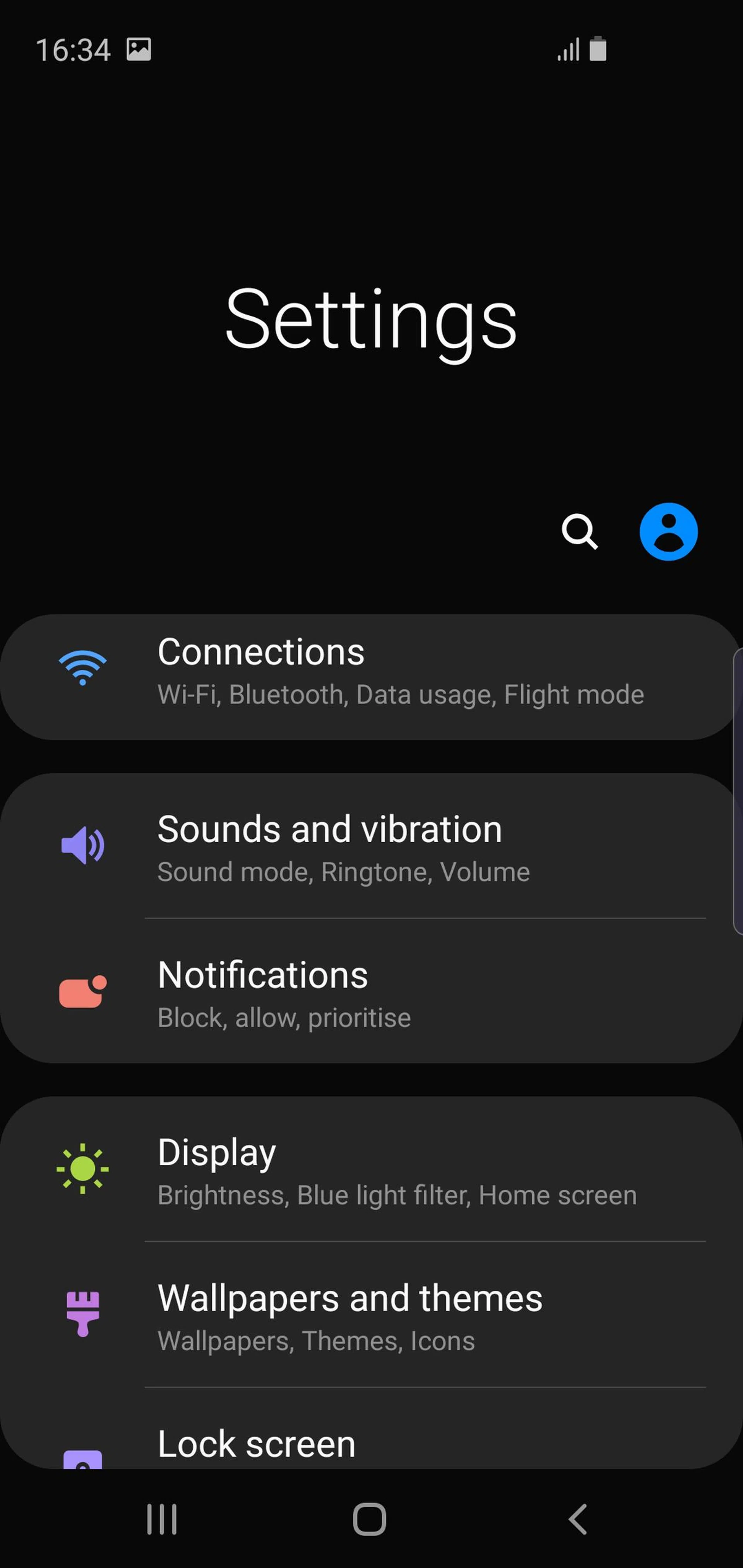
The S10e runs on Android 9.0 Pie with Samsung's new One UI out of the box. Although the S10e's compact size already makes it a breeze to handle one-handed, I still appreciated One UI's new focus on one-handed usage.
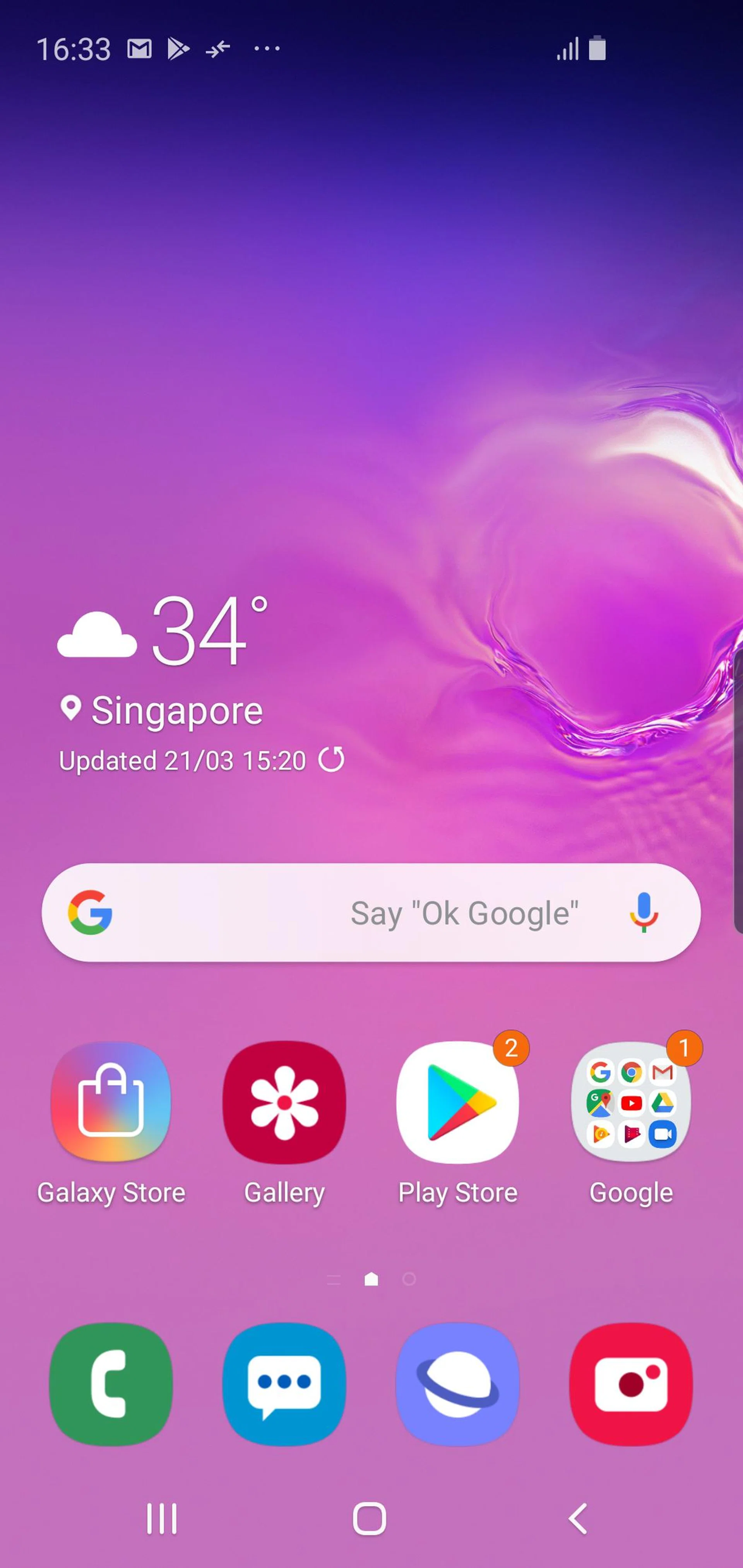
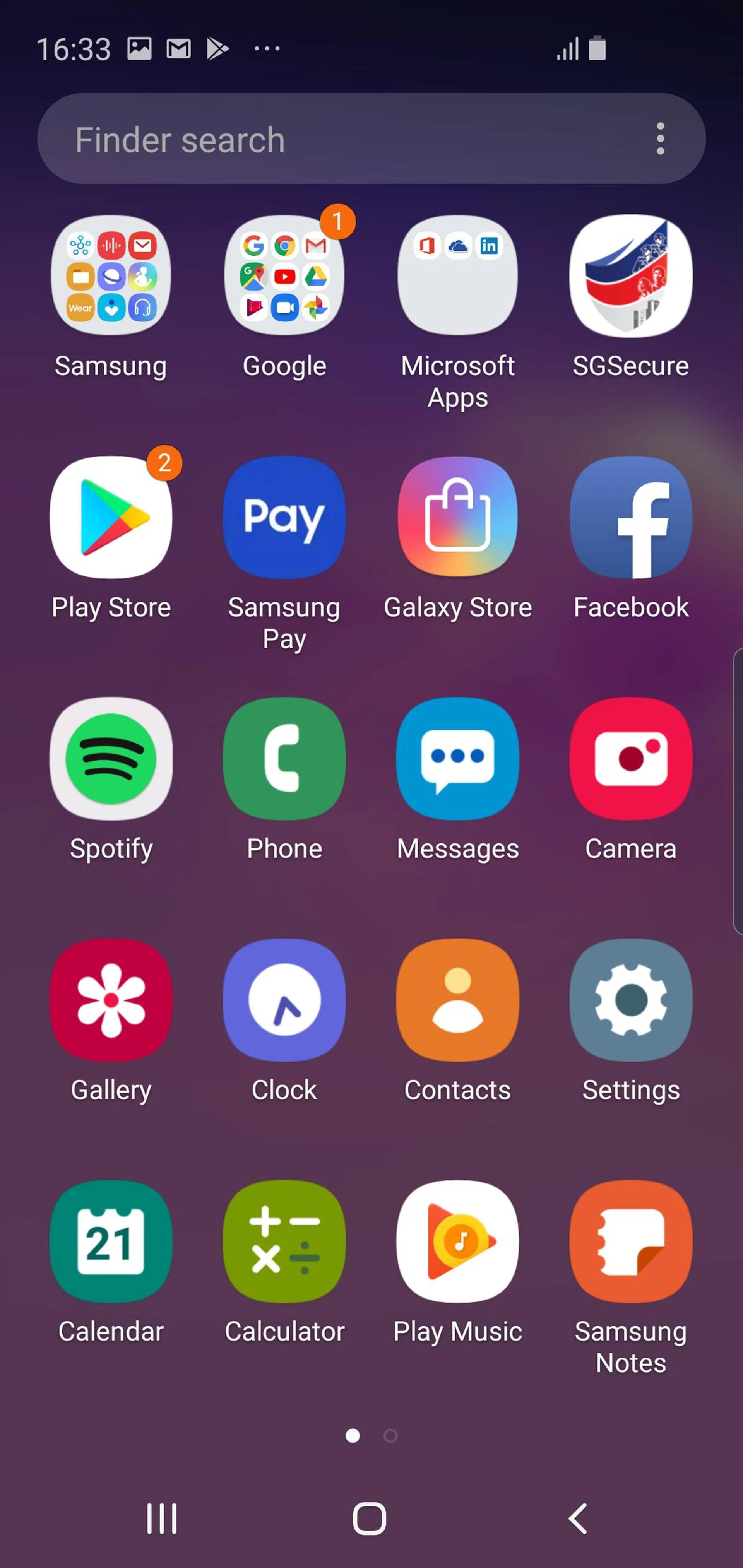
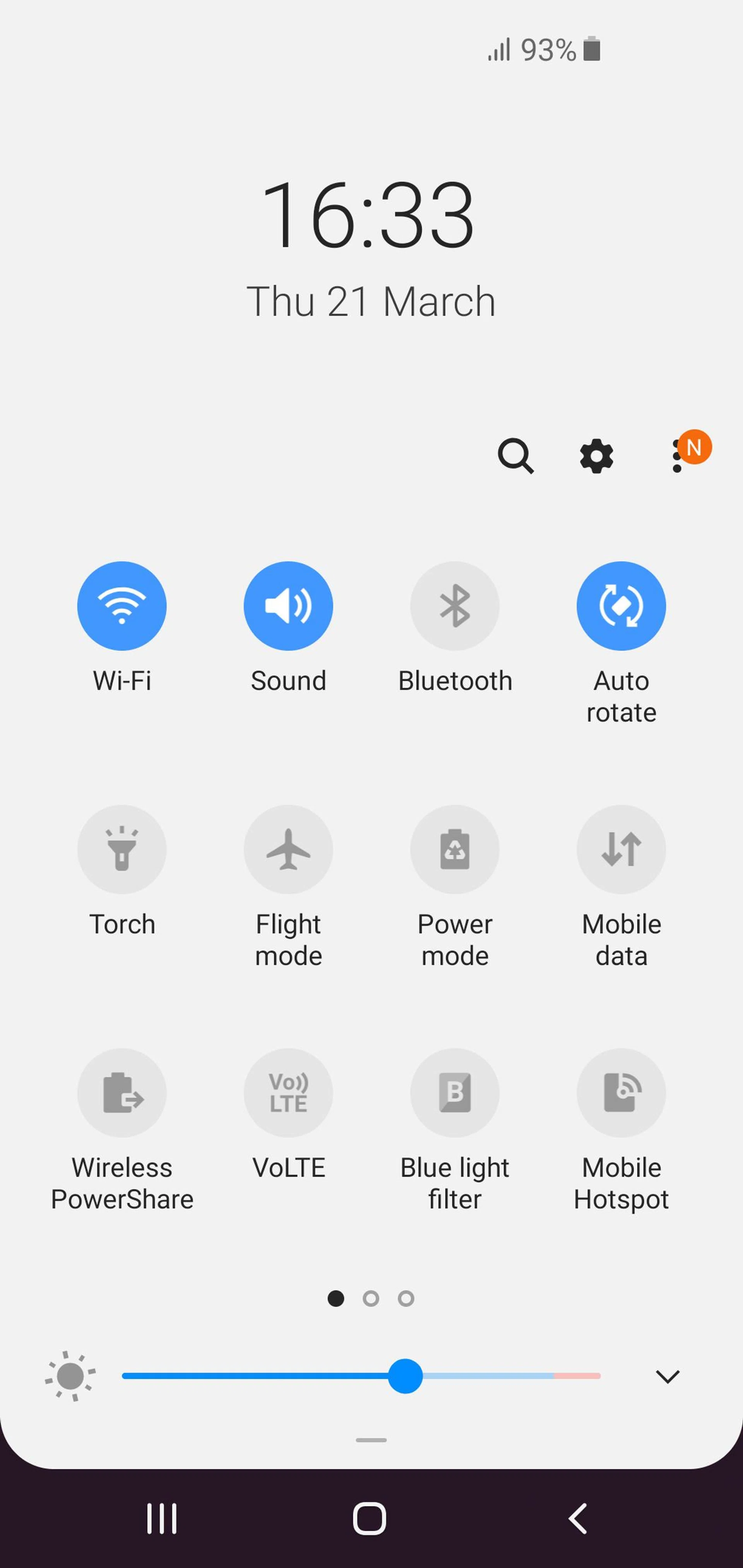
In One UI any content that you interact with is pushed to the lower half of the screen, all within easy reach. You can then tap on that content to expand it to full screen.
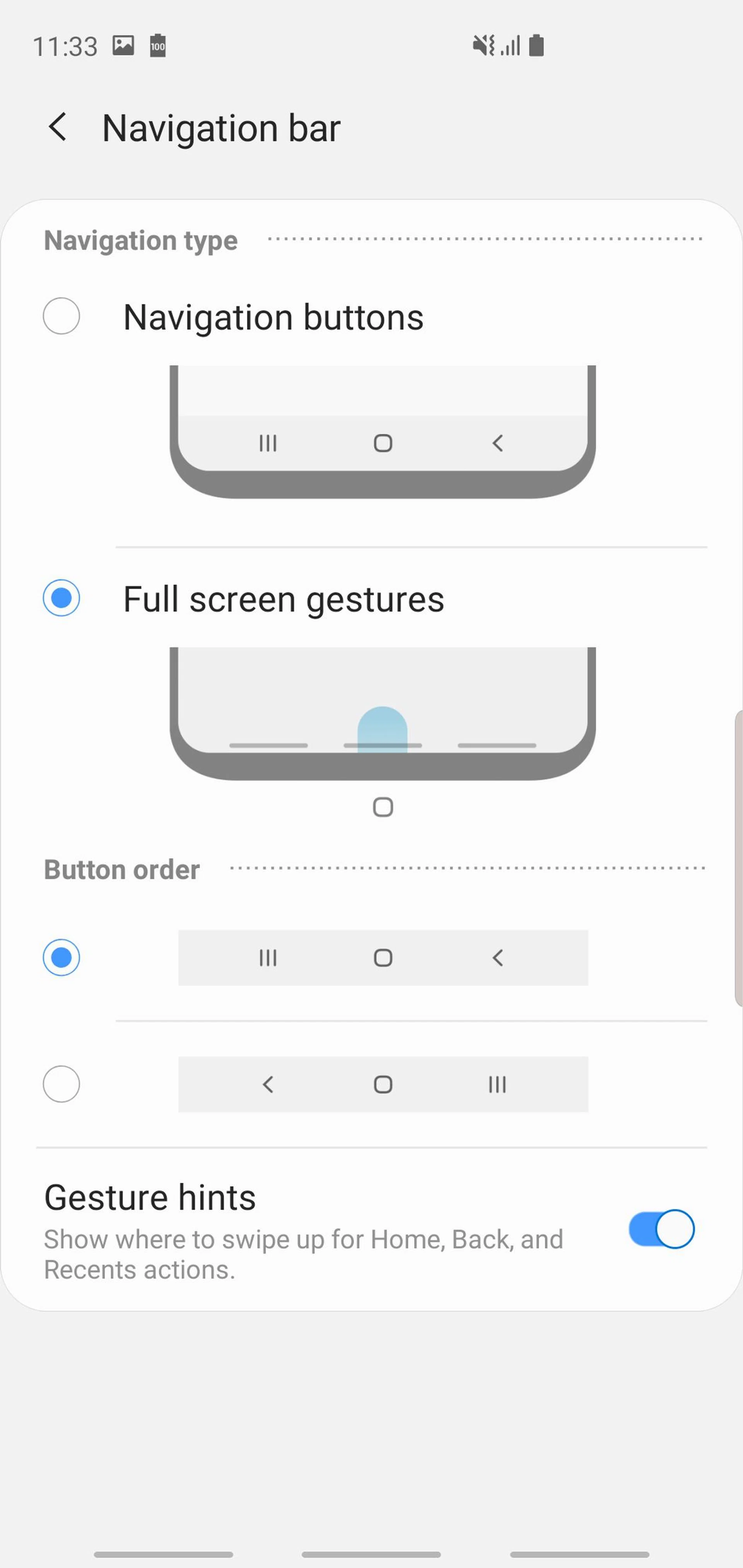
One UI also introduces gesture controls to make navigation simpler: Swipe up from the center to go to the home screen, up from the right to go back, and up from the left to see your recent apps. Swipe up and hold to launch Google Assistant.
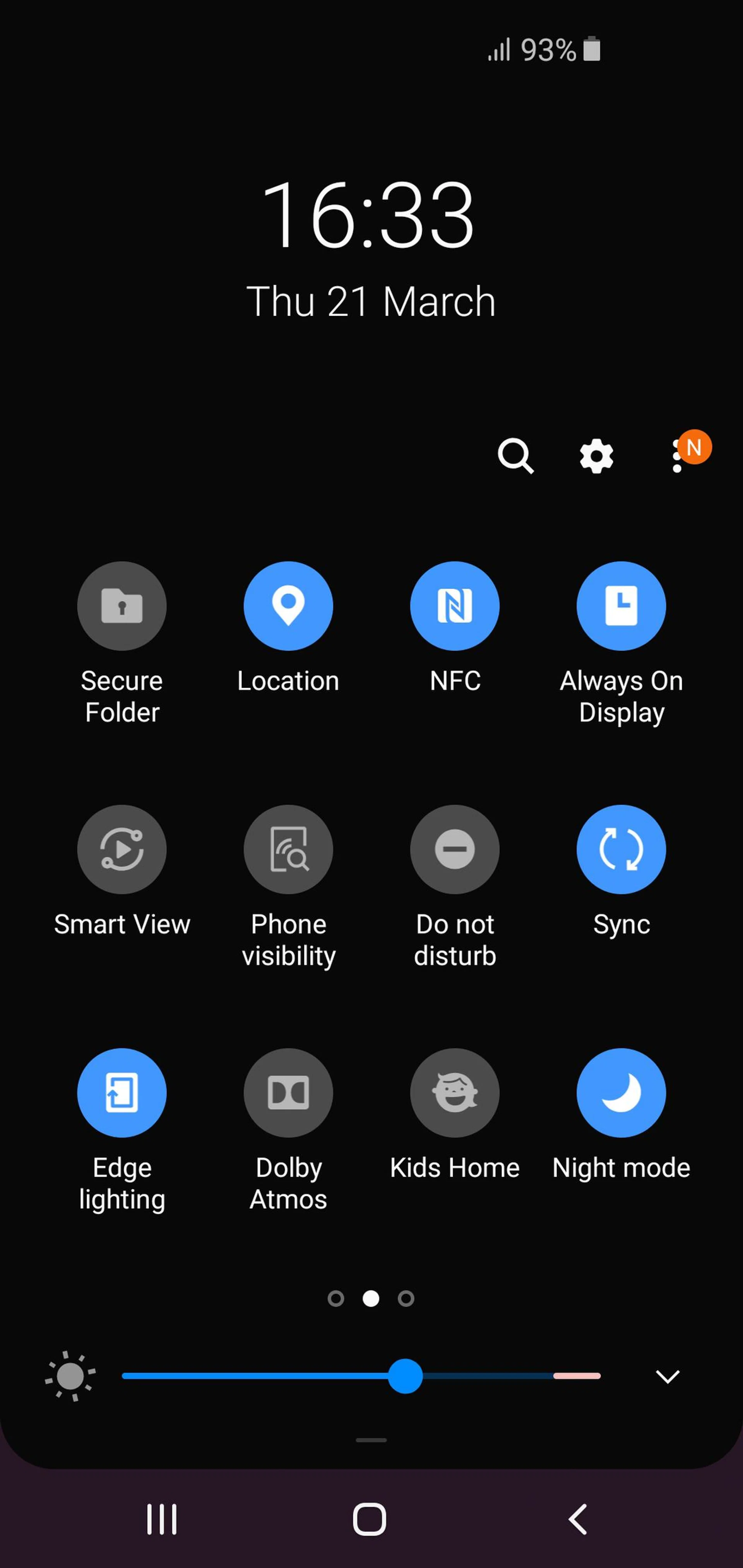
One UI also includes a new dedicated Night Mode that you can toggle through an option in the quick settings menu. I really like Night Mode - the entire S10 range feels built for it with their OLED displays turning the entire UI a gorgeous pitch black color.
Benchmark Performance
Despite being the cheaper flagship, the S10e uses exactly the same processor as the S10 and S10+. The US and China S10e gets Qualcomm's Snapdragon 855 processor, while the rest of the world gets Samsung's new 9820 processor.
The 9820 is an 8nm octa-core chip in a 2+2+4 configuration with two big Mongoose M4 cores clocked at 2.7GHz, two Cortex-A75 cores ticking at 2.4GHz, and four power-efficient Cortex-A55 cores running at 1.9GHz for less demanding applications. For graphics, the 9820 is using a Mali-G76 MP12.
The 128GB S10e comes with 6GB RAM. There's also a 256GB model with 8GB RAM, but unfortunately it isn't available here.
SunSpider Javascript
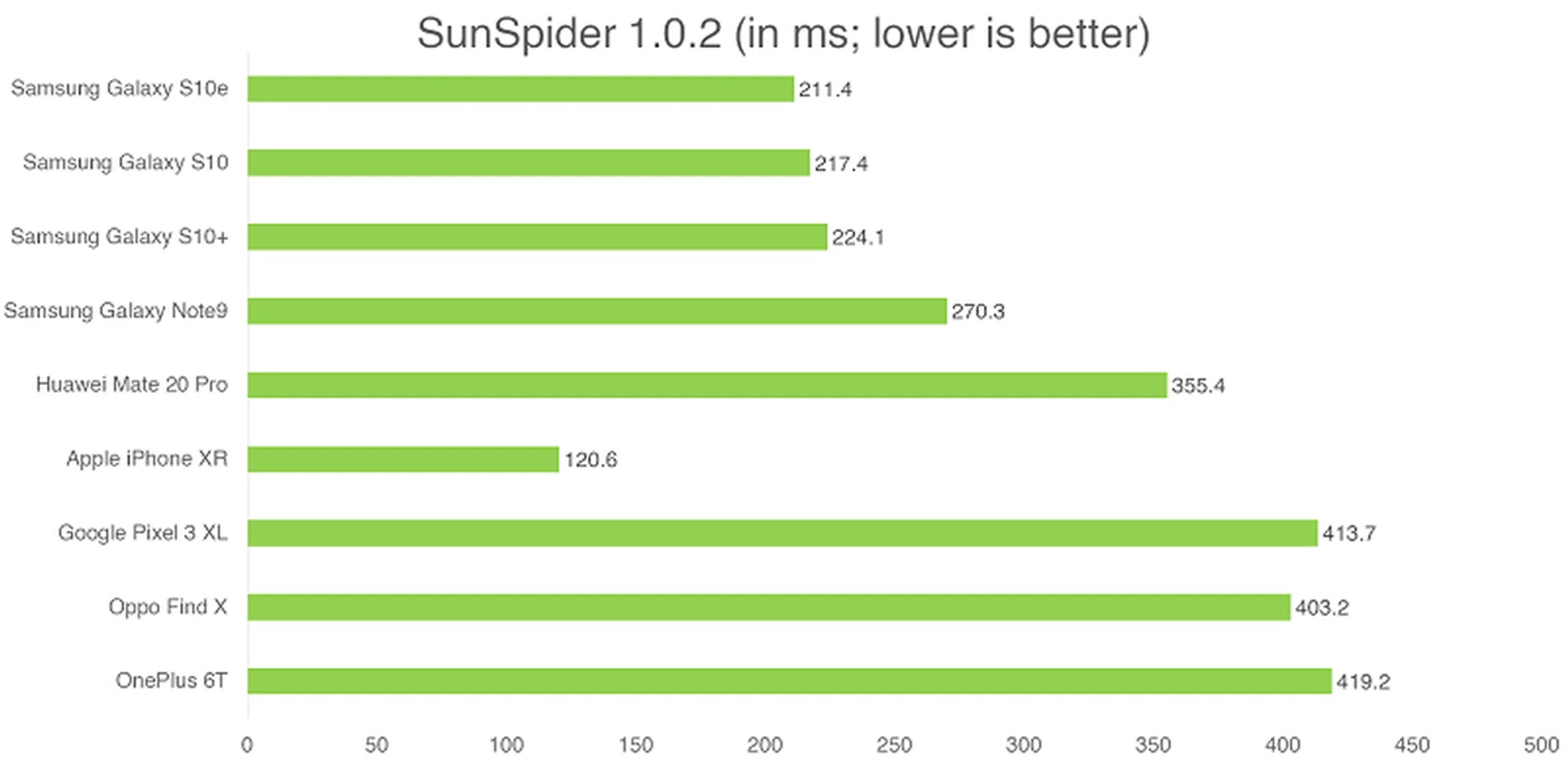
SunSpider JavaScript measures the browsing performance of a device when processing JavaScript. It not only takes into consideration the underlying hardware performance, but also assesses how optimized a particular platform is in delivering a high-speed web browsing experience.
Surprisingly, the S10e outperformed both of its bigger brothers in this benchmark. In terms of actual browsing performance however, there was no noticeable difference between the three phones.
Antutu
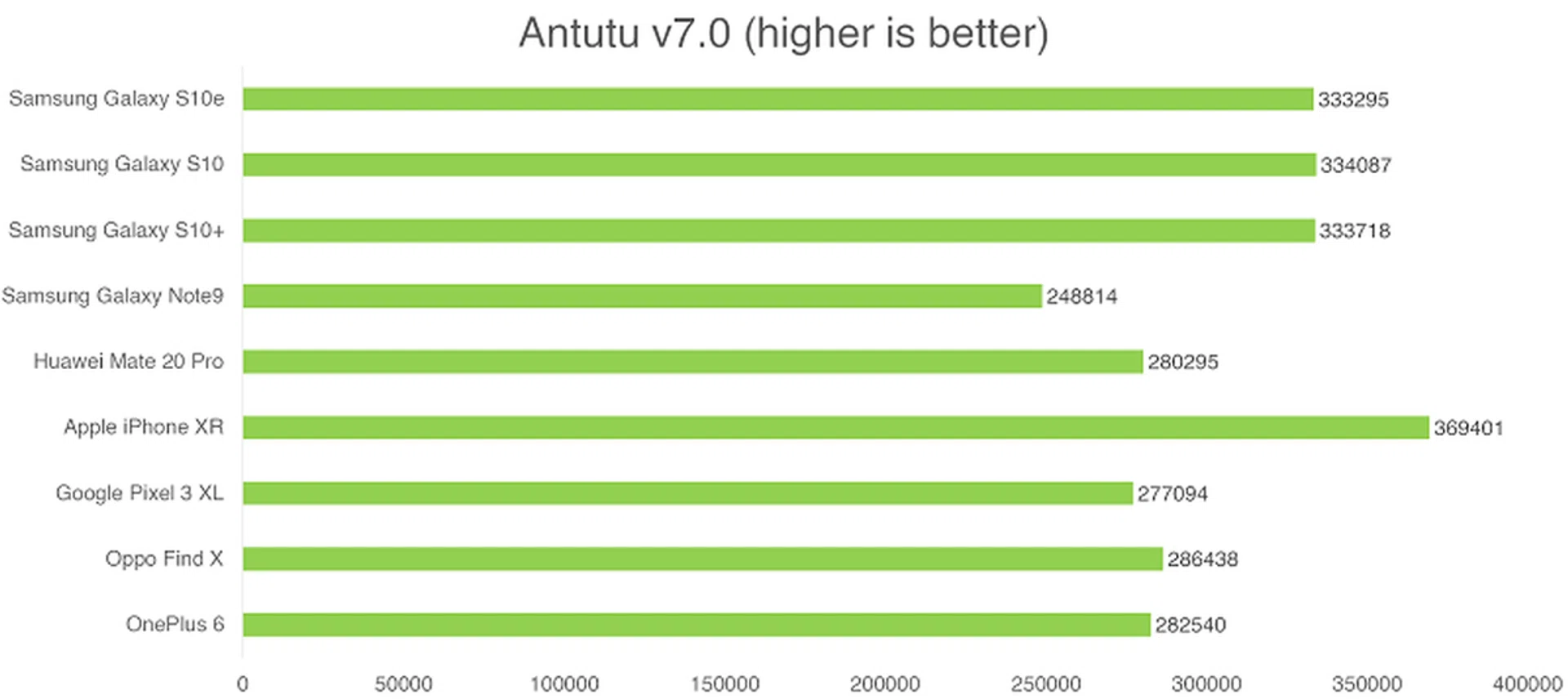
AnTuTu is an all-in-one benchmark that tests CPU, GPU, memory, and storage. The CPU benchmark evaluates both integer and floating-point performance, the GPU tests assess 2D and 3D performance, the memory test measures available memory bandwidth and latency, and the storage tests gauge the read and write speeds of a device's flash memory.
The S10e was only slightly behind the S10 and S10+ here, with all three phones trailing slightly behind Apple's A12 Bionic.
Geekbench CPU
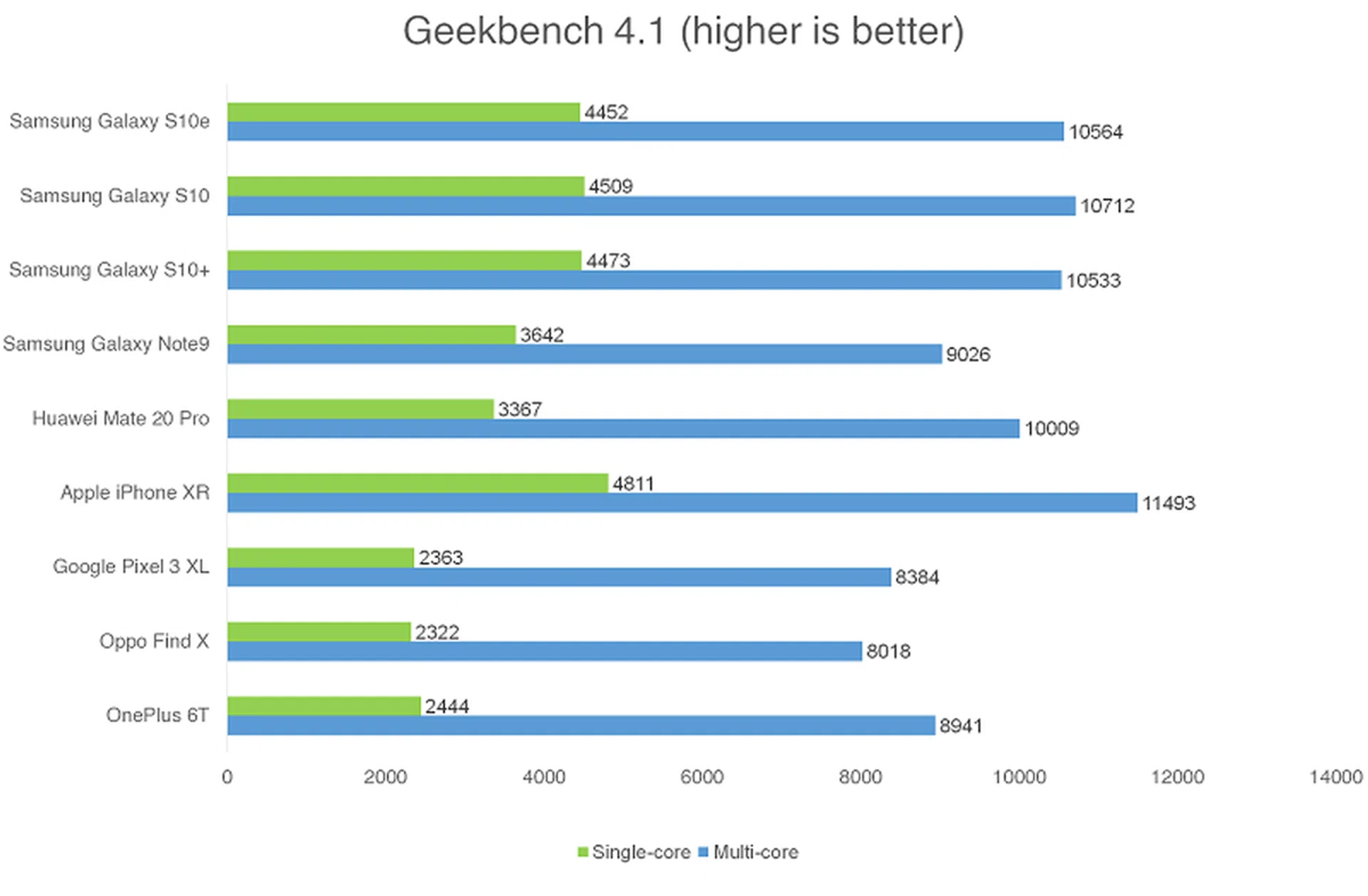
Geekbench CPU is a cross-platform processor benchmark that tests both single-core and multi-core performance with workloads that simulate real-world usage. Geekbench 4 scores are calibrated against a baseline score of 4000 (which is the score of an Intel Core i7-6600U CPU processor).
Again the difference between the three phones was negligible, with the S10e falling slightly behind the S10 and S10+ on the single-core benchmark, but edging past the S10+ on the multi-core test.
3DMark Sling Shot
3DMark Sling Shot is an advanced 3D graphics benchmark that tests the full range of OpenGL ES 3.1 and ES 3.0 API features including multiple render targets, instanced rendering, uniform buffers and transform feedback. The test also includes impressive volumetric lighting and post-processing effects. We're running this benchmark in Unlimited mode, which ignores screen resolutions.
Unfortunately this benchmark has always been a weak spot for Samsung, and that continues to be the case with the S10e falling behind the Qualcomm Snapdragon 845, Huawei Kirin 980, and Apple A12 Bionic.
It's worth noting that benchmark performance doesn't always reflect real world experience. I tried out a few games of Asphalt 9: Legends and Shadowgun Legends on the phone and both ran perfectly.
Imaging
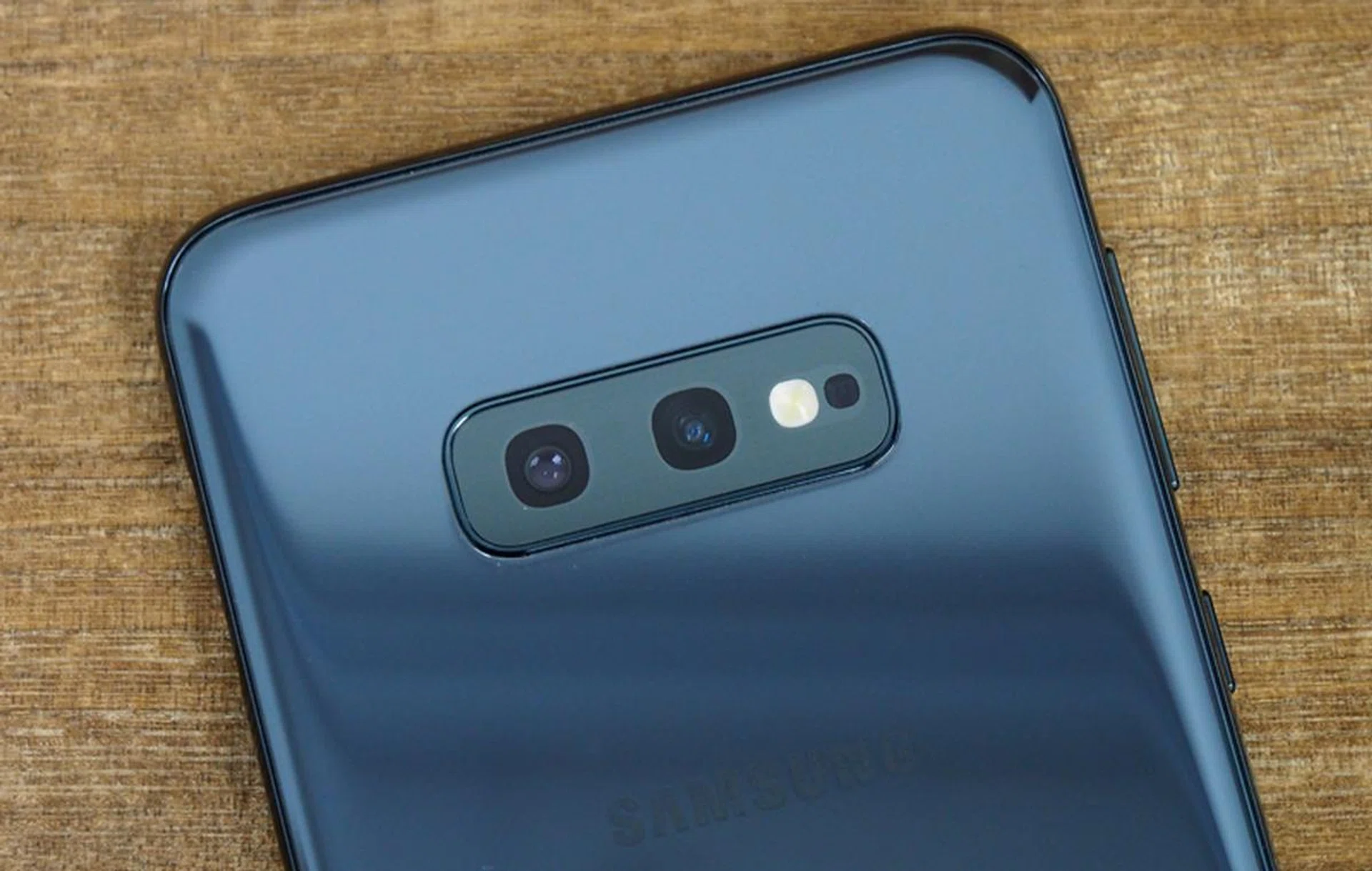
The S10e has the same main 12-megapixel variable aperture f/1.5 + f/2.4 wide-angle lens as the S10 and S10+ (also last year's Note9 and S9/S9+) paired with a 16-megapixel f/2.2 ultra-wide lens.
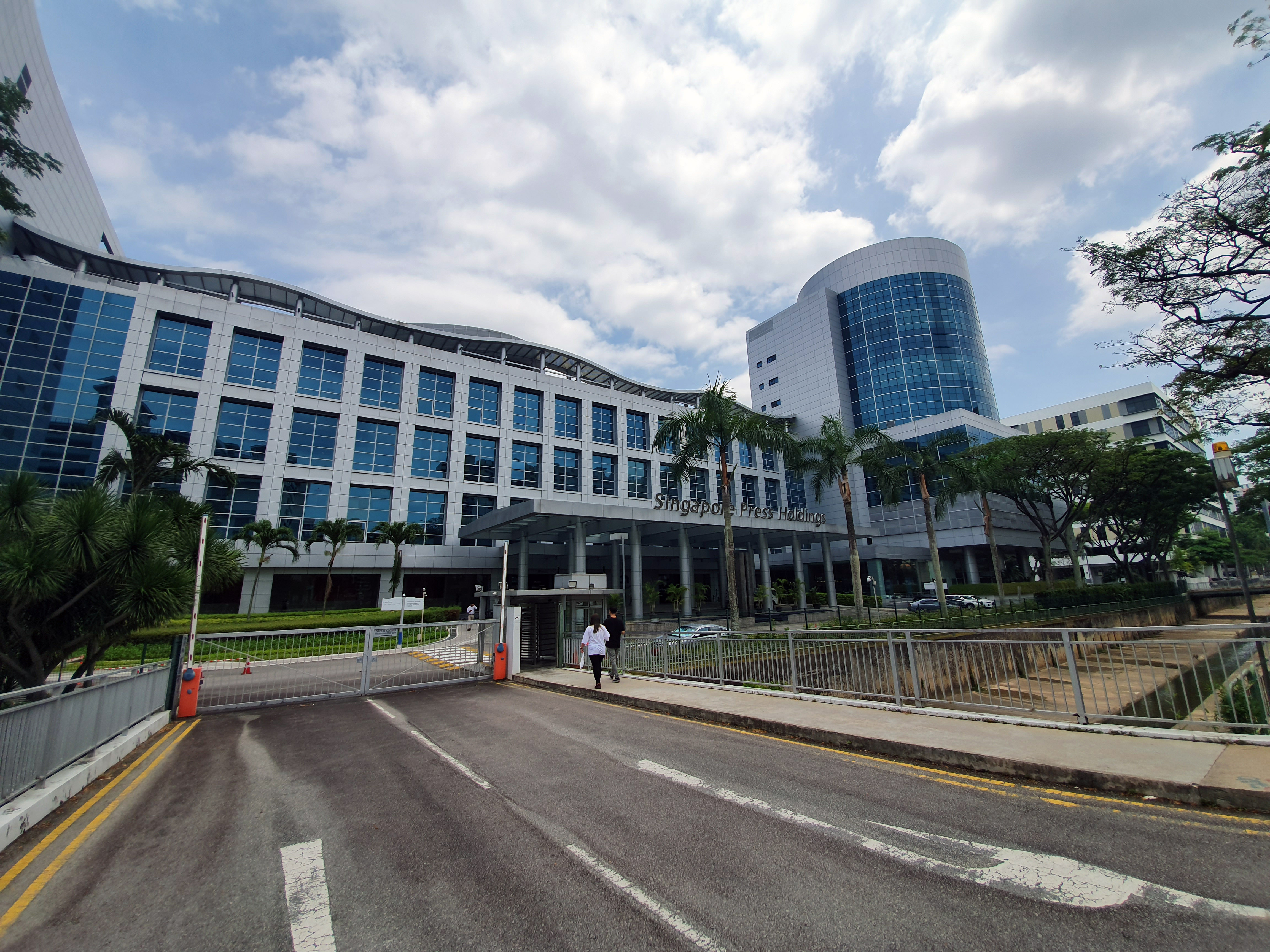
The ultra-wide lens offers a 123-degree field of view, equivalent to a focal length of 12mm in 35mm film terms, which is extremely wide. In comparison, Huawei's Mate 20 Pro has a 16mm equivalent lens. While the wide lens has OIS, the ultra-wide does not, and it also lacks autofocus. The depth of field is quite generous, but it's something to bear in mind if you're shooting a group of people as the only way to keep them in perfect focus is to move your feet.
Ultrawide (click for full-size image)

Wide (click for full-size image)

Click for full-size image.
Image quality from the wide lens is excellent with great detail retention, sharp focus, natural colors, and no noticeable artefacts or graininess. Even at 100% crop, details remain fairly sharp and there's no over-aggressive processing or smoothing typical of most smartphone cameras.


Despite being higher resolution, the ultra-wide lens isn't quite as good, and there's also some noticeable barrel distortion. The lack of autofocus also means you have to be careful with your focal distance, especially if you're taking pictures of buildings or anything else with sharp lines. There is an option in the settings menu to auto-correct distortion taken with this lens (which is off by default for some reason) but it doesn't fix the problem entirely.
On the front, the S10e has the same single 10-megapixel selfie camera as the S10. Despite only having a single lens, it is actually capable of Live Focus (Portrait Mode) selfies with blurred backgrounds. The background blur is software-generated but it's not too bad overall. Here's a comparison between the S10 and S10+ (which has a dedicated depth sensing camera) Live Focus modes:

S10 Live Focus

S10+ Live Focus
Battery Life
Our standard battery test for mobile phones has the following parameters:
- Looping a 720p video with screen brightness and volume at 100%
- Wi-Fi and Bluetooth connectivity turned on
- Constant data streaming through email and Twitter
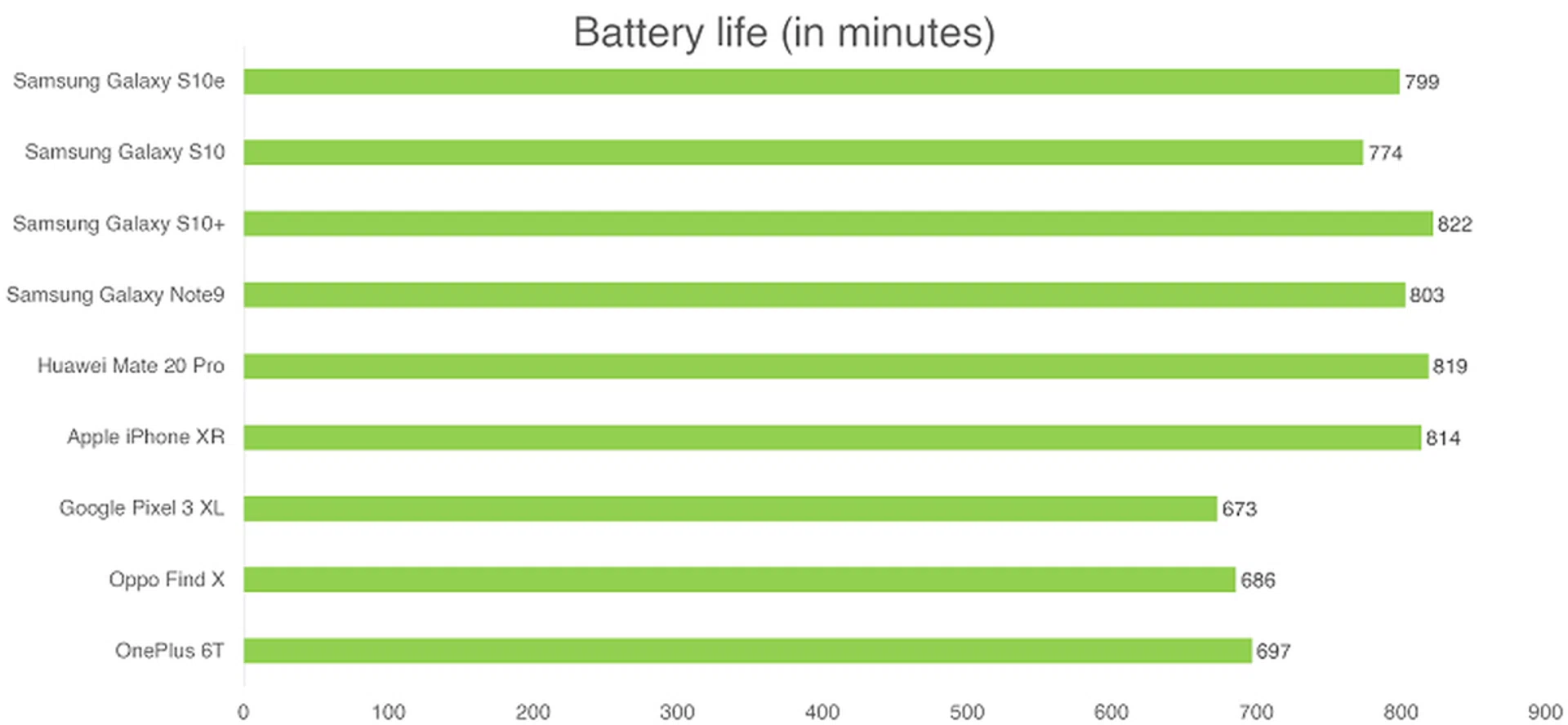
The S10e has the smallest battery in the S10 range at just 3,100mAh, but thanks to its smaller display and lower resolution, it actually managed to outlast the S10, lasting 13.5 hours.
Like all Samsung flagships, the S10e uses Samsung's Adaptive Fast Charging technology, which is actually starting to look a little dated now. It will support up to 15W charging, which means it will charge the S10e from zero to full in about 90 minutes. In comparison, the Mate 20 Pro will go 0 to 100% in 46 minutes.
The phone also supports fast wireless charging (up to 15W) through the Qi 2.0 standard.
Finally, like the S10 and S10+, the S10e supports reverse wireless charging, which means you can wirelessly charge your Galaxy Buds at the same time as you charge your phone. I could also see it being useful if you're on holiday and you want to charge a second phone with wireless charging without having to bring extra cables and adaptors with you. To do that, simply charge the S10e and put the second phone on top of it.
Conclusion
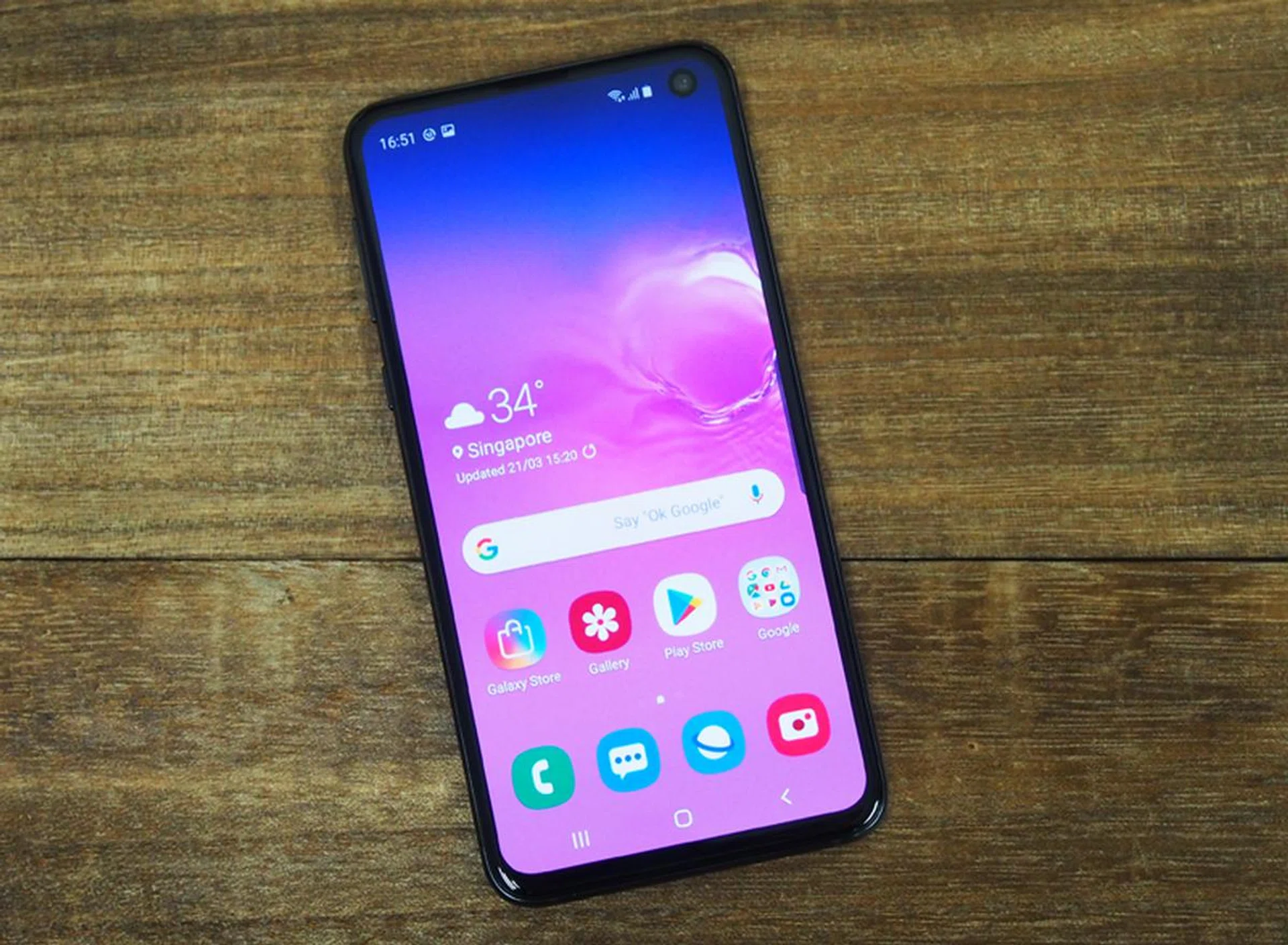
While the S10e is considered the 'budget' model in Samsung's S10 lineup, there's nothing about it that feels cheap. This is a premium phone throughout, with excellent benchmark performance and superb battery life.
After using the S10+ for a week, and then switching to the S10e, the only feature I really missed was the 2x telephoto lens. In every other aspect, I actually found myself preferring the S10e, including its more compact size, better handling and lighter weight. The side-mounted fingerprint scanner is faster, more reliable, and easier to use, and the lower screen resolution didn't bother me at all.
The S10e is the obvious choice for anyone that's a fan of smaller phones, but even if you're not, if you've been thinking about picking up an S10, consider the S10e first. It's S$220 cheaper than the cheapest S10, and the only thing you're really giving up is a 2x telephoto lens. For me, that's a worthwhile tradeoff.
If you're interested to just get the phone without a contract, you can consider getting it from here.