
Samsung Galaxy S i9000 - Take Me To Your Leader
Gombae! Samsung is fashionably late to the Android 2.1 party but oh, what an entrance it makes with the Galaxy S i9000. Have other super-smartphones met their match in this mix of Super AMOLED beauty and Android 2.1 brains? Find out in our detailed review.
A Year in the Making
What a difference a year makes, eh? We've watched Android grow up into the new darling of the smartphone world. Many mobile phone manufacturers have realized that Google's mobile OS is currently their best weapon for doing battle against Apple's iPhone, and with Android 2.1 maturing into a robust base on which to build, quite a few "superphones" have arisen with the power to successfully strike right into opposing territory.
For one of the world's top phone makers, Samsung seems to have taken more hits than it should have during this time. Its only Android offering thus far to actually be sold on our shores is the Galaxy Spica i5700 - and that was a much lower-specced device, coming as it did with the outdated Android 1.5 Cupcake incarnation. Meanwhile, other top-tier manufacturers have played their royal flush: HTC with its Desire (and the Nexus One for Google itself), Sony Ericsson's XPERIA X10, and Motorola's Milestone. But the Korean giant has responded with one who would rule them all: the Samsung Galaxy S i9000, with its 4-inch Super AMOLED display and the range-topping homegrown 1GHz processor, instantly making it king of the smartphone hill, at least on paper. Could there possibly exist a chink in its armor? Let's turn the page to find out...

Samsung's new Android flagship: the Galaxy S i9000.
Out of this World
If you've seen our earlier preview of the Galaxy S i9000, you'll probably agree with us that the Samsung Galaxy S screams "iPhone" practically any way you slice it, thanks to its silvered upper rim, the unbroken expanse of glass on the front, and the chromed edge of its 3.5mm headphone jack. It's a bit of a plastic-fest just like the Sony Ericsson XPERIA X10, but the Galaxy S i9000 is similarly sturdily built and doesn't creak when squeezed. Given its 'superphone' status, let's hope we can see some aluminum or stainless steel finishing in Samsung's future designs.
A nice touch is the sliding rather than plug-type cover that protects the microUSB port, which is really swell and gives the phone a 'polished' feel of the whole package. On another note, we thought Samsung could have used its optical joystick technology to make the Home button do double duty as a 5-way D-pad.
Like the HTC Desire and the Sony Ericsson XPERIA X10, the Galaxy S i9000 requires the cover to be pried open (in this case from the bottom) to access the internals. At least the microSD card is hot-swappable, a boon to those who might own several small-capacity cards.
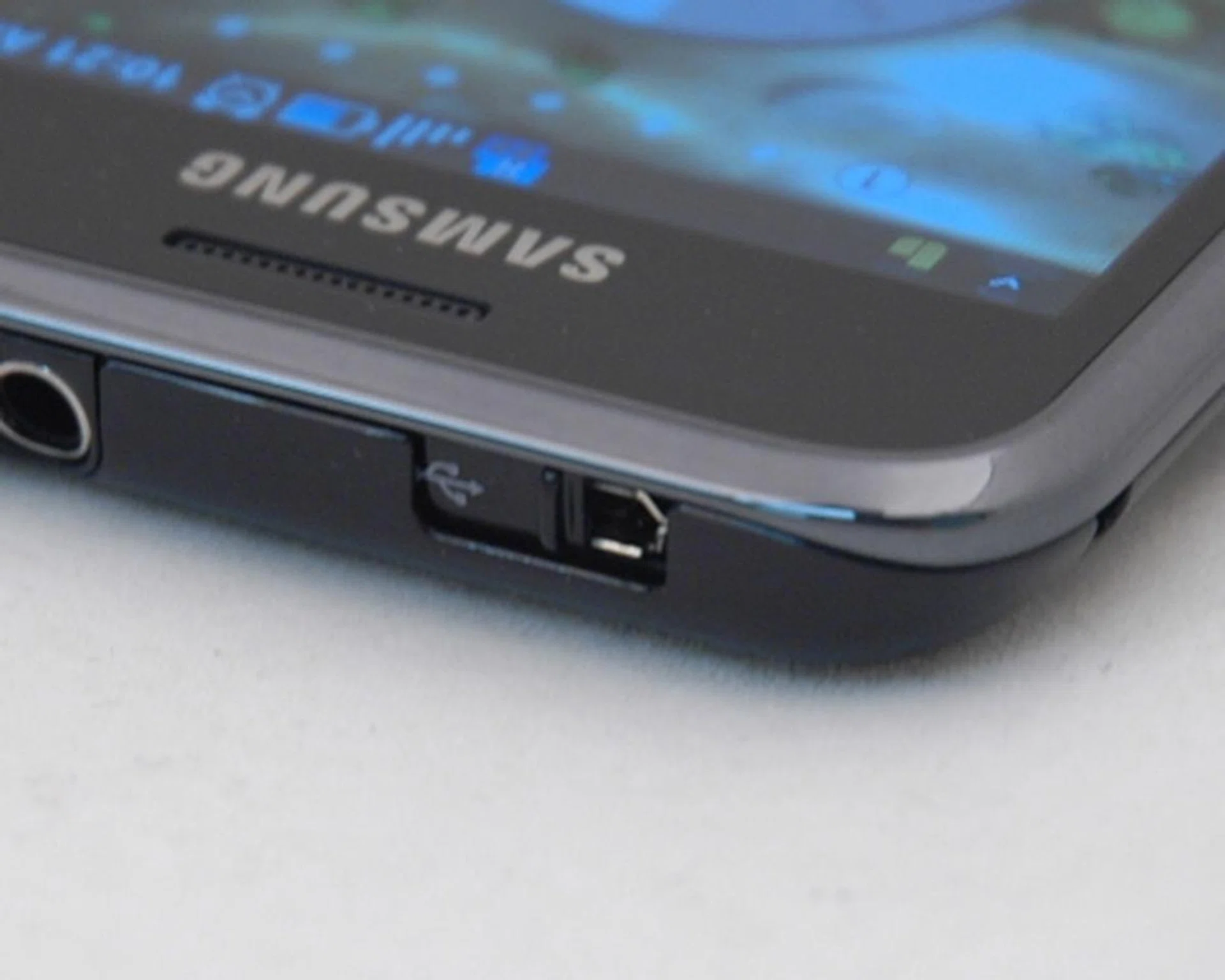
The microUSB port is placed at the top, and protected by an elegant sliding cover.
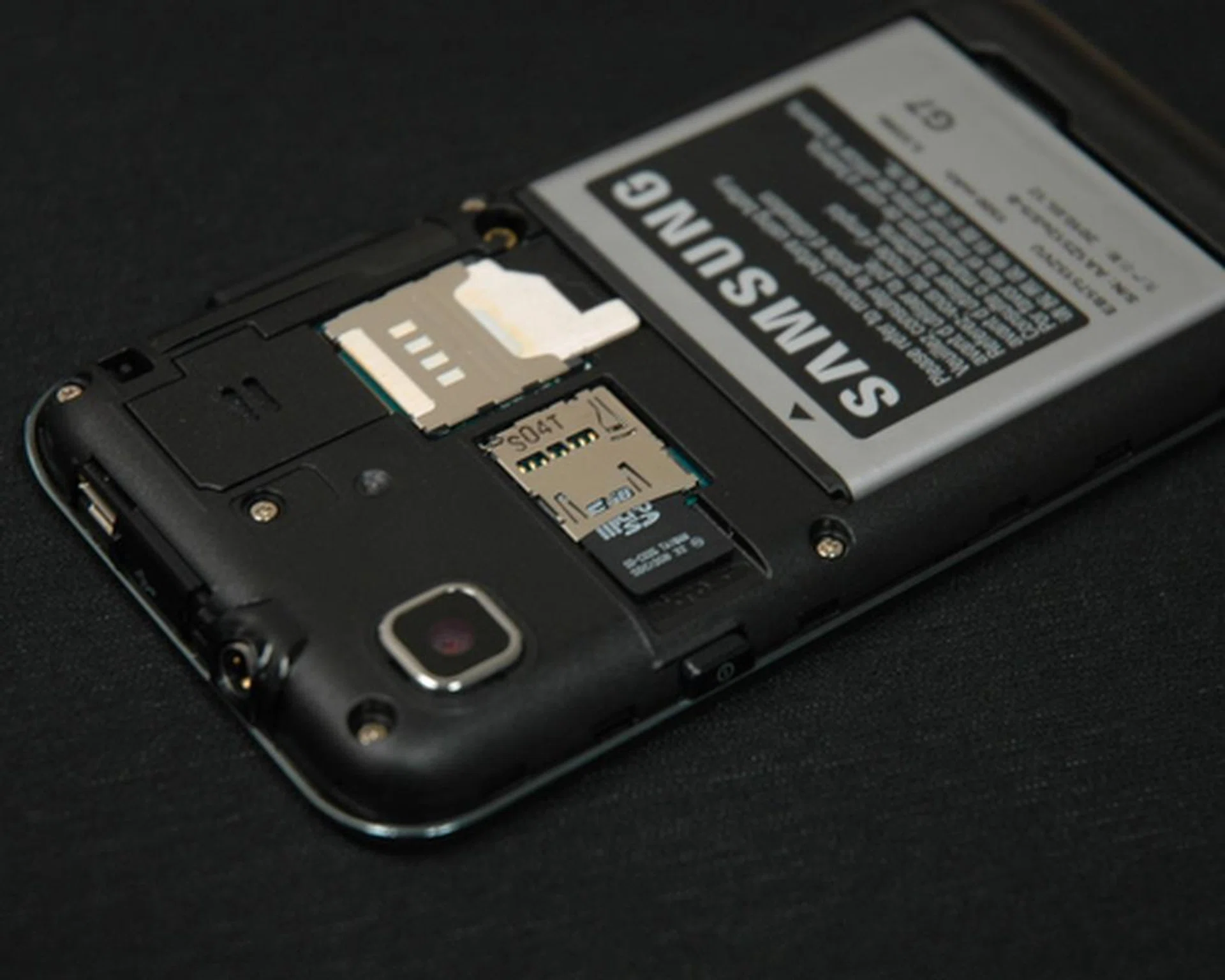
The microSD slot placement makes the card hot-swappable (but remember to unmount it first!). The 1500mAh battery, as we shall see, helps endow the Galaxy S i9000 with excellent battery life.
Hub, Not Hubris
Android is probably familiar ground to most of our readers, and its usability is generally beyond question. However, manufacturers need to differentiate from each other, and the one key enhancement that today's smartphones must have is an app or widget that makes it easy to control all your social media services. HTC has FriendStream on their Sense UI, Sony Ericsson has their social-centered Timescape widget, and Motorola the MOTOBLUR widget. In Samsung's case, we had high hopes for the Social Hub app, Feeds and Updates widget in its efforts to add some "social currency", so to speak, to the Galaxy S i9000.
The problem is that we found the Social Hub concept to be too basic to anyone who's even moderately involved with their online social network. If you read on, you'll see why...

The Social Hub app does not let you do anything other than, it seems, visit the Facebook and Twitter mobile sites and compose messages.
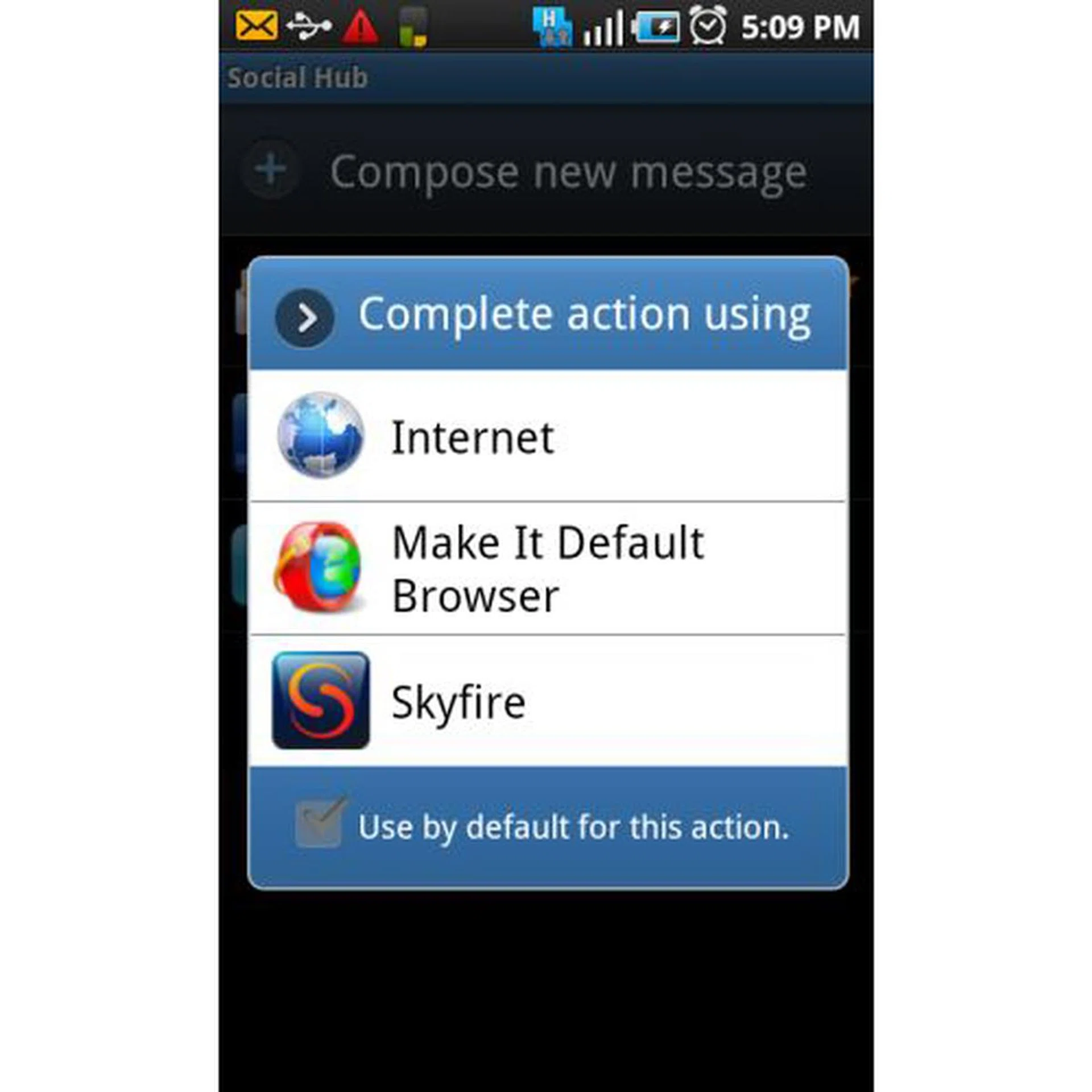
Clicking on either of the social services here only loads the mobile versions of the Facebook and Twitter websites.
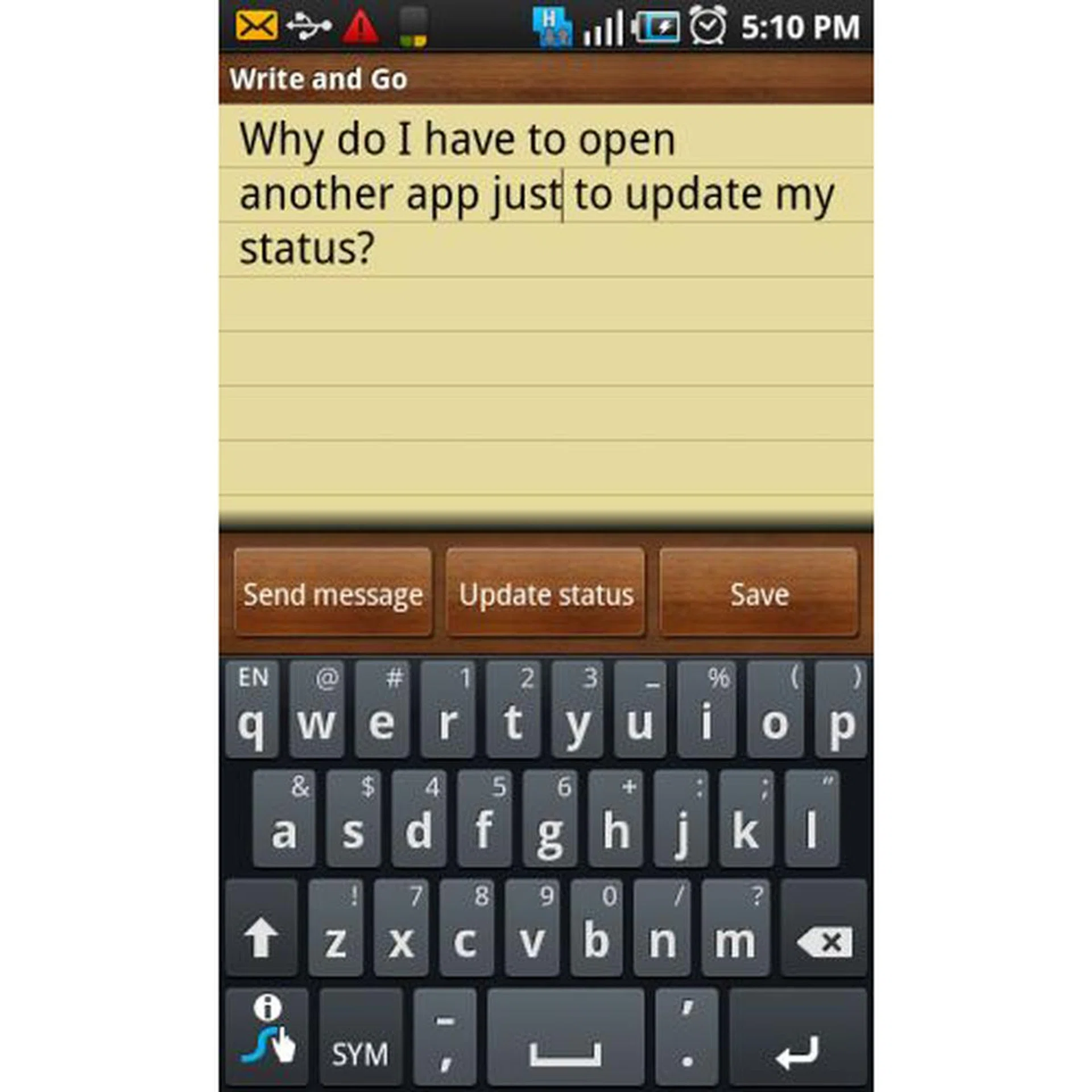
In addition, the Social Hub message composer only works with SMS and MMS messages. To post something on Facebook or Twitter, you have to use the confusingly-named and designed Write and Go app, which looks more like a notepad.
Similarly, the Feeds and Updates widget only allows you to update your statuses, reply to posts and comment on them. No viewing of images, no "Like"-ing of posts, no Direct Messages on Twitter - nothing else. According to Samsung, Social Hub is still in development to fully integrate with your device's contacts and calendar. As such, what you'll get now is a basic version, which should see an upgrade as the months go by.
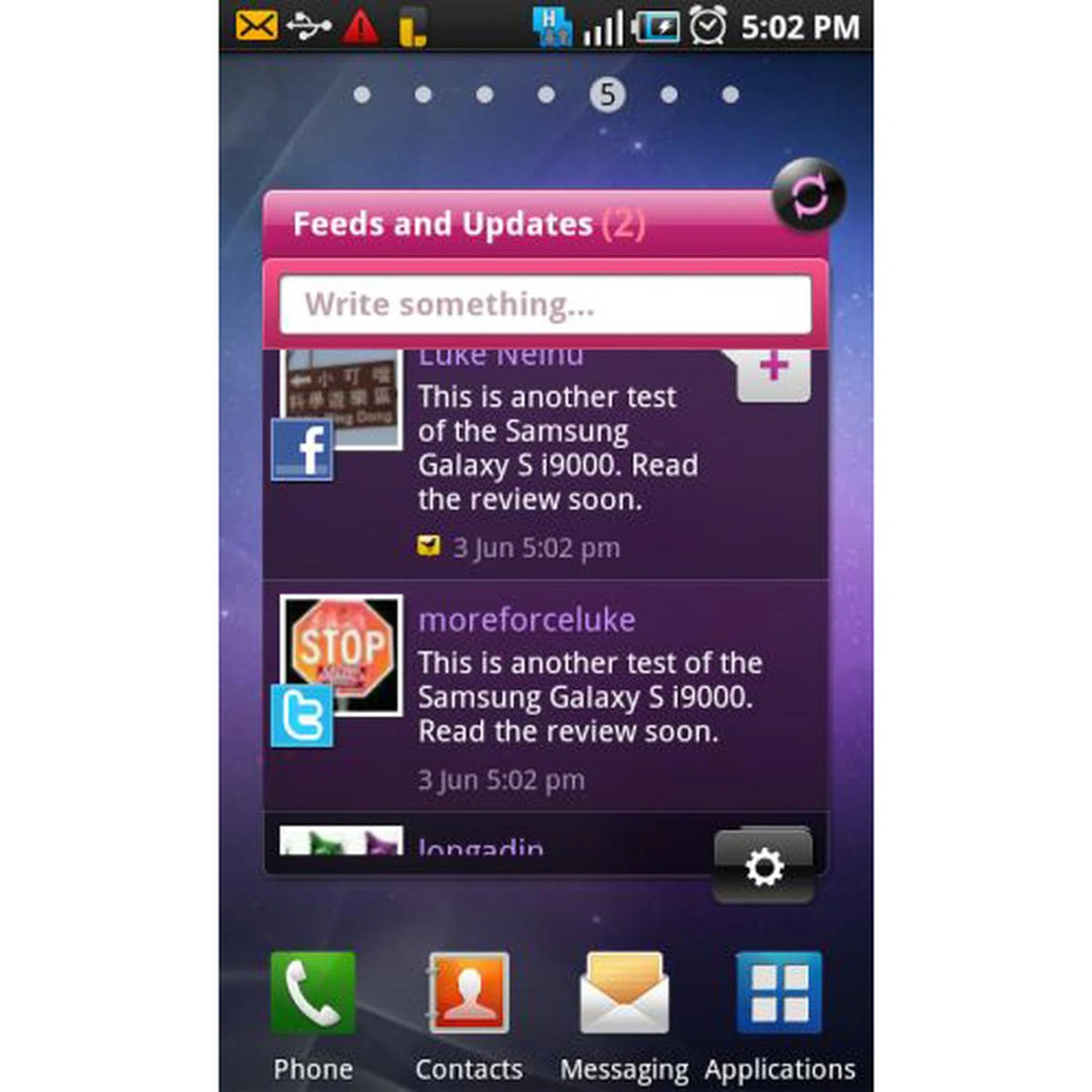
The Feeds and Updates widget only possesses the most basic functionality. We think Samsung could have done much better.
The Galaxy S i9000, like many other Android phones, does integrate Facebook updates and image browsing with each contact of yours that's on Facebook, once you've signed in to the service. But this is a staple component of Android anyway, and when all things are considered, Samsung's social networking solution on the Galaxy S i9000 looks less like a "Social Hub" to us than a mishmash of apps which could have been much more focused in their execution: one single app, one place to view your social feeds and to update your status on all services.
In the same vein, we also didn't like the various UI enhancements that Samsung added to the Galaxy S i9000. These would not be a problem in themselves, except that there is no way to disable them...
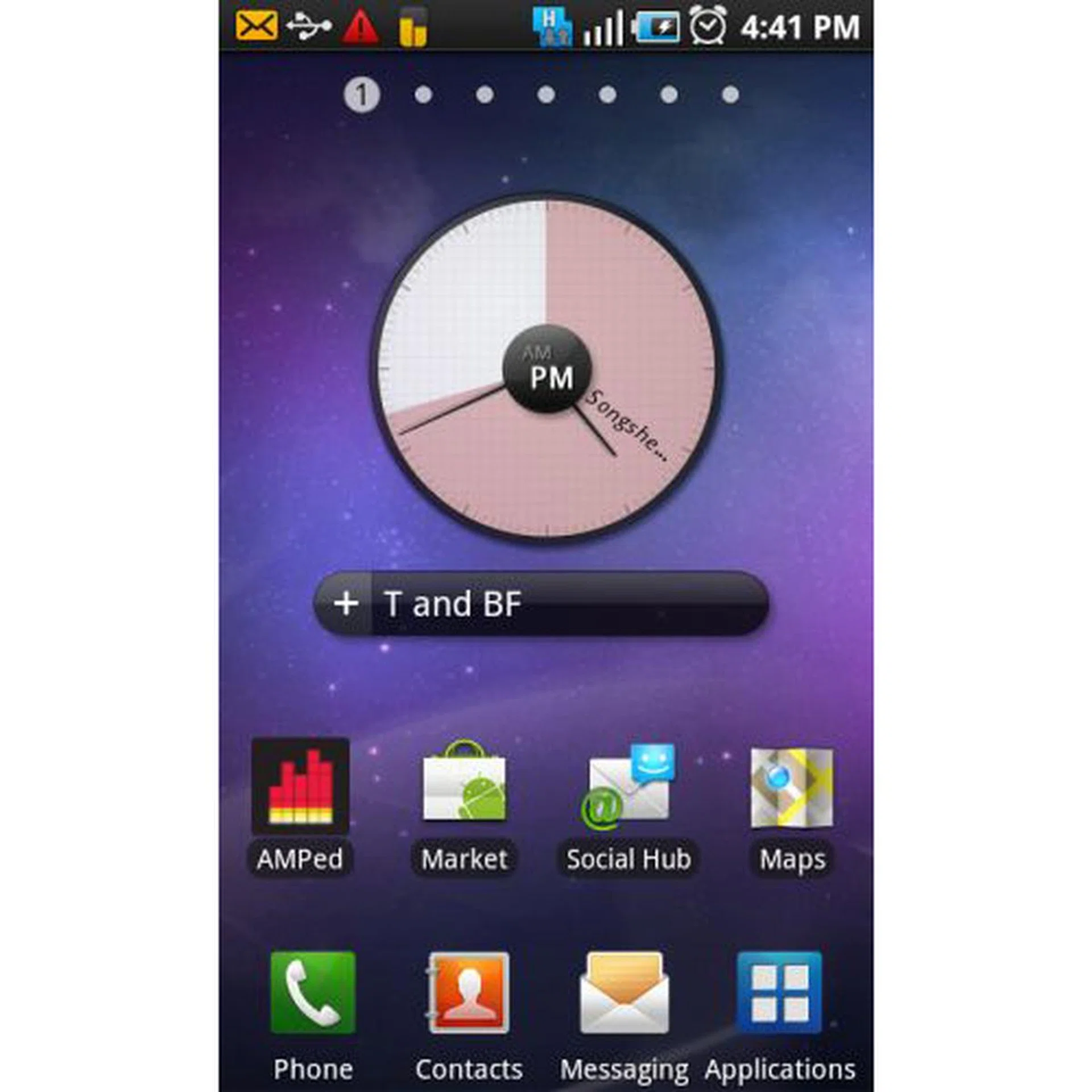
Unlike the default Android home screens, the Samsung home screens always start from the leftmost side (like an iPhone), making you swipe through 6 screens just to get to an app or widget on the 7th page.
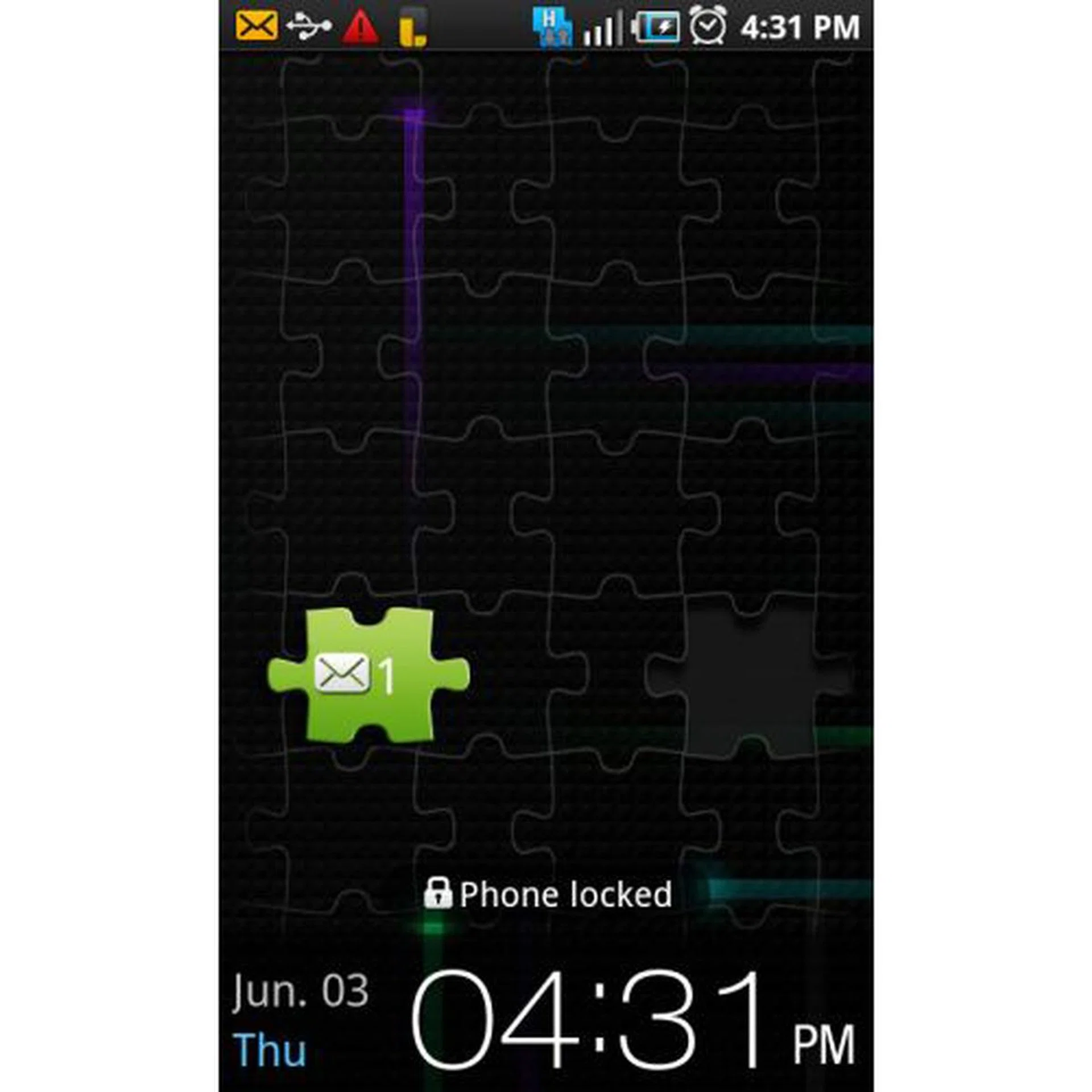
The Samsung unlock screen is in our opinion more confusing than the default Android 2.1 unlock screen, though you can slide a piece of a jigsaw puzzle into a slot to immediately access unread messages.
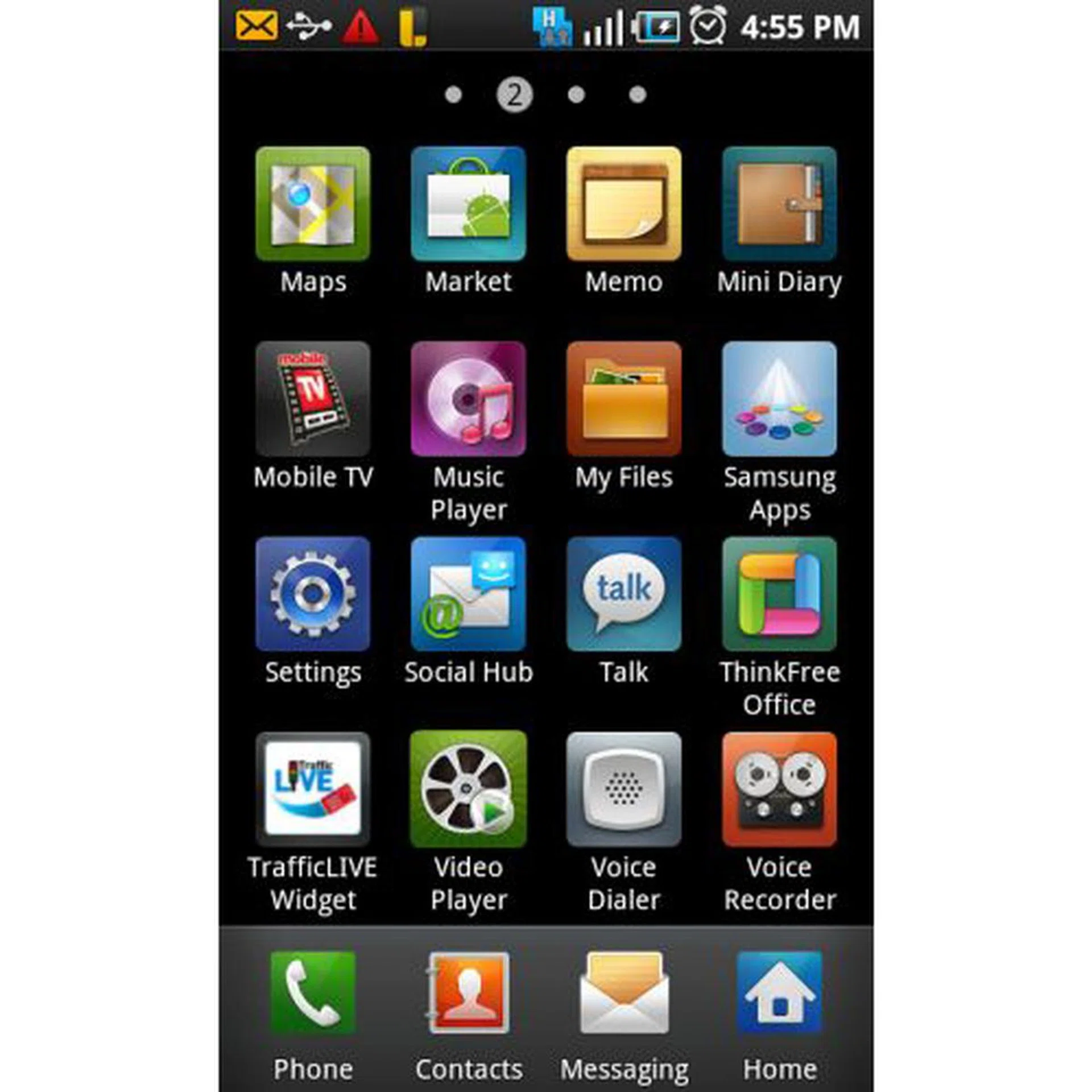
Samsung also replaced the default Android application menu with an iPhone-style one. Some will love this and some will dislike their Android phone looking almost exactly like an iPhone - we did!
Some of Samsung's efforts have paid off in the form of several nice touches, though. Check these out:
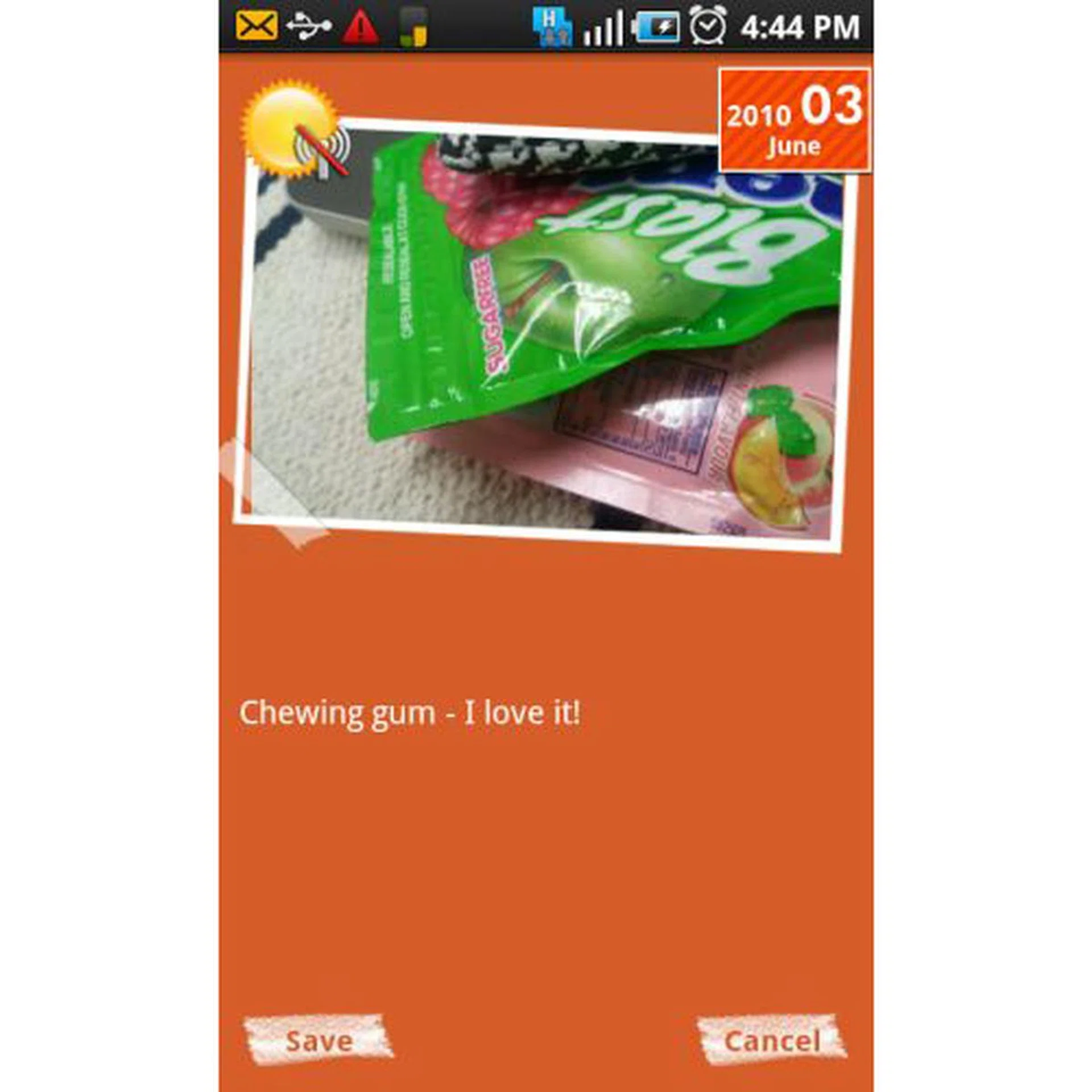
The Mini Diary app lets you attach pictures and text to make a page of memories for a date of your choice.
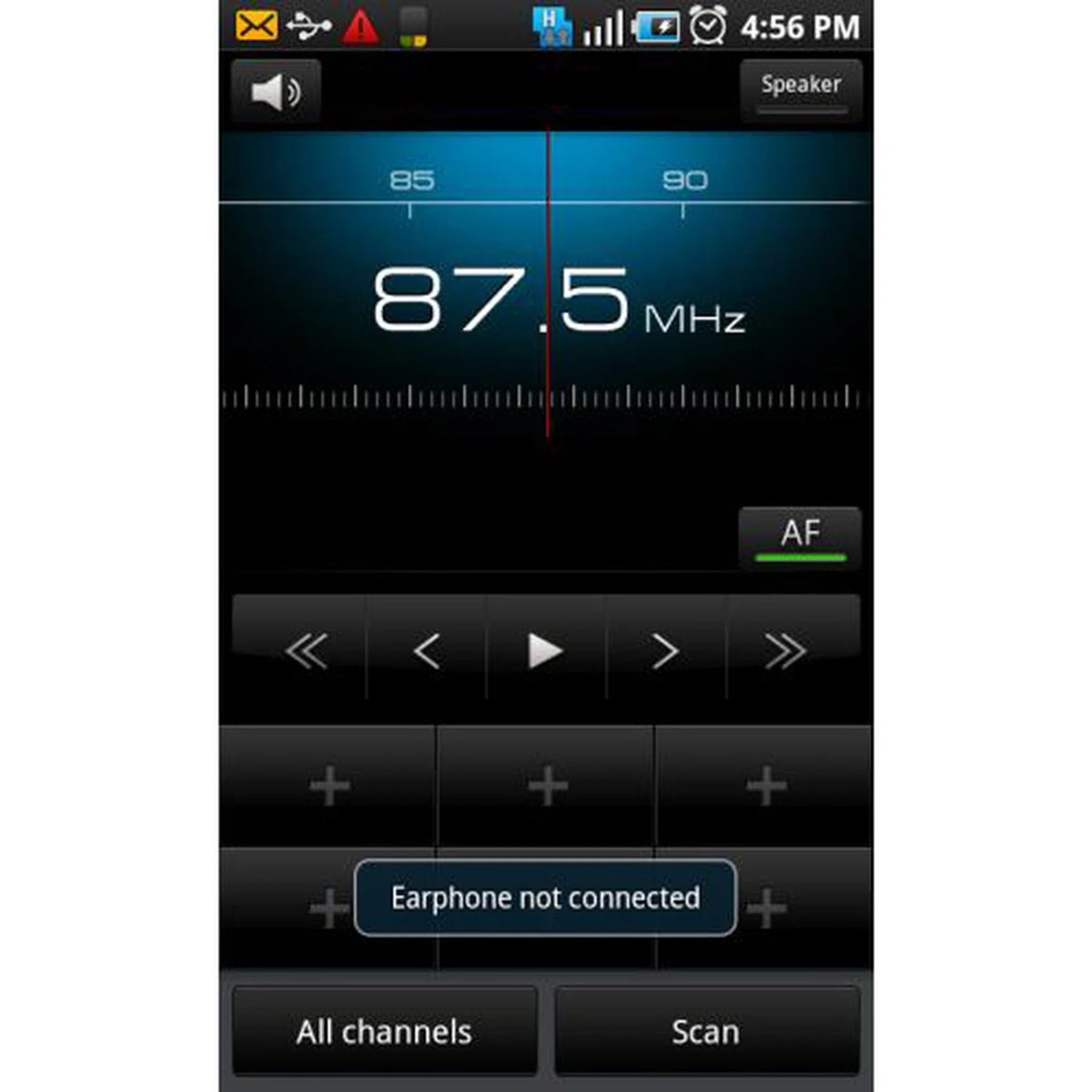
At last, another Android smartphone with an FM radio! Samsung built RDS and 6 station presets into the one on the Galaxy S i9000.
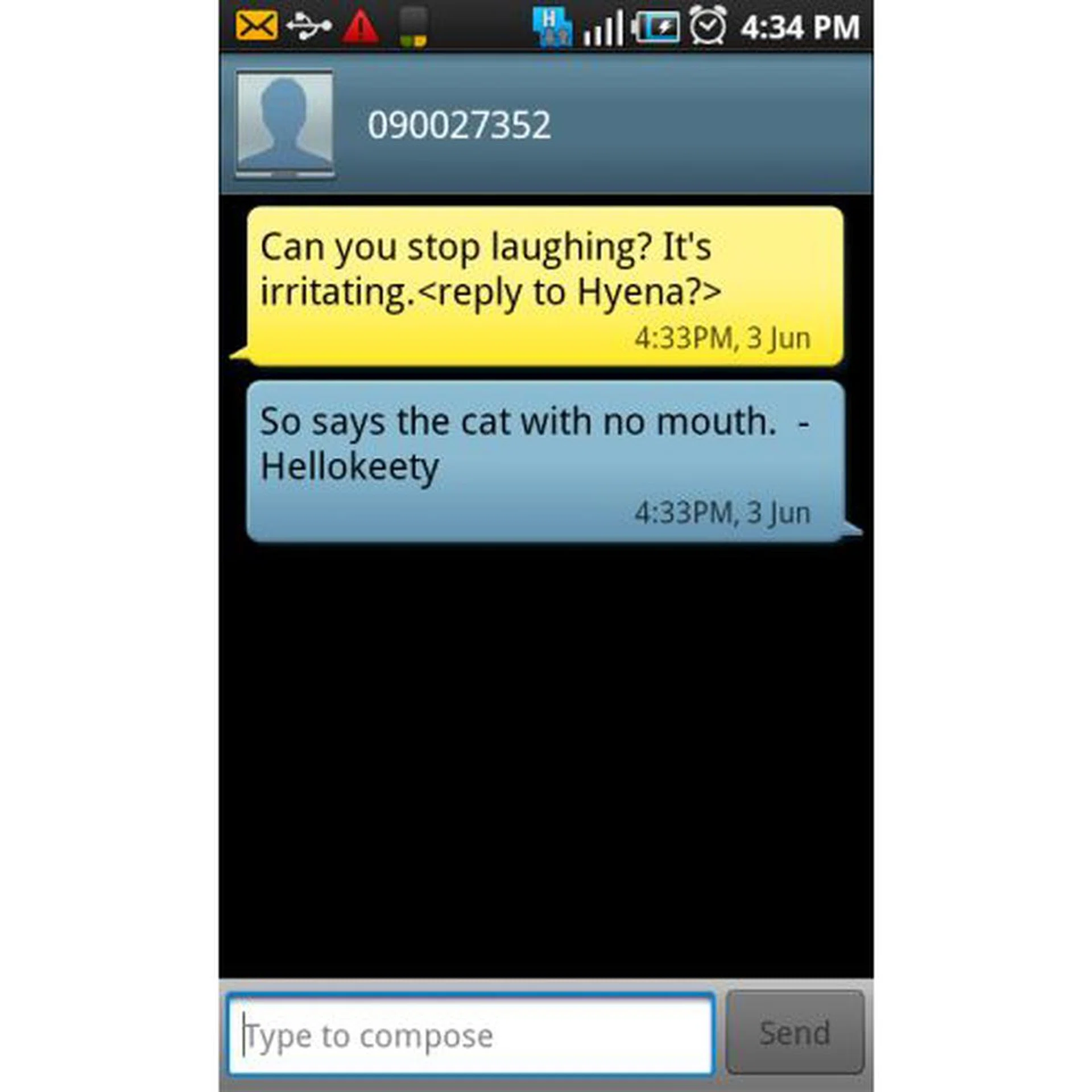
The Samsung-skinned messaging app looks nicer than the default Android one and allows you to quickly select recently used recipients.
Putting the "POW!" in "Powerful"
Let's hold off on the software for a moment and move on to something the geek set will love reading about: the awesome power of the Galaxy S i9000. Buried somewhere within its slim frame beats a 1 GHz applications processor, codenamed Hummingbird and properly called the S5PC110. It is based on the well-known ARM Cortex-A8 architecture and while doubtless the Qualcomm Snapdragon-based Nexus One, Desire and XPERIA X10 pack the same sort of power, things begin to get interesting with the Hummingbird's design.
Firstly, Samsung teamed up with an Apple-owned company called Intrinsity, whose claim to fame is optimizing the placement of the components within a processor, enabling better performance to be achieved for a given clock speed. Secondly, the Hummingbird was designed and manufactured on a 45nm process technology, which reduces the size of the transistors and electrical leakage between them, resulting in improved power efficiency. And not least, the 3D GPU contained in the Hummingbird can process some 90 million triangles per second. Let's put this figure into perspective: an early NVIDIA GeForce4 MX 420 does 31 million; the Sony PlayStation 3, 250 million. Whatever it is, that makes for some pretty fast mobile gaming.
What does this do for the real-world Android experience? Quite simply, we found that the Galaxy S i9000 delivers a speedy knockout punch to others of its ilk. There are almost no delays throughout the system (except when installing apps, as on other Android phones); programs open and close almost instantly, something we believe can also be credited to the 512MB onboard RAM which the processor has to work with. Speaking of memory, the Galaxy S i9000 also packs about 1.8GB of available ROM space for apps. which is more than any Android phone we've seen recently. You're not going to run out of space for apps quickly on this one, not at least until Android Froyo 2.2 shows up with the ability to install apps on to SD cards.
Text messaging, always something up for scrutiny on full-touchscreen phones, worked as well with Samsung's own XT9 keyboard as we've come to expect from other Android phones. But for an extra boost, Samsung has also packed in the Swype keyboard, and this could become a staple once you get used to it. Basically, you draw a single unbroken line between the letters of the word you want to spell, and Swype predicts the word you're trying to enter. It is fast and impressively accurate, though you need to draw a continuous, unbroken line between letters, which could be tricky when driving with your phone in a windshield mount. For those who need Chinese input, DioPen IME, which supports both Pinyin and finger-writing input, is also packed in.

The Swype keyboard represents a great alternative to traditional hunt-and-peck keyboards, while the DioPen IME will please those who use Chinese.
And now, for the moment you've all been waiting for: the Super AMOLED display. One point bears mentioning first: no images, whether on the web or in print, can do complete justice to the beauty of this display - it's like talking about fine wine without tasting a drop. You simply have to view it in the flesh. This much we will say: it has an excellent viewing angle both when tilted horizontally and vertically, and it boasts brilliant colors (especially greens and blues) and excellent contrast between dark and light areas. Where it really scores versus older generation AMOLED displays such as the Nexus One and the Desire is that in all but direct sunlight, it remains quite readable, coming very close to LCD displays.
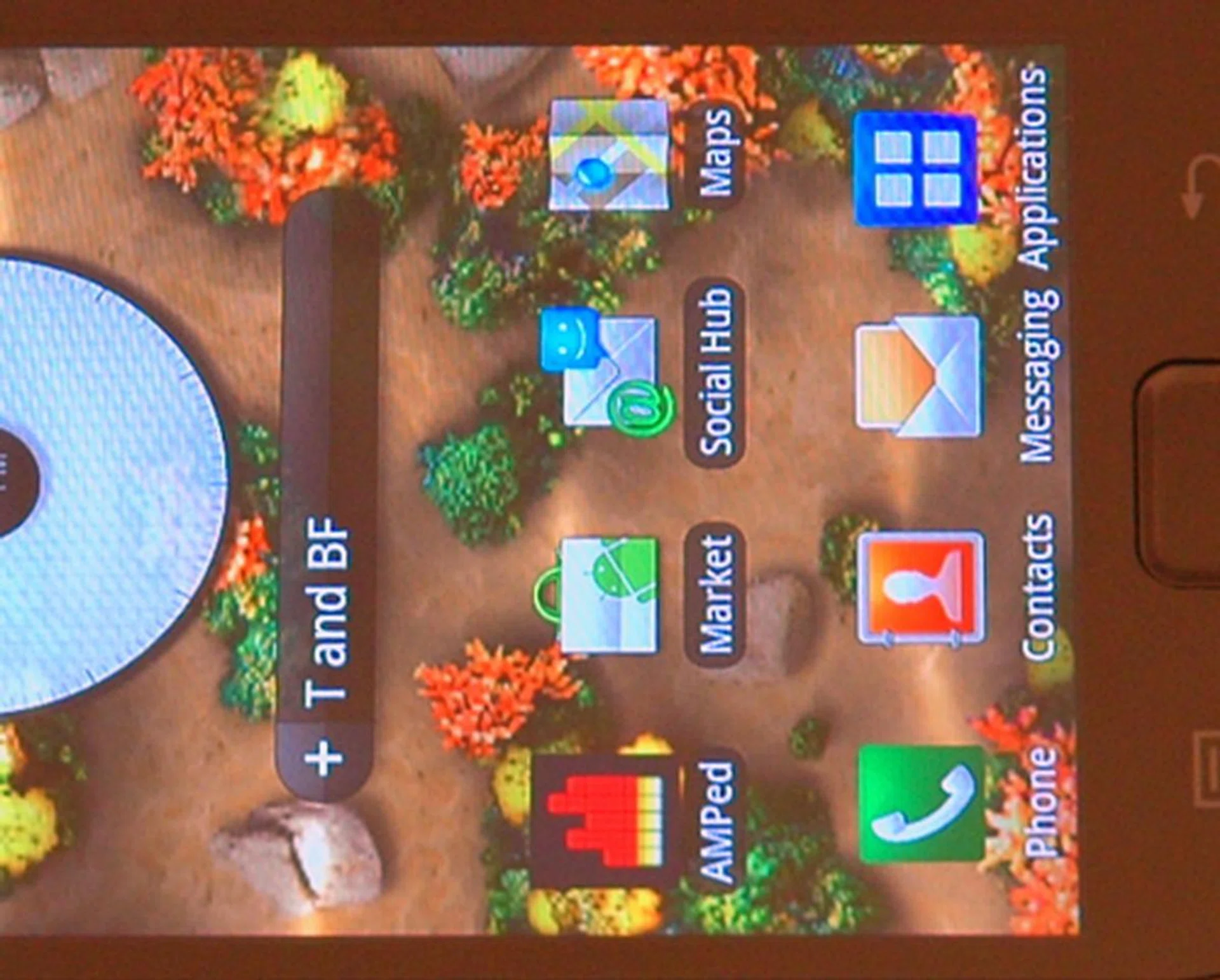
Here's a close-up shot showing the resolution of the Samsung Galaxy S i9000's Super AMOLED display which boasts brilliant colours, impeccable contrast and a great viewing angle.
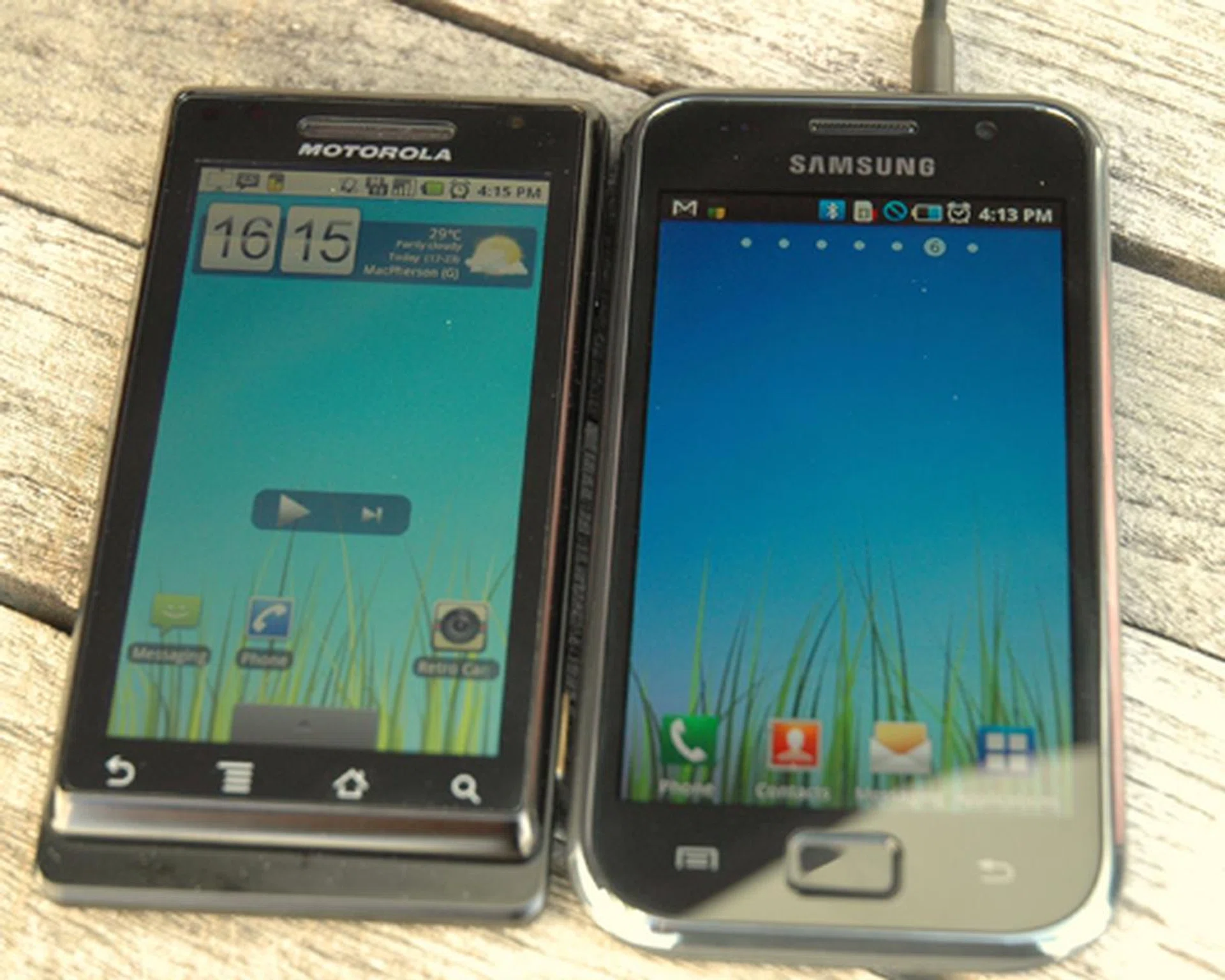
Under direct sunlight, the Super AMOLED display comes very close to matching the Motorola Milestone, whose display has among the best sunlight readability of all recent smartphones we've tested.
Not surprisingly, the Galaxy S i9000 had no lags or stuttering in video playback. Audio quality for this phone was excellent throughout the frequency range on our test tracks, as befits a flagship multimedia phone.
Samsung is no slouch when it comes to mobile photography, as we have seen from the likes of its Pixon models. The Galaxy S i9000's 5-megapixel shooter won't win any awards for innovation, but it does serve up better than average image quality, delivering pleasing images under most conditions and scoring an impressive 1050 LPH on our resolution test charts. Video records at 720p resolution, but this Android phone is bereft of any sort of flash. Whether it's a glaring omission or something you won't miss depends very much on what you shoot, but hey, at least the camera is pretty good. Oh, and one other annoying Samsung quirk: the camera app won't start when the battery indicator falls into the red zone (about 15 or so percent remaining.)
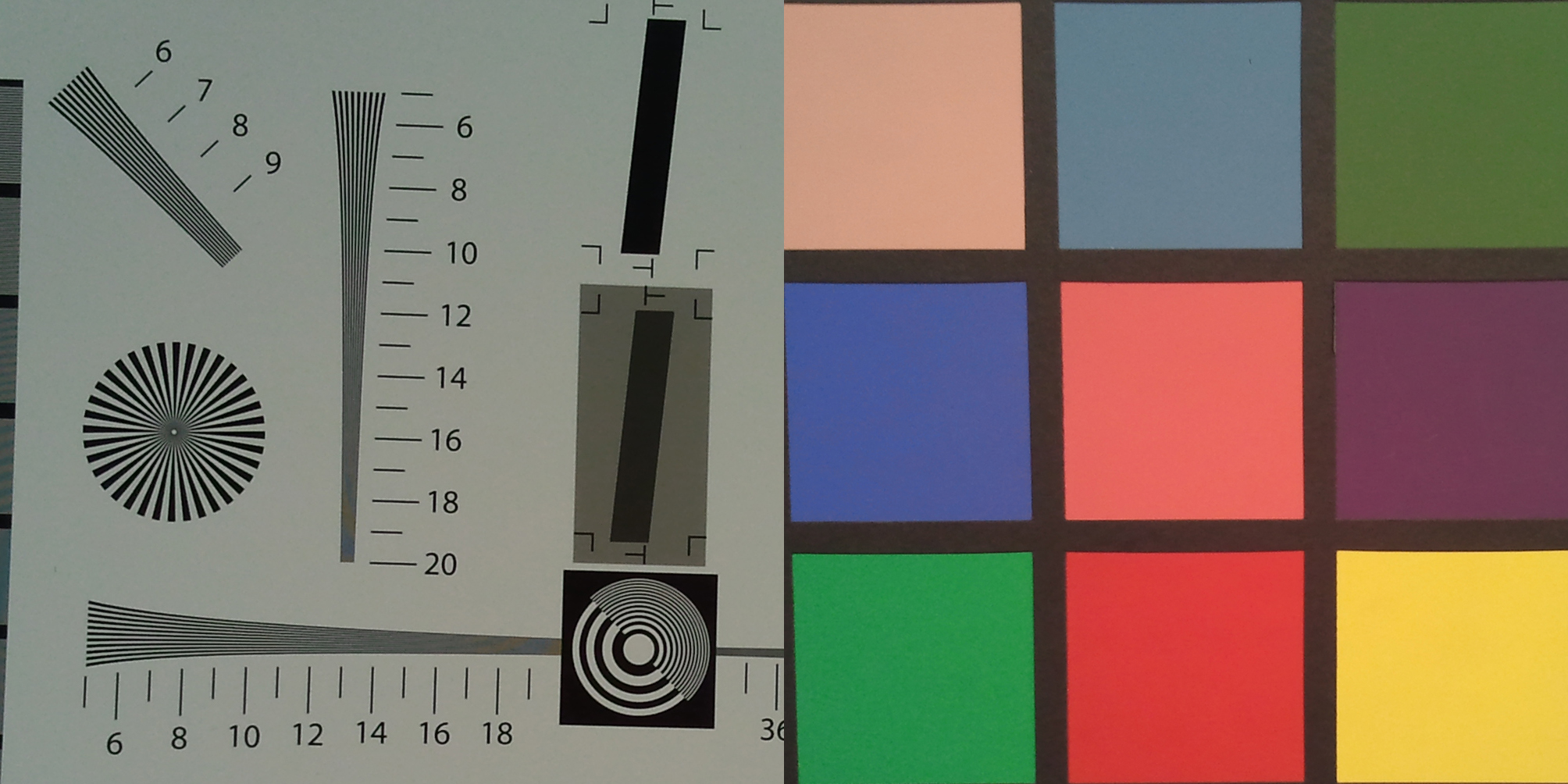
The Samsung fared about 1050 LPH, slightly below its previous INNOV8 multimedia powerhouse. Colours had a slightly greenish cast to them.
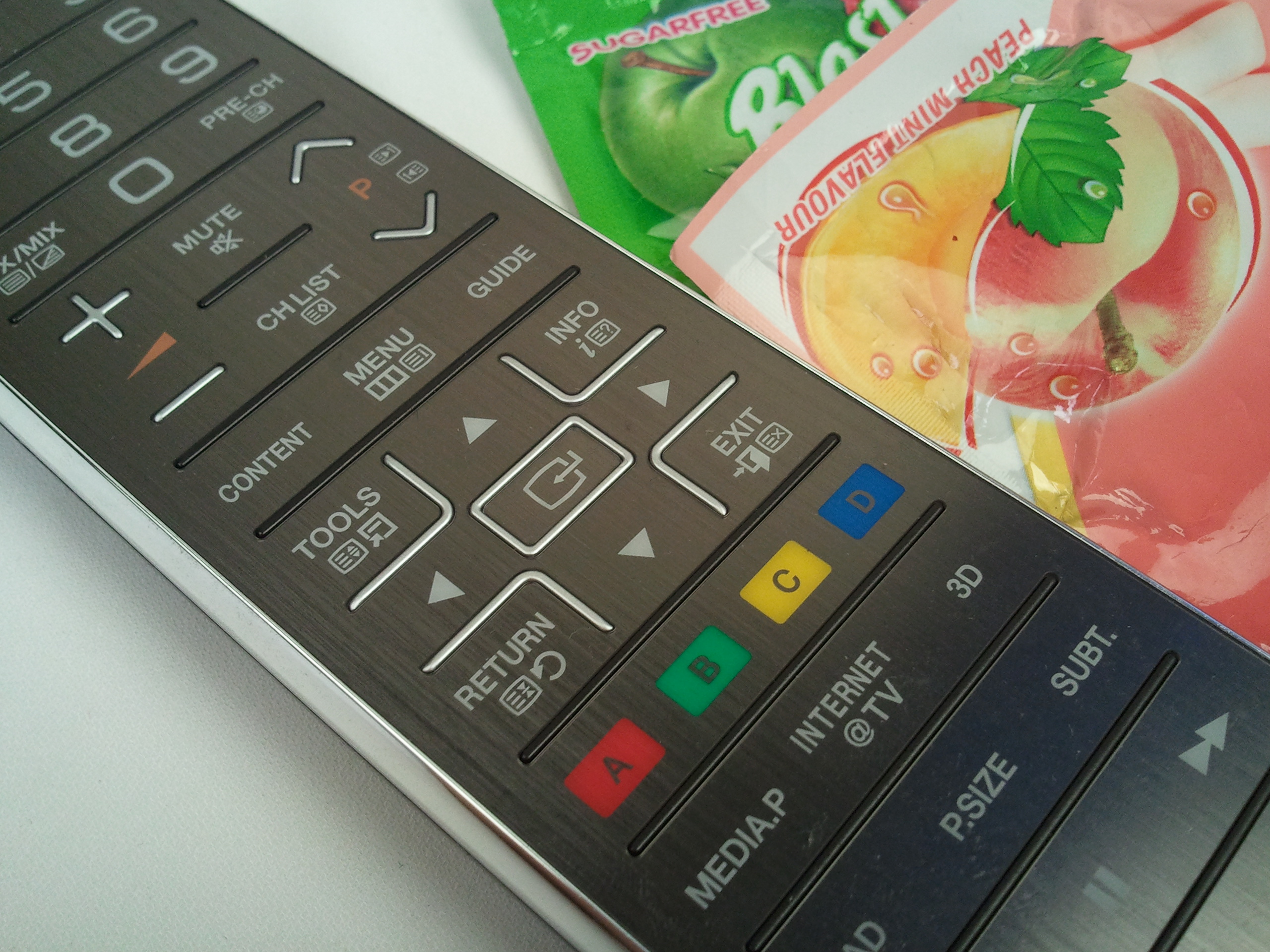
Image sharpness might have been better but for what seems to be rather high compression.
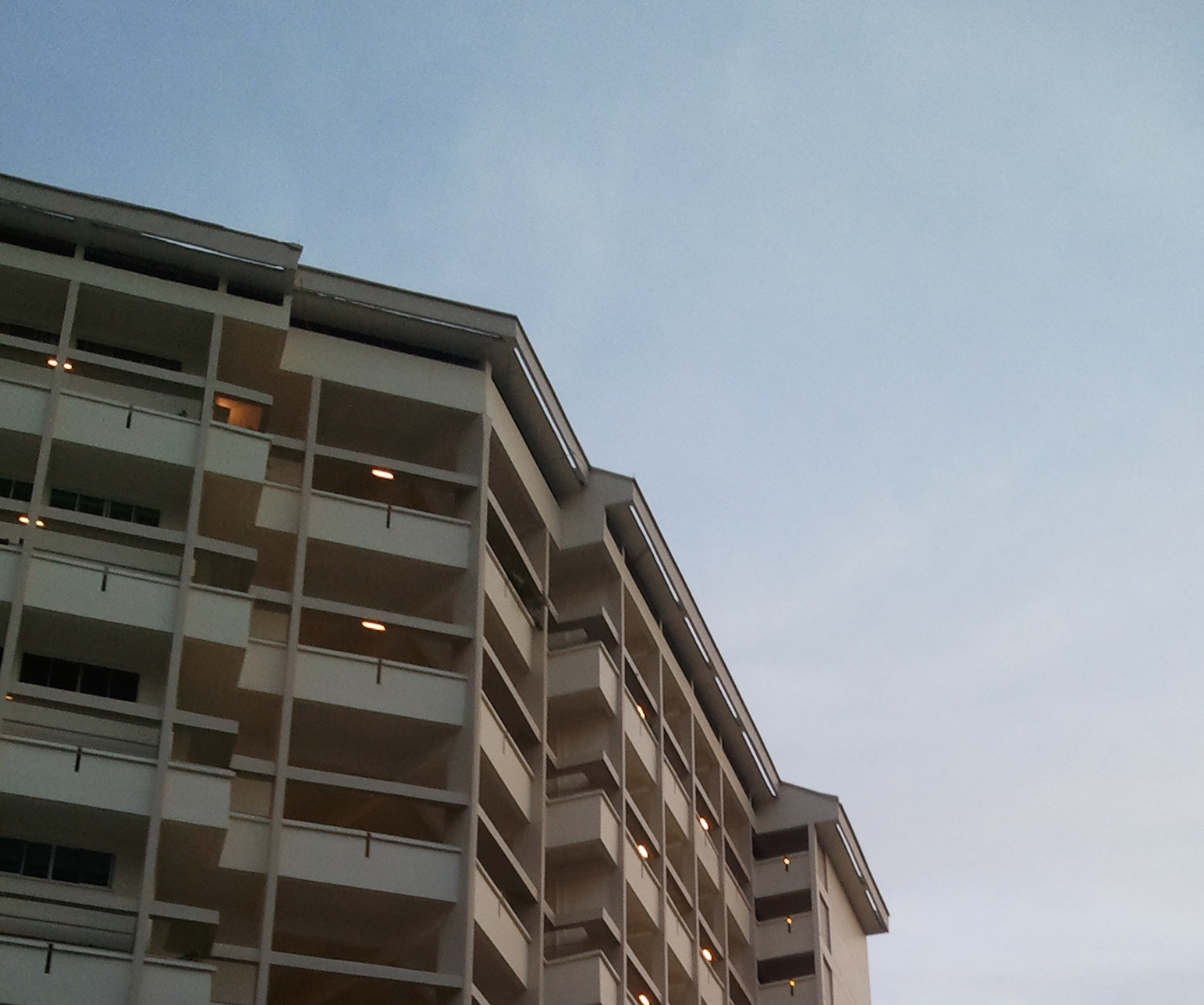
We find that the Galaxy S i9000 actually does a better job of retaining the feel of the sky and highlights than many phone cameras we've seen - probably because it tends to underexpose the image.
In our customary battery life test, we play back in a continuous loop a test video encoded at 240 x 320 resolution under the following conditions: 100% screen brightness and volume and Wi-Fi and Bluetooth active, with push email or data being pulled from the network at regular intervals. The Samsung Galaxy S i9000 goes up against the HTC Desire, Google Nexus One, Motorola Milestone and Sony Ericsson XPERIA X10.
Specifications/Device | Samsung Galaxy S | HTCDesire | Sony Ericsson Xperia X10 | Google Nexus One |
Connectivity |
|
|
|
|
Dimensions |
|
|
|
|
Weight |
|
|
|
|
Screen size |
|
|
|
|
Battery |
|
|
|
|
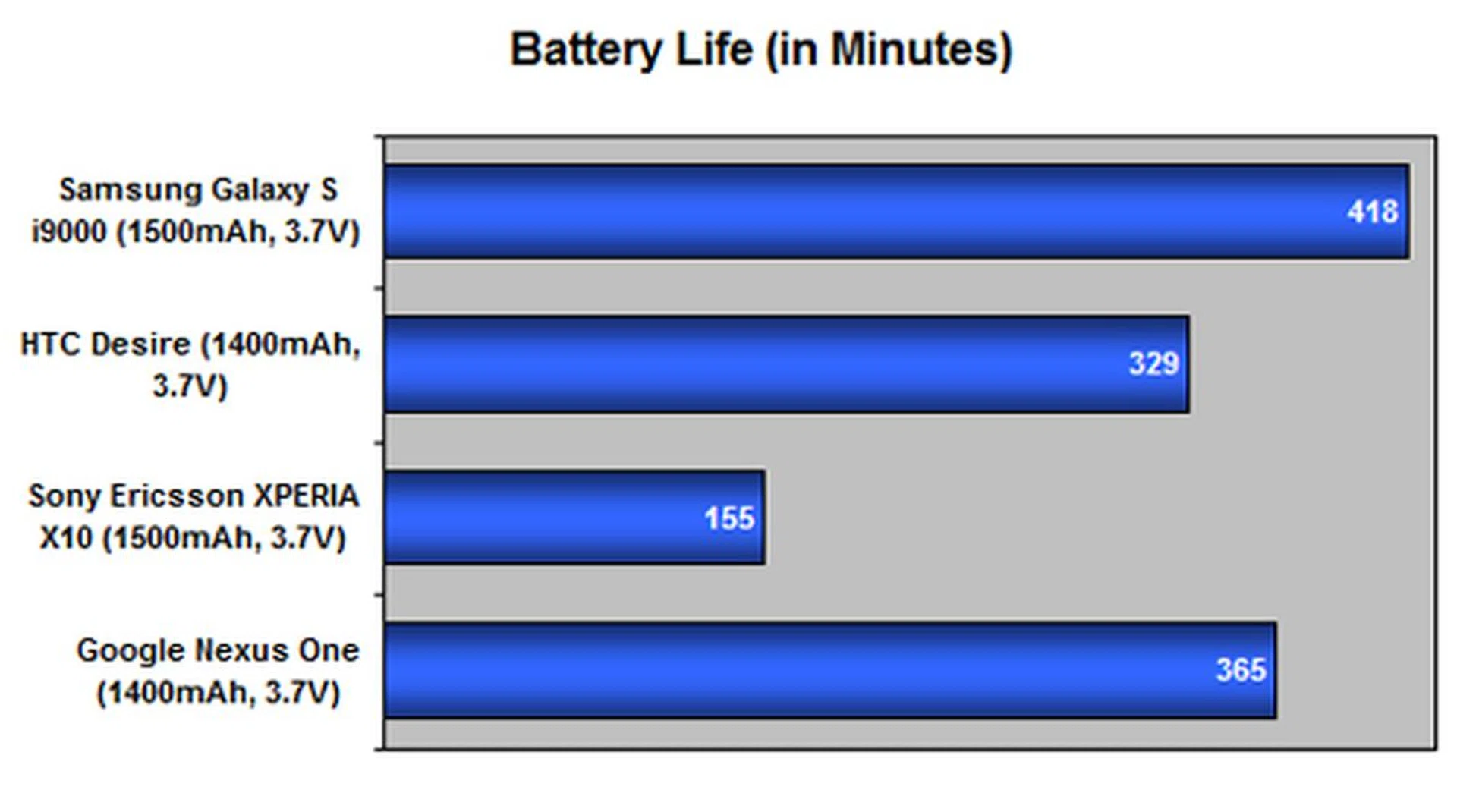

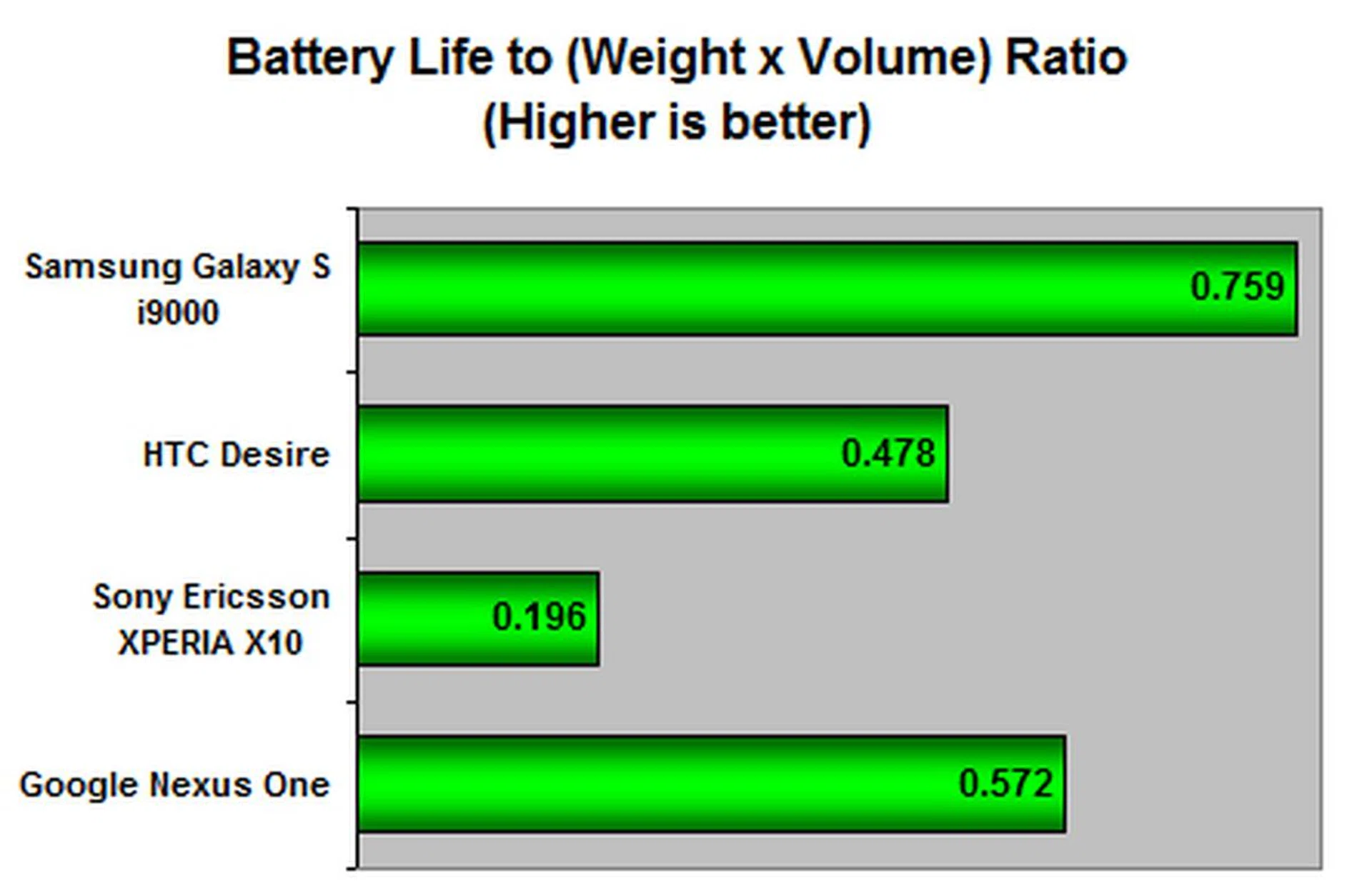
And... we have a new champion! The Galaxy S i9000 notched up a massive 418 minutes up-time on our test, besting all the other 1GHz Android devices. But beyond just sheer battery life and power efficiency, our portability test (which measures battery life divided by the weight and volume multiplied) was just as impressive. Given that it weighs only 118g even with a large 1500mAh battery, Samsung's use of plastic in the body has obviously played a part in attaining this astounding figure.
Unfettered Power
Words are unnecessary (but we use them anyway) to describe the technological tour de force that the Samsung Galaxy S i9000 is. It makes its appearance in the wake of a slew of other similarly high-powered Android smartphones, yet bests them all with a gloriously beautiful (and sunlight-usable, hurrah!) Super AMOLED display and a homegrown 1 GHz processor borne of the same innovation as that in the iPhone, but now with even more power to spare. At very, very few times - fewer than any other Android phone in the gigahertz speed class - did we notice slowdowns or jerky scrolling in the Android UI itself. Much has already been made of how the Hummingbird processor excels at 3D gaming, but in everyday use with media and the Web, we were pleasantly surprised to find that despite being lighter than the HTC Desire, the Google Nexus One and the Sony Ericsson XPERIA X10, the Galaxy S i9000 trumps all three of them in battery life. The hardware is beyond fault - does that mean the Galaxy S i9000 is the perfect superphone, then?
Alas, the software throws a small wrench into the works. Users of the Omnia II i8000 will remember Samsung's TouchWiz UI enhancements, an attempt to create a user interface that wouldn't intimidate the average user. This effort was a necessity on Windows Mobile, and in that light, Samsung did a highly commendable job back then. But Android is now far more usable than Windows Mobile, has a much larger selection of apps, and most importantly is much better at organizing most of the stuff you do. This is where some of Samsung's offerings on the Galaxy S i9000 - in particular the not so useful Social Hub app and the Feeds and Updates social networking widget - look glaringly weak when stacked against their official Android Facebook and Twitter counterparts. And while you can always install these and other third-party alternatives on your own, in its quest to create a unique user interface, Samsung has also introduced several minor quirks that you're stuck with should they irritate you, such as the weird unlock screen, or Samsung's counter-intuitive home panels that always start from the first page, instead of the center as on other Android devices. The Galaxy S i9000 neither bears the stock Android simplicity of the Google Nexus One, or the highly detailed pizzazz of Sense on the HTC Desire. The software isn't a deal-breaker, but those seeking a pure Android experience should be prepared to put some work into downloading apps, for this superphone's awesomeness lies in the brutal power of its hardware, not in the software supplied with it.
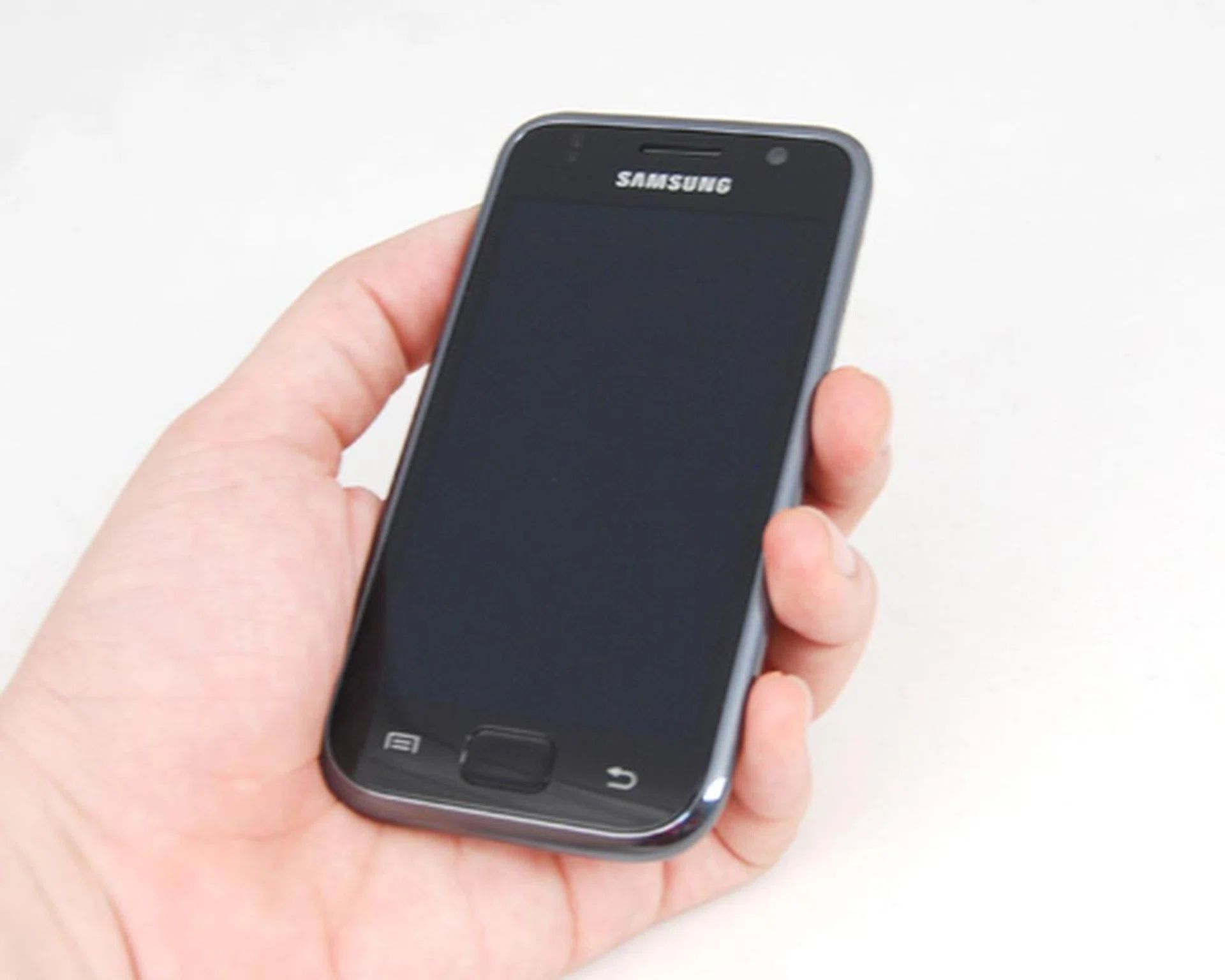
The Samsung Galaxy S has a few great propositions - thin and sleek design, great battery life and a rich Super AMOLED screen.
Is the Galaxy S i9000 worth the S$1098 retail price, then? It comes in at a S$200 premium over the HTC Desire, which loses out in the hardware department but has arguably much better software. However, those living in Singapore may take heart - the Galaxy S i9000 is currently an exclusive of local telco SingTel, and on one of its AMPED music download service plans, you'll likely find the price subsidy makes this powerhouse phone a highly attractive proposition. If the allure of HTC's Sense UI sways you, or if you love customizations and hacking, the Desire or Nexus One need to be taken into account. But if pure electronic adrenaline, an attention-grabbing display and supreme endurance are your primary concerns in an Android smartphone, the Samsung Galaxy S i9000 has simply no equal... for now.
Our articles may contain affiliate links. If you buy through these links, we may earn a small commission.