
Samsung Galaxy A8 and A8+ (2018) review: Infinity Display comes to the A-series (sort of)
Samsung's mid-range A series phones get updated with Infinity Displays and a dual front-camera setup. But can they make a mark in the competitive mid-tier price bracket? We find out.

Overview
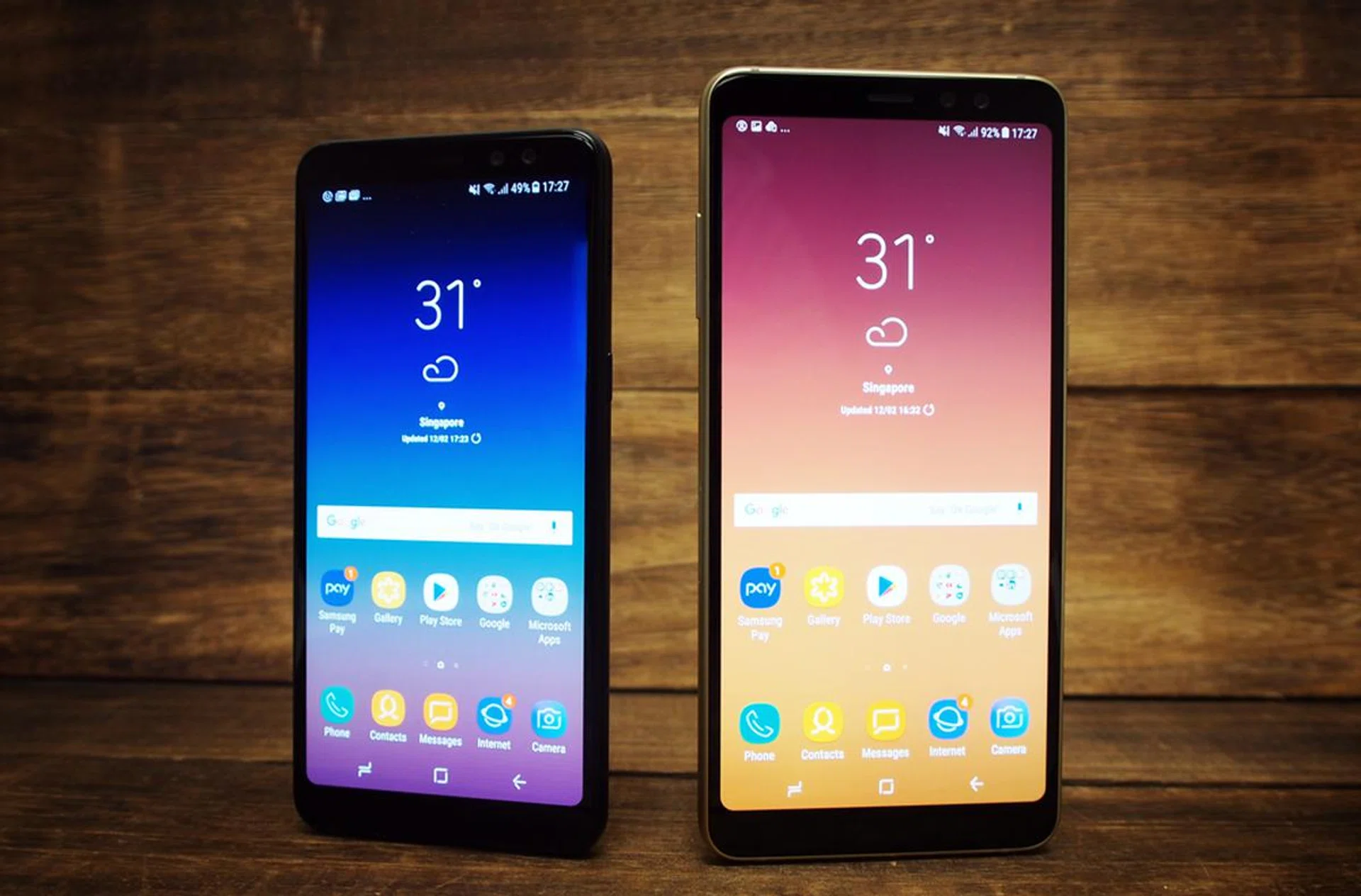
In previous years, the number in Samsung's A-series phones denoted the size of the display: 3 (smallest), 5 (medium size), and 7 (largest). This year, Samsung is changing its naming convention to better match its flagship S series, so now the number denotes the generation with a "+" to signify the larger screen size.
In other words: the A8 (5.6-inch display) and A8+ (6-inch display) are the mid-range versions of Samsung's S8 and S8+ models. If you're wondering, officially these models are called the A8 (2018) and A8+ (2018) because Samsung already released a Galaxy A8 phone back in 2015.
Design
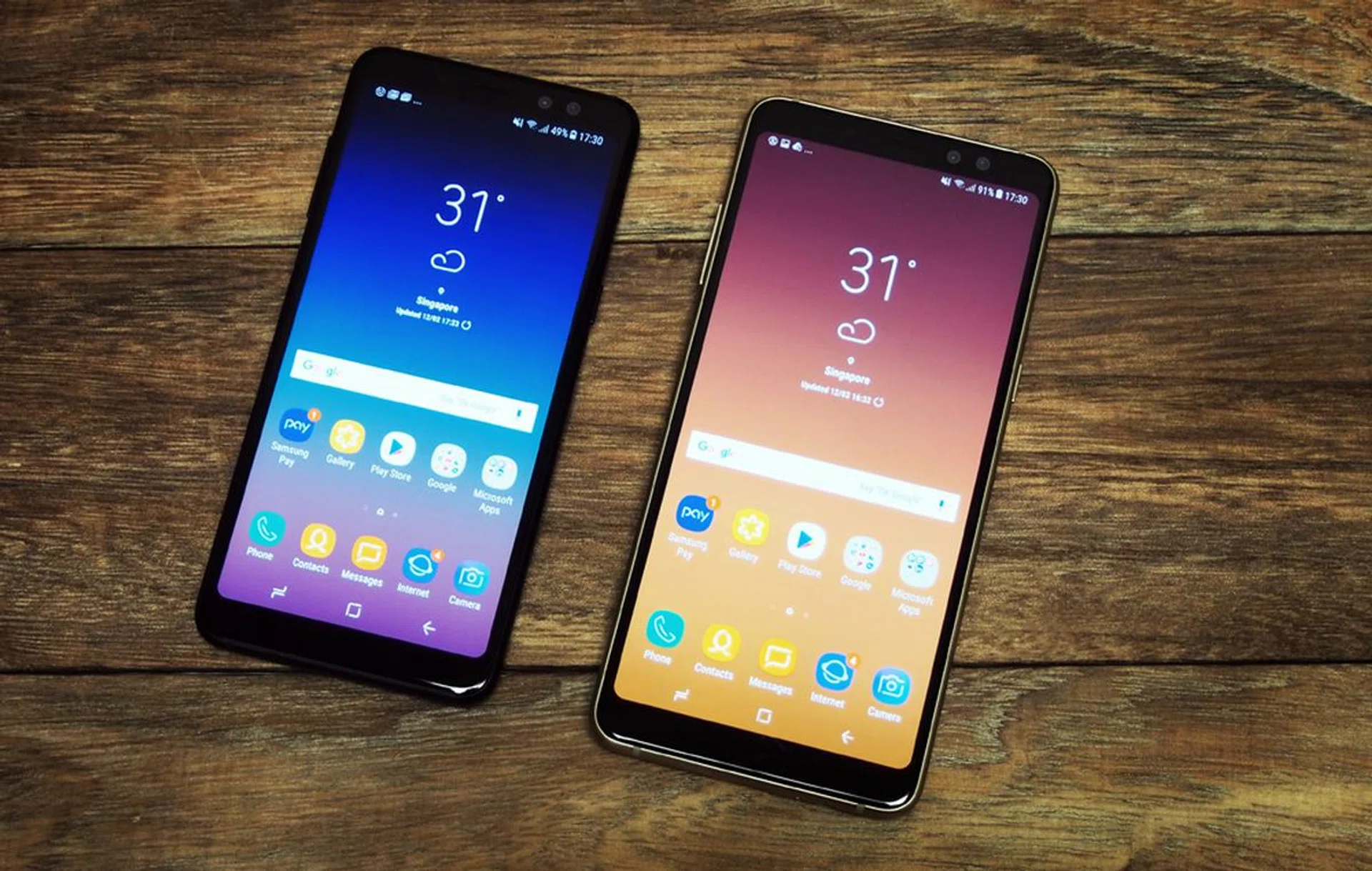
Ever year we see flagship features from Samsung's S series phones trickle down into the A range, and this year is no different. The new A-series phones now sport an 18.5:9 aspect ratio AMOLED Infinity Display, although I do find the use of that name slightly misleading. On the S8, S8+ and Note8, all of which also use Infinity Displays, the display curves over both of the edges, similar in effect to an infinity pool, which is where I assume Samsung got the name from. On the A8 and A8+ however, the display isn't curved, it just stops at a bezel like any of the other extra-tall bezel-less displays out there. There's nothing "infinity" about the A8's Infinity Display.
The lack of curved edges also means that the displays are slightly smaller on the A8 and A8+. So despite being roughly the same size, both have 0.2-inch smaller screens. They're also both thicker and about 20g heavier than their S-series counterparts.
Like most of Samsung's newer phones, the A8 and A8+ both have aluminum frames, with glass on the back and front. The aluminum has a matte finish compared to the shiny, glossy finish used on the S8 and Note8.
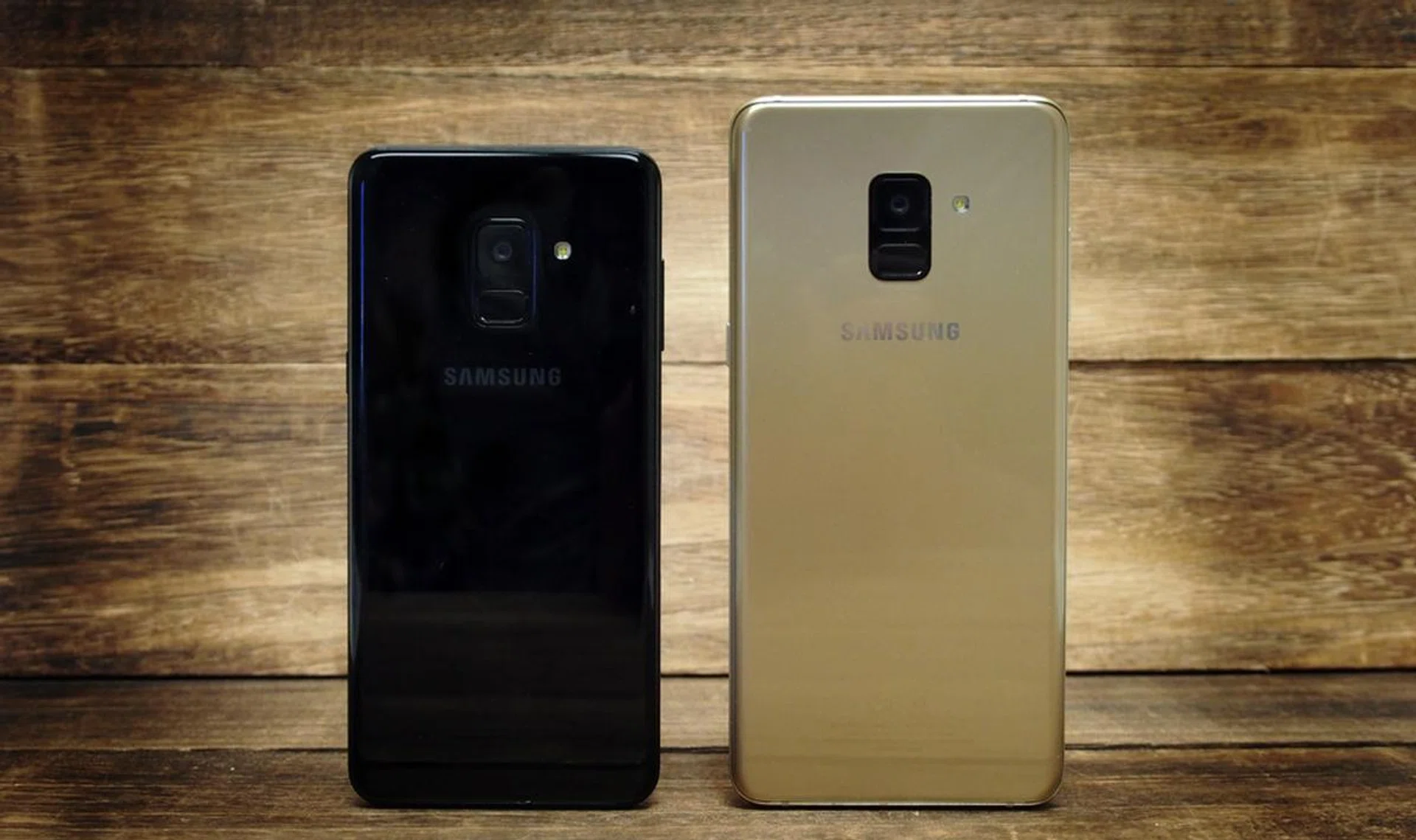
One area where the A8 does boast a superior design is on the rear of the phone. After much negative feedback over the positioning of the fingerprint scanner on the S8 and Note8, Samsung has finally relocated it to below the camera module. This new position is instantly more user-friendly, and the centered alignment looks more aesthetically pleasing too.
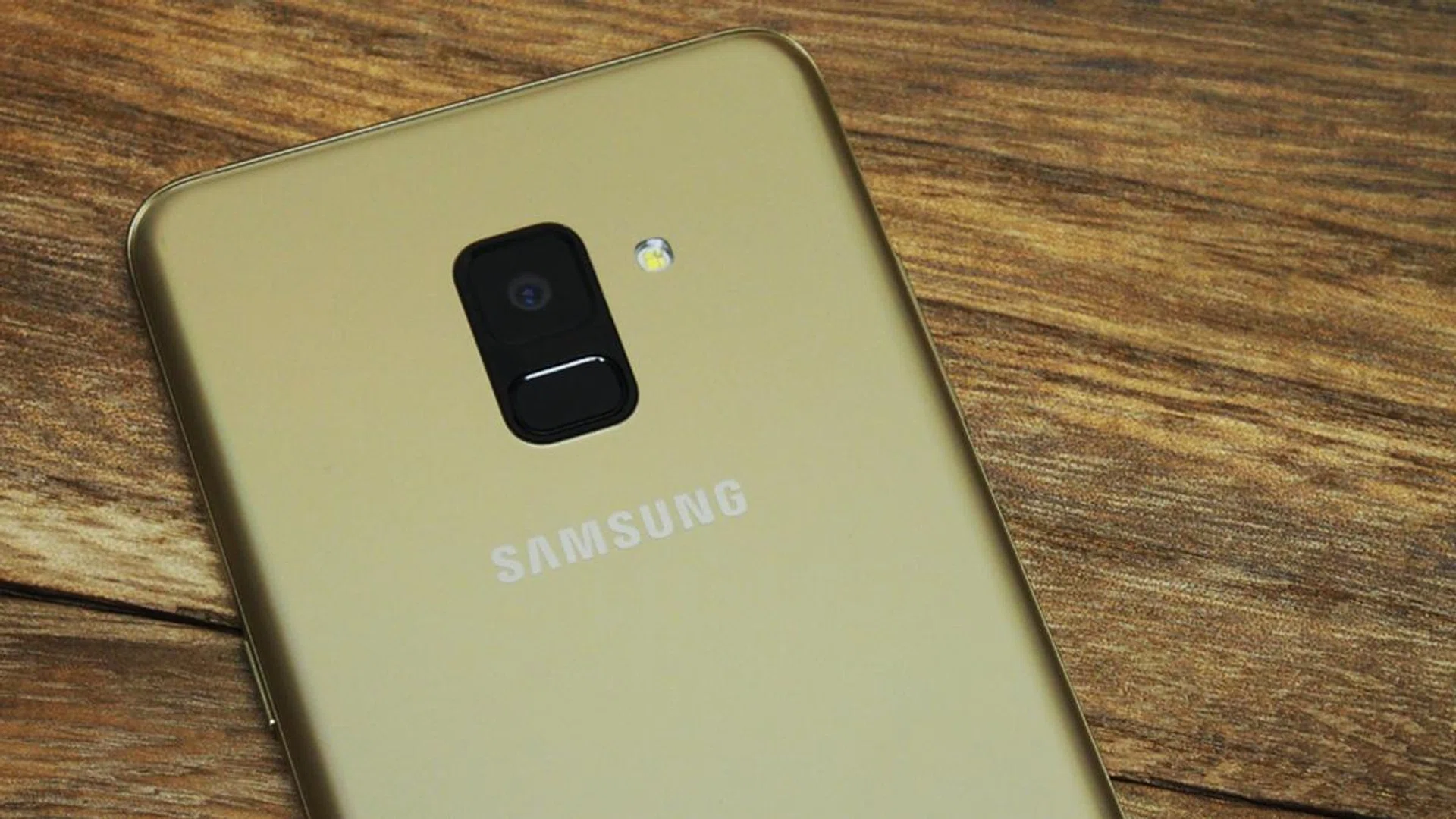
I'm also pleased to report that the camera module is completely flush with the rear of the phone.

The power button is on the right side, while the volume rocker is on the left. Unlike the S8 and Note8, there is no dedicated Bixby button, even though Bixby is supported on the A8 and A8+. I consider this a plus point.

Like last year's A series phones, the speaker is located on the right side, above the power button. I actually really like this positioning as I find it works better when you're watching videos in landscape orientation. Holding the phone in landscape mode, you can either position the speaker to fire down or up depending on your preference and there's no risk of covering it up by holding the sides like there was with the previous speaker position. On the bottom, you have a USB Type-C port and a headphone jack.
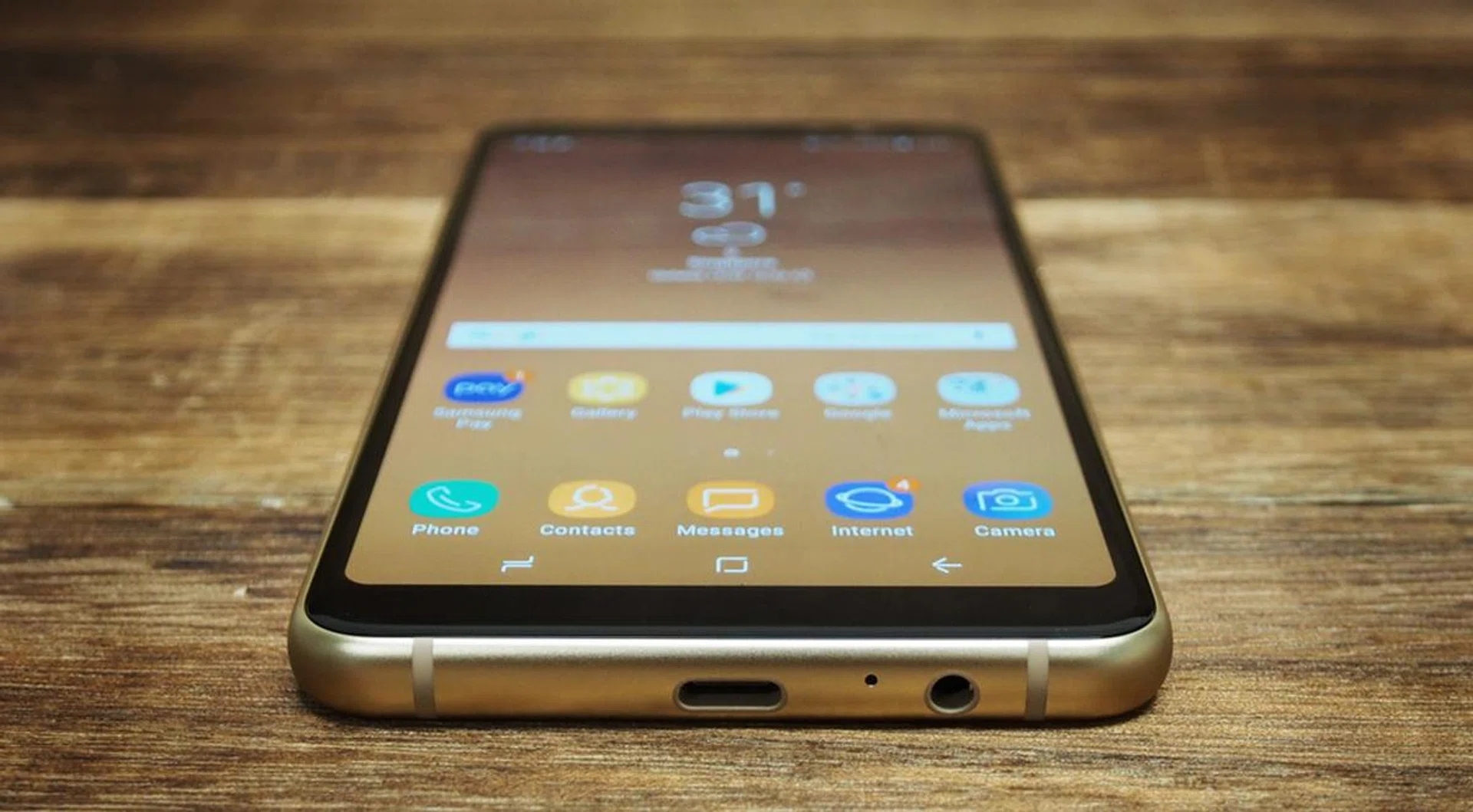
Like last year, both phones are IP68-rated, meaning they can survive underwater for 30 minutes at depths of up to 1.5m.
Like last year, both phones are IP68-rated, meaning they can survive underwater for 30 minutes at depths of up to 1.5m.
Display & Audio
While the A8 and A8+ differ in screen size, 5.6-inch, and 6-inch respectively, both phones use a Super AMOLED display with an 18.5:9 aspect ratio and sport a resolution of 2,220 x 1,080 pixels. That's a pixel density of about 441ppi and 411ppi for the A8 and A8+ respectively. Both displays look fantastic, and the drop in resolution compared to the S8 and Note8 really isn't noticeable. Colors are vivid without being oversaturated, and contrast is deep, with very dark blacks. The maximum brightness setting is on par with the S8, and I had no problems using the screen under bright sunlight.

As with all extra-tall displays, the listed screen size can be a bit misleading. If you watch regular 16:9 aspect ratio content on the A8 and A8+ there will be black bars on either side. 16:9 content on the A8 is roughly equivalent to a 5-inch phone's display, while the A8+ is about the same as a 5.5-inch display.
One thing I was disappointed to find lacking on the A8 and A8+ is the under-screen pressure-sensitive home spot found on the S8 and Note8. For now that remains a flagship feature only. Instead, the on-screen navigation buttons are always displayed in a little bar at the bottom of the screen, no matter what app you're using.
Audio from the A8 and A8+ comes from the single speaker located on the right side. Sound quality is surprisingly good for a mono-speaker, with a decent amount of bass, and plenty of volume. If you're wondering what the ideal orientation is, I found the speaker sounded better facing upwards.
UI
The Galaxy A8 runs on Android 7.1.1 Nougat, which is a bit of a shame for a phone launched in 2018. Samsung says an Android 8.0 Oreo update will be coming soon, but are unable to give us an exact ETA. The UI is basically the same Dream UI we've seen on the S8 and Note8, with the same lock screen, home screen and notification shade.
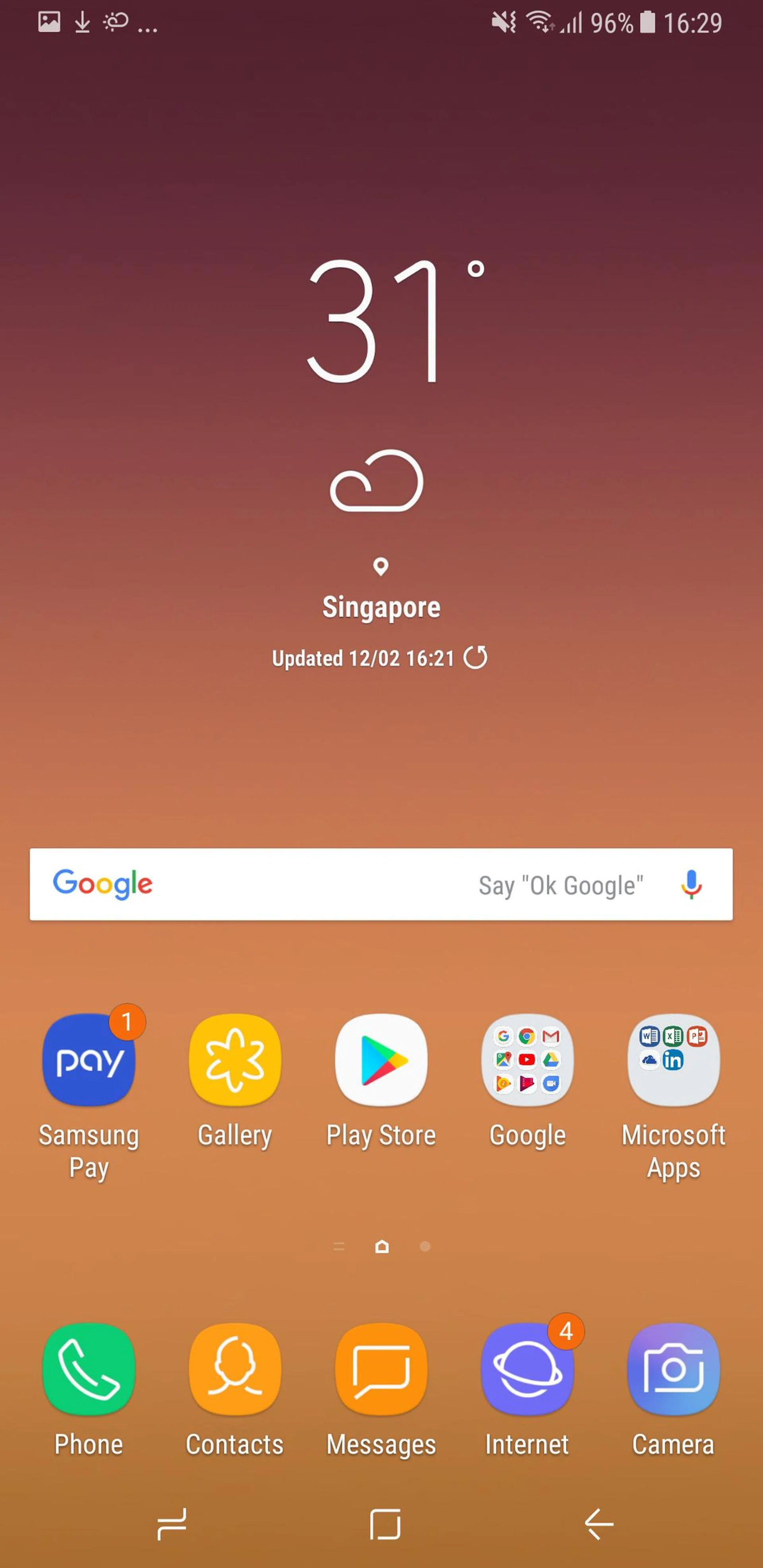
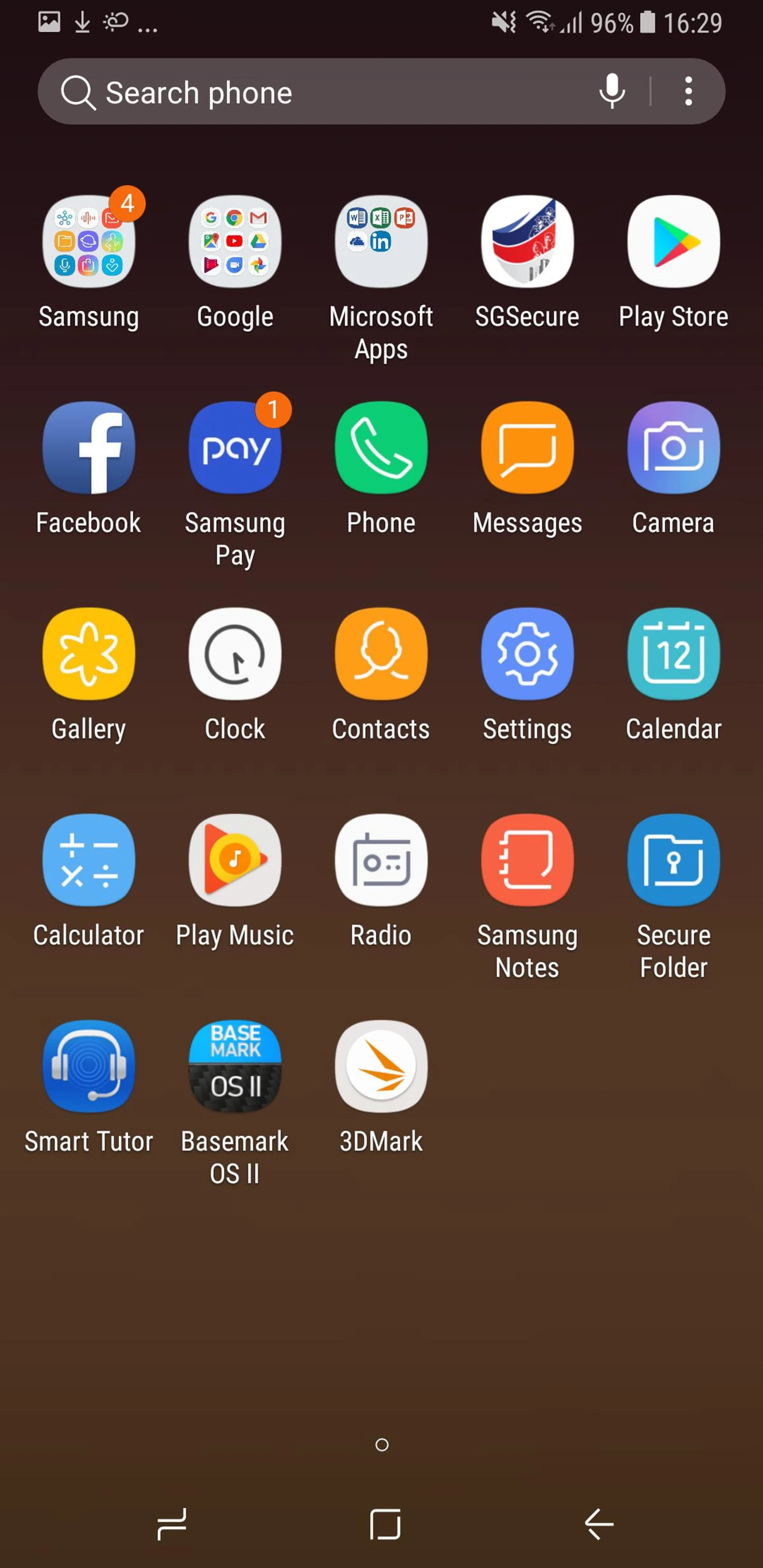
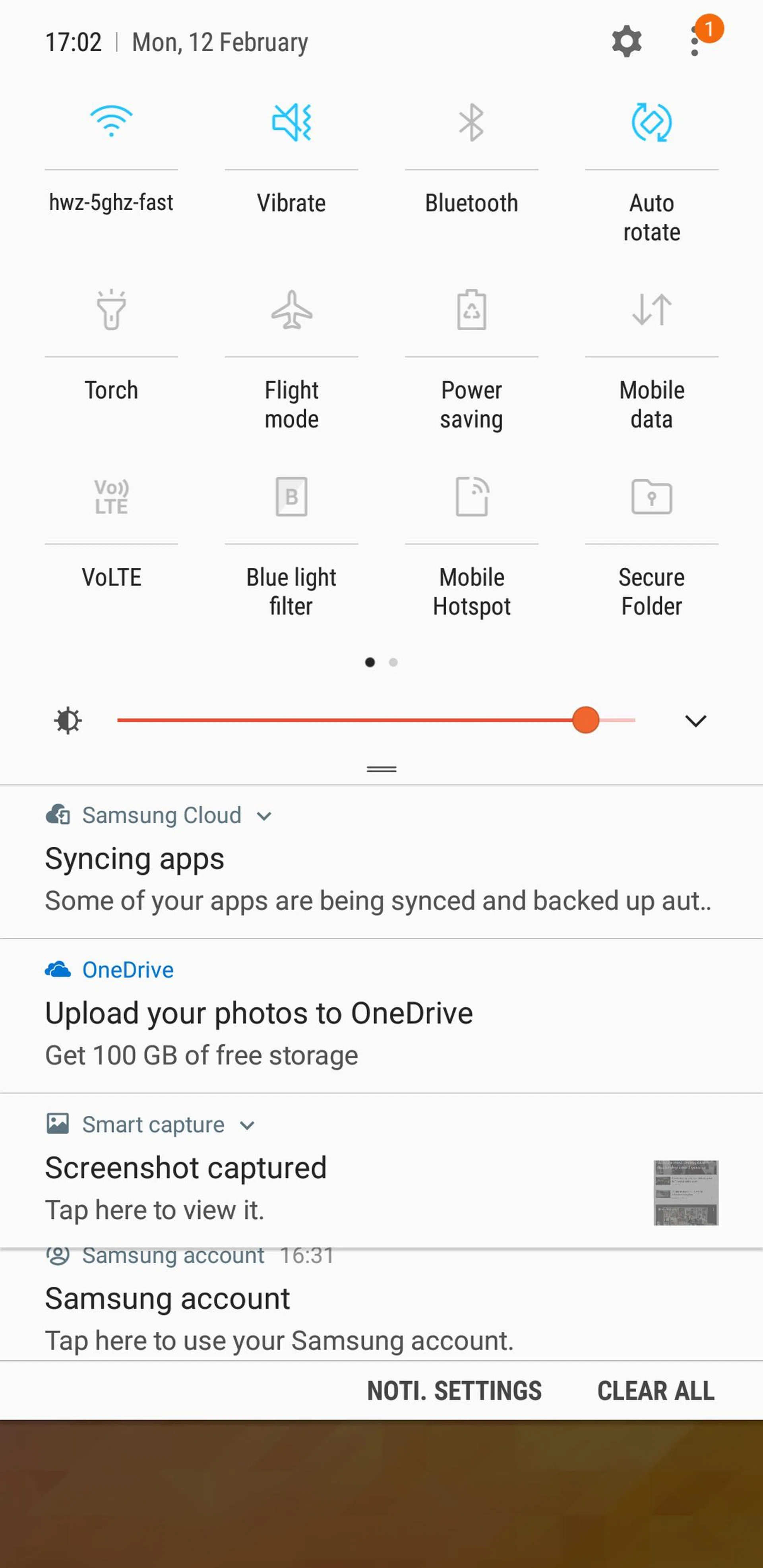
As before, there's no icon for the app drawer by default (although you can add it back in the Settings menu) but if you swipe on the screen, it will load the app drawer. Swipe up again and you're back to the home screen.
Since there's no dedicated Bixby button on the A8, you have to swipe left from the home screen to access it. Bixby Home, Vision, and Reminder are all available on the A8, and work exactly the same way they do on the S8 and Note8. Bixby Voice, however, is not supported.
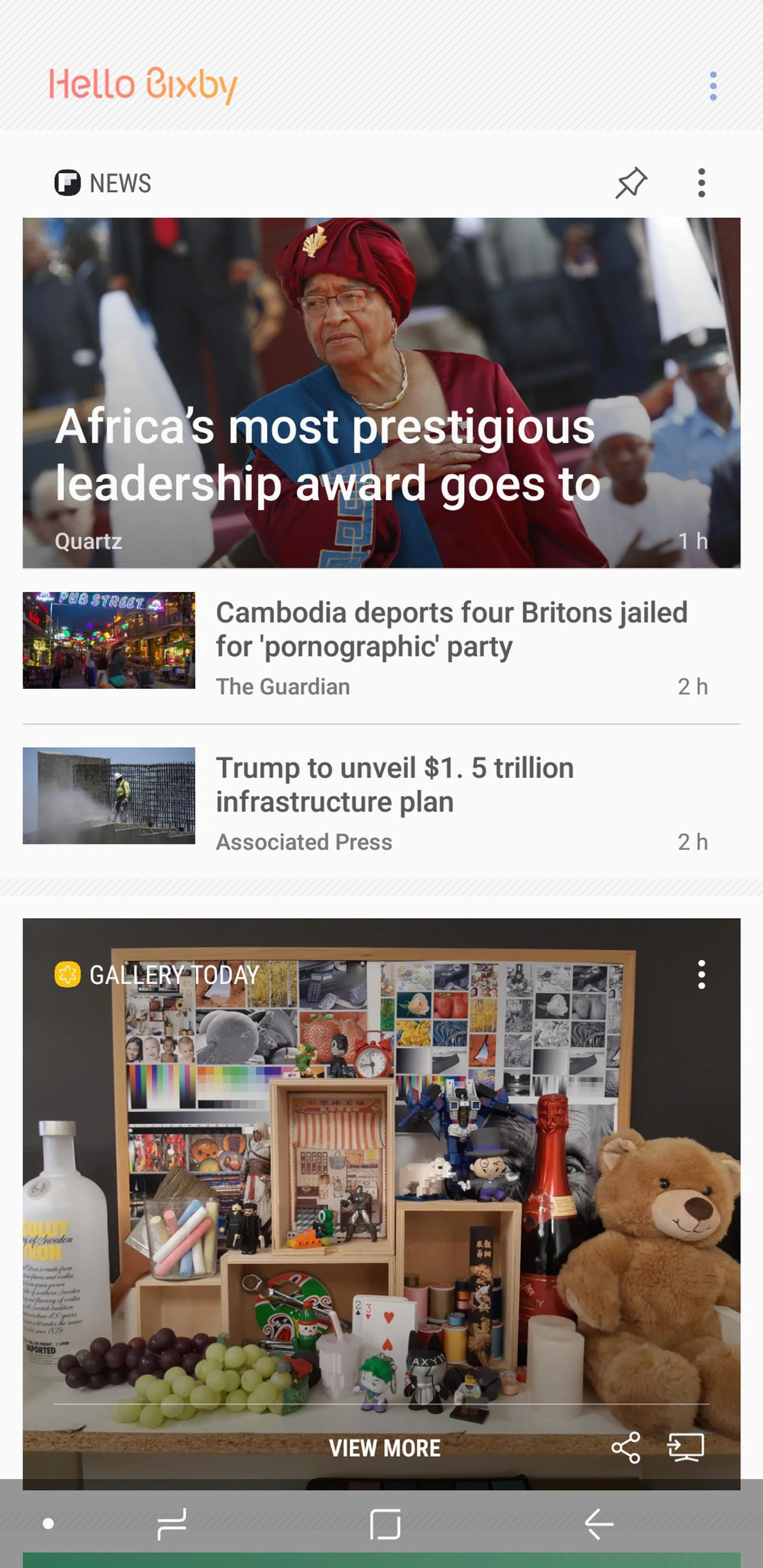
Dig deeper into the settings and there are further customization options for nearly everything, from the order and functionality of the on-screen buttons to themes, and settings for the always-on display.
Performance Benchmarks
The A8 and A8+ both use Samsung's own Exynos 7885 octa-core processor. The processor uses an unusual setup pairing two performance-oriented 2.2GHz Cortex-A73 cores with six 1.6GHz Cortex-A53 efficiency cores. This is the first Exynos 7 series chip to sport performance-oriented Cortex-A73 cores (last year's models only utilized A53 cores).
The A8 has 4GB RAM, while the A8+ gets a slight upgrade to 6GB RAM. Both phones are using a Mali-G71 GPU, which is the same GPU found in the S8 and Note8.
Samsung's 7 series chips have disappointed in the past, so I'm hoping the addition of the Cortex-A73 cores will give a much-needed performance boost.
Sunspider Javascript
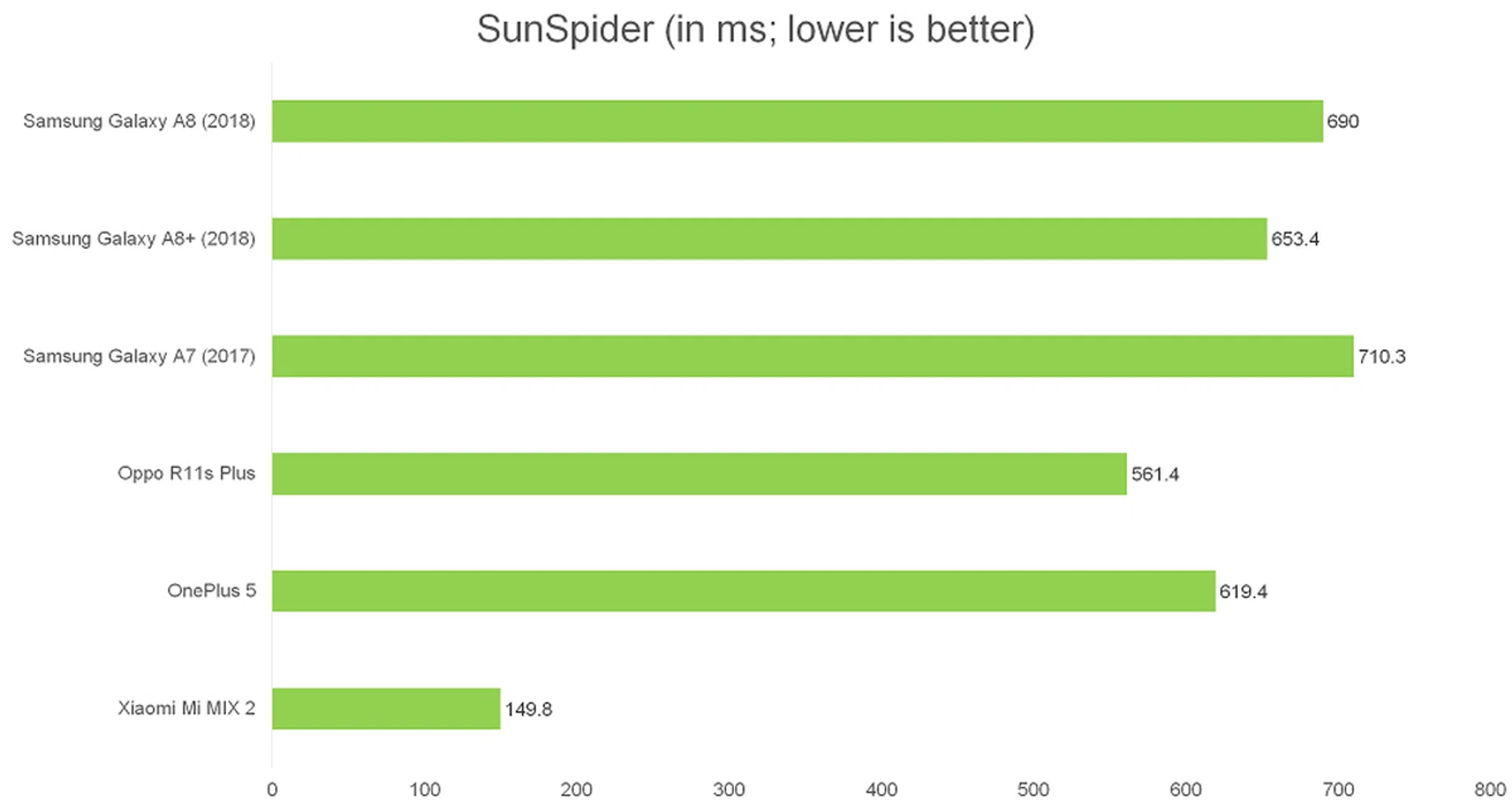
SunSpider JavaScript measures the browsing performance of a device when processing JavaScript. It not only takes into consideration the underlying hardware performance, but also assesses how optimized a particular platform is for delivering a high-speed web browsing experience.
Unfortunately, the A8 and A8+ aren't off to a great start, only beating last year's A7. Just for comparison, the S8, S8+, and Note8 hold the three fastest Android scores in this benchmark with sub-300ms times.
Basemark OS II
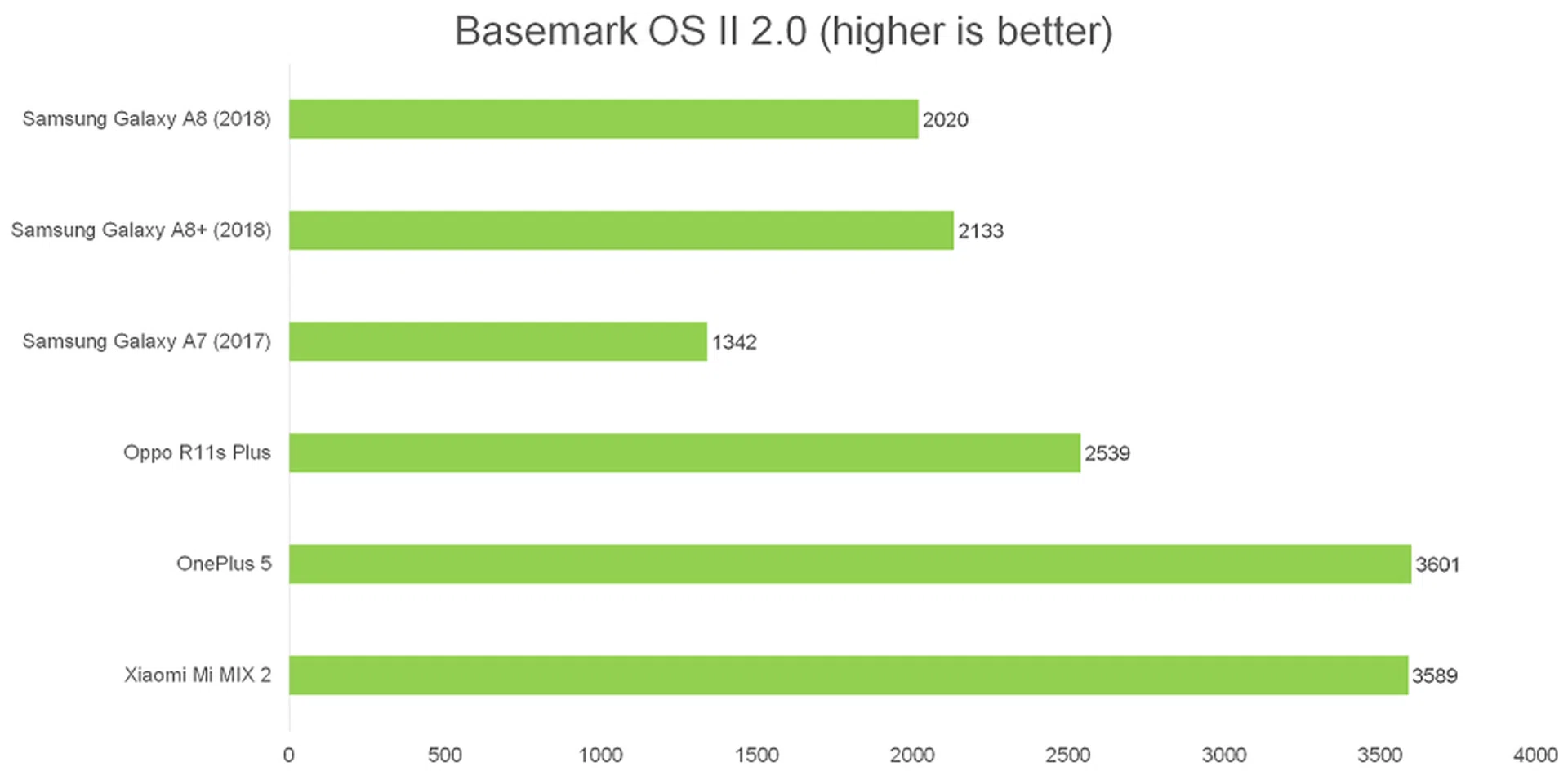
Basemark OS II is an all-in-one benchmarking tool that measures overall performance through a comprehensive suite of tests including system, internal and external memory, graphics, web browsing, and CPU consumption.
The A8 and A8+ didn't do much better in Basemark, with disappointing scores trailing way behind the Qualcomm Snapdragon 660-powered Oppo R11s Plus and even further behind the Snapdragon 835 OnePlus 5 and Xiaomi Mi MIX 2.
3DMark Sling Shot Unlimited
3DMark Sling Shot is an advanced 3D graphics benchmark that tests the full range of OpenGL ES 3.1 and ES 3.0 API features including multiple render targets, instanced rendering, uniform buffers and transform feedback. The test also includes impressive volumetric lighting and post-processing effects. We're running this benchmark in Unlimited mode, which ignores screen resolutions.
Despite using the same GPU as the S8 and S8+, the A8 and A8+ seem to be held back by the 7885's sluggish processor and were again the worst performers in this benchmark.
Imaging
Both the A8 and A8+ are equipped with a single 16-megapixel rear camera with a f/1.7 aperture lens. It has phase detection autofocus but no optical image stabilization.
Samsung offers a 'Pro' shooting mode, but it's quite lacking compared to what you'll find on some other phones, like the LG V30+. You can adjust exposure, ISO and white balance presets, but there's no manual focus, shutter speed option or grid lines to help you compose your shot.
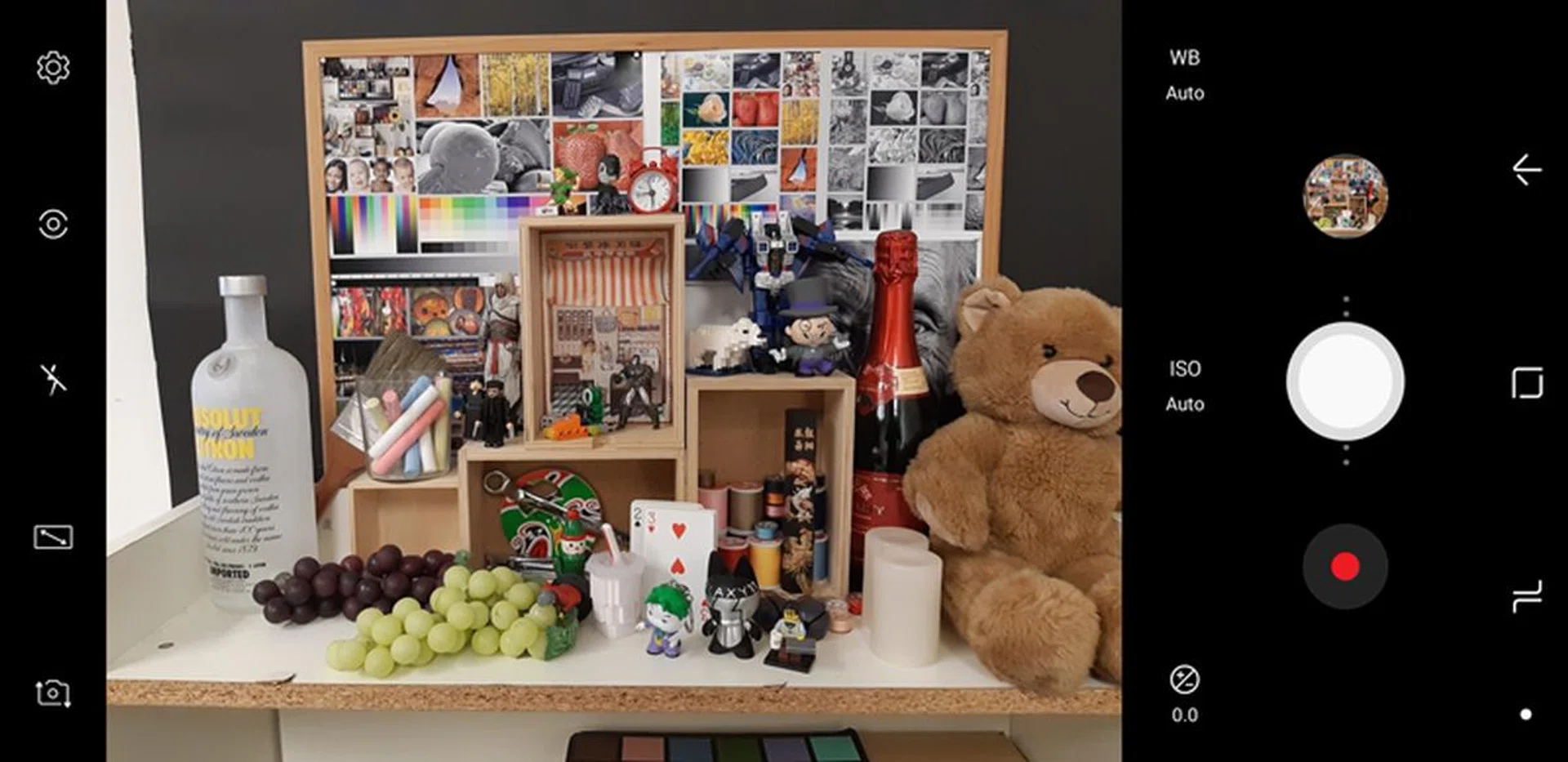
Image quality is quite good, with good detail retention, low noise and minimal signs of noise reduction. Colors are accurate and neutral.
HDR is available, but strangely enough, it's hidden inside the Settings menu. There's no option in either Auto or Pro mode to quickly toggle it on or off. HDR mode on the A8 isn't the best anyway, as it won't really do much to increase details in shadows, although it will prevent bright areas from being completely blown out.

Click for full-size image


In a Samsung-first, the Galaxy A8 comes with a dual front-facing camera. It's a 16-megapixel 27mm lens + 8-megapixel 24mm lens pairing, each with a f/1.9 aperture. While the 8-megapixel lens has a wider 24mm focal length, it's not really wide enough for group selfies. There's actually a "Wide Selfie" mode for that, but it requires you to pan the camera (effectively taking a mini-panorama), which can be a little tricky depending on how you handle your phone.
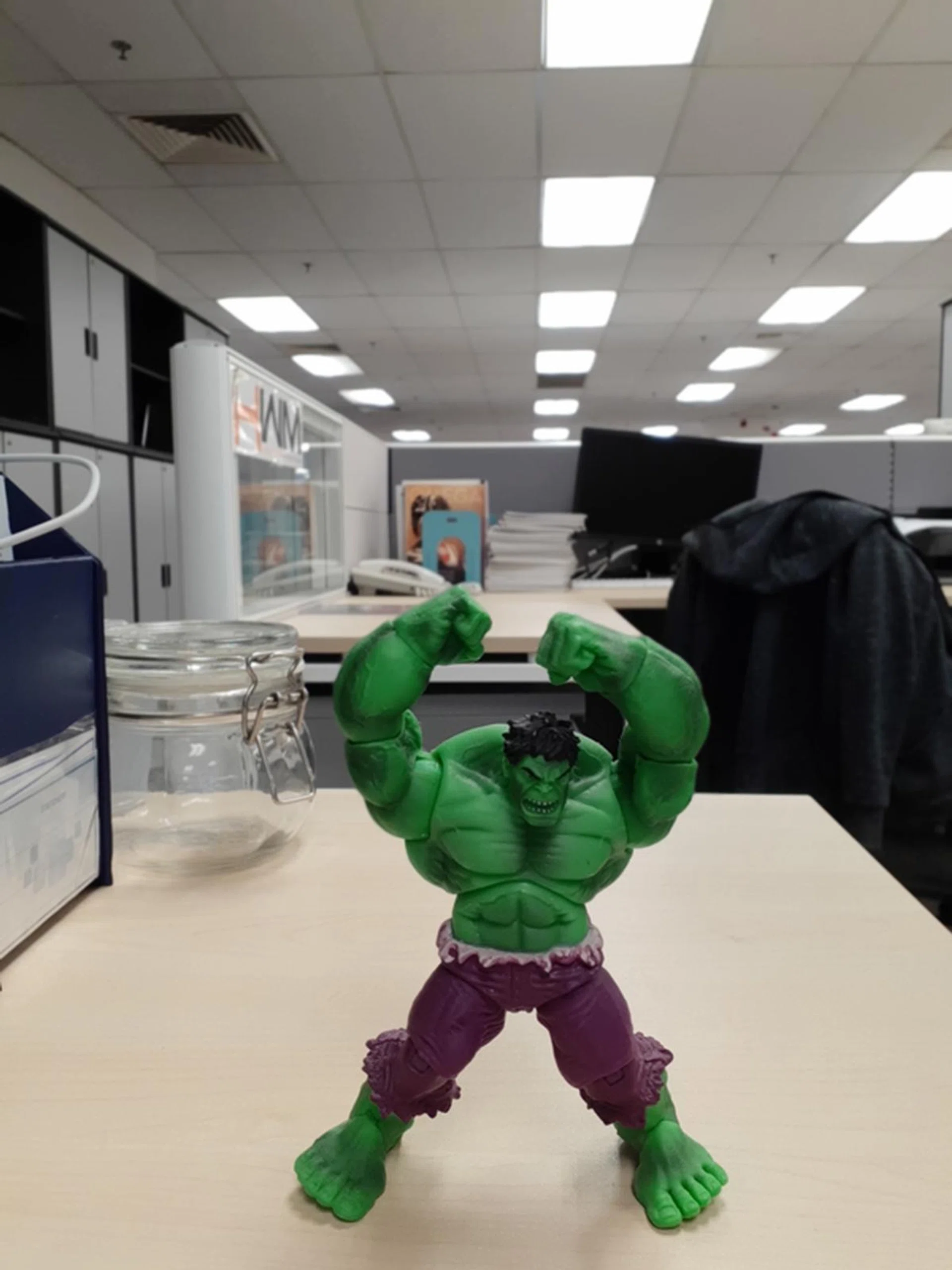
The main reason for the dual camera setup is to let you take Live Focus selfies, which is a feature we first saw on the rear dual camera of the Samsung Galaxy Note8. Live Focus selfies on the A8 work the same way, with a slider that lets you adjust the level of bokeh. This slider is also available even after the photo has been taken.
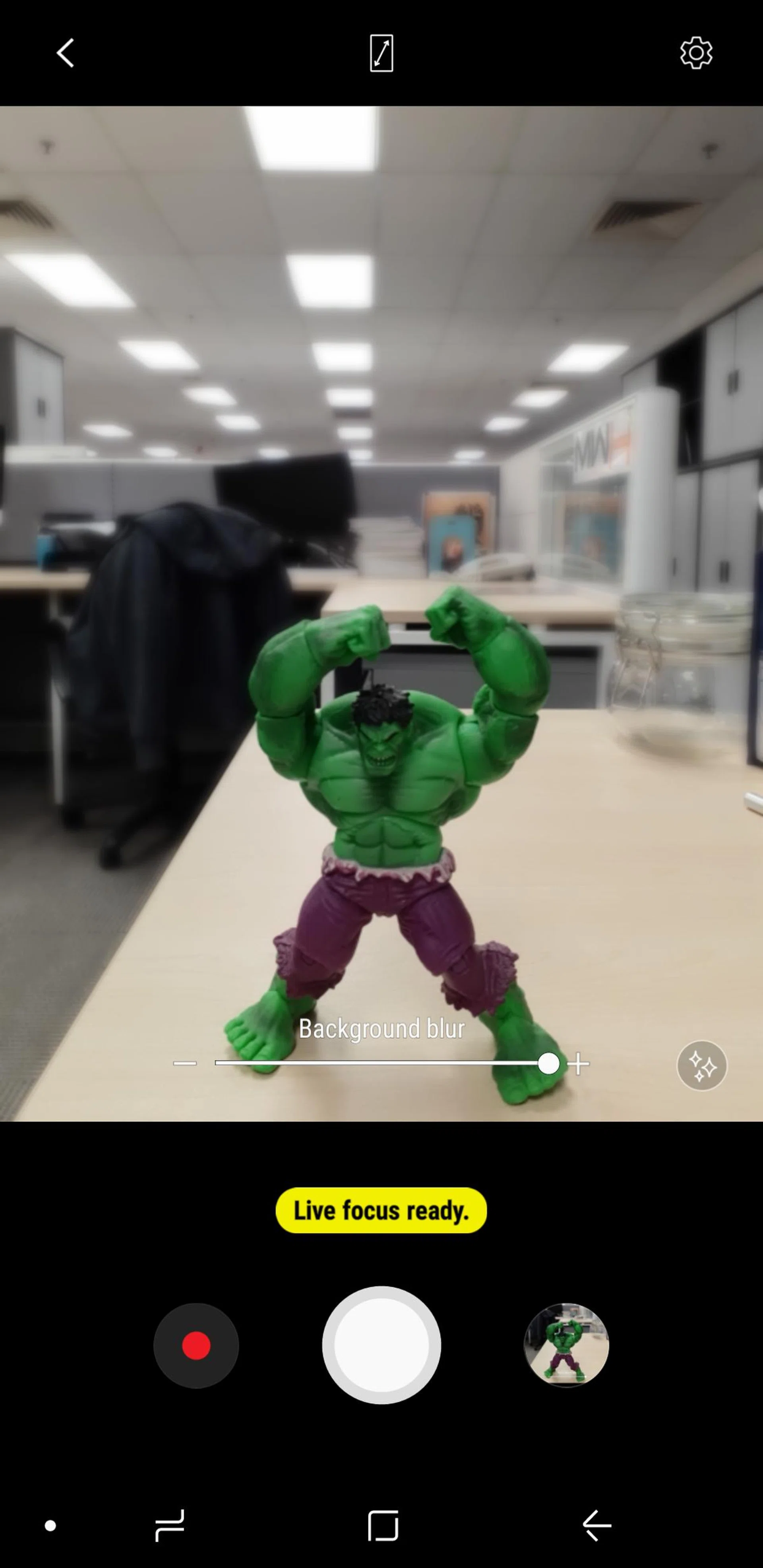
Having said that, the effect isn't as good on the A8, and the background blurring tends to look a little hazy - even at max blurring, the background isn't as creamy and soft as you get on the Note8.

Battery Life
Our standard battery test for mobile phones has the following parameters:
- Looping a 720p video with screen brightness and volume at 100%
- Wi-Fi and Bluetooth connectivity turned on
- Constant data streaming through email and Twitter
The A8 uses a 3,000mAh battery, while the A8+ has a 3,500mAh battery. Battery life on both models was fairly good, with the A8 lasting 12 and a half hours, and the A8+ lasting exactly 13 hours, although both lasted significantly shorter than last year's A7.

Despite having a glass back, the A8 doesn't support wireless charging. Quick Charging, however, is supported by means of Samsung Adaptive Fast Charging technology. On both phones it takes about 30 minutes to get 60 percent charge, then another 45 minutes or so for the remaining 40 percent.
Conclusion
The Samsung A8 and A8+ are basically stripped down, 'lite' versions of the S8 and S8+ without all the bells and whistles you get when you buy a flagship phone. So while you still get a bezel-less, always-on AMOLED display and an IP68 build, you don't get the same futuristic dual-curved design. You're also missing perks like wireless charging and the S8's hidden pressure sensitive under the display home button. But these are things you can live without.
The actual display is just as good as the S8's, and the rear camera is pretty good too. The one area where the A8 and A8+ fall behind the competition is benchmark performance. Samsung has struggled in this area with its 7-series Exynos chips, and unfortunately, that continues with the A8 and A8+. To be fair, this won't affect most people, and the A8 is still powerful enough for everyday tasks like internet browsing, social media, and watching videos. It even runs most games just fine, although you may notice a bit of lag on newer, more graphically intensive games. Even so, at a fairly pricey S$648 for the A8, and S$798 for the A8+, I can understand if some people consider the poor benchmark performance a deal breaker.
Finally, while Samsung is basically unchallenged at the top-end of the Android market, the upper mid-range is far more competitive. For S$699, the Xiaomi Mi MIX 2 gives you a much better Qualcomm Snapdragon 835 processor, but at the expense of battery life. Alternatively, with the S9 about to be unveiled, you can actually buy a brand new S8 for as low as S$830 or an S8+ for just S$910.
Our articles may contain affiliate links. If you buy through these links, we may earn a small commission.