
HTC Desire 816 - A Midrange 'Flagship'
The HTC Desire 816 is marketed as a 'flagship midrange' phablet, thanks to its 5.5-inch screen, quad-core processor, and a relatively affordable price tag. Does it live up to its billing though? We find out.

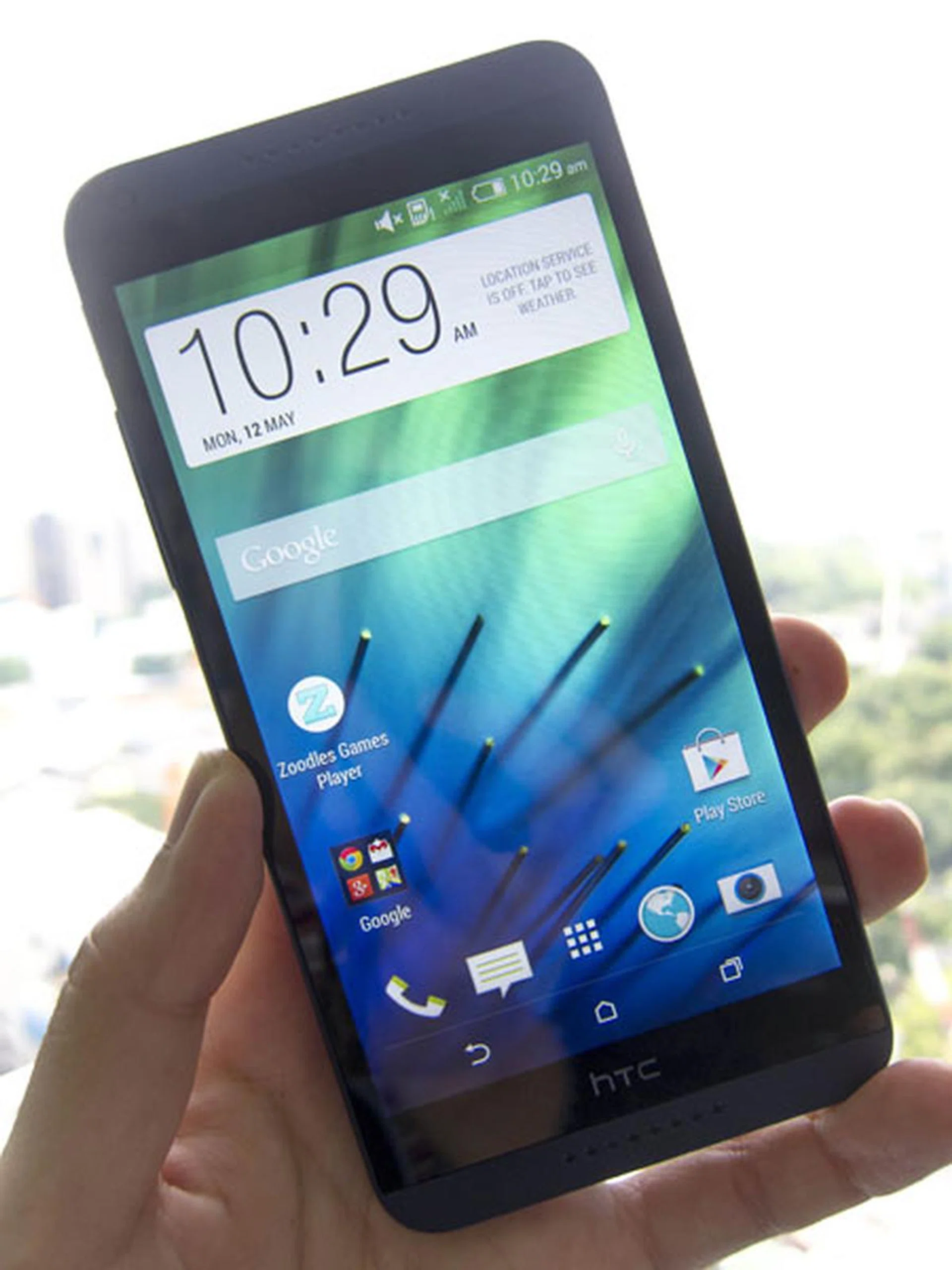
HTC takes on the mid-range phablet market with its Desire 816.
Overview
Phablets - smartphones with display sizes of at least 5.5-inches - are typically positioned as high-end models with the latest hardware and software. However, there is a growing trend among phone makers to target the entry and midrange segments with large-screen offerings. Prime examples include the ASUS Fonepad Note 6 and ZenFone 6, Huawei Honor 3X, LG G Pro Lite, Nokia Lumia 1320, Samsung Galaxy Mega with LTE, Sony Xperia T2 Ultra, and Xiaomi Redmi Note.
The latest device to join the party is the Desire 816, which is HTC's first foray into the midrange phablet segment. HTC has gotten off to a good start in China where 50,000 units of the Desire 816 were sold in 10 minutes. What made the HTC Desire 816 so popular? That's what we intend to find out in this review. But before we delve deeper, here's a quick look at how its specs compare with the competition:
Design
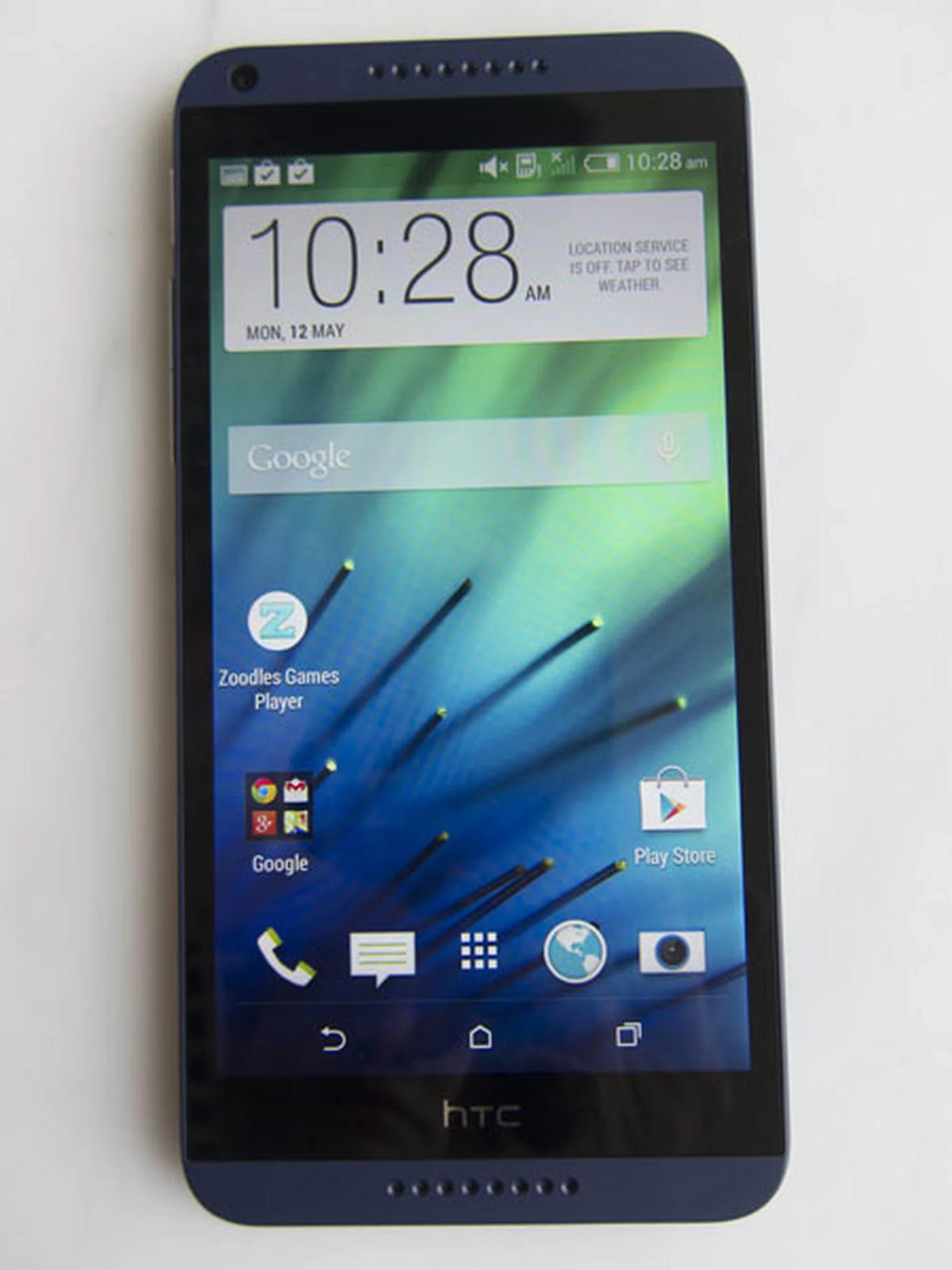
The HTC Desire 816 looks pretty classy from the front.
Marketed as a 'flagship midrange' phablet, the Desire 816 does have the looks of one; its design language is inspired from the premium One series with a unibody chassis. Unlike the aluminum-clad One smartphones, the Desire 816 is encased in a polycarbonate chassis. While the sides which have a matte texture, the rear has a glossy texture, which unfortunately, will pose a nightmare to anyone who can't stand fingerprints and smudges. All three colors of the phone face the same problem, although it is more apparent on the blue unit.
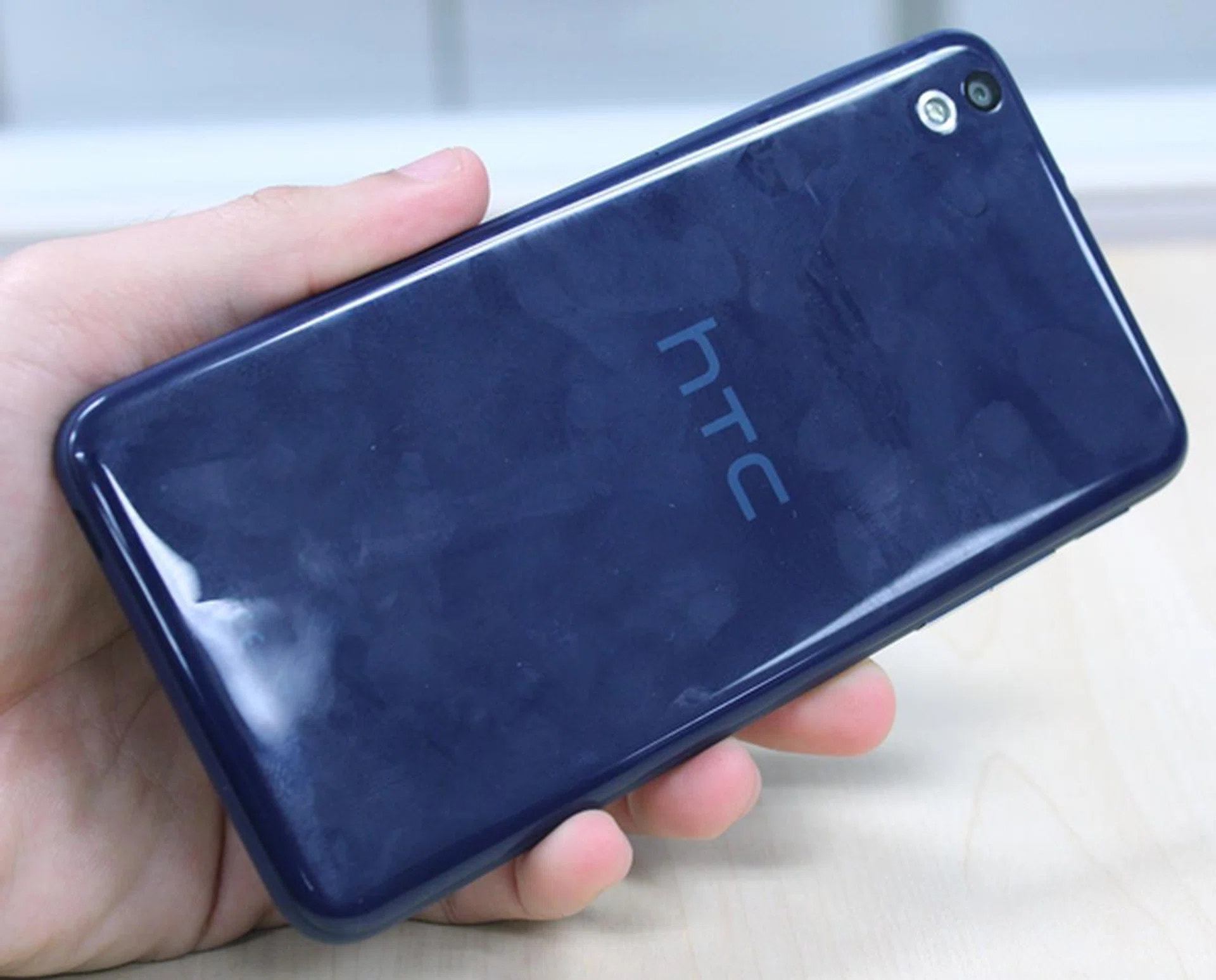
The glossy rear surface is a fingerprint magnet!
Similar to the Apple iPhone 5C, we feel that HTC did a pretty good job with the build quality of the Desire 816. It feels very solid in the hands and does not look as cheap as the other plastic phones in the market. The handling is quite excellent thanks to the matte finishing on the sides that provides a firmer grip.
The only physical buttons - the power button and volume rocker - on the Desire 816 are located on the left side. We had no problems accessing them and the buttons provided a solid tactile feedback when pressed. In line with the One (M8), the navigation buttons are implemented as contextual soft keys and adhere closely to Google's latest design guidelines.
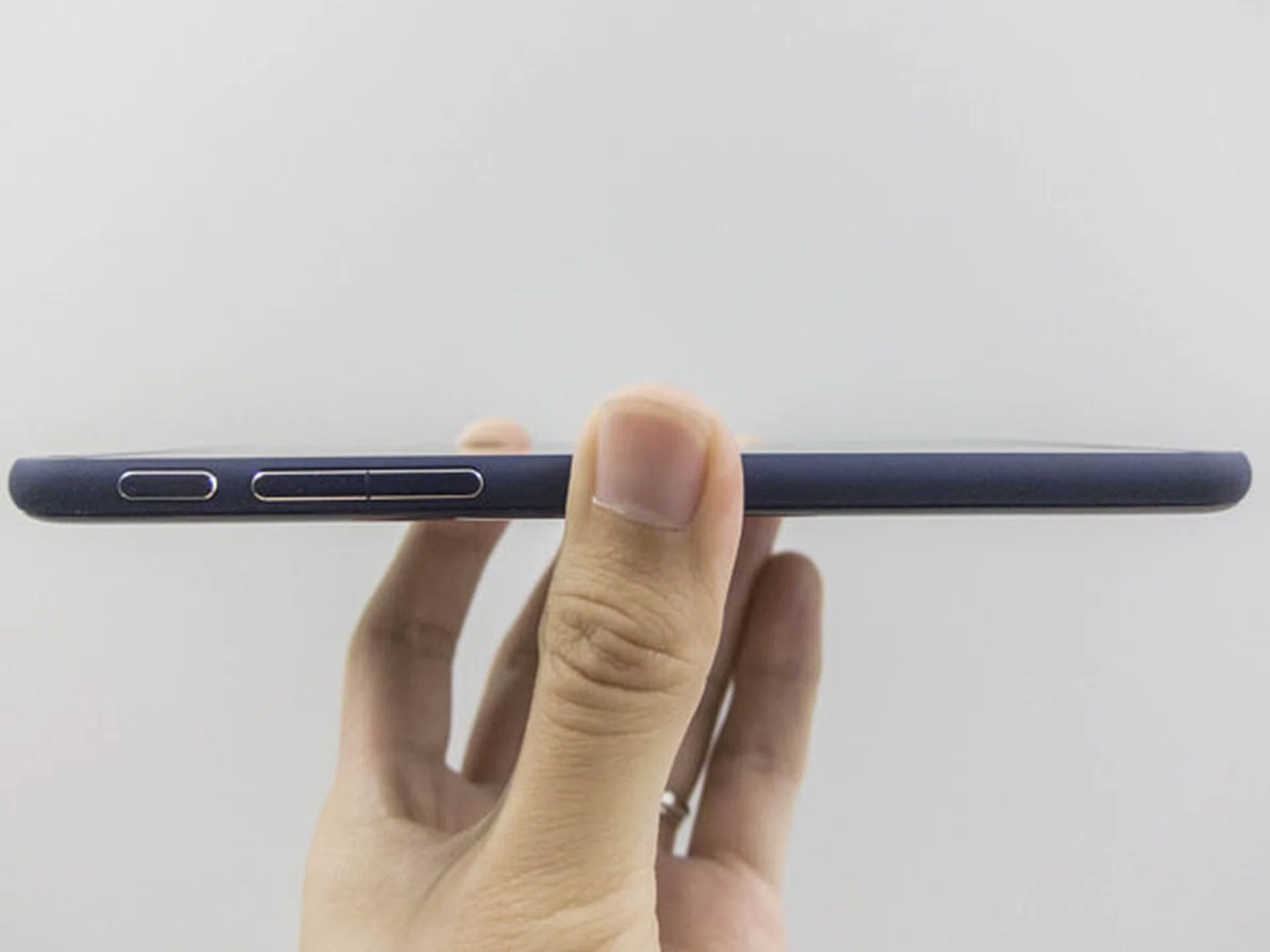
The power and volume controls are all housed on the left side of the Desire 816.
On the right side of the device houses the microSD memory card and nano-SIM card slots. Interestingly, the review unit we had showed what was originally another nano-SIM card slot, but it was blocked. We were told by HTC that there are plans for a dual-SIM variant of the Desire 816, but actual availability is not confirmed at time of publication. We foresee consumers putting the memory card slot to good use as the Desire 816 only comes with 8GB internal storage. Having said that, the Desire 816 supports microSD cards up to 128GB.
Display
The Desire 816 sports a large 5.5-inch Super LCD 2 display with a resolution of 1,280 x 720 pixels. Even though this display isn't full HD, it is still pleasing to look at. Pixelation is hardly visible and color reproduction is accurate with wide viewing angles. The bezels around the display are rather thick, but the Desire 816 is clearly not designed to compete for the title of having the thinnest bezel.
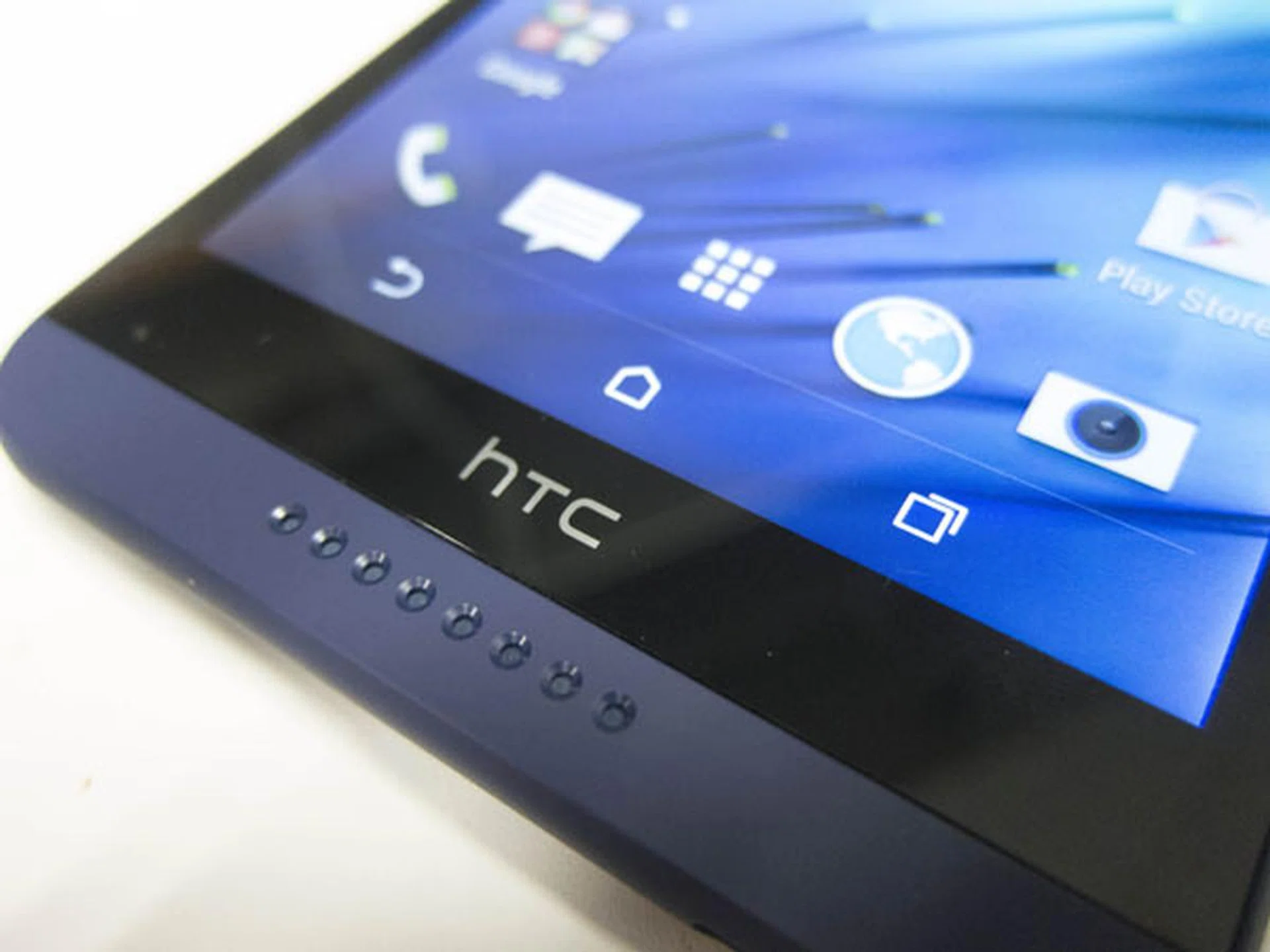
The soft buttons, as well as the front-facing BoomSound speakers are two staples in recent HTC phones.
HTC BoomSound Speakers
One hallmark of HTC’s offerings across all devices released in 2014 is the inclusion of BoomSound. With regards to that, HTC does not skim on the quality of the BoomSound on the Desire 816, even though it is a midrange phone. When playing music or videos in a moderately noisy environment (such as a crowded food court), the sound output is audible, with little distortion or sound clipping. More importantly, the fact that the speakers are front facing meant that the sound output will not be muffled when the Desire 816 is placed on a desk.
Even faster (Cat 4) LTE
One feature we often saw missing on budget smartphones is 4G LTE connectivity. Fortunately, the Desire 816 is an exception to the rule, as it supports LTE Cat 4 speeds of up to 150Mbps. This allows the Desire 816 to stand out from the rest, and could be a deciding buying factor for those who have a real use case for a faster cellular data connection.
Locally, M1 and SingTel's 4G LTE networks are able to support Cat 4 speeds. Do note that the speeds are based on theoretical estimates; you're unlikely to attain such maximum download speeds due to prevailing network conditions.
Software
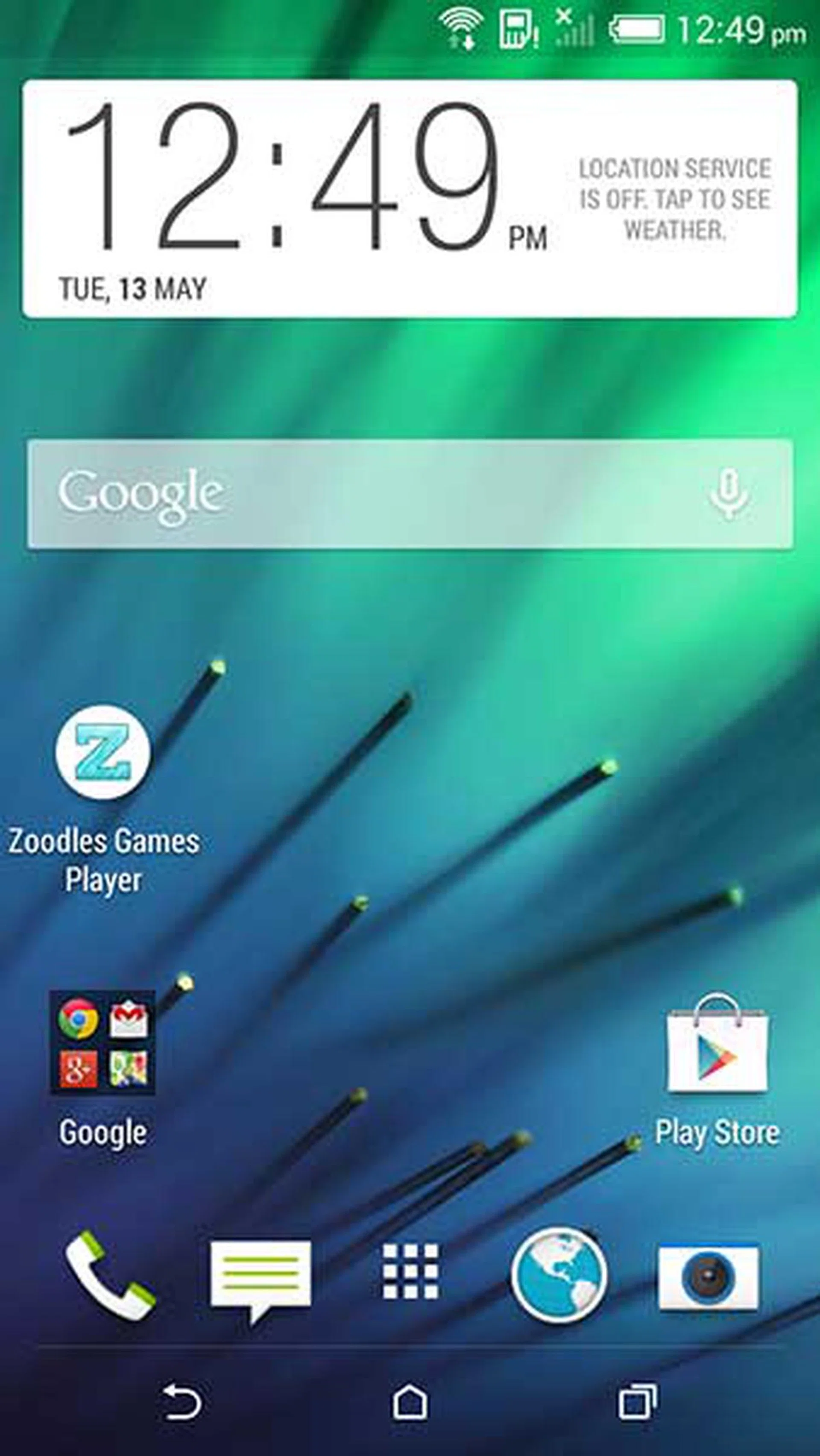
HTC Sense 6
HTC Desire 816 runs on Android KitKat 4.4.2, with their own HTC Sense 6 as an overlay. Starting from 2014, HTC has started to standardize the software features of their phones. As such, all the phones that have been released so far - HTC One (M8), HTC Desire 816, and HTC Desire 610 - have the same features and apps (if the hardware allows, of course).
For the full run-down of Sense 6, head over to our hands-on article with the One (M8) where we explored its major features. Do note that some features are not found in the Desire 816 due to hardware limitations such as Motion Launch Gestures.
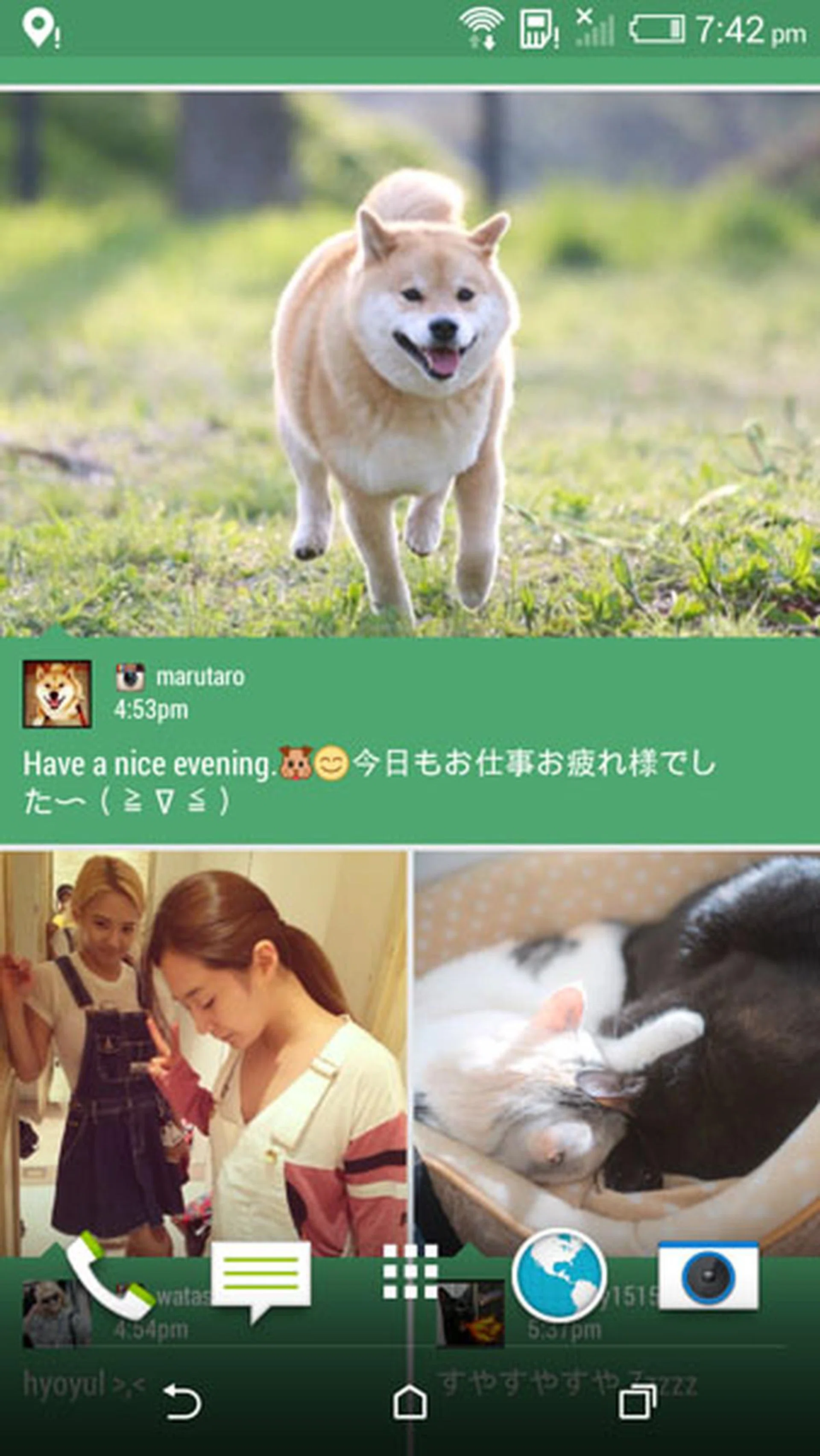
Here's an Instagram feed being displayed in HTC Blinkfeed.
One feature is the HTC Blinkfeed, which is shown by sliding the main home screen to the left. HTC Blinkfeed essentially shows feeds of supported social networks onto the main screen, all without having to go to the app.
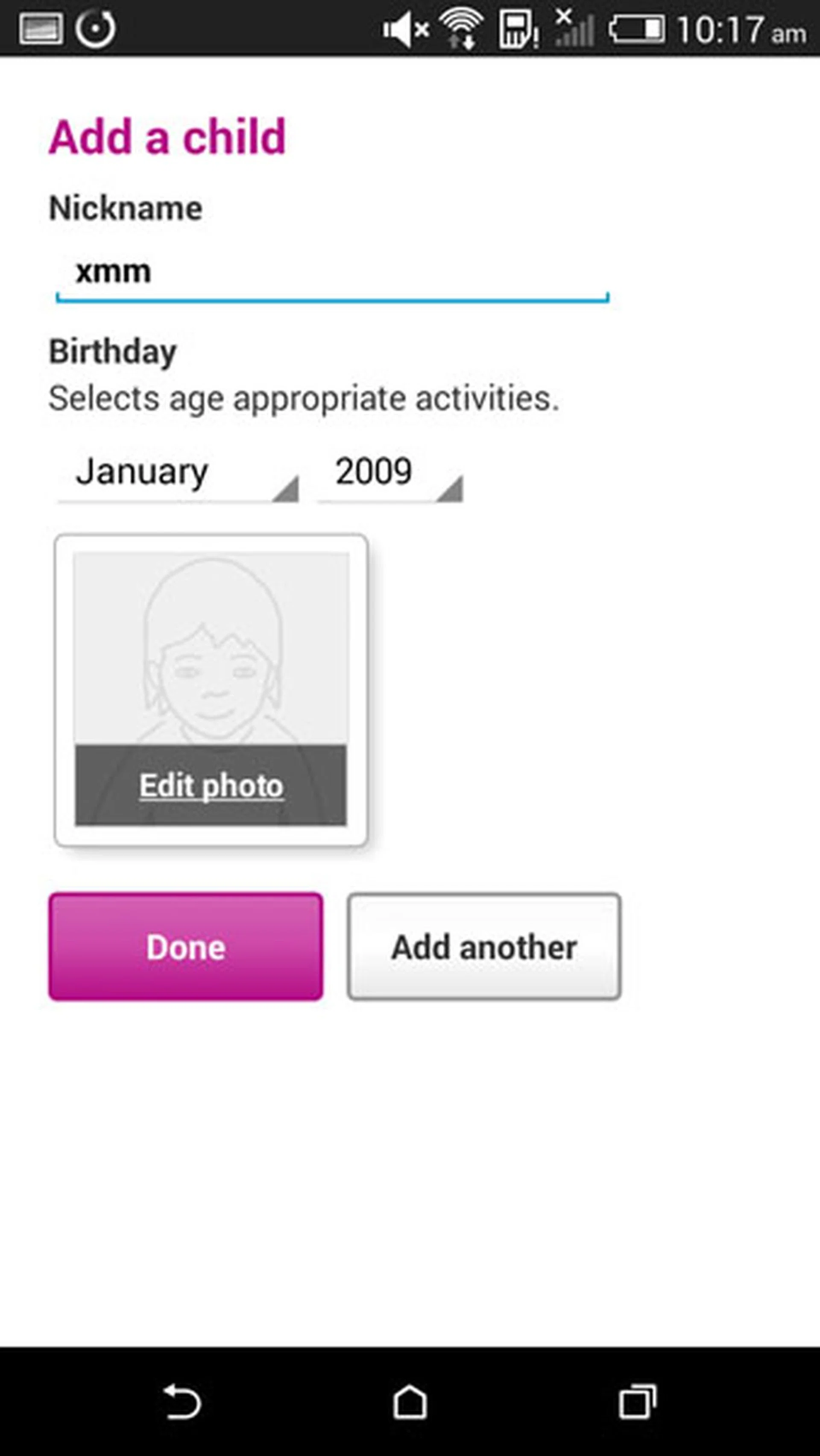
Setting up Kid's Mode is easy.
Another feature that is common in HTC Sense 6 is the Kids Mode. What this mode modes is to lock down the phone, and only shows only children-friendly elements and apps. To go back to normal mode, the parent just need to enter his or her own year of birth.
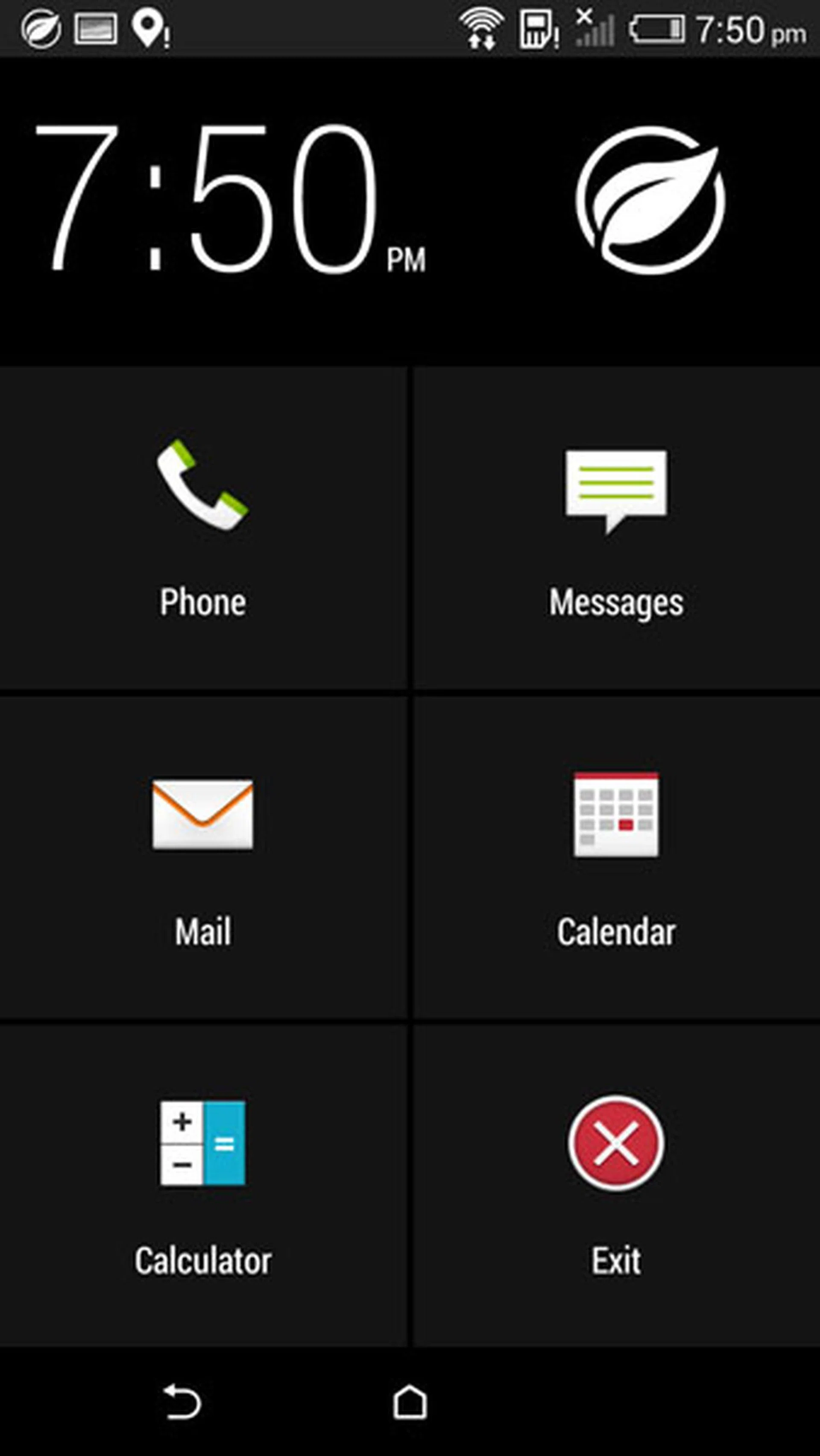
The simplified UI on Extreme Power Savings Mode.
One other interesting feature is the Extreme Power Savings mode. In that mode, most background services are suspended, and the CPU speed is lowered. Even the UI changes to one that allows only very basic usage of the phone, as shown above.
One last thing which is of interest to developers: being able to select the new Android Runtime (ART), an experimental runtime that is introduced in Android KitKat, and destined to replace the current Dalvik VM in the future. This is however still experimental, and some apps may break if they don't support this runtime. In any case, there's nothing for Desire 816 users to worry about, since ART isn't enabled by default.
Camera
The Desire 816 has a 13-megapixel rear camera with BSI sensor and an aperture of f/2.2. Taking into account the price point and proposition as a midrange device, the Desire 816 outclasses most devices of its category in this department. Here are some photos that we've taken under normal lighting and low light conditions:

Test shot under normal light.
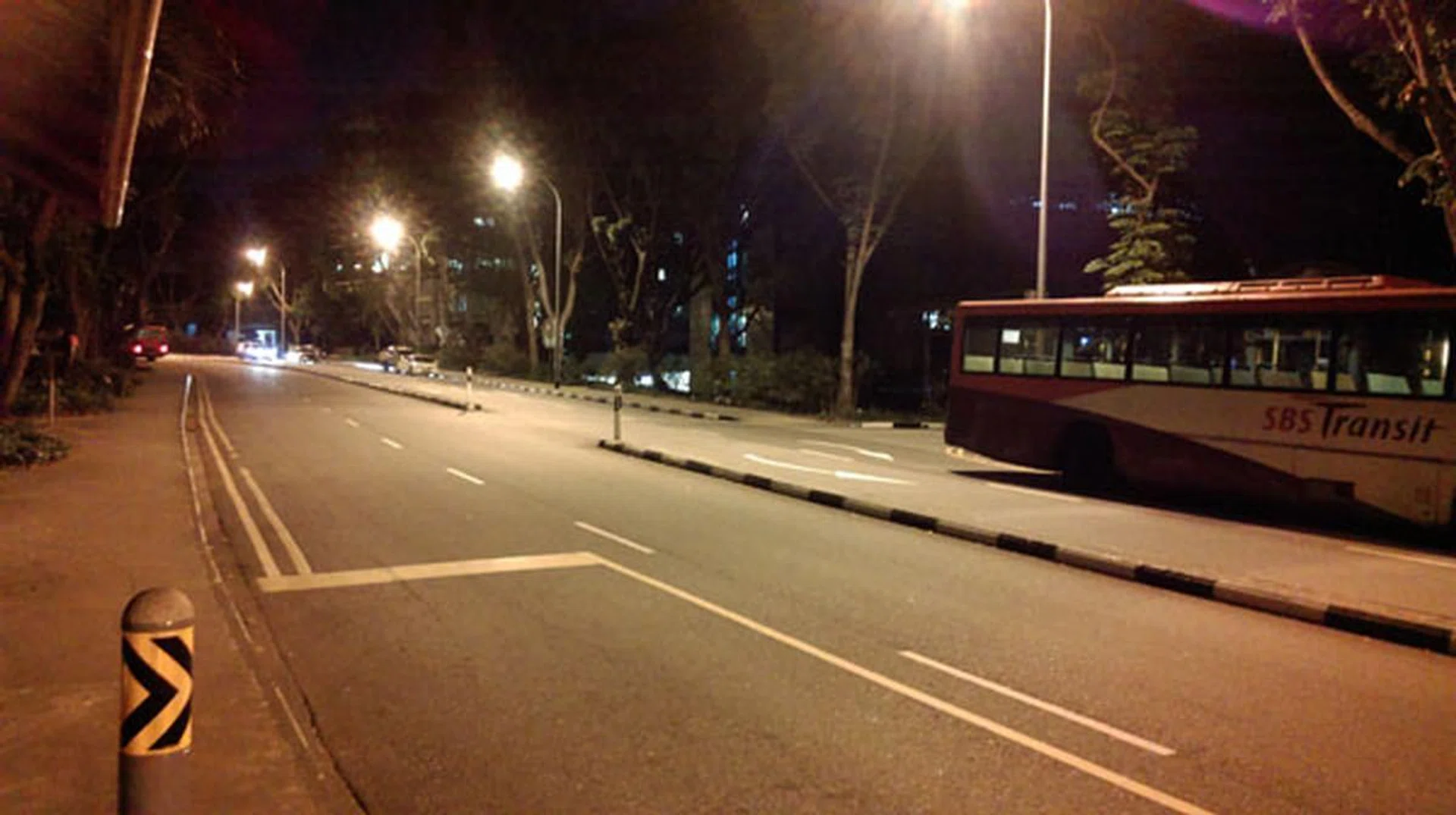
A photo taken at night using the Auto Mode.
We did find it strange that the Desire 816 took better images in Auto mode than Night Mode in low light conditions. In the comparisons below, you can clearly see the top left corner of the photo taken in Auto Mode showing more details.
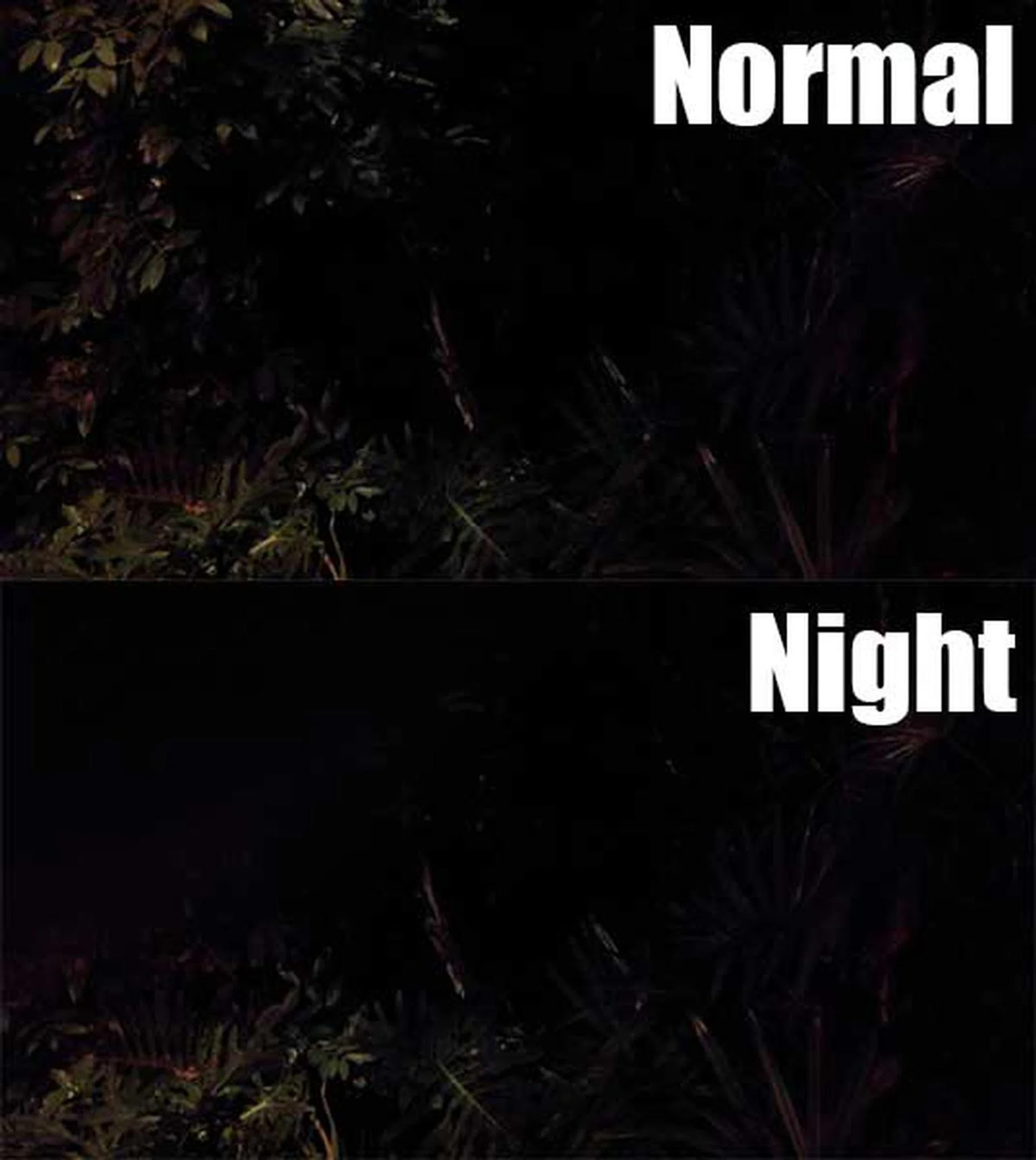
It's interesting that the Desire 816 captures better images in Auto Mode than Night Mode in this comparison.
For consumers who love taking selfies, the Desire 816 should come in handy as the front-facing camera has a 5-megapixel sensor and a wide angle lens with f/2.8 aperture. As seen in the photo taken below, its performance is quite decent and definitely better than the 1 or 2-megapixel shooter on most competing phones. In terms of video recording, the Desire 816 is capable of 720p video capture on both cameras. It's also worth mentioning that you can readjust the focus during video recording.
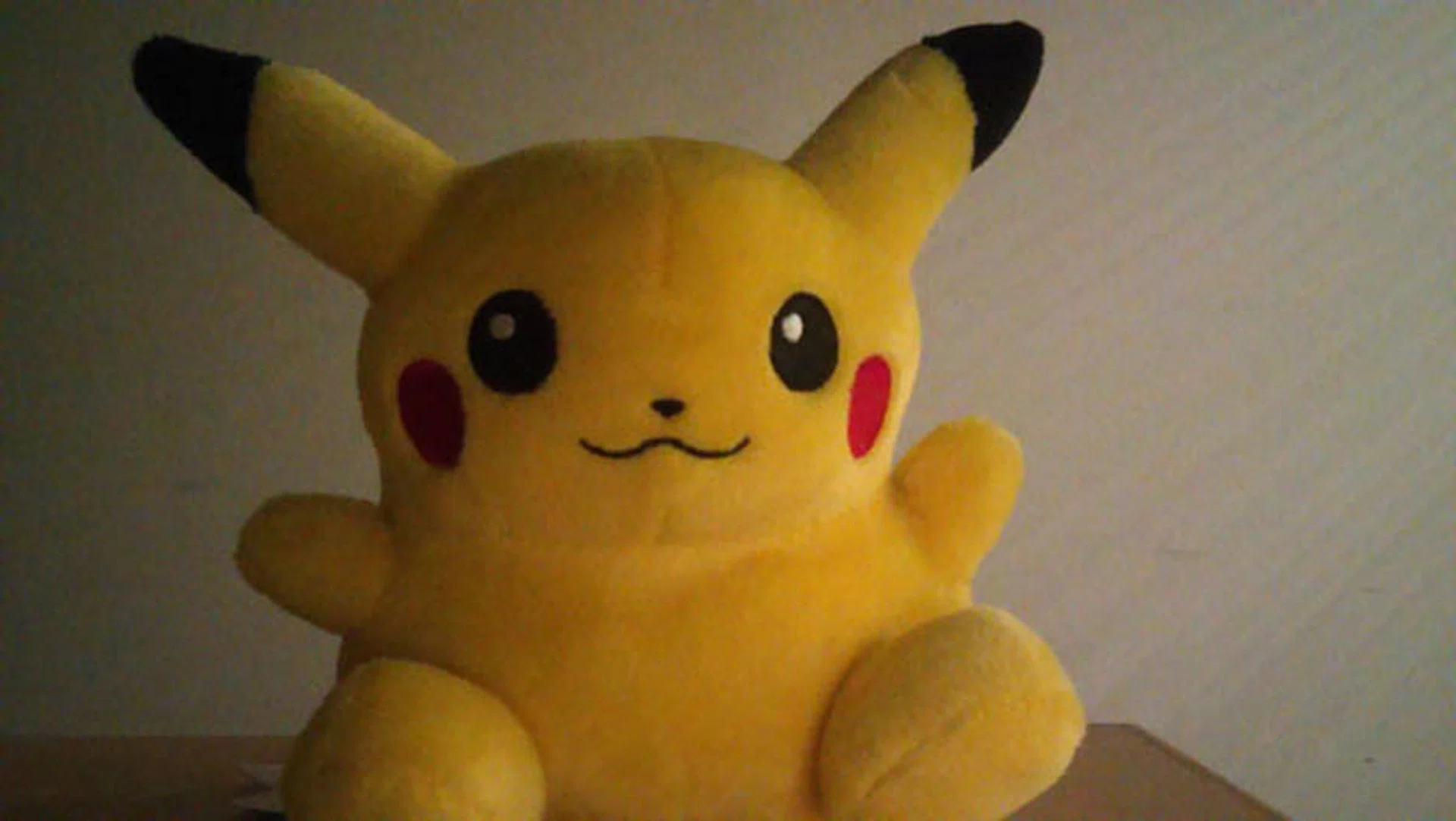
Pikachu taking a selca under low-light; front camera performs well too!
Performance Benchmarks
The HTC Desire 816 is powered by a Qualcomm Snapdragon 400 quad-core 1.6GHz processor and 1.5GB RAM. We will be comparing the Desire 816 against the ASUS Fonepad 6, Huawei Ascend Mate, and Samsung Galaxy Mega with LTE. We also included the LG G Pro 2 to see where the Desire 816 stands against a recent flagship phablet.
Sunspider JavaScript
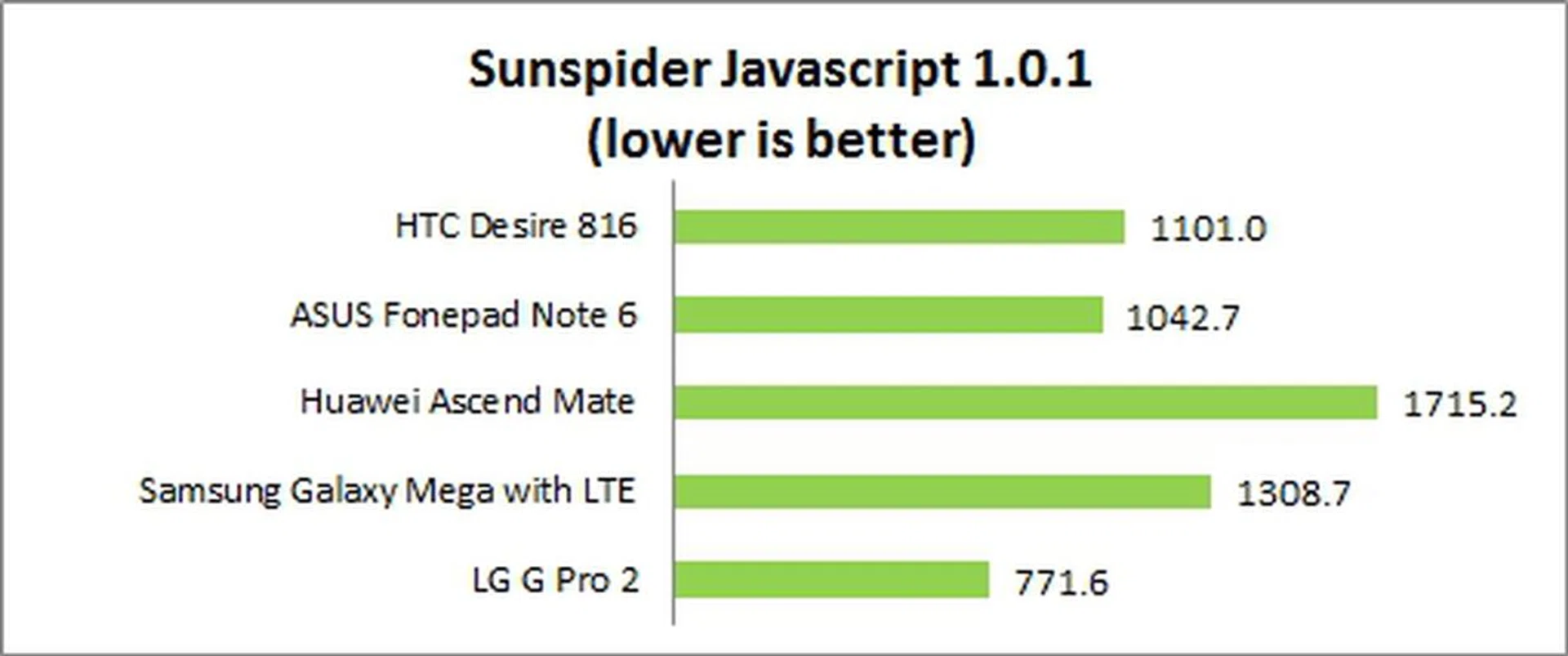
SunSpider JavaScript helps measure the browsing performance of a device when processing JavaScript. It not only takes into consideration the underlying hardware performance, but also assesses how optimized a particular platform is at delivering a high-speed web browsing experience. The Desire 816 ranked closely behind the Fonepad Note 6.
Quadrant
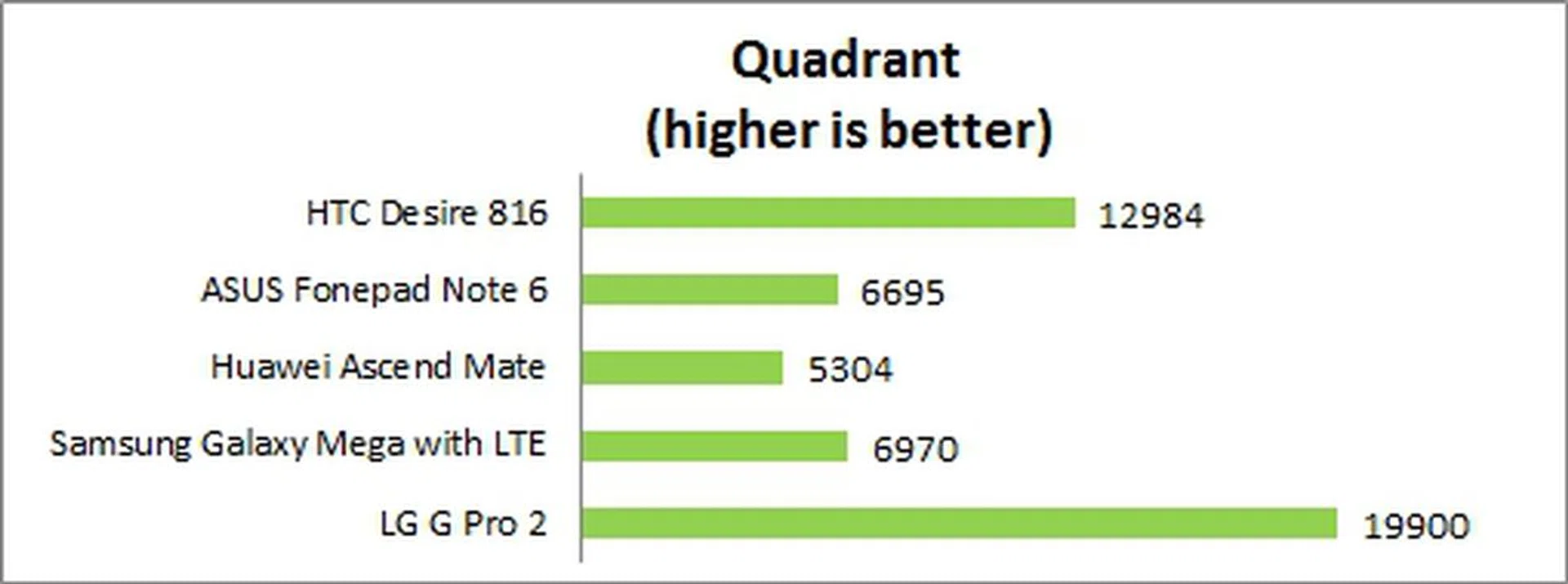
Quadrant evaluates a device's CPU, memory, I/O and 3D graphics performances. The Desire 816 had a healthy lead over the competition with a score of 12,984, which is about 86% higher than the Galaxy Mega with LTE.
3DMark 2013
Originally developed as a PC benchmarking tool, 3DMark is now expanded to support multiple platforms including Android OS. The Ice Storm benchmark is designed for smartphones and tablets.
For an in-depth understanding of 3DMark for Android, do head over to our article, "3DMark - Android Device GPU Performance Review." In a nutshell, 3DMark now consists of three test sections:
- 3DMark Ice Storm is an OpenGL ES 2.0 benchmark test that uses fixed off-screen rendering at 720p then scales the output to fit the native display resolution of your device. Ice Storm includes two graphics tests designed to stress the GPU performance of your device and a physics test to stress its CPU performance.
- 3DMark Ice Storm Extreme raises the off-screen rendering resolution to 1080p and uses higher quality textures and post-processing effects to create a more demanding load for the latest smartphones and tablets.
- 3DMark Ice Storm Unlimited is used to make chip-to-chip comparisons of different chipsets, CPUs and GPUs, without vertical sync, display resolution scaling and other operating system factors affecting the result.
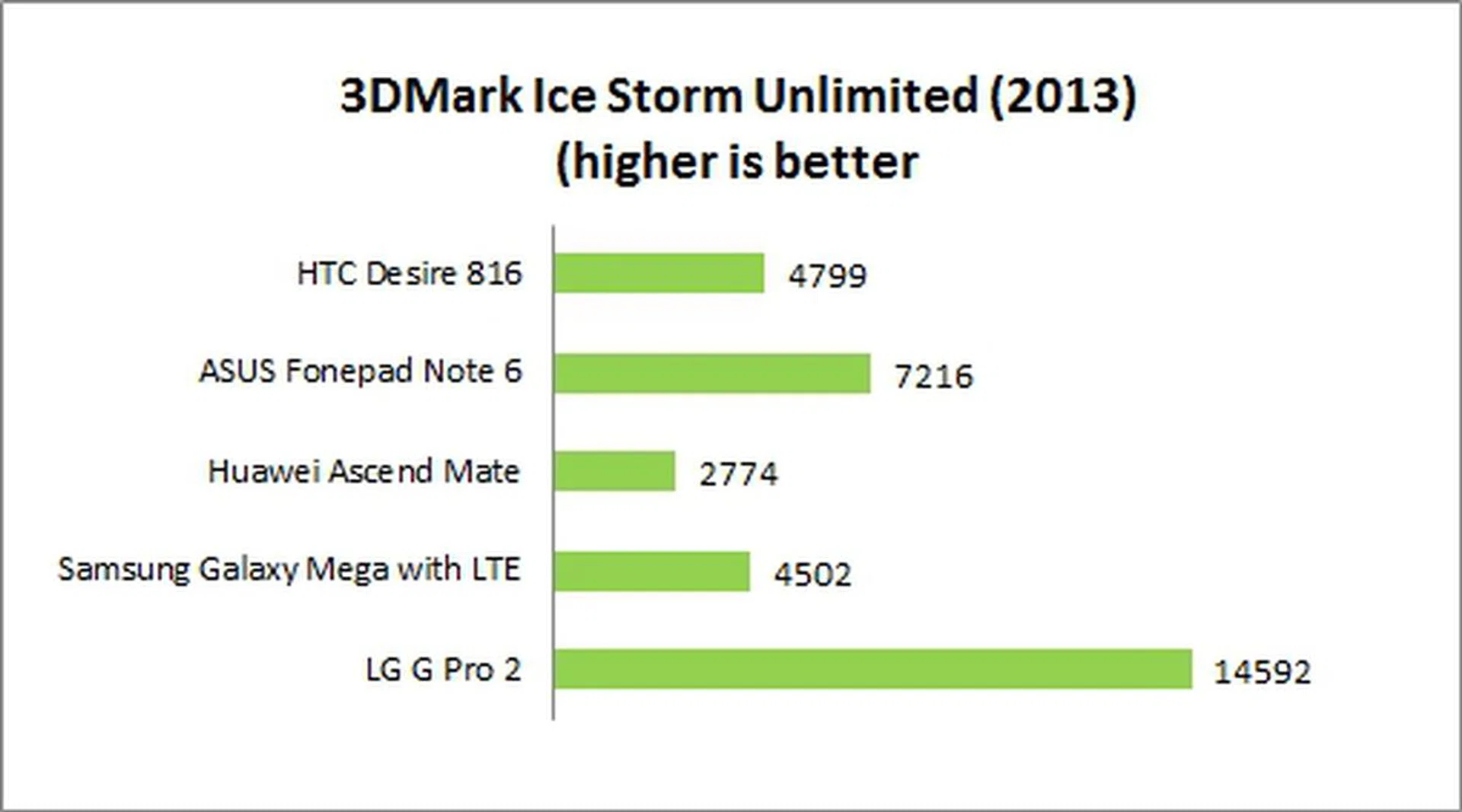
For this review, we will focus on the scores of the Ice Storm Unlimited. The Desire 816 was outperformed by the Fonepad Note 6, but maintained a healthy margin over the Ascend Mate and Galaxy Mega with LTE.
During day-to-day usage, the HTC Desire 816 felt snappy; the user interaction felt fluid, transitions between screens were fast, and launching applications were relatively quick as well.
Battery Performance
Our standard battery test for mobile phones includes the following parameters:
• Looping a 800 x 480-pixel video with screen brightness and volume at 100%
• Wi-Fi and Bluetooth connectivity turned on
• Constant data streaming through email and Twitter
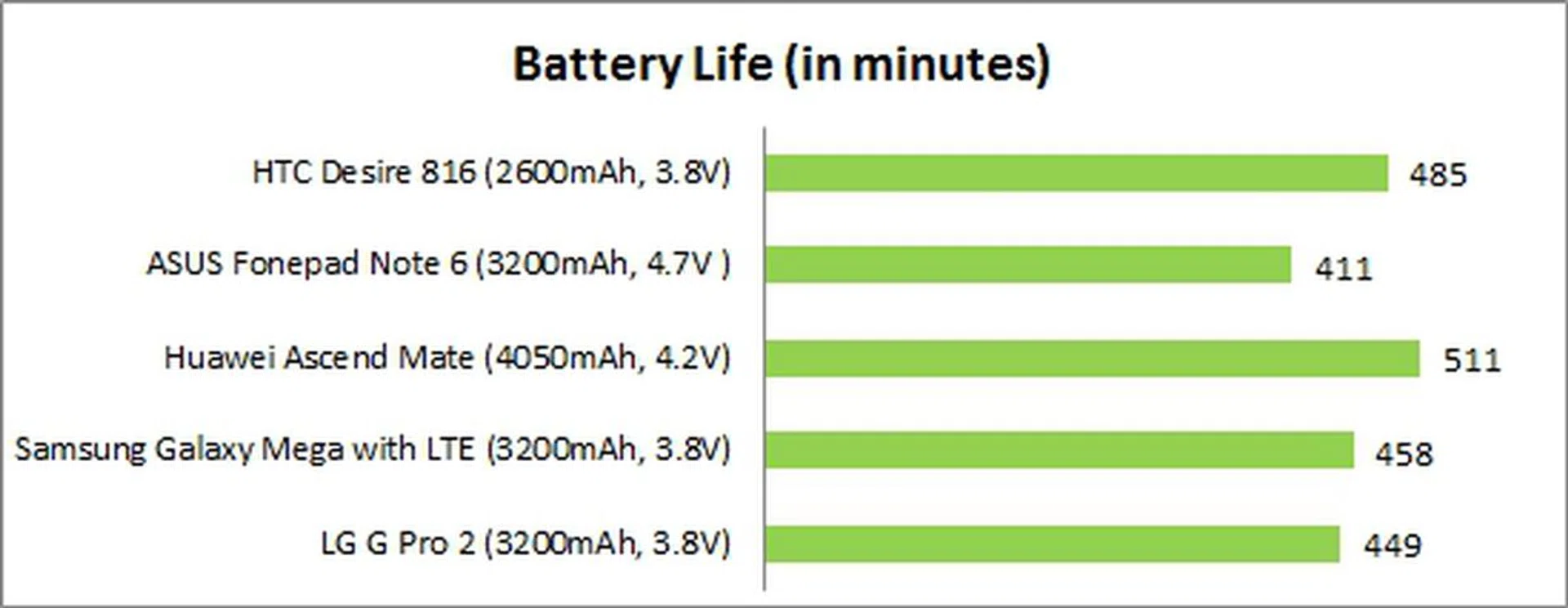
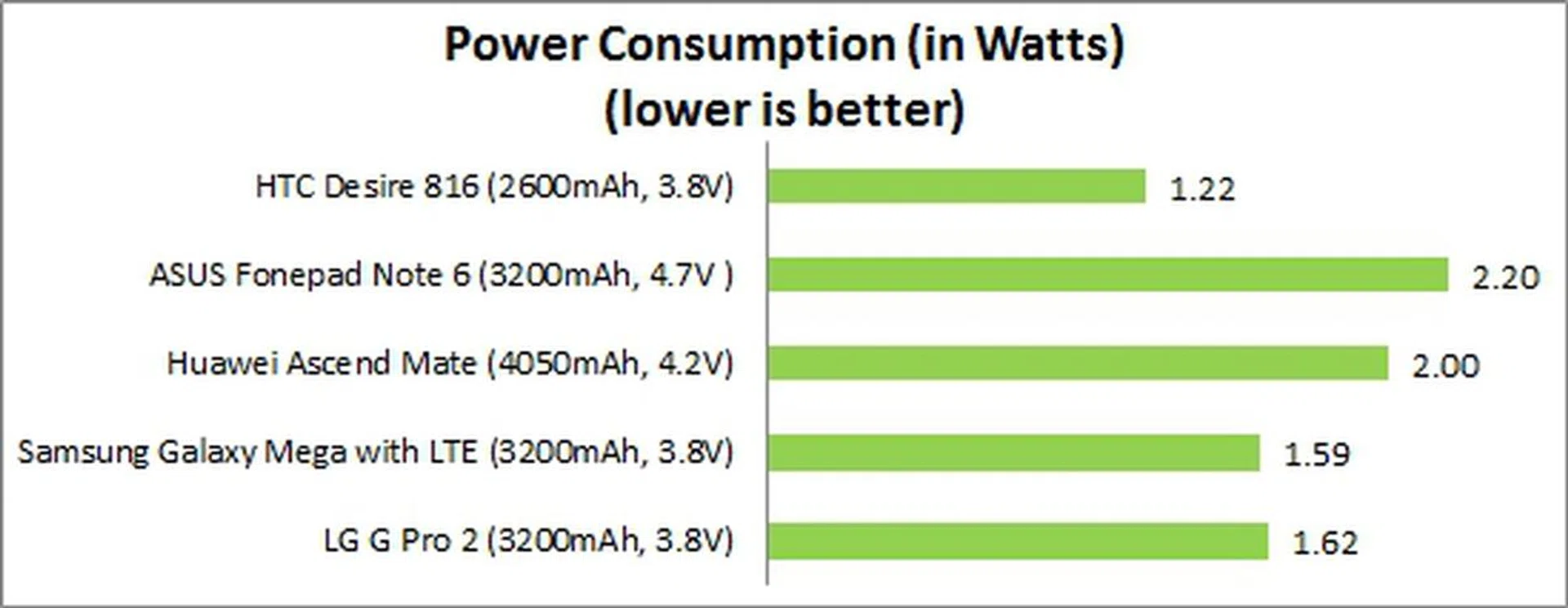
The Desire 816 lasted 8 hours and 5 minutes, which is slightly over 30 minutes shorter than the Ascend Mate. Taking into account its smaller battery capacity (sadly, non-removable too) and 5.5-inch 720p display, we would say that this is actually quite a good showing. For comparison's sake, the Desire 816 lasted almost as long as the 5-inch HTC One (M8).
It also registered the lowest power consumption rate as it has the smallest display among the phablets compared. As noted in our review of the One (M8), HTC seems to have finally addressed the power management issues that plagued its previous generations of devices.
Portability
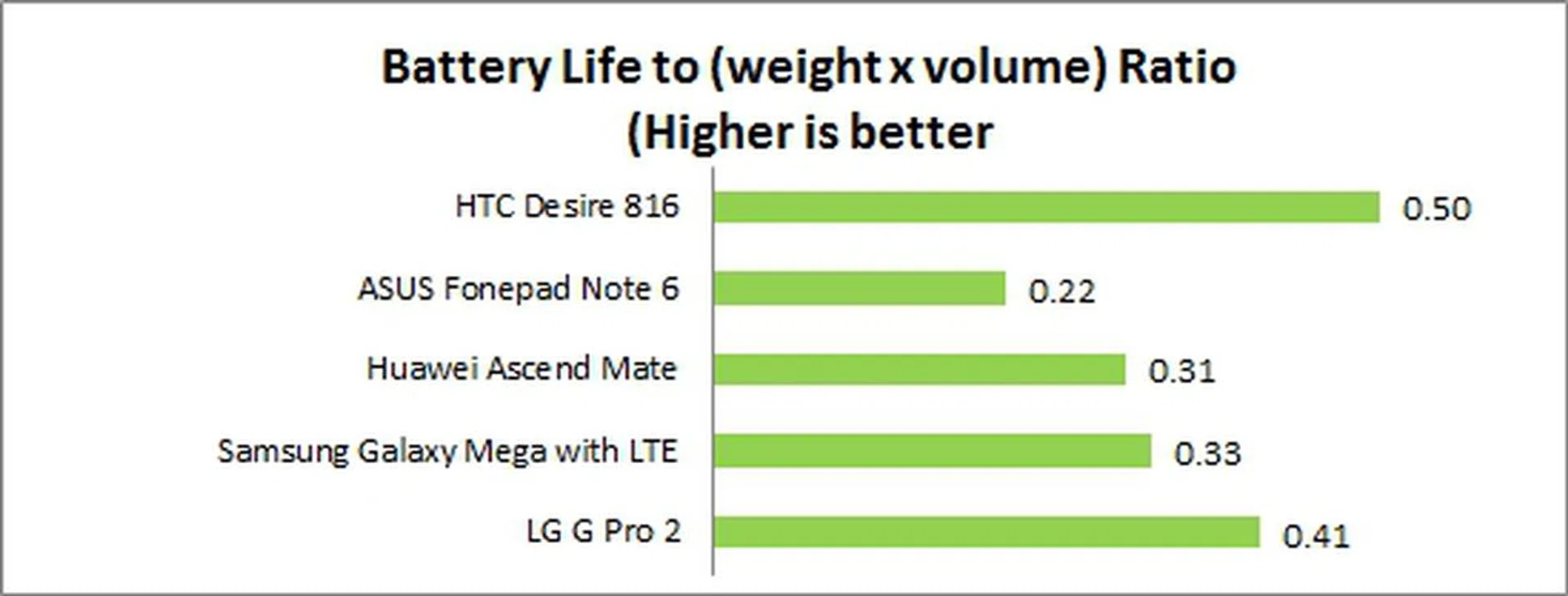
We measure the portability of a device by calculating its battery life to (weight x volume) ratio. As the slimmest and lightest device in this comparison, the Desire 816 obviously clinched the top spot in our Portability Index. Its good battery mileage also played a part.
Conclusion
The Desire 816 is more than just a midrange phone as it is very well executed on a number of fronts. While it lacks the premium design and build quality of the One (M8), the Desire 816 still shines as a very well-built smartphone. Software-wise, it runs on the latest Sense 6 interface sans the Motion Launch Gestures and fanciful imaging effects, which is actually not a bad thing. The Desire 816 also delivers a solid mid-pack performance in benchmarks and actual usage.
Available soon at a retail price of S$498, the Desire 816 is a solid recommendation for anyone who is looking for a phablet without breaking his or her bank. However, there are serious contenders in the market such as the Huawei Honor 3X and Xiaomi Redmi Note. Both the Honor 3X and Redmi Note are powered by octa-core processors, have larger batteries, and are priced cheaper than the Desire 816.
Our articles may contain affiliate links. If you buy through these links, we may earn a small commission.