
Google Pixel 4a review: Great performance at an even better price
A great camera, pure android UI experience, good all-round performance, Pixel-only Google features and a sweet price. What more can you ask for?

Note: This review was first published on 5 Aug 2020.
Maybe the Pixel was never meant to be a flagship device
It took a long while, but the Google Pixel 4a is finally here. Like the Pixel 3a, the Pixel 4a attempts to offer a premium Android experience at a far more affordable price, cutting out expensive hardware bits and packing everything into a smaller phone. The Pixel 3a was a big hit with reviewers and consumers alike, and Google is clearly trying to replicate the same success with the Pixel 4a.
At S$499, the Pixel 4a is poised to attract a swath of users on the hunt for a capable Android device that won't break the bank. Compared to the Pixel 3a, the Pixel 4a offers upgraded storage and RAM, faster performance, and an even more attractive price tag. For those looking to enjoy Google's software smarts, a pure, unfettered Android experience, and regular OS updates, the Pixel 4a looks more than up to the task.
Here's an overview of its specifications:
- 5.81-inch FHD+ 2,340 x 1,080-pixel OLED display (443 ppi)
- Snapdragon 730G processor
- 6GB LPDDR4X RAM
- 128GB storage
- 3,140 mAh battery
- Dimensions: 144 x 69.4 x 8.2mm
- Weight: 143g
A really well-rounded phone
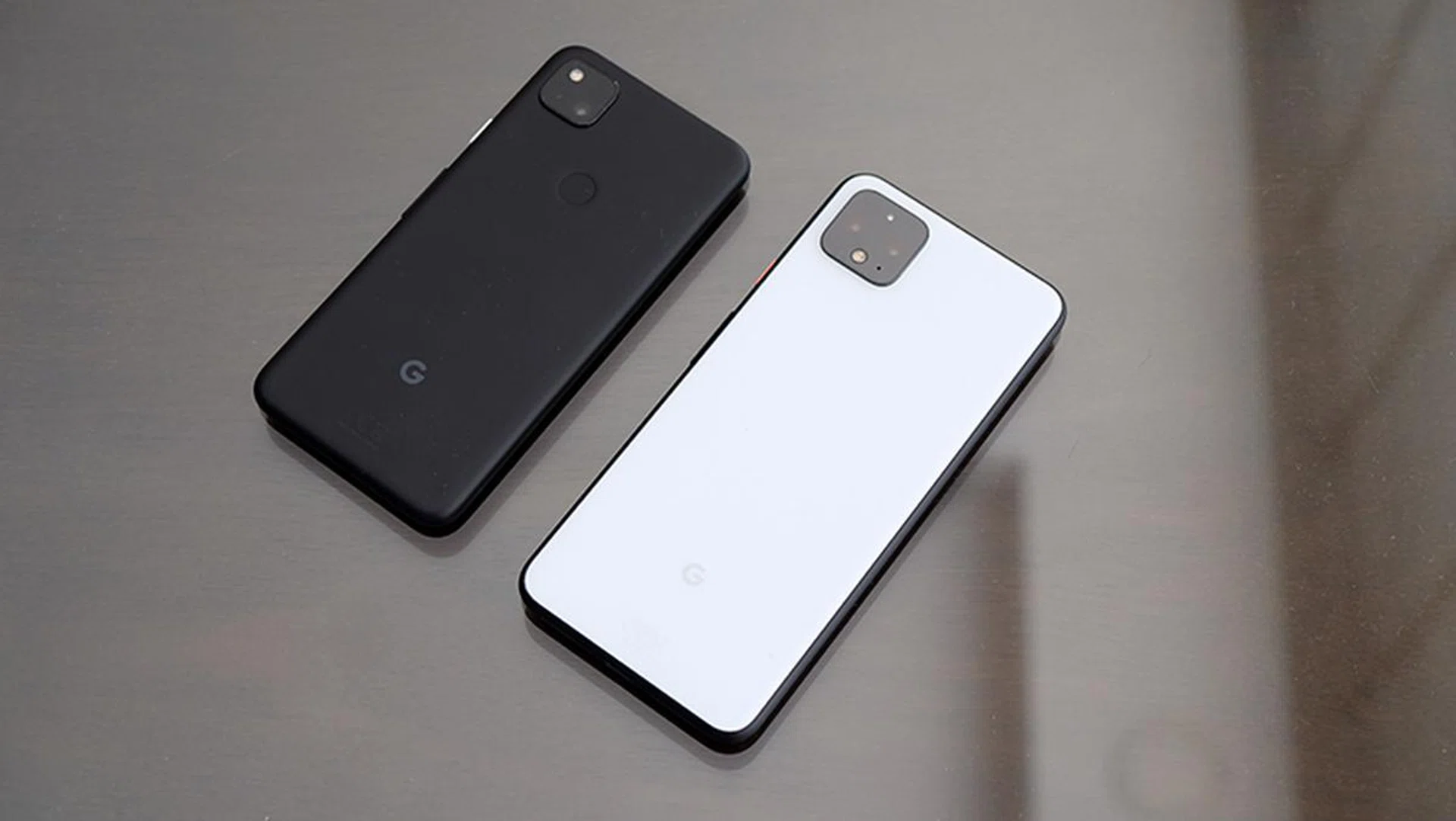
Here's a look at the Pixel 4a beside the Pixel 4 XL.
I think the new Pixel 4a may be the most popular Pixel from Google yet, at a time when rumours are already swirling that the Pixel 5 will also be more of a mid-range device and ditch flagship-tier specs for the first time. The attractive price tag aside, the new budget Pixel phone boasts solid specifications, a battery that's even larger than the one on the Pixel 4, and a compact design that lends itself easily to one-handed use. It is a supremely well-rounded device, offering many conveniences in a very attractive package.
It is available in just one colour – Just Black – but in typical Google fashion, there's a pop of colour in the form of a contrasting mint-coloured power button. The design is relatively modern, and this is the first phone from Google to ditch the notch and top bezel entirely in favour of a discreet pinhole camera cutout in the top left corner. This means there's none of that fancy Motion Sense and Face Unlock tech you see in the Pixel 4 and Pixel 4 XL. In their place, the Pixel Imprint fingerprint sensor makes a return, and I may actually prefer it as a way to unlock the phone. It takes seconds to set up and allows for quick and reliable access to the phone. Swiping down on it also lets you pull down the notification shade, which I really missed being able to do on the Pixel 4.
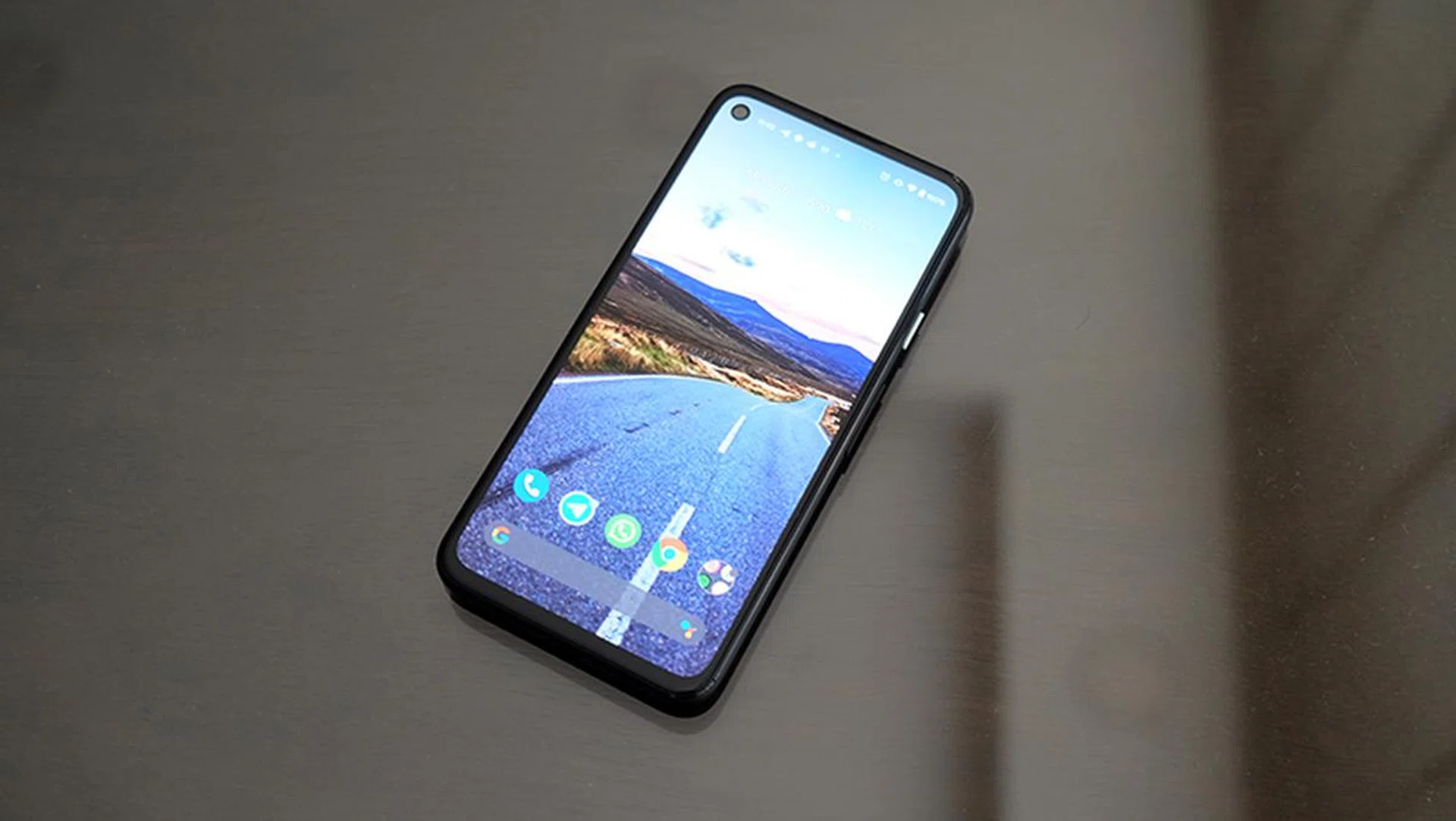
This is the first Pixel phone to sport a pinhole front camera.
I'd like to see a similar design on the Pixel 5, especially since Motion Sense hasn't really proven itself to be super useful in the nearly one-year since the Pixel 4 has been out.
Those who have decried the removal of the headphone jack from the vast majority of modern smartphones will also be happy to see that the Pixel 4a has retained the 3.5mm jack from the Pixel 3a. There are no headphones in the box, however.
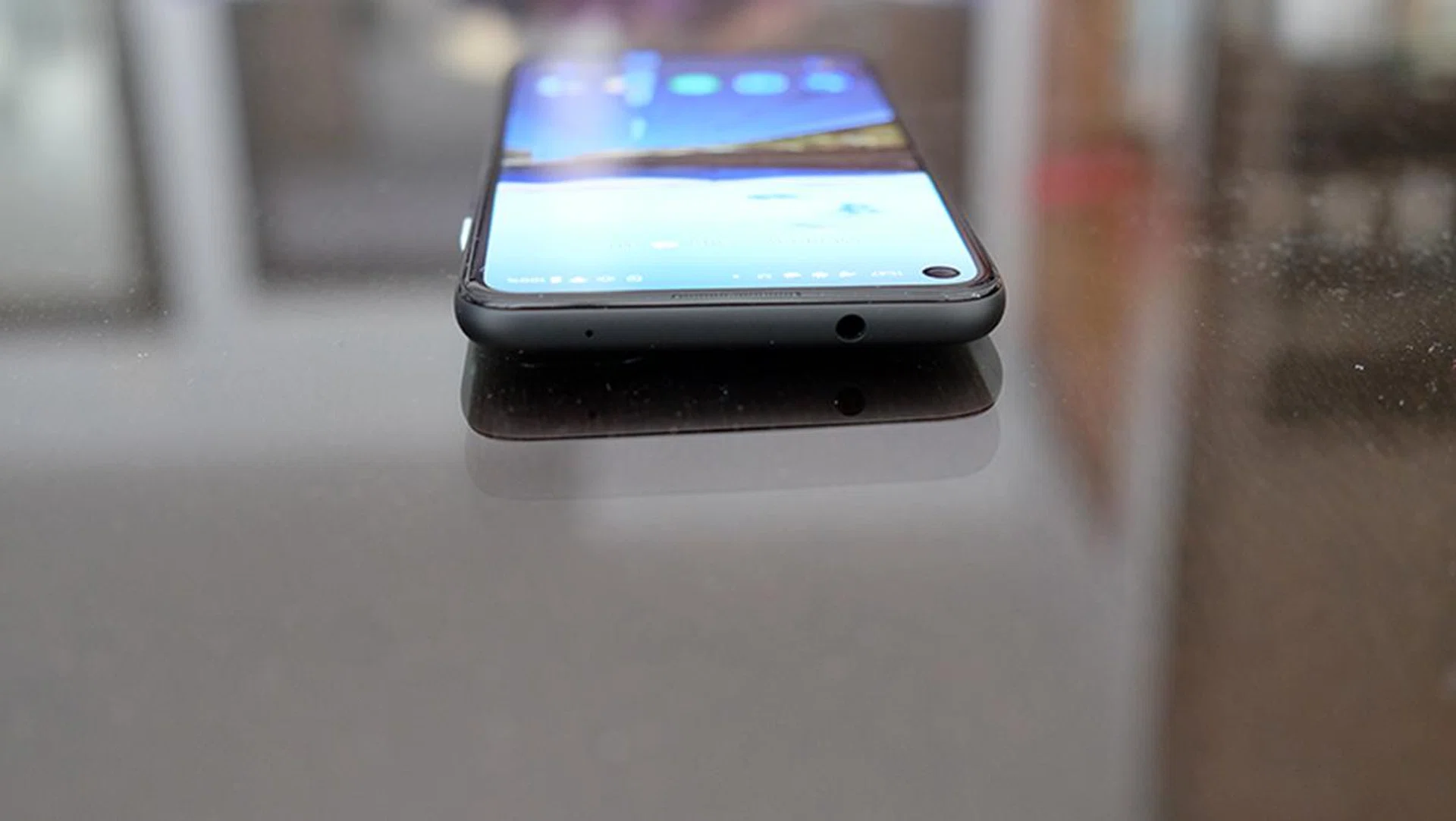
The 3.5mm headphone jack sits at the top of the phone.
Build quality feels solid, but the phone unsurprisingly features a matte black polycarbonate back in place of the glass on the Pixel 4. The back curves around the sides of the phone as a single, uninterrupted piece, and there's no metal frame as in the Pixel 4 either. That said, the phone is slim, light, and easily pocketed – I really enjoyed being able to text with it using just one hand, something that I'm not able to do with the Pixel 4 XL. The screen is actually larger than the 5.6-inch display on the Pixel 3a, but Google has managed to cram it onto an even smaller body. It is topped by Gorilla Glass 3, an upgrade from Asahi's Dragontrail glass on the Pixel 3a.
Having said that, there's no doubt that the Pixel 4a feels like a budget, almost kiddish version of the Pixel 4. I wouldn't go so far as to say that it feels cheap, but it is immediately apparent when you pick it up that this is a phone targeted at more budget-conscious buyers.
Round the back, Google has retained a smaller version of the distinctive square camera bump on the Pixel 4. It houses just a single 12.2-megapixel shooter and the flash, so it almost seems like Google stuck to a similar design mostly to achieve a certain consistency in the Pixel 4 line. Unsurprisingly, the bump also protrudes less than it does on the Pixel 4, so it's less likely to snag on edges or get in the way of you laying your phone flat on the table.

Google has kept the square camera bump on the rear.
The 5.81-inch display looks a lot better than the one on the iPhone SE, mostly because of how much thinner the bottom bezel is. The display is crisp, sharp, and bright, although it still struggles under direct sunlight. Colours are accurate and vivid, but the phone is missing the Ambient EQ feature on the Pixel 4, which can dynamically change the screen colour temperature to match your surroundings.
Other features you give up coming from the Pixel 4 are the IP68 water-and-dust resistance, but I don't see this being much of a deal breaker at this price point, even if it does mean that you'll have to be extra careful with it.
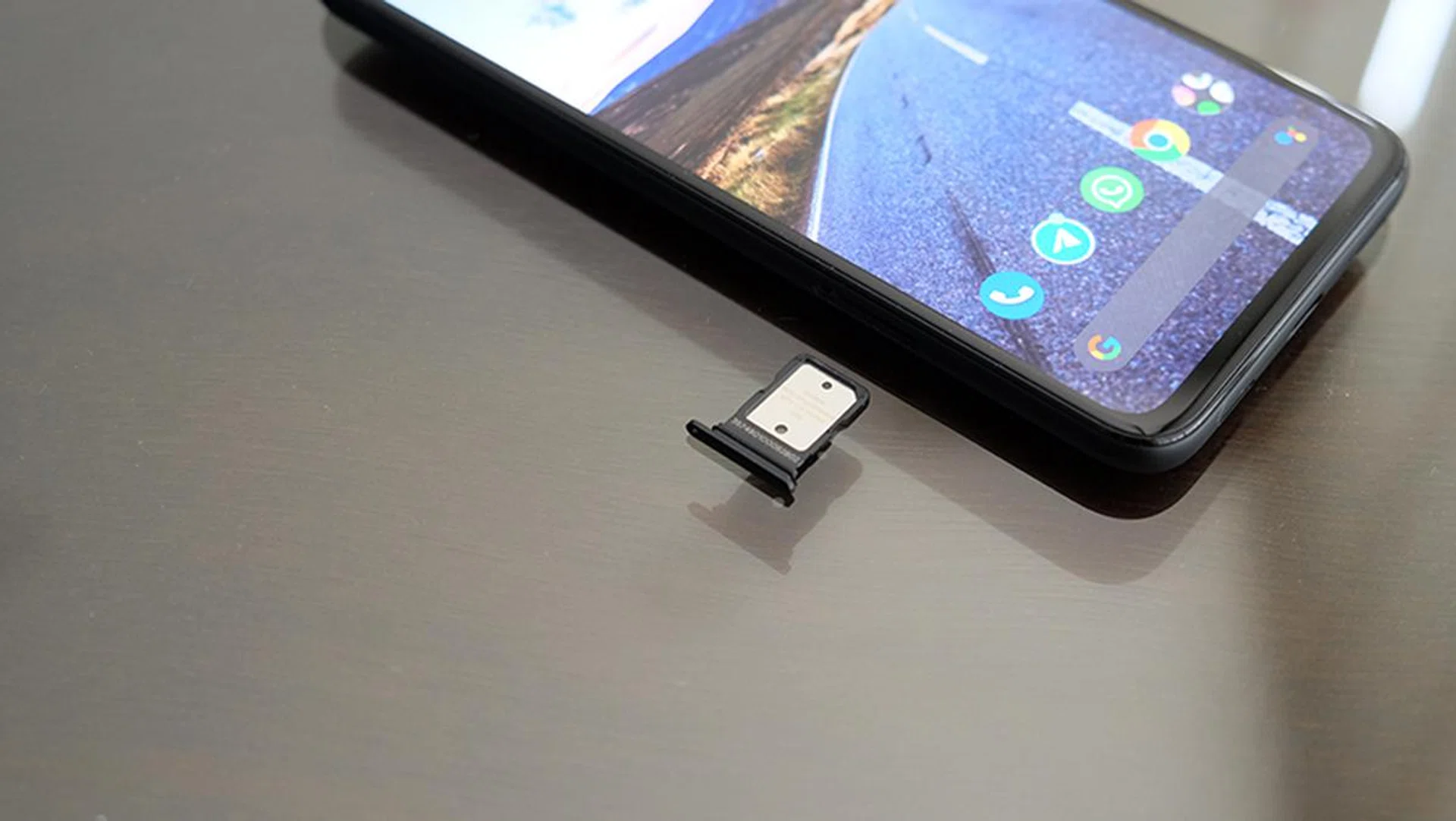
The nano SIM slot sits on the left edge.
Finally, Google is ditching its Active Edge feature, a mainstay on the Pixel line since the Pixel 2. Active Edge let you squeeze the sides of the phone to access the Google Assistant, and while it could be convenient, it could also activate accidentally, even with the user-configurable sensitivity settings. Either way, this isn't that big of a loss, and I didn't miss it at all.
There is also no support for wireless charging, and you'll have to rely on the included 18W USB-PD 2.0 adapter in the box.
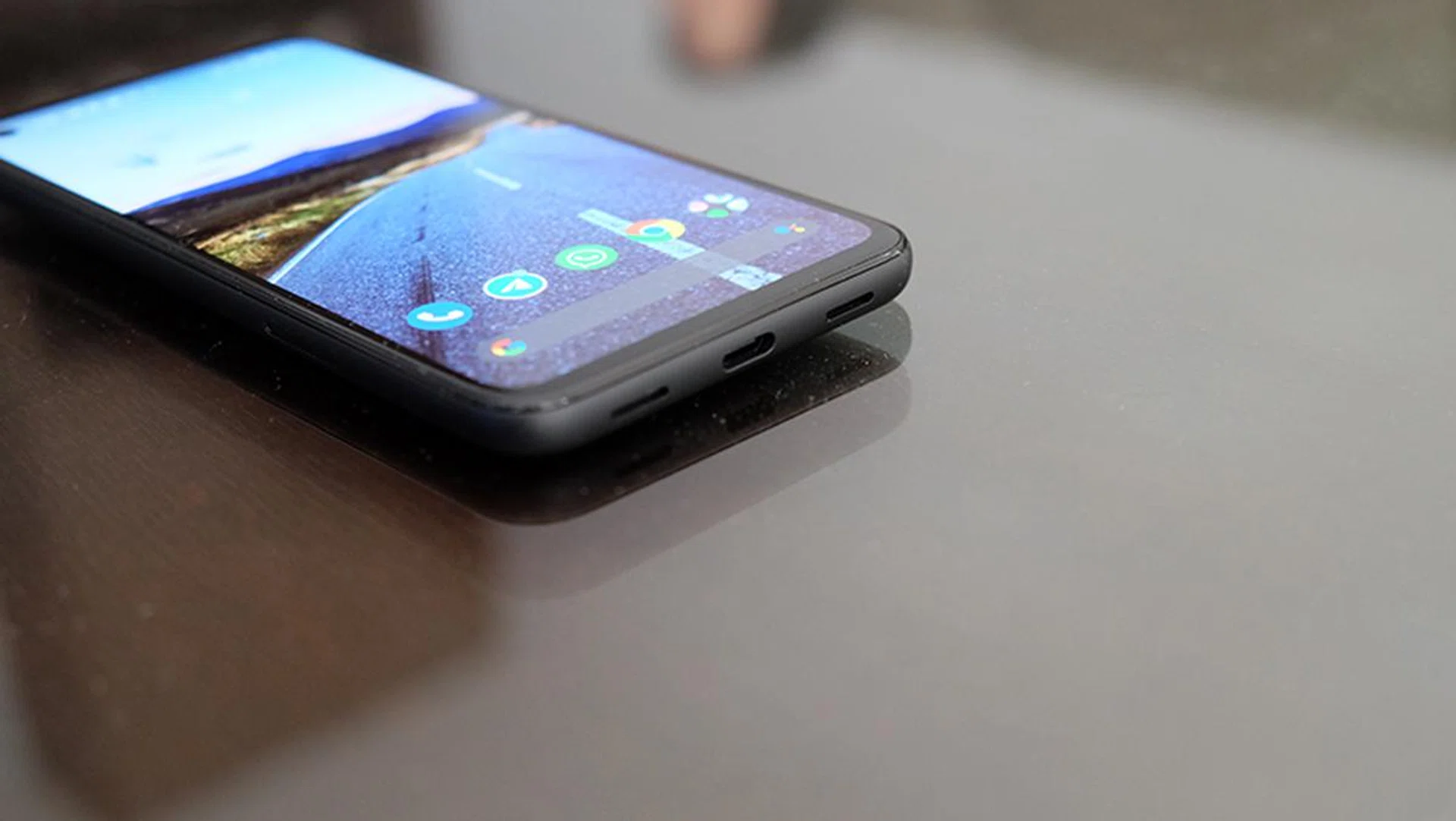
The Pixel 4a does not support wireless charging and can only be charged over USB-C.
There is just one storage configuration available, which thankfully comes in at a decent 128GB. This is the first time that a Pixel phone starts at 128GB of storage as well, and it's nice to see this available on a mid-range device, particularly as there is no option for expandable storage. The Pixel 4 being offered in a measly 64GB was one of my biggest gripes with the phone, and I'm happy to see Google do away with that entirely. This is particularly significant as Google also removed support for unlimited photo storage at original quality on the Pixel 4, so the extra onboard memory is much appreciated.
Camera and sample images
Unlike the Pixel 4, the Pixel 4a has no telephoto lens, so you get just a single rear camera. This is the same 12.2-megapixel main camera on the Pixel 4, complete with Google staples like Night Sight (and more reading here), a dedicated astrophotography mode, Live HDR+ with dual exposure controls, Portrait Mode, Super Res Zoom, and of course, Google Lens.
When it comes to video recording, the rear camera supports up to 4K capture at 30FPS or 720p video at 240FPS. In the meantime, the front camera can do up to 1080p at 30FPS.
Here's an overview of the camera specifications:
Rear camera
- 12.2MP dual-pixel
- 1.4μm pixel width
- Autofocus with dual pixel phase detection
- Optical + electronic image stabilization
- ƒ/1.7 aperture 77° field of view
Front camera
- 8MP
- 1.12μm pixel width
- ƒ/2.0 aperture
- Fixed focus
- 84° field of view
Sample images
The Pixel 4a produces pictures with good detail and contrast even in the evening light and is capable of holding its own against the Pixel 4. I should point out that this phone costs only S$499, so what you're getting is really pretty impressive. It may only have just one main camera and no fancy wide-angle or telephoto lenses, but taking a good picture is remarkably hassle-free. Check out some of our comparison photos taken with Pixel 4a and Pixel 4 on the same scene:-

Pixel 4a.
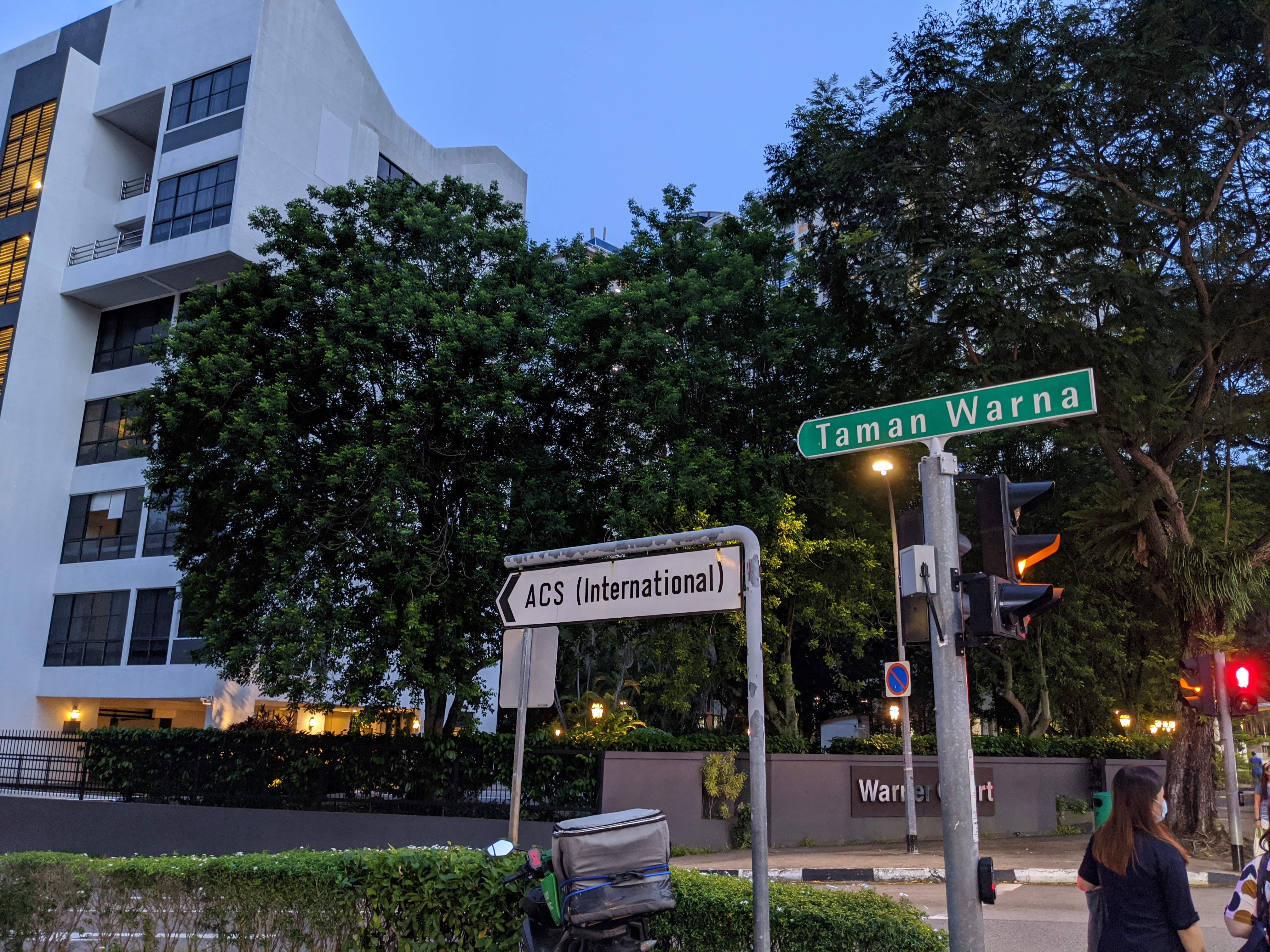
Pixel 4.
Night Sight
The Pixel 4a demonstrates impressive low light capabilities, particularly with Night Sight on. The image does still seem unnaturally bright, as if someone were shining a spotlight on the trees, but it does its job of lifting the shadows and revealing the leaves in greater detail.

Pixel 4a, Night Sight off.

Pixel 4a, Night Sight on.

Pixel 4, Night Sight off.

Pixel 4, Night Sight on.
Super Res Zoom
Like the Pixel 4, the Pixel 4a supports Super Res Zoom, which was first introduced on the Pixel 3. It offers up to 7x zoom, compared to the 8x on the Pixel 4, but it lacks the dedicated telephoto lens so some loss of detail is to be expected. That's immediately apparent at maximum zoom in the photos below, and the Pixel 4 was able to capture greater detail and produce crisper lines.

Pixel 4a, no zoom.

Pixel 4a, 7x zoom.

Pixel 4, 8x zoom.
Performance benchmarks
The Pixel 4a is powered by a Snapdragon 730G chip, a mid-range octa-core SoC that is comprised of two different clusters – a high-performance cluster with two ARM Cortex-A76 cores clocked at 2.2GHz and a more power-efficient cluster with six ARM Cortex-A55 cores that can go up to 1.8GHz.
The Snapdragon 730G is actually a version of the Snapdragon 730 that has been optimised for gaming, which means it also has a higher clocked GPU that supports higher resolutions, in addition to support for Wi-Fi 6. The GPU is an Adreno 618 chip – compared to the version in the Snapdragon 730, it is clocked 15 per cent higher.
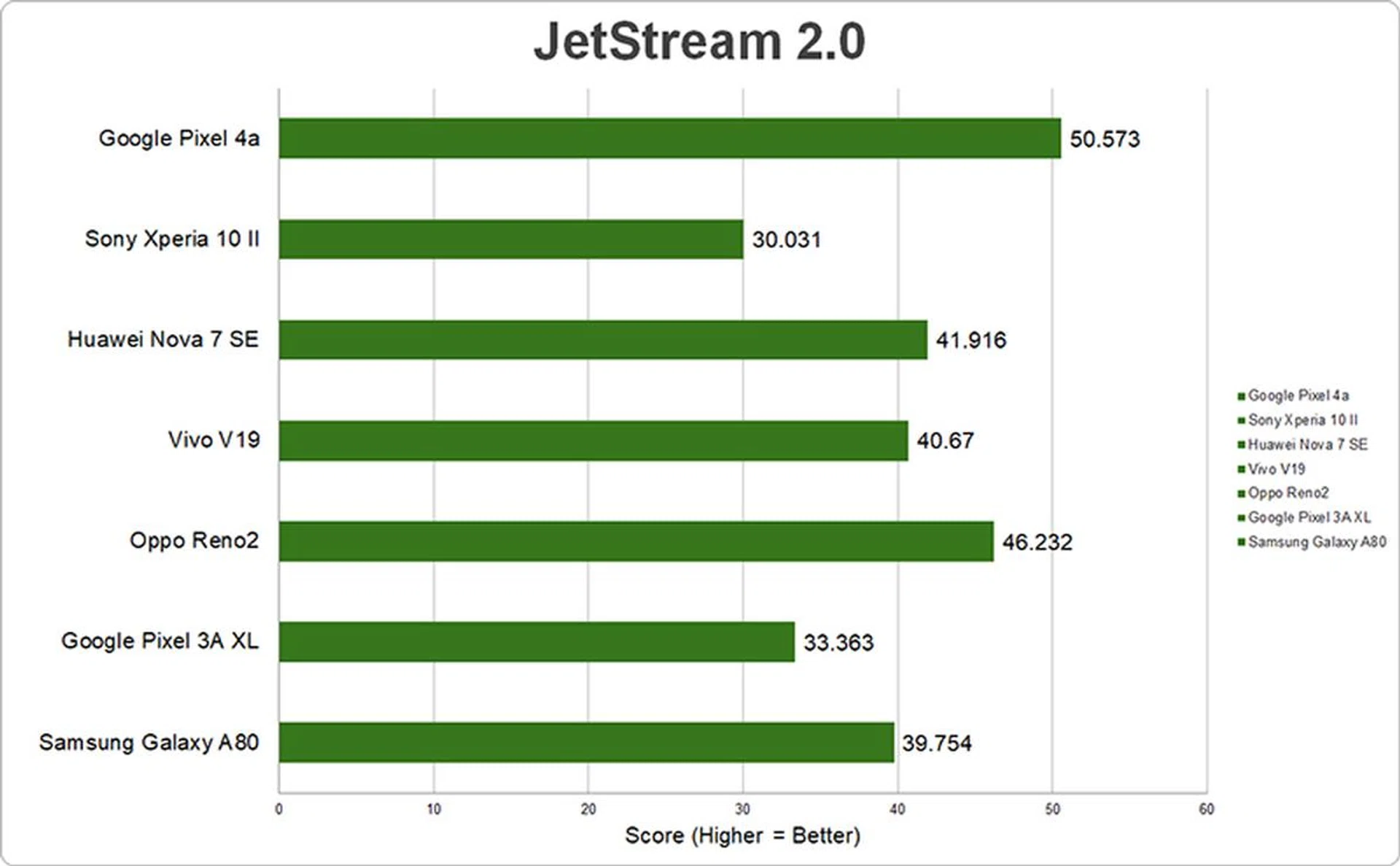
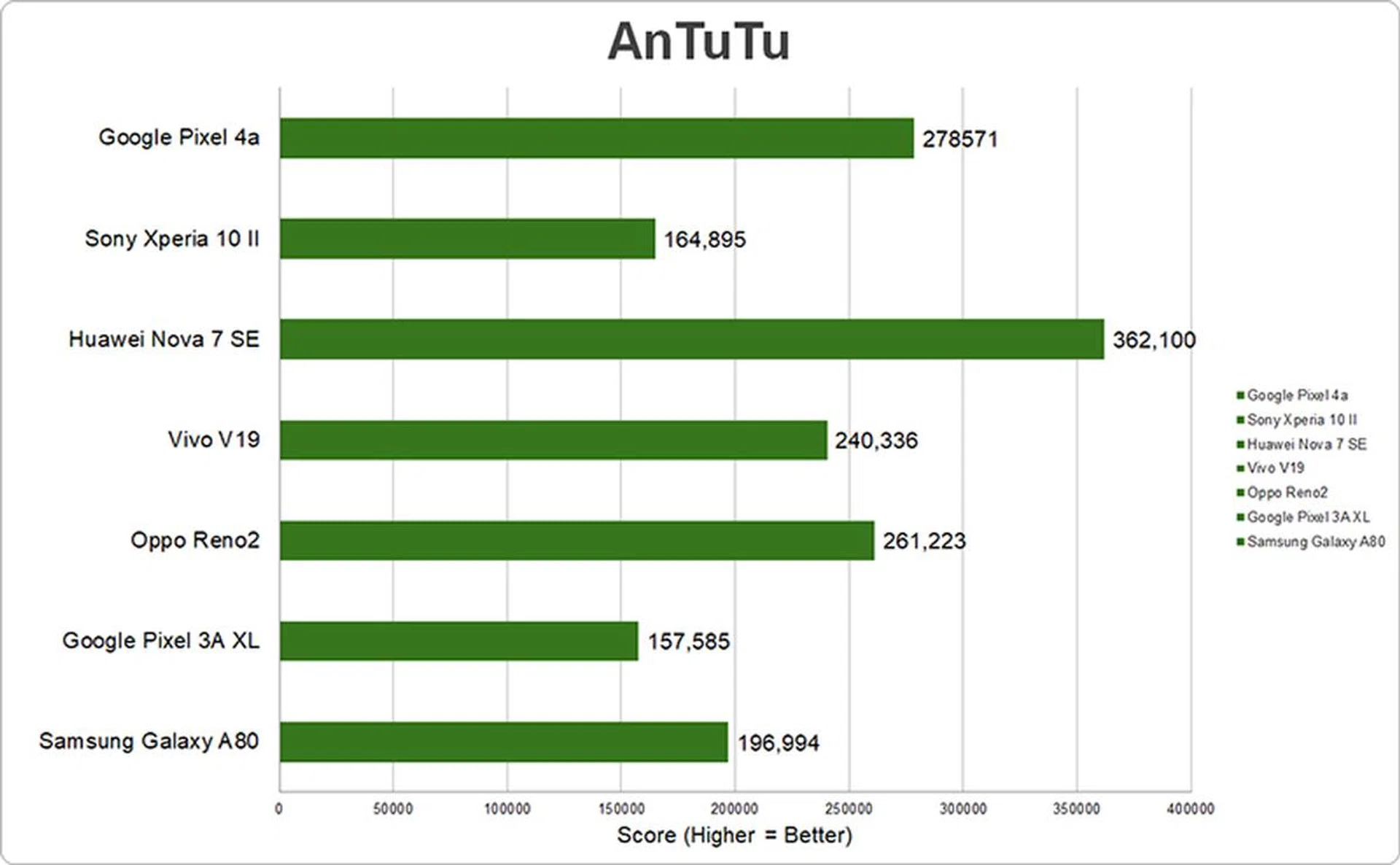
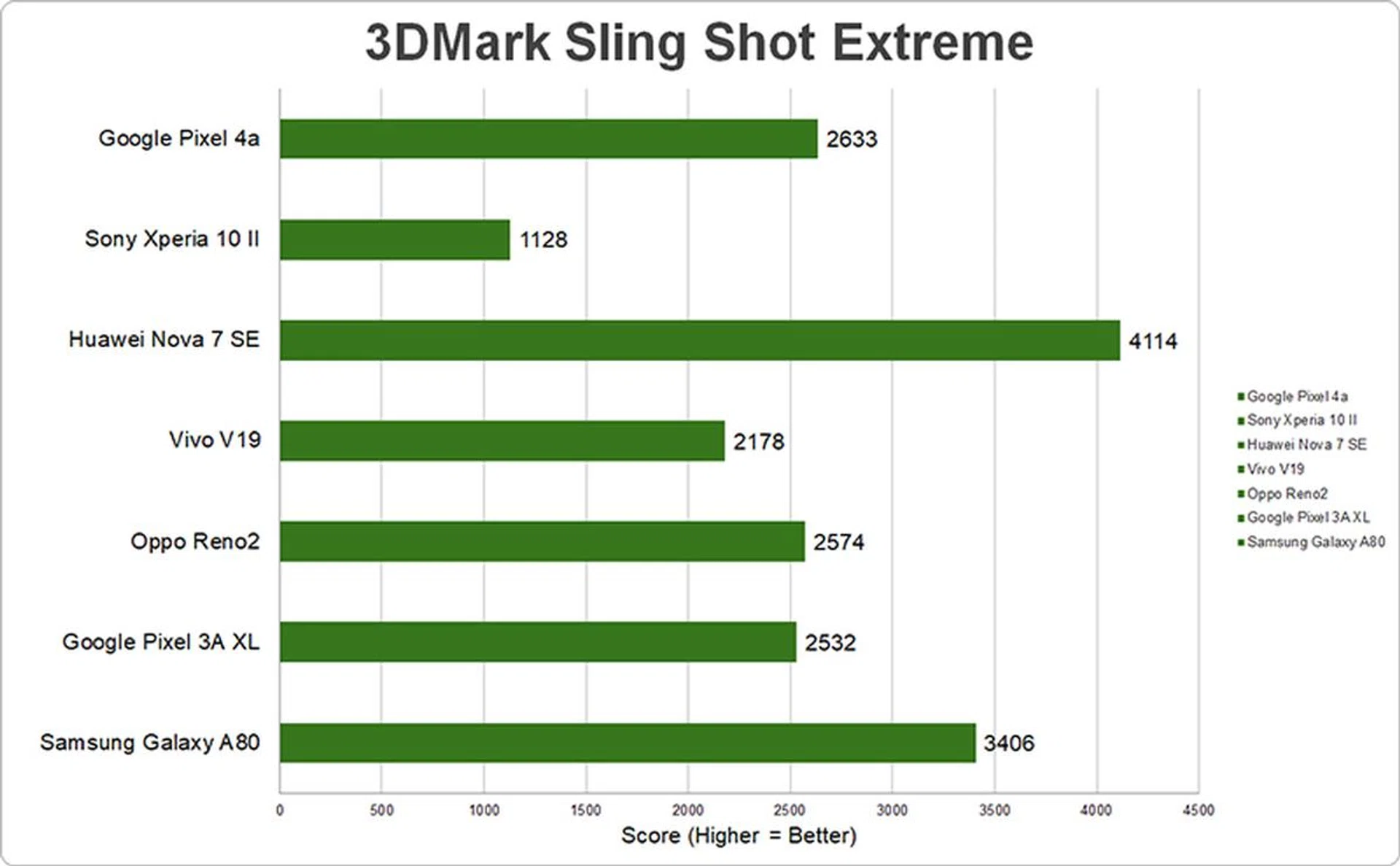
The Pixel 4a held its own in the benchmarks below, outperforming most of the other recent mid-range devices like the Vivo V19, Sony Xperia 10 II, but with the exception of the Huawei Nova 7 SE as it comes equipped with a Kirin 820 chip that currently packs more muscle than the competition. For a closer comparison against a phone with an identical processing subsystem, we've also packed in scores from the Oppo Reno 2, whose features peg the device as an upper mid-range device than a budget mid-ranger that is the Pixel 4a.
JetStream 2.0
JetStream 2 is a combination of a variety of JavaScript and Web Assembly benchmarks, including benchmarks that came before like SunSpider and Octane. It primarily tests for a system’s and browser’s ability in delivering a good web experience. It runs a total of 64 subtests, each weighted equally, with multiple iterations, and takes the geometric mean to compute the overall score.
AnTuTu
AnTuTu is an all-in-one benchmark that tests CPU, GPU, memory, and storage. The CPU benchmark evaluates both integer and floating-point performance, the GPU tests assess 2D and 3D performance, the memory test measures available memory bandwidth and latency, and the storage tests gauge the read and write speeds of a device's flash memory.
3DMark Sling Shot Extreme
3DMark Sling Shot is an advanced 3D graphics benchmark that tests the full range of OpenGL ES 3.1 and ES 3.0 API features including multiple render targets, instanced rendering, uniform buffers and transform feedback. The test also includes impressive volumetric lighting and post-processing effects. We're running this benchmark in Unlimited mode, which ignores screen resolutions.
Battery Life & Charging
Our standard battery test for mobile phones has the following parameters:
- Looping a 720p video with screen brightness and volume at 100%
- Wi-Fi and Bluetooth connectivity turned on
- Constant data streaming through email
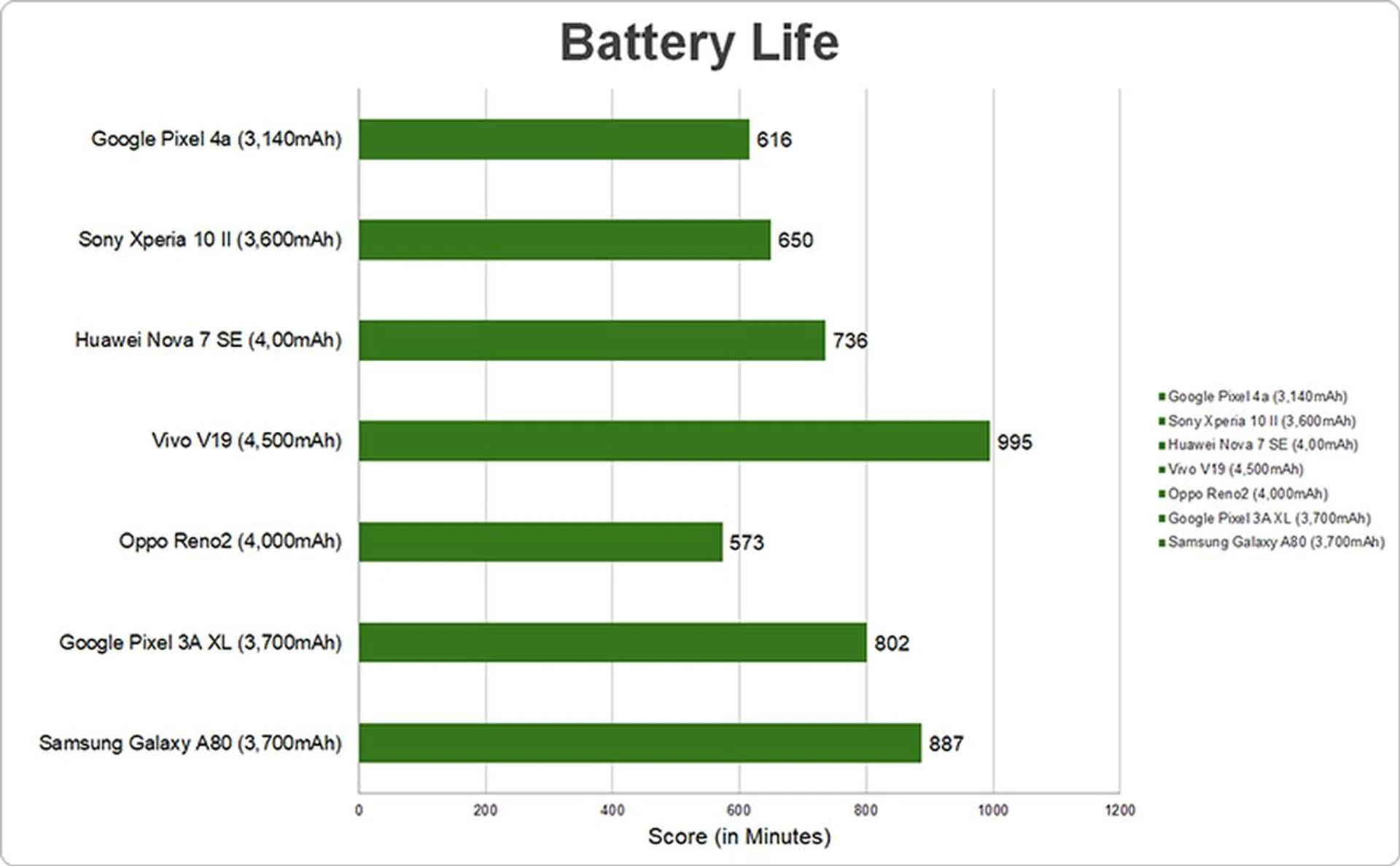
The Google Pixel 4a comes with a 3,140 mAh battery, which is actually larger than the tiny 2,800 mAh unit that came with the Pixel 4. In my time with it, the phone lasted me a full day of use with no issues, something which my Pixel 4 XL struggles to do one year on.
When it came to our battery life test, the Pixel 4a put up numbers in line with its battery capacity. However, it did manage to beat Oppo Reno2, which has an even larger 4,000 mAh battery.
Conclusion
Image Source: Google
The Google Pixel 4a is an extremely competent mid-range device. You get all of Google's Android smarts, including the same upgraded and more contextually aware Assistant that Google first introduced on the Pixel 4, but in a phone that costs just S$499. Google has cut out all the fat from the Pixel 4 and distilled the phone down to its essentials. What's left is possibly the best phone Google has made in years, and one that deftly checks all the boxes when it comes to what makes a good phone, including great battery life, a solid camera, and reasonable performance.
The icing on the cake is the price. It's extremely attractive, and with 128GB of storage, I find it really hard to find anything to dislike about the Pixel 4a. This is a mid-range device, so it's missing luxuries like wireless charging, but it successfully sidesteps the persistent criticism dogging Google's Pixel line that it is always a step behind the competition, whether in terms of design or things like battery life. Google does mid-range phones well, and the Pixel 4a is an absolute winner at this price point. It even has NFC support so going the route of cashless payments is totally possible unlike some other competing mid-range phones such as Vivo V19 or the Huawei Nova 7 SE which we recently reviewed.
I fully expect this to be the best-selling Pixel yet, especially for Android purists.
That said, the timing of the phone's launch is a little unfortunate as the Pixel 5 is just round the corner, and with that expected to be a more affordable mid-range device as well, it'll be interesting to see how the two stack up against one another or if they end up cannibalising each other's sales.
Our articles may contain affiliate links. If you buy through these links, we may earn a small commission.