
Google Pixel 3a XL review: 75% Pixel 3 experience at 50% the price
Powered by the Snapdragon 670 chip with 4GB RAM and 64GB storage, the Pixel 3a is designed to deliver the full Pixel experience at an affordable price. Has Google done enough?

Note: This article was first published on 12th May 2019.
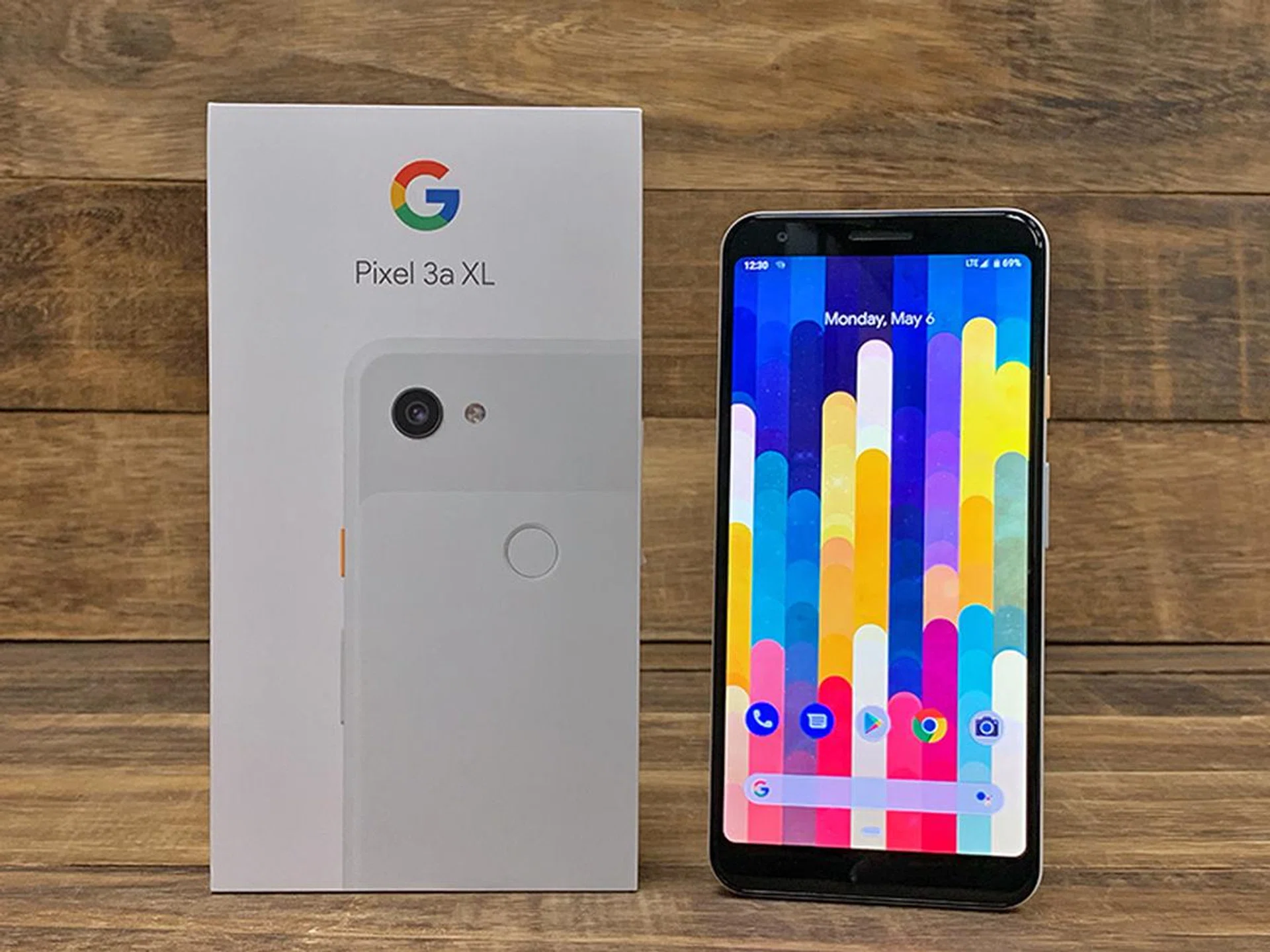
A for affordable?
At the Google I/O developer conference today at Mountain View, California, Google has officially unveiled its long-rumored midrange Pixel handset — the Google Pixel 3a. Available in two screen sizes, I can confirm that the Pixel 3a is coming to Singapore and has a starting price of S$659.
Wait, isn’t there a Pixel 3 already?
Despite coming a good seven months after the Pixel 3 (our review here), the Pixel 3a isn’t meant to replace the Pixel 3 — the Pixel 3 remains Google’s flagship phone until the “Pixel 4” arrives later this year. Google is pitching the Pixel 3a as the more accessible (read: more affordable) Pixel, one that doesn’t cost north of S$1,000 like most modern flagship phones do.
So how much does it cost?
The regular Google Pixel 3a, with a 5.6-inch OLED screen and 64GB storage, goes for S$659. There’s also a Pixel 3a XL, which really, is just a 3a with a bigger 6-inch screen and larger battery (3,700mAh vs. 3,000mAh), and that’s priced at S$779. The phone is available in Just Black, Clearly White, and Purple-ish colors, but only the first two are sold in Singapore. You can get the phones directly through Google, carrier partner Singtel, and retailers such as Courts and Challenger.
Comparatively, the 64GB Pixel 3 and 3 XL have a sticker price of S$1,249 and S$1,399 respectively, so the Pixel 3a phones are quite a bit cheaper.
Okay… but what’s the catch?
To achieve nearly half the price of the Pixel 3, something’s got to give on the “budget” Pixel 3a.
Components-wise, neither of the Pixel 3a phones runs the Qualcomm Snapdragon 845 chip that’s on the Pixel 3. Instead, the Pixel 3a uses the Snapdragon 670, an octa-core processor that’s also in other midrange phones such as the Oppo R17. The 3a still comes with 4GB RAM and charges over USB-C (18W max using the bundled USB-C charger).
To go into specifics, the regular Pixel 3a has a 5.6-inch OLED display with a 2,220 x 1,080-pixel resolution (18.5:9 aspect ratio). The 3a XL’s 6-inch display also uses OLED and this has a 2,160 x 1,080-pixel resolution (18:9). Neither display goes edge to edge, which means both phones have a forehead and chin, like, you know, most phones launched before 2018. The lightning-fast Pixel Imprint fingerprint sensor is still mounted on the back of the phone.
Material-wise, while the Pixel 3 uses an aluminum frame and sports a glass back, the 3a is unabashedly housed in a polycarbonate shell. The rear coating is actually very well done that I didn’t notice the swap when I first picked up the Pixel 3a XL, which is the model I’ve been testing the past week. What gave it away is the 3a XL’s incredibly light weight: a scant 167g. For comparison, the Pixel 3 XL weighs 184g. On the other hand, the Pixel 3a is only a gram lighter than the Pixel 3 (147g vs. 148g). Also, the Pixel 3a uses Asahi’s Dragontrail glass instead of Corning’s Gorilla Glass.
A personal favorite Pixel 3 feature that Google has omitted from the Pixel 3a is wireless charging. Because the 3a doesn’t have a metal back, I’ll chalk this as yet another cost-related decision than a technical one. In addition, while the Pixel 3a still has stereo speakers, only one of them faces the front.
Last but not least, the 3.5mm headphone jack is back on the Pixel 3a, but no headphones are bundled in the box.
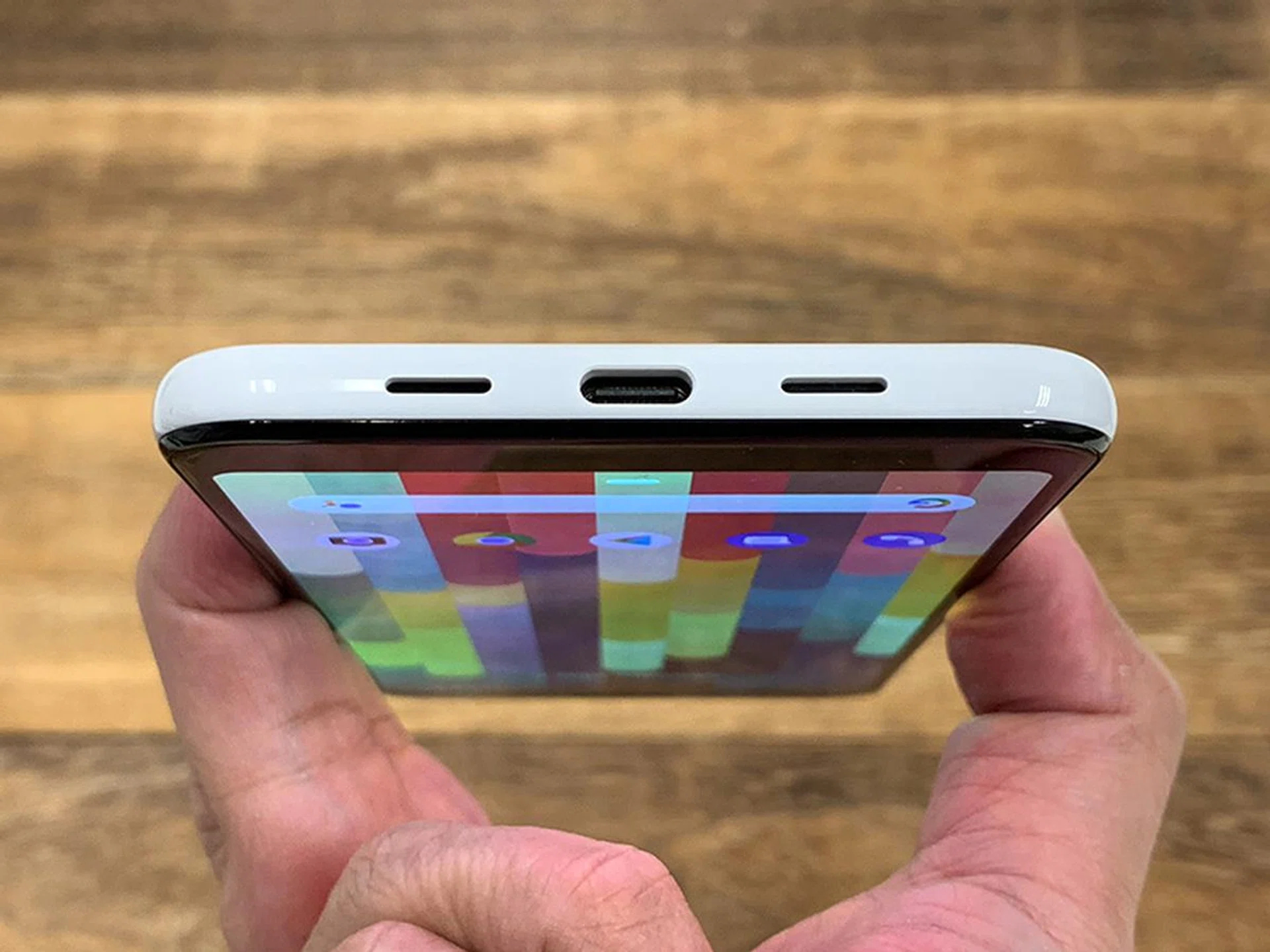
The Pixel 3a can do up to 18W fast wired charging over USB-C (supports USB PD).
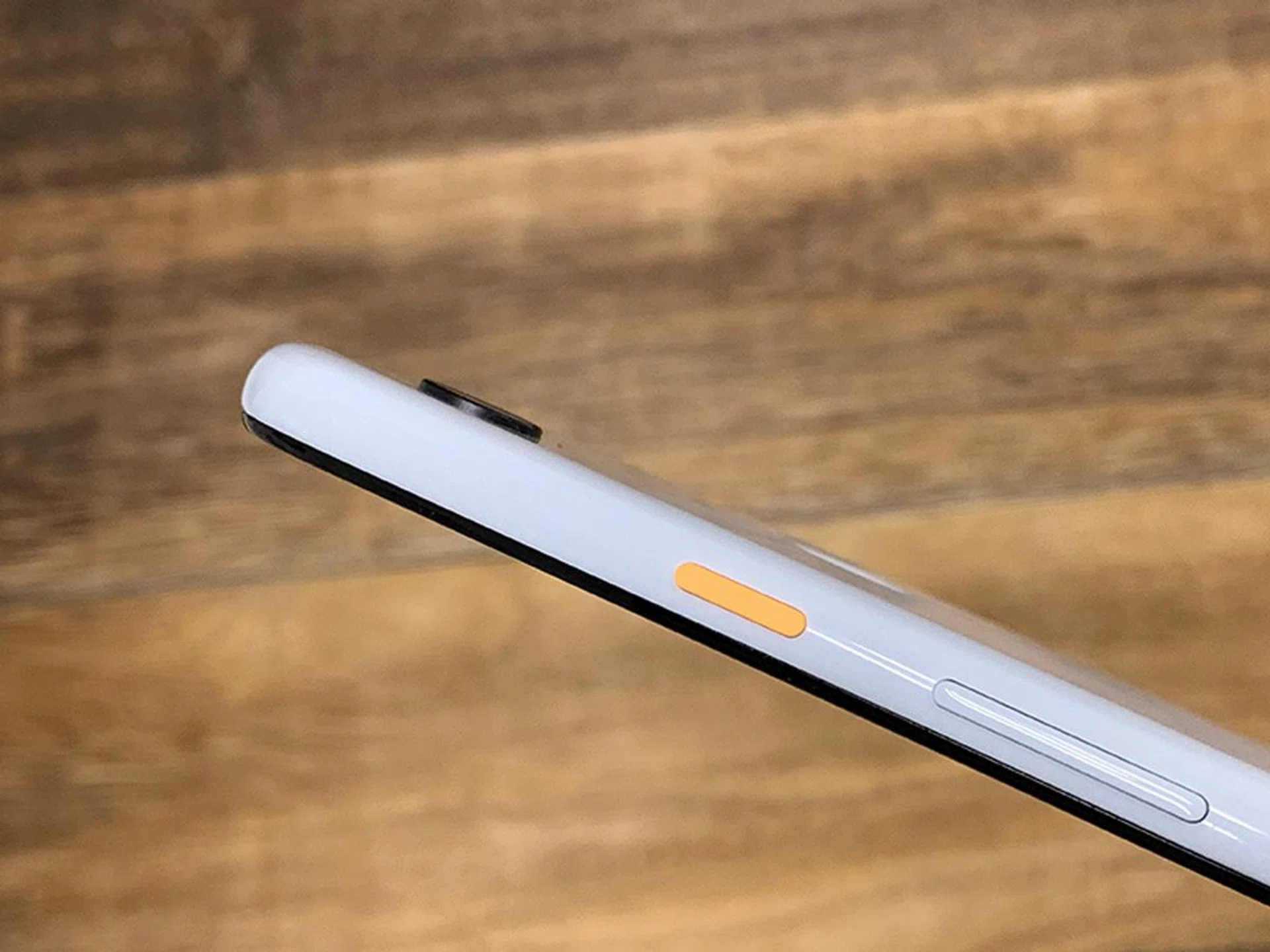
The white Pixel 3 XL has a lime green power button, but the white Pixel 3a XL has an orange power button.
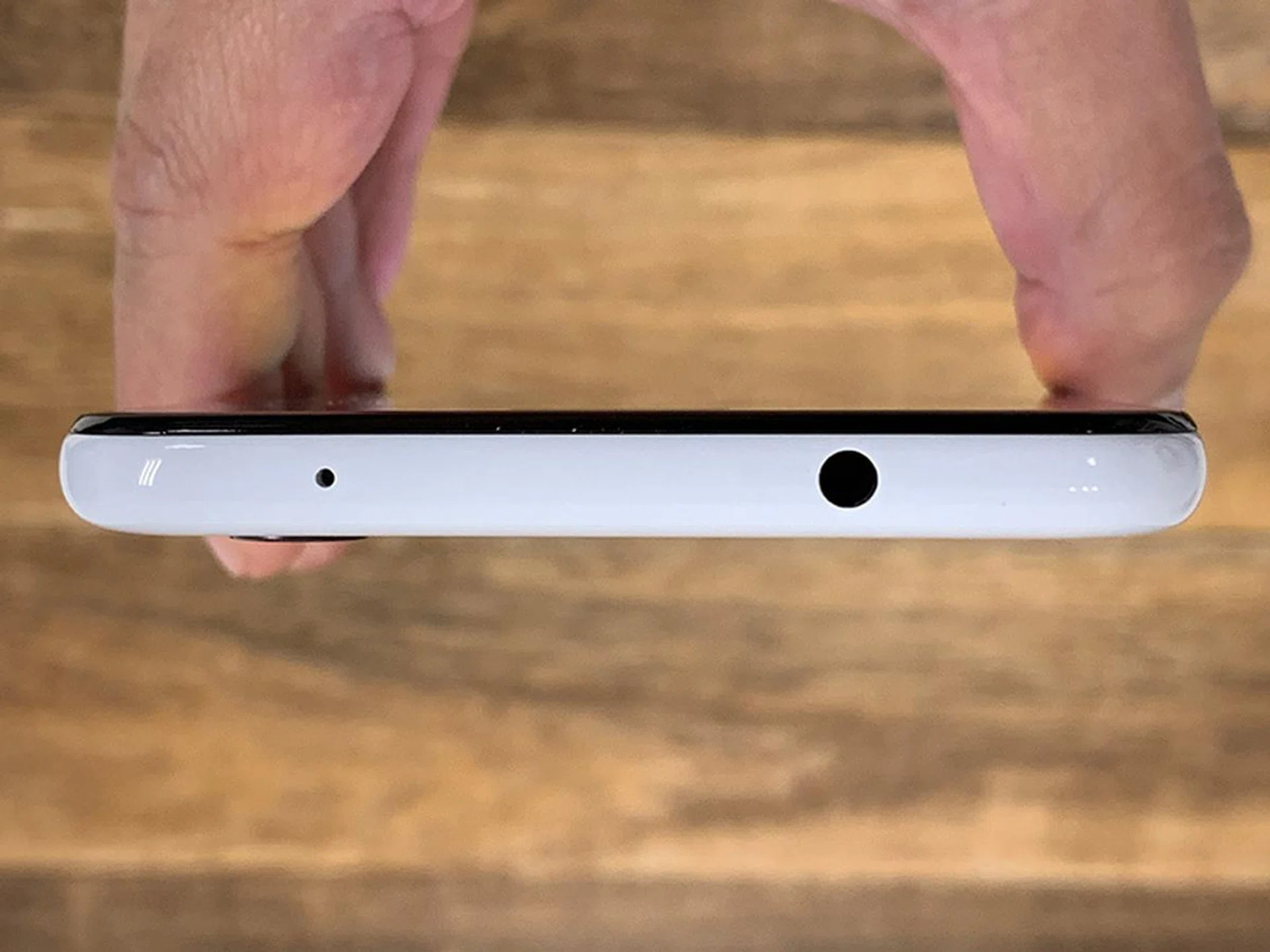
Hello, 3.5mm headphone jack!
What about the most important component — the cameras?
I know of many people who got the Pixel 3 because of its cameras. With the Pixel 3a, Google has continued to put faith in the powers of computational photography and is using the same Sony IMX363 12.2-megapixel sensor that’s on the Pixel 3 for the 3a’s rear camera. 1.4μm pixel size, dual-pixel phase detection, f/1.8 aperture, optical and electronic image stabilization, 76° field of view — nothing’s changed in this department.
But it’s a different story for the front-facing camera. Unlike the Pixel 3 that has dual 8MP front cameras, the 3a only has a single 8MP front camera with an f/2.0 lens and 84° field of view. The FOV of the 3a's selfie camera is interesting: it’s wider than the standard front camera on the Pixel 3 (75°) but not as wide as its second wide-angle camera (97°). Google has chosen a middle ground here.
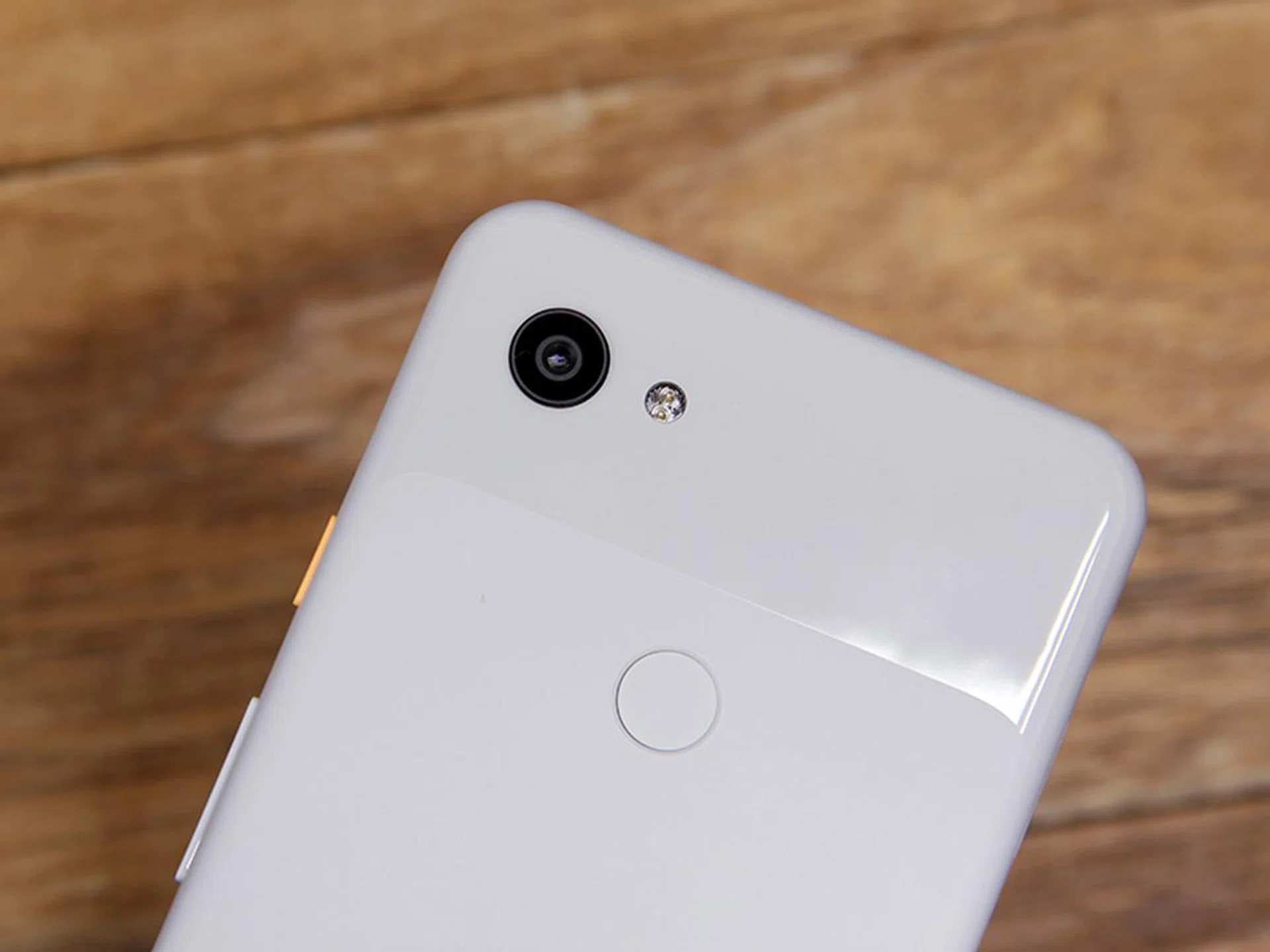
The Pixel 3a has the same rear camera as the Pixel 3, but it's missing the flagship's spectral and flicker sensor.
But all the other Pixel goodness remains, right?
The Pixel experience is driven (mainly) by Google software and A.I. working tightly with a given set of hardware — and judged on this front, the Pixel 3a isn’t that much different from the much more expensive Pixel 3.
For one, camera features such as Top Shot, Night Sight, Portrait mode, Super Res Zoom, and HDR+ are all available on the Pixel 3a. So too are Google Lens and Google Assistant.
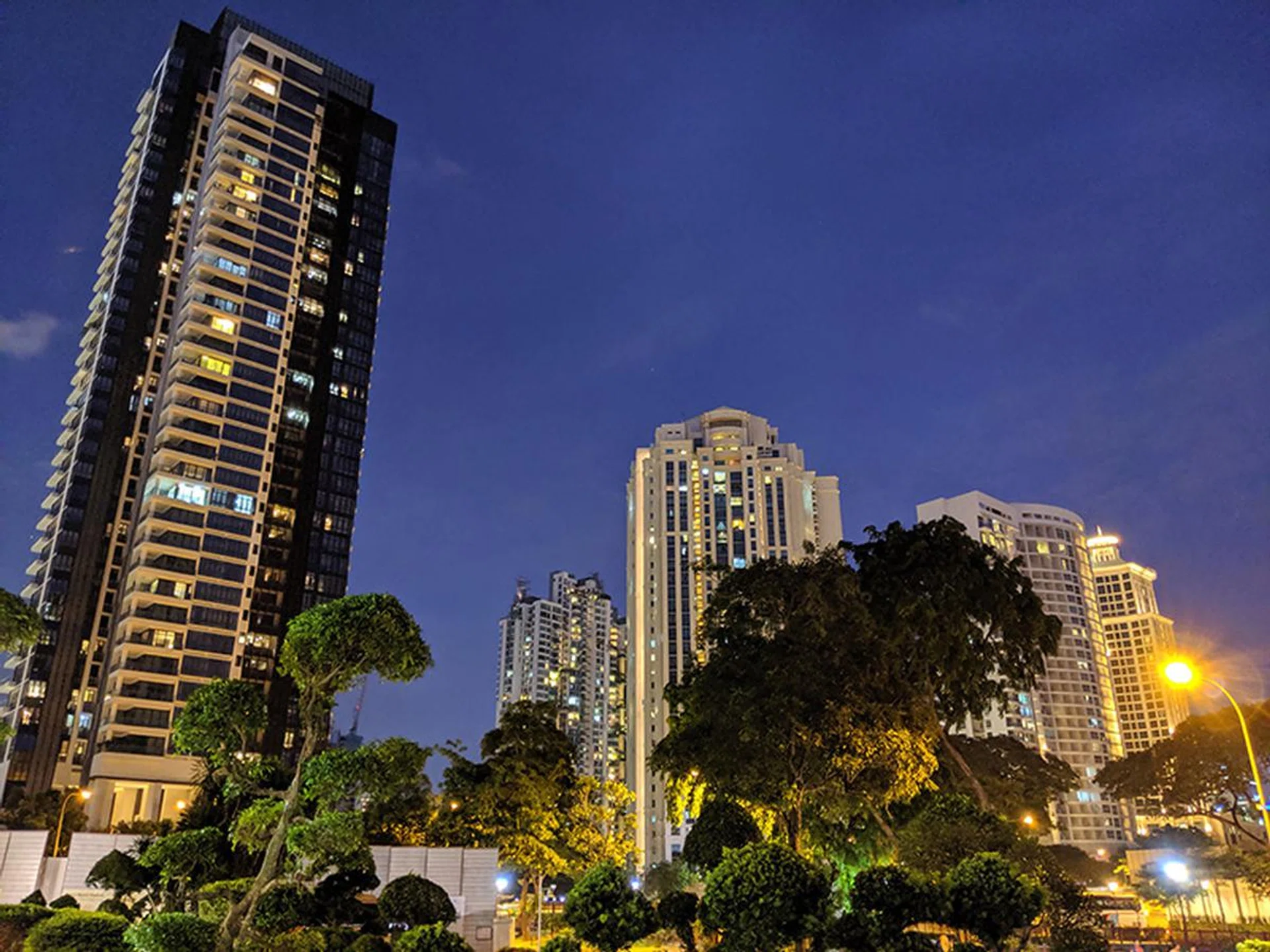
You can now experience Google Pixel's night-seeing camera without spending over S$1,000.
But Google giveth and Google taketh away. One of the main selling points of Pixel is the ability to store all the original-quality photos and 4K videos taken with the phone for free on Google Photos. But with the Pixel 3a, there's only the "high quality" storage option. This means that if a photo is larger than 16MP, it will be resized to 16MP; and a video higher than 1080p will be resized to 1080p. I've asked Google the reason for this decision — here's the reply.
Read next: This is how Google’s Night Sight works on your Pixel phone.
On the security front, the Pixel 3a uses the same custom-built Titan M security chip as the Pixel 3. This chip secures the boot process, verifies your lock screen passcode, prevents insider tampering (e.g. unauthorized firmware updates), and protects sensitive transactions — just to name a few.
Being a Pixel handset also means you’re guaranteed to get Android version and monthly security updates for three years.
Please tell me there are new things I can do with that camera?!
Yes, there are. The Pixel 3a's Camera app has a new feature called "Time Lapse". This lets you take a series of photos at regular intervals and then combine them into a continuous sequence in the form of a video. You can do 6 frames per second all the way to one frame every 4 seconds.
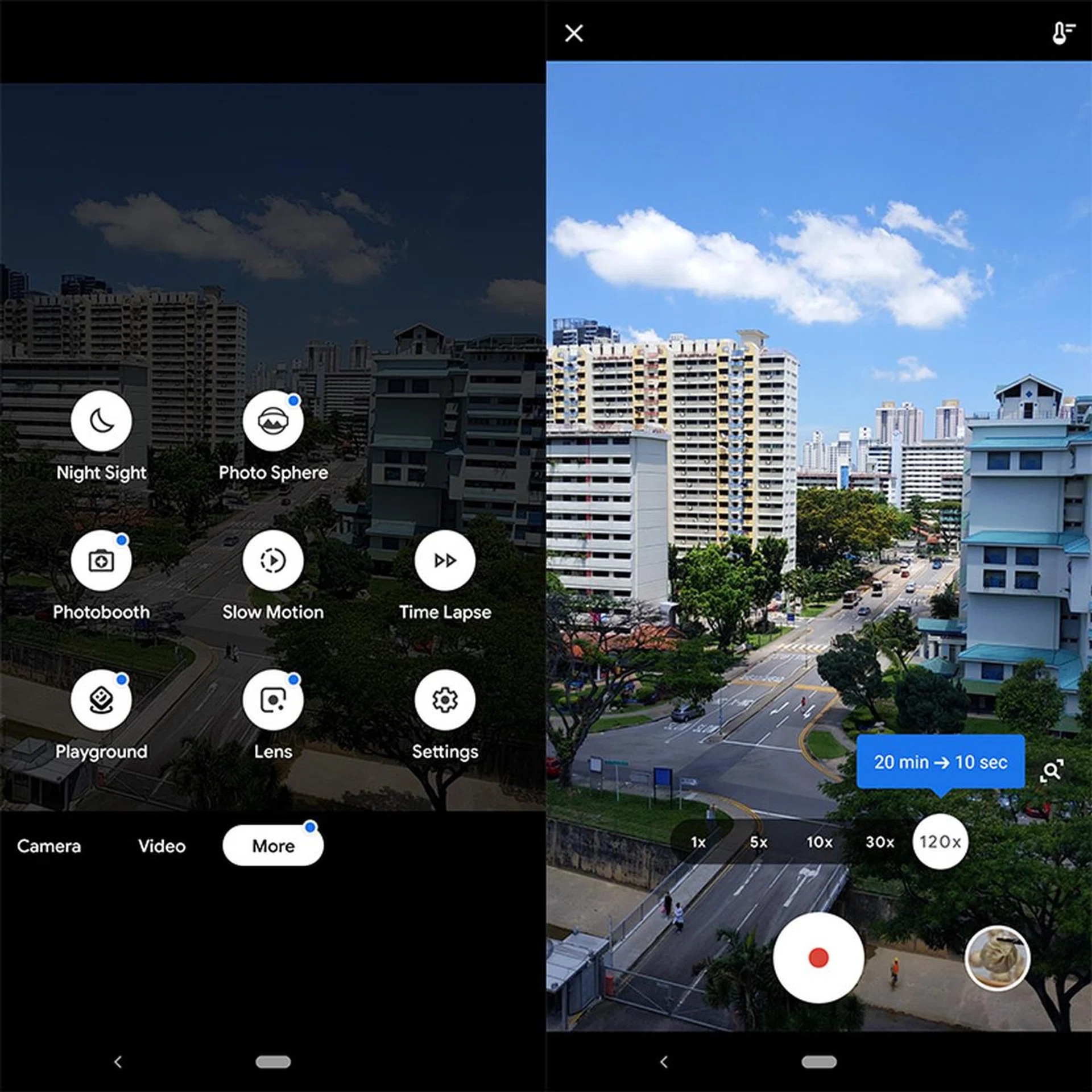
It's great that Google is building a time lapse feature into its Camera app, because, believe me, I've had trouble finding good 3rd party time lapse apps in the Google Play store.
Google is also readying an early preview of AR in Google Maps. First shown at last year's I/O event, this lets you see AR-powered directions overlaid directly on the map.
Both features aren't exclusive to the Pixel 3a, of course — they're expected to come to other Pixel phones as well.
Conclusion: Has Google done enough?
I was reading through my colleague’s Pixel 3 review and was surprised (not surprised?) that the bulk of her conclusion applies to the Pixel 3a.
I like the Pixel 3a because it offers a pure Android experience, a very good camera, a more-than-decent battery life (I consistently got 5 hours screen-on time by the end of each day), and Google is promising regular security updates. If your priorities are the same and you trust Google and rely a lot on Google services, the 3a is an easy recommendation.
But there are things on the Pixel 3 that I really miss on the 3a and these include the ultra-wide-angle selfie camera, wireless charging, and the IP68 build. I’ve been using the Pixel 3a XL for over a week now, and I’ve been mostly pleased with the smoothness of Android 9 Pie — the thought that the phone needs a high-end Snapdragon chip has never crossed my mind. But benchmarks don't lie either, and as you can see below, the Snapdragon 670 is... erm... not the fastest chip in the room.
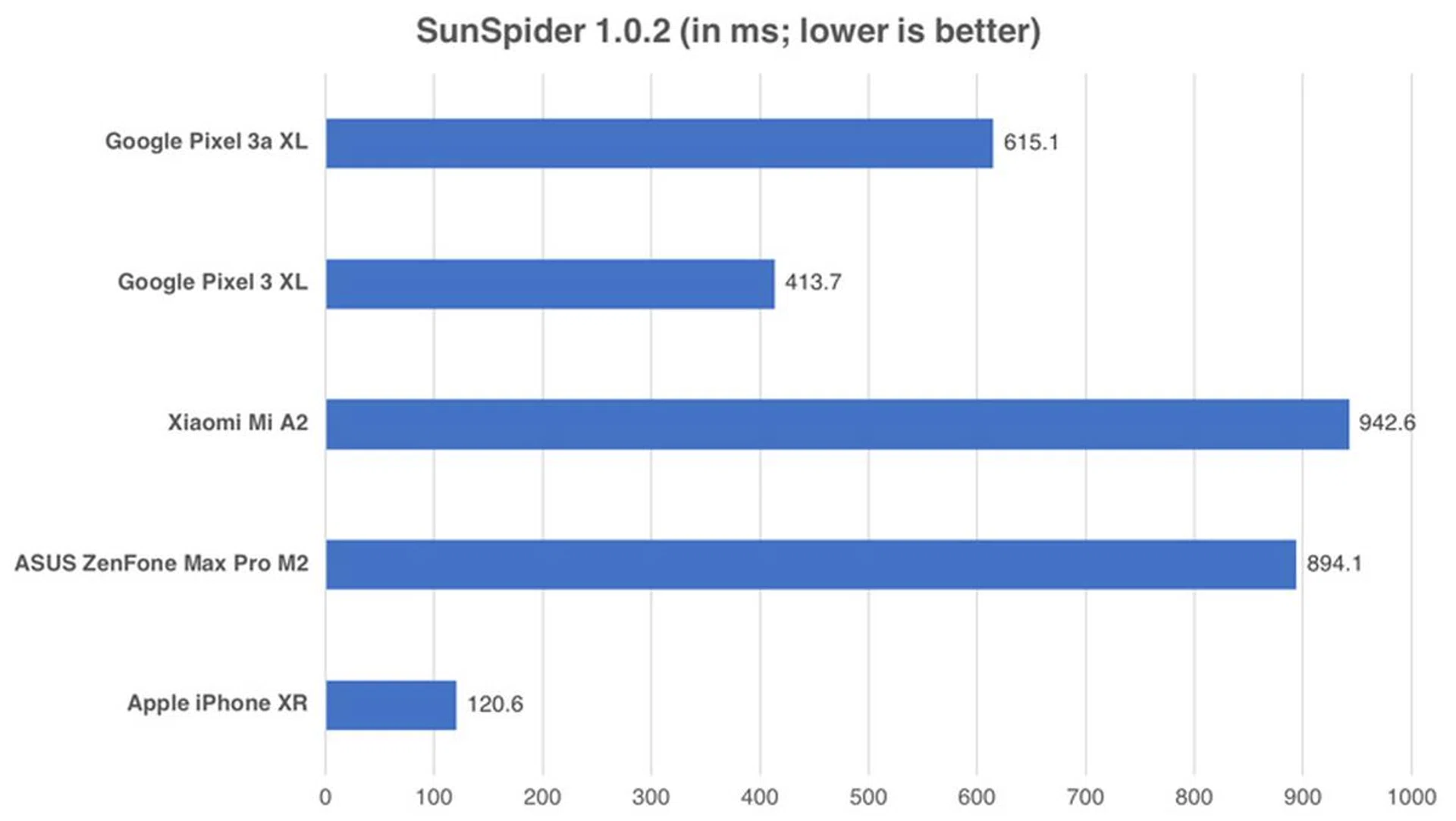
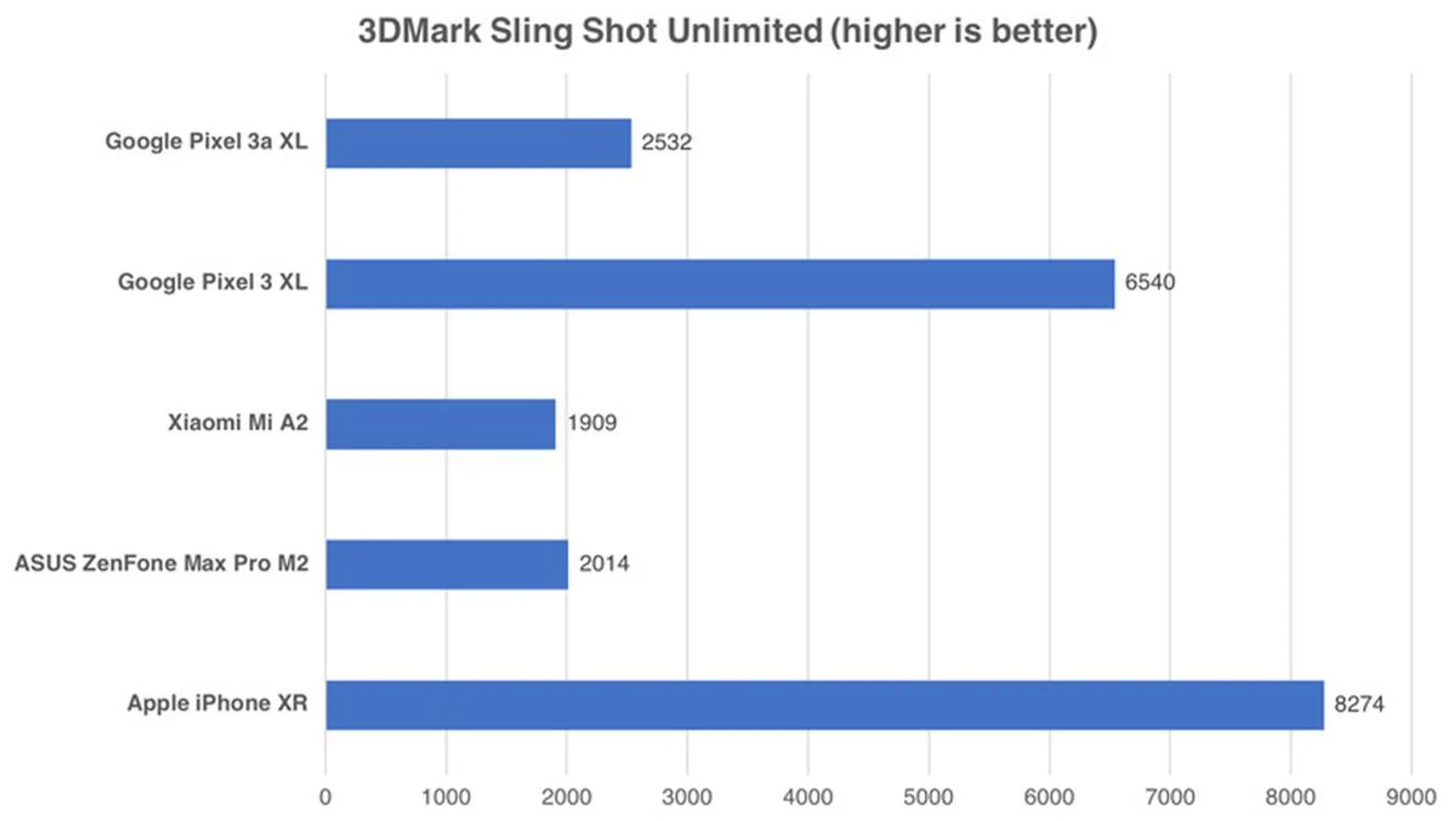
Note: The Pixel 3a uses the Snapdragon 670, the Pixel 3 uses the Snapdragon 845, the Mi A2 and ZenFone Max Pro M2 use the Snapdragon 660, and the iPhone XR uses the A12 Bionic.
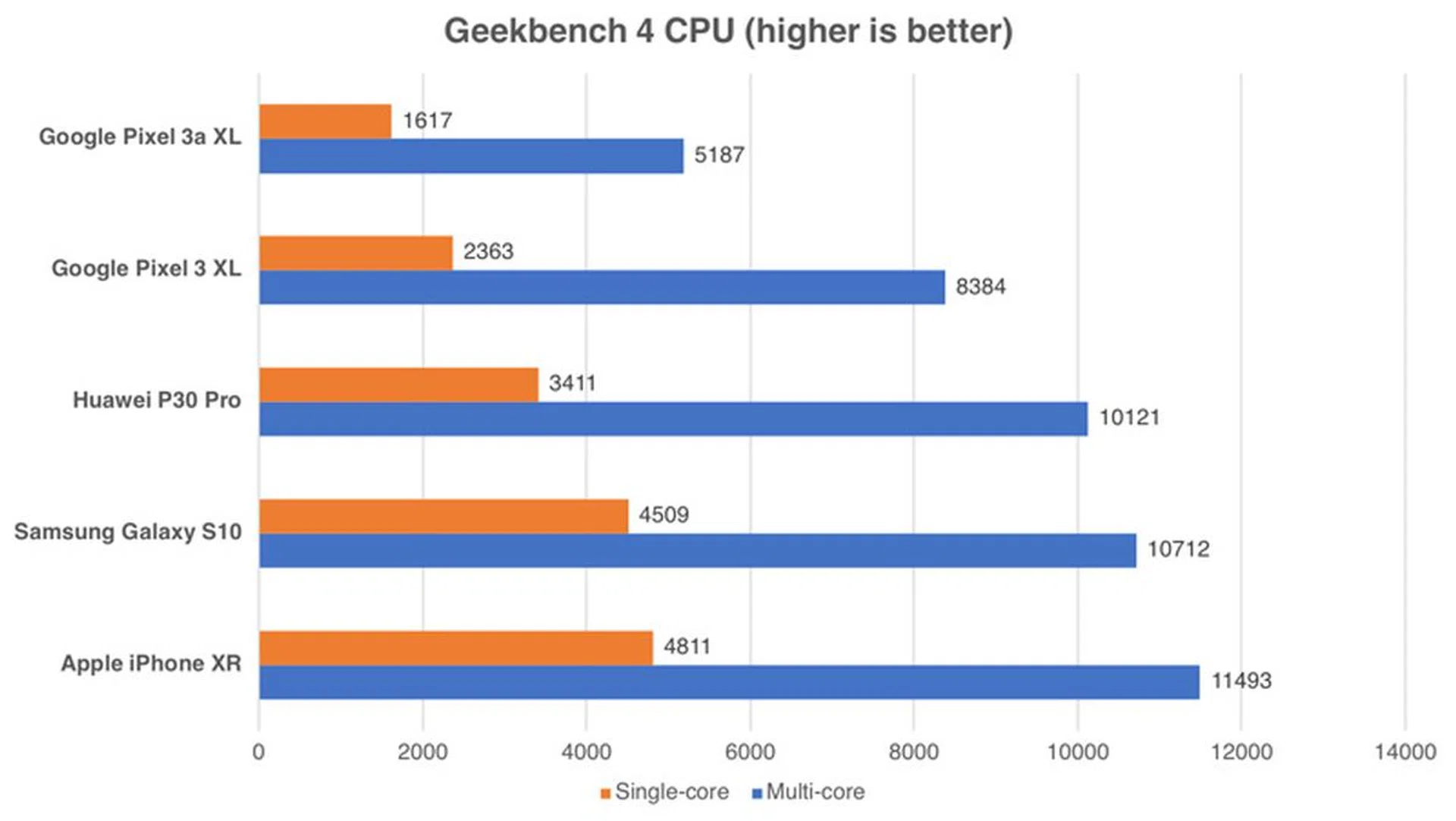
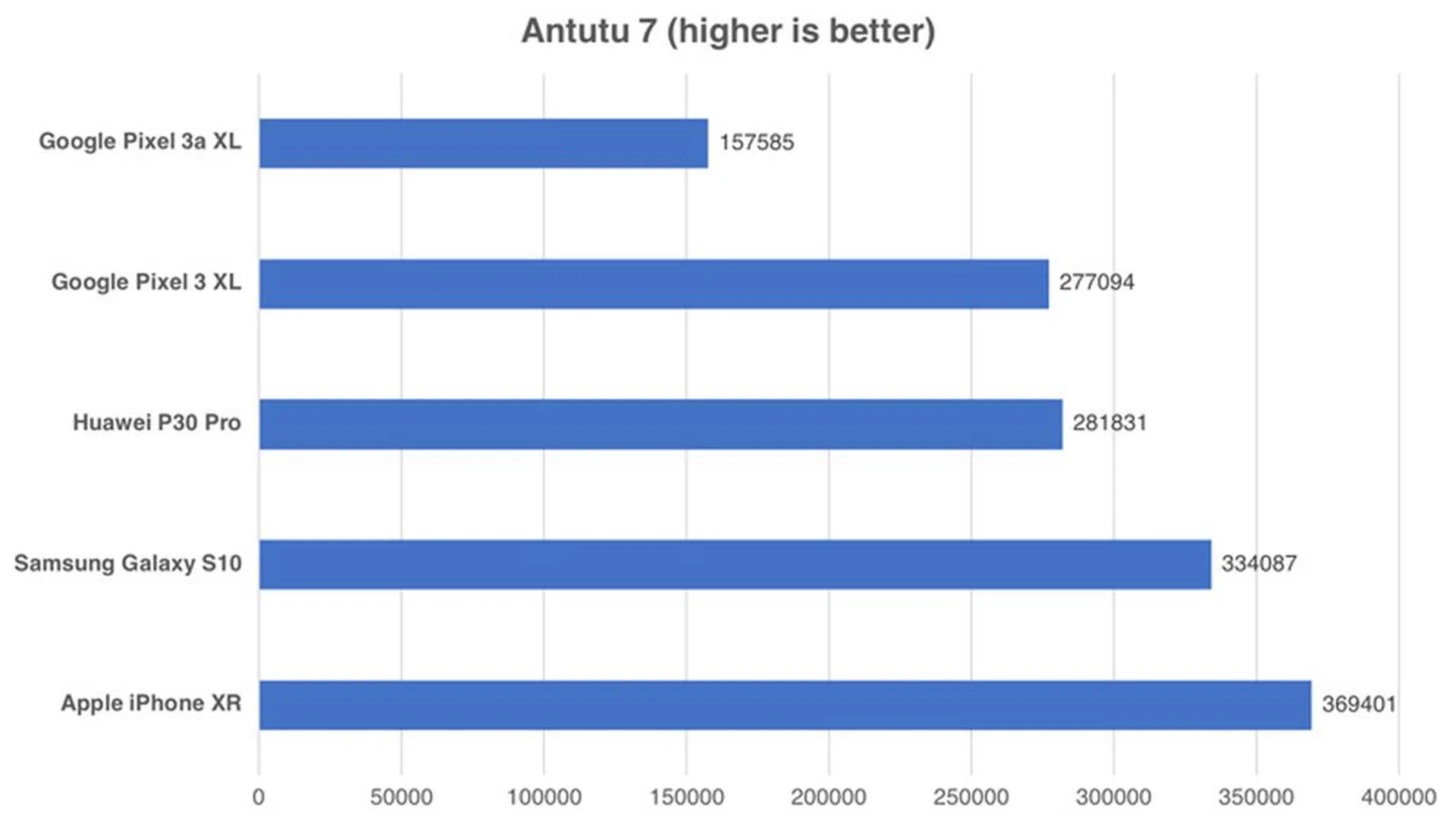
Note: The Huawei P30 uses the Kirin 980 and the Samsung Galaxy S10 uses the Exynos 9820. It should be pretty clear by now that the Snapdragon 670 on the Pixel 3a is a midrange processor.
All that said, if your priorities don’t match mine, couldn’t care less about the Pixel experience, or you prefer a more trendy phone, there are plenty of alternatives. The new Huawei P30 Lite is one. Priced at just S$398, the P30 Lite features a 6.15-inch teardrop display, runs on Huawei’s midrange Kirin 710 processor, comes with 6GB RAM and 128GB internal storage, and offers a triple-lens rear camera setup. The newer S$849 Oppo Reno, which has a faster Snapdragon 710 processor, a notch-less display, a dual-lens rear camera, and an A.I.-powered Ultra Night Mode, is another interesting phone that arrived in stores recently.
Now don’t get me wrong and see this as a knock on the Pixel 3a’s pricing — all this just shows that in the smartphone market, specs have a very flimsy correlation with price. Like how Apple values the iOS experience, Google clearly also places a certain value on the Pixel experience. Overall, I’d say that the Google Pixel 3a offers 75% of the Pixel 3 experience at 50% of the latter’s price. This is no easy feat and Google has done it by cleverly playing to its software strengths. The question is, is this lower premium attractive enough to lure you to ditch your current Samsung or Huawei phone (which may even have "better" specs) to give the Pixel a go?
Get your Google Pixel 3a XL from Lazmall.
This review was first published on May 8.
Our articles may contain affiliate links. If you buy through these links, we may earn a small commission.