
HWZ visits the Huawei Shenzhen headquarters
Huawei brought our staff on a campus tour around their Shenzhen headquarters, and we left with a better understanding on how exactitude and aesthetics is a step up from competence.
This article was first published in HWM September 2016 issue.
The pictures are copyright to SPH Magazines.
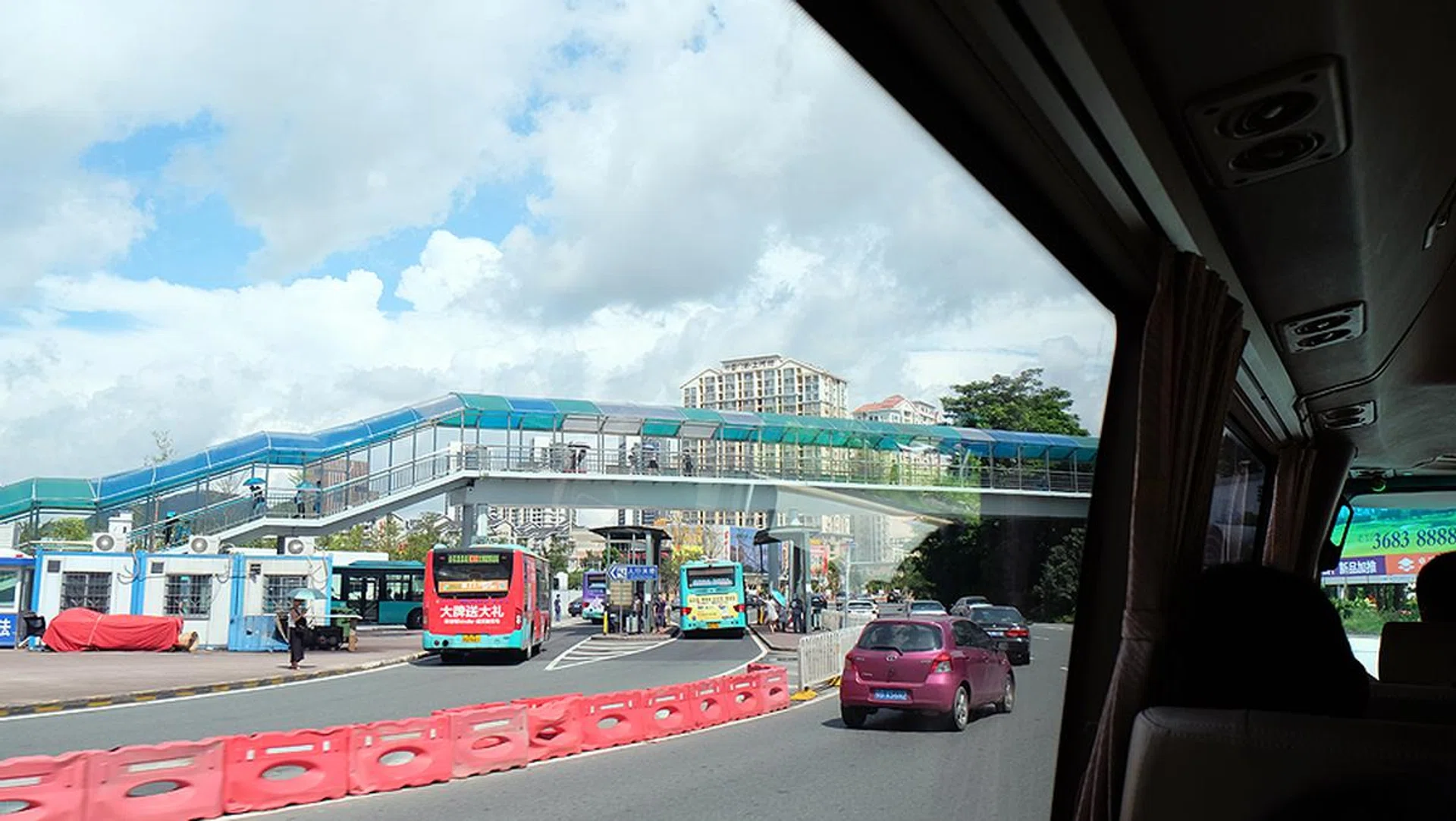
The ride to the Huawei campus in Shenzhen was a 40-minute journey by mini-bus, from the CBD.
A trip to Huawei’s Shenzhen campus would be illuminating to visitors who are curious with their ways of manufacturing, R&D, and quality of life for its employees. It’s nothing like the negative portrayal of Chinese companies that’s relentlessly shared across social media; instead, Huawei was brimming with innovation, exhibits, and talented workers. More importantly, Huawei itself was a brand that pursued quality and attention to detail, and that was reflected in their latest panel of smartphones, and their impeccable facilities that dotted the estate.
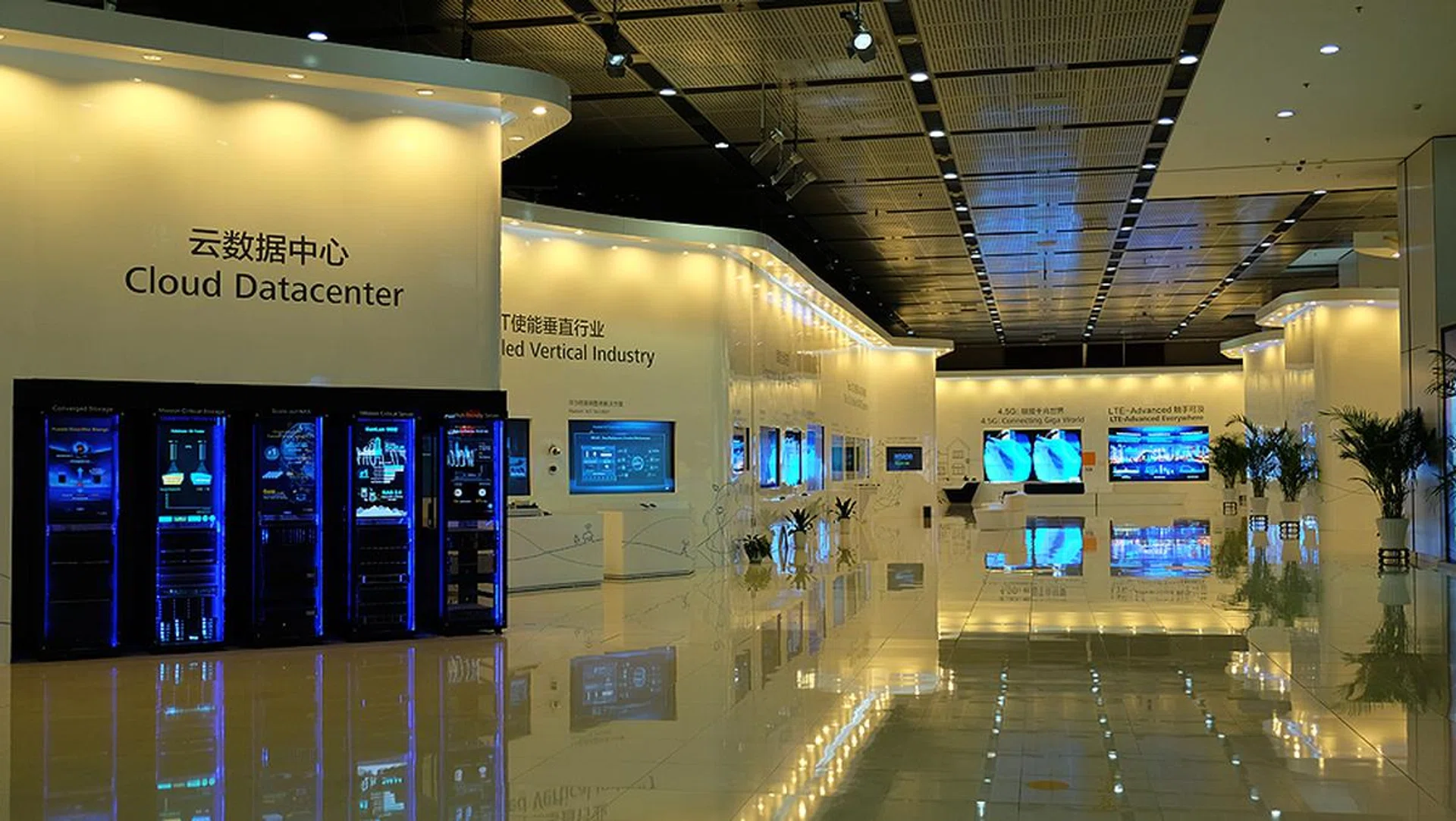
The F1 experience center showcases upcoming technologies developed by the Chinese telco giant.
In a span of 29 years, Huawei went from a manufacturer that made phone switches, to a multinational networking and telecommunications giant with its presence felt across 170 countries. It overtook Ericsson in 2012, and is now effectively the largest telco equipment manufacturer on this planet. Singapore isn’t spared too – local telco Singtel has its copper-based voice and data network infrastructure maintained by Sino Huawei. 29 years is an achievement, considering how Ericsson and Singtel have 140 and 137 years in the business, respectively.
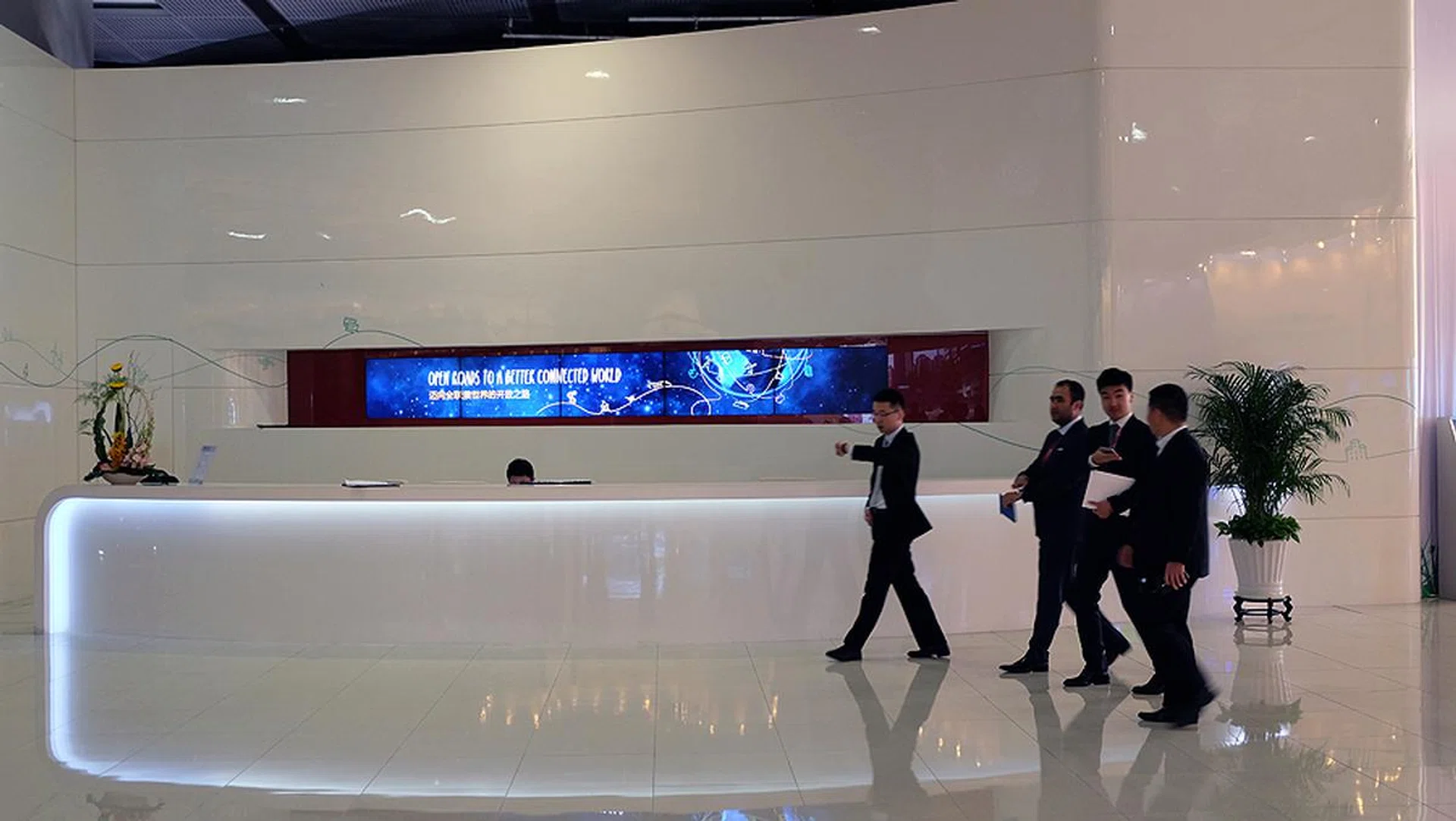
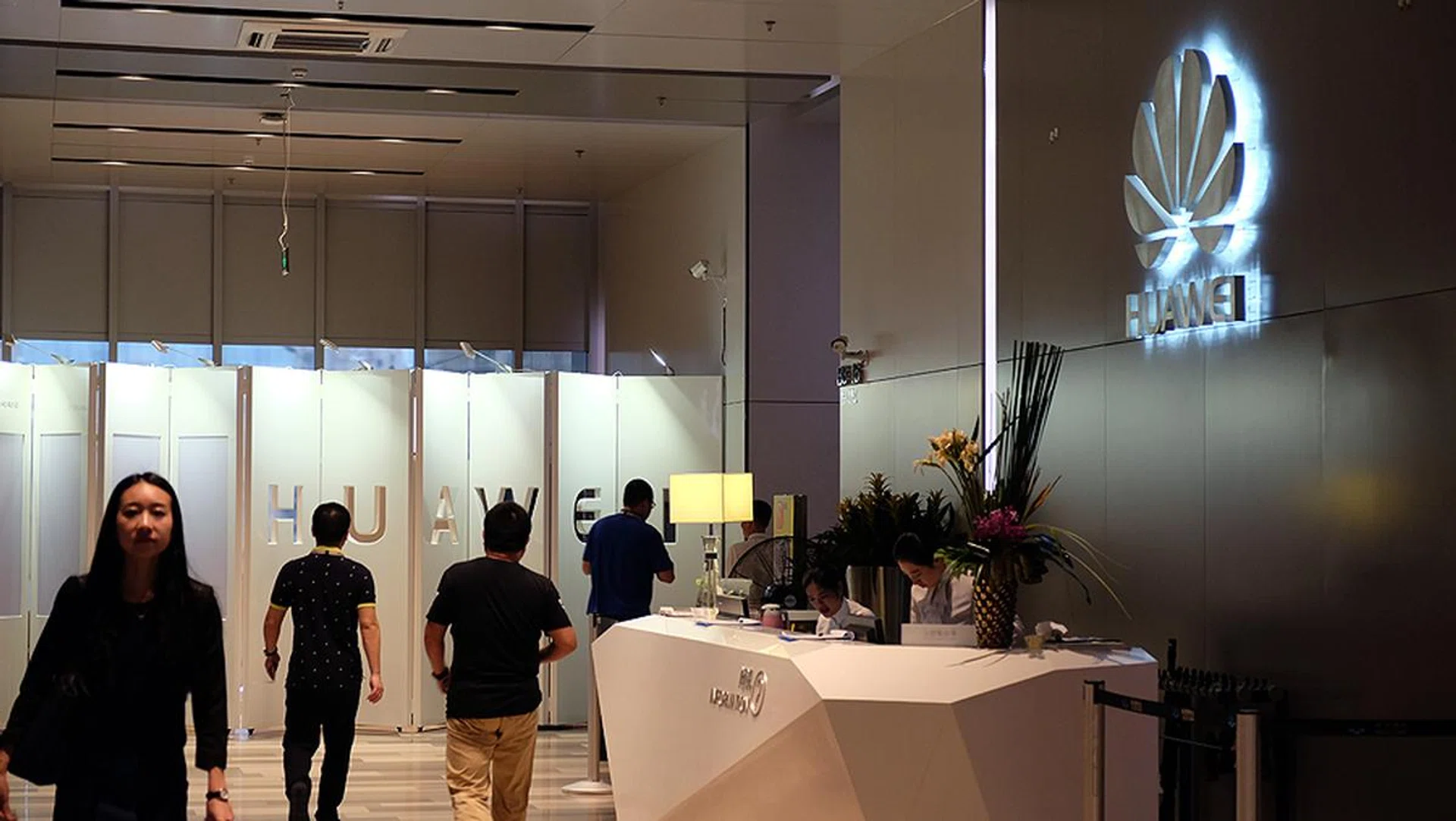
Reception counter for F1.
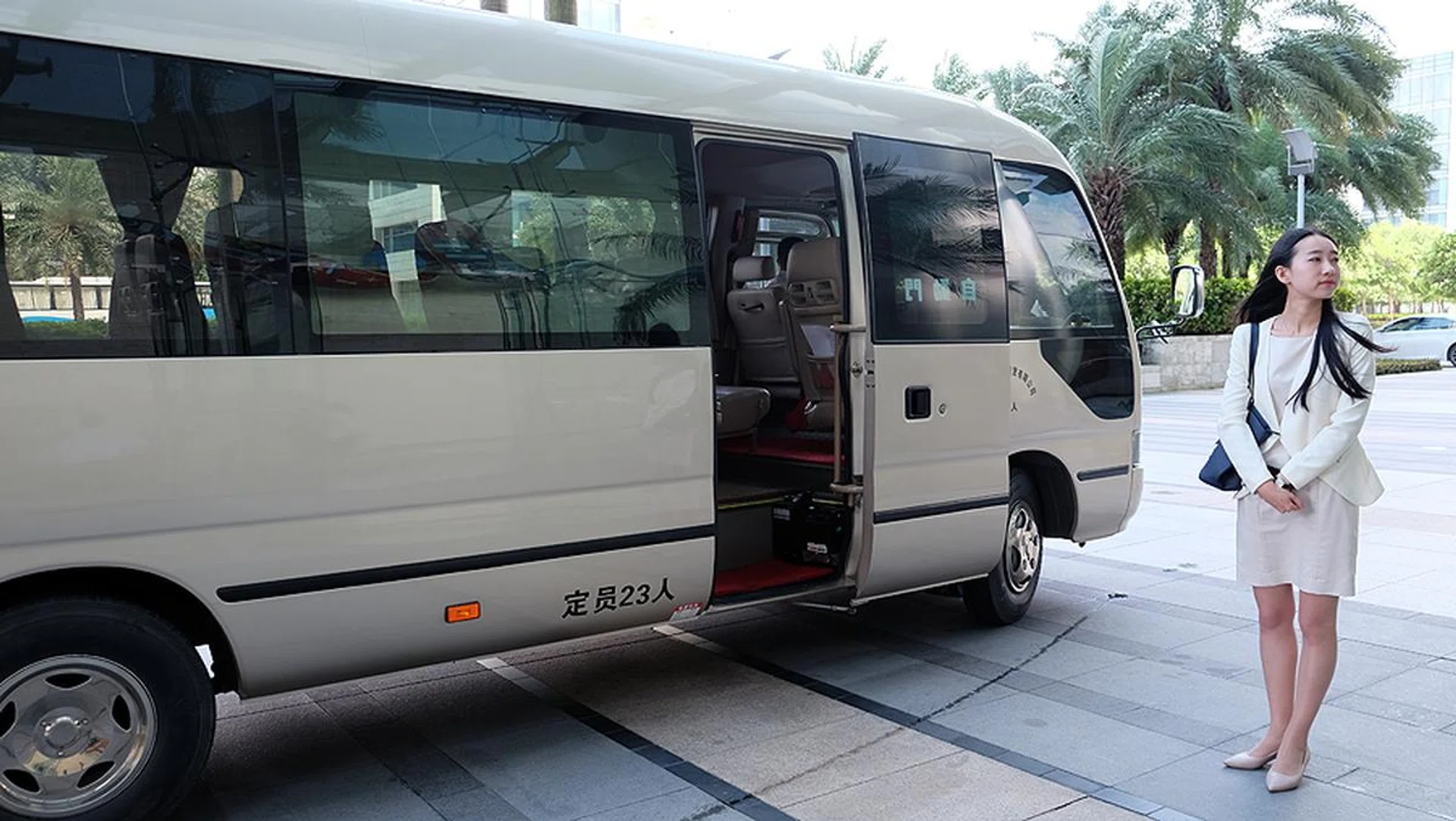
The walkabout was strictly guided by Huawei, but we had no complaints.
It was easy to see how the campus reflected the quick growth juxtaposed against its collectivist work culture – the staff was young and vibrant, but everyone minded their own business and kept to themselves unless they were called upon to act.
From a bird’s eye view, the Huawei campus is a fast-paced estate thronging with highly-talented, multi-lingual employees. Its entirety is located in Longgang district, north-eastern part of Shenzhen, China. They completed last major upgrade to its facilities completed just last year, bringing it to a total land mass of 2.238 square km.
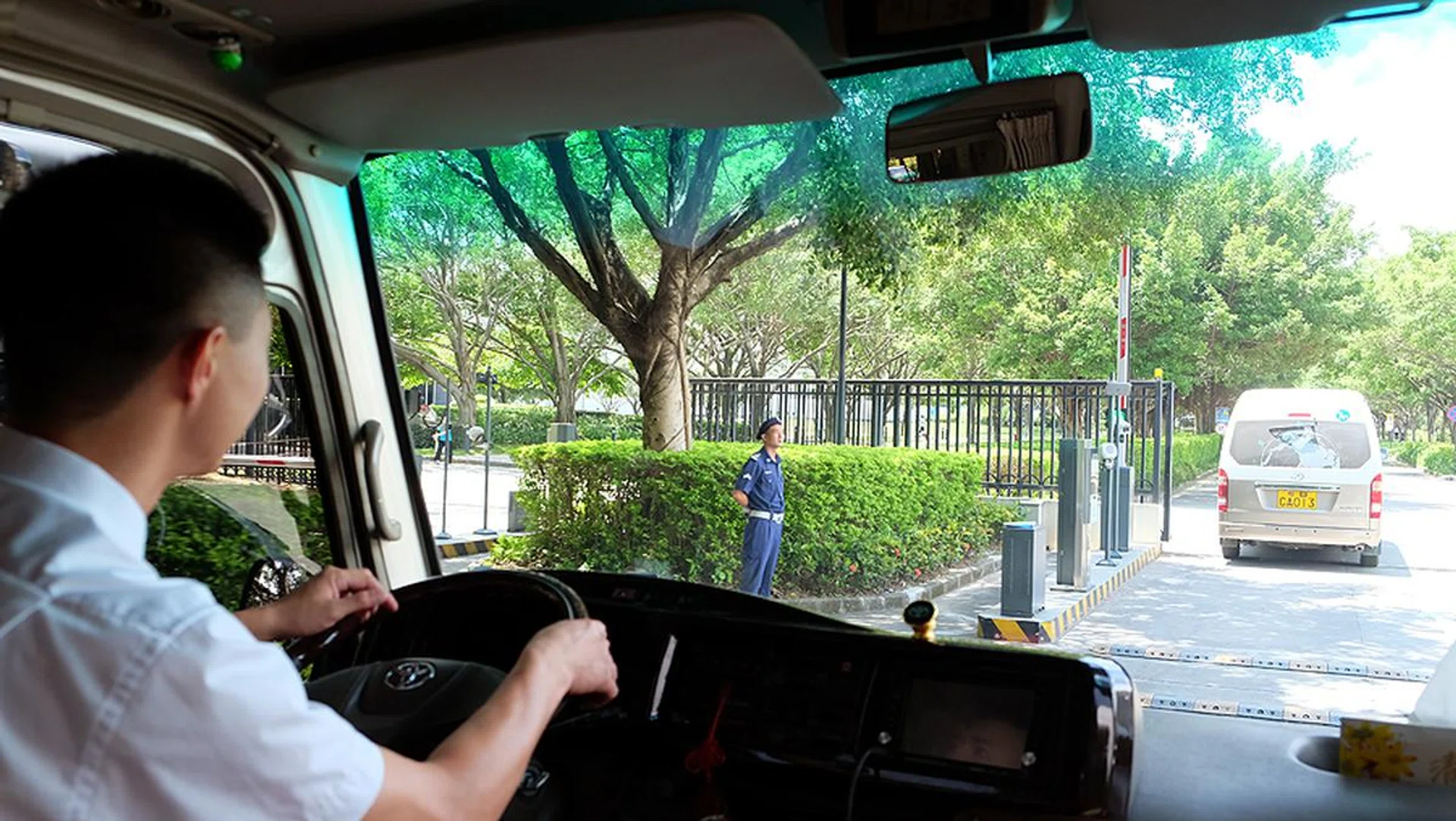
Shuttled about the residential area of the campus.
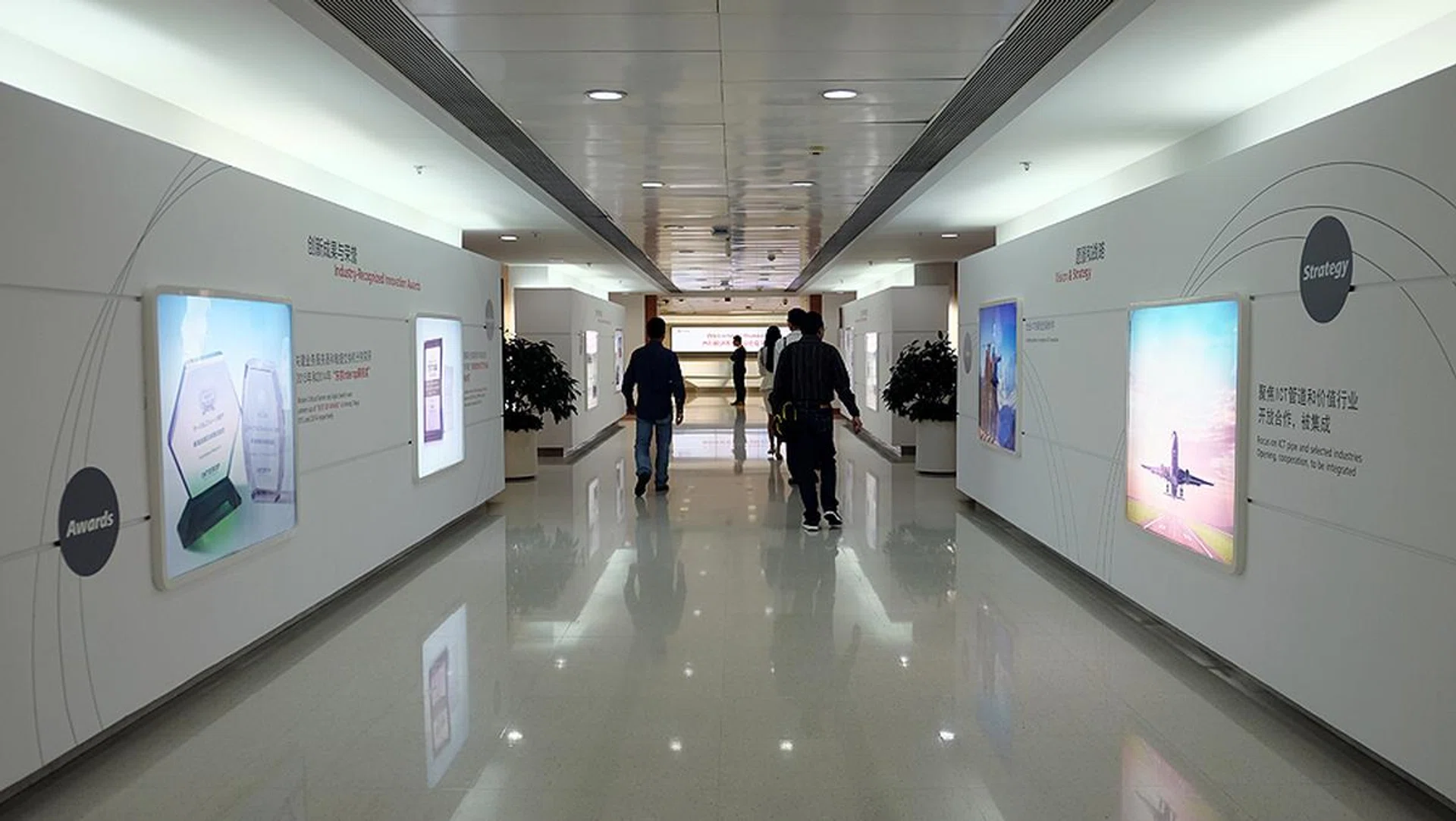
In the business end of things, décor is modern and minimalistic.
Even though the campus is located in its origin country, it came with facilities that clued us in on Huawei’s mission towards global dominance. For example, the campus has a residence area for foreign and local employees. The accommodation comes with all the key facilities found in private condominiums, which looks like its tenants can stay and live a life in relative comfort. In a place as big as China, having your workplace just one shuttle bus ride away is an understated convenience. At the same time, it hinted the ominous price to pay for globalization – your life will see Huawei at every turn and corner, at work or at play, awake or asleep. But that’s for their staff to worry about.
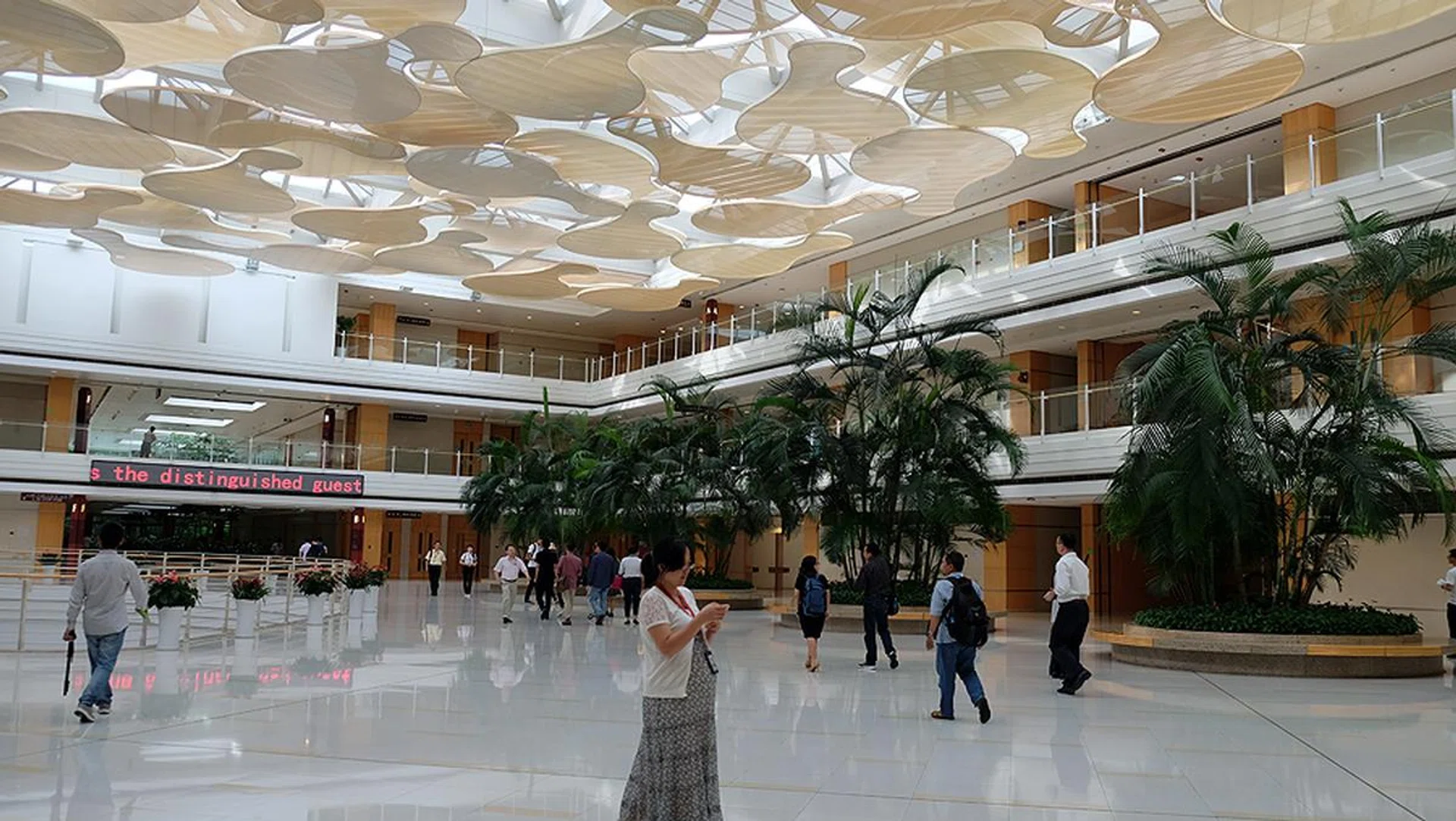
Atrium of Huawei University, where new staff received training for three months before starting.
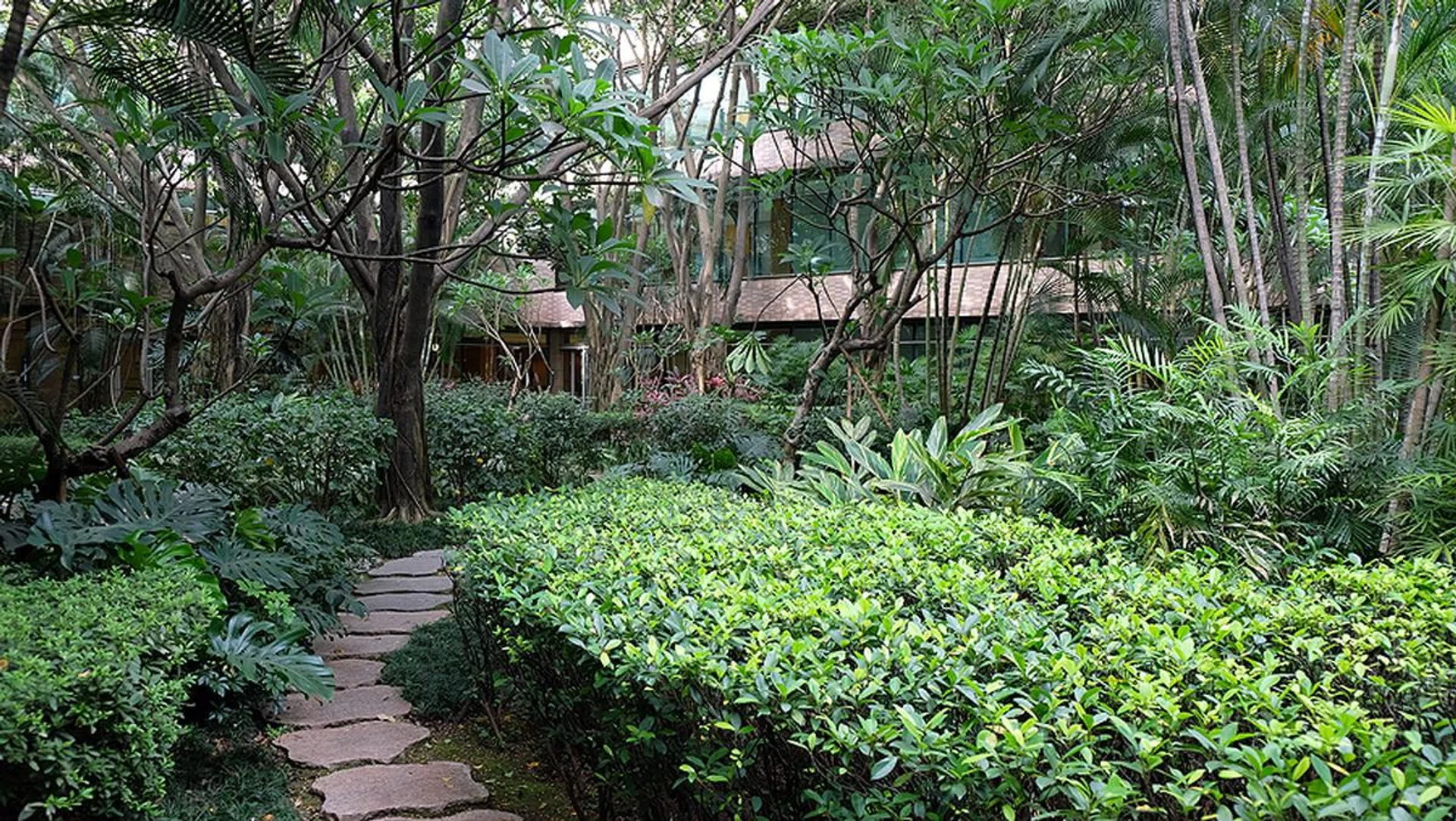
The university hid a secret garden that’s accessible by all.
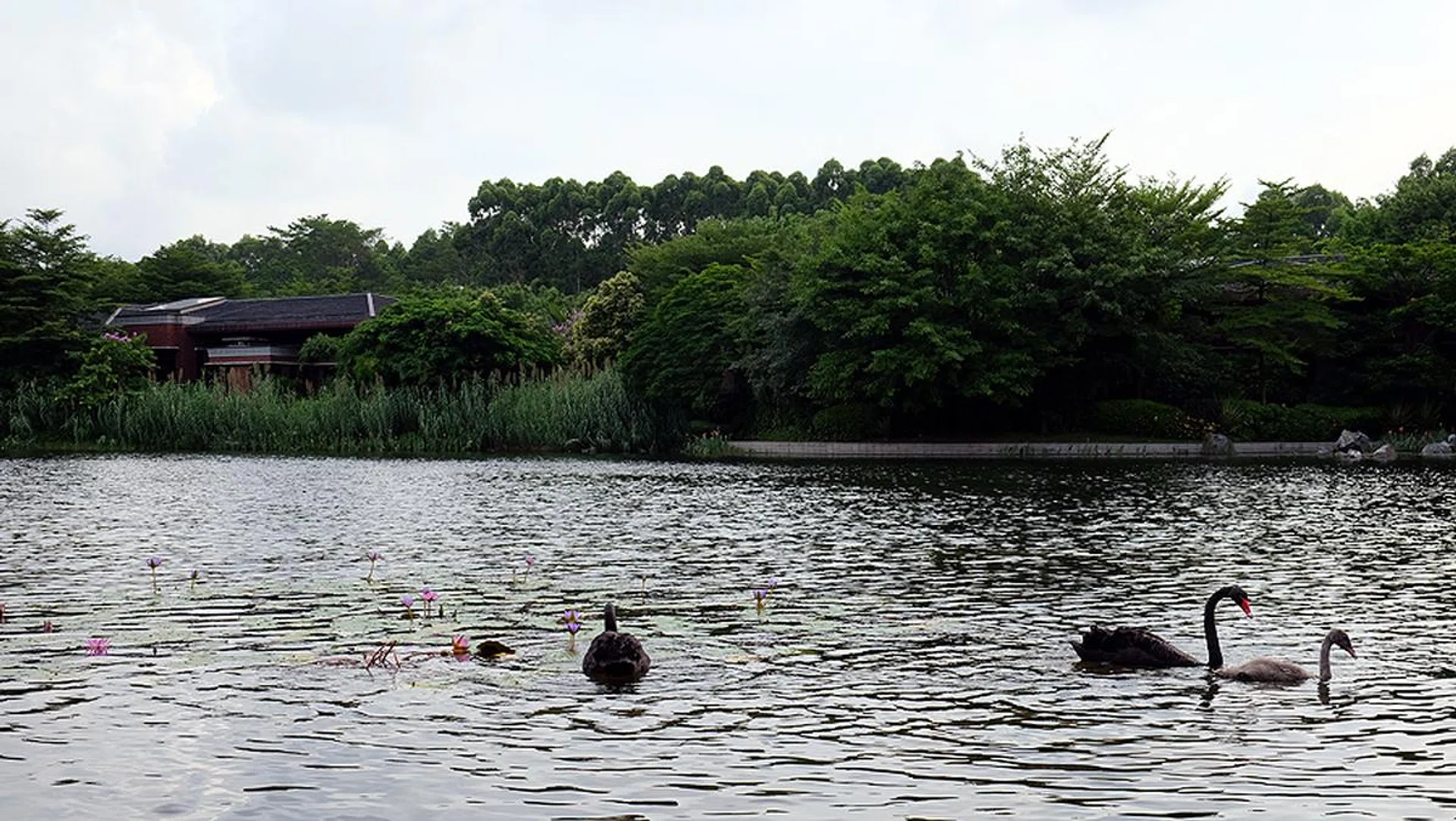
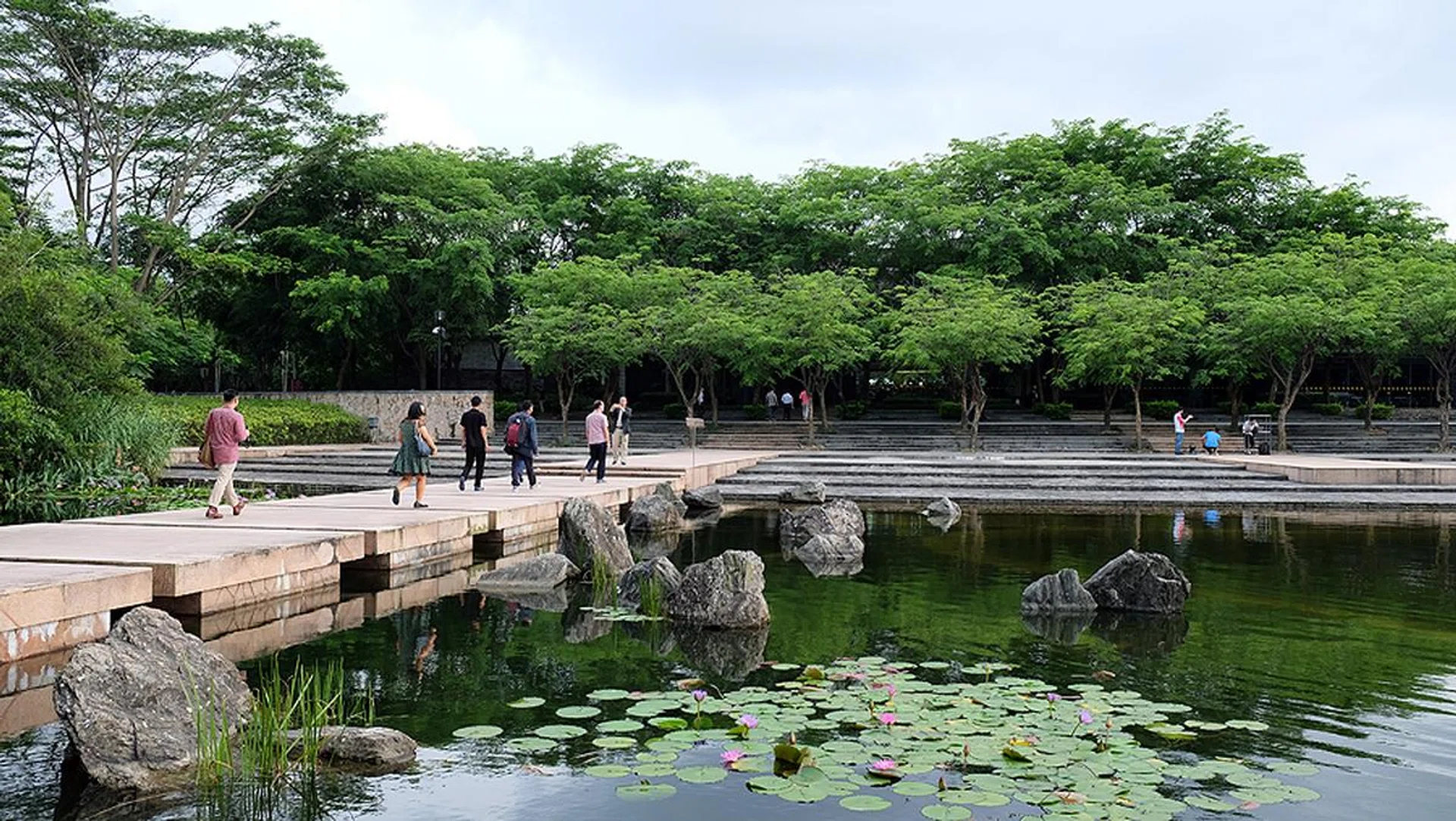
The man-made lake is a welcome break from the monotony of tech work.
Besides the condos and offices for its workers, we found the grounds filled with various artifacts that broke the monotony of work itself. Between each building and complex, you will find meticulously trimmed flora, idyllic walkways, and thoughtfully-chosen public art – it was immediately clear to us that the Huawei compound isn’t purely functional. The campus was massive, with 10 complexes containing four blocks each. Perhaps it was the constraints of a tour, but we felt the transition from office to outdoors jarring and disorienting. In one moment, we’d be looking at modernized offices while they stuffed us with marketing strategies, and the next would see us strolling through a charming, man-made lake that kept a herd of black swans (imported from Australia, no less).
This article was first published in HWM September 2016 issue.
The pictures are copyright to SPH Magazines.
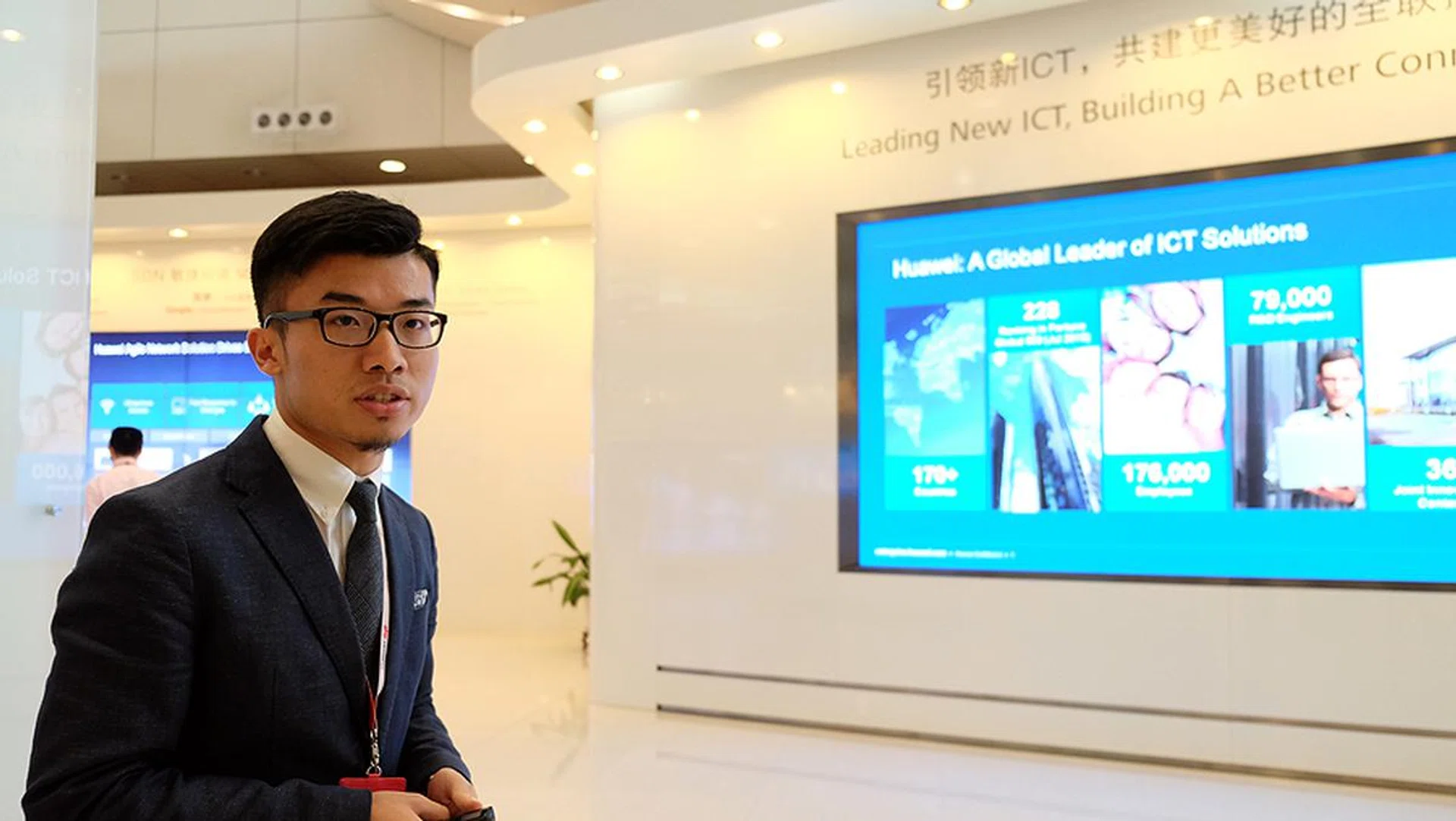
A guide extols the virtue of Huawei hardware.
To cope with its 60,000 employees on-site, there are a total of 10 canteens. The one “canteen” we visited felt similar to a swanky mall’s restaurant floor. The staff had a choice between different cuisine types, plus a hotel-buffet outlet. Employees pay for the meals with their staff pass, which stores credit for meals taken on-campus – if you ran out of lunch money, you simply pay out of your pocket. Unlike other western tech giants, Huawei was good at providing the best resources, while reminding everyone that they are here to get the job done.
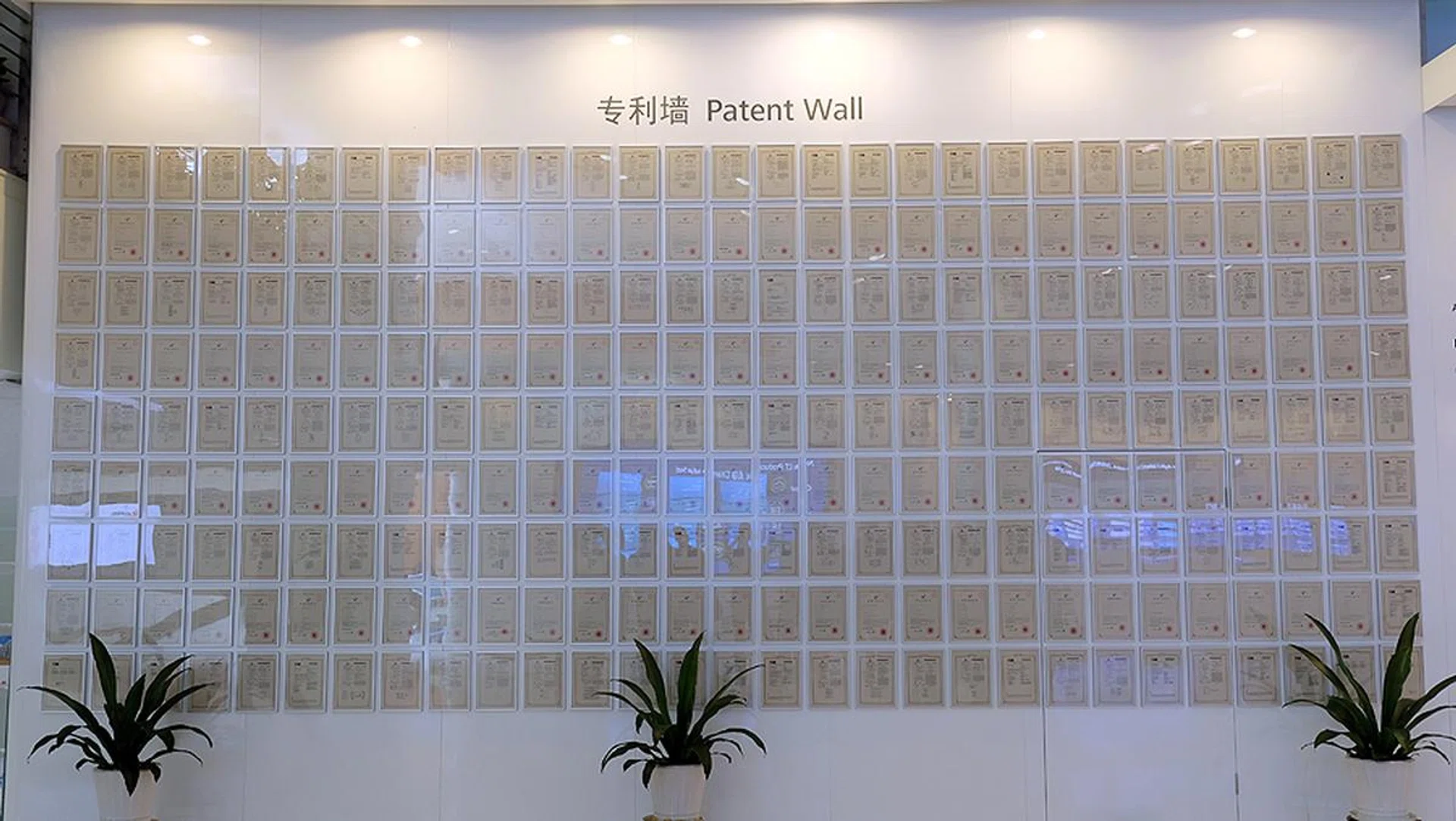
Huawei proudly displays a small fraction of its 50,000 patents.
The Huawei folks were eager to show us their “F1 experience center” (F1 is the name of the first “F” building). We were herded through a showcase of Huawei’s future or futuristic technology and research, such as their work on bringing 10Gbps at 1ms latency connectivity for mobile devices, and their LampSite small cell technology for indoor cellular data – Huawei and Singaporean telco StarHub are actually trying that out within Marina Bay Sands itself. While technical, the exhibit did showcase exactly why Huawei was able to rake in US$60.8 billion revenue in 2015.
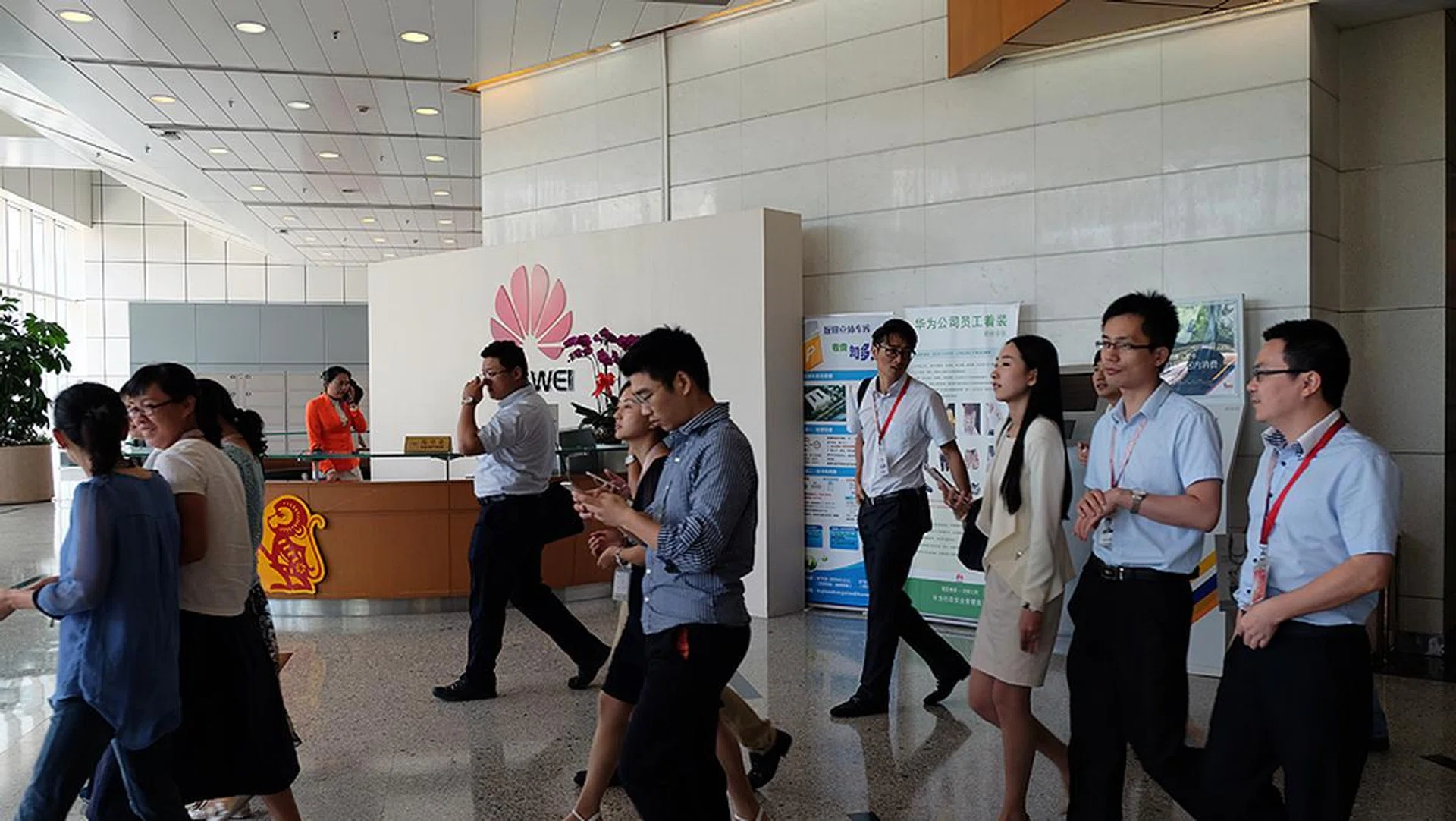
Lunch break signaled a mass of hungry employees searching for one of the ten campus canteens.
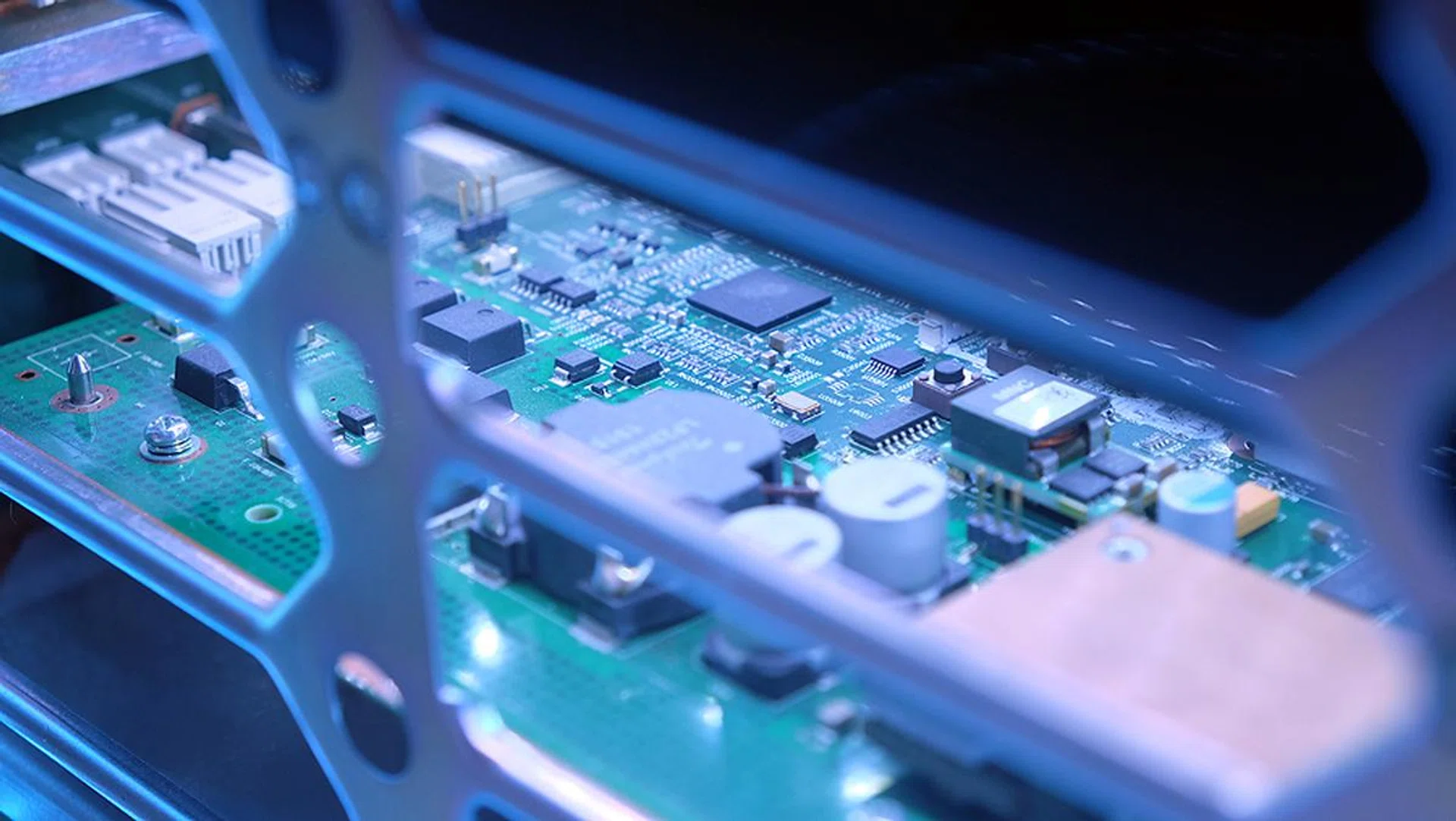
To further emphasize how Huawei is really unlike a typical “Made In China” firm, we visited their device testing lab for the Huawei P9 phones – where the finished handsets went through the proverbial mill. Like a first-timer inside a highly specialized fetish dungeon, we were introduced to every machine’s scope of torture.
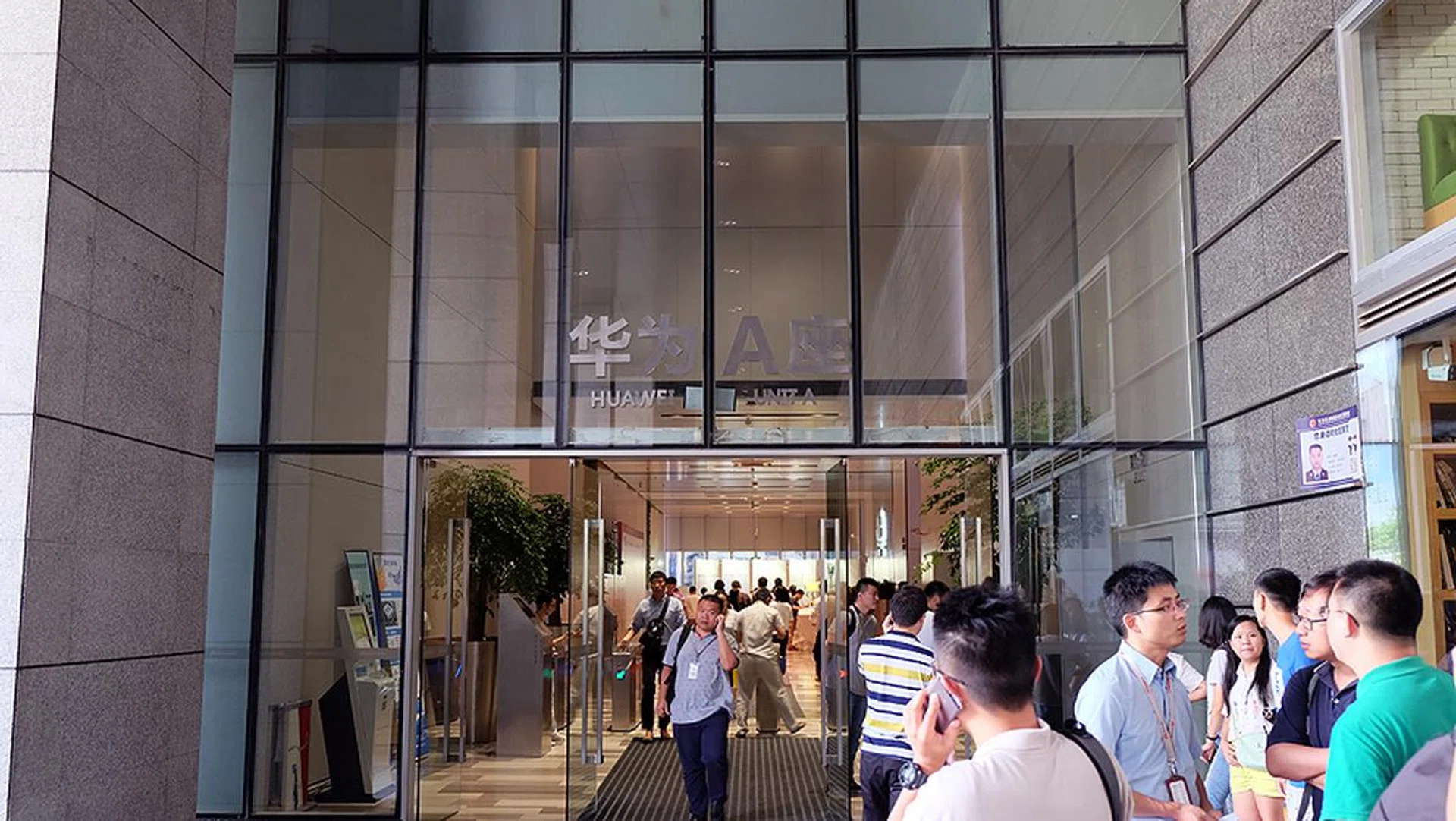
We visited the Huawei Device Lab, which tests their phones for reliability.
An impressive drop test directed a P9 into the floor. The process was repeated twice, for every side and corner of the smartphone. While it wasn’t our phone, we still felt palpitations when watching a phone greet concrete. Another corner had an interesting “jeans friction tester”. This machine simulates a women’s handbag filled with personal effects (makeup, coins, and even dust). The phone goes into this machine and it’s jostled relentlessly for an eternity. In a whirlwind of explanations, we witnessed the phone’s trial by literal fire and pretend-jeans, and it is far beyond what an average smartphone user can put it through. Huawei users can rest easy.
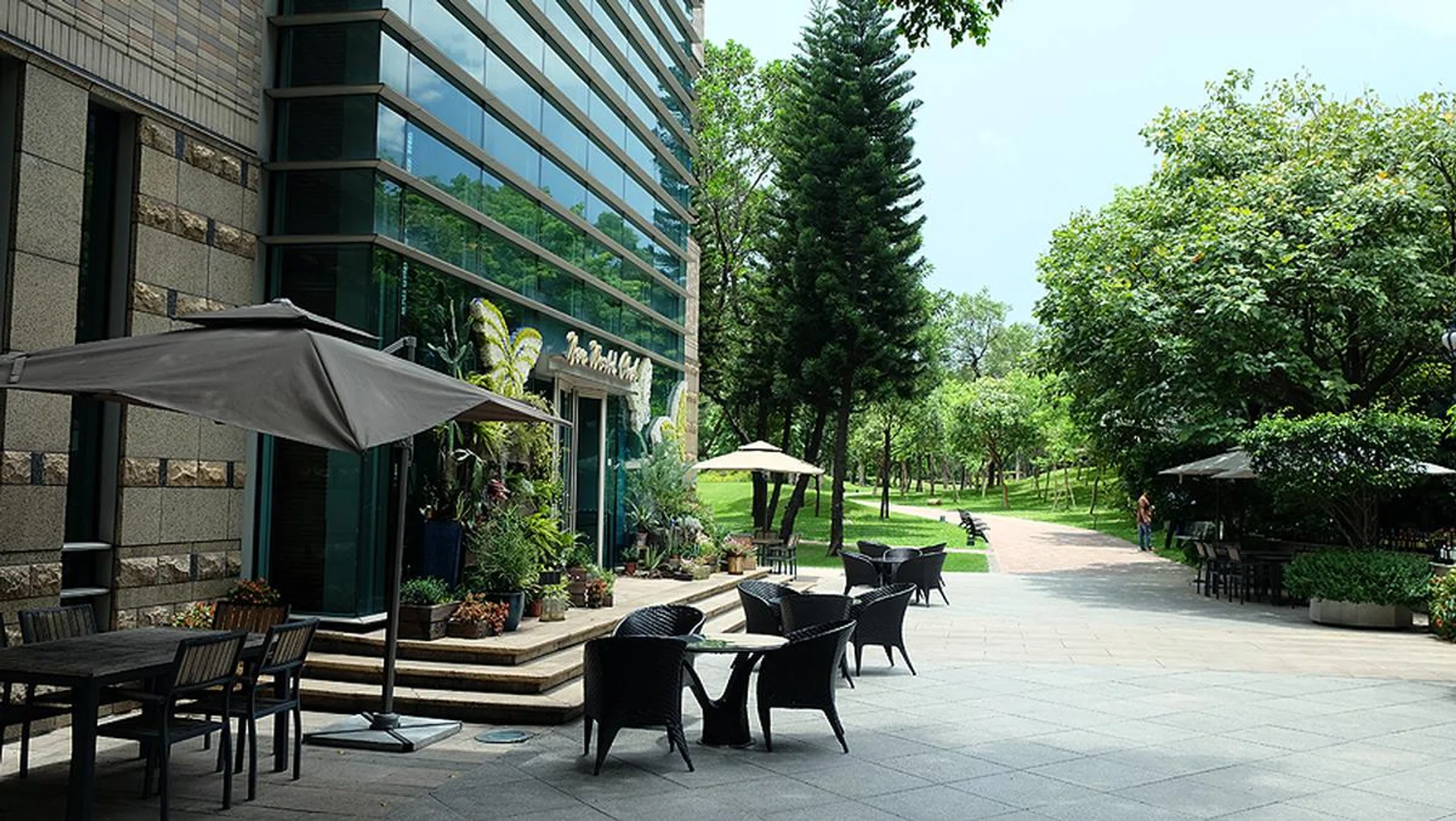
The canteen we visited was adjacent to man-made nature.
While the campus tour was designed to be a showcase of Huawei’s strengths, exactitude, and staff welfare, we left with a better understanding about how one Chinese tech giant progressed so quickly by making most out of its culture. This is about getting big, and then getting good – done right.
Our articles may contain affiliate links. If you buy through these links, we may earn a small commission.