
HTC's New Smartphones
HTC continues their onslaught of Android-powered smartphones with two new devices, announced at a press conference in London. Here's what went down at the event.
HTC's New Smartphones
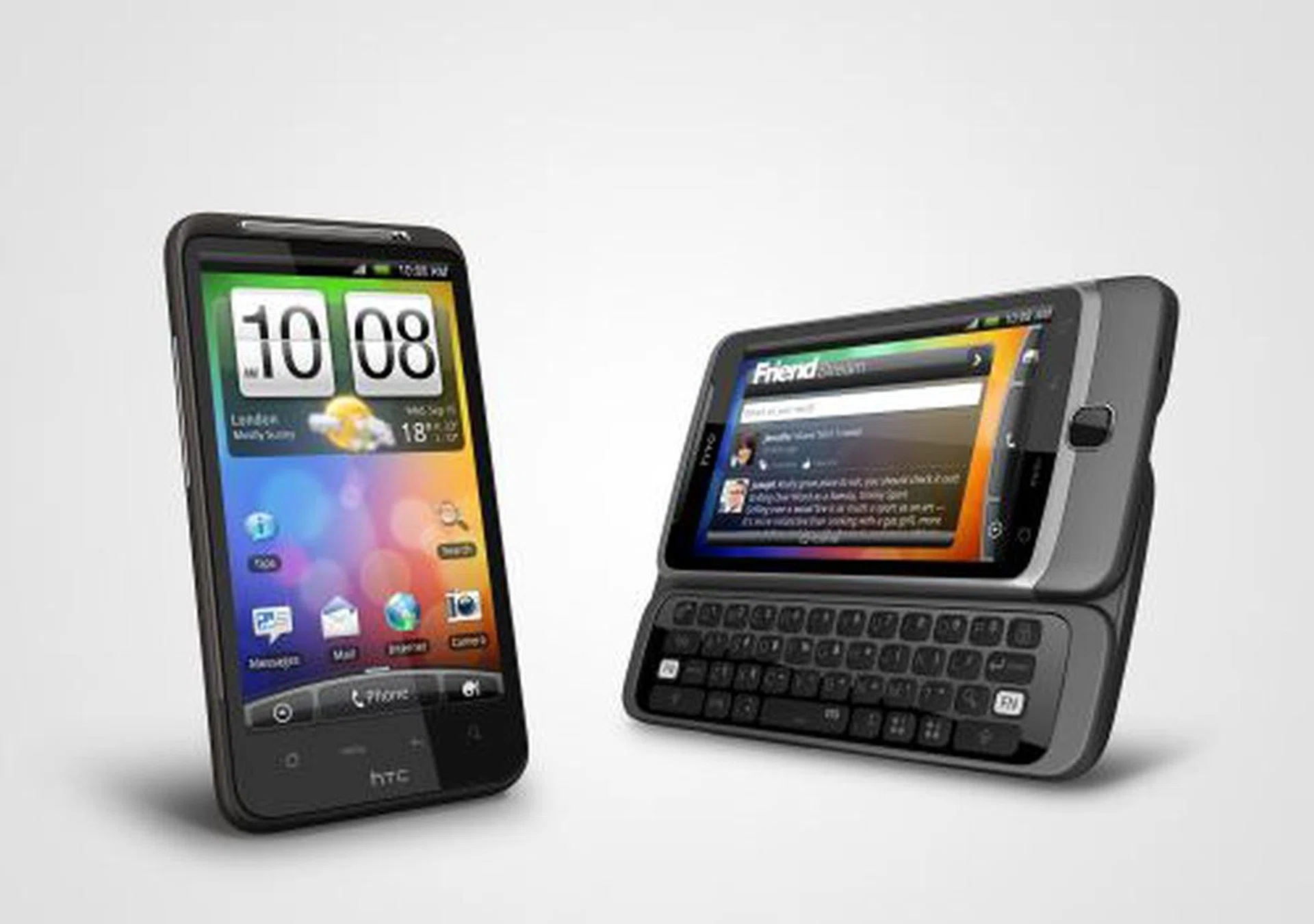
HTC's latest flagship smartphones powered by the Android operating system; the HTC Desire HD and the HTC Desire Z.
Product launches are a dime a dozen in the course of jobs like ours, and every so often, it can get a little tiring. After all, some might say that if you've seen one modern smartphone, you've seen them all. Where companies like HTC are concerned however, it is no longer simply about the hardware, but the experience. Alongside the launch of two new Android-powered smartphones - the Desire HD and the Desire Z - HTC seeks to bring their product experience to the next level with the launch of their new cloud-based service, aptly dubbed HTCSense.com, also found online with the URL of the same name.
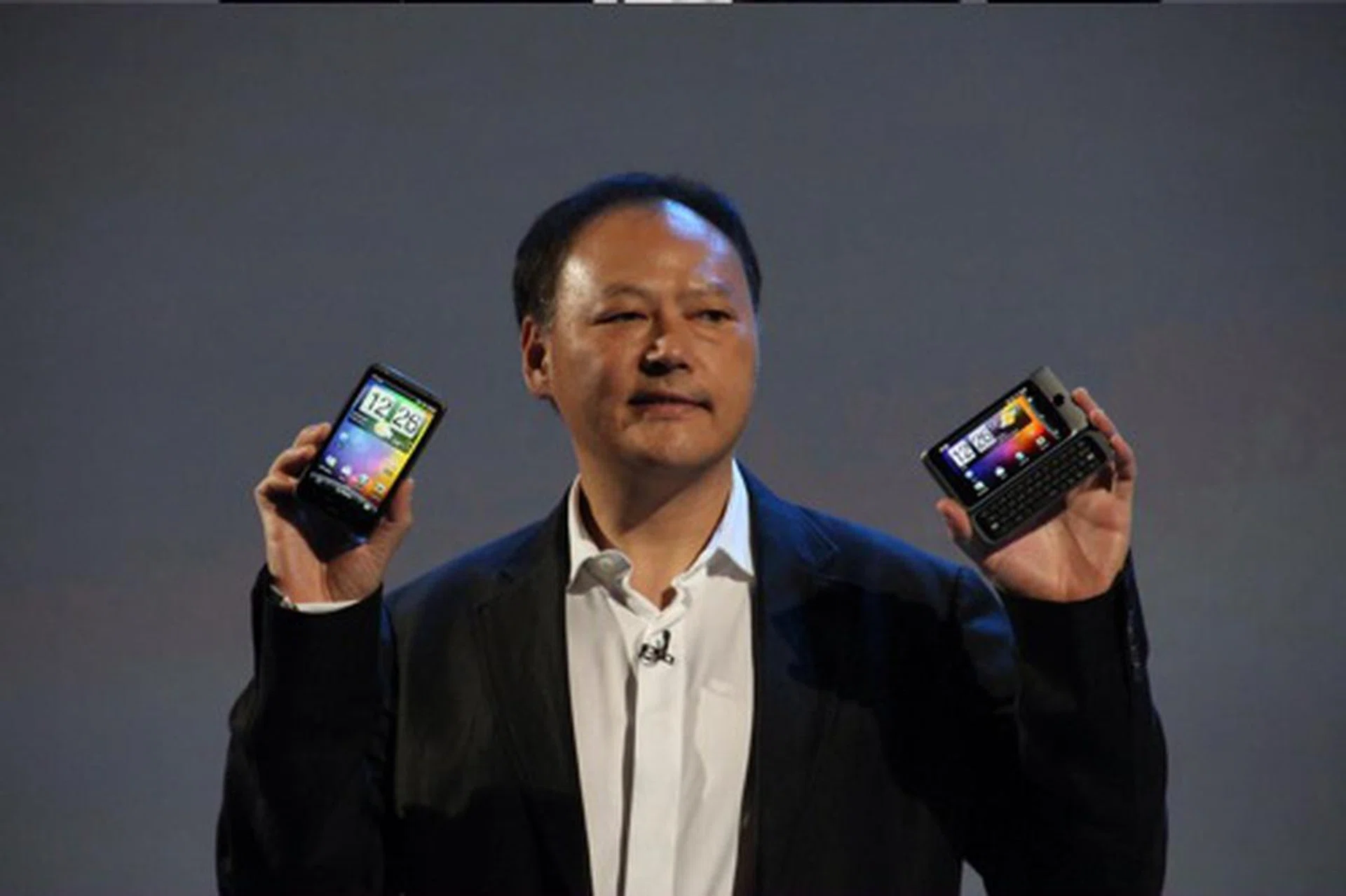
Peter Chou, Chief Executive Officer for HTC holds up the company's two new devices, the HTC Desire HD (left) and the HTC Desire Z (right).
In his keynote speech, Peter Chou, CEO for HTC introduced both the new devices, as well as HTCSense.com, an online service which enables users to manage, control and customize their phones from the PC. With this, HTC aims to not just put a device in your hand, but to also extend the HTC experience from beyond the phone. Interestingly enough, integration with HTCSense.com will only be available for the Desire HD and the Desire Z for now, with no official word on when older devices such as the original Desire will be able to access the service.
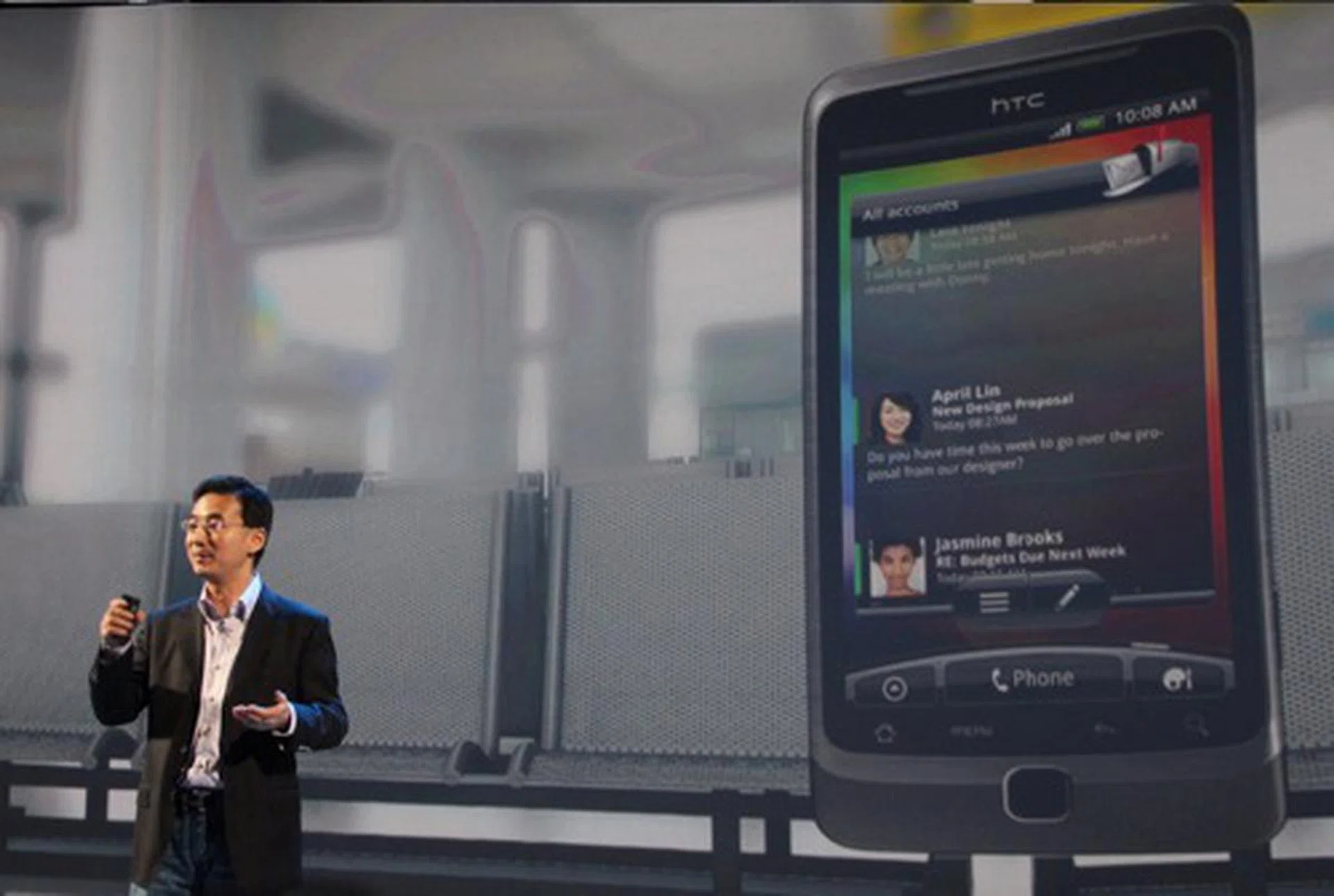
John Wang, Chief Marketing Officer for HTC takes the stage to showcase some of the latest features of the new Sense UI.
John Wang, Chief Marketing Officer for HTC then took the stage to go through the various new features of the refreshed HTC Sense user interface which powers just about every HTC-branded smartphone on the market today.
Users can now share their videos recorded on the Desire HD and Desire Z to be viewed on your HDTV screen thanks to DLNA support. If your TV doesn't support the DLNA standard, HTC can still let you share your video on your TV screen with the help of the optional HTC Media Link wireless DLNA streaming adapter.
The new HTC Sense includes integration with an e-book store powered by Kobo, as well as a new e-reader app. Unfortunately though, HTC were unable to confirm outright that the e-book store would be made available in South East Asia. While bigger e-book stores like Amazon's Kindle store have had trouble coming to the region, the HTC spokespeople we talked to seemed fairly confident that we'll be able to see something positive happen.
One interesting feature is the ability to 'hibernate' the device, allowing for faster start-up. In the hands-on demonstrations after the main press conference, it took an average of five to ten seconds for the Desire HD to start up, after it was powered down. Of course, this only works if the battery isn't removed in between.
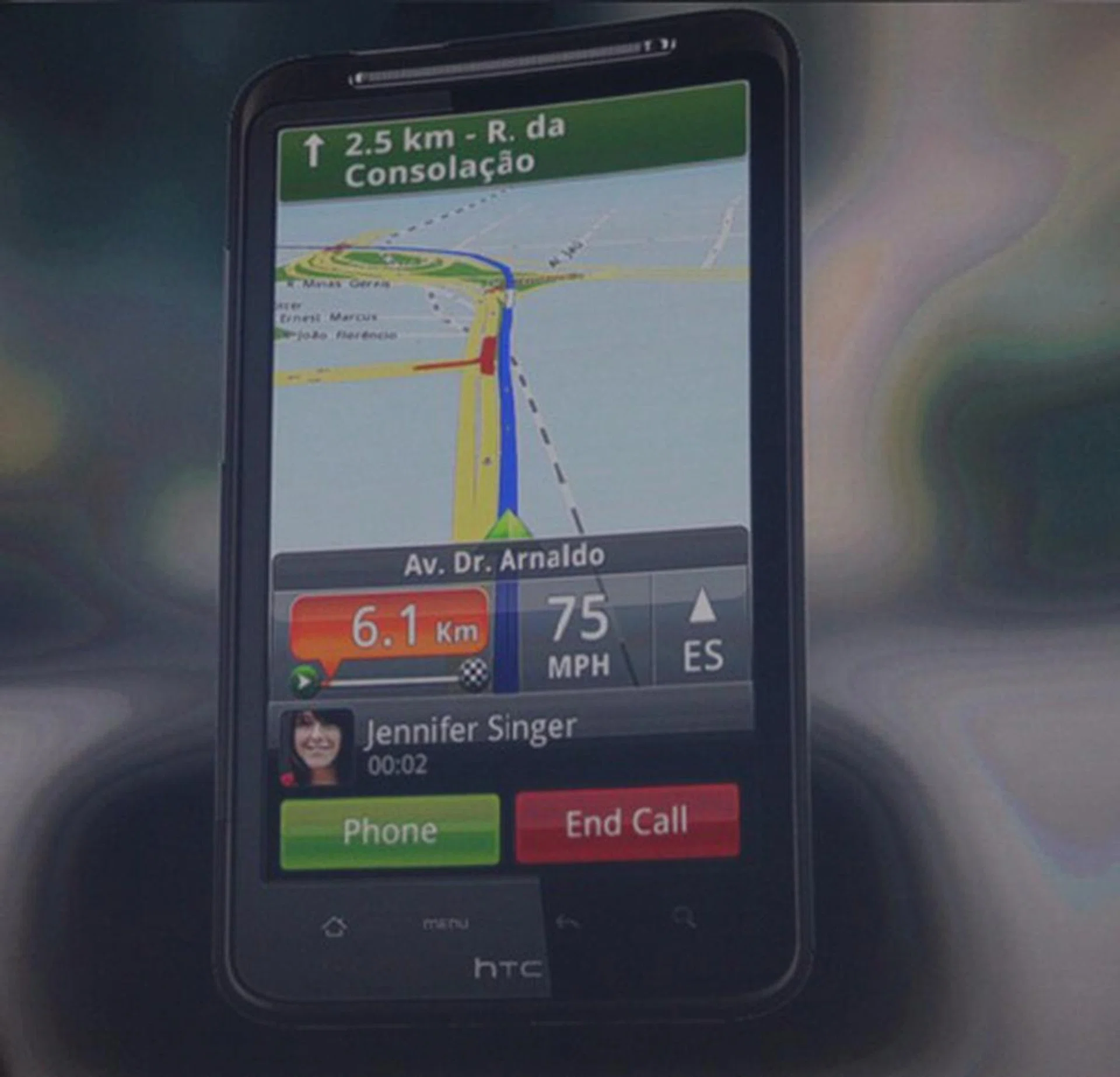
With HTC Locations, consumers are provided access to instant, on-demand mapping without having to wait for the maps to download, or incurring costly mobile roaming charges.
Maps and navigation functionality also gets a boost in the revamped Sense UI, dubbed HTC Locations. Incoming calls now show at the bottom of the screen when you're in the middle of navigating, handy for drivers who can now keep one eye on the map while still being able to take that important call via speakerphone. Maps also automatically orient to the direction that users physically face. Better yet, maps can now be pre-cached, allowing for a much smoother navigation experience, especially when panning or zooming in and out. If you're stuck at the traffic light, you can playback your upcoming route in fast-forward mode for a quick refresher on how to get to your destination. While you can download city maps for free, other features like navigation will cost you an as yet undetermined sum.
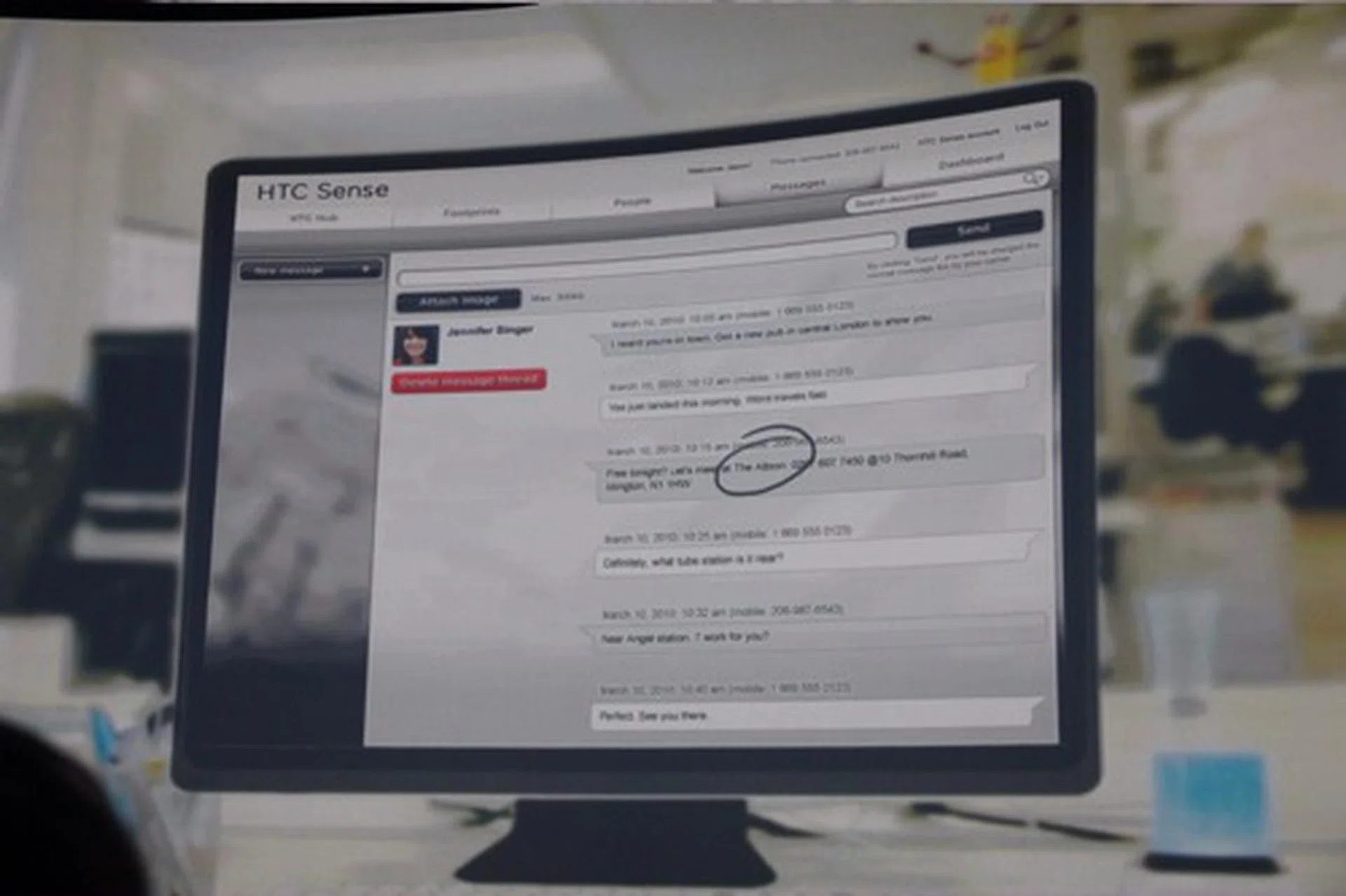
Part of the new services on HTCsense.com include the ability to refer to old text messages saved on the cloud.
Part of the new HTCSense.com suite of services include the ability to access old text messages sent to and from your HTC smartphone. According to HTC, your messages are synchronized periodically onto the cloud, letting you access them at any time, so long as you have an internet connection, whether from the phone or from a computer. Your contacts and call history are also saved in a similar manner.
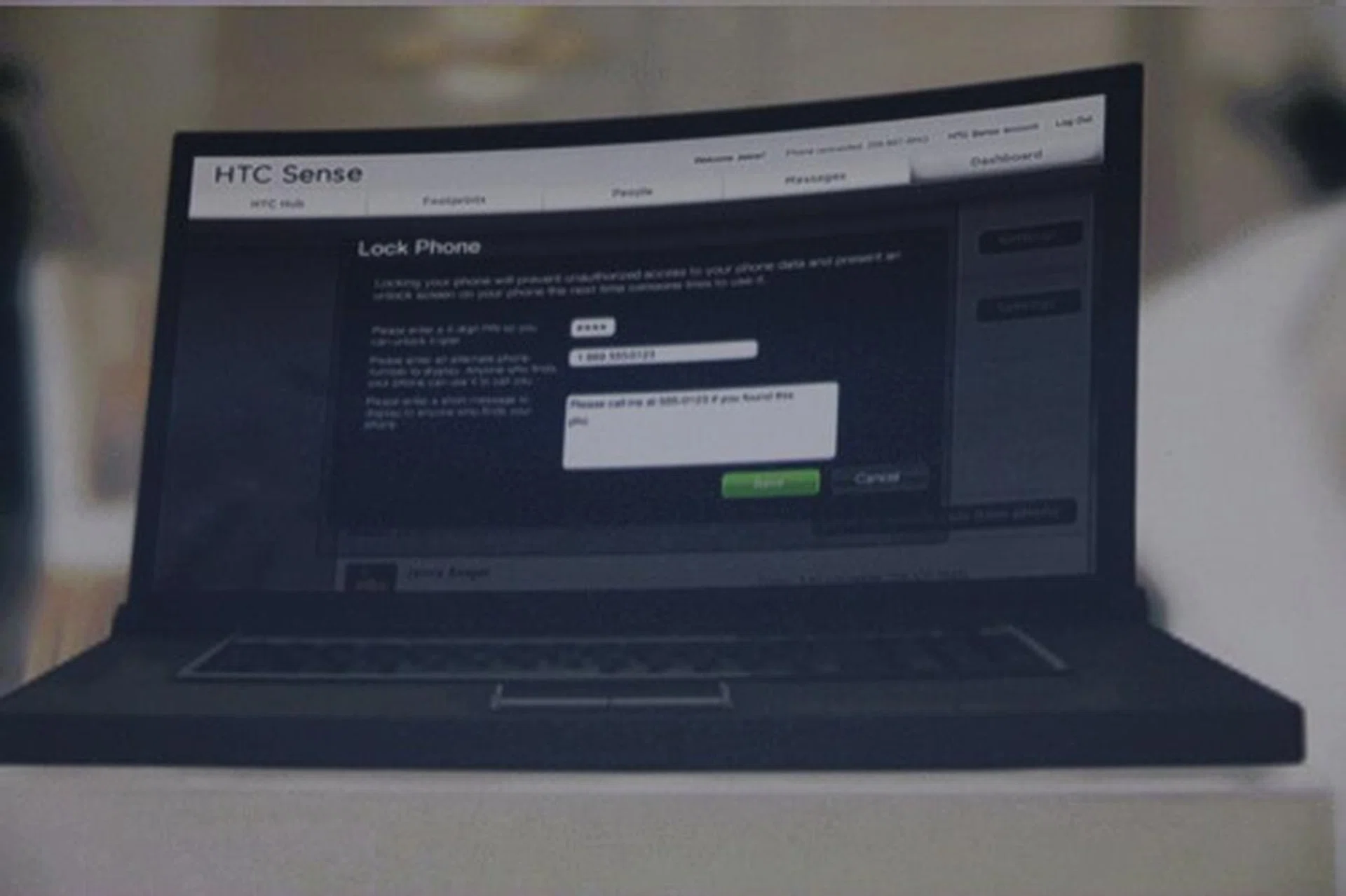
HTCSense.com also lets users remotely lock or wipe their devices, excellent for those wanting to prevent access to sensitive data on the smartphone.
Security is also part of the HTCSense.com experience, with the ability to help you find your misplaced device, simply by clicking a button that causes your device to ring, wherever it might be. If your device is set to silent mode, you can flag the device's location on a map, whether via GPS or WiFi triangulation. If you've left your phone at home, you can set the device to forward calls and messages to your office phone, for example. In the event that your phone's stolen, you can send a message to the device to arrange it's return - a lost and found message that appears on the screen, for example - or even to remotely lock and wipe all personal data from the device. While similar in some ways to Apple's MobileMe service, HTC trumps the competition in the sense that HTCSense.com (no pun intended) is free to use if you own the Desire HD and the Desire Z, while MobileMe users need to shell out US$99 a year to use the service.
HTC Desire HD - Big is Beautiful
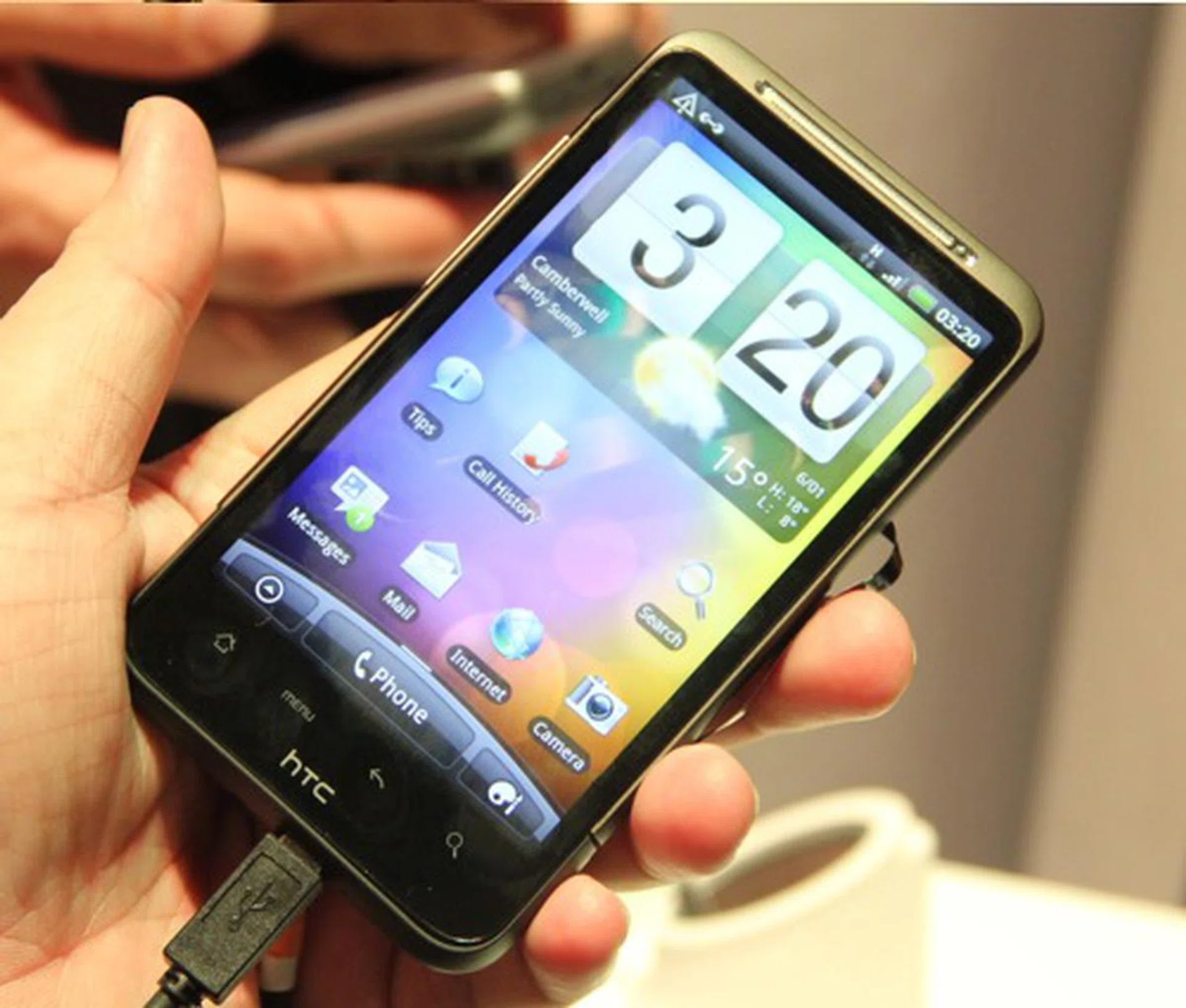
The HTC Desire HD features a swanky 4.3-inch SLCD screen.
The new HTC Desire HD will come powered by a 1GHz Snapdragon processor. It's important to note that this is the second-generation MSM8255 Snapdragon processor, featuring the Adreno 205 GPU which should lead to better graphics performance on that beautiful and spacious WVGA 4.3-inch display. You'll also notice that HTC removed the optical trackpad found on the original Desire, while the buttons on the front have been replaced with touch-sensitive controls.
The Desire HD will come with Android 2.2 out of the box. In terms of storage, you get 1.5GB worth and 768MB of RAM. For additional storage, there's the microSD card slot for up to 32GB of extra space.
The Desire HD felt very well balanced in the hands, and despite the large screen, didn't feel very bulky, thanks to the rounded edges, while tipping the scales at just 164g including the 1230mAh battery.
For entertainment, the Desire HD also comes with Dolby Digital certification, integrating Dolby Mobile and SRS for improved sound. At the same time, support for the DLNA standard is included, letting you share videos on bigger screens such as your new HDTV.
In terms of connectivity, you get Bluetooth 2.1, and interestingly enough, WiFi 802.11n support. Lastly, you get an 8-megapixel color camera with autofocus and dual LED flash, as well as the ability to record 720p HD video.
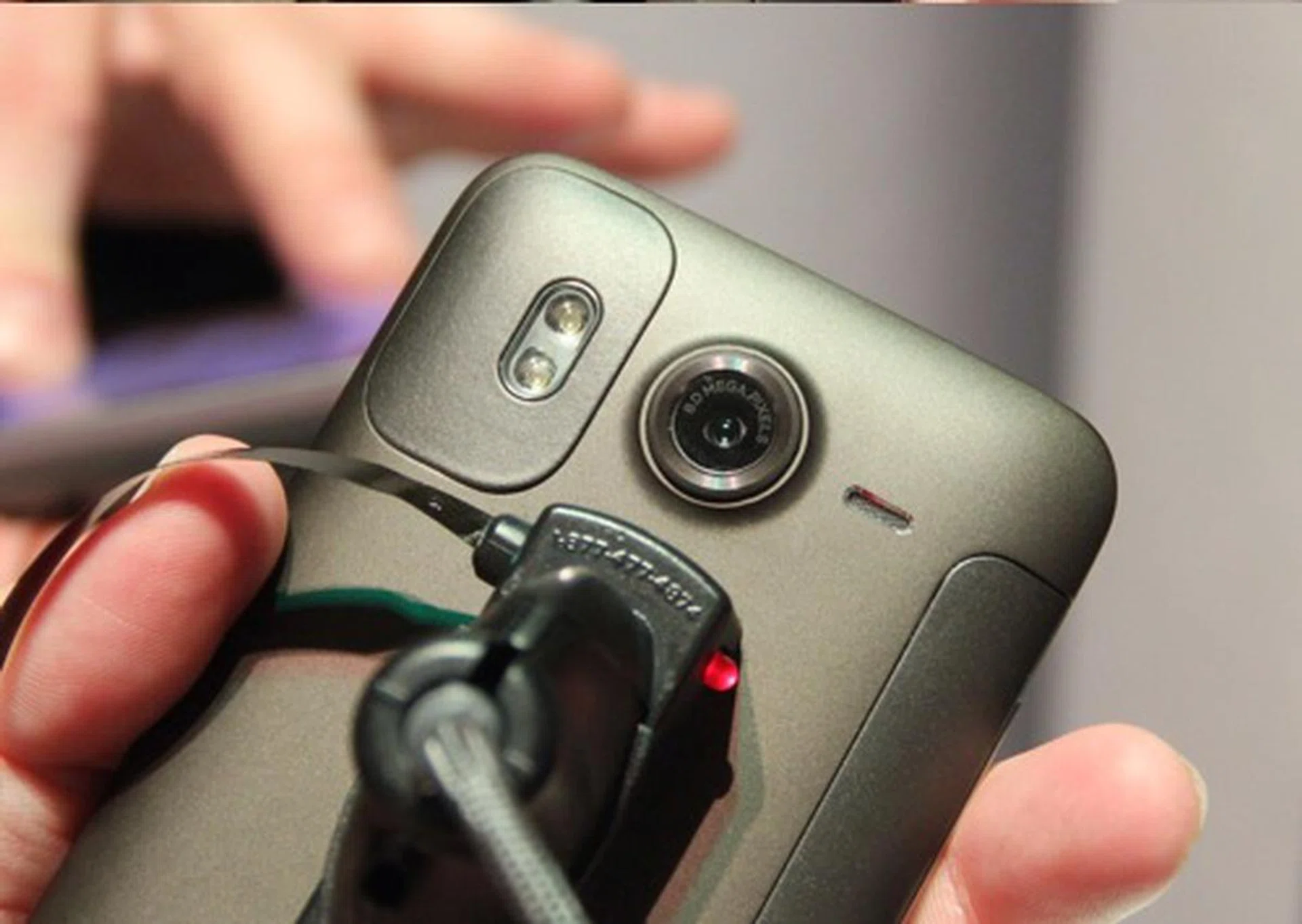
At the rear is an 8-megapixel camera with autofocus, as well as dual LED flash. The HTC Desire HD is also able to record high-definition720p-quality video.
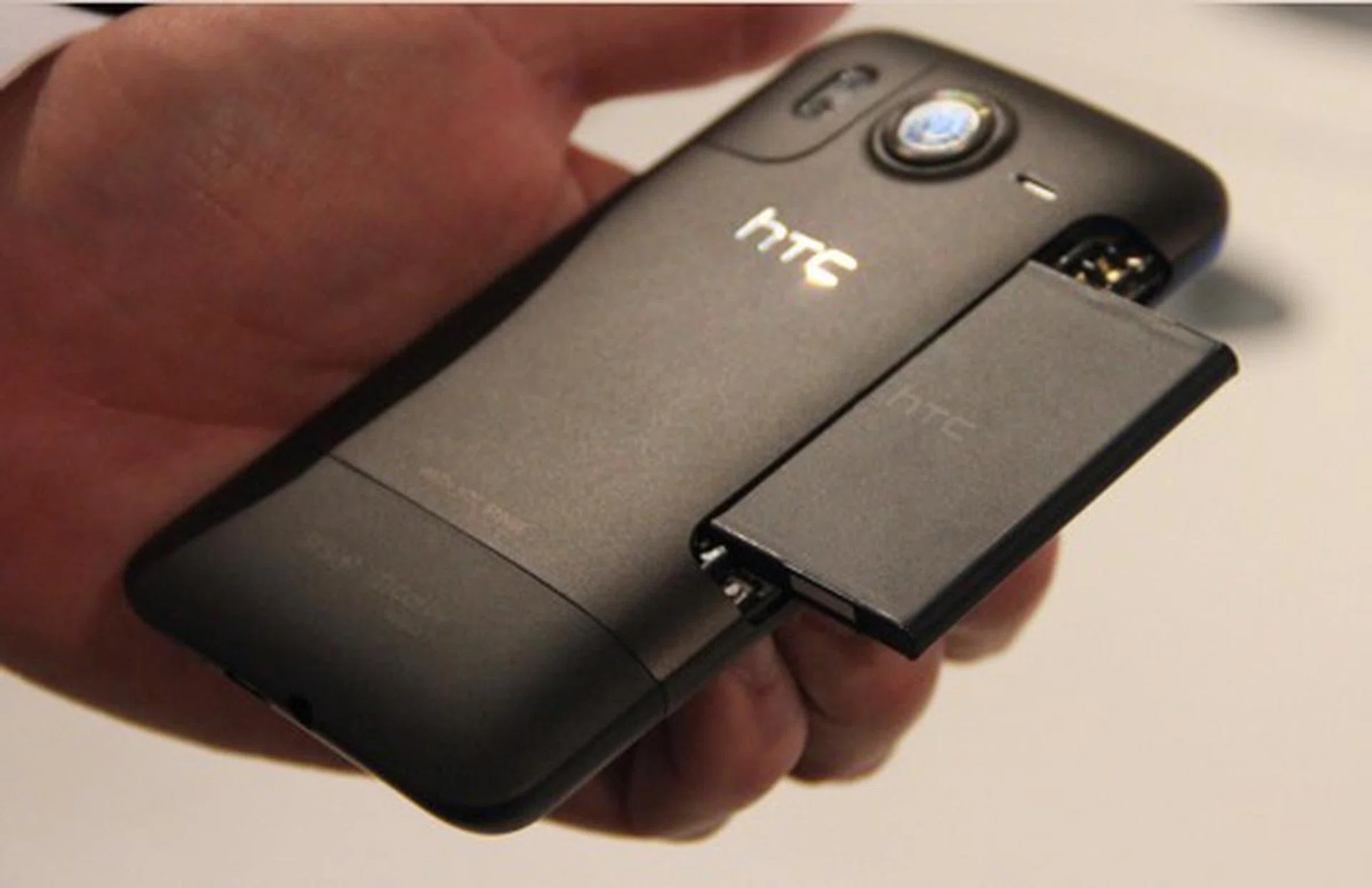
The removable battery is located in an easily-accessible slot along the side of the HTC Desire HD.
HTC Desire Z - A Smarter Keyboard
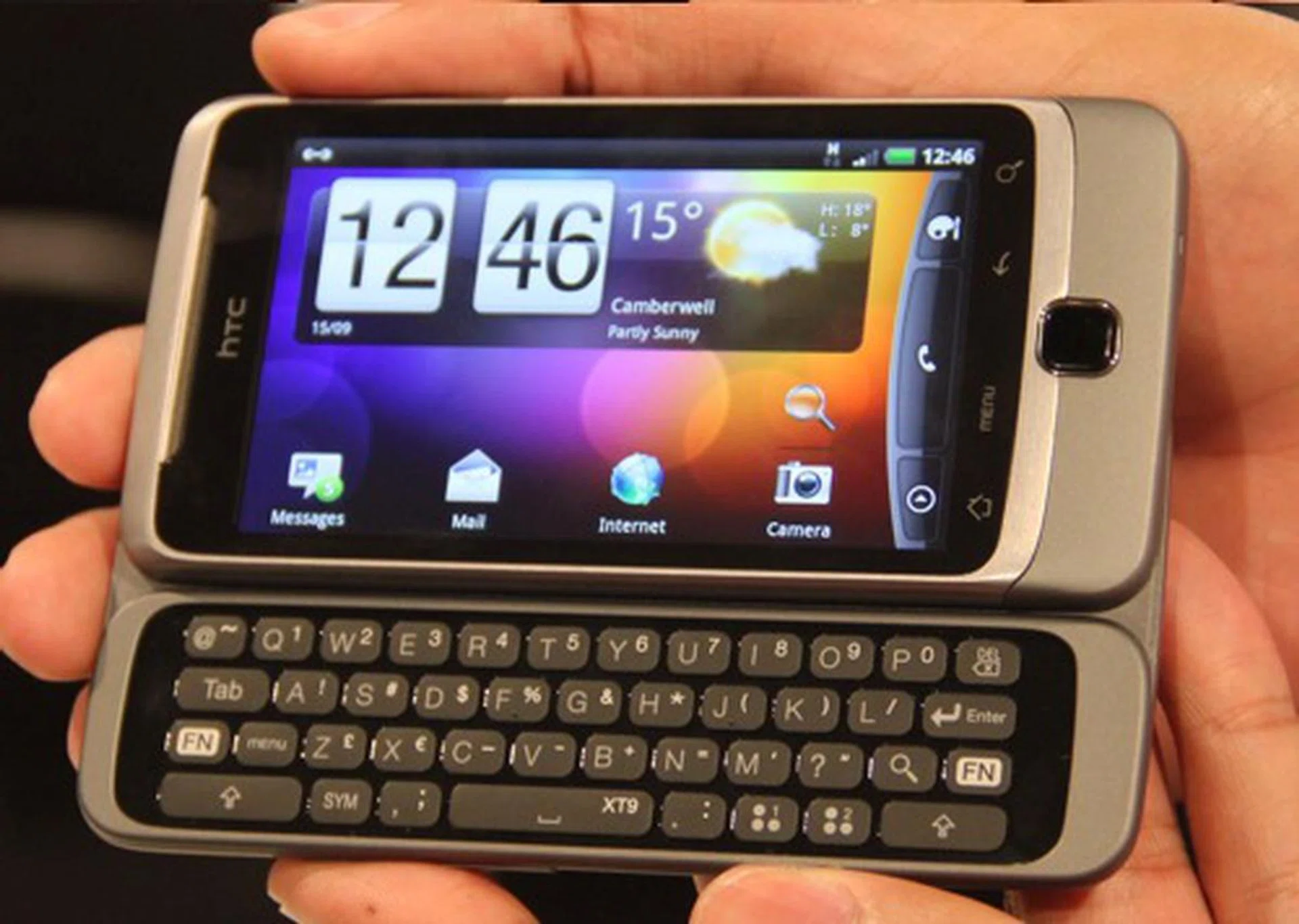
Here is the HTC Desire Z, with built-in QWERTY keypad.
The HTC Desire Z features a QWERTY keyboard that makes it a top notch smartphone for messaging. Big props to HTC's designers for paying attention to the top row of keys, providing loads of space for users with big thumbs (or long, manicured nails) to type away. The keyboard also features two programmable keys to provide instant access to apps and other functions without having to wade through multiple menus.
The Desire Z is powered by a Qualcomm MSM7230 processor running at 800MHz and 512MB of RAM. For storage, you get 1.5GB internally, and a microSD slot for expansion. Android 2.2 a.k.a. FroYo will come standard, as will HTC's updated Sense UI.
Despite the built-in keyboard, the Desire Z isn't that much thicker than the original Desire, with dimensions of 19x60.4x14.16mm and a weight of 180g, inclusive of the 1300mAh battery.
Other features include a 3.7-inch WVGA Super LCD capacitive touch screen, Bluetooth 2.1, WiFi 802.11n, 5-megapixel camera with autofocus and 720p HD video recording.
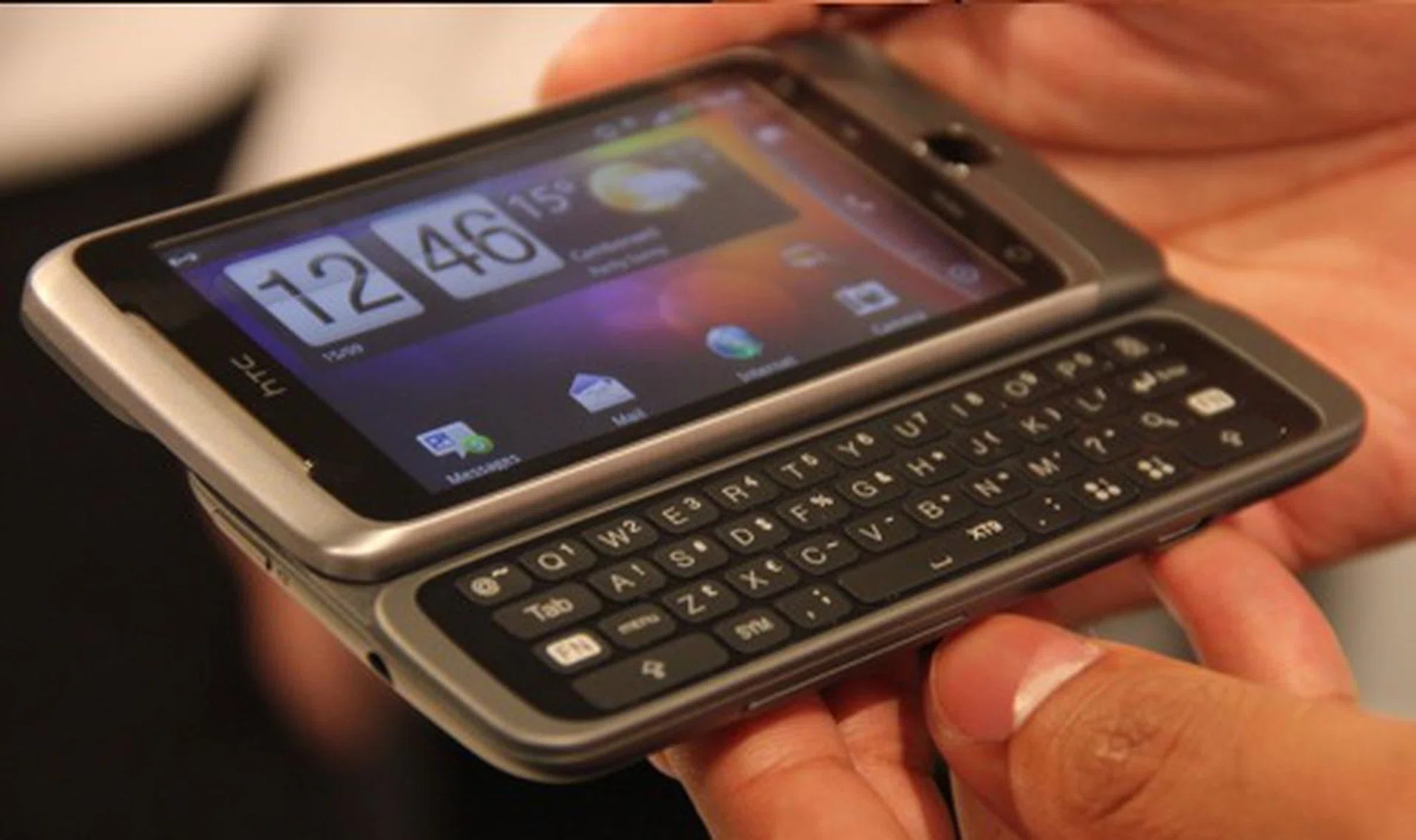
This is likely one of the thinner smartphones we've encountered with a built-in QWERTY keypad. Despite the slim build, the HTC Desire Z felt reassuringly solid in the hands.
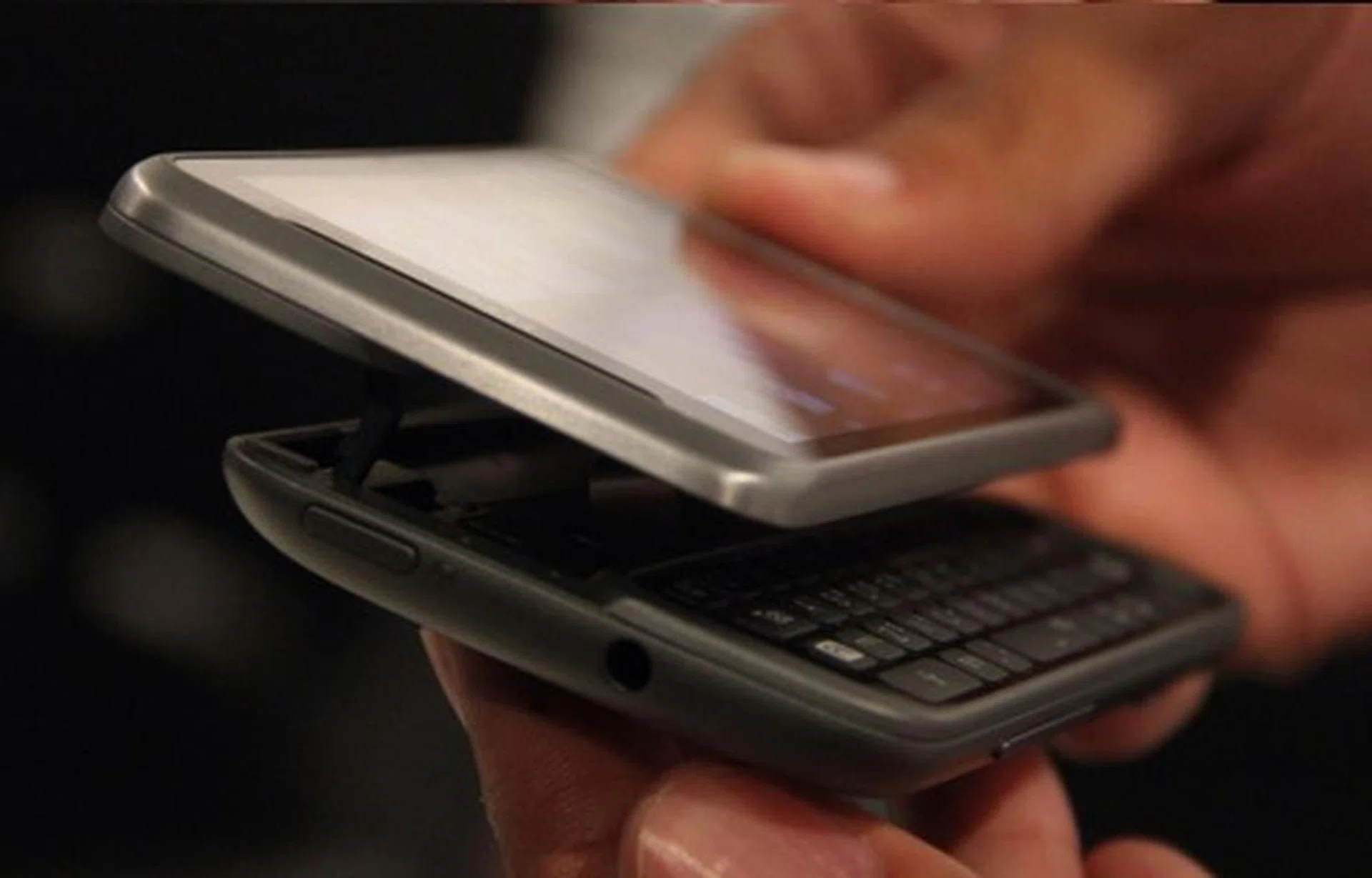
Shown here is the Z-hinge mechanism that HTC employed on the Desire Z to accommodate the built-in QWERTY keypad.
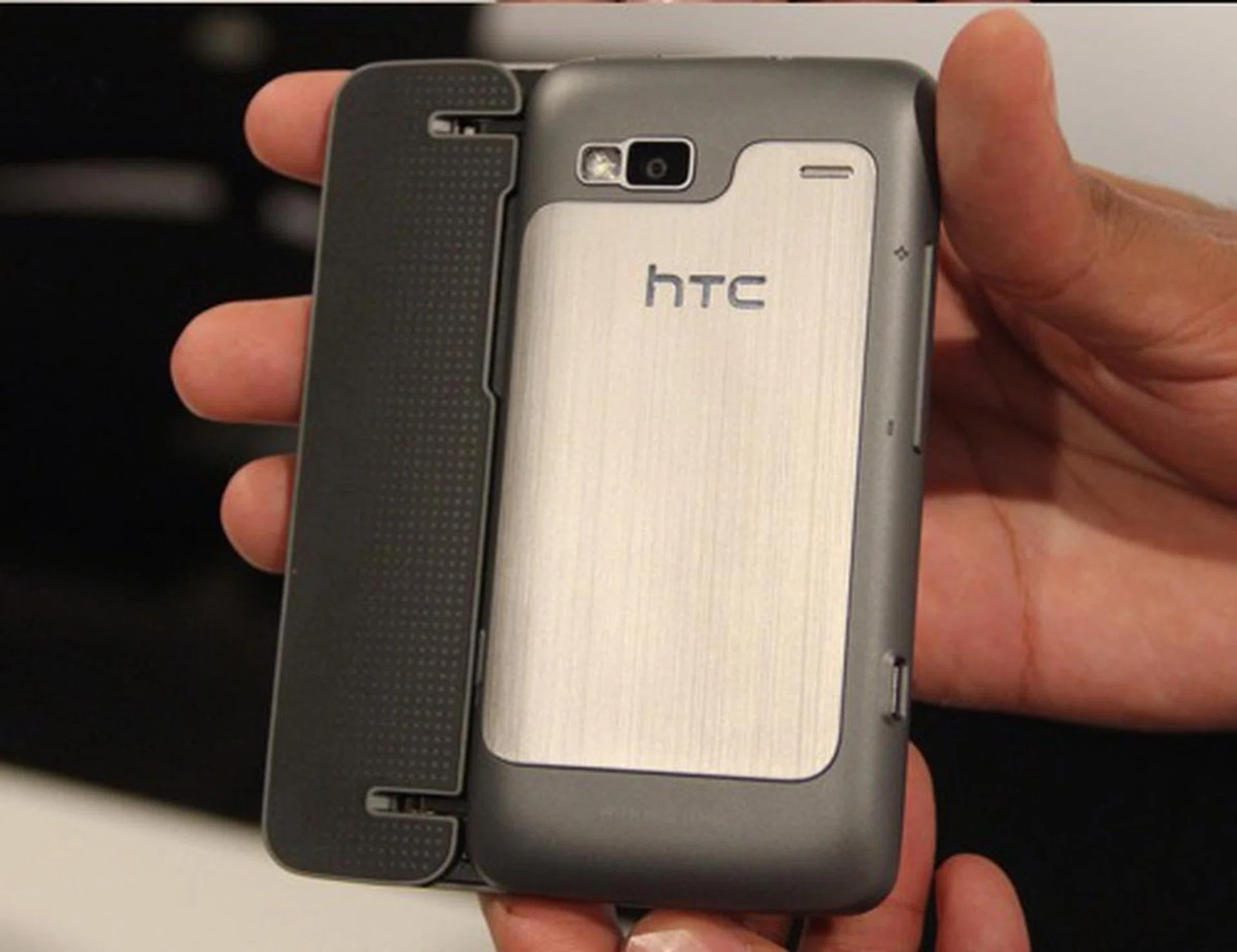
Generous amounts of metal at the rear end of the HTC Desire Z, as well as a 5-megapixel camera with automatic flash and high-definition 720p video recording.
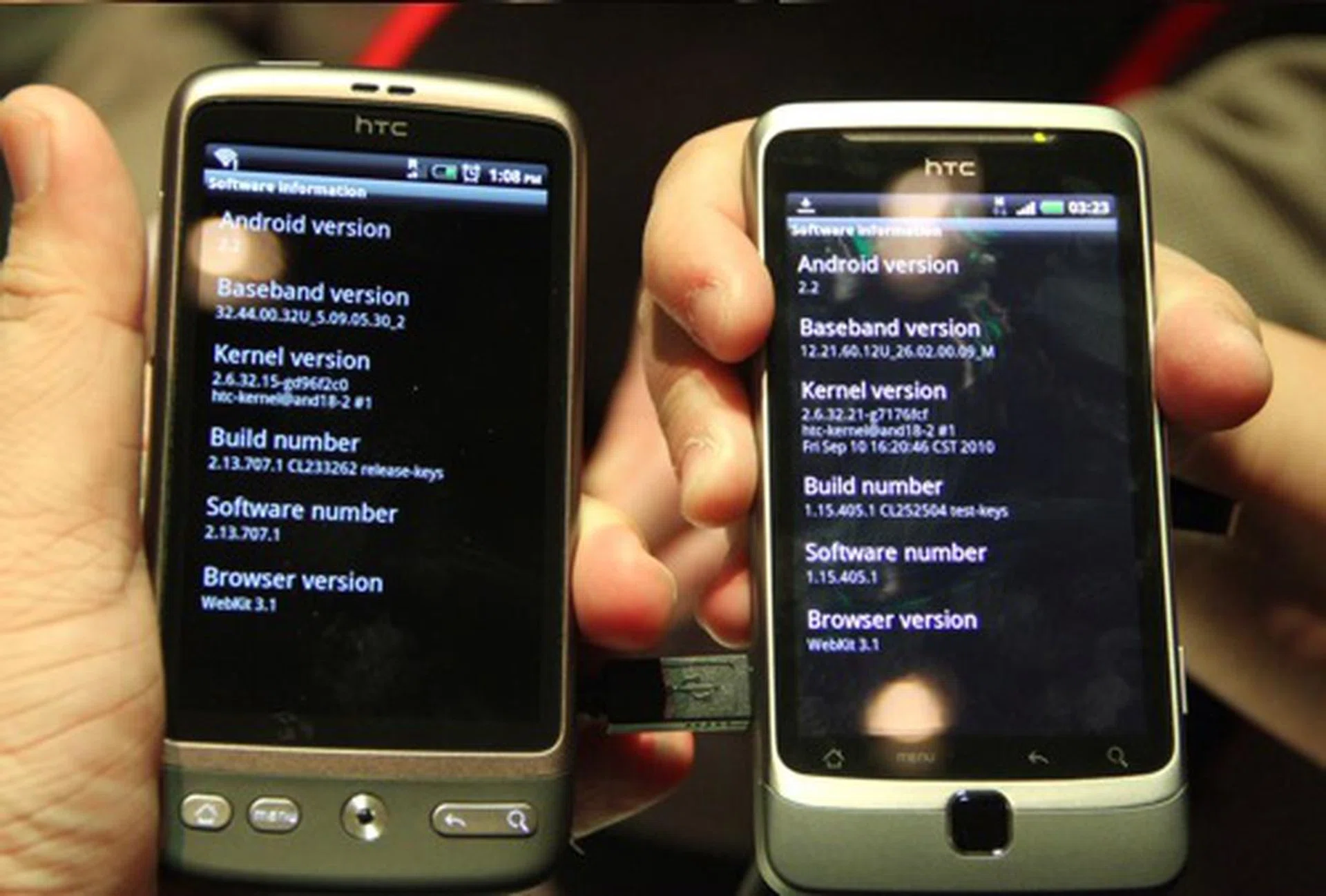
For those who'd like to know, the software information on one of the demo units of the Desire Z (right), versus my personal HTC Desire (left).
Availability
According to HTC, both the Desire HD and Desire Z will be available in Singapore sometime in October this year. Similarly, HTC spokespeople were unable to comment on how much these devices would cost.
Our articles may contain affiliate links. If you buy through these links, we may earn a small commission.