
Exclusive First Looks: Samsung Galaxy S9 and S9+
Exclusive hands-on and first impressions of the Samsung Galaxy S9 and S9+. All the confirmed features and specifications inside.
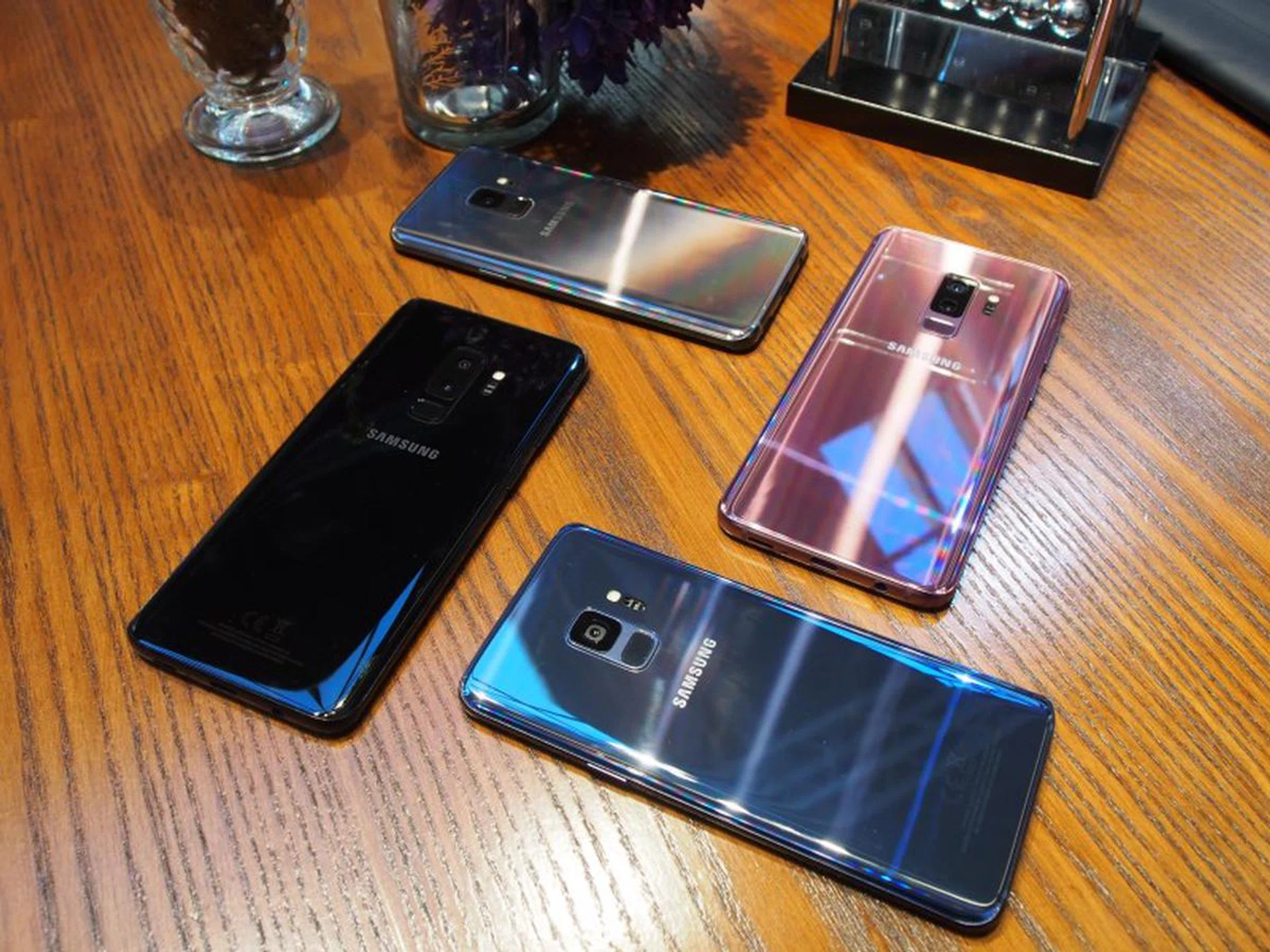
The Samsung Galaxy S9, finally unpacked!
Two days before Mobile World Congress 2018 officially kicked off, I was already in Spain, being secreted to a closed-door preview of the Samsung Galaxy S9 at some back alley gallery in Barcelona, camera in one hand, non-disclosure agreement (NDA) in another. Not that there was any real need, considering the S9 has probably been one of the most-leaked smartphones yet. And yes, almost everything you've read about the device to date, is true. Of course, now that my NDA has expired, I can share actual first impressions of the Samsung Galaxy S9 and S9+, so let's get down to details.
Design
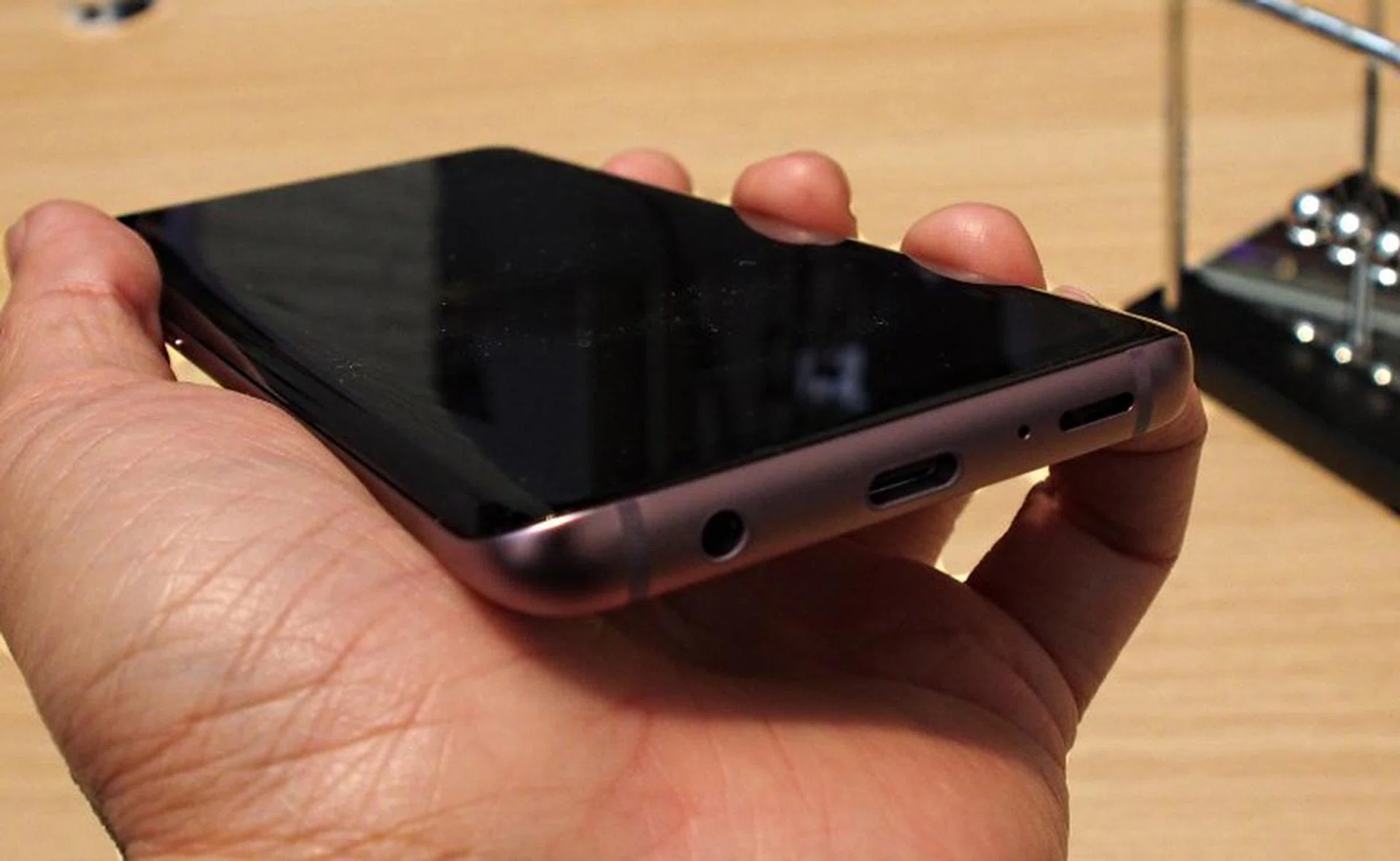
Design-wise, the S9 and S9+ look almost identical to the S8 and S8+, this is down to the antenna bars and all the side ports and buttons, including the 3.5mm headphone jack to the bottom. The phones now have stereo speakers with one at the bottom and one on top (the earpiece speaker). Not only are the speakers tuned by AKG, they also support Dolby Atmos surround sound imaging. Samsung claims the S9 to be 1.4x louder than the S8. From my limited testing, I can attest that it does seem louder and more importantly, clearer at loud volumes, but being in a large gallery makes everything sound echoey to me.
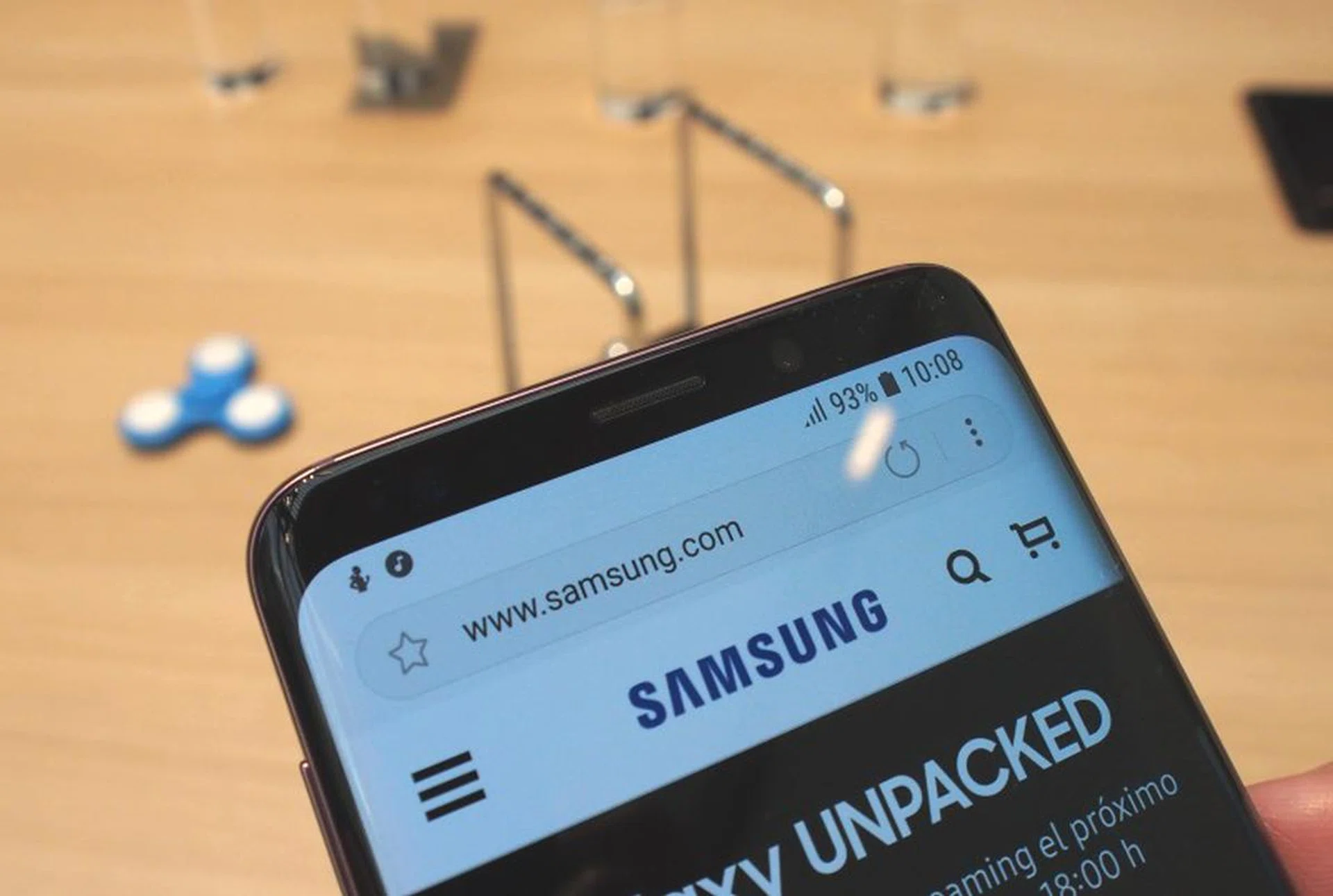
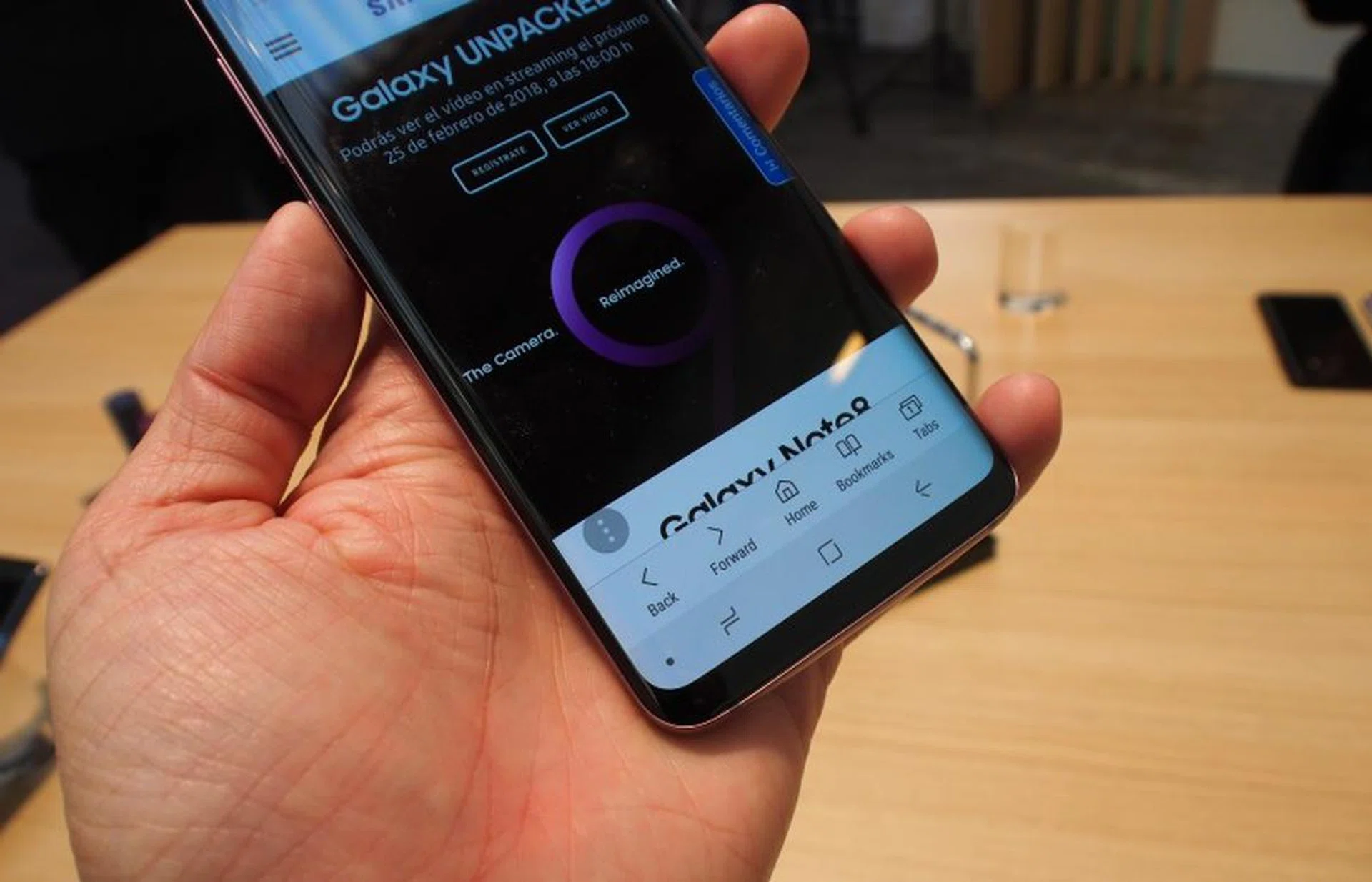
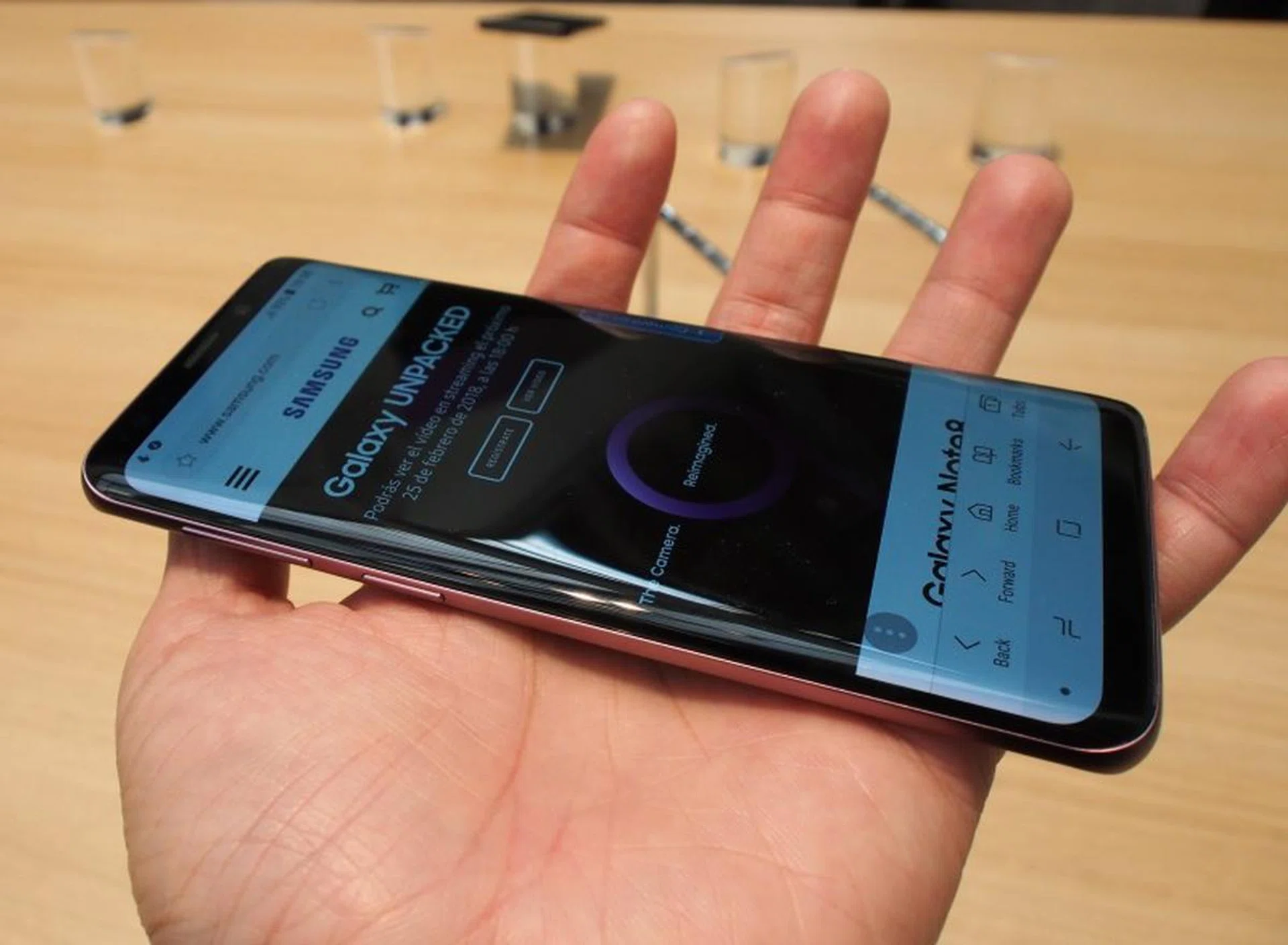
The displays on both S9 and S9+ are also identical to that of the S8 and S8+. It retains the Curved Super AMOLED screen with QHD resolution (2,960 x 1,440 pixels) at an 18:9:5 aspect ratio. The S9 will have an 5.8-inch display (570ppi), while the S9+ has a 6.2-inch display (529ppi). There doesn't seem to have been any improvements to the display technology, but there are some functional refinements.
Firstly, the UI has been updated so you can finally use the phones properly in landscape mode. Secondly, messages can now come in on the Edge display, which allows you to do things like reply messages while watching a movie for example. Unfortunately, the phone I was using during the preview had no connectivity, so there were some features I couldn't try out. Lastly, Samsung has indicated that they've made the display (when turned off) darker, so it blends into the bezels even more as one monolithic black block.
Speaking of bezels, both S9 and S9+ are every so slightly shorter then their predecessors, effectively reducing both top and bottom bezels when the display is lit, making the Infinity Display even more immersive than before. However, the cut in height wasn't without consequences, as both S9 and S9+ are slightly wider and thicker; they're heavier too as you can see in the quick comparison below.
- S8: 148.9 x 68.1 x 8.0mm, 155g
- S9: 147.7 x 68.7 x 8.5mm, 163g
- S8+: 159.5 x 73.4 x 8.1mm, 173g
- S9+: 158.2 x 73.8 x 8.5mm, 189g
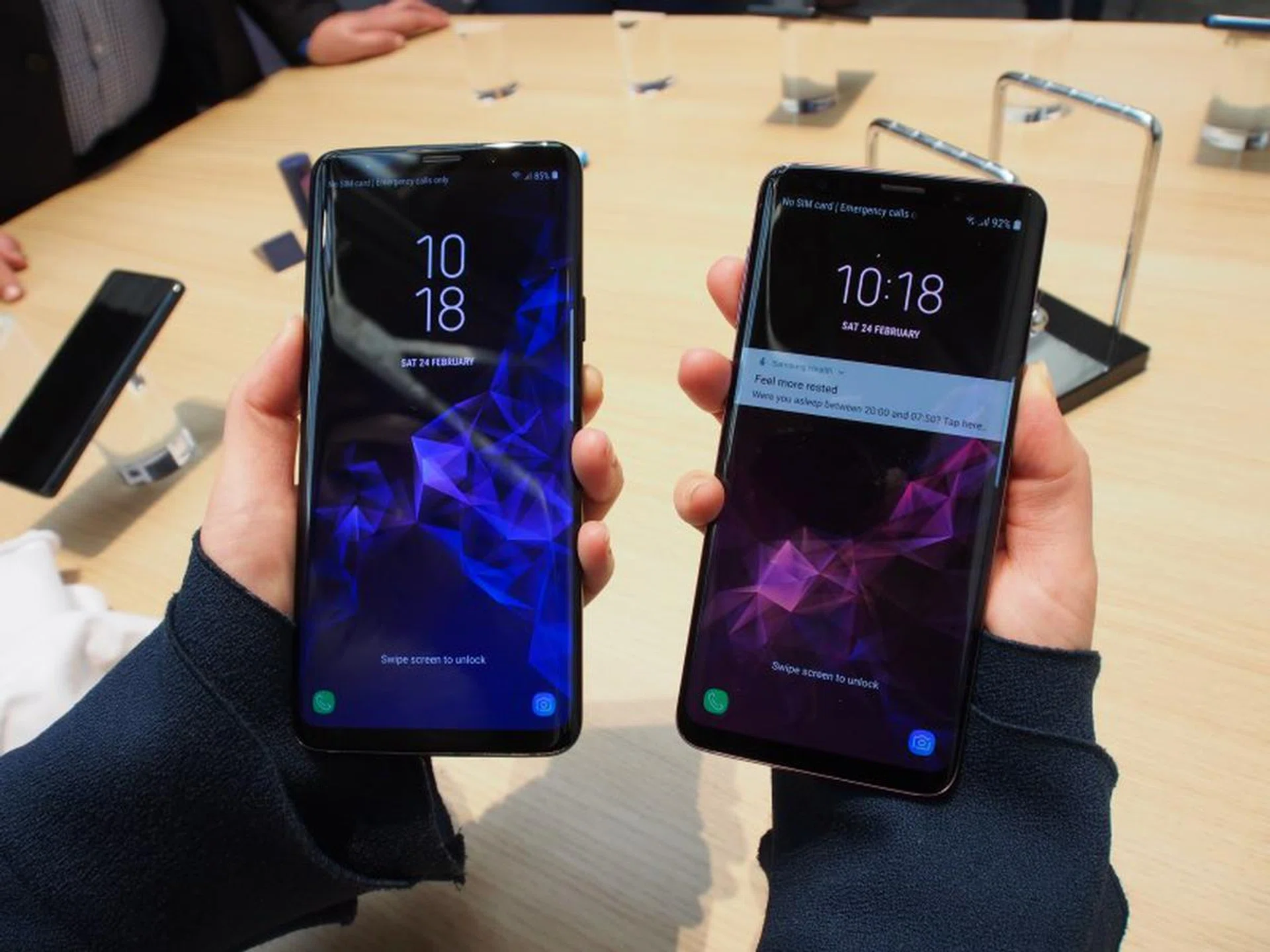
To the left is the Galaxy S9+, the right is the Galaxy S9. While both phones are slightly shorter, they are a hair wider than the S8 and S8+.
The back is smooth and polished to a shine. It is unsurprisingly a smudge magnet, and makes for a very difficult, reflective surface to photograph.
Samsung has finally moved the fingerprint sensor below the camera though, which was a major sore point for the entire Galaxy 8-series. The fingerprint sensor seems to have been upgraded as well, as it was pointed out that the S9 and S9+ would only required 2-3 swipes to fully register a new fingerprint. The S9 will only feature one main rear camera, while the S9+ will come with dual rear cameras in a vertical setup. This marks a breakaway from the S8 and S8+, both of which featured only a single camera design.
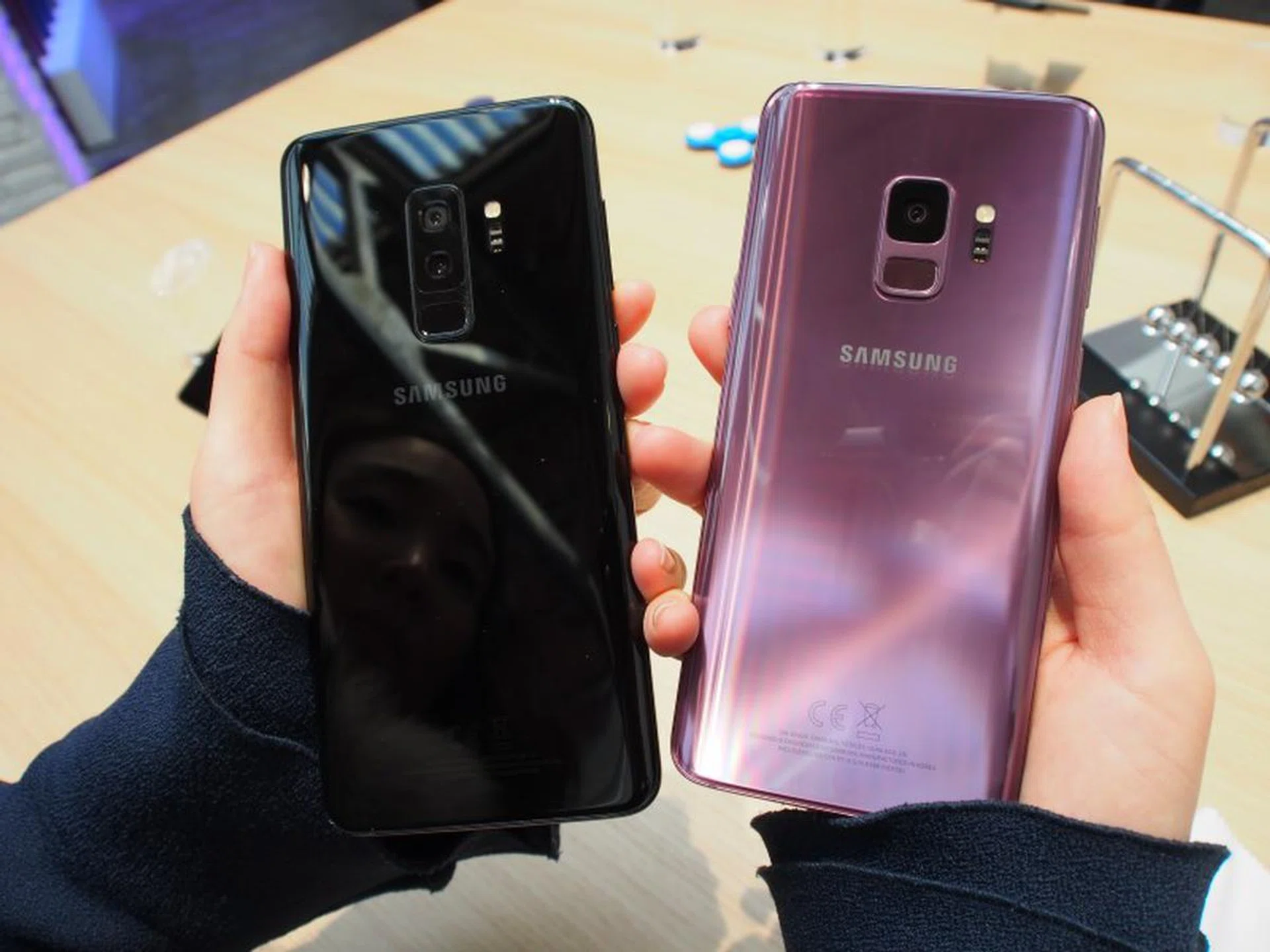
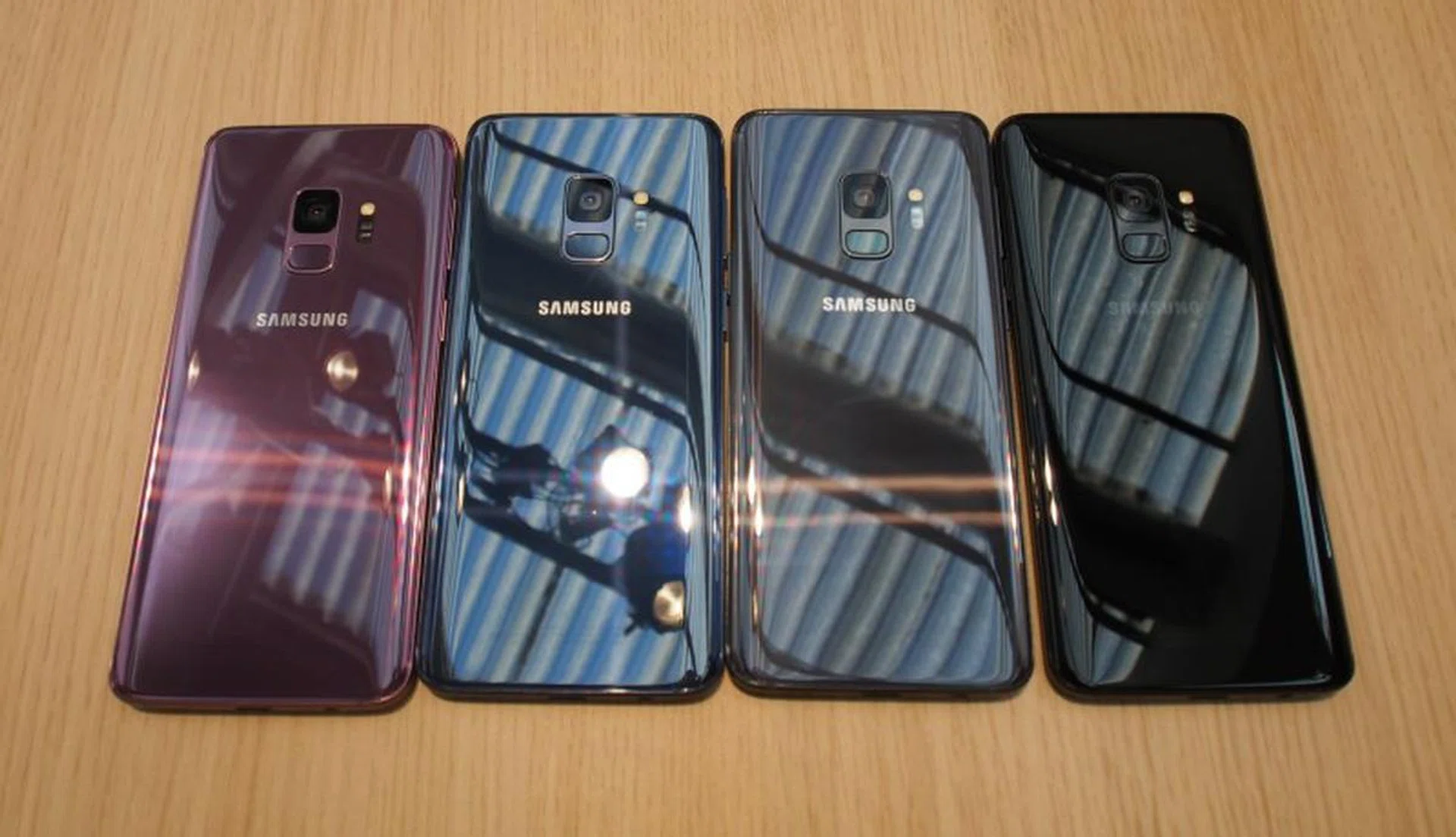
Rear view of the S9+ (left), and S9 (right).
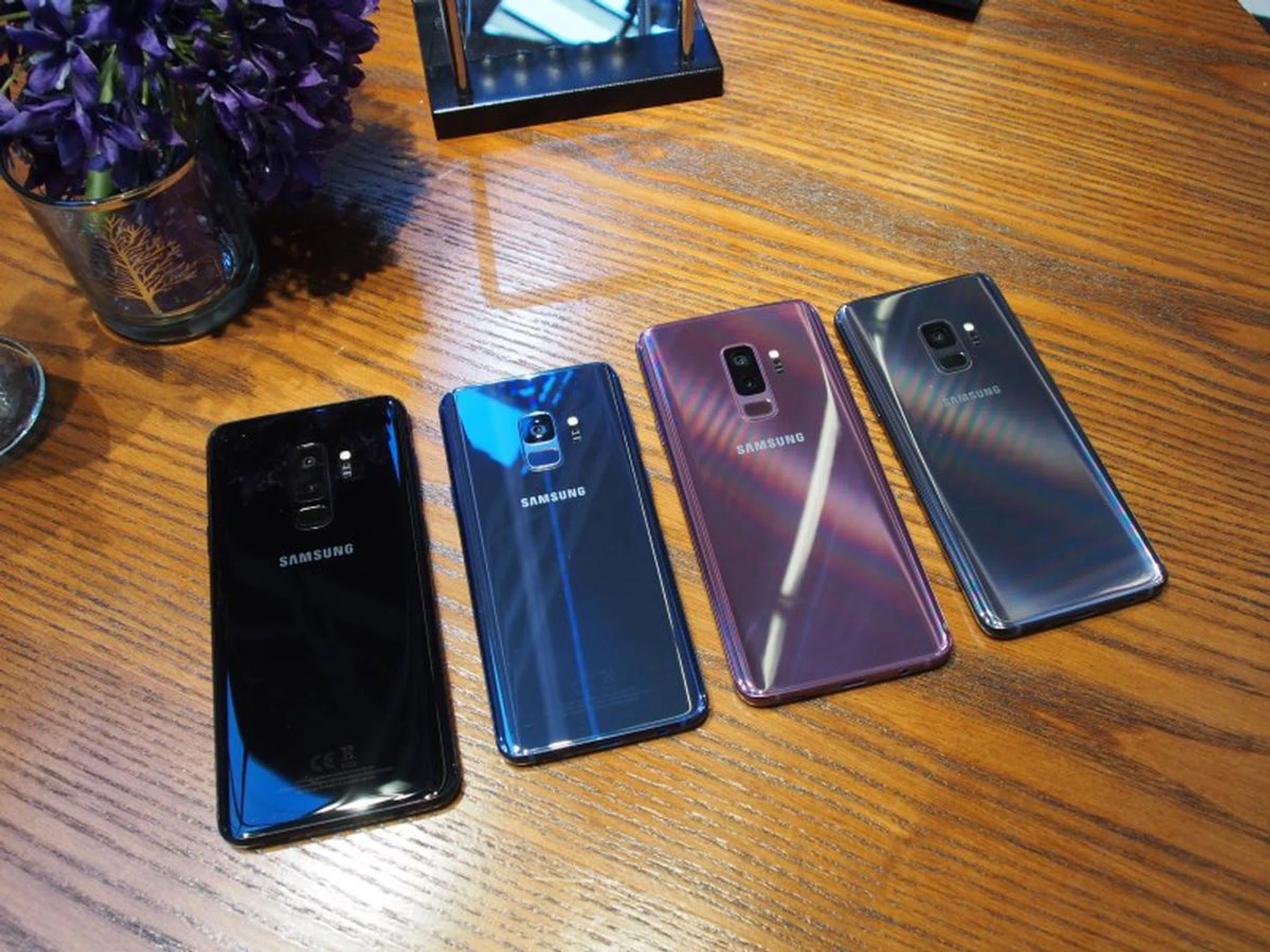
The S9 and S9+ will initially be available in four colors: Midnight Black, Coral Blue, Titanium Gray and a new hero color, Lilac Purple.
Here's an interesting bit of trivia. The Lilac Purple color isn't just some random new color someone chose with a blindfold. It was actually created in the spirit of Pantone's Color of the Year 2018 (Pantone 18-3838 Ultra Violet, if you must know the exact shade), which means the S9 could very well complement many of 2018's fashion and lifestyle trends. Nice one Samsung.
The nitty-gritty hardware details
Hardware on the S9 and S9+ is really just an incremental upgrade model to the S8 series due to the use of next-generation processors. There's nothing much to focus on here, but here are some of the highlights.
As before, there will be two variants using different processors depending on the region the devices are sold. Both the new Exynos 9810 and Snapdragon 845 processors are 10nm 64-bit octa-core parts running a 4x4 big.LITTLE configuration though, so performance should be similar. One will run at 2.7GHz, while the other variant will run at 2.8GHz. (For further reading, here's a complete lowdown of the Snapdragon 845.)
Along with the new processors, the S9 and S9+ will support Gigabit LAN (LTE Cat. 18), and will come with Andoid 8 Oreo OS.
Besides the display size mentioned, here are the other main differences between the S9 and S9+:
- The S9 will feature 4GB of RAM, while the S9+ will have 6GB, though both phones will support microSD expansion capability and support cards up to 400GB in capacity.
- The S9 will feature a 3,000mAh battery, while the S9+ will have a 3,500mAh battery.
- The S9 and S9+ will feature a new 12MP Super Speed Dual Pixel AF sensor with OIS and variable aperture (F1.7/F2.4) lens as their main cameras, while the S9+ will additionally have a second 12MP F2.4 telephoto camera. Both phones have an 8MP, F1.7 front camera.
The following is the latest official spec sheet provided by Samsung at the time of writing:
| Galaxy S9 | Galaxy S9+ |
OS | Android 8 (Oreo) | |
Display | 5.8-inch Quad HD + Curved Super AMOLED, 18.5:9(570ppi) | 6.2-inch Quad HD + Curved Super AMOLED, 18.5:9(529ppi) |
Body | 147.7mm x 68.7mm x 8.5mm, 163g, IP68 | 158.1mm x 73.8mm x 8.5mm, 189g, IP68 |
Camera | Rear: Super Speed Dual Pixel 12MP AF sensor with OIS (F1.5/F2.4) Front: 8MP AF (F1.7) | Rear: Dual Camera with Dual OIS
|
AP | 10nm, 64-bit, Octa-core processor (2.7 GHz Quad + 1.7 GHz Quad) 10nm, 64-bit, Octa-core processor (2.8 GHz Quad + 1.7 GHz Quad) | |
Memory | 4GB RAM | 6GB RAM |
Storage | 64GB/128GB/256GB + microSD Slot (up to 400 GB) | |
SIM Card | Single SIM: Nano SIM Dual SIM (Hybrid SIM): Nano SIM + Nano SIM or microSD slot | |
Battery | 3,000mAh | 3,500mAh |
Fast Wired Charging compatible with QC 2.0 standard Fast Wireless Charging compatible with WPC and PMA | ||
Network | Enhanced 4X4 MIMO / CA, LAA, LTE Cat.18 | |
Connectivity | Wi-Fi 802.11 a/b/g/n/ac (2.4/5GHz), VHT80 MU-MIMO, 1024QAM,Bluetooth v5.0 (LE up to 2Mbps), ANT+, USB type-C, NFC, Location (GPS, Galileo, Glonass, BeiDou) | |
Payment | NFC, MST | |
Sensors | Iris sensor, Pressure sensor, Accelerometer, Barometer, Fingerprint sensor, Gyro sensor, Geomagnetic sensor, Hall sensor, HR sensor, Proximity sensor, RGB Light sensor | |
Authentication | Lock type: pattern, PIN, password Biometric lock type: iris scanner, fingerprint scanner, face recognition, Intelligent Scan: multimodal biometric authentication with iris scanning and face recognition | |
Audio | Stereo speakers tuned by AKG, surround sound with Dolby Atmos technology, Audio playback format: MP3, M4A, 3GA, AAC, OGG, OGA, WAV, WMA, AMR, AWB, FLAC, MID, MIDI, XMF, MXMF, IMY, RTTTL, RTX, OTA, APE, DSF, DFF | |
Video | MP4, M4V, 3GP, 3G2, WMV, ASF, AVI, FLV, MKV, WEBM |
*All functionality, features, specifications and other product information provided in this document including, but not limited to, the benefits, design, pricing, components, performance, availability, and capabilities of the product are subject to change without notice or obligation.
Galaxy S9 cameras - truly reimagined?
The camera subsystem of the S9 and S9+ requires special mention because it has the most improved features, and will likely be the singular reason you decide your next upgrade upon. In fact, the improvements are so substantial, we've created a separate article focusing entirely on our impressions using these new features.
But in this article, we'll sum up what you need to know about the new camera features most.
Before we start, let's just clear the air regarding the configuration between the S9 and S9+. The S9 has a single rear camera, while the S9+ has dual rear cameras. However, all the new and improved camera functionality of the S9 and S9+ comes from the main 12MP rear camera sensor. This is what Samsung is calling the Super Speed Dual Pixel AF sensor with OIS.
The second rear camera on the S9+ appears to be the same 12MP F2.4 OIS sensor found on the Galaxy Note8. This means the S9+ will support similar capabilities to the Note8 such as optical zoom, Live Focus, and Dual Capture that the S9 would not have, but both phones will support all the new features such as AR Emoji, Super Slow-mo, Low Light, updated Bixby Vision, and Intelligent Scan enhancements.
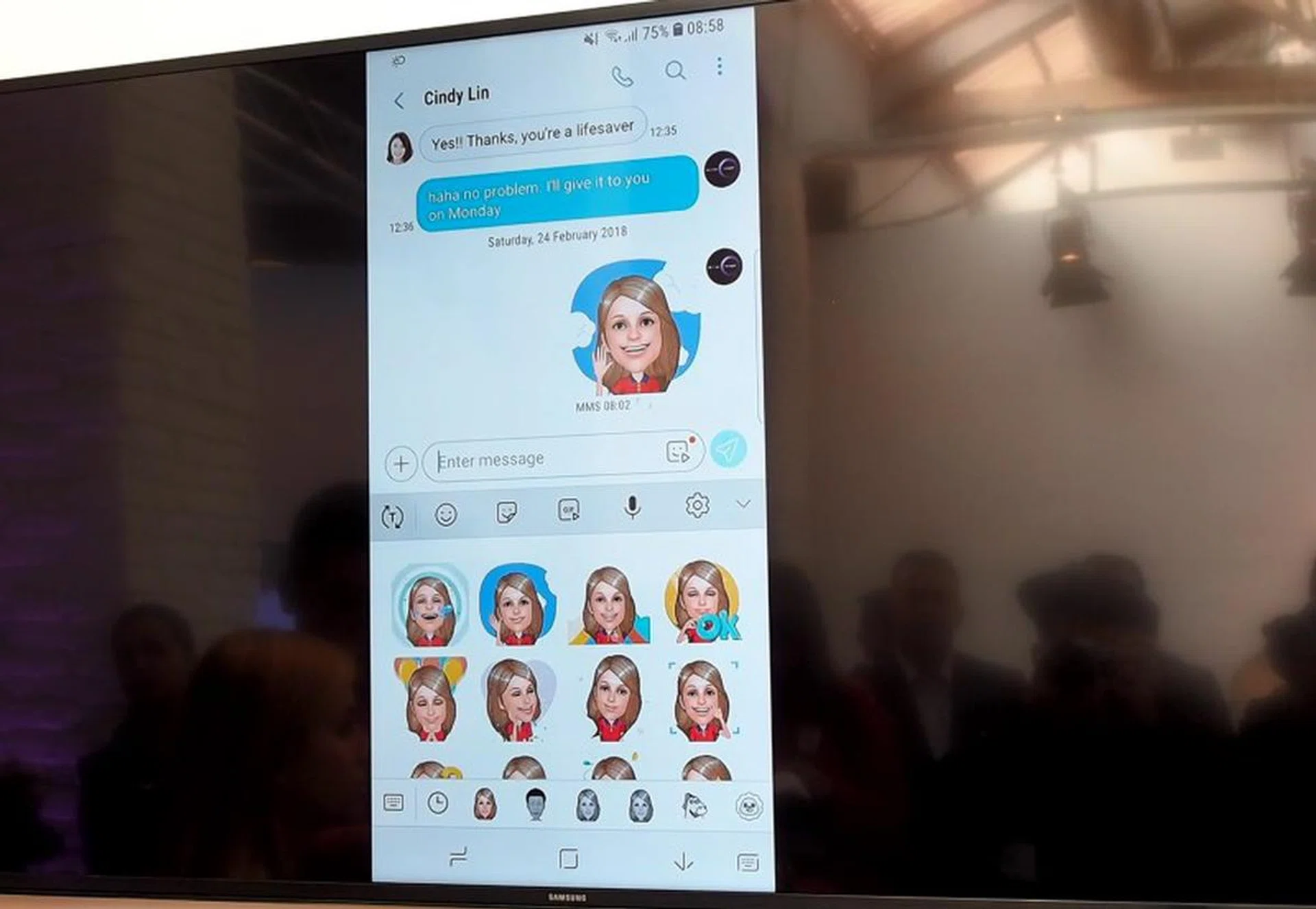
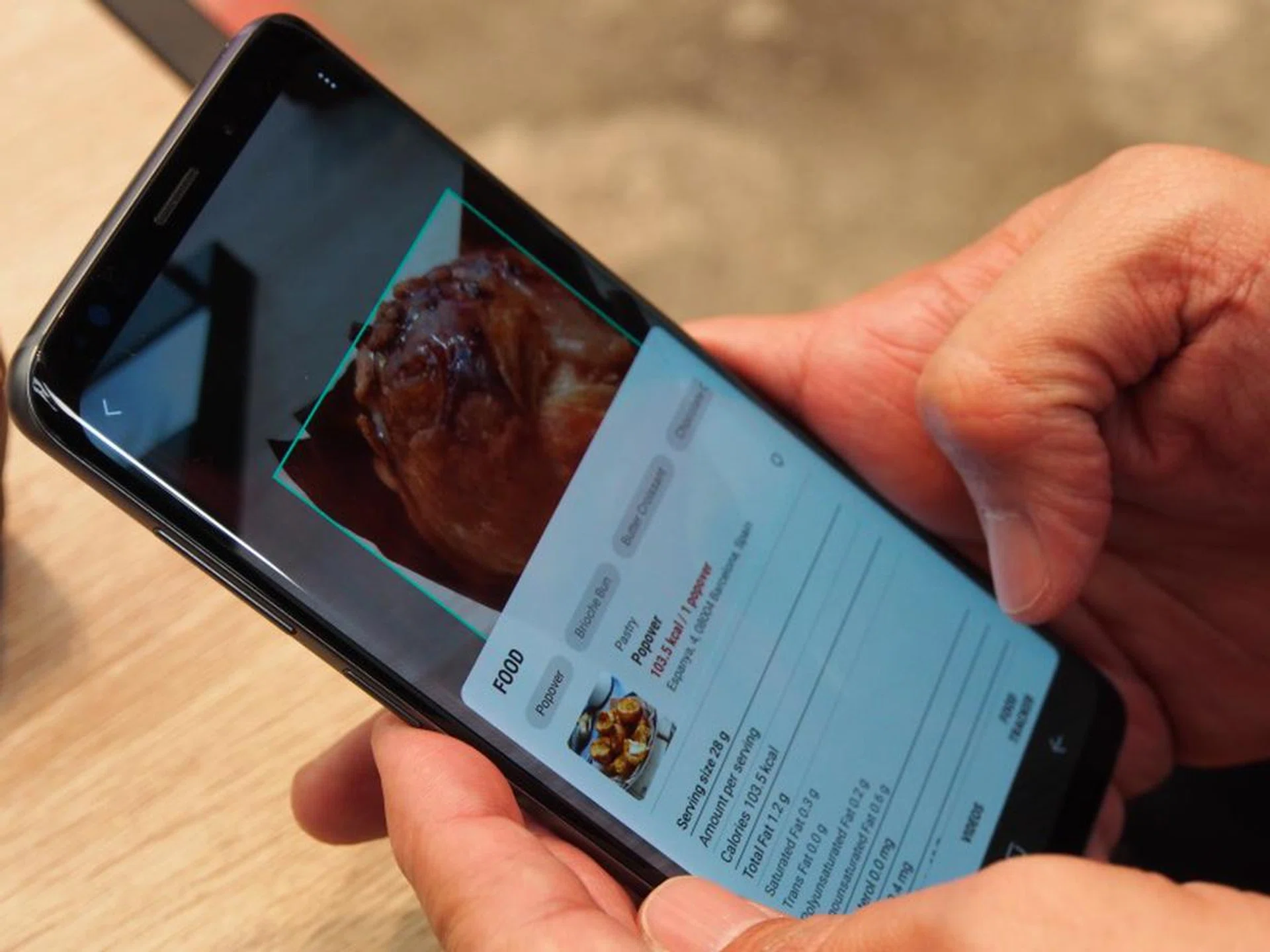
Now, Samsung has sort of settled down on 12 megapixels for the past three generations since the S7, opting to improve all the parts surrounding the sensor instead. The S7 introduced the dual-pixel AF sensor with OIS and a fast F1.7 lens. The S8 refined image processing with multi-frame technology that combined three images to reduce blur and improved clarity. With the S9, Samsung is adding two major innovations to the camera, while maintaining everything they've introduced since the S7.
Super Speed
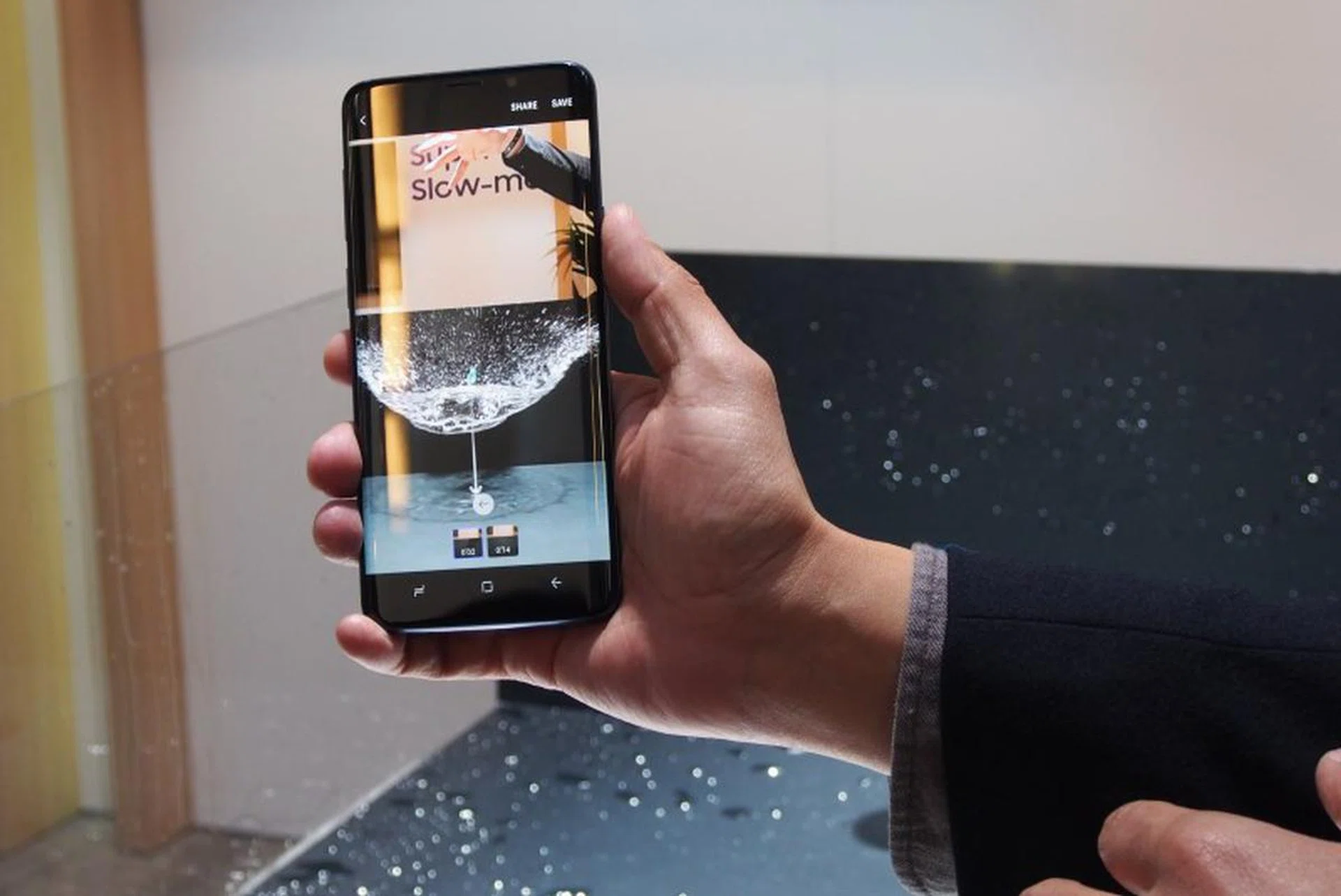
Firstly, we've got a 3-layer stacked sensor design similar to the Sony Xperia XZ Premium released last year. A stacked sensor features an additional DRAM layer sandwiched directly onto the CMOS image sensor that acts as a high-speed buffer, hence the Super Speed naming convention. Just like the Sony Xperia XZ Premium, the S9 and S9+ now have the ability to shoot super slow-mo clips at 960fps. But, that's not all. Samsung is also taking advantage of the DRAM buffer to improve multi-frame processing in the S9 and S9+. Instead of just taking and combining 3 images, the S9 shoots and combines 12 images. According to Samsung, this results in up to 30% improved noise reduction compared to the S8, which also helps further boost the device's low light capabilities.
Dual Aperture
The other important upgrade, which is actually a first for smartphones, is the inclusion of a variable aperture lens on the main camera. Just like how dual camera setups provided smartphones with the ability to have true optical zoom, a dual aperture lens will give the S9 and S9+ the ability to better adjust to different lighting situations.
At its widest end, the F1.5 aperture will mean that the S9 and S9+ can now boast of the brightest lens on any flagship device. This allows up to 28% more light than the S8 (which had an F1.7 lens). Combined with the new, enhanced multi-frame processing mentioned above, the S9 is going to be a low light beast. During my preview, the S9+ managed to blow the Google Pixel 2 XL out of the water in a low light demo.
When the S9 and S9+ detect that there's enough light, however, it will automatically switch to a narrower F2.4 aperture. While this is practically unheard of in today's smartphone camera race for low light superiority, it is actually a better setting for sunny outdoor photography. The S9 will be lesser prone to overblown skies and the greater depth of field will help you get sharper landscapes and panoramas.
For more camera performance findings and video demos of its functionality, tune in to our dedicated Galaxy S9 camera feature preview.
Closing remarks
Just a quick personal observation. Samsung is finally learning to play the crowd with the Galaxy S9. Instead of just throwing new features, they're making sure things work better, and play better with each other. I really liked that small little tidbit about the Lilac Purple color not being some random afterthought and instead is in the spirit of Pantone's Color of the Year. For Samsung fans, the S9 is familiar and builds upon the features of last year's S8. It's not revolutionary, but it feels more usable, more accessible, and more fun.
Read Next: Local pricing, availability and pre-order details!
Experience Next: All the new Samsung Galaxy S9 / S9+ camera features trialed
Watch Next (1): How to take Super Slow-mo 960fps videos on the Samsung Galaxy S9
Watch Next (2): Setting up and using AR Emoji on the Samsung Galaxy S9
Watch Next (3): Bixby Vision Food in action with the Samsung Galaxy S9
Our articles may contain affiliate links. If you buy through these links, we may earn a small commission.