
Google's Pixel is getting rave reviews, here's why that's bad for its partners
Google's new Pixel smartphones aren’t here in Singapore yet, but the reviews have just dropped in the US, and they are positively glowing. Here's why that's bad news for its Android partners.
Note: This opinion was first published on 19th October 2016.
Attack of the Pixels
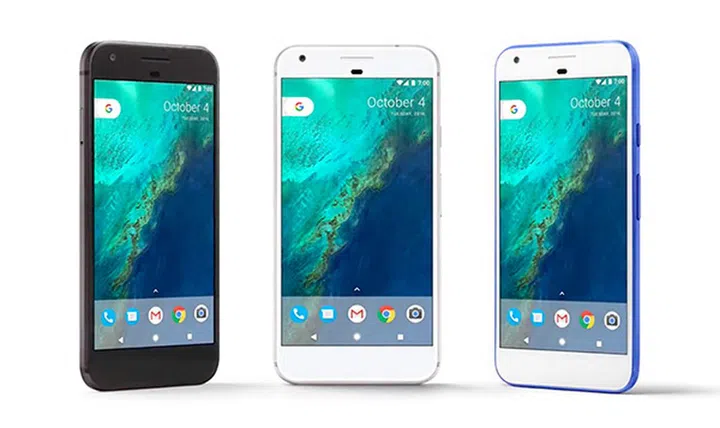
Google’s new Pixel smartphones aren’t here in Singapore yet, but the reviews have just dropped in the US, and they are positively glowing.
The Verge says, “By today’s standards, the Pixel and Pixel XL are among the best phones you can buy.” Walt Mossberg calls it, “The best Android phone I’ve test.” Wired declares, “You should get a Pixel.”
While this is good news for Google and anyone shopping for a new smartphone, it has got to be worrying for every other company that makes Android smartphones.
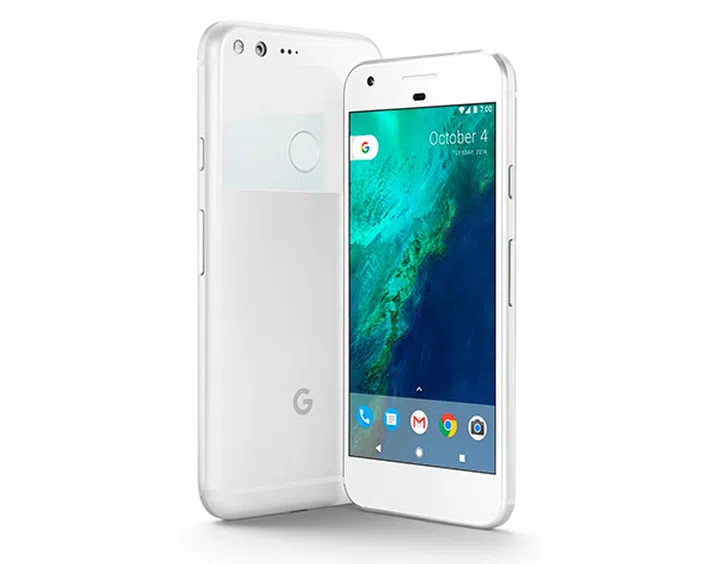
Unlike the Nexus series of Android phones, which were made in partnership with and carried the manufacturer’s logo, the Pixel phones are entirely Google’s own. Google describes the Pixels as “the first phone made by Google inside and out.” Even though manufacturing is outsourced to HTC, there’s only one logo on the back: a round, elegant ‘G.’
Competition is good for the user, bad for company profits
The Pixel launches at a time when the smartphone war between iOS and Android is over. While Apple enjoys the biggest profits among smartphone makers, Google has the most dominant smartphone OS on the planet.
Android’s open-source nature has helped it spread quickly and widely, which is why there are so many choices for Android phones today. If you want an Android phone, you can get one from any one of Google’s partners, like Samsung, LG, HTC, or many others.
And you can bet that Google’s partners hate that there’s so much competition. It’s a stark difference compared to Apple’s monopoly; if you want to run iOS, you have to buy an iPhone. Apple enjoys a simple, but crucial unique selling proposition: Exclusive software and services that you can’t get anywhere else, paired with hardware that sells for high margins.
Google’s Pixels enjoy Android exclusives

Funny that, you can describe Google’s Pixels the same way: Exclusive software and services that you can’t get anywhere else, paired with hardware that sells for high margins.
At launch, the Pixels are the first to launch with Android 7.1 and the new Google Assistant. Plus, Google has said that the Pixels will always be able to install the latest Android updates.
For comparison’s sake, here’s how hard it’s been to get the newest version of Android on a non-Nexus phone: Less than 20% of Android phones today run Android 6, and only the upcoming LG V20, which comes to Singapore on the 5th of November, will launch with Android 7.0. Are there any other phones running Android 7.0 right now? Yes, and they’re all Nexus devices.
And the Pixel phones aren’t priced at bargain prices to drive volume. The cheapest 32GB Pixel is US$649, and the most expensive 128GB Pixel XL costs US$869. These are premium phones that are priced to profit.
Google is playing a dangerous game
At this point, you wonder if Google’s partners are more worried or angry.
For years, Google and its hardware partners have benefited from each other. Android has let manufacturers focus on what they do best; create hardware to sell. In return, these manufacturers have helped Google profit from people using its services on Android.
But now, these hardware makers have to watch their software partner muscle in on their territory. And it’s not like they have any other choice. Samsung has been trying to turn Tizen, their in-house mobile OS, into a mainstream platform for years, but to no avail. Windows Mobile is even less likely to make a rallied comeback at this point.
For now, Google is limiting the availability of the Pixel phones, you can only get it through Verizon or Google in the US. It’s just as likely that Google is containing the Pixel to test their new 'manufacturing capabilities', as it is to avoid stepping too hard on their partners’ toes.
With its first-ever phone, Google has already made one of the best Android phones you can buy. That kind of quality doesn’t happen by accident, but from a focused desire to win - even if, it seems, at the expense of its partners. Google is playing a dangerous game here, but it looks like it’s weighed the consequences of winning and is willing to do it anyway.
Our articles may contain affiliate links. If you buy through these links, we may earn a small commission.