
A decade-long of LCD TV advancements: Samsung's 2016 SUHD TVs explained
LCD TVs today are vastly different from LCD TVs we had 10 years ago, both in terms of design, capabilities, and picture quality. And recently, Samsung has unveiled what it called 'SUHD' TVs. What is SUHD and how is it different from your typical 4K LCD TV? We give you the lowdown.
Note: This article was first published on 16th May 2016.
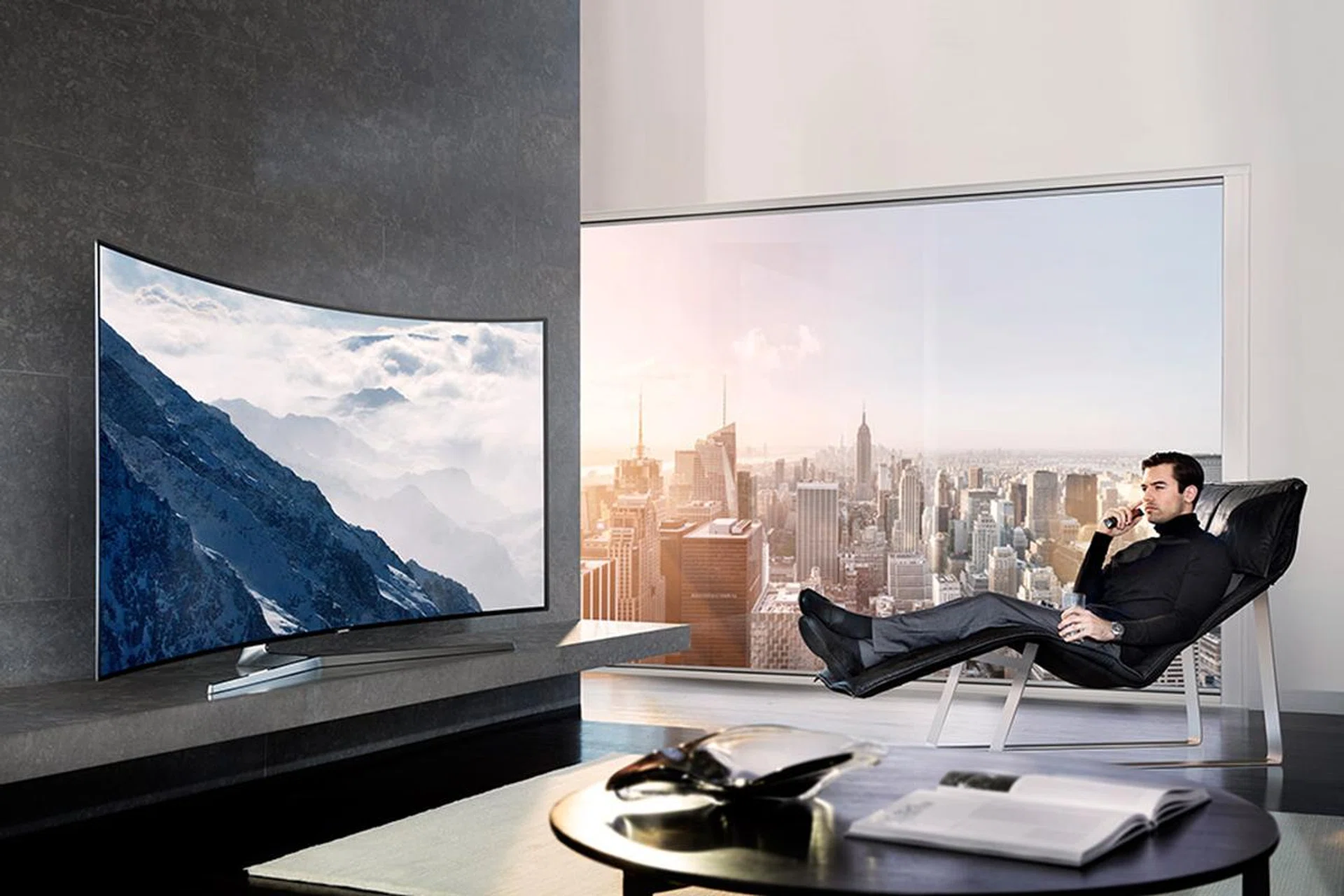
In the early 60s, television makers already had this dream of making a flatscreen TV that could be hung on a wall. Liquid crystal substance was experimented early on, but technological and cost hurdles meant it could only be used on smaller devices, like calculators and computer monitors.
But continued research and improvements meant LCD’s time for large screen TVs did come in the late 90s and early 2000s. In fact, by 2005, all major TV makers had recognized that LCD is the future, and made huge investments to convert their CRT TV sales to LCD TV sales. In 2007, LCD TV sales surpassed its CRT-based brethren for the first time, and as the saying goes, the rest is history.
By far the most popular and widely sold TV display type, the rise of LCD TVs also coincided with the rise of Samsung in the TV market. In the roughly 10 years since the ‘giant’ 32-inch Samsung Bordeaux R7 and Bordeaux R8 Plus, the Korean company has grown from strength to strength. In fact, with a 21% market share (in terms of units sold) in 2015, this is the 10th consecutive year that Samsung has topped the global TV market.
But the TV market is a tough market to be in - just ask the Japanese TV brands that had faded away in the last five years. To stand a chance of success, innovation is paramount. And for LCD-based TVs, we’ve come a long way.
LCD TVs have truly come a long way
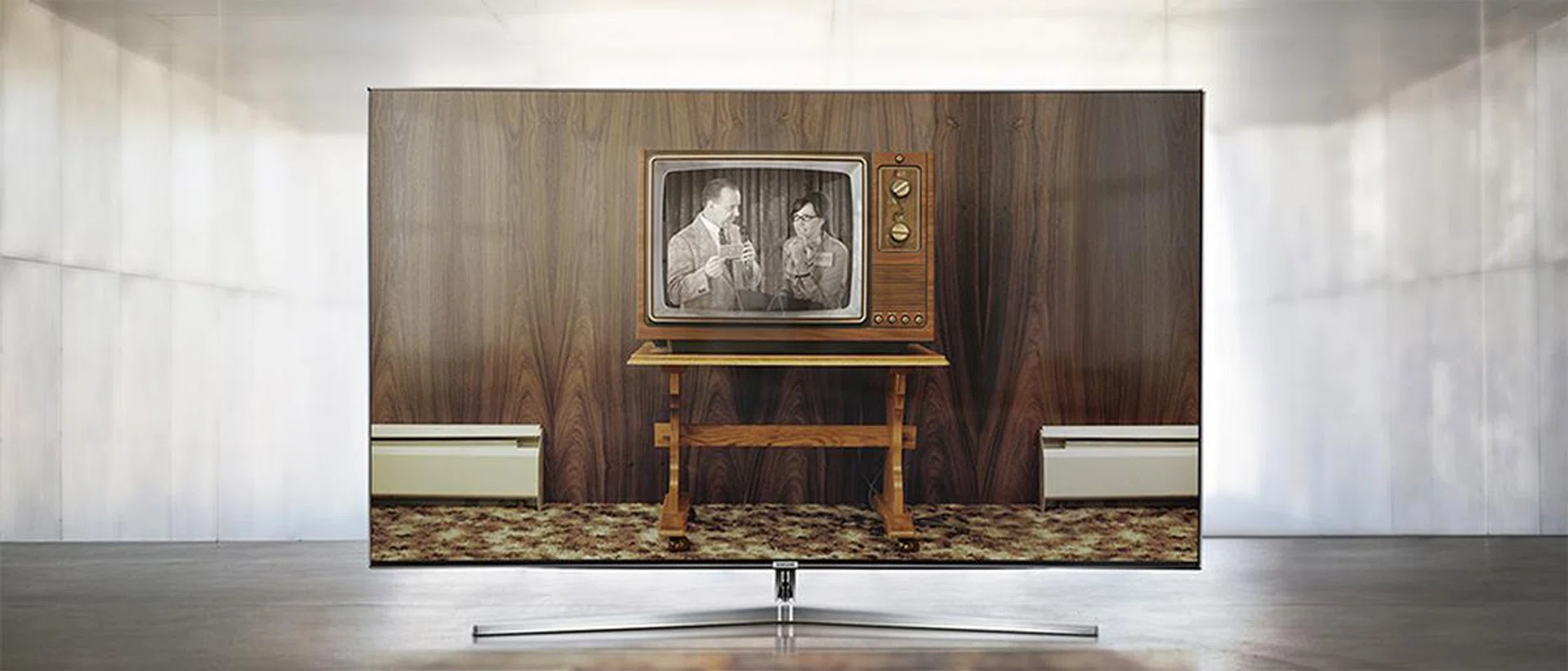
Do you remember how back-breaking heavy and chunky LCD TVs were in the early years? That was because they used CCFL (cold cathode fluorescent) backlighting. But since 2009, LCD TV makers have adopted LED backlighting, which brings about benefits like a thinner display and reduced power consumption. And along the way, manufacturers realized that they could make these TVs even thinner if they were to reposition the LEDs from the back of the display to the rim, which is why we’ve LCD TVs no thicker than a finger today.
For ease of understanding and marketing purposes, most TV makers call these TVs ‘LED TVs’ - but to be technically accurate, I prefer calling them LED-backlit LCD TVs, or LED-LCD TVs for short.
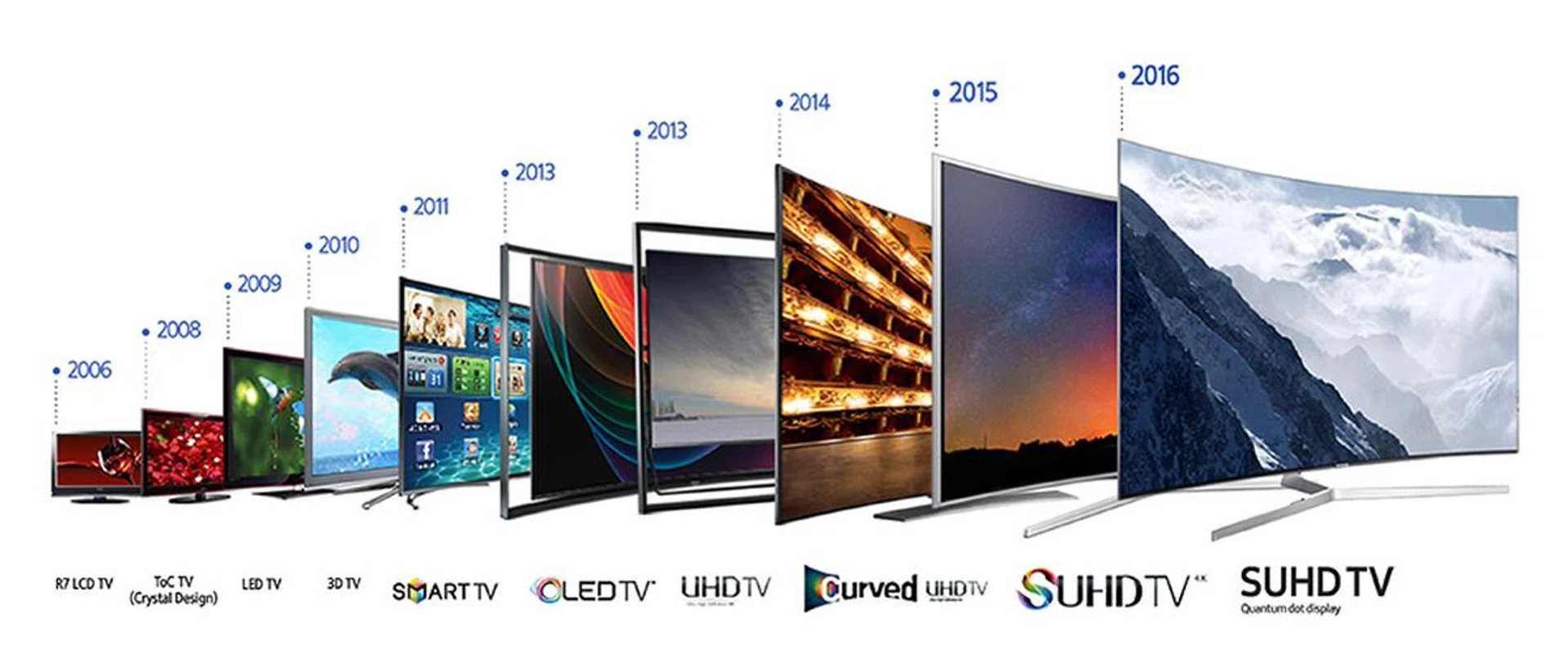
Here's a video from Samsung showing the progress of its own TVs throughout the years:

4K brings a new dawn
Perhaps there’s a case to be made that TV tech has gone cold since. Sure, there were a lot of buzz when 3D and smart TVs first appeared on stage in trade shows like CES, but that excitement didn’t exactly last very long.
But that should change with 4K. To be more specific, 4K as we understand it today.
You see, when TV makers first wheeled out their 4K or UHD (ultra-high-definition) sets about four years ago, their only selling point was the 3,840 x 2,160-pixel resolution. True, that’s a whole lot more pixels than 1080p for creating sharper and more detailed pictures; but with 4K standards not clearly defined and 4K content severely lacking, there was no good reason at the time to jump into the new format.
But the industry learned fast. In 2015, several studios, content companies, and TV makers (including Samsung) got together to form the UHD Alliance, with the aim to standardize the 4K UHD experience for the home. I remember thinking then that it’d surely take several years for these big companies to agree with one another on what defines next-gen video - but boy, am I glad to be proven wrong. Because in just a span of a year, the UHDA has agreed on the specs and introduced at CES 2016 an Ultra HD Premium logo to identify devices, content, and services capable of delivering premium 4K experience.
Along with the arrival of Ultra HD Blu-ray discs and players, and the commitment from services like Netflix and Amazon to stream in 4K, 2016 is, in my books at least, the first real good time to get a 4K UHD TV.
Next up: Samsung's SUHD TVs
In case you missed it, Samsung very recently launched its 2016 4K UHD TV models, which arrived at retailers almost immediately.
Of the 11 new 4K UHD TVs, eight are what Samsung calls ‘SUHD’ TVs. A term introduced by the Korean company in 2015, there’s no official word on what the ‘S’ in ‘SUHD’ stands for. Samsung says you can define it anyway you want: ‘Stunning’, ‘Supreme’, ‘Scintillating’. But one thing is for sure: these SUHD TVs are the best TVs Samsung has; they offer the most premium build quality, the latest features, and the highest picture quality.
In the following page, I'll explain some of the key features of these SUHD TVs.
So, what makes Samsung SUHD TVs tick?
As I mentioned earlier, SUHD TVs are the best LED-lit LCD 4K TVs Samsung has to offer, packing the most premium build quality, the latest features, and the highest picture quality.
Here are a few things that I feel Samsung has done right with these SUHD TVs:
1.) Quantum Dot Display for a true-to-life picture
I used to lament that while TVs are getting slimmer and smarter every other day, jumps in picture quality have slowed or even stagnated.
Therefore I was very relieved when I heard that TV makers were experimenting with quantum dots to improve their TVs’ color performance. I won’t go full monty here, but in a nutshell, we’ve pretty much hit a bottleneck with LED-LCD TVs that use phosphors to generate white light, and therefore, colors. Quantum dot material is an excellent alternative to phosphor, because the dots can be tuned to radiate any color based on their physical size. As a result, the TV is able to express way more colors than before.
In Samsung’s case, all its SUHD TVs (from Series 7 onwards) have a 10-bit ‘Quantum Dot Display’, which means they’re capable of delivering up to 1 billion color shades. As such, you’re able to experience subtle color nuances just as you see them in the real world.
Of course, not all quantum-dot-enhanced TVs are the same. The quantum dots used on Samsung’s SUHD TVs are cadmium-free (i.e., they’re non-toxic); and with a new nano capsule to protect these nanocrystals, they’ve a longer lifecycle, too.

2.) 1,000 nits brightness for better HDR and colors
All Samsung SUHD TVs this year are also Ultra HD Premium-certified, which means they fulfill the stringent criteria set out by the UHD Alliance, such as at least 1,000 nits peak brightness and less than 0.05 nits black level.
Now, brightness is important for TVs in a few ways. The easiest one to understand is that a bright TV enables you to still comfortably see the picture on the screen in a well-lit room.
Also, HDR (high dynamic range) content requires sufficient brightness to recreate real world scenes convincingly, like that sunny blue sky and its white clouds, or that vibrant grass patch that’s glittering with dew. (Consider this: a black asphalt-paved road already reflects about 2,000 nits under the sun.) With insufficient brightness, highlights will look dull and details may be lost. Samsung calls this ability to do HDR at 1,000 nits 'HDR 1000'.
Additionally, insufficient brightness has a negative impact on colors. The main reason why Samsung’s SUHD TVs with Quantum Dot Display can achieve 1 billion possible colors within 96% of the wider DCI-P3 color space is because it has the high brightness to boot.
In short, these factors - brightness, color gamut, dynamic range - all play a role when creating a picture on screen, and the better each of them performs, the more realistic the picture.

3.) A redesigned Smart Hub UI and One Remote
Samsung’s SUHD TVs are all smart TVs running on the Tizen operating system. In 2016, the TVs’ Smart Hub user interface is redesigned to give you quick access to all your favorite content and info, from live TV and video sources to apps and even the system and picture settings menus, in one place. In fact, you can get to your favorite programs as soon as you turn on the TV.
Samsung has nailed the little things, too. For example, these SUHD TVs are able to recognize many devices (Blu-ray players, Amazon Fire TVs, Apple TVs, Xboxes, PlayStations - you name it) when you plug them in over HDMI, and then program the bundled ‘One Remote’ to work with them automatically. A single remote that controls everything means no more fumbling for remote controls on the sofa from now on.
If you’d like to share pictures, videos, and music from your mobile devices (both Android and iOS) and PCs to the TV, it’s now possible to do so with the updated Samsung Smart View mobile app. And last but not least, Samsung’s SUHD TVs let you stream UHD movies and TV shows easily from providers like Netflix and YouTube.


4.) 360° Boundless Design
If you’re paying top dollar for a 4K UHD TV, it had better look good. Samsung’s TVs are known for their beautiful design and premium build quality, and this year's SUHD TVs are no different.
Sporting a minimalist look with clean lines throughout, even the backs of the TVs are taken into consideration in the design process. For example, on the flagship KS9000, there are no screws in sight to mess with the aesthetics, and a natural brushed texture is added to give a premium look (and feel), which is unlike most TVs which backs are typically covered in uninspiring black or white plastic.
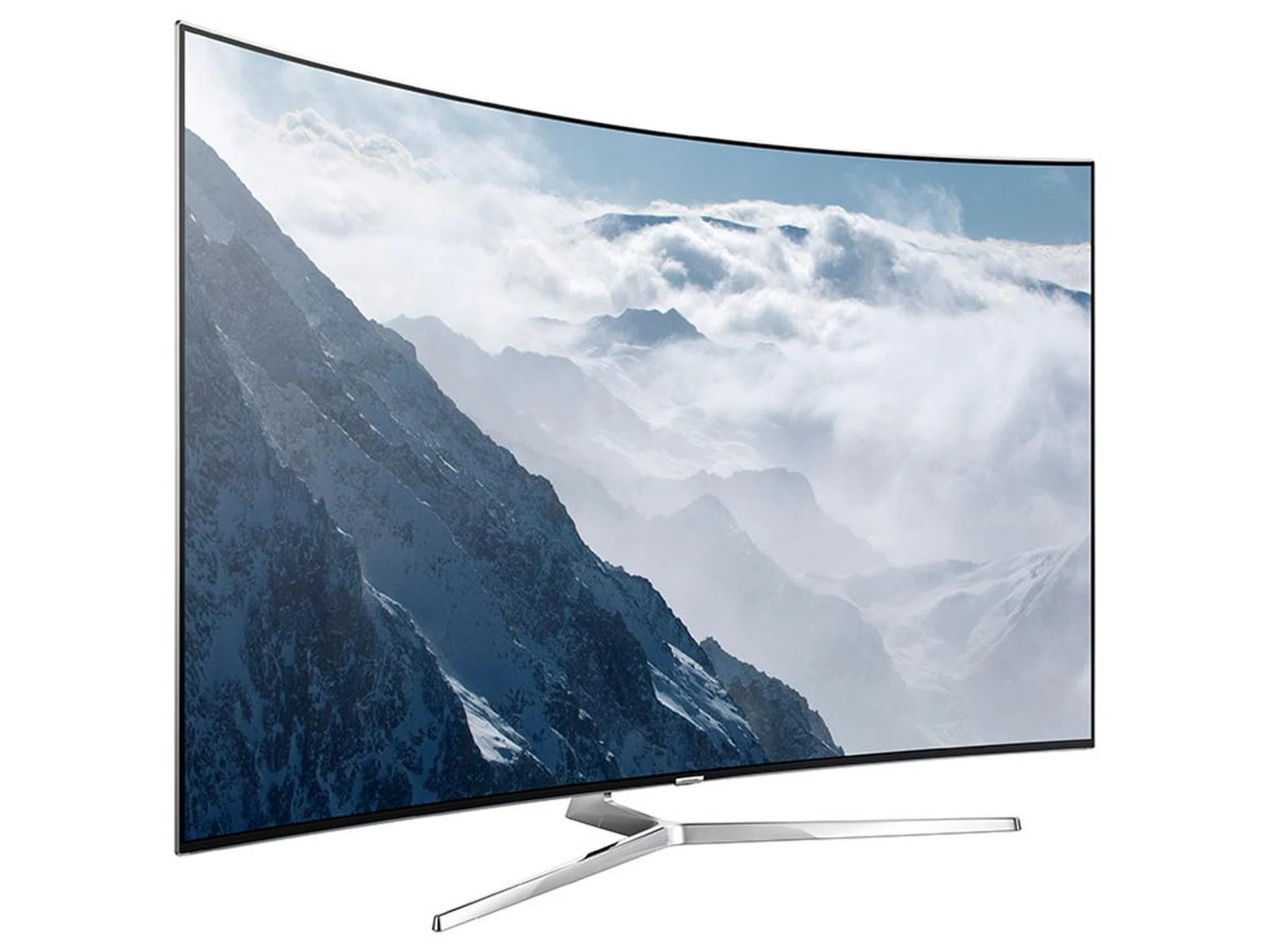
A curved TV, the KS9000 also has a super-thin bezel (Samsung calls it 'Borderless Design'), which allows the picture to take centerstage under any lighting condition. With a thin and striking profile and a classy and sturdy Y-shaped metal stand, this is a TV that looks good whether it’s mounted on the wall or placed on the TV console.

So, which Samsung SUHD TV is for me?
As I mentioned earlier, 4K standards have somewhat stabilized and there are now more 4K content to look forward to. So compared to past years, there’s less danger in terms of feature obsoletion or compatibility issues if you were to buy a 4K TV launched this year.
Still, it’s good to know what specs and features are important before you step into the store. At the very least, you’ll have a better idea which features you can drop to save some cost, and which are must-haves to futureproof your investment.
1.) What are the key differences between the various SUHD TV models?
At the moment, Samsung has three new SUHD TVs series in the market: the KS9000, KS7500, and K7000.
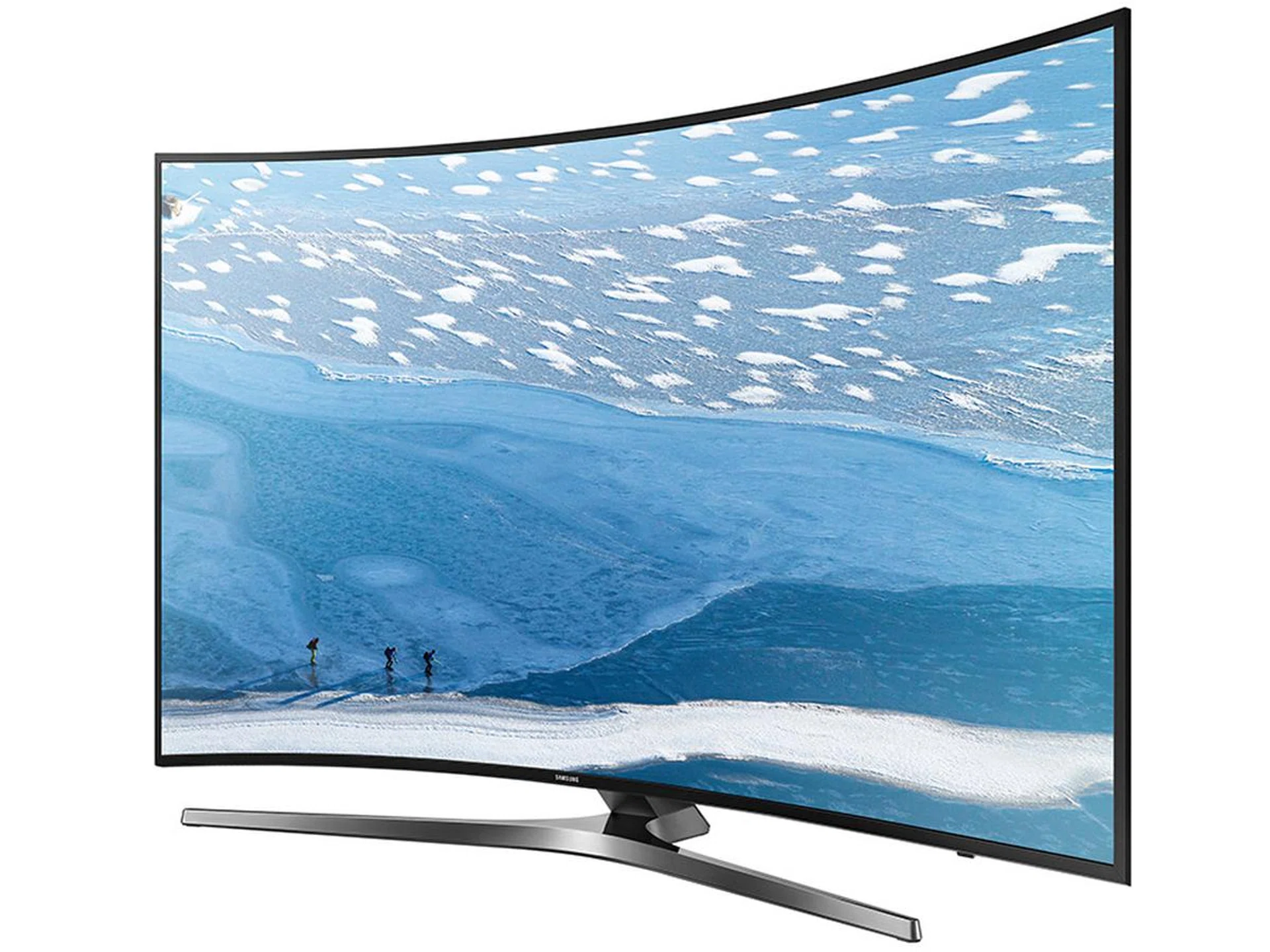
The KS9000 is the flagship series, and in terms of design, it’s the classiest of the bunch, with a very thin bezel flanking the curved screen, textured back, and metal Y-shaped stand in the middle.
The KS7500 and K7000 also sport a thin profile and thin bezel, though they use a branch-type stand on each side of the display.
Otherwise, the three series are remarkably similar in terms of specs and features. Because they’re all SUHD TVs, you get a Quantum Dot Display, a 10-bit panel for up 1 billion colors, HDR 10 support, 1,000 nits peak brightness, wide gamut support of up to 96% DCI-P3, HEVC decoder for 4K streams from services like Netflix, Smart Hub and One Remote, quad-core processor, and built-in wireless LAN support. And they’re all Ultra HD Premium certified.
The KS9000 does ‘Supreme Motion Rate’ and ‘Supreme UHD Dimming’, too. This implies that the KS9000 has better motion smoothing and backlight control (through the use of more micro dimming zones) respectively than the KS7500 and KS7000.
Also, the KS9000 comes with a 60W, 4.1-channel speaker system, compared to the 40W/2.1 config on the KS7500 and KS7000.
Here are the prices of the new SUHD TVs:
- 49-inch flat KS7000: S$2,499
- 55-inch flat KS7000: S$3,899
- 49-inch curved KS7500: S$2,699
- 55-inch curved KS7500: S$4,199
- 65-inch curved KS7500: S$5,999
- 55-inch curved KS9000: S$5,199
- 65-inch curved KS9000: S$7,199
- 78-inch curved KS9000: TBA (Q2)
2.) I don’t need a curved TV. Is there a flat SUHD TV?
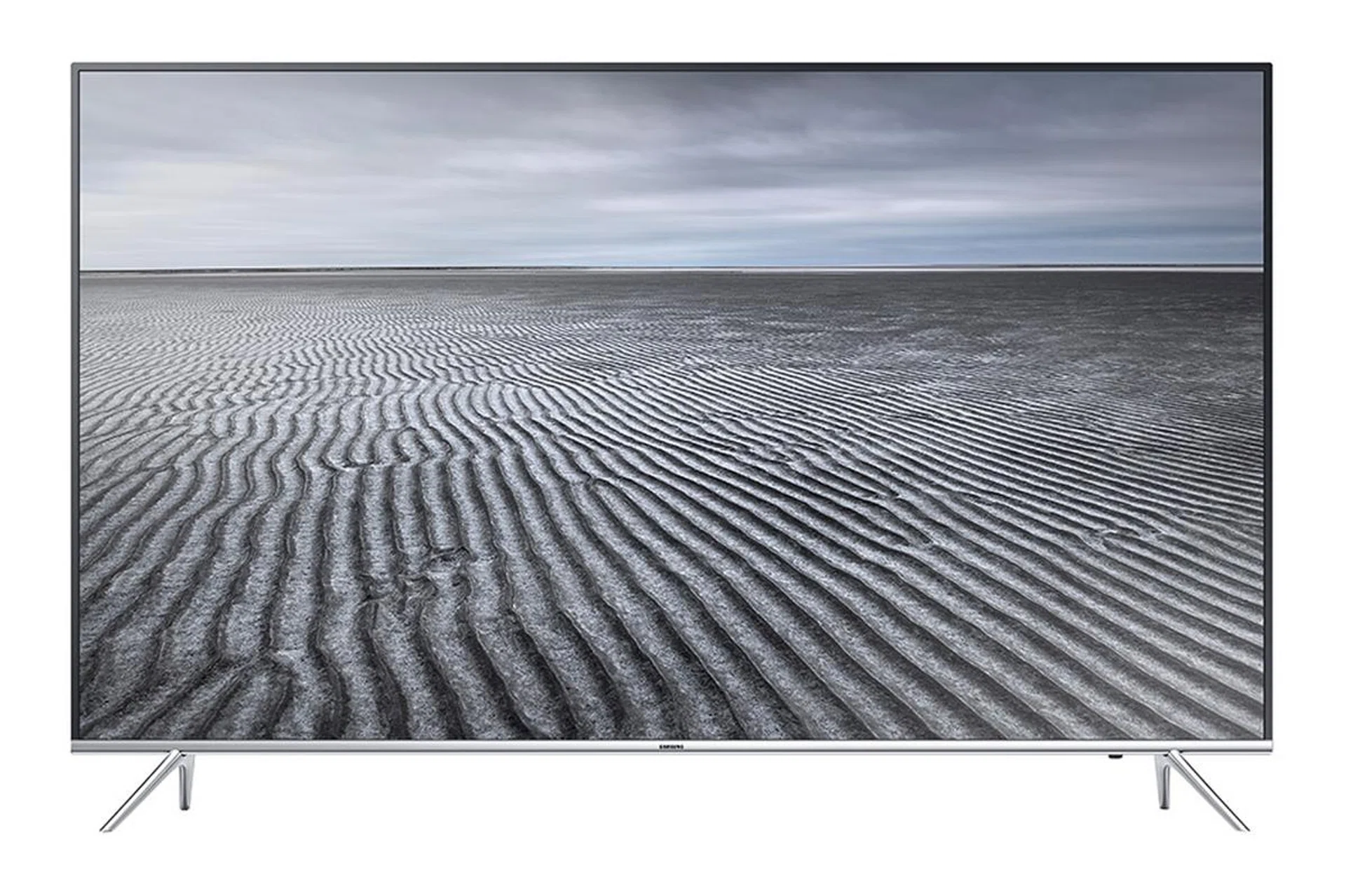
Samsung is an advocate of curved displays, as it believes them to provide a more immersive viewing experience. Nonetheless, Samsung also carries a flat SUHD TV, the KS7000, for flat TV lovers.
3.) Besides the models in the SUHD series, are there other 4K UHD TVs from Samsung?
Under Samsung’s TV lineup, models under Series 7 and above are SUHD TVs. For non-SUHD models, you’ve to look at those under Series 6, such as the recently launched KU6500 and KU6400.
The key difference between the two is that the KU6500 is a curved TV, and the KU6400 a flat TV. Otherwise, both share largely the same specs, such as 4K resolution, Tizen OS, 20W speakers, and built-in Wi-Fi.
The 55-inch curved KU6500 and flat KU6400 are priced at S$3,299 and S$2,999 respectively, and both will available in early May. The KU6500 will also come in a 65-inch screen size in end May, but pricing is yet to be revealed.
Remember, because these aren’t SUHD TVs, you won’t get the most advanced features, like the Quantum Dot Display, 1,000 nits high brightness, and wide color gamut - just to name a few.
4.) What is HDMI 2.0a, and do I need it?
I’ve written about HDMI 2.0 and 2.0a in a prior article, so I won’t go through everything here again. Put simply, HDMI 2.0 is the minimum if you’re buying a 4K TV, because it allows 4K at framerates of up to 60 frames per second.
On the other hand, the newer HDMI 2.0a standard has added support for HDR transmission between source devices and TVs. So if you envision yourself watching 4K HDR content from external players, such as Ultra HD Blu-ray players, make sure the TV has HDMI 2.0a.
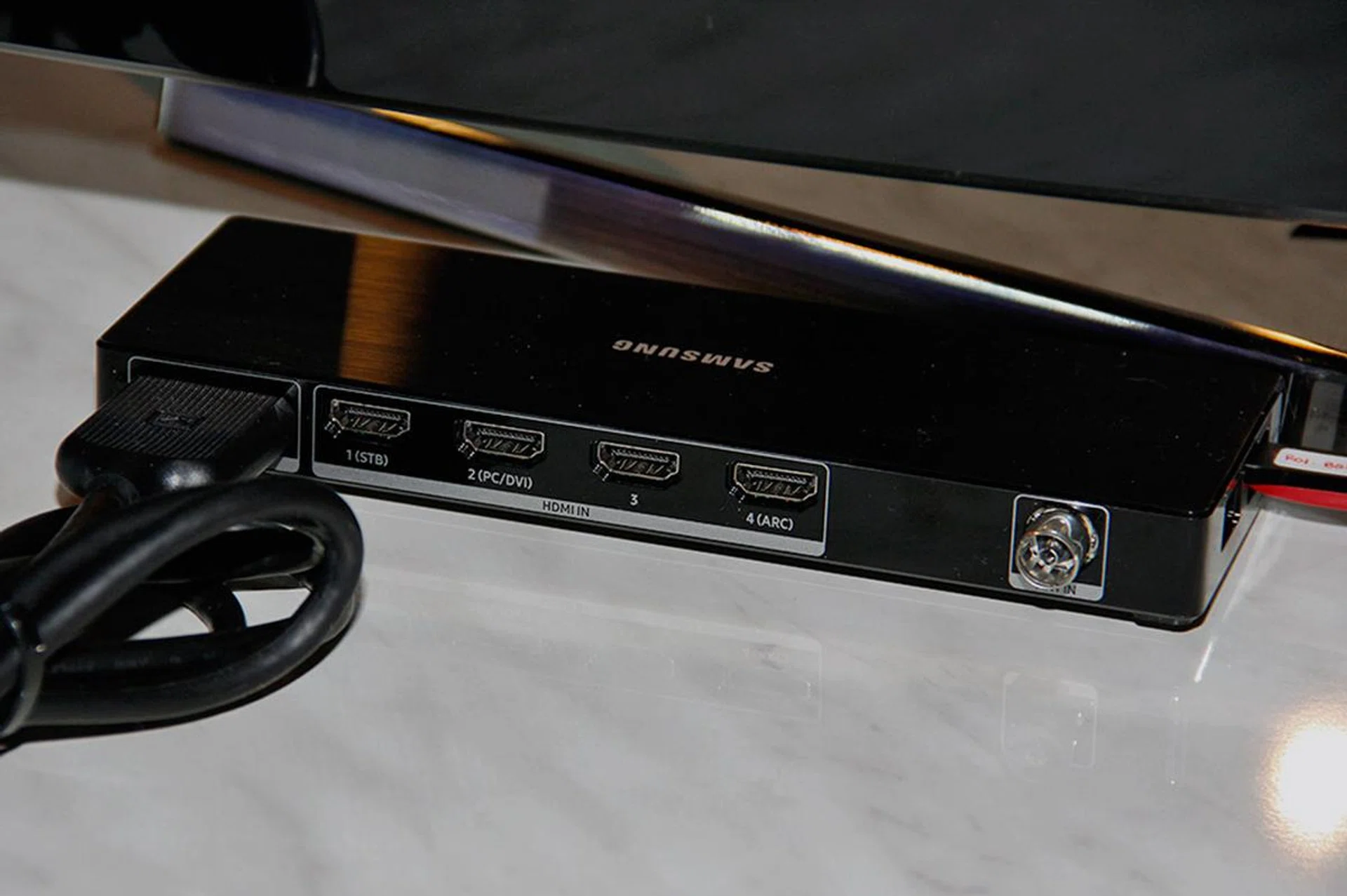
In case you’re wondering, yes, Samsung has sensibly added HDMI 2.0a support for its 2016 SUHD TVs. They all come with four HDMI 2.0a ports on the external One Connect box that you connect to the TV. And since you only need to run a single cable from the One Connect box to the TV, cable clutter is greatly reduced.
5.) OK, I’m getting one. What size should I buy?
To enjoy 4K, my recommendations are simple: bigger or closer. Or both, if you can afford the price and the space.
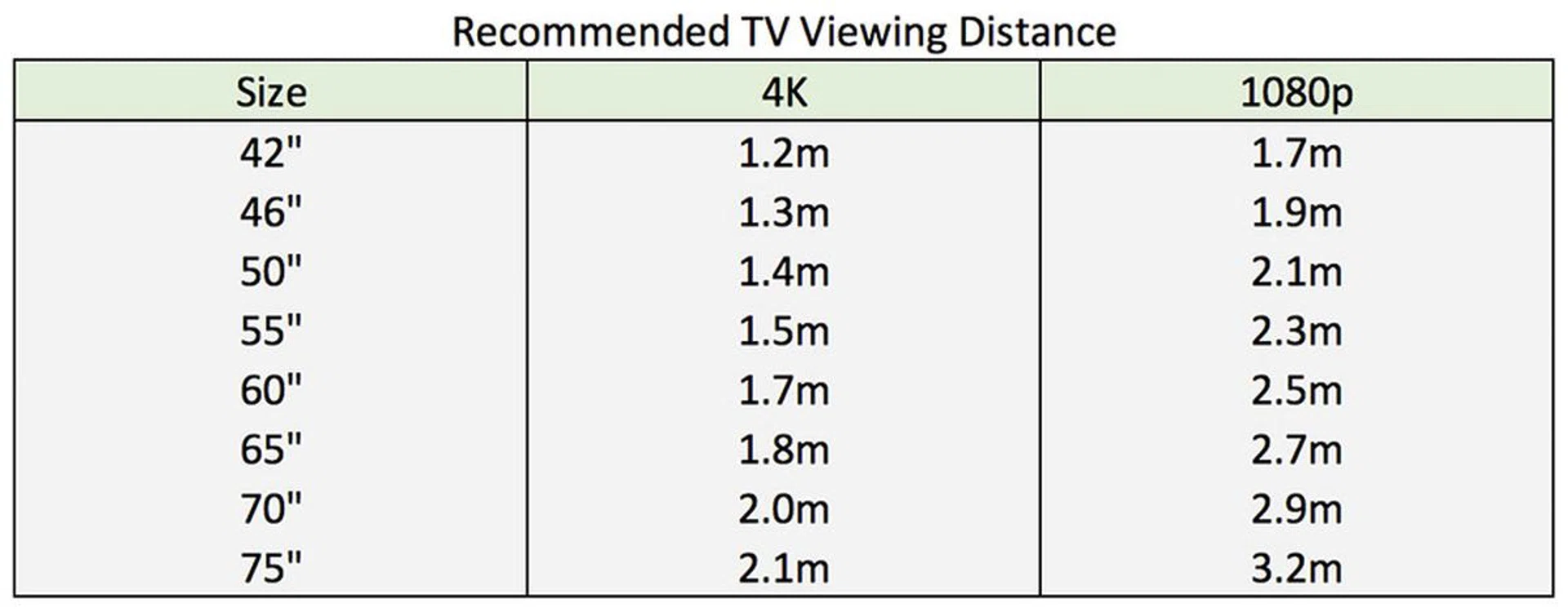
You can see from the table that compared to 1080p, you’re advised to sit closer for 4K sets. This is so you can see the extra details the 4K resolution brings. If you’re able to sit close enough, the visual difference is definitely noticeable.
But not everyone can or wants to sit that close, which is why 4K TV makers have to come out with larger and larger sets.

Our articles may contain affiliate links. If you buy through these links, we may earn a small commission.