
BRAVIA's New Design Direction
Following the oversubscribed Sony press conference on 6th January, we return to Sony's booth on the first official day of CES 2010 to check out further some of the gadgets that we missed due to a lack of time. We know it may get a bit old by now but we had to start with the new BRAVIAs and 3D.
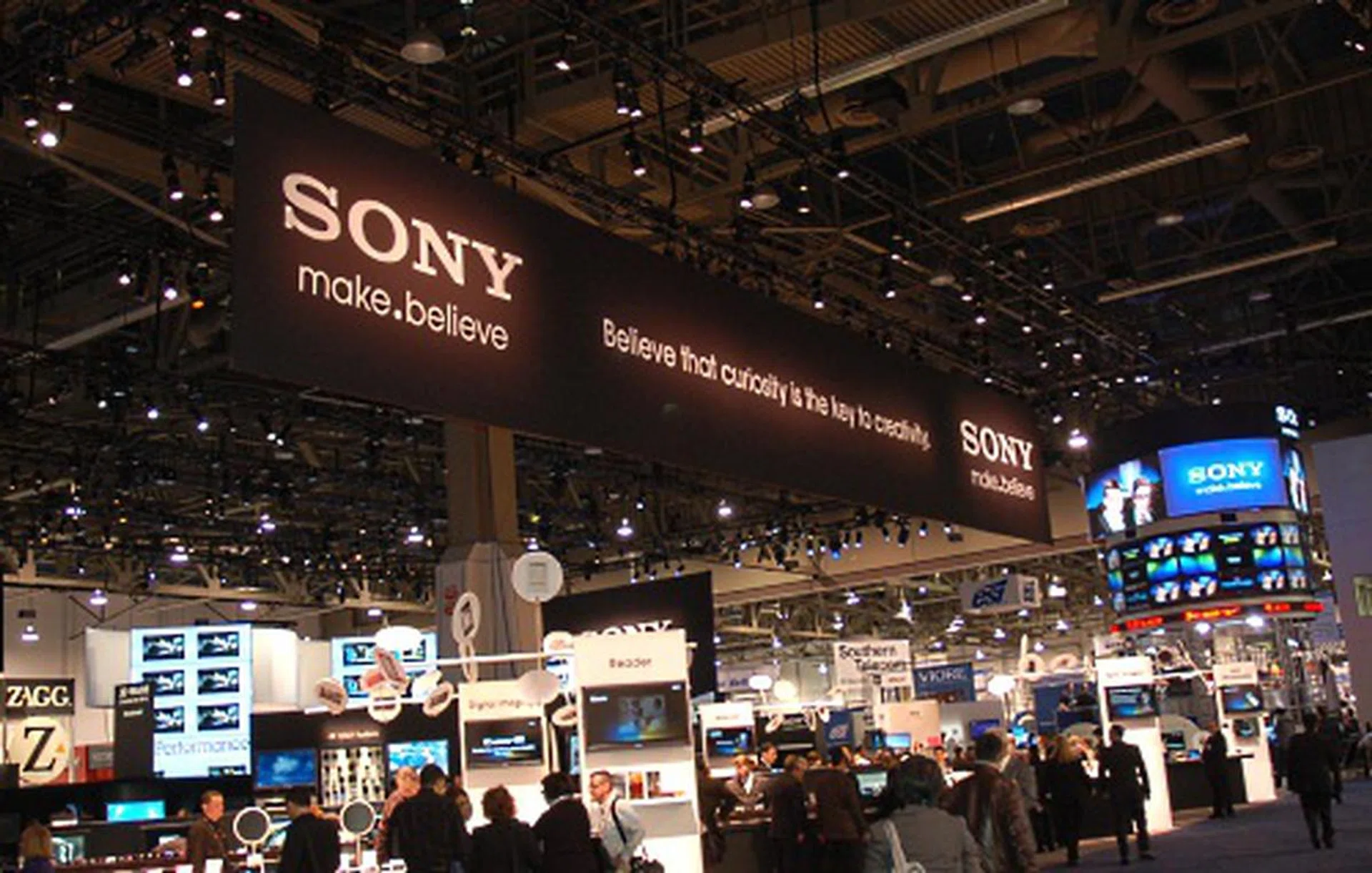
It's early the next morning and we were back at Sony's booth to get an exclusive tour of the highlights.
"Timeless, beautiful designs" is something that Sony's top creative honcho appears to have on his mind constantly. Fumiya Matsuoka revealed this in a media session about the creative processes and ideas behind the new Monolithic Design found in practically all of Sony's new mid and high-end BRAVIA TVs. To paraphrase Mr Matsuoka, the TV itself is an element of the room's interior design and while it's not in use, it should blend in with the room. Similarly, when it's in operation, the TV should not distract the user from the actual program shown on the TV.
This is but one element of the philosophy behind the Monolithic Design motif in Sony's new BRAVIAs. Another is the 6 degrees upwards style or tilt of the BRAVIA when mounted on its silver bar stand. This apparently was borne out of research suggesting that this was the optimal viewing angle for users, though it's dependent on having the TV fixed at a lower height than your eyes. If not, it's best to stick to the standard, vertical position, and that's something you can adjust with the stand.
Finally, the last design element is the contrast of materials used; in this case, the use of metal and glass in the BRAVIAs. One impression we get from Mr Matsuoka was that he regarded some of the market trends now, like borderless frames and thin LED TVs as, for lack of a better word, fads. And that the important thing now for Sony is to create a classic design that will last. It's certainly a valid design philosophy and not that surprising from the point of view of a designer. From the way Sony is focusing on its Monolithic Design now and perhaps for the next few years at least, it may seem like the 'design/art' school of thought has the edge over the engineers currently (after all, we know that Sony is capable of making those very slim LED TVs if it wanted to). In any case, we're all for aesthetically pleasing designs ourselves, even if it's a part of a product differentiation strategy from Sony.
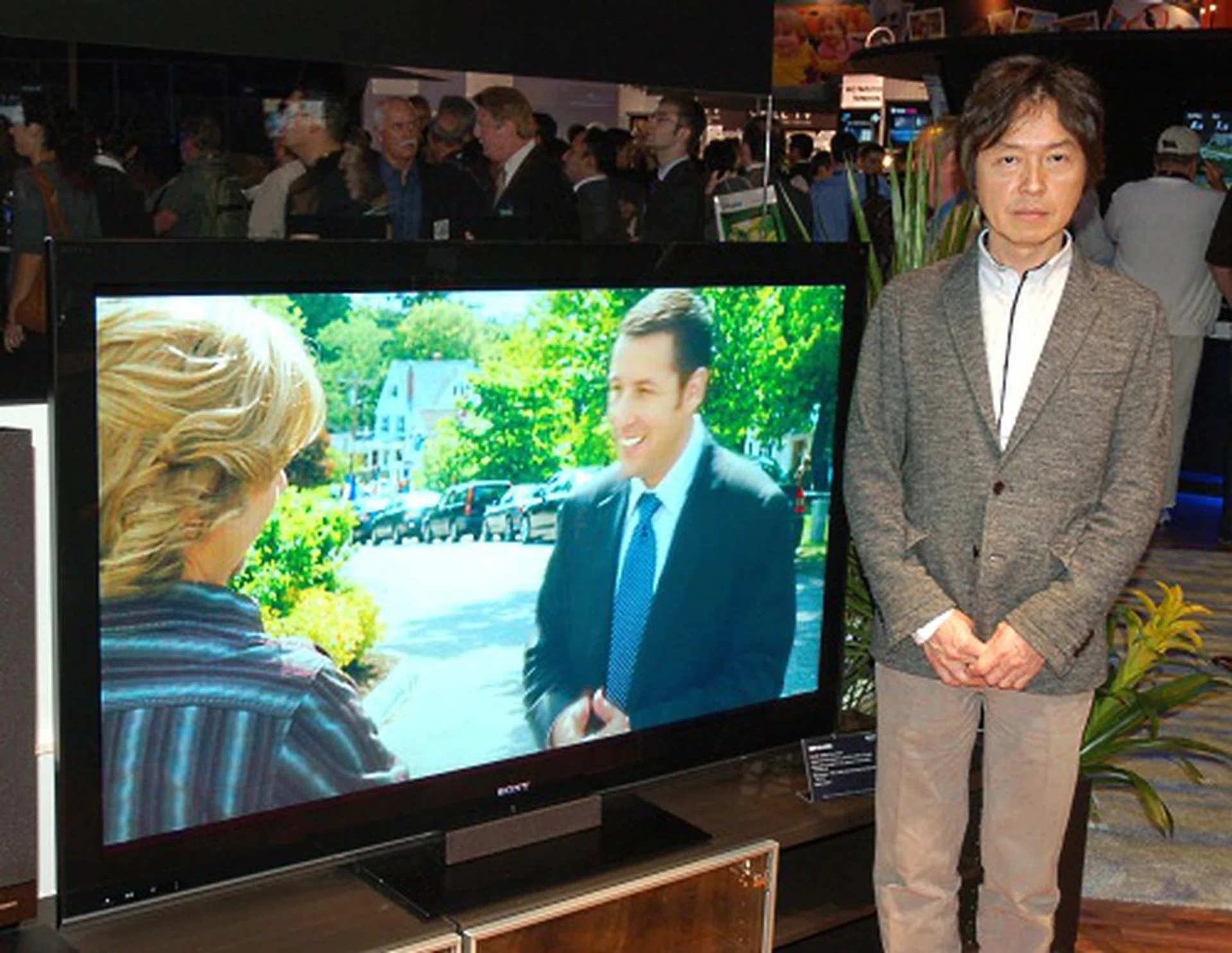
Sony's Creative Center Chief Art Director for the Home Products Design Group, Fumiya Matsuoka, is the last word on what goes into the design of Sony's BRAVIA TVs and home theater products. At the moment, the Monolithic Design is Sony's theme for the new BRAVIAs.

As the Elegance here suggests, the NX series has Sony's new Monolithic Design along with Edge LED backlight, Motionflow 240Hz, integrated Wi-Fi and internet video and widget functionality. It's targeted at those who prefer their TVs without 3D. The 60-inch 60NX800 is available in spring for around US$4600.
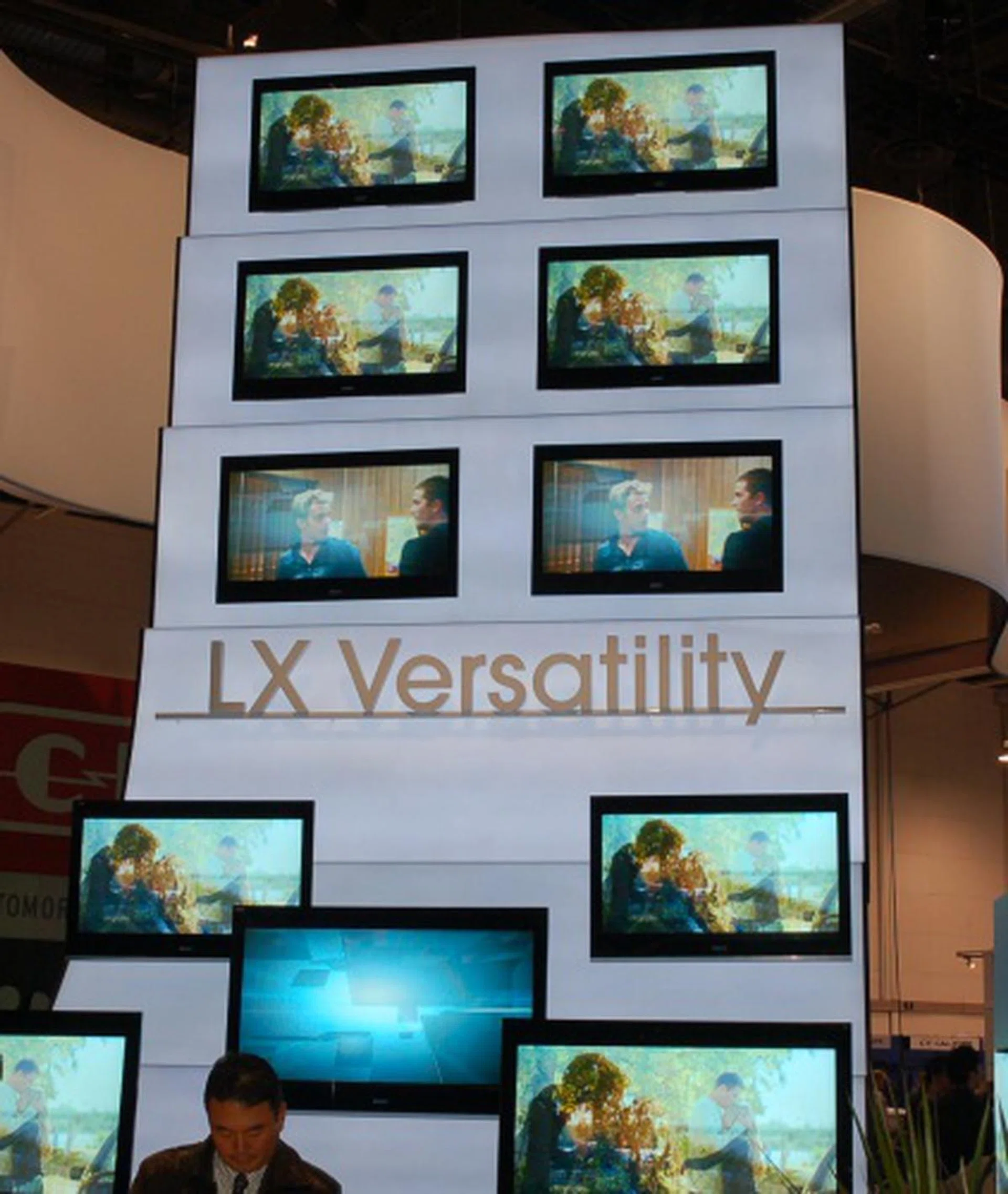
The versatility here for the LX series is to reflect its 3D capability along with having basically all the features of a Monolithic Design Sony BRAVIA, from Motionflow to integrated Wi-Fi and USB/DLNA playback. The 60-inch model XBR-60LX900 is also the first TV from Sony to have an integrated full HD 3D functionality, including two pairs of active shuttle glass. All this is available only this summer.
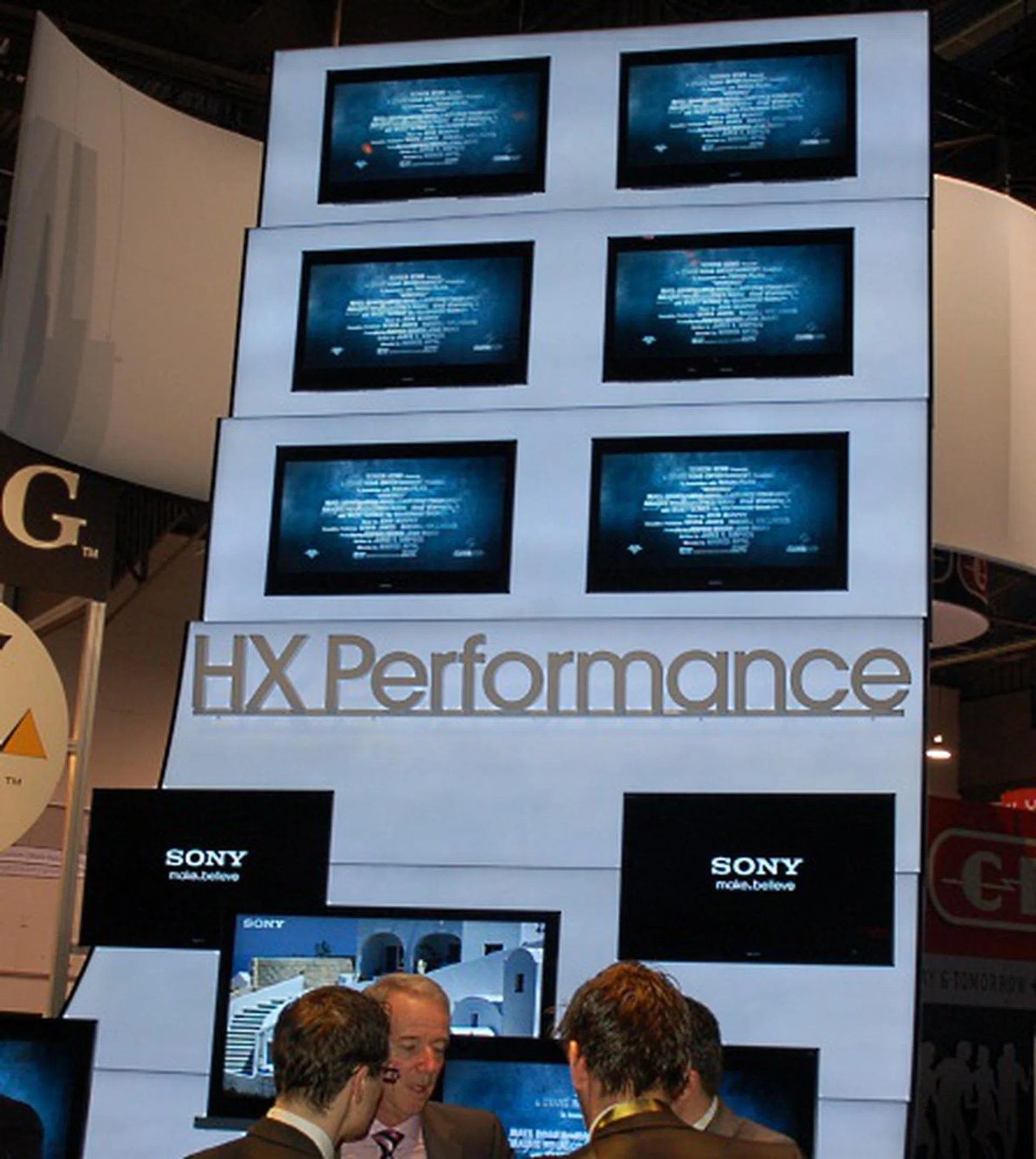
Performance here for the HX represents the fact that Sony intends this series to have the best picture quality among the new BRAVIAs. Besides the full listing of Sony BRAVIA features, it lacks integrated 3D, though it is 3D ready, so users have the choice to equip it with 3D in the future by buying the emitter and glasses. Monolithic design of course.
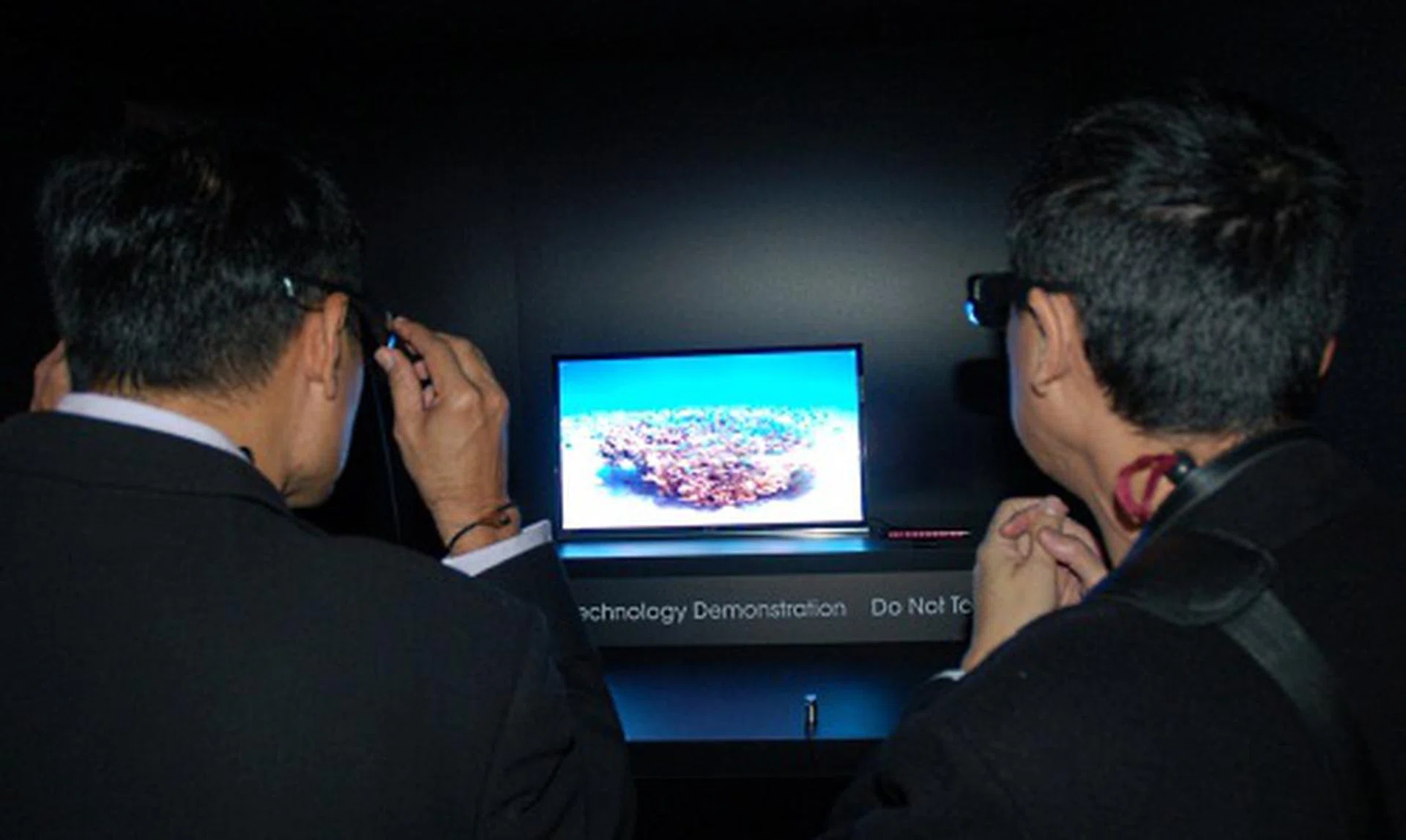
OLED technology has been bandied around for the longest time but cost has been a major stumbling block. So while 3D appears trivial to implement on OLED screens as seen in this Sony tech demo, don't count on it actually coming to homes for a long while yet.
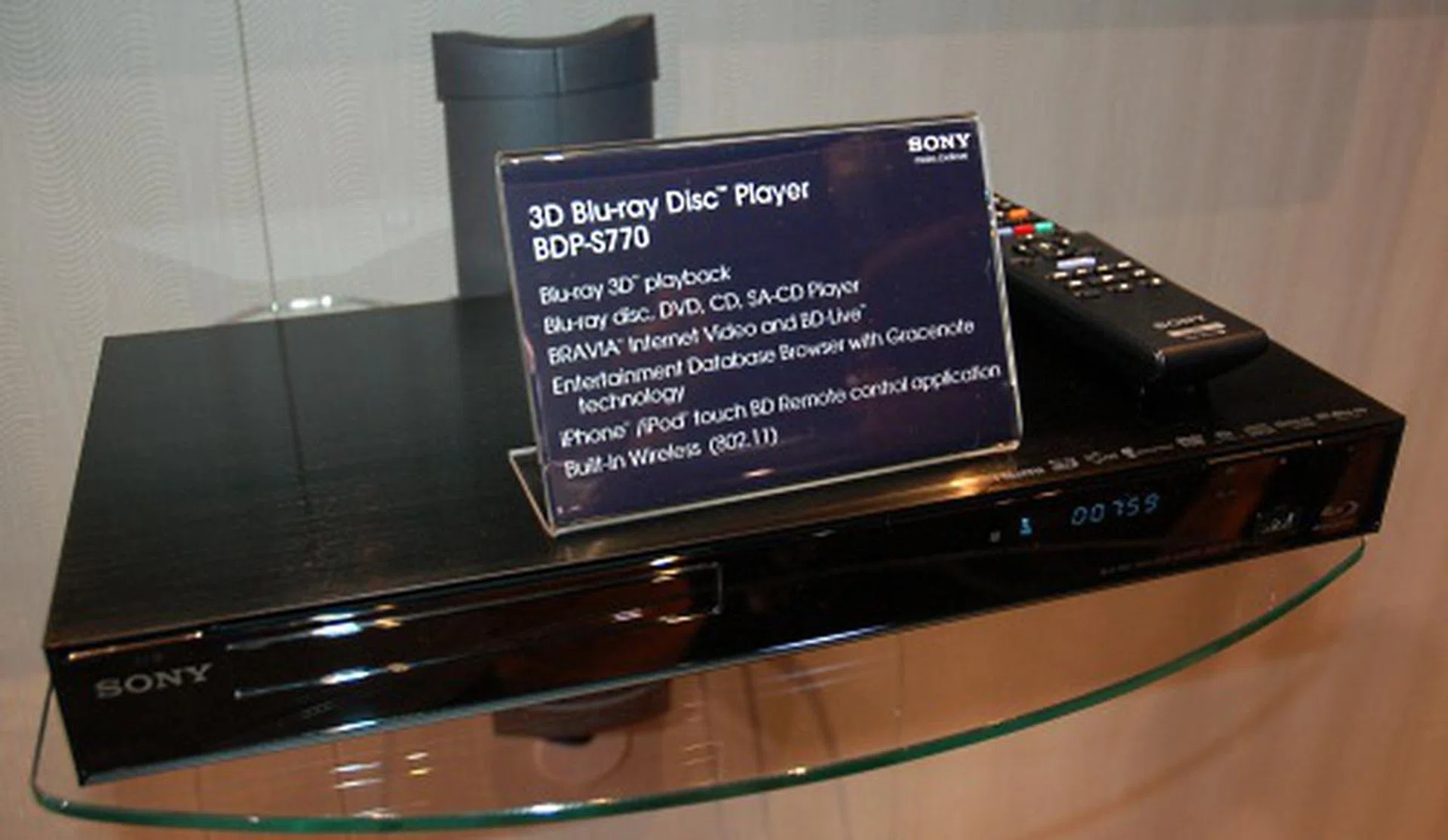
Part of Sony's new monolithic design for home theater systems, this new 3D Blu-ray player BDP-S770 will only be available in the summer, supporting Blu-ray 3D playback and BRAVIA internet video and BD-Live. It has built-in wireless Wi-Fi, DVD upscaling and all that jazz. And best if all, we saw its free BD Remote app for the iPhone/iPod Touch in action and it looks quite useful.
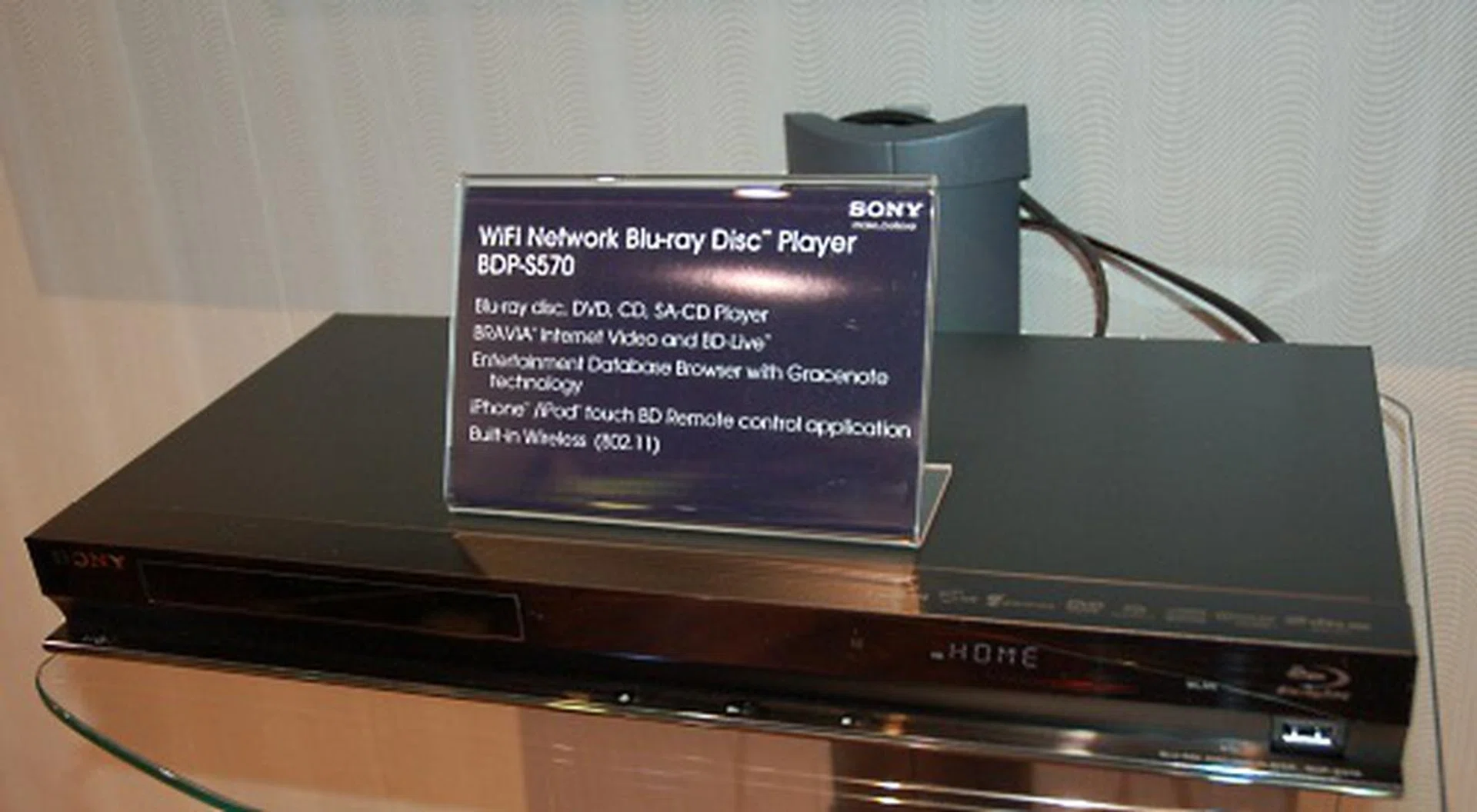
Basically similar to the S770 but without 3D, the Sony BDP-S570 Blu-ray player too has the Monolithic Design along with Wi-Fi and DVD upscaling. It will be out this spring, though no pricing info has been revealed.
Sony's VAIO and Reader
Sony's VAIO did not get an extensive refresh with newer Intel Arrandale processors yet from what we saw. There were two new models and a new mini notebook (or netbook as the rest of the world calls them) on display, with the F-series VAIO looking very promising as a desktop replacement system. The Z-series meanwhile continues Sony's tradition of extremely light, carbon fiber designs that are very good for business users but at a price. But first, the new eco-friendly, Pinetrail based Sony mini notebook.
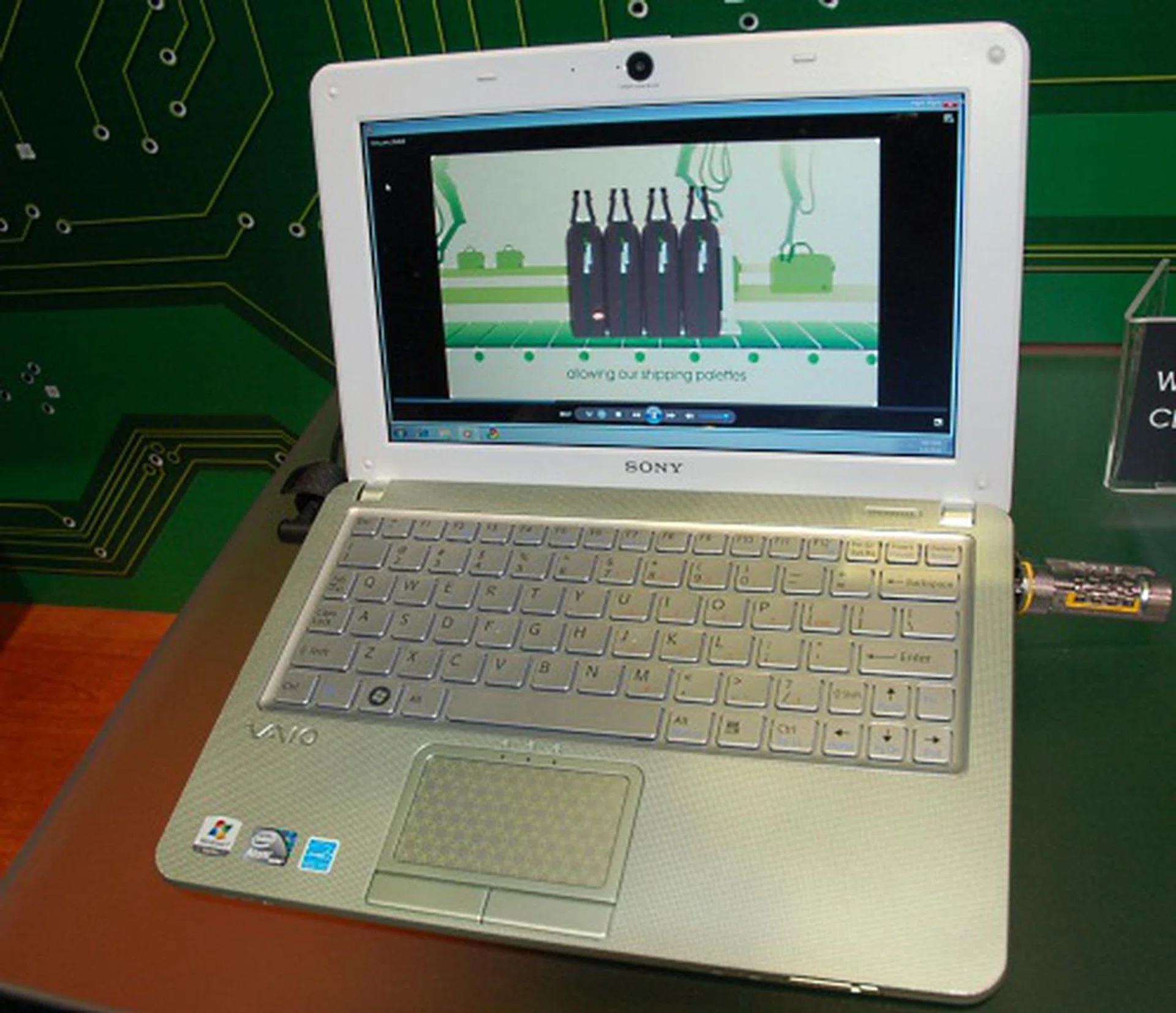
Sony's VAIO W series eco-friendly mini notebook is notable not for its specifications, which are typical Intel Atom Pinetrail. What it has is a chassis which is made from recycled plastic. Pre-orders are available now at Sony's website starting from US$480.
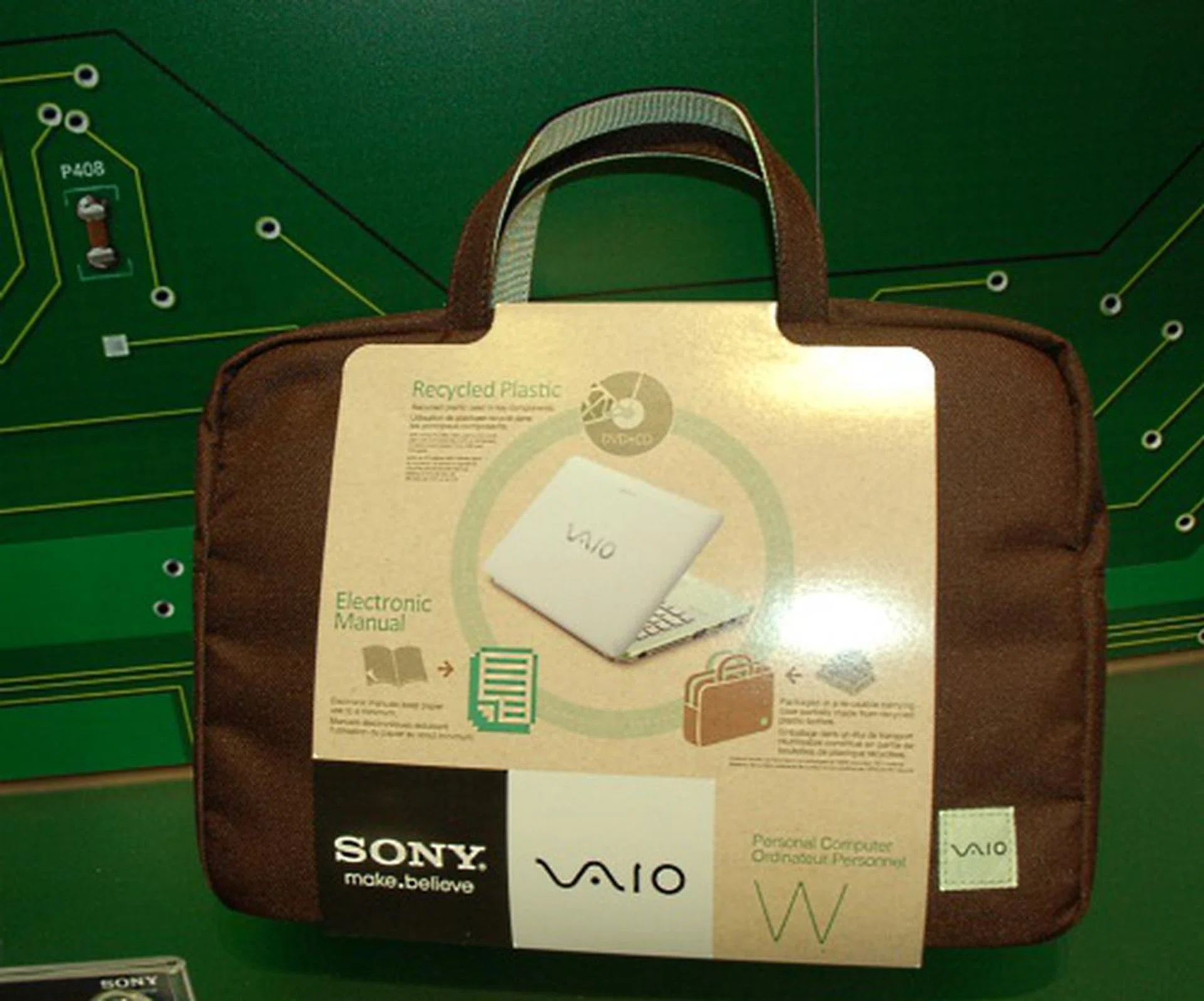
Even the notebook bag for the Sony W mini notebook is made from recyclable materials.
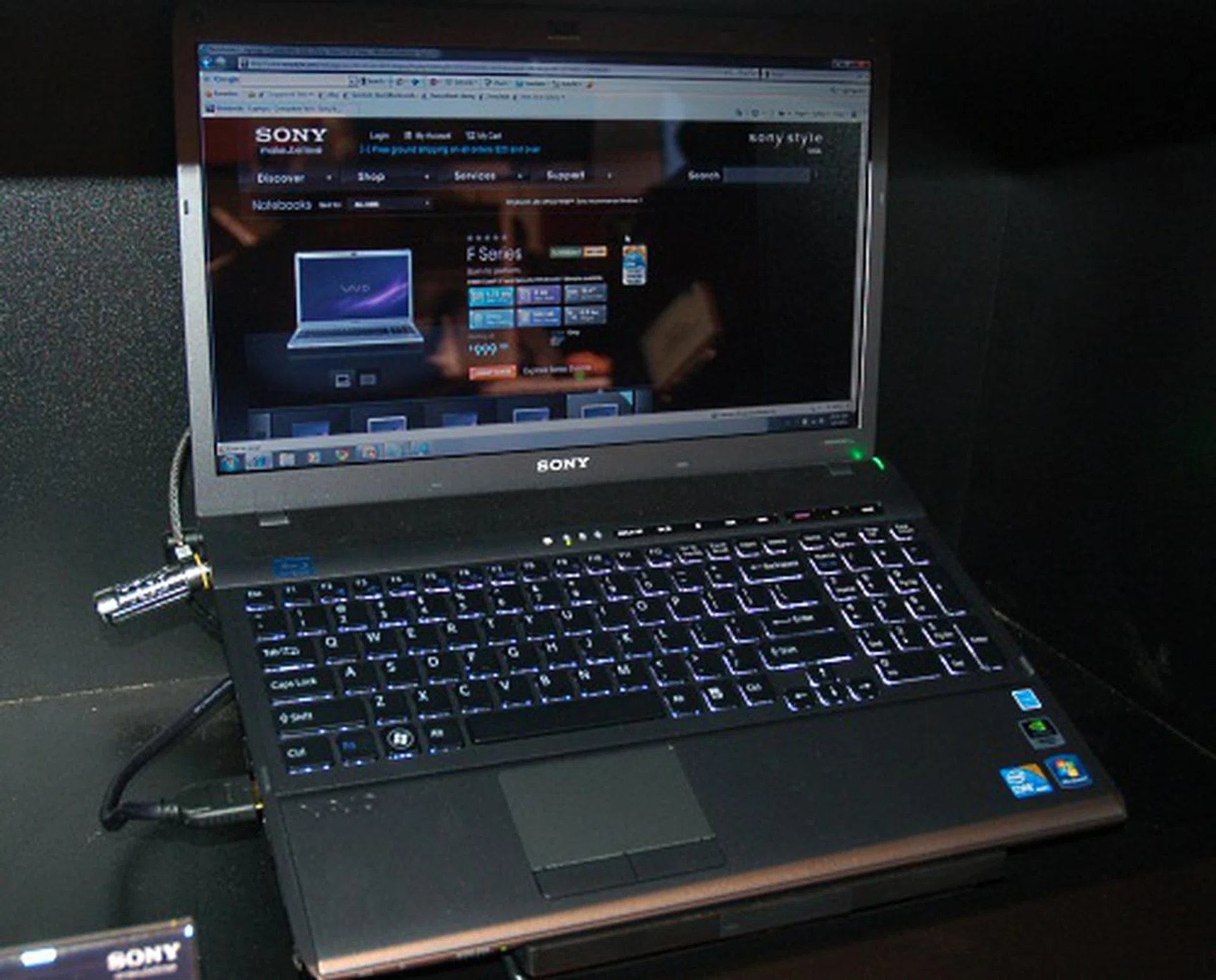
9 full HD display and powered by Core i7 processors and NVIDIA's GT 310M or 330M graphics, it comes with a Blu-ray drive and HDMI output. Though it may not be obvious here, the keyboard is backlit and it's done automatically through an ambient light sensor. Best of all, you can pre-order it now with prices going for US$1000 for the base model.
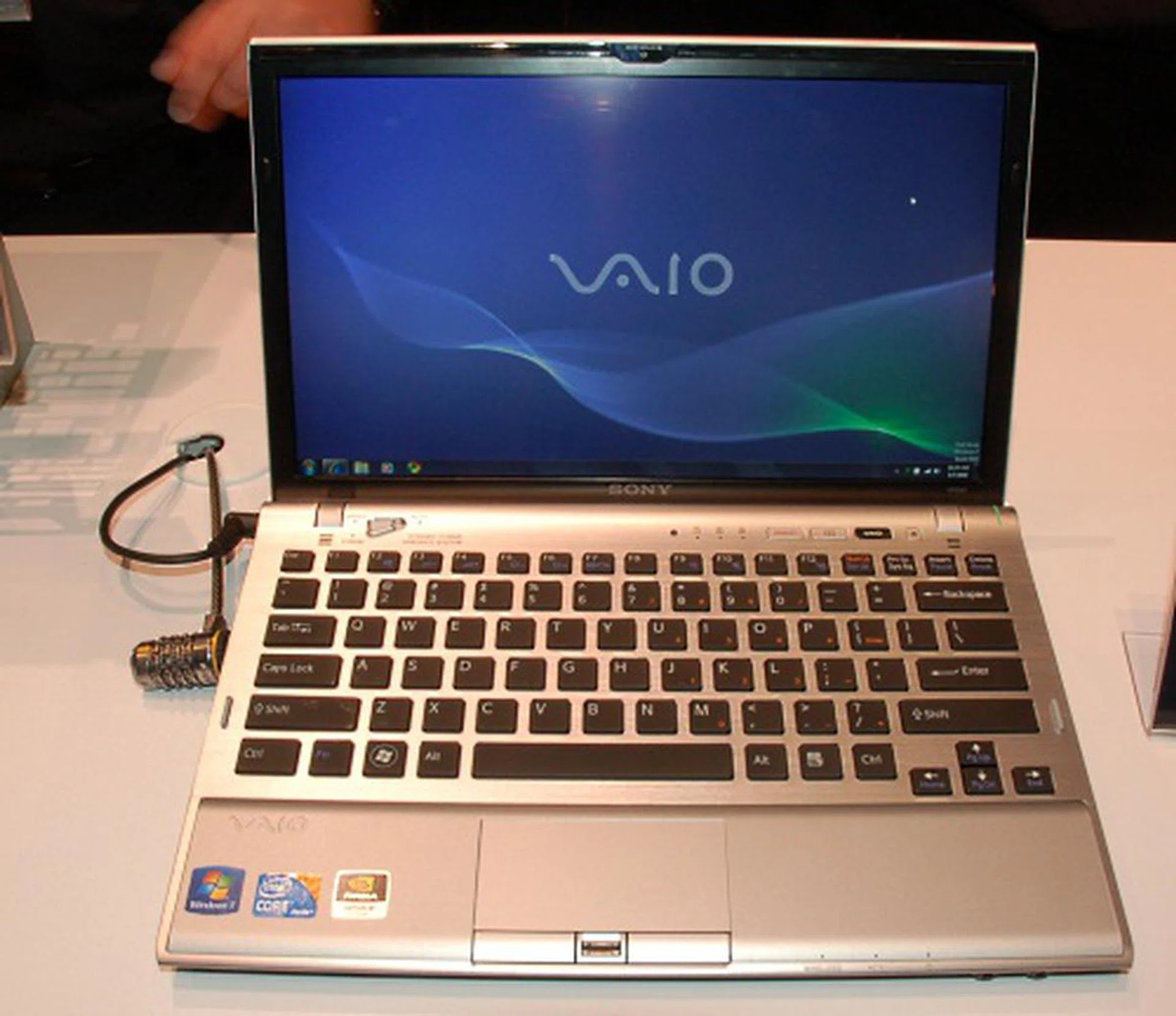
The Z series VAIO meanwhile is aimed at the executives who mind the weight of their trusty notebooks. At under 3lbs thanks to its carbon fiber/milled aluminum chassis, this ultraportable notebook measures 13.1 inches with a 16:9 aspect ratio. It features a new mode to Sony's switchable graphics option: Auto and uses Intel's Core i5 processors. A check of its specs revealed NVIDIA's GT330M and Intel Core i5 M520 (2.4GHz) as the options in test model. Pre-orders start now from US$1900.
First doesn't always guarantee winning the race. See Apple for the MP3 market and now Amazon for e-book readers. These 'upstarts' have taken the market by storm, generating more interest and increasing the user base. Sony's Reader faces an uphill task here and while it appears the Sony will soldier on admirably with new content deals and a recent 3G wireless model, the Reader Daily Edition, it's hard to see it regaining the mind share among consumers. The good news is that with the entry of newer players, the e-book reader market is quite fluid and who will ultimately emerge as the king is anyone's guess.
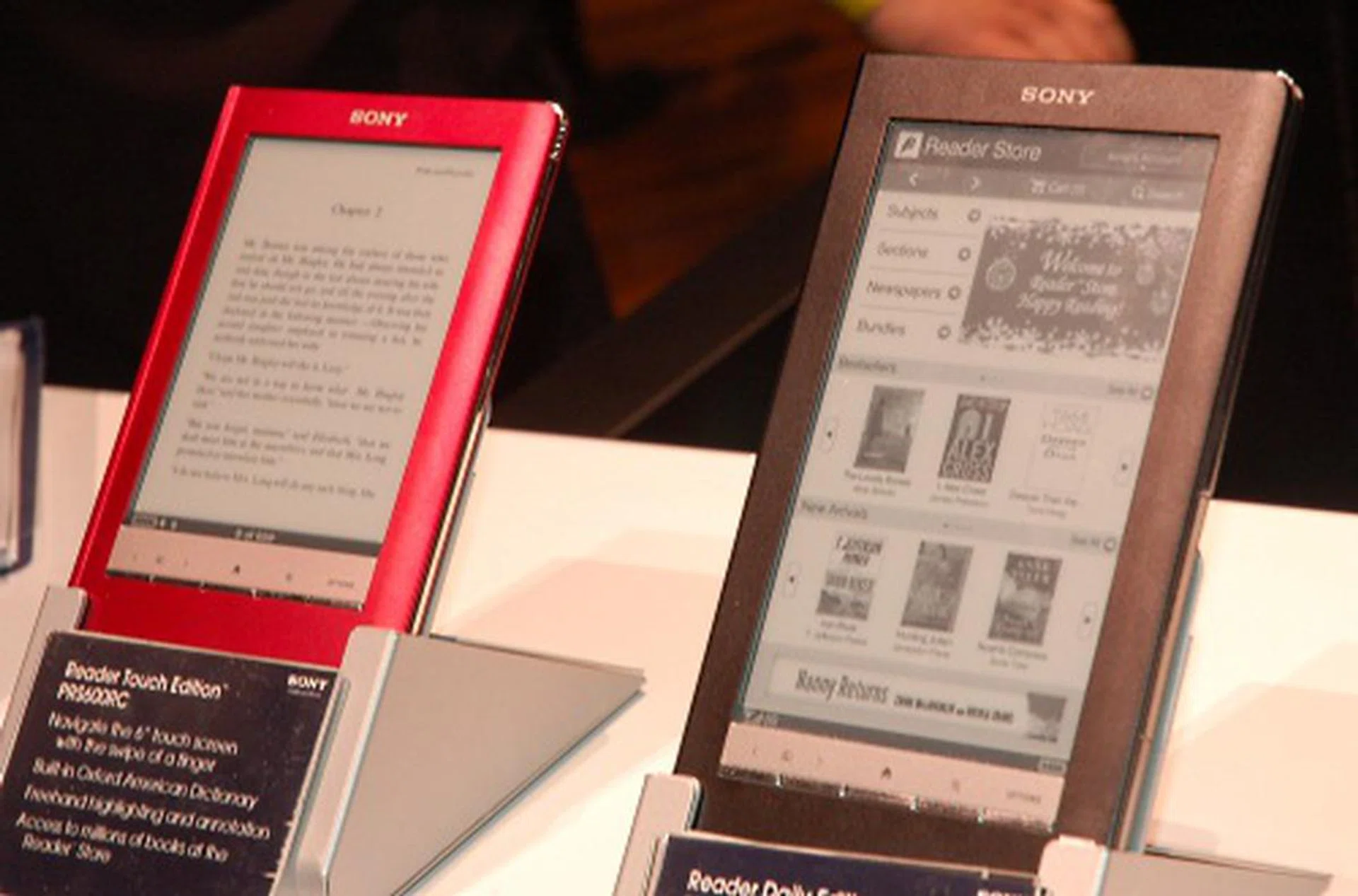
Despite being one of the first to market an e-book reader with a storefront, Sony's Reader has arguably lost the momentum to Amazon's Kindle. The Sony Reader Daily Edition, a larger 7-inch version launched late last year is Sony's attempt to get back into the game. At the CES press conference, it was announced that Sony is partnering with content providers like Wall Street Journal, New York Post, LA Times, etc to enable 3G wireless downloading of these content to the Reader. Currently, it's still listed at US$399.
Sony's Digital Imaging
As you should know by now, Sony has finally listened to the demands of its users and added SD memory support to its Handycam. Providing choice to consumers is the right thing to do and even if it's belated, it's a sign of a new Sony perhaps? One that will be less inclined to go it alone for formats and standards maybe.
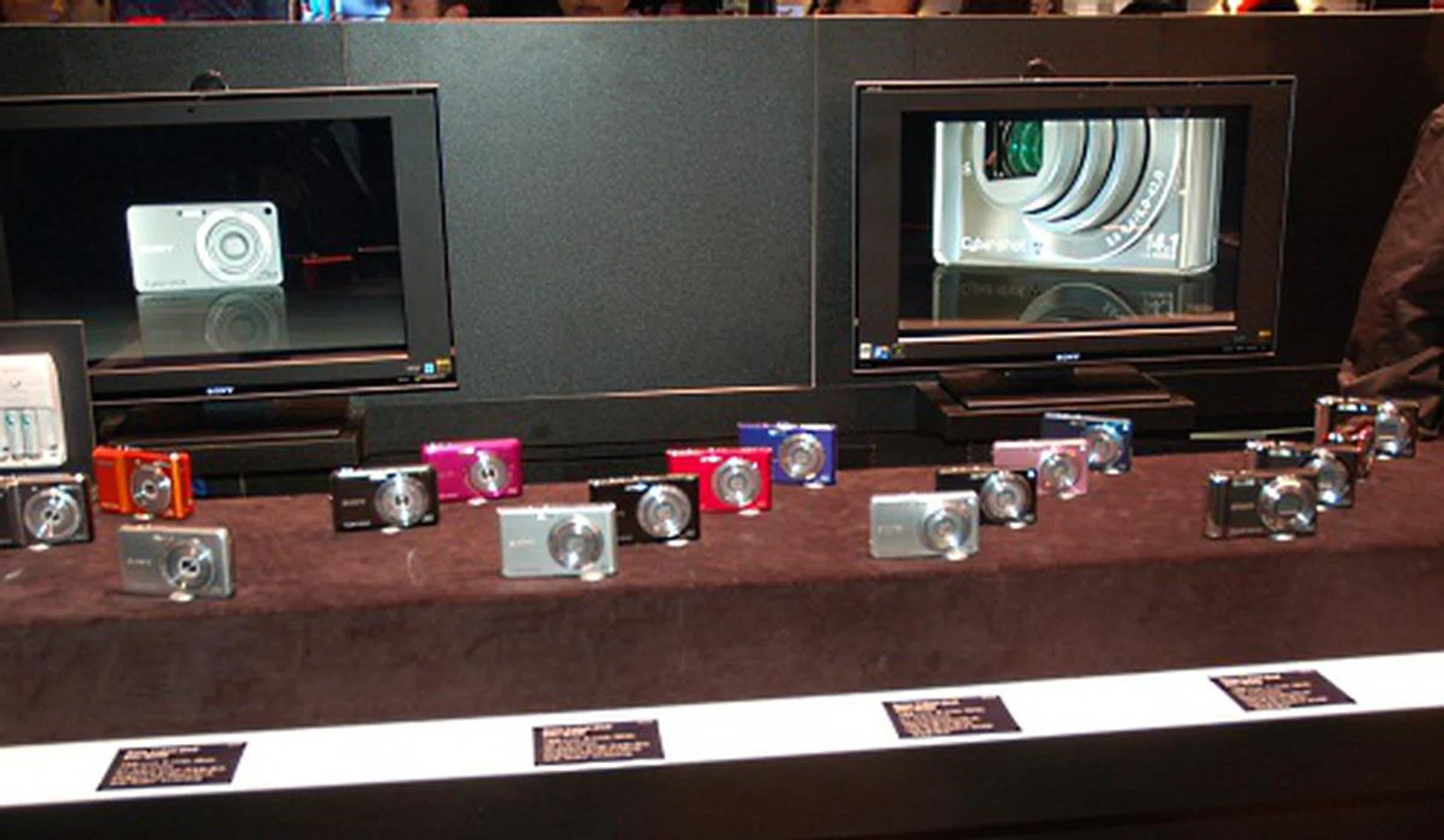
The new Cybershots with the Exmore R CMOS sensor are the DSC-TX7 and the DSC-HX5V.
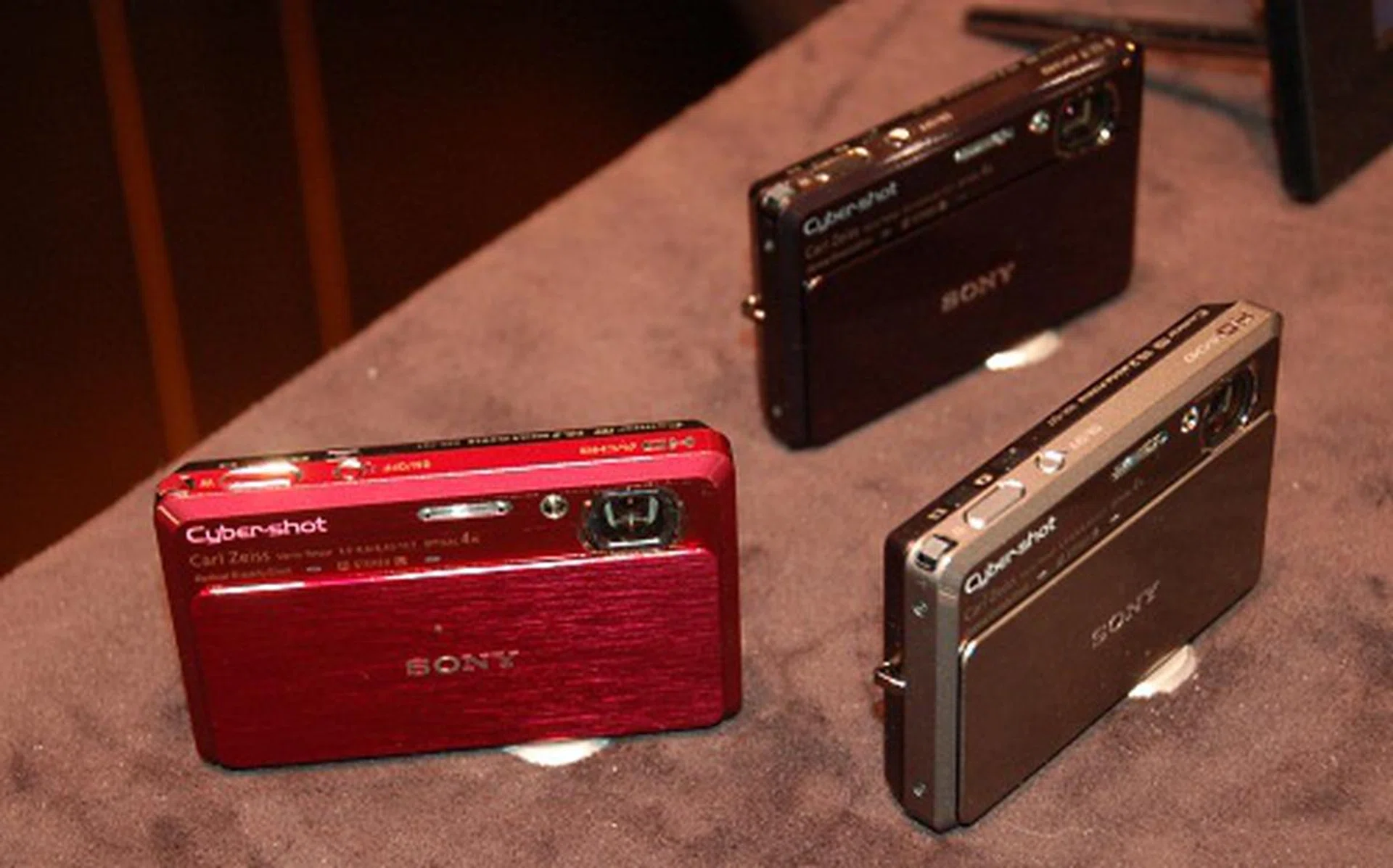
The 10-megapixel Cyber-shot DSC-TX7 is able to shoot 1080i movies at 60 frames and features a new intelligent sweep panorama mode, backlight correction HDR and Optical Steady shot image stabilization. It will be available from Feb for around US$400.
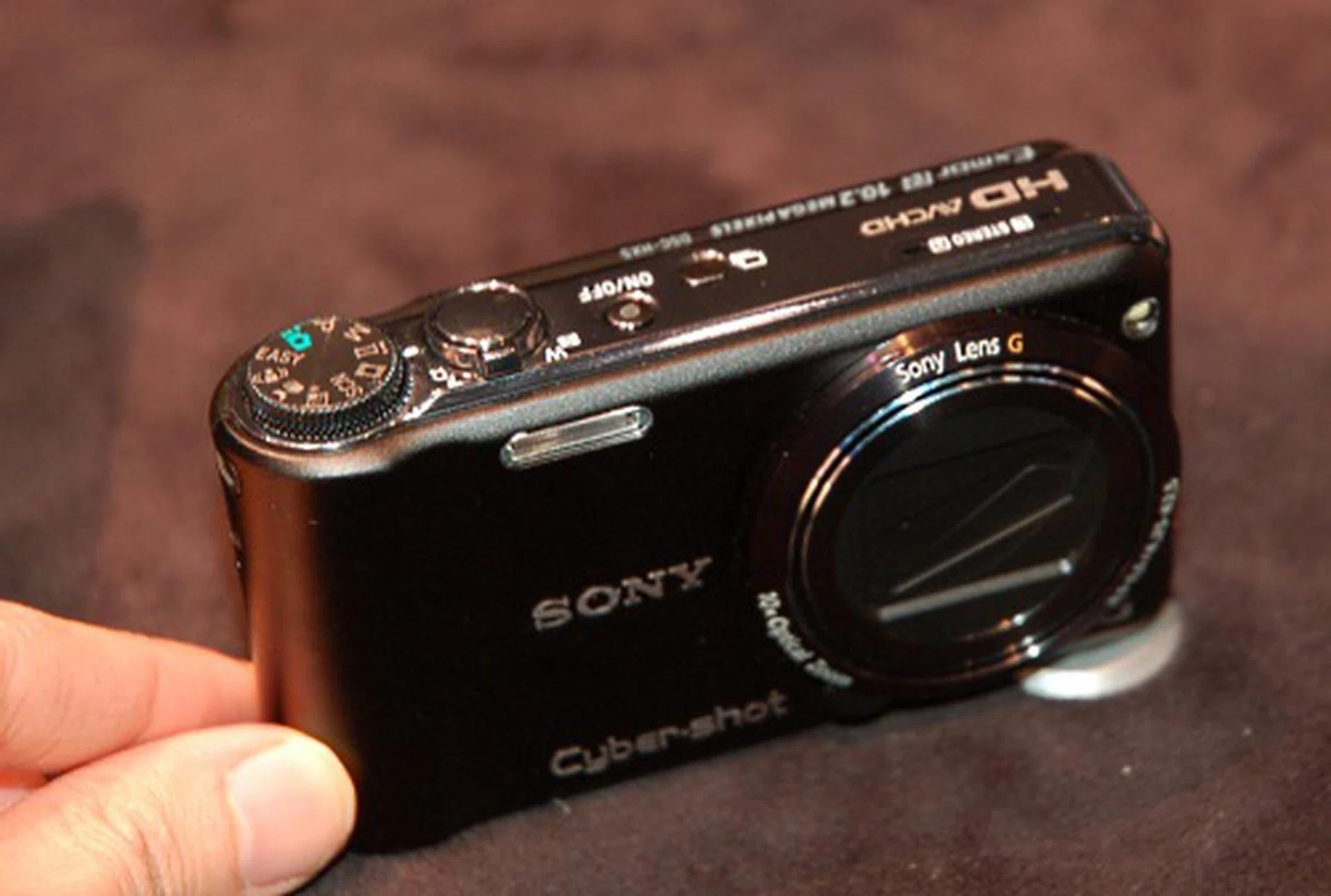
The other Cyber-shot DSC-HX5V is a similar 10-megapixel Exmor R CMOS sensor digital camera able to shoot full 1080i HD movies. What it has over the TX7 is its GPS and compass capabilities that allow it to record that info onto the photos, making it easier for geotagging. Unlike the three colors for the TX7, the HX5V is only available in black, starting in March for around US$350.
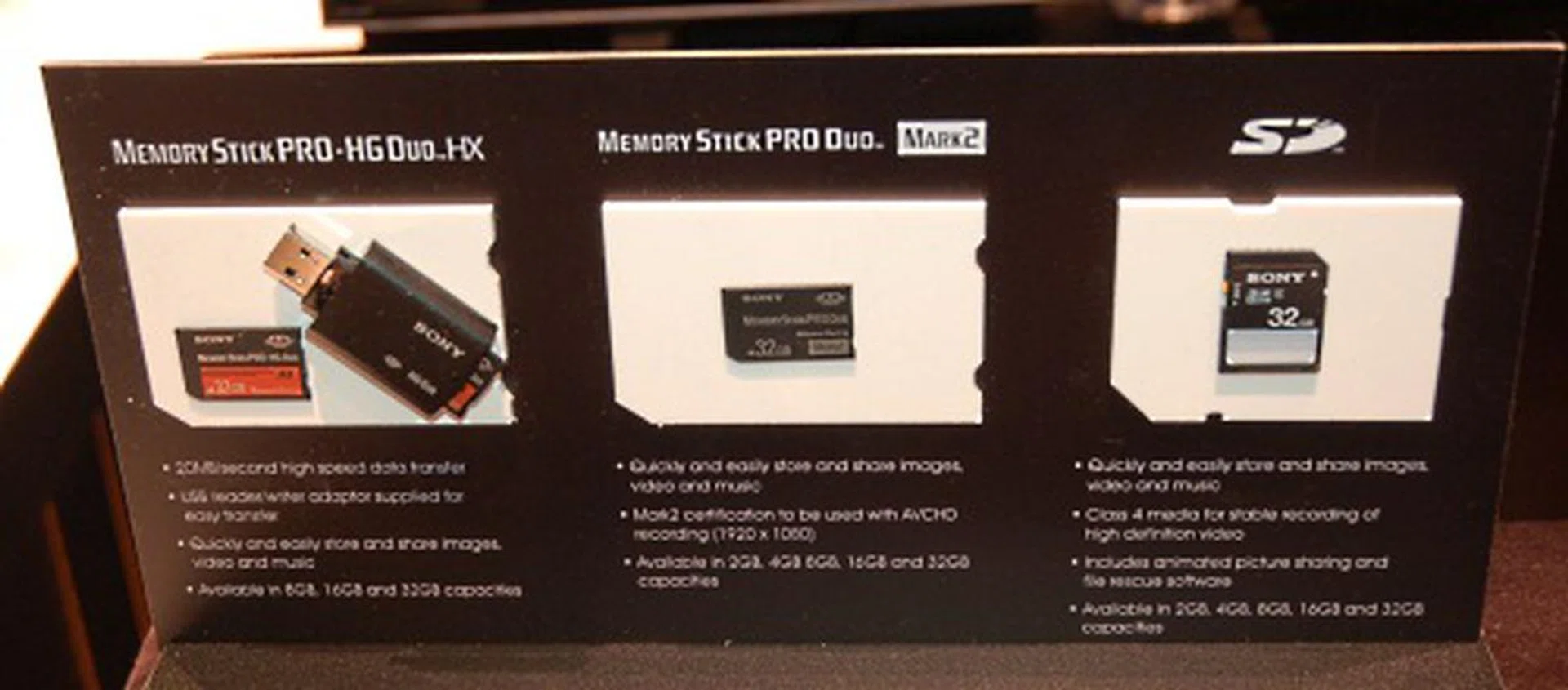
It took Sony quite a while but the company has finally added support for SD memory cards to its range of products, starting with its handycam camcorders, which all feature this new format support.
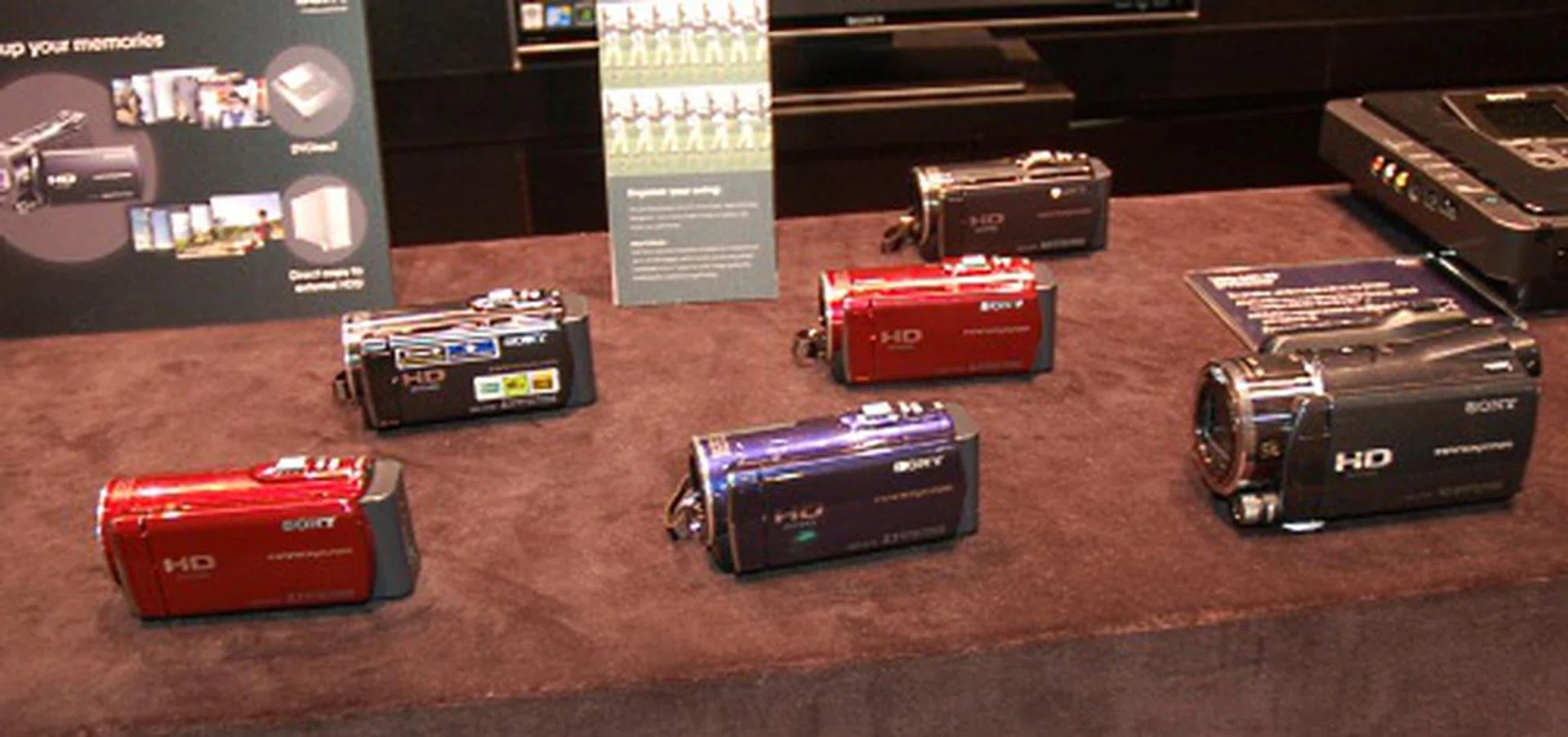
As we said, all these handycams (Sony says they are 16 completely new modes, 17 if you include the prosumer model) now have SD memory support. Additionally, they all get the Exmore R CMOS sensor technology with new intelligent auto modes and improved face recognition features. NAVTEQ maps for geotagging content is also available on certain models. They are expected to be available in the late Jan to Feb time frame.
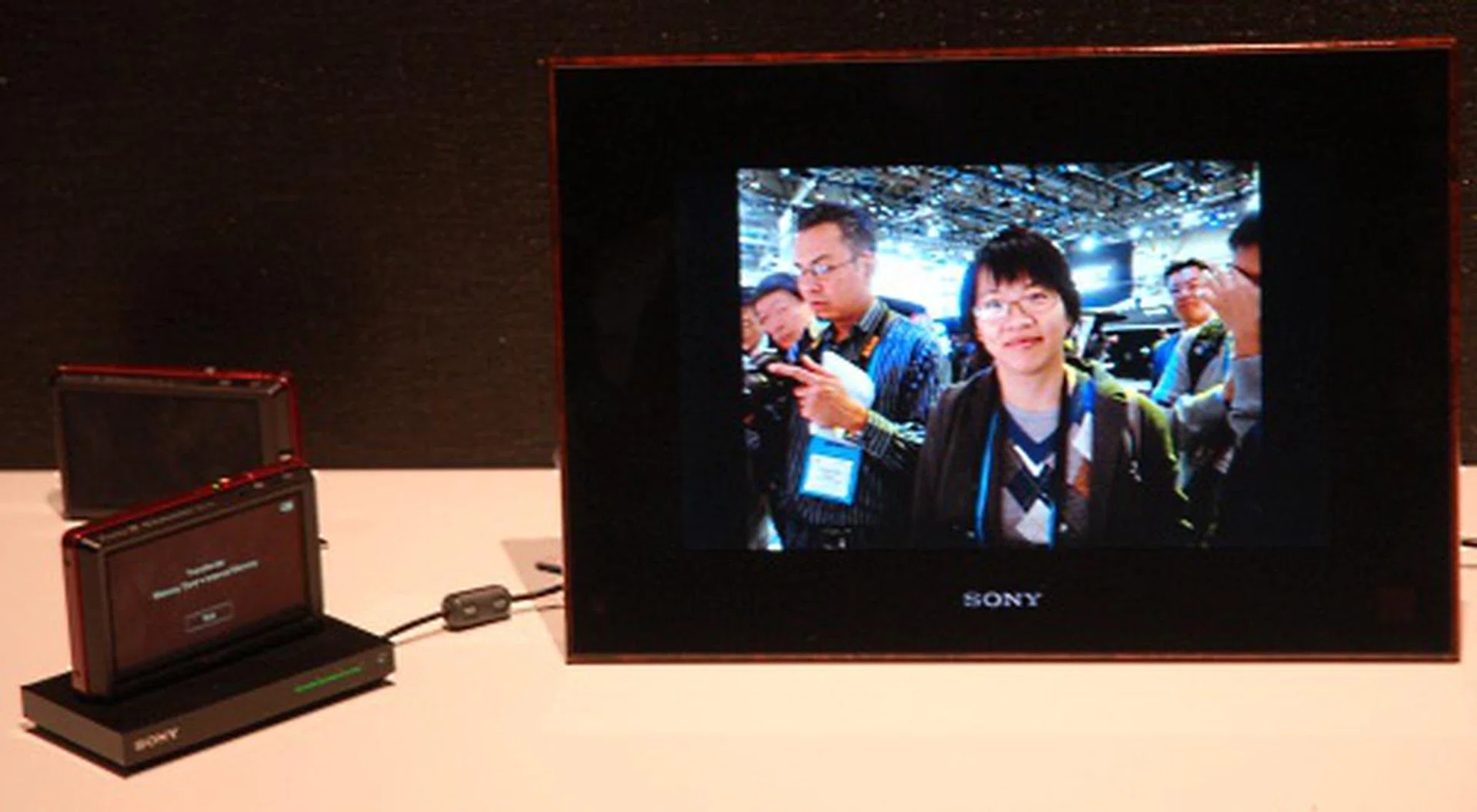
Transfer Jet is a relatively new wireless technology harnessed to transfer images between supported devices. All they need to do is to bring them close to each other and activate it from the menu. While the number of such devices is small currently, Sony hopes that this technology will catch on with consumers and manufacturers. The dock on which the Cyber-shot TX7 is resting on above can be plugged into any USB device and act as the facilitator by which images can be transferred for those devices that do not have Transfer Jet natively. Hence, it works for devices like notebooks and even photo frames. The speed appeared to be between 20 to 50Mb/s, a very decent one.
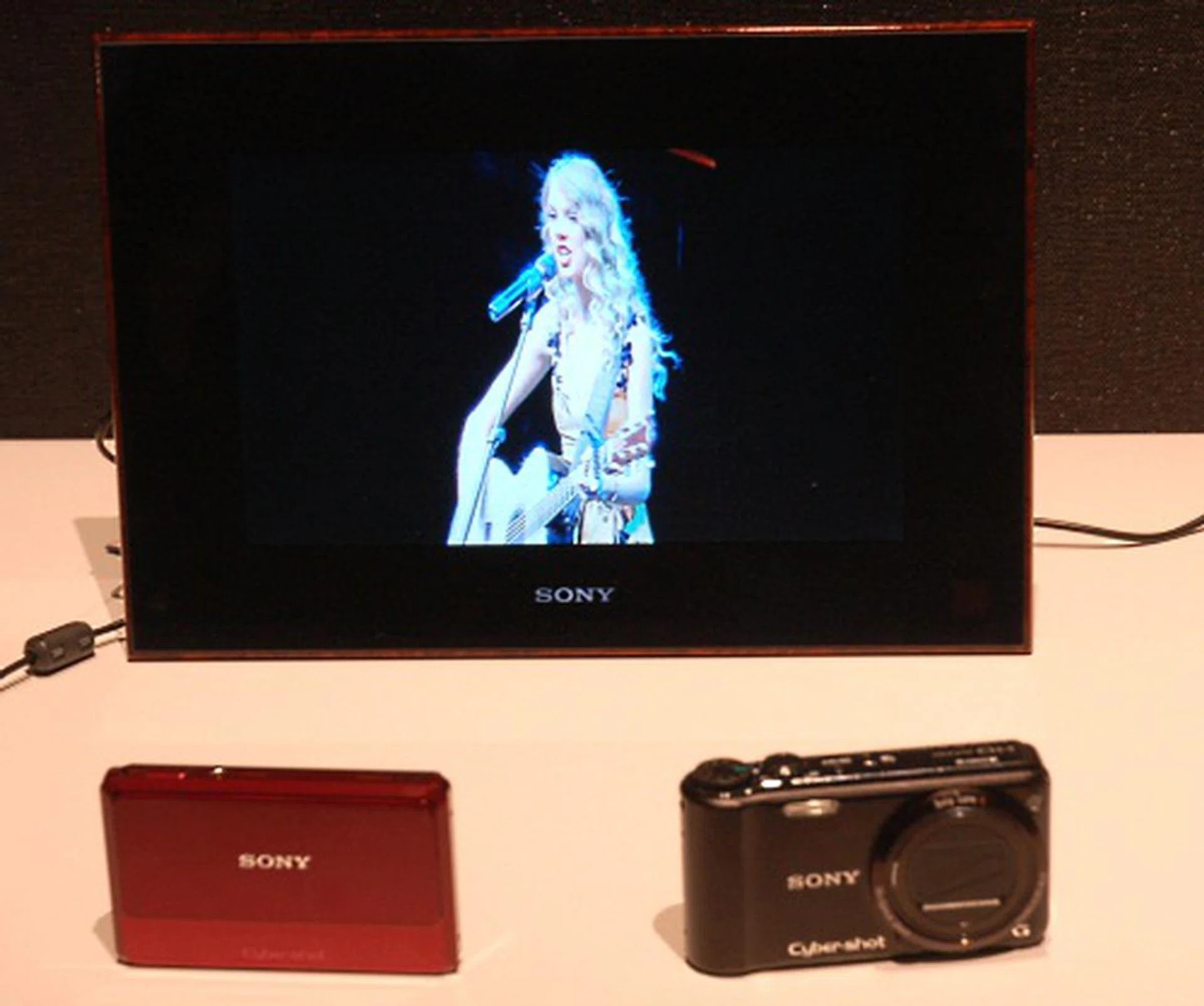
Only two cameras from Sony support Transfer Jet natively now, the TX7 and the HX5V. The Sony VAIO F-series notebook also has the Transfer Jet feature. Although it's early to tell if it will take off, the transfer rate is certainly very decent. There's potential but will consumers bite?
Our articles may contain affiliate links. If you buy through these links, we may earn a small commission.