
PSA: Keep your data safe so you can’t get Doxxed
Doxxing may be illegal in Singapore but that doesn’t mean it never happens.

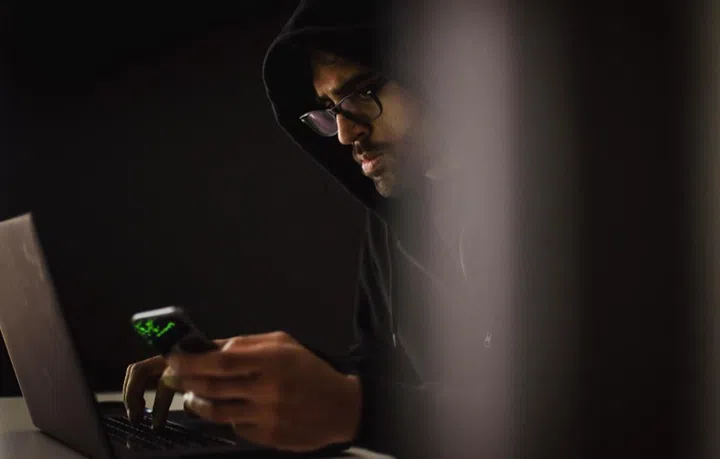
Keep your data safe from would-be doxxers. Image courtesy of Pexels.
We’ve all seen it happen. Someone posts something insulting or is seen abusing or taking advantage of someone, and the Internet turns in to judge. jury, and avenger of the abused.
Online vigilantes would post the name, address, and employer of the accused for all to see and abuse. Some ended up being fired, others fled the country to escape the online vitriol.
This online vigilantism or doxxing became illegal in 2019 when the Singapore Government enacted changes to the law to outlaw it. The Ministry of Law said that doxxing included falsely declaring that a person is a "prostitute" on social media and including the person's photos and contact details or posting a video of a person containing his contact information and calling for others to threaten or attack him.
In situations where personal information is published to cause harassment, alarm or distress, the maximum sentence is a $5,000 fine and a six-month jail term.
Keep your data away from those who would harm you
But there are steps you can take yourself to keep your personal information out of the hands of malicious individuals.
To help users take back control of their data and protect them from doxxing, security company Kaspersky has developed a checklist on how to handle one’s private data responsibly, without it becoming a headache.
The checklist, which is split into three sections, addresses topics like how to treat the data we do and do not control, such as browser activity and application tracking, and other people’s data that you may come across.
Kaspersky also has a free online course where you can learn what doxxing is and how to protect yourself and your loved ones from it.
Our articles may contain affiliate links. If you buy through these links, we may earn a small commission.