
Apple launches Apple Health Study in conjunction with Harvard-linked research hospital
The study seeks to understand if devices like iPhone, Apple Watch, AirPods help to advance and improve several aspects of health. #apple #wearable #healthtracking

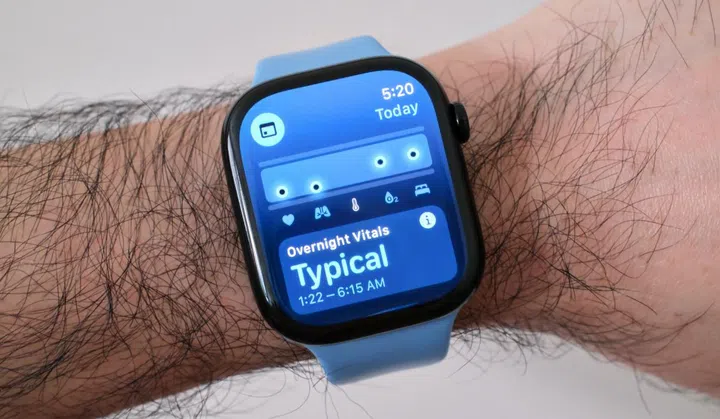
The Vitals app as seen on Apple Watch Series 10. Photo: HWZ.
Apple launched the Apple Health Study today (13 February 2025), which will try to understand how consumer technology affects physical, mental, and overall health and well-being.
The newly announced Apple Health Study seeks to understand how health data from consumer tech devices (including both Apple’s and third-party ones) can be used to predict, detect, monitor, and manage user health.
The study seems exceptionally comprehensive. According to Apple, it examines diseases, activity, ageing, cardiovascular health, circulatory health, cognition, hearing, menstrual health, mental health, metabolic health, mobility, neurologic health, respiration, sleep, and more.
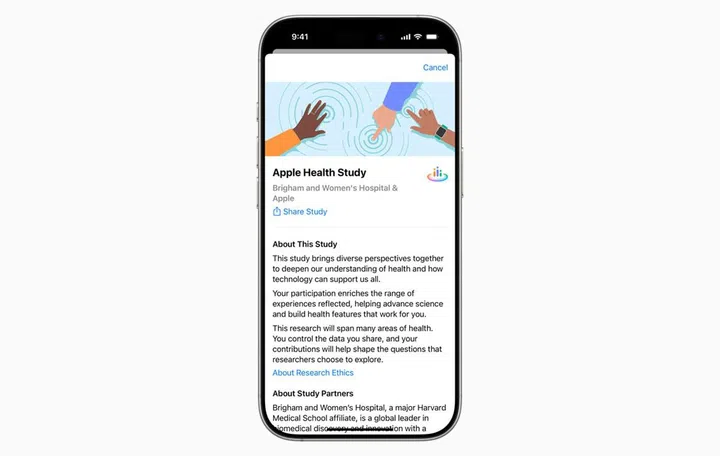
The Apple Health Study enrollment page inside the Research app. Image: Apple.
This study is done in collaboration with Brigham and Women’s Hospital, the second-largest teaching hospital of Harvard Medical School. It has more than 1,000 physician-investigators doing research and an annual research budget of "more than US$640 million".
Apple Health Study is also a follow-up to Apple's existing health studies, such as the Apple Women’s Health Study, the Apple Hearing Study, and the Apple Heart and Movement Study.
These studies eventually translate into health features on Apple devices, like the AirPods Pro 2, which can double as a clinical-grade hearing aid today. Based on the scope, we believe the Apple Health Study would significantly affect the Vitals app, as seen in our Apple Watch Series 10 review.
Currently, only participants in the U.S. can enroll in the new Apple Health Study via Apple’s Research app.
Source: Apple (newsroom)
Our articles may contain affiliate links. If you buy through these links, we may earn a small commission.