
Olympus XZ-1 - The Fastest Lens on the Block
According to Olympus' website, the 'X' in 'XZ-1' is a brand new 'Creator' series of cameras, so named to separate it from the rest of Olympus' compact cameras. And stand out from the rest it does, with a list of impressive credentials. Find out how this prosumer compact matches up in our usage.

Introduction
According to Olympus' website, the 'X' in 'XZ-1' is a brand new 'Creator' series of cameras, so named to separate it from the rest of Olympus' compact cameras. And stand out from the rest it does, with a list of impressive credentials. It has a 1/1.63" CCD sensor, which is larger than usual for a compact. For comparisons' sake, the popular uses a 1/1.7" sensor. Coincidentally, the also uses a 1/1.63" CCD sensor. The XZ-1 also has fully manual controls, as well as an accessory port equal to those found on the and . This latter means that the XZ-1 can use whatever accessories its bigger brothers can.
And the most exciting feature about the XZ-1 must be its f/1.8-2.5 i.Zuiko Digital lens with a 35mm equivalent focal length of 28-112mm, which makes it the first compact with a Zuiko lens and the fastest glass that can be found in a compact camera today. To put things into perspective, the Canon S95 goes f/2.0-8.0 at 28-105mm, the Panasonic LX5 does f/2.0-3.3 at 24-90mm and the Samsung EX1's lens opens to f/1.8-2.4 at 24-72mm.
(If you're wondering what all these numbers mean, a lower f-number simply means the lens' opening – or aperture – can open wider, allowing more light in and letting the photographer shoot at a faster shutter speed compared to a lens with a smaller aperture, especially in low light. That's why they're called brighter or faster lenses. Another consequence of shooting with a wider aperture is that you get blurrier backgrounds, which brings focus to your subject and adds to the aesthetic of an image.)
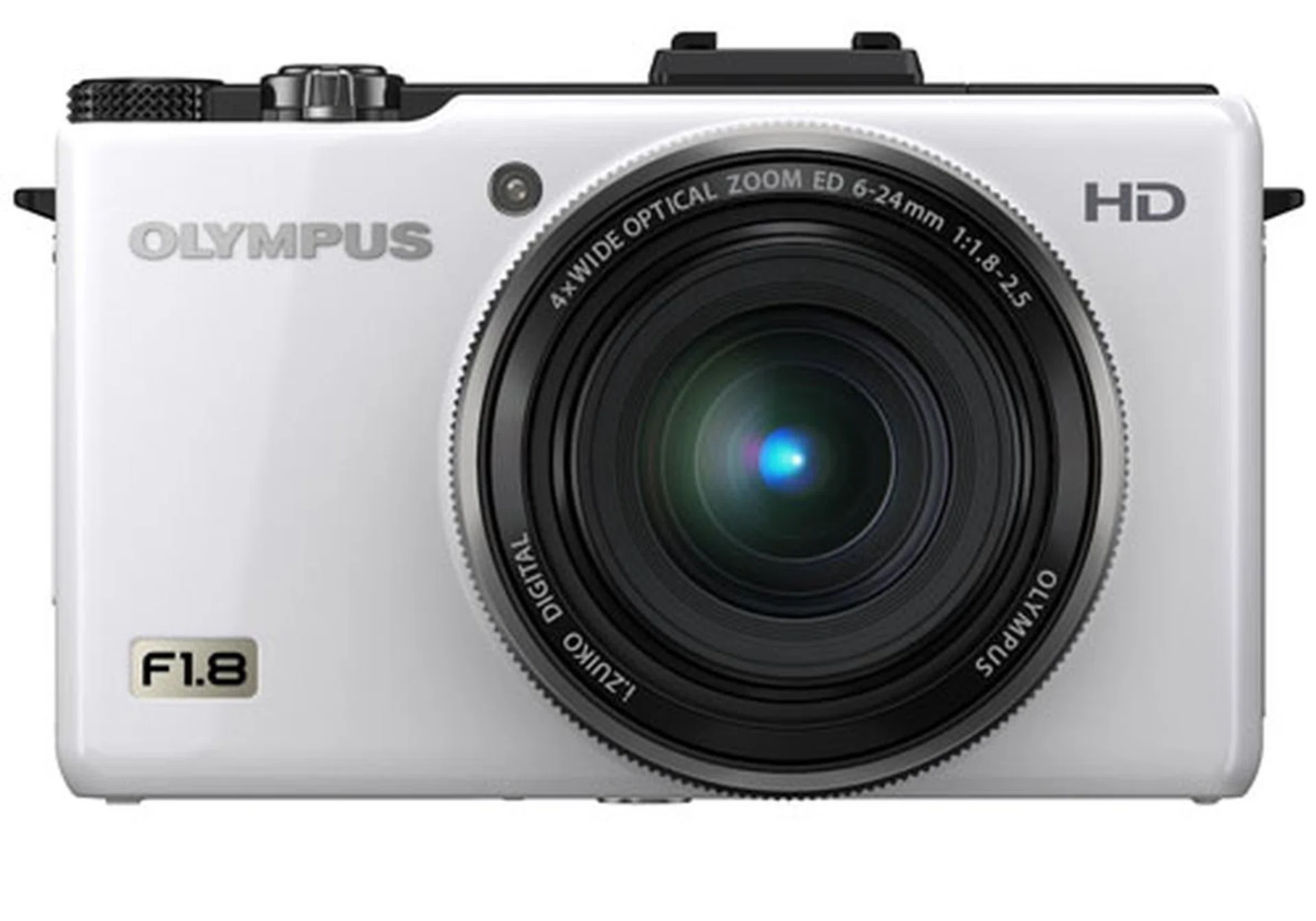
The Olympus XZ-1in all her glory. We got the black edition for review, so read on for our assessment.
Design & Handling
The XZ-1 belies its powerful internals with an unassuming exterior. The front face is smoothly unadorned, except for a bold F1.8 plate on the bottom left. The body is tall but slim, not much larger than your average compact and comfortable in the hand. The XZ-1's lens is protected by a lens cap, which can be more troublesome than an automatic cover. However, the XZ-1's cap doesn't attach to the lens itself; it's simply a slip-on cover, which means that whenever you switch the camera on and the lens slides out, it automatically pushes the cap off. How convenient! Unfortunately, this also means that the cap can sometimes come loose in your bag and expose the lens.

The lens cover is simply a plastic top, which means it can be easily pushed out of the way by the lens extending and also easily loosened in a bag.
The XZ-1 features a control ring around the lens, similar to the one first seen on the Canon S90. It gives you quick manual control whenever you're in Shutter or Aperture Priority mode, and in Manual mode it governs the aperture setting while a wheel control dial on the back takes over shutter speed. While the control ring works great, the rear wheel is small and fiddly. It's also flabbergasting that the rear wheel doesn't automatically gain shutter speed control while in Manual mode, instead you have to press up first to change shutter speed.
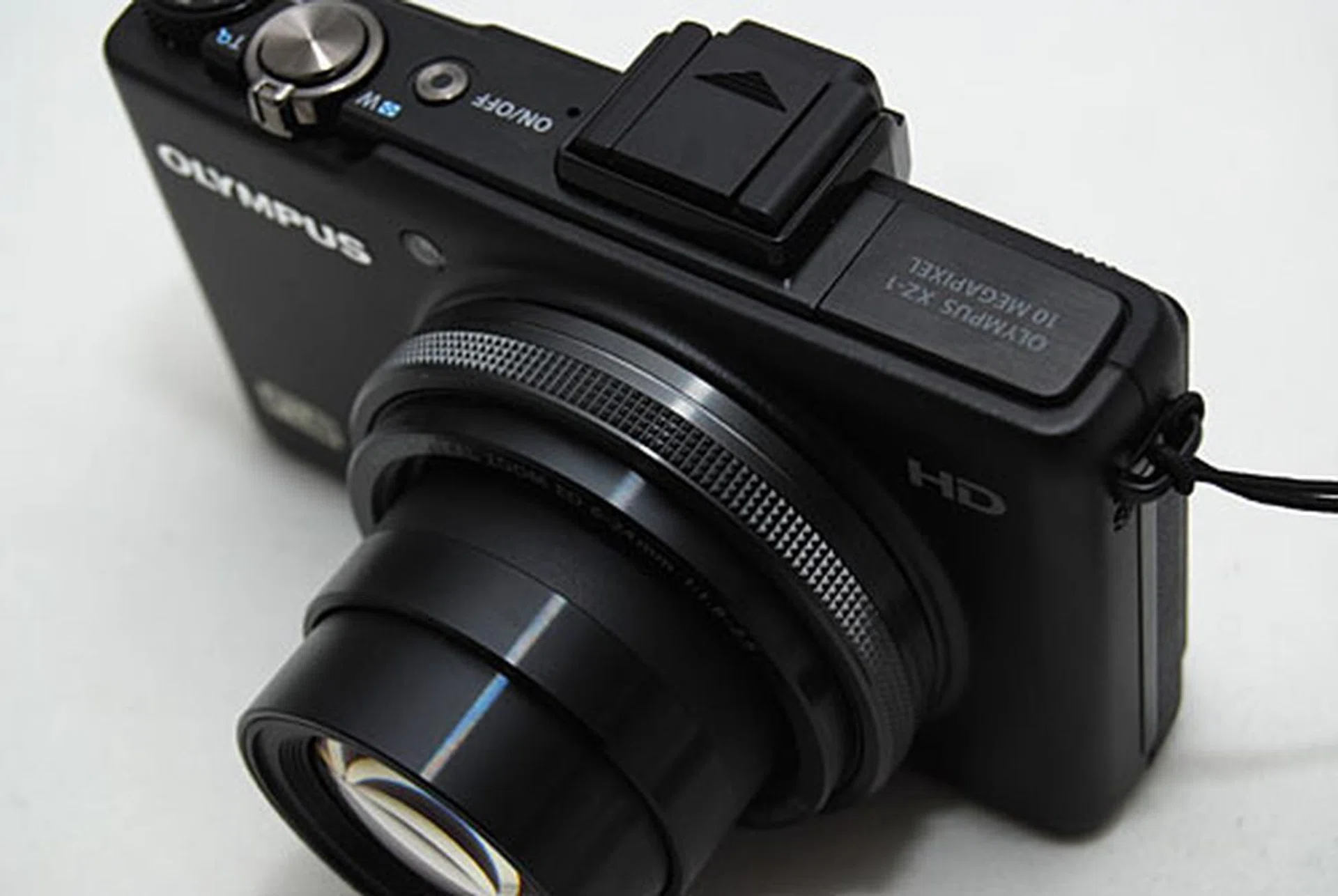
The ribbed ring around the lens is the control wheel.
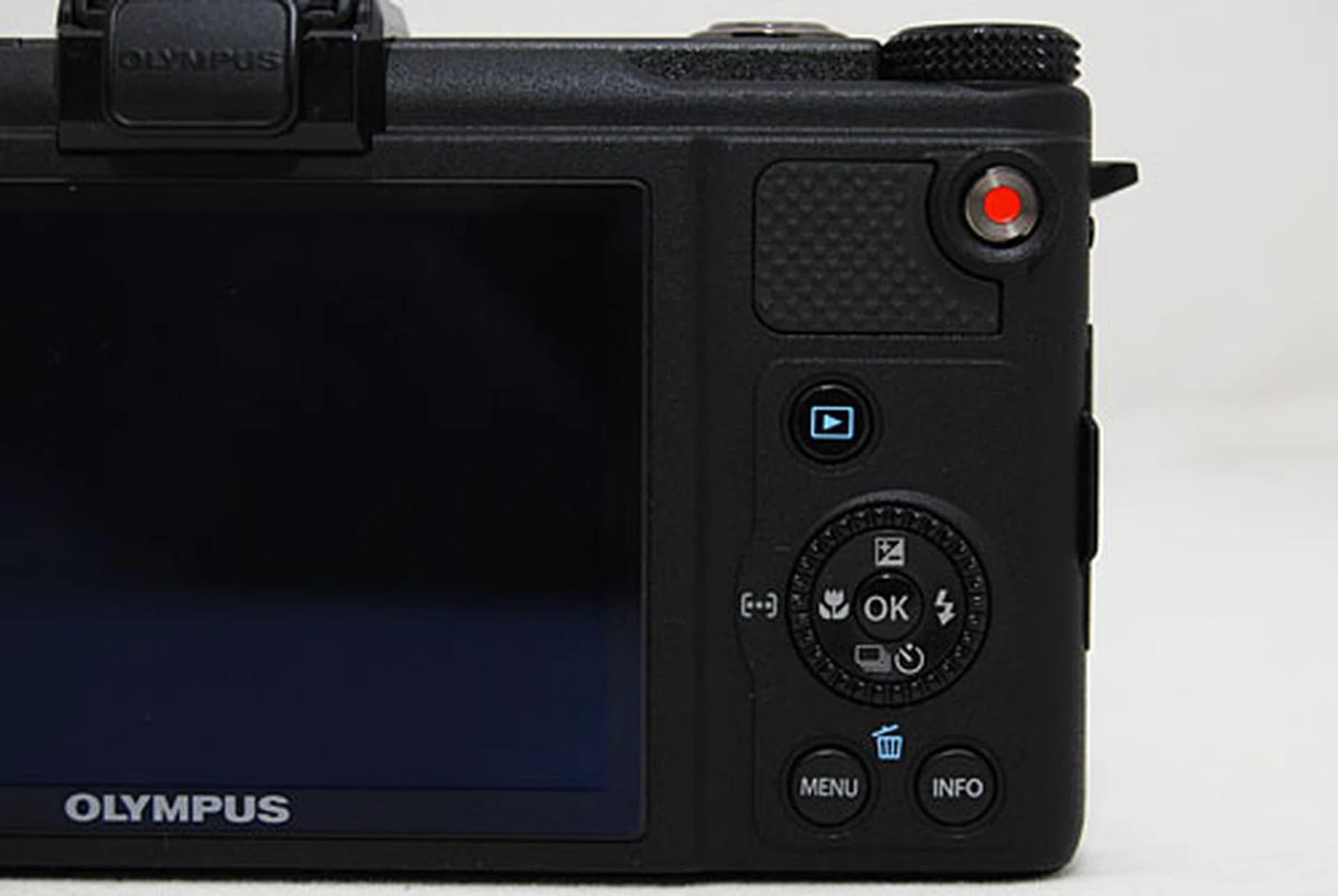
The rear wheel feels small and fiddly.
The rear wheel's d-pad also gives direct access to four different settings: up for exposure, right for flash, down for shooting mode and left for focus point, which is one of our favorite features. To tell the XZ-1 where to focus, simply press left, and then use the d-pad to select any of the 11 AF points that come up. Confusingly though, the left button also doubles as the macro focus control, and to get the XZ-1 to macro mode you then have to press left and press the Info button on the bottom right of the d-pad. Otherwise, you can access most of these settings plus others like ISO and white balance through the overlay menu by pressing OK that's in the middle of the d-pad.
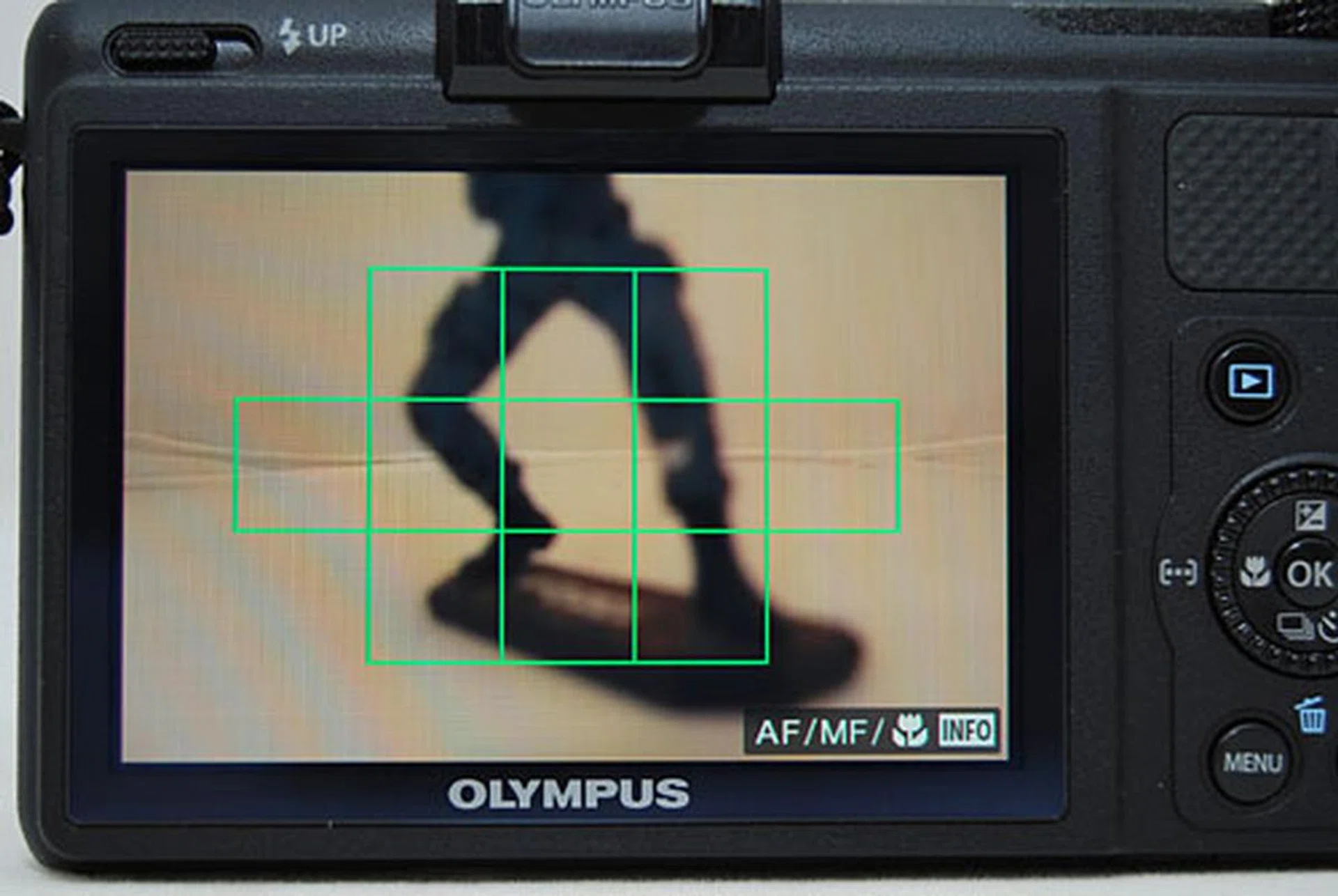
Tap left on the d-pad and you'll get to select from 11 focus points.
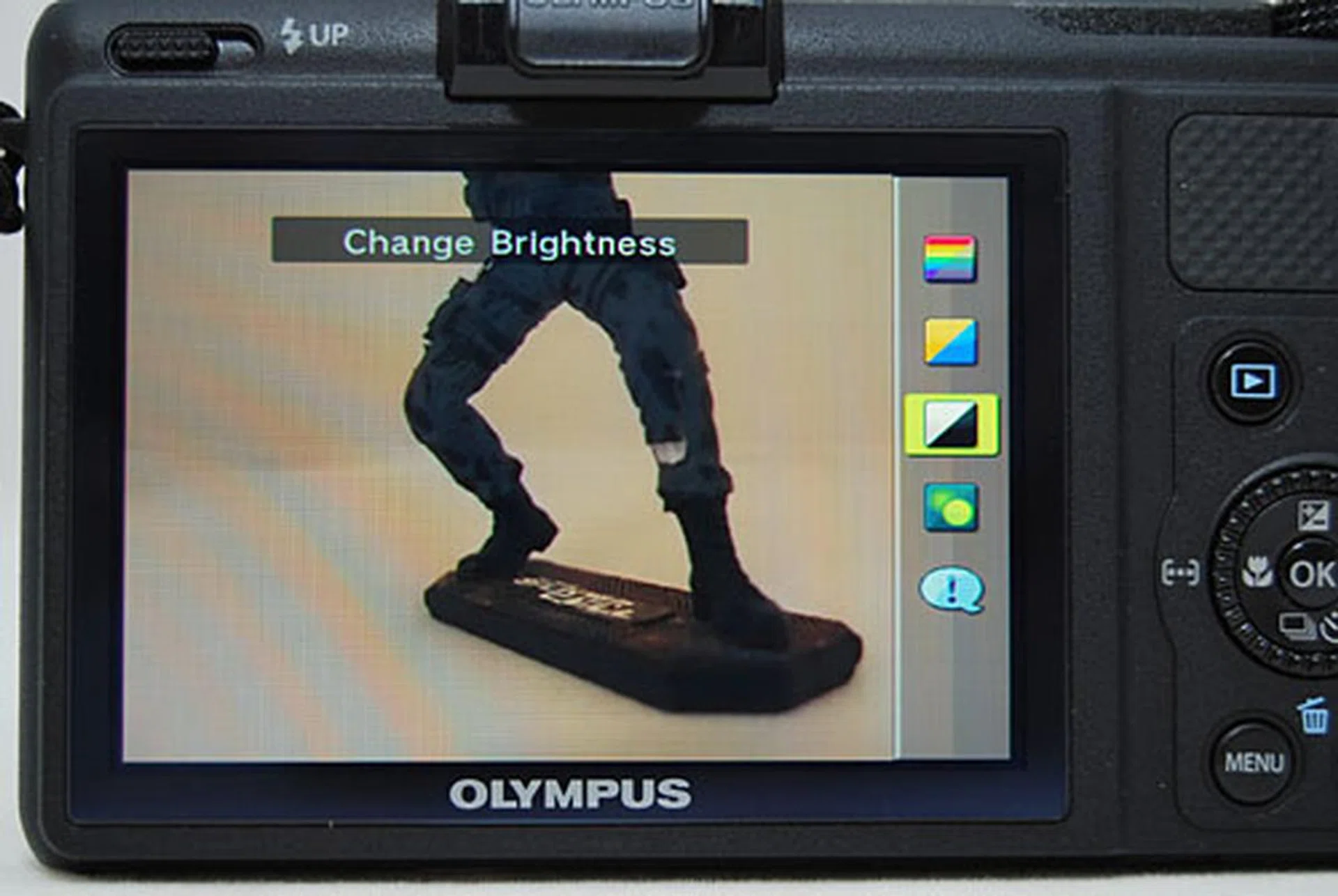
Like the Olympus PEN E-PL2, the XZ-1 features the new Live Guide, with easy-to-understand controls like 'Blur Background', 'Express Motions' and 'Change Color Image', and corresponding sliders to modify each function.
Image Performance
The XZ-1 recorded a maximum result of 1800 x 2000 LPH on our resolution chart, which means it's capable of recording high levels of detail. It's hampered however, by what looks like aggressive noise reduction, which results in smudging, moiré patterns and general loss of detail in JPEGs. We also found that the Natural color mode tends to saturate the warmer colors, making skin tones a little orangey in some instances. All of this is nothing that shooting in RAW won't solve, and here the XZ-1 can shoot an impressive 11 to 12 frames successively before the buffer runs out. But RAW is a work flow which not every consumer compact camera user will understand.
So if you're shooting in JPEG, you need to keep within the lower ISO settings, not because image noise is the issue but because noise reduction smudges more detail as sensitivity goes up. ISO 800 is when some noise starts to appear, but if you're not pixel-peeping you might be hard-pressed to see much image noise until ISO 1600 and above. Needless to say, this is much better than you can get from a typical compact camera.
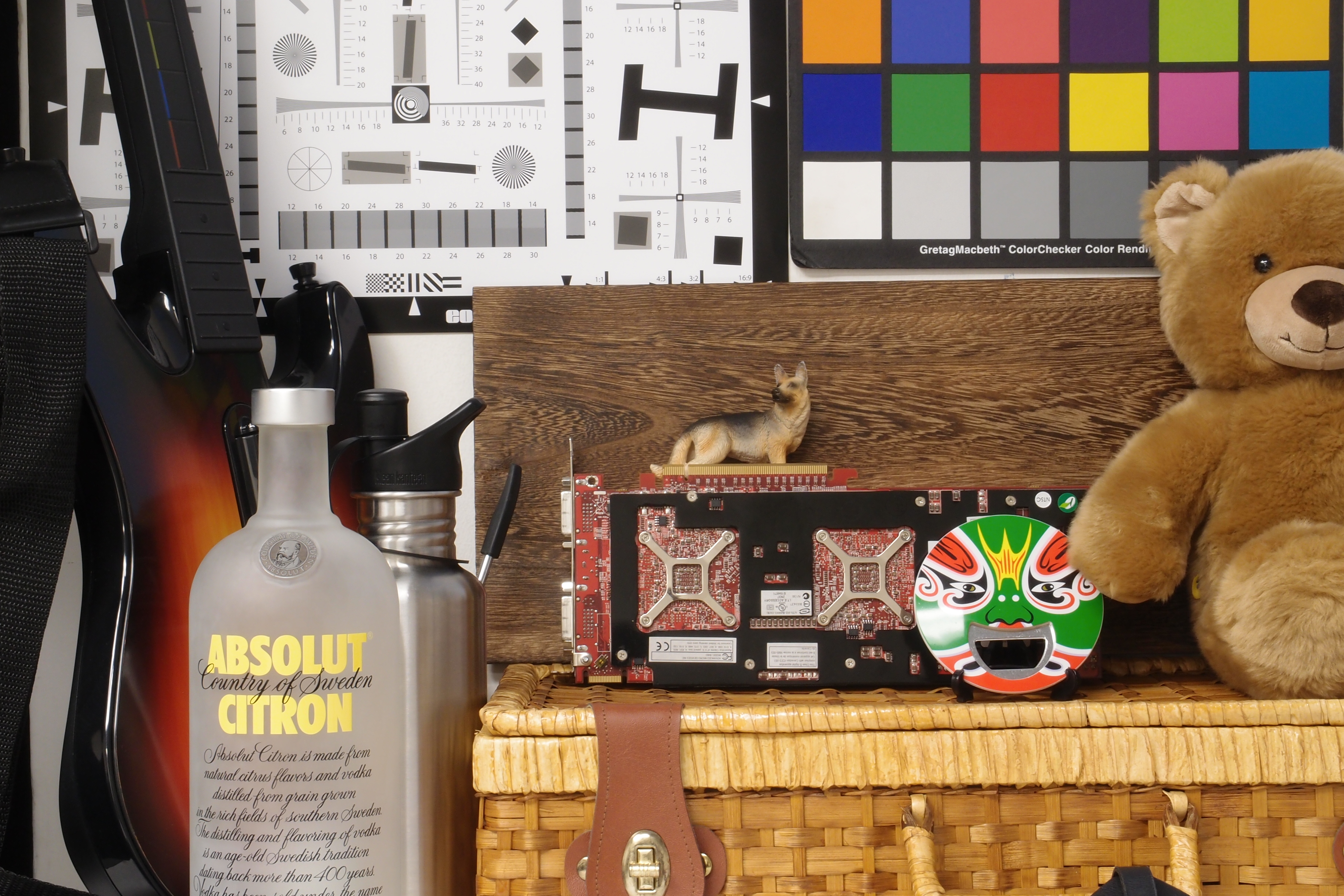
ISO100, 100% crop. Click for full resolution image.
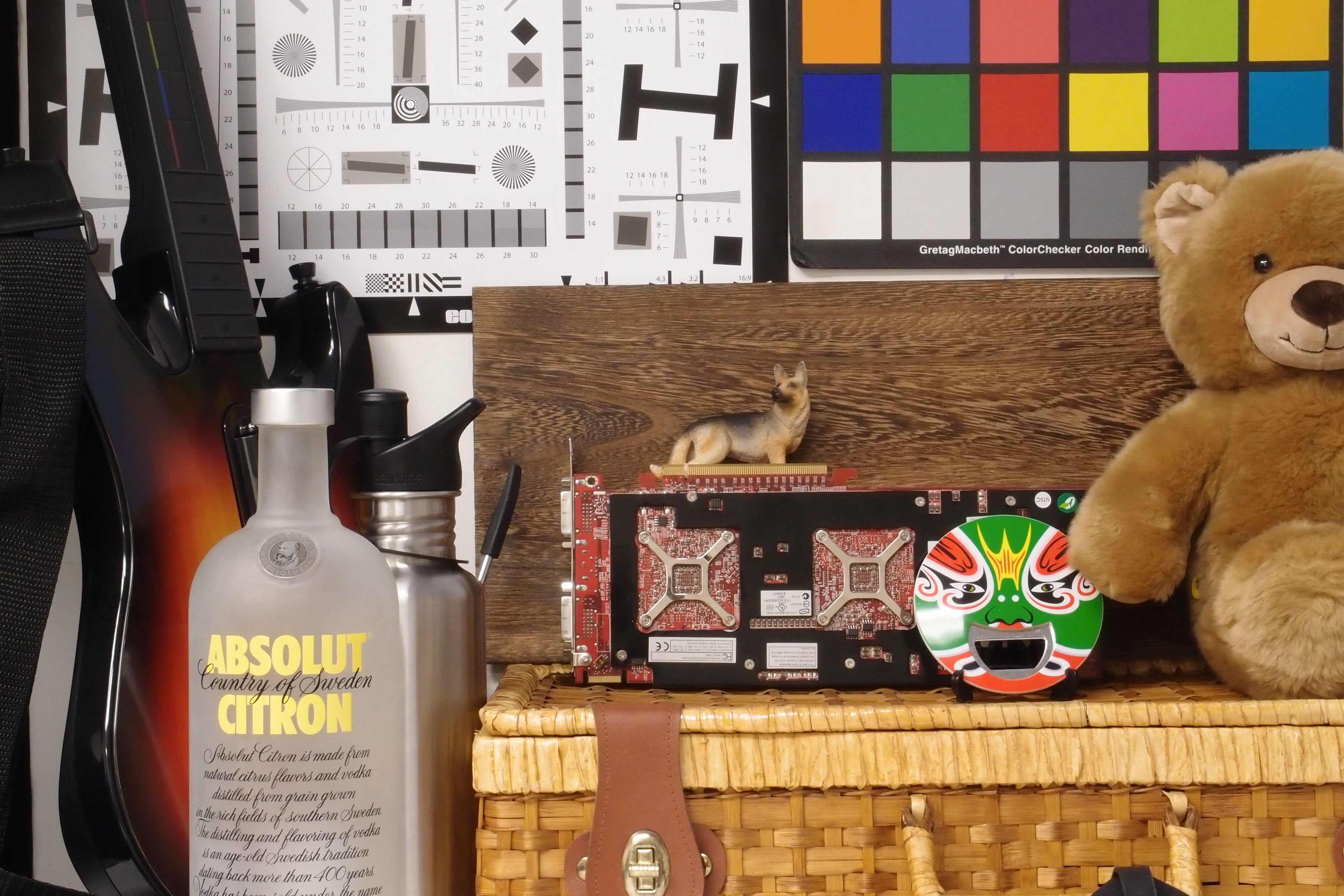
ISO400, 100% crop. Click for full resolution image.
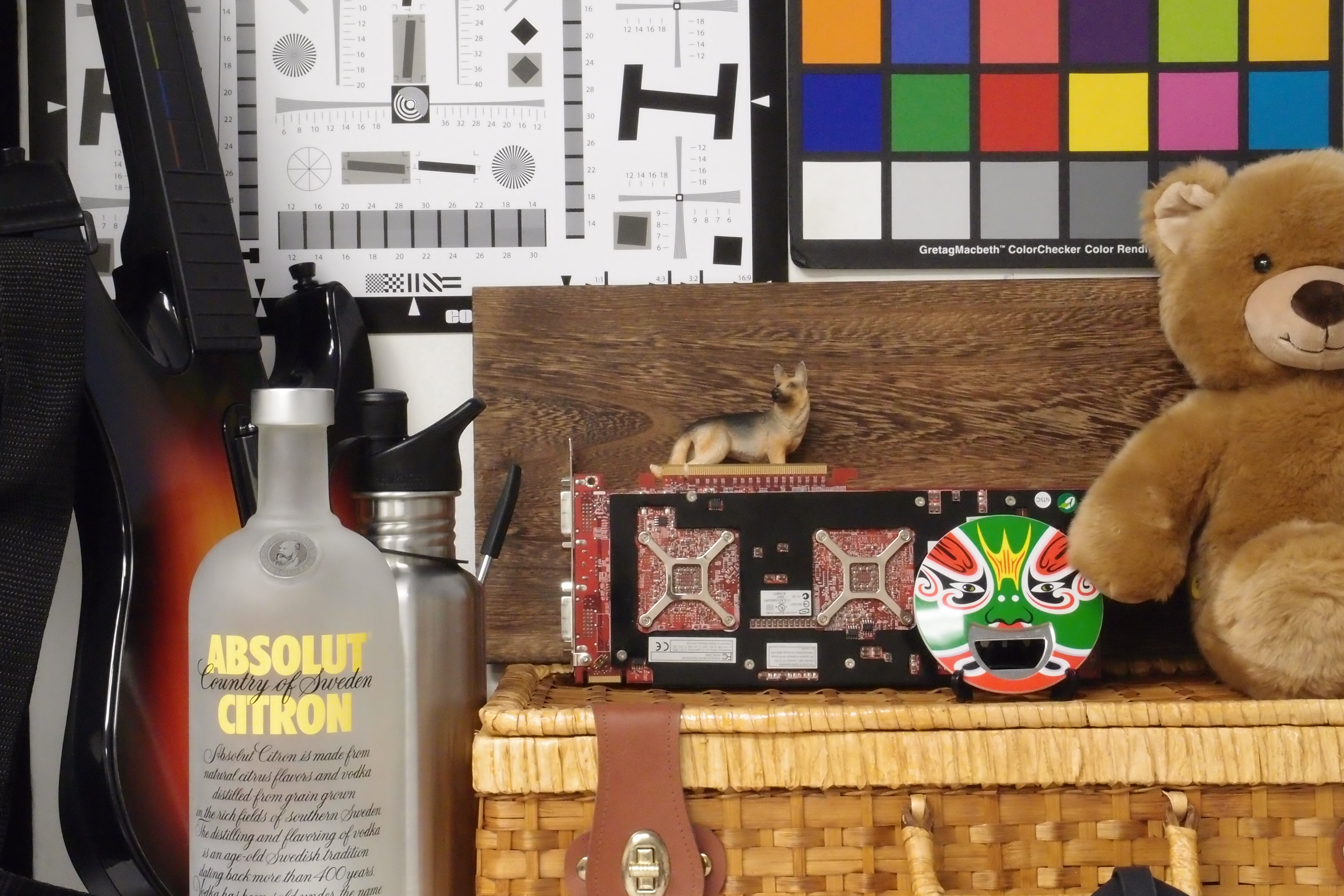
ISO800, 100% crop. Click for full resolution image.
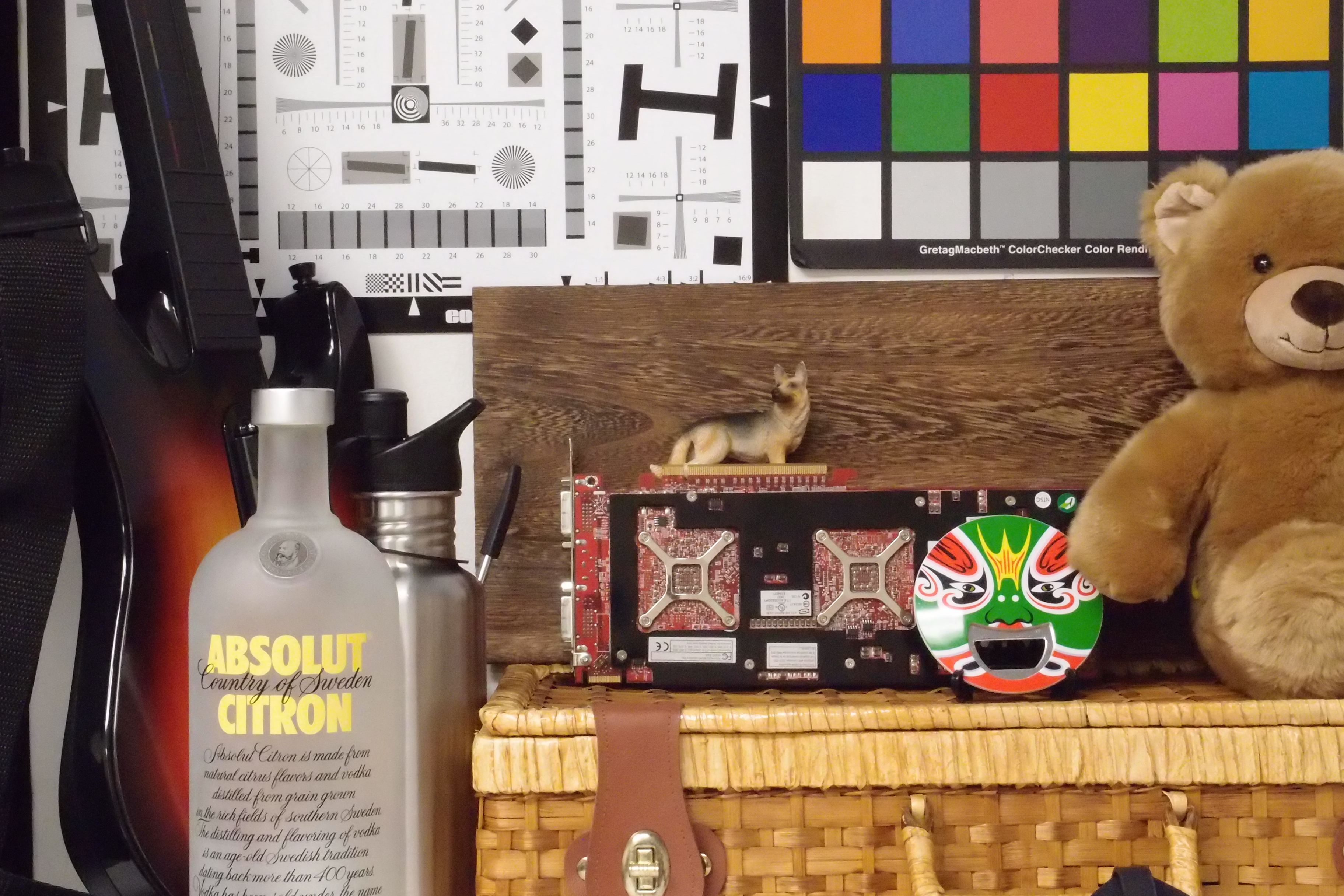
ISO1600, 100% crop. Click for full resolution image.
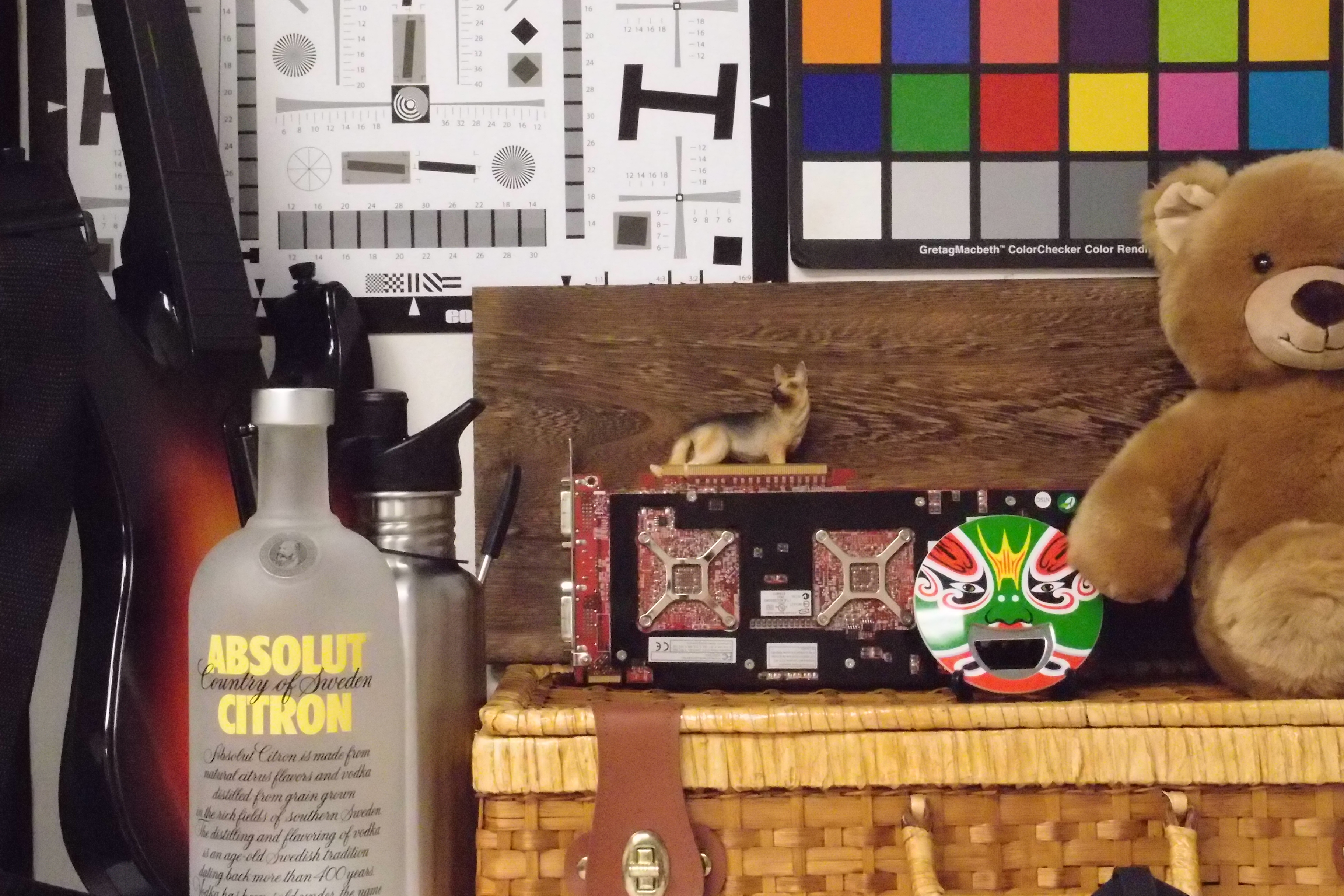
ISO3200, 100% crop. Click for full resolution image.
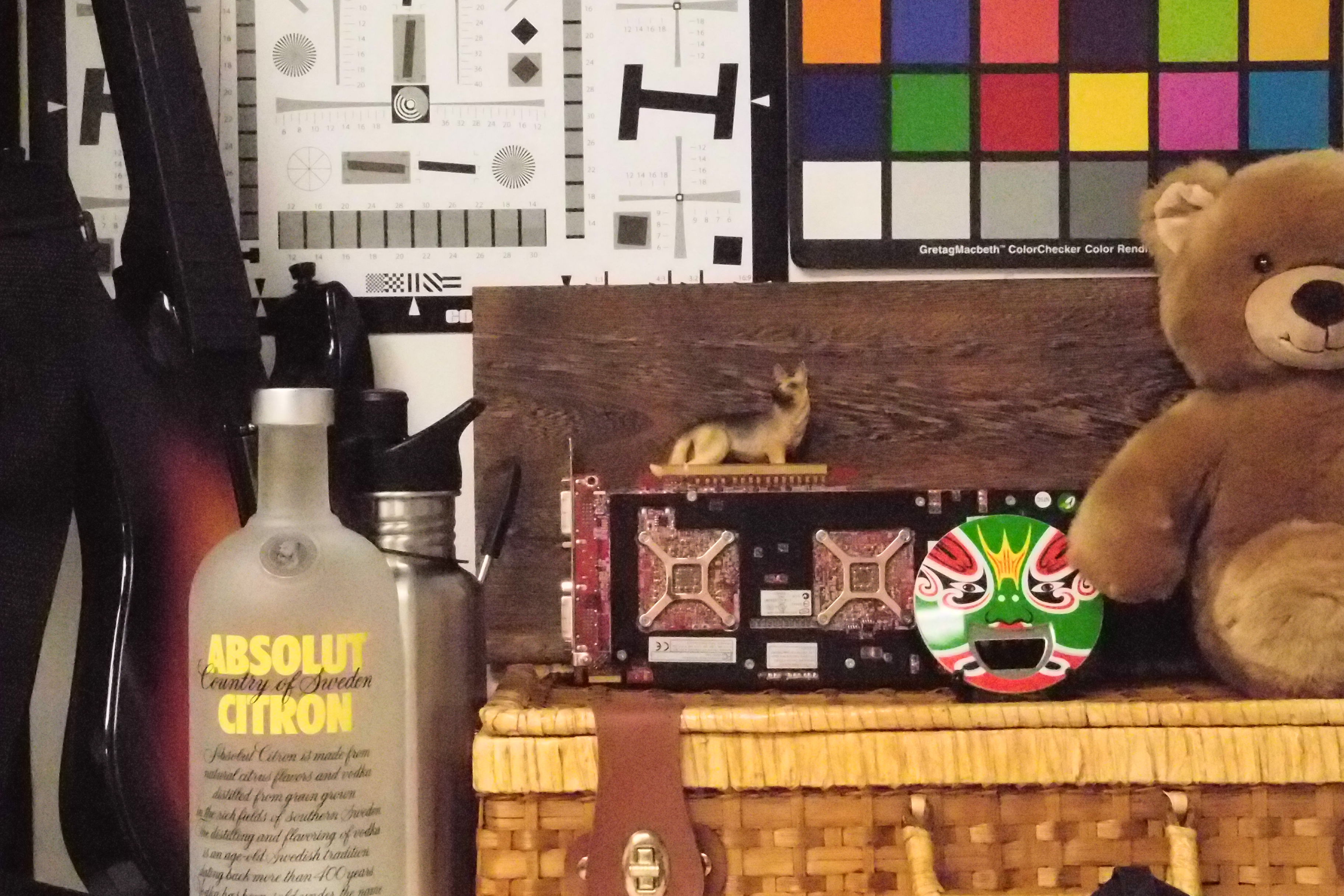
ISO6400, 100% crop. Click for full resolution image.
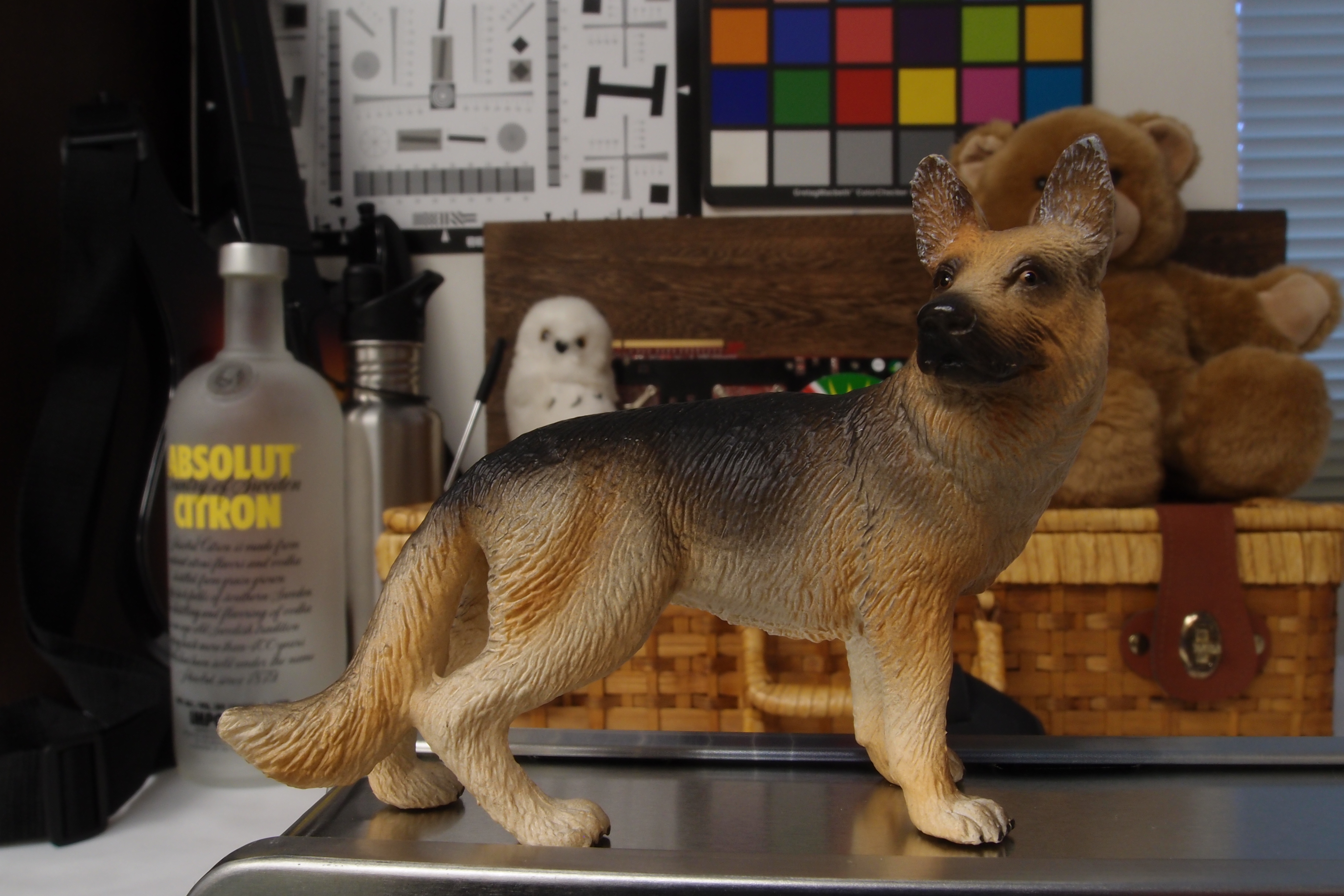
The fast lens helps you to keep your ISO down and thus get less noise in your shots; in fact, while shooting at night, the XZ-1's wide aperture helped us get steadier shots with faster shutter speeds and lower ISO settings than most compact cameras can muster. The downside to this is that at f/1.8 your focal plane is pretty tight, and anything too far back (like a friend standing behind your other friends) runs the danger of becoming part of the background blur.
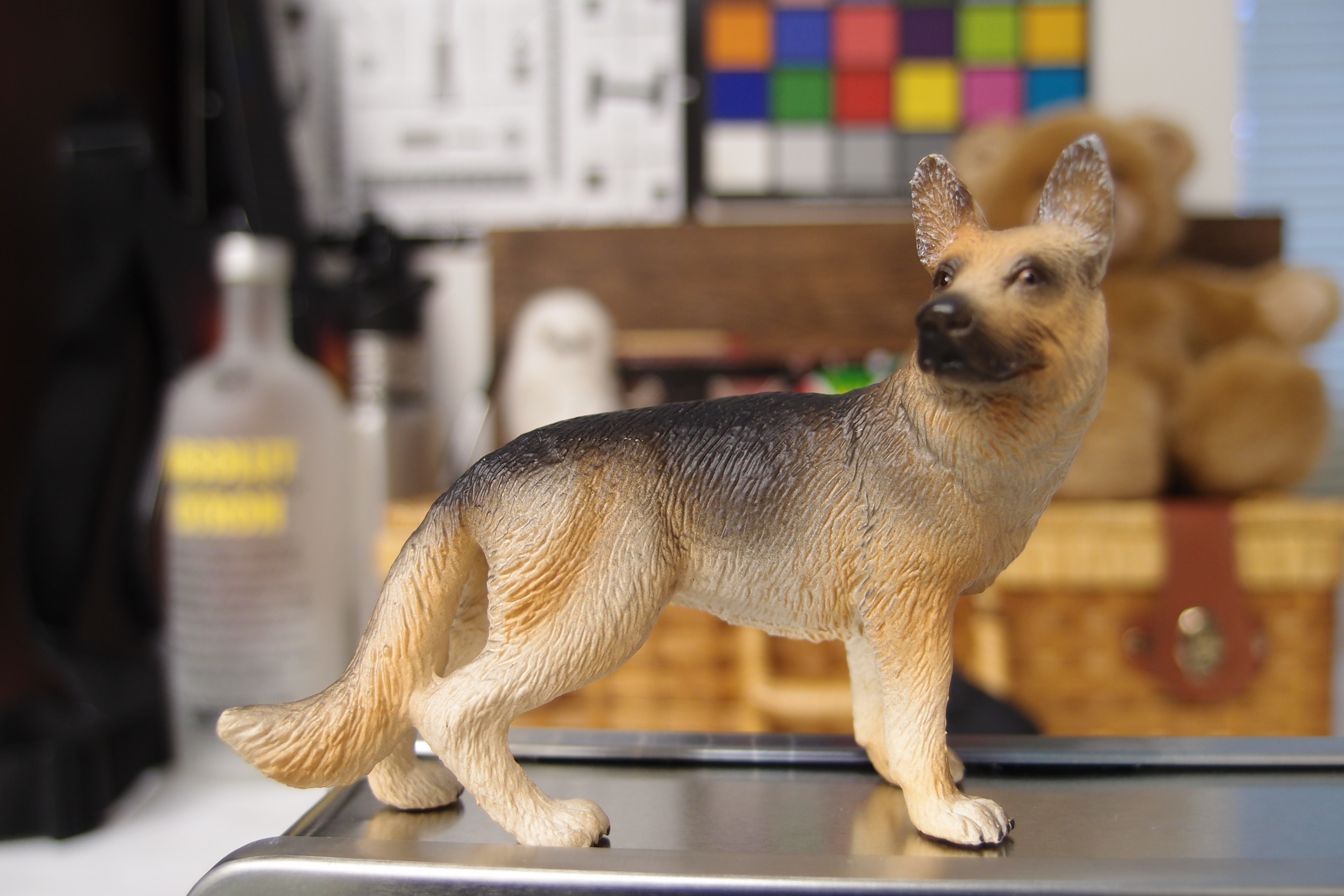
Shooting wide open at the maximum f/1.8 with the camera mounted close to the subject. The focal plane is tight; notice how the model's right eye is in focus while the left eye is not.
The same shot at f/8.
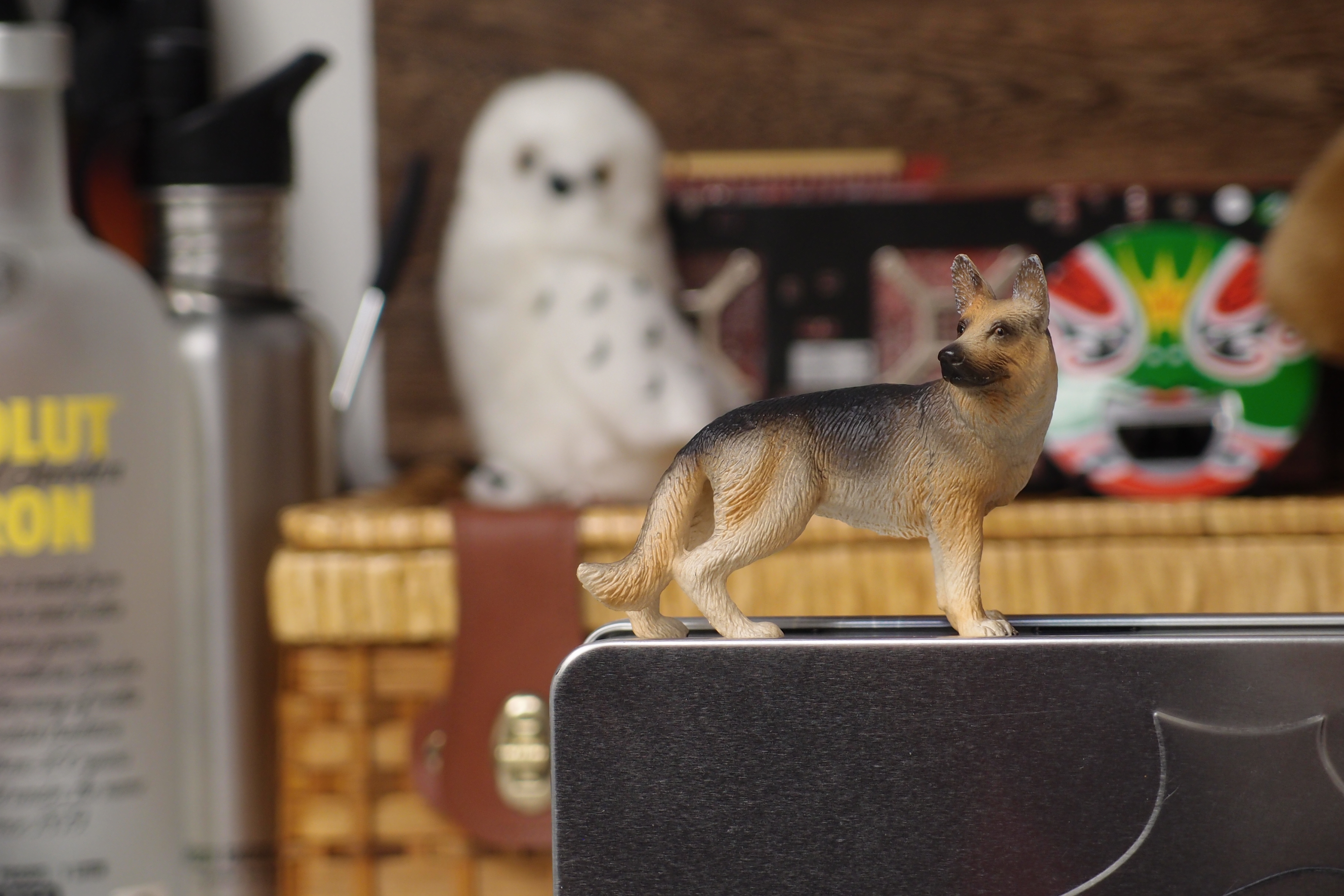
A sample of the background blur possible at the longest end of the lens, f/2.5 at the XZ-1's maximum zoom of 112mm (35mm equivalent).
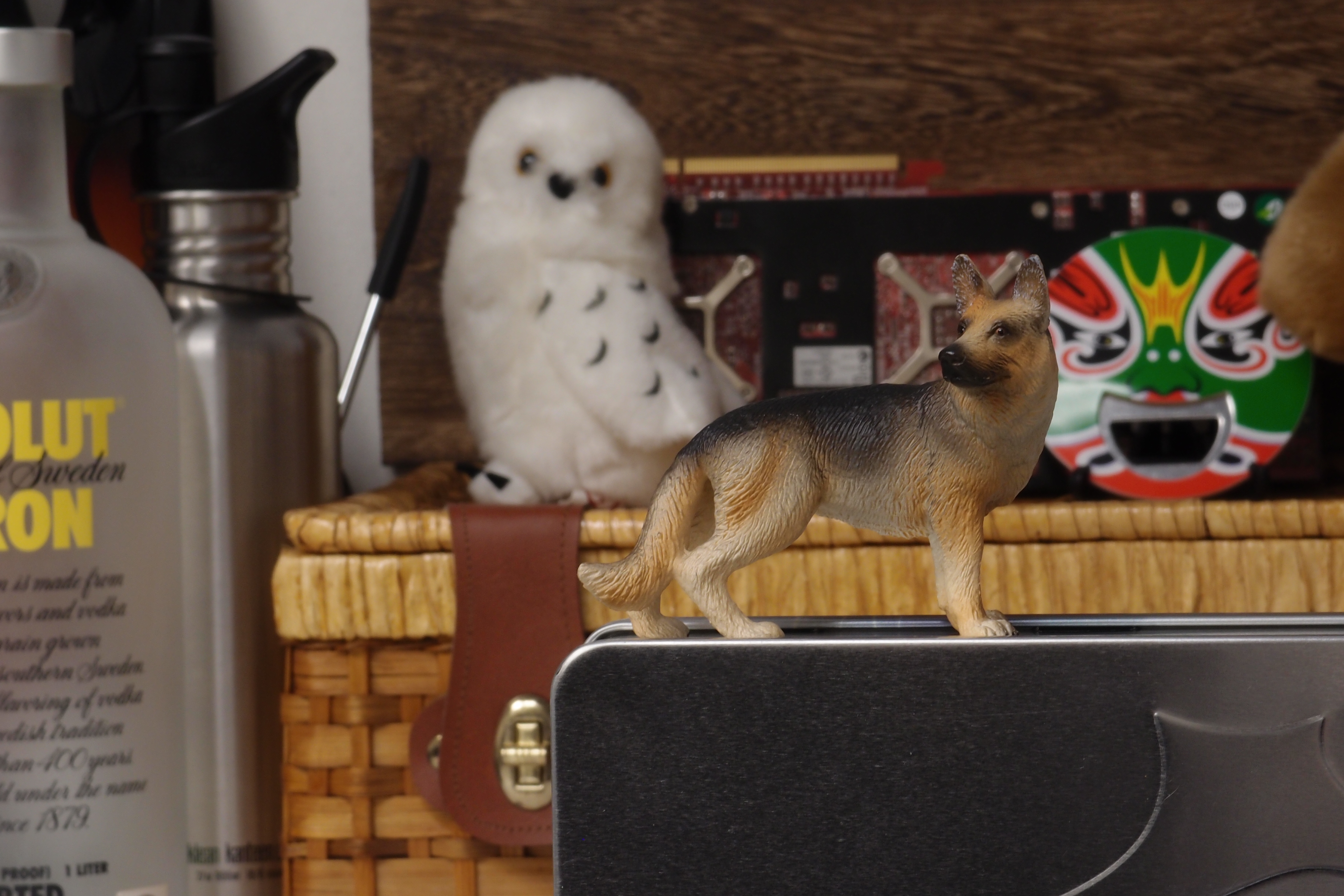
The same shot at f/8.
In our experience, the issue is further compounded in iAuto mode, where the XZ-1 prefers to shoot at the widest aperture possible instead of increasing the ISO sensitivity, regardless of whether you're shooting a portrait or landscape. If you must use flash, the XZ-1 lets you stop down the flash's power easily from within the flash menu, from full power to 1/64, so you can get more natural-looking flash that doesn't produce harsh shadows.
Sample Photographs
These are sample photographs shot with the Olympus XZ-1. The photos have not been post-processed and are copyright to SPH Magazines. We kindly ask that you do not reproduce them elsewhere. Click to see the full-resolution originals.

f/1.8 at 34mm, 1/20 sec, ISO200.

f/1.8 at 28mm, 1/10 sec, ISO200.

f/1.8 at 28mm, 1/30 sec, ISO200.

f/2.2 at 71mm, 1/60 sec, ISO200.

f/2.5 at 112mm, 1/25 sec, ISO200.

f/4.5 at 28mm, 1/60 sec, ISO4000.
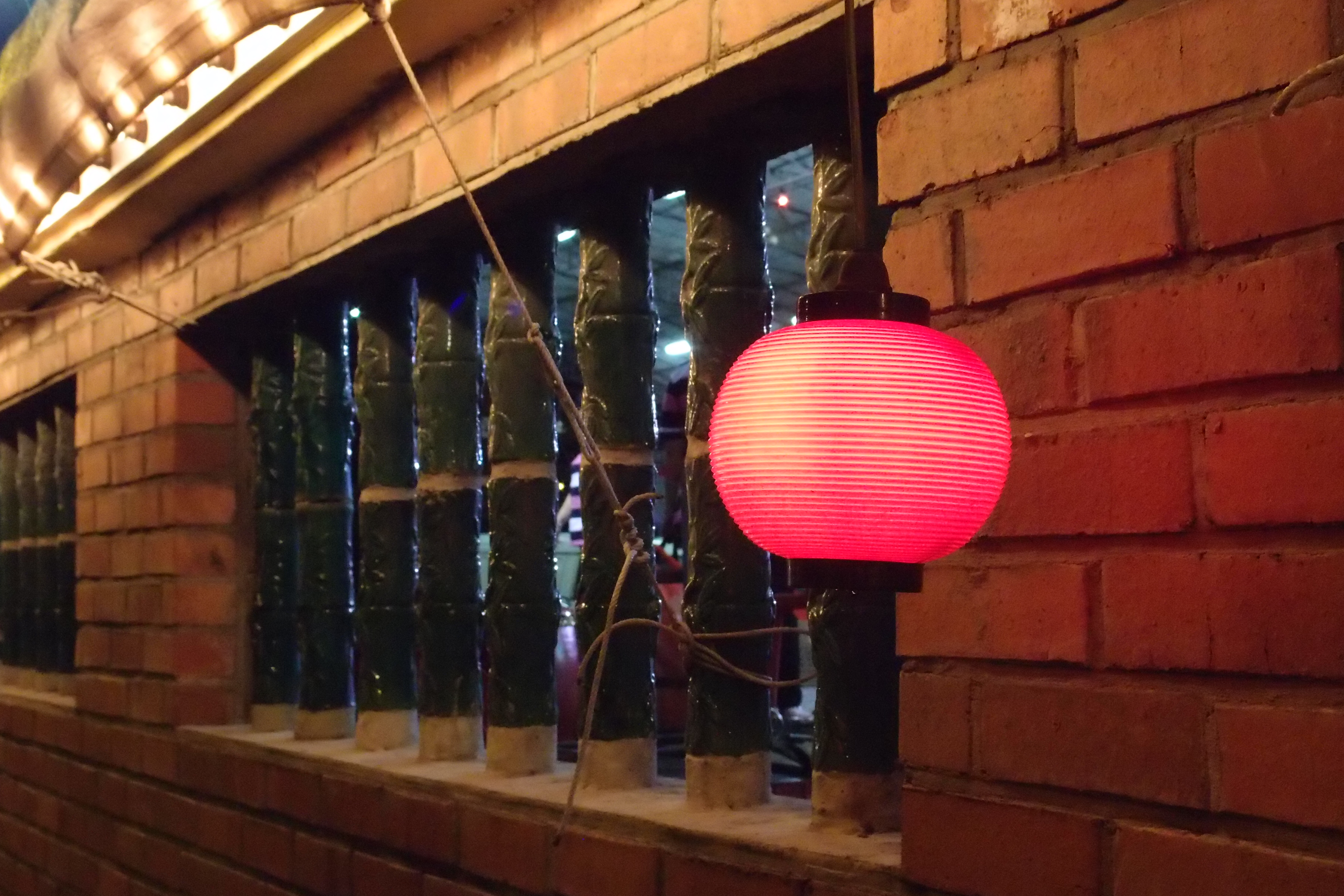
f/3.5 at 50mm, 1/60 sec, ISO1600.
Conclusion
It's heartening to see that instead of indulging in the megapixel war – which isn't a very good indicator of camera performance – camera manufacturers are turning to other great features like larger sensors and faster glass which do more to improve image quality. The Olympus XZ-1 is one such camera, and it deserves much praise for its incredible f/1.8-2.5 lens. While advantages like the control ring, manual modes and quick access to AF points are bonus points, its handling falls just slightly short of perfect with the loose lens cap plus the small and fiddly control wheel.
While shooting in JPEG, noise reduction just seems a tad aggressive, smoothing away too much detail in the process; and there's no way to tone it down in the menu. Even though that problem can be sidestepped by shooting in RAW, not every consumer who buys the camera is likely to do so.
The Olympus XZ-1 thus produces a mixed bag of emotions, with a fast lens, good image performance tempered by aggressive noise reduction and handling that could have been better. Instead of an all-purpose camera for the general masses, it feels like it would do better in the hands of an enthusiast who knows the camera's capabilities and knows what the user wants out of his/her shots. While it's not perfect, the XZ-1 is an innovative and well-performing camera which heralds bold promise for the X-series, and a delight for enthusiasts who recognize its strengths as well as its weaknesses.
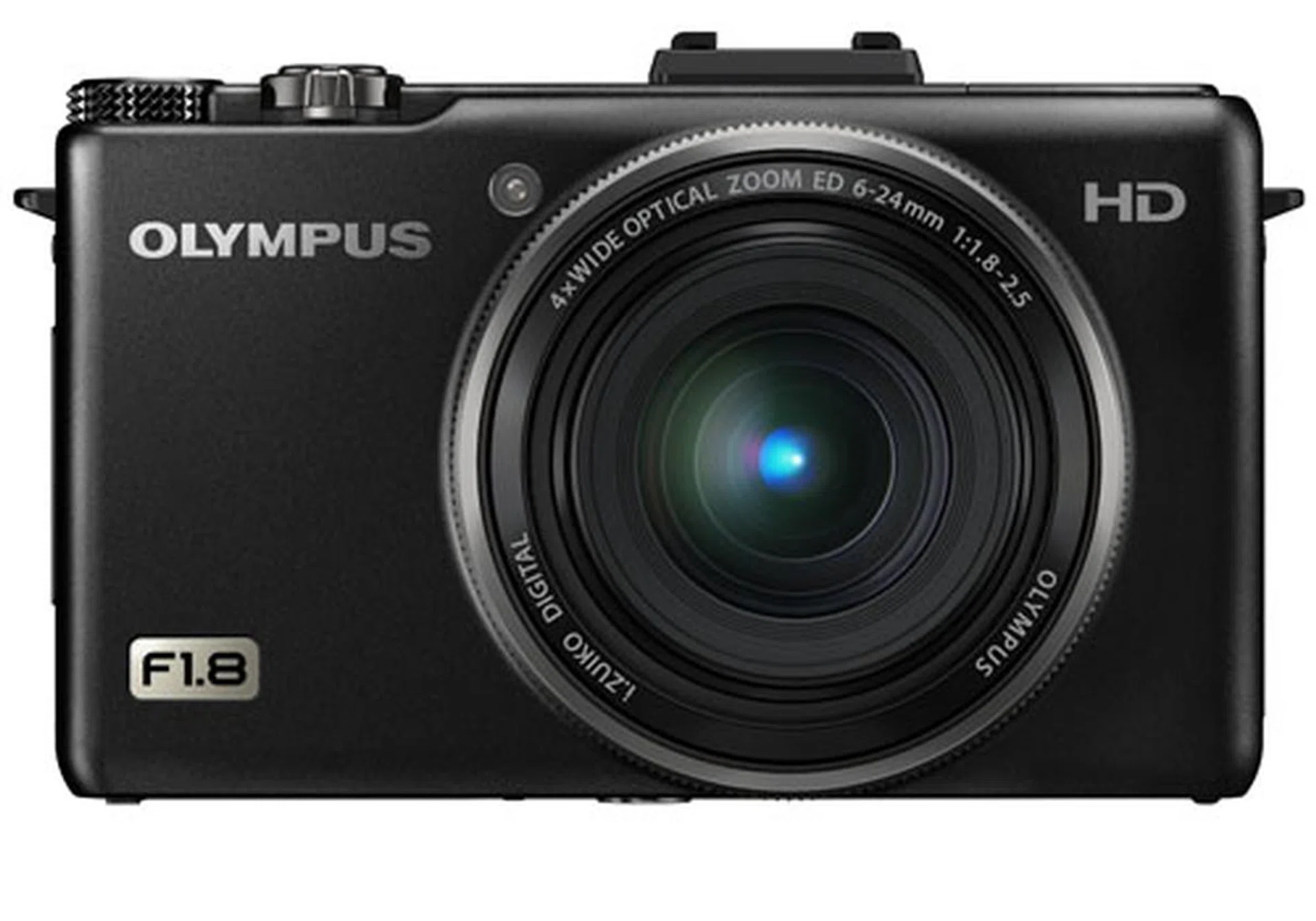
The Olympus XZ-1 is an excellent prosumer compact camera for those who know the capabilities and limitations of the camera and know what they want out of their shots. As such, it's not an ideal camera for everyone even though it has great performance to offer.
Our articles may contain affiliate links. If you buy through these links, we may earn a small commission.