
Nikon Z6III review: The mid-range full-frame mirrorless camera you never knew you wanted
The Nikon Z6III is an excellent mid-range full-frame mirrorless camera. #nikon #camera

Introduction and Features
The sleeping imaging giant Nikon has awakened yet again. Just when you thought the Z 8 was the end game, the Z6III arrives. Unlike the identity crisis-stricken Z 8, the Z6 is Nikon's proper mid-range full-frame mirrorless series. After almost four years, the third-generation Z6 is finally here. Also, let's take a small timeout to ask what's with the naming convention? Can Nikon just decide on a consistent spacing?
The Z6III features the world’s first partially-stacked CMOS image sensor. Unlike the whopping 45.7-megapixel stacked full-frame CMOS sensor of the Z 8, the Z6III’s has a smaller count of only 24.5 megapixels. As a result, the Z6III has a lower price point of S$3,899 (body only) compared to Z 8's S$5,999. However, it is S$800 more expensive and 55g heavier than its predecessor Z6II.
But with the new image sensor, the Z6III is able to offer 3.5x faster readouts than Z6II. With pre-release capture, it is said to be able to shoot up to 20fps (frames per second) in RAW, 60fps in full frame JPEG, and up to 120fps in APS-C cropped JPEG.
TL;DR: Some slight sluggishness at low lighting, but the Z6III as a whole delivers in all aspects for a mid-range full-frame mirrorless: great build quality, swift operation, superb handling, and excellent image quality.
Note: You can buy the Nikon Z6III and its various kit lens configurations from Nikon's webstore.
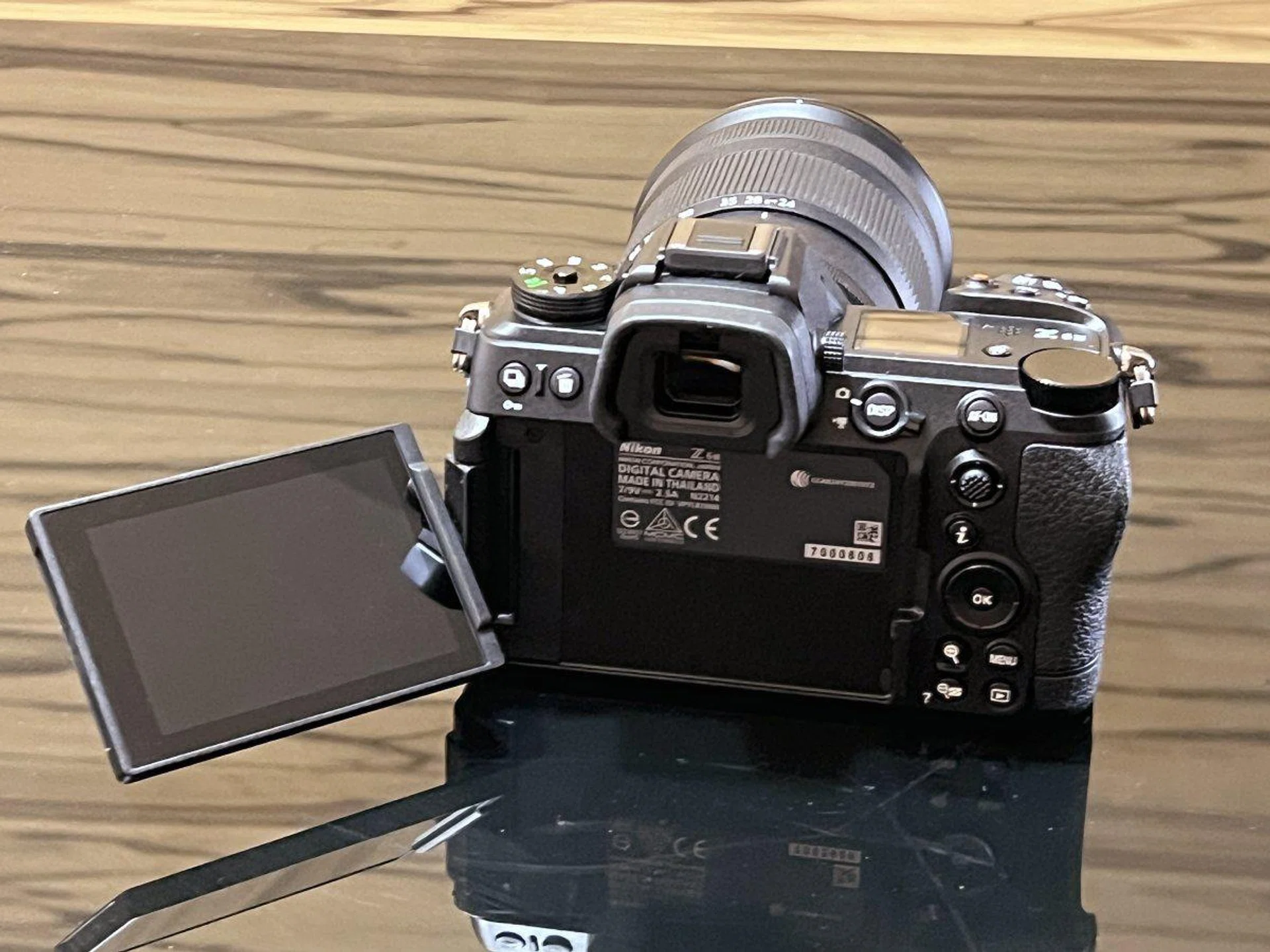
2.1-million dot, 3.2-inch touchscreen display that can rotate 270-degrees.. Image Source: HWZ
In addition, the Z6III features an articulated 2.1-million-dot 3.2-inch touchscreen display that can rotate 270 degrees for an easy selfies. This is something lacking in Z6II. Not to mention, the Z6III features a higher-resolution 5.76 million-dot EVF (electronic viewfinder), compared to its predecessor’s 3.68-million-dot EVF. It’s so sharp, you feel you are looking through an optical viewfinder.
The Z6III uses Nikon’s latest Expeed 7 image processor, and is said to preserve intricate textures and allows for stunning low-light photos at up to ISO 64000. Plus, the camera boasts an in-body image stabilisation (IBIS) system that is supposed to prevent camera shake for up to 8 stops.
It also comes with 299 autofocusing (AF) points (up from Z6II’s 273 AF points) with subject detection for up to nine types of subjects, including humans, animals, vehicles and aeroplanes.

You can track humans, animals, vehicles and aeroplanes. Image Source: HWZ
Like its predecessor, the Z6III has one CFExpress Type B card slot and one SD (UHS-II) card slot. Having two cards slots are definitely better than one, as you can have more storage or store still images and videos in separate cards.
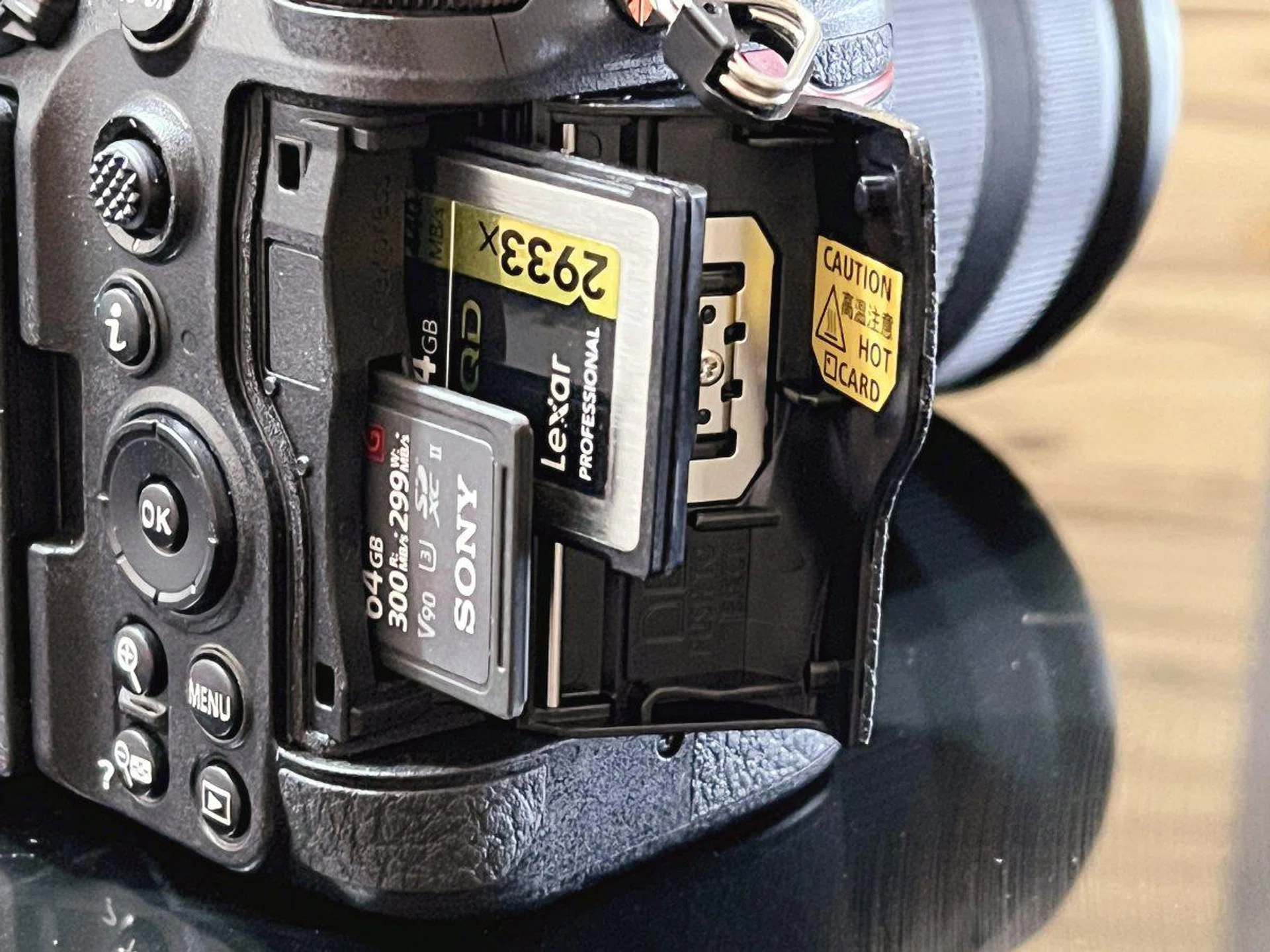
1x CFExpress Type B and 1x SD UHS-II card slots. Image Source: HWZ
Before you think Nikon might leave out some ports for Z6III’s lower price tag compared to the flagship models, fret not as it has all the ports you probably need. The left side of the camera houses a microphone-in audio port, a headphone port, a HDMI port and a dedicated cable release port - all protected by rubber flaps.
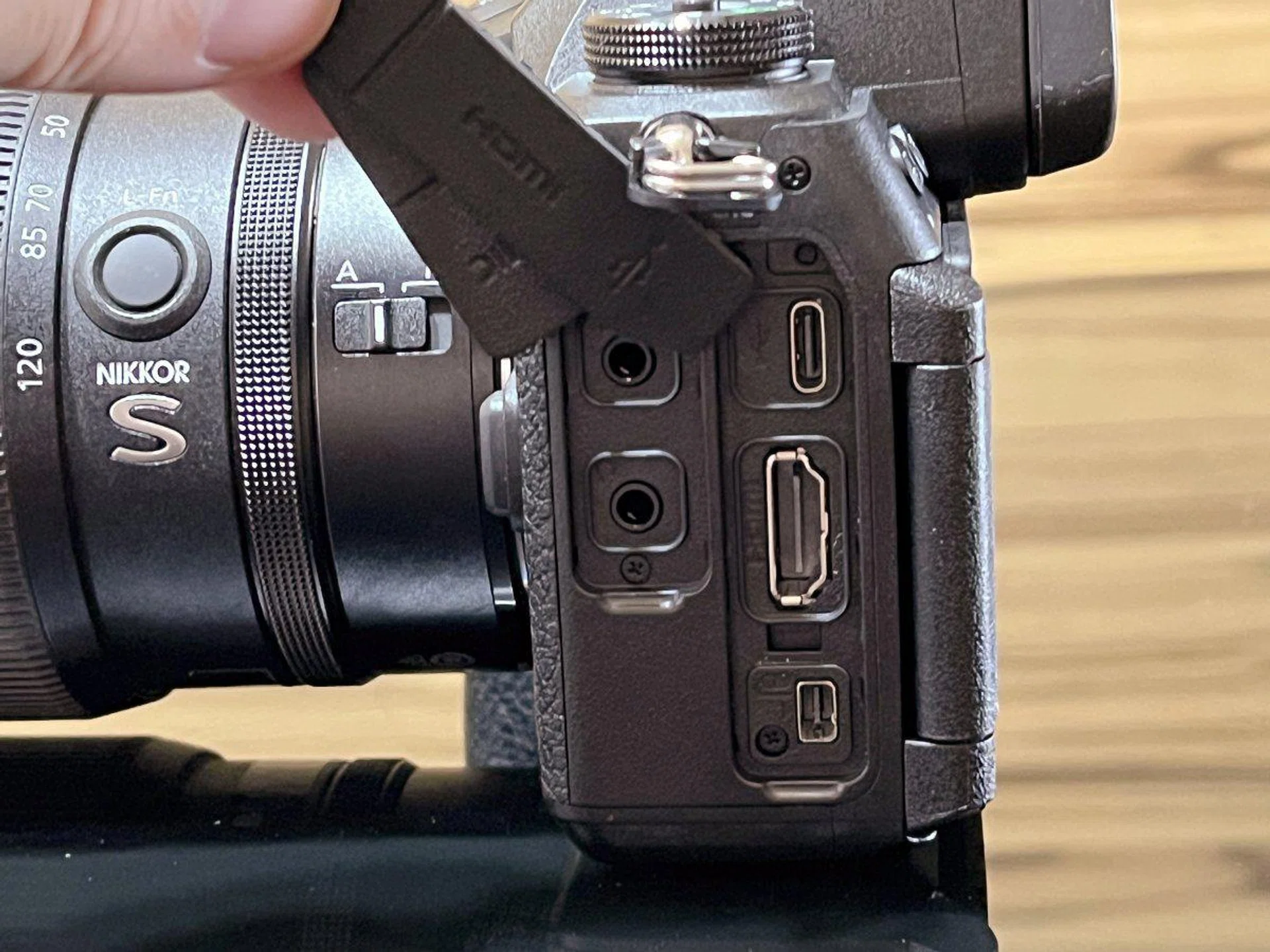
Nikon Z6III left side. Image Source: HWZ
Design and Handling
Anyone who have used and loved any of the recent Z series will immediately love the Z6III in terms of both built and controls.
In fact, as a Canon user myself, I found myself familiarised with the controls of Z6III in no time. The buttons, dials and switches are all carefully thought and intuitively laid out.
On the top left, there is mode dial that lets you easily and quickly select the shoot mode. But to prevent accidental turns, you need to press a button - sited in the centre of the dial - before you can turn the dial to the desired mode.
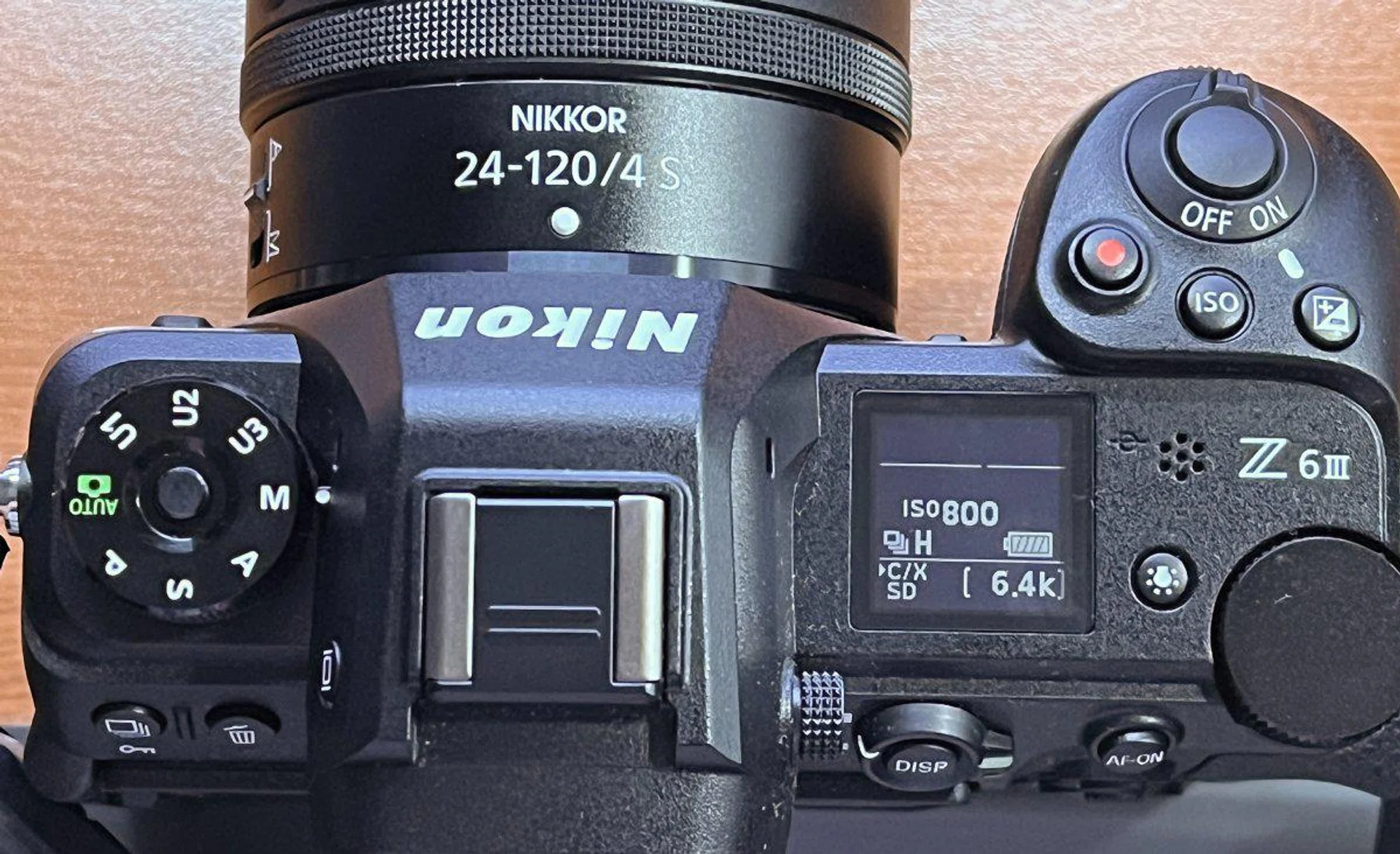
Nikon Z6III Top view. Image Source: HWZ
On the top right of the camera, you will find the monochrome screen displaying all the essential information like battery level, ISO, shutter speed and aperture.
Beside this screen and above the rear thumb rest, there is a rear command dial. A front command dial sits on top of the grip under the shutter release. Together, these two command dials allow for quick changing of aperture and shutter speed in Manual mode, as well as changing of other settings.
In addition, there is a dedicated video-recording button, an ISO button and an exposure compensation button residing behind the shutter release for shooting videos quickly and changing respective settings swiftly.
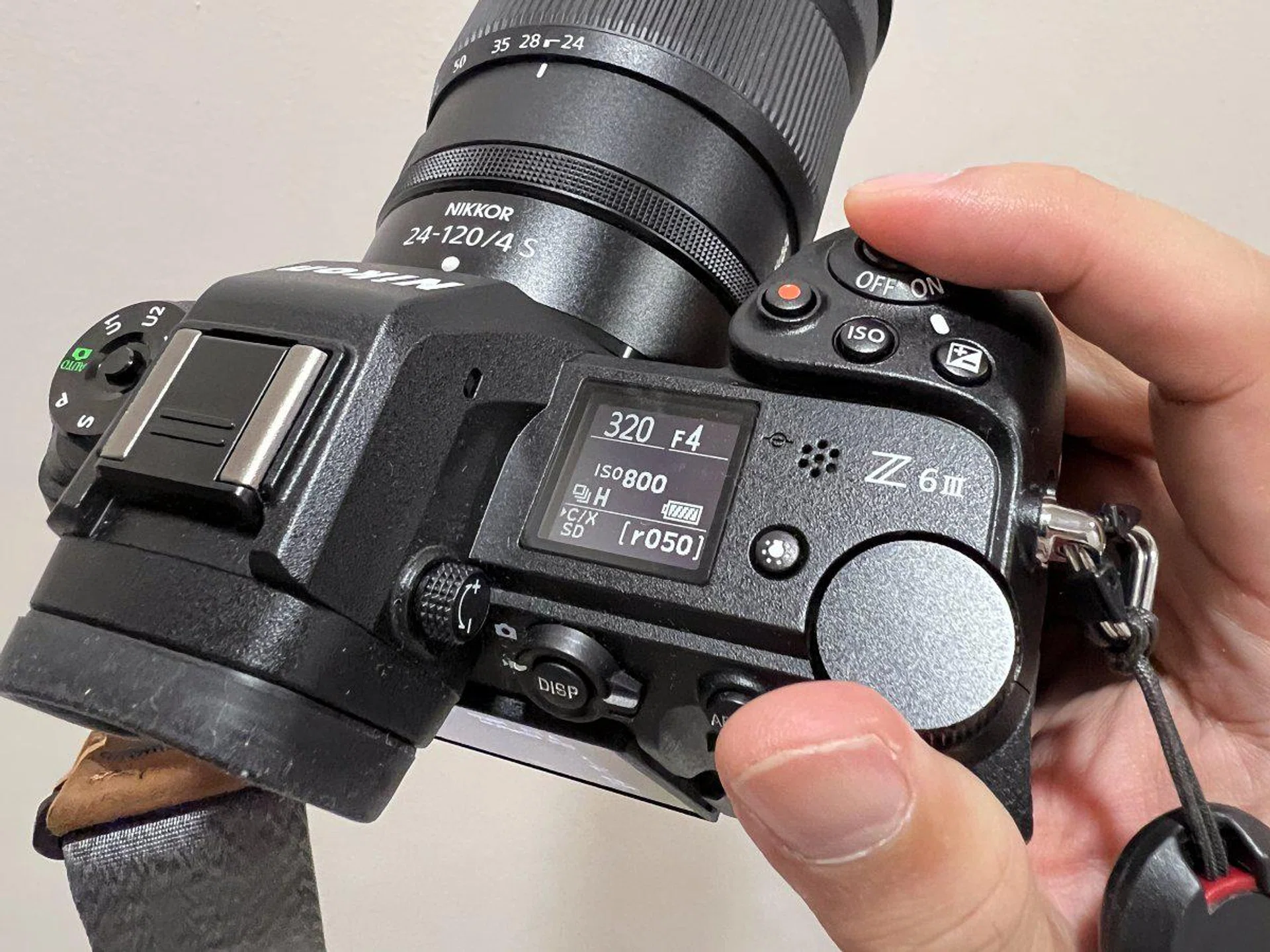
A closer look at the top right dial cluster. Image Source: HWZ
Beside the rear thumb rest is a mini joy-stick that lets you select the AF point quickly when you compose your picture. An Info button below the mini joy-stick lets you access a quick menu on the display for swift changes of settings such as focus mode and image quality.
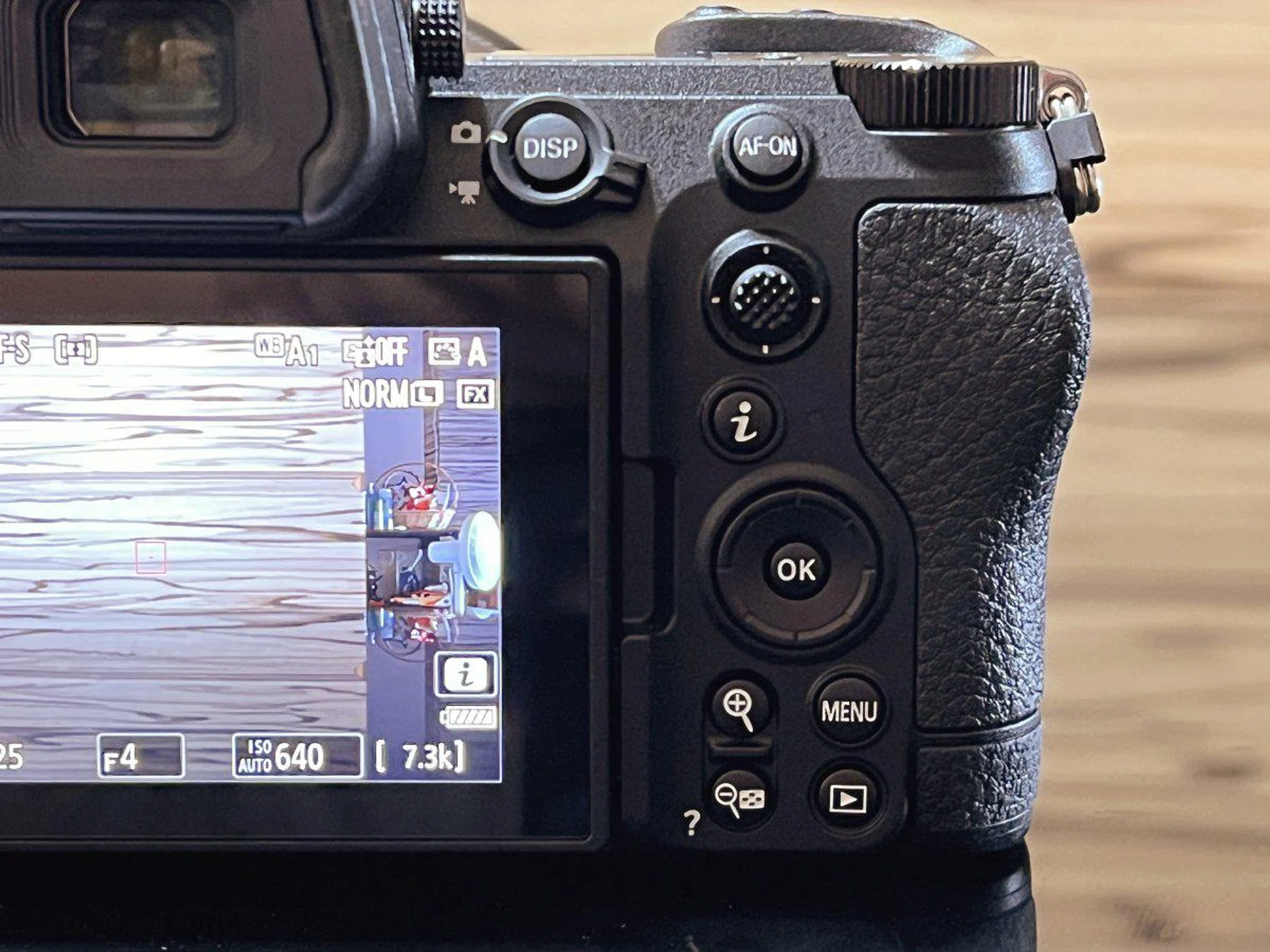
Nikon Z6III rear. Image Source: HWZ
Further accentuating the entire handling experience is the generous and ergonomic rubberised grip that easily accommodates all your four fingers for a firm grasp of the camera. The camera also feels really solid and sturdy, thanks to its weather-sealed magnesium-alloy body.
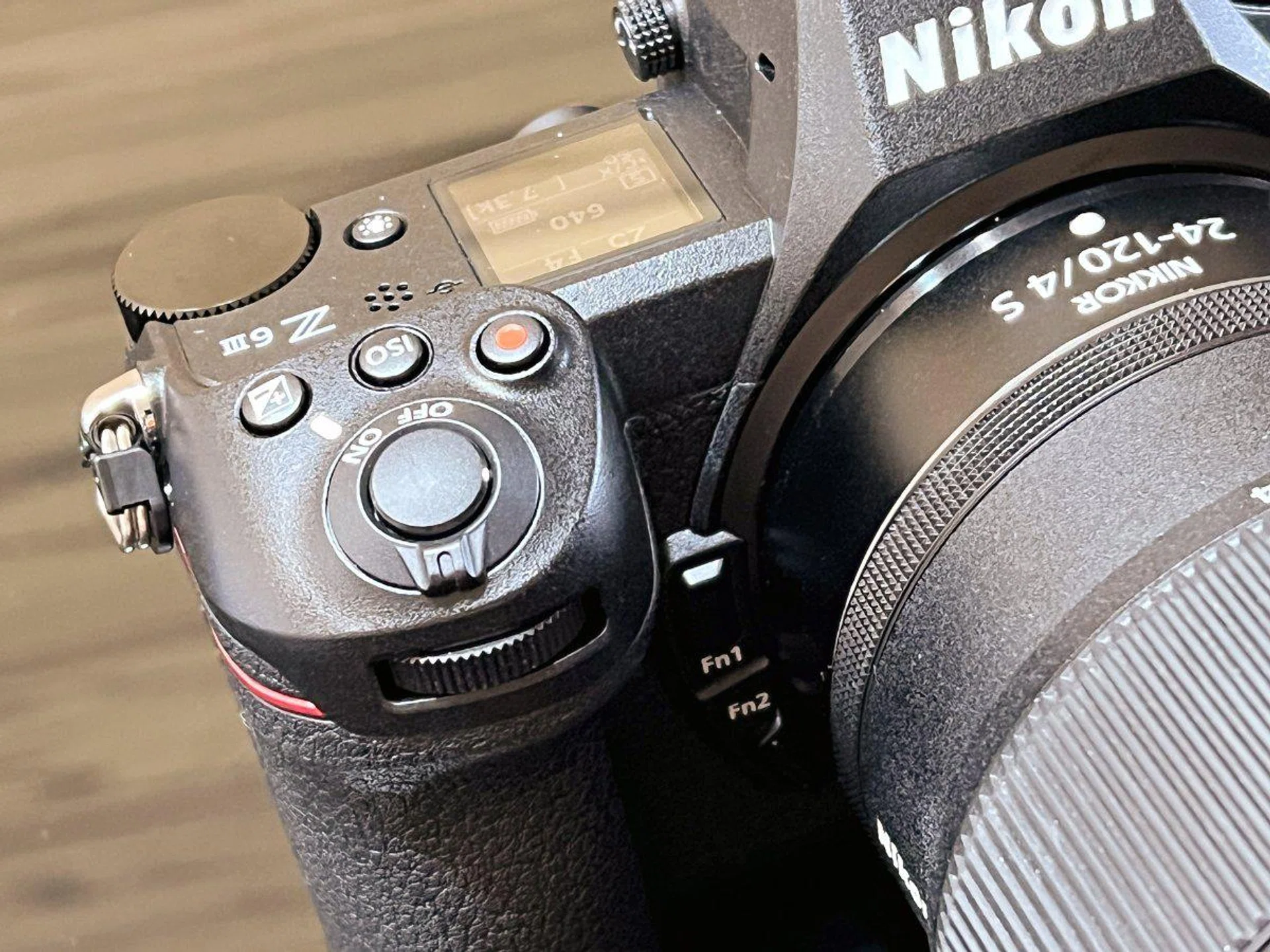
Nikon Z6III front grip. Image Source: HWZ
Overall, handling this camera is like wearing a glove that fits your hand perfectly. It lets you changes settings as smooth as butter and shoot as instinctively as winking.
Imaging Performance
For this review, the Nikkor Z 24-120mm f/4 S lens (S$1,699) is armed with the Z6III. This is a rather fast lens with a versatile focal length range from wide-angle to telephoto. You can this as a kit lens together with the Z6III at S$5,299.
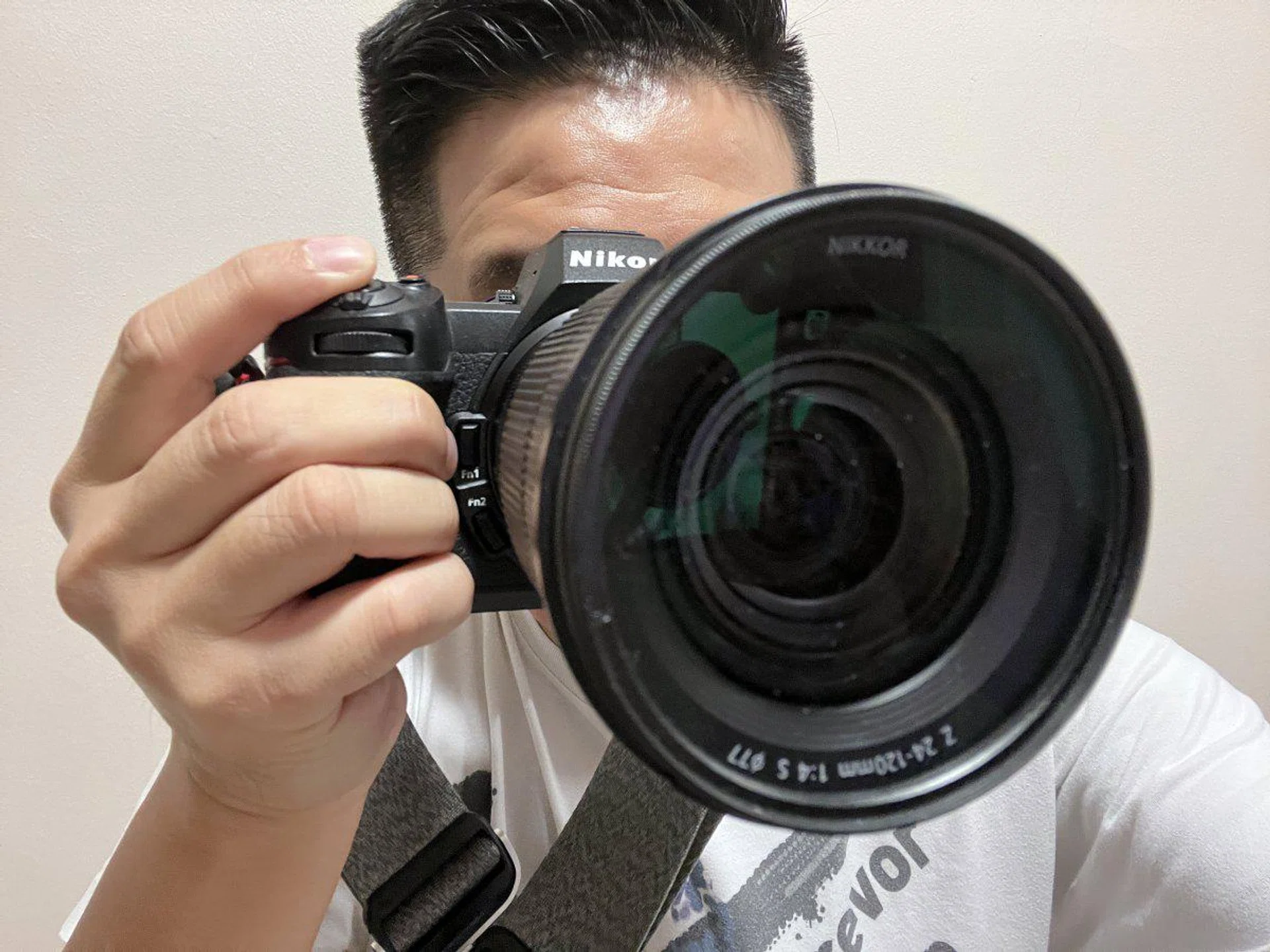
Nikon Z6III with Nikkor Z 24-120mm f/4 S kit lens. Image Source: HWZ
The operation of the Z6III is pretty quick for its price tag. It takes around a second to power up before it is ready to shoot, but shutting down takes only half a second. This is still much quicker than the average two-second start-up and shutdown times of most mirrorless cameras.
Using an XQD card with a writing speed rated at 440MB per second, the Z6III took 200 RAW full-resolution images in 14.1 seconds before the shooting suddenly stopped. This translates to roughly 14fps, not really as quick as the advertised 20fps.
However, the Z6III’s image buffer is amazingly large that it can accommodate 200 RAW images before it ran out. Some cameras can only take 20 RAW images before its buffer ran out. This is one camera that you will love to have when shooting sports or wildlife.
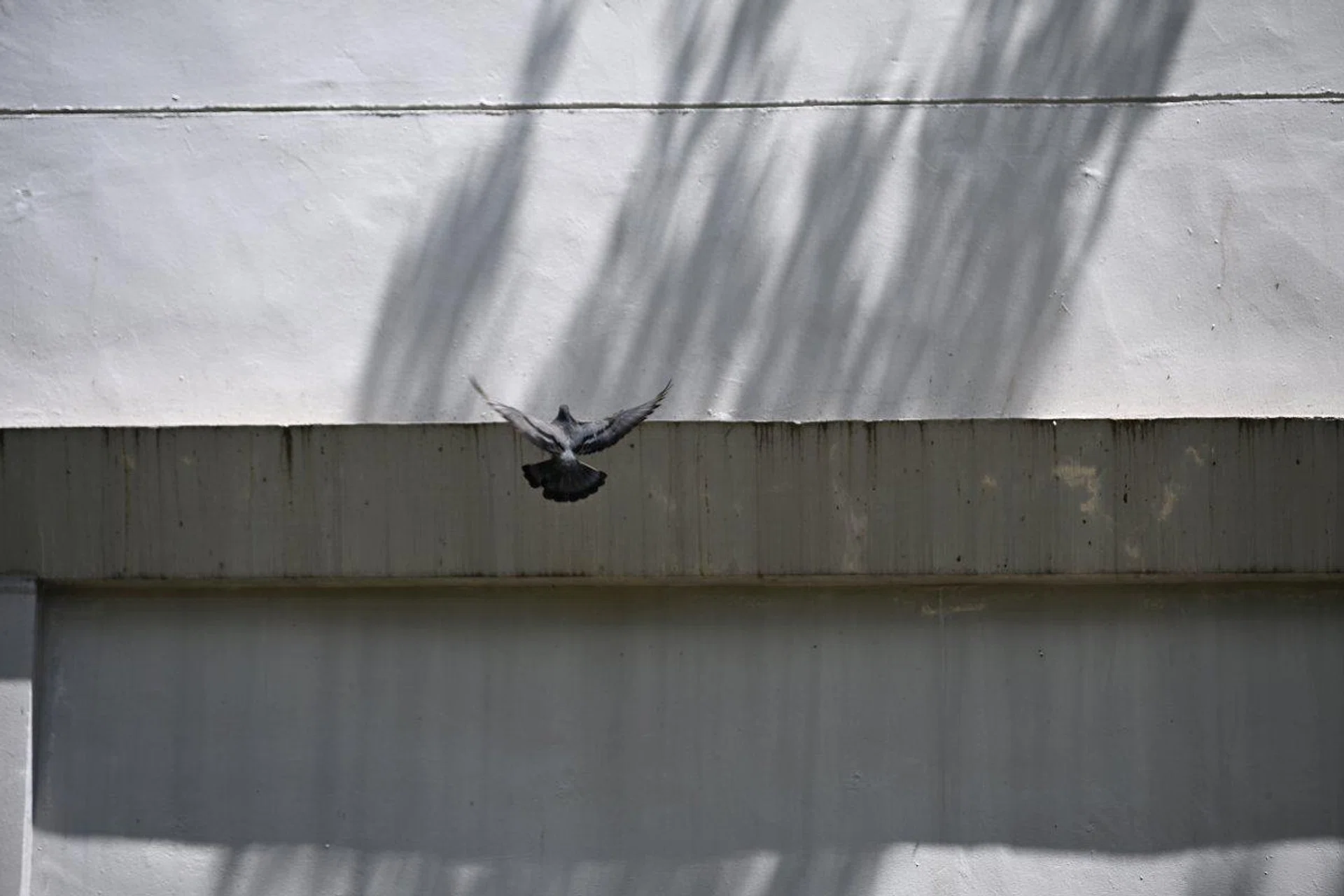
This is the photographer’s fault for not able to shoot a frontal shot. Shooting info: 120mm at f/4, 1/400s, ISO 100. Image Source: HWZ
And under bright conditions, the Z6III’s AF is almost instant in securing a focus with great subject tracking AF. Unfortunately, its AF speed is not as lightning quick in dim lighting conditions. It takes at least two seconds for it to get the focus sharp with the aid of AF assist light. Sometimes, it even gives up getting a focus.
This was the case when photographing community cats at night. Unless there is a street lamp or illumination source, the Z6III was a tad slow in getting the cats in focus. The cat is not exactly in focus here, as the AF is a wee bit slow at night.
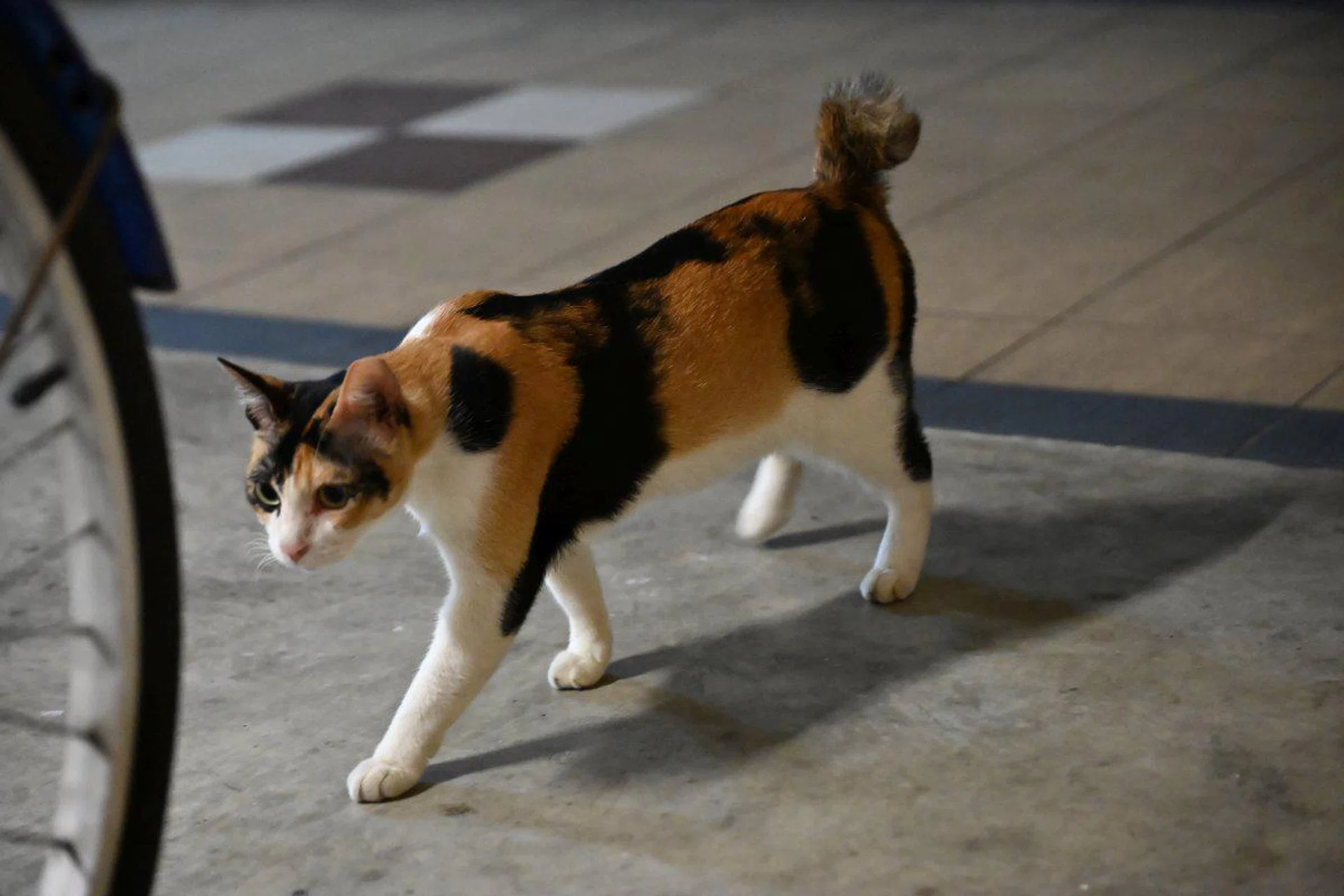
Shooting info: 77mm at f/4, 1/125s, ISO 12800
In terms of subject tracking AF too, the Z6III is probably half a notch slower than the competition. You can sometimes see the camera trying to catch up with the eye AF when a cat moves across the frame.
Again, this is only true in dim lighting conditions. The subject AF works well in good lighting conditions. I suspect the AF or subject AF might not be that much of an issue if a faster (larger aperture) f/2.8 or f/2.0 lens is used with the Z6III.
In terms of image quality though, the Z6III offers excellent and vibrant images that negate its smaller megapixel count. Auto white balance is spot on with very little need for major post-production.
Photos shot are always sharp edge-to-edge and pack plenty of details, even in the shadow areas. As you can see from the photo below, the still image quality is superb with good dynamic range. You can see the details of the HDB flats and greens in the shadow areas.
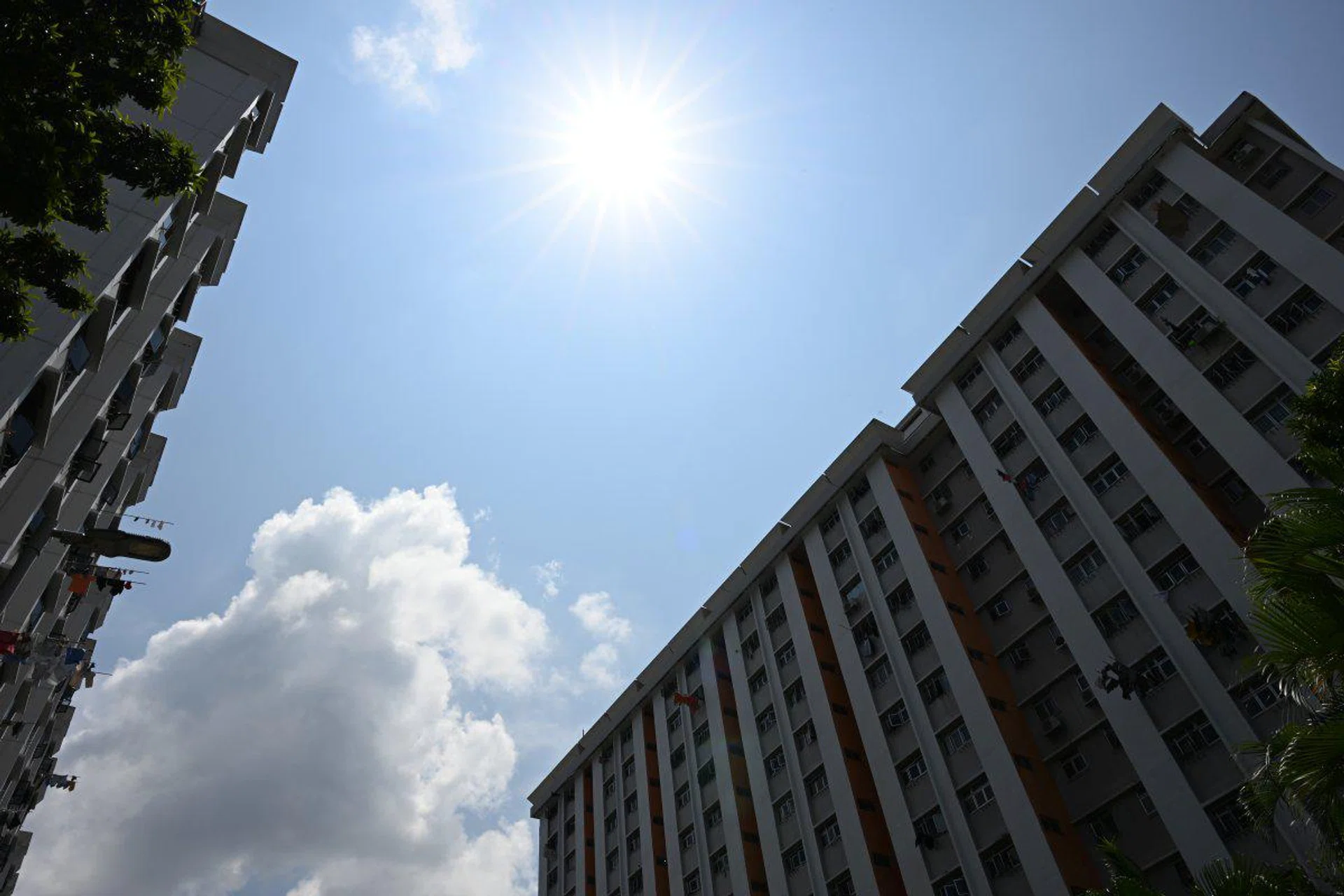
Shooting info: 24mm at f/22, 1/125s, ISO 100. Image Source: HWZ
If you are going to take a lot of portraits with this camera, you will be happy to know that the Z6III is able to render skin tones accurately. The skin tones were spot on here even when there was severe backlighting in this scenario.

Shooting info: 91mm at f/4, 1/250s, ISO 400. Image Source: HWZ
To take advantage of the Z6III’s IBIS, I tried talking a night shot handheld with an exposure time of two seconds. As evident from the photo below, apart from the leaves blurring due to wind, the buildings are in sharp focus.
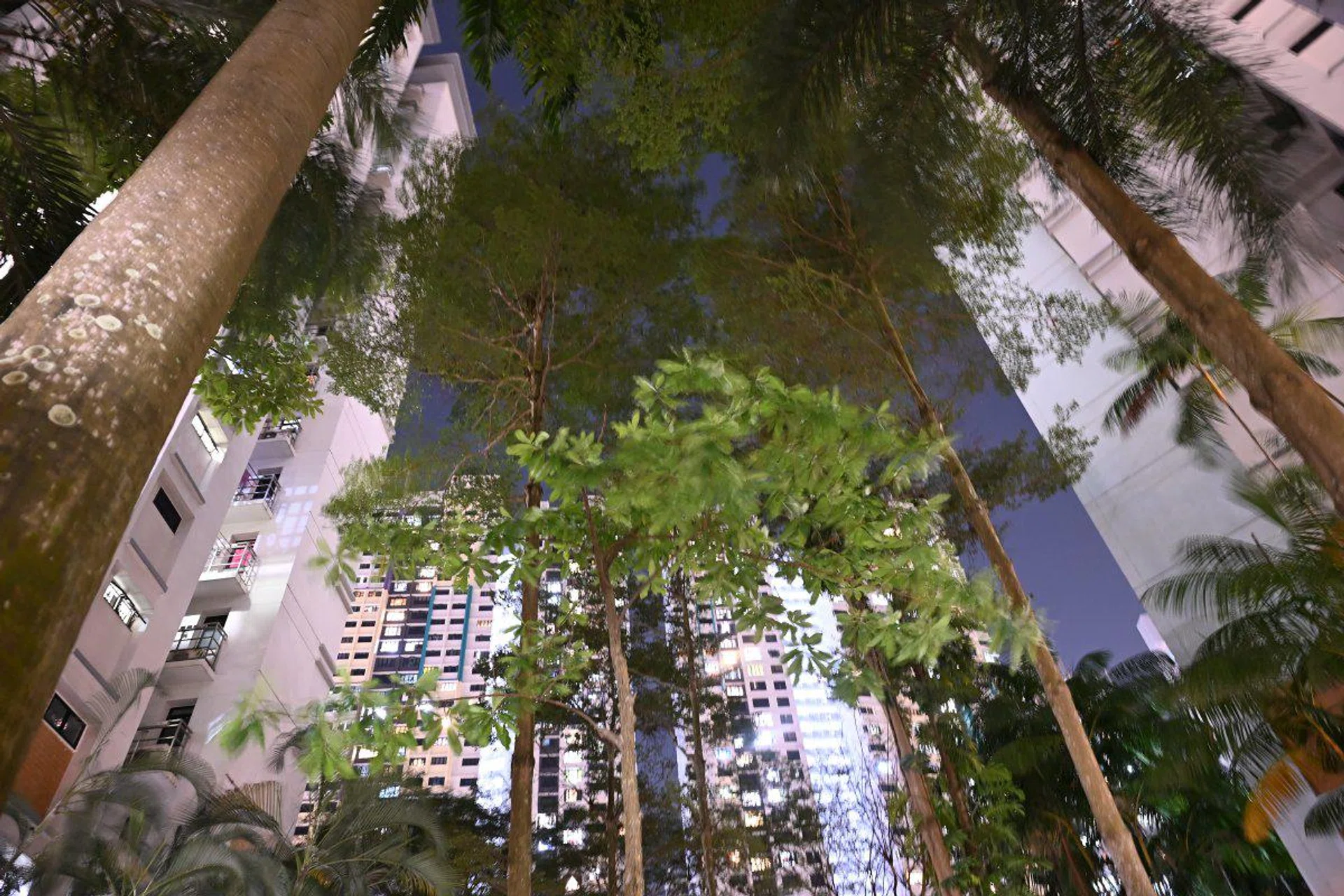
Shooting info: 24mm at f/4, 2s, ISO 1600. Image Source: HWZ
The IBIS of Z6III seems to work well as evident from this handheld night shot. In the event that shooting handheld is not for you, you can always crank up the sensitivity of the Z6III. Its noise performance is stellar as well. Up till ISO 6400, you will find photos shot to be clean and virtually noiseless. At ISO 12800, you need to look really hard to pick out the noise artefacts.
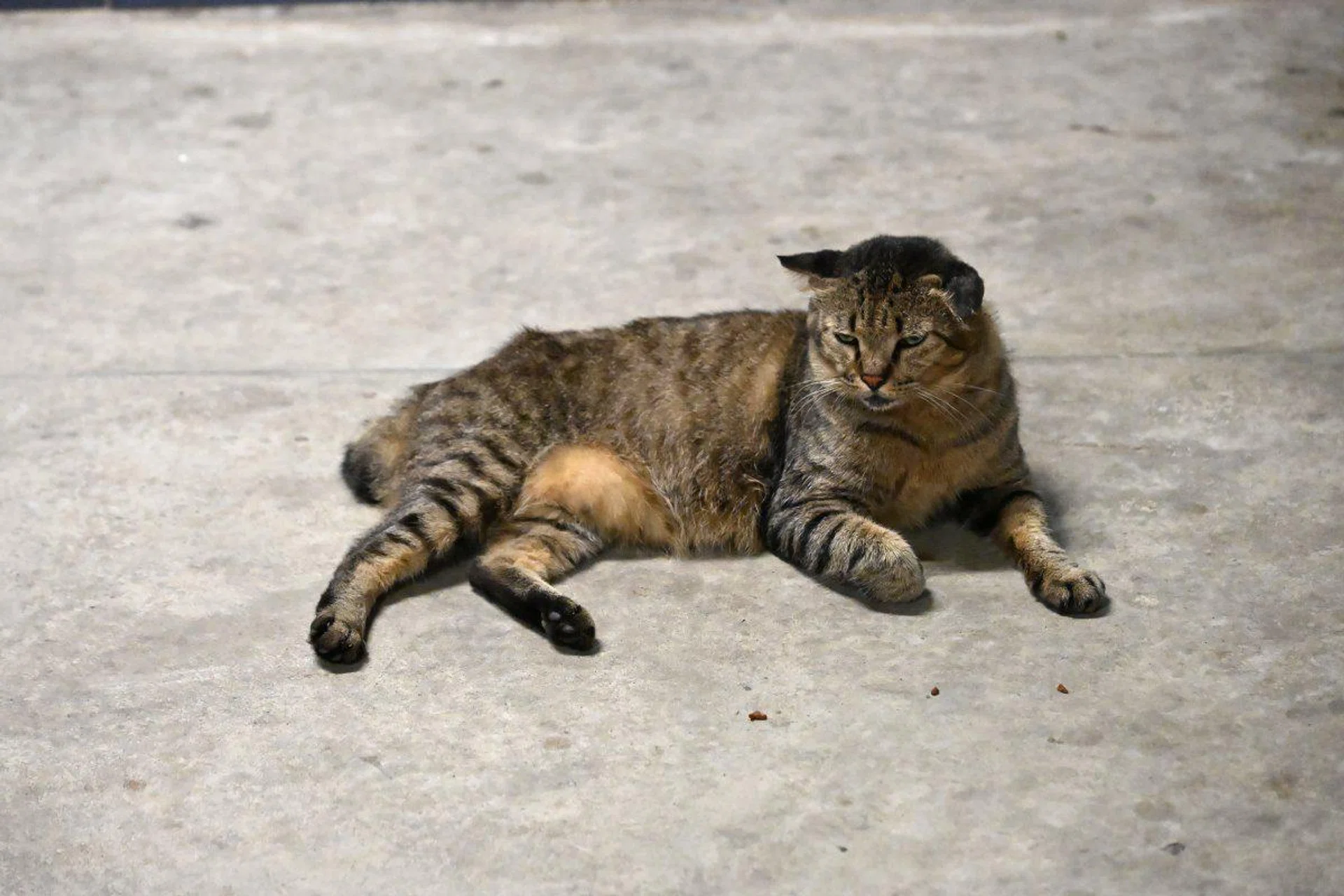
Shooting info: 120mm at f/4, 1/125s, ISO 12800. Image Source: HWZ
You can still make out the details of the fur of this community cat despite the high ISO. Even at ISO 25600, the images are still pretty clean to the eye despite the slight loss of details. But the noise artefacts are not so evident for social media or small prints.
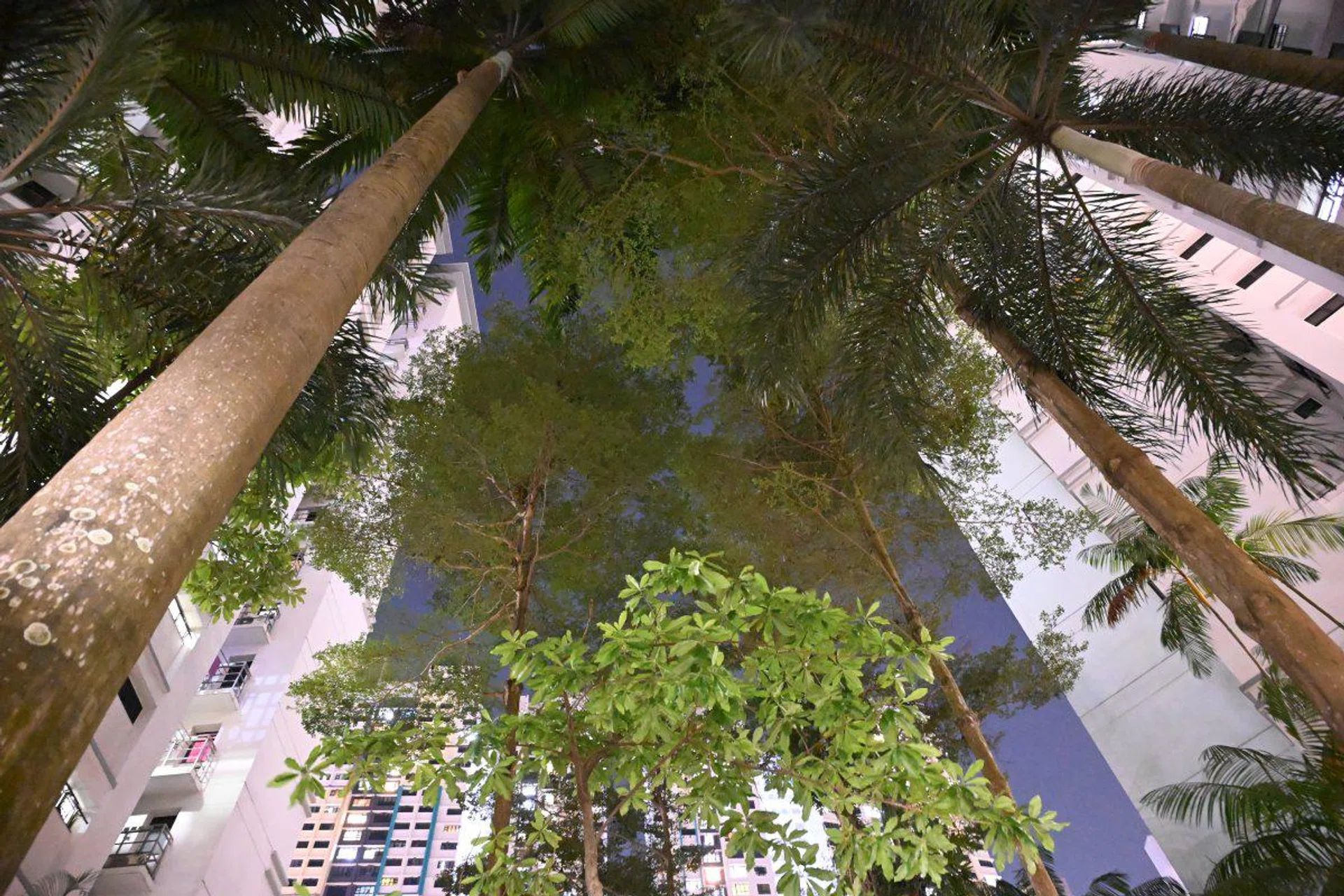
Shooting info: 120mm at f/4, 1/60s, ISO 25600. Image Source: HWZ
You can see some detail loss due to some visible noise artefacts, but still usable for social media and small prints. But using ISO 51200 or above is not recommended, as the loss of details is quite visible due to the abundance of chromatic noise artefacts.
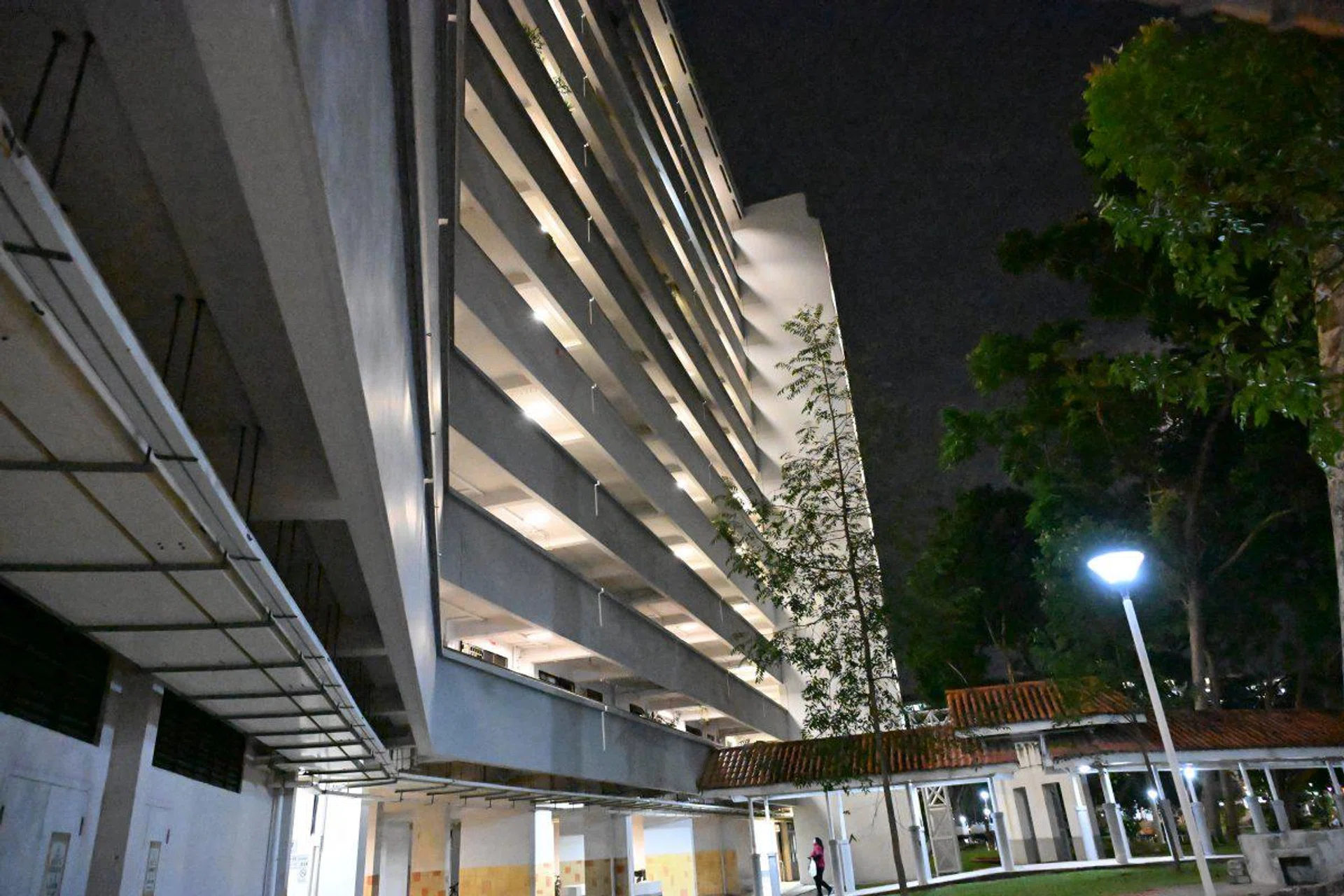
Shooting info: 24mm at f/4, 1/160s, ISO 64000. Image Source: HWZ
As you can see clearly, the night sky is almost "water-colourish" due to the significant amount of chromatic noise artefacts.
As you might expect, the video quality is great with smooth frames and sharp details. The IBIS also does its job fairly well too. A little downer is that it does pick up a fair amount of ambient audio.
Battery life is rated at 360 still shots on a full charge. But during the review, the battery level was still at 40 per cent after shooting around 900 still images. I am pretty sure I can complete a day of shooting without the need to charge. Plus, you can always bring a power bank to charge the camera via its USB-C port.
Conclusion
Other than its sluggish AF performance in dim lighting conditions, the Nikon Z6III ticks almost all the boxes for a mid-range full-frame mirrorless camera with its multitude of features, great build, swift operation, superb handling and excellent image quality.
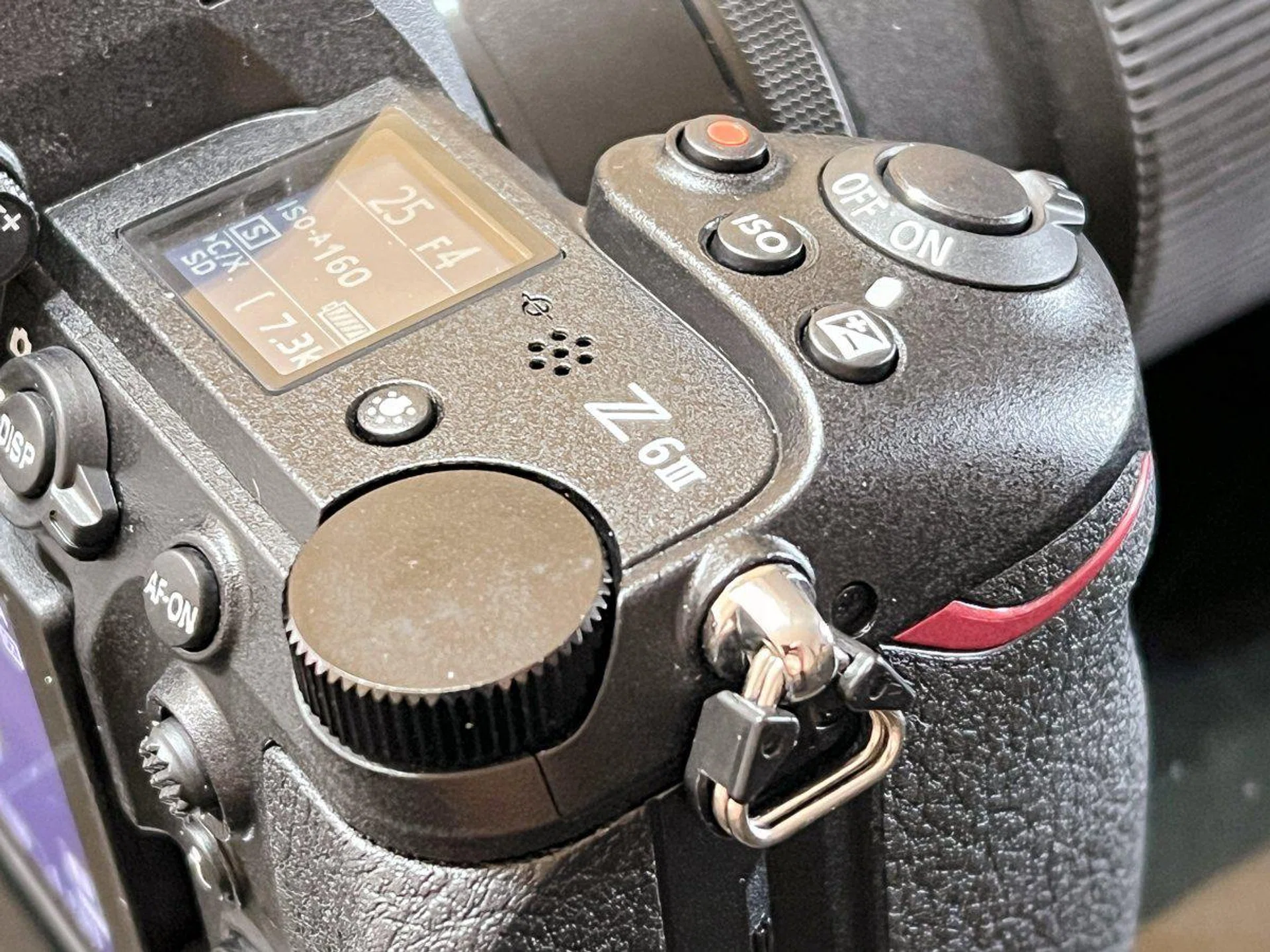
Image Source: HWZ
While S$3,899 is not exactly pocket change, the Z6III offers superb value for money in its class. It can definitely become the go-to model for those looking to upgrade to a full-frame camera and a decent workhorse for professional photographers wanting the most bang for buck.
You can buy the Nikon Z6III and its various kit lens configurations from Nikon's webstore.
More Sample Images
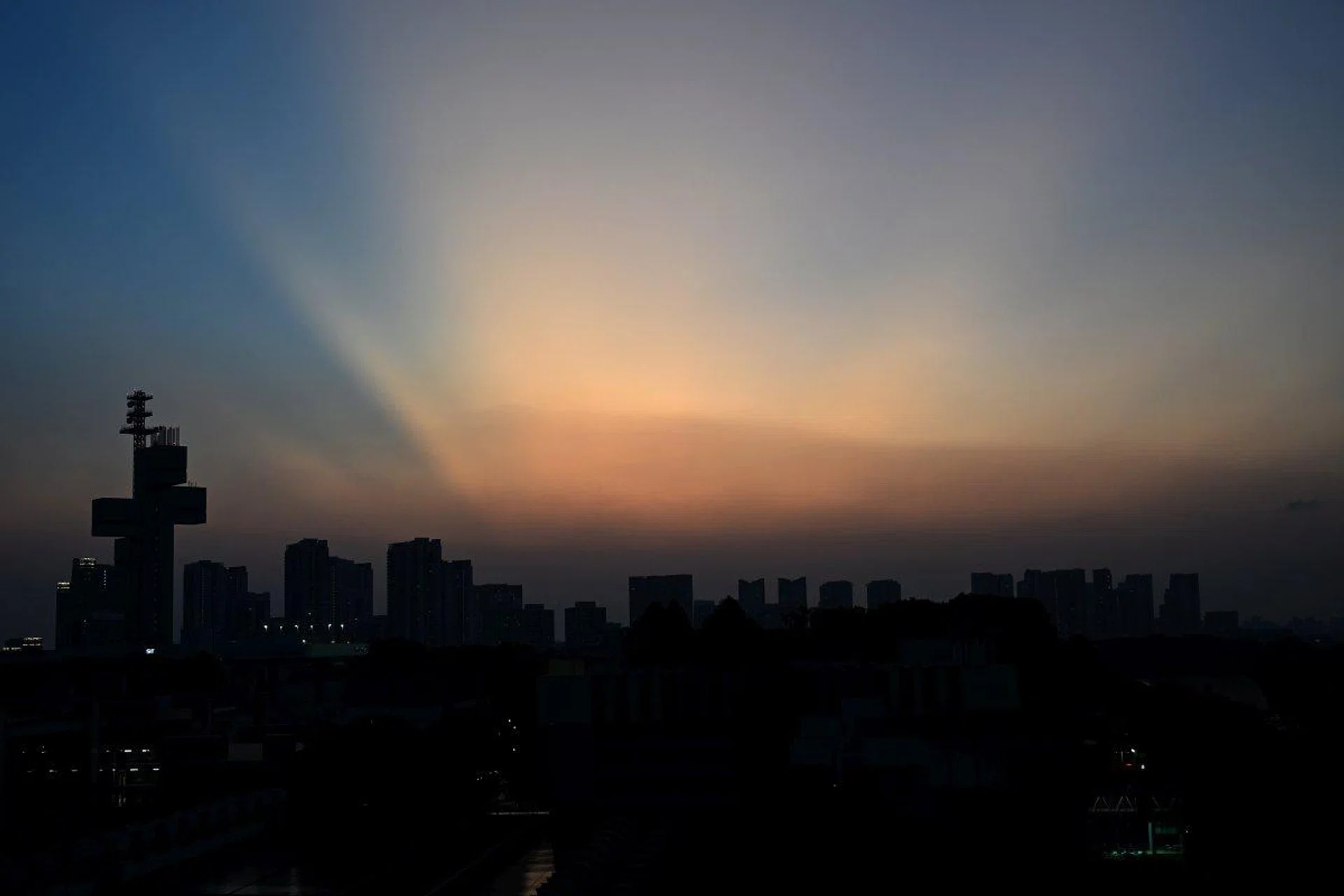
43mm at f/4, 1/80s, ISO 400 Image Source: HWZ

120mm at f/4, 1/1600s, ISO 100. Image Source: HWZ

120mm at f/4, 1/320s, ISO 800. Image Source: HWZ

120mm at f/6.3, 1/160s, ISO 12800. Image Source: HWZ

120mm at f/4, 1/800s, ISO 64000. Image Source: HWZ
Our articles may contain affiliate links. If you buy through these links, we may earn a small commission.