
Casio Exilim EX-ZR700 - It Could Have Been Much More
Most compact cameras are known for their significant shutter lag so it's especially tricky to snap fast-moving subjects. But the Casio EX-ZR700 looks to solve this issue with zero-shutter lag. It also sports an impressive 18x optical zoom, making it seem like an ideal compact for those who shoot sports and wildlife. Does it live up to its marketing? We find out.

Introduction
A friend frequently expressed her frustrations about her digital compact camera to us; she found her camera to be too "slow". She never understood why the camera would only capture the image a split second after she depressed the shutter release button. It was almost impossible for her to snap fast-moving subjects due to her camera's "speed" and she considered changing her camera more than once.
This limitation is actually very common to digital compact cameras and it is called shutter lag. It refers to the time delay between triggering the shutter and the actual capturing of the image. Unfortunately most digital compact cameras are known for their significant shutter lag so it’s especially tricky to snap fast-moving subjects such as children or pets.
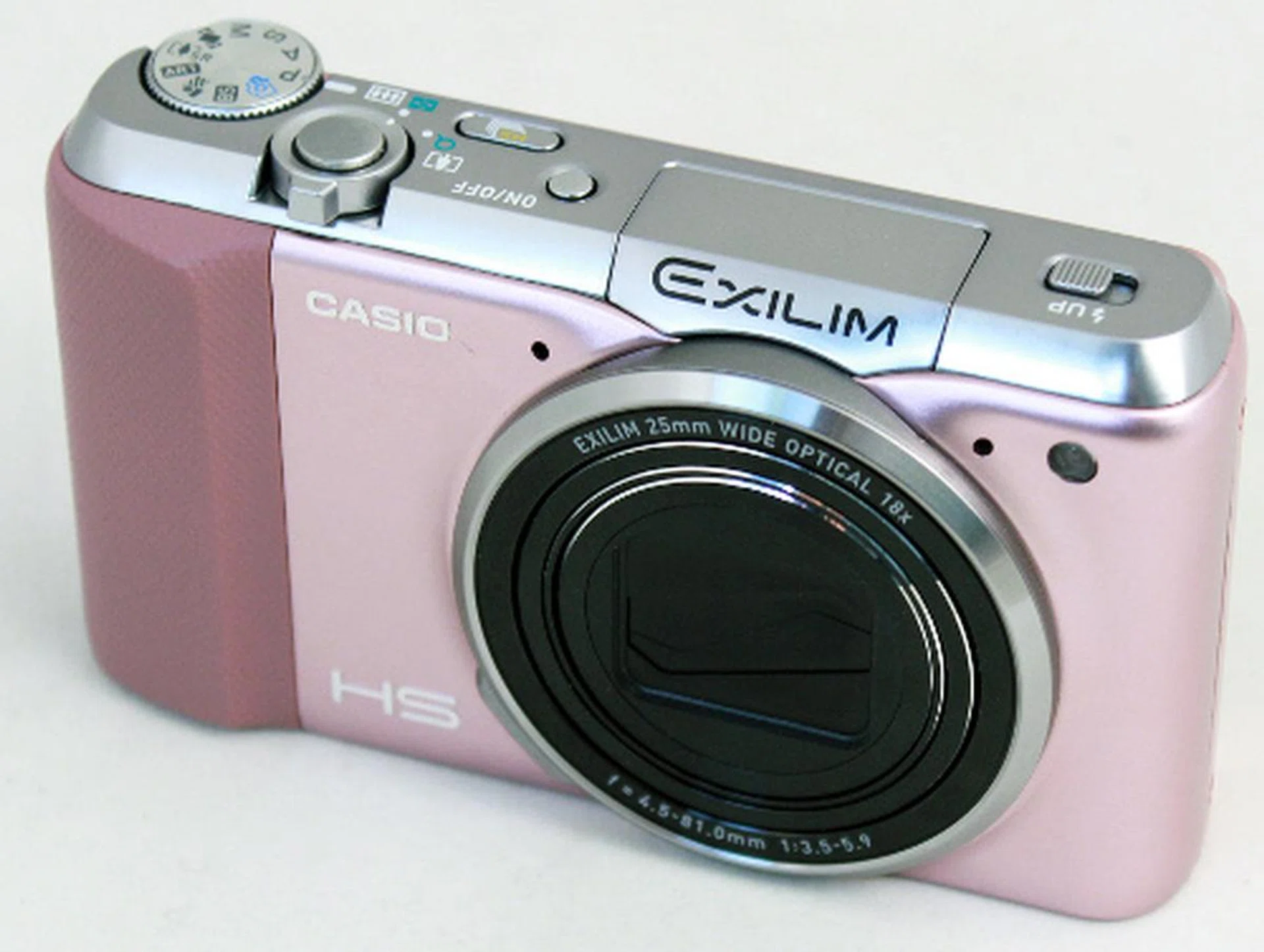
Could this unassuming-looking camera really have fast AF speeds and minimal shutter lag?
That’s where Casio’s Exilim EX-ZR700 comes in. Launched at the end of January along with the EX-ZR400 model, they seem to genuinely want to help resolve the common shutter lag concern in the compact camera segment. Both the ZR700 and the ZR400 not only aim for zero-shutter lag, but also enable users to never miss a shot with a fast start-up time and quick autofocus. Focusing on the EX-ZR700 model we have for review, in addition to the above mentioned, it also sports an impressive 18x optical zoom, making it seem like an ideal compact camera for those who shoot sports and wildlife.
But will the ZR700 actually deliver on its promise? Or will it be another pipe dream for compact camera users? We share our findings in this next few pages.
Design and Handling
The ZR700 has a metal body that feels sturdy and durable. The mode dial and zoom lever also give off these qualities, though the scroll wheel on the rear feels a bit cheap and fragile. Similar to other Superzoom models, the ZR700 has a multi-speed zooming lens, so how fast you move from wide-angle to the tele-end depends on how hard you move the zoom lever. The review model we got had a pink color body, but if that's not to your liking, you would be happy to know there are many more color options like white, black, brown and red.
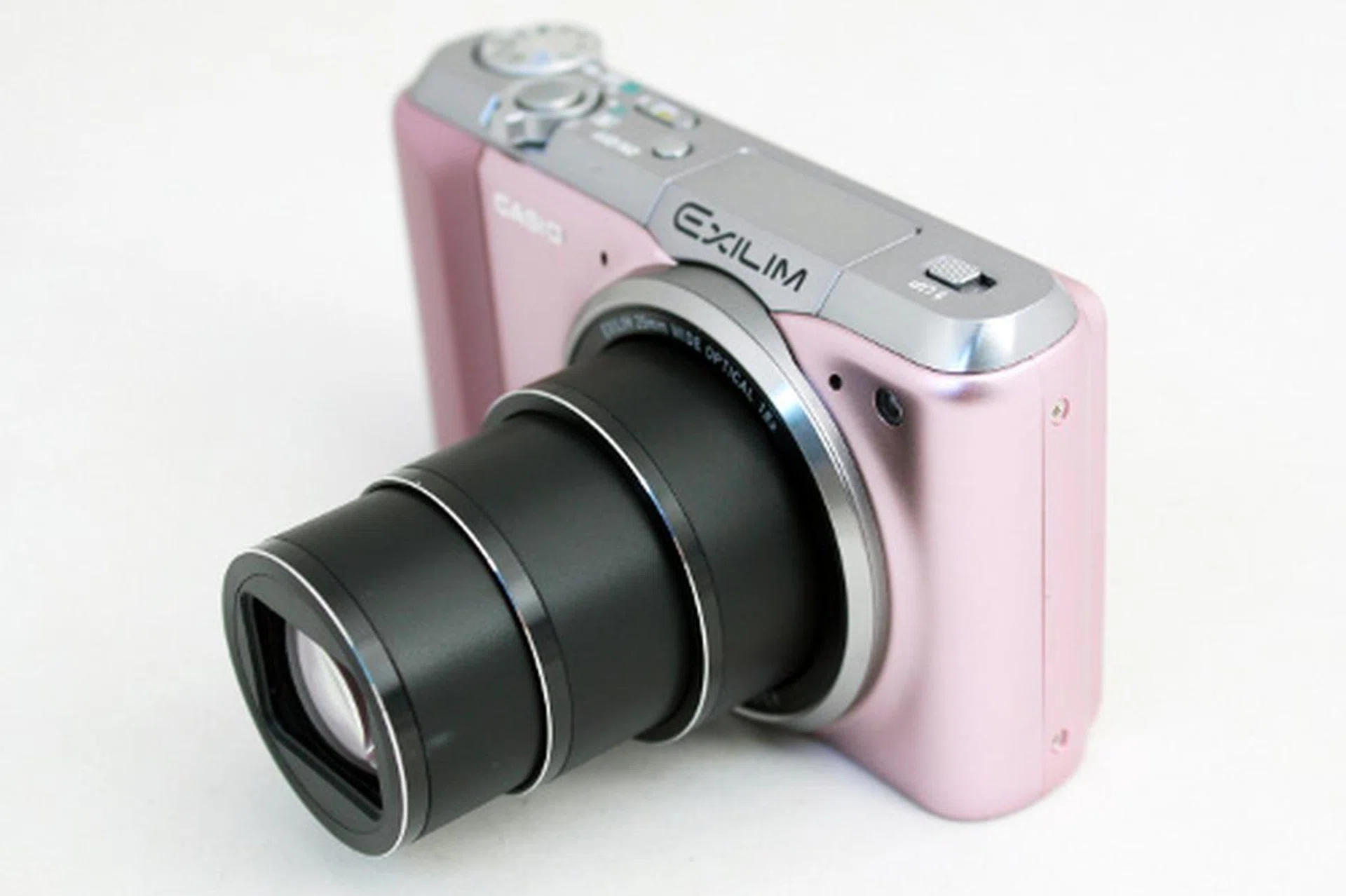
Here's the ZR700 with the lens fully racked out. It's still an acceptable length considering that's 18x optical zoom there.
The ZR700 also comes with a hand grip on the front and thumb rest on the rear. While these features contributed to a secure grip in the beginning, if you happen to have sweaty hands, the textured surface of the plastic grip and thumb rest won’t really help after a day of shooting. We would have preferred if Casio went with a rubber hand grip and thumb rest.

The hand grip's surface is plastic and not rubber, so if your hands are slick with sweat after a day of shooting, the grip won't be of much help.
The rear of the camera is dominated by its 3-inch 921k-dot LCD screen. 921-k dots sounds pretty high-resolution, but not all high-resolution displays actually look great. Thankfully, the ZR700’s display looks sharp and nice. But with many current compact camera models sporting touch-sensitive displays, we were disappointed that the ZR700 did not come with one. Beside the display you have the Movie button, which oddly records video, while the Rec button actually brings you to the shooting mode if you press it while you’re in Playback mode.
People are drawn to digital compact cameras because of their size and ease of use. There are no complicated controls, multiple dials and buttons like on a DSLR camera; even those not familiar with cameras can just pick up a digital compact and start shooting. The ZR700 is one such camera that has a simple user interface that made shooting for us very fuss-free.
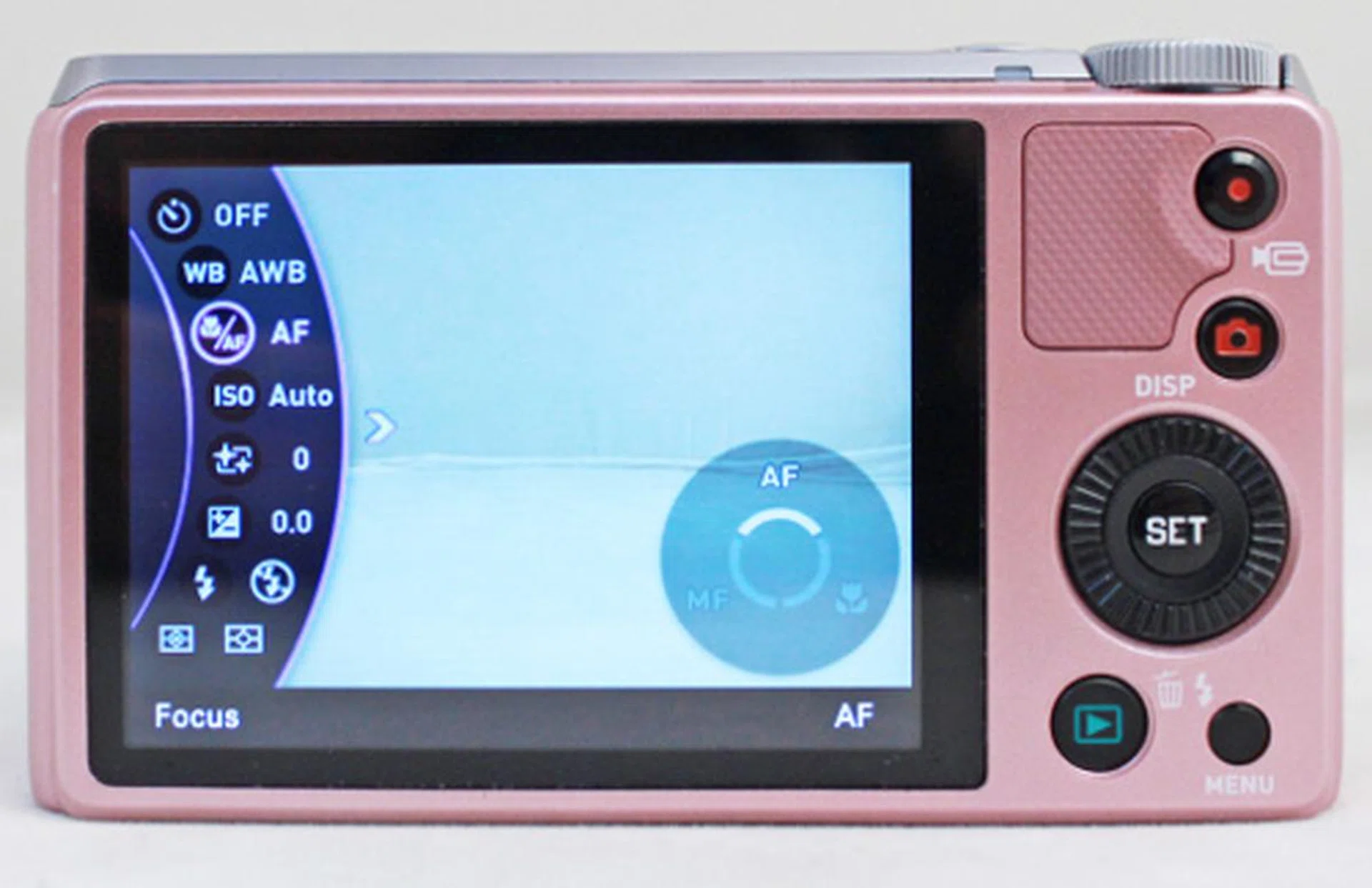
On the right of the rear panel you have the Movie button and the Rec button below it. Below the Rec button is the scroll wheel. The display is currently showing a list of settings commonly used during shooting. Pressing the Set button during shooting will bring up this list.
Settings that are commonly used during the actual process of shooting such as image size, quality and image stabilization can all be accessed via the Menu button. Depressing the Set button during shooting will bring up a list of most of the commonly-used settings such as white balance, ISO and exposure compensation. This made shooting far easier and quicker instead of having to access layers of menus in order to adjust a setting. But we mentioned most instead of all the commonly-used settings and that’s because we found ourselves wishing that Casio also included the AF mode selection in the shooting menu instead of the settings menu. For a camera that boasts superior AF speed and zero-shutter lag as its main selling points, having to access the settings menu and search for the AF selection mode felt jarring in an otherwise smooth shooting experience.
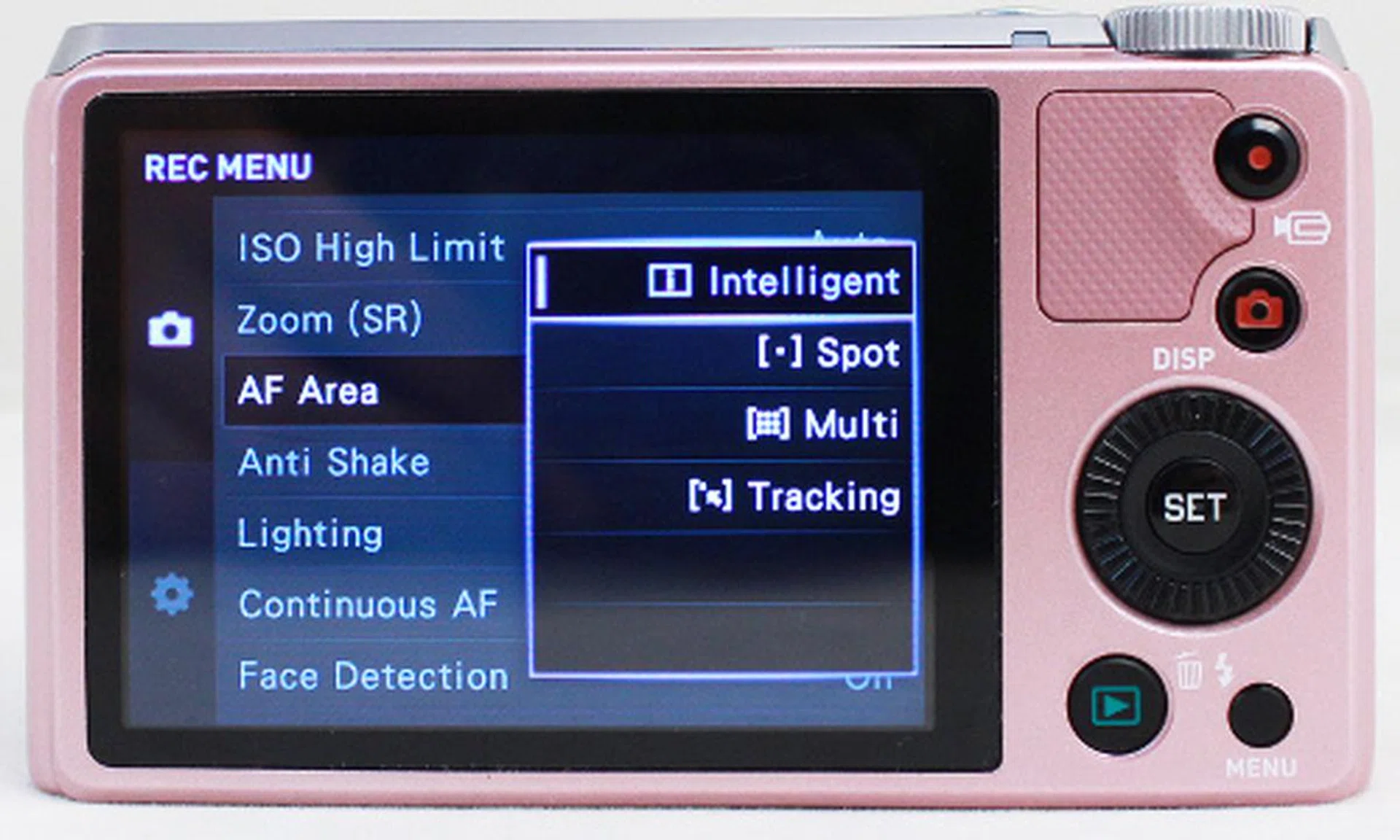
While almost all the commonly-used settings can be accessed via the Set button during shooting, it's odd that the option to set your AF area can only be accessed in a sub-menu within the settings menu.
Image Quality and Performance
The main selling point of the ZR700 is its speed, both in terms of shutter lag and autofocus. While the overall speed of the camera was good, there were some issues and limitations.
Shooting moving objects require the use of the Tracking AF selection, and we found it acceptable for slower-moving subjects like toddlers and walking people. But for faster subjects like cars and birds, the camera still has a hard time locking onto the subject as it moves across the frame. To be fair, only DSLR cameras and mirrorless system cameras can easily tackle such fast-moving objects. But if you are going to purchase the ZR700 with the hopes of doing some sports or action photography, do manage your expectations. The good news about shooting action and sports is that the ZR700’s image stabilization is very good. As long as you have stable hands; there should be no problem even with shooting at the longest end and getting close to the action.

The camera's tracking AF will have a hard time following fast-moving subjects, such as this bird here.

Other options of shooting fast-moving subjects include panning the camera or pre-focusing on a spot in the frame where the subject will pass. However, these options require a good eye for anticipating where and when the subject will pass the focus point. You might also end up freezing the frame, with no hint of motion, as shown in the image above.
While the ZR700’s display looks good and shutter lag is close to non-existent, the problem is with the image quality itself; images straight out of the camera are not sharp upon closer inspection. Zooming in above 50% might disappoint those expecting more sharpness and resolution from their images. The ZR700 scored 1800LPH both vertically and horizontally, though its real-world performance leaves more to be desired. Shooting in low light conditions is the camera’s Achilles’ heel, due to the result of the noise reduction algorithm used as well as the less-than-sharp images resulting in photos with a notable loss of details. Shooting at ISO800 will produce a hazy image where details are smudged; so while there's minimal noise at that ISO setting, zooming in will reveal far too much loss of detail. Of course as with all digital compact cameras, if the images are going to be resized for online use and social media sharing, then there's not much of an issue. However as highlighted earlier, zooming in any more than 50% into the photo will reveal the lack of detail.

Our main gripe with the Casio ZR700 is its image sharpness and quality. If you're viewing images at lower resolutions they appear fine, such as this photo. But once you click through to see the full sized image, your opinion will differ.

Shot at F/5.9 and ISO320, a 100% crop of the image above will reveal that the image is not very sharp, even at lower ISO settings.

There's not much noise in images even for night shots, but the noise reduction algorithm combined with the camera's innate lack of sharpness in images means that you probably won't want to zoom too much into these night shots and get disappointed. The only consolation is that the EX-ZR700 is a compact camera, a category devices that are well known not to fair well in low-light shooting.

f/5.7 at 107mm, 1/80sec, ISO800
A Missed Opportunity
In summary, the Casio EX-ZR700 is a camera that sets lofty goals for itself but ultimately falls short because of a fundamental flaw.
For starters, the ZR700 does get a few things right; a useful 18x optical zoom and competent image stabilization would make it a good super-zoom camera. There’s also no shutter lag and the camera has an agile autofocus system, so in theory the ZR700 would do well as a travel camera and to take snapshots of your toddler or pet.
Indeed the ZR700 would have been a very compelling buy, except for the fact that its image quality leaves much to be desired. Without zooming in, the photos actually look fine, but when you peer in (even way before you reach the 100% view mode), we found most shots taken weren't sharp and when the iffy noise reduction engine of the camera kicks in, things start to look murky (pun intended). As such, the photos from the ZR700 are only ideal for casual snapping and sharing it online in your social networks. We wouldn't really bet on this camera for printing photos anything larger than the 4R size.
If only the ZR700’s image quality was better, we would have wholeheartedly recommended it. At an asking price of S$599, its image quality is below average to appeal to anyone but the casual shutterbug. Considering the many other better performing options in this category that are priced much more competitively, we really can't recommend Casio's offering this time round.

The Casio EX-ZR700 would have made a very compelling buy if it didn't falter in an area that all cameras are expected to at least perform reasonably well - image quality. With such a fundamental downside, we really can't score this camera as smooth as it functions.
Our articles may contain affiliate links. If you buy through these links, we may earn a small commission.