
Canon EOS R7 review: The people’s mirrorless
Given that not everyone needs a full-frame mirrorless camera, the R7 offers a great balance between price and quality. It features a 32.5-megapixel (MP) APS-C CMOS image sensor with Dual Pixel auto-focusing (AF) and five-axis sensor-shift in-body image stabilisation (IBIS).

Note: This review was first published on 3 August 2022.
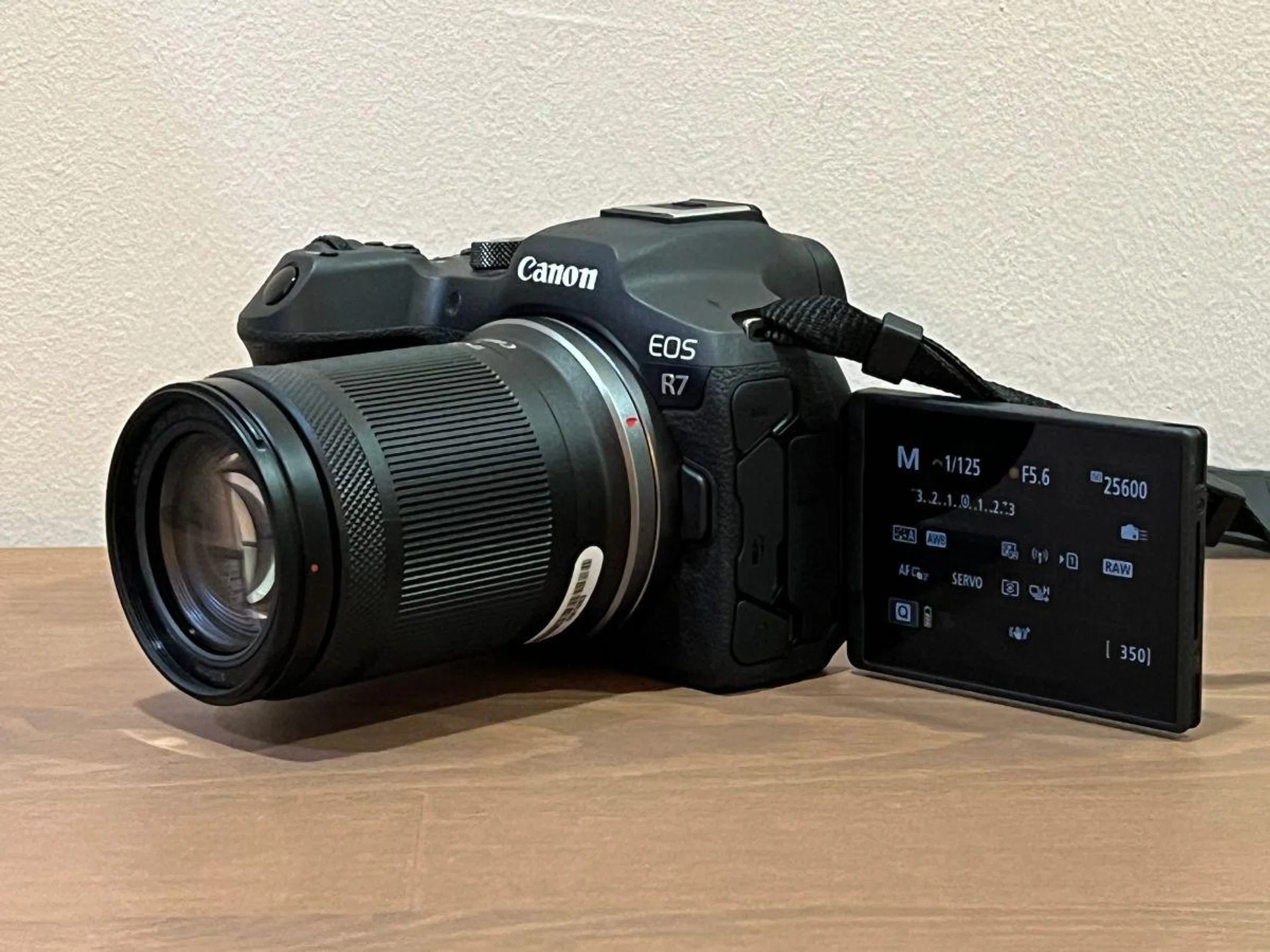
The Canon EOS R7 comes with plenty of features.
Given that not everyone needs a full-frame mirrorless camera, the Canon EOS R7 offers a great balance between price and quality. It features a 32.5-megapixel (MP) APS-C CMOS image sensor with Dual Pixel auto-focusing (AF) and five-axis sensor-shift in-body image stabilisation (IBIS).
Furthermore, the R7 is powered by the Digic X image processor, giving it the same AF technology as the flagship mirrorless model EOS R3. This technology enables the R7 to track subjects easily across the entire image area.
In addition, the R7 can shoot up to 15 frames per second (fps) in mechanical shutter mode and up to almost 30fps continuous shooting in electronic shutter mode. The R7 also comes with People Priority and Animal Priority modes along with Eye Detection AF to help you capture the shots you want. As their names imply, the People Priority mode will help to detect people, while the Animal Priority mode leverages Canon's detection algorithms to track animals, such as cats, dogs and birds, accurately.
DESIGN AND HANDLING
The first thing that struck me was how lightweight and compact the camera is. The body tips the scales at only 612g (body only).
While it might seem to be only slightly lighter than the EOS 90D DSLR (701g, body) that has the same image sensor, the weight comparison becomes more evident when you pair them with their respective kit lens.
When the R7 is mounted with the RF-S 18-150mm f/3.5-6.3 IS STM lens, the combined weight is only 922g. But when the 90D is mounted with a similar EF-S18-135mm f/3.5-5.6 IS USM lens, they weigh over 1.2kg.
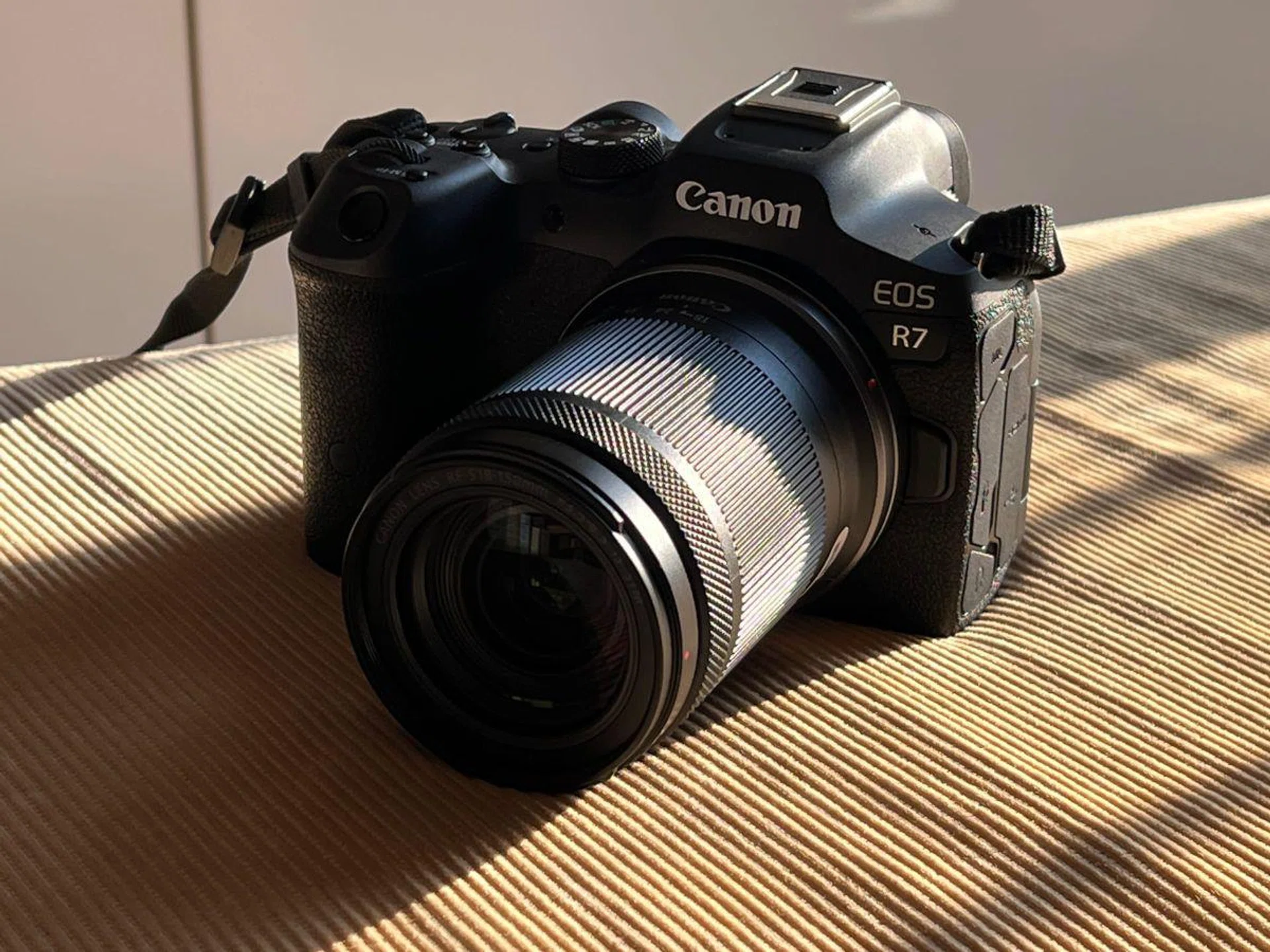
Small package with big performance, R7 is.
Not to mention, Canon claims that the R7's magnesium alloy body is resistant to dust and water splashes. So, not only is the R7 lightweight and compact, it should be pretty durable too. However, it is important to take note that the RF-S 18-150mm kit lens is not weather sealed.
But what impressed us the most is its hefty rubberised grip that is great to touch. It offers a good grasp of the camera without leaving out any of your fingers.
The new rear button layout is the first of its kind in the entire Canon EOS series. Usually, the command dial sits where your thumb usually rests when holding the camera. But with R7, the command dial is sited around the AF joystick beside the EVF.
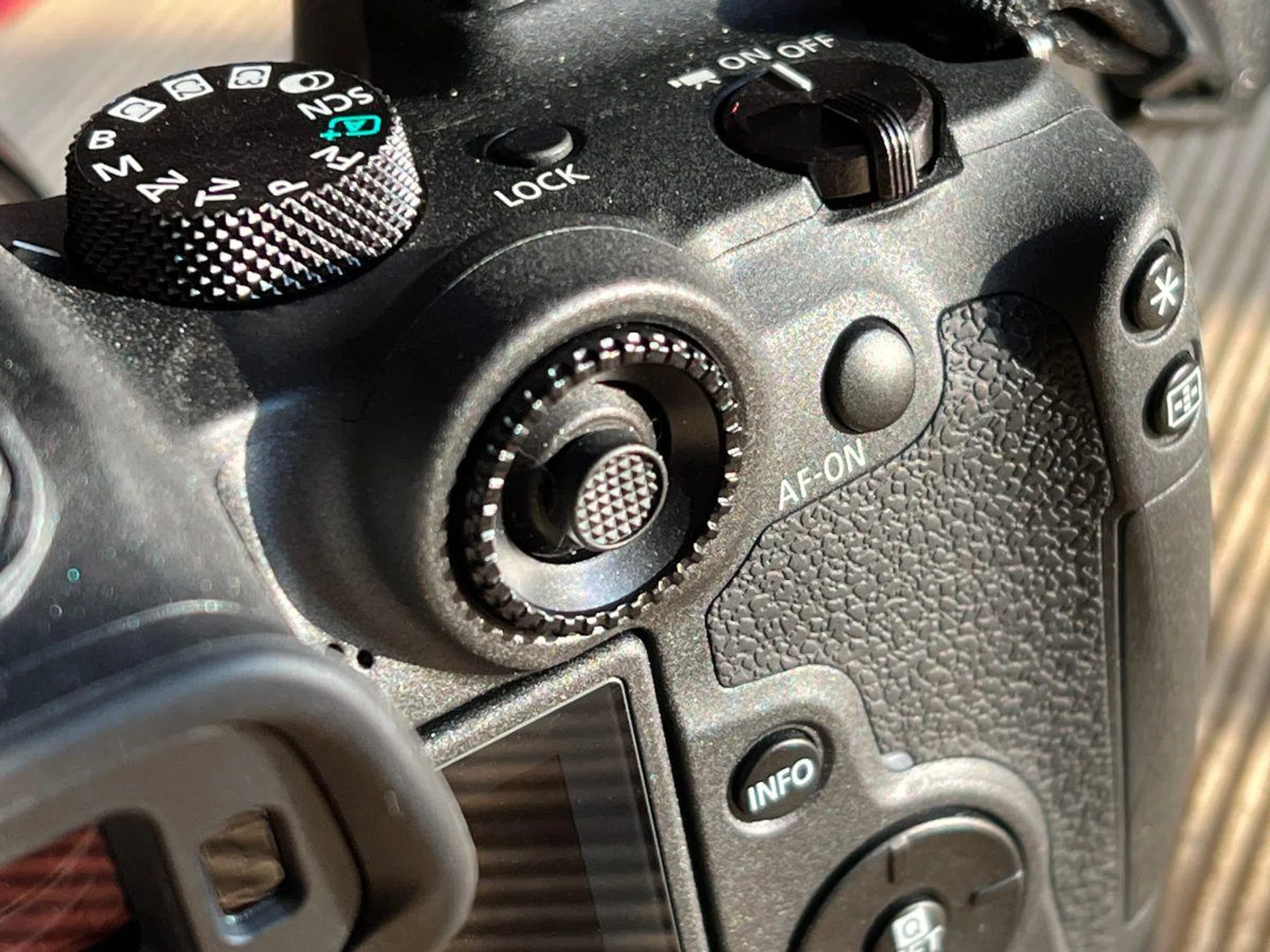
This AF joystick/command dial placement might take time to get used to for old-timers.
In other words, your thumb needs to move upwards instead of downwards to access the command dial. While this might be theoretically more intuitive, old-timers might find this command dial placement unfamiliar.
Being a long-time Canon EOS DSLR user, I find my thumb instinctively going for the position where the command dial used to be. This is especially so when I was rushing to capture a shot.
On the flip side, this might not be an issue for new users who have no historical baggage. Apart from the "weird" AF joystick/command dial placement, the R7's button layout is logical and well thought.
The top right of the R7 houses all the important dials, which include the shooting mode dial, the power switch, a video-recording button and a dedicated ISO button. I like that there is a Lock button to prevent the accidental turning of the shooting mode dial.
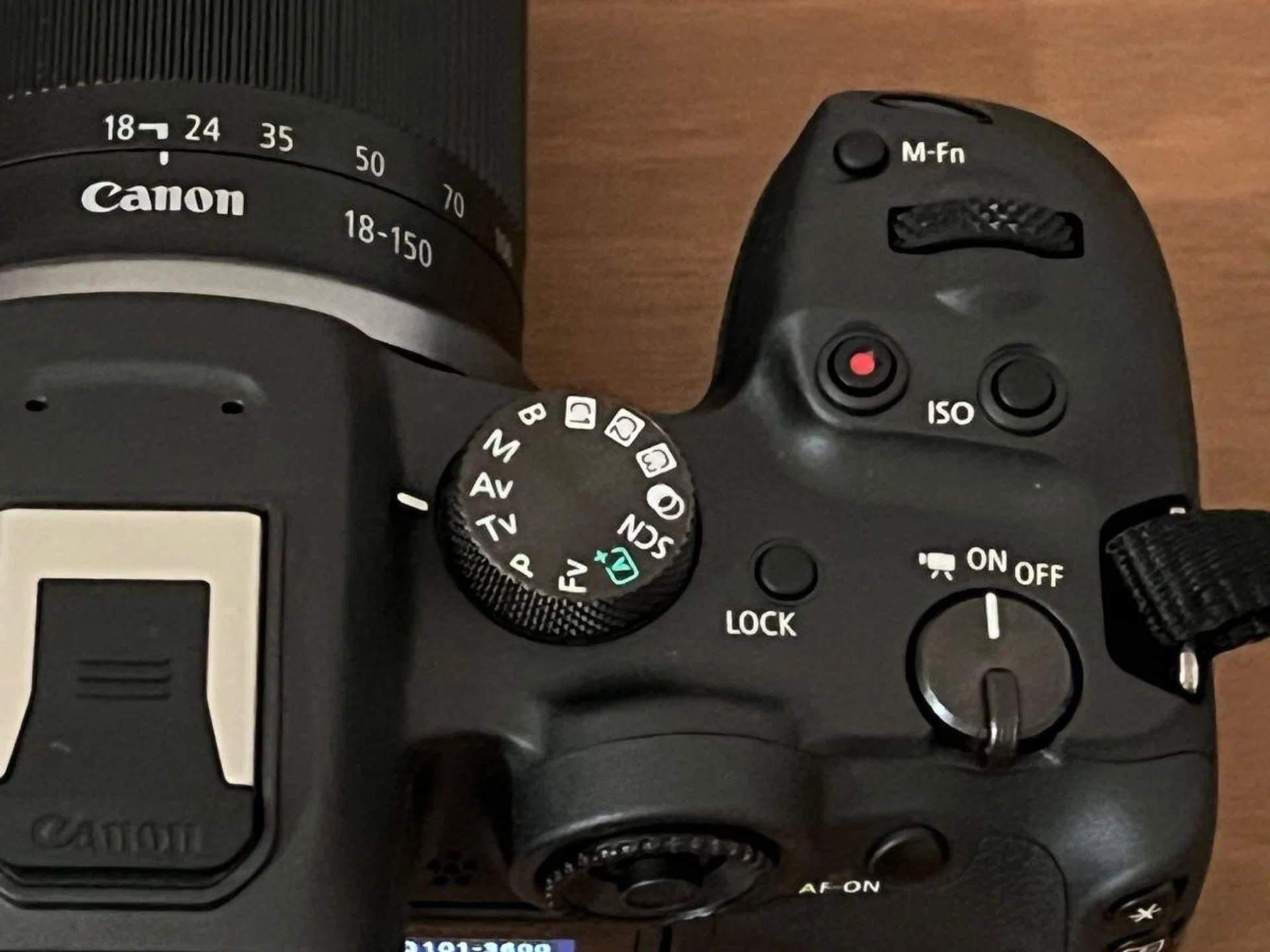
Button placement of R7 is well thought and logical.
Overall, you can easily access every button, dial and switch with your right fingers and thumb with R7. This makes handling the camera an absolute delight.
On the camera's right side is a compartment that houses two UHS-II SD card slots. Being a mid-range model, it understandably does not have a CFexpress Type A memory card option. There are more ports on the left with a microphone port, a headphone jack, a quick-release port, an HDMI port, and a USB-C port - all protected by silicone flaps. Basically, every port you will need from a modern-day mirrorless camera.
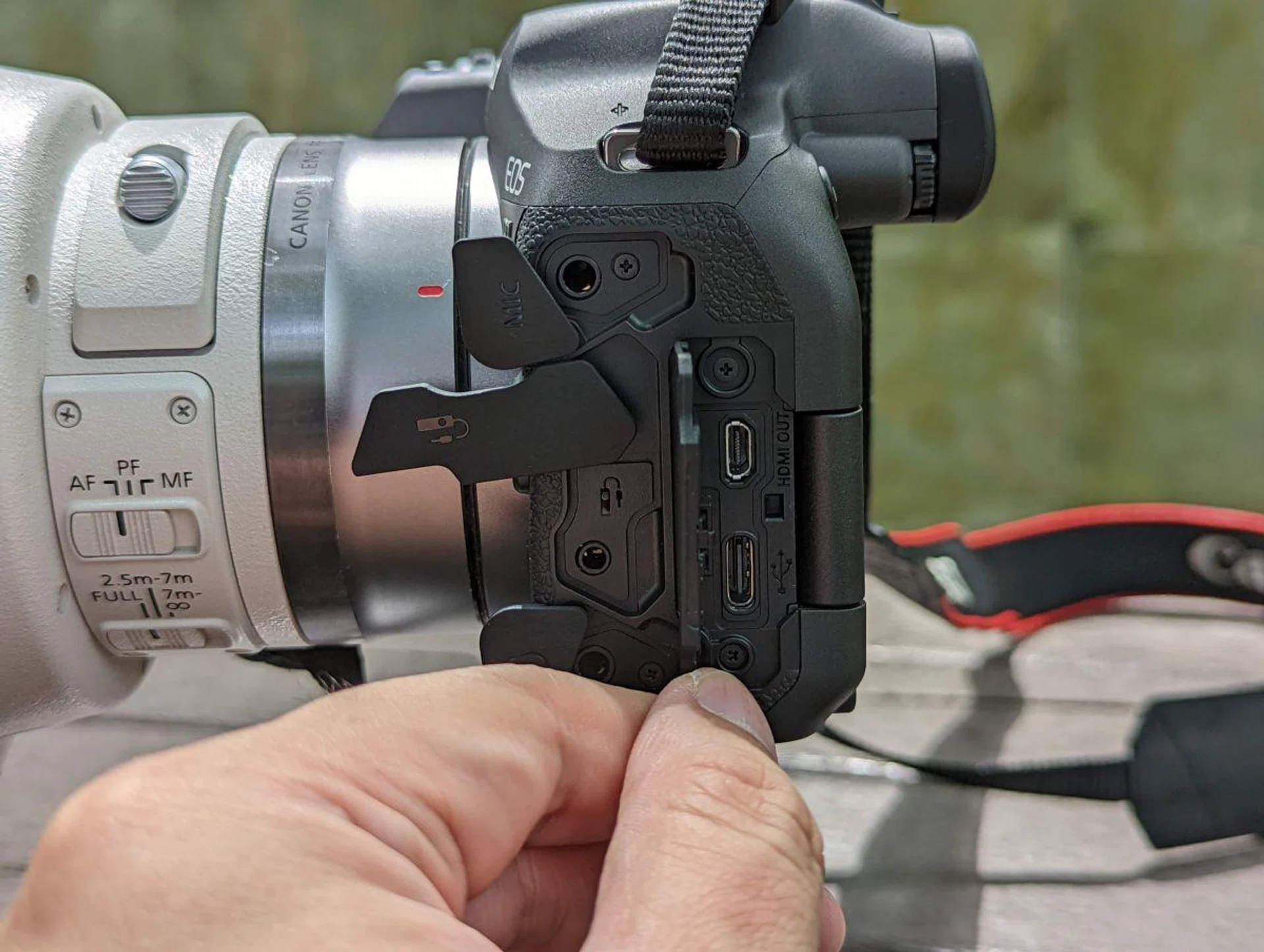
You basically have all the ports you need on the left side of the R7.
The touchscreen display is very responsive when you swipe and tap to access menu and options. You can also easily pinch to zoom into a preview photo, as well as swipe from one photo to another. It is almost akin to using your smartphone.
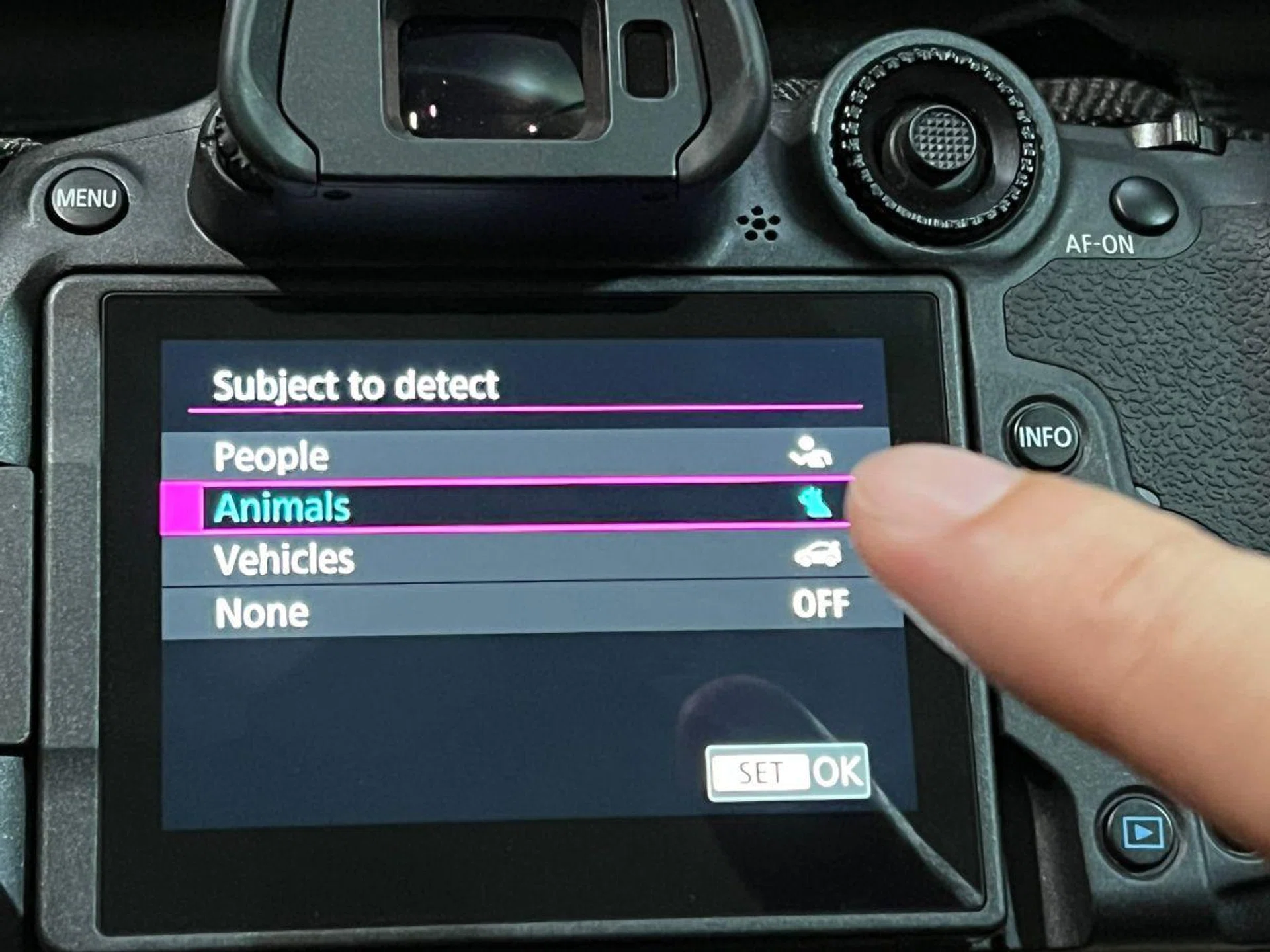
It is easy to select menus and options using the touchscreen display.
While the articulating 3-inch 1.62-million-dot LCD touchscreen display is great for selfies, it is easier to use the EVF to compose photos on really bright sunny days. However, the R7's 2.36-million dot EVF could have been better. It does not look as sharp as it can be. It also pales in comparison to R3's 5.76-million-dot EVF, which has been a subject of criticism for a flagship model. By comparison, the Sony Alpha 1's EVF has a resolution of over 9.4 million dots.
For this review, we tested the R7 primarily with the new RF-S 18-150mm f/3.5-6.3 IS STM lens (S$779), which offers a full-frame equivalent of 29mm to 240mm due to the image sensor's 1.6x crop factor. At times, we also used a EF 24-105mm f/4 L IS USM lens with a EF-EOS R mount adapter ($159).
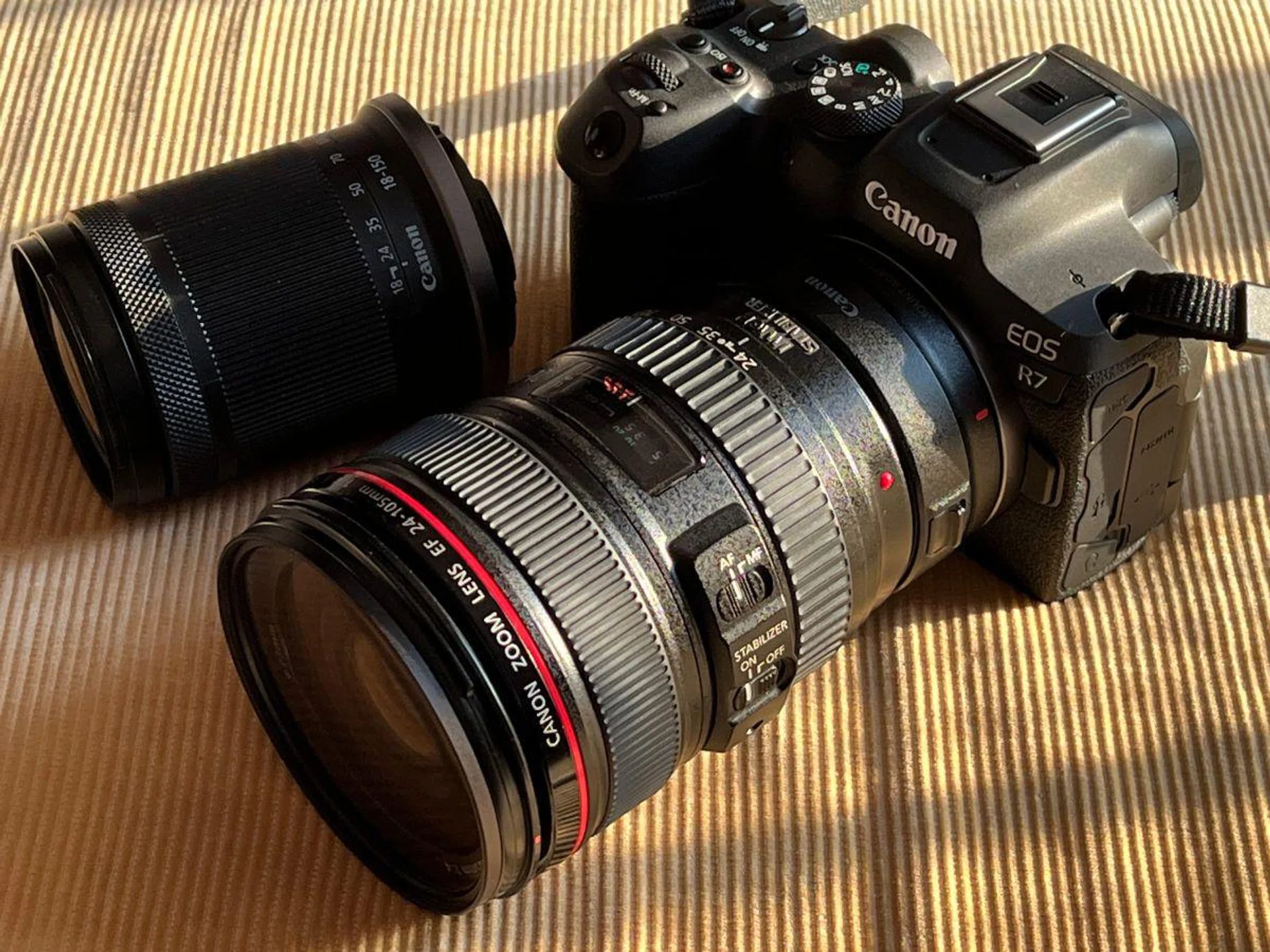
This review was done mostly with these two lenses - RF-S 18-150mm f/3.5-6.3 IS STM and EF 24-105mm f/4 L IS USM lens via a EF-EOS R mount adapter.
However, we also included our experience photographing the majestic avian creatures at Jurong Bird Park with the Canon RF 100-400mm f/5.6-8 IS USM lens (S$1,029) in this review. It is not easy to capture these birds in the wild, especially without those ultra-telephoto lens.
Camera operation of R7 is swift though, with startup almost instantaneous while shutdown takes around two seconds due to sensor cleaning.
Using an SD card with a writing speed of 170MB, the R7 was able to capture 34 RAW images in 2.5 seconds before the buffer ran out. This is pretty much as advertised.
Regardless of the lens used, the AF performance of the R7 is top notch in bright sunlight or dim lighting conditions. Under bright sunlight, the camera - with the kit lens - is able to focus on a subject instantaneously. Even in dim conditions, it takes only a second to focus.
Here, we have to bring up our experience when shooting at Jurong Bird Park. We used the affordable Canon RF 100-400mm f/5.6-8 IS USM telephoto lens with the R7 to photograph these fast-moving avian creatures. It might be a bright sunny day, but the birds were really fast. Yet, we were able to capture several great shots like this beautiful Macaw below.
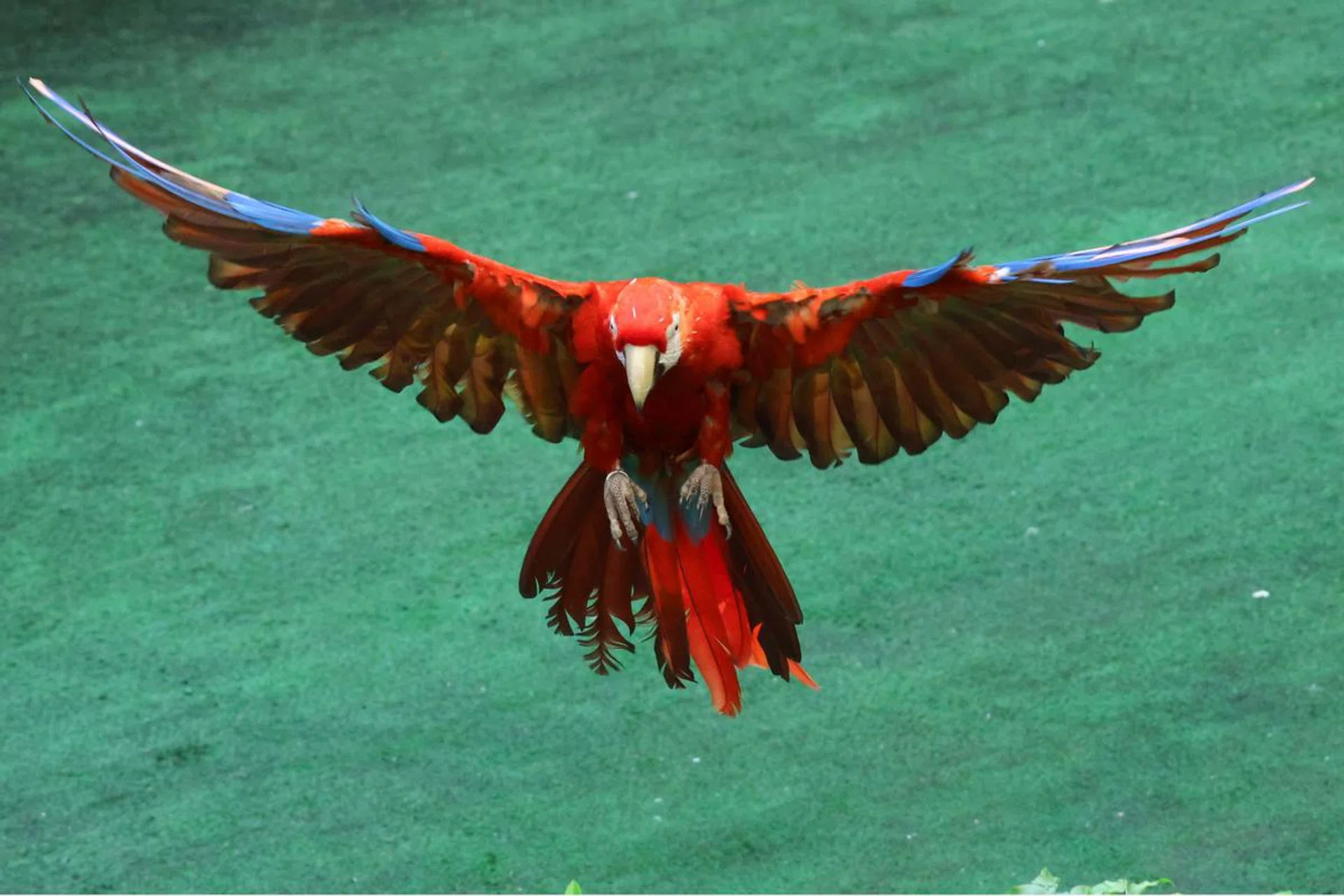
259mm at f/8.0, 1/1250s, ISO 6400
Wildlife photography requires some bits of luck, but your equipment will definitely help you become luckier. The R7's high-speed continuous shooting ensures that you can get a sharp picture as these birds fly around without any flight plans.
For example, this Baya Weaver was busy building its nest in one moment and the next moment, it was flying towards us. Thankfully, the R7 was able to capture this moment before it flew out of frame.
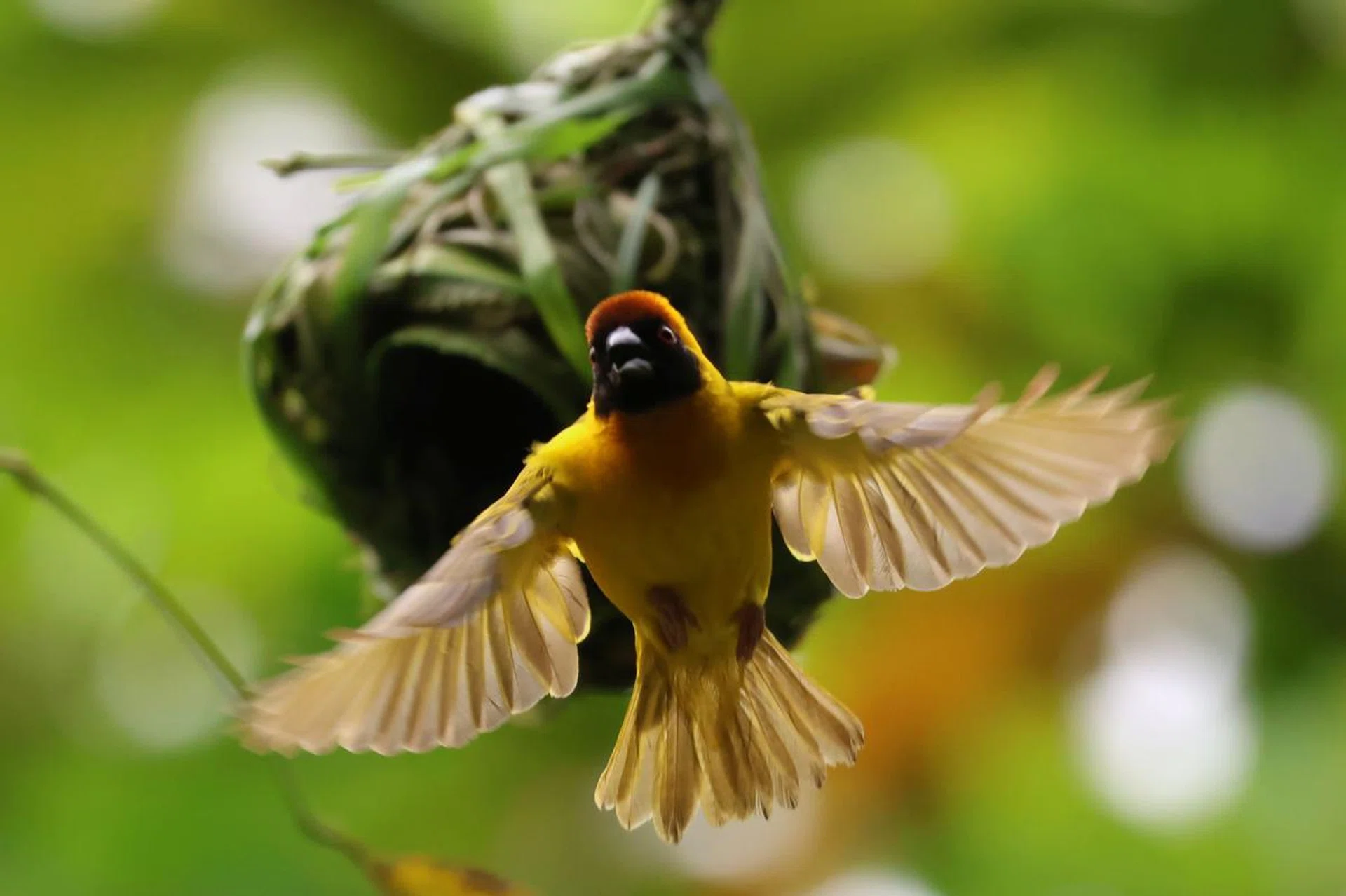
400mm at f/8.0, 1/1000s, ISO 2500
Images shot in the JPGs format look fantastic with sharp rendition of pixels and great details. For instance, you can see details in the different shades of black in feathers of this Black Palm Cockatoo.

325mm at f/8.0, 1/200s, ISO 3200
On the downside, the dynamic range of out-of-the box JPGs is sometimes lacking. This is evident from the photo below, shot during dusk at a park connector. You cannot see much detail in the dark areas. Your smartphone camera will probably do better here.
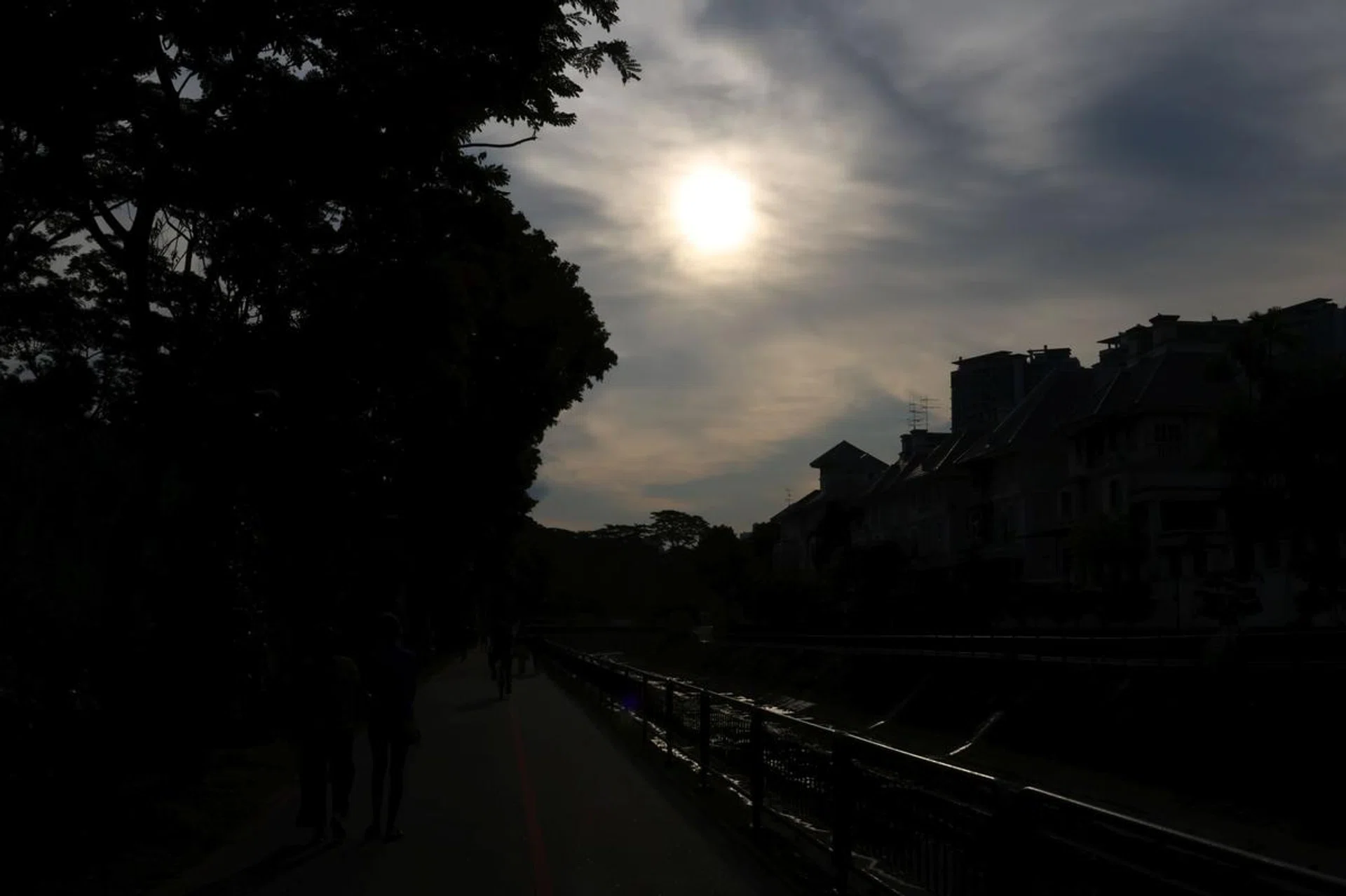
24mm at f/22, 1/320s, ISO 100
If you are shooting in RAW, you can get finer details as well as more realistic colours. Below is a photo converted from RAW format of a scene taken near Singapore Polytechnic during a sunset. A JPG format would have rendered the upper sky to be rather dull. But during the conversion from RAW, we were able to "restore" the brilliant blue sky, which was what we saw of the real scene.
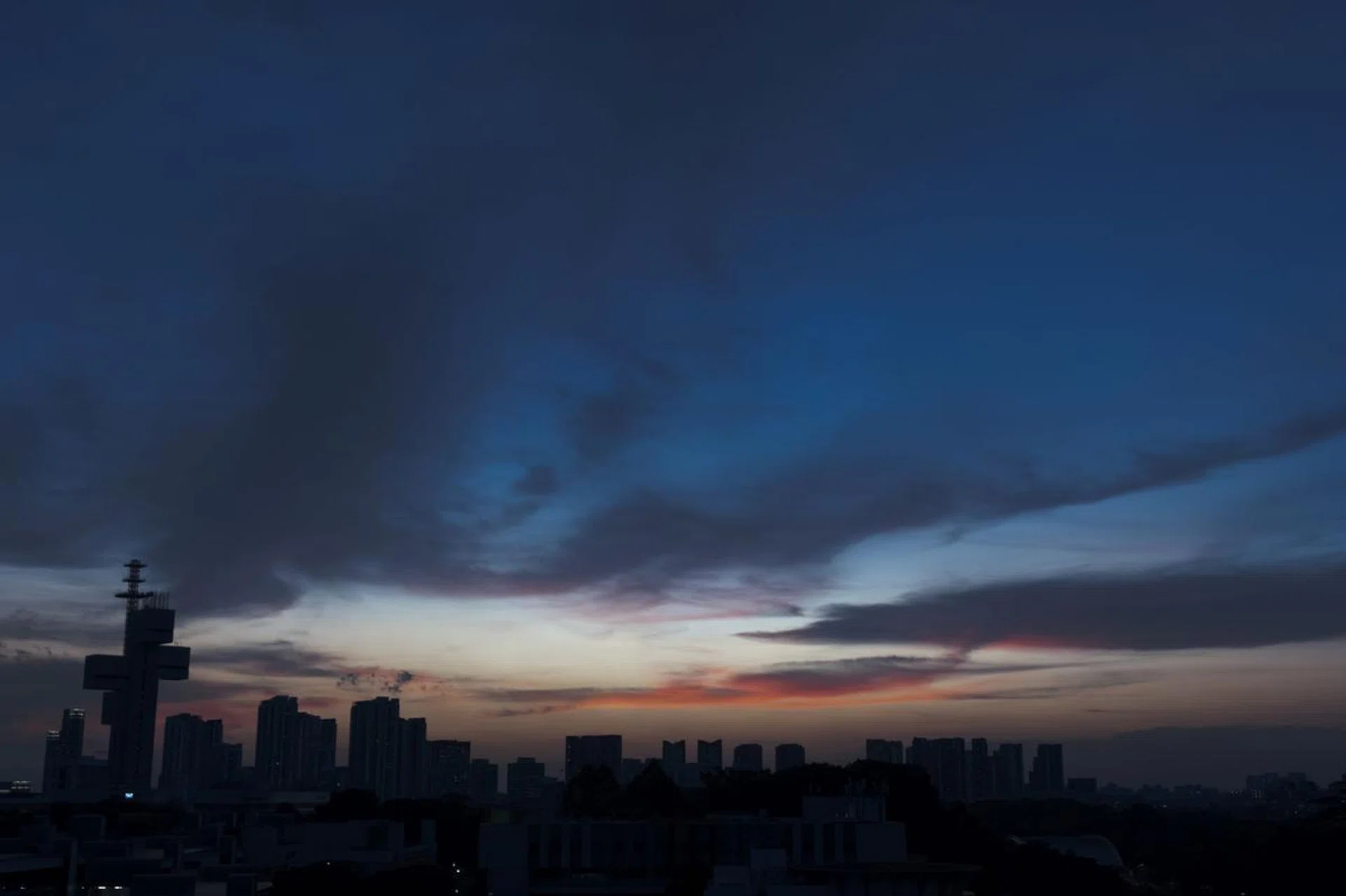
24mm at f/4.0, 1/80s, ISO 640 (Converted to JPG from RAW)
In terms of image noise performance, the R7 is quite impressive. It is able to keep noise artefacts to a minimum up till ISO 6,400. Even at ISO 12,800, when some loss of details can be seen, images are still acceptable for the Web and small prints. One example is this community cat below photographed at ISO 12,800.
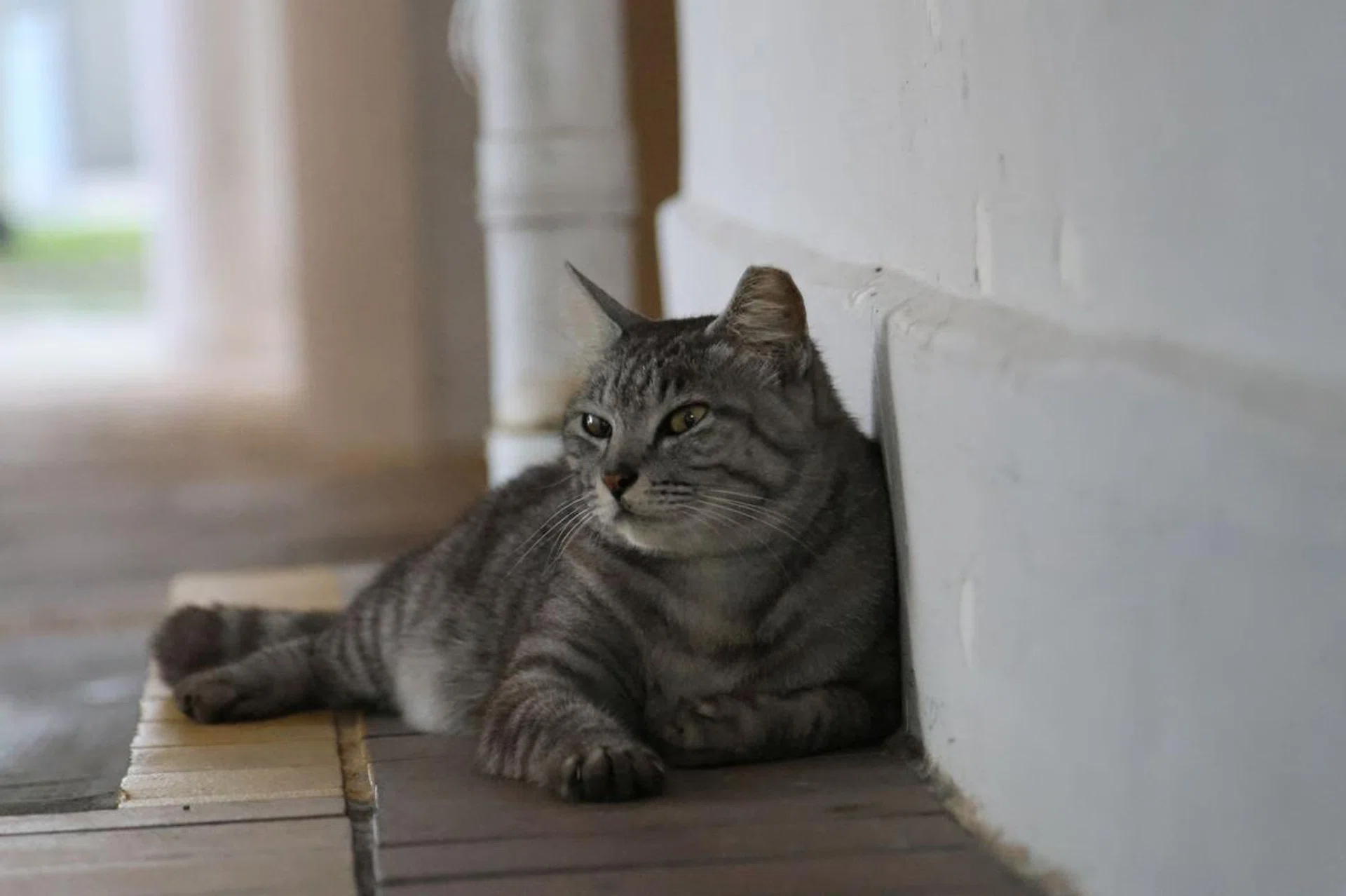
105mm at f/4.0, 1/640s, ISO 12800
Anything at ISO 25,600 or higher is not recommended, due to the high level of detail loss and noise. This is clearly the case, when you look at this dimly-lit car park photo below, which is shot at ISO 32,000.
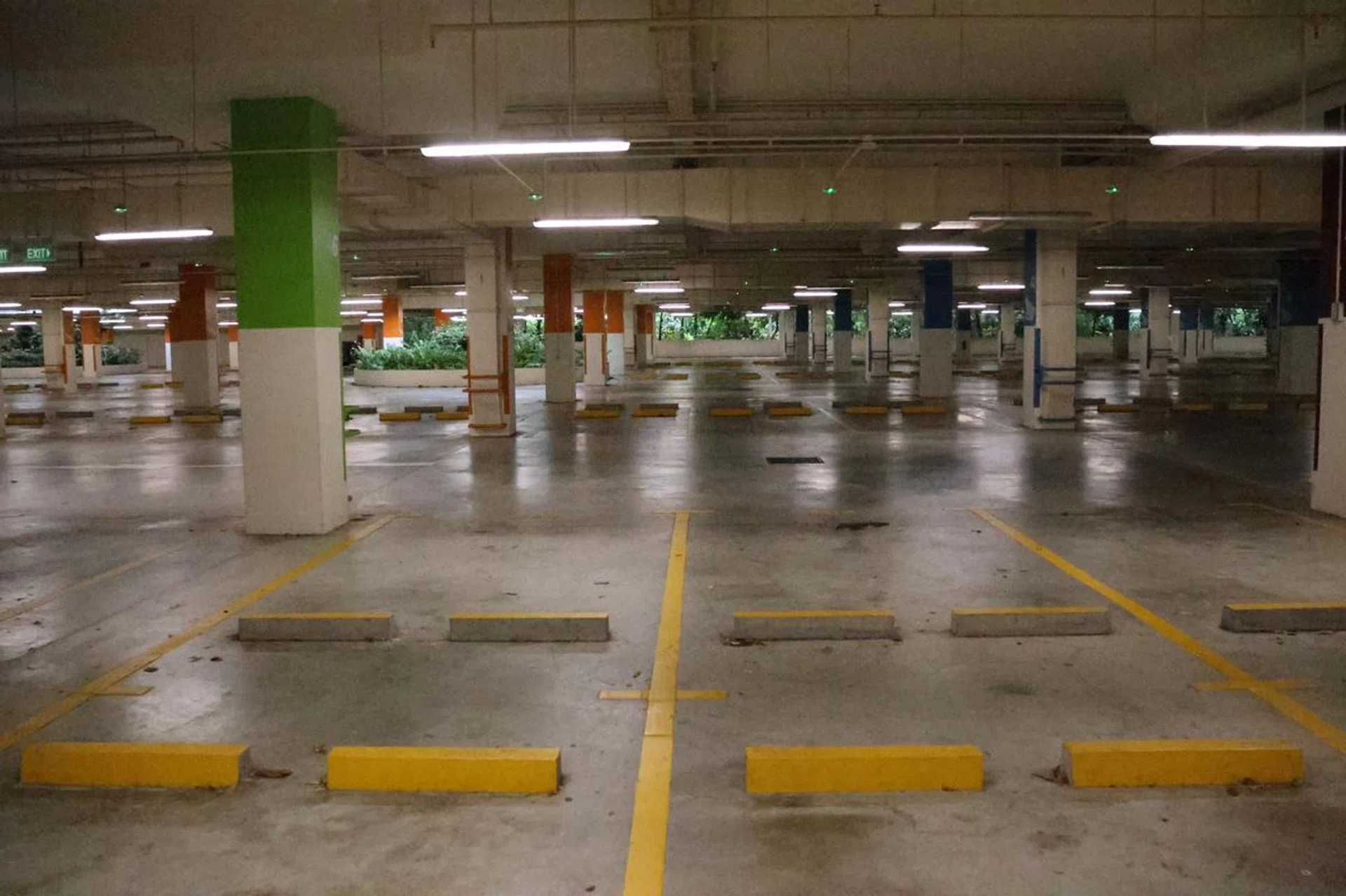
18mm at f/3.5, 1/2500s, ISO 32000
However, the battery life of the R7 is excellent. Officially, it is rated at 660 still images on a full charge. But in real life, we were able to shoot around 2,600 stills with the R7 and its battery level dropped only to 60 per cent.
With DSLR cameras sunsetting , it is time for avid photographers to move on to mirrorless cameras. And the Canon EOS R7 will be an affordable and wise choice.
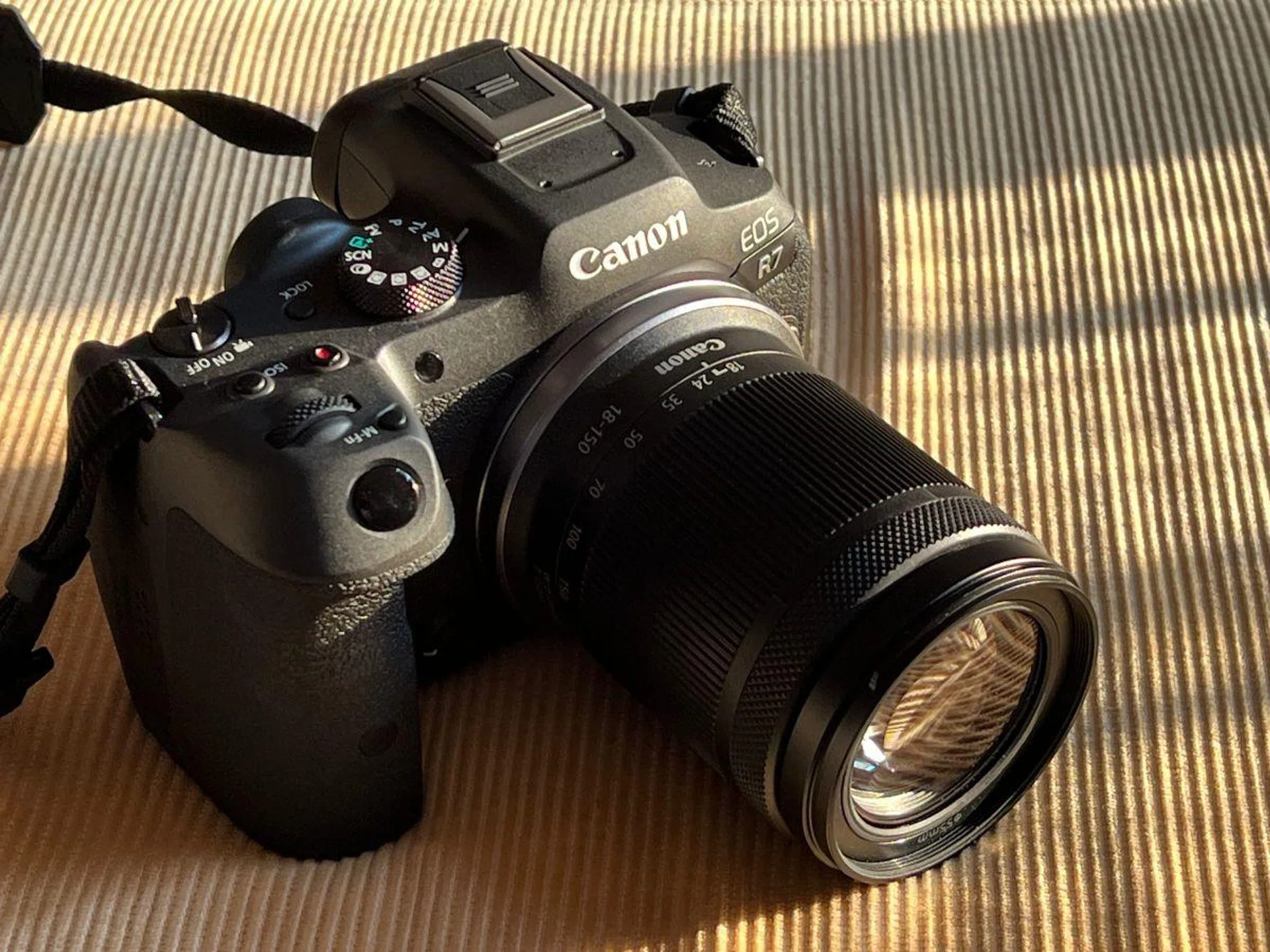
It has a lightweight and compact body with fast AF performance and produces excellent images, regardless of what lens you use including those via a mount adapter.
Apart from the new placement of the AF joystick/command dial that might irritate old-timers, the controls are mostly intuitive with a great grip and nice handling.
Overall, at S$2,049 (Body only), the Canon EOS R7 is a superb mid-range mirrorless camera that offers great value for money for its class. It is the mirrorless camera for most people, from serious enthusiasts to professional photographers.
To know more about the camera and where to get it, you can visit Canon Singapore.
More High-res Sample Shots From Our Review
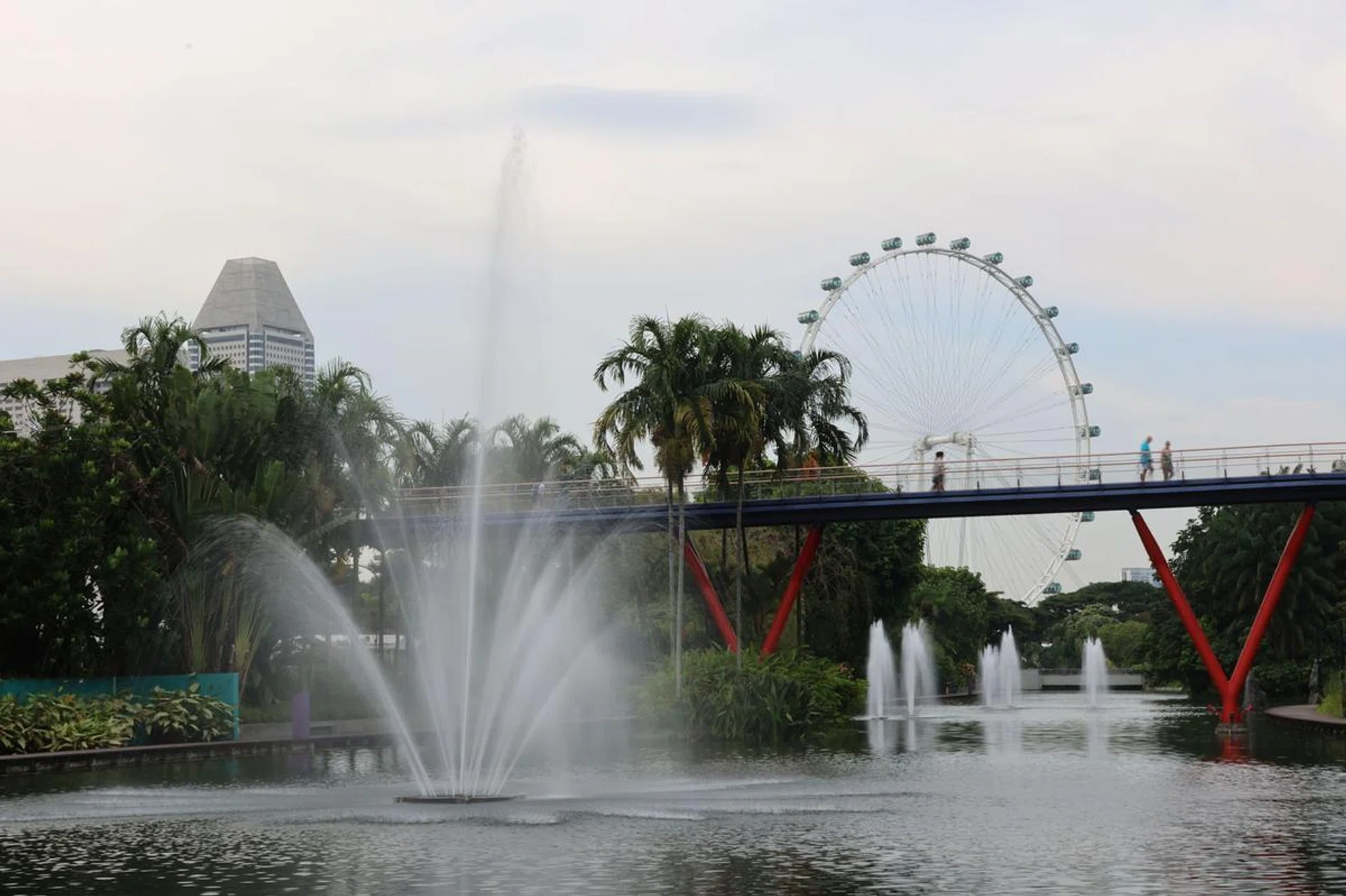
Gardens by the Bay Lake - 40mm at f/29, 1/10s, ISO 100

Cat Licking Paw - 75mm at f/4.0, 1/800s, ISO 2500
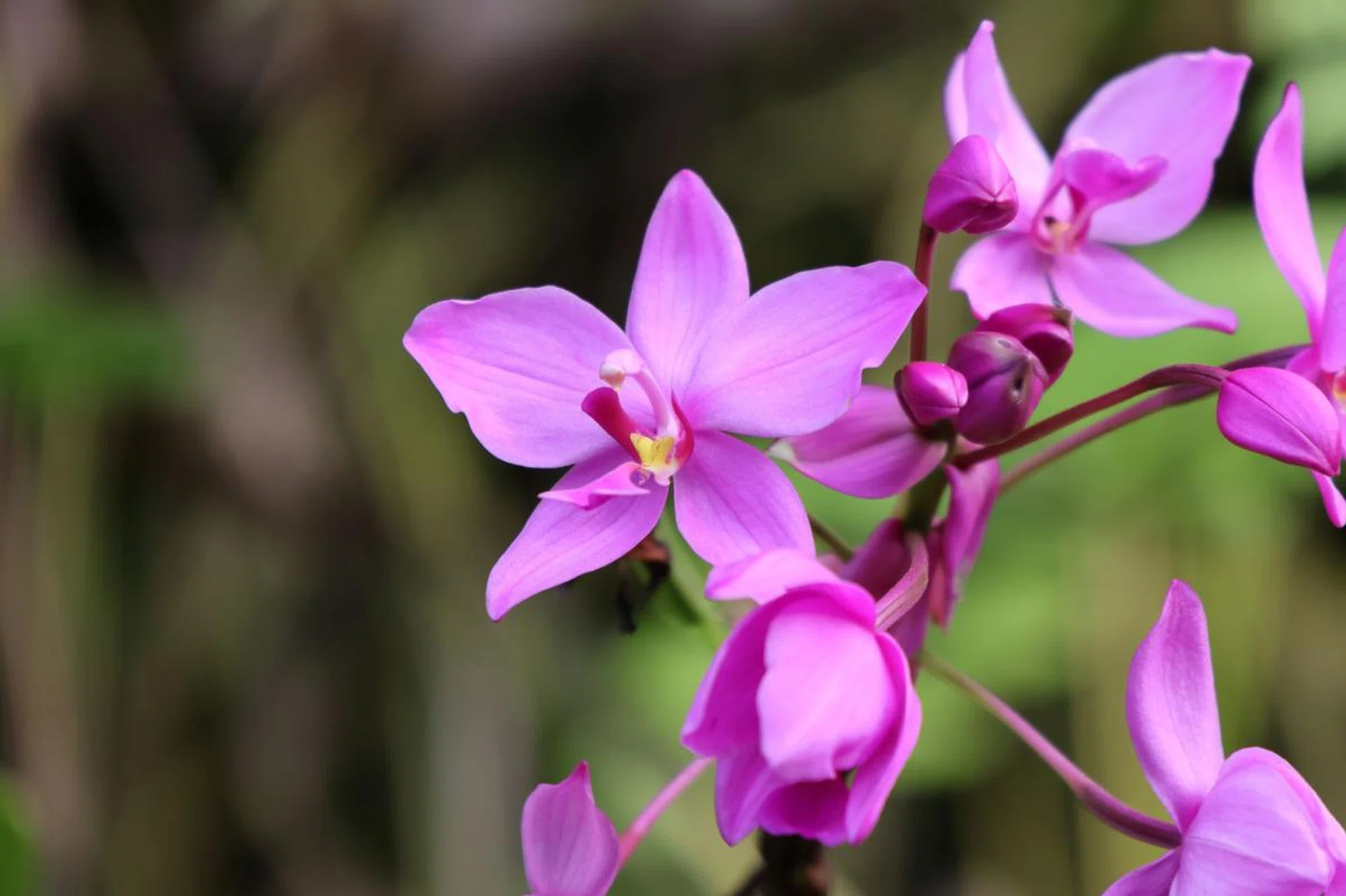
Orchid - 150mm at f/6.3, 1/250s, ISO 500
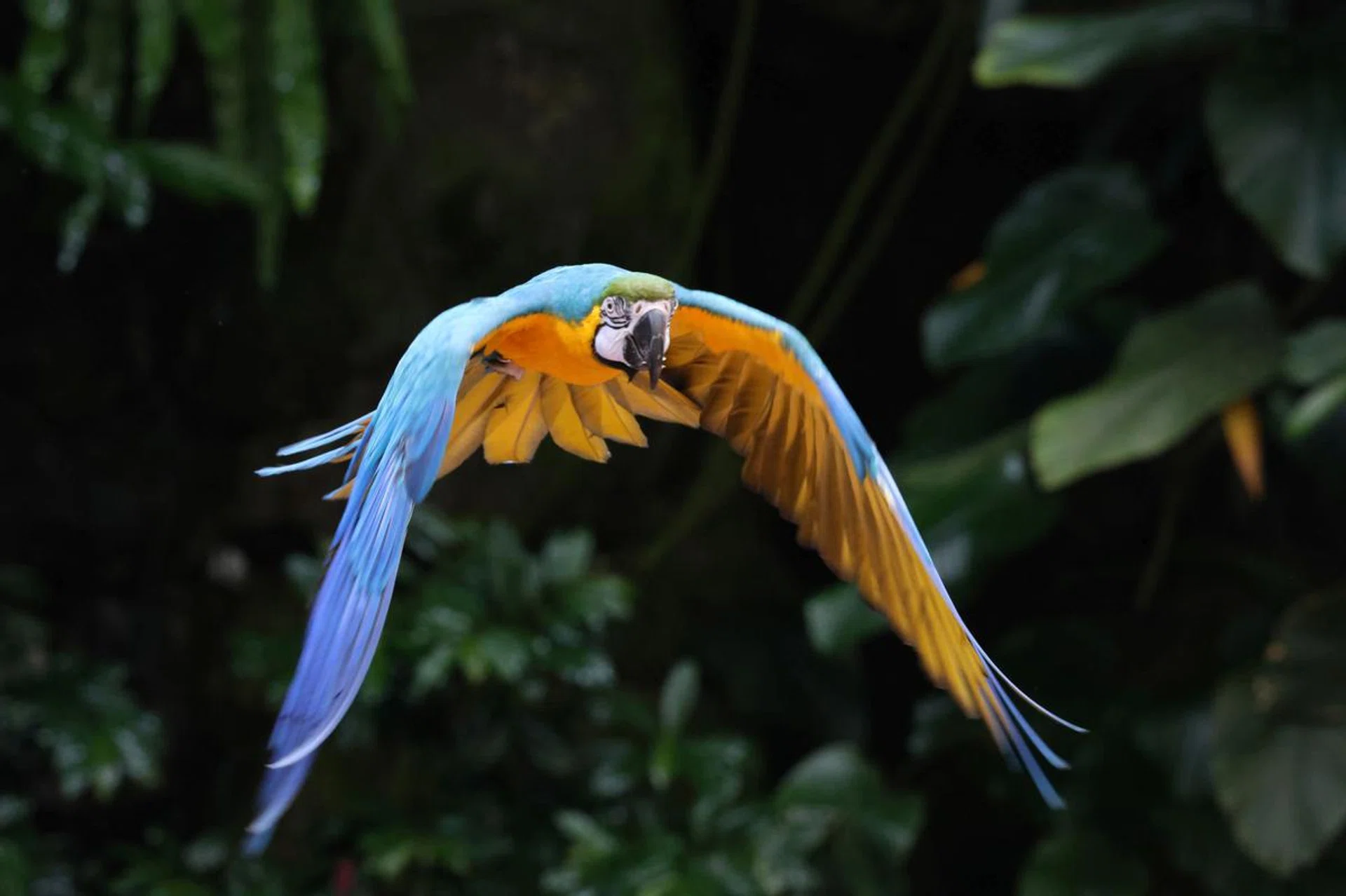
Blue-gold macaw - 236mm at f/8.0, 1/640s, ISO 6400 (50% crop)
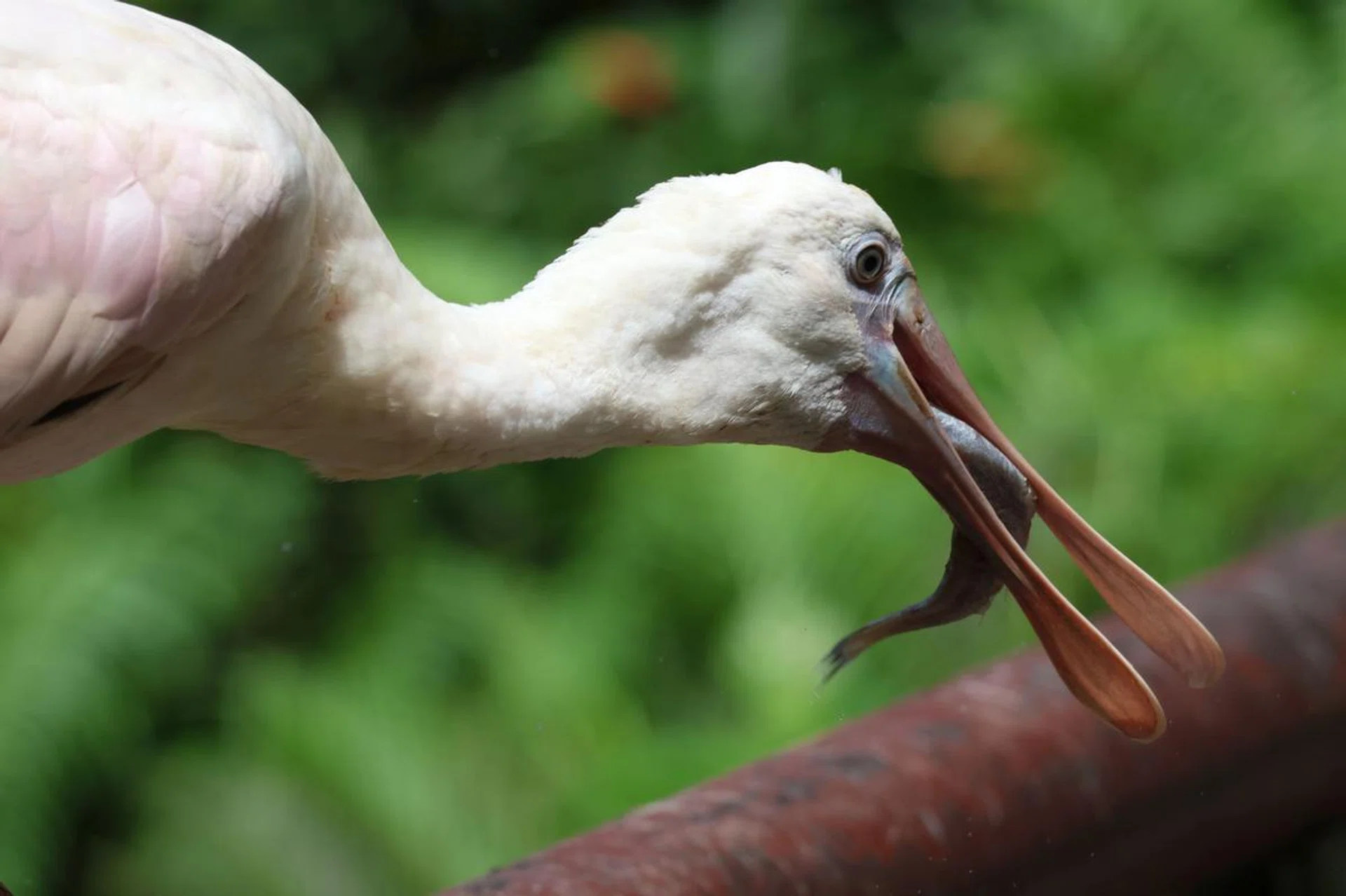
Roseate Spoonbill - 248mm at f/8.0, 1/1,000s, ISO 500
Our articles may contain affiliate links. If you buy through these links, we may earn a small commission.