

Compressed graphite crystals, aerospace-grade titanium, HyperCool, HexaGrid Plus, CryoCloud technologies. I won’t blame you if this first sentence sounds like I’m writing about a new chipset or device with next generation manufacturing and cooling. Graphite and titanium are after all, advanced materials used in electronics and semiconductor industries.
But no. I’m talking about a mattress. Yes, mattress as in what we sleep on in a bed, not another code name for an Intel or AMD processor. Specifically, the Origin LumbarCloud mattress. And to address my choice of title for this article, I’ll jump right into it.
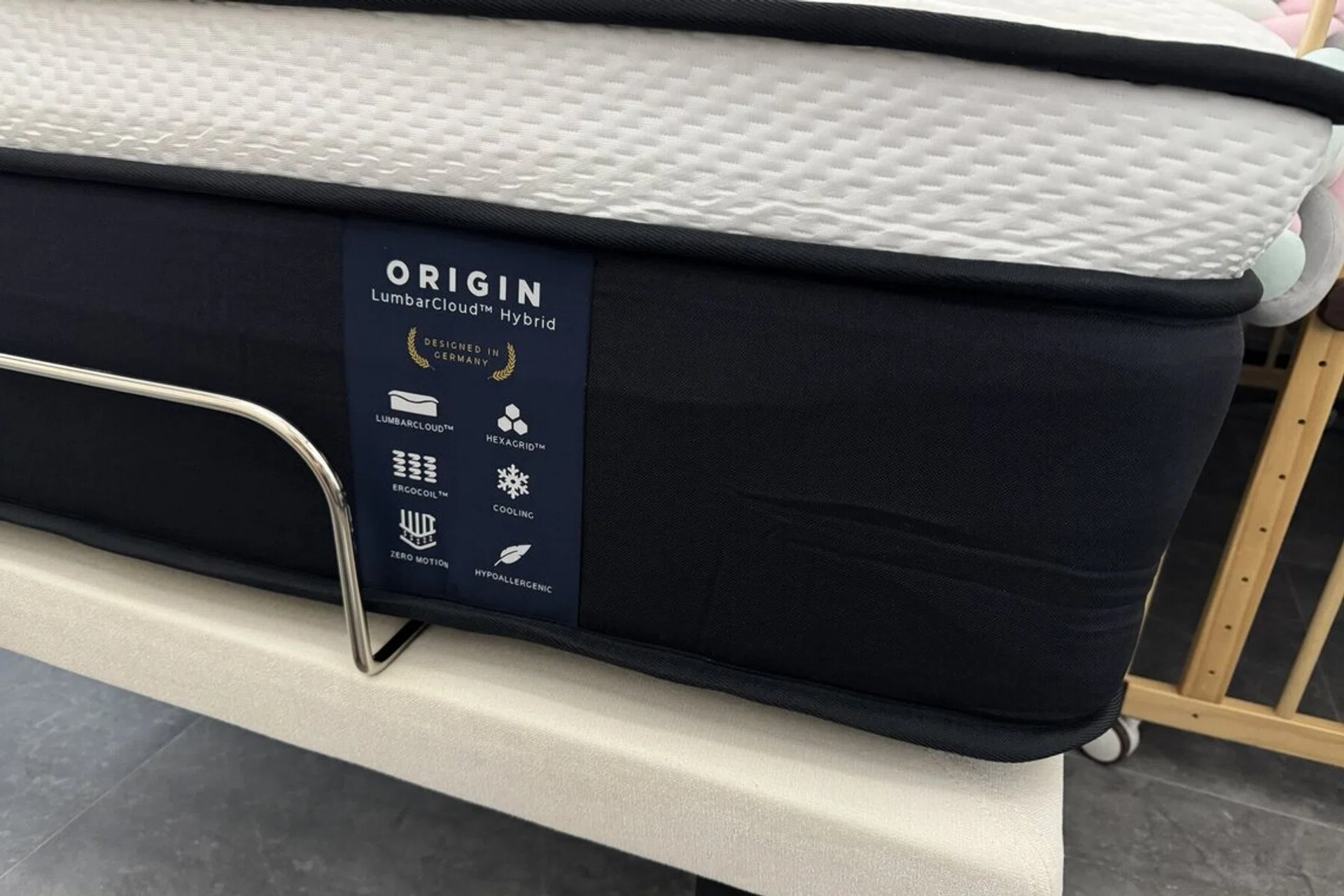
Origin is one of the many mattress-in-a-box brands that have popped up in the past few years, and the LumbarCloud is the flagship model. It is actually made up of 9 distinct layers of various materials and technologies designed for comfort, contouring, support and long-lasting cooling in the face of Singapore’s humid weather.
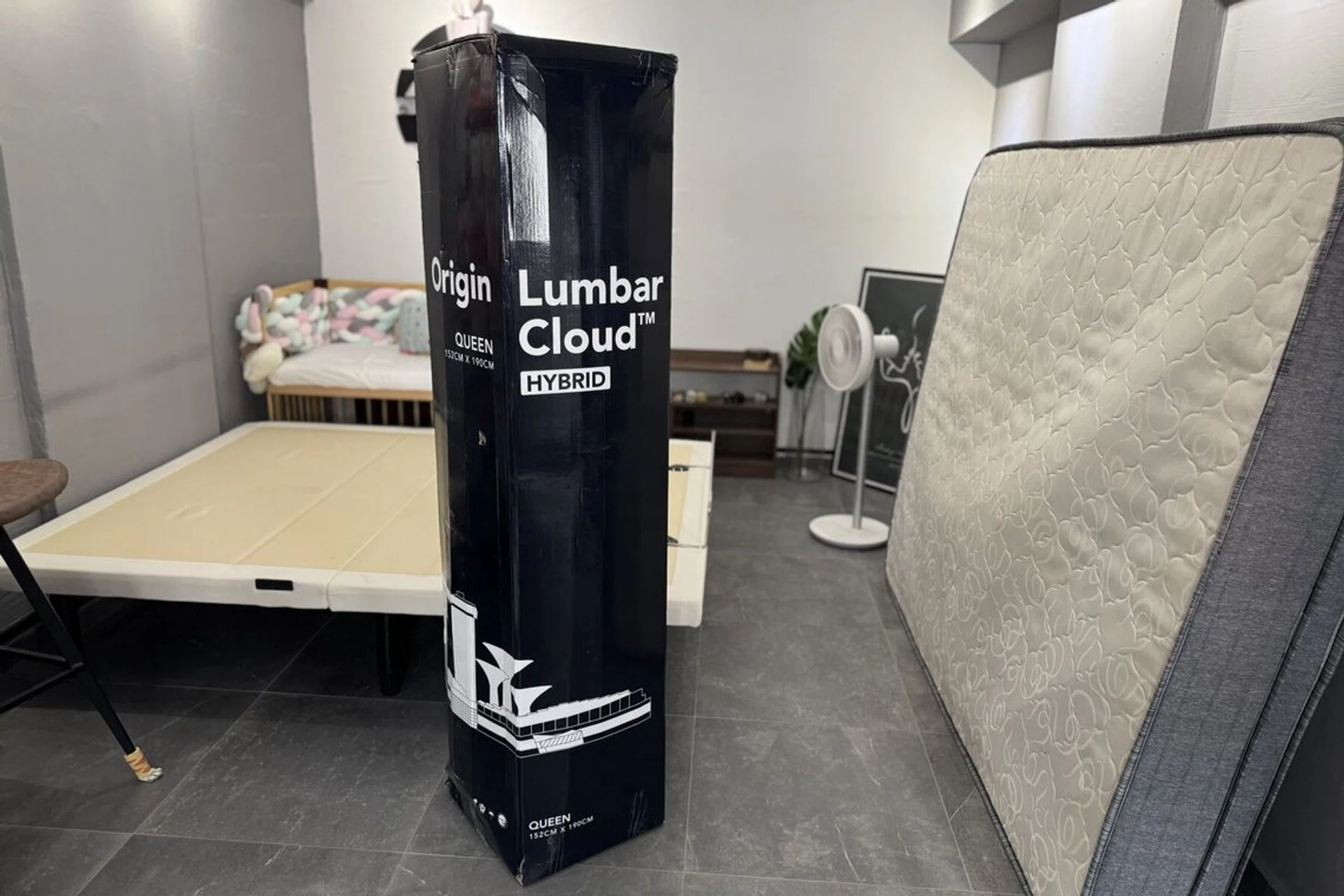
Origin LumbarCloud mattress in a box.
Let’s run through each to get a good overview of what you’re paying for:-
- The topmost layer is called HyperCool Silk, a trademarked Tencel cover that comes in first contact with your skin. Tencel is more commonly used for sheets and comforters for their cooling nature, but having the mattress itself topped with Tencel is an added bonus.
- Layer two is breathable microfibre blend. While Origin doesn’t exactly mention the makeup of these fibres, it is trademarked as CloudBlend Fibre.
- Layer three is HexaGrid Plus (also trademarked), a polymer layer in a honeycomb-like grid that is said to support joint comfort.
- Then there’s the Graphite Diamond Latex layer (you guess it, trademarked). While natural latex is also commonly used in many premium mattresses, Origin further infuses theirs with compressed graphite crystals, which supposedly helps improve temperature regulation by up to 2x of their past models.
- The fifth layer is another fibre layer, but this time, it’s organic bamboo-infused wool blend. Bamboo fibres, like Tencel, are known for their icy-cool and highly breathable properties.
- At layer six, we’ve finally come to the first spring structure, the ErgoCoil Max (trademarked), which is a layer of pocketed titanium micro-springs. These are designed to move and adjust with your body for more precise posture and joint pressure relief.
- Under the microsprings, is CryoCloud Foam (see the trademark pattern here?), which is an open-cell, gel-infused foam layer that provides the firmness and body contouring, while being more cooling than traditional memory foam.
- Layer 8 is the large springs, which are the main support for the mattress. These are individually pocketed titanium springs, but they are coiled with different tensions in different sections of the bed for optimal support for the upper, lower and middle parts of your body.
- The final layer is really just a dense foam that supports all the other layers and keeps everything in place.

The 9 layers of the LumbarCloud mattress.
See how long it took to just write out the composition of this mattress? If you were initially wondering why HardwareZone took on a mattress review, this was what intrigued me the most. There are actually even more trademarks listed on the website: Extreme Cool Technology, LumbarRelief Design, SmartClimatePro Cooling System, and of course the name of the mattress itself, LumbarCloud. This mattress has more trademarks than any single product I’ve ever reviewed in my 20 years as a tech journalist, and that itself is fascinating. While a brand is free to name its products anything it wants, going to the trouble of trademarking almost every aspect of a single product is a stretch. There has to be more to this than marketing fluff, right?
Now, I can’t run benchmarks on a mattress, but I can tell how I’ve slept for the past week of using the Origin LumbarCloud. Unpacking this thing was a feat of its own and I can’t believe that something this thick, this firm, with this many layers and materials came vacuum-packed in a box that can just be unrolled onto my bed frame. Mind you, when fully uncompressed, the LumbarCloud mattress is a massive 35cm thick, testing the limits of my fitted sheets. Comparatively, my old mattress, which I thought was plush enough, was only 25cm.
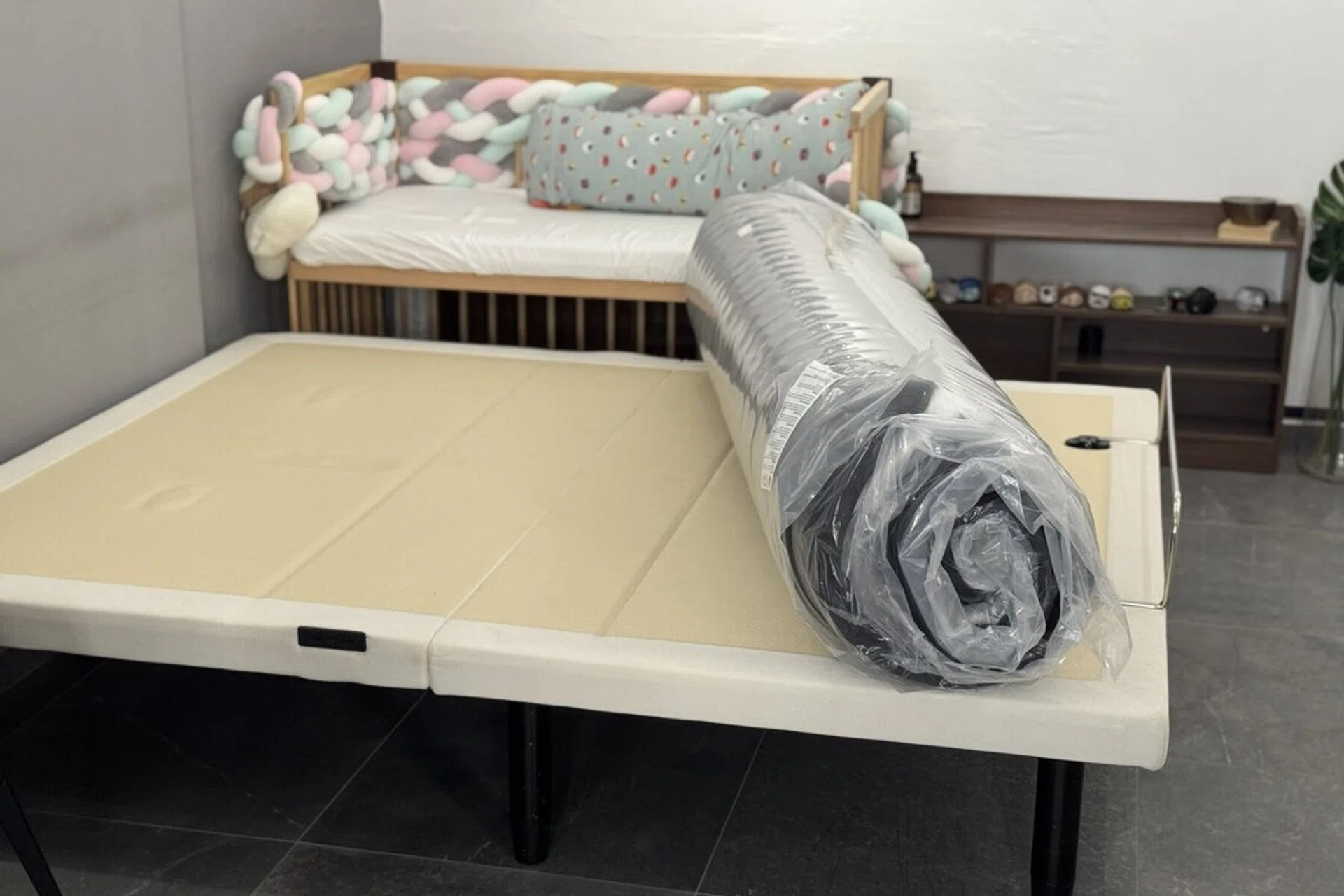
Just roll out the mattress, slice the vacuum seal, and watch it grow.
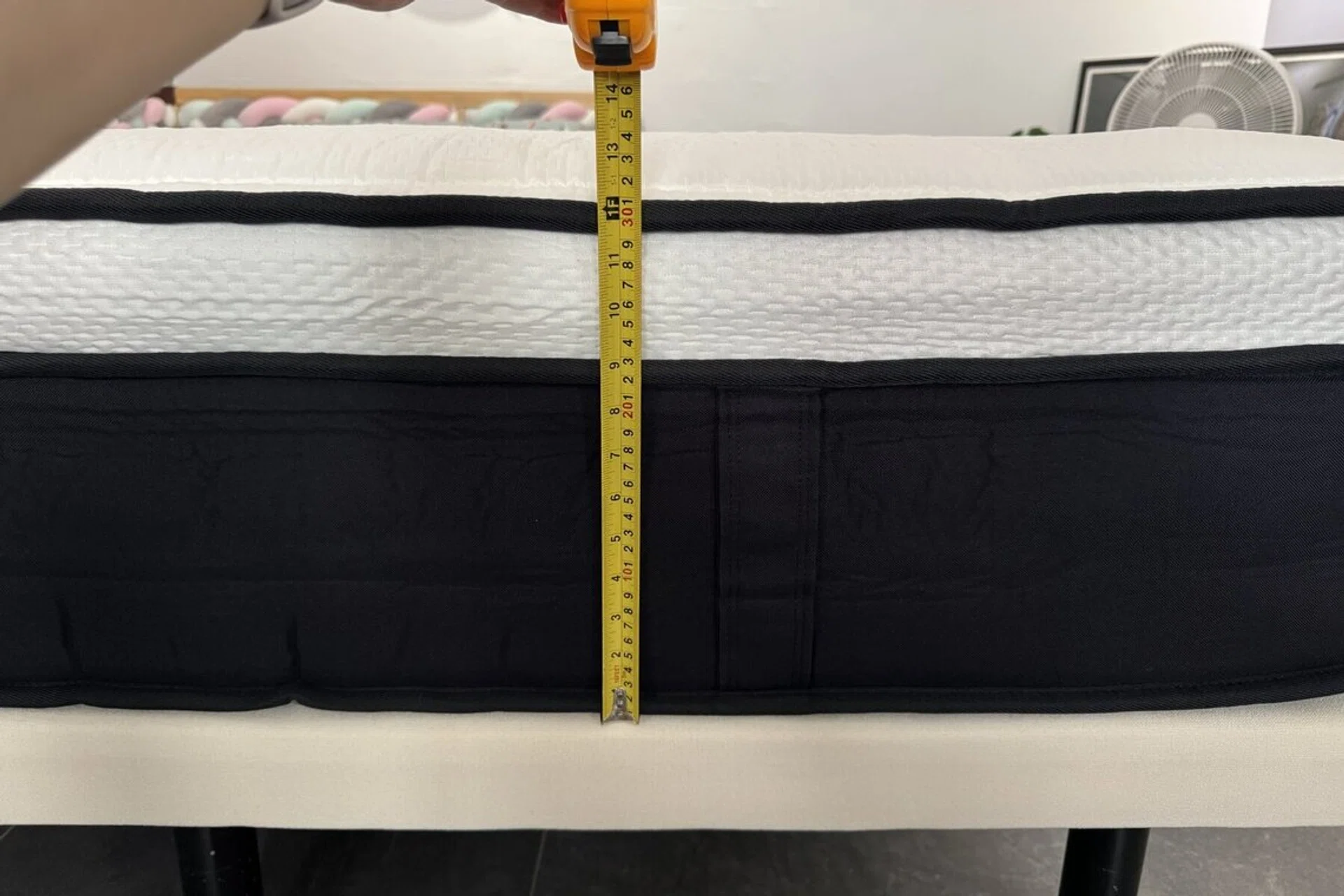
Fully decompressed, the LumbarCloud is an impressive 35cm thick.
Lying on the LumbarCloud reminds me of an old children’s fairy tale, the Princess and the Pea, except in the opposite. I couldn’t feel anything at all. I would say the mattress is on the firm side of the scale, but my body melds into the pillowtop layer without sinking in like memory foam. I’m actually quite surprised by the rigidity while still being ultra comfy. I guess this is what Origin means when they call the LumbarCloud a hybrid mattress. It is a Frankenstein’s monster of every mattress material in one product--foam, latex, springs, fibres—but it works.
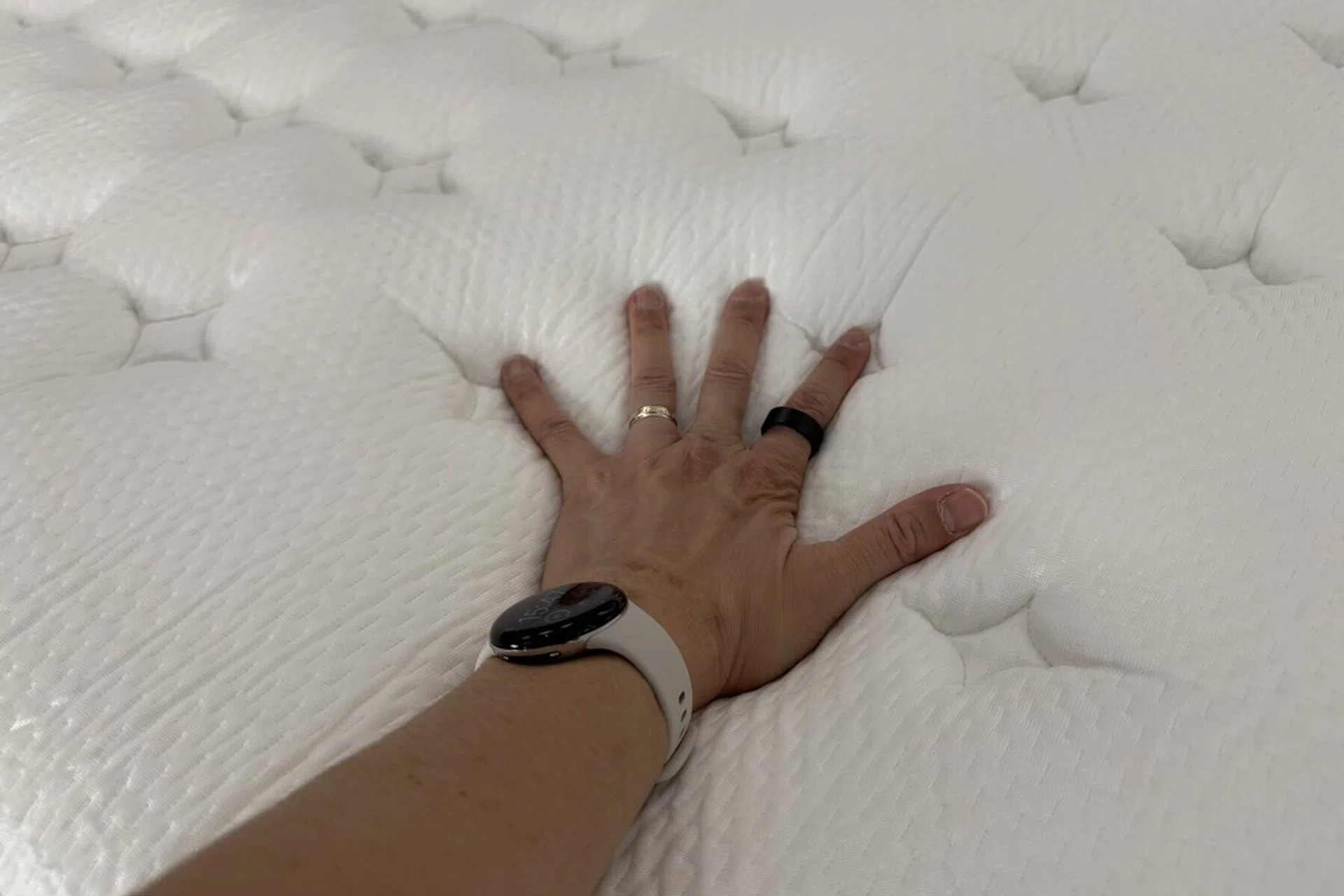
The pillowtop cushioning is covered with cooling Tencel fabric.
The Tencel top is fantastic. If you also use Tencel or bamboo sheets, you won’t get that layering effect where the bed starts to feel warm in the area you’re sleeping on, it stays cool throughout. I’ve taken an afternoon nap (perks of working from home and “reviewing” a product) with only my dehumidifier running—no fan, no AC—and I fell asleep with no problems. I will admit that I did wake up feeling a little too warm for comfort, but I haven’t started sweating yet.
Even my 19-month-old daughter prefers the LumbarCloud mattress, and if that doesn’t write this review by itself, I don’t know what does. We’d put her down for nap time in her crib, and she’ll sleep-climb onto our bed at some point. Maybe Origin needs to make one for kids, because when she takes over the bed, I’d have to sleep on the couch.
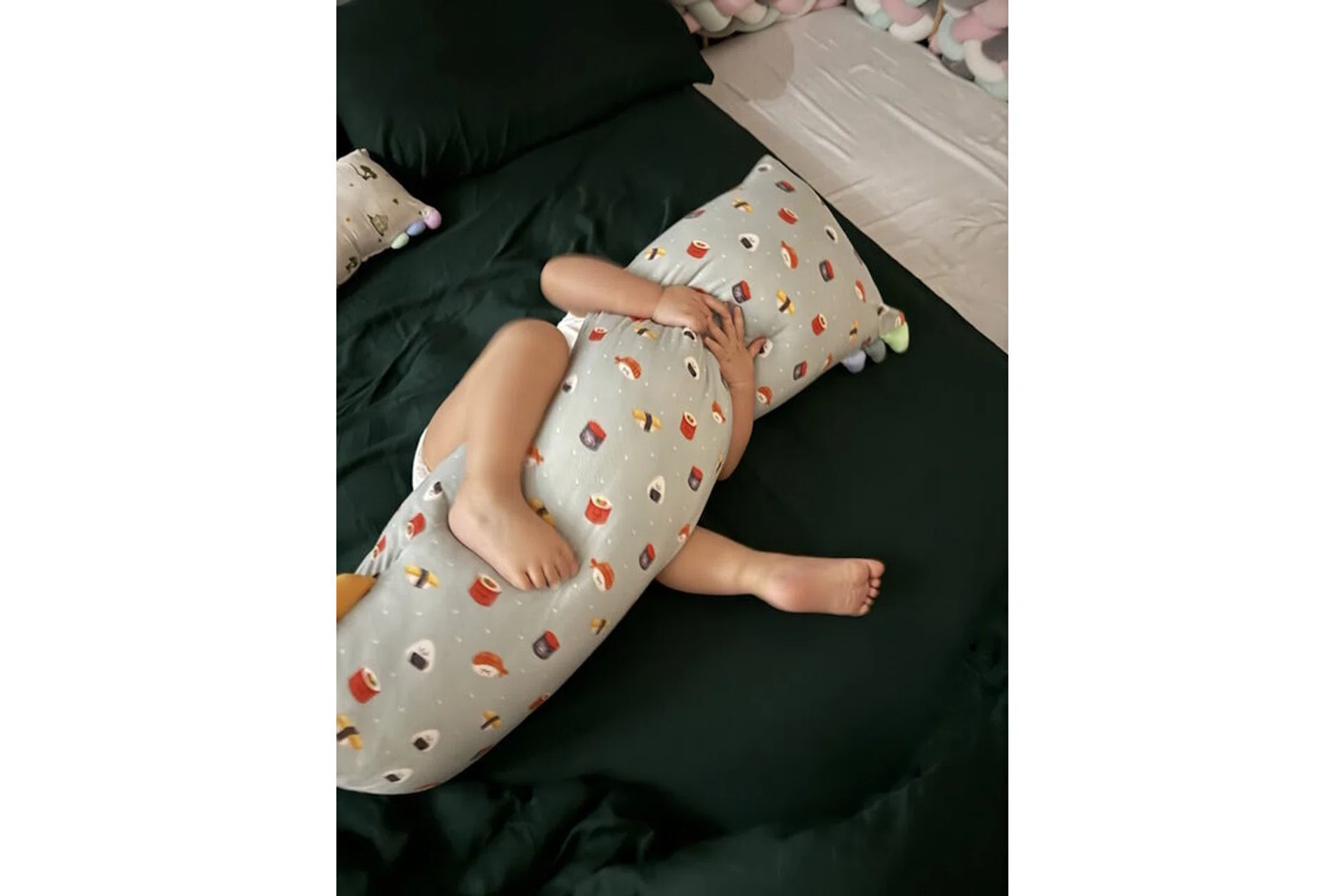
Warning: Everyone will want to sleep in your bed.
Another reason I took on this review is because I actually own the original Origin Hybrid mattress, before the Hybrid Pro and LumbarCloud models were announced, so I’ve had this one for over six years now. After my wife gave birth, and still experiencing some pain and discomfort, we got the adjustable bed to help with sitting and breastfeeding. We were advised that our old mattress would not be suitable as it wasn’t designed with sections. This meant reduced comfort as the mattress couldn’t really bend with the bed frame, and repeated use may lower its lifespan and damage the springs. At the time, we felt that once a human weight was put onto the mattress, it’ll sink into the frame, so we just sat on it. A year down the road and the old mattress showed no sign of undue wear and tear, and we just forgot about it.
Then came the opportunity to test out the LumbarCloud, which has 3,000 springs (the Origin Hybrid only had 800 springs) and three distinct sections. This was like going up to 4K with local dimming zones from 720p (in TV tech parlance), so I jumped at the chance.
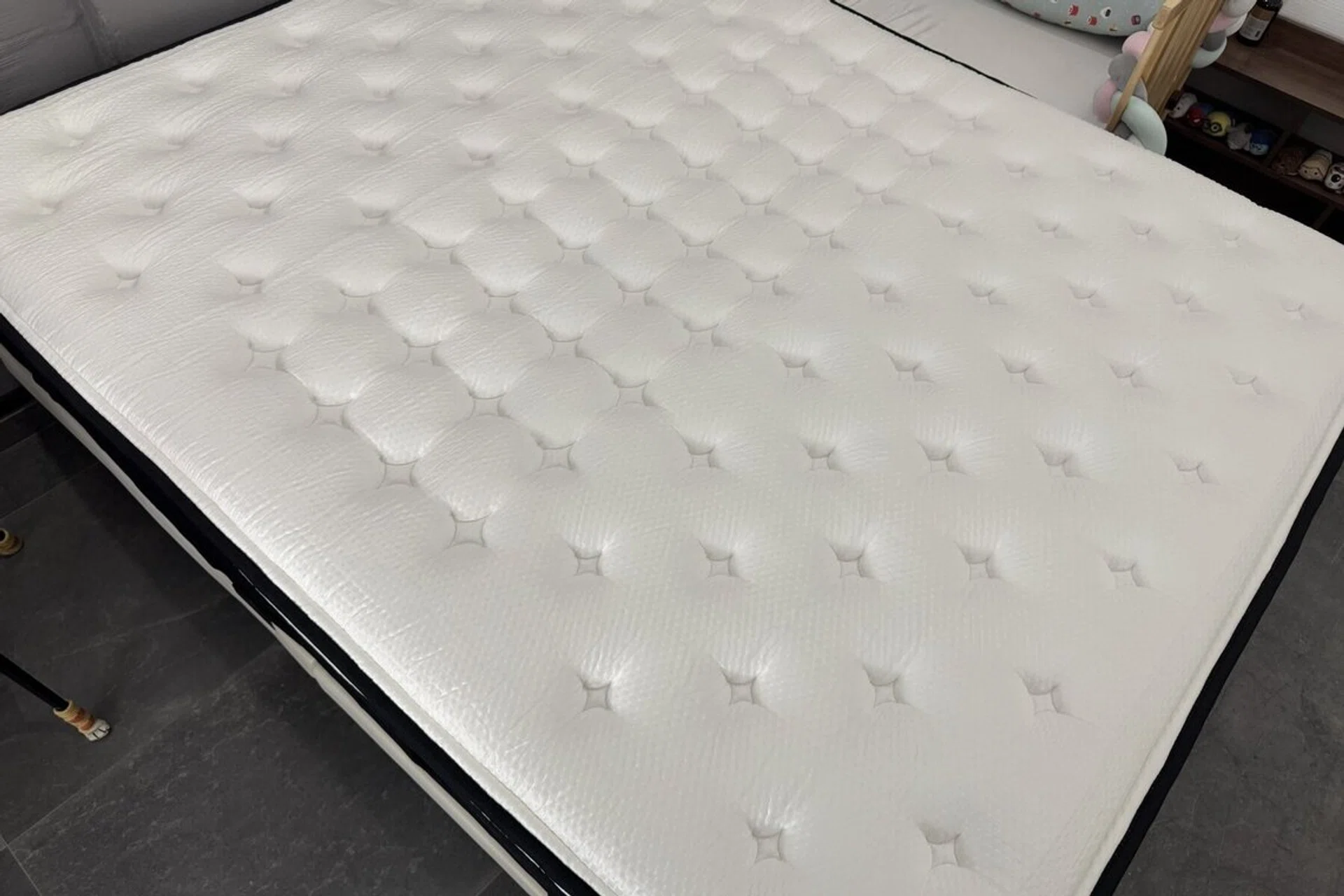
You can see the three distinct sections: top, middle, bottom by the pillowtop dimples.
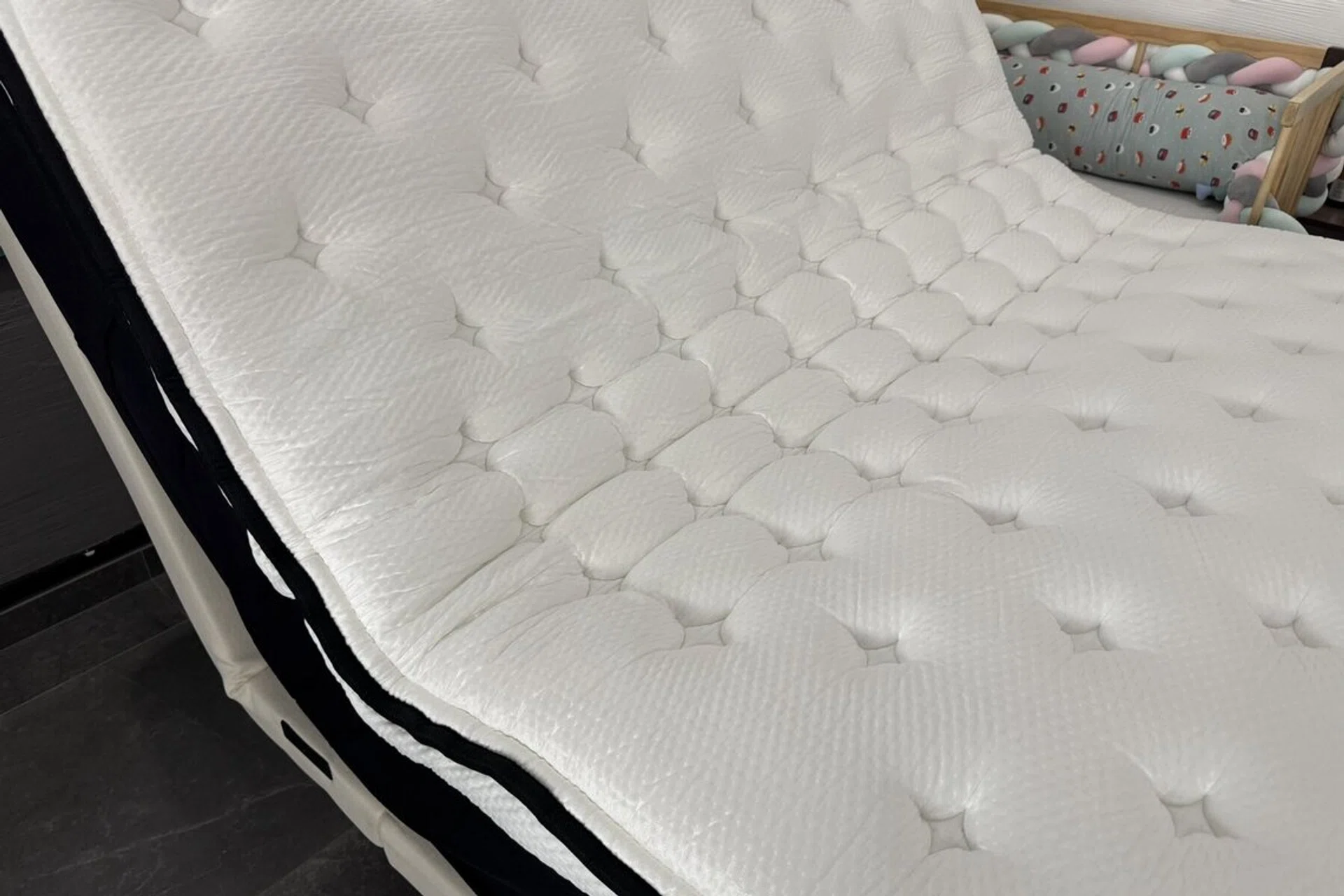
Besides differing spring tension, it’s also designed to accommodate adjustable bed frames.
I’ll admit I was a little disappointed at first because visually, there wasn’t any real difference between how the mattress itself contours to the moving bed frame and when you do sit on it, there are still visible gaps. However, after actually sitting on it, the difference is palpable. The LumbarCloud is definitely more supportive; it hugs my body according to the setting of the frame. My old Hybrid mattress always felt like it was pushing back against my weight and the shape of the frame. However, if I had a redo, I think I would still have made the same decision simply because my old mattress was perfectly fine, and it never actually felt uncomfortable in the frame. I wouldn’t recommend dropping S$2,000 on a niche use case.
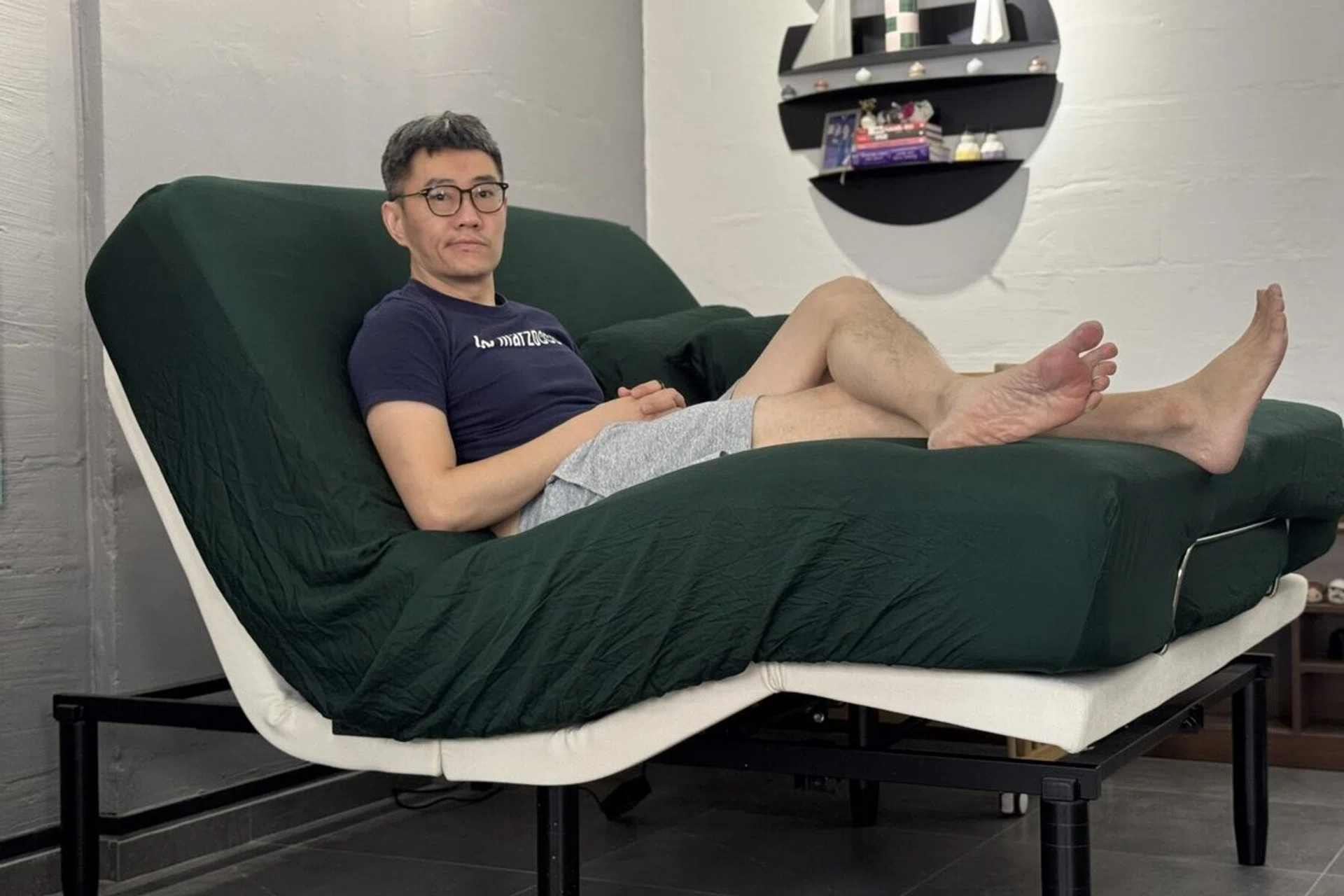
The standard Hybrid mattress has fewer springs and no distinct zones, and may degrade and sag over time.
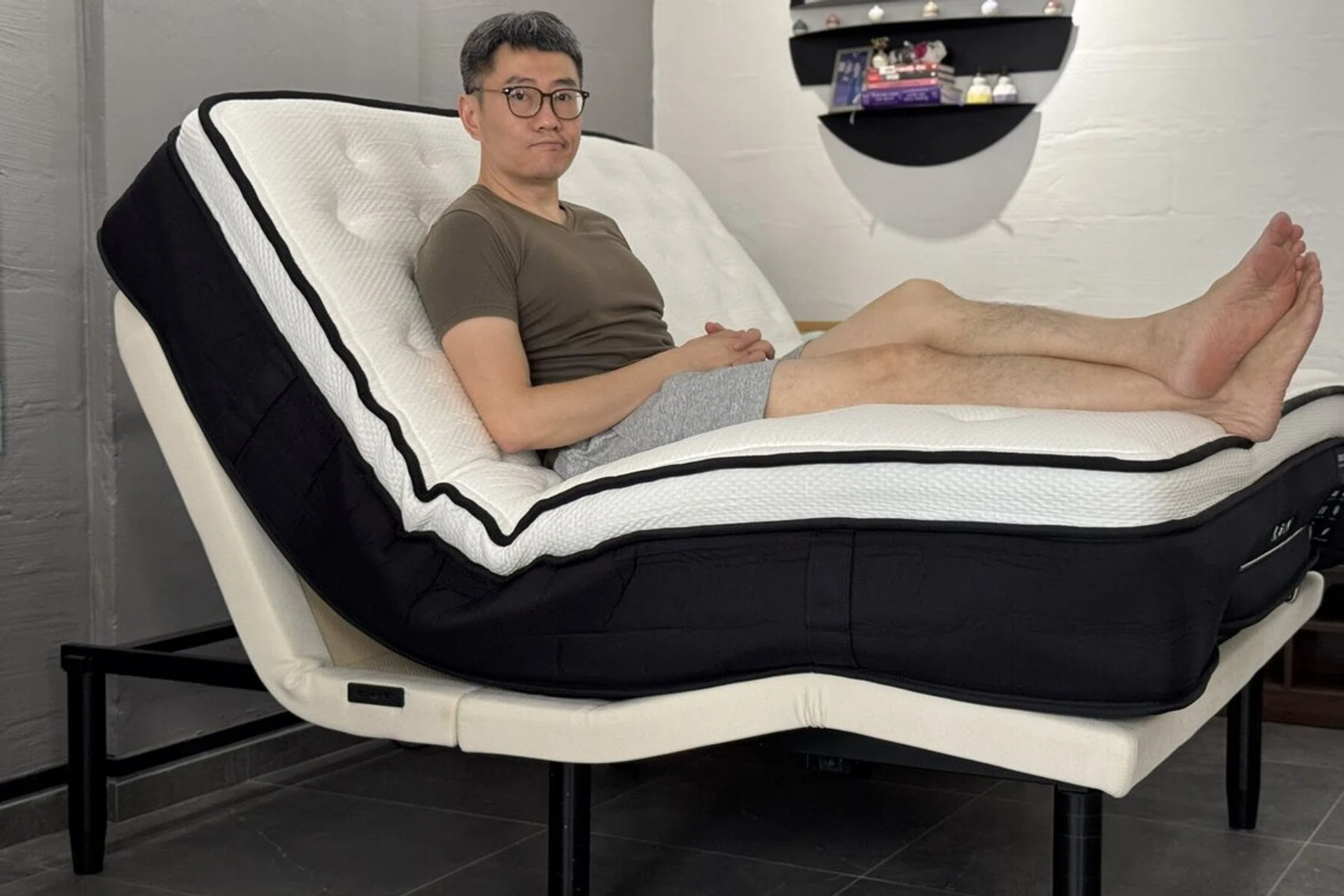
LumbarCloud doesn’t look too differently, but the quality of support in all positions is superior.
However, if your old mattress is already biting the dust or you’re set on upgrading, then yes, get the best you can afford. Your body and your sleep quality will thank you for it. From my own experience, the Origin LumbarCloud is able to provide the levels of body support that can rival even a S$10,000 Sealy Posturepedicfor a quarter of the price, while being unmatched in terms of cooling comfort.
You can buy the Origin LumbarCloud from their webstore. Prices start at S$1,999 for a Single and goes up to S$2,699 for a King.
Our articles may contain affiliate links. If you buy through these links, we may earn a small commission.