

(Image source: Top Gear)
A comprehensive study of over 800 cars done by Emissions Analytics showed that real world fuel consumption of new cars is not as good as it seems.
Emission Analytics is British company that conducts its test by strapping a portable emissions lab on the back of cars.
Then, the car is driven in a controlled way around a fixed route, in a style and at speeds that closely mirrors the average driver. A portable emissions lab is connected to the tailpipe, which measures emissions and also calculates the car's mileage.
In the tests, Emissions Analytics found that its measurements are a whole lot worse than some manufacturers’ claims.
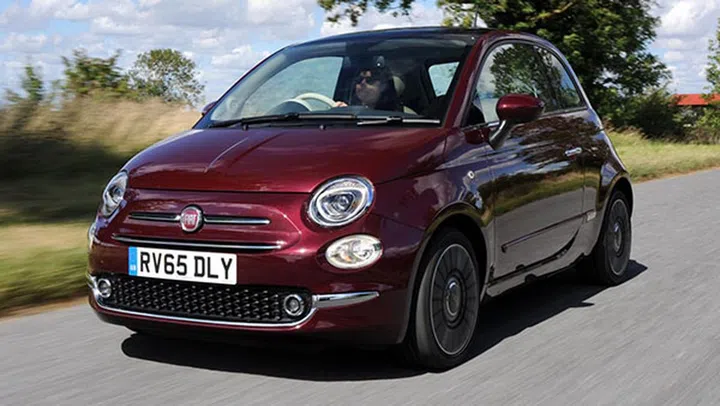
For example, one of the largest discrepancies it found was with the Fiat 500. In its own test, it managed 39mpg, while Fiat officially quotes the 500 as having 70.6mpg. This gave the Fiat 500 one of the biggest variances in results at 45%.
Another blatant offender is the Toyota Yaris. It measured 44.9mpg, while Toyota quotes a figure of 76mpg. The percentage of discrepancy is about 41%.
On the other hand, there are cars that are “honest” to their claimed mpg rating. The Aston Martin Vantage, for example, managed a real world mpg of 21.5. Aston Martin claims the Vantage will do 20.5mpg, which therefore means that the Vantage actually did better in real world.
Another example is the Porsche 911. Porsche claims an official mpg rating of 30.7, while Emission Analytics' tests returned a mpg figure of 27.4.
Interestingly, the biggest offenders are small cars that are touted to be built for maximum efficiency.
Nick Molden, the CEO of Emission Analytics, said that the reason for this is that automakers try very hard to game the New European Driving Cycle (NEDC) tests.
Engines and gear ratios have been designed specifically to do well in the tests. And allegedly, some cars even run with over-inflated tires, special oils, and other tweaks. Plus, it doesn’t help that the tests are run in a laboratory and on a dyno - not on actual roads.
So if you are shopping for a new car right now, don’t be surprised if you can’t quite achieve the same mileage figures quoted by the manufacturer.
But more importantly, it raises the question of the usefulness and legitimacy of these so-called fuel efficiency and emissions tests.
Source: Top Gear
Our articles may contain affiliate links. If you buy through these links, we may earn a small commission.