
Note: This article was first published on 5 December 2023.
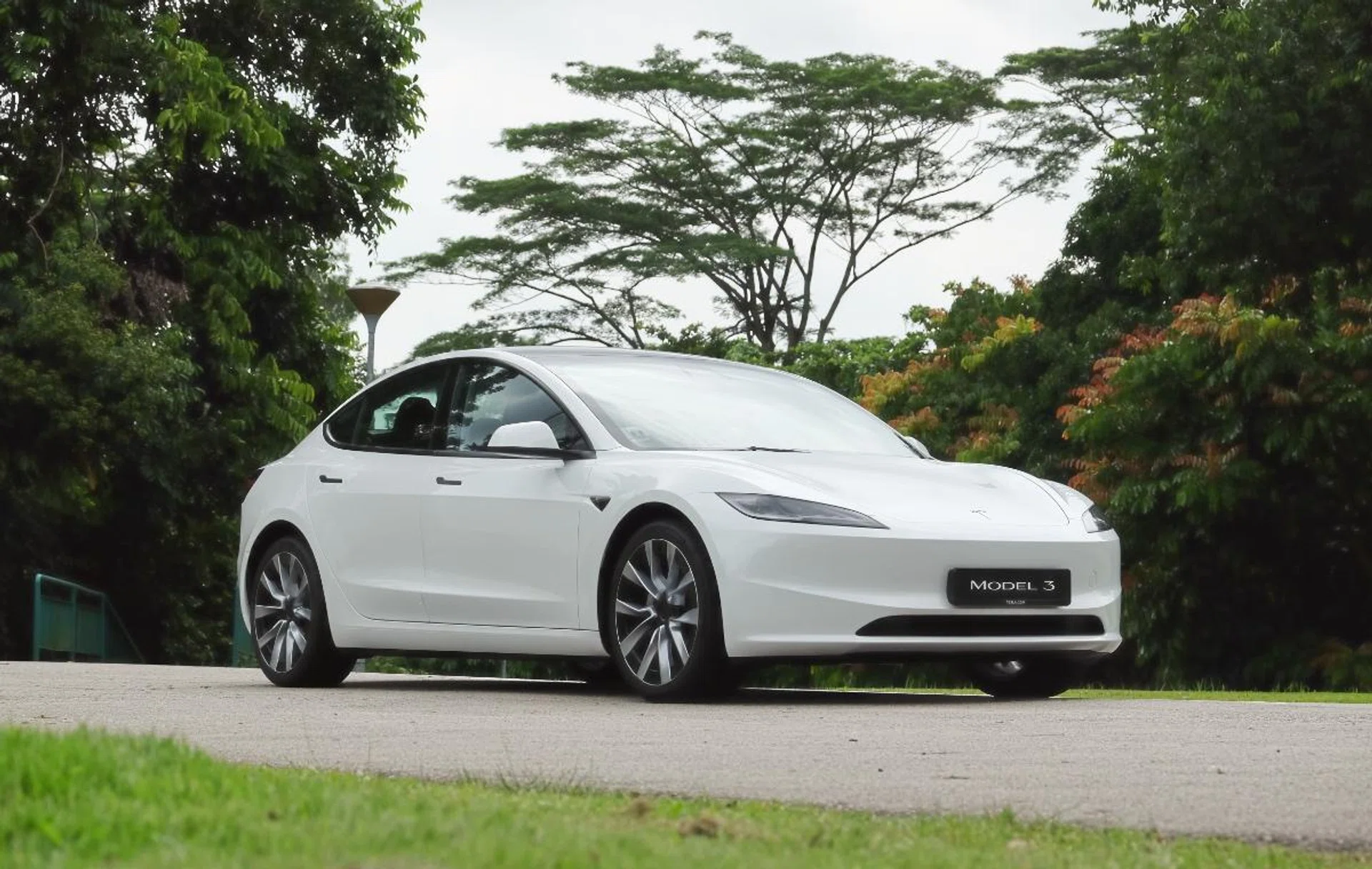
The Model 3 has been given a much needed mid-lift refresh to keep it competitive.
I didn’t think Tesla could make the interiors of its cars anymore bare, but they’ve done it. When you enter the new upgraded Model 3, the first thing you notice is that the column stalks for the indicators, wipers, and gear shifter are all gone. Tesla’s obsession with minimalist interiors is well documented by now and I can’t help but think also a bit unhealthy. Happily, the rest of the updates to this new model are more conventional and bring about significant improvements to the way the Model 3 drives and feels.
The new upgraded Model 3 couldn’t have come at a better time. For a time, Tesla was the first brand you’d think of if you wanted to get a sensible electric car. But the competition is now a lot keener. This new model is what the industry would refer to as a facelift. But as far as facelifts go, the changes are quite substantial. Tesla says around 50% of the parts are new and are centred on making the car more efficient, quiet, and luxurious.
The changes start on the outside with slimmer headlights and a more aerodynamic front end. I reckon it also makes the Model 3 look more attractive. More importantly, this shaves the Model 3’s drag coefficient from 0.225 down to 0.219, which, according to Tesla helps improve the Model 3’s range by about 10%.
There are big changes in the cabin. All of the glass featuring double-glazing (including the huge glass roof that extends all the way to the C-pillar) and new materials help make the cabin feel more expensive and quiet. And since the cabin is generally a quieter place to sit in, the Model 3 comes with a 17-speaker sound system as standard. It sounds impressive. I think you need to step up to something like an A8 or S-Class to get a comparative sonic experience in a car.
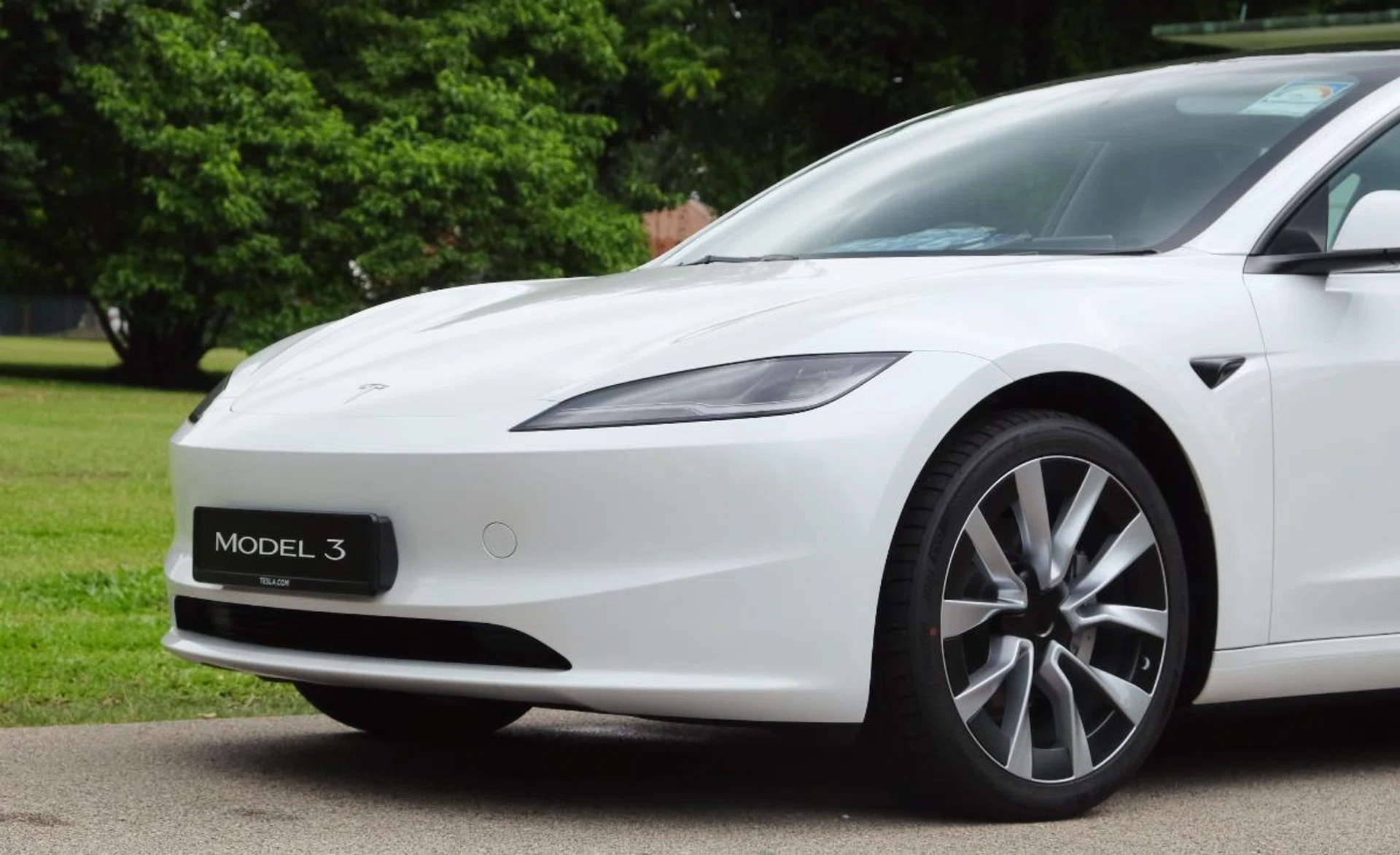
The whole front of the car is a lot sleeker.
But there are issues. The lack of column stalks means you have unconventional ways to indicate and change gears. Indicating now requires you to push buttons on the steering wheel with your left thumb, which feels very alien to me. Furthermore, because the steering wheel isn’t necessarily always pointing straight while you are driving, indicating while turning – say at the Newton Circus roundabout – can be confusing.
As for changing gears, that’s now done by swiping on the large touchscreen, which also feels very unnatural. The touchscreen can sometimes miss your inputs too, so you might have to swipe more than once. This has the potentital to turn three-point turns into slightly anxious affairs.
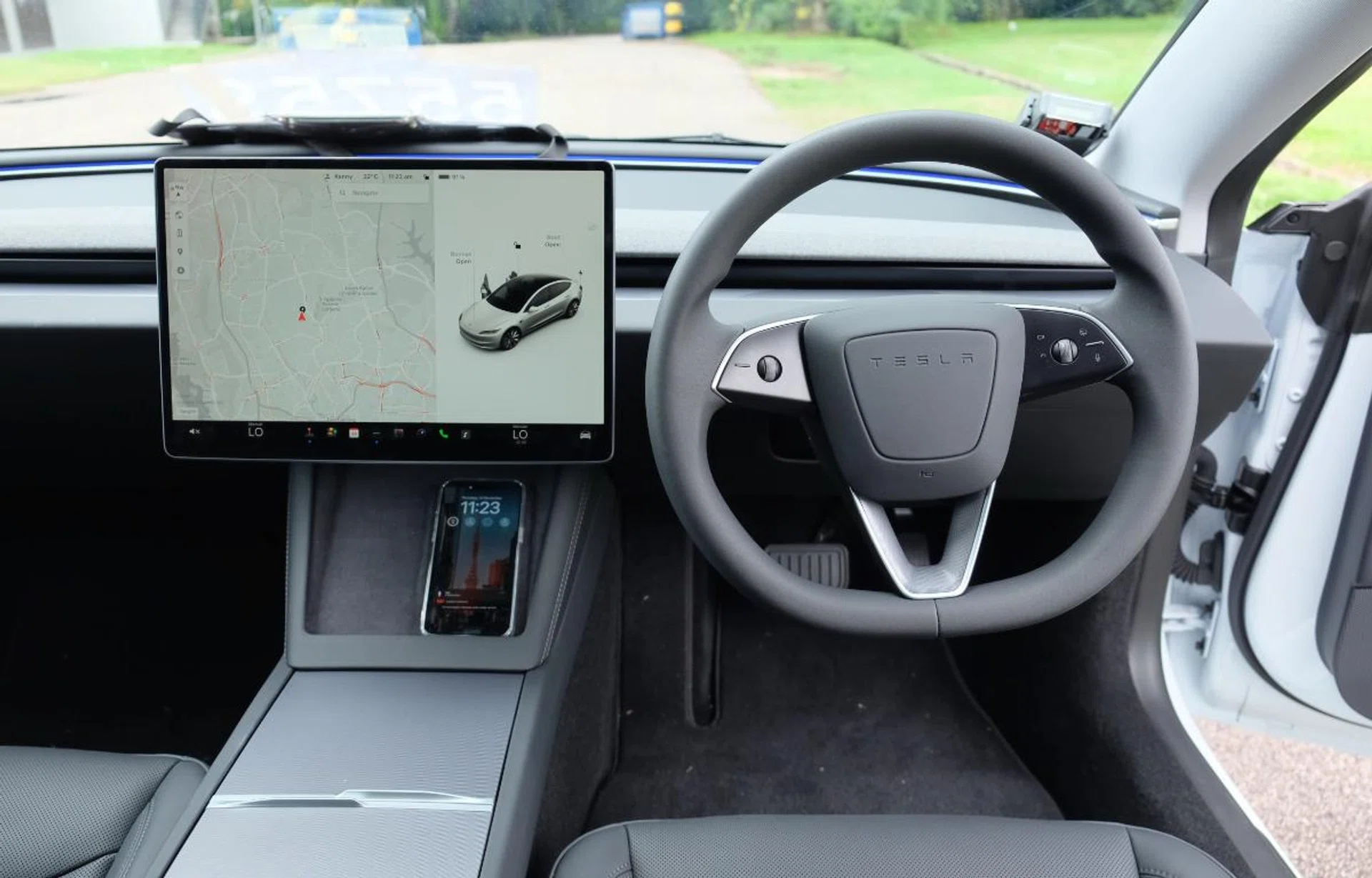
Why, oh, why did Tesla have to get rid of the indicator and gear-shift stalks?
Tesla doesn’t let you change the intensity of the brake regeneration but the feature has been recalibrated to make it easier for drivers to acclimatise and get used to Tesla’s vision of one-pedal driving. Since I left the test drive without feeling any more nauseous than I had before entering the car, the recalibration must have worked.
The Model 3 will be sold here in two versions: one standard range and rear-wheel drive, and another long-range version with dual motors and all-wheel drive. I tested the latter. Like most electric cars with high power outputs, it felt very sprightly. I doubt many cars can keep up with it at the traffic lights.
It’s hard to draw any meaningful conclusions about the range on my short test drive, but this was what the trip computer reported: an energy consumption figure of 14kWh/100km over a 45km test route that was a 50/50 mix of highway and city driving. Since it has a 75kWh battery pack, owners should be able to easily cover at least 450km on a full charge.
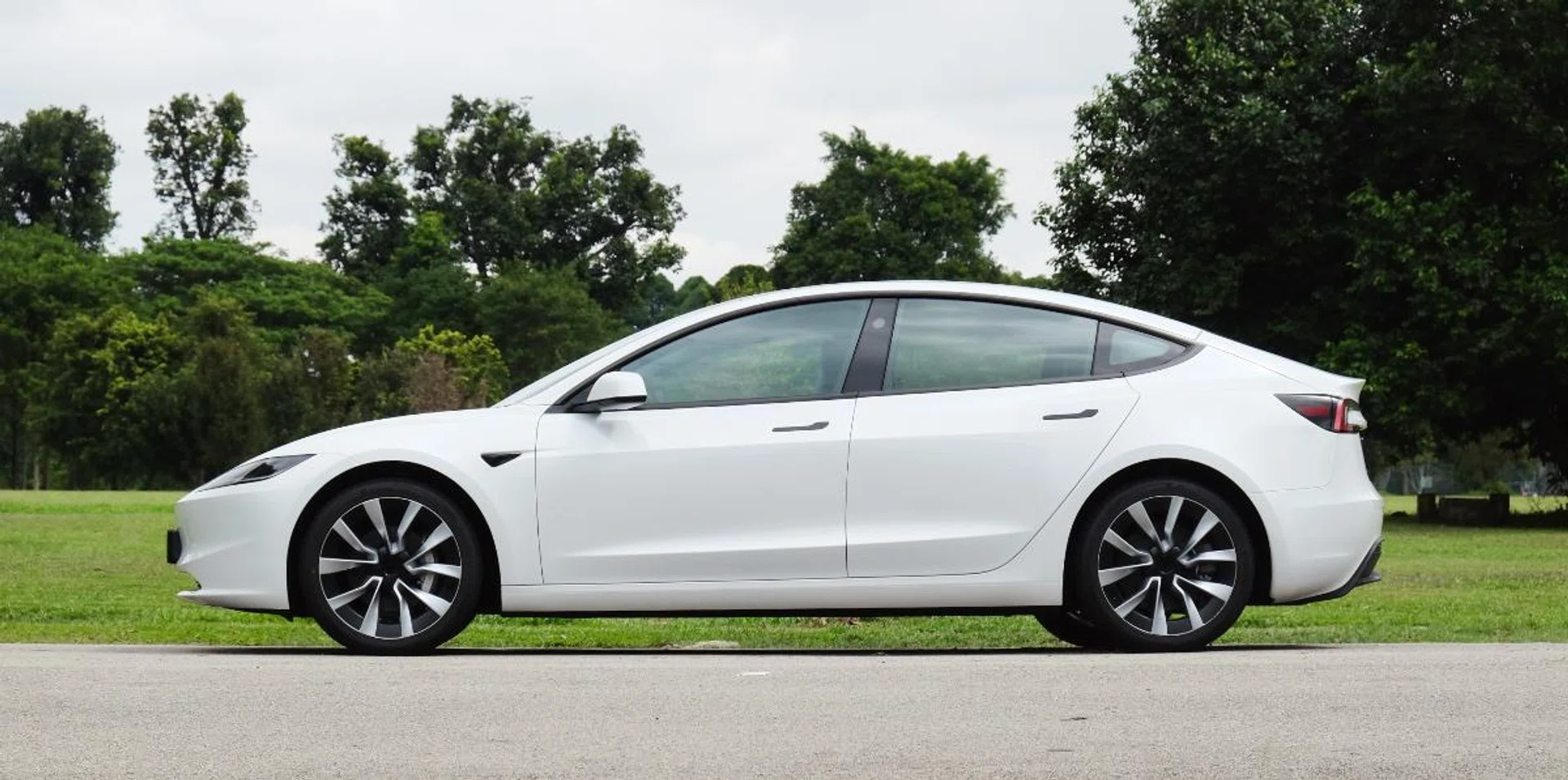
The upgraded Model 3 will be available in two models.
After spending two or so hours in the car, my first impressions were generally positive. There’s no question that Tesla has done much to improve the overall refinement of the car. Wind and tyre noises are well suppressed and the ride appears to be quite good. The interior feels and looks more expensive, although some of its controls continue to frustrate. If you can deal with some of its quirks, I think you’d find a lot to like about the updated Model 3. That said, I need more time with the car to evaluate other aspects like its ride comfort and range, and to get a sense of what it might be like to live with.
Availability and pricing
The new Tesla Model 3 is available now. The rear-wheel drive version is S$88,650 while the long-range dual motor all-wheel drive version is S$114,953.
Note: Prices do not include COE and are correct at the time of publishing.
Our articles may contain affiliate links. If you buy through these links, we may earn a small commission.