
Note: This feature was first published on 6 April 2023 and was republished because the HomePod and HomePod mini are still available from Apple.
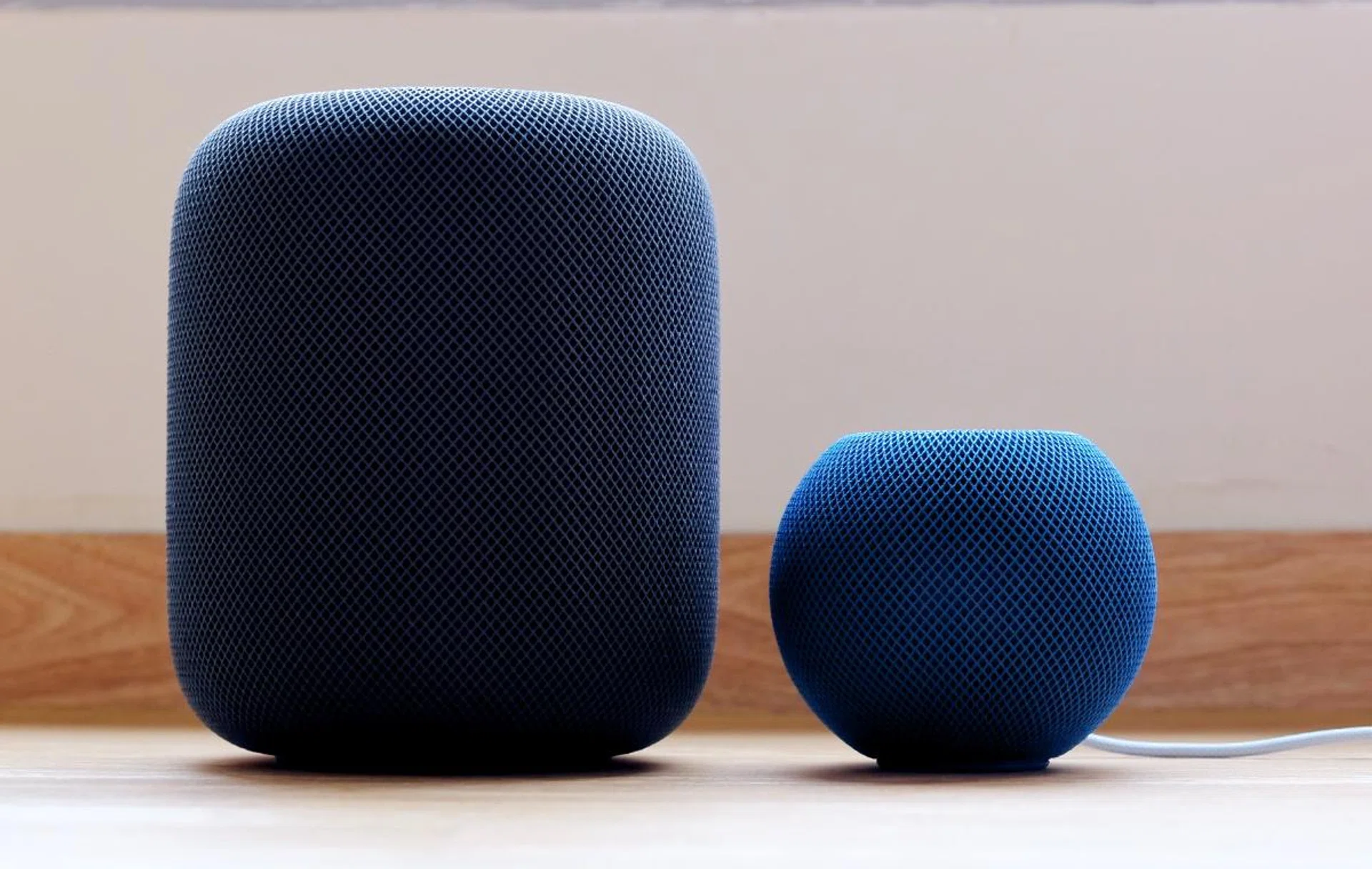
The HomePod and HomePod mini are finally officially available in Singapore.
I know what you are going to ask. But no, Apple didn’t say why it took so long for the HomePod and HomePod mini to be finally available in Singapore.
A brief HomePod history lesson first. The HomePod was first announced way back in June 2017 and it was never officially available here. The second-generation HomePod, the one that we have now, is actually quite fresh. It was announced in January earlier this year. The HomePod mini, on the other hand, was announced back in October 2020.
The TL;DR version:
A niche device that will benefit mostly those who are heavily invested in Apple’s ecosystem. If you are, you won’t be disappointed by the way these speakers sound and what they can do.
Anyhow, the two are finally officially available here in Singapore. It’s been a long wait for Apple users. But what are they good for? Should you even get them? And if you should, which one should you get? Let me answer these questions for you.
What can HomePods do?
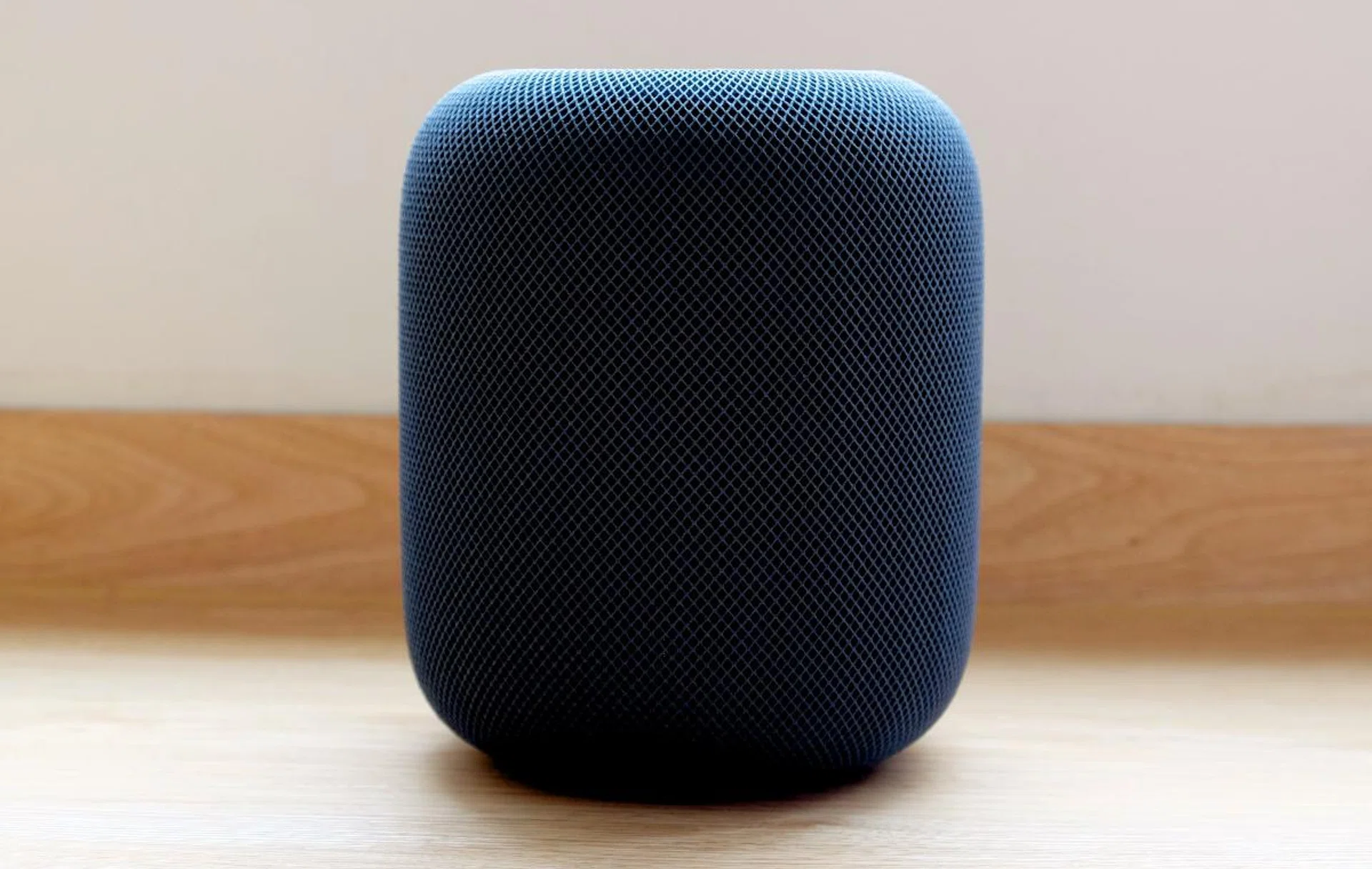
The HomePod is covered by an acoustically transparent mesh fabric and has a compact minimalist aesthetic that makes it easy to assimilate in homes.
Most people are going to use the HomePod and HomePod mini to play music. But they can also do a lot more than that. It’s impossible to list down all the things they can do so I’m just going to list the most probable things that most people would use them for.
Fussy listeners can take two speakers and form a stereo pair. However, you can only do this with the same type of speaker, so you need either two HomePods or two HomePod minis – you can’t form a pair with a HomePod and a HomePod mini.
Apart from just improving the overall sound, forming a stereo pair can also be immensely helpful if you have an Apple TV 4K and you want to use the HomePods as speakers for your TV.
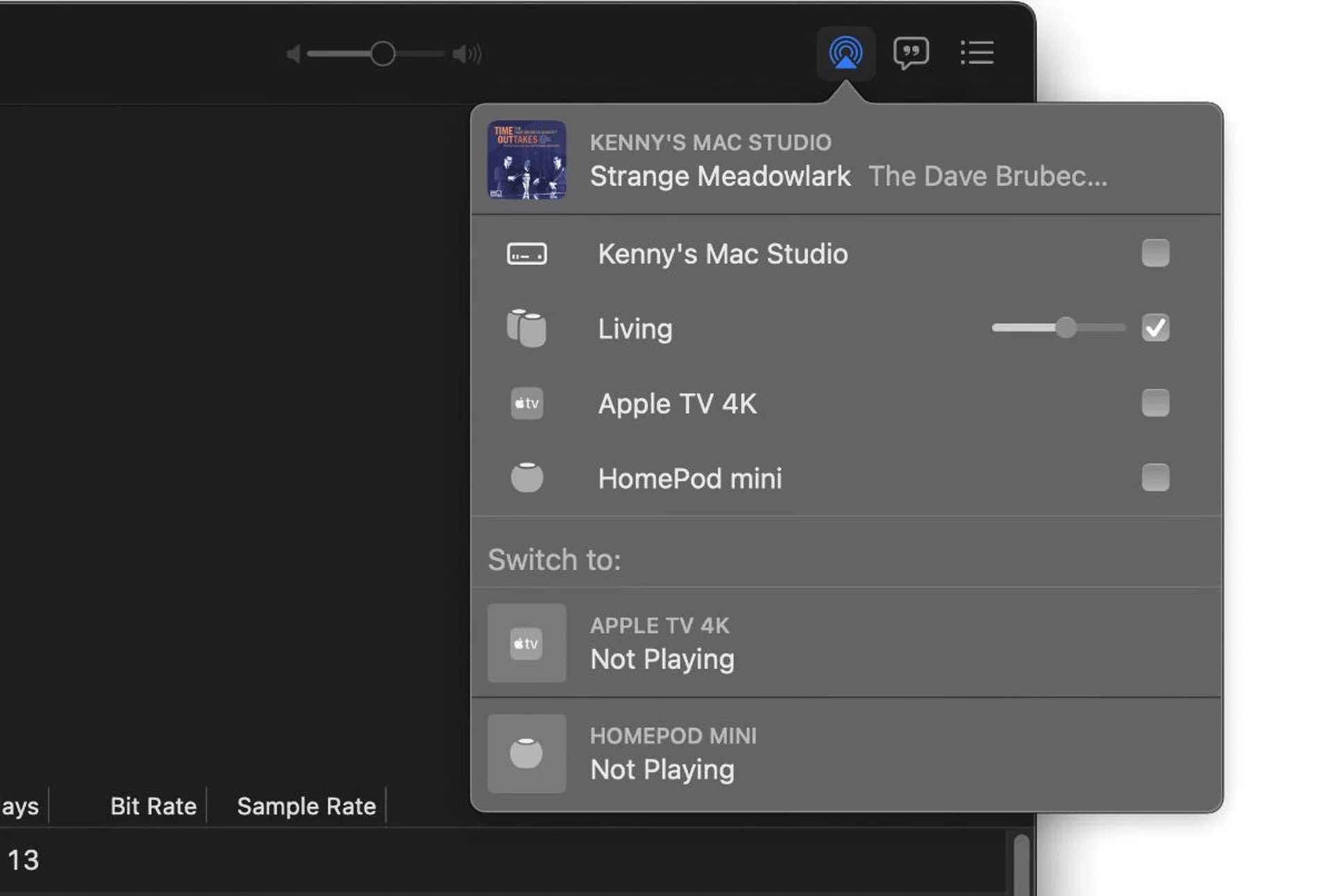
You can control the HomePods using various Apple devices. Here, I can choose to stream music from my Mac to any of the HomePods around my home.
And if you have HomePods in more than one room, you can have multi-room audio – not unlike a Sonos system. You can play the same music in all the rooms, play a particular track in just one room, or have each room play different tracks. The possibilities are endless and they can all be controlled using voice or via the Home app.
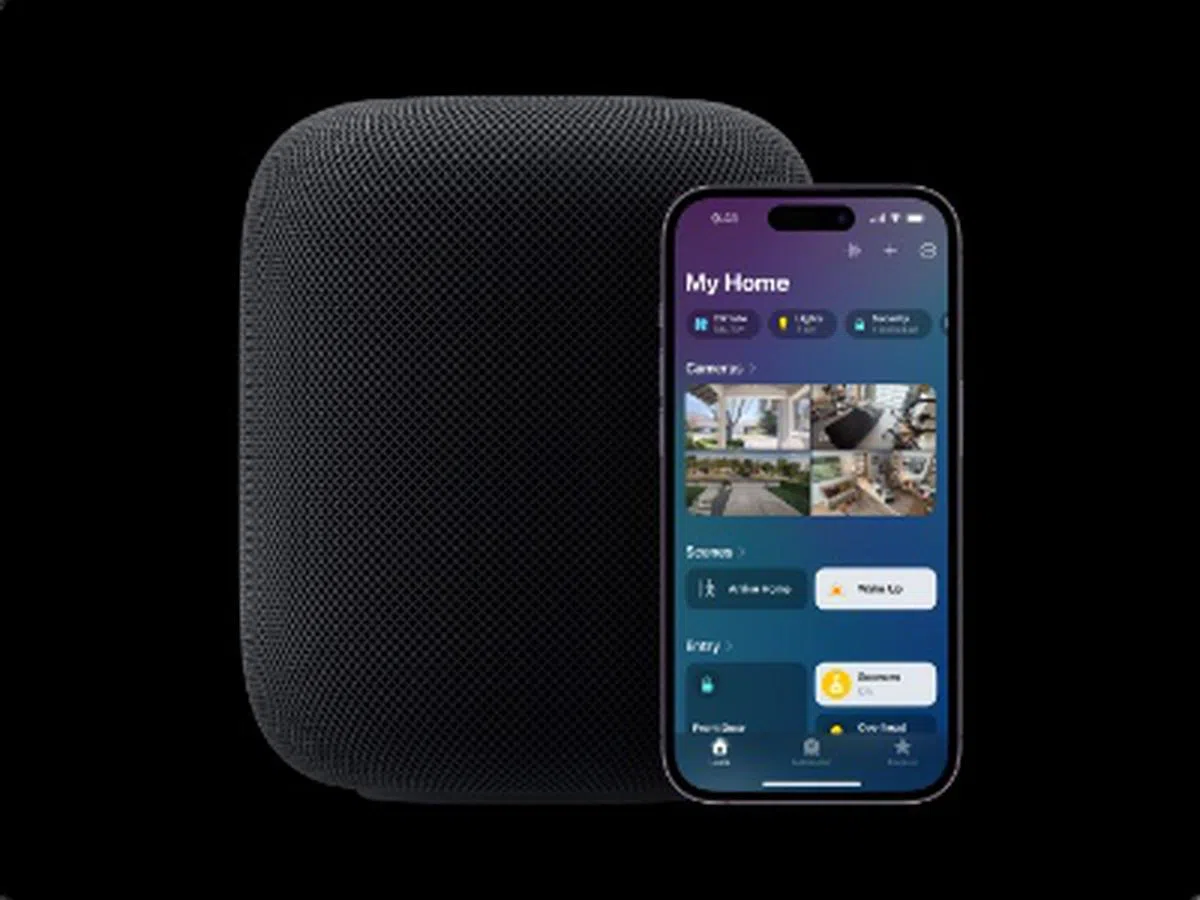
The HomePod and HomePod mini can also do all the usual smart home stuff with Siri. This requires the Home app and HomeKit and Matter-compatible devices. Apple maintains a list here. And while it’s certainly a sizeable list, it’s still smaller than the list of devices that work with Amazon’s Alexa and Google’s Google Assistant. Though in Apple’s defence, the majority of the most popular devices do support HomeKit.
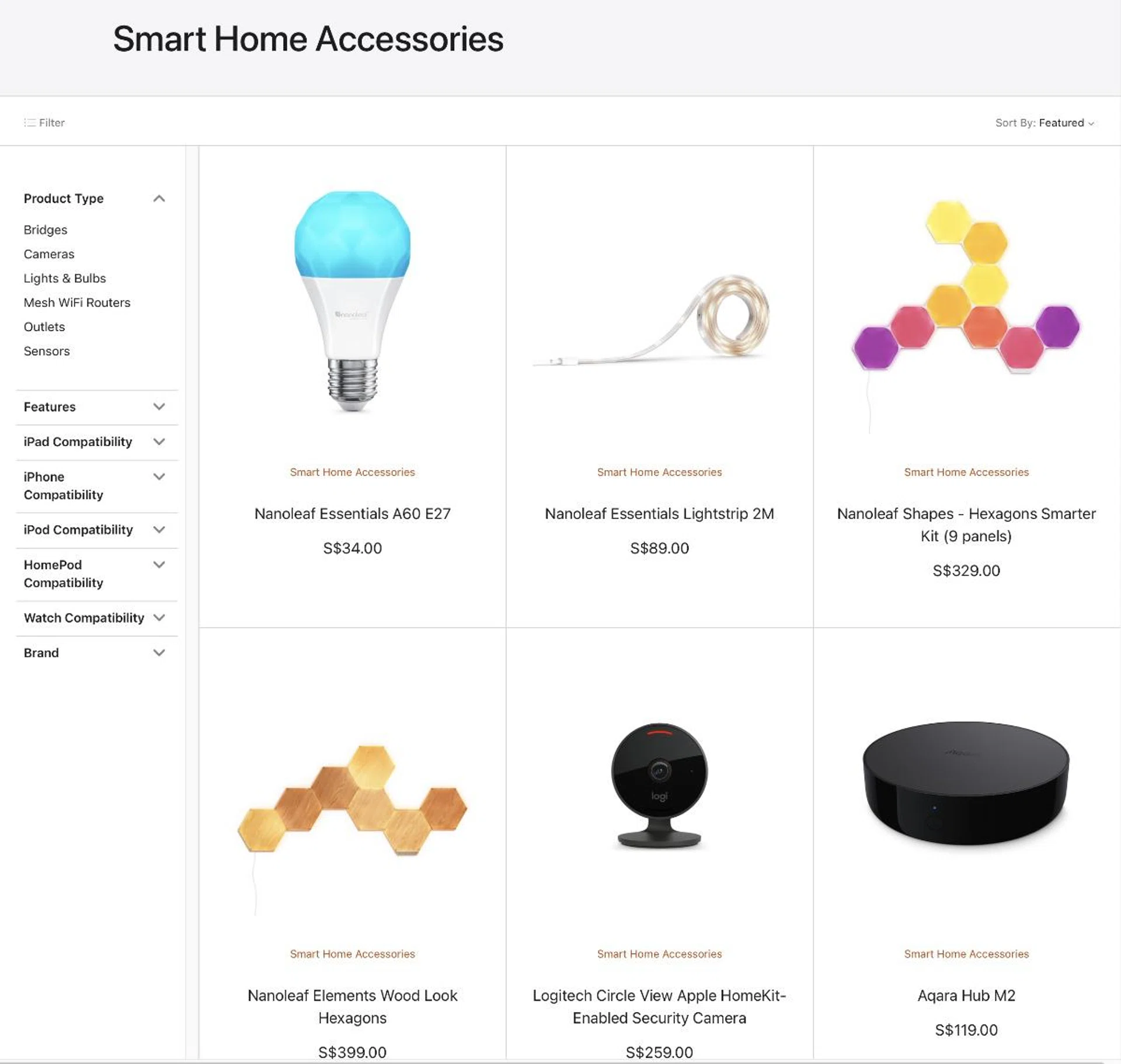
The magic of HomePod takes place when you set up your home with smart home accessories.
Once you have your smart devices all set up, you can also use the HomePods to control them. Like any other smart speaker, the HomePods can control them individually or you can create automations. So let’s say if you’ve arrived home, you can say “Hey, Siri, I’m home” and have HomePods turn on the air-conditioner, and lights, and start playing music.
Privacy is obviously a major concern and Apple has taken a number of steps to protect the privacy of its users.
1. HomePods are only listening out "Hey Siri." Only then is Siri triggered.
2. Requests are tied to a random identifier, not your Apple ID.
3. All data sent between your devices are encrypted.
4. Personal Requests, where possible come from your iPhone and not Apple's servers.
Speaking of automation, the HomePod and HomePod mini both have built-in temperature and humidity sensors. This can be used to trigger actions. For example, if the temperature goes above a certain level, the HomePod could turn on your smart air-conditioner or fan. Likewise, if the humidity goes above a certain level, the HomePods could activate your smart dehumidifier.

Both the HomePod and HomePod mini have built-in temperature and humidity sensors.
You can also ask Siri questions and I found this to be particularly helpful when I needed quick conversions. Like how much is 5 million Korean won in Singapore dollars, how many millilitres is five teaspoons, or what is 2,000 square feet in square metres.
These are pretty standard smart speaker stuff but the HomePods have to be commended for being fast. Ask anything and Siri usually responds in mere seconds.
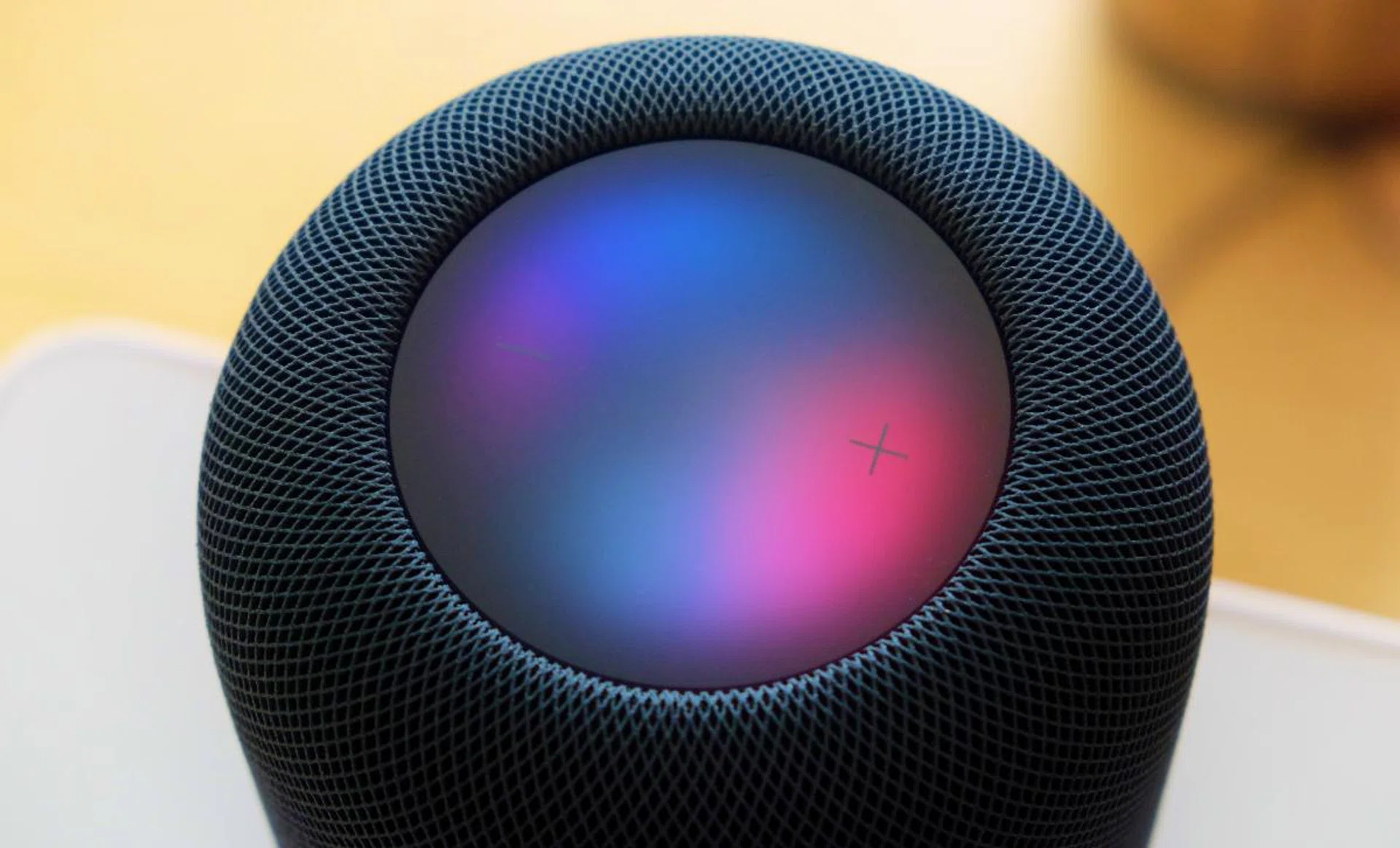
The top panel gives off a multicolour glow when Siri is responding.
Folks with large homes will surely find the Intercom feature useful. This lets users broadcast short messages to HomePods across the house, so you can tell household members stuff like, “Come down, it’s time for dinner” or “Get ready, we are leaving in 10 minutes.”
Another feature worth highlighting is Handoff and this works if you have an iPhone with the U1 chip (basically anything later than an iPhone 11, minus the iPhone SE). If you are playing music, a podcast, or taking a call on your phone, you can transfer it to your HomePod and have your HomePod continue playing simply by bringing your phone next to it. The way and the ease with which it works is remarkable and demonstrates the deep integration that the HomePods have with other Apple devices.
How do they sound?
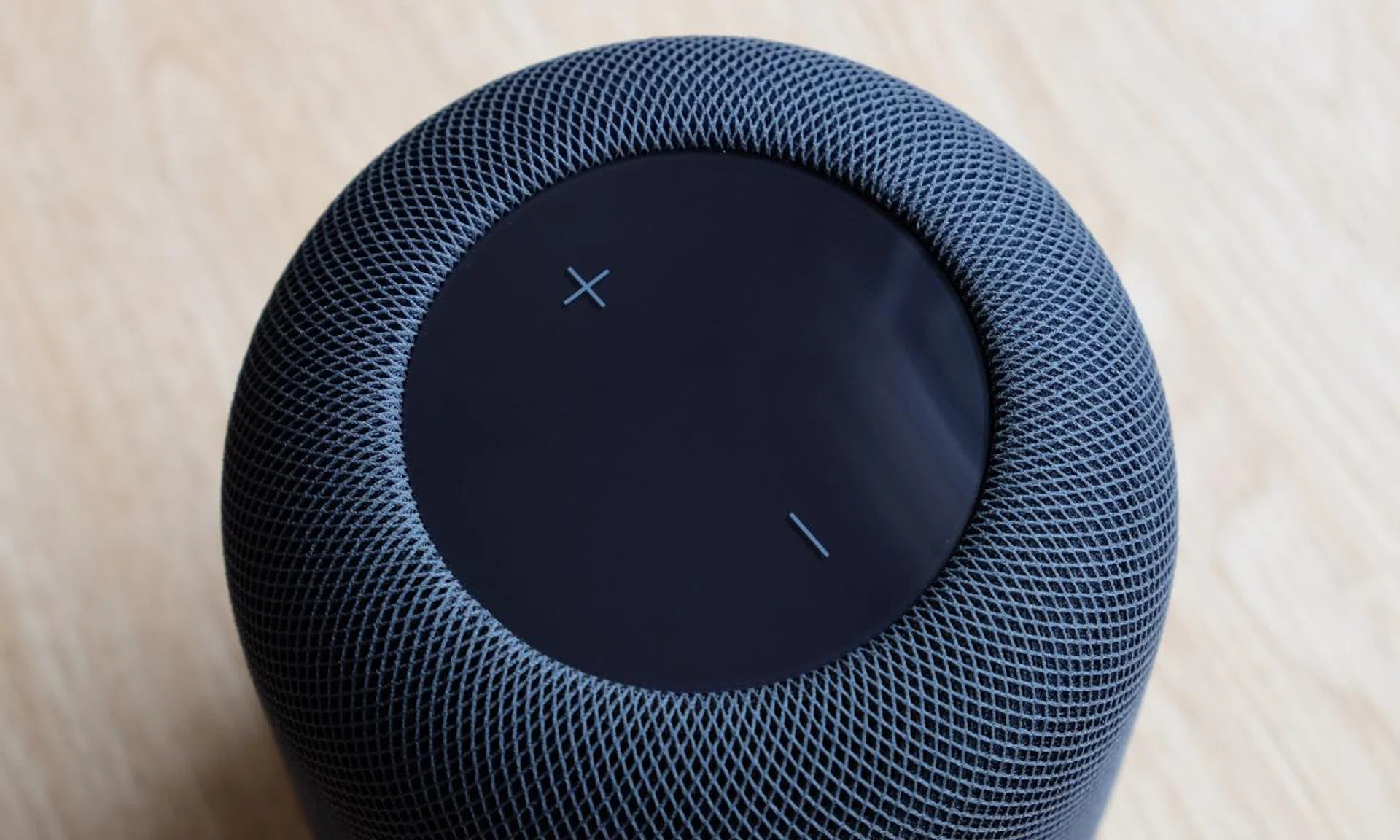
On top of the HomePod and HomePod mini is a touch panel that lets you control playback and adjust the volume. Honestly, it's much more convenient to say "Hey Siri" and control them with your voice.
Long story short, they sound great. If you buy them mainly to play music and for the way they sound, you are not going to be disappointed. Obviously, the larger HomePods sound better and exhibit better technicalities, but the HomePod mini is no less impressive.
Let’s talk about the HomePod first. The second-generation HomePod has five beamforming tweeters and a single large high-excursion woofer. Aiding these drivers are the Apple S7 chip and an array of microphones and sensors. The S7 chip analyses data from the microphones and sensors and adjusts the output of the drivers to ensure the HomePod sounds its best regardless of its environment. Many high-end speakers employ such room-sensing technologies but where Apple is different is that the HomePods are doing this all the time – most speakers only do this calibration once during the initial setup.
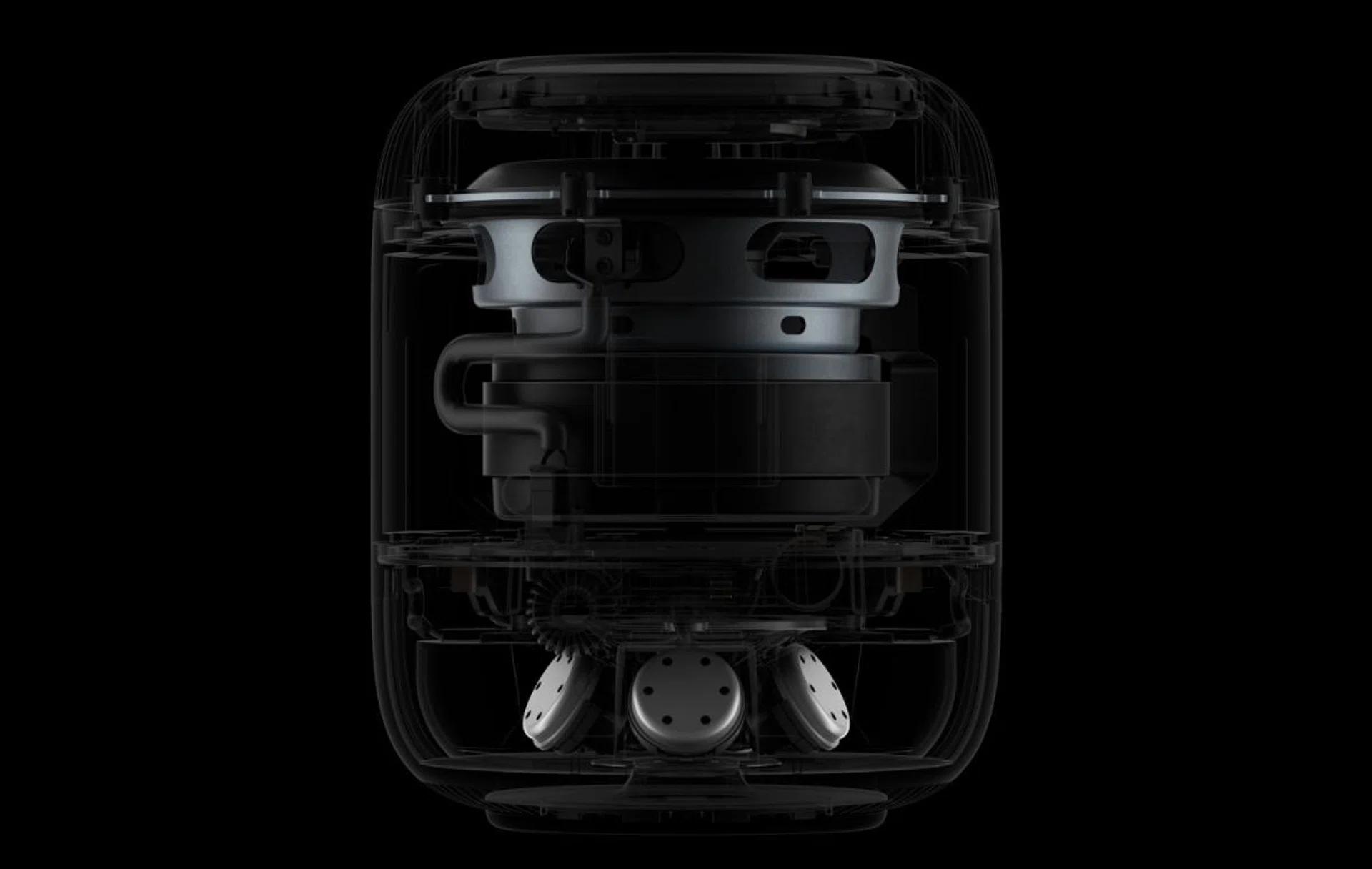
The HomePod's five beamforming tweeters are positioned below and angled upwards to spread sound across its environment.
The adjustments are more than just changes in the frequency response. According to Apple, the microphones listen out for reflections of sounds and adjust accordingly. For example, if it hears little reflections, it'll postulate that it's freestanding in the middle of a room and beam audio 360° around it. If it hears reflected sounds, it might think it's next to a wall and adjust its output so that primary vocals are beamed outwards into a room while background instruments or reverbs are sent to be bounced off the wall it's next to. And accelerometer inside the HomePod tells it if it's being moved and it can automatically recalibrate itself when it senses that.
If you have listened to AirPods long enough, you’ll know Apple has a house sound that heavily favours the bass and slightly brings up the treble. It’s a mostly U-shaped sound signature. It’s no different with the HomePods.
The first thing most people will notice is its thumping bass. The HomePods can go really low and hit really hard. It hits so hard it sounds like it can punch a hole through your skull. It’s also, for the most part, well-controlled and fairly clean. But it can be thrown off on tracks that have strong bass like Drake’s In My Feelings and Haywyre’s Sculpted. It seems Apple knows the bass could be overwhelming for some because it has a "reduce bass" option within the Home app.
Most people will also notice it sounds very clear. This, to me, is the result of two things: the drivers’ inherent low distortion, good control, and the slightly elevated treble in the tuning. Combined, this gives the HomePod an airy and sparkly quality and a fast sound that reveals itself most plainly in piano notes and guitar strums.
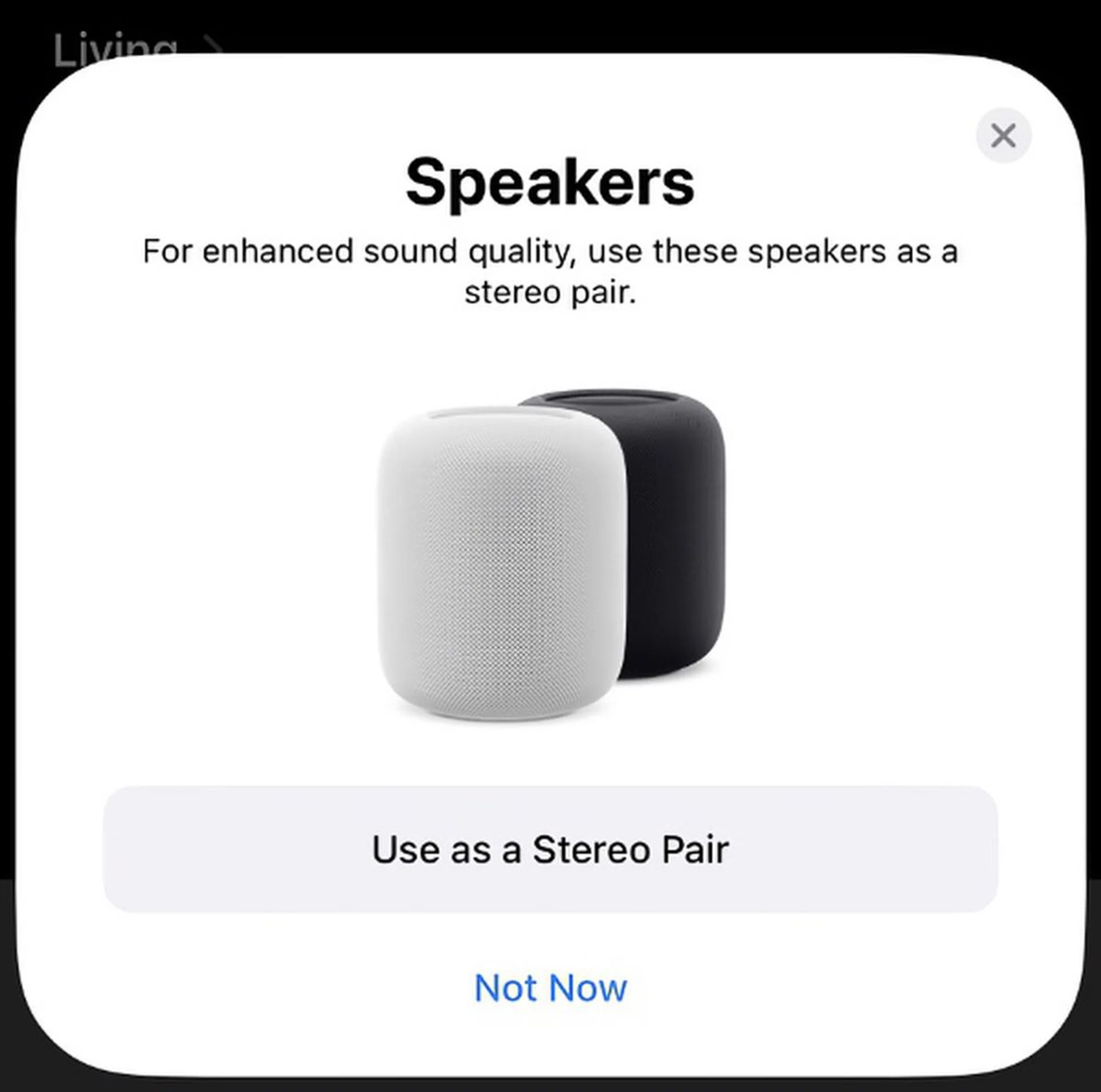
The HomePods do their best work as a stereo pair.
While the HomePods certainly have a fun and exciting sound, I think most audiophiles might be put off by Apple’s tuning because it’s far from neutral and highly exaggerated.
Where I think the HomePods really excel is as speakers for an Apple TV 4K. Here, where technical performance and frequency response is less crucial, the HomePods can put its best qualities to good use. With a stereo pair, the sound stage is widened and the thumping bass is amplified and sounds even more exciting and engaging. Furthermore, with its beamforming tweeters, the HomePods support Dolby Atmos spatial audio, making it ideal for home entertainment.
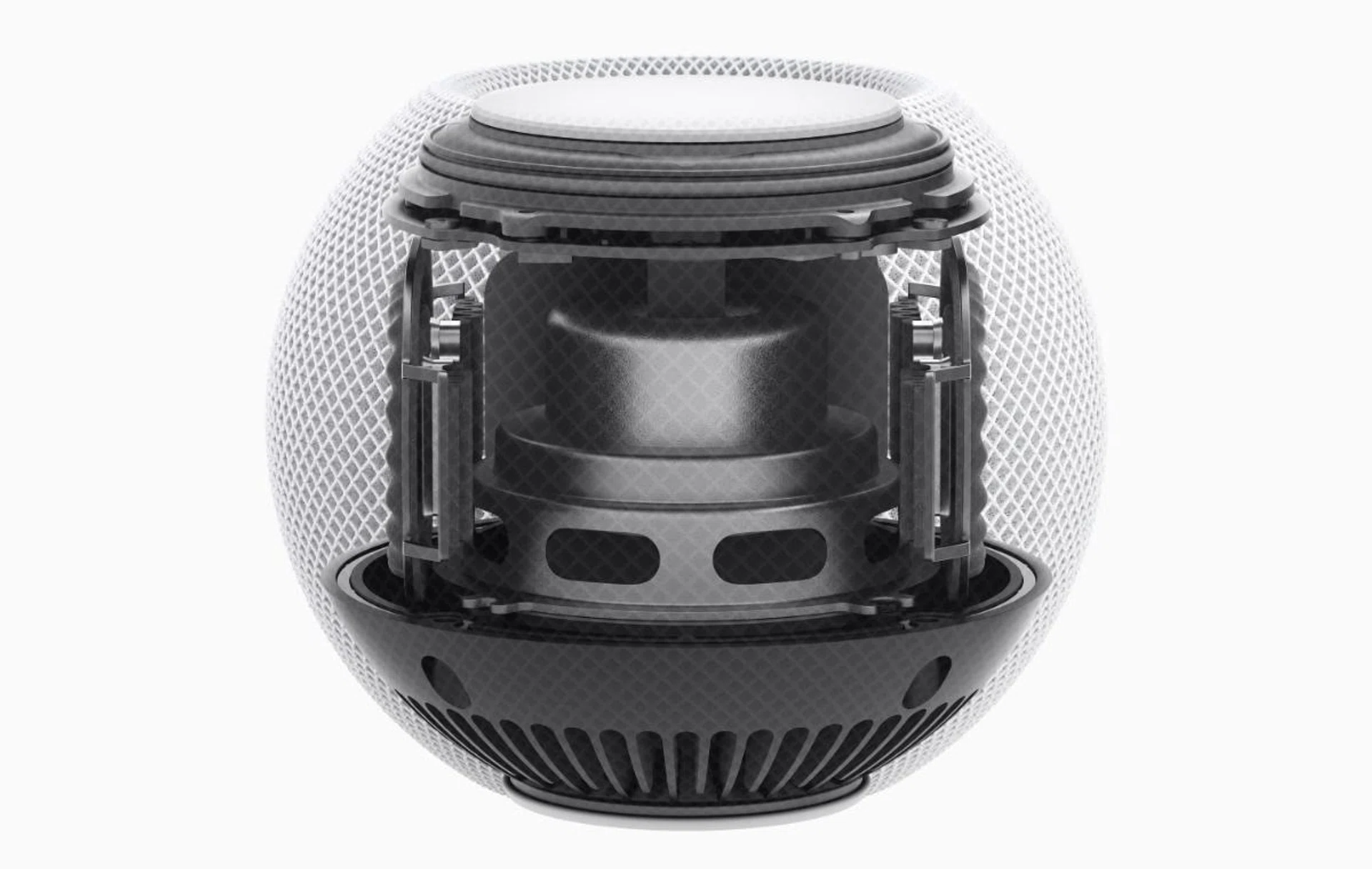
No fancy beamforming tweeters in the HomePod mini, just one extremely capable driver and a well-designed acoustic waveguide.
The HomePod mini, because it's much smaller and packs less tech, doesn’t sound as good. But it is very impressive for its size. The key difference is that the HomePod mini only has a single driver and it relies on an acoustic waveguide to create a 360° sound. And while it has an S5 chip inside, it doesn’t have sensors or microphones to measure its environment. Instead, the chip tries to understand the audio that is being played and adjusts its output in response.
The HomePod mini’s sound signature is identical to the HomePods. Where the smaller HomePod mini differs is that it doesn't sound as clear, its bass isn’t as deep and punchy, and the treble is noticeably more uneven. Even then, it takes less than a minute of listening to tell that it is easily one of, if not, the best-sounding speaker of its size. It’s remarkably loud and even at high volumes there’s little to no distortion in the sound. Don’t be fooled by its diminutive size, it’s more than loud enough to fill your average apartment.
Unfortunately, I only had a single HomePod mini to test but I see no reason why they would be anything other than excellent as a stereo pair and as speakers to complement an Apple TV 4K.
Should you get them?
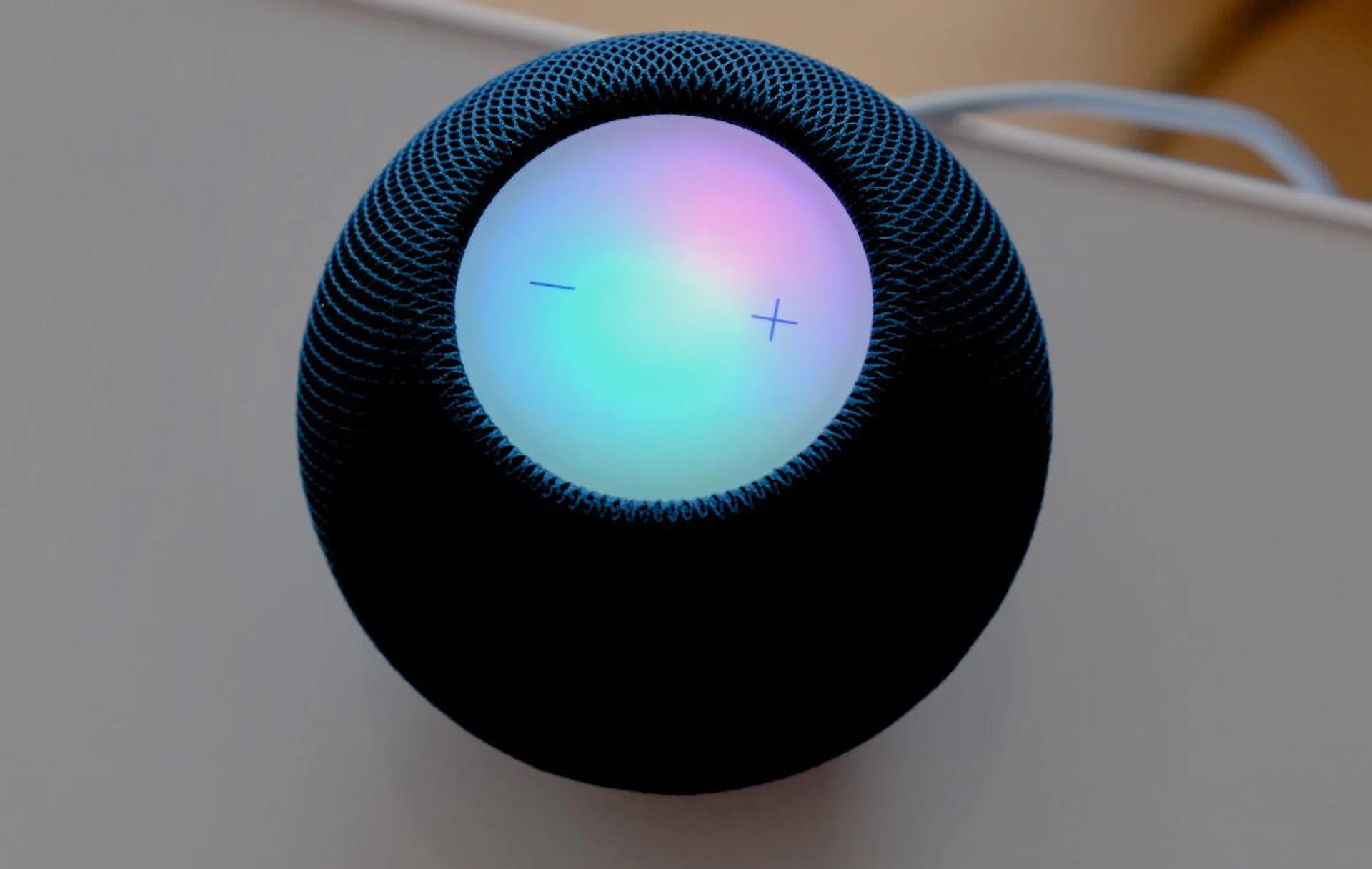
The HomePods are great for playing music.
There’s no doubt that the HomePod and HomePod mini sound fantastic for their size. And if playing music is a priority for you, you will be very happy with either of them. But you have to make sure you are an Apple Music subscriber. Will HomePods work with Spotify? Yes, but not natively. This means you can’t ask HomePods to play music from your Spotify playlists, you’ll have to manually open Spotify on your phone or tablet and stream it to the HomePods.
But to really get the best out of the HomePods, you’ll need to be heavily invested in the Apple ecosystem. Sure, you could just use the HomePods with your iPhone or command it to play songs, but part of the beauty of the HomePods is being able to control and play music on your HomePods while using other Apple devices. Imagine working on your MacBook Pro in your living room and coming across a new song that you’d like to share and then quickly streaming it to the HomePod mini in the bedroom where your partner is resting. How magical is that? And those built-in temperature and humidity sensors would be wasted if you didn’t have some HomeKit-enabled smart home devices (like a smart air-conditioner or dehumidifier) to pair them with.
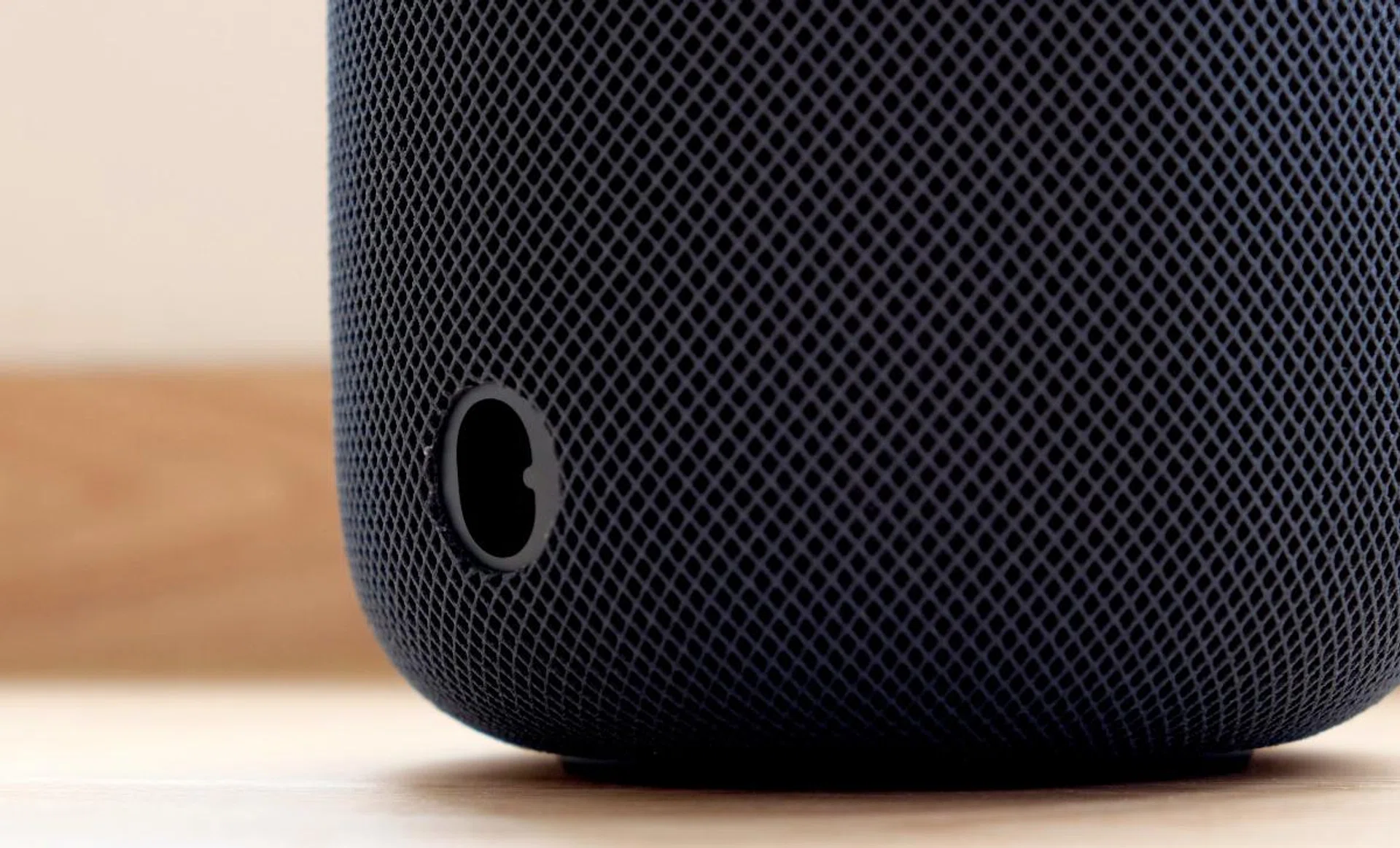
The only port on the HomePod is one for power. There's no optical, RCA, or even 3.5mm jack. Same goes for the HomePod mini.
Furthermore, if you want to use them as speakers for your TV, you’ll need an Apple TV 4K. It can’t just work with your TV because it doesn’t have any physical ports. Speaking of which, it also doesn’t support Bluetooth. So trying to stream music from any device other than one that is made by Apple can be tricky.
I think you can see what I’m getting at. How great and useful the HomePod and HomePod mini are depends greatly on how invested you are in the Apple ecosystem. If you own multiple Apple devices and subscribe to Apple’s services like Apple Music and Apple TV+, you’ll find these speakers to be the perfect complement to your home and lifestyle. If you are not, then the value proposition becomes hazy and there are likely more worthwhile alternatives out there.
For example, if you just want to listen to music there’s no shortage of very good and affordable wireless speakers these days from Chinese manufacturers like Edifier and Swanspeakers. They may not be Wi-Fi-enabled or smart, but they make up for it by sounding very good and being very affordable. And as for smart speakers, again, there are numerous options from the likes of Amazon, Google, and even Sonos that work better with non-Apple devices.
Which one should you get?
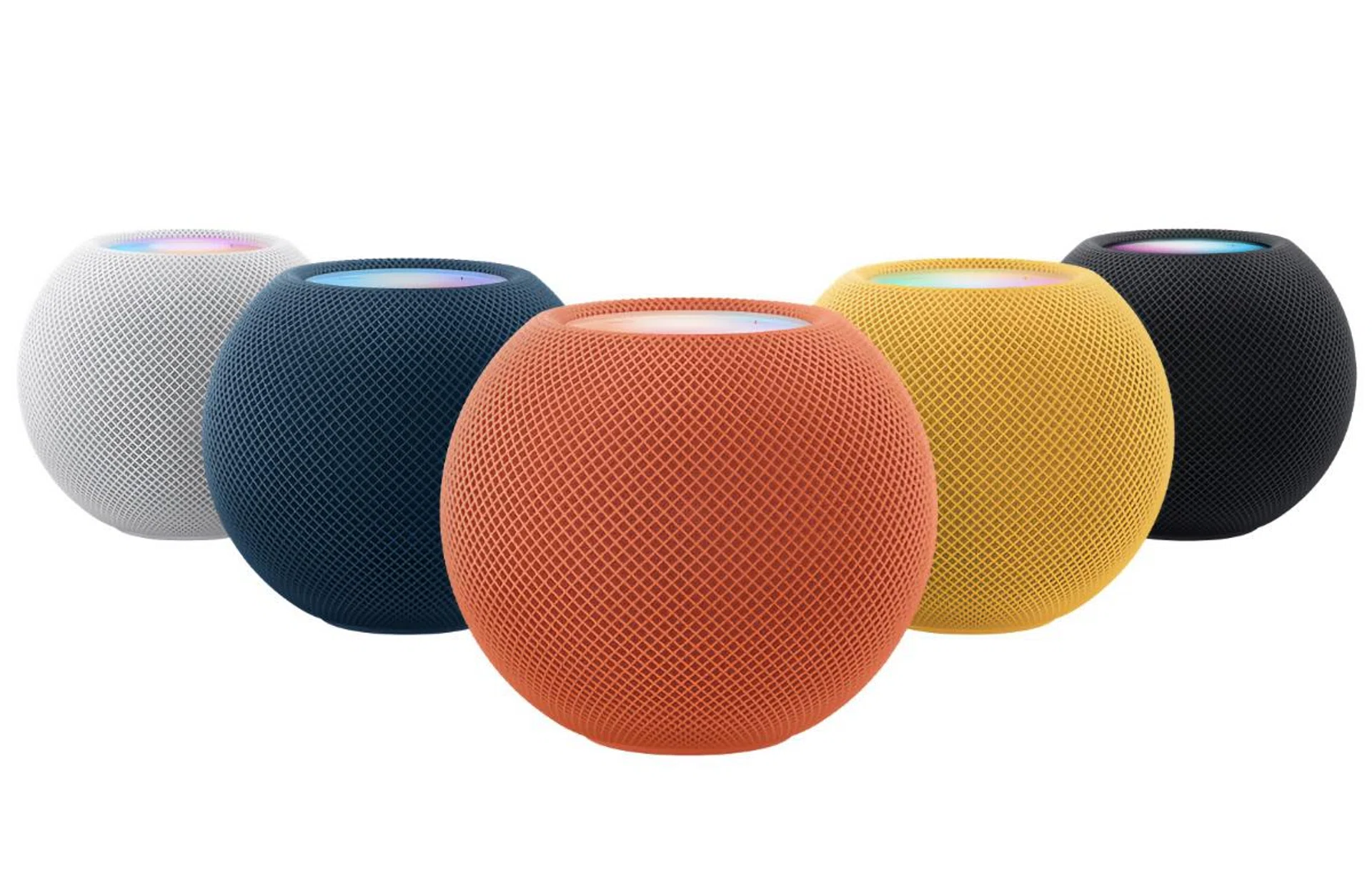
Most people should be happy with the HomePod mini.
This question is actually surprisingly easy to answer. The way I see it, unless you really care about sound and/or have deep pockets, the HomePod mini is the sensible option for most people.
To start, the HomePod mini is significantly cheaper - S$140.25 vs. S$432.95. This means for the price of one HomePod, you can get three HomePod minis and still have enough change for a McDonald’s Extra Value Meal. But crucially, the HomePod minis can do everything that the larger HomePods can. Really, the only things they lack are the more advanced driver configuration, real-time room-sensing and calibration, and support for spatial audio. Is that worth nearly S$300 more? I'm not sure.
Final thoughts
If the only Apple device you own is an iPhone and if your music streaming service of choice is Spotify, then you are better off looking elsewhere for a smart speaker that is more "agnostic" in the sense that it doesn't rely heavily on Apple's devices and services to work.
To put it in another way, the HomePods are extremely niche devices. They are smart speakers that work best for Apple’s most loyal customers, people who are deeply invested in the Apple ecosystem – and that means owning multiple Apple devices and subscribing to multiple Apple services. The more deeply invested you are, the more you’ll get out of the HomePods and HomePods mini.
That’s a pretty curious way to design smart speakers if you are trying to grab market share. But the fact is, if you are the kind of person that I described above, these smart speakers can be really nice accompaniments in the home. They aren’t ground-breaking or exceptional in the same way some of Apple’s other products are, but they certainly sound good and they get the job done.
 | |
<img alt="" src="https://cassette.sphdigital.com.sg/image/hardwarezone/7ddc58e7aafdce750664dc4ac06eaaef8baf19e7c0904d7135b36ec663880f43" style="height:186px; width:330px" title="Apple HomePod mini
"> |


The Apple HomePod is S$432.95 and you can find it on the Lazada, Shopee, and the Apple Online Store.
The Apple HomePod mini is S$140.25 and you can find it on Lazada, Shopee, and the Apple Online Store.
Our articles may contain affiliate links. If you buy through these links, we may earn a small commission.