

HardwareZone celebrates Singapore’s 60th birthday with a series of articles showcasing local tech brands that have helped build our nation and put us on the world stage. Some of these brands have become household names, while others lesser known but no less innovative. You might even be surprised to learn of some popular technologies that got its start right here in Singapore.
(This article is one of 7 parts in our SG60 Tech Special series.)
With our political stability, strategic geographical location and strong economic stance, Singapore has been the financial hub of the region and the world. Thus, it comes as no surprise that local tech companies specialising in finance and e-commerce would flourish from the Lion City. However, it might come as a surprise for you that these brands highlighted below actually started life in our tiny island.
1. Atome
![CMG20250609-HengYY01 / 王彦燕 / 韩易一 / 本地先买后付公司Atome获9650万元融资 扩展菲律宾信贷服务 [SPH]](https://cassette.sphdigital.com.sg/image/hardwarezone/3195b0c87d4fcded021d83ece5438a6c95ceb6f7403553fe42743d00f69c3d09?w=1000&q=85)
Local buy-now-pay-later startup Atome.
You might have seen Atome when checking out your purchases, whether it is online or offline. But you probably don’t know that Atome is founded in Singapore by academic-turned-entrepreneur David Chen to ride on the increasing popularity of Buy Now, Pay Later (BNPL) model worldwide.
Meaning “Available to Me”, Atome has become a leading BNPL provider in Asia since its establishment in 2019. By offering instalment payment options, Atome has helped consumers afford big-ticket purchases while boosting sales for merchants at the same time. Its user-friendly app has made it a standout in the competitive fintech landscape.
From Singapore, it has since expanded into other markets across the region such as Malaysia, Indonesia, Vietnam and China. Atome has also partnered with several banks to provide BNPL services and other digital lending products in the region. It also launched its own BNPL card in Philippines with Mastercard in 2022.
Atome is part of Atome Financial, which is in turn part of Advance Intelligence Group that also owns ADVANCE.AI (see story on AI).
Key Events:
- 2021: 10-year partnership with Standard Chartered Bank to provide BNPL services in Indonesia, Malaysia, Vietnam and Singapore.
- 2022: Launches Atome Card in Philippines with Mastercard.
- 2023: Expands its US$100 million debt facility with HSBC Singapore to include Philippines.
- 2024: Atome achieves full-year profitability.
2. Shopee
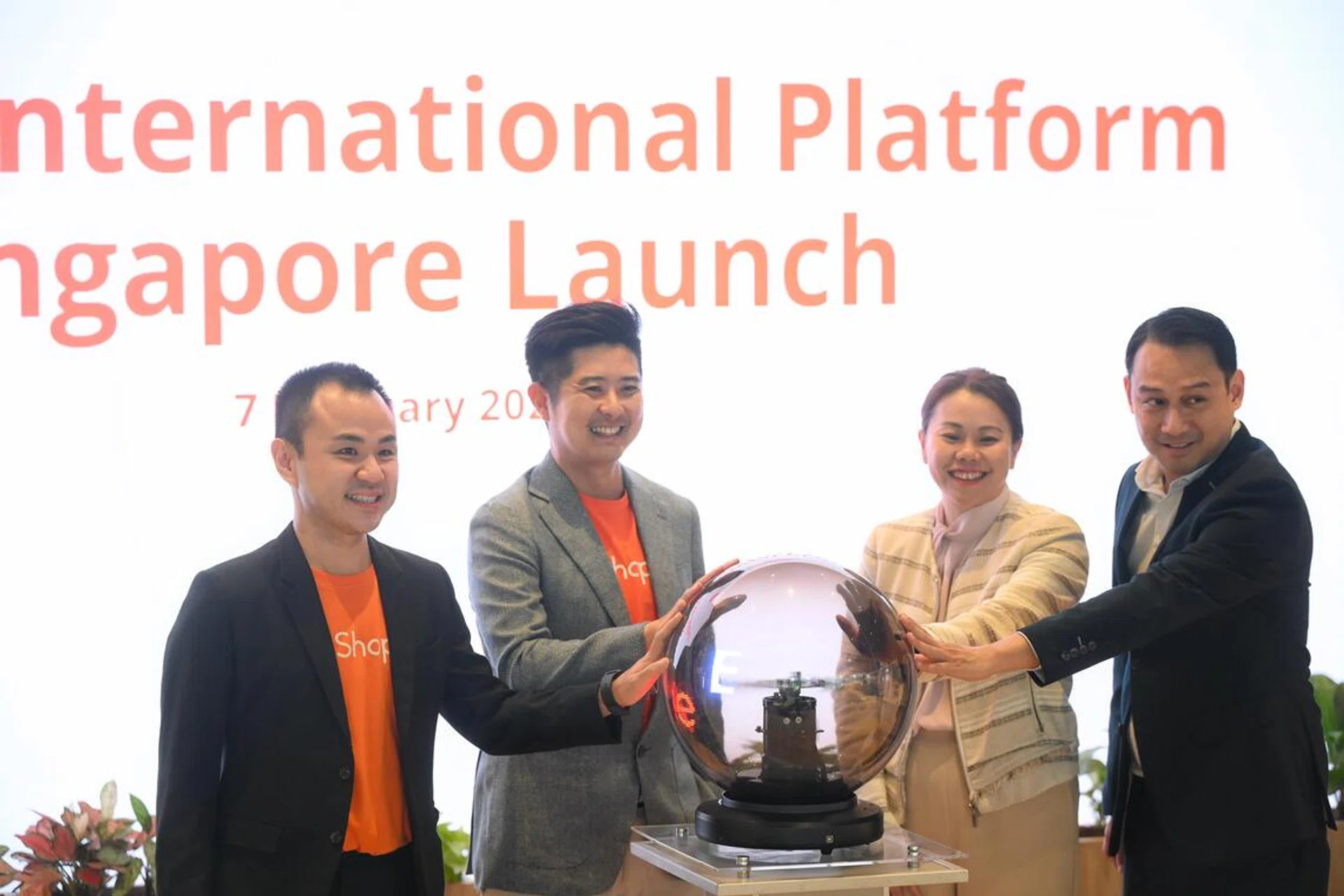
From left, Chua Kel Jin, director, Shopee Singapore, Ian Ho, Vice President, Shopee Singapore, Cindy Khoo, managing director, Enterprise Singapore, and Geoffrey Yeo, Assistant managing director, Capabilities, Urban Systems and Solutions, Enterprise Singapore, officially launch the Shopee International Platform (SIP) on Feb 7, 2025.
This is the e-commerce platform that many Singaporeans are probably most familiar with. Launched in 2015, Shopee, part of the Sea Group, has become Singapore’s number one e-commerce platform and one of largest in Southeast Asia.
It was launched with a mobile-first strategy to tap into Southeast Asia’s high mobile penetration rate. Shopee app’s features, such as live-streamed shopping and in-app games, have redefined online retail in the region. In addition, Shopee is known for its seamless and user-friendly interface that allows consumer to easily find what they want. Another big draw of Shopee is its buyer protection scheme, whereby payments to sellers are withhold until a satisfactory order has arrived.
From Singapore, Shopee has expanded into Southeast Asia including Malaysia, Thailand, Indonesia, Vietnam and Philippines. It has also entered the Taiwan market as well as Latin America with presence in Brazil, Colombia and Chile. Its various promotions – using Korean idol group BLACKPINK and football superstar Cristiano Ronaldo - helped Shopee gain massive following.
However, it was not all plain sailing for Shopee. After aggressively expanding into many countries, including India, France, Mexico and Poland in 2021, Shopee suffered massive losses and had to cut costs with multiple rounds of staff layout. It also withdrawn from India and most of Latin American and European markets by early 2023.
But the cost-cutting measures and market withdrawals helped Shopee achieved record growth and profit in the next two years. Its earnings for 2024 financial year was US$155.8 million, compared to losses of US$213.8 million in 2023.
Key Events:
- 2018: BLACKPINK becomes Shopee’s brand ambassador for 12.12 sale.
- 2019: Football superstar Cristiano Ronaldo stars in “Baby Shark” viral ad.
- 2021: Global expansion into many countries including India, France, Mexico and Poland.
- 2023: Becomes the largest online marketplace in Southeast Asia. Also ranked as the leading online shopping platform in Taiwan.
- 2024: Becomes profitable.
3. Nium

Former Deputy Prime Minister Heng Swee Keat, with Nium co-founder and chief executive Prajit Nanu, touring the company’s new headquarters at its official opening on July 3, 2023.
Unlike most of the brands here, you probably will not be familiar with Nium. It began life as InstaREM (for Instant Remittance) in 2014 with a bold vision of making money transfer across borders for individuals easier and faster.
However, it nearly faced extinction a year later but recovered, thanks to a US$5 million Series A funding led by local venture capitalist Vertex Ventures. With individual remittances forming its foundation, it broadened its scope to include business-to-business (B2B) transactions in 2016. By 2017, the company begun to operate a cross-border payments platform targeted at business users, including banks and businesses.
By building a robust platform that could handle everything from real-time multi-currency transactions to compliance and fraud detection, Nium carved out a niche as a trusted enabler for global businesses. It was rebranded as Nium in 2019 to focus on providing embedded B2B solutions via its single API platform, while InstaREM continues to operate as a wholly-owned consumer services.
Nium expanded its footprint across continents, forming strategic partnerships with banks, enterprises and fintech companies. It also made numerous acquisitions that allow the company forays into different markets and industries, such as travel and sports.
The company’s ability to adapt to the unique needs of different markets made it a preferred choice for businesses navigating the complexities of international payments. In 2021, Nium raised more than US$200 million in Series D funding to achieve unicorn status, with a valuation of US$2 billion as of February 2022.
Key Events:
- 2014: Founded as InstaREM offering cross-border remittances for consumers.
- 2015: Receives Series A funding of US$5 million.
- 2016: Launches B2B platform.
- 2019: Rebrands as Nium.
- 2021: Achieves unicorn status.
4. YouTrip
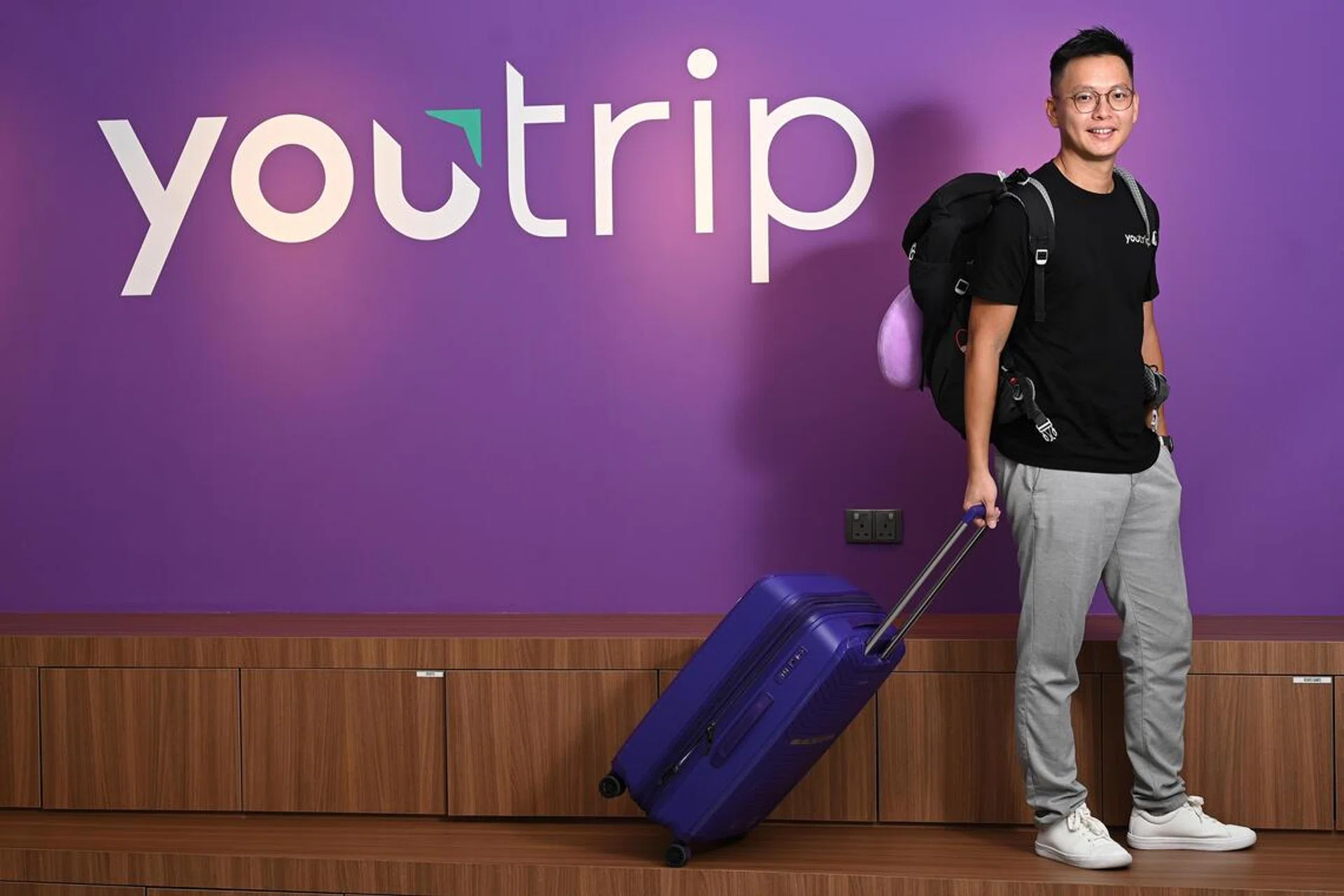
Kelvin Lam, Chief Operating Officer of YouTrip.
YouTrip, founded in 2016 by former banker Caecilia Chu and Arthur Mak, is Singapore’s first multi-currency digital wallet. By eliminating hidden fees and offering competitive exchange rates, it quickly gained traction among tech-savvy users who were tired of being overcharged for spending abroad when the product is launched in 2018.
Its user-friendly app allowed users to manage over 150 currencies while offering real-time exchange rate monitoring as well as overseas ATM withdrawals. Within months, YouTrip became the go-to solution for Singaporean travellers, redefining how they managed their money overseas.
When the pandemic hits, YouTrip pivoted to focus on e-commerce spending by forming partnerships with major online retailers and offering cashback promotions to stay in business. It also expanded its financial offerings, introducing features like bill payments, subscription tracking, and budgeting tools. It also launched YouBiz, a corporate card for small and medium enterprises (SMEs), in 2022.
When international travel resumed, YouTrip’s revenue also ballooned. It became profitable in 2023 and processed over US$10 billion worth of transactions annually. This year, YouTrip entered the Malaysia market with a ringgit digital wallet and has plans to enter other Southeast East markets as well.
Key Events:
- 2018: YouTrip, Singapore’s first multi-currency digital wallet launched.
- 2019: YouTrip expands into Thailand. Raises $25.5 million funding.
- 2020: Pivots to e-commerce spending during the Covid-19 pandemic.
- 2022: Launches YouBiz, a corporate card from SMEs.
- 2023: Becomes profitable with more than US$10 billion in payments annually.
- 2025: Enters the Malaysia with ringgit wallet.
5. V-Key
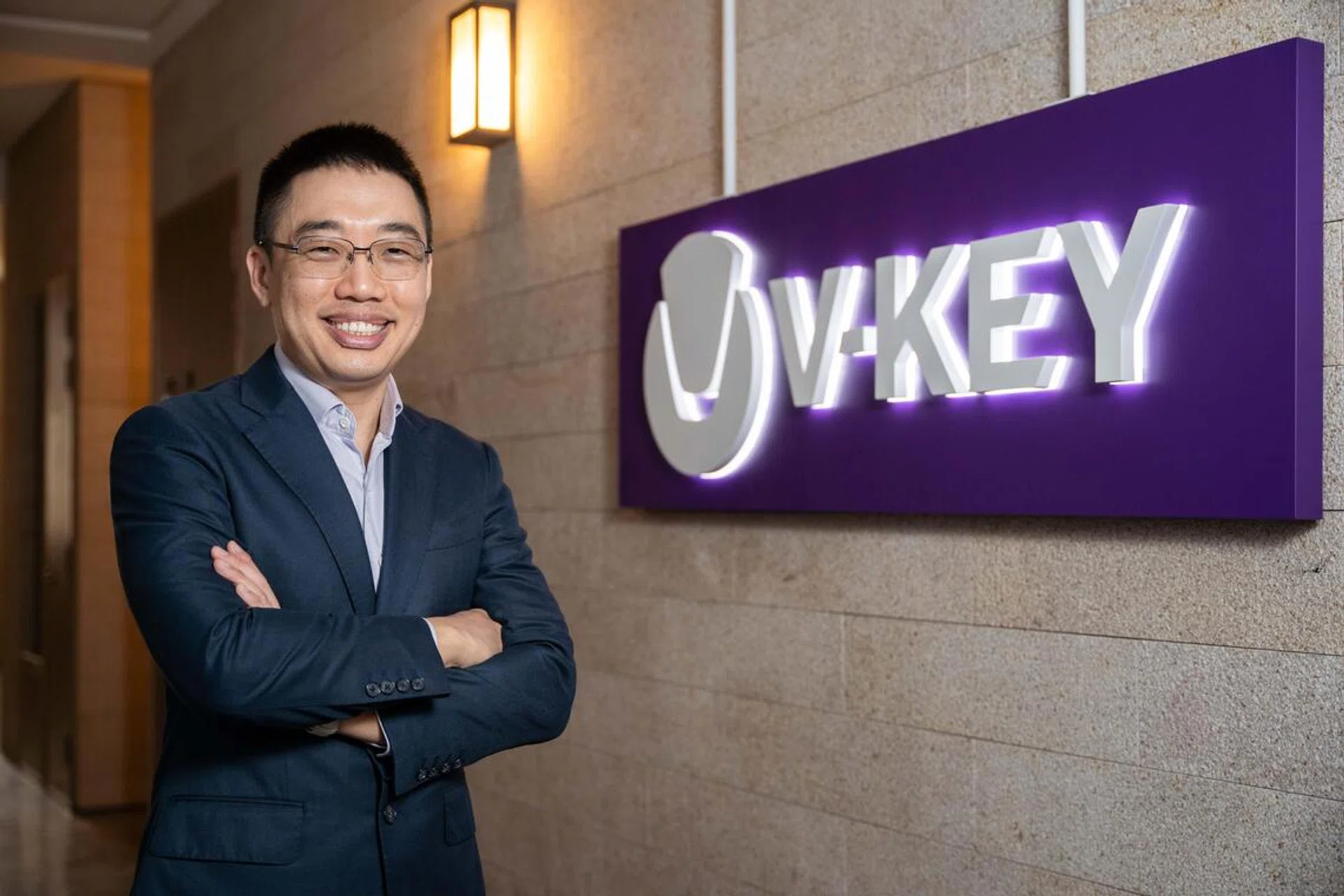
V-Key co-founder and CEO Joseph Gan.
Do you once have those hardware tokens that you have lug around for your online transactions? That’s what prompted entrepreneurs Joseph Gan, Benjamin Mah, and Eddie Chau to start V-Key in 2011. It began with a vision to address the growing demand for robust mobile security solutions in an increasingly digital world.
V-Key’s flagship innovation was its Virtual Operating System (V-OS), which is a patented technology that uses advanced cryptographic mechanisms to provide secure, virtualised environments for mobile apps. This groundbreaking invention quickly gained recognition for its ability to replace traditional hardware tokens with a software-centric approach, enabling scalability and flexibility for businesses.
In 2014, V-Key received US$12 million invest from Ant Group, which operates AliPay. This led V-Key’s technology being used to secure AliExpress’ e-commerce transactions. The company then secured a major partnership with DBS Bank to enable Asia’s first fully-digital bank in India in 2016. To make its solutions more accessible for small and medium enterprises (SMEs), V-Key launched its V-OS Trusted Identity services as a cloud offering in 2020.
Over time, V-Key expanded its applications beyond finance, providing technological solutions for e-governments, healthcare, and digital commerce. By leveraging strategic partnerships and securing high-profile clients, such as UOB Bank and Assurity Trusted Solutions, V-Key scaled rapidly from a regional startup to an internationally recognised brand protecting over 300 million mobile users globally. It has also expanded into key international markets, such as Japan this year.
Key Events:
- 2014: Secures US$12 million Series B funding from Ant Group.
- 2016: Partners DBS Bank to enable Asia’s first fully-digital bank in India.
- 2020: Launches its V-OS Trusted Identity Services as a cloud offering to make its solutions more accessible.
- 2025: Expands into key international markets, such as Japan.