
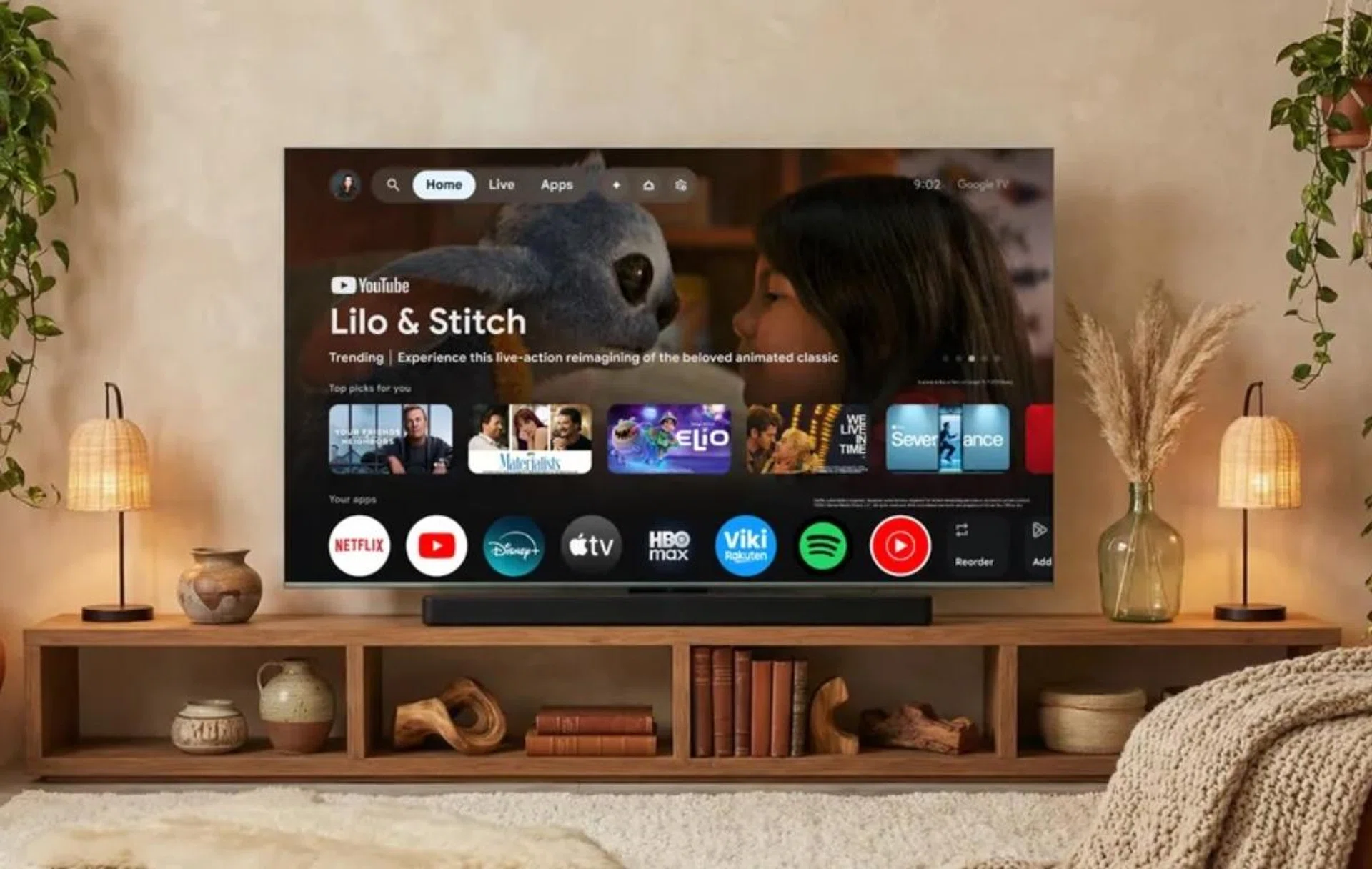
At CES 2026 in Las Vegas, Google previewed an ambitious update to Google TV, centred around the integration of its multimodal Gemini AI assistant, aiming to transform how viewers interact with their big screens. The new features, coming first to select TCL Google TV models and expanding to other devices later this year, will bring more natural language interaction, creative tools and AI-enhanced content experiences directly to the TV.
What’s New With Gemini on Google TV
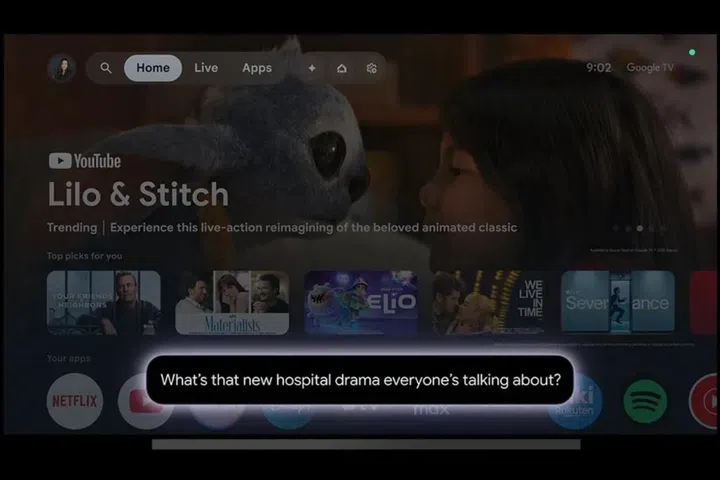
Google’s goal is to make television more helpful and interactive, leveraging AI to reduce friction and expand what users can do on their TVs beyond passive watching. The updated Gemini for Google TV unlocks a range of enhancements:
- Natural Language Settings Control: Users can now adjust picture and sound settings simply by speaking naturally, without digging through menus. Commands like “the screen is too dim” or “make the dialogue louder” prompt Gemini to fine-tune brightness, contrast or audio levels in real time, making the viewing experience more seamless.
- Visually Rich Responses and Deep Dives: Rather than display plain text, Gemini’s responses are tailored to the large screen with imagery, video context and real-time information. A new “Deep Dive” feature provides narrated, interactive explainers on complex topics, ideal for learning or exploration directly from the sofa.
- Google Photos Integration and Creative AI Tools: One headline addition is deeper integration with Google Photos, allowing users to search their photo libraries by voice, display curated slideshows and even apply creative edits. On supported devices, Gemini taps Nano Banana and Veo models to generate or edit images and short videos on the big screen, for example, creating stylised visuals or transforming snapshots into fun clips with simple prompts.
- Conversational Content Discovery: Gemini enhances content discovery by letting users ask conversational questions about shows, genres or similar programmes. The assistant can display trailers, explain plot elements or highlight real-time sports updates, helping users find what they want to watch faster and with richer context.
What Makes It Unique
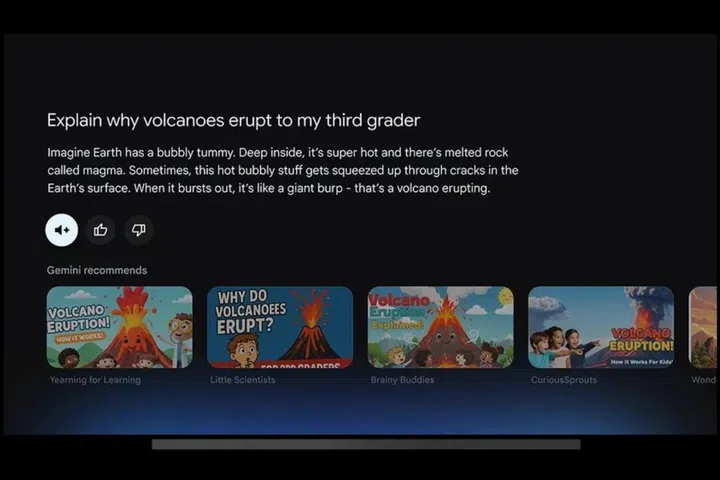
The Gemini integration goes beyond simple voice commands or remote control shortcuts. It brings AI-first interaction to the largest screen in the home, blending generative capabilities with utility features that are genuinely useful in daily viewing. Rather than limiting AI to recommendations or playlists, Google TV’s Gemini lets users:
- Interact conversationally with the TV in a natural way
- Tell the TV what they want corrected or optimised
- Edit and generate visuals directly on the screen
- Explore content with richer, narrated context
This level of multimodal interaction, combining voice, visuals, on-screen content creation and conversational search, sets Gemini on Google TV apart from traditional smart assistant features and is aimed at a broad range of users:
- General viewers who want simpler, more intuitive control of settings and content
- Families who can enjoy photo slideshows and interactive explainers together
- Casual creators looking to play with image and video generation on a big screen
- Sports and information seekers who benefit from real-time updates and visual responses
Initially rolling out on select TCL Google TV models, the features require Android TV OS 14 or later and a Google account, and will expand to other brands and even projectors in the coming months.
Google’s vision with Gemini on Google TV is to turn televisions into more than just passive entertainment devices. By tightly integrating advanced AI, voice interaction and multimodal content responses, the platform aims to make screens smarter, more responsive and genuinely conversational, bridging the gap between a traditional viewing experience and an interactive, AI-powered hub in the living room.