
Remembering Steve Jobs
Steve Jobs passed away last week at the age of 56. The HardwareZone team takes a special moment to pay tribute to a titan of the tech industry.
Steve Jobs, co-founder and former CEO of Apple, passed away on October 5th, 2011. He was 56. It's said that Jobs died of complications from pancreatic cancer, a disease he had wrestled with since 2004.
How do you remember someone like Steve Jobs?
You could recount his life. Imagine how Apple would have been shut down had he not returned to save the company. Tell the tales of terrified employees who suffered under his demanding standards. List the many hit products Apple has made under his run. Compare him to past giants of innovation like Walt Disney, Henry Ford and Thomas Edison. Marvel at how his competitors have been forced to step up just to keep up with. Appreciate how Apple devices have brought technology closer into our lives.
How will you remember someone like Steve Jobs?
The Story of Steve Jobs
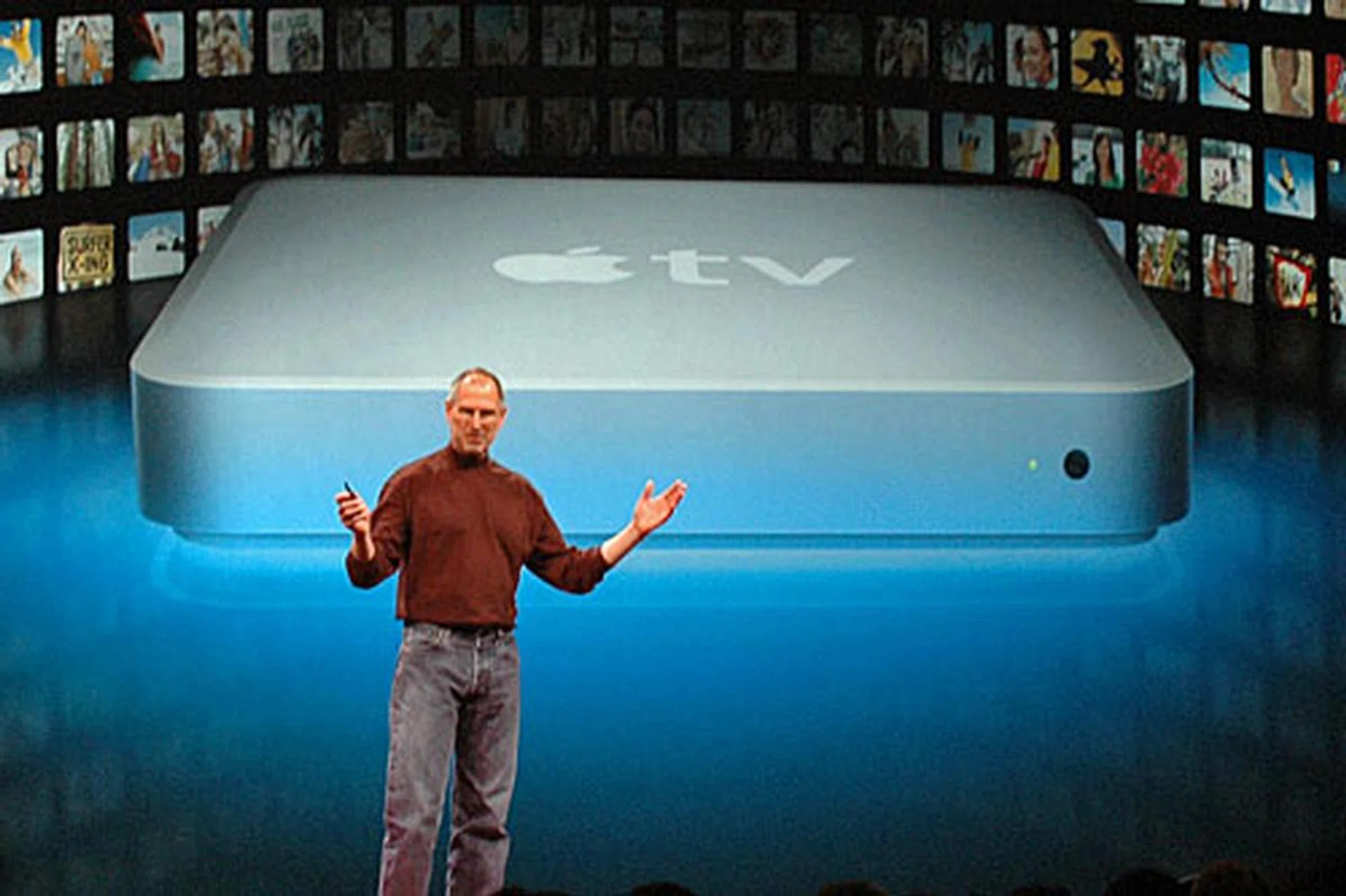
Let's start with the story. Like any good story, our hero had a humble beginning. Jobs was given up for adoption at birth. In 1972, Jobs enrolled into college and dropped out after only one semester. But he continued dropping into classes, while sleeping on the floor in friends' rooms, returning used Coke bottles for money to eat, and having one good meal a week at the local Hare Krishna temple.
Jobs later said that "It was pretty scary at the time, but looking back it was one of the best decisions I ever made. The minute I dropped out I could stop taking the required classes that didn't interest me, and begin dropping in on the ones that looked interesting."
It was during those years that Steve (Jobs) met Steve (Wozniak). Jobs was the consummate salesman, and Wozniak was a brilliant engineer who single-handedly designed the hardware, circuit board and operating system for the Apple I. In 1976, the pair (together with Ronald Wayne) co-founded Apple. In 1980, the young company went public, and at the time generated more capital than any IPO had since 1956.
In 1985, Jobs fell. After an internal power struggle, he was relieved of his duties at Apple, and instead of staying on as a figurehead; Jobs left the company he had co-founded. Andy Hertzfeld, a key member of the Mac team, drove to Jobs' house two days after the official announcement, and found that "Steve was inconsolable, and more depressed than I had ever seen him before."
This was Jobs' time in the wilderness, and according to some, these humbling moments took some of the edge off of Jobs' infamous temperament. He founded NeXT, another computer company, after leaving Apple. But the NeXT computers were prohibitively expensive, and sales never took off. Poor performance forced NeXT to withdraw from the hardware business in 1993 and fire more than half its workforce.
Around the same time, Pixar, a company Jobs had bought in 1986 for US$10 million, suffered substantial layoffs, and was losing so much money that Jobs considered selling it. In late 1993, Disney, which had signed a three-movie deal with Pixar, slammed an early draft of the first movie Toy Story as "disastrous", and everything was shut down pending a re-write.
This must had been the darkest period in Jobs' professional life. But released to critical acclaim in 1995, Toy Story went on to make more than US$361 million worldwide, and Pixar has since become a household name, synonymous with some of the best movies ever made.
In 1996, an ailing Apple bought NeXT for its next generation NeXTStep operating system, and Jobs returned to Apple in 1997. The iMac, the iPod, the iTunes Music Store, the iPhone, the App Store, the MacBook Air and the iPad followed, and the rest of the story has become legend.
The Vision of Steve Jobs
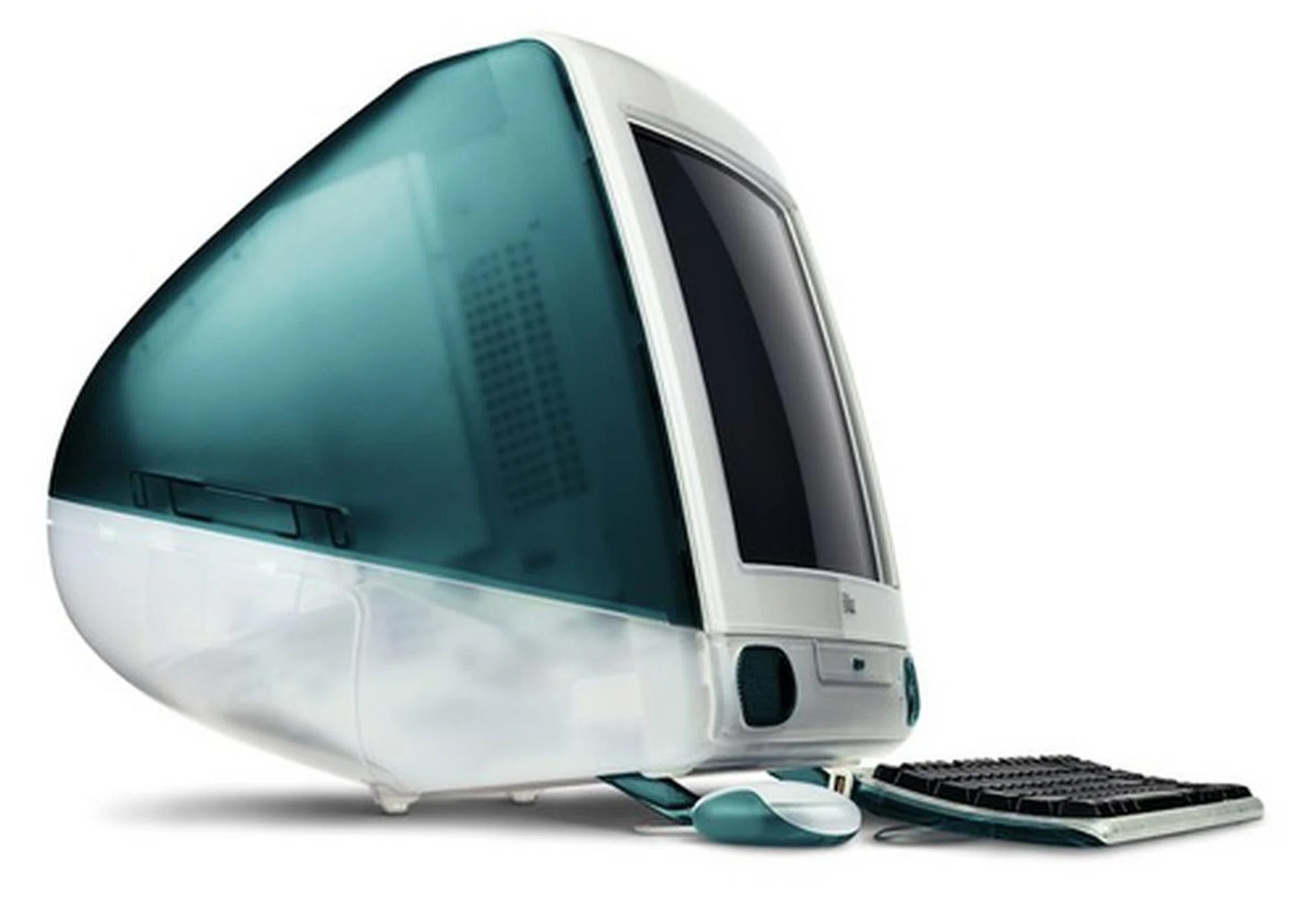
Jobs had an uncanny ability to see not just what was, but what could be. Speaking at the D: All Things Digital conference in 2010, Jobs revealed that the iPad had actually preceded the iPhone, even though the iPhone had been released first. Apple had been working on an early iPad prototype, but Jobs shelved the tablet project when he saw how the device's multi-touch screen could work just as well on a mobile phone.
According to well-known Apple writer John Gruber, when Apple then started developing the iPad for release, there were camps within Apple which had doubts about the tablet's success. Jobs stayed the course, and the iPad's astounding success has reignited and dominated the computer tablet market since.
Apple is famous for having no focus groups and committees; in fact it's said to have a focus group of one: Steve Jobs. Jobs has paraphrased Henry Ford's famous line about cars and horses, saying that "people don’t know what they want until you show it to them." And the market has proven that people want what Jobs had been promoting in his products ever since the first Macintosh: technology that's beautifully made and easy to use.
It's these essential elements: to see what an idea could be before it is, the ability to recognize gold from grit, and to doggedly bring vision to life despite the naysayers, that Apple has lost. It's too early to tell if Apple will retain the vision that Jobs brought to the company, but there's no denying the obvious: No matter Apple's future performance, Steve Jobs is simply irreplaceable.
The Memory of Steve Jobs
But this story isn't about Apple, even though Apple is deeply woven through Jobs' story. This story is about Steve Jobs the human being, and this is how we want to remember him: as a force who made living as tech lovers and tech writers in this time so electrifying.
The man instilled a singular sense of wonder into pieces of metal and plastic that made it impossible to take your eyes off Apple. Apple's products certainly weren't the creation of just one man, but there was always the sense that Jobs was intensely involved in their making; and there is always the sense that Jobs intensely cared about us. Not us as in individuals, but us in general as users of his products, that he wanted to make things which would delight us. It's a telling monument of how much he succeeded that how many people all over the world, who never knew him, are mourning his passing.
Jobs once said of the iPhone that "once in a while, a revolutionary product comes along that changes everything." Once in a while, a revolutionary man comes along that changes everything. We feel sorry for the future generations of tech lovers and writers who will follow us, who can only wonder what it was like to be delighted by Steve Jobs, and we feel fortunate to be part of the generation that witnessed a titan at work.
Yesterday, we went to sleep in a world with Steve Jobs; a world which contained possibilities of more stories about Jobs and potential for his vision of the future to unfold. Today, we woke up to a world with those doors closed. Steve, we never knew you. But our world is a little better everyday because of the things you made, and because of that we can't help but feel a sense of loss. Thank you and goodbye.
Personal computers have become an essential, daily part of our everyday lives, and Steve Jobs was instrumental in making that happen. The HardwareZone editorial team pays tribute to a man who changed the way we look at tech forever.
A Jobs-less World
By Andy Sim
Let me begin, by humbly asserting I am not the biggest Apple aficionado. And neither have I owned an Apple product throughout my career as an engineer, and even now, as a tech journalist. However, I have not been a complete stranger to Cupertino's electronic toys. I have used the G3 in its heydays, but unfortunately, I wasn't entirely convinced by OS 8 despite its simplicity.
On the other hand, I've always held a quiet reverence for Steve Jobs throughout the years. He painstakingly built an empire from the ground up, along with his wingman, Steve Wozniak, who used to be a hacker extraordinaire himself. This was 1976. Fast forward to 2007, I remember feeling a sense of awe when the first iPhone fell from the Apple tree. It was a time when I was still wet behind the ears as a tech writer. The iPhone's no-frills, yet simplistically charming interface was something to behold. In all honesty, there was no smartphone like the iPhone before its birth. And Jobs had a huge part to play in its inception. The same sentiment was felt when the iPod was launched before, albeit on a lesser scale.
More recently, I was moved likewise, when I first heard about Steve Jobs' demise after his long drawn battle with cancer. He was only 56. The Android fan boy in me breathed a silent cry of victory, whilst the humanitarian felt somewhat crushed and defeated.
To Steve, I can only wish you well, wherever you may be now. And to all our readers, I would like to leave you with one of his quotes. "You have to trust in something ― your gut, destiny, life, karma, whatever. This approach has never let me down, and it has made all the difference in my life." And incidentally, it is the same dogma I have chosen to live by for the past 40 years.
Great Job, Jobs
By Seow Tein Hee
Nobody can deny that Steve Jobs was a radical perfectionist. But I wouldn’t go so far to say that the man is to be revered.
Jobs was no inventor, he innovated. According to Schumpeter, technological development is preceded by invention, defined as a technological discovery. However, with no practical application tagged to an invention, it holds no influence towards economic or social growth. This was Jobs’ strength – the ability to see an invention beyond itself, and innovate with a practical approach. And in the process, he created a widespread adoption of these inventions. Therein lies the origin of the iPod, iPhone, iPad, the iTunes Store and its app ecosystem.
Jobs was a visionary in his own right, able to see the practical applications of inventions. But more than that, he was a catalyst to the tech industry. Tech companies have become hungry as Apple grabbed their market share. They’ve stayed foolish from recognizing the missed opportunities snatched away by Apple.
Steve, there will be no one like you to push the boundaries for Apple and everyone else. You’ll be missed by your supporters and competitors.
The Passing of an Idea
By Alvin Soon
Most of us didn't know Steve Jobs personally. So why are so many of us feeling saddened by his passing?
Maybe it's because of the idea that Steve Jobs represented to us. The idea that if you demand excellence from yourself and your work, you will find success. The idea that if you obsess over the details, it will pay off. The idea that if you pursue your passions, you can create something that will change the world.
Steve Jobs certainly wasn't the one and only example of someone who lived by those ideas, and they are ideas that any of us can pursue in our everyday lives. That's precisely the point. His passing at 56 reminds us of our own mortality - and the fact that we don't have an eternity ourselves to live as true as Jobs did.
What Would Steve Do?
By James Lu
The world changed on 5th October 2011. We awoke to a sobering new reality where the oft-repeated phrase, ‘What would Steve do?’ was replaced by a wistful, ‘What would Steve have done?’ And that’s what hit me the hardest. If Jobs hadn’t passed away, what would he have done?
When Steve Jobs left Apple for the first time in 1985, he bought over The Graphics Group, a small company that was part of the Lucasfilm Computer Division. Within the year, The Graphics Group had become Pixar, the animation studio that would go on to create Toy Story, the world’s first fully computer animated movie.
When Steve returned to Apple, he introduced the world to a line of products each more desirable than the last. And while that line may not end with him, I suspect new Apple products just won’t have the same kind of magic they had when Steve was there to tell us about “one more thing”.
Say what you will about Steve Jobs, the man was undeniably a visionary. The world will never know what he would have done next, but somehow, you just know, it would have been good.
Remembering Crazy Steve
By Wong Casandra
"Because the people who are crazy enough to think they can change the world are the ones who do."
If there was one word that Steve Jobs taught me, it wasn’t the word 'iPhone' but the word 'irony.'
Let me explain.
It's ironic that as tech pundits around the world lament about what a major letdown the iPhone 4S turned out to be, the man was fighting the greatest battle – against death. As the World Wide Web littered itself on the 4th of October with news of stocks dipping, scathing comments and social media updates, no one stopped to ponder about how ironic it was that many of us were spreading the news via iMacs, iPhones, iPads or even iPod touches. Or as news broke of Steve Jobs' death, they spread like wildfire across these very same gadgets.
Suffice to say, this itself was a befitting tribute to a man who irrevocably shaped modern communication and its tools. On the 5th of this month, some of us began to understand the overwhelming irony that can come from a man’s dedication to his craft and vision.
The truth is: we take many things for granted in our constant search for perfection. It is only in a moment of great loss that we stop to realize the fallacy of our ideals, and we begin to realize that we have lost an extremely capable and daring man. We begin to realize that the iPhone we have in our hands, as mass manufactured in nature as it is, was very much shaped by a unique and unrivalled vision. And perhaps, there is no better way to pay tribute to Jobs by saying this: if you want to know this man's legacy, simply stop to take a look around you.
The Cranky Uncle who “Put a Ding in the Universe”
By Wong Chung Wee
In his younger days, Steve Jobs said that he wanted to put a ding in the universe. He did more than that.
Critics have labeled Steve Jobs as a control freak who designed products and systems which are closed and inflexible. Those who shared his vision hailed him as a visionary who put consumers first and empowered them by giving them access to cutting-edge technology.
To me, Steve Jobs is a man who wanted to share his talents with the world, and he leveraged on technology to do just that.
Steve Jobs' Talent for Talent
By Hurrairah bin Sohail
With the passing of Steve Jobs, the expected stream of tributes continues to flow (and deservedly so). However, if someone who had been living under a rock for the past 30 or so years came out to read the headlines today, he would assume that Steve Jobs single handedly created, coded, designed and manufactured every Apple product by his lonesome.
There is no taking away from the man’s vision, his capacity to imagine and shape the future – it's evident in all Apple products. But as the Ray Charles album says “genius loves company”. Steve Jobs recognized Steve Wozniak’s talent and used it to lay the foundations of Apple. After his second coming he recognized the talents of Jonathan Ive who, as Senior Vice President of Industrial Design now, is responsible for many of the beautiful designs Apple has become synonymous with.
Amidst all the accolades and laurels that Steve Jobs has been showered with, his eye for talent is perhaps the one he is least lauded for. Not only was the man a genius in his own right, he was also able to sell his vision to other highly skilled individuals, get them on board and empower them to bring their work to fruition.
Made with Love
By Leo Boon Yeow
I am a closet Apple fan. I love Apple products, which are products that came from a laser focused vision. The vision of a man named Steve Jobs. Sure, there are plenty of things you might not like about the products, but for every thing you hate, there would be two things you love about them.
Such is the result of this man’s contribution to the world of technology; products you’d love to use. Every Apple product seems to have been meticulously scrutinized and made with the end-user in mind. This is the man who changed the entire mobile phone landscape with his vision of an easy to use, but technologically advanced cell phone. He jump started the tablet form factor, after Microsoft tried and failed to do so. He pulled the thinnest, most beautiful and most desirable laptop that I’ve ever laid my eyes – from inside an envelope!
Little wonder people who started using Apple products, rarely if ever, turn back to using anything else. They're just people who simply love using their Apple products, because somehow these products seem to be made with love.
Thanks for giving us Apple and its beautiful products. We love you for that. Rest in peace, Steve.
Hate Him or Love Him
By Hafeez Sim
I believe people of influence have a polarizing effect; you either love them or hate them. Steve Jobs was such a person.
He has inspired a cult-like following of his products while his detractors mock the sheep-like mentality of his fans. There were times, when I wondered if Apple fans loved Jobs more than they loved Apple.
While many laud his products, they tend to forget that Steve Jobs did not invent them; he put everything together in an aesthetically-pleasing package that was just as easy to use as it was easy on the eyes.
While I'm not an Apple fan, I acknowledge Job’s penchant for innovation and I truly believe he was a marketing genius. You may not need what he sold, but he made you believe you did. Heck, he could probably sell ice to the Eskimos.
Steve Jobs will be missed by his fans as well as his detractors; whether they admit it or not, he inspired the smartphone and tablet frenzy that we see today. He goaded the tech industry into action, with Apple's focus on innovation and aesthetics.
Rest in peace, Steve. You have left behind a legacy that will be remembered for generations.
The Man who Changed the Tech World
By Sidney Wong
"Stay Hungry. Stay Foolish."
A close friend of mine recently lent me the book "The Innovation Secrets of Steve Jobs" by Carmine Gallo.
The book provides snippets of what's inside the mind of Jobs, one of the brightest tech geniuses in the world. It was his vision of making technology accessible to everyone that redefined how we communicate with technology today. Without him, the iPhone, iPod Touch, iPad would be nothing but tech fantasies.
As we mourn his passing, let's not forget what he said. "Stay Hungry. Stay Foolish" is one of the many quotes he said over the years that inspired me. We can't be complacent and should continue to work for improvement. There are so many things out there for us to discover and learn.
Steve, what you made in life will continue to serve as beacons of inspiration for millions around the world.
While companies such as Google have paid their tribute to Jobs in the most humble manner, there’s another group of people who have been deeply affected by Jobs’ passing: our readers.
From the moment we broke the news, we’ve had comments pouring in from Facebook, with words of thanks to the co-founder of Apple for enriching their lives. Truly, as one of our Facebook fans said, it was “a sad day for all geeks and those who believed tech can be simple and fashionable.” Others have also expressed how sorely Jobs will be missed, and thanked him for bringing some of the best technologies into our world.
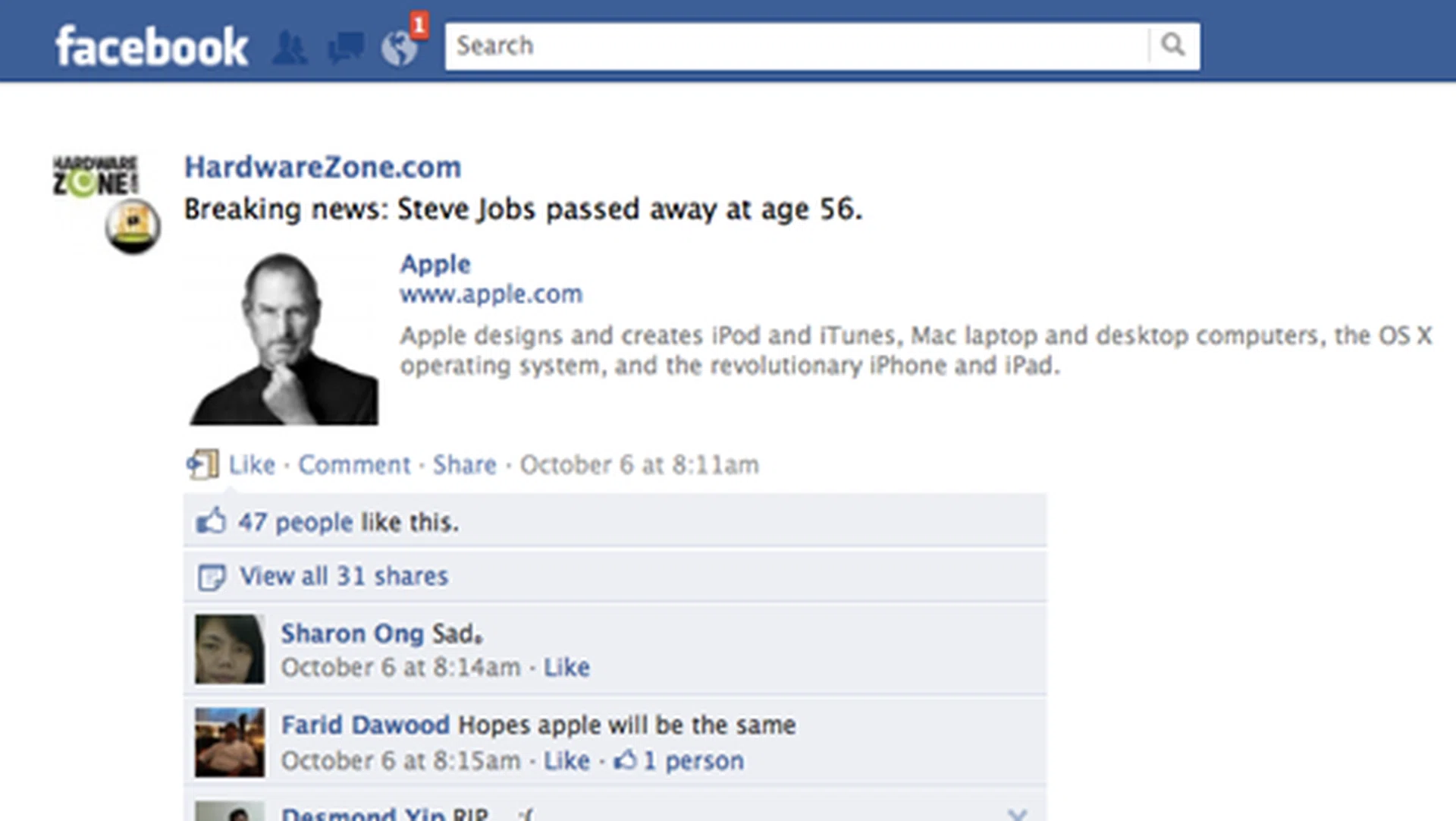
Our forums lit up when news broke of Jobs' death. As our users posted words of condolences on the forums, they reminded Jobs’ contribution to the tech industry. As our forum member Soulhacker said, “Steve Jobs manage (sic) to bring the cool out of geekness in his product”.
Amidst the sea of comments, ten_david197 made a point that resonated with everyone: “Mention iPhone or iPad and it is instantly recognizable by anyone…”, and that is “the result of marketing and technology that simply works, and works well enough for billions to enjoy splurge money on…”.
But more importantly, we were reminded of how Jobs’ passing is the end of an era. As cal127 puts it, “Whether you liked the man (or his accomplishment) or not, it’s hard to deny that this is the end of an era”.
Jobs was just one man. But he was a singular inspiration. We leave you with a video that speaks volume of Jobs’ legacy, and his principles – the Stanford 2005 Commencement Address.

Our articles may contain affiliate links. If you buy through these links, we may earn a small commission.