
IDF Fall 2006 Update (Part 2)
In our final update to IDF Fall 2006, we reveal more details of Intel's enterprise/server products as well as Intel's next generation mobile platform codenamed Santa Rosa. We also have a picture spread of some interesting demo at the tech showcase.
Quad-Core Comes to Xeon Line-up
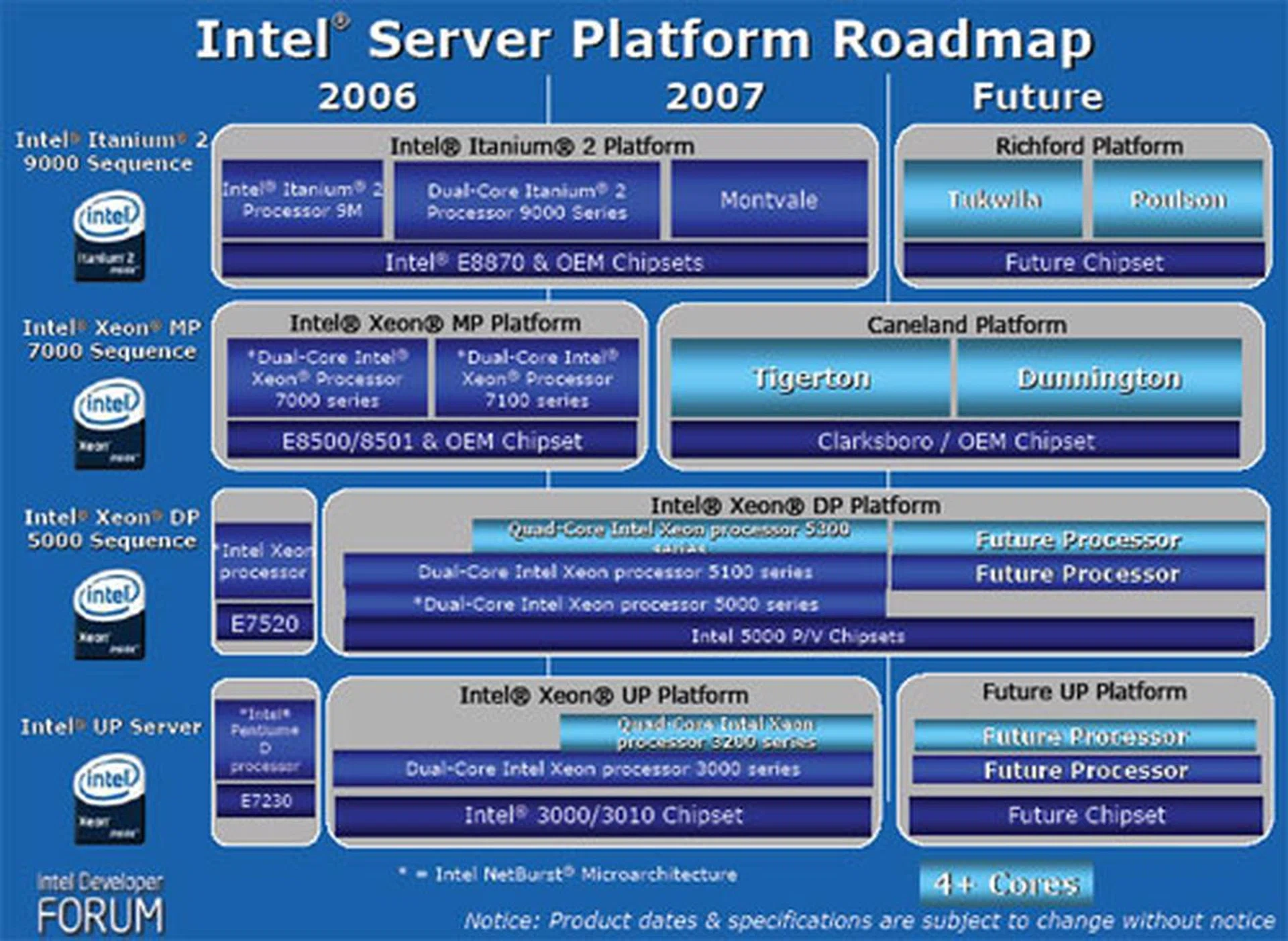
Intel continued its quad-core momentum in the enterprise space with the announcement of their new Intel Xeon 5300 series of processors, formerly codenamed Clovertown. Similar to the desktop counterpart, the new Xeon 5300 series will be manufactured using two dual-core dies mounted on a single chip package.
Representing the industry's first quad-core x86 server processor, the Intel Xeon 5300 series of processors are designed for any 2-way standard high-volume server platform. Intel senior vice president and general manager of the Digital Enterprise Group, Pat Gelsinger, demonstrated how its enterprise customers could easily replace their current Woodcrest processors with Clovertown using the current Bensley platform. This provides its customers a lot of flexibility to upgrade their current server platforms with quad-core processors and its OEMs can continue to ship current motherboards and chassis without the need for a complete redesign.
The new quad-core Intel Xeon 5300 series of processors will feature the same socket (LGA771) and its mainstream parts will have the same thermal envelope (80W) as the previous 5100 series. Intel expects to ship these processors in the same time frame as Kentsfield and will be available at bus speeds from 1066MHz to 1333MHz. The new Intel Xeon 5300 series will offer breakthrough performance with up to 50% better performance than the previous 5100 series.
Intel also revealed that a low power version of the Xeon 5300 series at a 50W thermal design point will be launched. Slated at the first quarter of 2007, the quad-core Intel Xeon L5310 processor will be ideal for high density server deployments. It will feature a 1066MHz bus speed.
For the uni-processor market, Intel will also fill that segment with a quad-core offering with the Intel Xeon 3200 series. It is also slated for Q1 of 2007.
Looking further into the roadmap, it seems that quad-core Xeon MP processor will only be available some time later in 2007 with the introduction Tigerton and the Caneland platform.
Intel Talks SSE4
Intel also announced plans to add more than 50 new SSE4 (Streaming SIMD Extensions 4) instructions into the current Intel 64 instruction set architecture in their next generation of processors. Revealing all the new instructions in a new white paper released at IDF, Intel intends to get developers ready to take advantage of SSE4 when it launches. The new SSE4 instruction set will go into the next generation 45nm processors slated later in 2008.
Besides SSE4 which benefits multimedia and gaming , there will also be new Application Targeted Accelerators that will provide a new foundation for delivering low-latency, lower power fixed-function capabilities. The first set of application targeted accelerators will accelerate the cyclic redundancy check (CRC) of several data integrity applications. The new CRC instruction will bring performance advantage to targeted network protocols like iSCSI and RDMA (Remote Direct Memory Access) without adding additional cost.
The second application targeted extension will accelerate searches involving large data sets. Applications such as those involving genome mining, handwriting recognition, digital health workloads and fast hamming distance/population count will benefit from this extension.
Intel Talks Geneseo
Intel, along with IBM, proposed the next generation of PCIe which will be designed and optimized primarily for graphics and advanced I/O applications. Working with the codename "Geneseo", the PCIe standard will be extended to allow tasks like visualization and media processing, math intensive data crunching and content processing faster and more efficient than existing add-in cards or software approaches.
Basically, Geneseo proposes to improve platform performance through four areas and will eneable Geneseo accelerators to :-
- use the existing PCIe architecture to initialize and manage devices
- streamline application-to-accelerator interactions
- and reduce system and software latency and overhead.
The industry is expected to make Geneseo work on existing industry interfaces for board and slot form factors. As such, it is expected that Geneseo will be compatible with current PCIe.
Intel Licenses Its Front Side Bus
Similar to AMD's Torrenza efforts to open up the HyperTransport architecture and AMD's unique Direct Connect Architecture to allow the development community to develop products that uses their unique bus technology, Intel too is licensing its front side bus technology to select vendors like Altera and Xilinx. These two FPGA vendors will be able to create FPGA products that use Intel's front side bus, enabling developers to use these FPGAs on current Intel platforms. It will take a while before Xilinx and Altera starts shipping FPGAs, and even longer before the development community begins to build anything out of it.

Intel senior vice president and general manager of the Digital Enterprise Group shows a running prototype of an L3 NIC, which is a prototype FPGA which Intel will make available to developers through their partners Altera and Xilinx.
Next Generation Mobile Platform - Santa Rosa
Intel revealed more information about the next generation mobile platform codenamed Santa Rosa which is slated for 2007. On the processor front, the new platform will boost its current front side bus from 667MHz to 800MHz, enabling greater energy-efficient performance in upcoming notebooks. It will also be enhanced with new capabilities such as a longer residency in Enhanced Deeper Sleep low-power state and Dynamic Front Side Bus Switching.
In Enhanced Deeper Sleep, when the CPU is in lower voltage mode and have cleared up all its contents in the cache, the CPU will continue in its sleep state and will not be waken up by the chipset caused by any bus activity. This basically keeps the CPU in a low power state until it needs to wake up to do real work. The second enhancement known as Dynamic Front Side Bus Switching has the ability to take the bus speed from 800MHz all the way down to 400MHz, and it will result in CPU frequency being reduced from 1200MHz to 600MHz. These two enhancements are expected to help deliver better battery life while delivering the performance when needed.

Key components in Santa Rosa as compared to current mobile platform.
The heart of Santa Rosa is the new Crestline chipset, which is essentially the 965 series. The integrated graphics version, 965GM, will have enhanced graphics capabilities much like its desktop counterpart. With the new 965GM, users can expect to enjoy high definition playback capability on the notebook using lower cost integrated graphics. Besides high definition playback, the integrated graphics engine has the capability to deliver compelling 3D gaming to the occasional gamer as well.
Santa Rosa's wireless capabilities will also be enhanced with a new Wi-Fi solution that will be compliant with the emerging 802.11n specification. Although this is not the fully IEEE ratified standard, thus it's a draft-802.11n solution, Intel has ensured that its solution will work seamlessly with all other existing draft-802.11n products in the market by creating an interoperability program. The group consists of leading access point vendors from Buffalo, D-Link, Linksys and Netgear.
To bring connectivity further, Intel also announced a joint collaboration with Nokia to deliver integrated wireless broadband connectivity utilizing Nokia's 3G technology. This will further expand connectivity options for laptop users outside of Wi-Fi range into 3G.
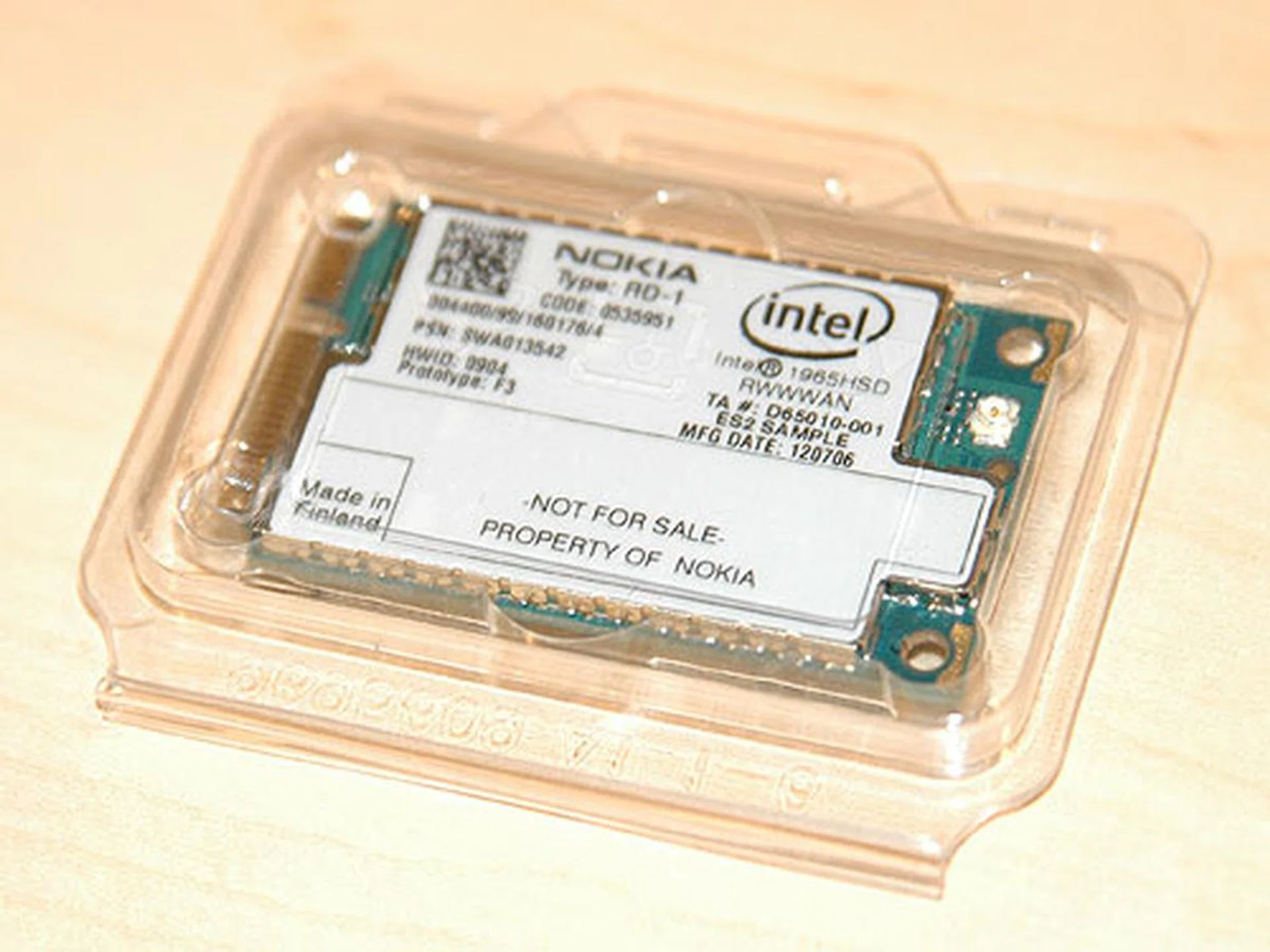
The Nokia 3G module that will enable next generation Santa Rosa platforms continued connectivity even when the user moves out of the Wi-Fi range.
Intel also revealed plans to add many of the Intel vPro technology capabilities into the next generation Intel Centrino mobile technology platform. Wireless Intel Active Management Technology (IAMT) will be one of the technology that extends the enterprise's ability to manage mobile PCs. Companies will be able to extend asset management, system security and availability using wireless IAMT.
Robson - NAND on Notebooks
Robson, the codename for Intel's flash memory-based platform accelerator, will be a critical component for the next mobile platform. It uses non-volatile flash memory and it comes in a mini PCI Express card that can be integrated into next generation notebooks.
According to Intel, Robson will come in various capacities and it's really up to manufacturers to offer them with their products as there are no limits to how much you can use in the platform. Although Robson sounds like an Intel only product, it does not form part of the Centrino platform and manufacturers do not have to purchase these modules directly from Intel. OEMs have the option to purchase Intel's memory controller (which is basically the brains of Robson) and build these modules themselves, using third party NAND flash memory chips.
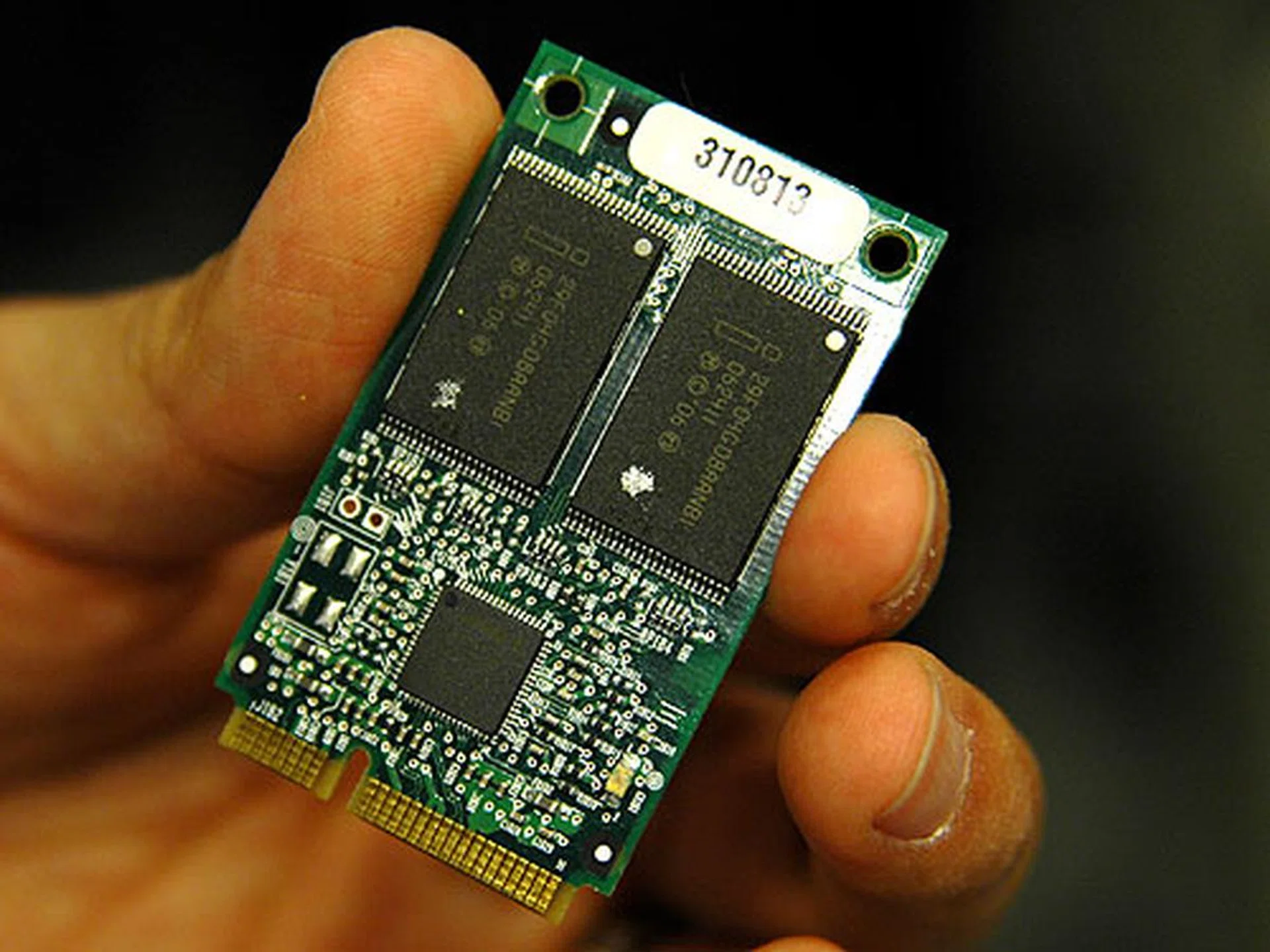
Intel's Robson module.
With Robson, the next generation Santa Rosa notebooks will be able to take advantage of Windows Vista's ReadyDrive and ReadyBoost technologies for greater performance. According to Intel, Robson enables applications to load and run two times faster than conventional laptops without Robson. Besides that, system resume from hibernation will also be twice as fast. Since hard drive access will be significantly reduced by Robson, Intel claims that it will reduce power consumption by as much as 0.4W, which is roughly equivalent to about 10 minutes of battery life.
Intel believes that Robson will present a simple all-in-one solution to ReadyBoost and ReadyDrive in Windows Vista. This is due to Intel's unique driver technology that enables it to interface its module with Windows Vista. Without Robson, notebook vendors will need a hybrid hard drive to support ReadyDrive while a Microsoft Vista compliant USB memory key to support ReadyBoost.
Oh, and did we forget to mention that there's a 99% chance that Robson may be offered in desktops too?
IDF Tech Showcase (I)
Here are a few interesting stuff that caught our eyes at IDF's tech showcase.
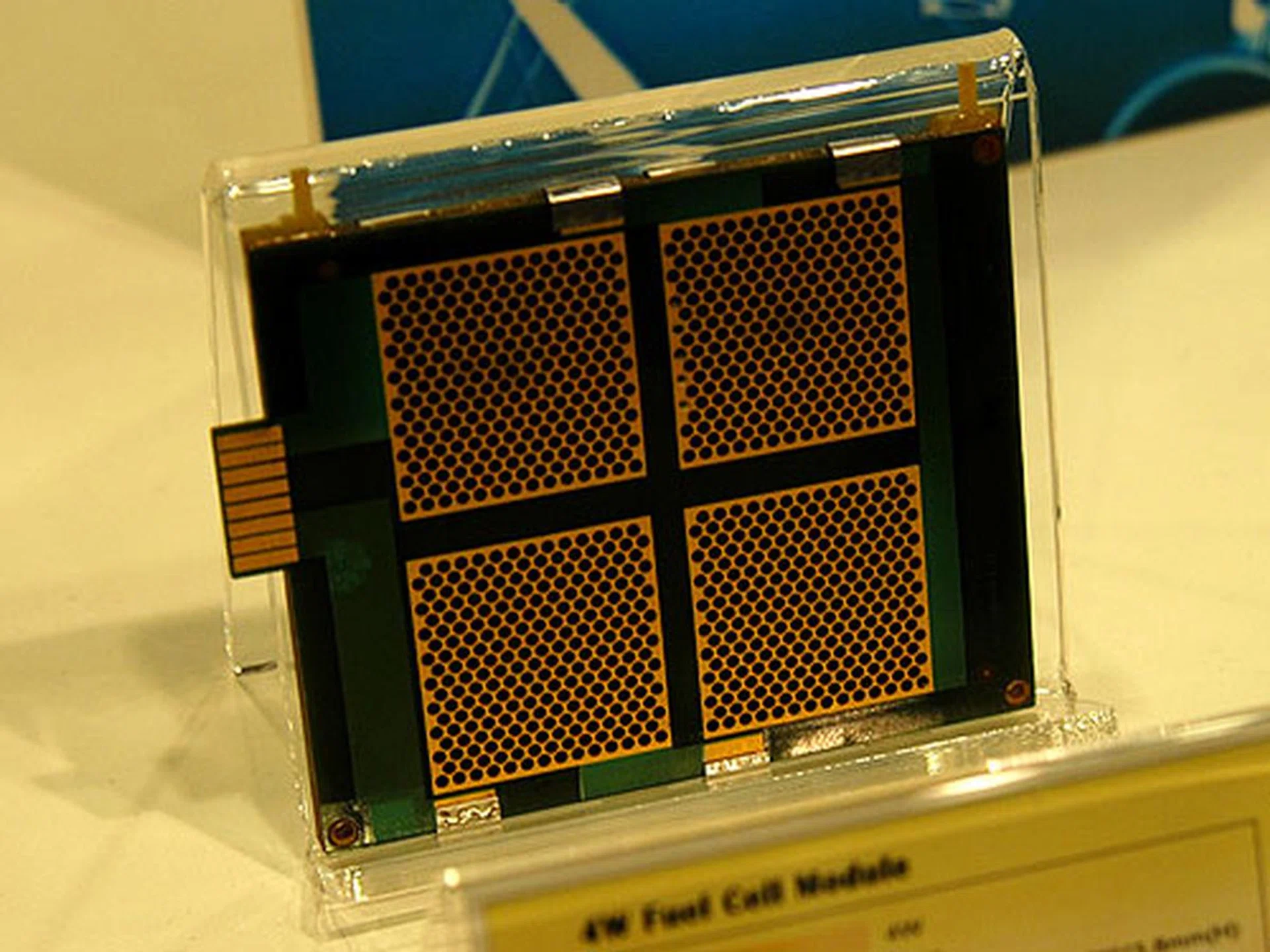
A typical 4W fuel cell module.
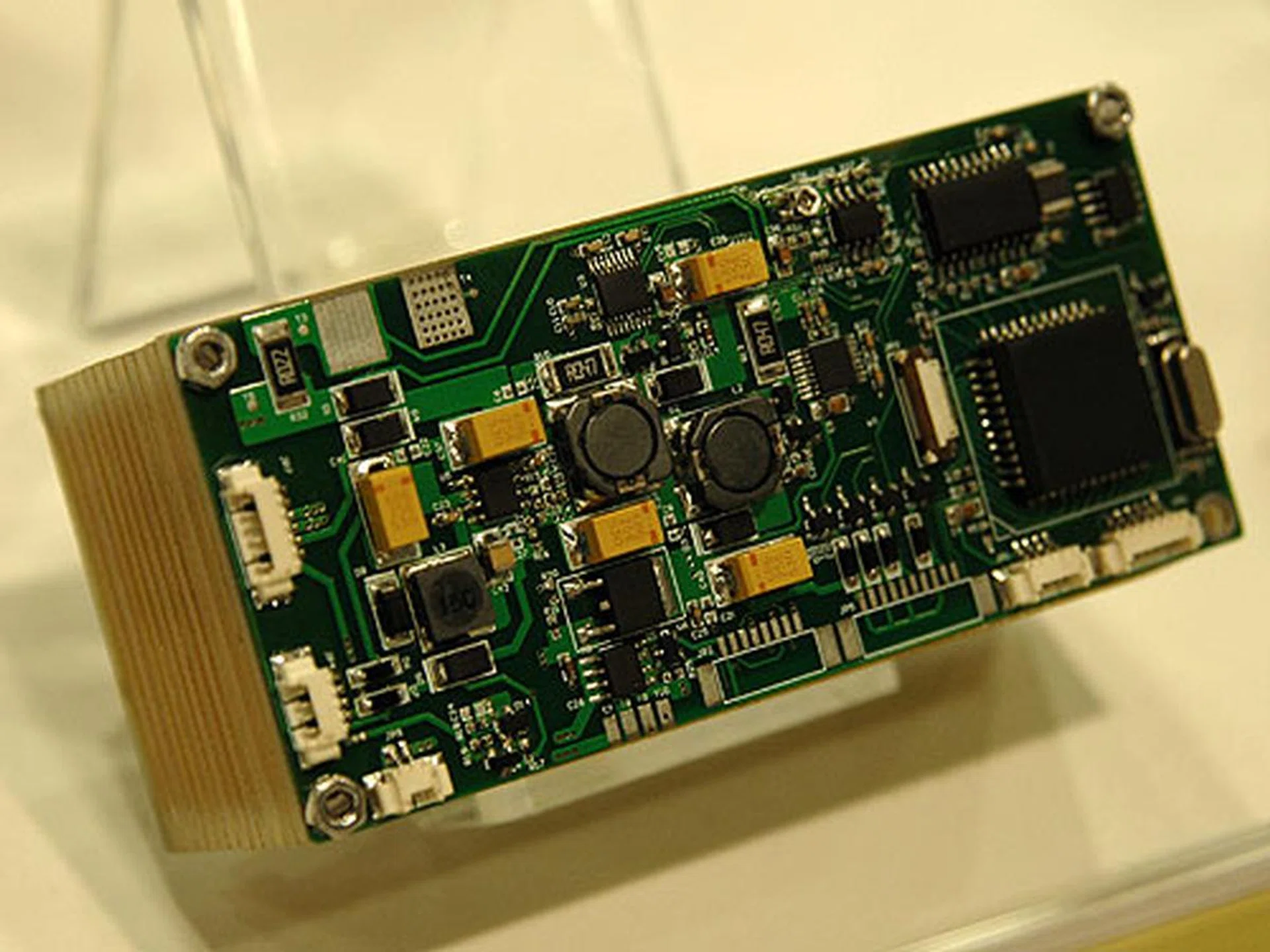
A 16W fuel cell stack with an output voltage of between 14.4 to 19.2V is an example of a renewable power source suitable for notebooks.
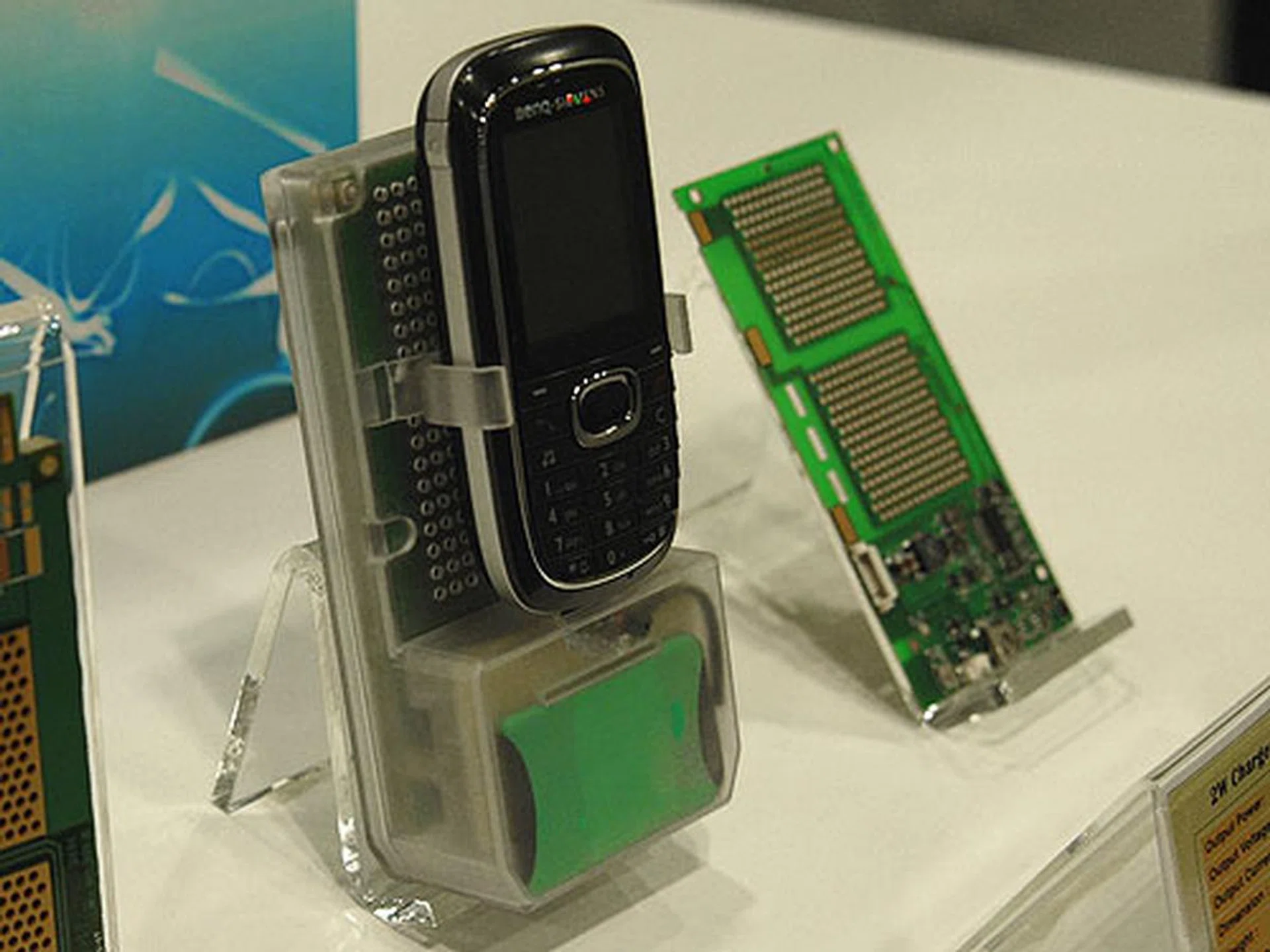
An example of fuel cell used as a phone charger.
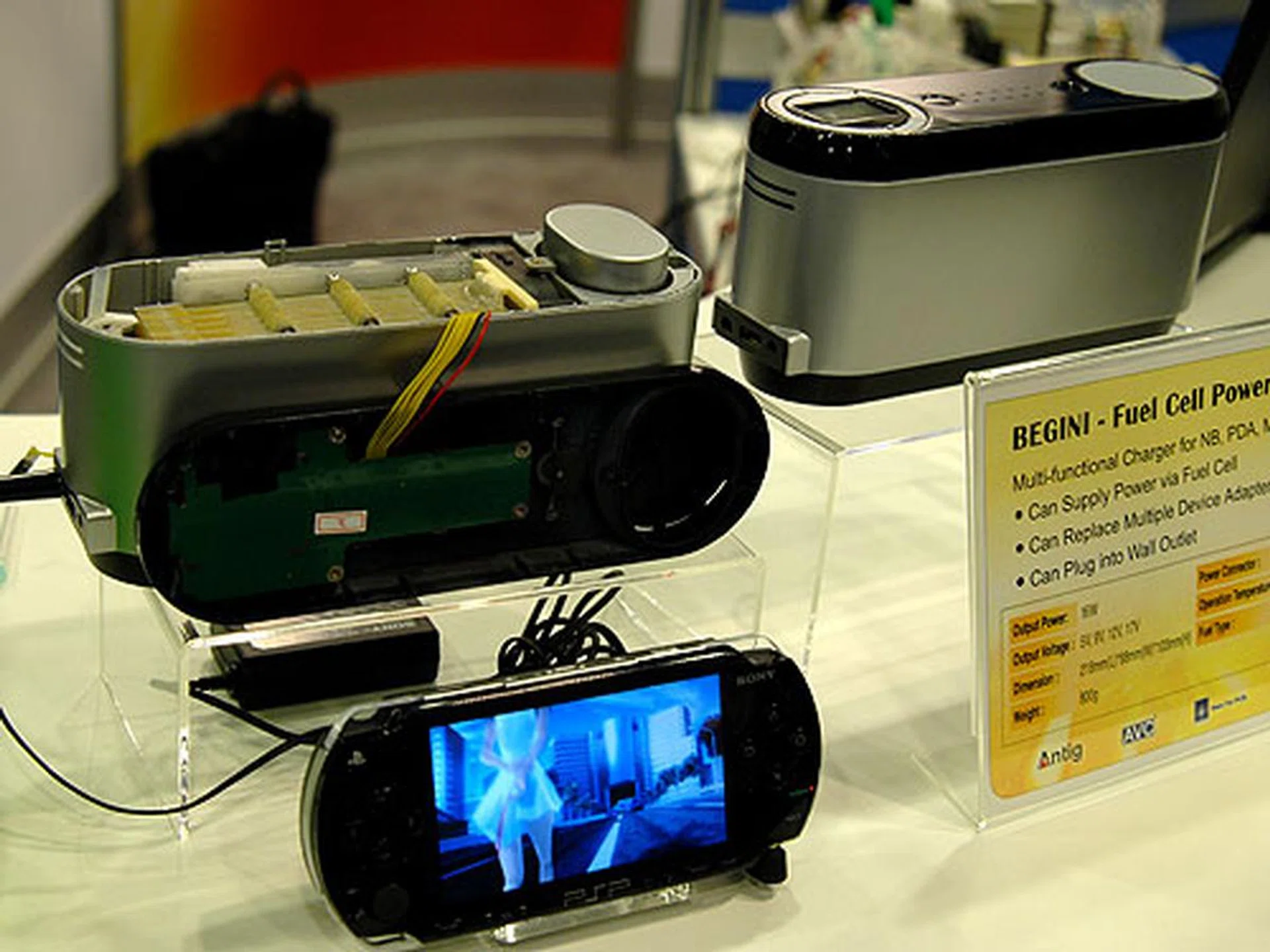
... or you can use it to power up your PSP too!

An external fuel cell concept.
IDF Tech Showcase (II)
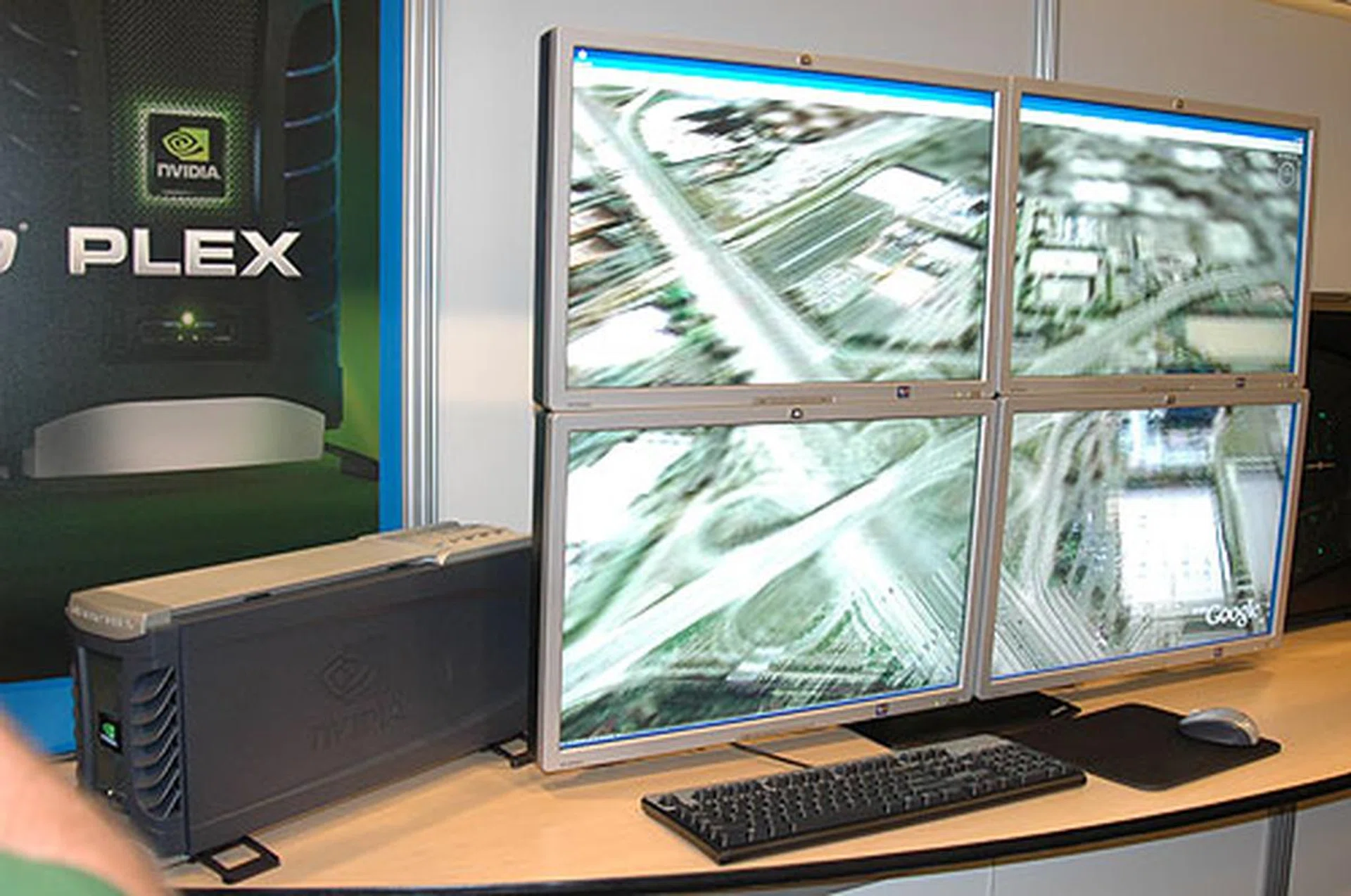
NVIDIA's Quadro Plex live demo at IDF's Tech Showcase.

A closer look at the NVIDIA Quadro Plex 1000, the world's first dedicated visual computing system (VCS).
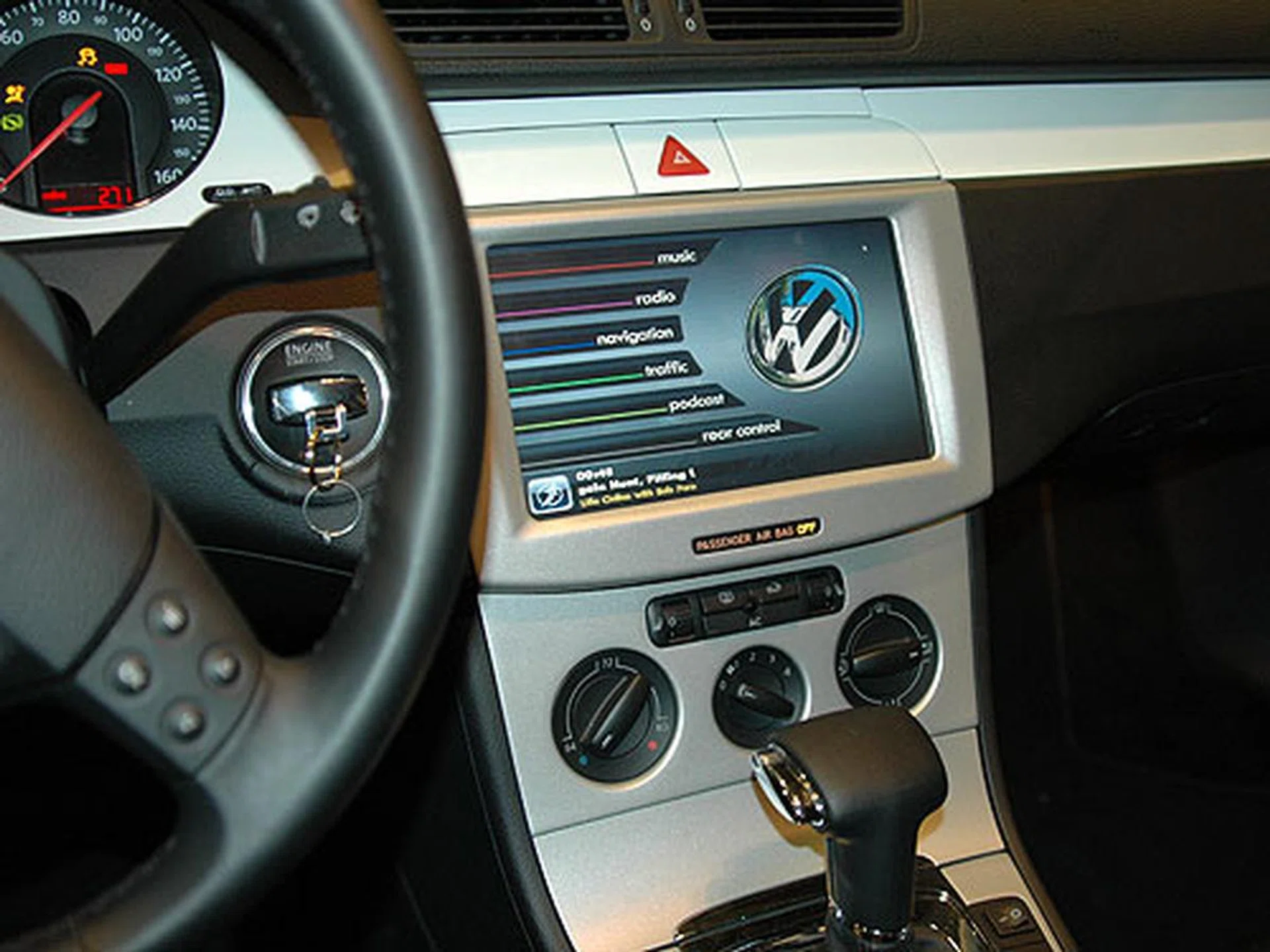
Volkswagen with a built-in UMPC in place of your usual CD/DVD player.
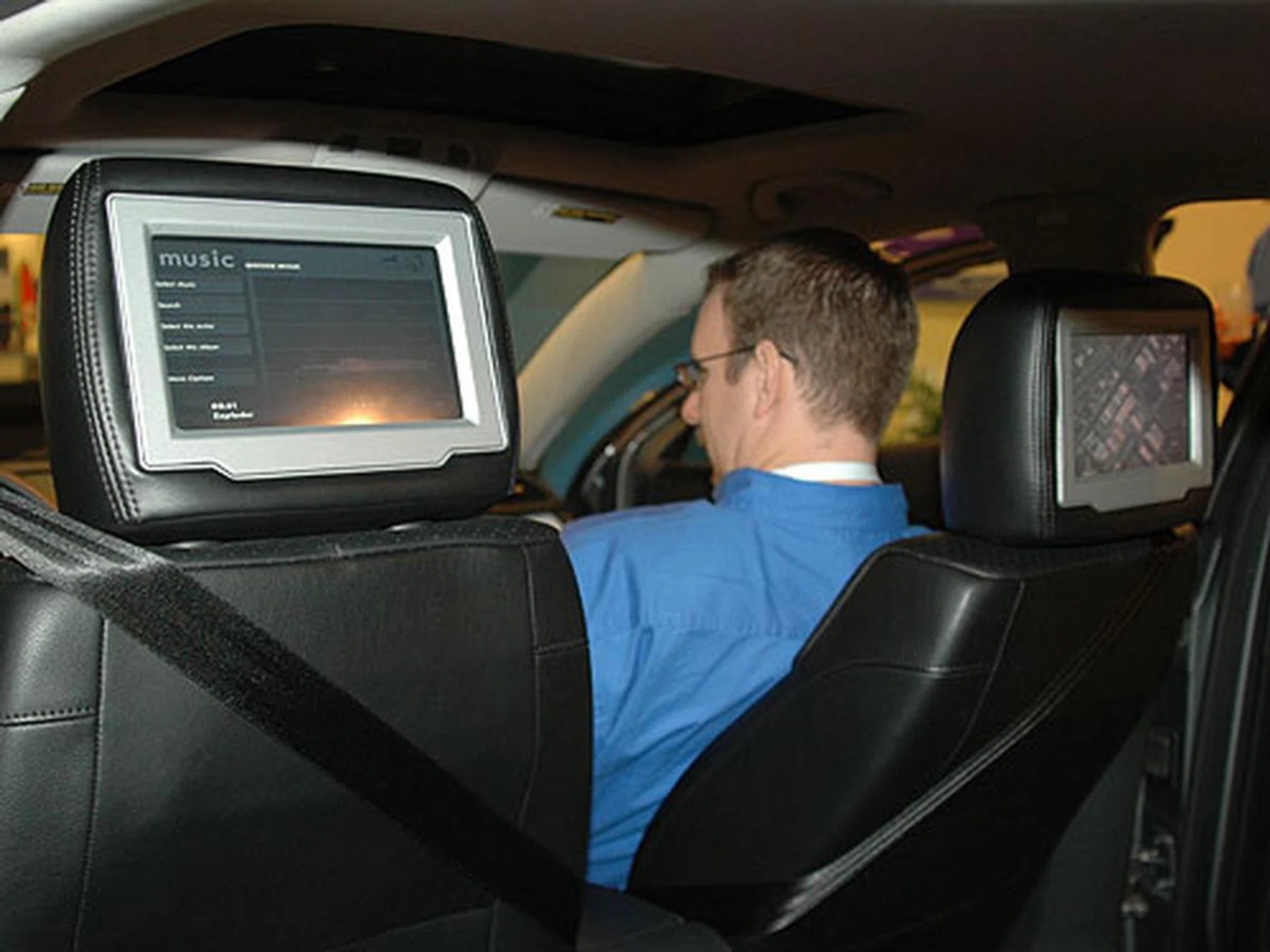
The UMPC can stream different movies to the passengers at the back. It's like flying first class, only that it's now in your car.
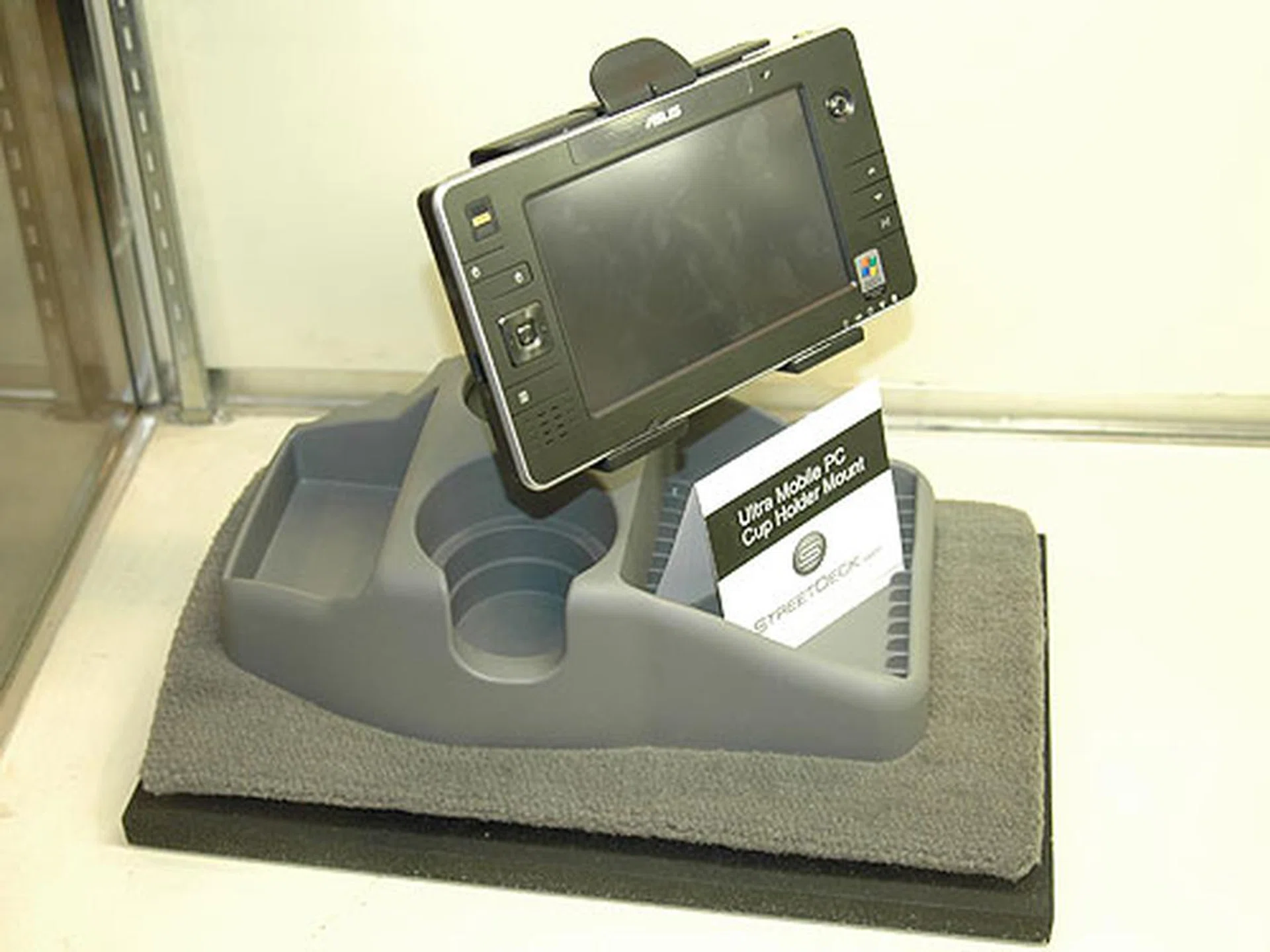
Today, you can purchase a cup holder that mounts a standard UMPC in your car.
IDF Tech Showcase (III)
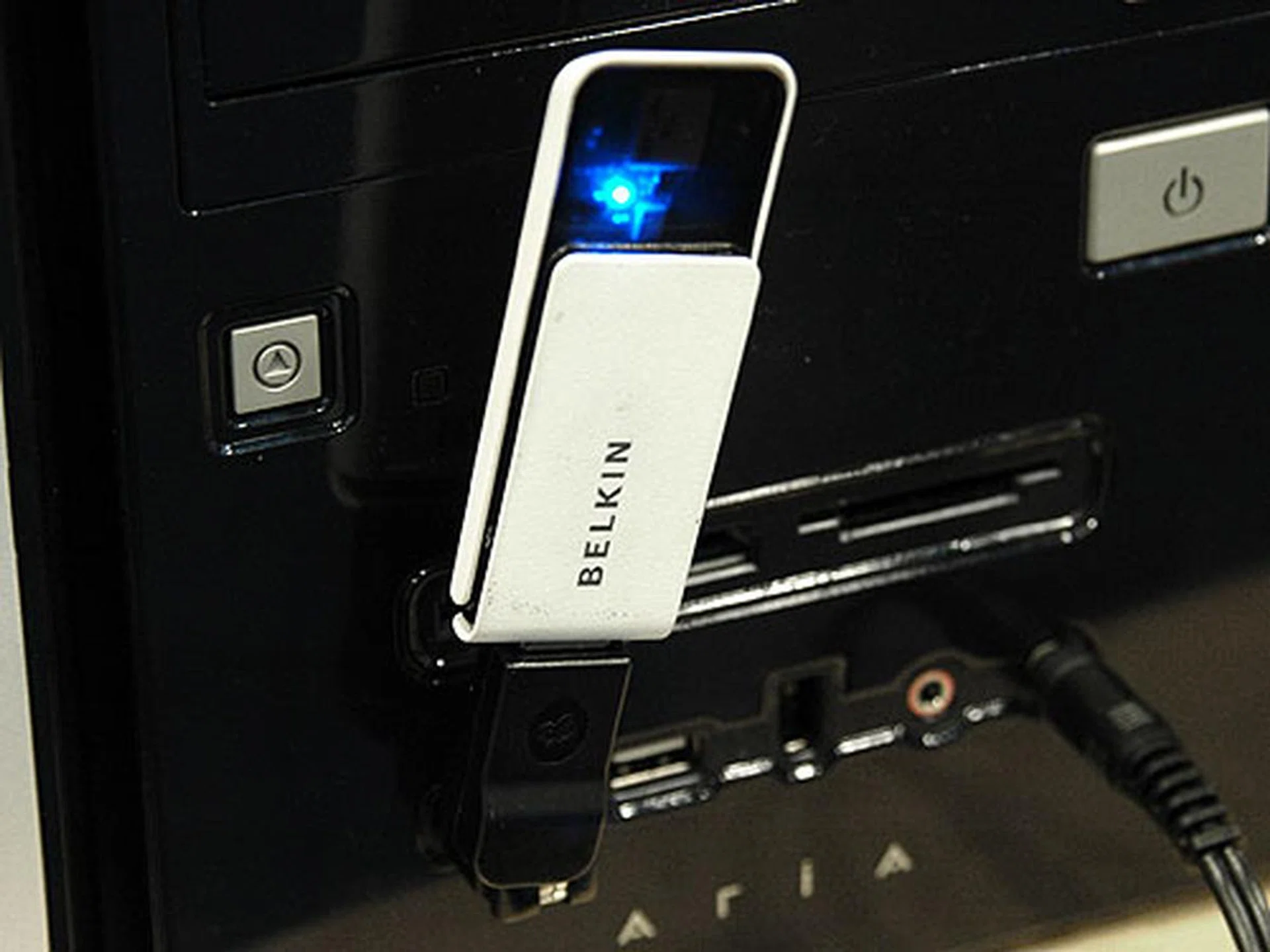
Intel demonstrated a Belkin wireless USB module that plugs into your typical USB port.
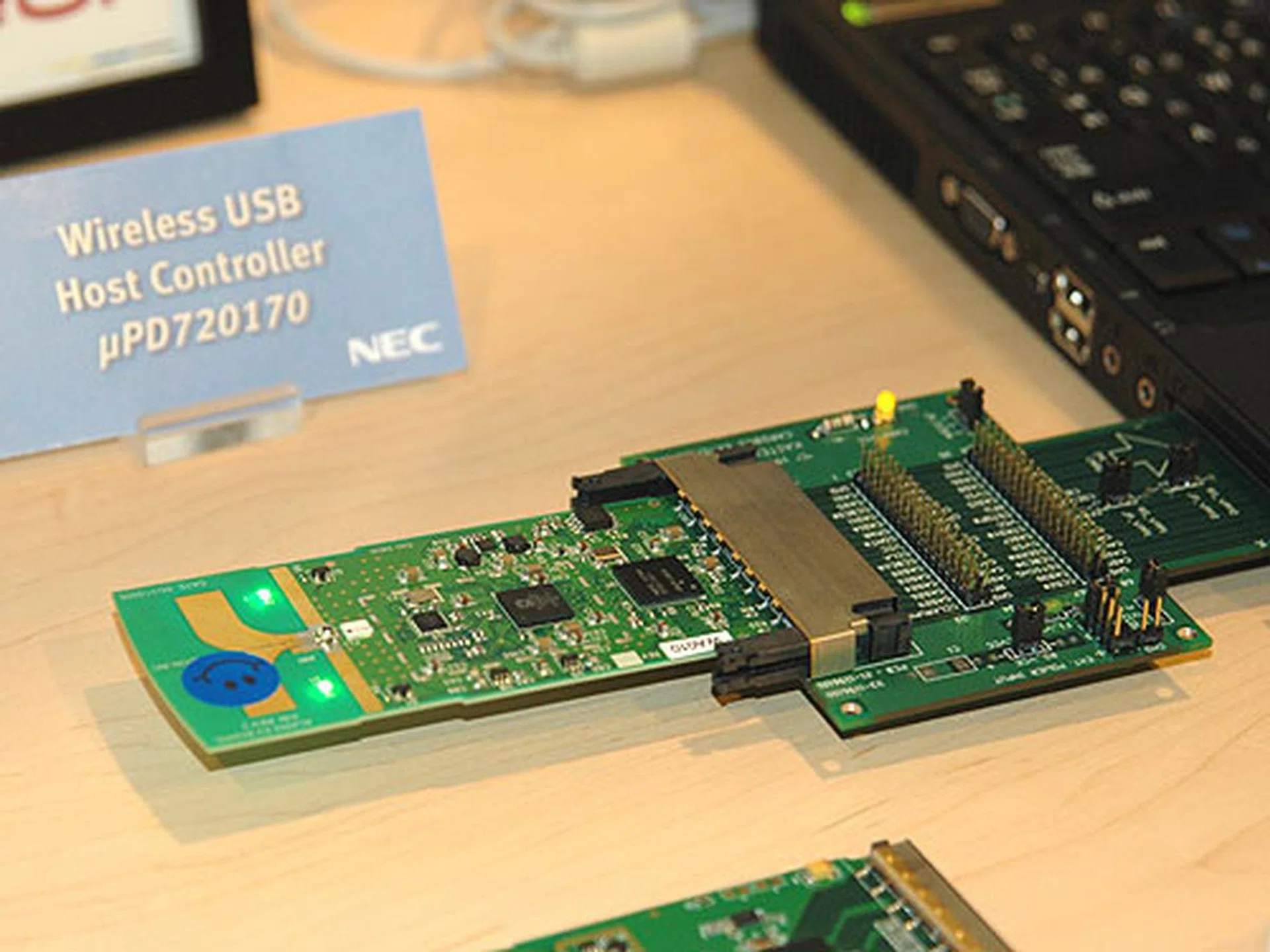
NEC showcased their wireless USB host controller which can be integrated into a PCMCIA card for notebooks.
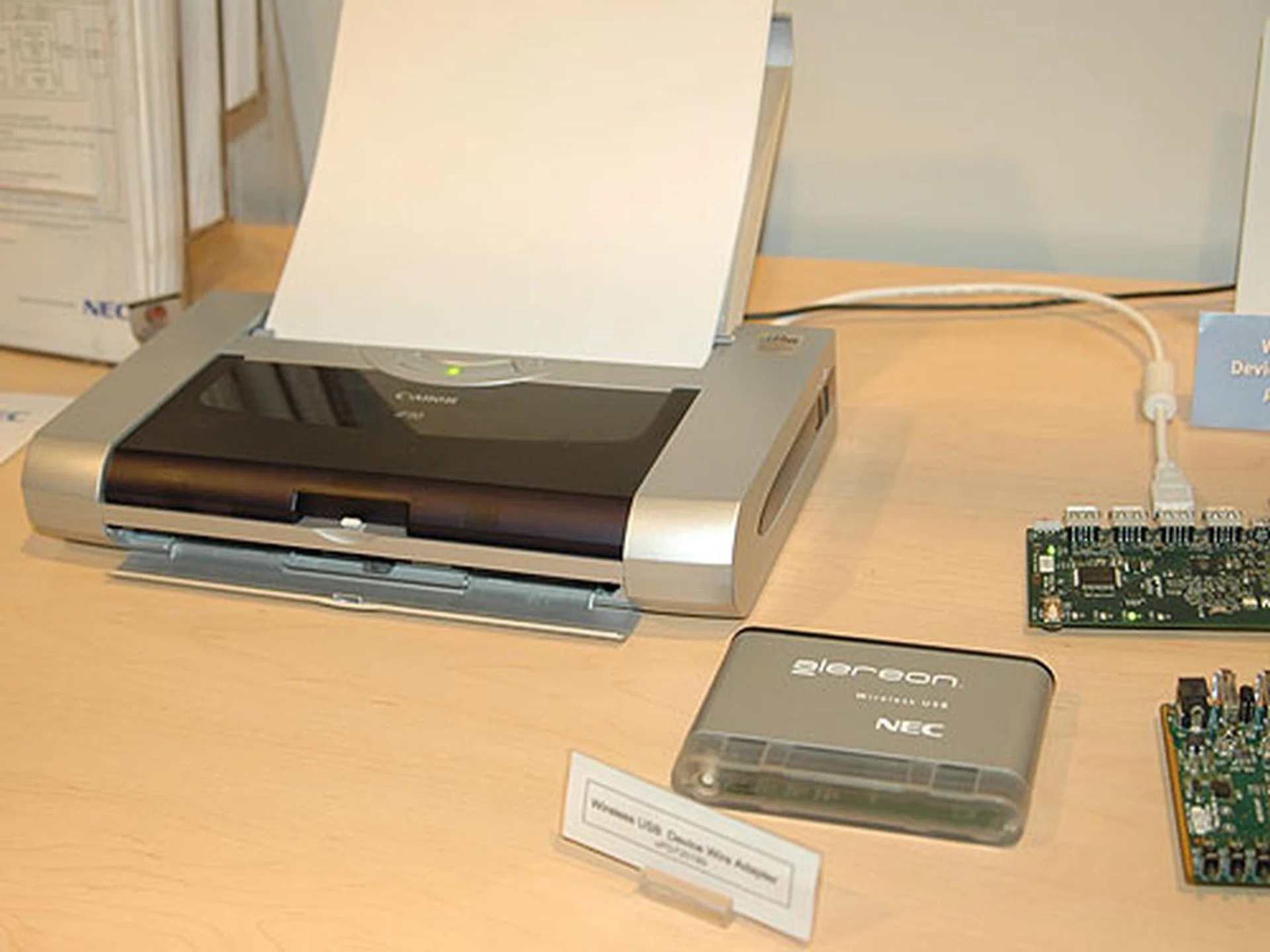
Printers in the future could be shared easily via wireless USB.
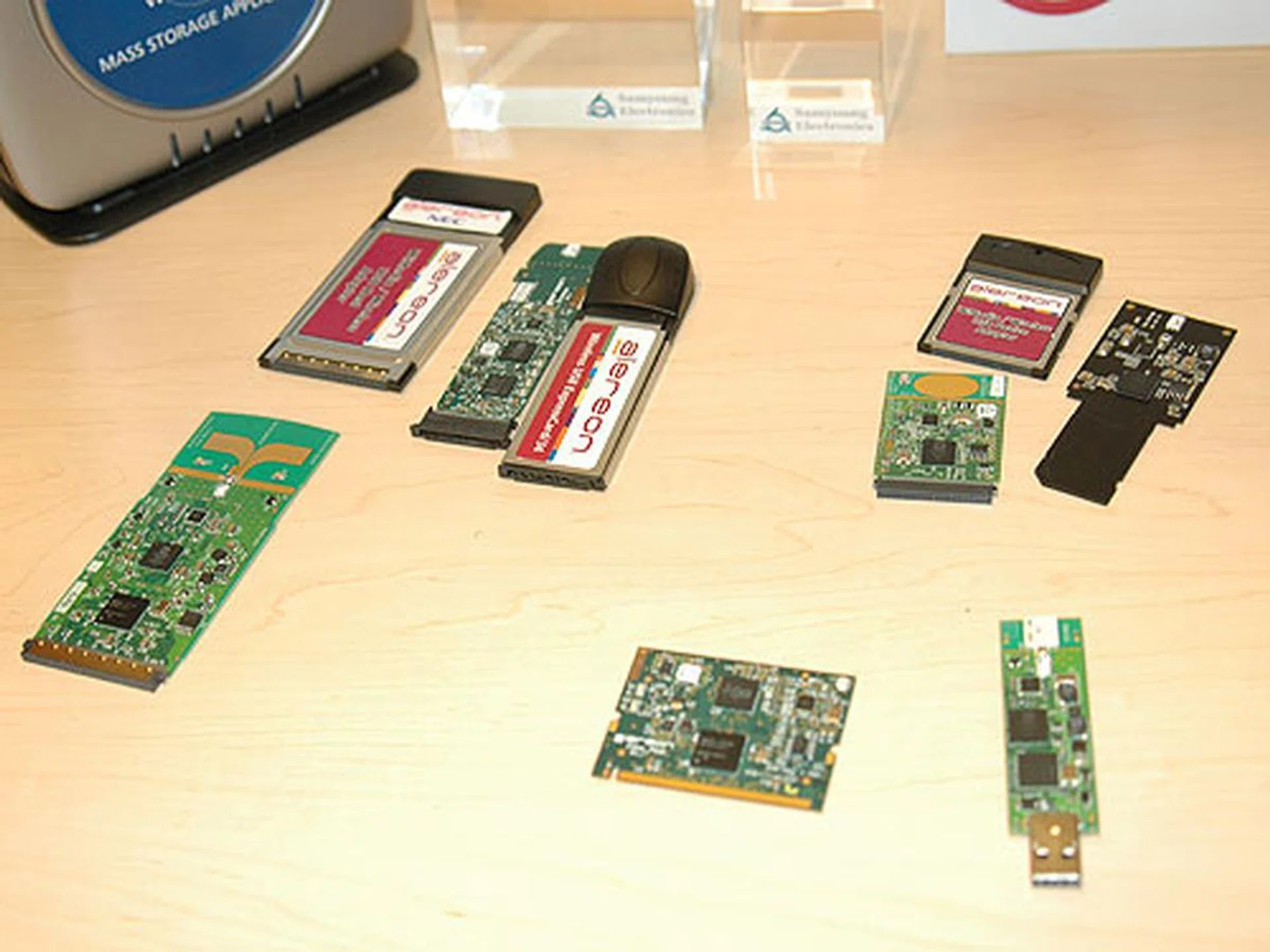
A variety of cards are available for wireless USB, as showcased at Alereon's booth. From ExpressCard interface all the way to SD card.
IDF Tech Showcase (IV)
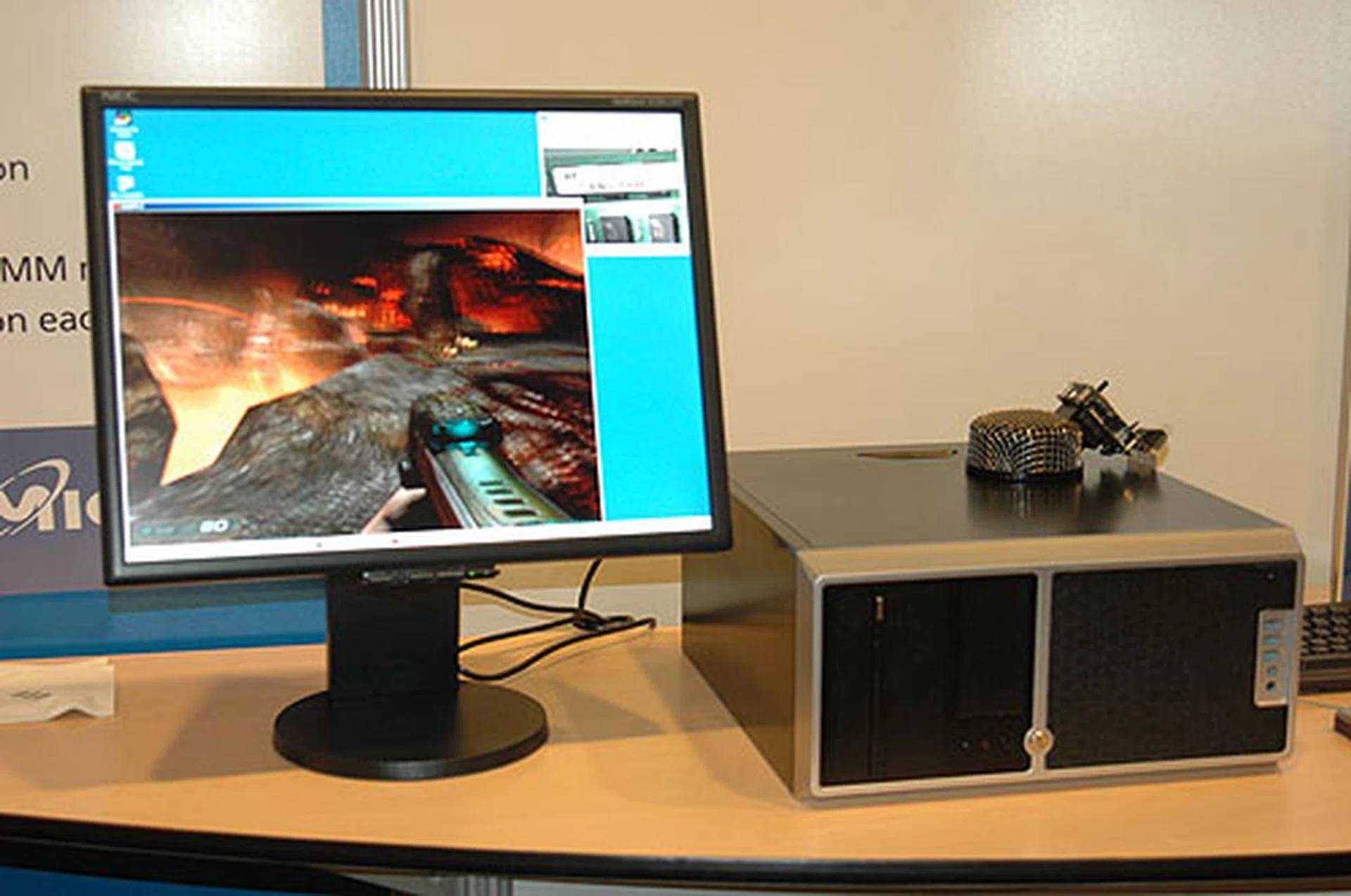
Micron demonstrated their DDR3-1066 modules in a closed system using Intel's next generation prototype DDR3 chipset.
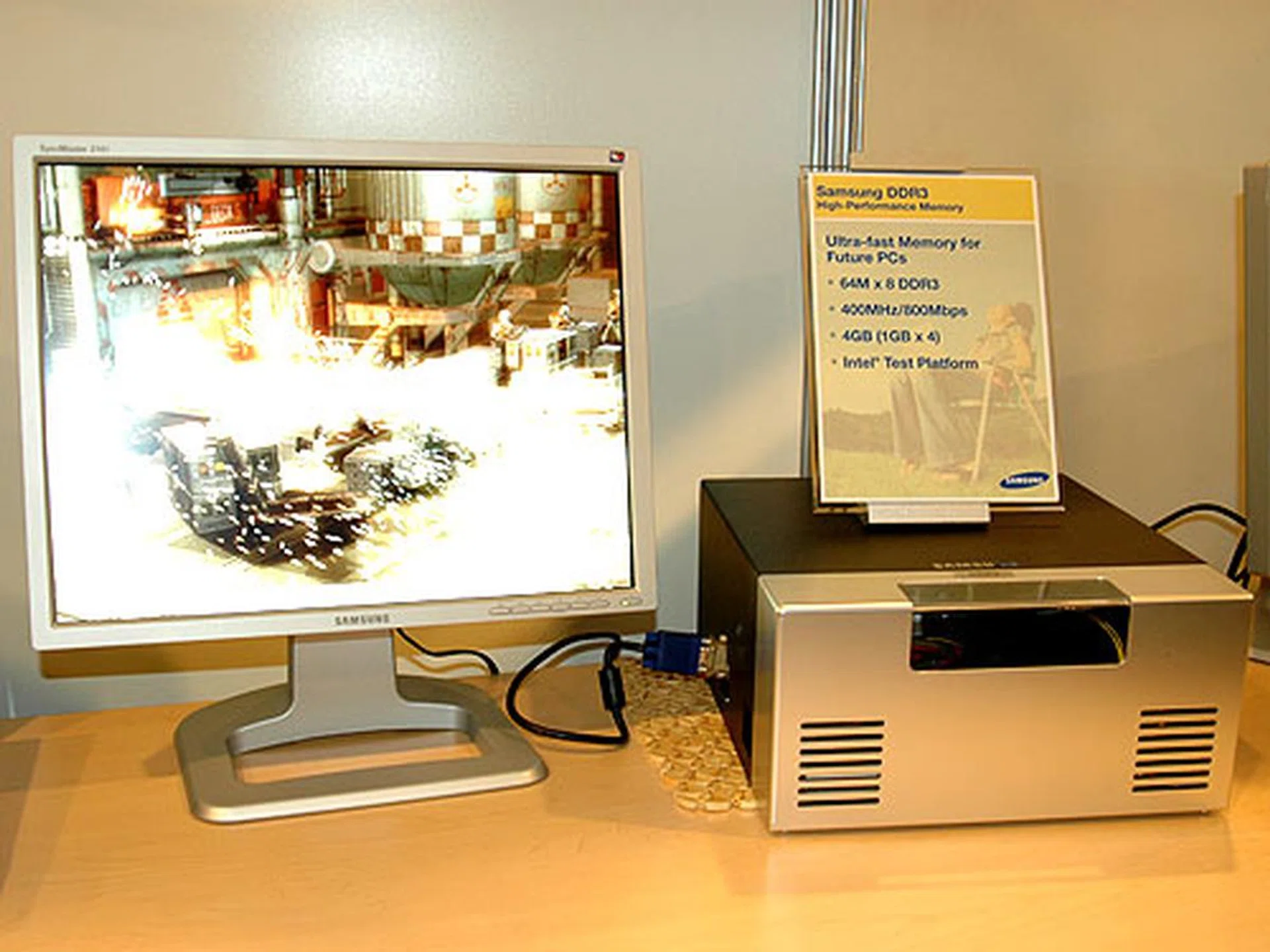
Samsung also did a live demonstration of their DDR3 modules, but with slower DDR3-800 modules.

Samsung's DDR3 modules.
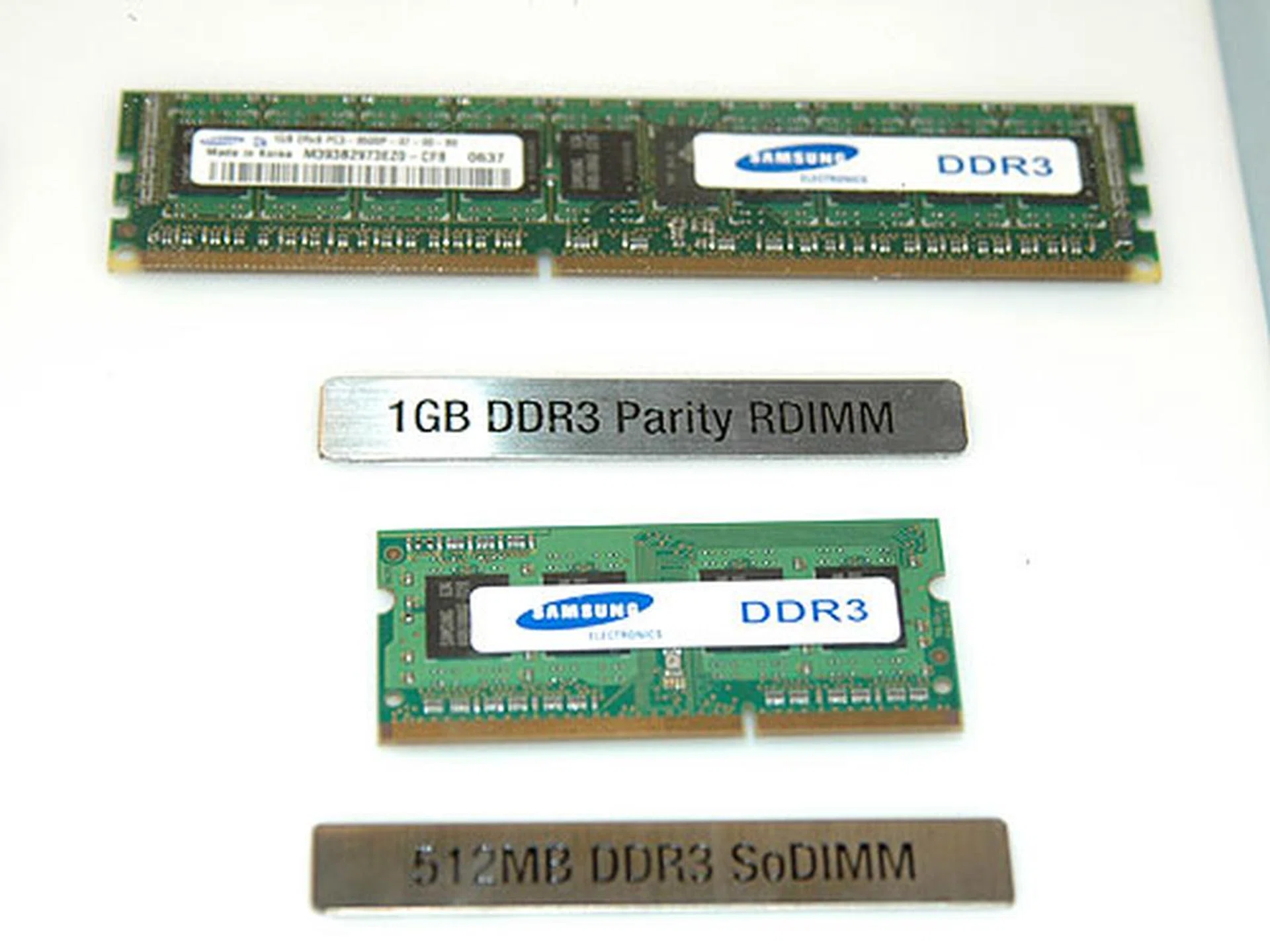
There will be DDR3 for SO-DIMMs too.
That's All Folks
That's all the coverage we have for this IDF. We'll be back for more in next spring. Take care and signing out.
Our articles may contain affiliate links. If you buy through these links, we may earn a small commission.