
Computex Taipei 2007 - Part 8
In this eighth installation of HardwareZone's Computex update, we'll be bringing you a peek into MSI, NVIDIA, AMD, Thecus, Realtek, GeCube and Corsair. Check out the latest from Computex Taipei 2007 right here.
MSI's Upcoming Graphics Cards
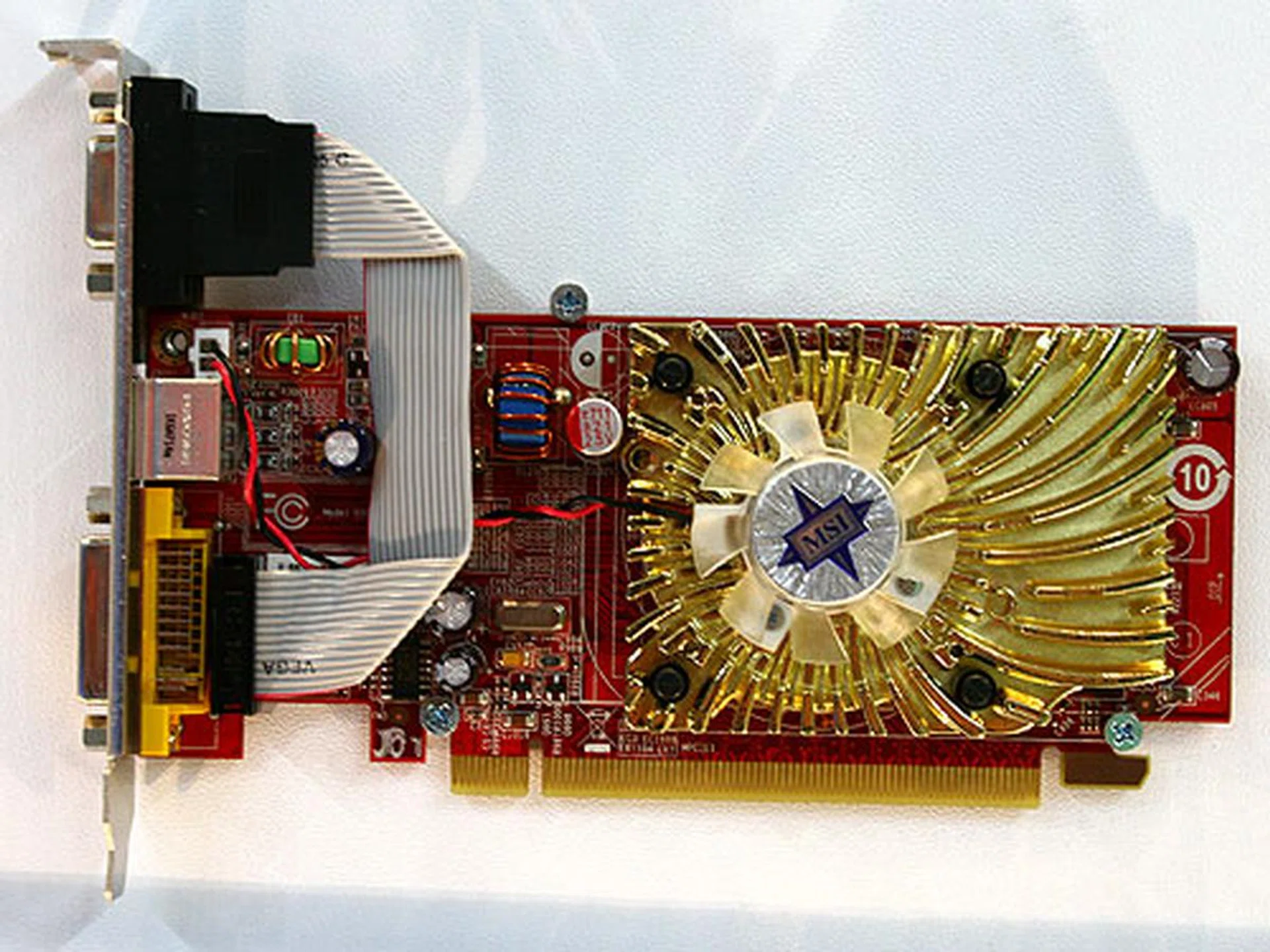
The MSI RX2400PRO-TD256EH is based on the budget Radeon HD 2400 PRO VPU. This low profile card comes with 256MB DDR2 memory clocked at 800MHz while its core will run at 500MHz.
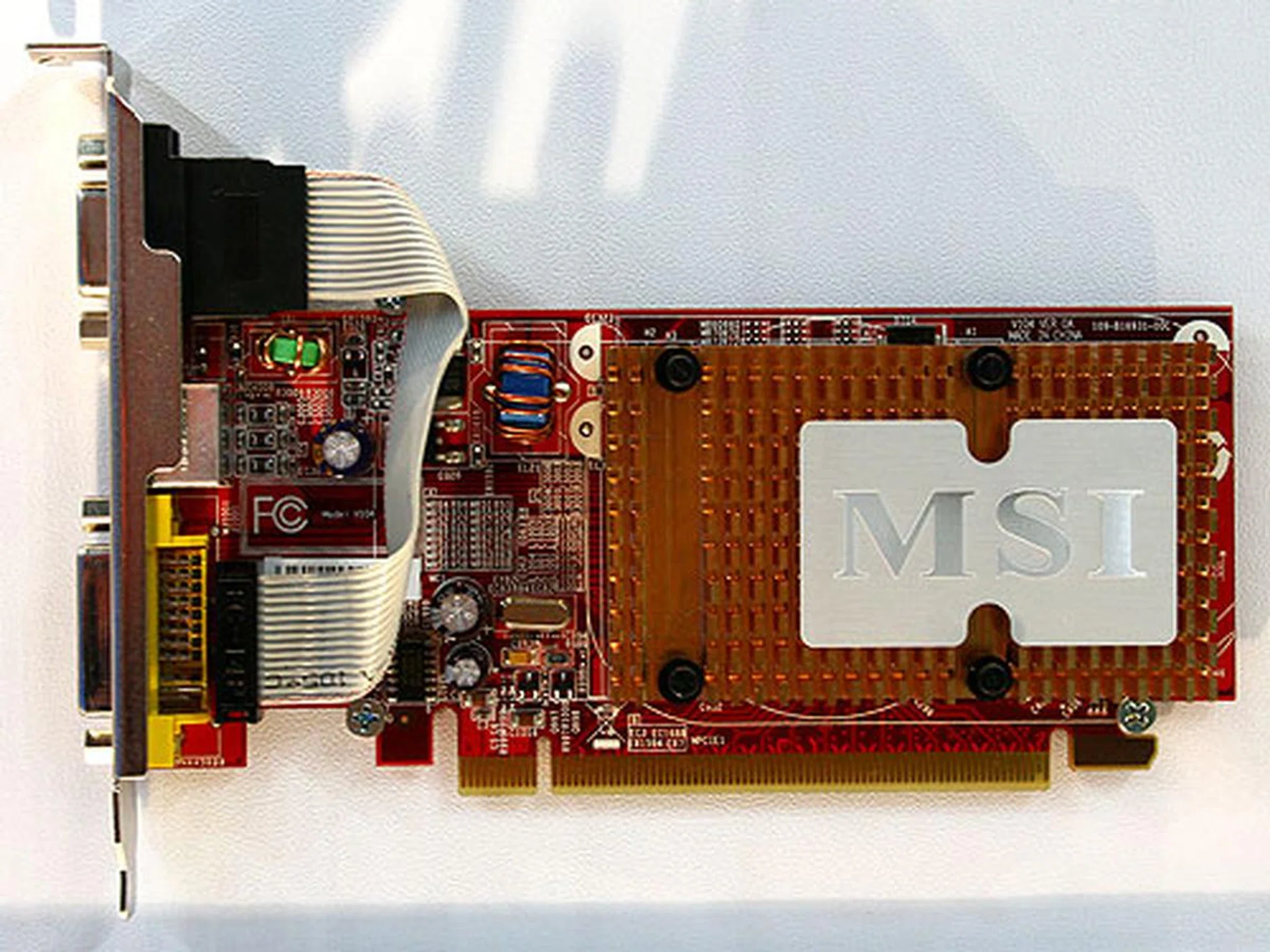
The MSI RX2400XT-TD256EH is based on the faster Radeon HD 2400 XT VPU clocked at 700MHz. Similar to the Radeon 2400PRO, it will come with 256MB of DDR2 memory clocked at 800MHz. MSI chose to use a fanless solution for this card, so it's quite ideal for low noise PCs like media centers.
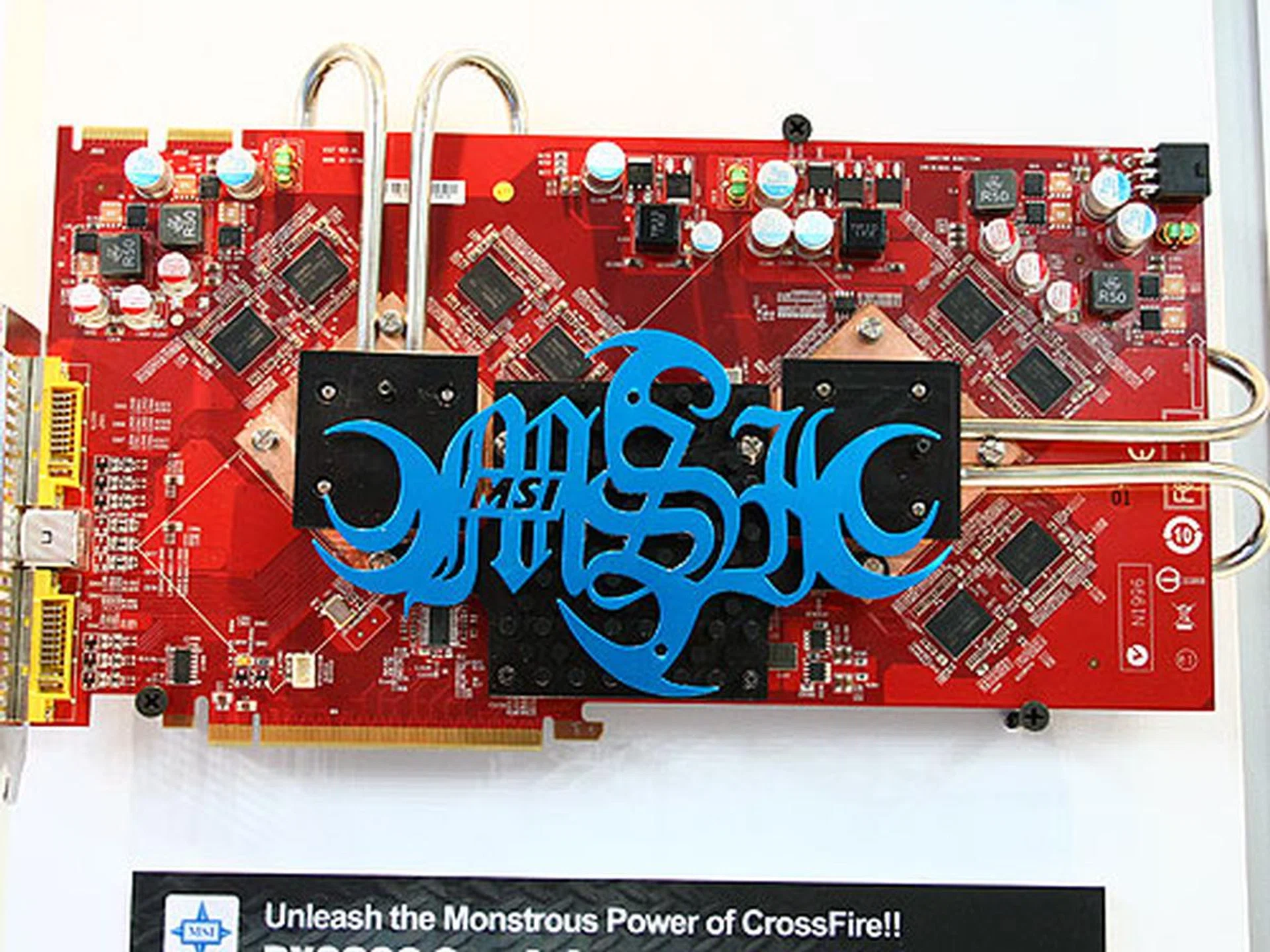
This monstrous card comes with two Radeon HD 2600 XT VPUs, each with 512MB of DDR3 memory. The cores on this card are clocked at 800MHz while its memory will run at 1GHz. Unlike the other dual VPU solutions from other vendors, this card comes with only two DVI connectors.
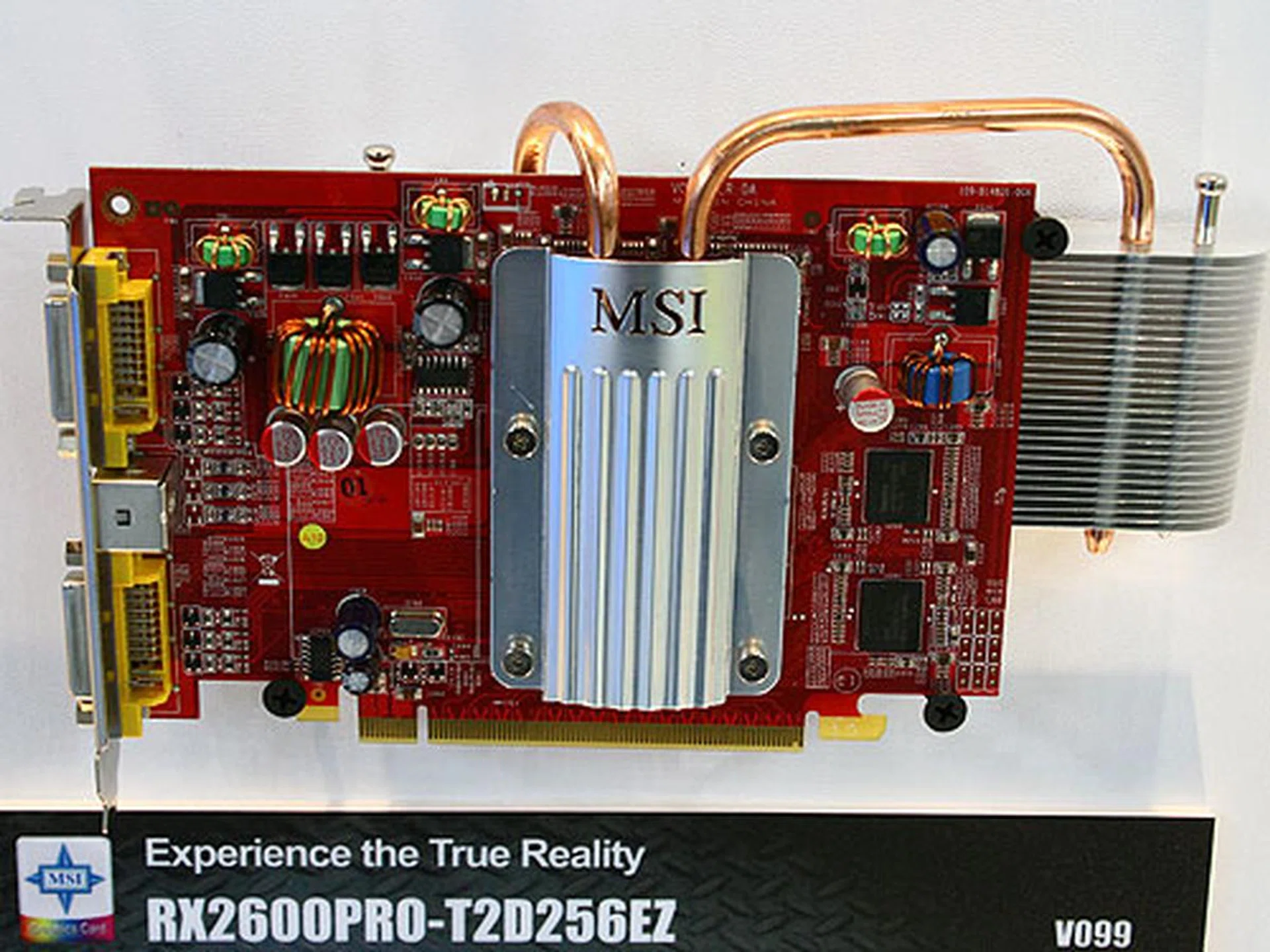
The MSI RX2600PRO-T2D256EZ is based on the Radeon HD 2600 PRO VPU clocked at 600MHz. It will come with 256MB of GDDR3 clocked at 1.4GHz. Yet another fanless card for those who prefer low noise setups.
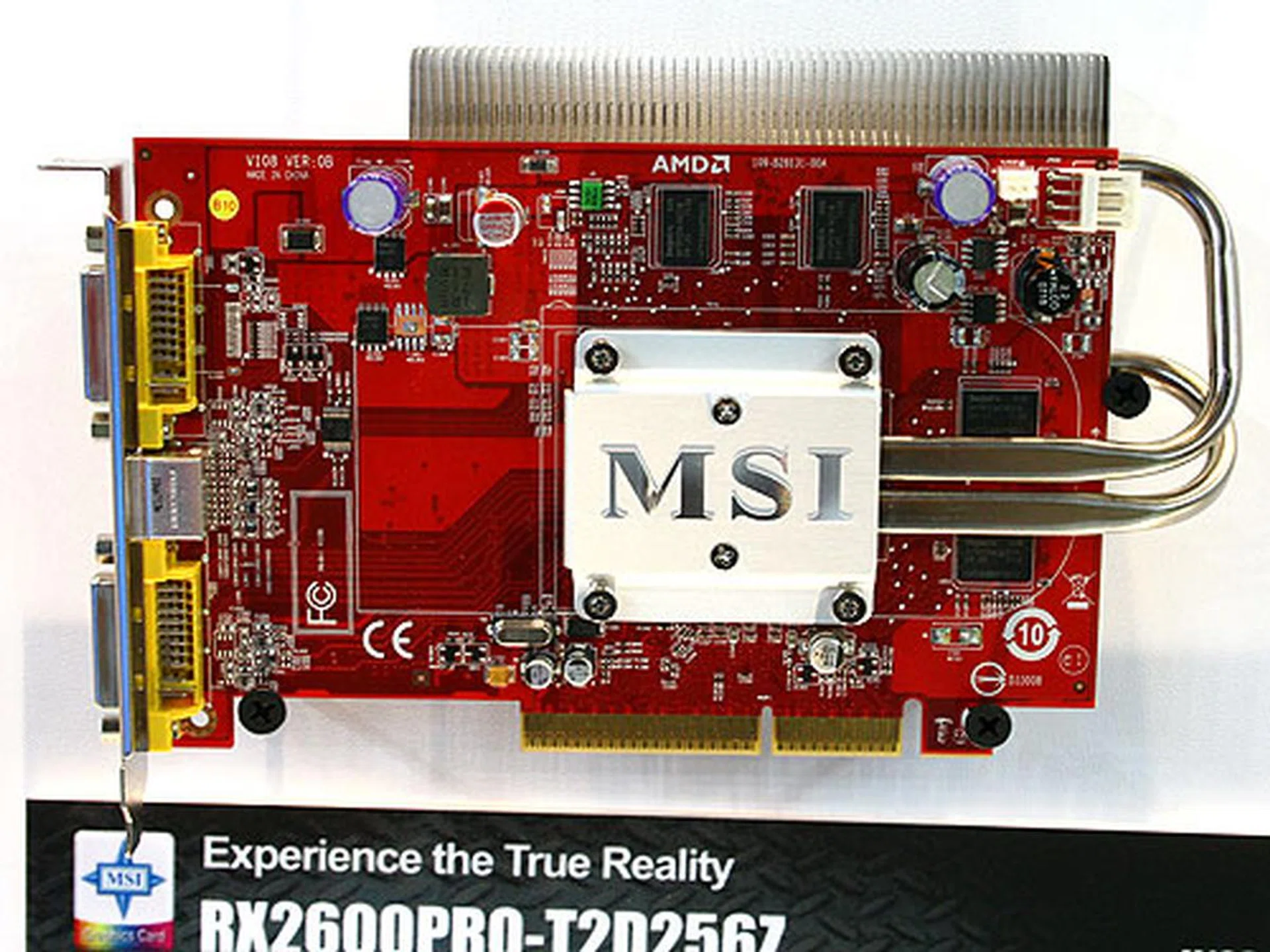
The MSI RX2600PRO-T2D256Z is quite similar to the other Radeon HD 2600 PRO shown above except that this card comes with a lower memory clock speed of only 800MHz and it's based on the AGP interface. The passive heatsink has also been relocated to the back of the card.
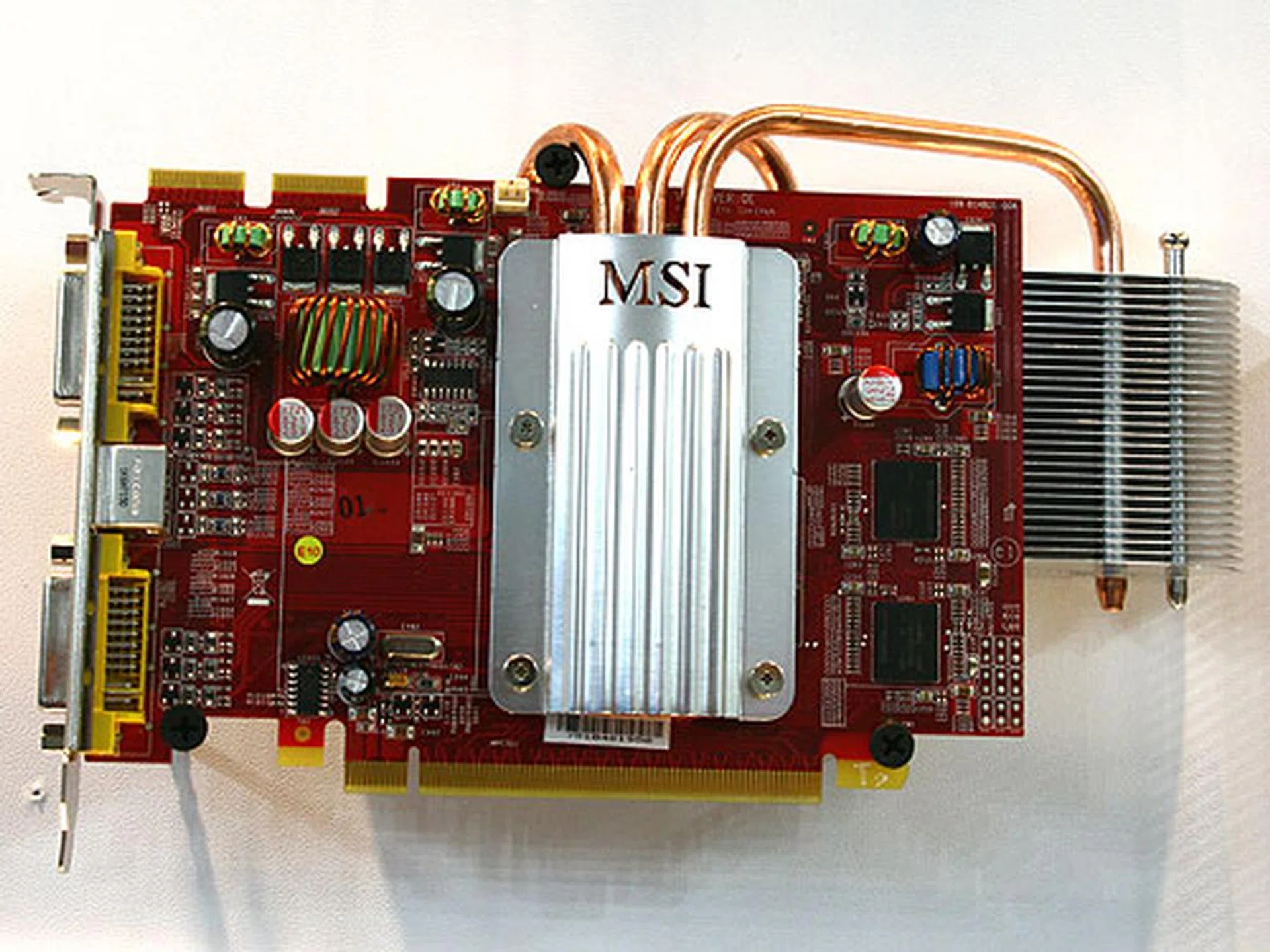
The MSI RX2600XT Diamond is the fastest of the Radeon HD 2600 series in MSI's line-up. This card comes with 256MB of GDDR4 memory clocked at 2.2GHz.
MSI's Barebone Products
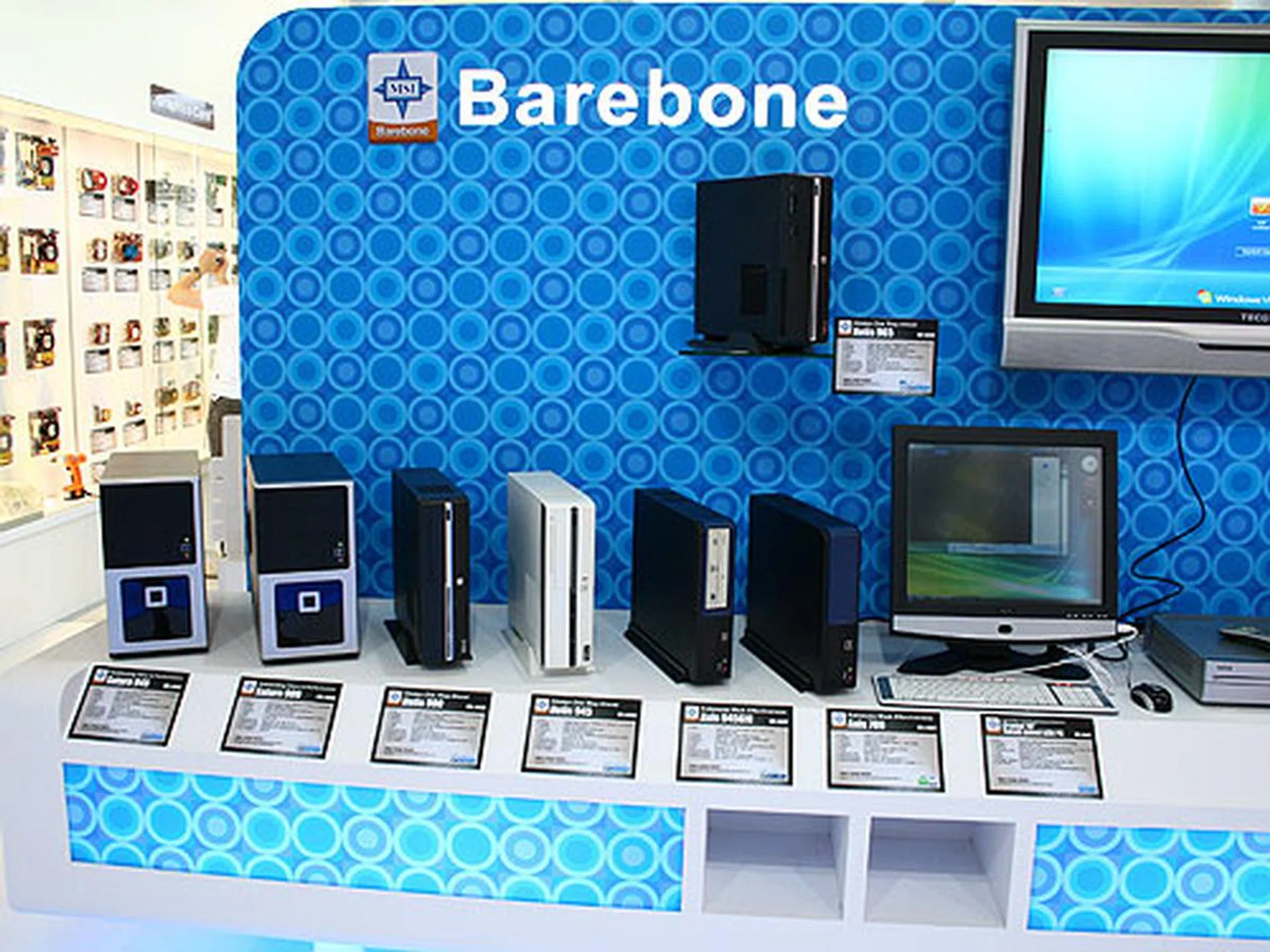
At MSI's booth, we saw a steady line-up of barebone systems for system integrators too. Although not your typical hardcore products, these systems are extremely suited for the office and general computing.
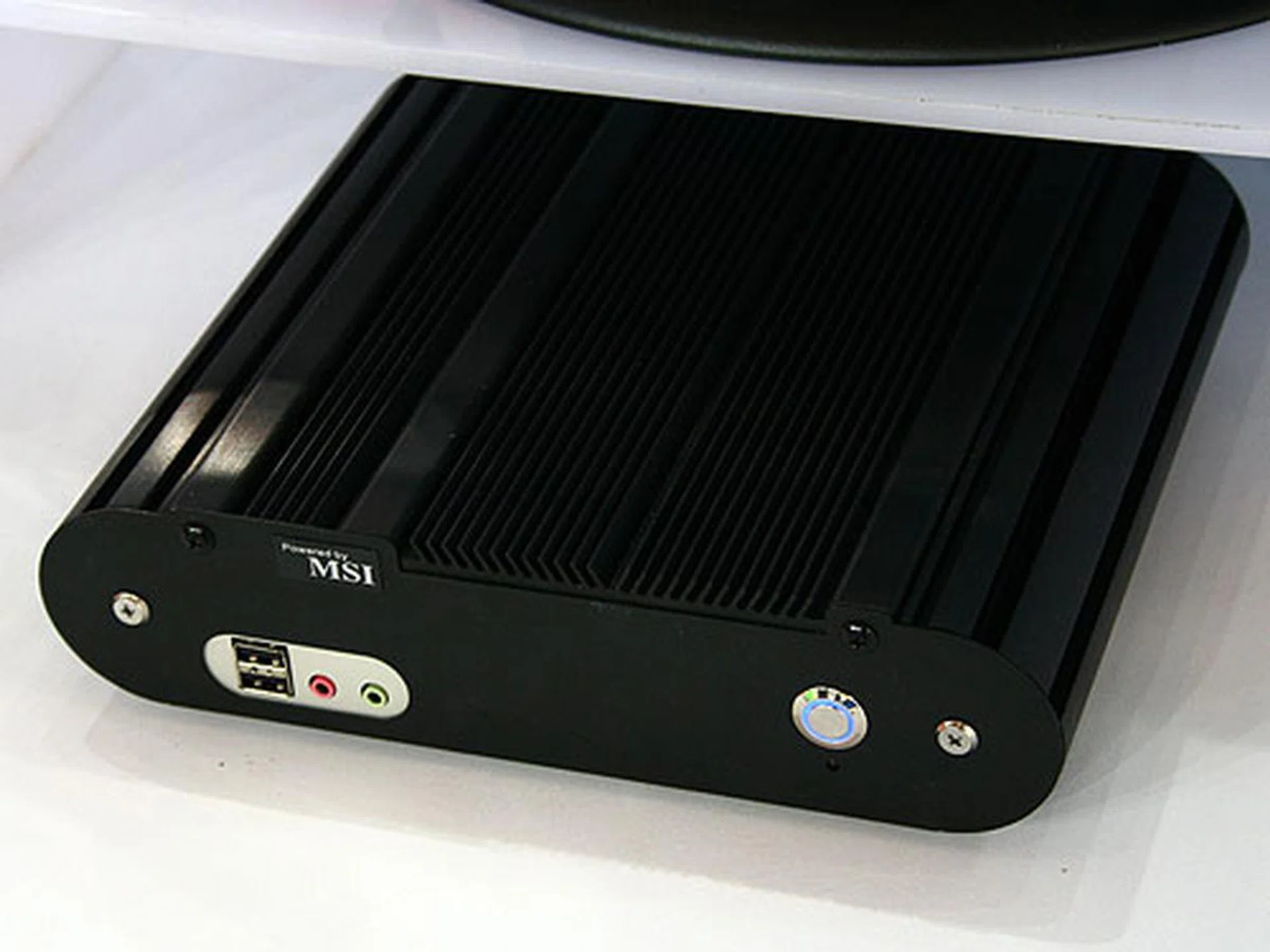
The MSI Blade CX700 is a fanless ruggedized industrial PC that uses a mini-ITX board which comes with a VIA C7/Eden series processor. A simple computer with built-in video and two Gigabit Ethernet ports.
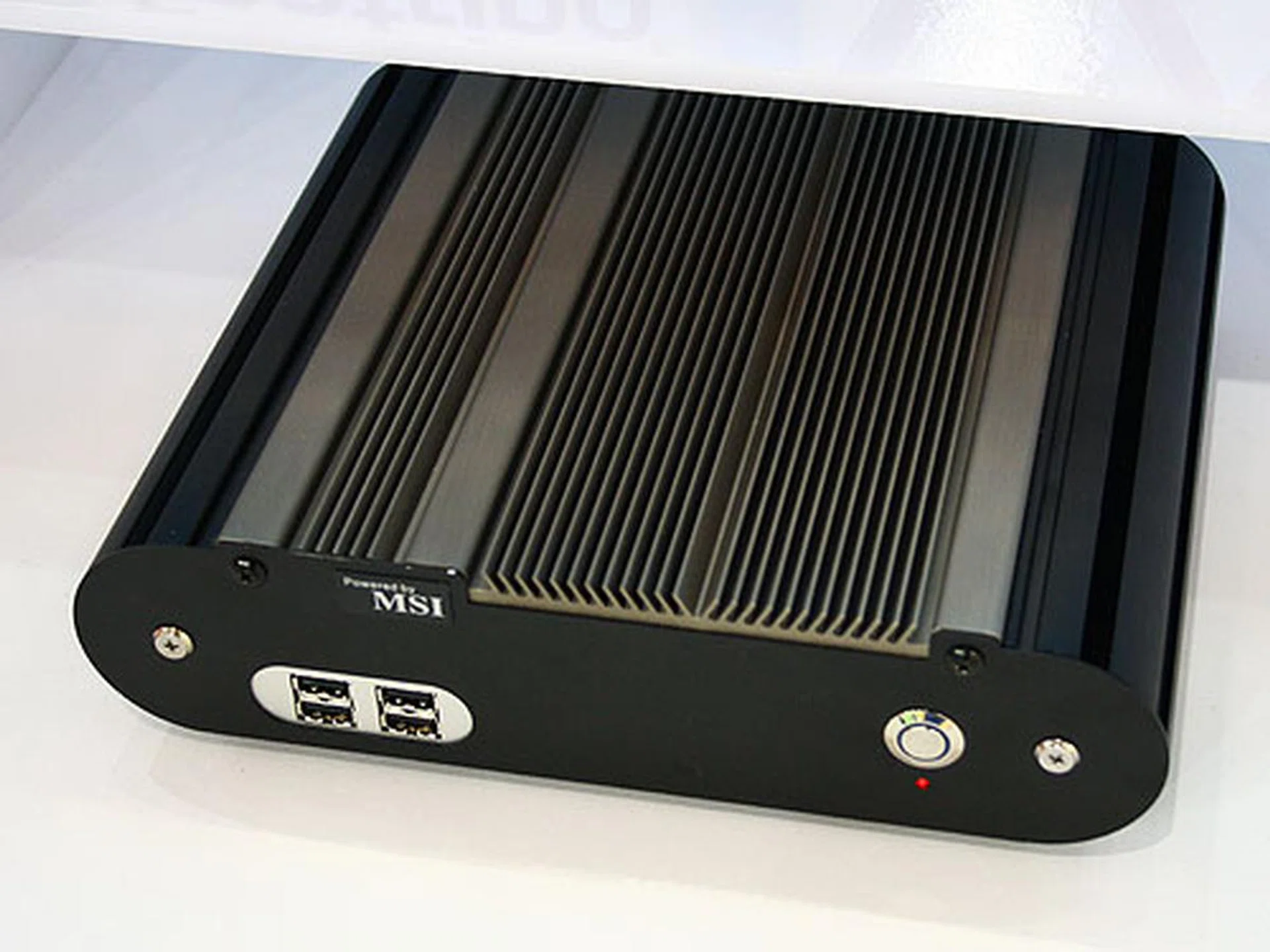
The Blade GM965 uses the mini-ITX Fuzzy GM965 motherboard which is based on the Intel 965GM chipset - for those who wants something more powerful than the VIA C7.
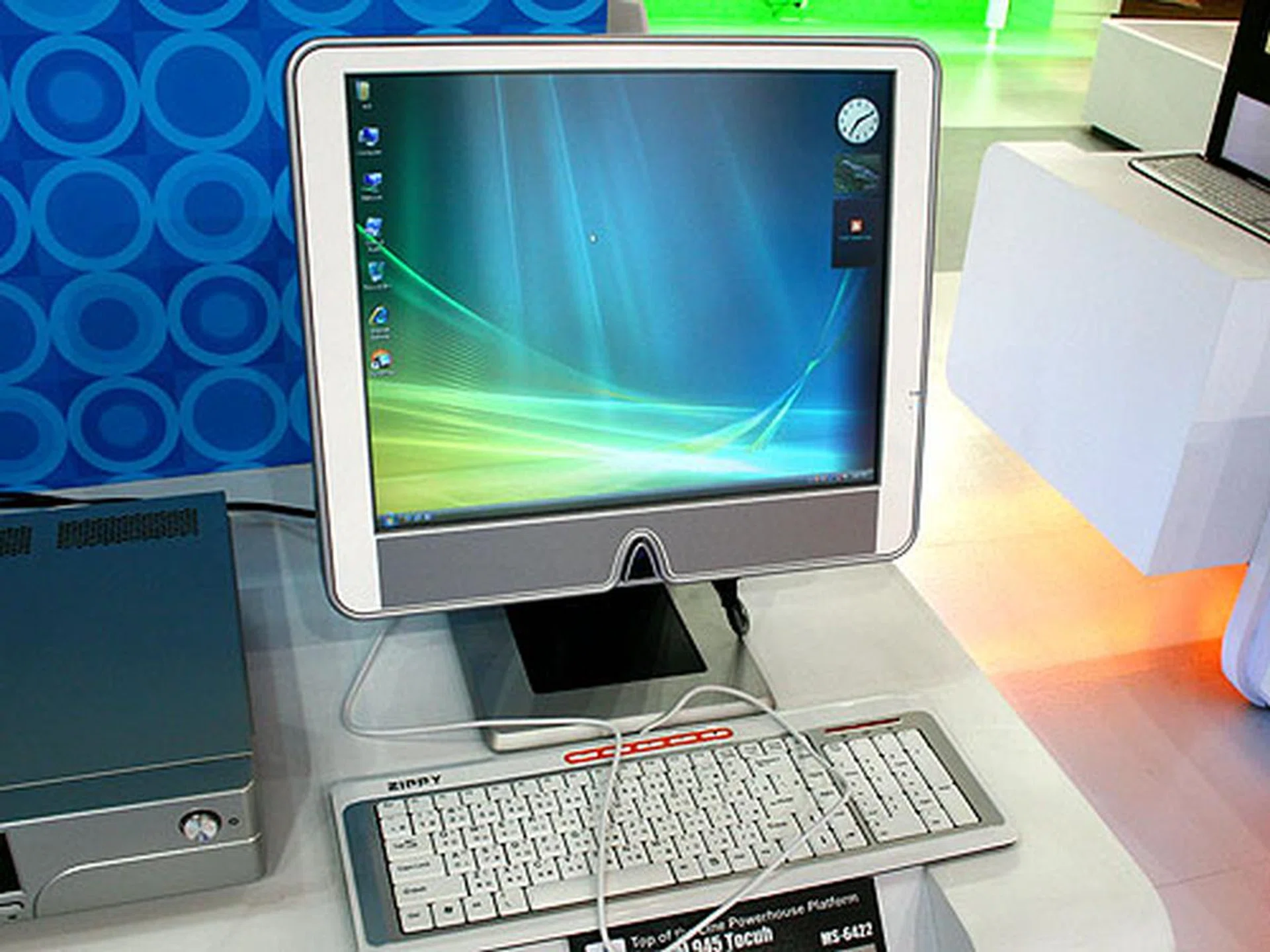
The MSI Crystal 945 Touch Panel LCD PC is an all-in-one system based on the Intel 945G/ICH7 chipset. This particular PC supports Pentium 4/D LGA775 processors and up to 2GB dual-channel DDR2 667/800MHz DIMMs. As its name implies, the 17-inch LCD display is touch sensitive, so it can be used without a mouse.
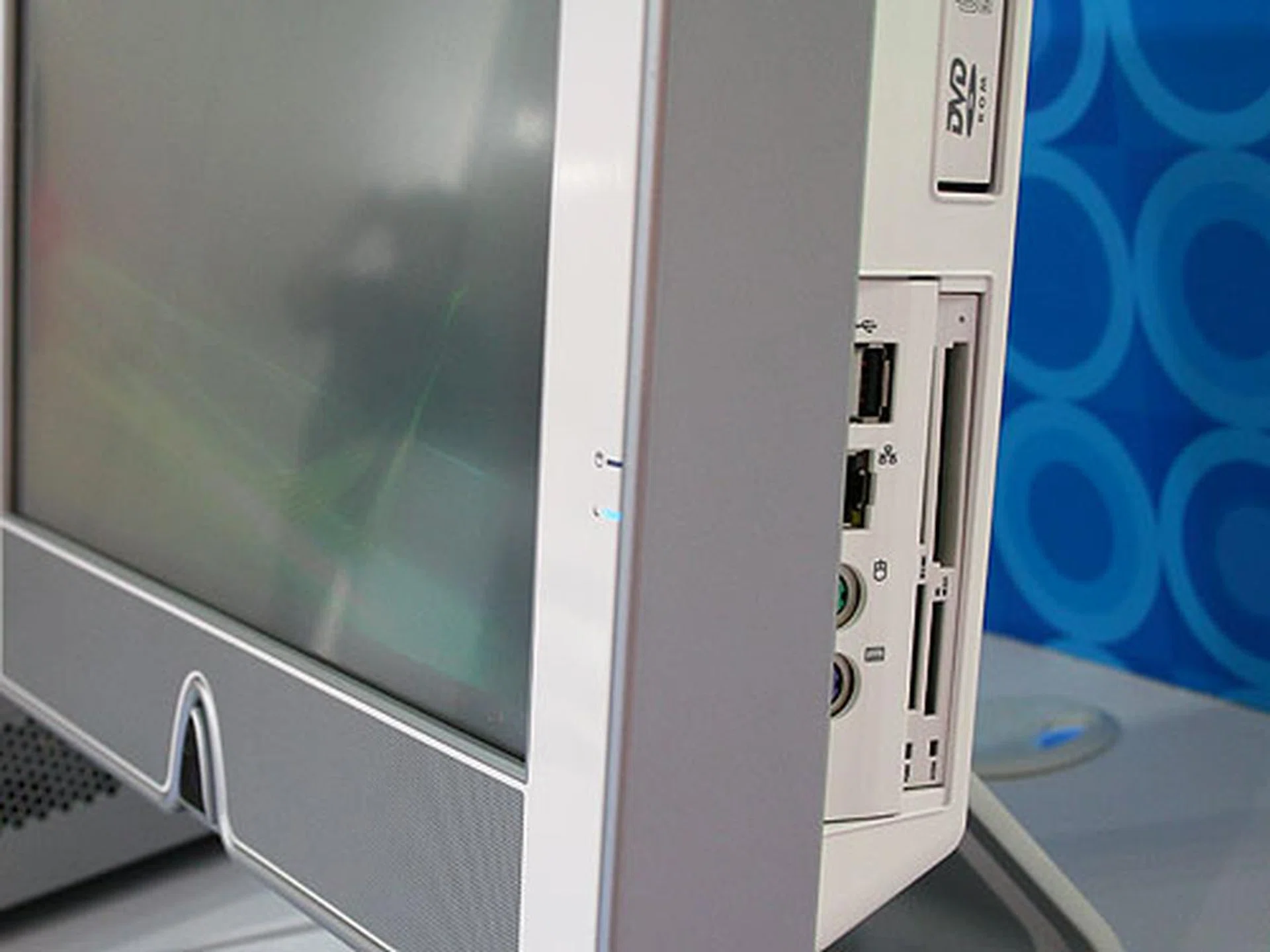
On the right side of the display, you'll find the optical drive and your typical USB, LAN, PS/2 keyboard/mouse and a multi-card reader.
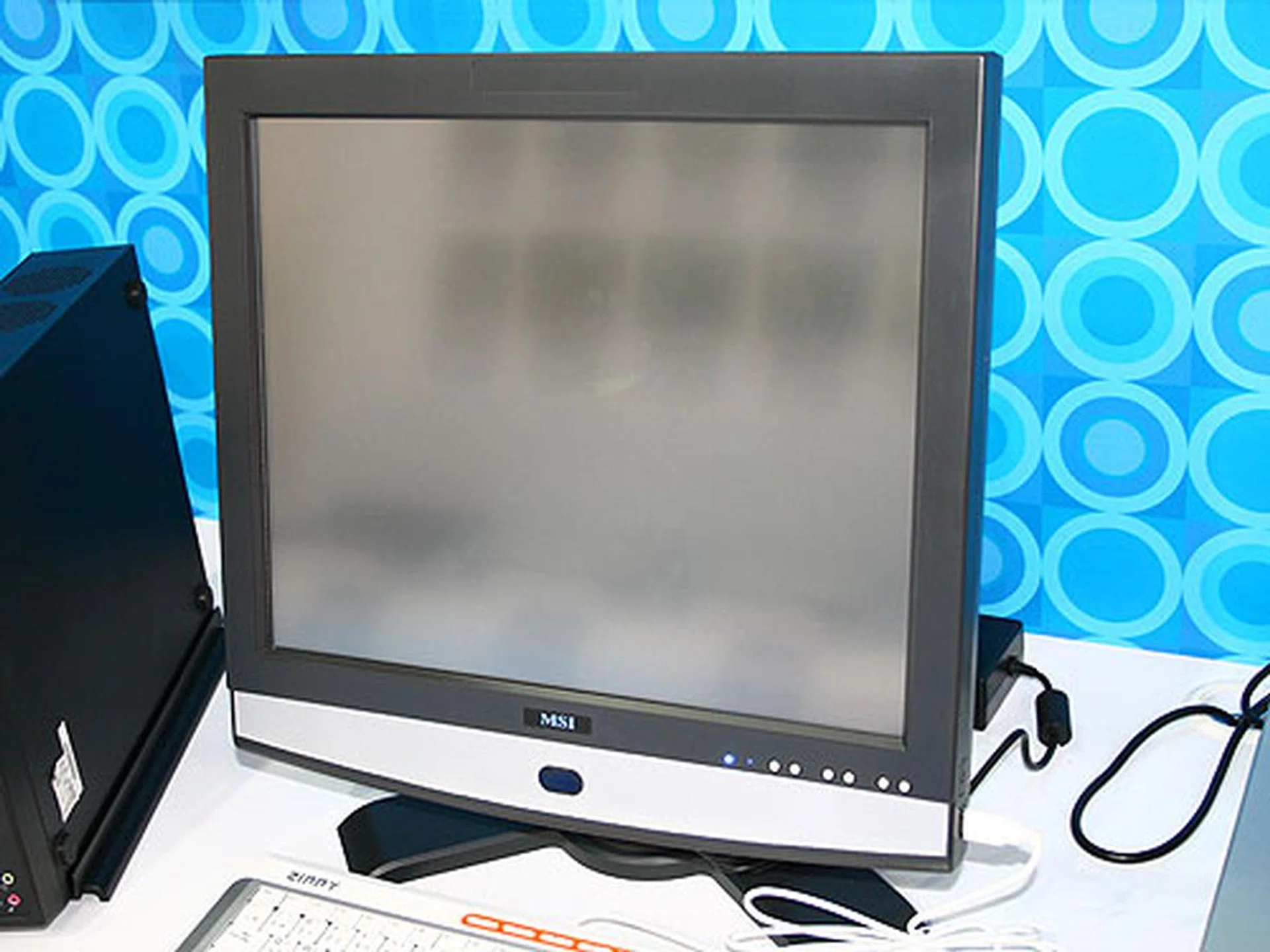
The Crystal 19" Touch Panel LCD PC has similar specifications as the Crystal 945, except that it has a larger 19-inch display panel.
NVIDIA's Suite (I)
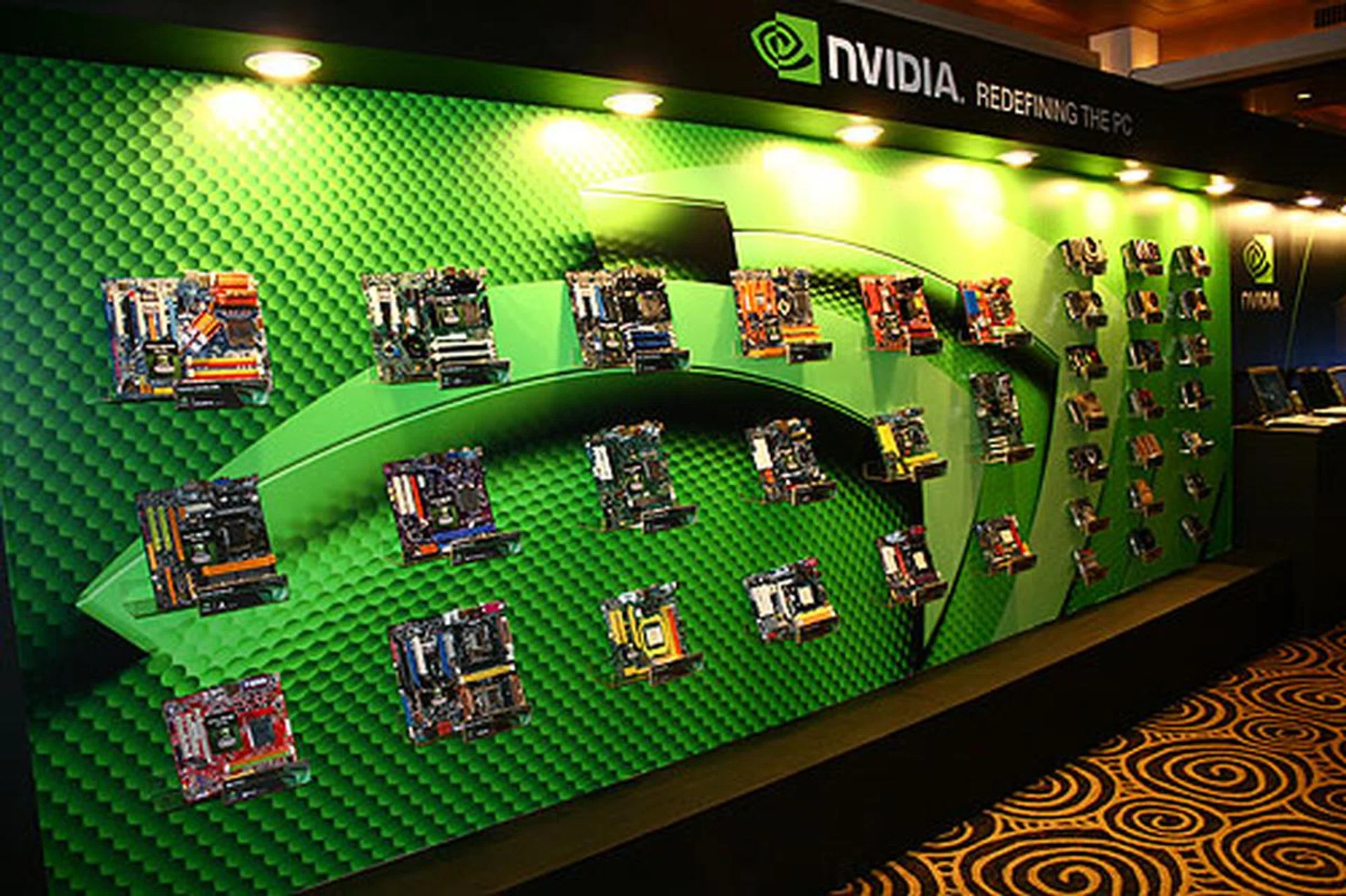
NVIDIA's suite at TWTC Club had a wall full of motherboards and graphics cards based on NVIDIA's latest chips.
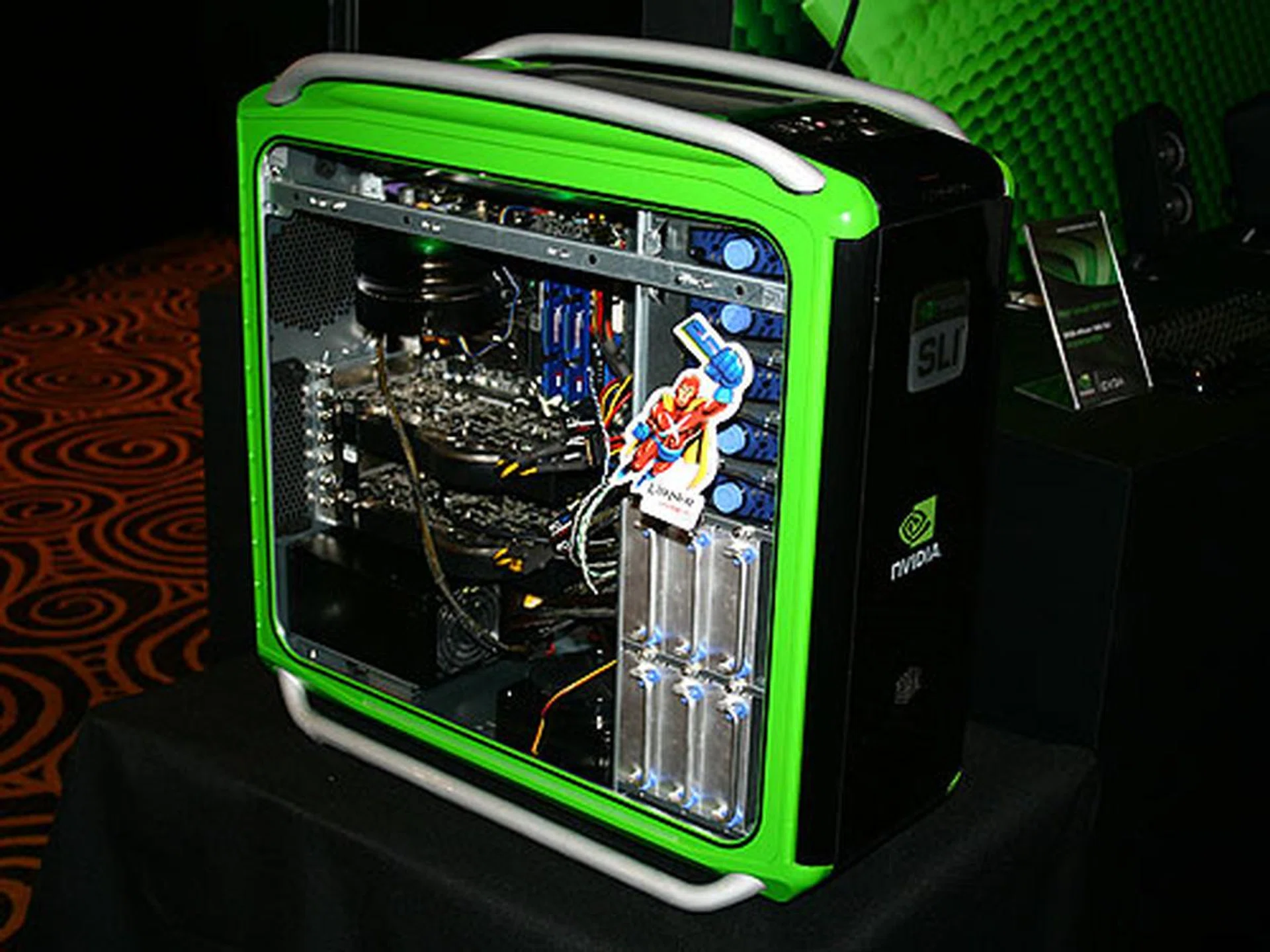
The most powerful gaming machine was on display in NVIDIA's suite. This machine had two GeForce 8800 Ultra cards configured in SLi mode.
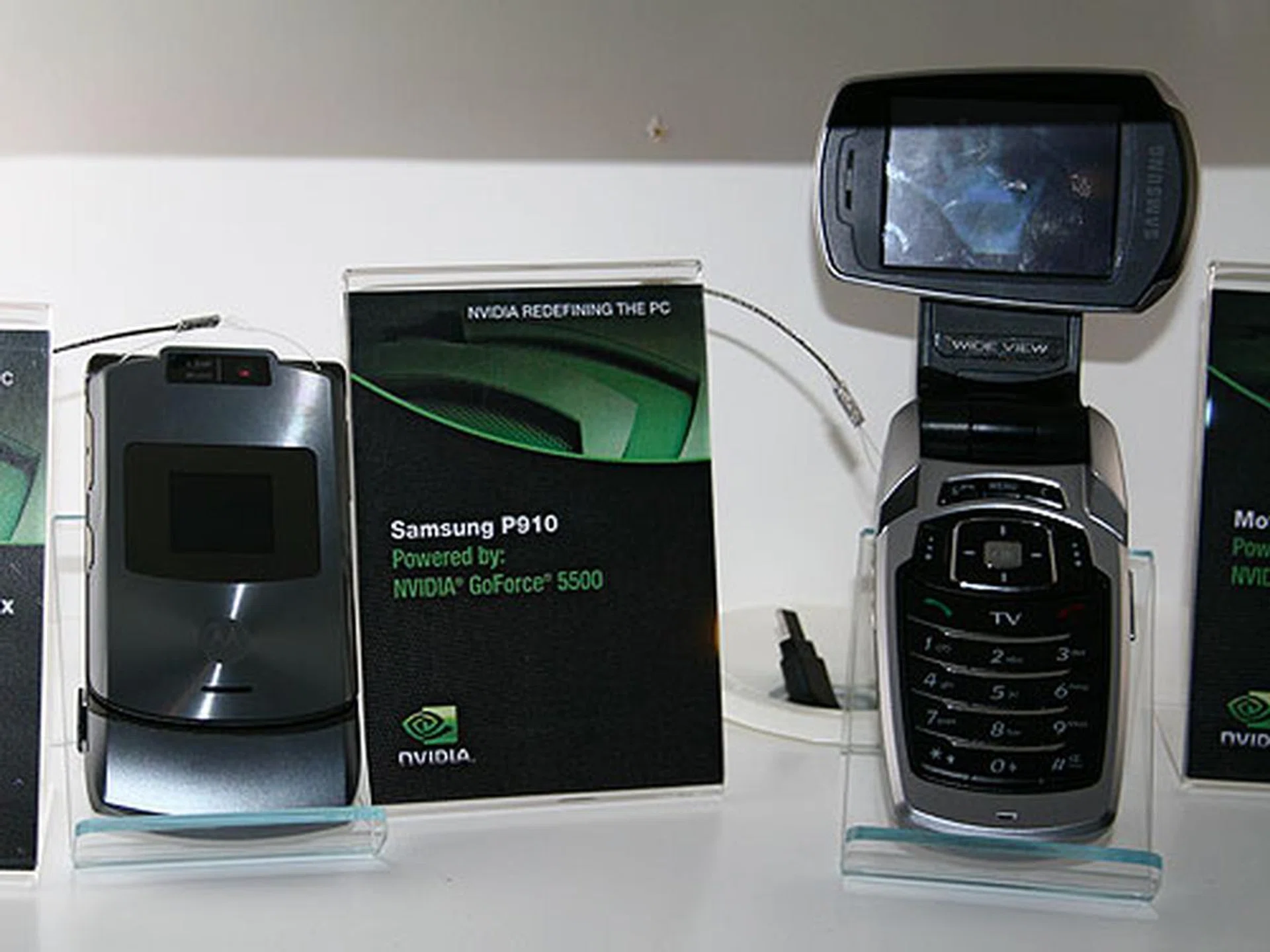
The Motorola MOTORAZR V3xx (left) uses an NVIDIA GoForce 4800 while the Samsung P910 (right) uses an NVIDIA GoForce 5500 media accelerator.
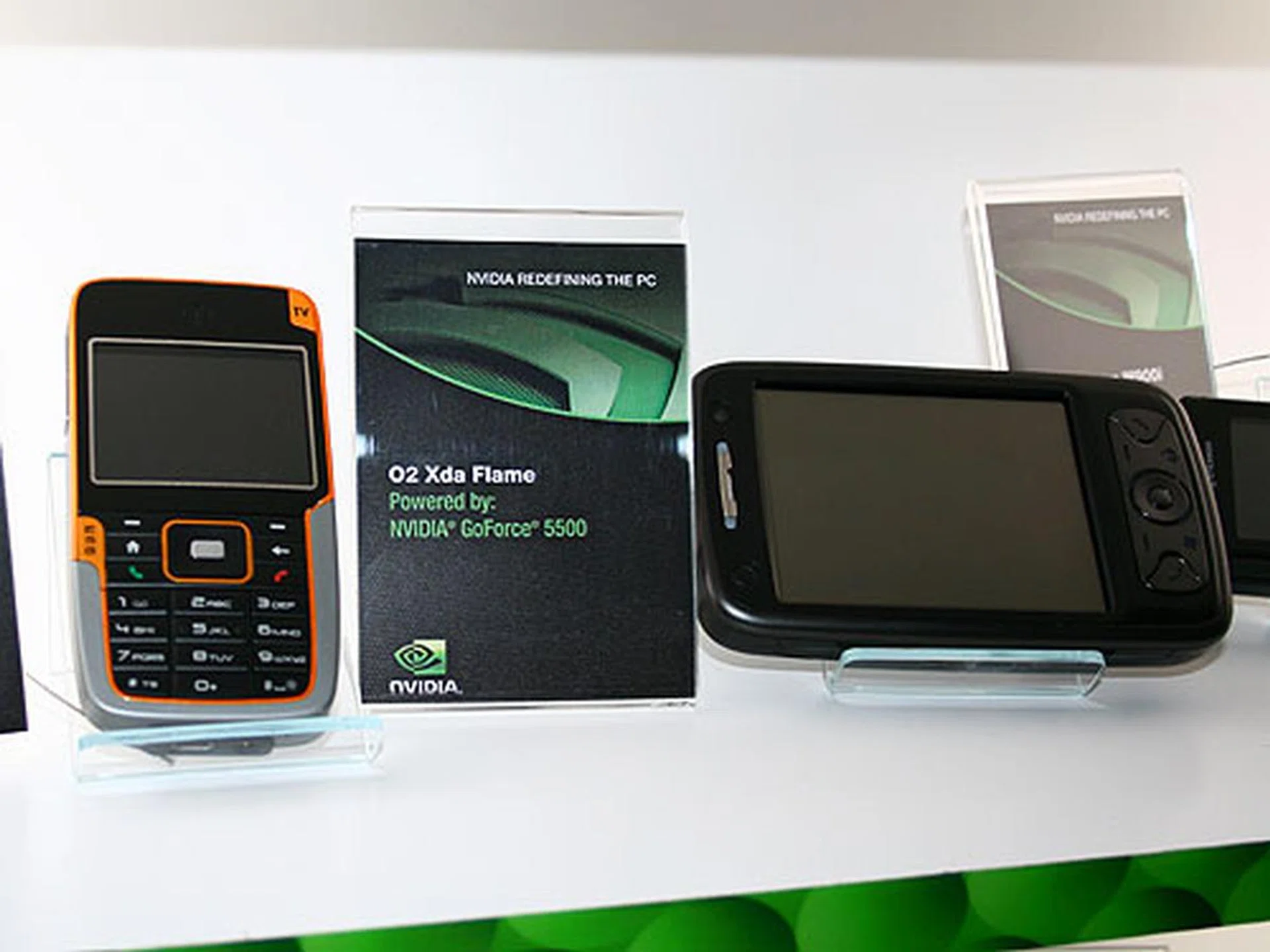
The HTC Forseer (left) uses an NVIDIA GoForce 4800 and the O2 Xda Flame (right) uses an NVIDIA GoForce 5500 media accelerator.
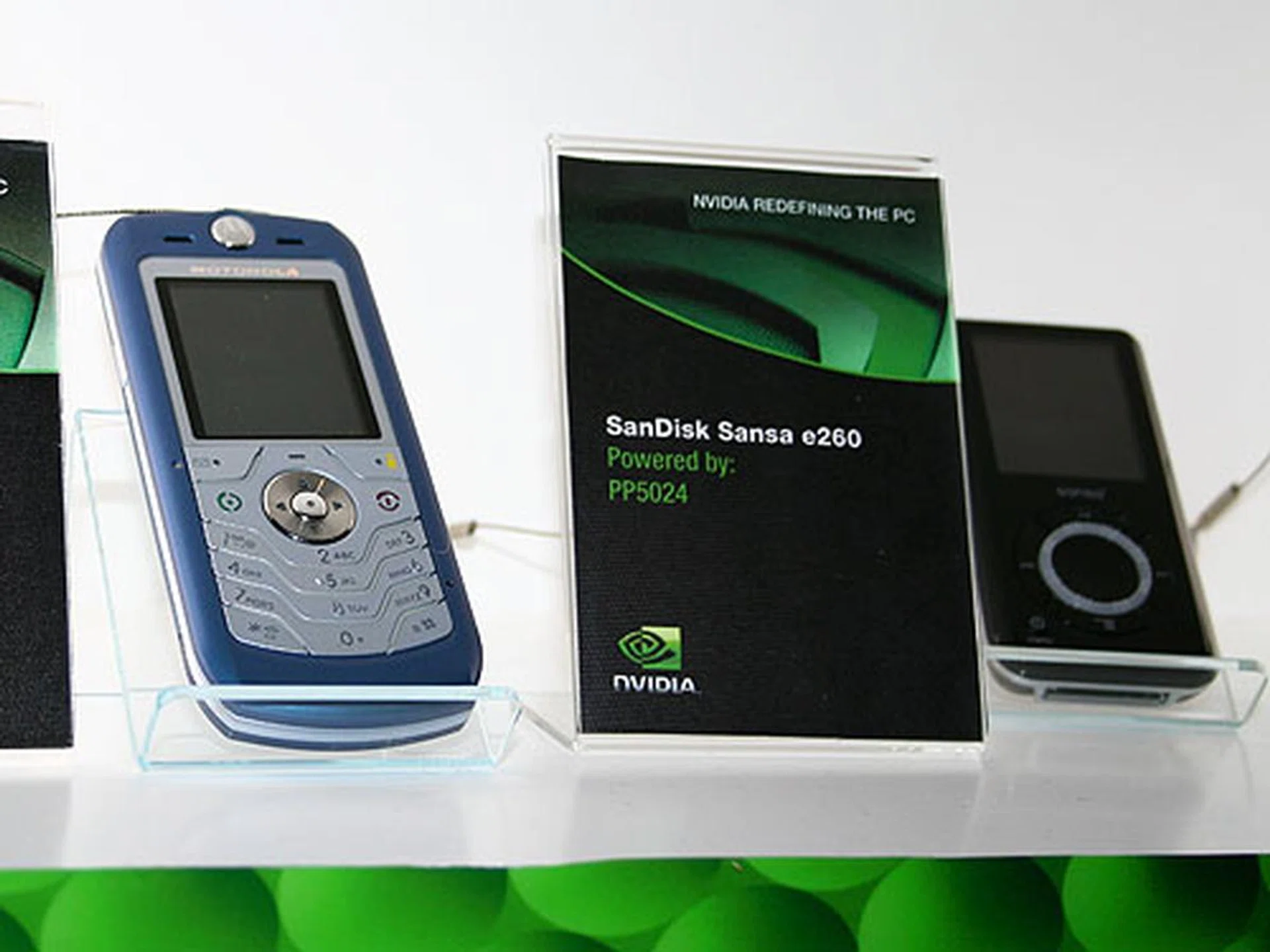
The Motorola L6i (left) also uses NVIDIA's media accelerator (the GoForce 2150) while the Sandisk Sansa e260 (right) MP3 player uses NVIDIA's PP5024.
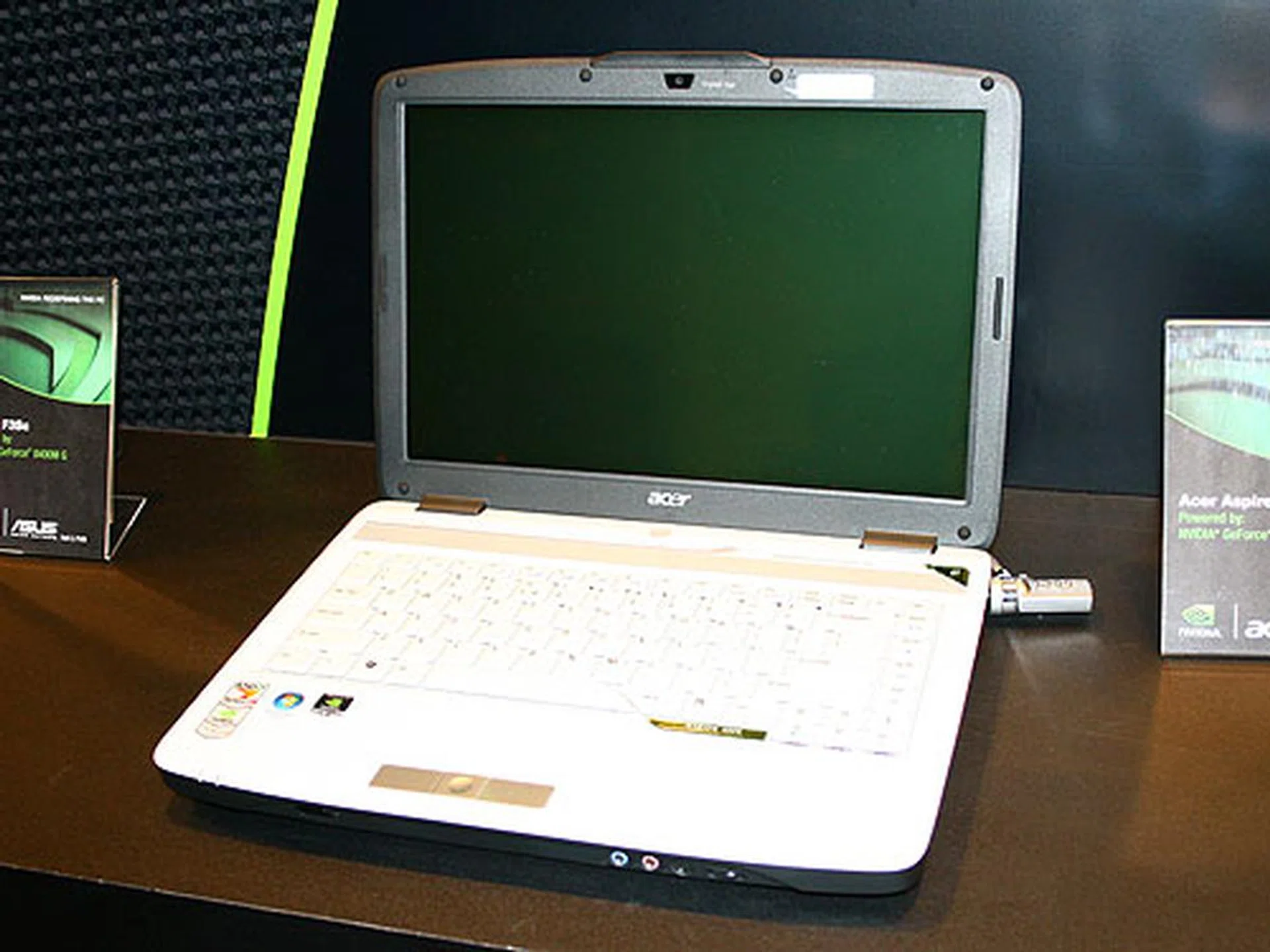
The Acer Aspire 4520G's graphics is based on NVIDIA's GeForce 8400M GS.
NVIDIA's Suite (II)
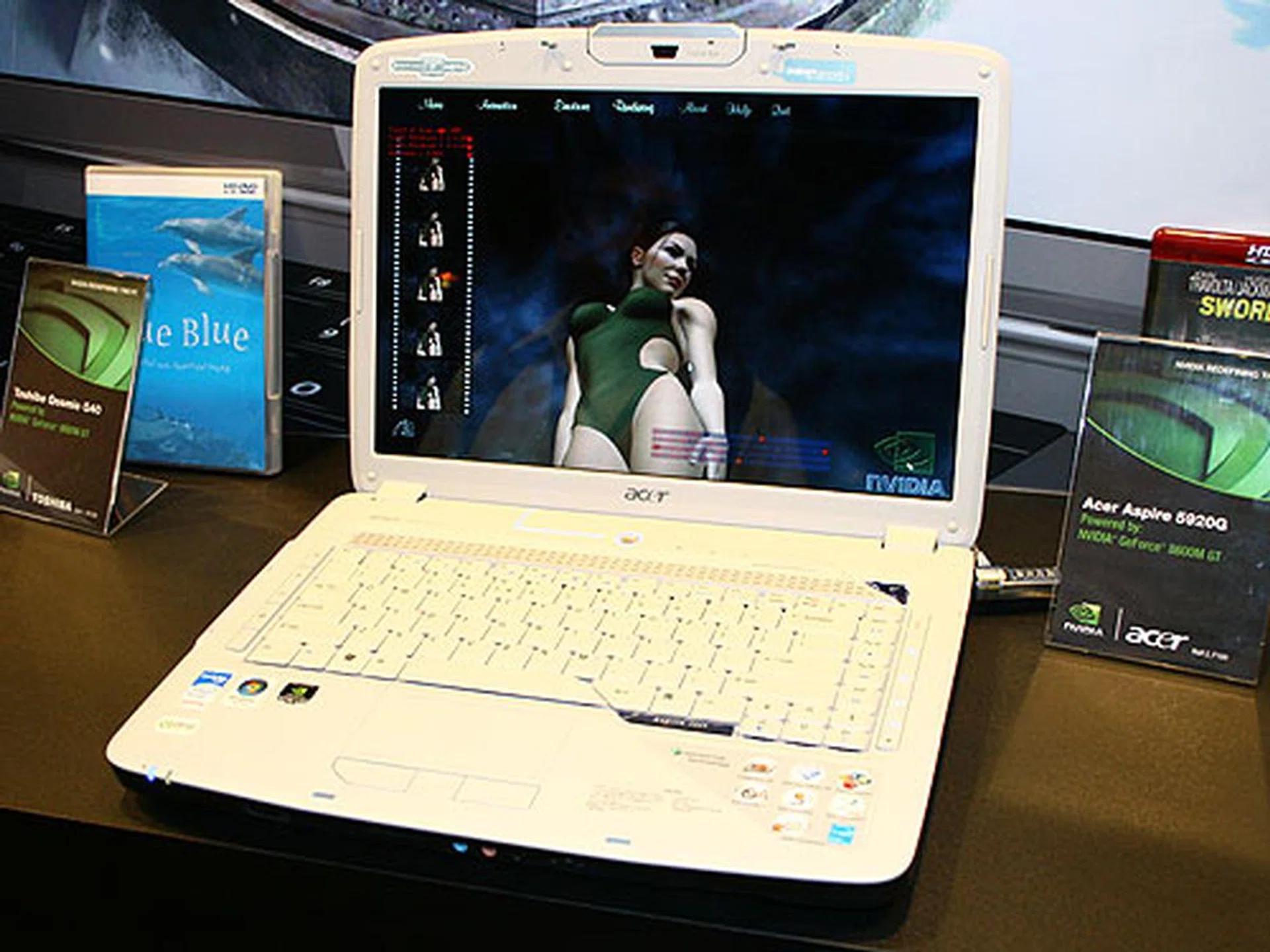
The Acer Asprire 5920G (Gemstone series) uses NVIDIA's GeForce 8600M GT (the most powerful mainstream mobile GPU on NVIDIA's turf).
The ASUS C90 notebook shown here uses the NVIDIA GeForce 8600M GT.
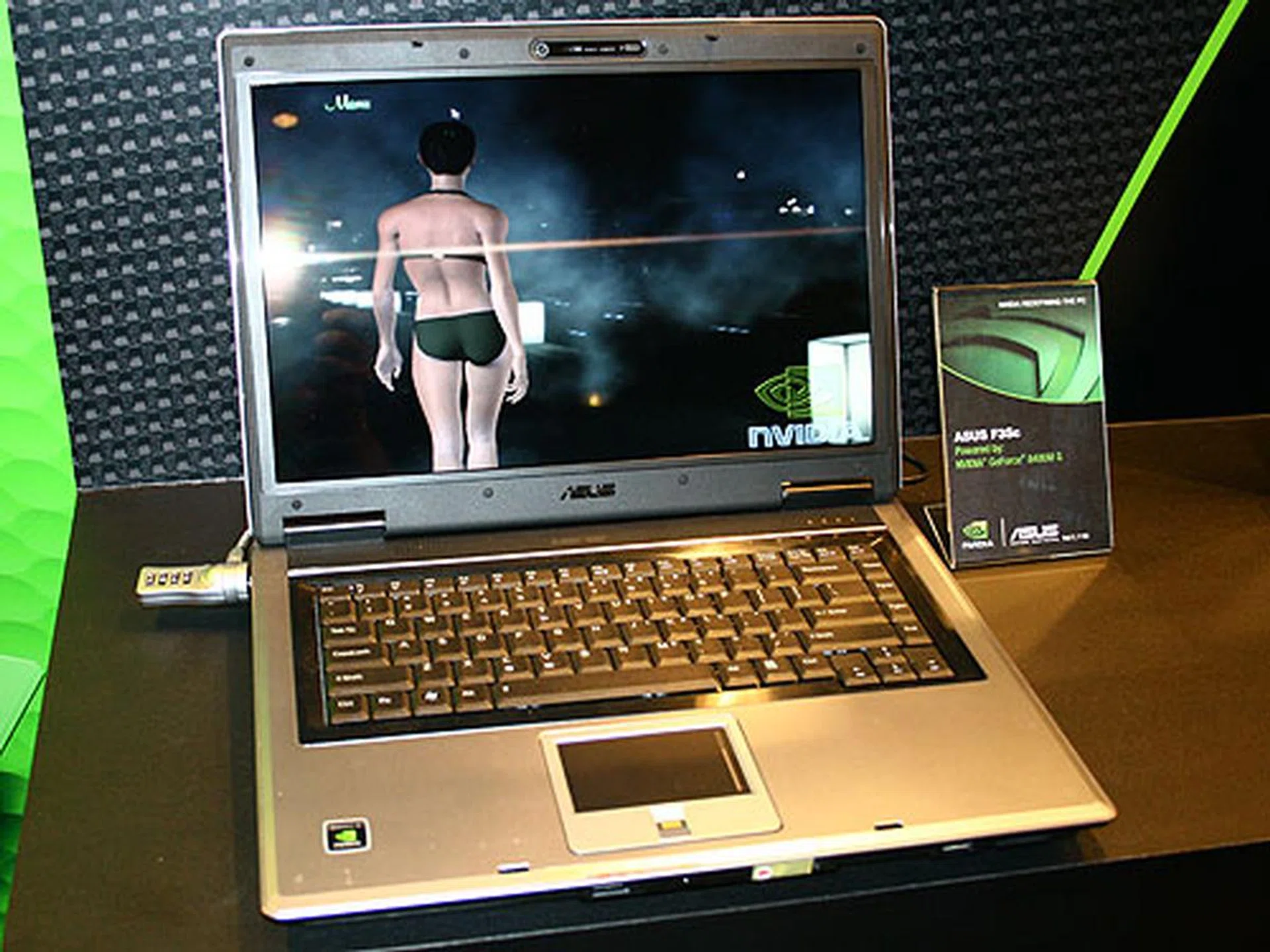
Yet another notebook from ASUS, the F3Sc, is based on the GeForce 8400M G.
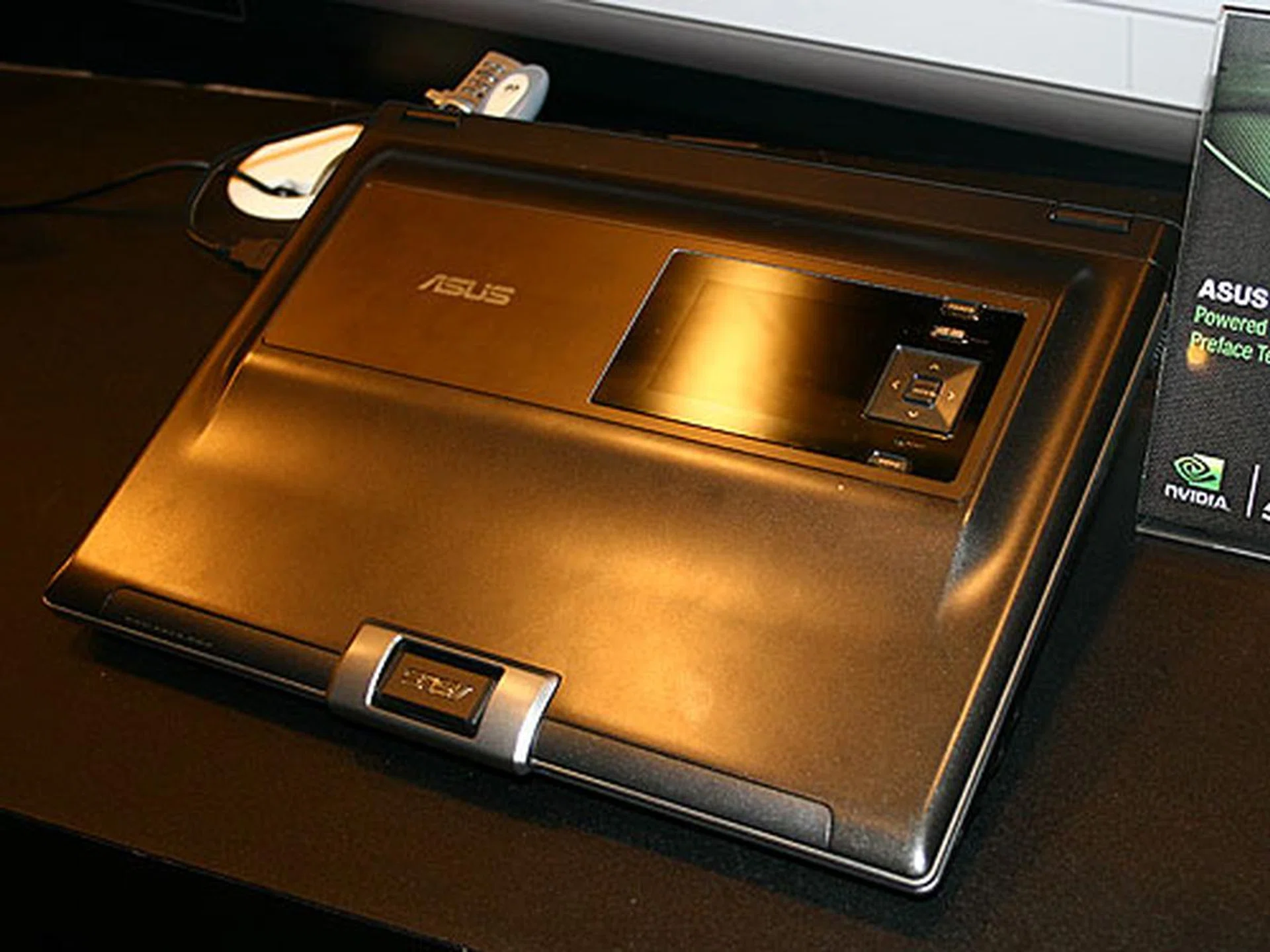
The ASUS W5Fe's sideshow panel takes advantage of NVIDIA's graphics.
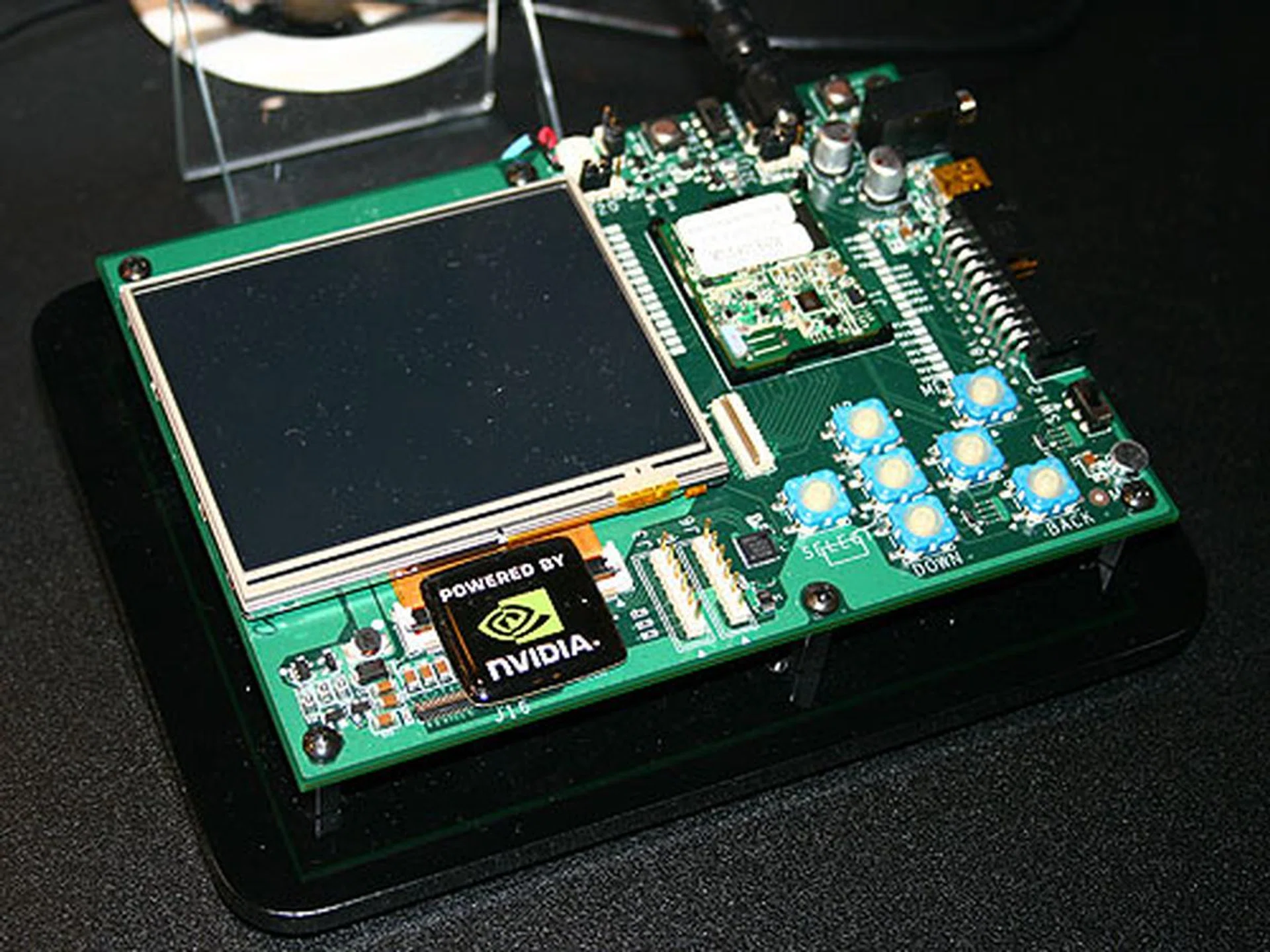
A closer look at the sideshow panel found in the ASUS W5Fe.
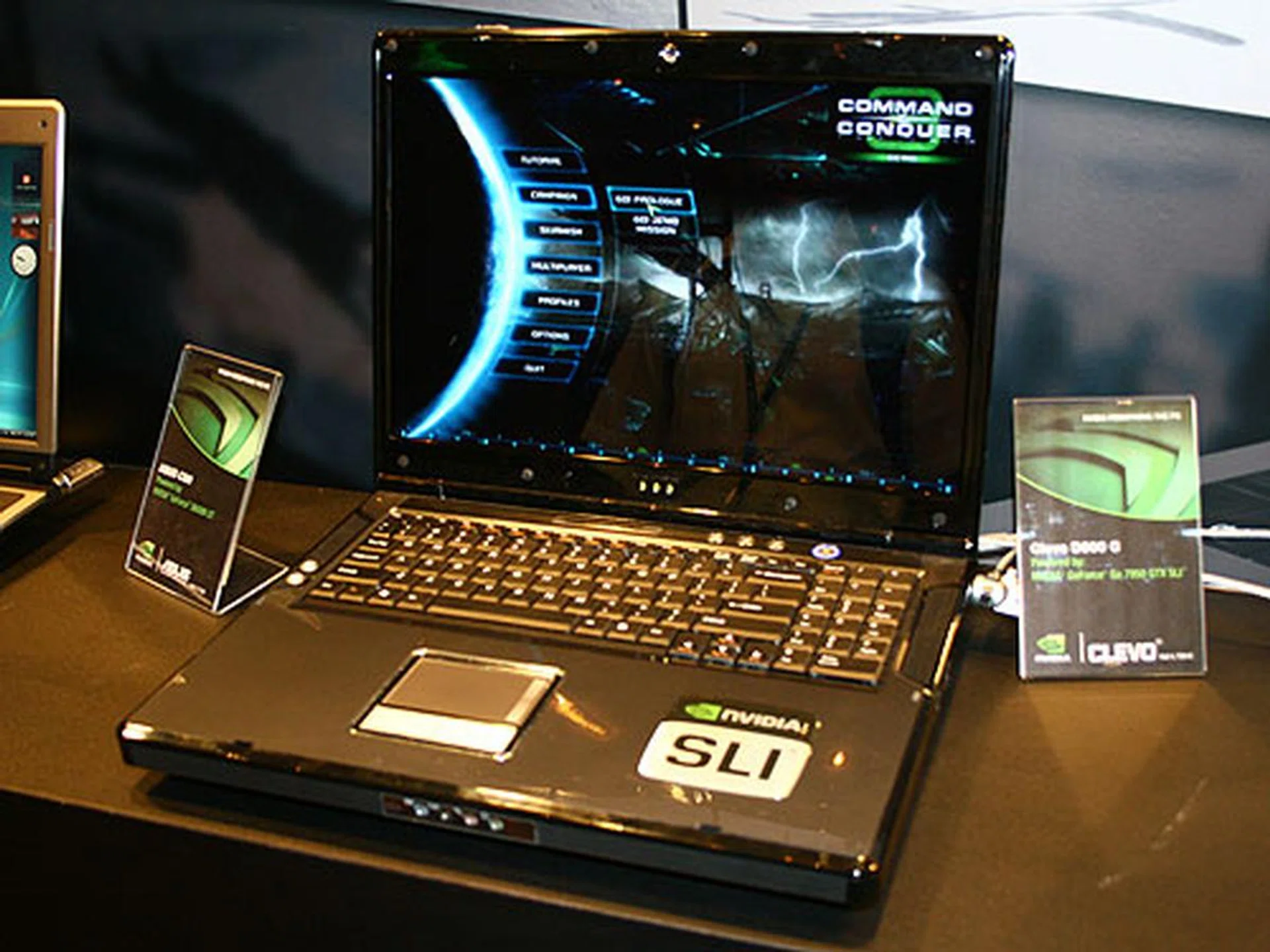
This Clevo D900 C is possibly the most powerful gaming notebook around. It is powered by two GeForce Go 7950 GTX MXM, in SLi mode.
NVIDIA's Suite (III)
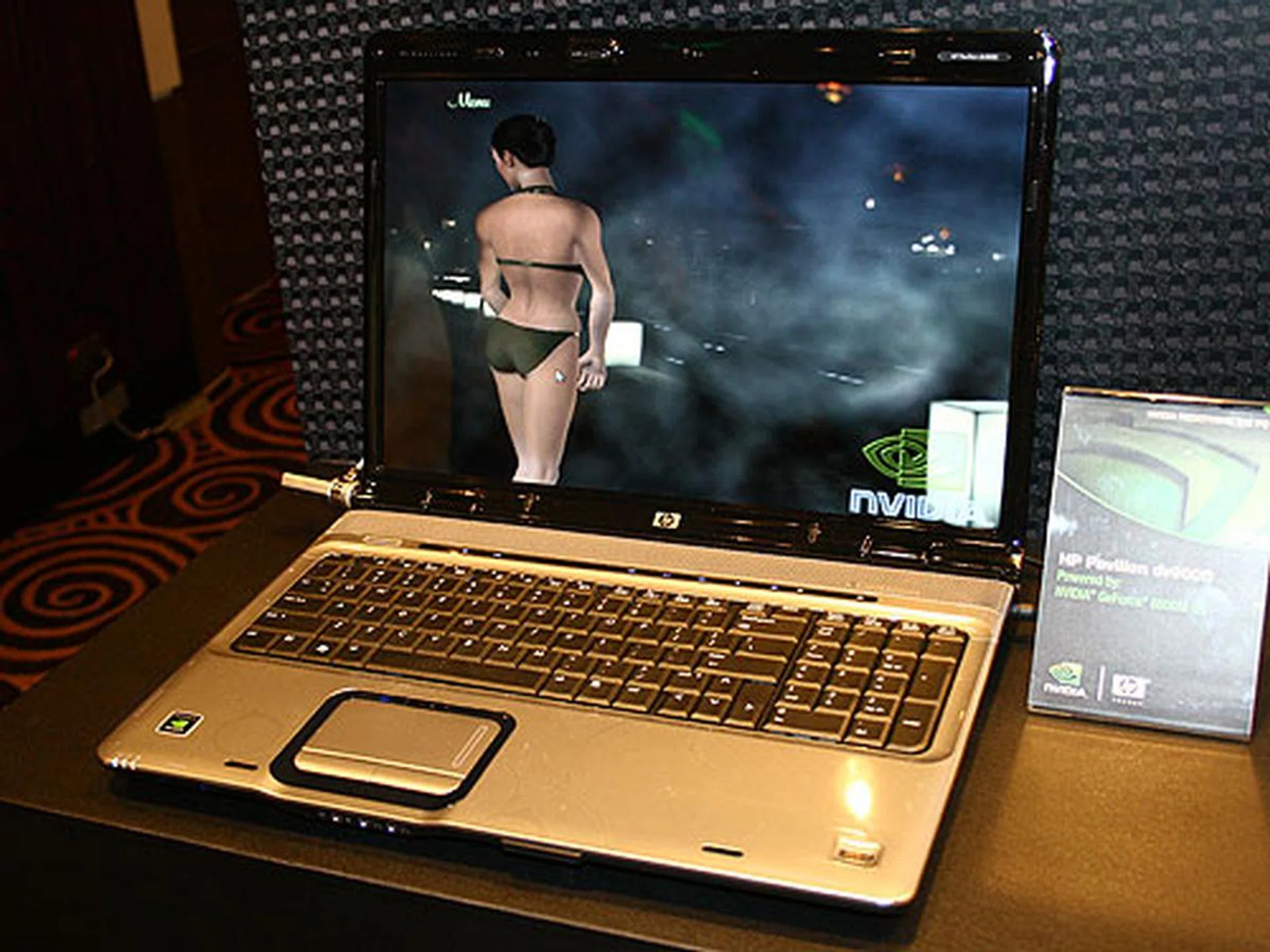
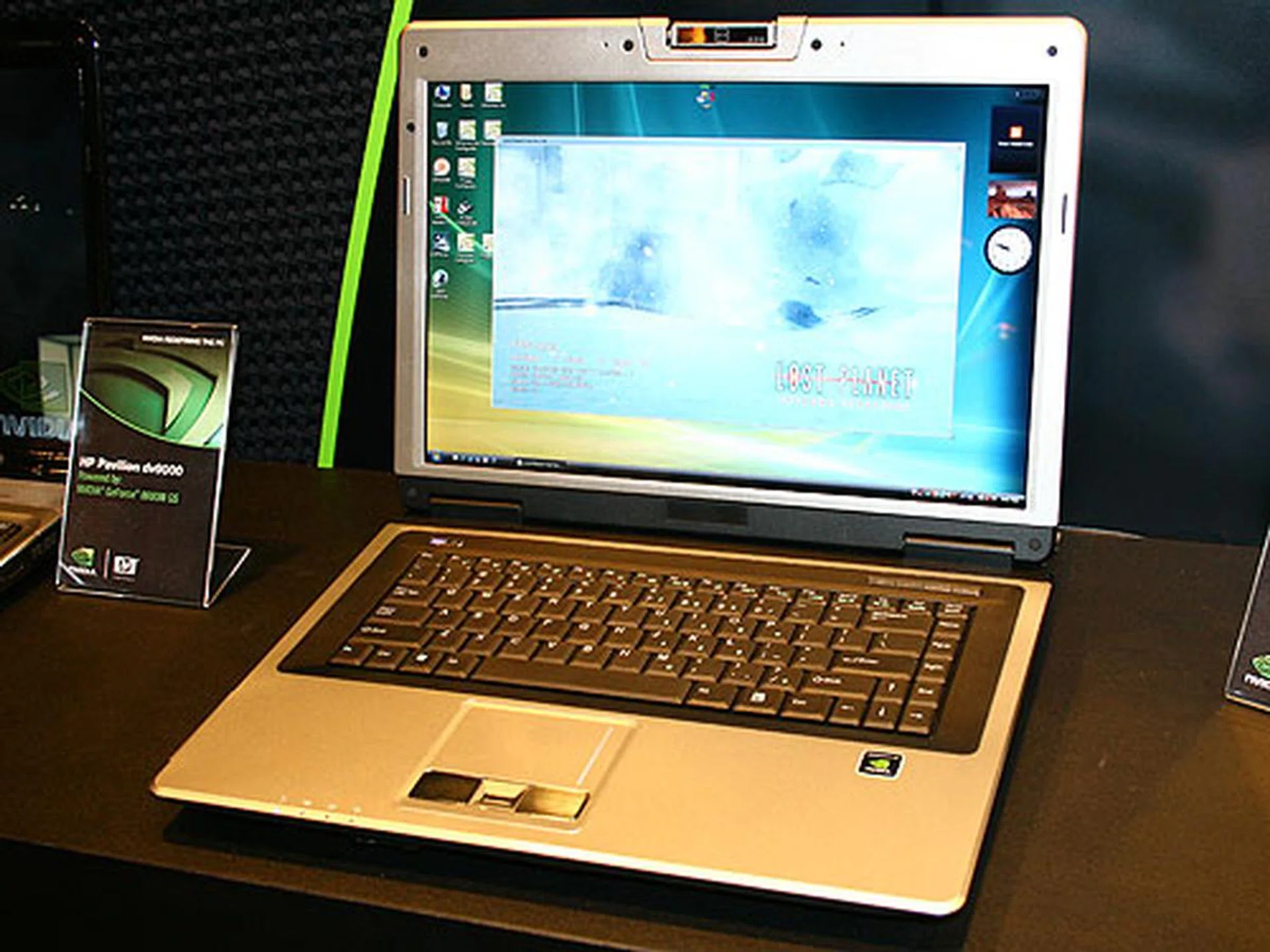
The sexy HP Pavilion dv9000 series updated for the Intel Santa Rosa platform uses NVIDIA's GeForce 8600M GS graphics.
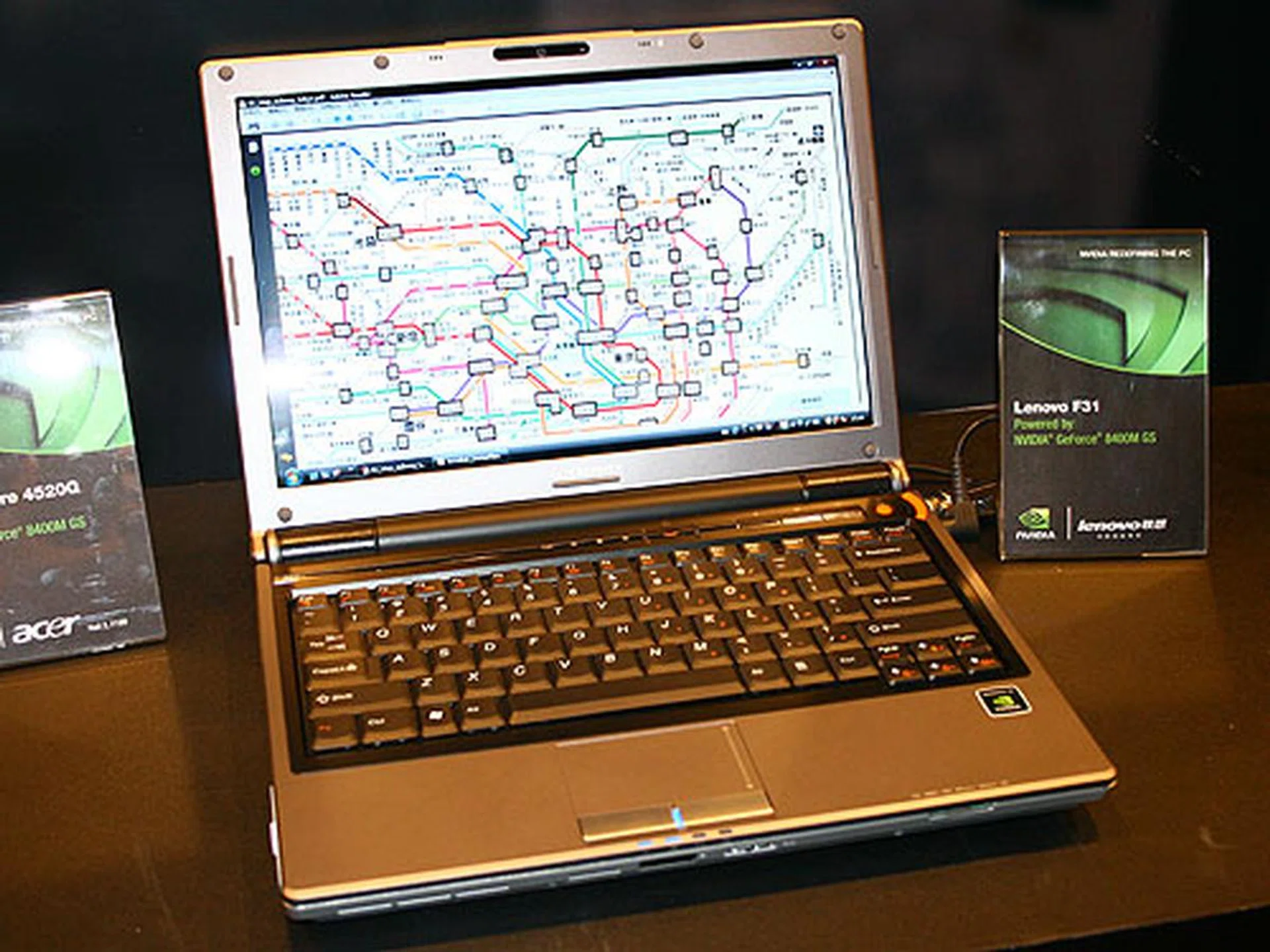
The Lenovo F31 consumer laptop is powered by an NVIDIA GeForce 8400M GS.
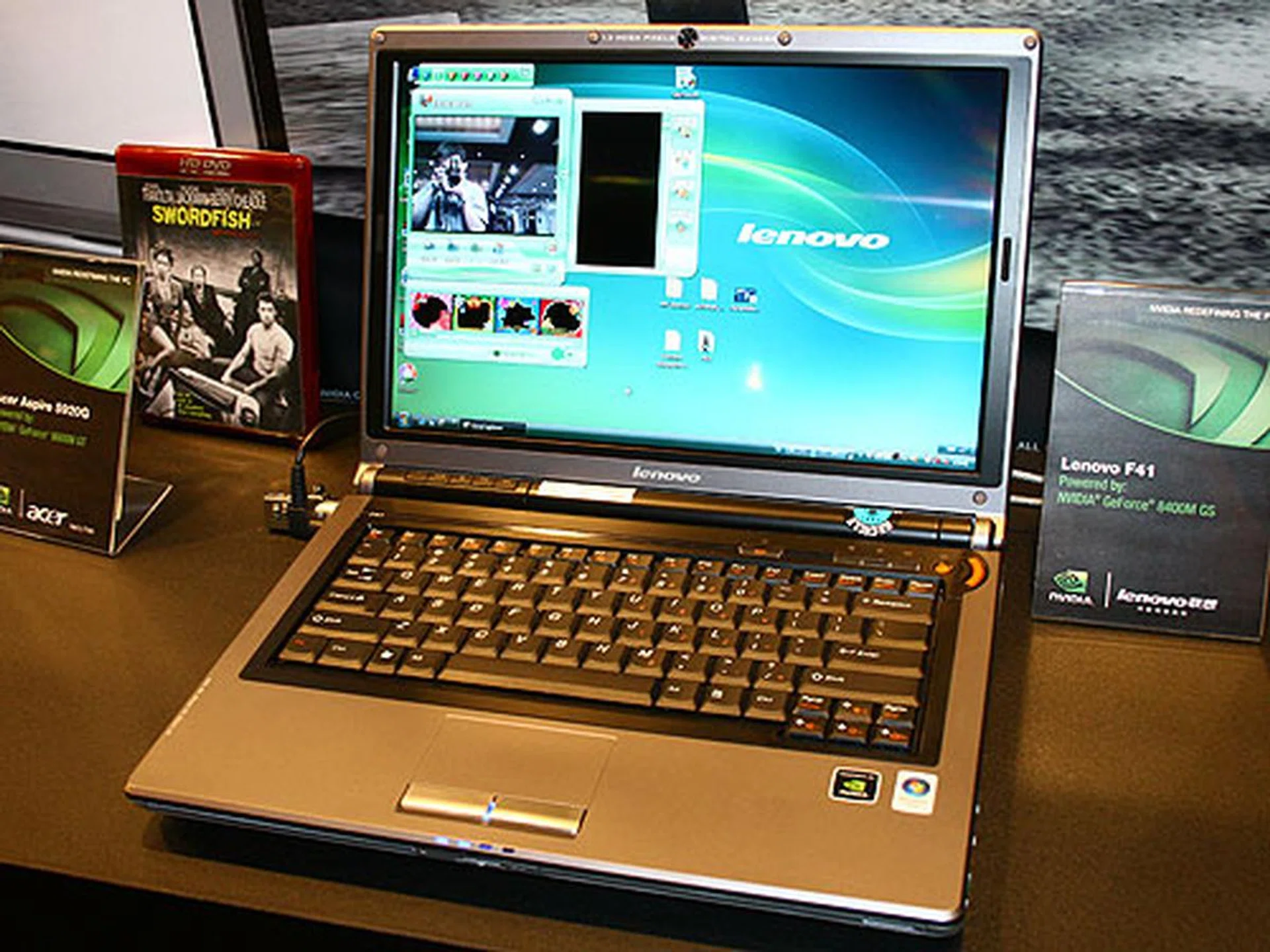
Similar to the F31, the Lenovo F41 is also powered by an NVIDIA GeForce 8400M GS.
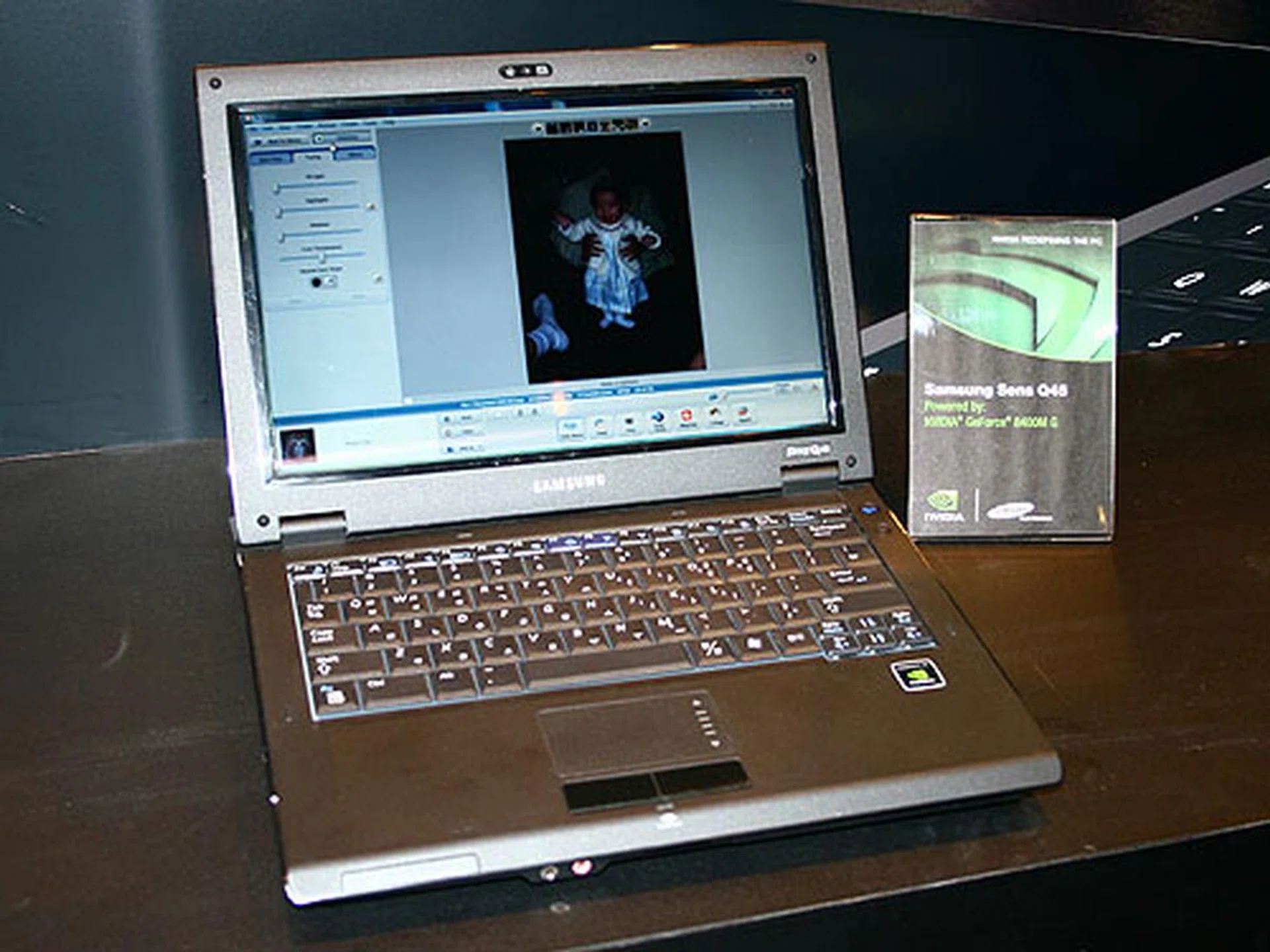
The portable Samsung Sens Q45 laptop seen here is also suitable for most games as it's using an NVIDIA GeForce 8400M G chip.
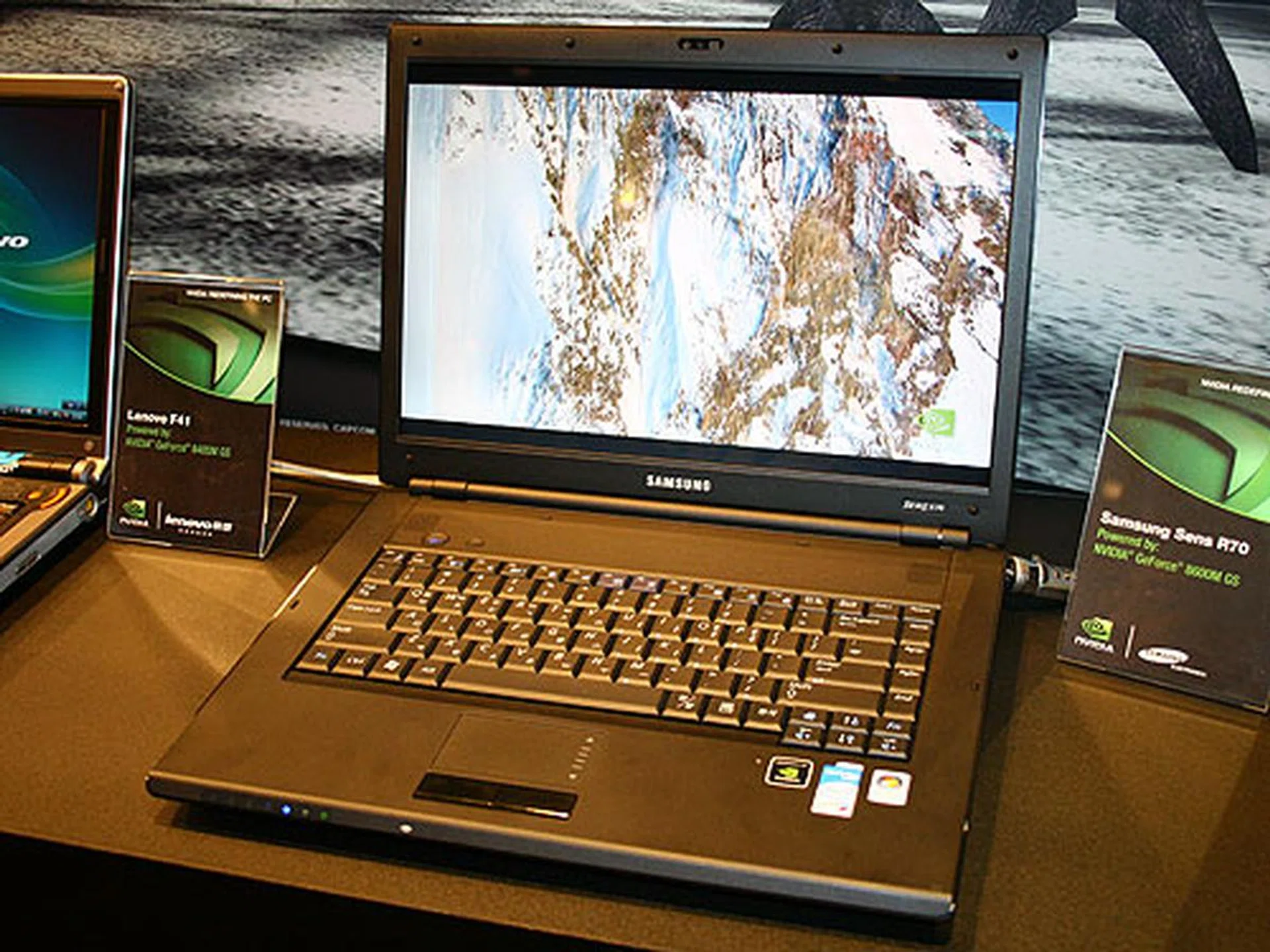
The larger Samsung Sens R70 is more powerful than the Q45 since games will run faster with its built-in NVIDIA GeForce 8600M GS graphics.
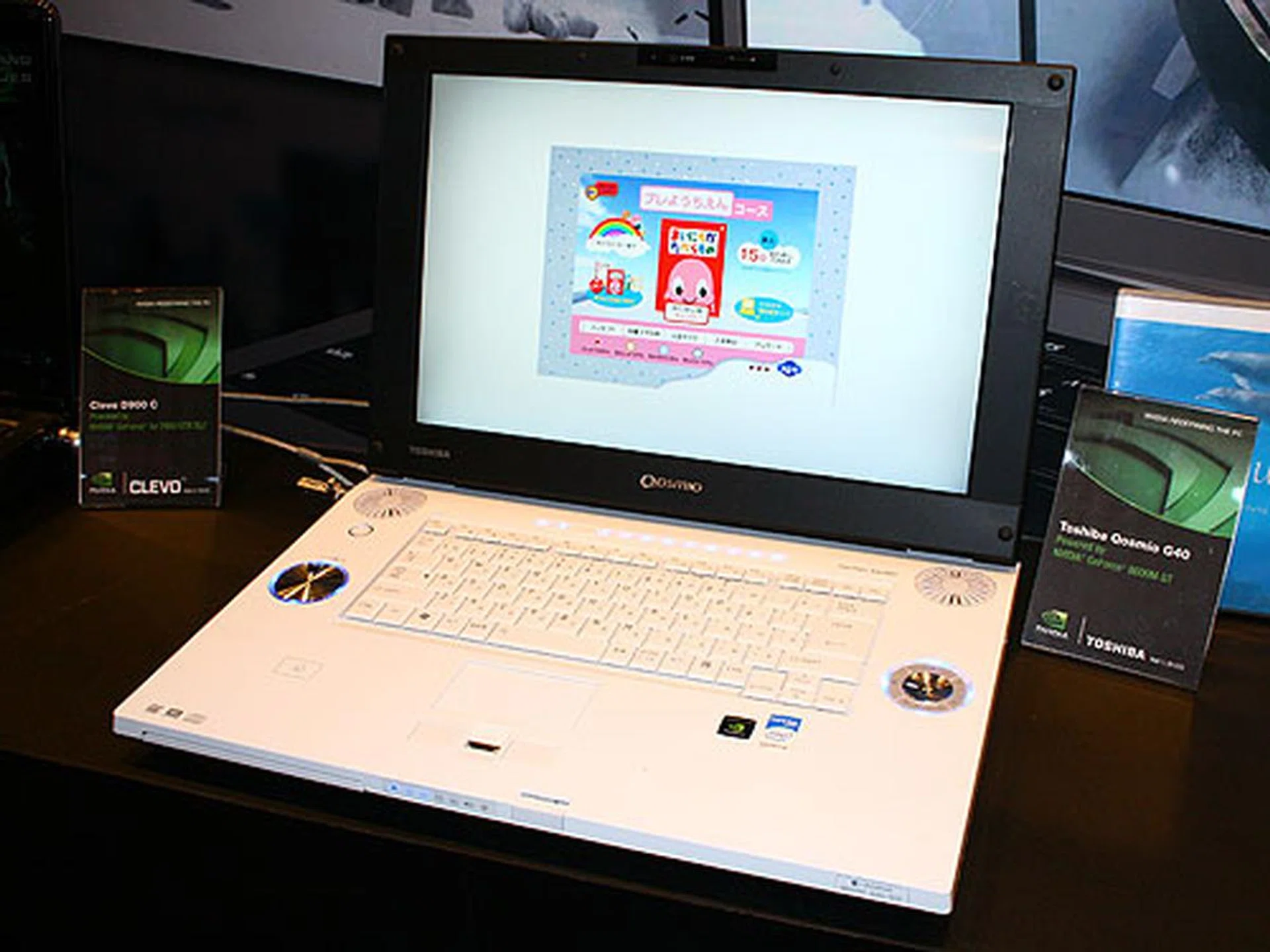
The large portable media center Toshiba Qosmio G40 is not only suitable for watching HD movies, but it is made for some serious gaming since it comes with an NVIDIA GeForce 8600M GT graphics.
GeCube's Booth (I)
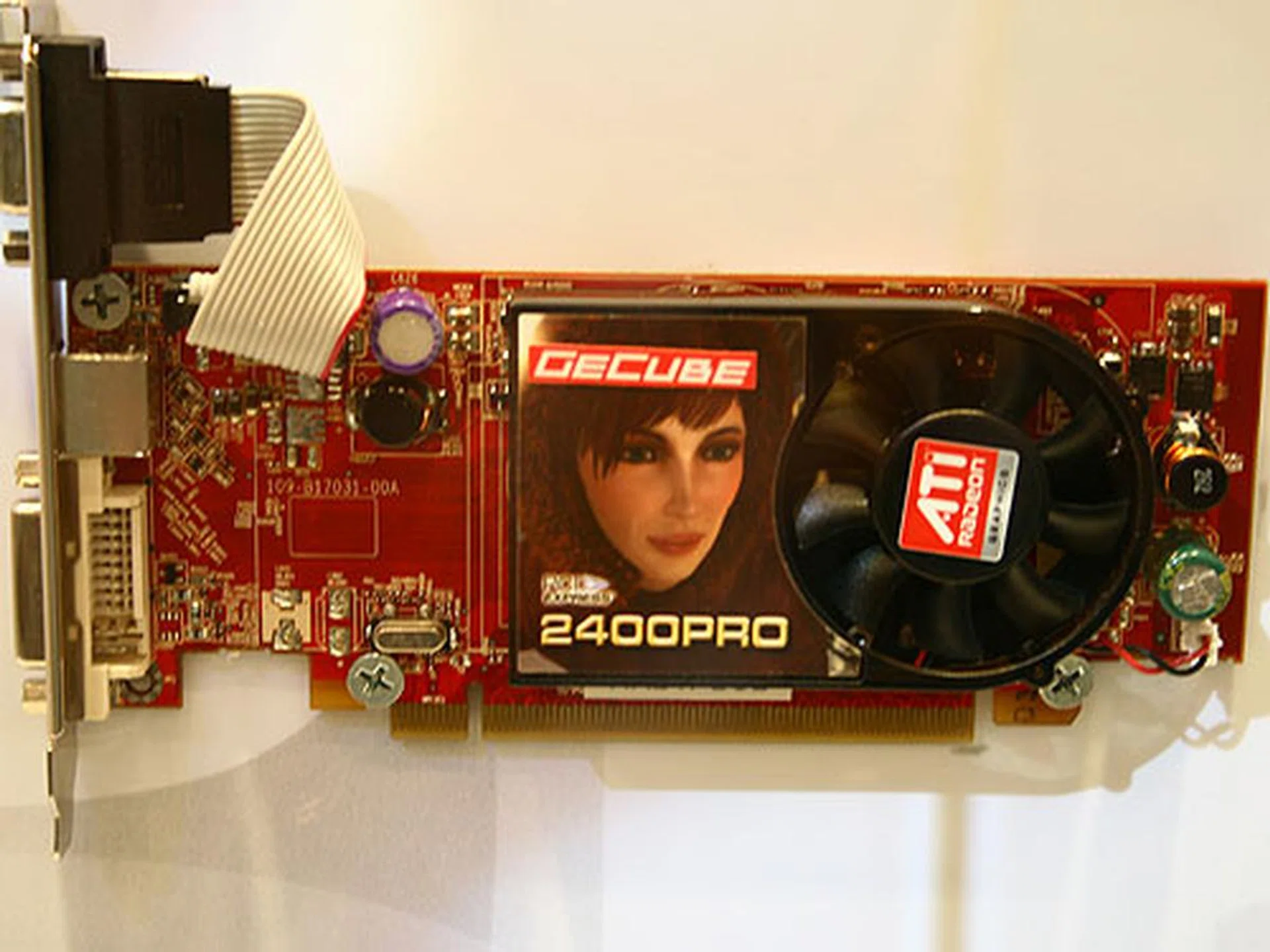
The affordable Radeon 2400PRO (RV610) from GeCube will come in a low profile card as shown here. It will be clocked at 525MHz and its 256MB 64-bit on-board DDR2 memory will run at 800MHz.
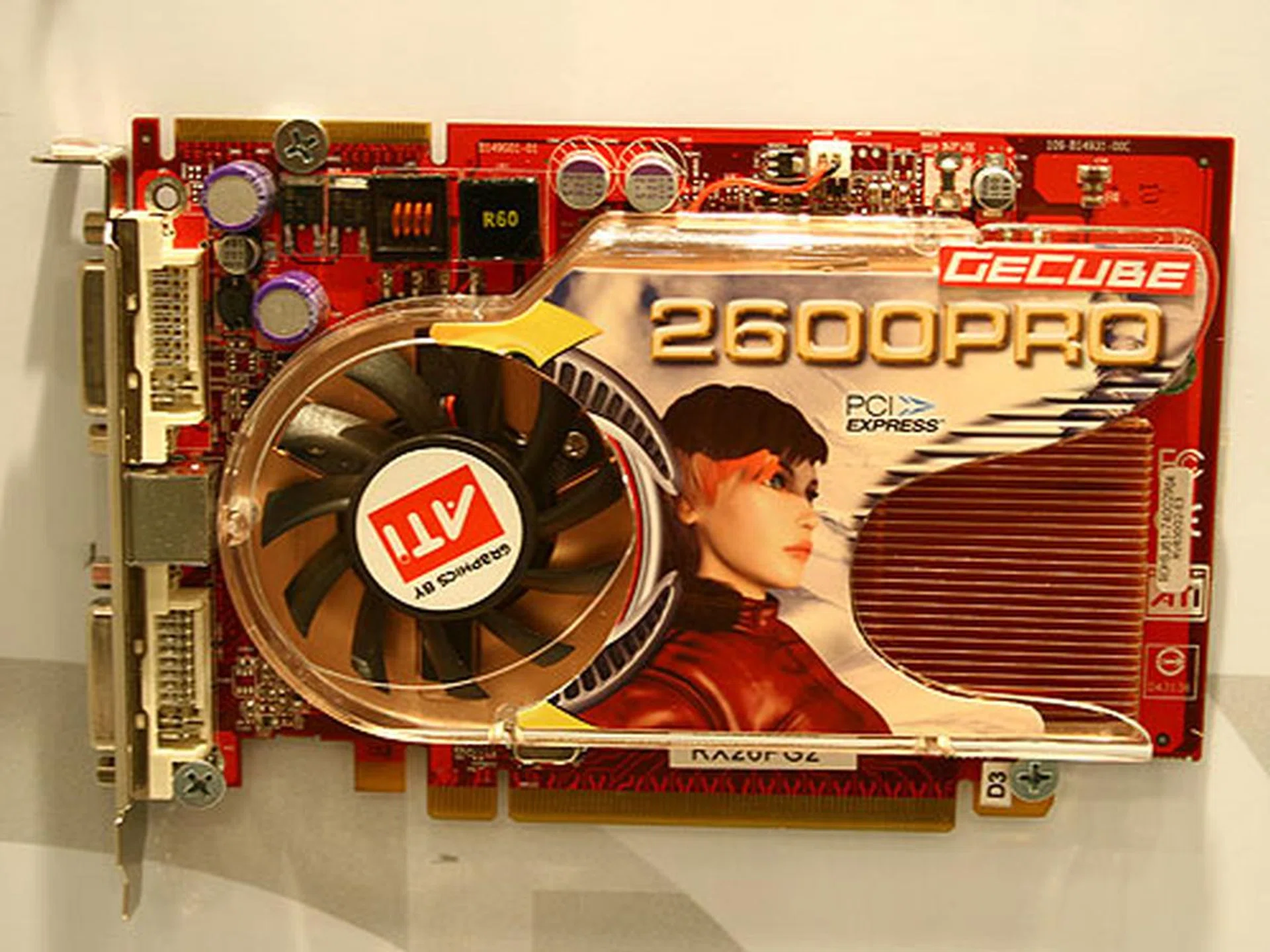
Something higher-end in the pipeline would be the Radeon 2600PRO (RV630) which will come with 256MB of 128-bit DDR2 memory. Core and memory are clocked at 600MHz and 800MHz respectively. It supports hardware CrossFire as well.
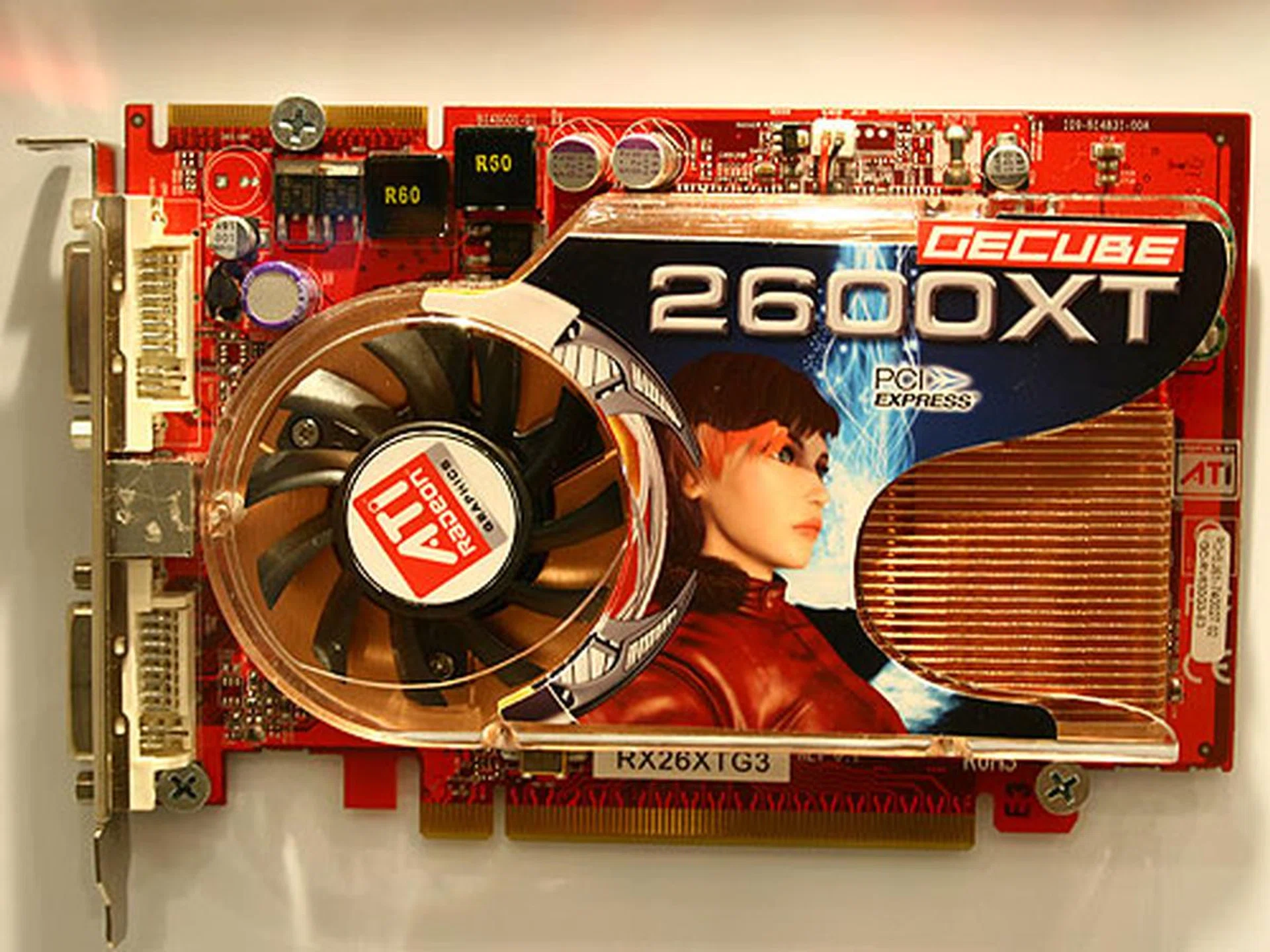
Besides the 2600PRO, you'll also have the choice of getting the Radeon 2600XT. The card will come with 256MB of 128-bit GDDR3 memory. Core will be clocked at 800MHz while its memory will run at 1.4GHz. Similar to the 2600PRO, this will support hardware CrossFire too.
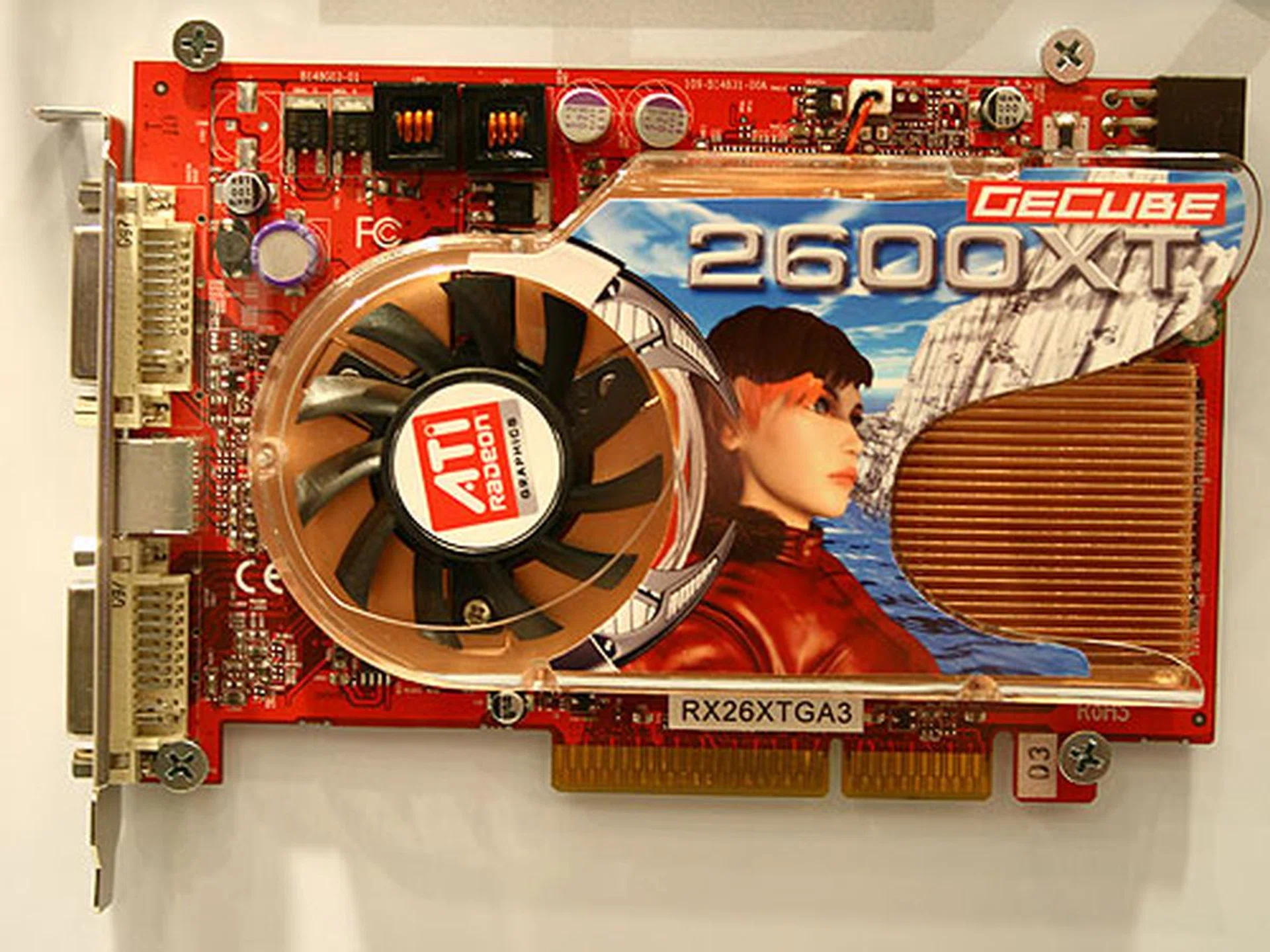
The specifications of this Radeon 2600XT card is similar to the previous one shown above. The only difference would be its support for the AGP interface. And in case you start getting funny ideas, let us remind you that the AGP version won't support CrossFire.
GeCube's Booth (II)
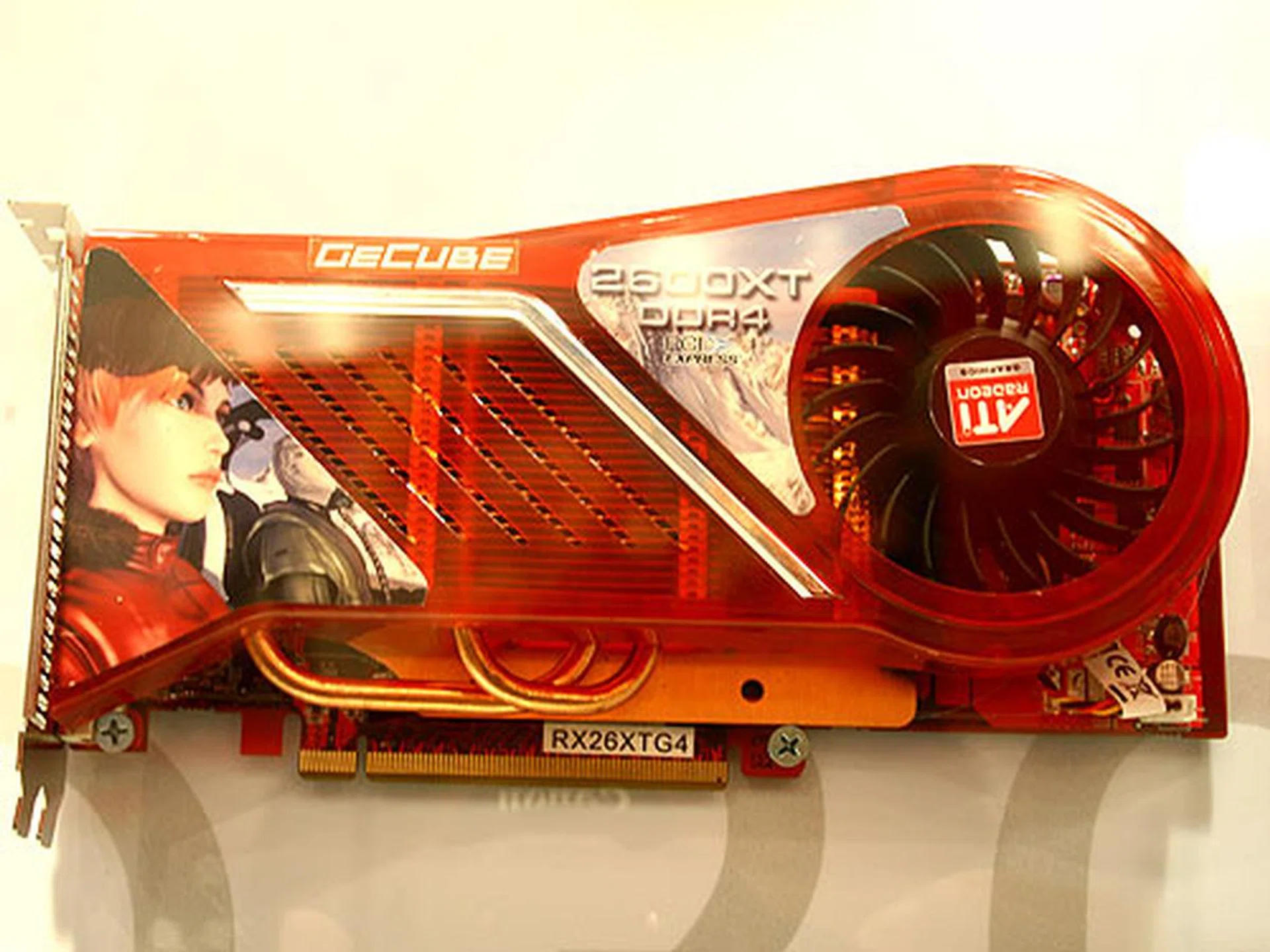
This rather large Radeon 2600XT is the fastest of the 2600 series. It comes with 512MB of GDDR4 memory and the memory chips will be clocked at a whopping 2.2GHz.
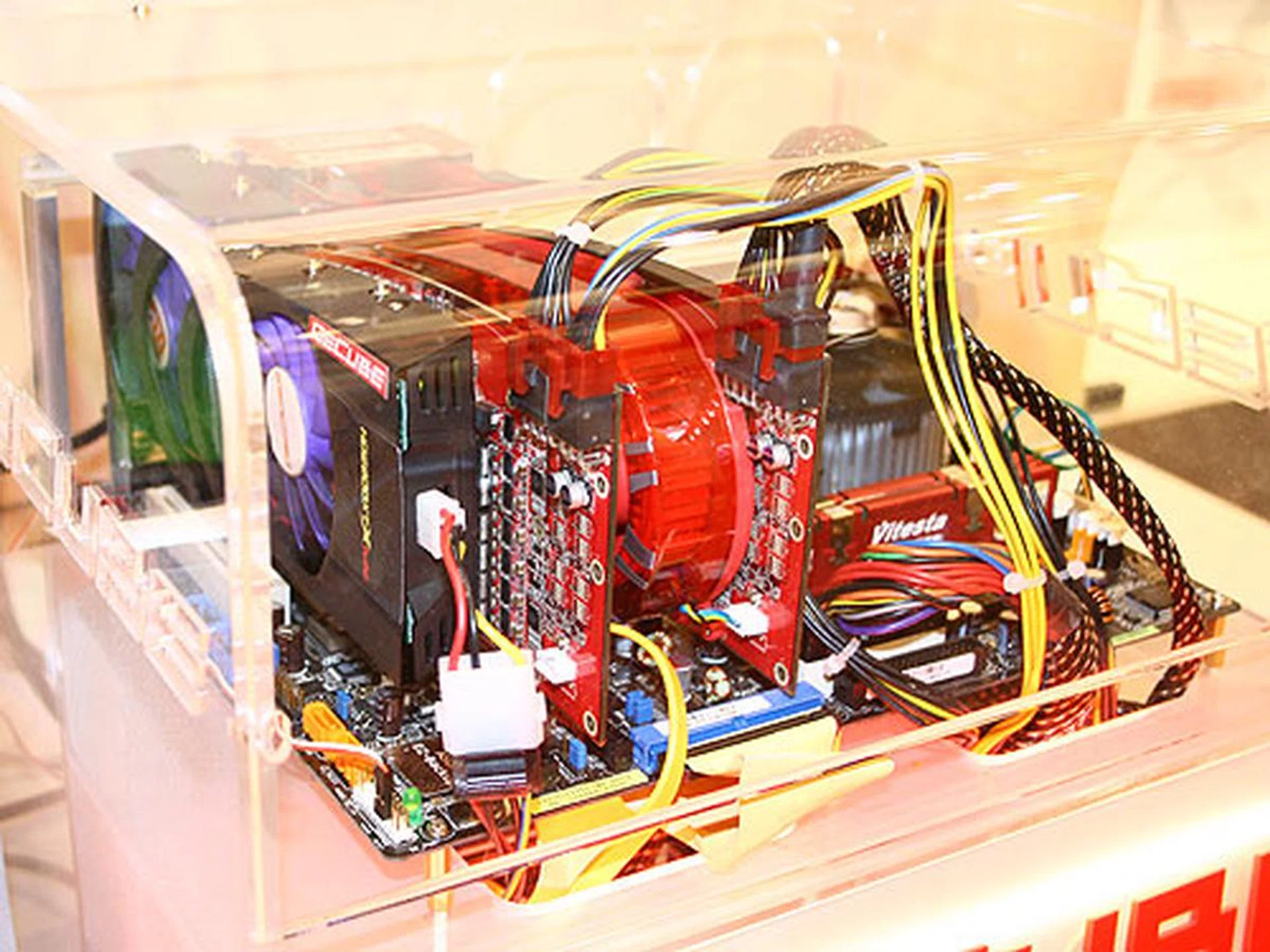
The GeCube GC-HD2900XT-VIE3 (OC Edition) demonstrated at GeCube's booth uses a thermoelectic cooler which enabled its core to be clocked higher than its default clock speed.
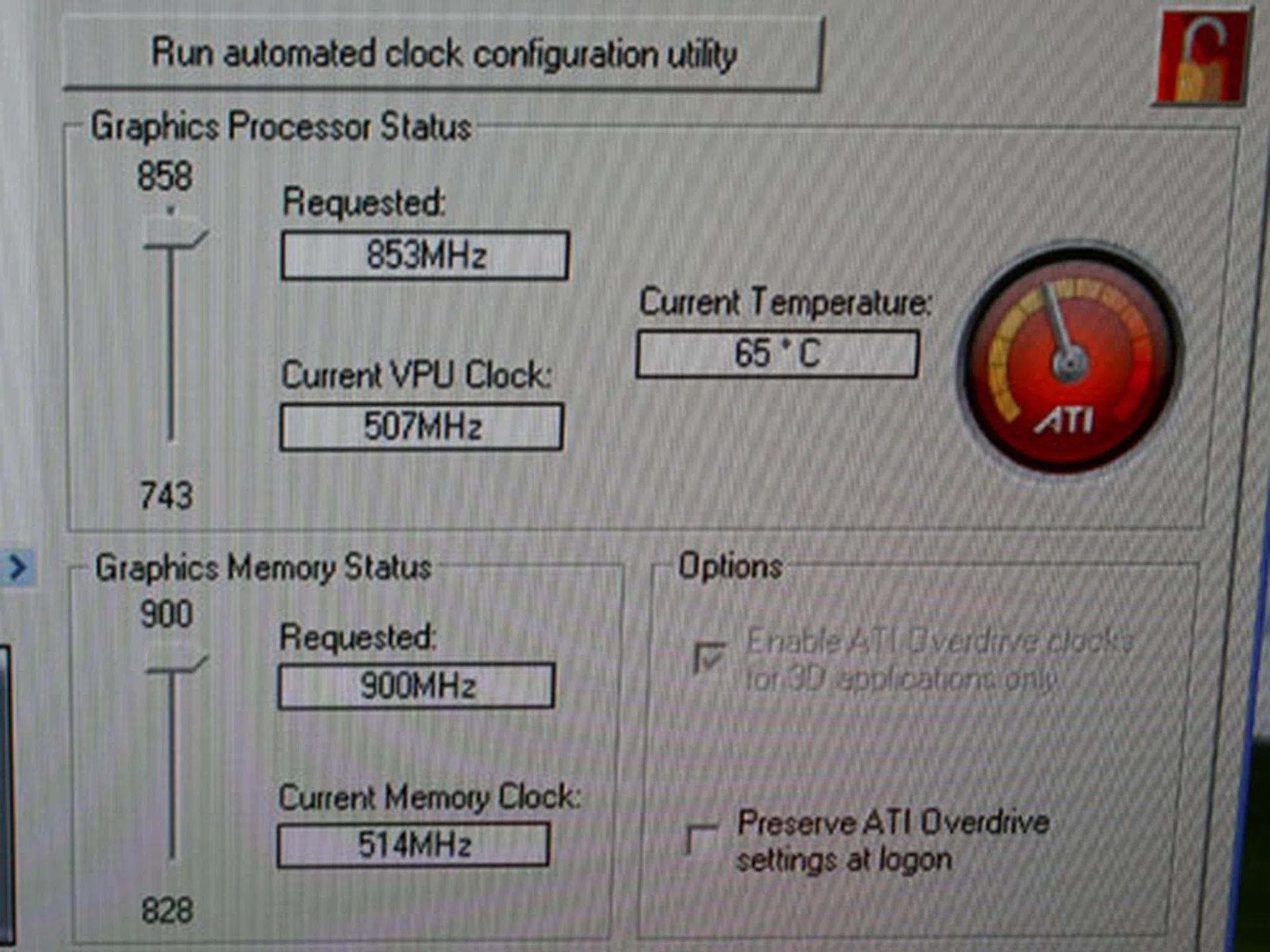
In the demo, GeCube managed to overclock the card above its default speed and still managed to keep the VPU temperature low. However, if you notice the screeshot here, the running clock speed is lower as it was idle while we took the screenshot.
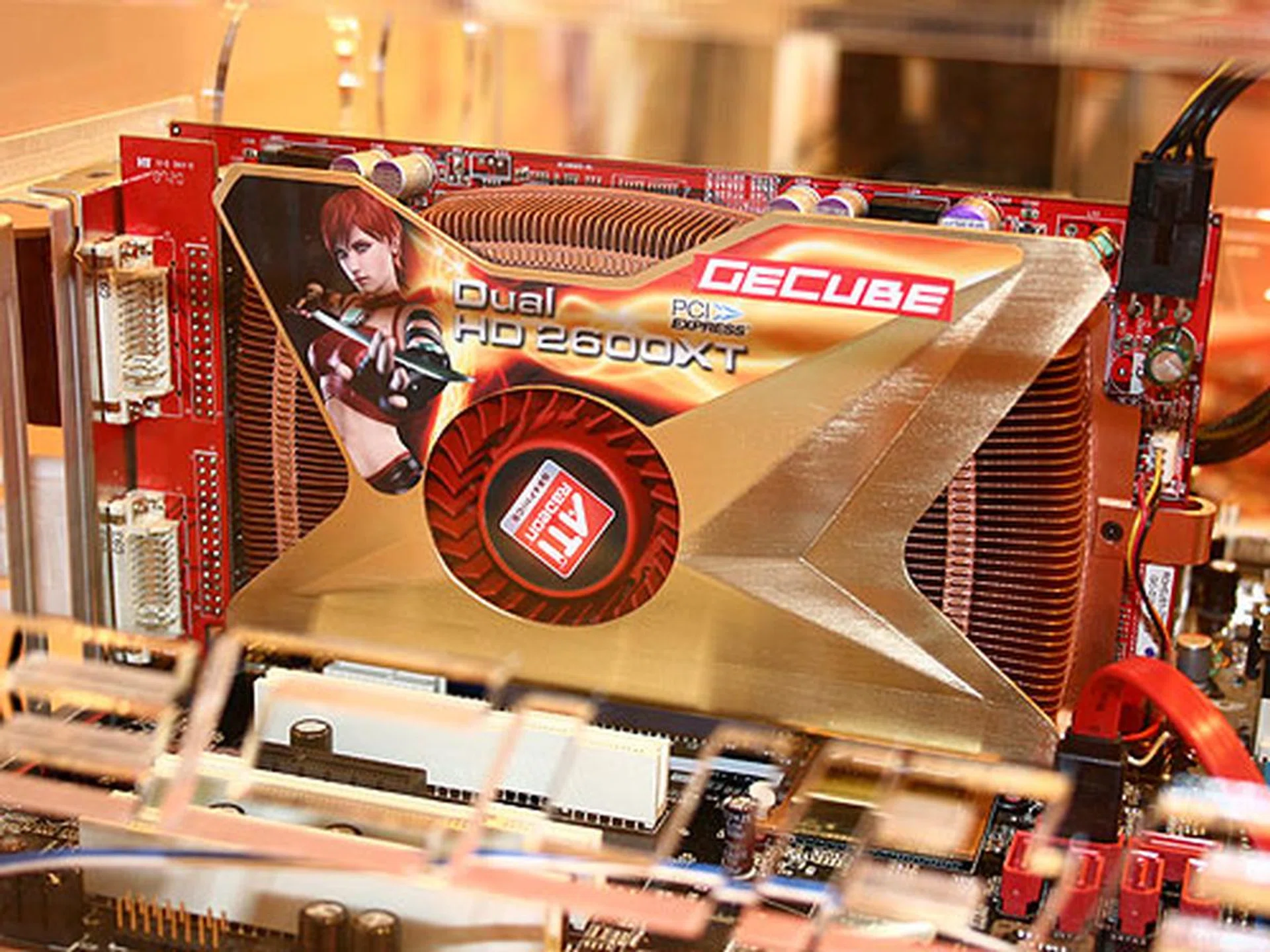
GeCube will also be offering a dual Radeon 2600XT card which will be a single card with two Radeon 2600XT VPUs in CrossFire mode. It will come with 1GB of memory (512MB each). Its core will be clocked at 800MHz while its memory (128-bit DDR2) will run at only 1GHz. What's cool about this card is that it will support up to four DVI outputs without any messy dongles. It's a proper two-slot solution and gone is the noise pollution of the previous Gemini series.
AMD's Booth (I)

AMD's booth at TICC (Hall 4).
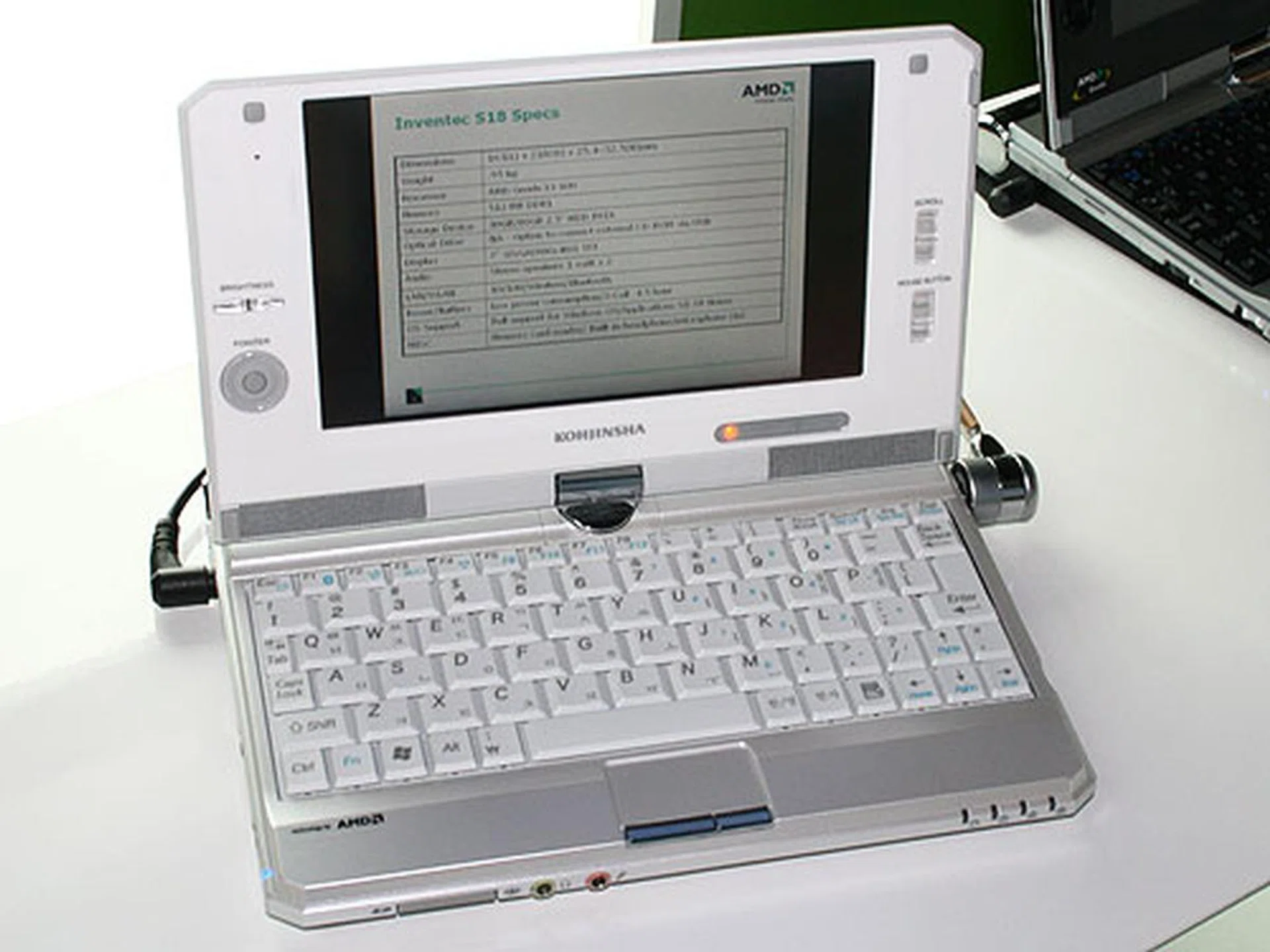
AMD is also promoting their solutions for the UMPC market. This Inventec S18 UMPC is based on the AMD Geode LX 800 processor and it comes with 512MB of DDR memory and a 40/80GB PATA 2.5-inch hard disk drive.
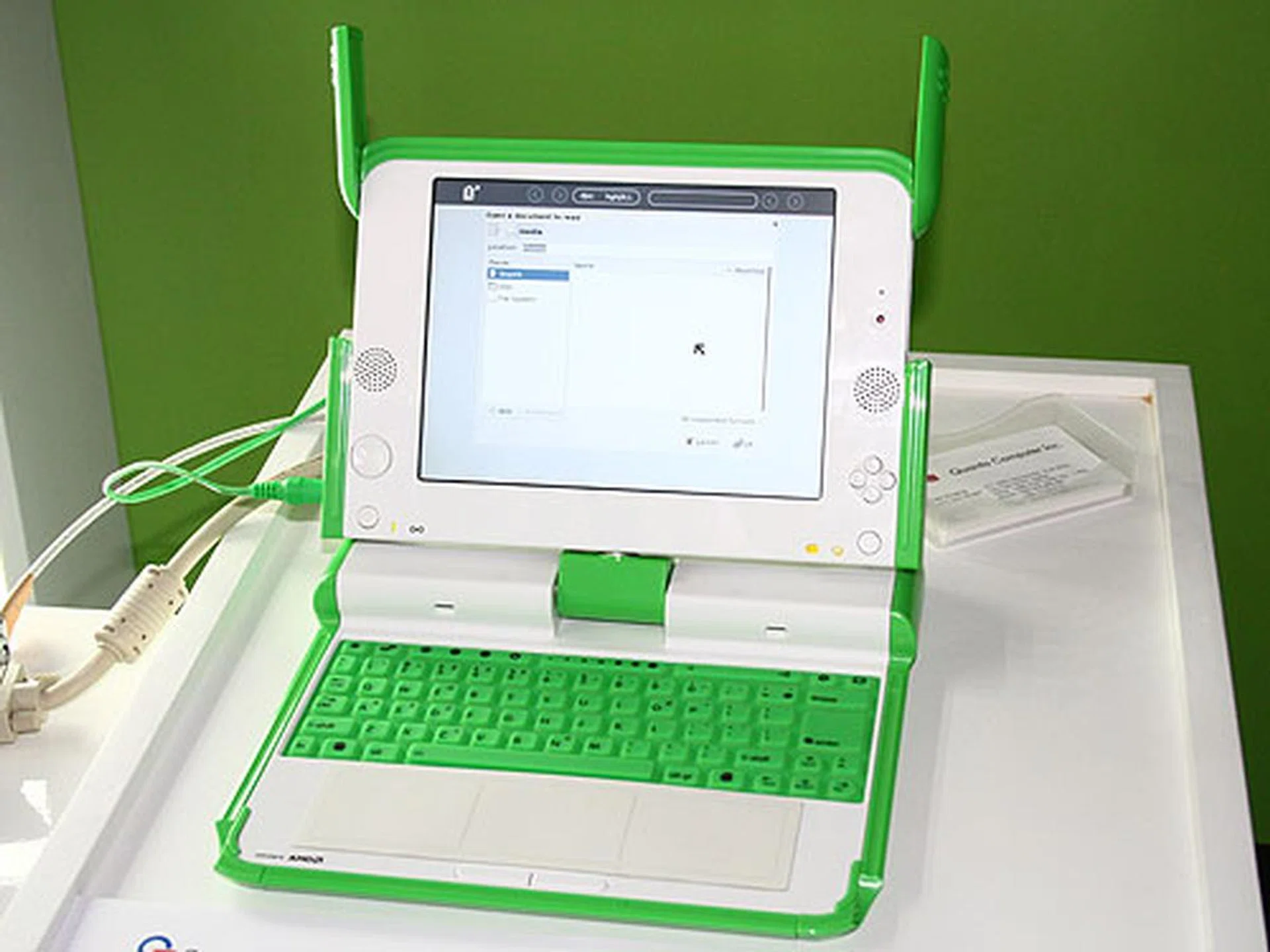
Yet another UMPC on display at AMD's booth. This particular model is from Quanta.
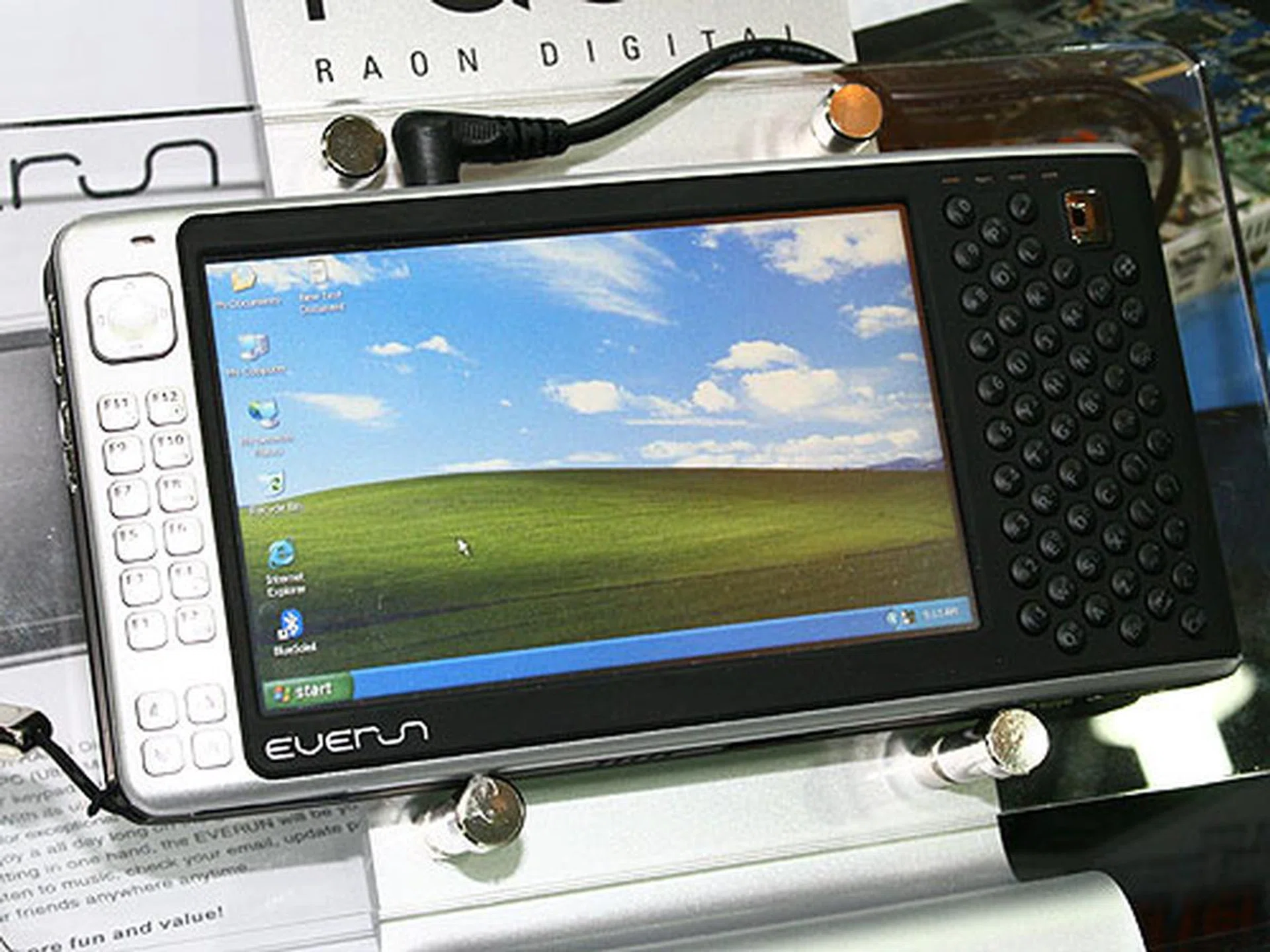
This cool UMPC from Raon Digital uses an AMD Geode LX 900 processor clocked at 600MHz. The device weighs no more than 500g and it runs Windows XP.
AMD's Booth (II)
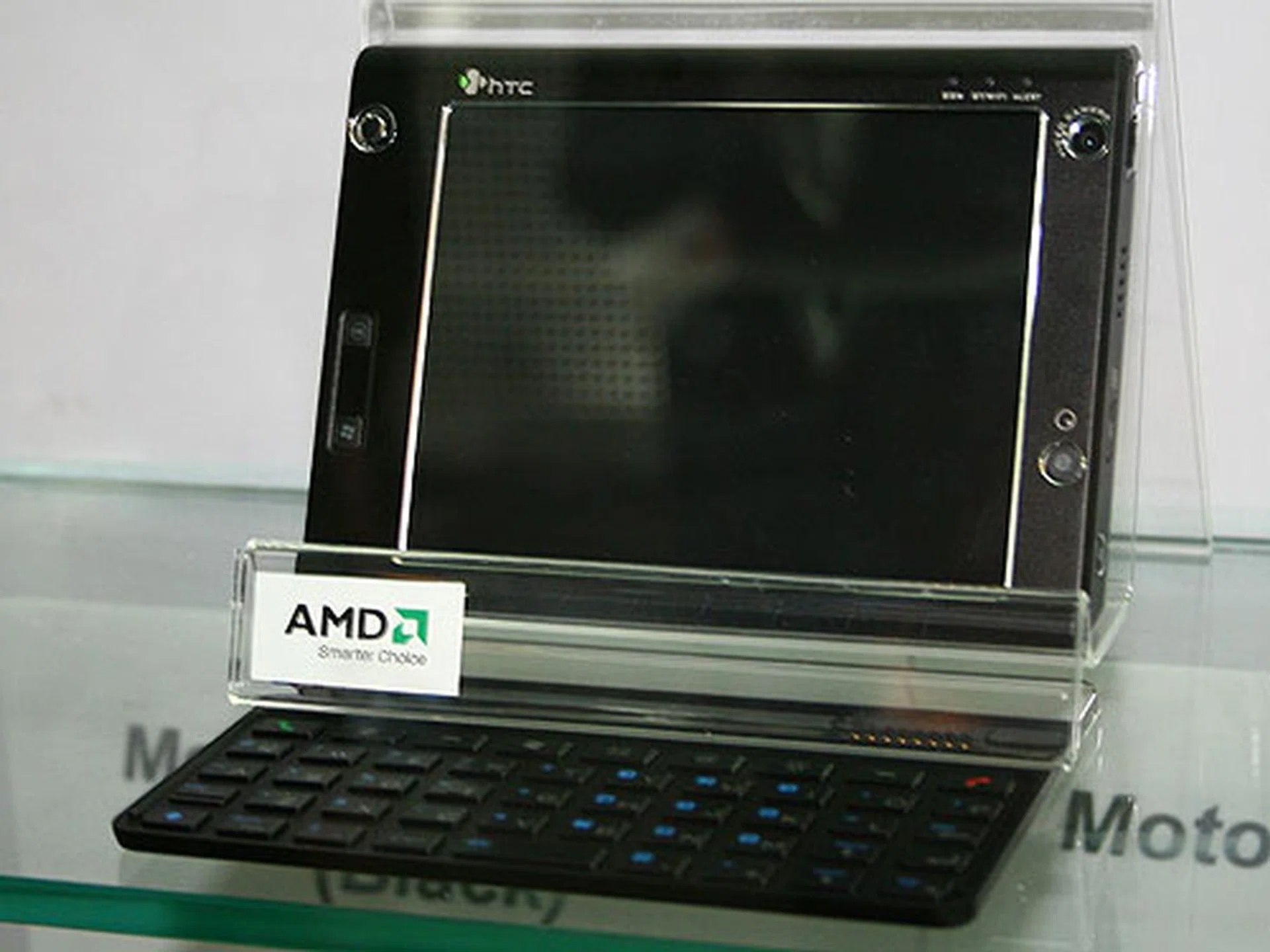
Besides UMPC, AMD also has its interest vested in video processing for mobile devices as well. This particular HTC Advantage device uses an AMD Imageon processor for its display.
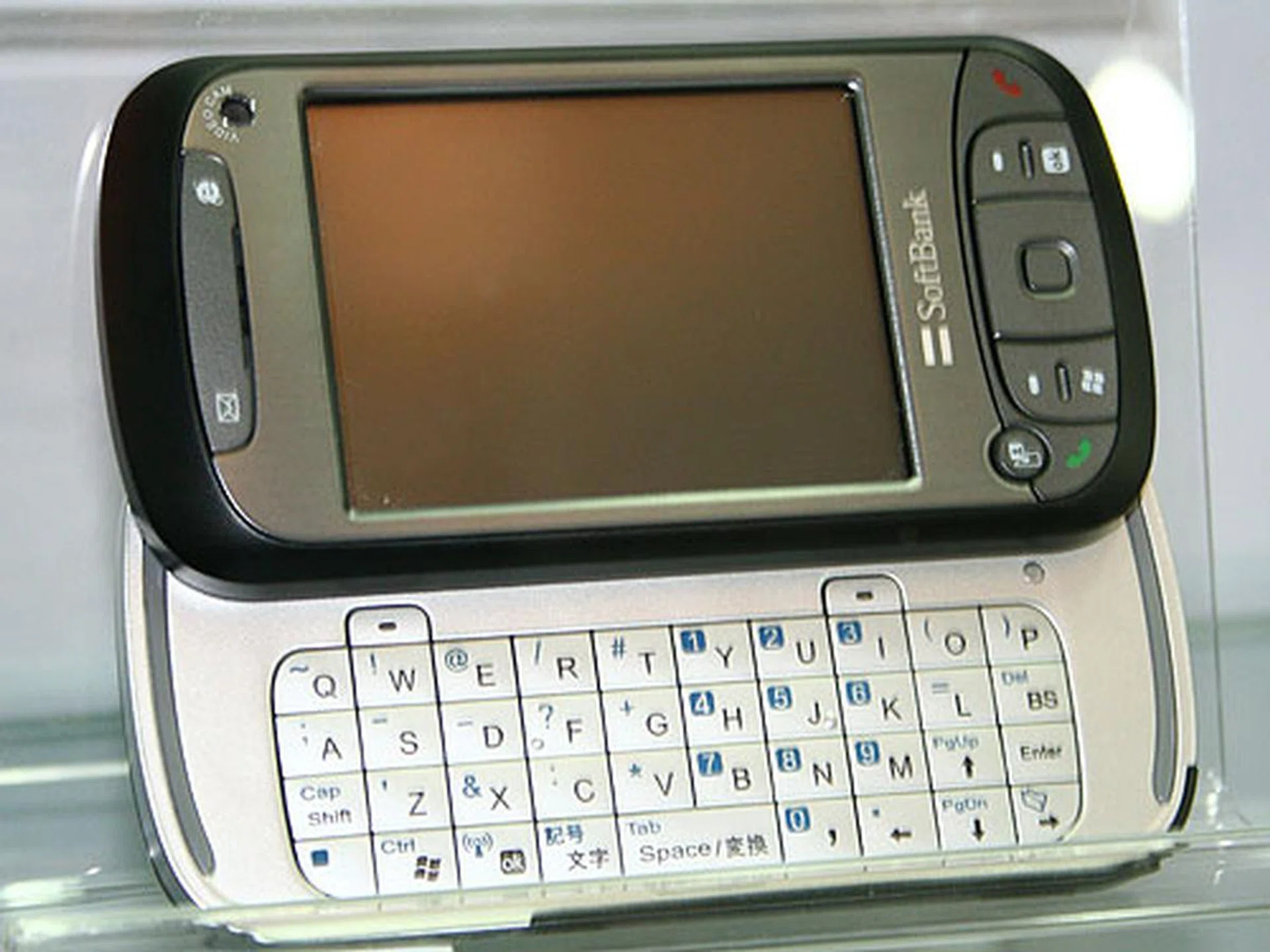
Yet another HTC product (X01HT) which utilizes the AMD Imageon multimedia processor.
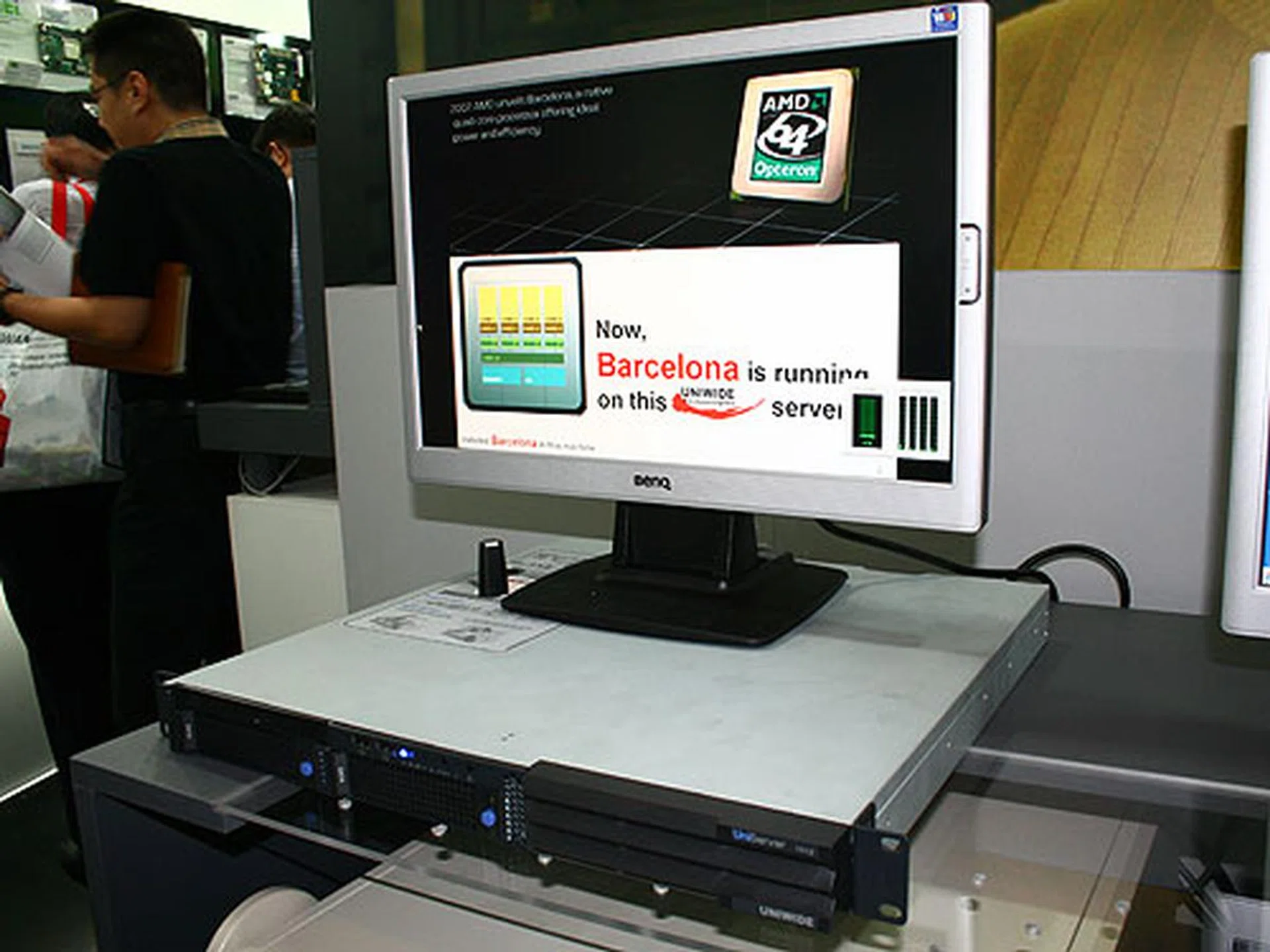
And the most talked about processor was also on demonstration. The quad-core 65nm SOI Barcelona was on display inside this 1U server box.
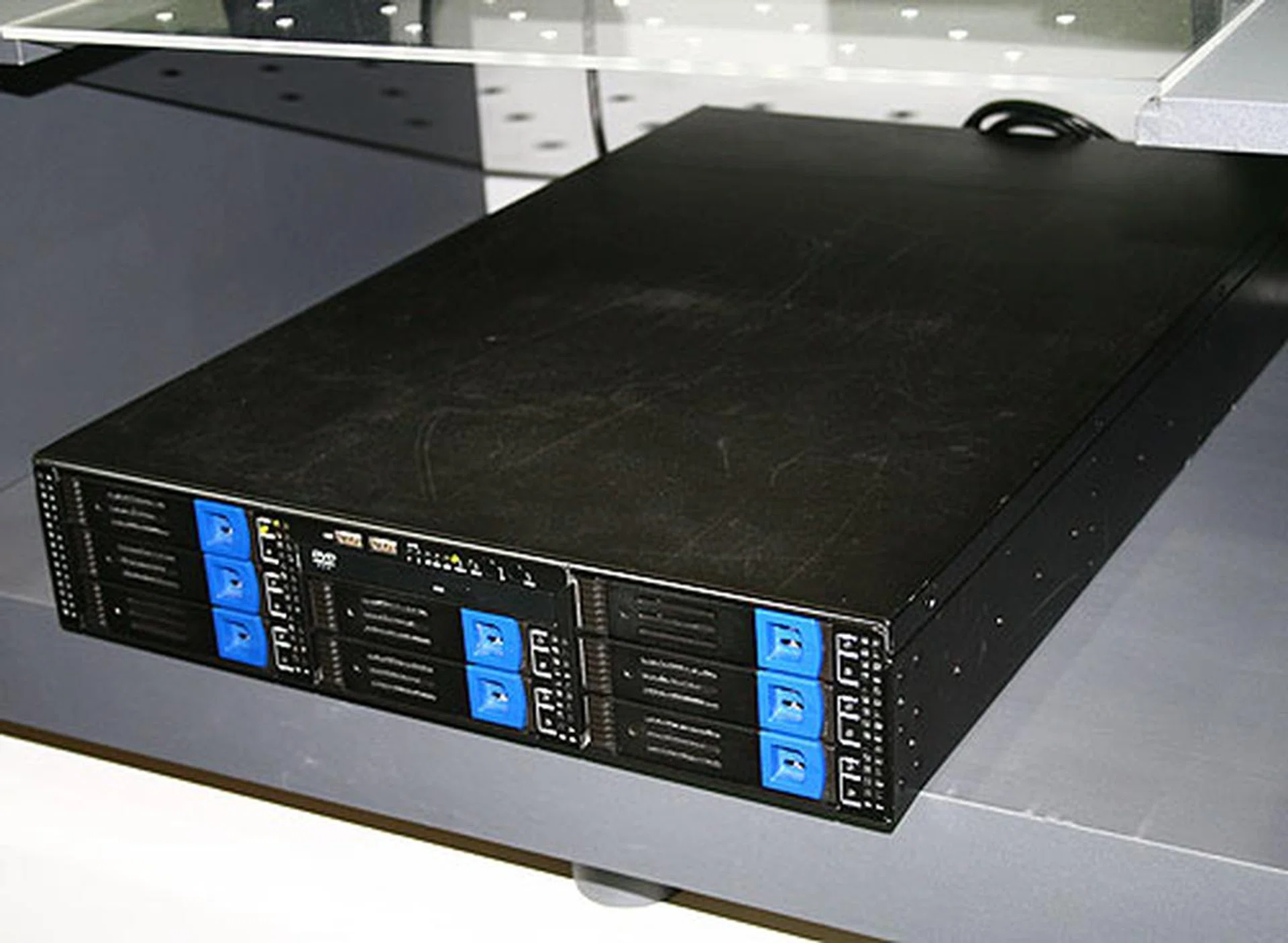
This 2U rackmount server comes with two Barcelona quad-core processors.
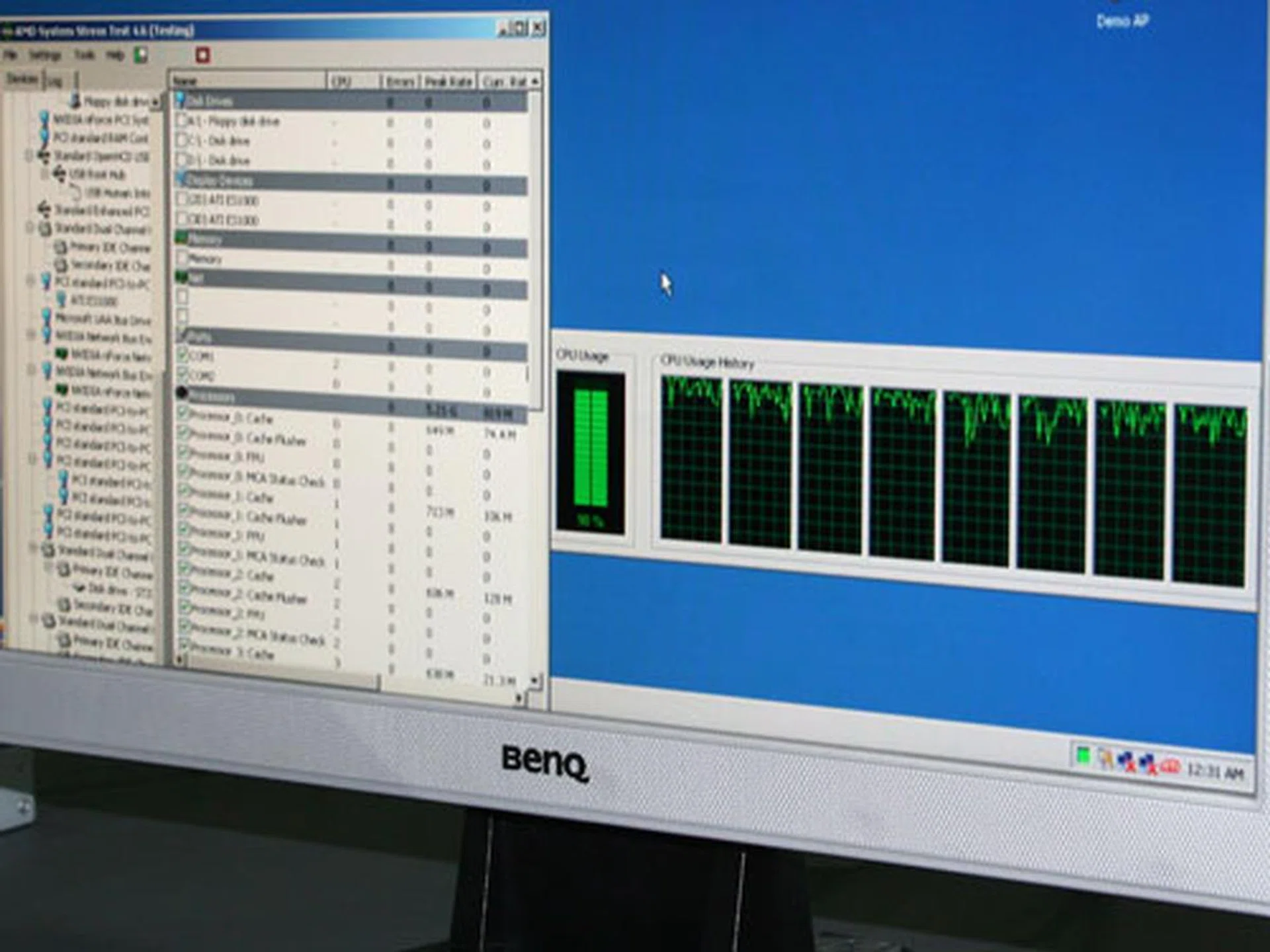
Task manager shows a running 2-way system using the new quad-core Barcelona processor. It doesn't look like it's doing much processing, but Task Manager seems to show that it's running at full load.
Corsair's New DDR3
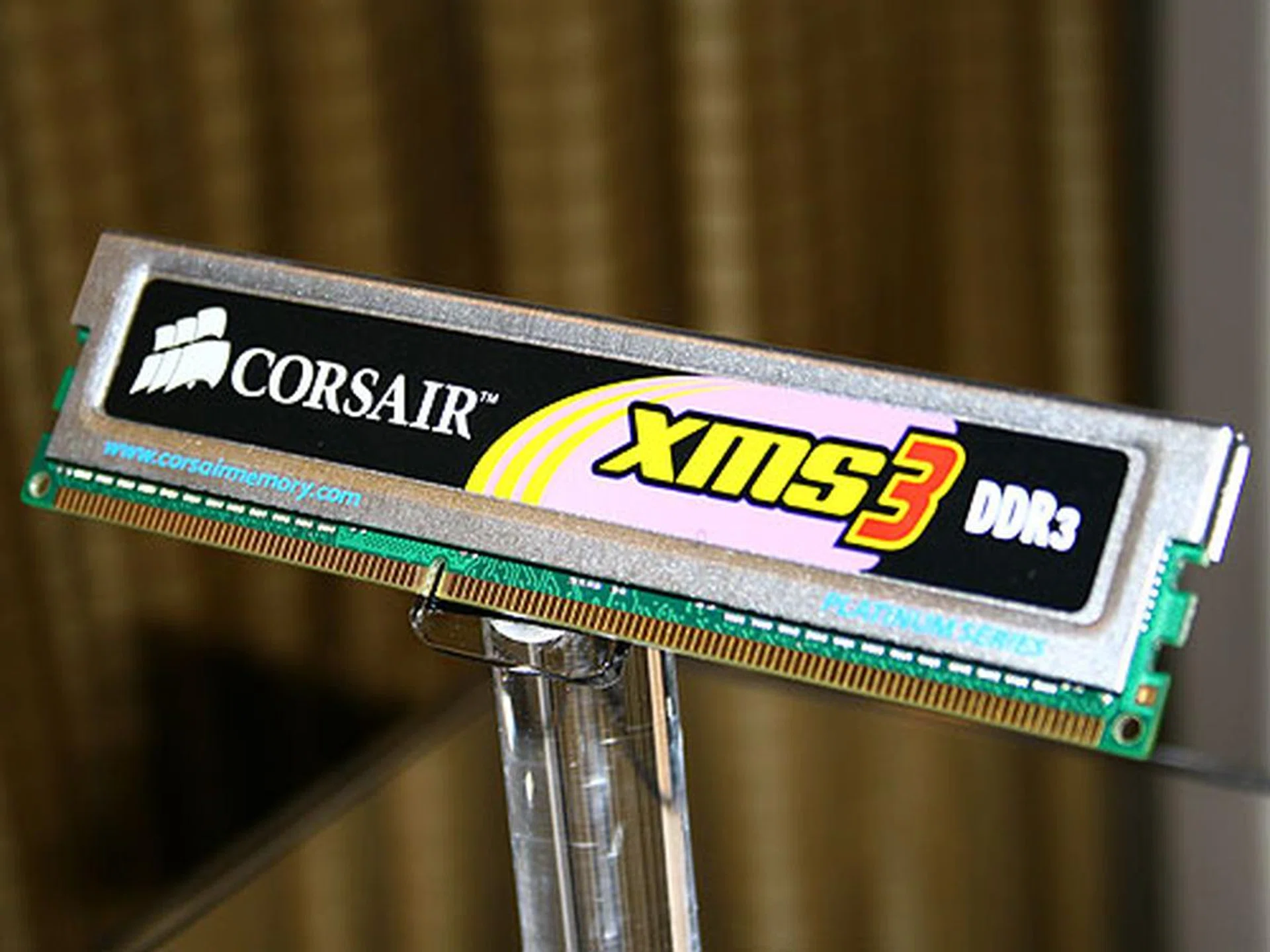
Over at Corsair's suite in Hyatt, we saw some of their upcoming DDR3 modules, starting with the familiar XMS series.
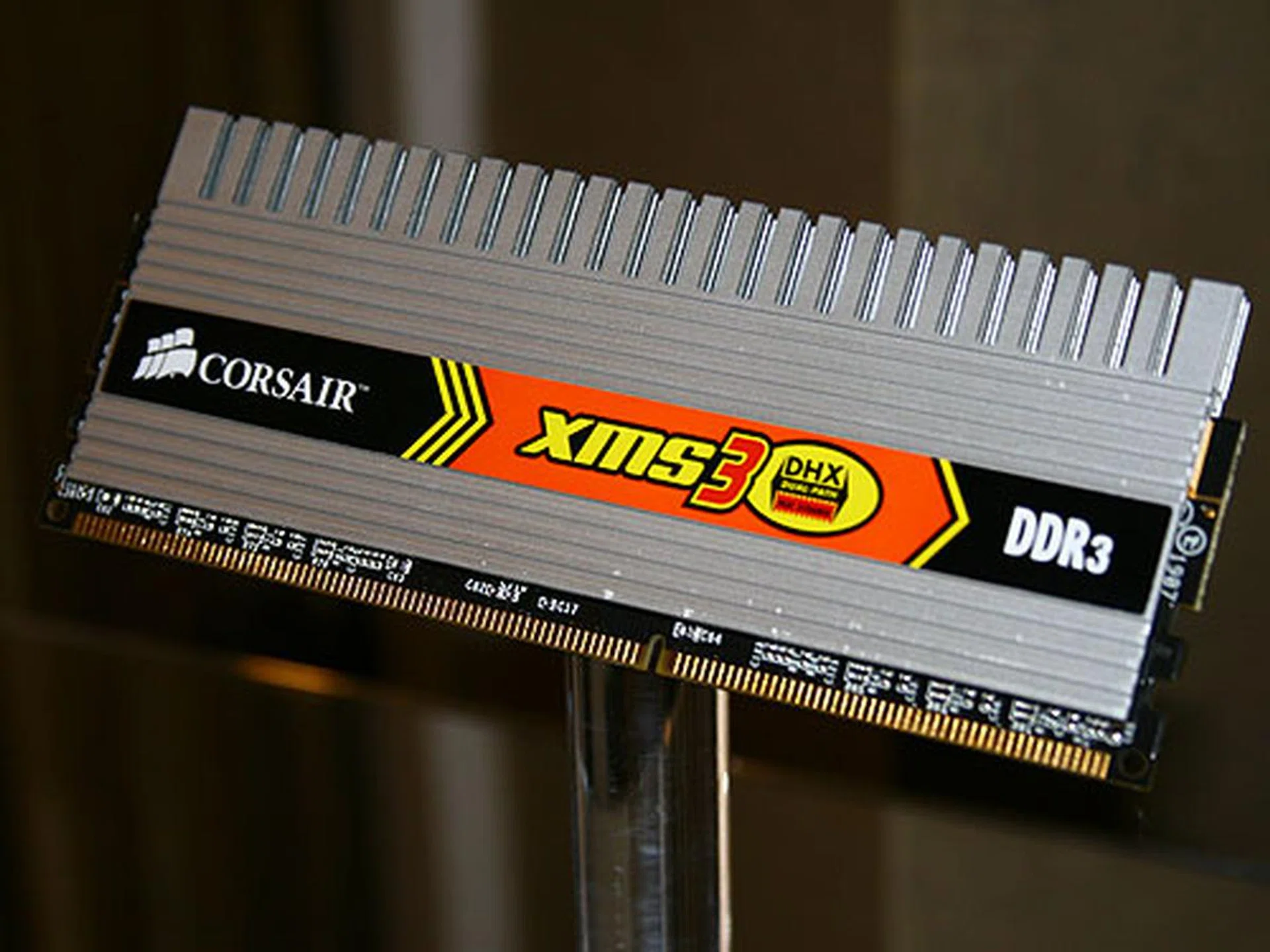
For those who wants something with better cooling, the XMS3 with DHX will be able to offer overclockers better heat management with its larger memory heat spreaders.
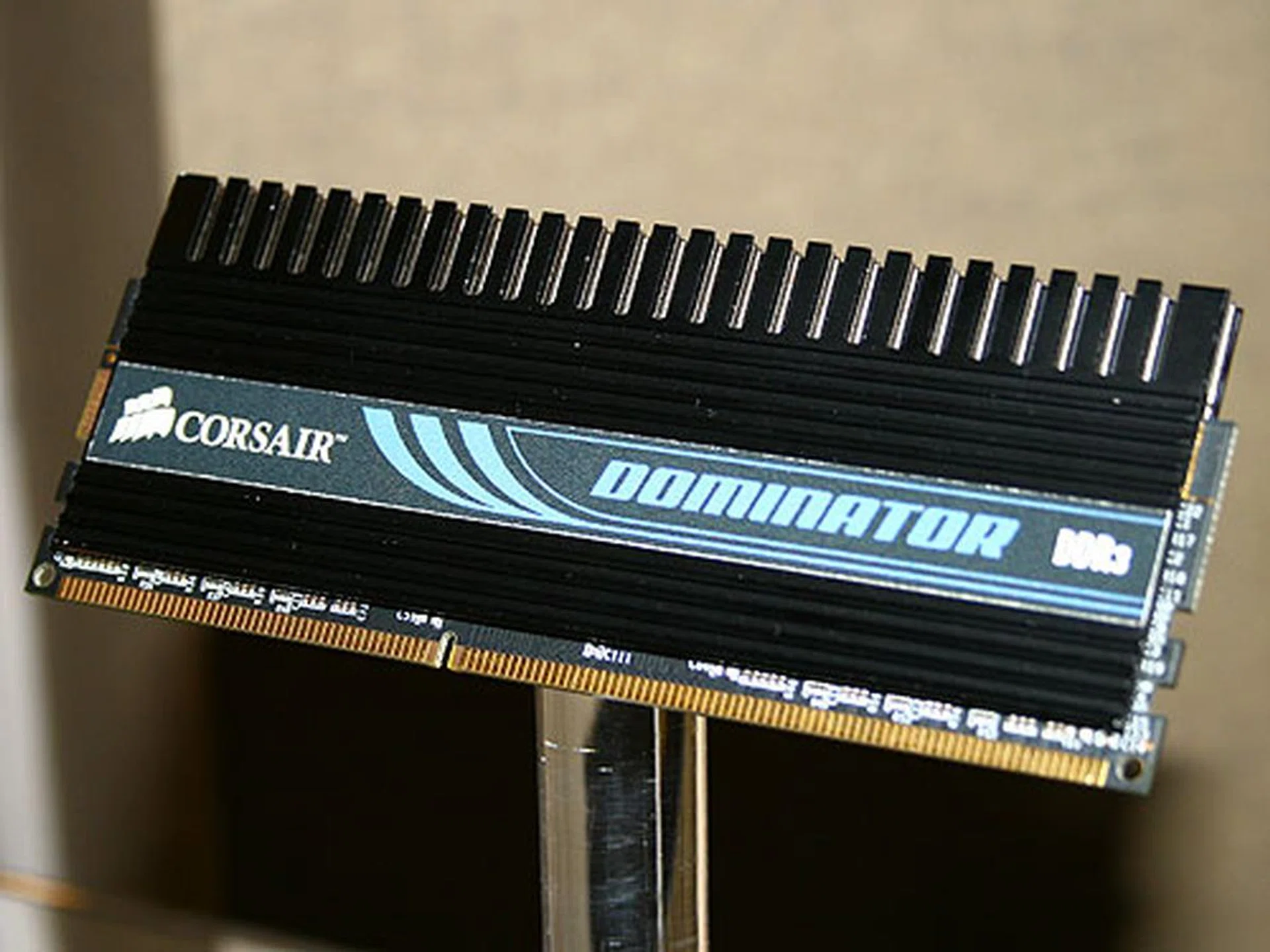
For the ultimate in speed and latency, you can always expect to find Corsair's Dominator DDR3 modules.
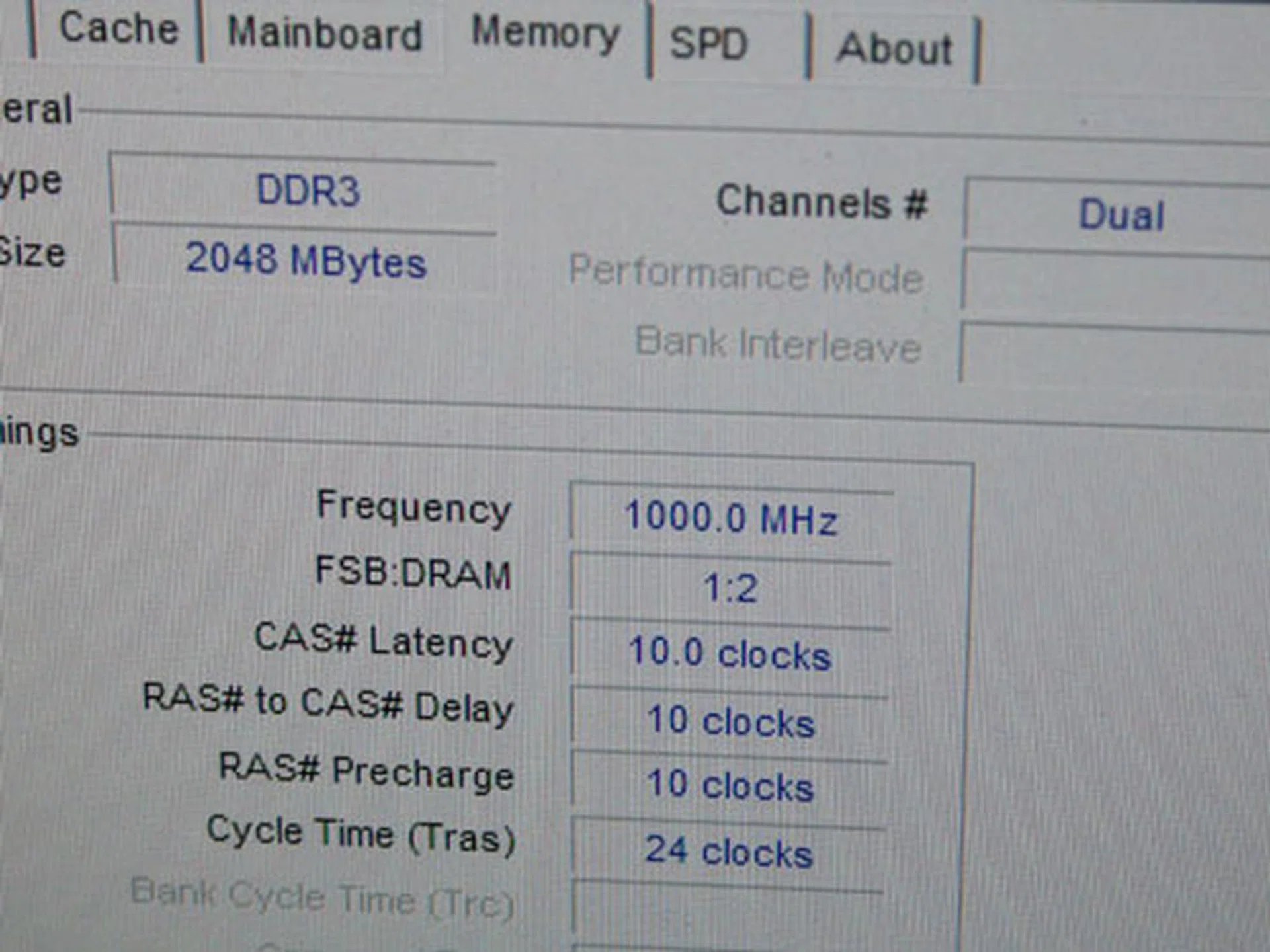
Corsair's Dominator modules were on demo at their suite. This screenshot shows a pair of Dominator DDR3 modules running at 2GHz, with 10-10-10-24 clock timings.
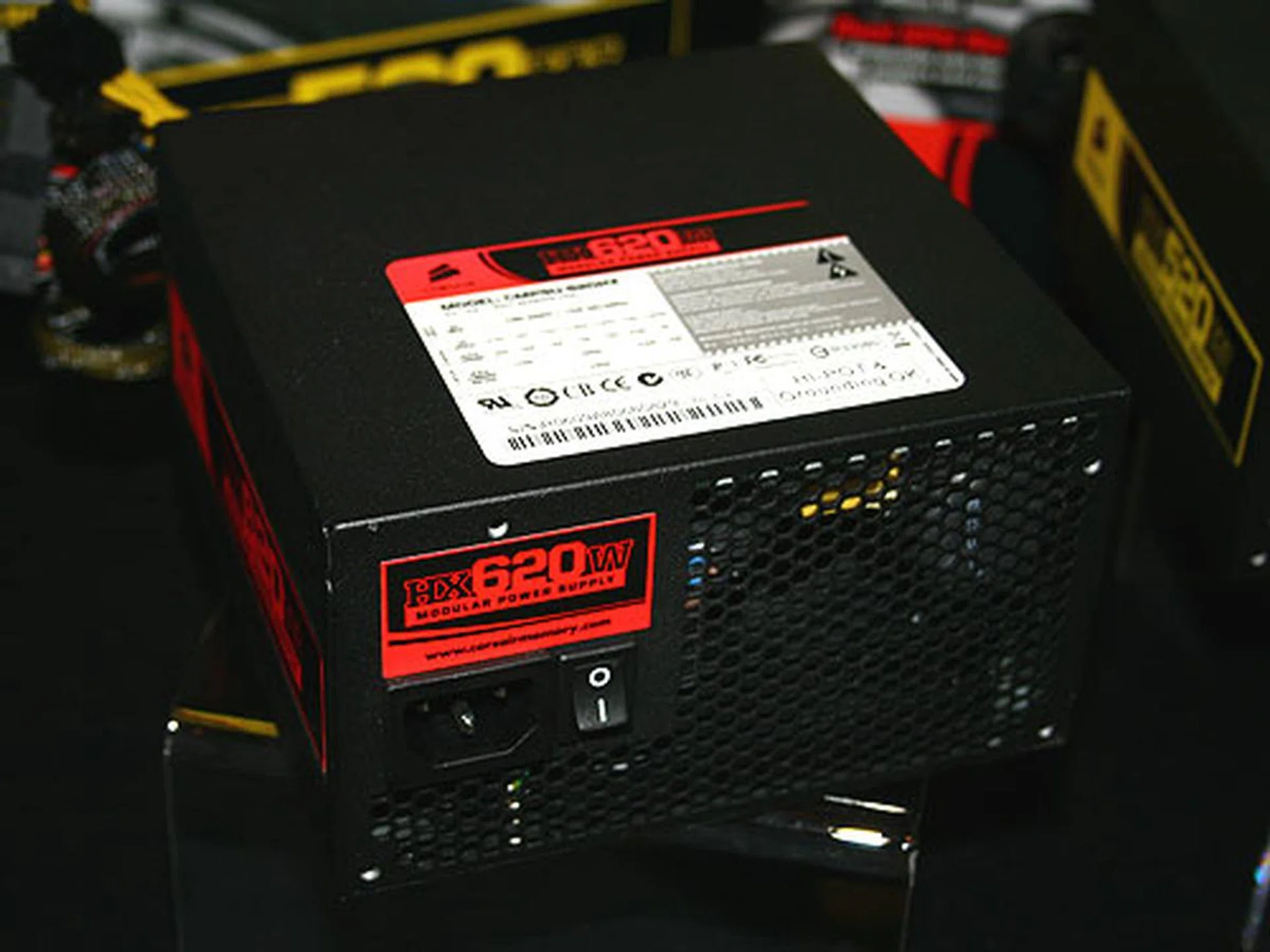
The Corsair HX620W power supply should be making its way into store shelves soon.
Thecus' New NAS & DAS
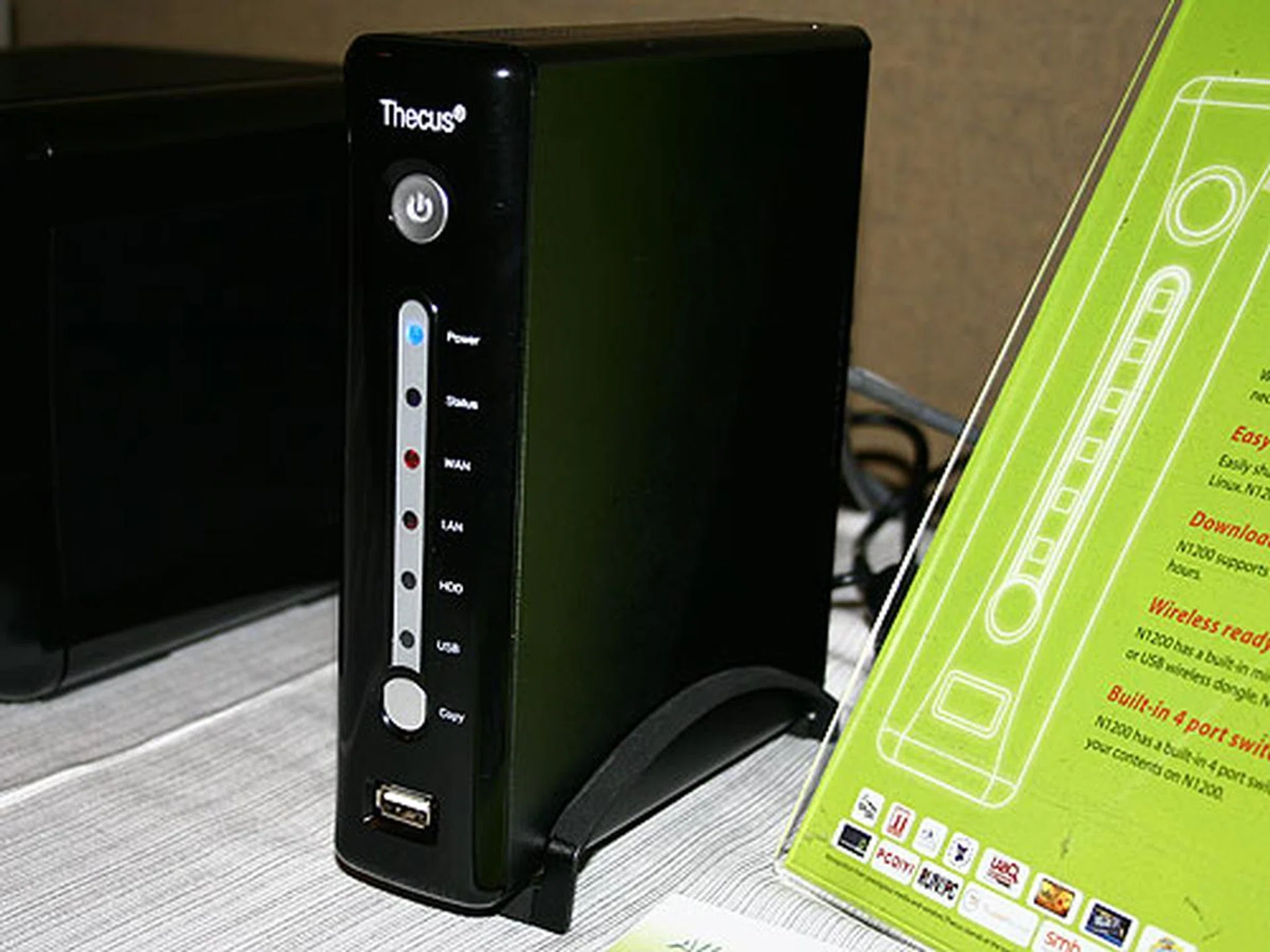
The Thecus N1200 is a single drive NAS device that supports either 2.5- or 3.5-inch hard disk drives. It comes with an eSATA port for immediate storage expansion and it also comes with a 4-port Fast Ethernet switch that lets you connect more devices to it. Its software supports serving video, audio and photo files as well as FTP, HTTP and BitTorrent scheduled downloads.
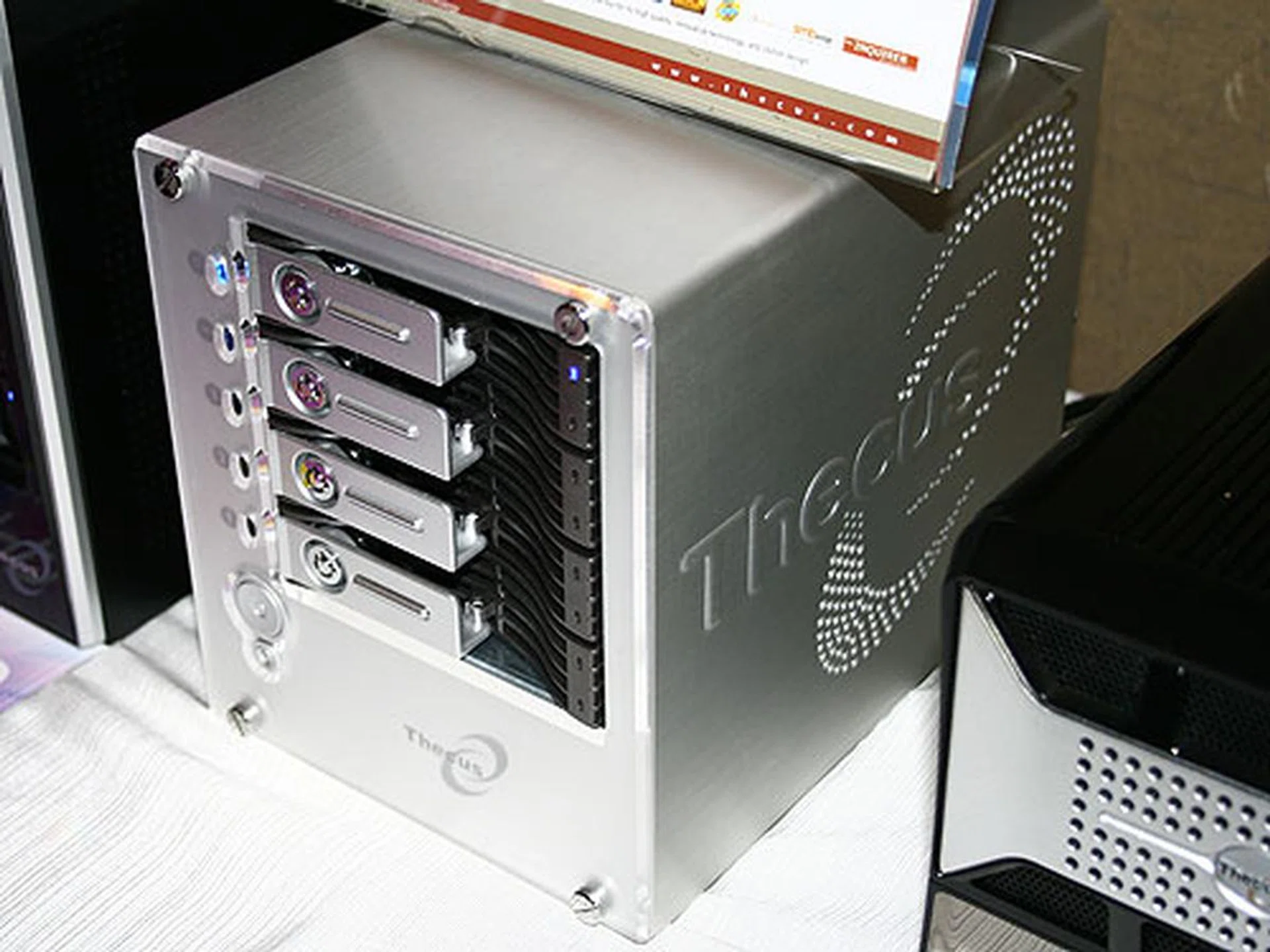
The updated Thecus N4100+ now comes with all the features of the older N4100, plus an additional USB port for additional storage expansion.
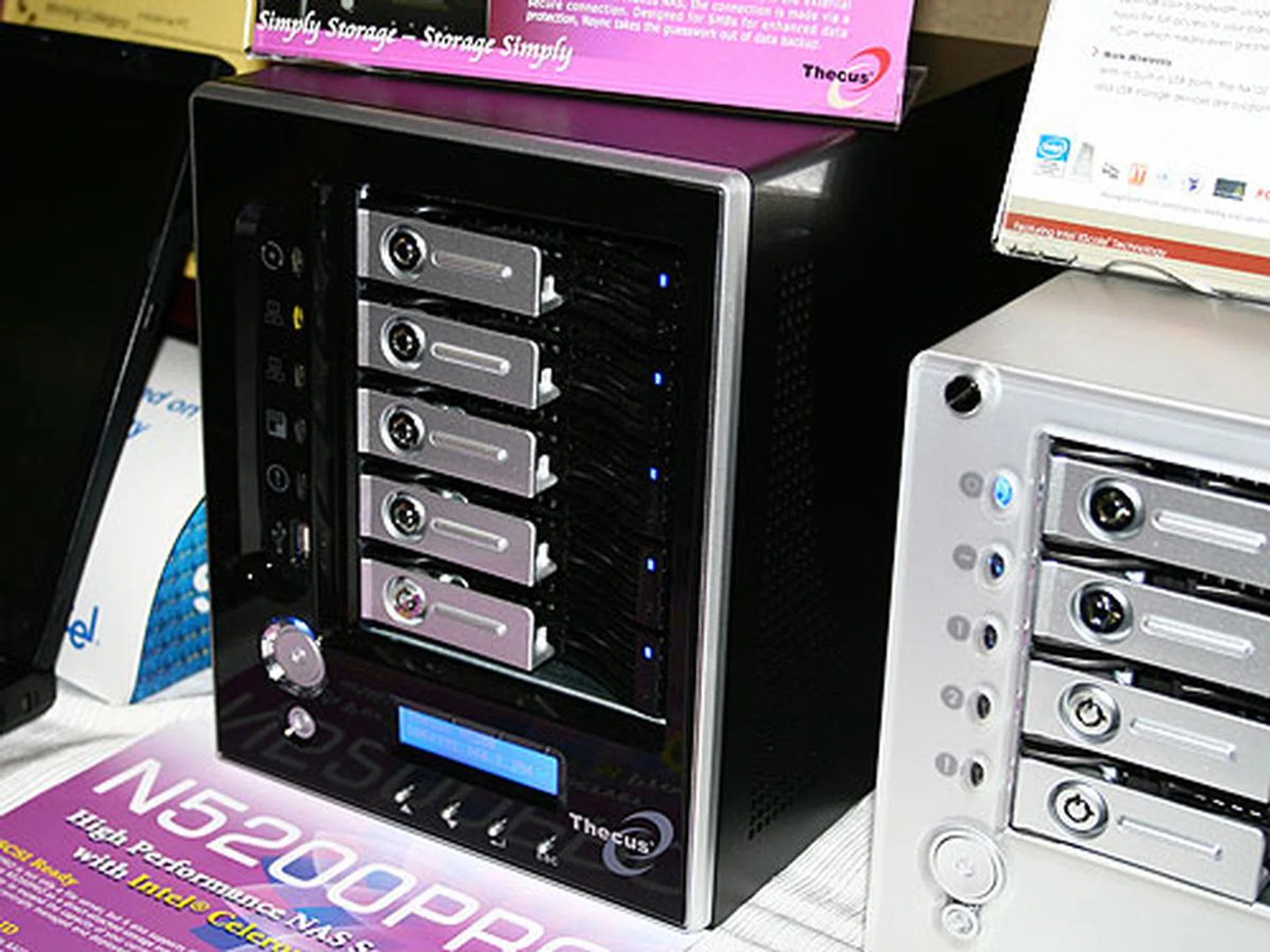
The new Thecus N5200PRO is now updated with a faster Celeron M 1.5GHz CPU and support for iSCSI. Besides these new upgrades, the N5200PRO will also support multiple RAID modes, giving you more configuration options.
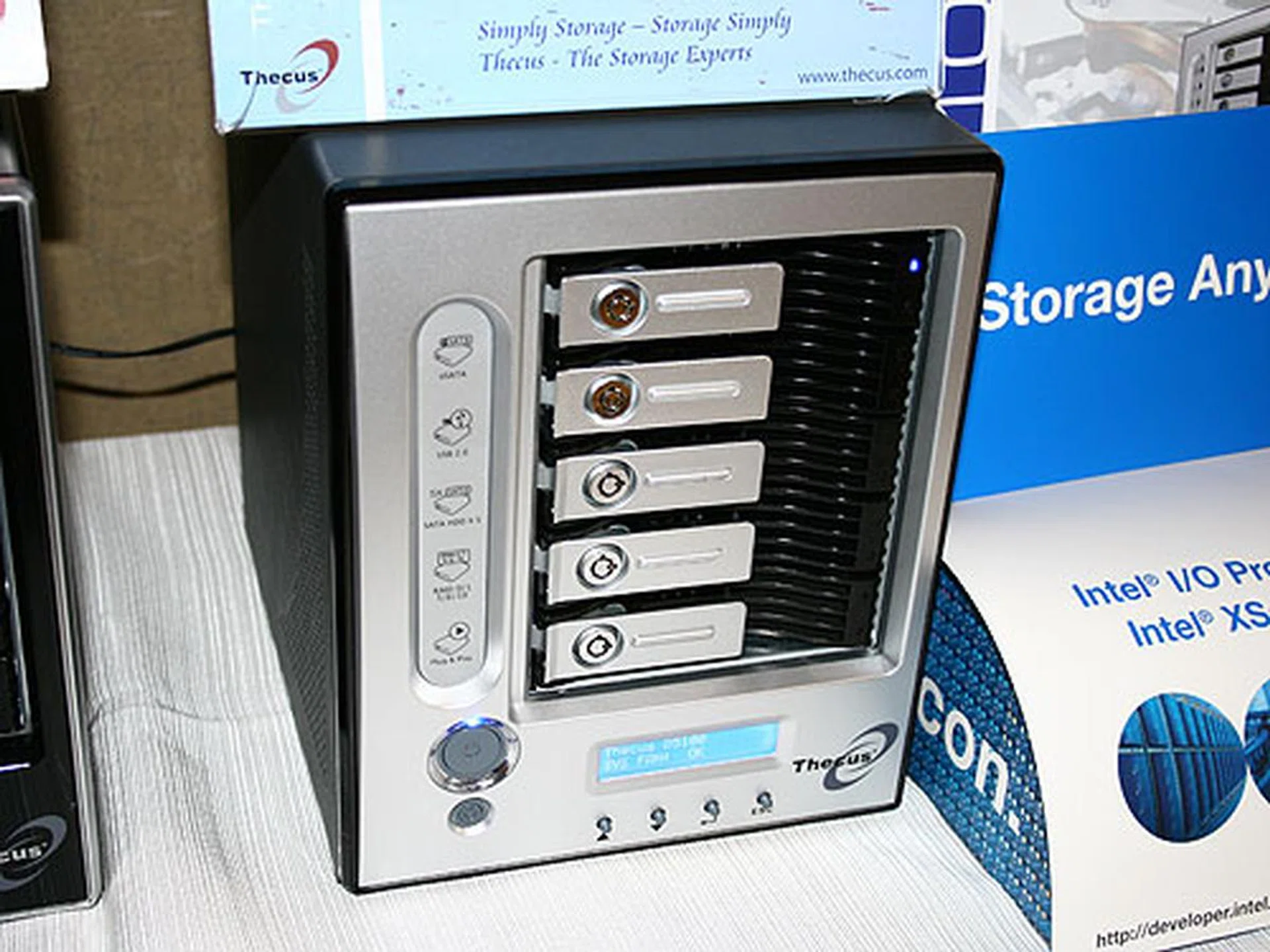
The Thecus D5100 is a five bay direct attached storage device supporting RAID levels 0, 1, 5, 6, 10 and JBOD. It can be connected directly to the PC using either its eSATA or USB port and it comes with Gigabit Ethernet/serial/USB ports for management purposes.
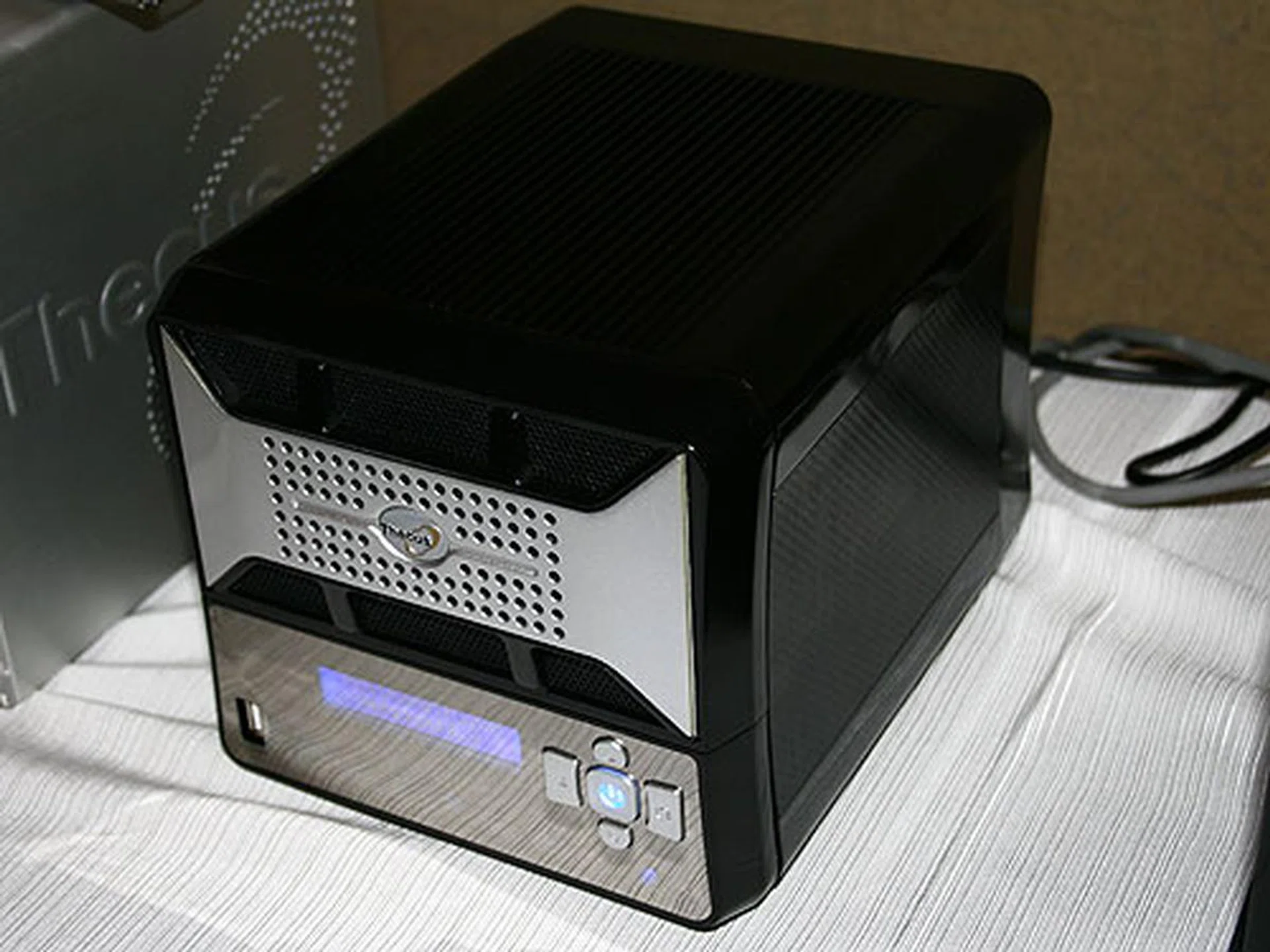
The new N3200 prototype shown at Thecus suite is a three bay NAS device supporting RAID levels 0, 1, 5 and JBOD. It supports Gigabit Ethernet, eSATA and USB. It has three hot swappable bays for 3.5-inch SATA II hard disk drives and the familiar Thecus NAS software that gives you the ability to serve music, photos and videos.
Realtek's Wireless USB
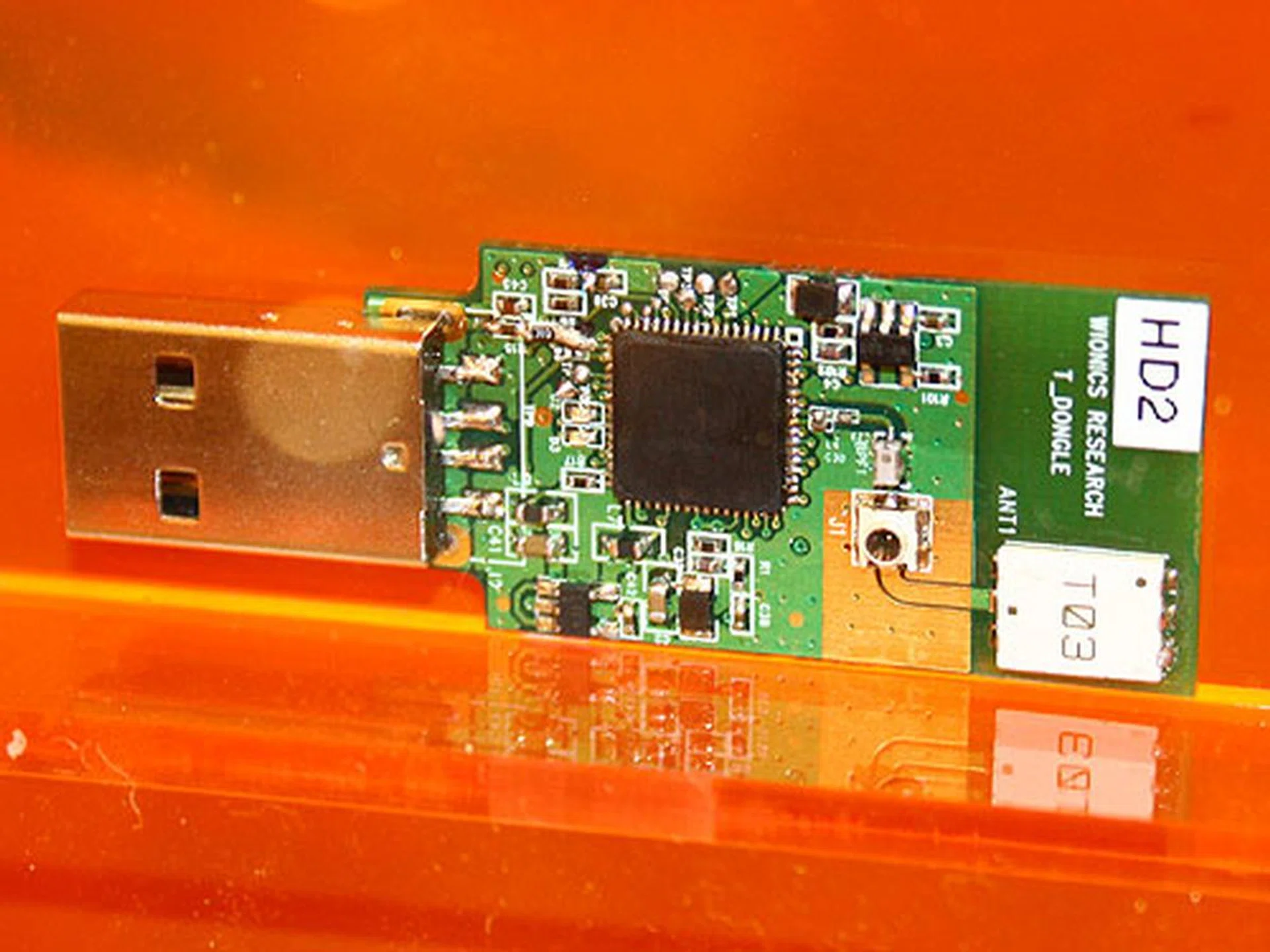
Realtek's wireless USB dongle.
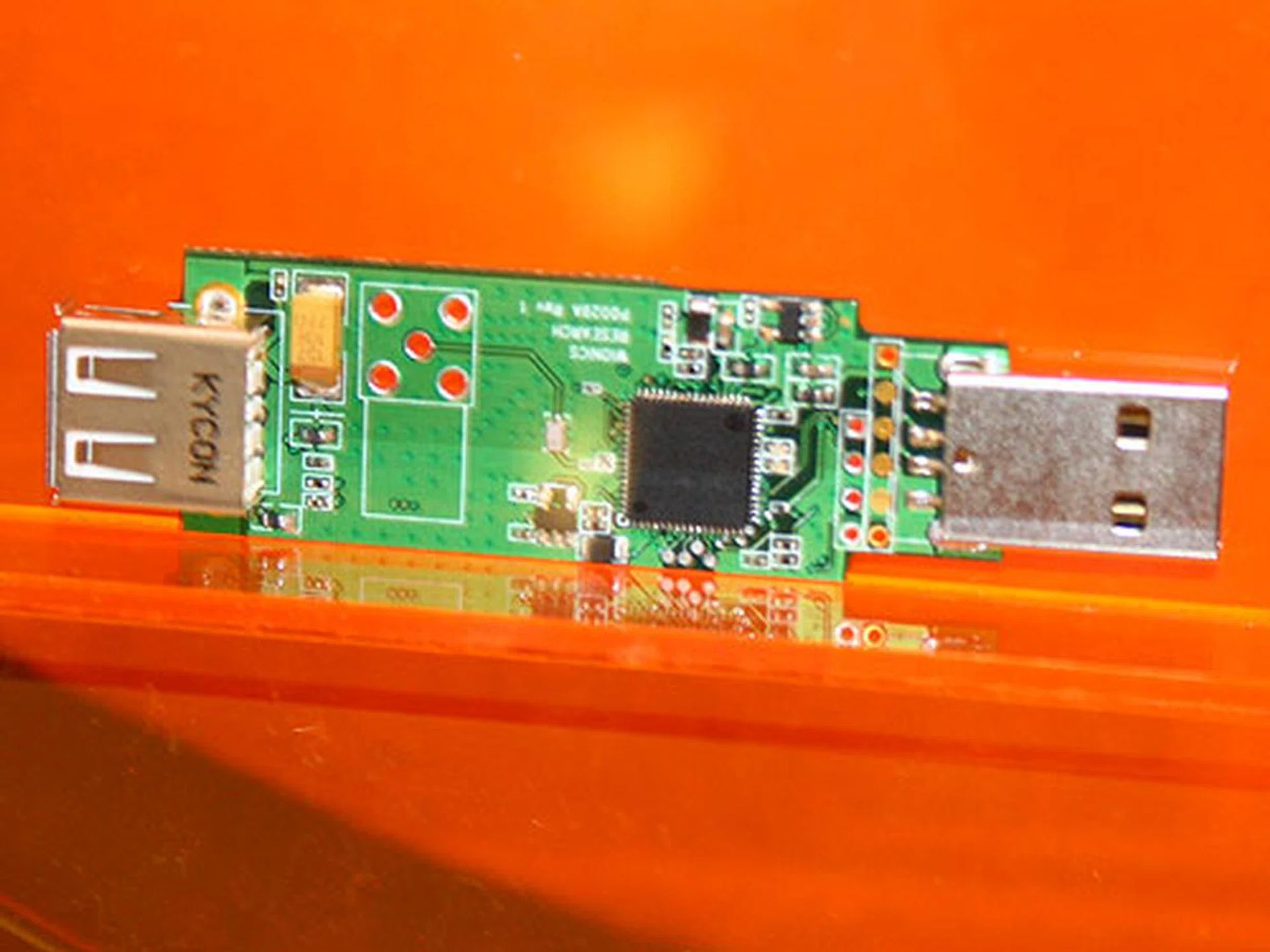
Another wireless USB dongle with a USB upstream port for firmware upgrade and cable association and a downstream port for connecting to any existing USB device.
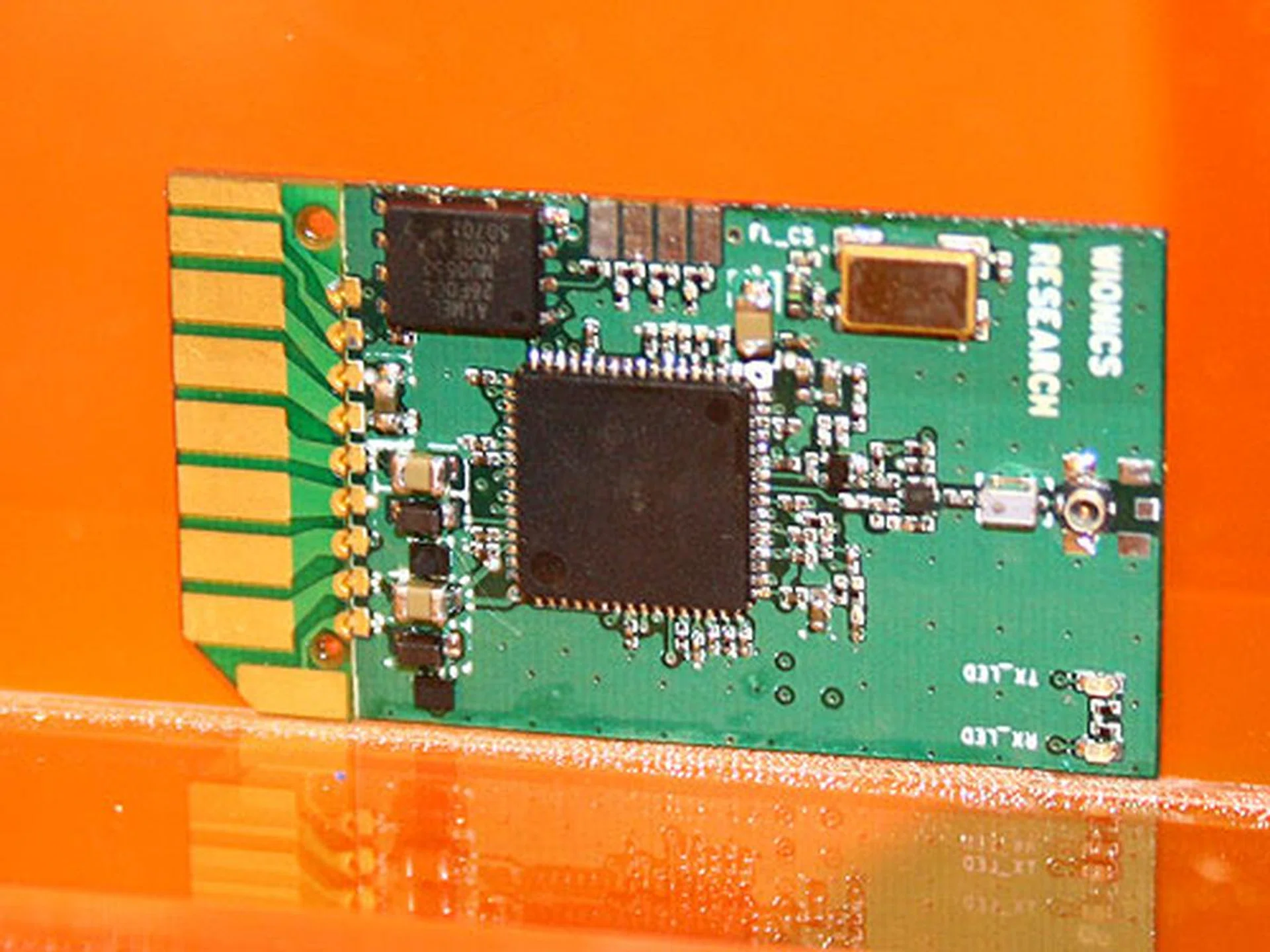
This wireless USB SD card makes it possible to add wireless connectivity to devices that uses an SD interface.
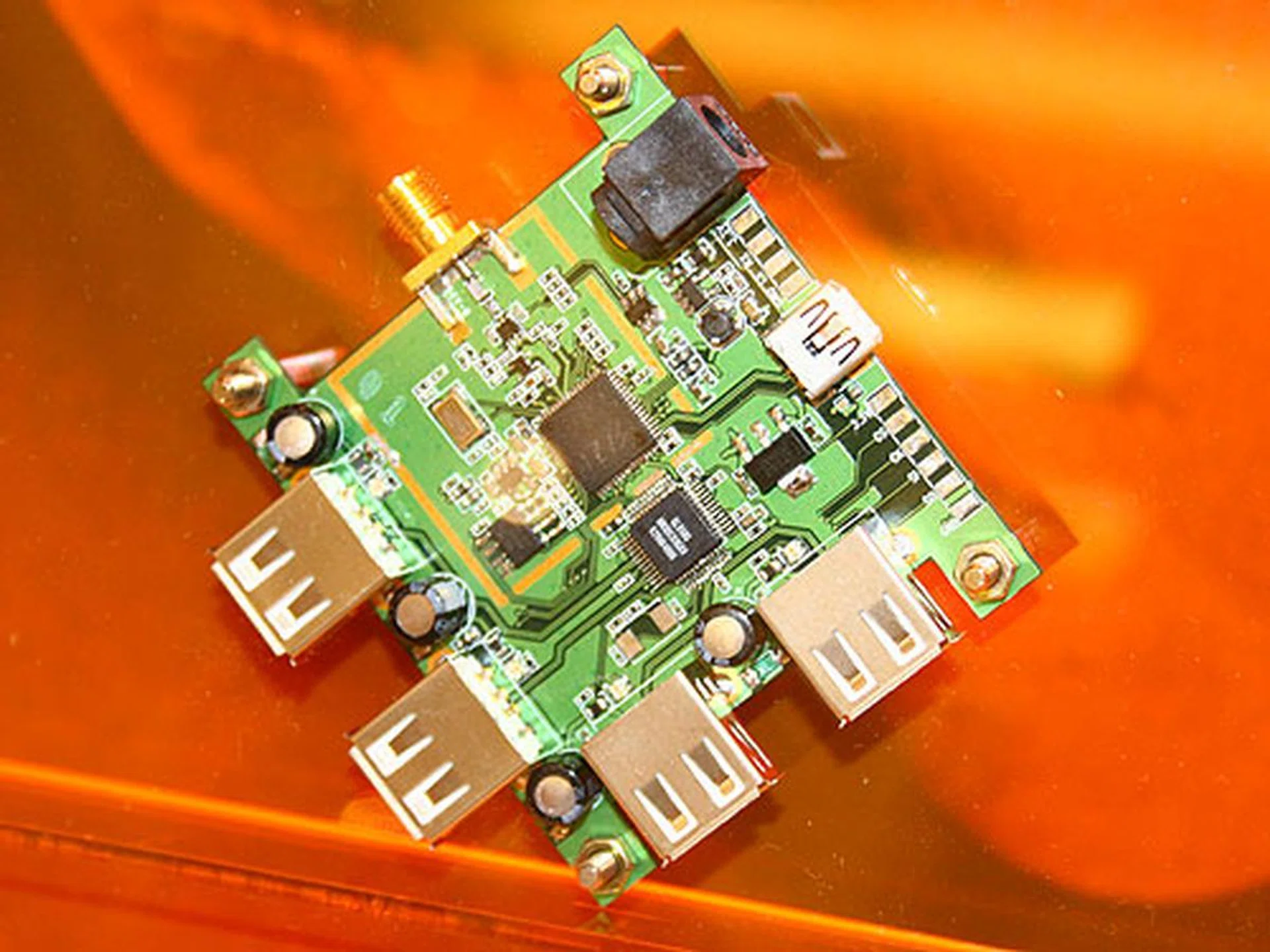
With this wireless USB hub, all you need is a power adapter and you can have up to four devices connected to your PC - wirelessly. Of course, your PC should have a wireless USB dongle connected to it too.
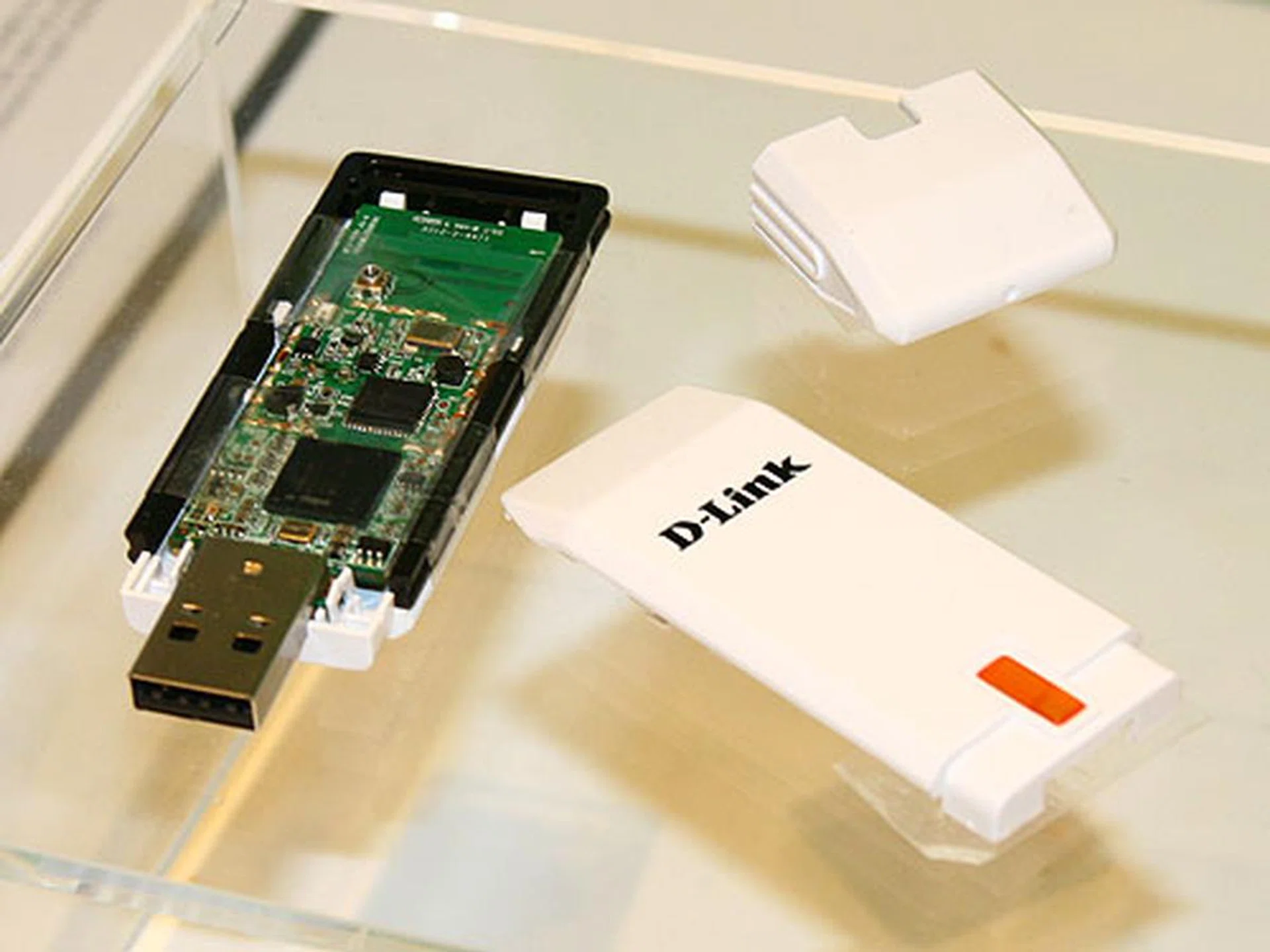
D-Link's wireless USB dongle will be using Realtek's solution. Looks like it's ready to be shipped very soon. According to Realtek, it would be this year end.
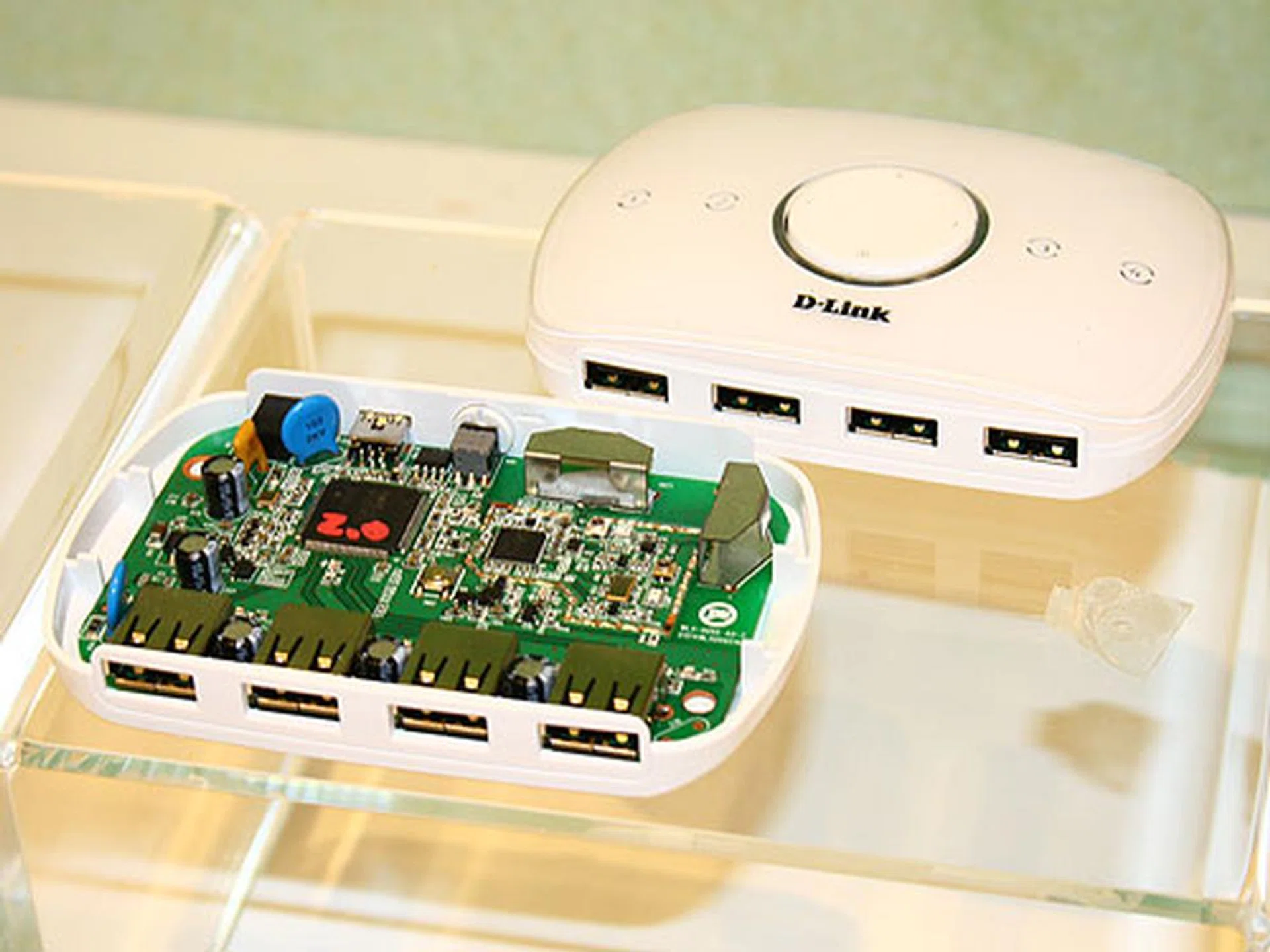
D-Link's wireless USB four-port hub.
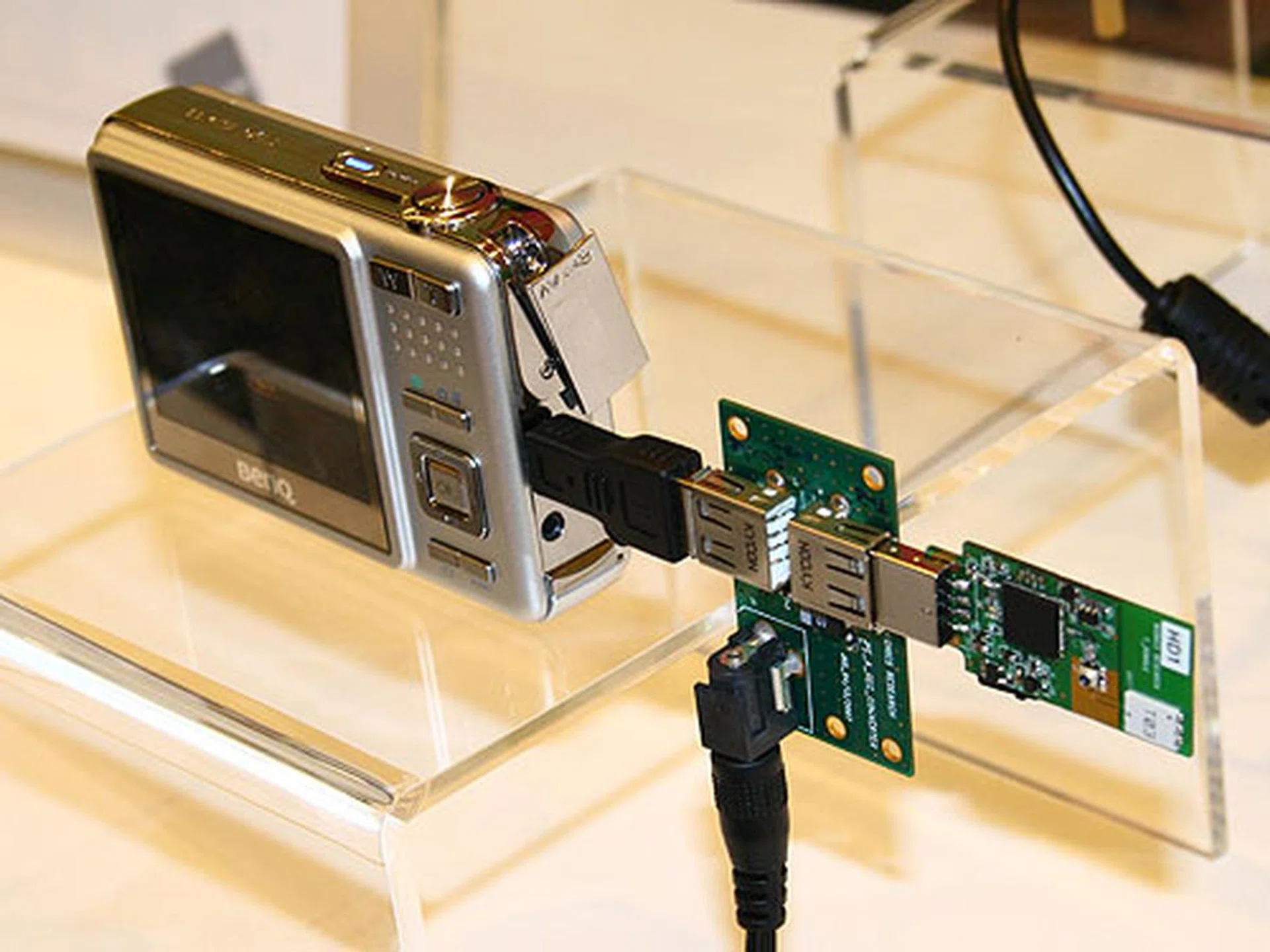
A demonstration of a digital camera printing to a printer through this wireless USB adapter.
Our articles may contain affiliate links. If you buy through these links, we may earn a small commission.