
Preview - MSI P35 "Bearlake" Motherboards
You've seen our CeBIT 2007 coverage on MSI's upcoming P35 motherboards, but you haven't seen our closed door shots of the boards with all their peripherals intact. What does MSI have up their sleeves? Take our special preview tour of the MSI P35 Platinum D3 and P35 Neo series motherboards.
MSI P35 Platinum D3 - DDR3 Comes Home
We continue our post-CeBIT Intel P35 "Bearlake" motherboard preview with a new range of boards from MSI. This time, we managed to get a closer look at a DDR3 implementation and a wacky new chipset cooler in MSI's P35 Platinum D3 motherboard. That's right folks, the P35 Platinum D3 will have a full set of 1.5V DDR3 DIMM slots that will - according to MSI - support DDR3 speeds up to 1333MHz.
Like Gigabyte though, MSI will have two variants of their high-end P35 board, one with only DDR2 (P35 Platinum) and one with DDR3 (P35 Platinum D3). However, from what we've heard, you will have to wait a little bit longer for the D3 to hit store shelves. MSI have expressed that since the market isn't quite ready for DDR3 yet, they will initially launch the P35 Platinum first.
Now we've already covered what can be said about the P35 chipset in our last preview, so let's just get right into MSI's offerings.
NOTE: The motherboards previewed in this article are based on engineering samples and demo units. Although their features are mostly finalized at this point, specifications and components may still change in the final retail versions.
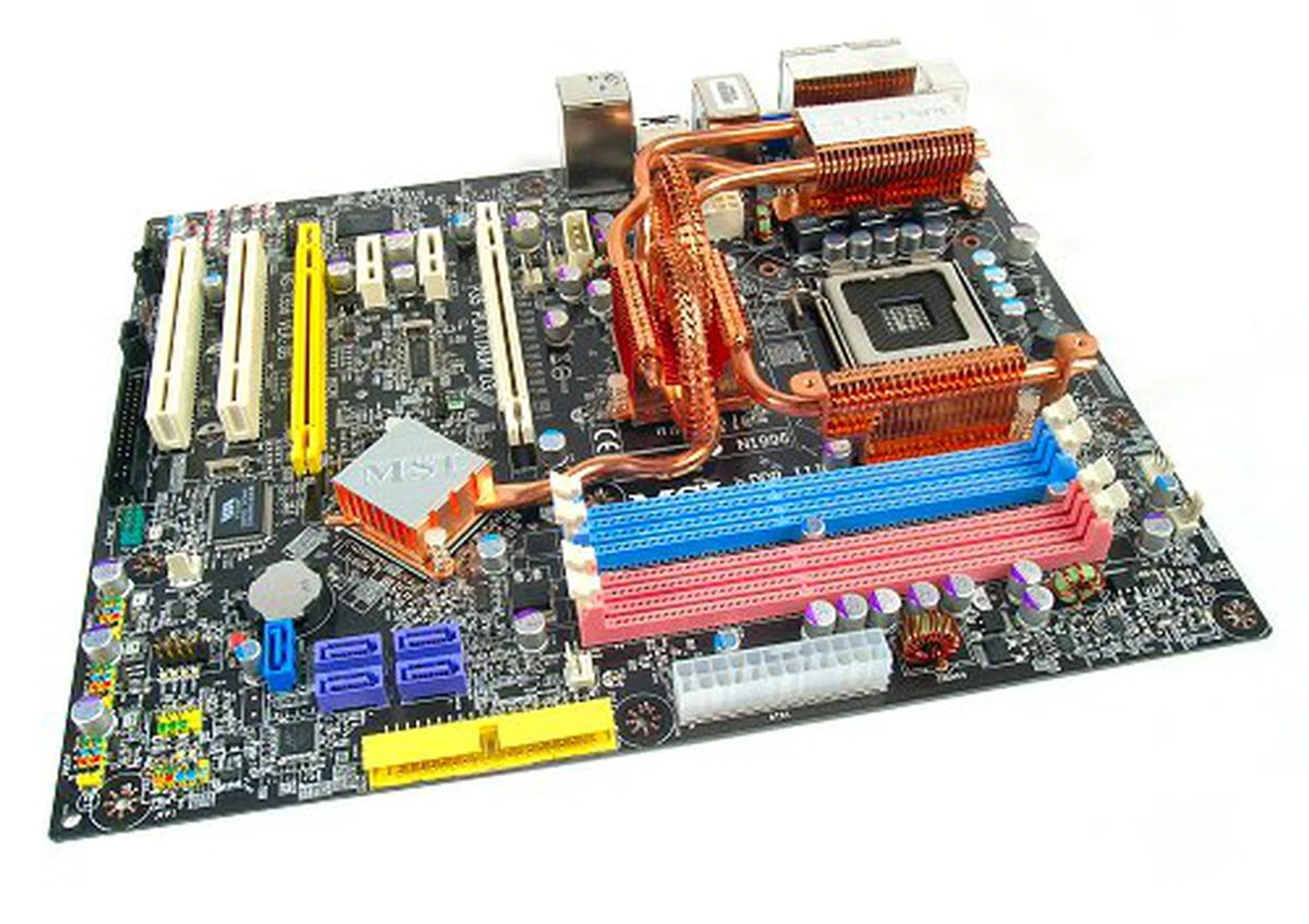
MSI's P35 Platinum D3 motherboard will be DDR3 compatible.
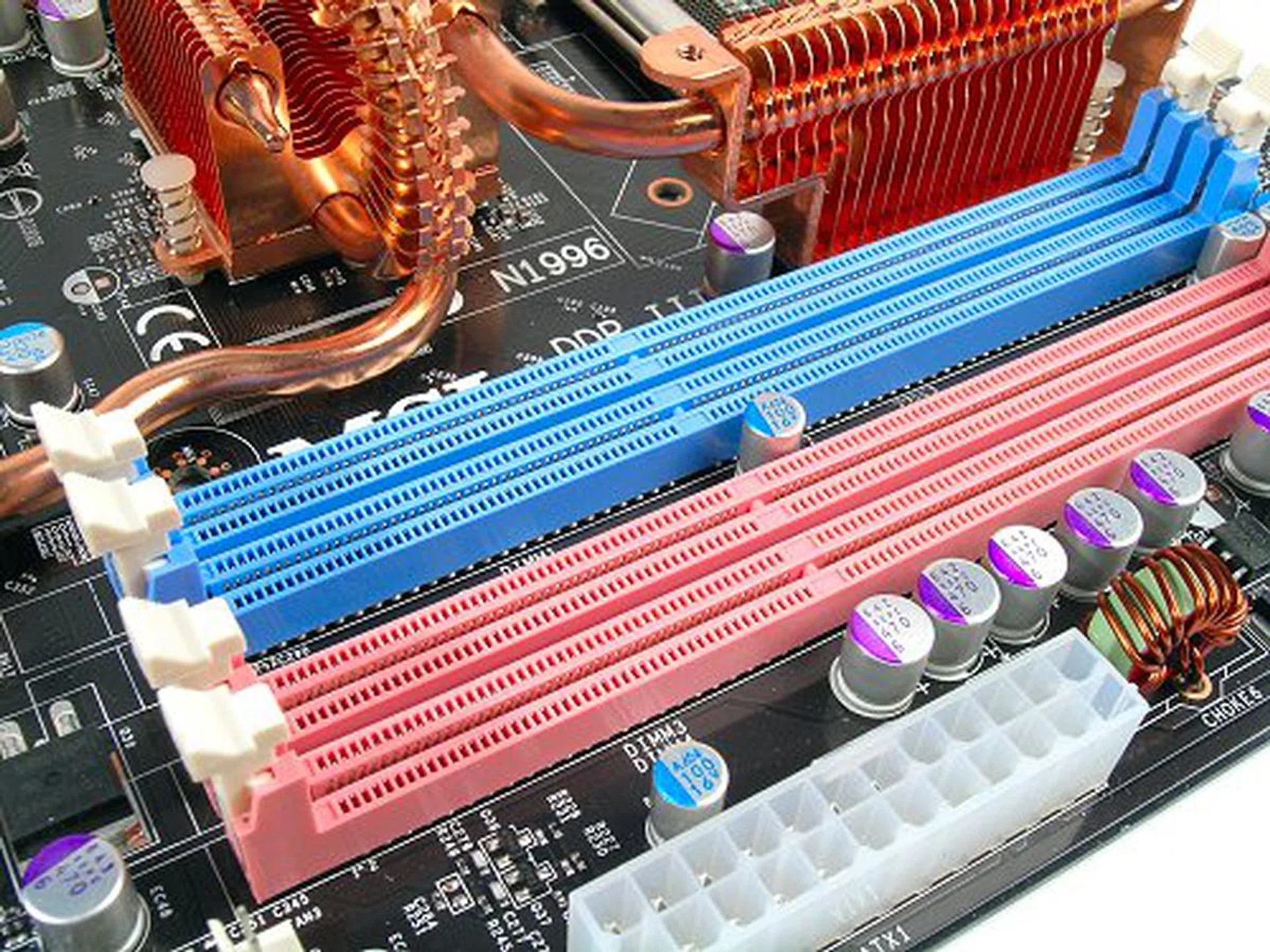
The P35 Platinum D3 (the 'D3' suffix is important) will include a full set of DDR3 memory slots. There is a regular P35 Platinum board as well that will only feature DDR2 slots. MSI will not produce hybrids for their high-end boards.
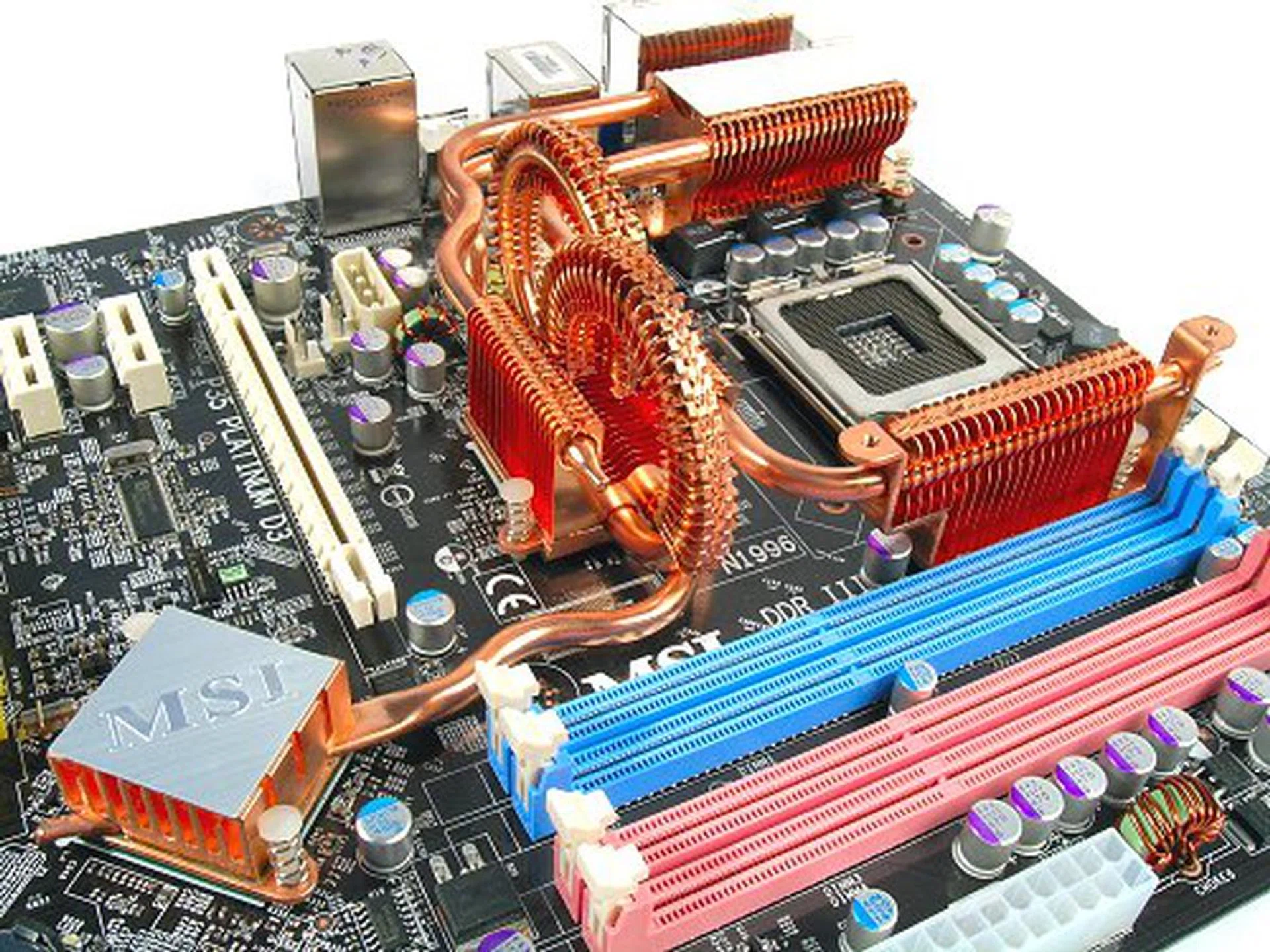
MSI takes its queue from its rivals and the supposed increased heat output of the P35 chipset to design a radical new chipset cooler taken straight out from a roller coaster.
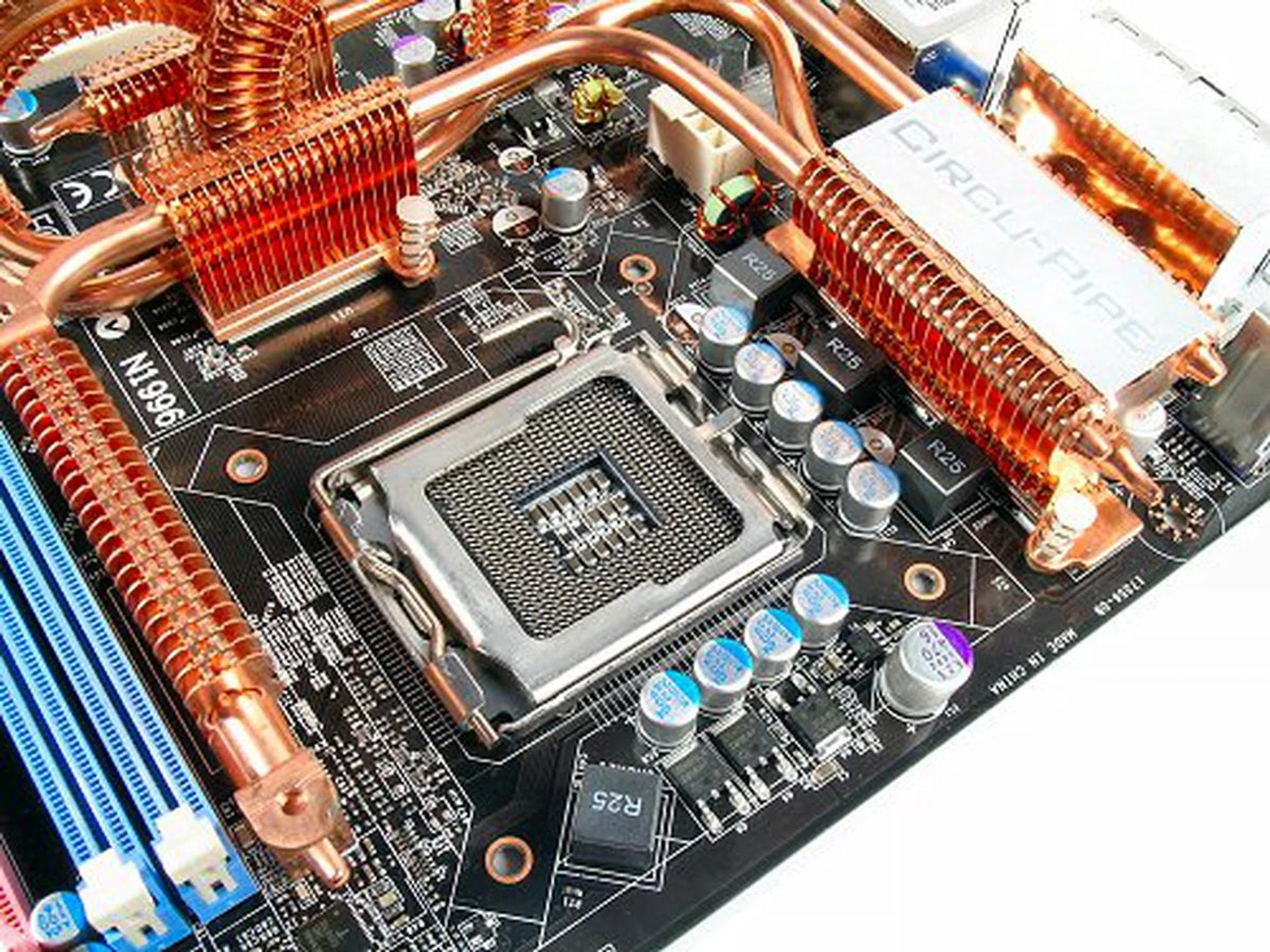
CPU socket on the board is surrounded by the heat-pipe system, but because of the slim nature of MSI's Circu-Pipe design, the area is still quite spacious.
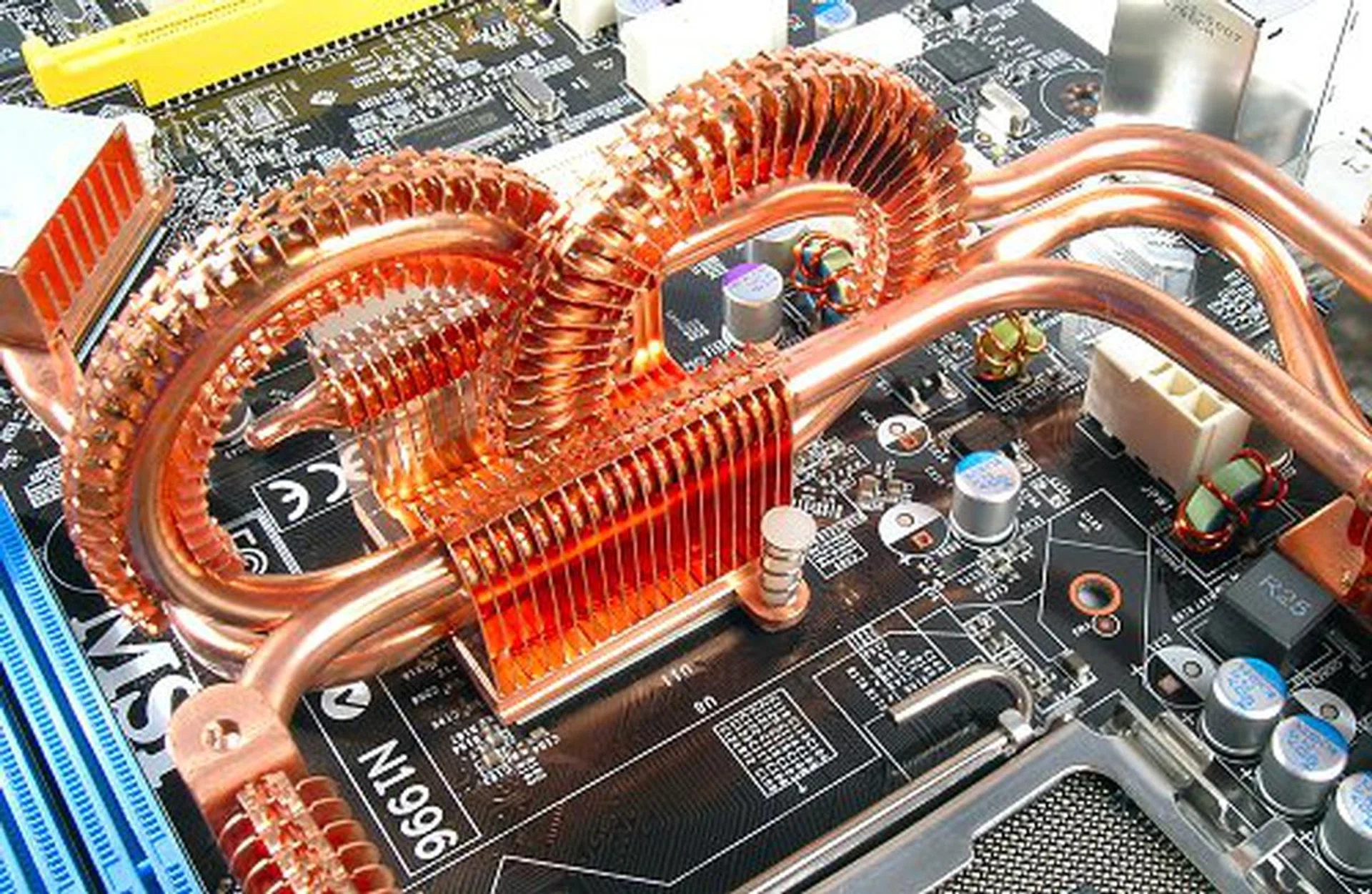
Front side of the Northbridge section of MSI's 'Circu-Pipe' cooler. If anything, it is an attention grabber, but how does it fare in performance? Time will surely tell.
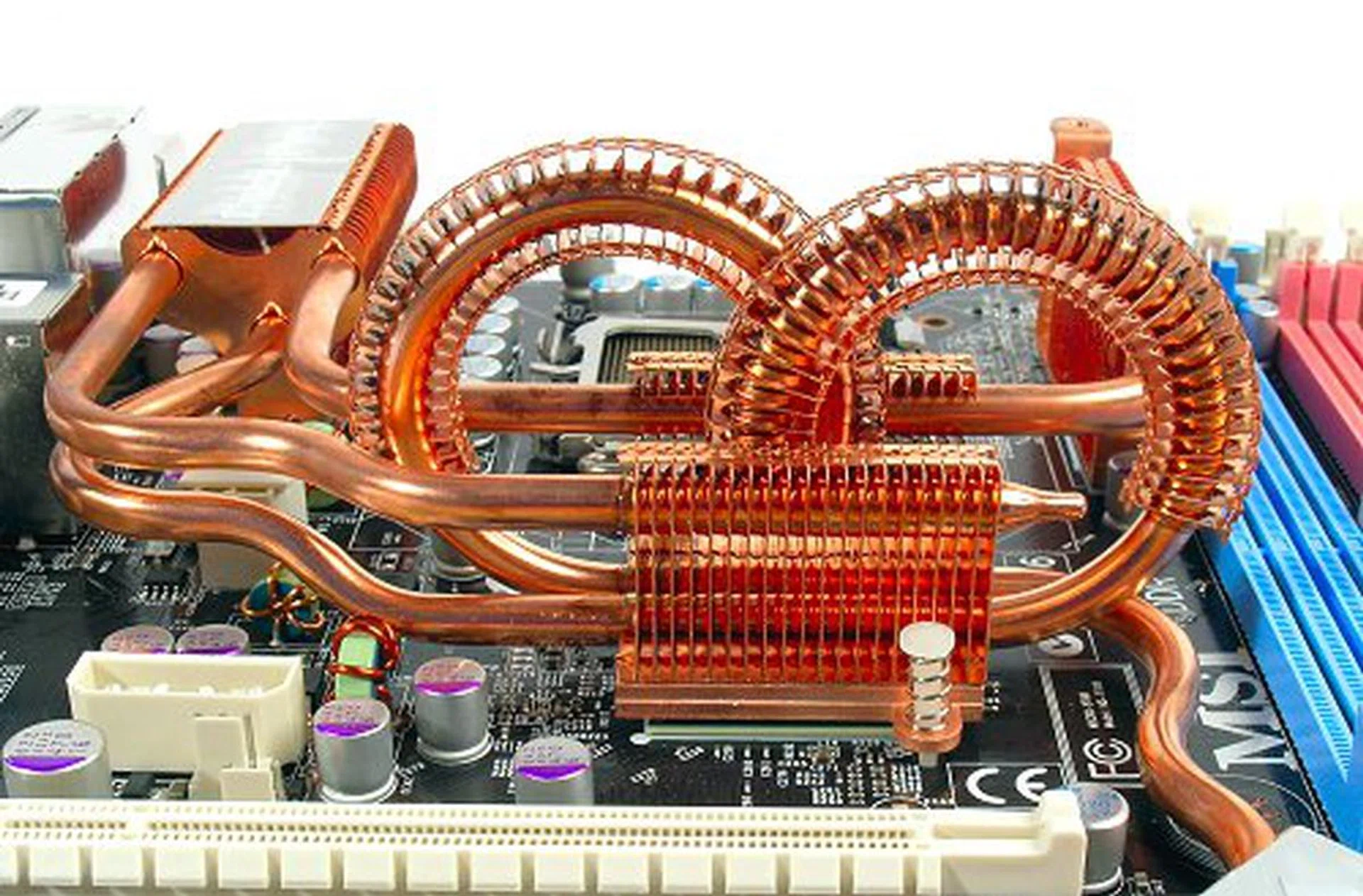
A back view of the complicated piping in the Circu-Pipe. MSI uses a series of extra pipes in addition to the main chipset pipes to help improve the cooling efficiency of this slim, but elaborate cooler.
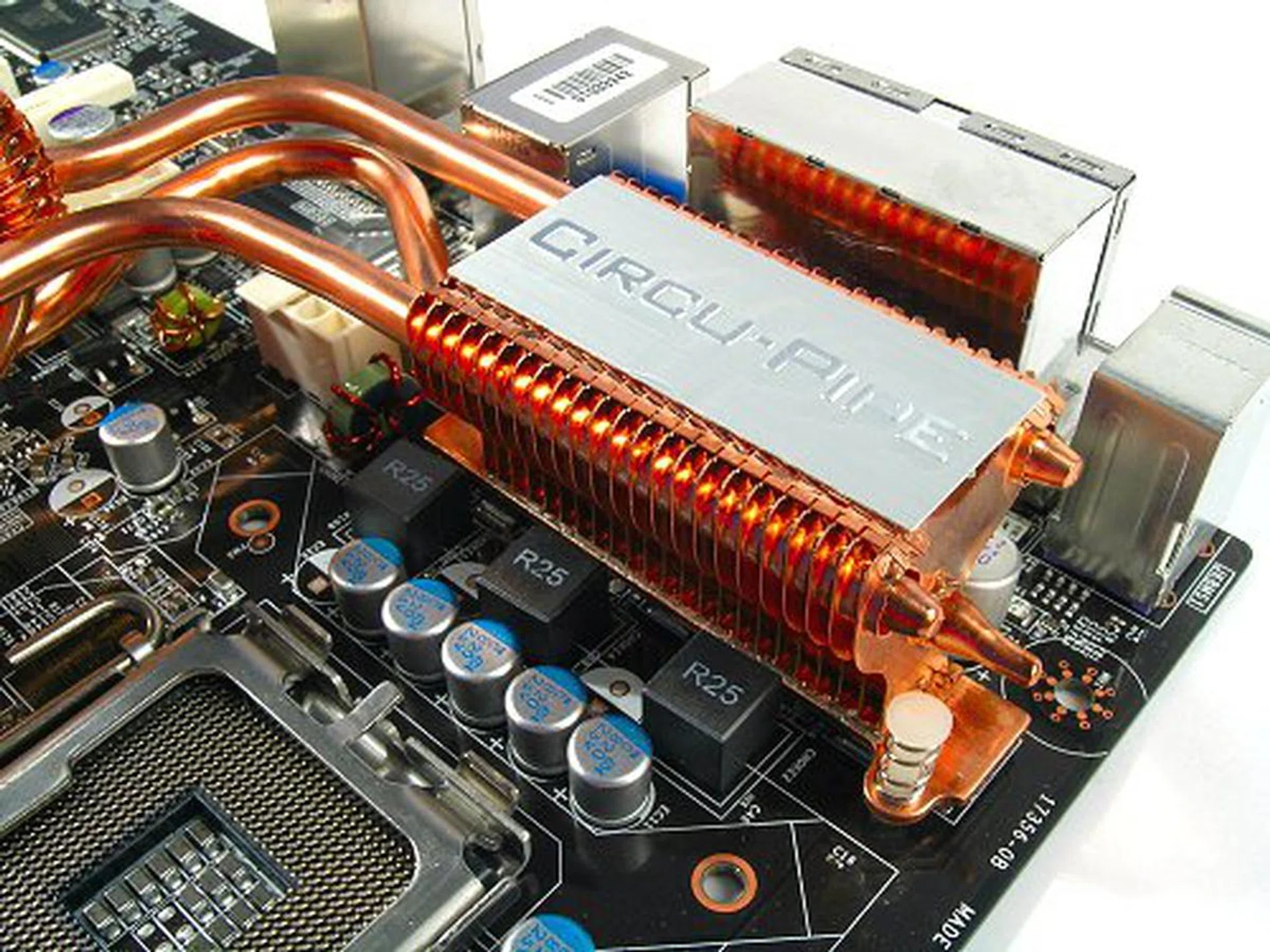
The rear heatsink seems to be the main cooling block for the whole system, so it would have to depend on your CPU cooler to provide it sufficient exhaust air flow.
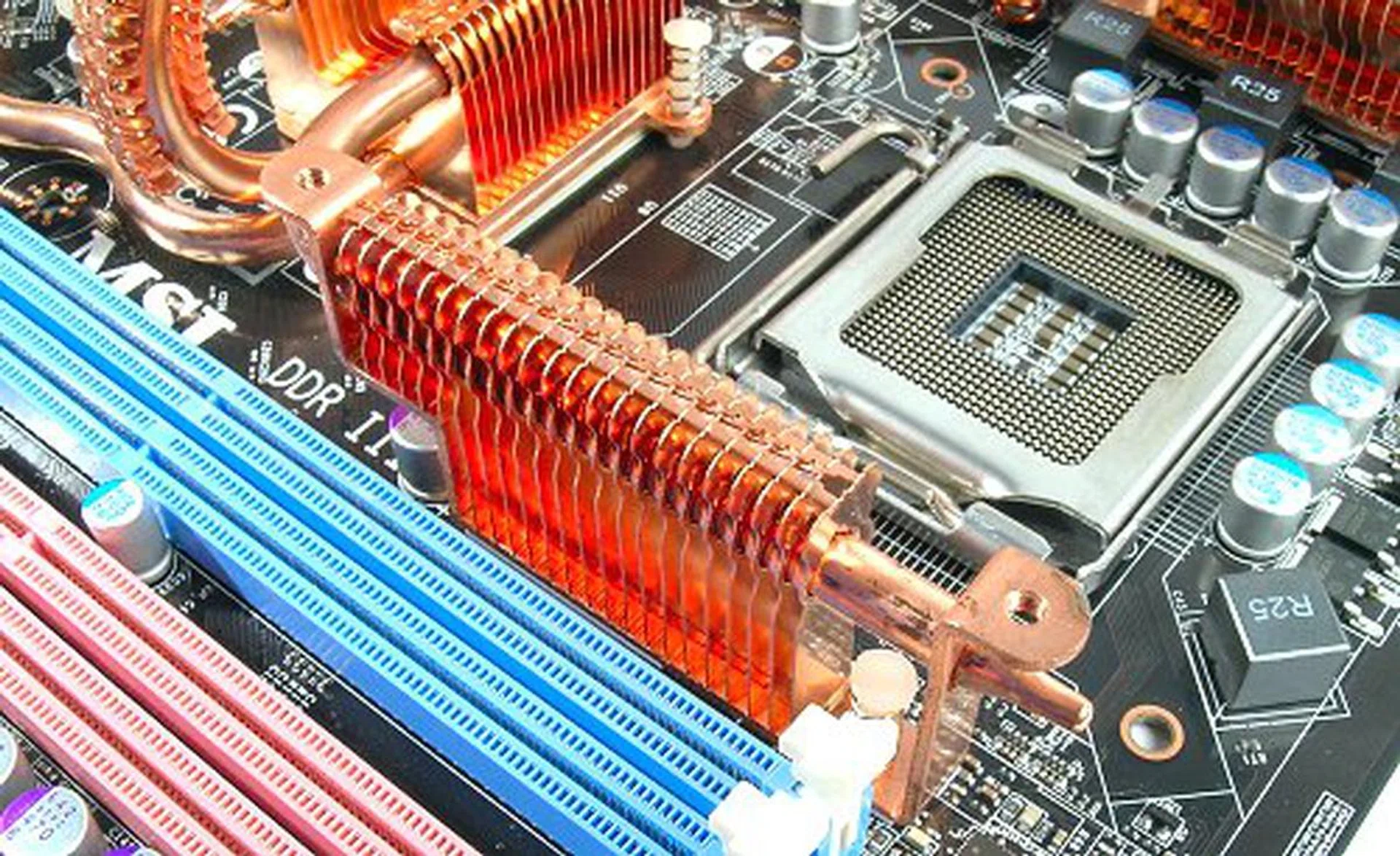
There is an extra set of heat-pipe and fins below the CPU socket that doesn't really have any use at the moment, but notice the screw holes on either side? It is rumored that there will be an additional extension to the whole cooler that will somehow cover the DIMM slots as well.
P35 Platinum D3 - Features
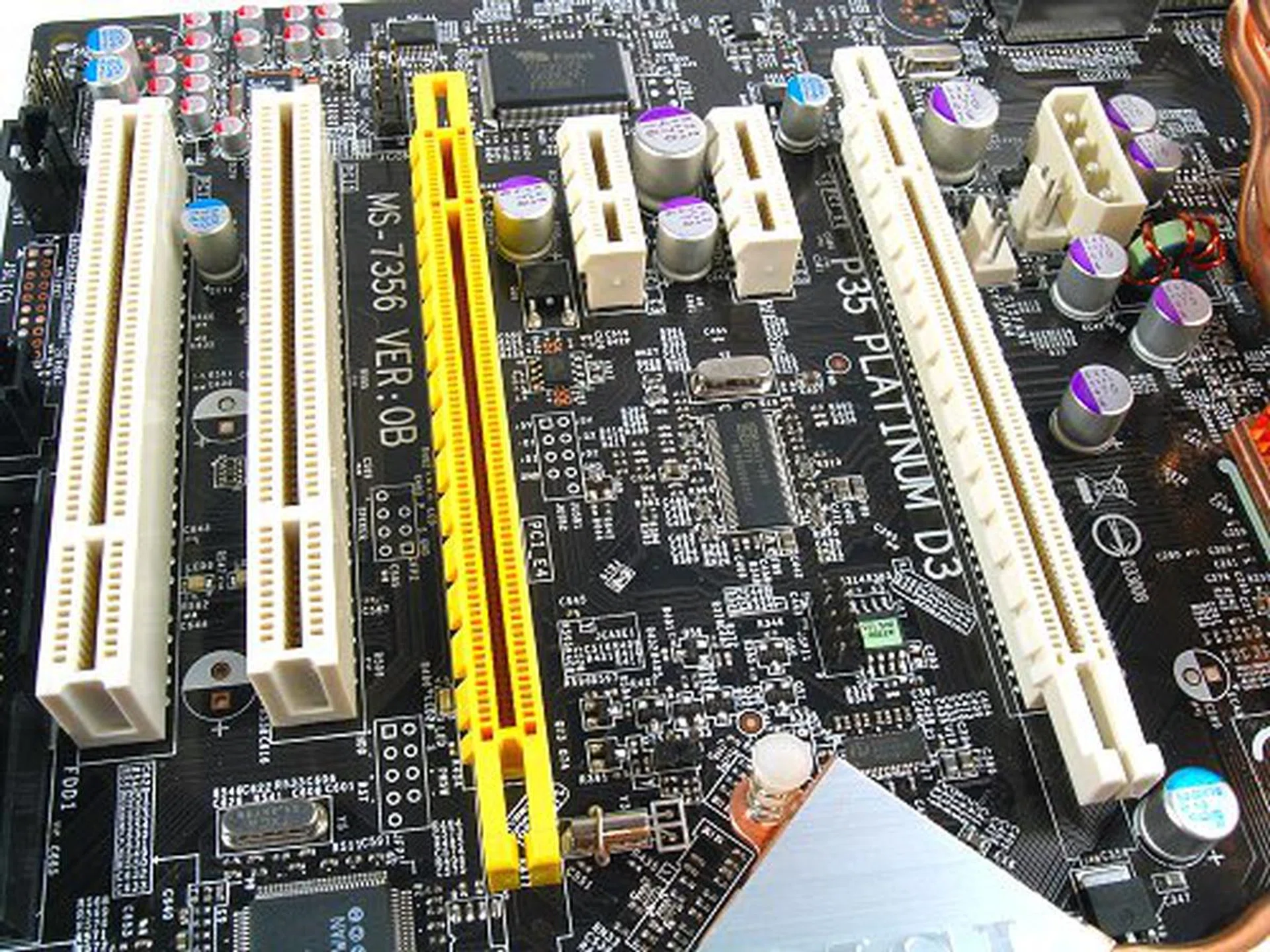
The P35 Platinum D3 will sport a six slot design, with two PCI, two PCIe x1 and two PCIe x16. Like the Gigabyte P35-DQ6, the P35 chipset is not designed for dual-GPU and the two slots will operate in a fixed x16/x4 configuration regardless.
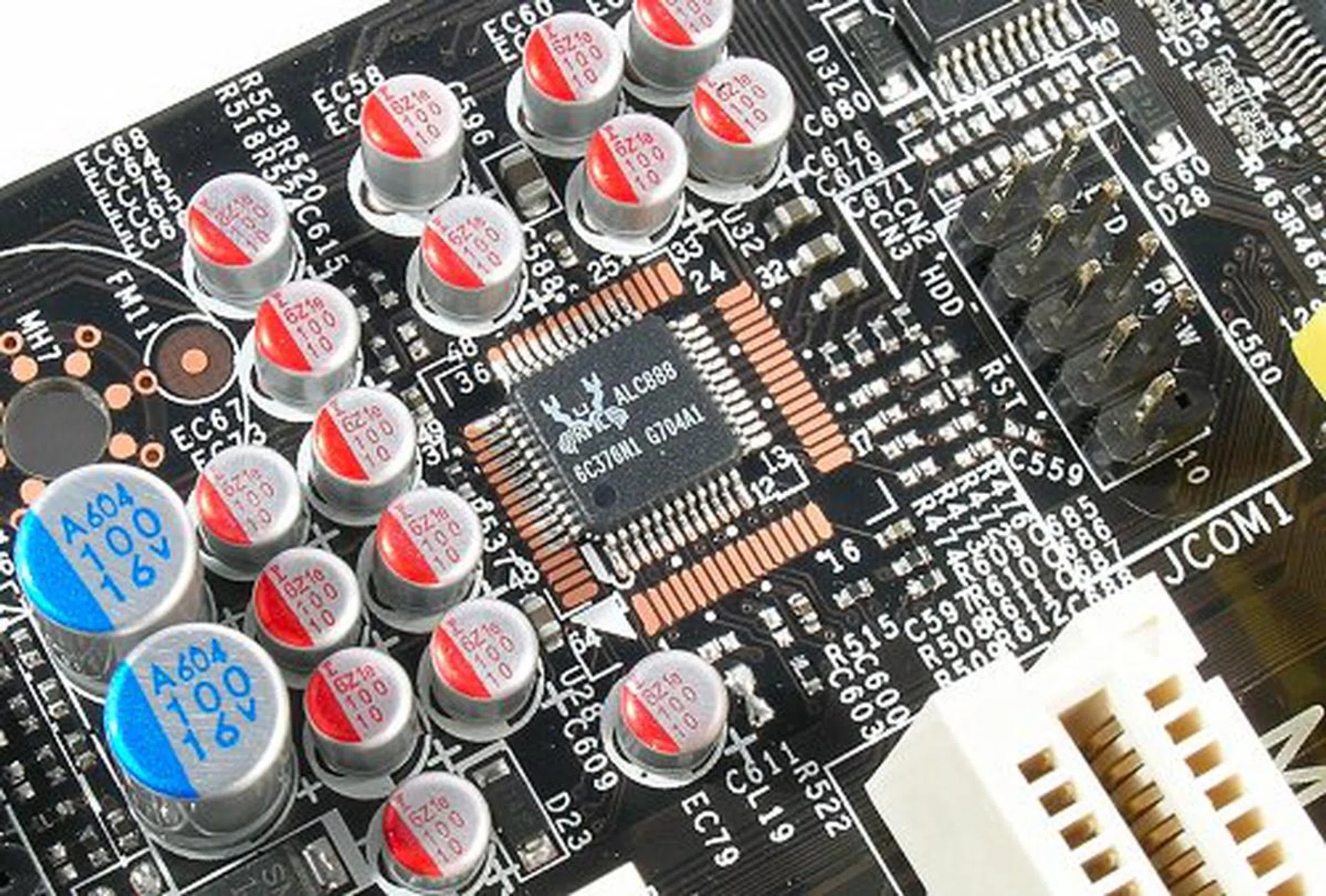
The usual suspects on the P35 Platinum D3 board include this Realtek ALC888 HD Audio CODEC. The board also features S/PDIF connection.
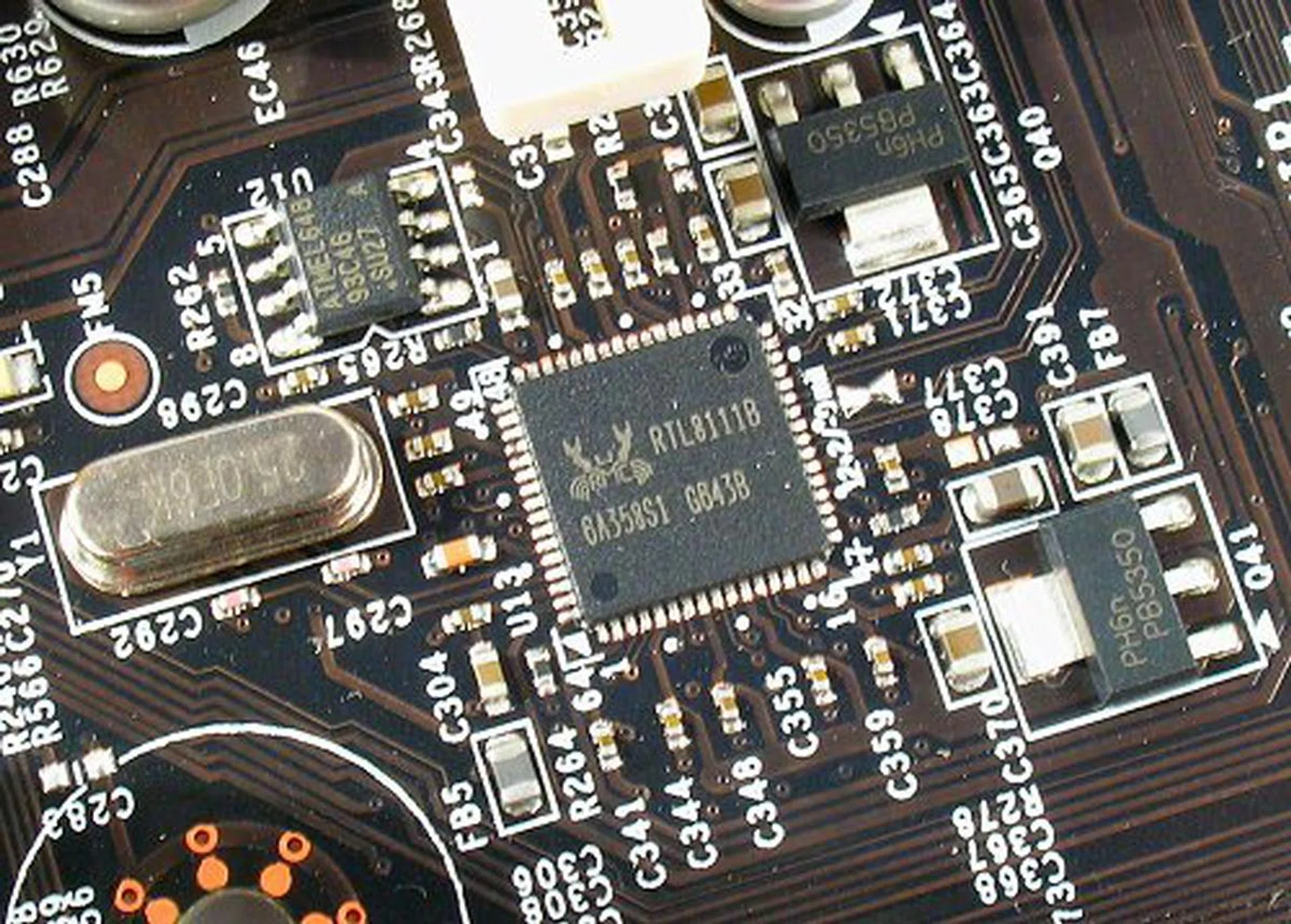
The MSI P35 Platinum D3 will feature one Gigabit LAN port controlled by the Realtek RTL8111B ASIC.
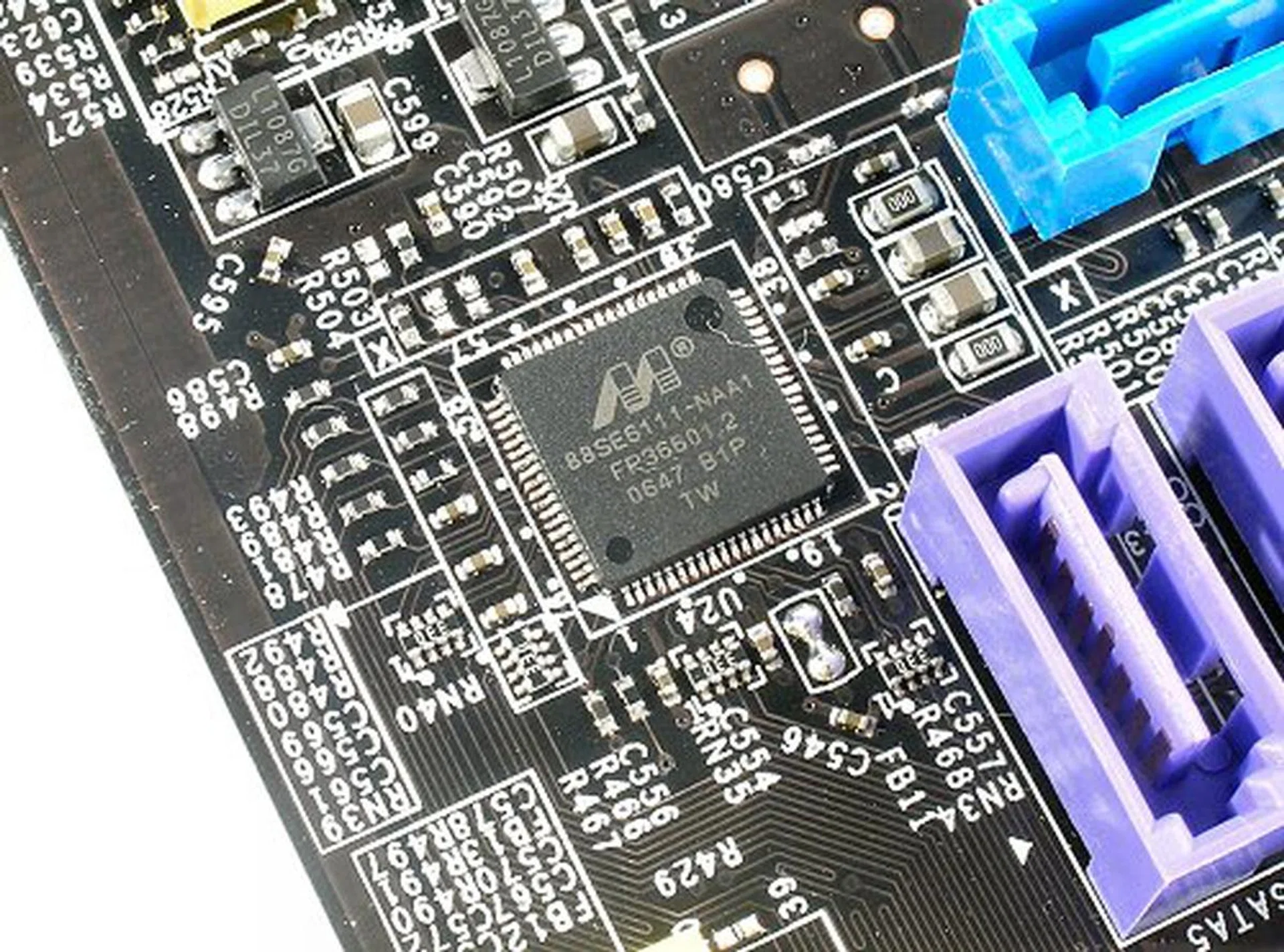
MSI's secondary storage controller of choice on the board is a Marvell 88SE6111. This chipset will provide the board with one SATA and one PATA port.
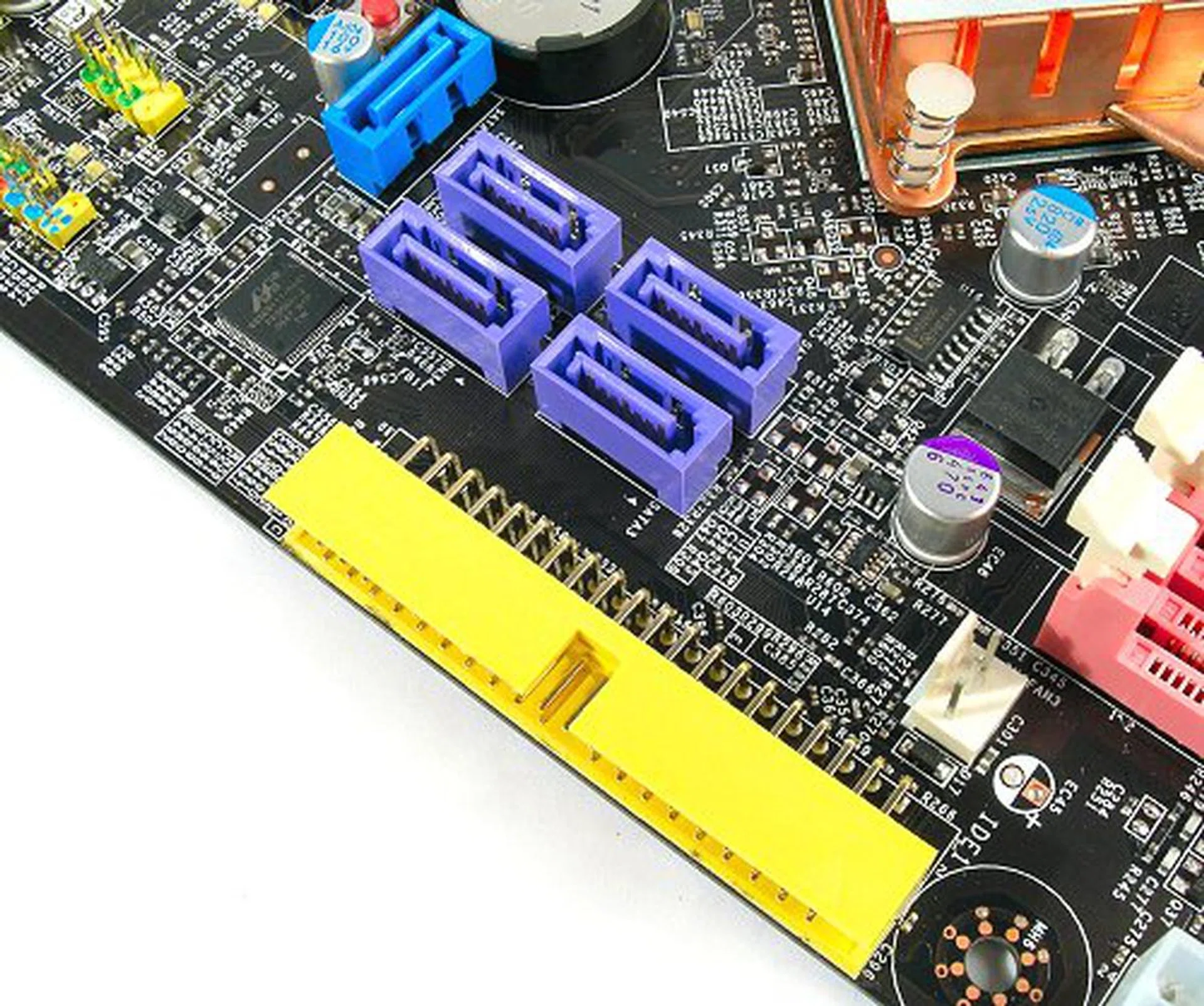
4+1 SATA 3.0Gbps ports with one Ultra ATA PATA connector available for internal storage functionality.
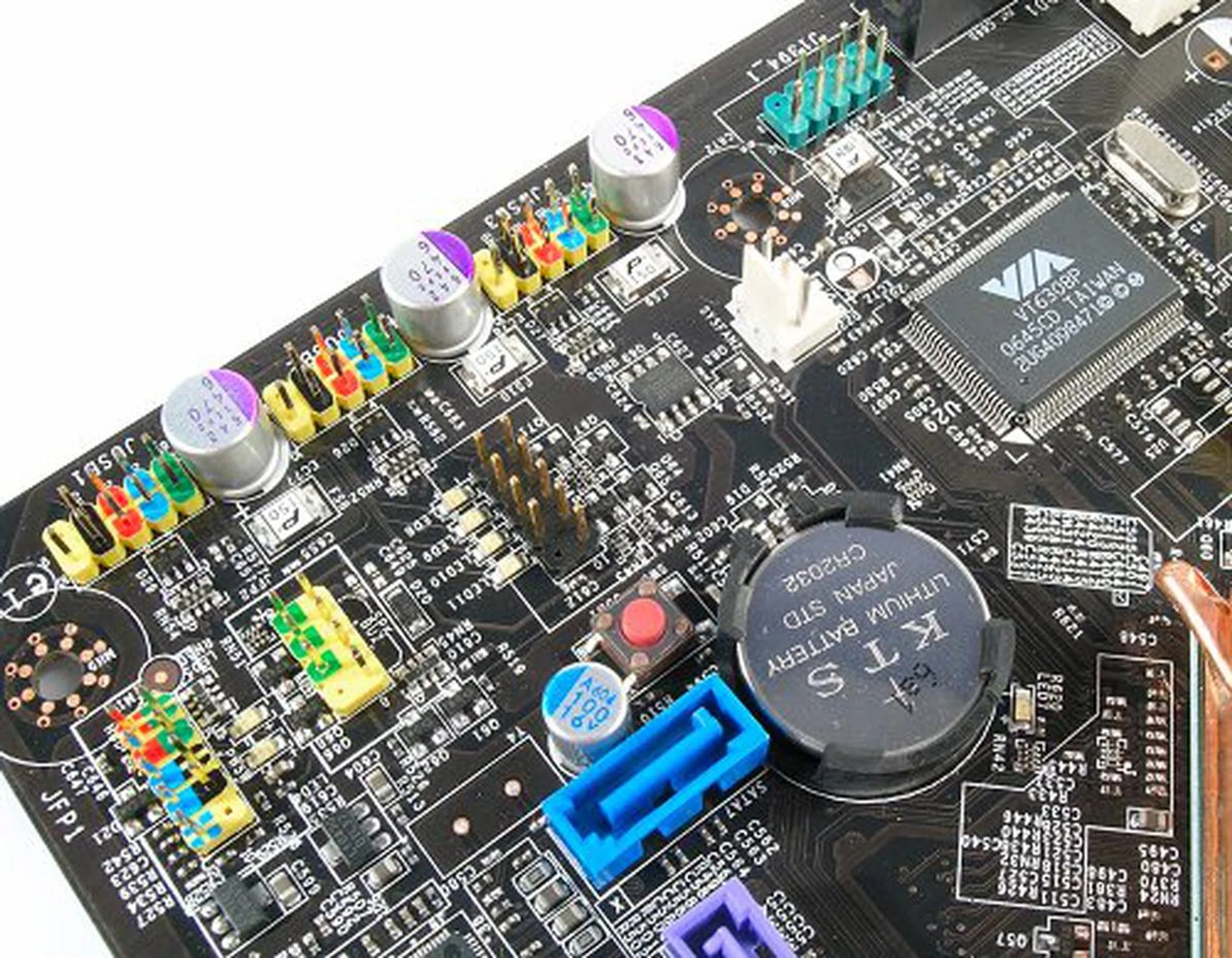
More USB 2.0 ports than you can shake your fist at. Is there a USB shortage that we do not know about in the industry? It seems that with every new chipset launched, the one feature that keeps increasing is the number of supported USB ports.
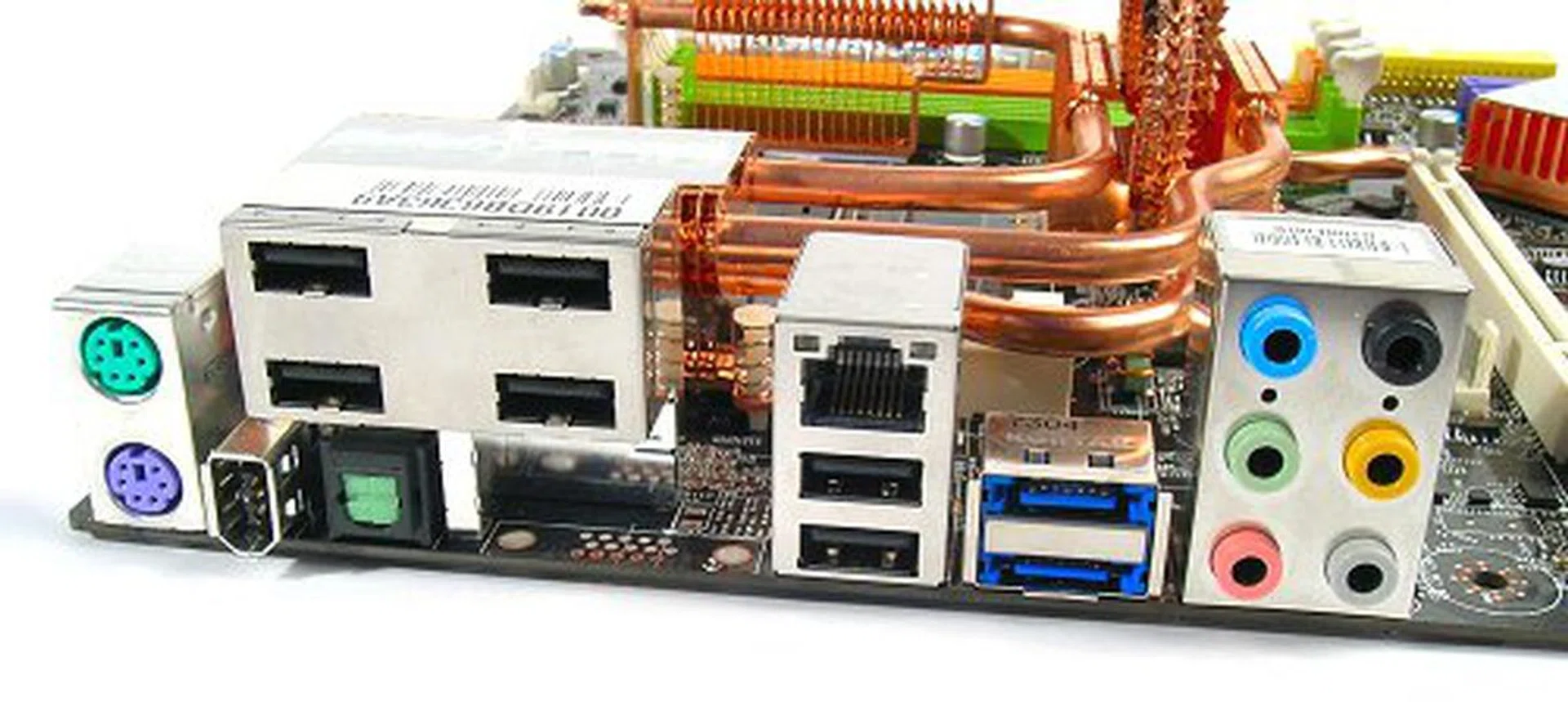
An unorthodox rear panel design from MSI for the P35 Platinum D3 board. MSI takes out the legacy COM and LPT ports to include a large USB 2.0 hub. The board will also include two eSATA ports (which probably explains why there are only four internal SATA connectors onboard).
MSI P35 Neo and Neo Combo
MSI will also cover the mainstream market with their Neo range of motherboards. The P35 Neo will have reduced features compared to the Platinum series, but still pretty much fully featured as far as the P35 chipset is concerned. Unlike Gigabyte's P35-DS3R previewed before, the P35 Neo will come with FireWire support. The P35 Neo will be a DDR2 only motherboard, though MSI will also launch a variant called the P35 Neo Combo, which is exactly the same in terms of features except that it will sport both DDR2 and DDR3 onboard.
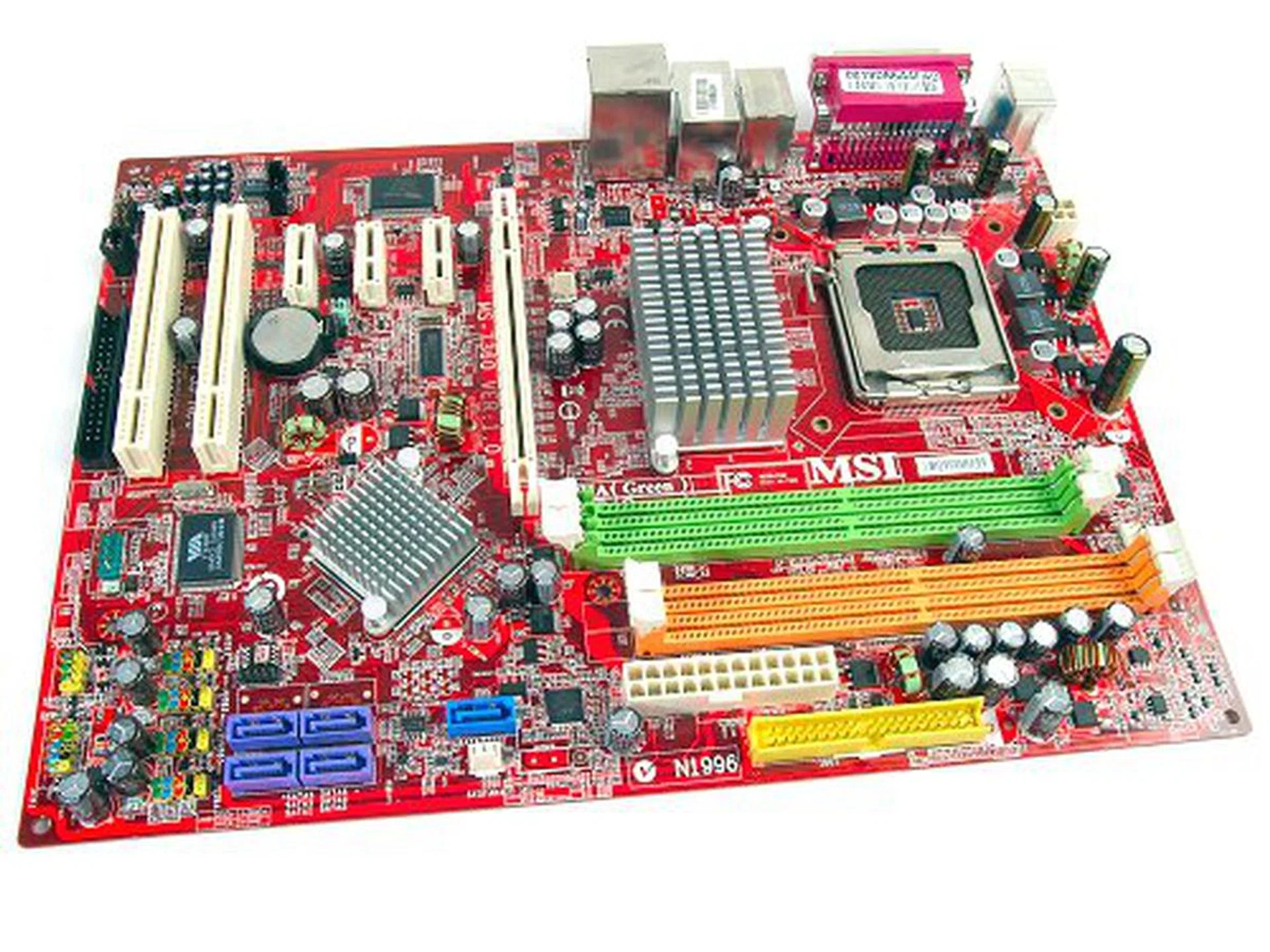
The MSI P35 Neo motherboard - one that only supports DDR2 memory.
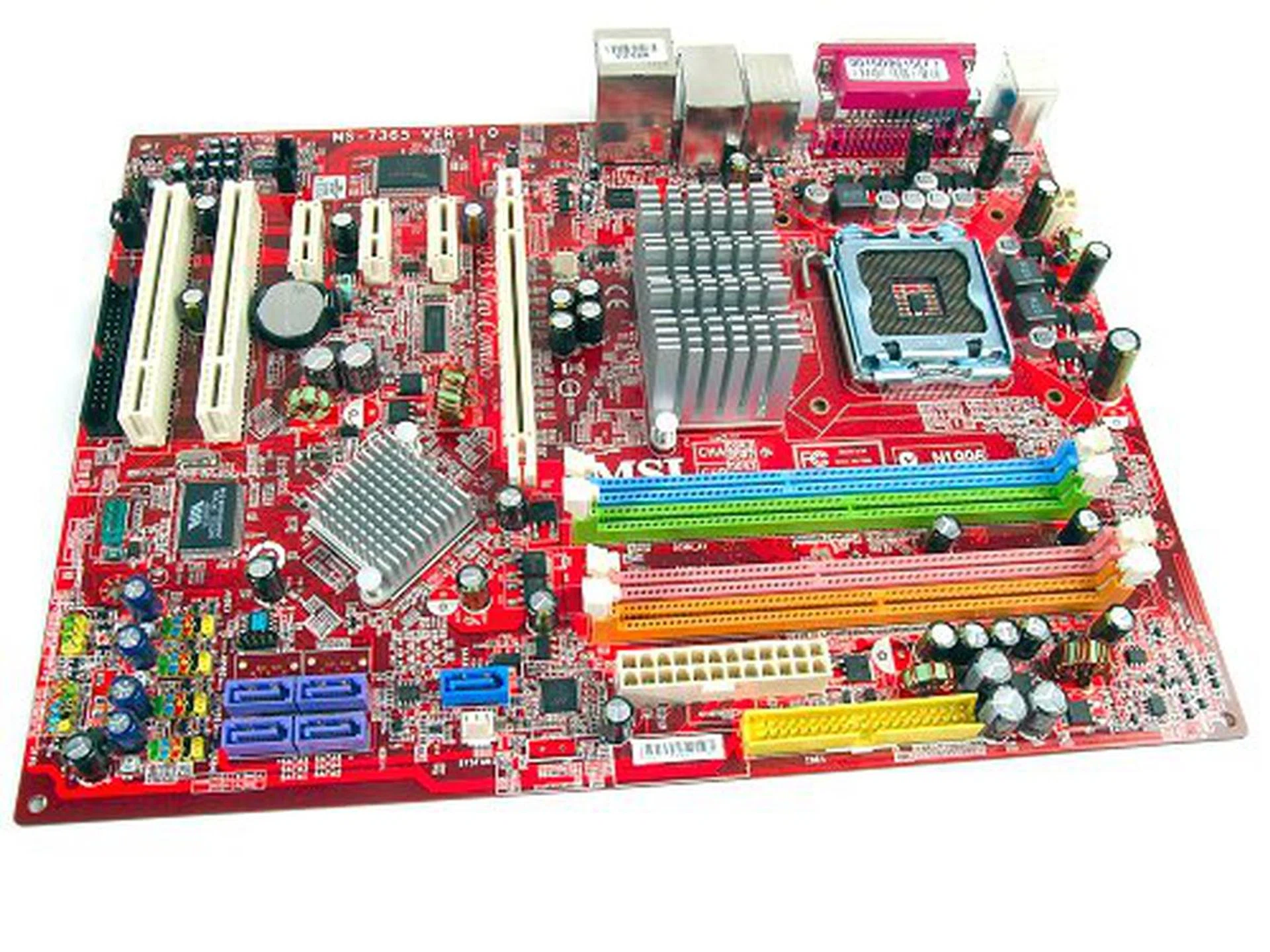
The MSI P35 Neo Combo - identical to the P35 Neo in every way except that this board has a hybrid DDR2/DDR3 design.
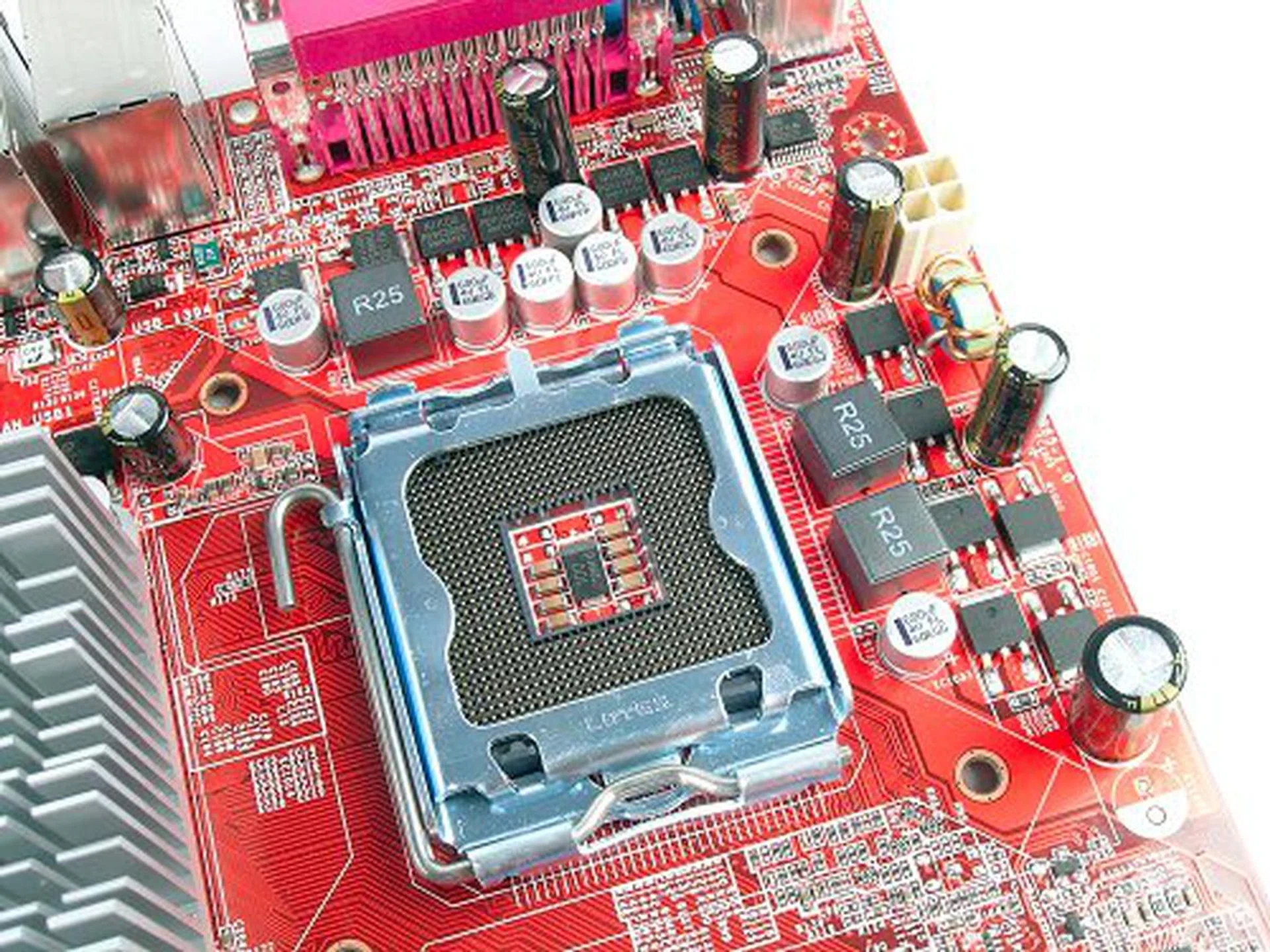
Nothing fancy for the mainstream Neo series. The board mainly uses standard components such as electrolytic capacitors. However, MSI does make use of solid capacitors for the board's PWM design around the socket area.
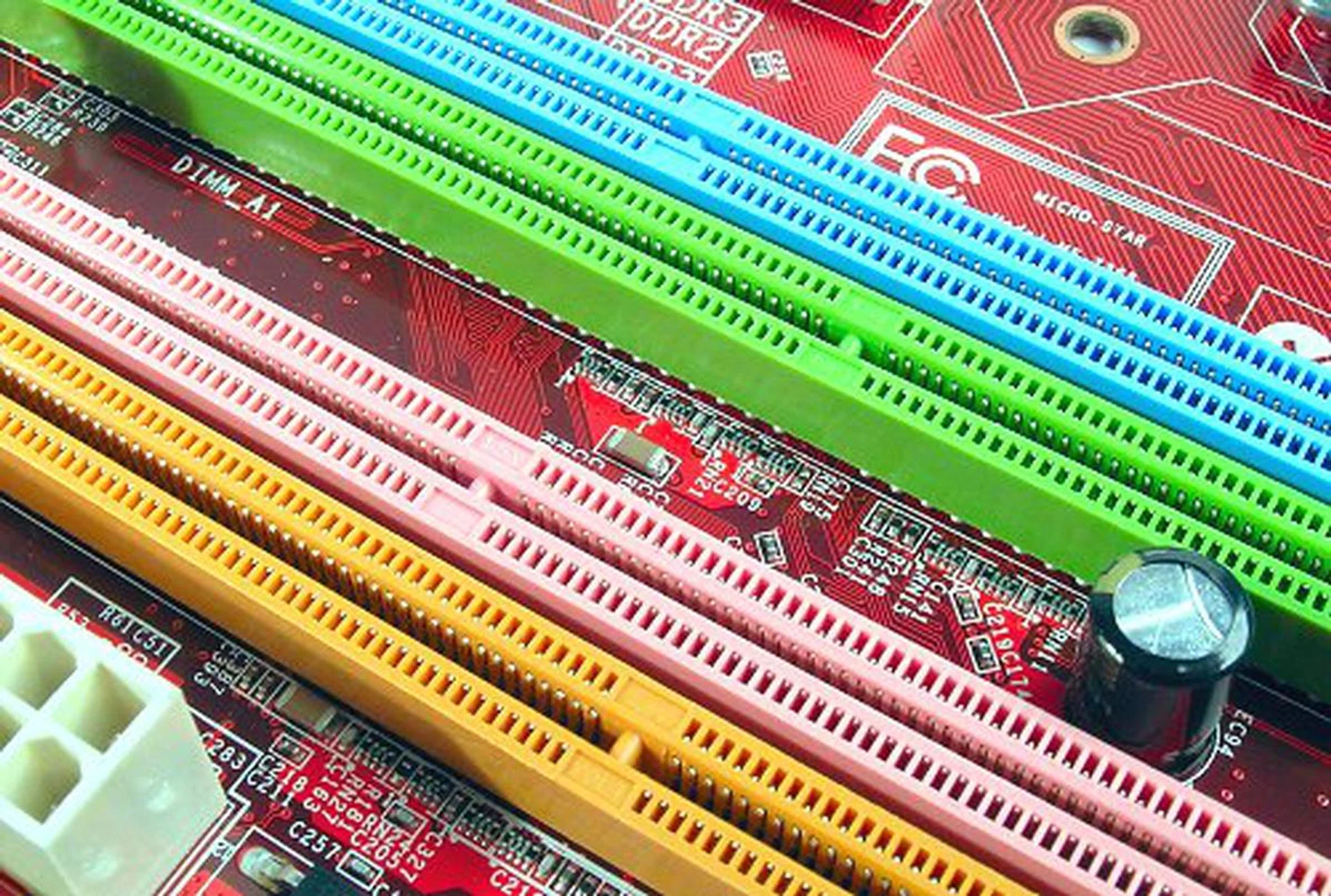
The P35 Neo Combo is a hybrid motherboard with both DDR2 and DDR3 slots. Memory is configured for dual-channel operation, but you cannot mix DDR2 and DDR3 memory, they are exclusive to each other.
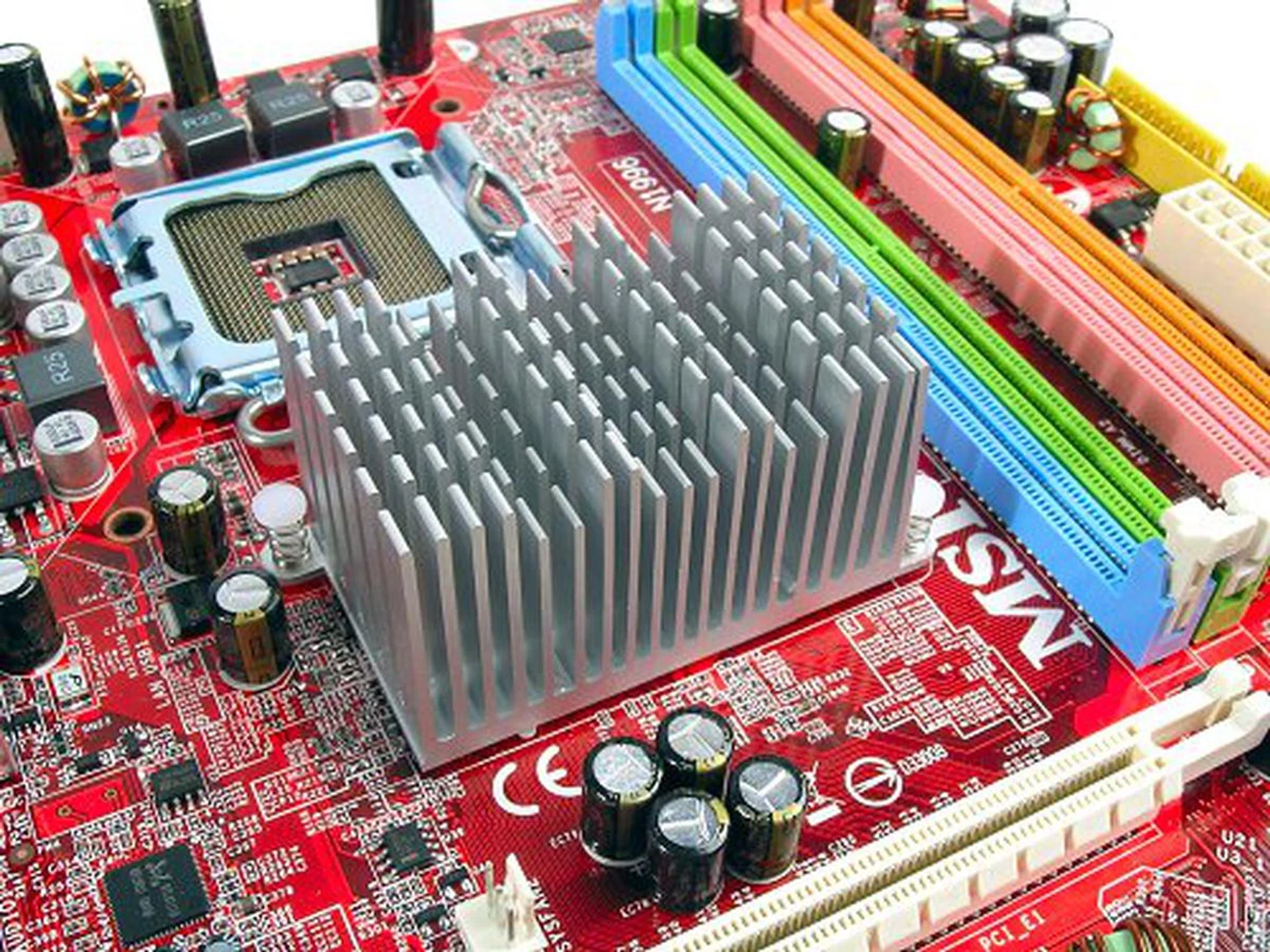
The P35 Neo series will only feature a passive heatsink. While it doesn't seem to be as massive as the one seen on the Gigabyte P35-DS3R, it is still a substantial block of metal.
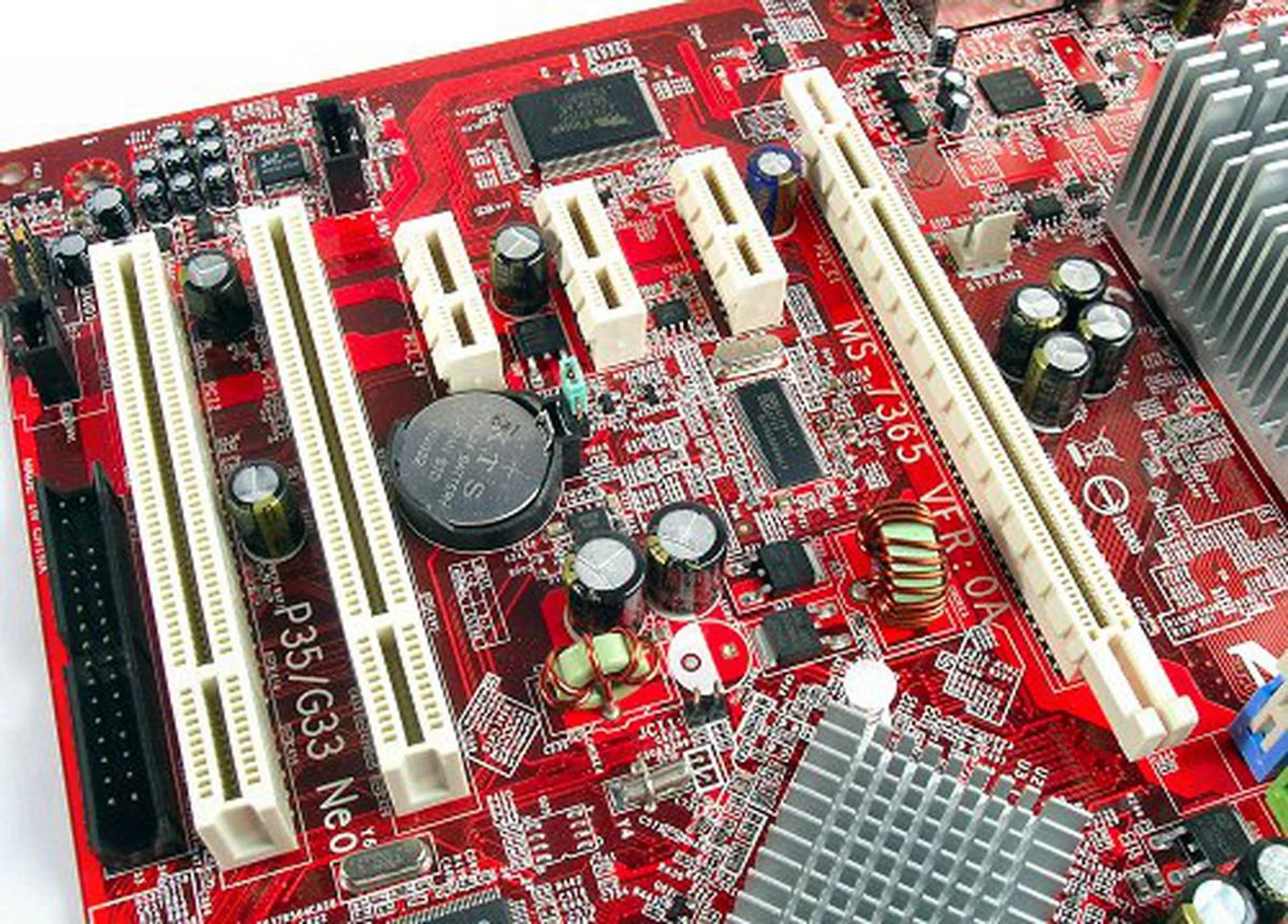
The P35 Neo will sport three PCIe x1, two PCI and one PCIe x16 slot. Notice the location of the Floppy connector here.
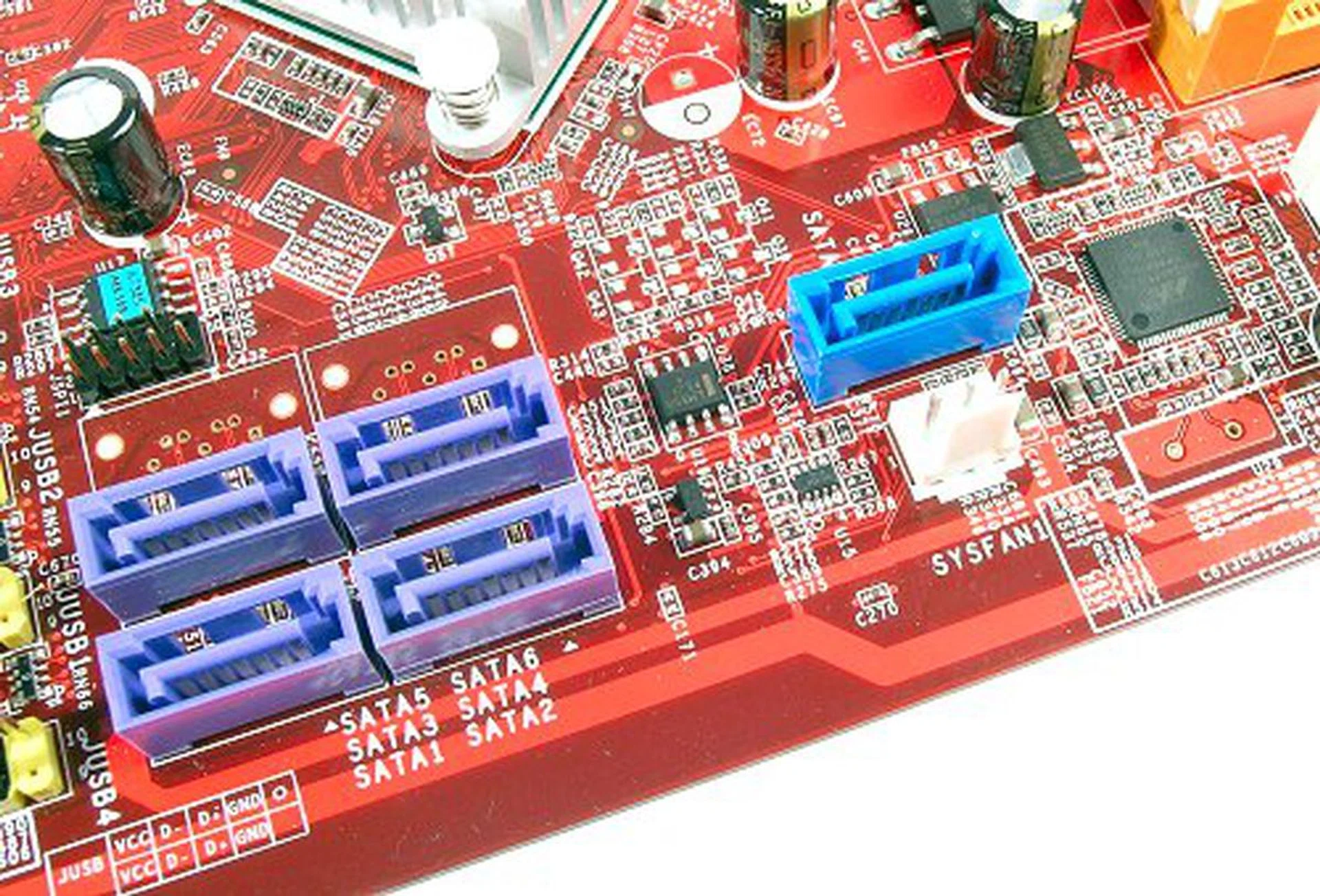
The P35 Neo boards have the same onboard storage support as the high end P35 Platinum, except that they do not feature any eSATA ports.
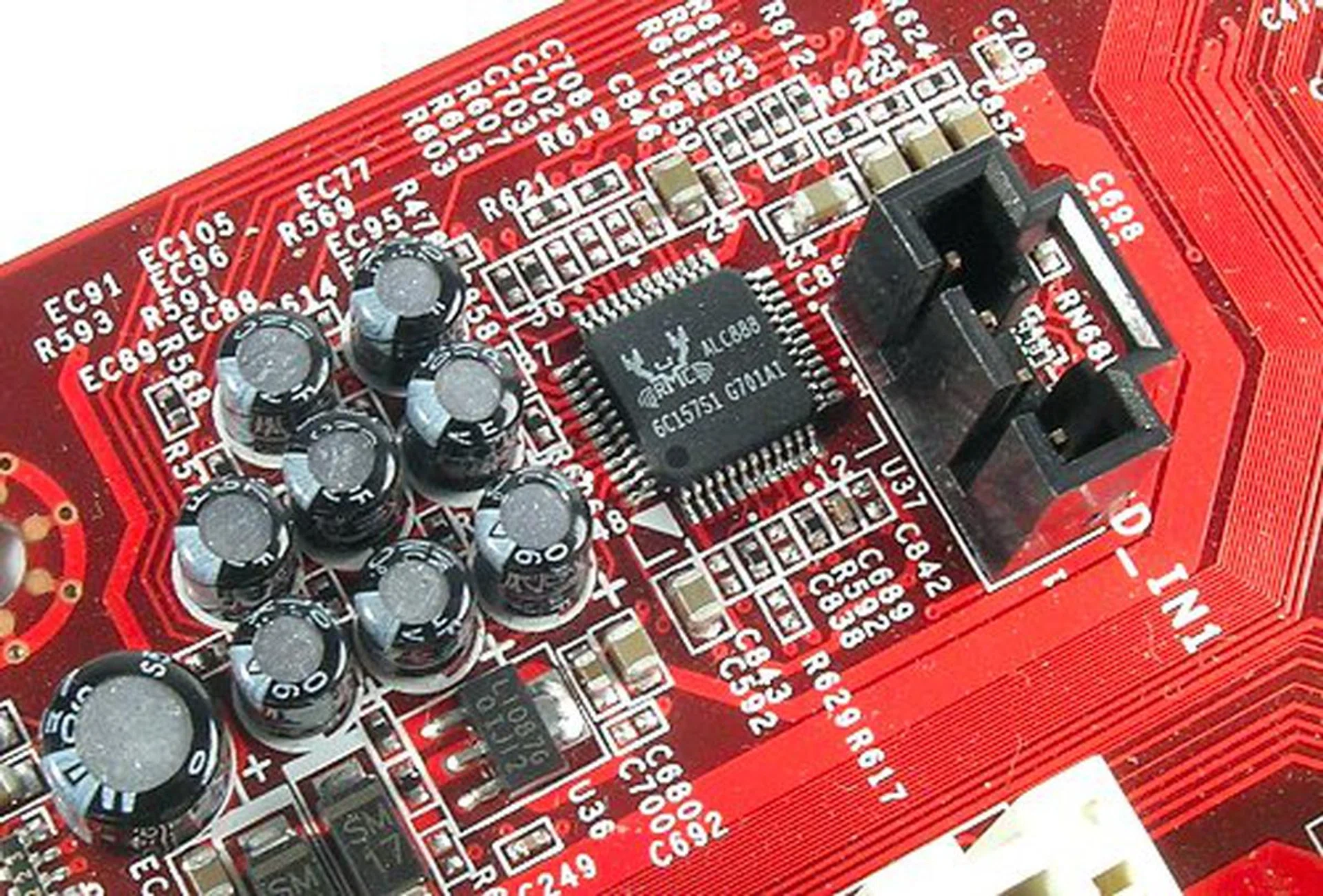
The P35 Neo series will also utilize the Realtek ALC888 CODEC. The board will only come with analog surround audio jacks only, though it does have an S/PDIF header.
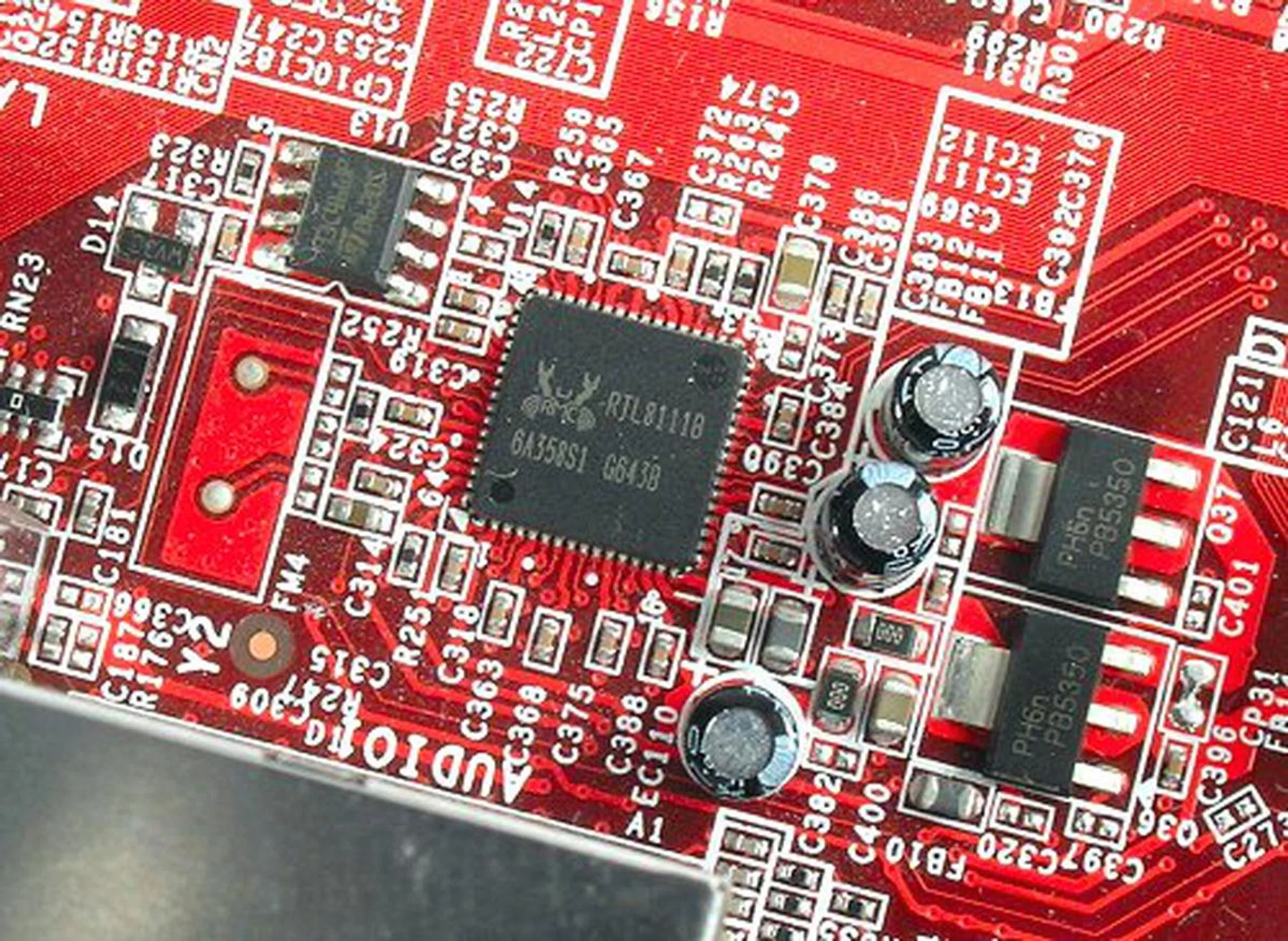
The Realtek RTL8111B seems to be the order of the day for all LAN implementations in all the P35 motherboards we've seen so far.
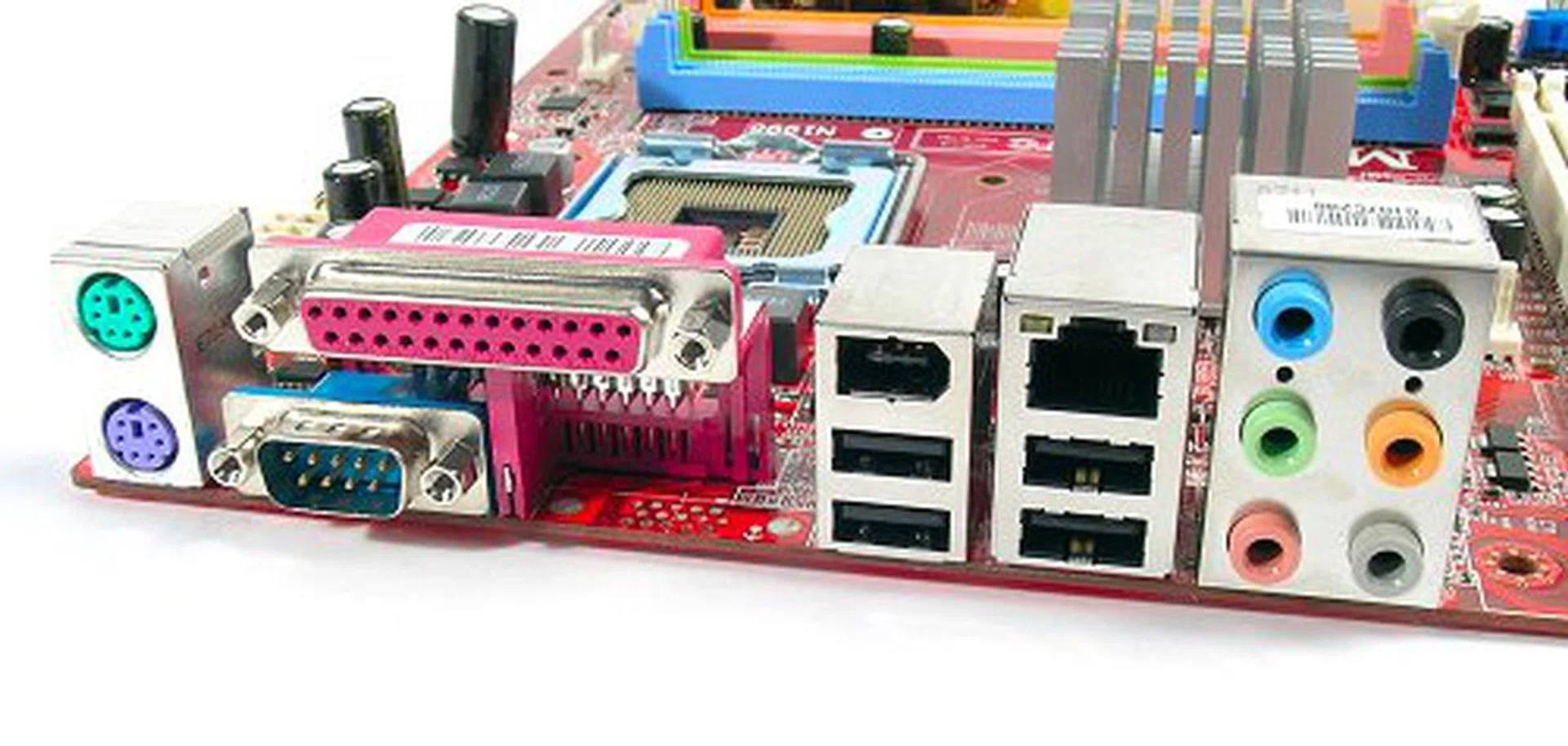
Rear panel connectors for the P35 Neo and P35 Neo Combo motherboard. The empty spot next the to COM port is probably reserved for a VGA connector in G33 IGP designs.
That just about wraps up our MSI P35 motherboard preview for now. If you haven't yet seen our Gigabyte preview yet, you can check it out right here . As before, keep a close eye out for the full review of these babies once the retail versions hit and Intel officially launches the chipset.
Our articles may contain affiliate links. If you buy through these links, we may earn a small commission.