
Image: Getty Images
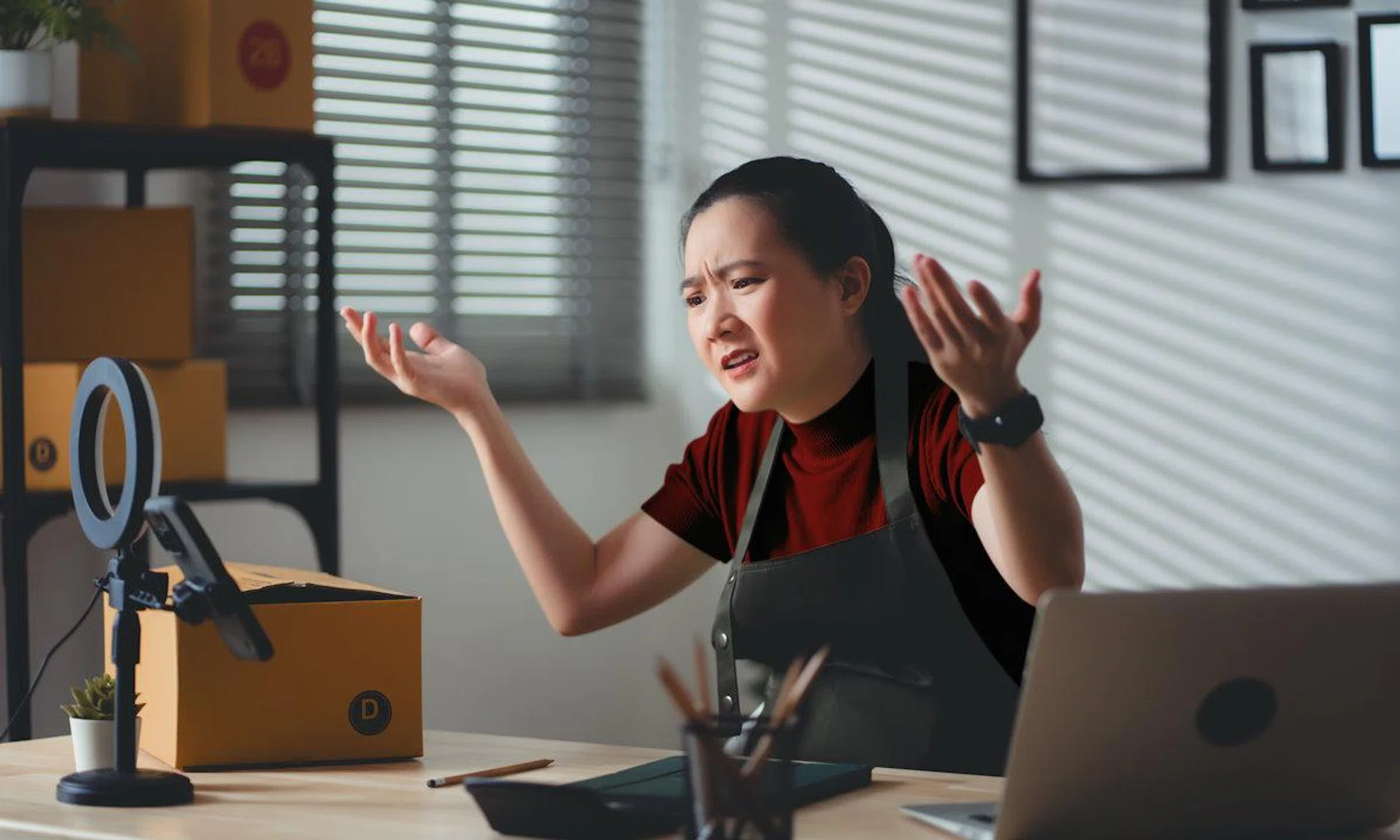
For home and small businesses, building a presence for your brand can feel like an uphill task, but it need not be an expensive endeavour. In this digital age, the landscape of online marketing has shifted dramatically. Social media platforms are filled with opportunities for creators and small businesses to market their offerings or services, directly engage with an audience, grow their brand, and drive results.
Today, TikTok has emerged as one of the more popular tools in this regard. With its emphasis on short, engaging videos, TikTok allows businesses to reach a vast, younger audience in fun and organic ways. But it’s not just for influencers with thousands or millions of followers, businesses of all sizes can also use TikTok to their advantage.
What makes TikTok particularly effective is its algorithm, which favours content that gets high engagement, rather than just looking at how many followers a person has. This gives smaller businesses an equal chance of getting exposure, provided your content is compelling. TikTok’s built-in features, such as live streaming, branded hashtags, and even partnerships with influencers, make it the go-to app for many entrepreneurs and businesses seeking to expand their digital presence.
In this article, we will be focusing on livestreaming, a format that’s gaining massive traction for businesses of all sizes. Livestreaming offers a direct and authentic way to connect with your audience. It’s not just about broadcasting your message – it’s about engaging with viewers in real time, answering questions, showcasing your products or services, and creating memorable, relatable experiences. This is one of the key differentiators when compared to the more static, curated posts that populate other social media feeds. But how exactly do you break into this space, especially if you’re on a budget and starting from scratch?
You don't need expensive hardware

You don't need the most expensive camera setup to get started. Image: Getty Images
The first hurdle is figuring out what kind of gear you need. A lot of people assume that to produce high-quality livestreams, you need to invest in high-end cameras, microphones, lights and even software. While it’s true that better equipment will undoubtedly improve your output for greater professionalism as your business grows, getting started doesn’t have to cost a fortune. In fact, some of the most successful livestreams have been broadcast from a simple smartphone with a tripod. For a small budget, you can get away with using a budget-friendly external microphone and a ring light to improve the lighting quality. Most modern smartphones are able to capture video in 4K, and as livestreams are usually static in nature, it shouldn't be taxing to even mainstream devices. Remember, your goal is to be authentic, and you don’t need the most expensive setup to make a powerful impact or connect with your customers.
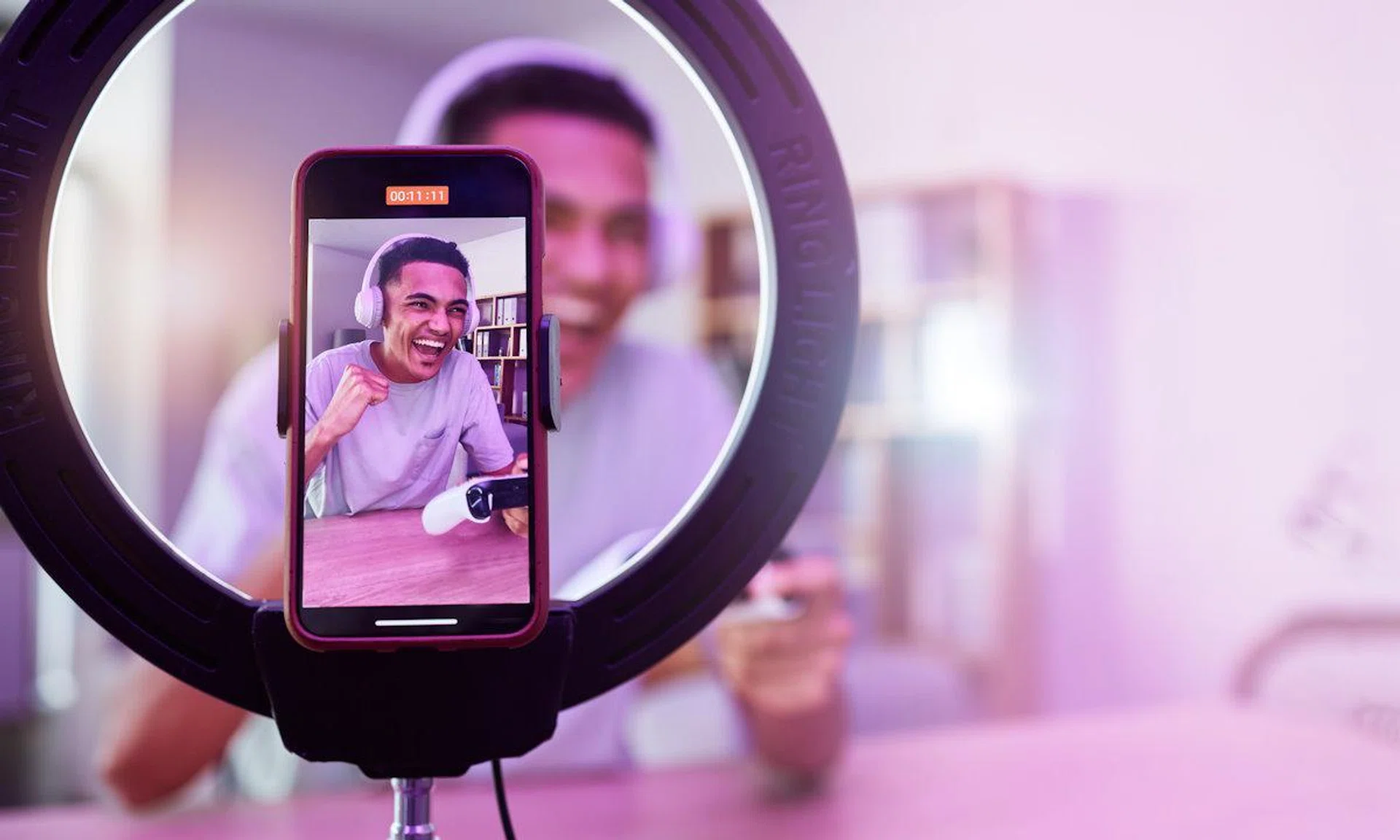
Most smartphones today are more than capable of shooting and hosting a livestream. Image: Getty Images
But you do need a stable internet connection
Image: Getty Images
Bandwidth, however, is a crucial consideration. Livestreaming requires a stable and fast internet connection to avoid interruptions, lag or jittery video and audio. While this might seem obvious, it’s easy to underestimate how much bandwidth you need for a smooth broadcast. Most people can stream a YouTube or Netflix video without much trouble on a basic consumer data plan, but when it comes to livestreaming, where your video is sent out in real-time to viewers, the requirements are far higher, especially if you're also using the platform to drive sales. A poor experience in viewing or interacting with your livestream will drive potential customers away.
For most livestreaming platforms, the minimum streaming bitrate is often around 5Mbps, and this number only goes up with higher resolutions. For example, TikTok recommends 8Mbps for 1080p video, while YouTube recommends 10Mbps and Facebook recommends a range between 4.5-9Mbps for the same. Business-oriented mobile plans such as Singtel's Business Mobile Phone Plans come with both device and a healthy chunk of data allowance to ensure you can get started on your social media journey right away. But if you're setting up a livestream studio at your home or office, do consider having a dedicated and stable business broadband plan, such as Singtel's eVolve plans.
If you’re worried about not being tech-savvy enough, consider tapping into the Red Alliance by Singtel for guidance. It’s a platform that gives businesses, including home-based enterprises, the opportunity to tap into expert advice and support when launching and growing their digital marketing initiatives. For budding home creators and small businesses looking to amplify their presence on TikTok, Singtel’s TikTok Creator House at 313@Somerset provides a physical space for learning how to create content that resonates with audiences. The professional soundproof studio comes complete with 4K HD cameras, wireless microphones and custom-built production servers for anyone looking to produce expert-looking content, and there are also specially trained staff onsite to assist and guide users on how to use the app’s functions. You can check out some of the content on Singtel's TikTok Creator House here, too.
Copyright, copyright, copyright

Image: Getty Images
Lastly, as a business account, copyrights and content licensing are extremely important, both yours as a creator and other assets that you may use in your content. This is an often overlooked aspect of social media content creation. This can get tricky if your videos feature music, logos, or even video clips created by others in your livestreams. Intellectual property rights, including trademarks and copyrights, are something you need to take seriously to avoid any legal pitfalls. For instance, while it might be tempting to play a popular song in the background of your stream, this can get you into trouble unless you have the proper licensing or permission from the copyright holder. The rule of thumb is simple: If they’re not your own work or you haven’t secured permission, don’t use them. Luckily, social media platforms like TikTok and Instagram offer an extensive library of royalty-free music and sound effects, so it’s not difficult to find something that you can use without risking copyright infringement.
While it’s tempting to focus on perfecting your livestream setup or curating flawless content, it’s important to remember to be authentic. The raw, unpolished nature of livestreaming is one of its greatest advantages for modern social media marketing. People connect with real stories and genuine emotions, not scripted performances. So, while you’ll want to ensure your broadcasts are polished enough to maintain a professional image, don’t be afraid to show a little personality or quirkiness. Digital viewers are smarter these days and can tell if content is “fake” or not genuine. With the right tools, an authentic approach, and a willingness to learn, you can build a meaningful presence and stand a higher chance to truly stand out in the digital space.
(In partnership with Singtel)
Our articles may contain affiliate links. If you buy through these links, we may earn a small commission.