
Benchmarking Intel's 45nm Penryn
At IDF Spring 2007 in Beijing, Hardware Zone had the opportunity to try out Intel's upcoming 45nm Penryn core. We benchmarked the dual-core and quad-core Penryn along with Intel's latest Core 2 Extreme QX6800 Processor - and we have all the results here in this sneak preview.
First benchmarks on 45nm
Intel has been talking about their new 45nm process at IDF this week and they have samples to prove that they are more or less ready for the market. In an exclusive session between Hardware Zone and Intel, the benchmarking team took us through some of the fundamental architectural changes found in the new Penryn processors and apart from trying to understand the complex technicality behind these enhancements, we had the privilege of benchmarking these systems.
Anyway, Penryn is Intel's latest and greatest upcoming processor that will further put them in the performance lead, whether in the desktop, mobile or server space. Intel did not rest on their laurel after Core 2's successes as it seems that there were more refinements that had yet to be carried out at the microarchitecture level. Some of the changes are summarized in the chart below:-
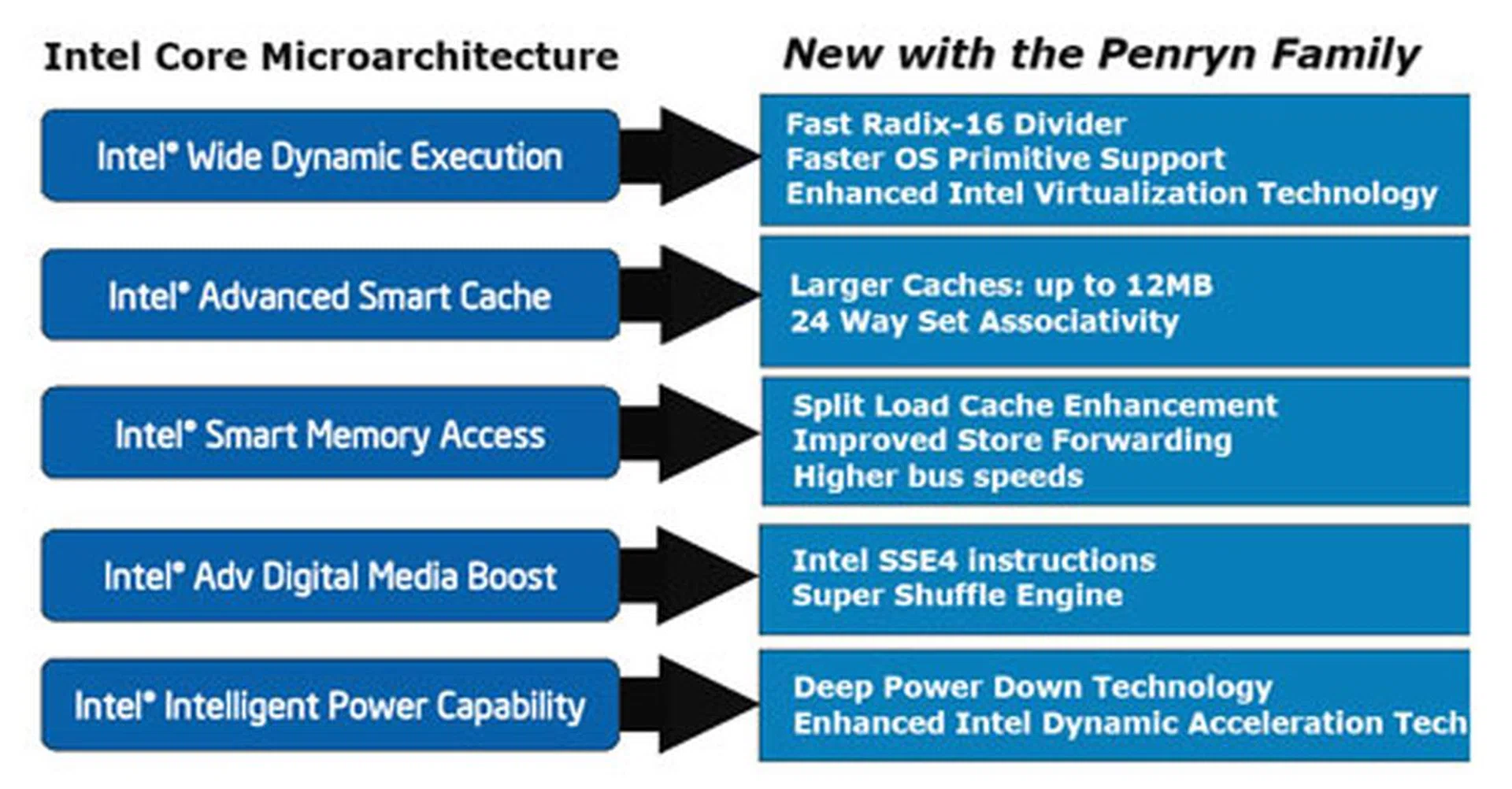
New enhancements in Penryn.
Penryn would come in two versions, a dual-core mainstream part and a quad-core part for the performance segment. For now, we know that Penryn would be manufactured as a dual-core part with a 6MB L2 cache (just as we've first pointed out in our initial overview of ). Mounting two of the Penryn dies in one LGA775 package would be the strategy Intel is adopting to build quad-core processors. We are not sure why Intel did not choose to manufacture single quad-core chips like what AMD is doing, but we suspect it is largely due to ensuring a better yield for these silicon parts, as 45nm is after all a new process technology that Intel is still trying to manufacture in large volumes.
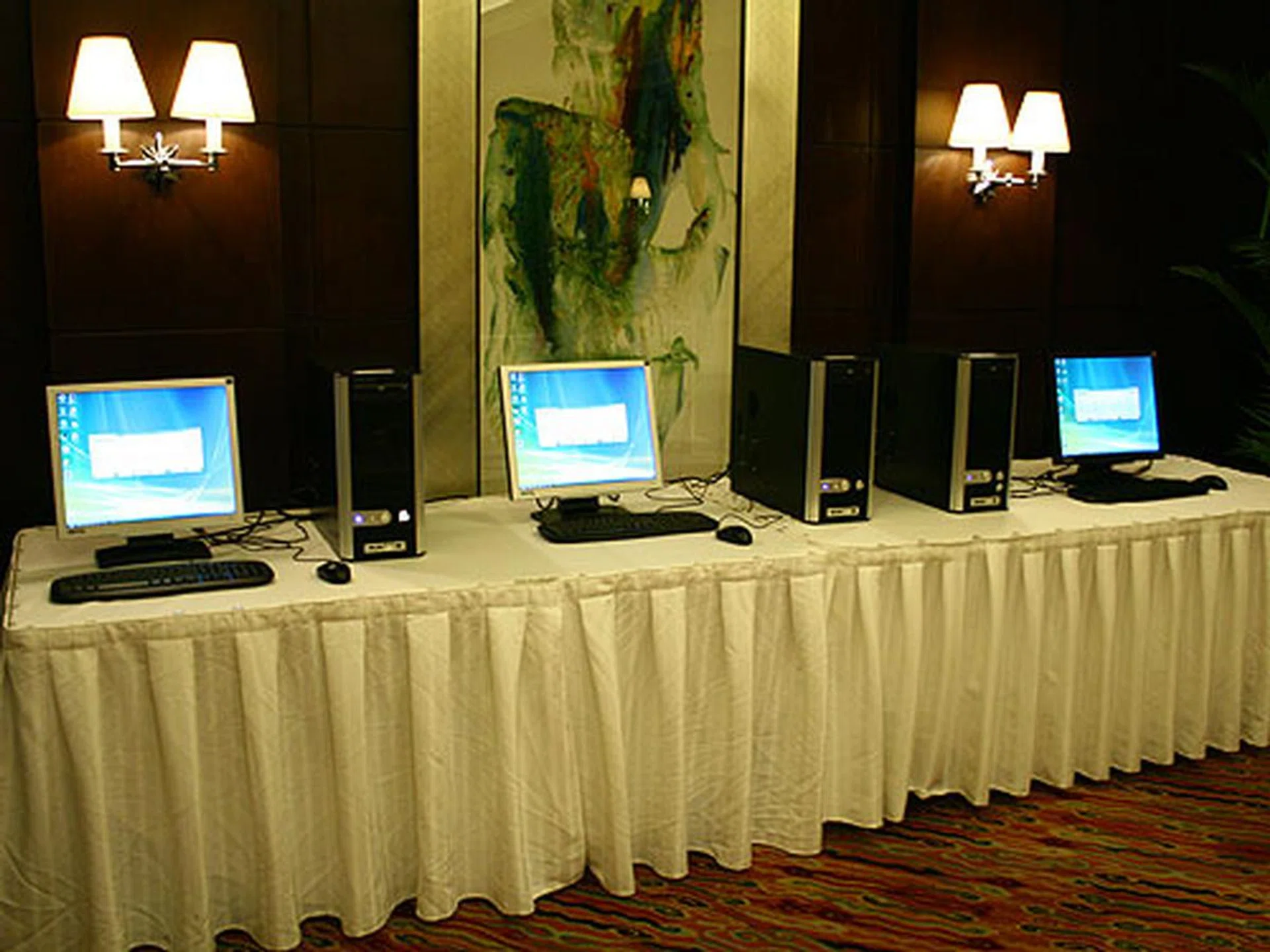
The systems used in the benchmarking.
The Benchmarks
We were given three systems to benchmark, one with the fastest Kentsfield (Core 2 Duo QX6800) and the other two with Penryn (one of which was a dual-core and the other, a quad-core). Here are the exact processors used for this test:-
- Intel Core 2 Extreme Processor QX6800 (8MB L2, 2.93GHz, 1066MHz FSB)
- Pre-production 45nm Penryn dual-core (6MB L2, 3.33GHz, 1333MHz FSB, codenamed Wolfdale)
- Pre-production 45nm Penryn quad-core (12MB L2, 3.33GHz, 1333MHz FSB, codenamed Yorkfield)
The overall test systems' configuration are as below:-
- Intel BadAxe 2 Desktop Board D975XBX2 (modified for Penryn)
- ASUS NVIDIA GeForce 8800GTX
- NVIDIA ForceWare 100.65 graphics driver
- 2 x 1GB Corsair TWIN2X2048-8500C5 set to DDR2-800 5-5-5-15 in BIOS
- Seagate Barracuda 7200.10 320GB
- Antec TruePower Trio 650 power supply
- Microsoft Windows Vista Ultimate (32-bit edition)
We tested the three systems with the following benchmarks:-
- 3DMark06 Pro v1.1.0
- Mainconcept H.264 encoder
- Cinebench R9.5
- Cinebench R10 (beta)
- Half-Life 2 Lost Coast Built 2707
- DivX 6.6 Alpha with VirtualDub 1.7.1
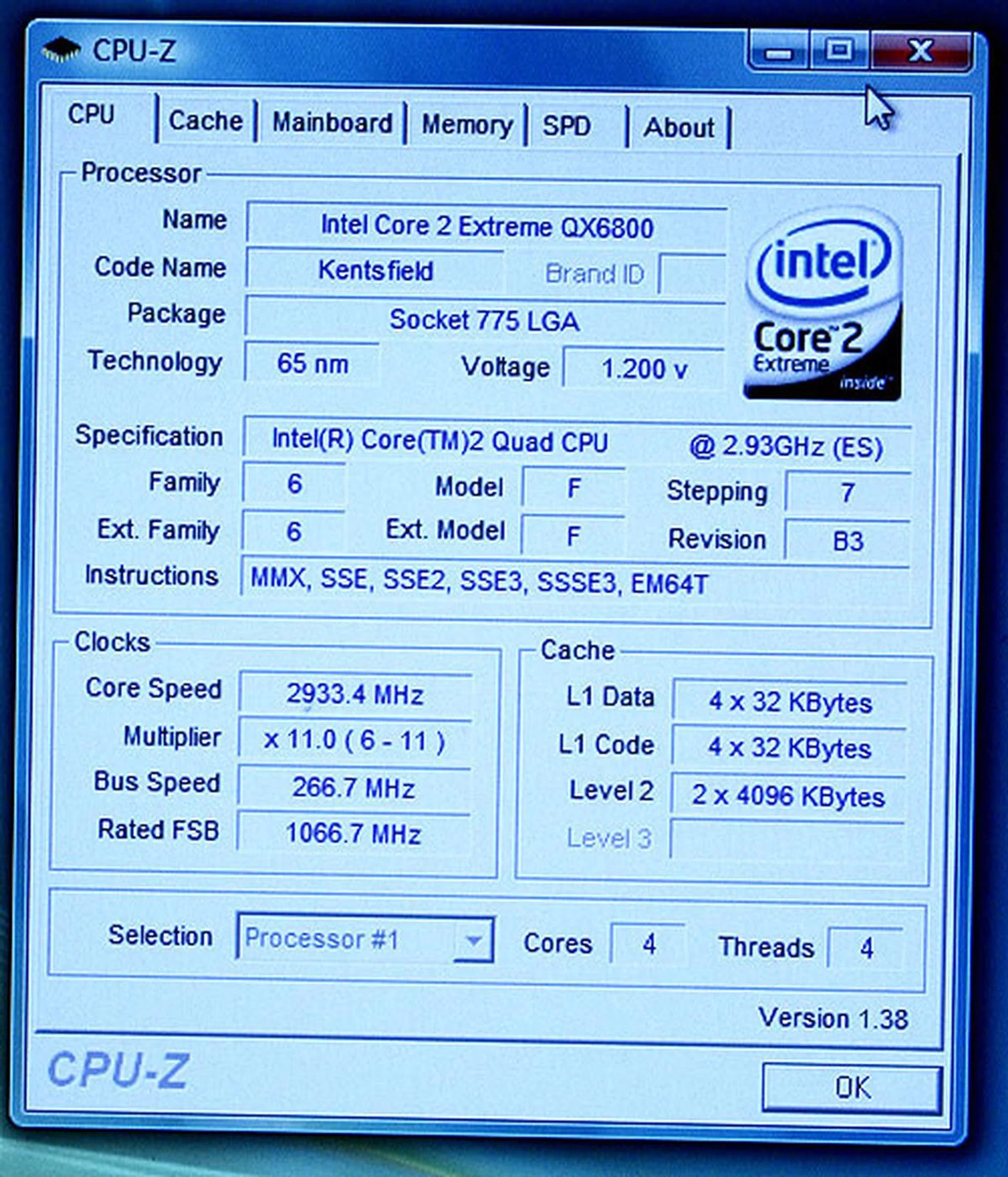
CPU-Z screenshot of Kentsfield (Intel Core 2 Extreme Processor QX6800).
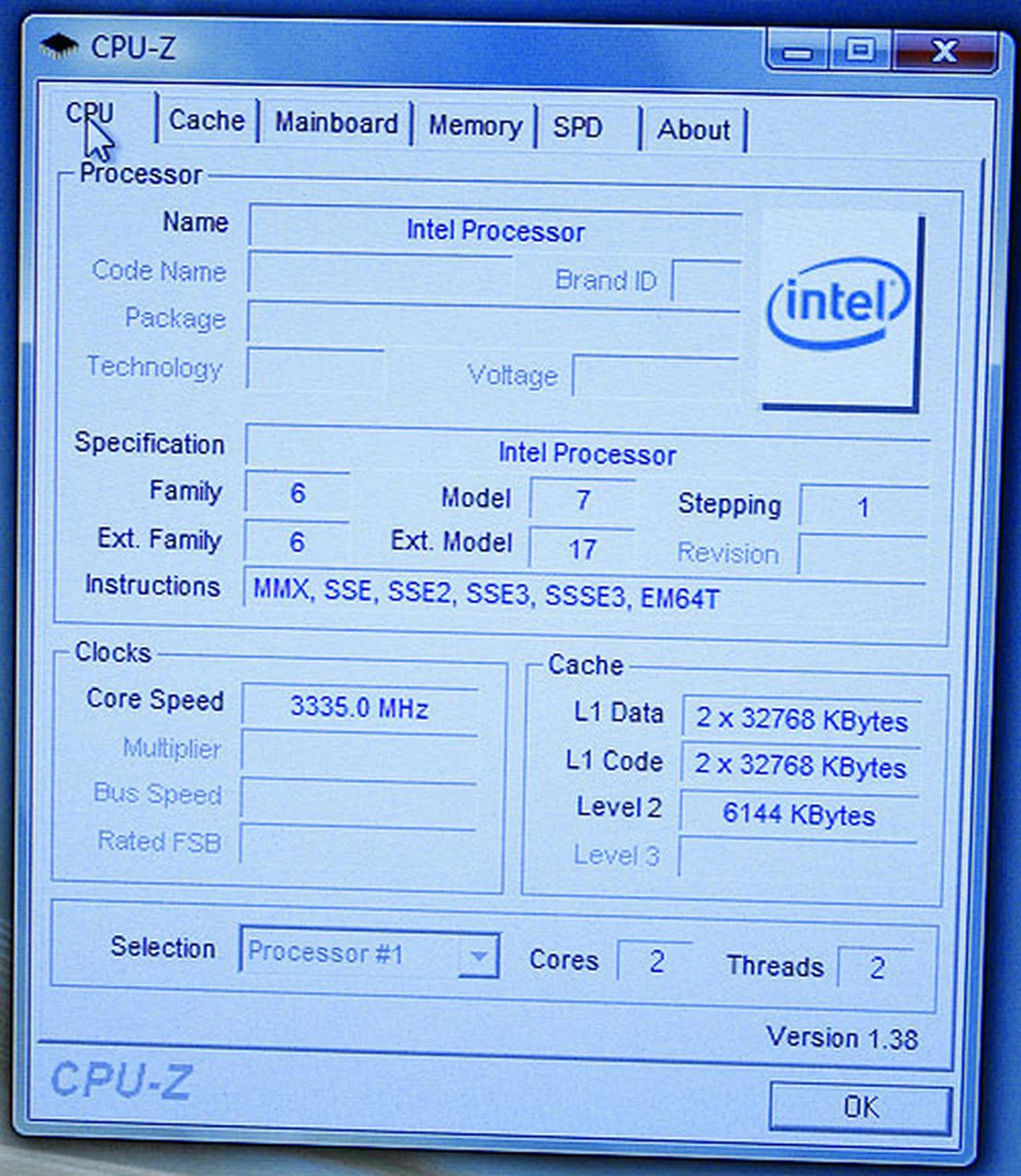
CPU-Z screenshot of Wolfdale (pre-production sample of dual-core 45nm Penryn). Note that some of the values detected by CPU-Z are inaccurate.
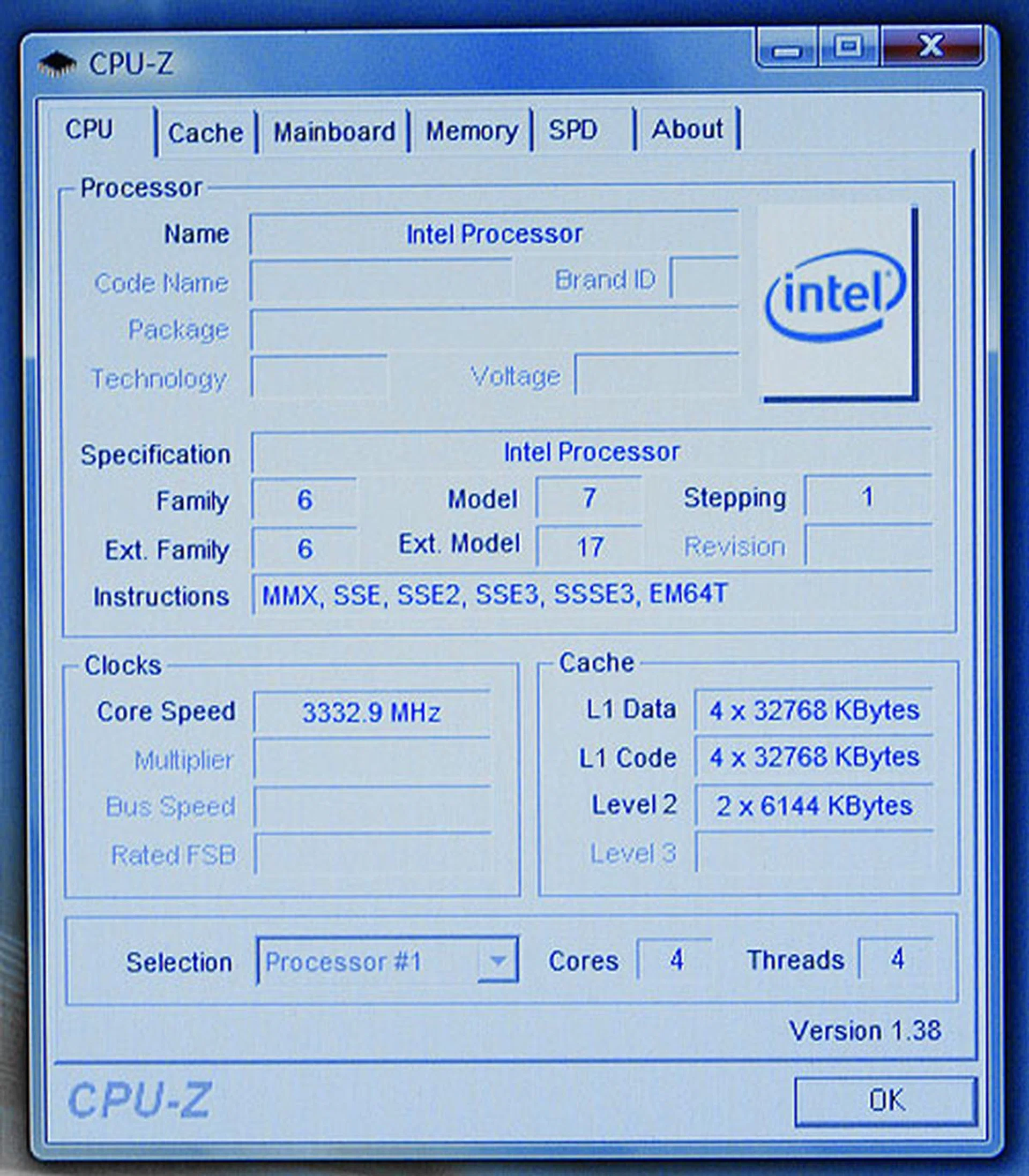
CPU-Z screenshot of Yorkfield (pre-production sample of quad-core 45nm Penryn). Note that some of the values detected by CPU-Z are inaccurate.
Results - Futuremark 3DMark 06 Pro & Half-Life 2
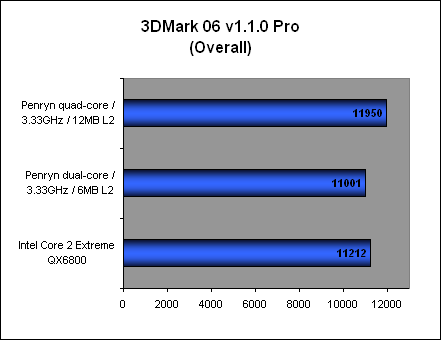
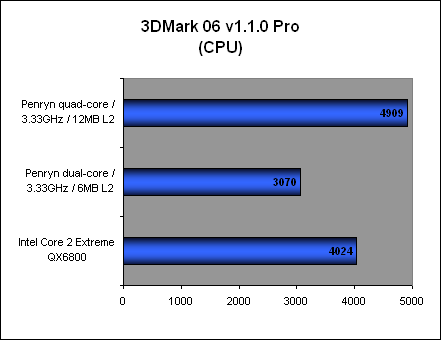
3DMark overall results did not seem to show much difference across all three systems as they are more graphics dependent. However, when it comes to CPU score, you can see that the quad-core Core 2 Extreme QX6800 is still faster than the dual-core Penryn. However, the quad-core Penryn takes the crown for being the fastest processor for gaming right now - well, according to 3DMark 06 of course.
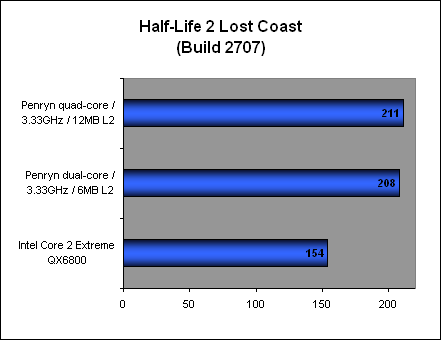
In Half-Life 2, the results did not seem to matter much whether you're using a dual-core or quad-core processor, as with most games, Half-Life 2 is still pretty much single threaded. As such, a lot of its performance are pegged to the core's frequency, the FSB and even the processor's microarchitecture. This is why there's virtually no performance difference between the two Penryn test systems (since both processors were clocked the same). Well, with a faster clock speed, the two new Penryn processors were about 35% faster than the Core 2 Extreme QX6800.
Results - Cinebench R9.5 & R10
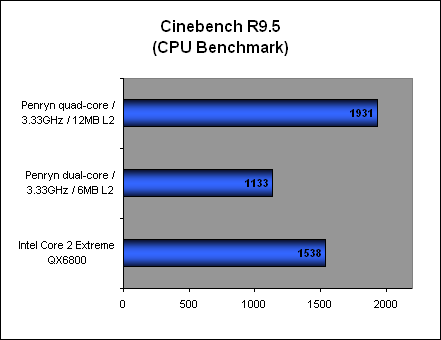
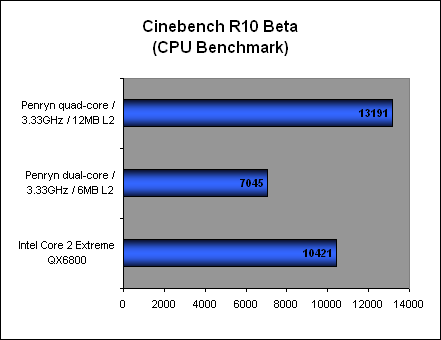
Results from Cinebench R9.5 and R10 were pretty consistent, with the quad-core Penryn rendering graphics in the least amount of time. Version R9.5 of Cinebench is very divider intensive and it is showcasing Penryn's new Radix-16 divider. Although the new Radix-16 divider is faster, the quad-core Kentsfield is still faster than a dual-core Penryn - simply because Cinebench takes advantage of threading.
Results - DivX 6.6 Alpha & Mainconcept H.264
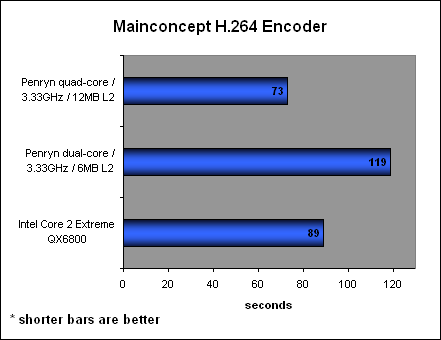
Mainconcept H.2264 encoding is only SSE2 optimized but already you can see that the quad-core Penryn is about 21% faster than the quad-core Kentsfield. Although you can argue that Kentsfied is slower, the Yorkfield's frequency is only about 13% more, so that could not be possibly responsible for the significantly higher speed-up seen with the quad-core Penryn. The reason for the better than expected performance with the Penryn is due to the Super Shuffle Engine introduced in Penryn. Super Shuffling enhances the encoding performance and it is done at the hardware level - simply means current encoders can take advantage of it.
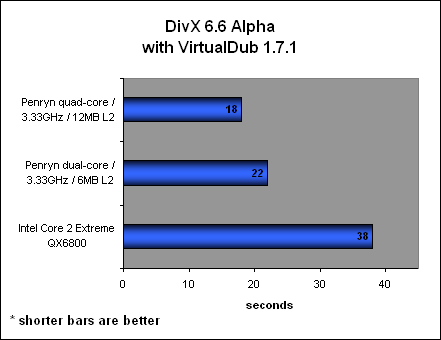
DivX 6.6 Alpha is yet unreleased but it has been optimized to take advantage of the new SSE4 instructions. SSE4 enhances video encoding to a large degree and you can see that even a dual-core Penryn could outperform the current Intel Core 2 Extreme QX6800.
45nm is Looking Good!
Although Penryn is scheduled for mass production in the second half of 2007 and to launch in the first quarter of 2008, Intel is already demonstrating working samples of Penryn more than nine months ahead of launch. The core clock of Penryn at 3.33GHz is testament that 45nm is running faster than current 65nm silicon and only time will tell if Intel would make these chips perform even faster.
The new enhancements to the current Core microarchitecture, as seen in some of these benchmarks, were quite awesome. The performance of Penryn, especially at video encoding using SSE4 and the Super Shuffle engine, were significantly better than current Core 2 processors. These new features would put Intel ahead of the game and it would certainly be difficult for AMD to catch up just by pure clock speed alone - that is if they continue with their current architecture.
At this point of time, Intel is sampling Penryn at 3.33GHz. By 2008, we are expecting Intel to have a production stepping capable of higher clock speeds. Intel has not detailed any specific speeds at which they will launch Penryn, but we are expecting speeds similar to what we have benchmarked here. Whatever it is, we expect these processors to have great overclockability and we just can't wait to get our hands on these babies as they look prepared to set new performance records.
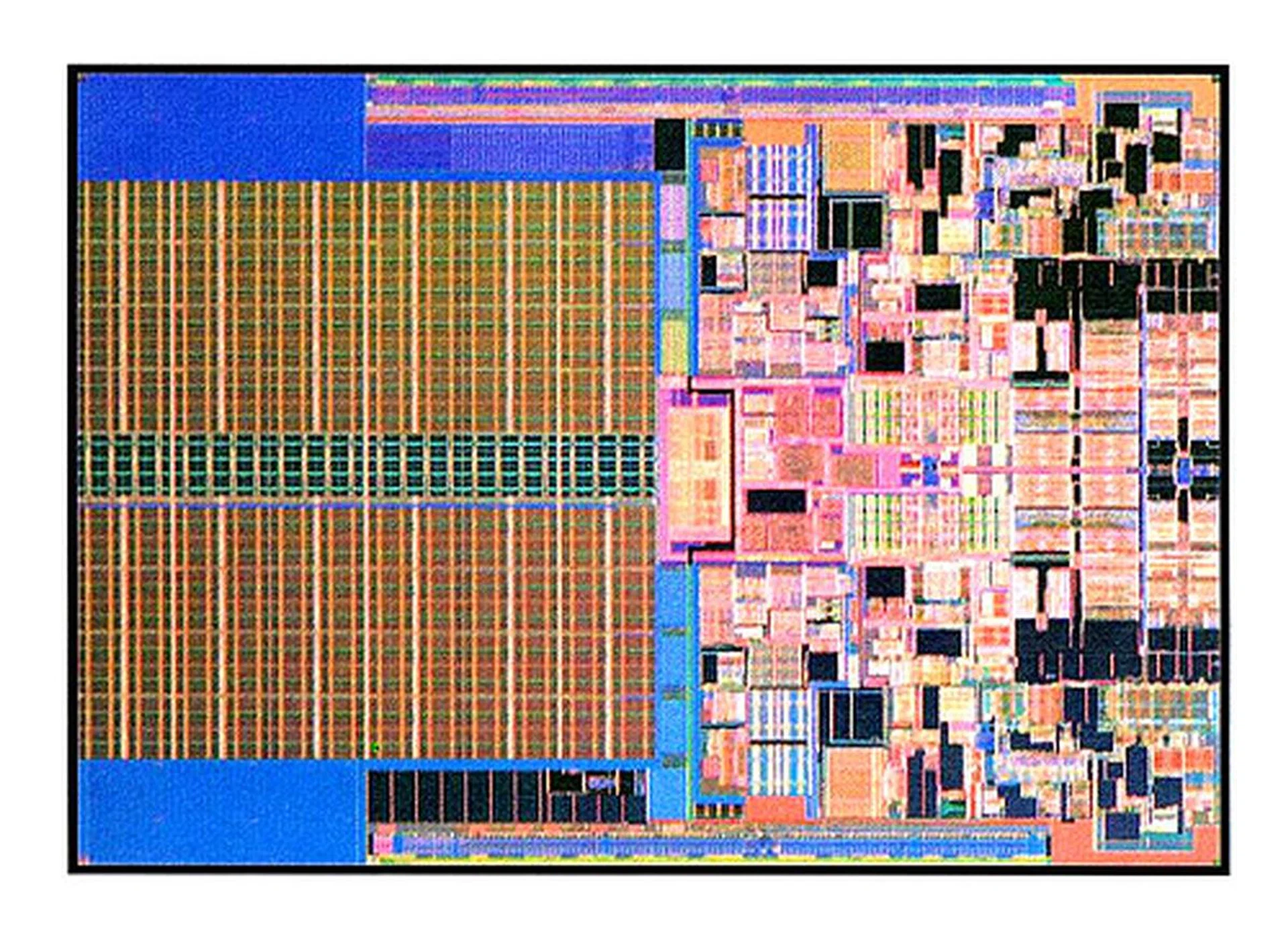
Intel's 45nm Penryn.
Our articles may contain affiliate links. If you buy through these links, we may earn a small commission.