
Note: This review was first published on 5 Oct 2020.
Two new watches
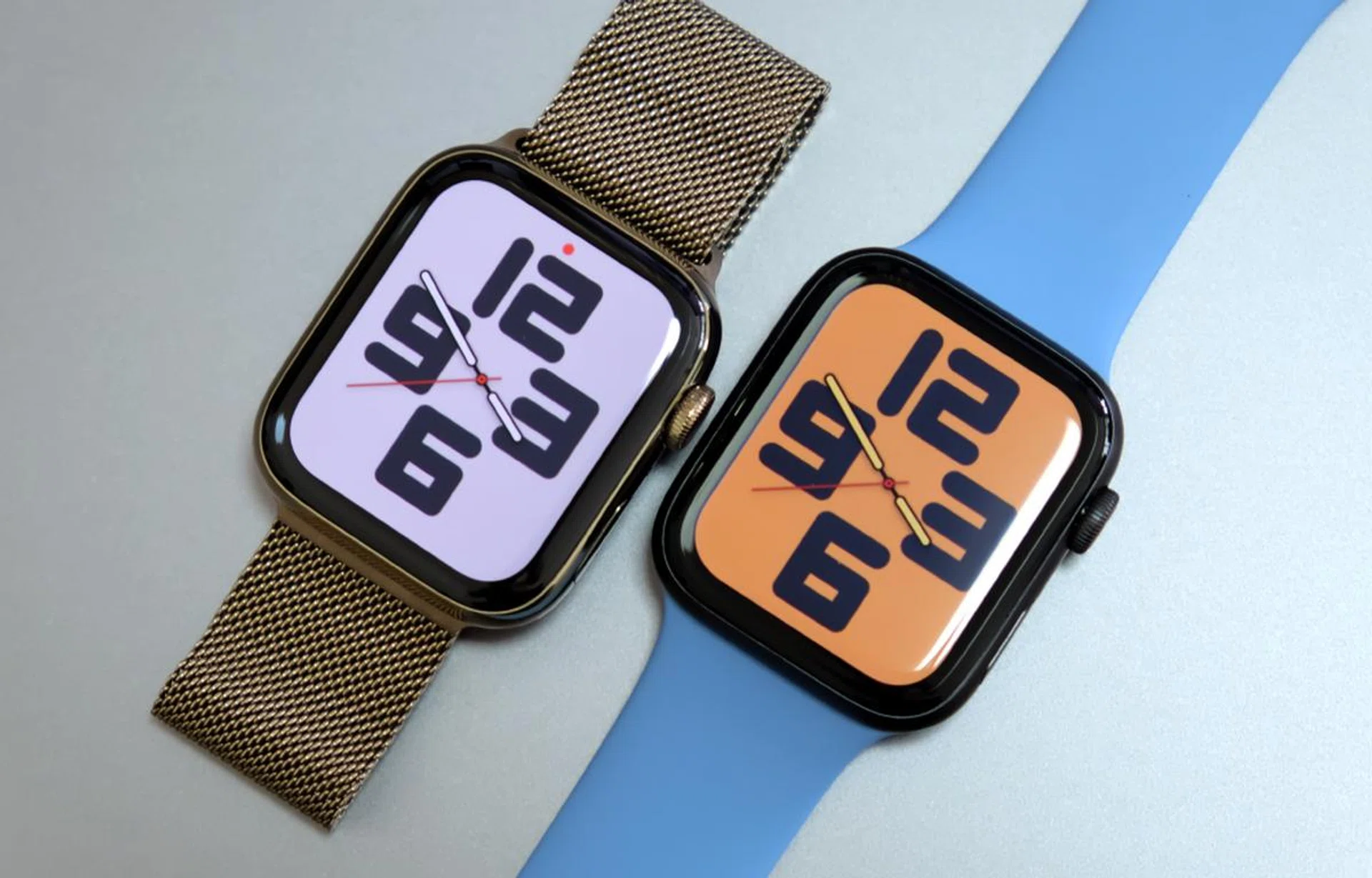
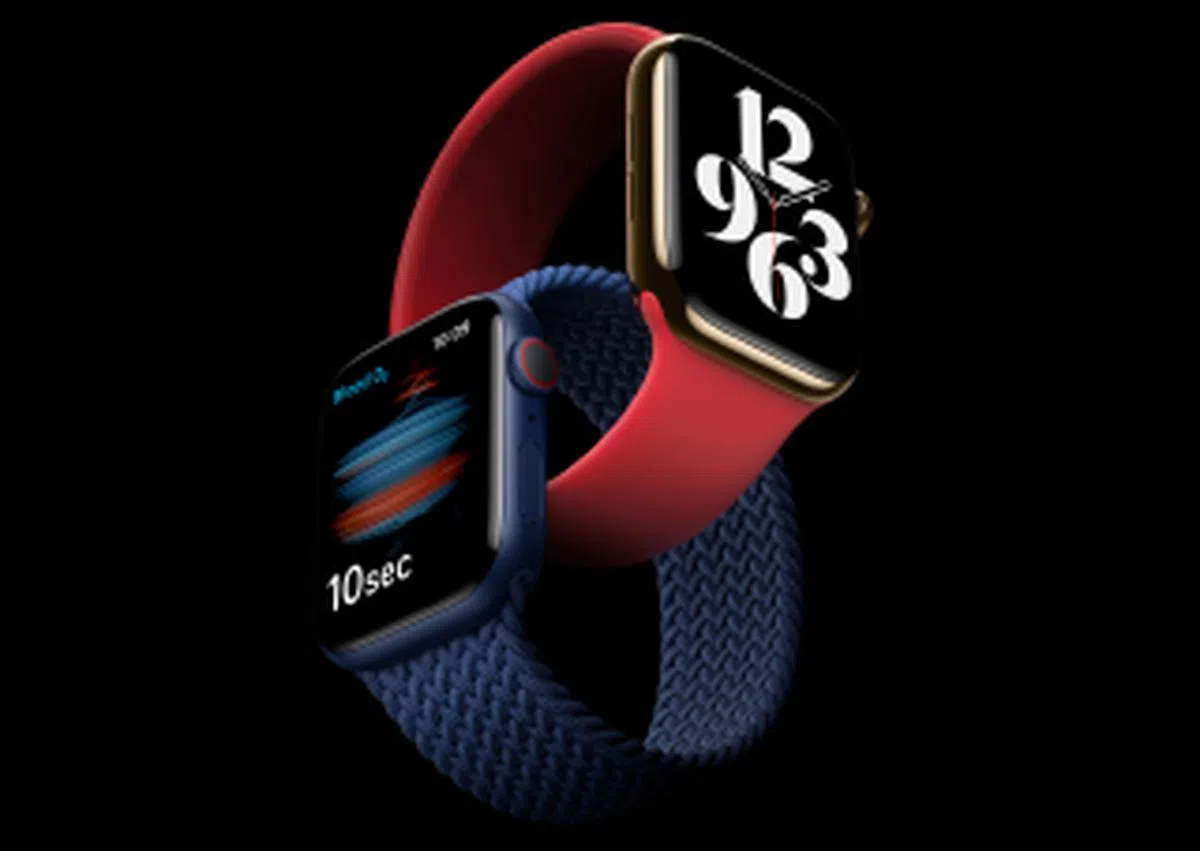
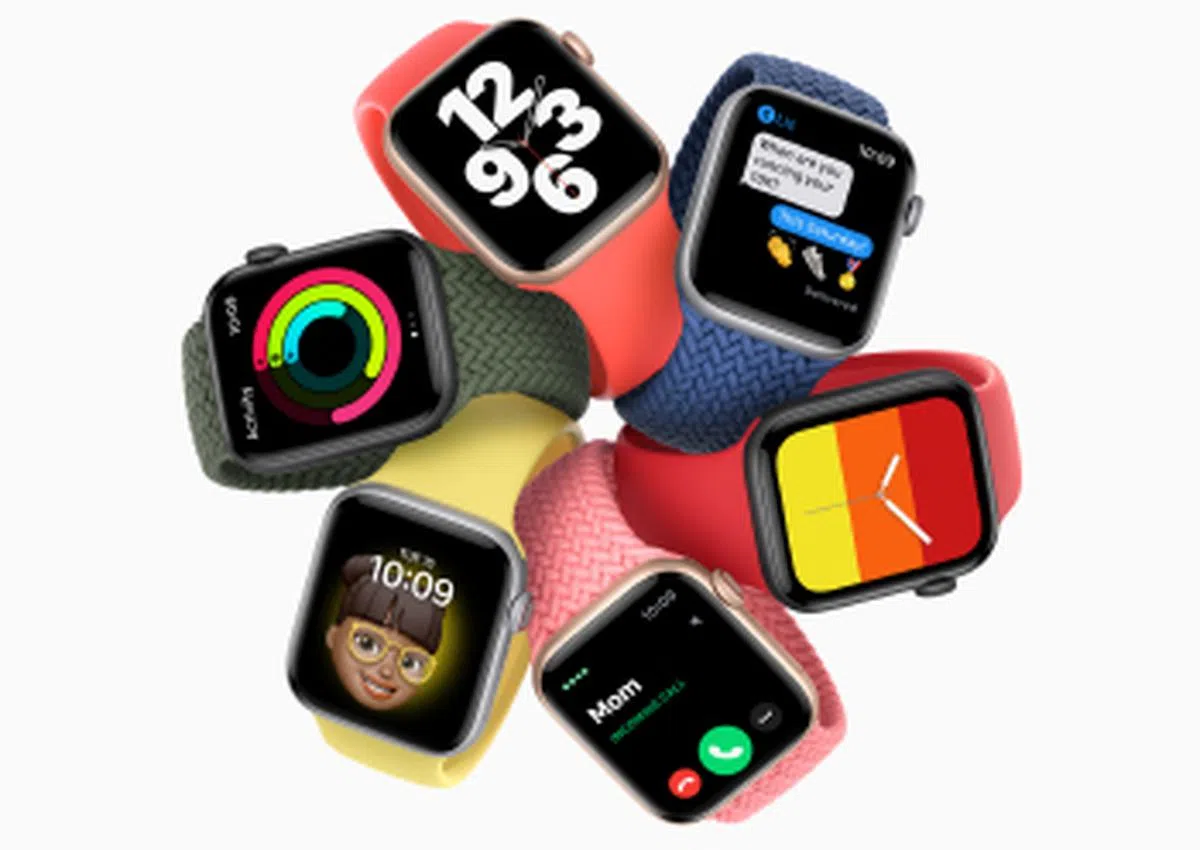
Apple has two new smartwatches this year. The Apple Watch Series 6 on the left, and the Apple Watch SE on the right.
For 2020, Apple announced not one but two new Apple Watches. New this year is the Apple Watch Series 6 and the Apple Watch SE. It’s amazing how Apple has steadily updated its smartwatch. I didn’t think you could make advancements to something so small at a yearly rate, nor was it necessary given the gulf between the Apple Watch and its closest rivals. But to be fair, some year’s updates were more significant than others.
This calls for a quick trip down memory lane. Series 2 added water-resistance so it could finally be taken swimming; Series 3 gave us cellular connectivity; Series 4 introduced a radically new form factor, display, and also the ability to take ECG readings; and finally, Series 5, added an always-on display and a built-in compass. So what about the new Apple Watch Series 6 and Apple Watch SE?
Same design
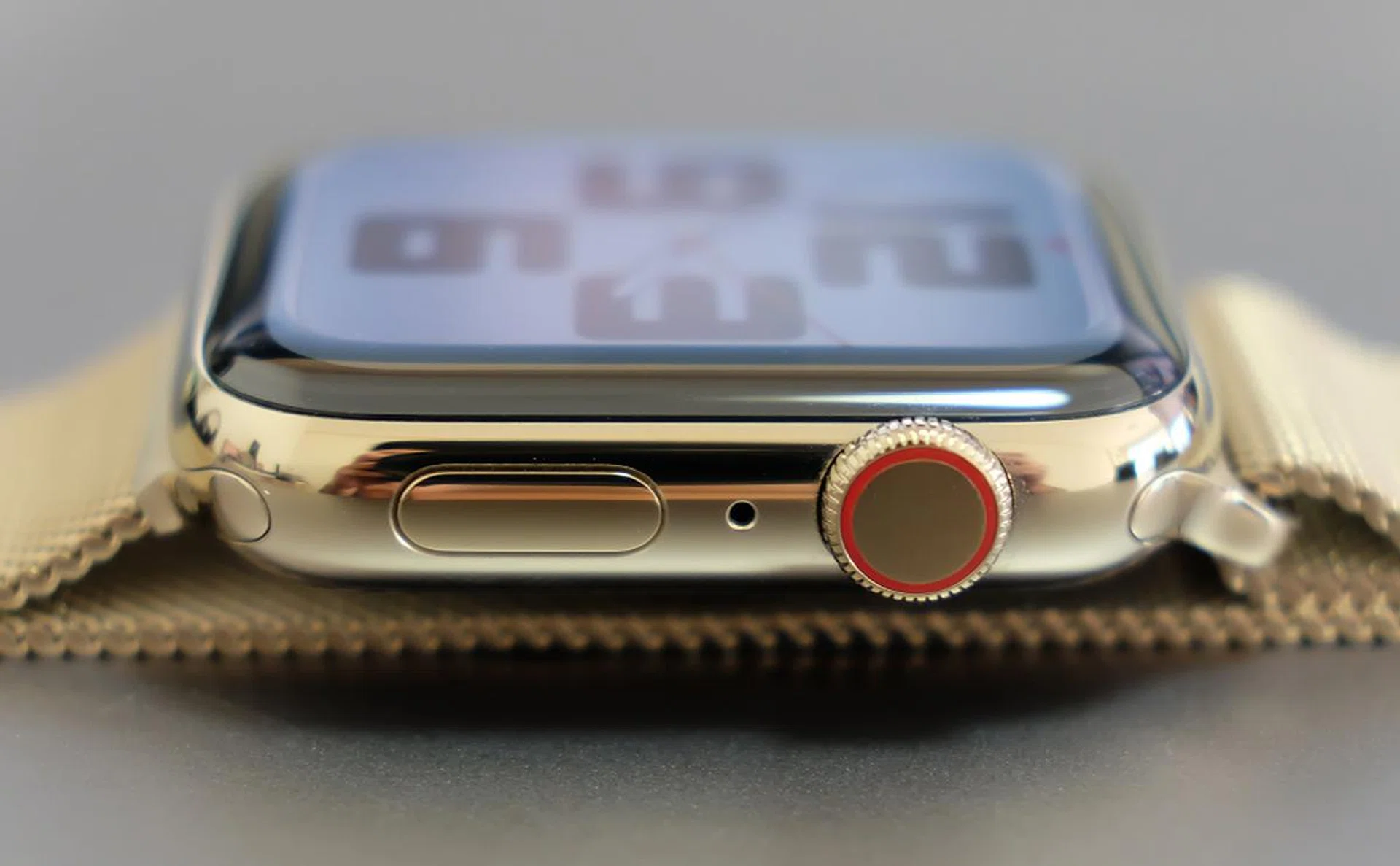
The case design is unchanged. Series 6 also gets an updated gold finish that is supposed to mimic the look of 18k yellow gold.
The design is unchanged. Series 6 and the new SE are still square watches that come in two sizes: 44mm and 40mm. However, they are slightly thinner. 0.3mm to be exact, but you won’t be able to tell unless you pull out a micrometre.
Now, some people are going to say it’s boring or lament that it isn’t round. To the first point, I’d say that this isn’t necessarily a bad thing. Apple has found a design that worked and stuck with it. Rolex doesn’t change the way the Submariner looks just because a handful of naysayers say it’s repetitious. And at any rate, the Apple Watch has now become one of the most recognisable watches in the world. You can identify it on someone’s wrist from across the room and I don’t think you can say that of many watches. And to the second point, let’s face it: you don’t see airports using round signages because a square/rectangular display is still the most ideal for displaying text and information.
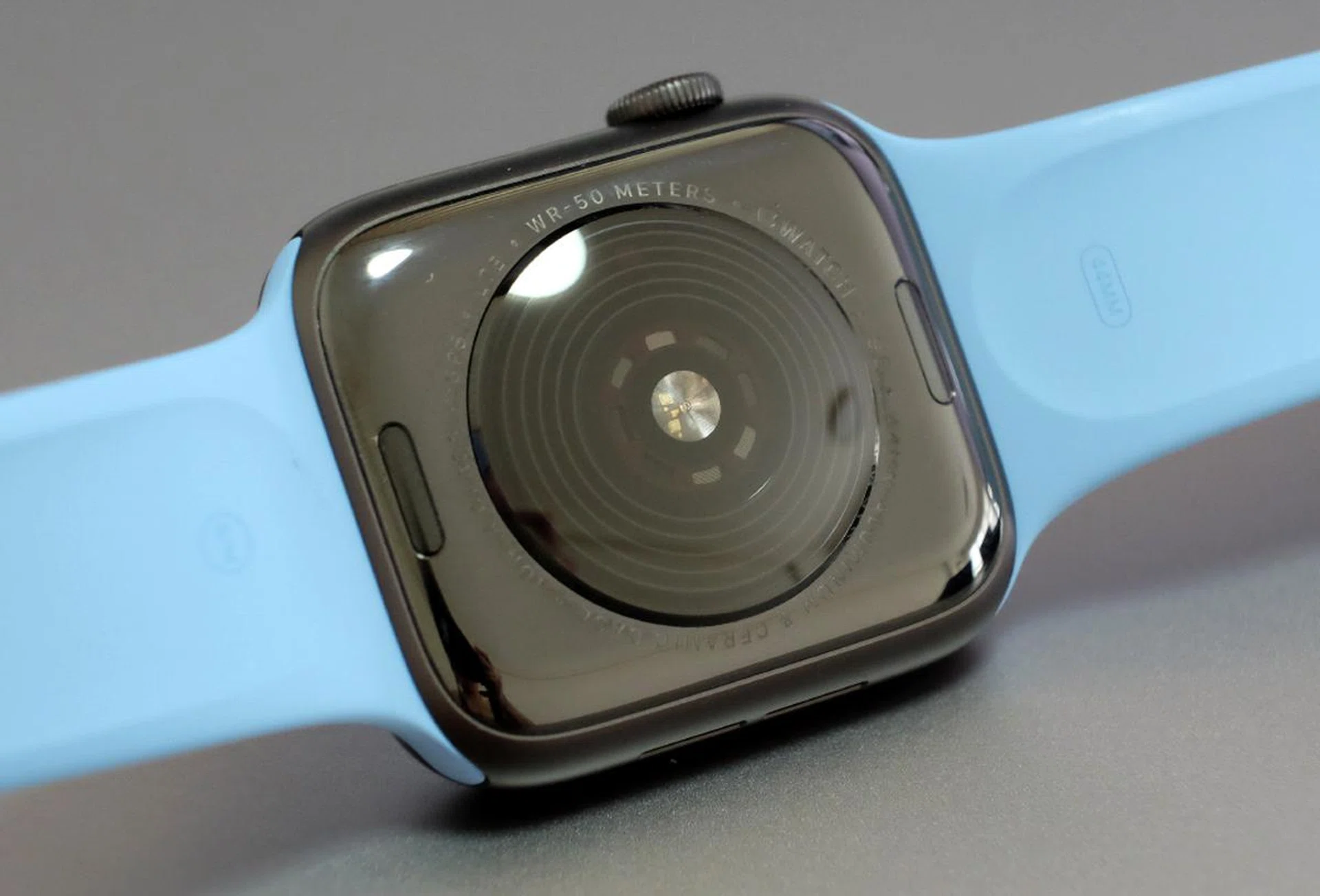
The case back of both the Series 6 and SE are a combination of ceramic and sapphire glass.
There are new finishes. Series 6 still comes in aluminium, stainless steel, and titanium. Gone is the ceramic Apple Watch Edition. For the aluminium models, there’s now a new blue finish, and, for the first time, a (PRODUCT)RED model. As for stainless steel, there’s a new Graphite finish while the Gold finish has been updated with a new hue that more closely mimics the look of 18k yellow gold. The Apple Watch SE is only available in an aluminium case.
I have been testing the Gold stainless steel model and I’d say that its hue in somewhere in between that of yellow and rose gold. In bright light, it looks more like yellow gold while in dimmer environments it shows a more reddish tone. In fact, it reminds me of the unique honey gold material that German watch brand A. Lange & Söhne employs for its most exclusive watches. I’d leave you to judge for yourself the attractiveness of this new finish but I really enjoy it.
New in Series 6
Prices of the new Series 6 start at S$599, which is the same as Series 5. Not all of Series 6’s headline features are a direct result of hardware updates. Some, like sleep-tracking, are made possible by watchOS 7 and are consequently are available on other models. So, let’s begin by talking about the features that are exclusive to this watch because of its new hardware.
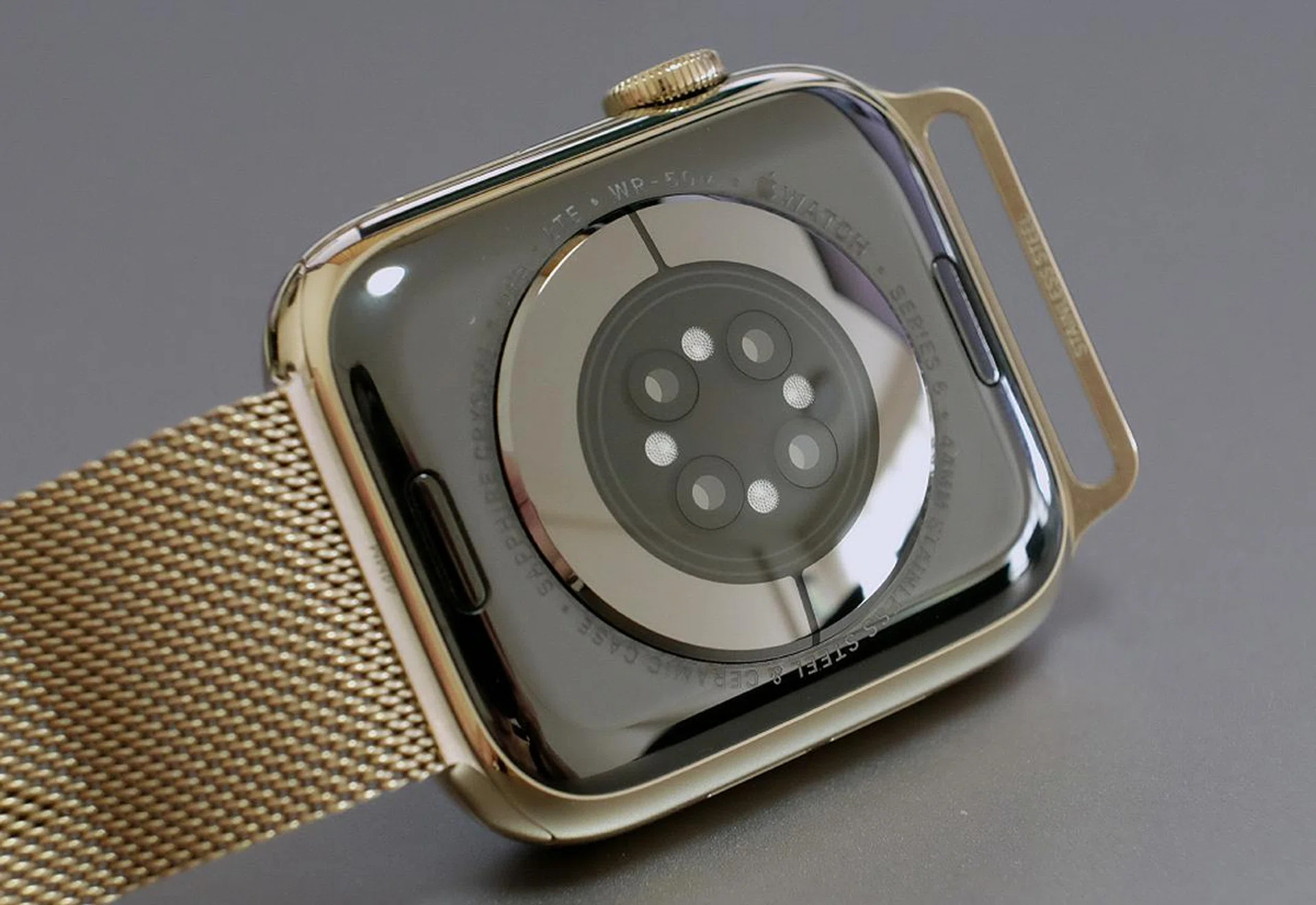
Series 6 features a new sensor tha uses red and infrared light to measures your bloody oxygen level on top of your heart rate and ECG.
We begin with the new sensor on the back. It still measures your heart rate and it’s still capable of giving you an ECG reading, but it now features red and infrared lights which it uses to measure your blood oxygen level (similar to a pulse oximeter). It’s easy to get a reading. Simply open the new Blood Oxygen app and keep still for 15 seconds and the watch will give you your results. It's quite fussy so you'll have to stay quite still to get a proper measurement. The app also takes readings in the background.
However, unlike the ECG function, this particular feature wasn’t cleared with the US FDA or Singapore’s own HSA (Health Sciences Authority). Meaning, it’s not a medical device and you shouldn’t rely on it if you need accurate measurements.

The blood oxygen level measurement should not be seen as definitive. It is not a medical grade device.
At this point, the cynics will say, “It’s useless, then.” Well not exactly, because as accurate as the ECG function on the Apple Watch is (clinical studies conducted by Apple found the ECG app to demonstrate 98.3% sensitivity in classifying AFib and 99.6% specificity in classifying sinus rhythm), you still shouldn’t rely on it for a definitive verdict and it’s no substitute for a doctor.
It’s the same for Blood Oxygen app. If the readings are not ideal, you should see a doctor. And even if the readings are in the ideal zone and you don’t feel well, you should still see a doctor. The bottom line is, only a doctor can you give valid medical advice about your health.
Having said that, I’m of the opinion that every bit of health monitoring helps – even if the sensors aren’t 100% accurate – since it could lead to early detection of problems and that’s often critical. I would welcome any kind of new sensors or health monitoring feature, as long as care has been taken to implement it.
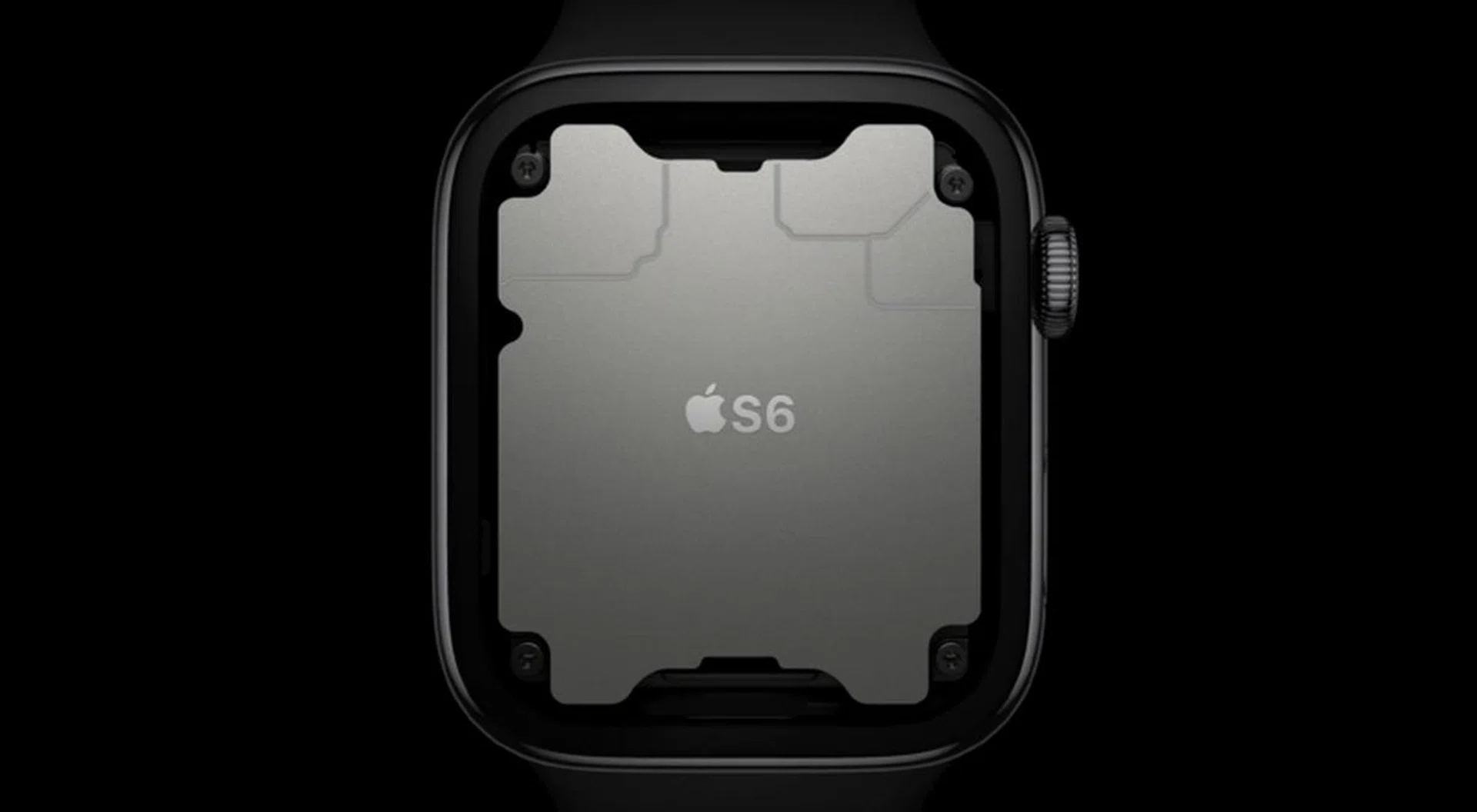
Series 6 is powered by the new S6 chip that's based on the A13 Bionic chip.
The second big hardware update is the new S6 chip that powers it. This new processor is based on the A13 Bionic in the iPhone 11 and Apple claims it’s up to 20% faster. I can’t say if it’s exactly up to 20% faster but the difference is noticeable. Apps launch more rapidly and the watch feels noticeably more responsive. The S6 chip also supports faster 5GHz Wi-Fi. It’s nice to have but I’m not sure how beneficial this is, since it’s not like you can stream videos directly to the watch.
It’s more efficient too and this has allowed Apple to direct energy to other areas like the display. The always-on display in Series 6 can get up to 2.5 times as bright (500 nits vs. 200 nits) as Series 5, making it easier to see at a glance especially in bright sunlight.
Battery life remains the same at a claimed 18 hours. Unless you go on a long run with the GPS activated or use cellular connectivity a lot, I think that figure is just about right and it will get you through a day with no problem. One crucial improvement is that the S6 chip allows for faster charging. It gets from zero to 80% in an hour, and a full charge takes around 90 minutes. This is handy if you want to take advantage of the new sleep tracking function that comes with watchOS 7 because it needs at least 30% charge to enable.
In addition to the S6 chip, Series 6 also features a U1 chip. This chip is also found in the iPhone 11 and iPhone 11 Pro and it uses ultra wideband technology for directional and spatial location. There’s not much practical use to the U1 chip now but it’s long been rumoured that Apple is working on a tracker and that the U1 chip will have a role to play in that. We’ll just have to wait and see.
What about Watch SE?
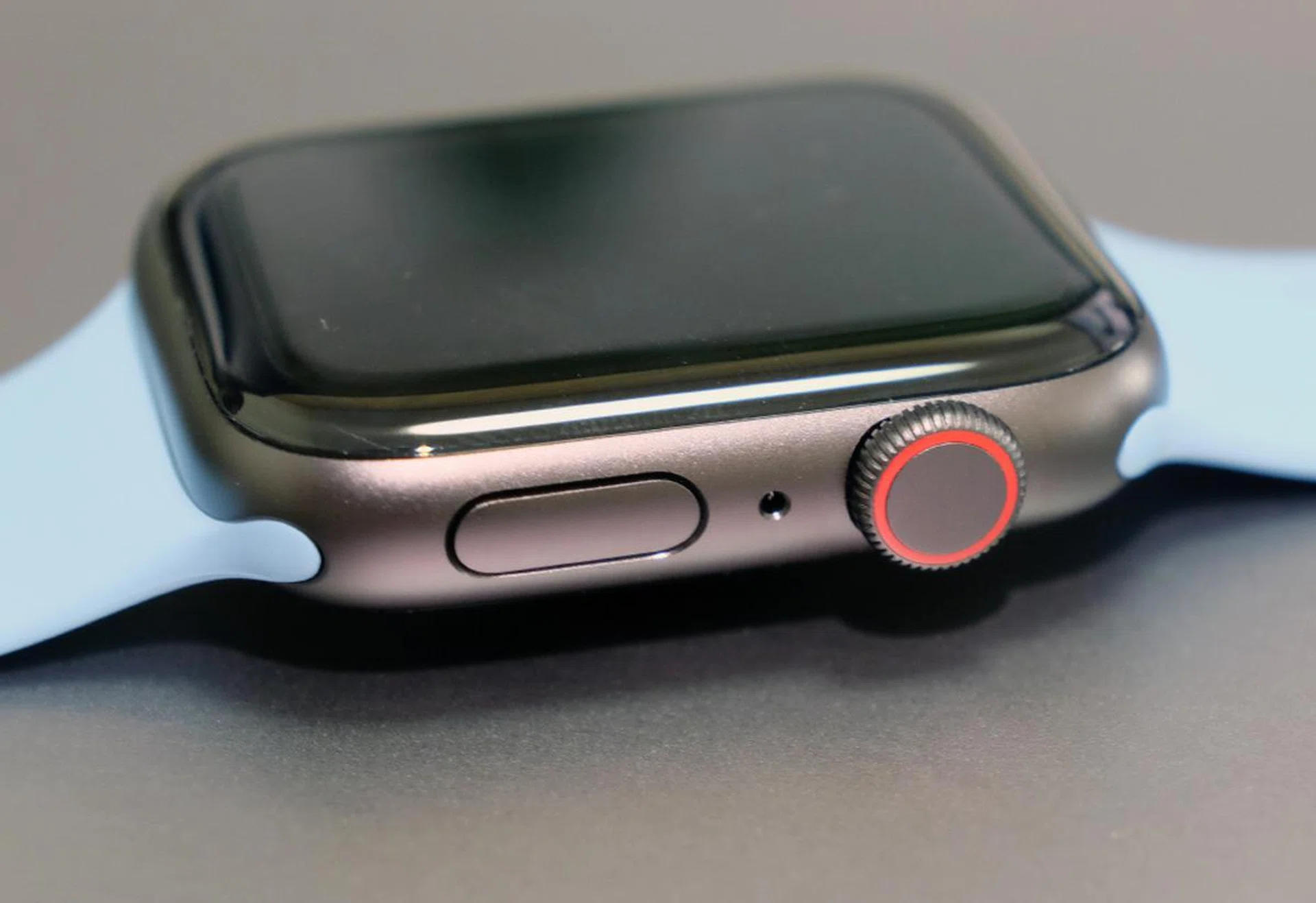
The Apple Watch SE is physically identical to the Series 6. However, it's only available in aluminium.
Apple Watch SE is essentially a more affordable version of Series 6. It has the same design but it’s only available in aluminium and it’s powered by the older S5 processor (same as Series 5). Crucially, it has most of the features of Series 6, including the heart rate sensor, always-on altimeter, GPS, and more. However, it is missing some key features to keep prices low. Prices start at S$419 for the Apple Watch SE versus S$599 for the Series 6.
For the sake of brevity, here’s are the key features missing on the Apple Watch SE.
- No blood oxygen sensor
- No ECG
- No U1 chip
- No always-on display
- Only GPS, no cellular connectivity
- Only support for 2.4GHz wireless, no 5GHz
- No support for fast charging
And that’s about it. Yes, it’s missing some really key features but other than the above, it does everything else the Series 6 does. If you think none of the above features is important, then the Apple Watch SE is the obvious choice.
Say hi to new bands
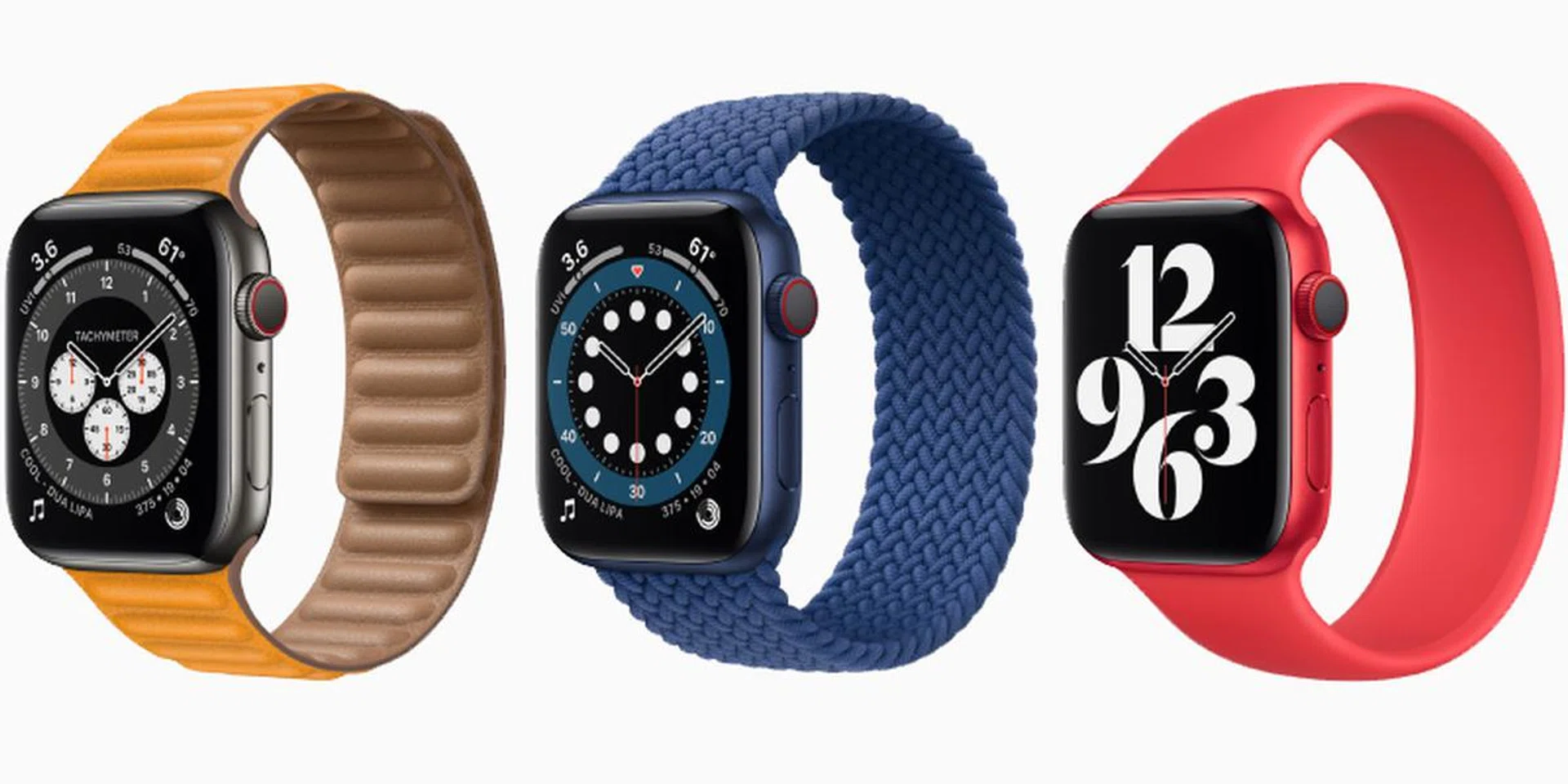
Meet the new bands. From left to right: Leather Link, Braided Solo Loop, and Solo Loop.
Apple also announced three new watch bands. What’s notable about these bands is that they secure around your wrist without the use of clasps or buckles. The first is called the Leather Link, which is a leather band that has moulded magnets in the strap. It’s like the old Leather Loop band but without the loop component.
The highlights, however, are the two new Loop bands. There’s the Solo Loop and the Braided Solo Loop. The Solo Loop is made out of liquid silicone rubber, while the Braided Solo Loop is made out of post-consumer recycled yarn that’s braided around thin silicone threads. I had the chance to handle both of them and they are very soft. And I have been wearing the Solo Loop for the past week or so I find it superior to the old Sport Band that’s made out of fluoroelastomer. It’s appreciably softer and plusher than the standard Sport Band.

The Solo Loop is a one-piece construction and has no buckle or clasp.
Because the Solo Loop and Braided Solo Loop have no clasp or buckle and are essentially just one piece of material, sizing is critical. If it fits loosely and the sensors on the back of the watch won’t be able to get an accurate. On the other hand, if it’s too tight, it’ll be uncomfortable to wear for long periods. Also, it bears mentioning that these two new straps are designed for use with Apple Watch Series 4 and above (remember, Series 4 introduced a new case design). You could strap them to older watches but the measurements will be off and they won’t fit as well.
watchOS 7
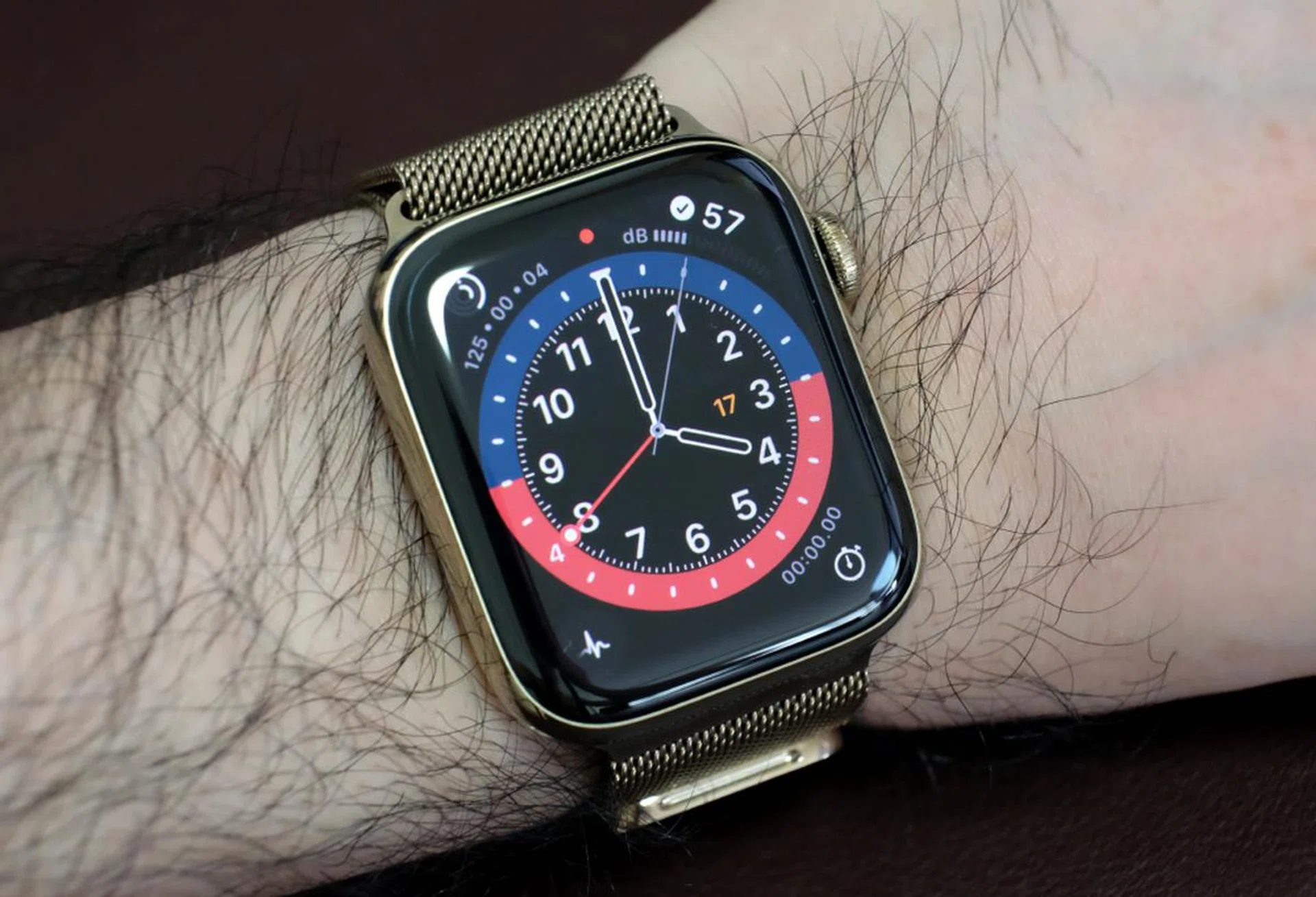
The Apple Watch could always display multiple timezones but you can now see it in an analogue way thanks to the new GMT face.
These two watches ship with watchOS 7, which, for me, ranks as one of the more significant watchOS updates mainly because of the new watch faces.
Call me shallow, but I dig the new watch faces. There are 9 in total and they are unique, funky, and useful in their own ways. Some like GMT and Chronograph Pro are clearly inspired by the world of watchmaking. Alan Dye, Apple’s VP of Human Interface Design, said so himself during the keynote that the watches were designed with “a deep respect for the history of timekeeping.”
The GMT watch face features a bi-colour bezel that was first popularised by the Rolex GMT-Master, whereas Chronograph Pro (in black and white) is reminiscent of the legendary Rolex Paul Newman Daytona. I also like the new Artist face (designed in collaboration with Geoff McFetridge) for its hipster vibes, and the new Stripes and Typograph faces for their simplicity.
We will never know the reasons why Apple took this long to implement sleep-tracking, but it’s finally here. It’s part of watchOS 7’s goal to help you sleep better. After setting your desired duration of sleep, and your ideal bedtime and wake time, your Apple Watch will notify you once bedtime approaches and also wake you up at the time you have set. Sleep tracking happens automatically in between so once you set these parameters up, there’s no need to fuss around anymore. Overall, it works quite well but the tracking of sleep is tied to your target bedtime and wake time, which means it won’t count the naps you take, say, from dozing off after a heavy lunch.
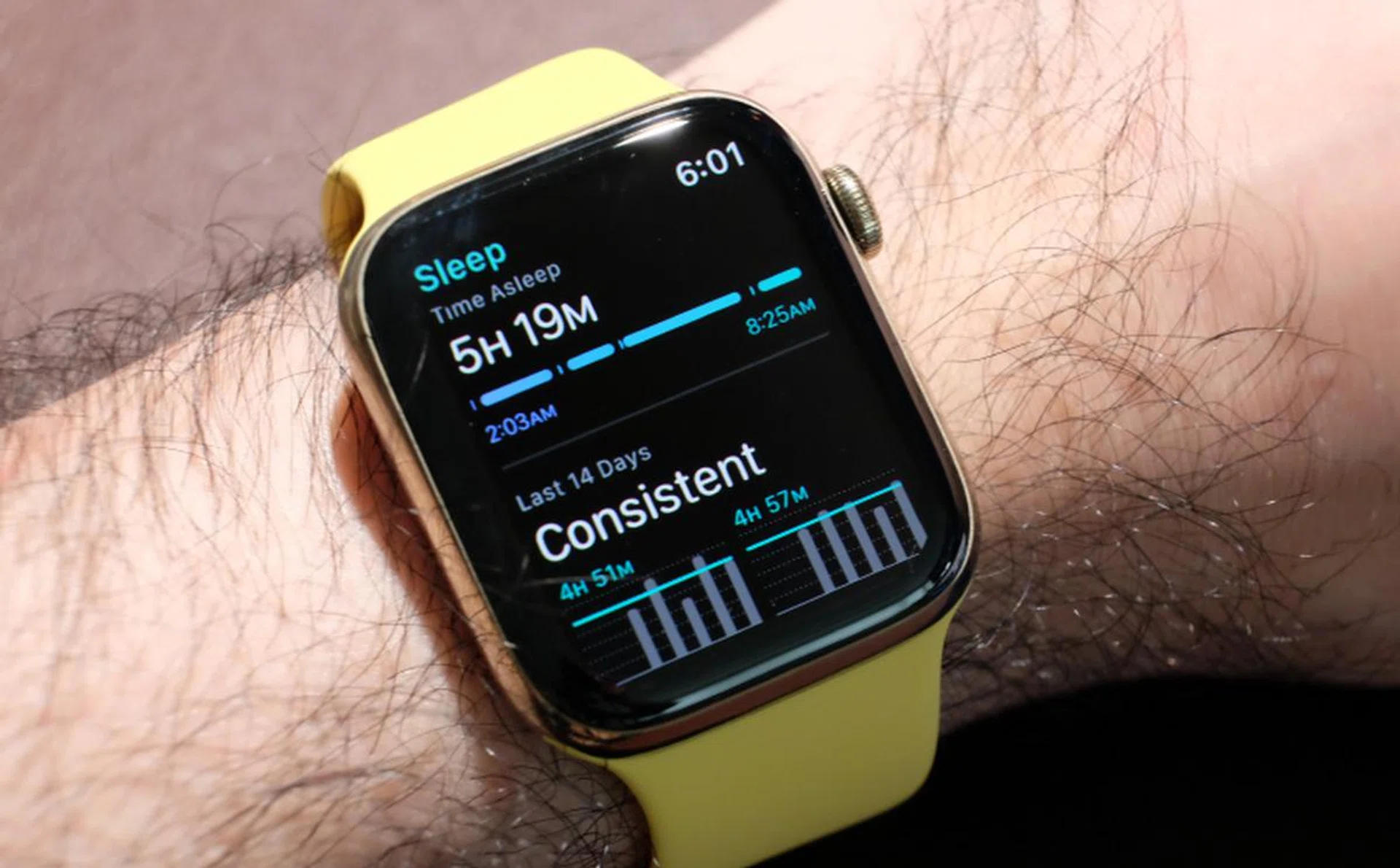
I should probably get more sleep.
Another highlight of watchOS 7 is Family Setup, which lets owners set up Apple Watches for family members who do not use iPhones but might want to use an Apple Watch. Parents might find this an invaluable tool because you can set up location notifications to alert or keep you updated of your child’s whereabouts. Children, on the other hand, can use Emergency SOS should they find themselves in trouble. Family Setup requires a cellular-enabled Apple Watch Series 4 and above to work. And sadly, it isn’t available in Singapore yet.
watchOS 7 includes other smaller but no less important improvements like support for more workout types, cycling directions, improved mobility metrics, and a new handwashing alert. Can I also say that watchOS updates are getting really big these days? At this rate, it wouldn’t be long until the number of new watchOS features rival that of iPadOS or even iOS.
Still the best, but…
The short story is this: if you are an iPhone user and you are looking to buy a new smartwatch either for the first time or to replace your ageing one the new Apple Watch Series 6 is a no-brainer recommendation. And if your budget is limited, the Apple Watch SE is a great alternative – it gets you most of the features of Series 6 but at a more affordable price. All things considered, the Apple Watch’s formidable combination of design, high build quality, high degree of customisation via straps, excellent health and fitness tracking, features, and performance, means it’s easily the best smartwatch money can buy.
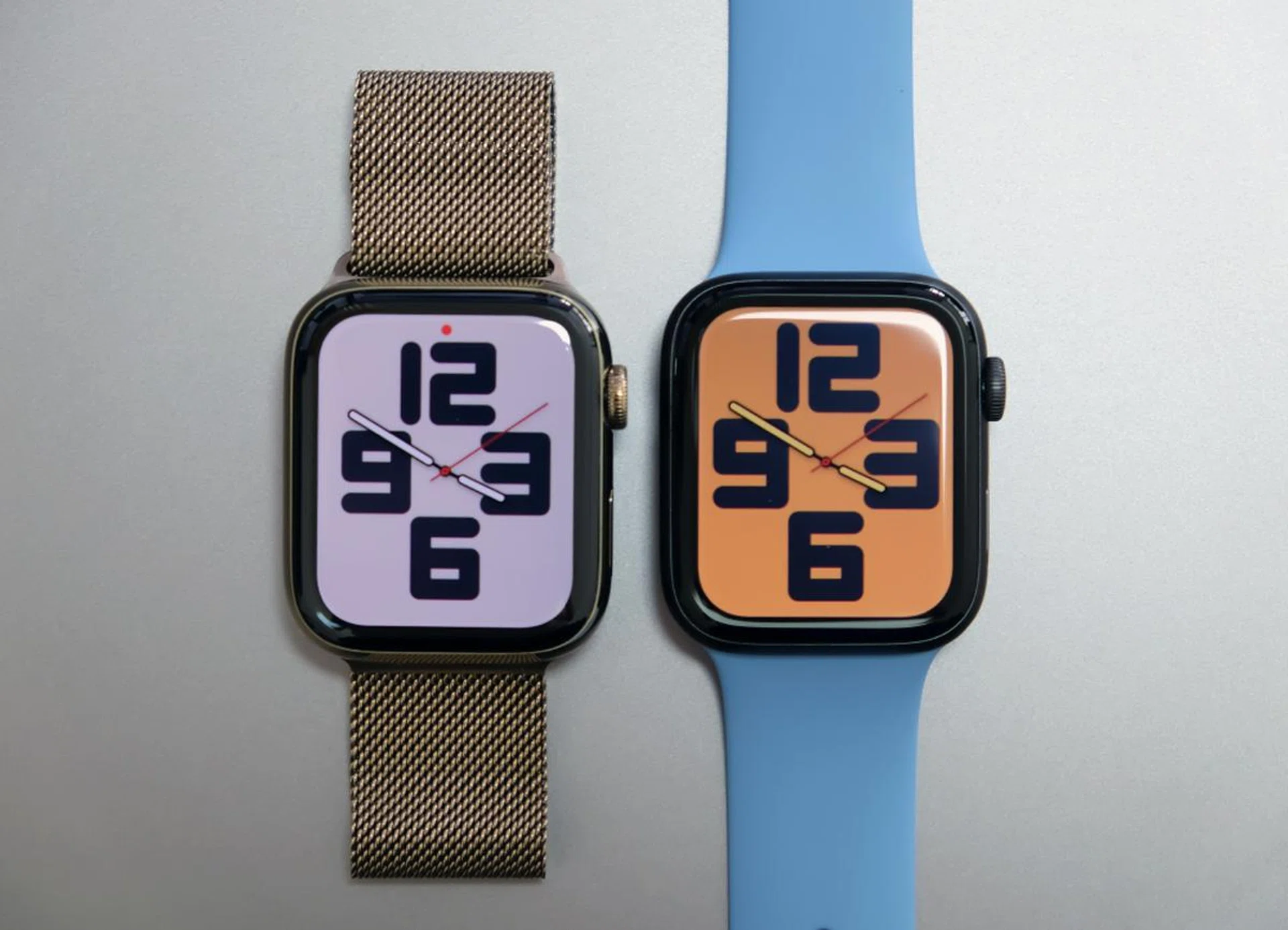
The improvements may be small but these are still the best smartwatches you can buy today.
But I have more thoughts. And if you are maybe sitting on the fence, you might want to read on. To start, this year’s new watches aren’t a huge update over last years Series 5, or in fact the Series 4 from two years ago. Series 4 was momentous because it introduced a sleeker case and ECG capability, while Series 5 finally gave us an always-on display, which was a big deal to a lot of people. Personally, I was never bothered by the display going dark.
For me, I think the biggest improvement in Series 6 is just how snappier it feels. But having said that, it’s not like the S5 processor was terribly slow by any means. Any issues with speed and responsive have been largely solved with the S3 processor in Series 3. So if you have a Series 4 or Series 5 watch, I’d recommend holding off on this year’s models. In fact, if you can’t stretch your budget to a Series 6, a refurbished or used Series 5 might be a better option.

Having to charge daily is a pain.
Battery life remains to be an issue. Most users will be able to get a full day’s worth, but having to charge daily is still a hassle especially when the Apple Watch continues to require a charging puck to charge. This means an extra cable to bring around. I’d probably be less annoyed if the watch could be charged using a regular Qi wireless charger or USB-C cable. Furthermore, fast charging is only available on the Series 6, for owners of other Apple Watches who want to use sleep-tracking, this potentially means they’ll need to come up with new charging routines or they’ll have to be okay with not having a full charge since charging to 100% takes quite a while.
Other improvements I’d like to see is the display. It’s bright, vivid, and large, but it doesn’t quite stretch to the ends of the case. This appears to be something Apple has intentionally refrained from doing. Even the iPhones’ displays don’t quite stretch to the edges like how Android phones do. It’s not obvious if you are using a black or dark watch face, but on watch faces like the new Stripes or Typography, the bezel is glaring back at me like a food stain on a white shirt.
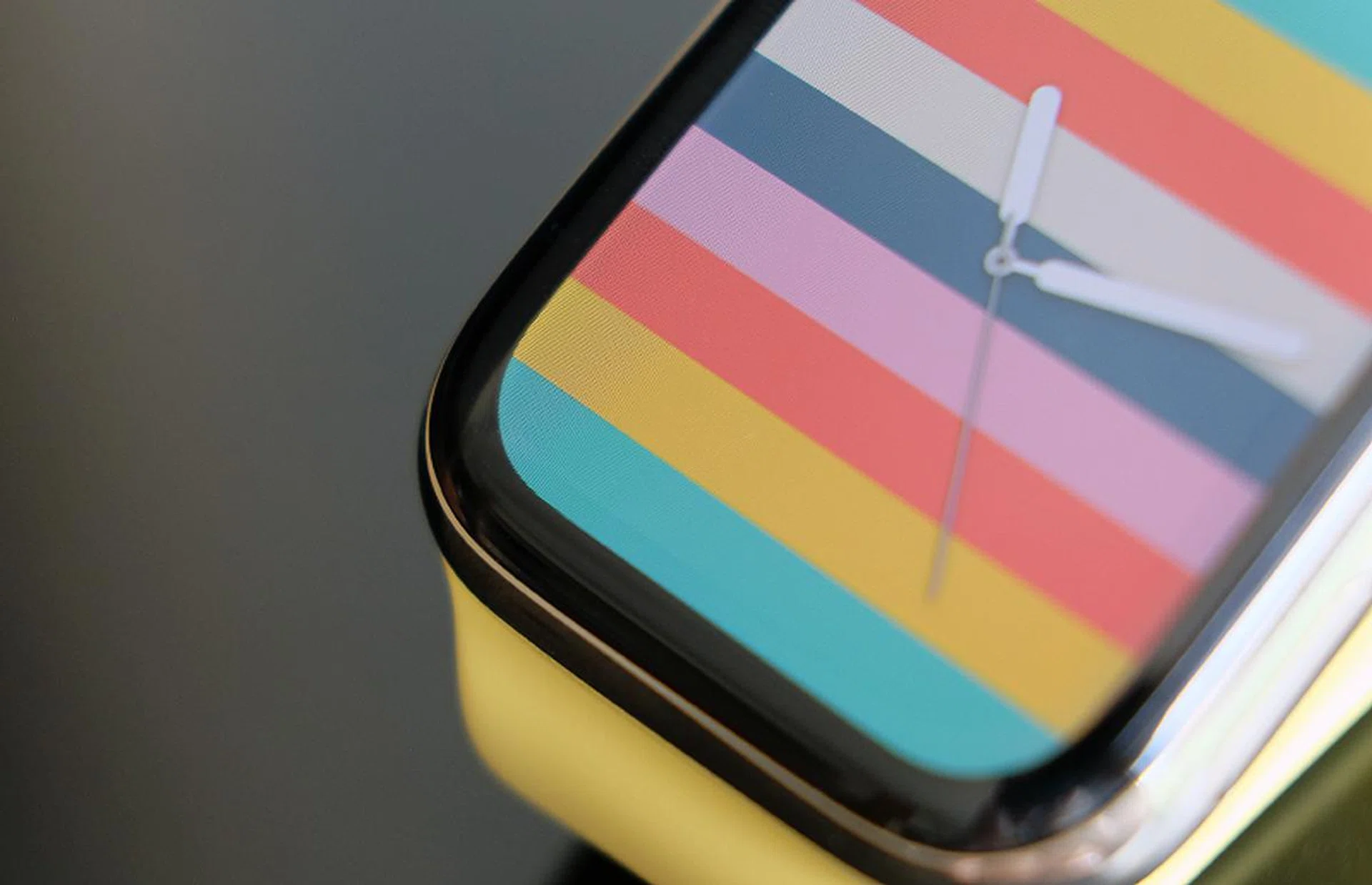
The display doesn't quite stretch to the edges.
Alright, before this degenerates into a wordy wish-list of features I’d like to see in the next Apple Watch, let me end by congratulating Apple on making last year’s best smartwatch you can buy a little bit better. Granted, one could say that this year’s improvements are not quite as substantial, and I would agree. But that doesn’t detract from the overall ownership experience, which is largely excellent. The Apple Watch’s integration with all the iPhone and all of Apple’s other apps and services is almost symbiotic and it’s something other smartwatches are still struggling with. On top of that, it’s important to also remember and consider the limitations of today’s technology. And when you do, it’s hard not to admit that the Apple Watch Series 6 and Apple Watch SE are really great smartwatches.

Our articles may contain affiliate links. If you buy through these links, we may earn a small commission.