
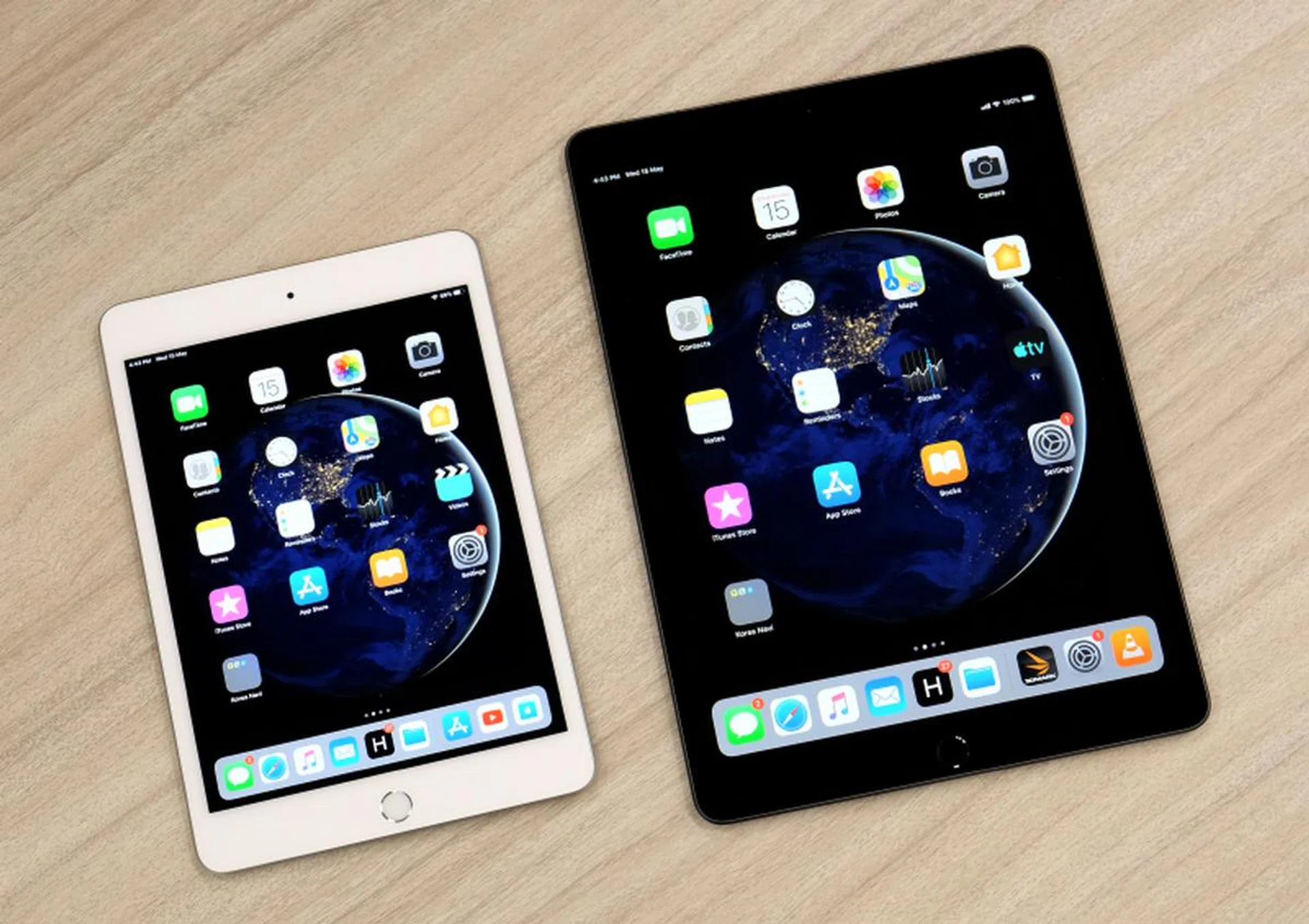
The iPad Air and iPad Mini lives on!
Whoa, new iPads?
Yes, Apple is not letting up on the iPad and has been releasing new models with remarkable consistency for the past two or so years. iPads may have become increasingly niche devices in the past few years but clearly Apple thinks there’s a future for them.
Why aren’t they called the iPad Air 3 and iPad Mini 5?
Honestly, we have no idea either since calling them the iPad Air 3 and iPad Mini 5 would have made perfect sense and writing this review a lot easier.
These iPads look familiar.
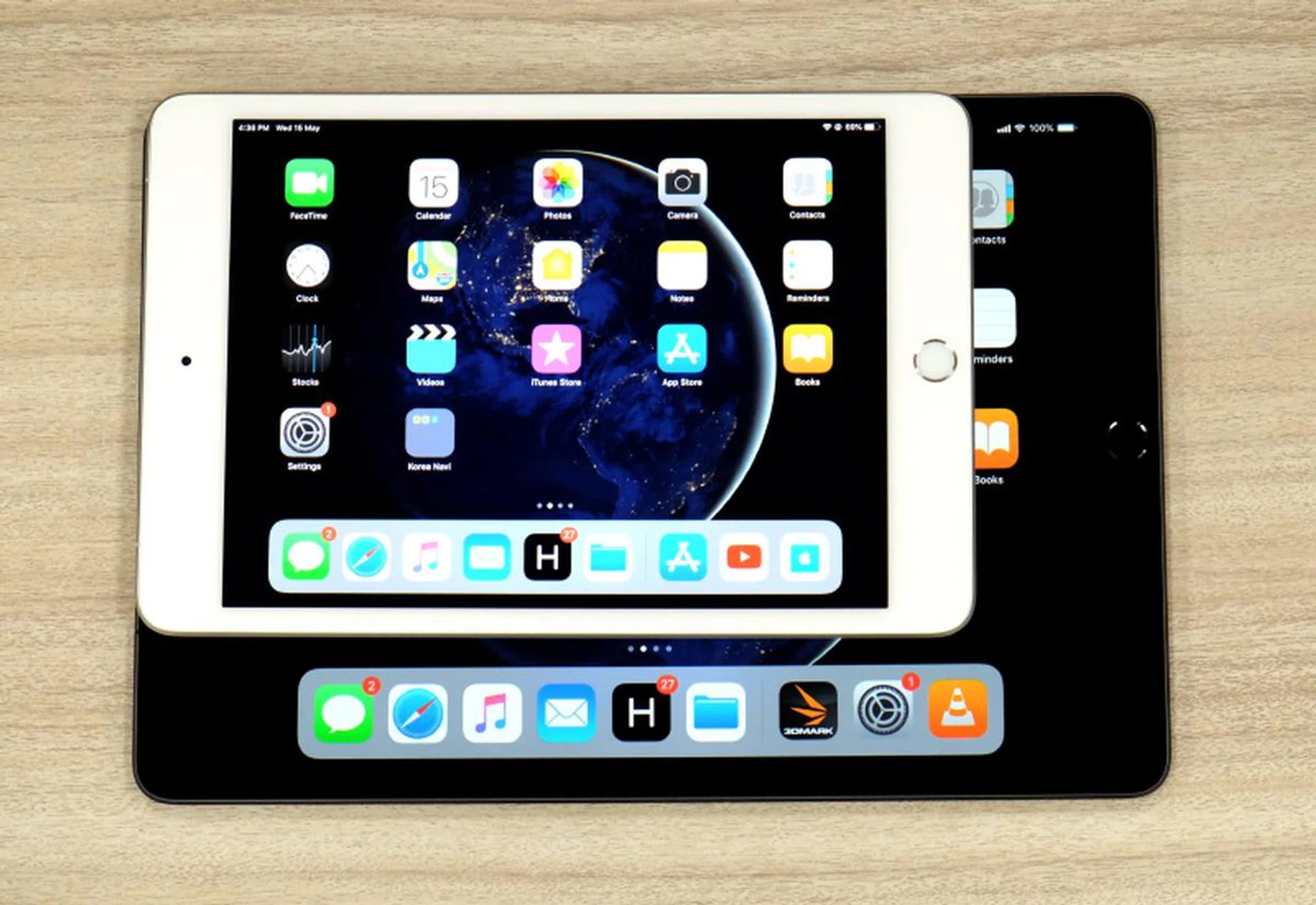
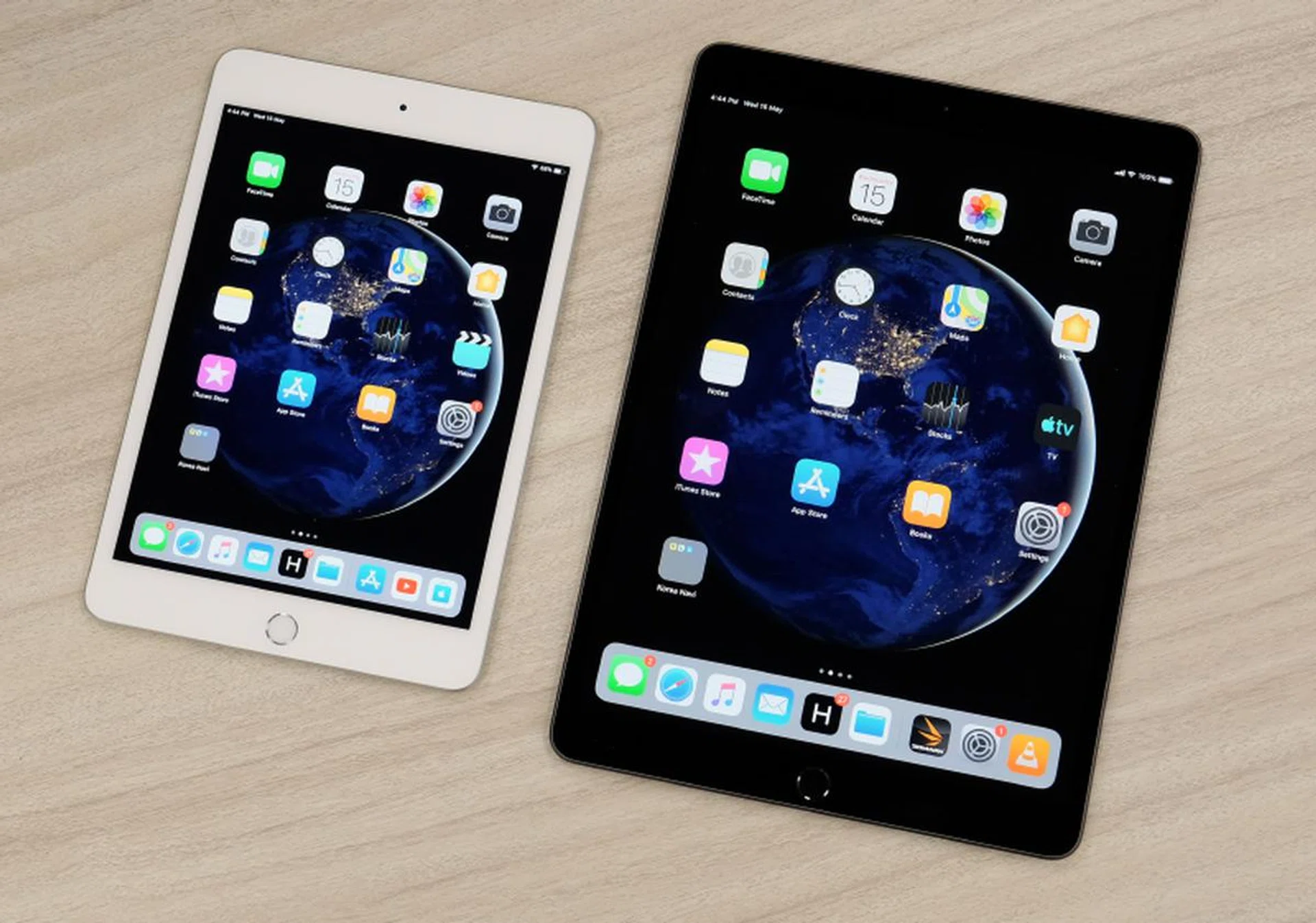
The iPad Mini is considerably smaller.
Yes, they are. The new iPad Air is actually based on the old 10.5-inch second-generation iPad Pro from 2017, while the new iPad Mini is almost identical to the iPad Mini 4 from - wait for it - all the way back in 2015.
Is that a bad thing?
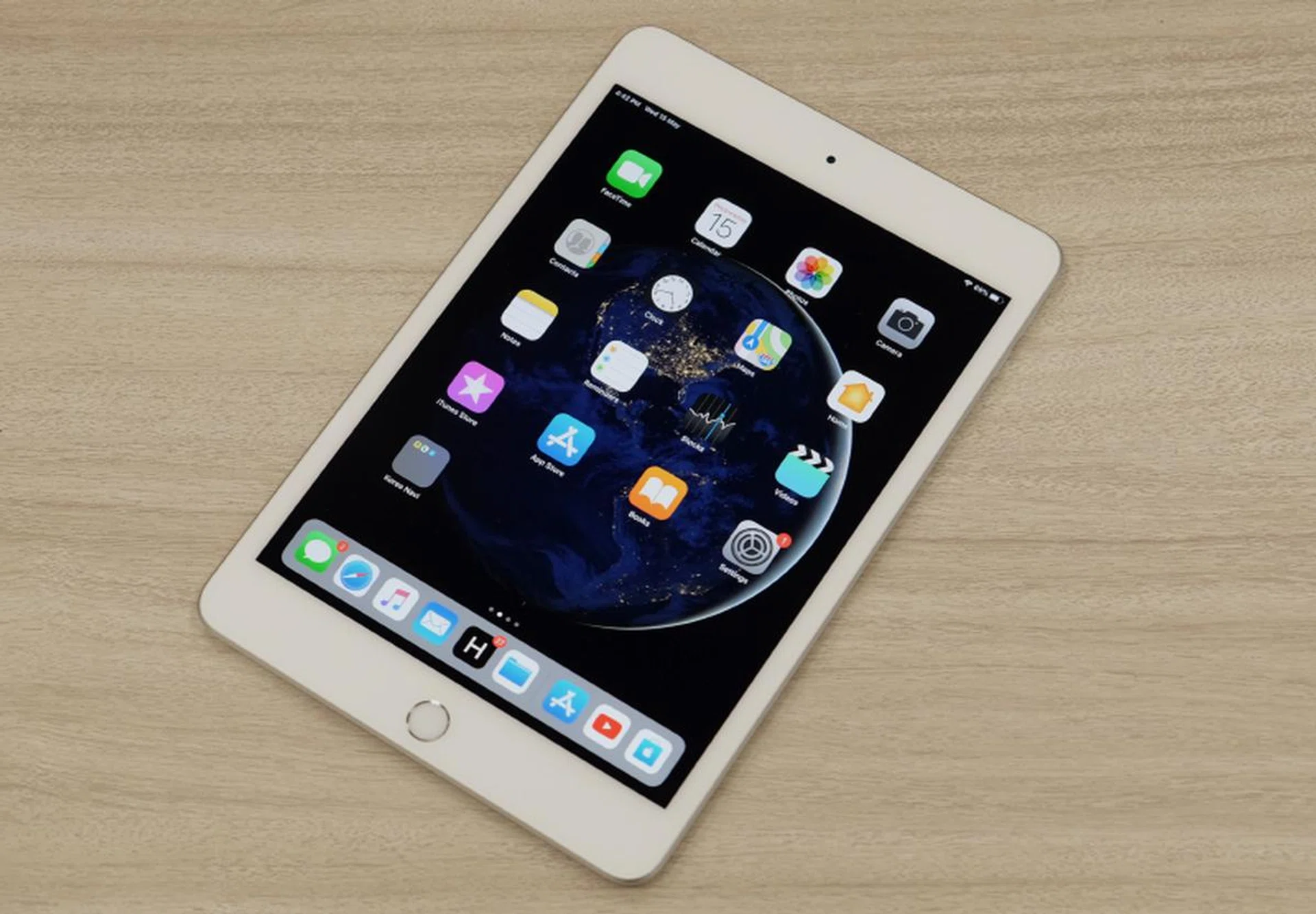
The newest iPad Mini is almost physically identical to the iPad Mini 4 from almost four years ago.
Not necessarily. I’m quite fond of the form factor of the old 10.5-inch iPad Pro, and by extension, the new iPad Air. It’s a pretty handy size. Sure, the new 11-inch iPad Pro that was just announced last year is more compact and snazzier, but it also costs more. As for the iPad Mini, admittedly, the thick bezels are unsightly but the tablet itself is still compact by today’s standards.
If the design isn’t really new, what is?
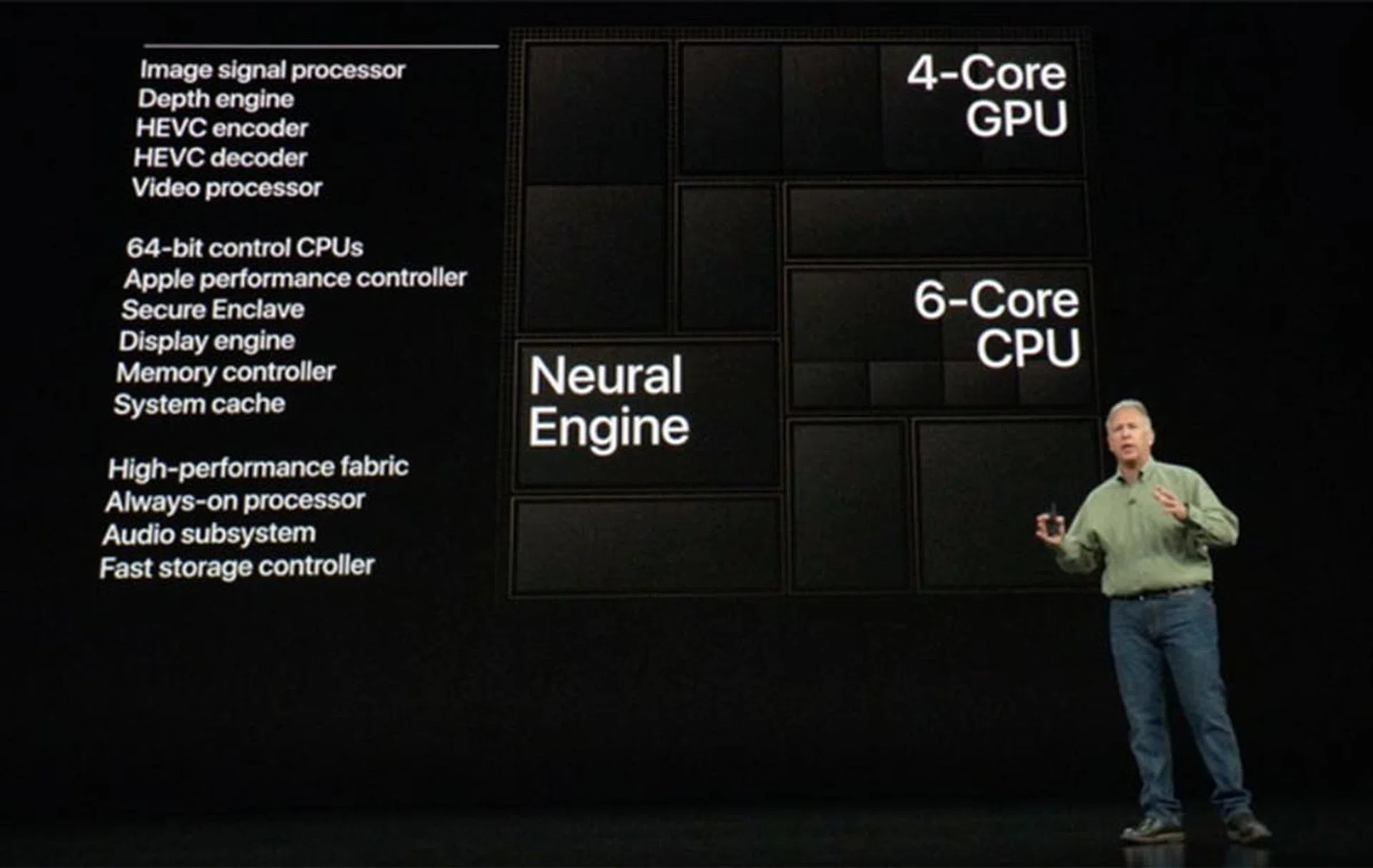
The A12 Bionic is a very powerful processor for mobile devices.
The new iPad Air and iPad Mini have a couple of important new updates but the most significant one is their new processors. The two new iPads will be powered by the A12 Bionic, which is the same processor found in the iPhone XS and XS Max.
Though not as powerful as the A12X Bionic found in the latest iPad Pro tablets, the A12 Bionic is still a formidable processor. Made using a 7nm process technology, it features six CPU cores, four GPU cores, and a “Neural Engine” capable of machine learning and processing up to 5 trillion operations per second.
What else is new apart from the processor?
Let’s list the ways:
Display - The iPad Air now has a larger 10.5-inch display that is laminated with P3 color support, 500 nits of brightness, and TrueTone technology. The iPad Mini retains its 7.9-inch display but also gets P3 color support, 500 nits of brightness, and TrueTone. The only thing missing from these displays is Apple’s ProMotion technology for variable refresh rates.
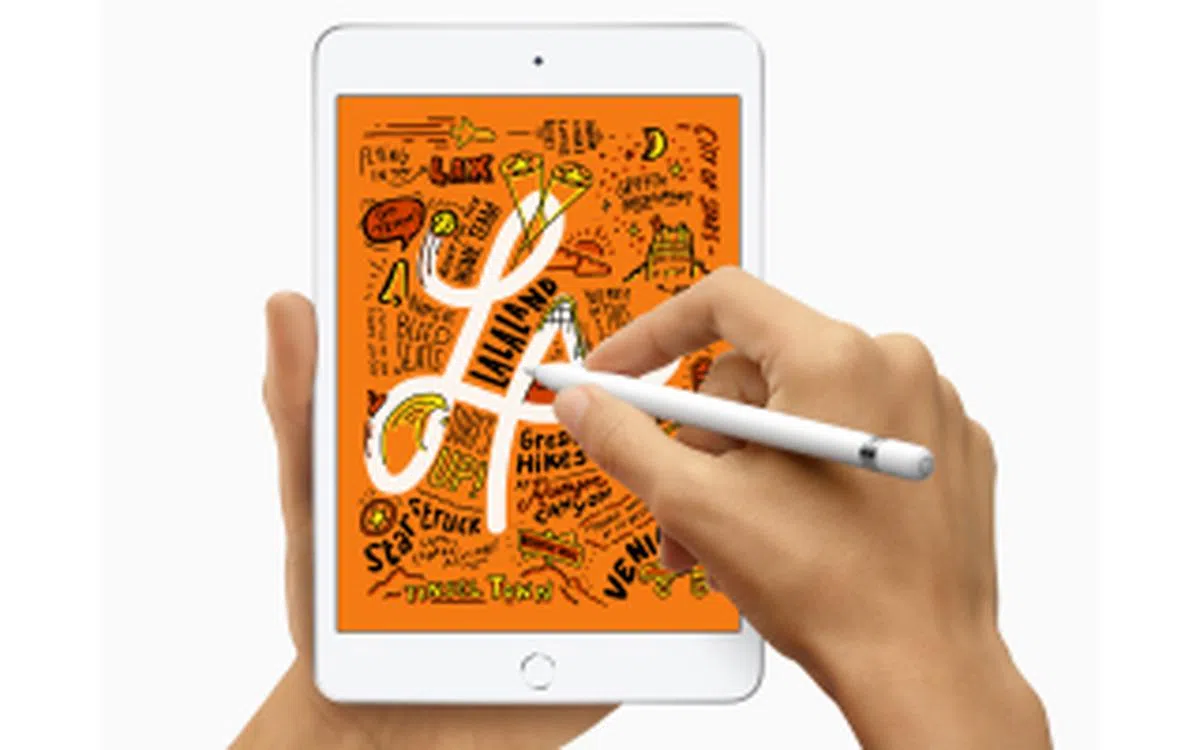
Apple Pencil support - The new iPad Air and iPad Mini will work with the first-generation Apple Pencil.
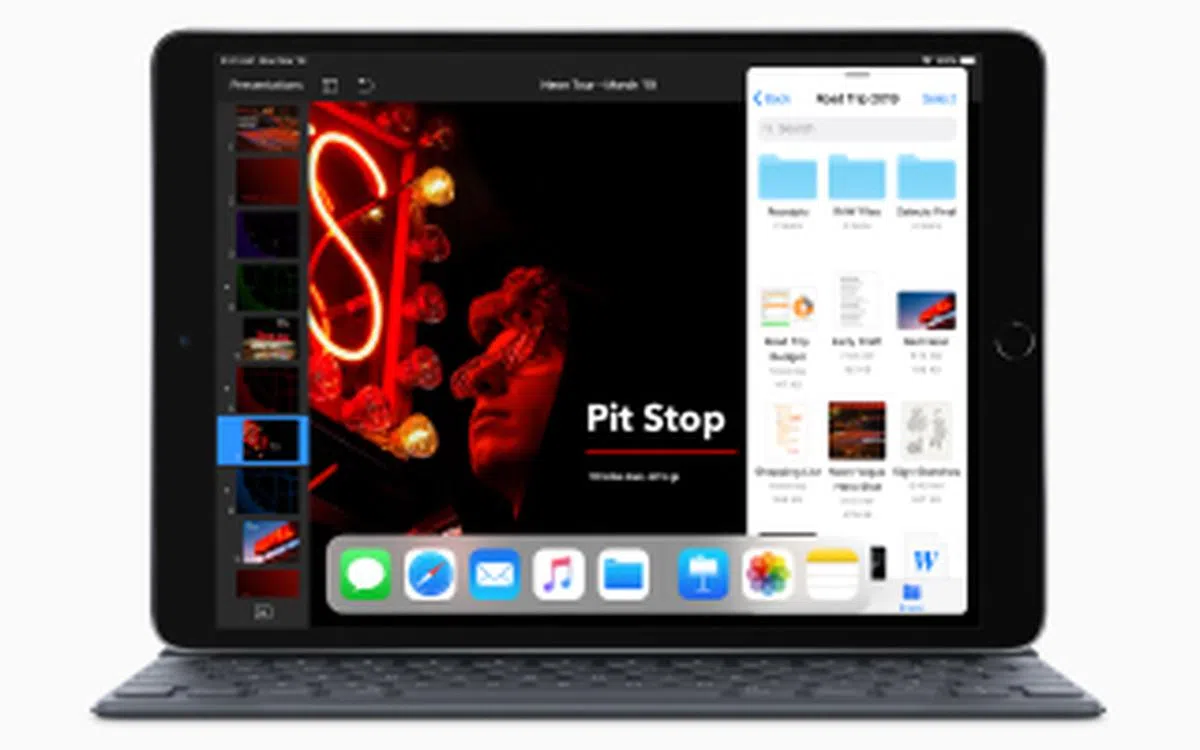
Smart Keyboard support - The iPad Air works with the Smart Keyboard, but not the iPad Mini.
Bluetooth 5.0 - The latest Bluetooth standard serves up double the data throughput and four times the range, which should mean faster wireless transfers and steadier connections to compatible Bluetooth devices.
Improved front cameras - The front-facing (selfie) cameras have been improved. The rear cameras are the same.
Support for Gigabit LTE - Faster cellular speeds.
Why only support for the first-generation Apple Pencil?
That’s a good question. Presumably, it's because the new iPad Air and iPad Mini are using old chassis that cannot accommodate Apple’s new second-generation Apple Pencil. Remember, the new Apple Pencil attaches magnetically to the side and charges wirelessly.
Why doesn’t the iPad Mini support Smart Keyboard?
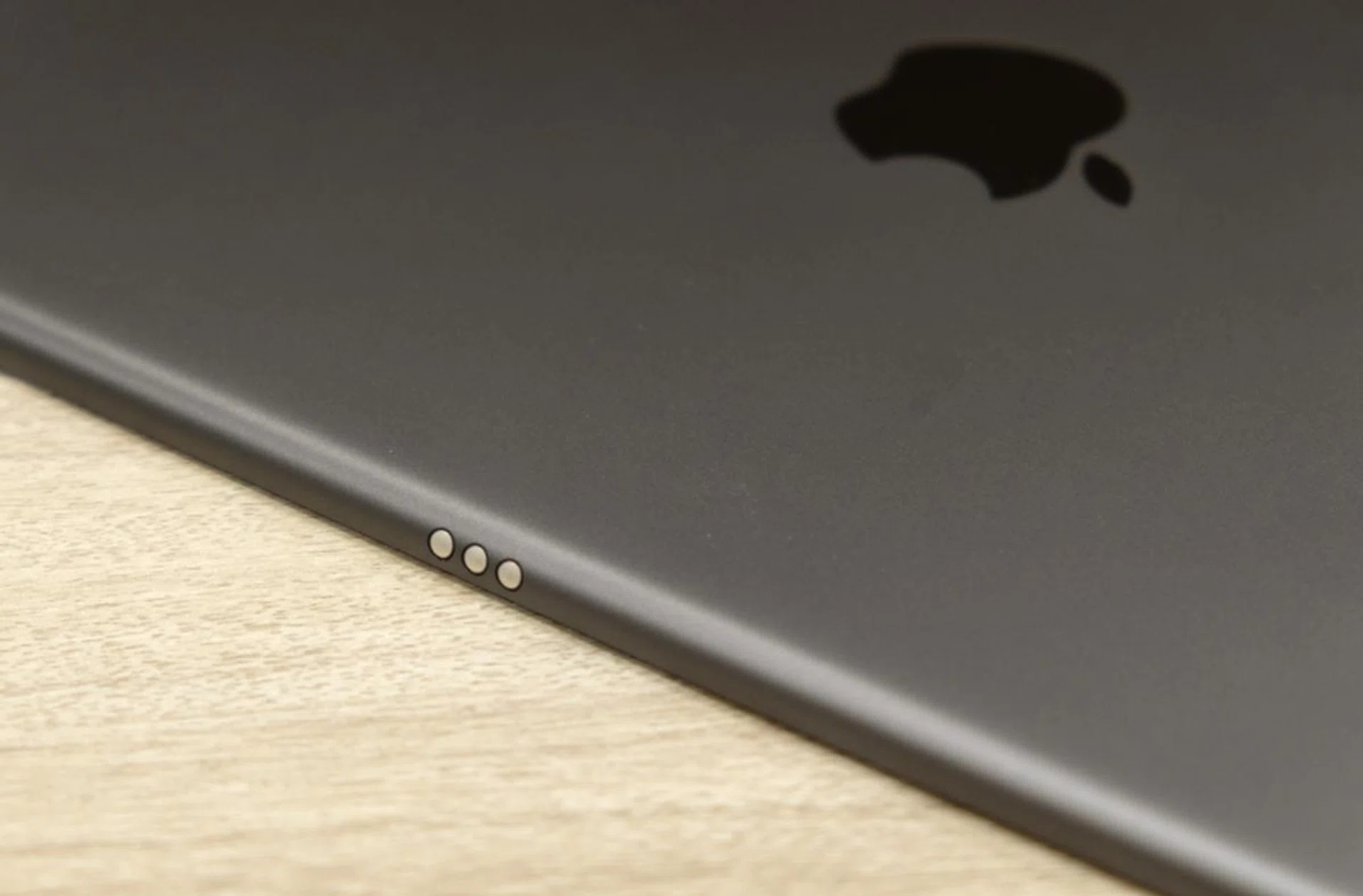
This is the Smart Connector. Only the iPad Air has it.
Again, it’s using the old iPad Mini chassis, which does not have a Smart Connector. Could Apple have added one? They probably could, but really, how many people would actually want a Smart Keyboard to go with their iPad Mini? How small would the keys be?
Do they have Face ID?
Unfortunately, no. For now, insofar as iPads are concerned, Face ID remains exclusive to the new 11- and 12.9-inch iPad Pros.
Do they have headphone jacks?
Yes, they do!
Right, so how do these new iPads fit in the iPad line-up?
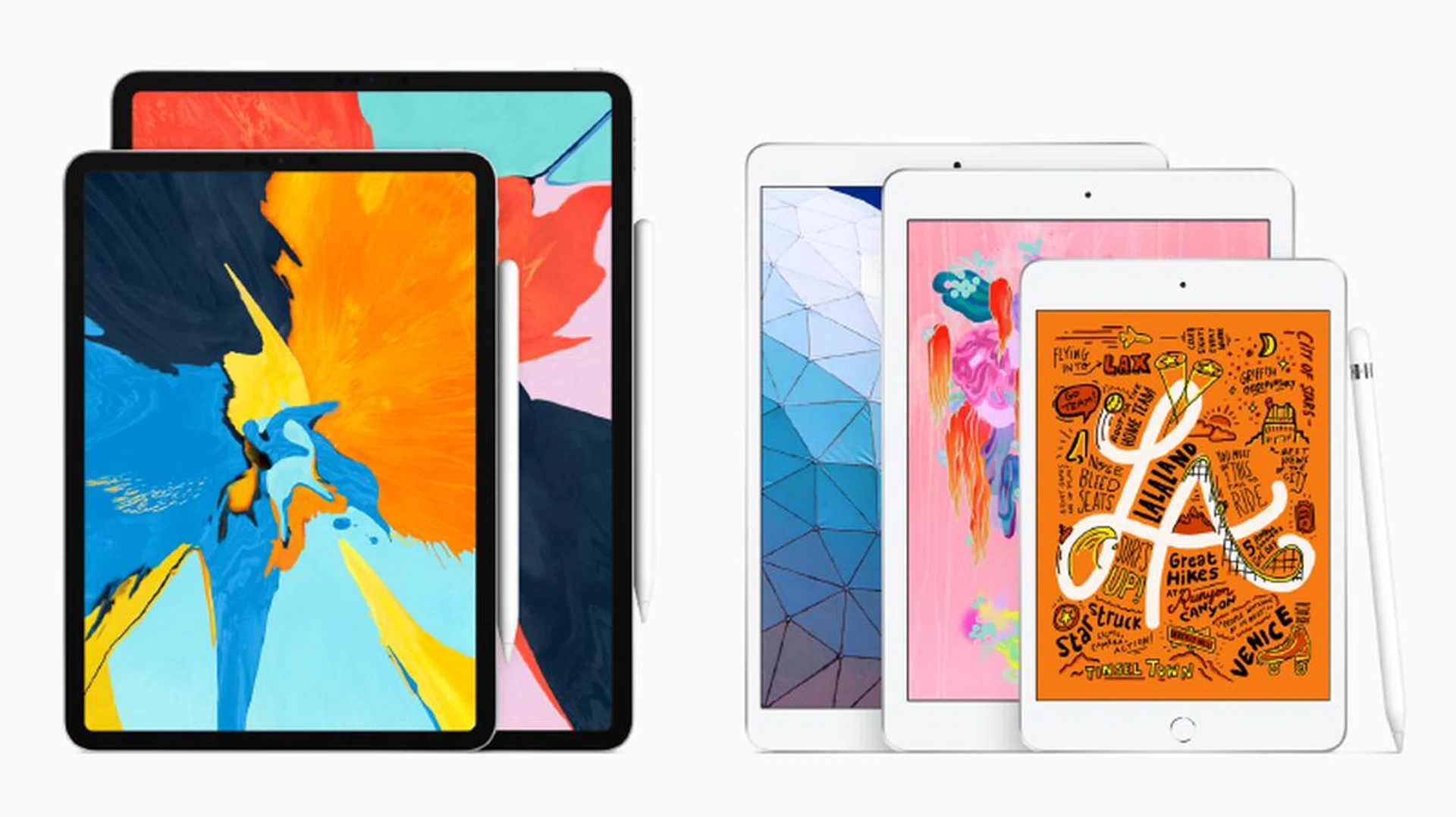
This is how Apple's iPad line-up looks like now.
That’s a good question and one that I shall return to later in this review. For now, here’s a table summarizing the key features, specifications, and differences of the various models in the current iPad line-up.
Model / Specs | iPad | iPad Mini | iPad Air | iPad Pro |
Processor | Apple A10 | Apple A12 | Apple A12 | Apple A12X Bionic |
Display | 9.7-inch | 7.9-inch | 10.5-inch | 11 & 12.9-inch |
Storage | 32GB, 128GB | 64GB, 256GB | 64GB, 256GB | 64GB, 256GB,
512GB, 1TB |
Connector | Lightning | Lightning | Lightning | USB-C |
Audio | Two speakers | Two speakers | Two speakers | Four speakers |
Dimensions (in mm) | 238 x 167 x 7.4 | 203 x 134 x 6.1 | 248 x 172 x 6.1 | 247 x 178 x 5.9 (11-inch)
280 x 214 x 5.9 (12.9-inch) |
Weight | 478g | 310g | 464g | 468g (11-inch)
633g (12.9-inch) |
Apple Pencil support | Yes (1st-gen) | Yes (1st-gen) | Yes (1st-gen) | Yes (2nd-gen) |
Smart keyboard support | No | No | Yes | Yes |
Headphone jack | Yes | Yes | Yes | No |
Authentication | Touch ID | Touch ID | Touch ID | Face ID |
Price | From S$498 | From S$599 | From S$749 | From S$1,199 |
How do they perform?
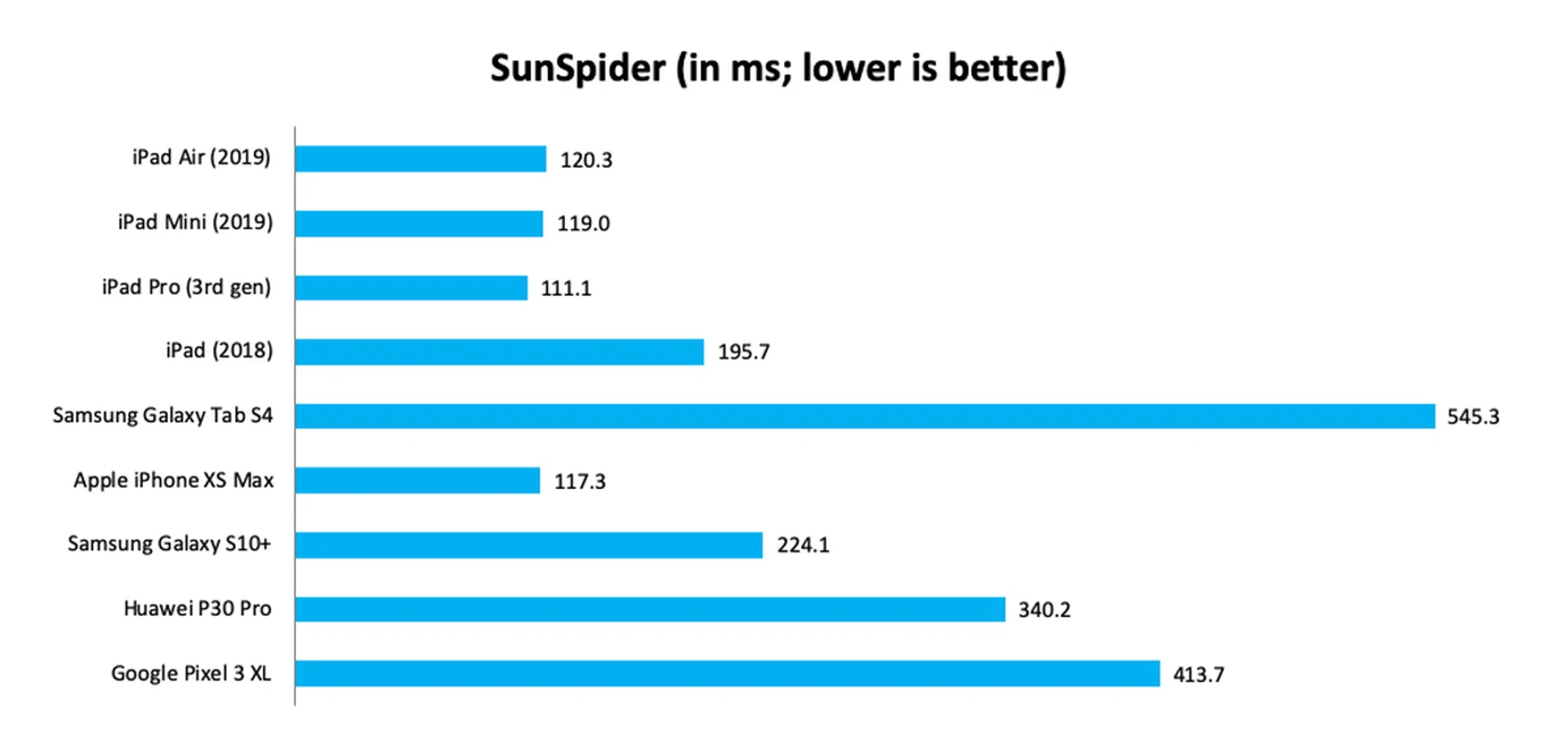
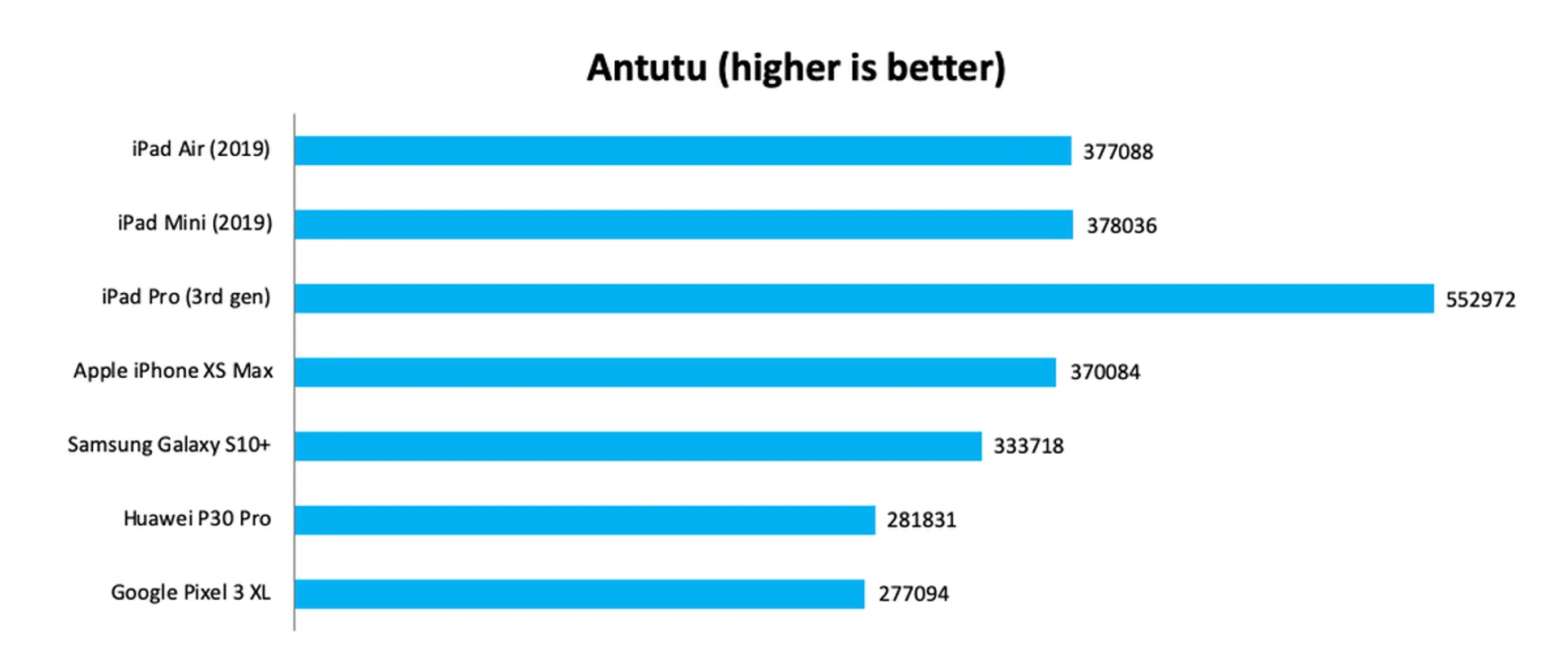
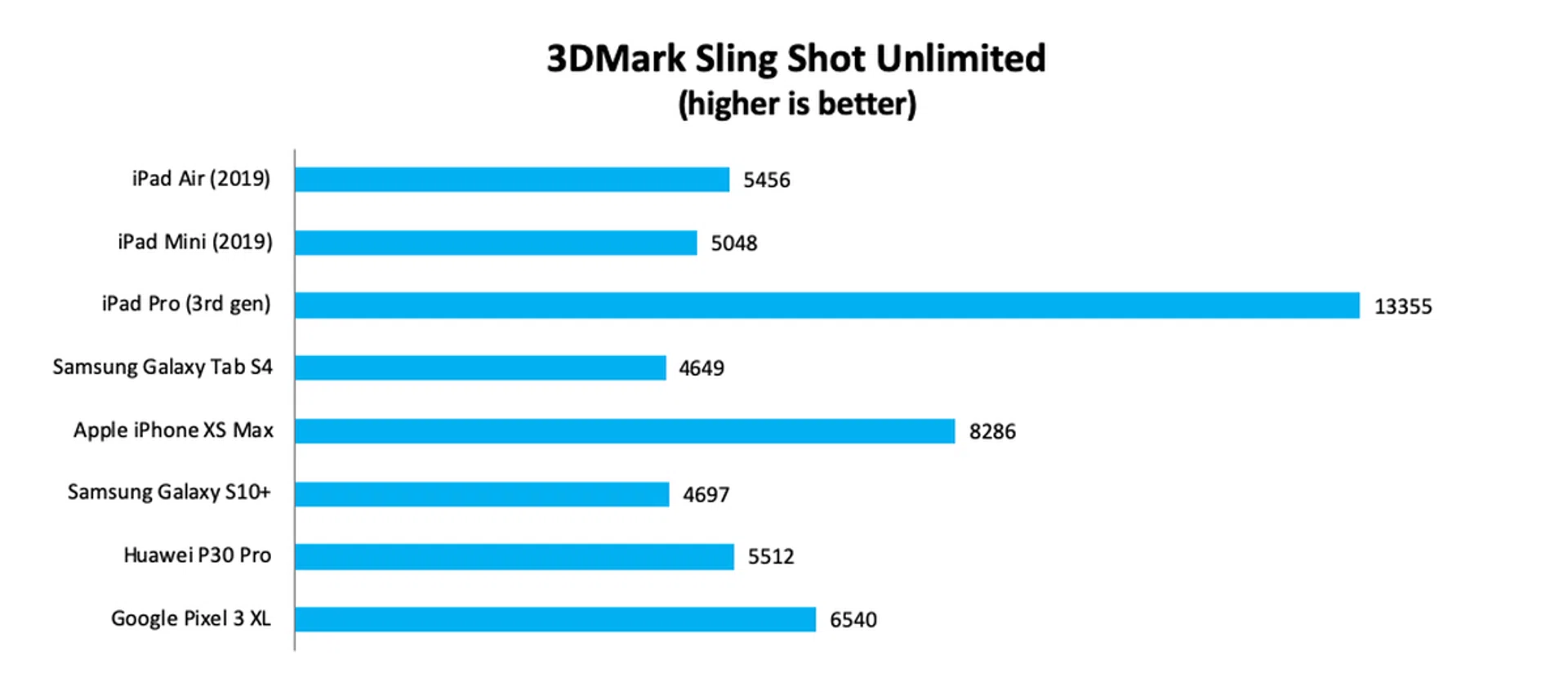
Since the new iPad Air and iPad Mini are powered by the Apple A12 Bionic, it's not surprising to see that their performances were largely similar to the iPhone XS Max.
That's not a bad thing as we can see that the iPad Air, iPad Mini, and iPhone XS Max comfortably outperformed everyone else in these benchmarking tests. Even the new Huawei P30 Pro and Samsung Galaxy S10+ were no match.
How's battery life?
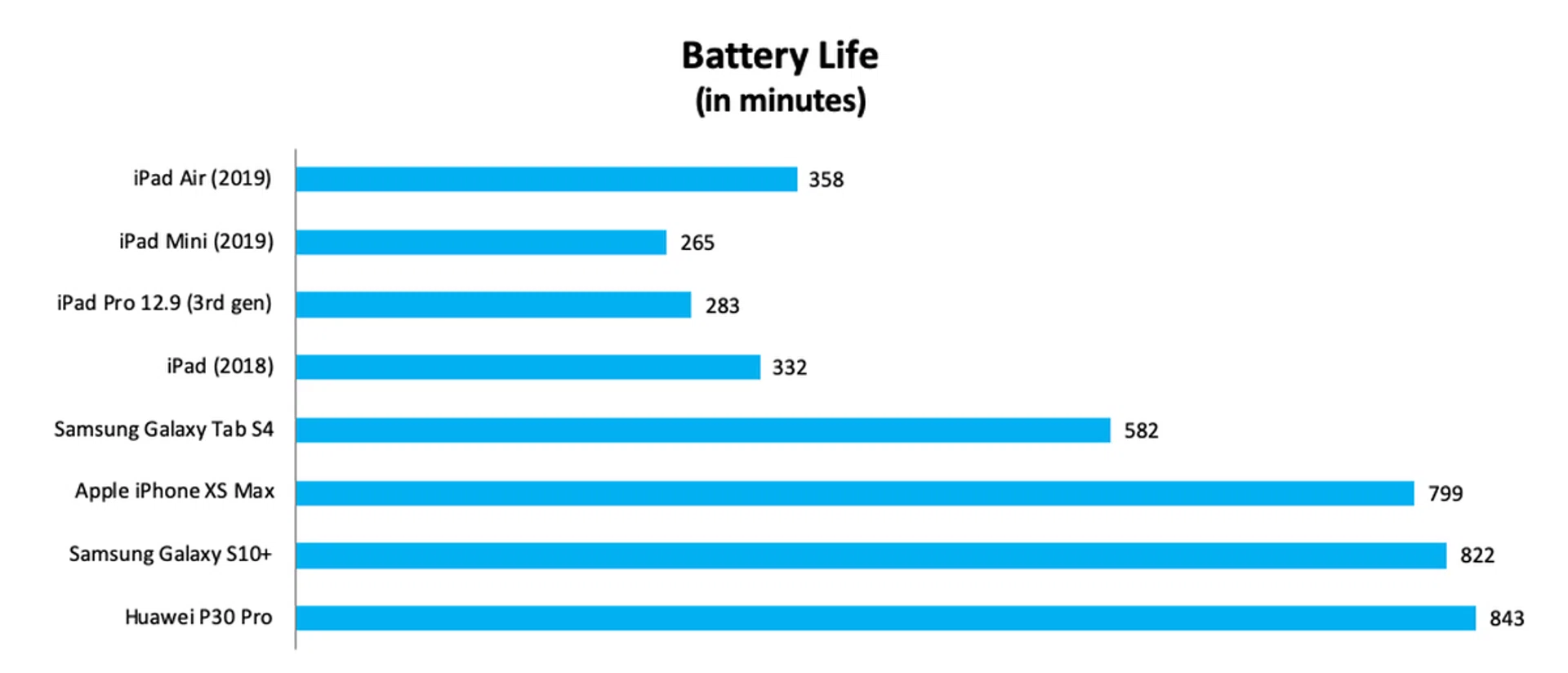
Our battery test has the following parameters:
- Looping a 720p video with screen brightness and volume at 100%
- Wi-Fi and Bluetooth connectivity turned on
- Constant data streaming through email and Twitter
Considering we were playing videos at full brightness and volume, the new iPads’ battery life are acceptable. The new iPad Air lasted nearly six hours while the iPad Mini is just a little shy of four and a half hours. It’s broadly comparable to the iPad Pro and the entry-level iPad, but not as good as the Galaxy Tab S4 and it's a long way off Apple’s own iPhone XS Max.
How are they priced?
The iPad Air and iPad Mini come in somewhere between the iPad Pro and iPad. Prices start at S$599 for the most basic iPad Mini and S$749 for the most basic iPad Air. This means they are a little more expensive than the iPad but quite a lot less than the iPad Pro. Here’s a table summarizing their prices:
Model | iPad Air | iPad Mini | ||
Type | Wi-Fi only | Cellular | Wi-Fi only | Cellular |
64GB | S$749 | S$949 | S$599 | S$799 |
256GB | S$969 | S$1,169 | S$819 | S$1,019 |
So how do these new iPads fit into the line-up and which to get?
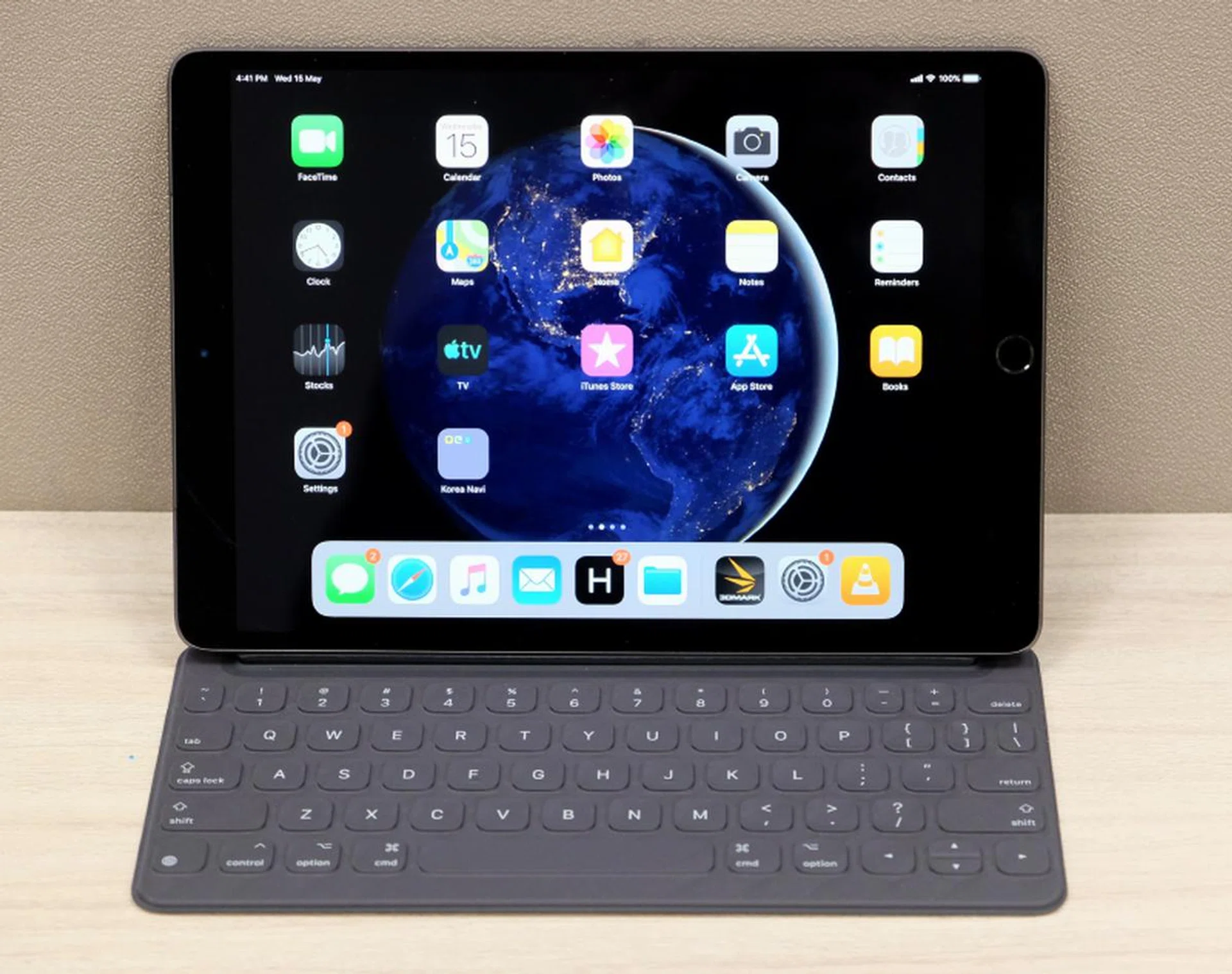
The new iPad Air is like an updated version of the old 10.5-inch iPad Pro but with a lower price tag.
The iPad Mini is considerably more portable than any other iPad - so if portability and mobility are your priorities, the iPad Mini is the way to go. It’s also the most affordable Apple device that is outfitted with the awesome Apple A12 processor, so if you are looking to get an affordable tablet for mobile gaming (Fortnite perhaps?), again, the iPad Mini is possibly the best bang for buck option.
If you are looking for what is essentially a cheaper iPad Pro, the new iPad Air is worth checking out. It costs considerably less than an iPad Pro but has most of its functionality and features, including support for the Smart Keyboard and Apple Pencil (albeit the first-generation one). It’s not quite as powerful or snazzy to use as the iPad Pro but it’s still a really powerful tablet with some nice features.
Final thoughts?
The new iPad Air and iPad Mini are great additions to the iPad line-up. With them, Apple now has a line-up of products that run from as low as S$500 for the most basic iPad all the way up to over S$2,800 for the priciest top-of-the-line iPad, and from sizes as small as 7.9 inches all the way up to 12 inches. There’s something for everybody.
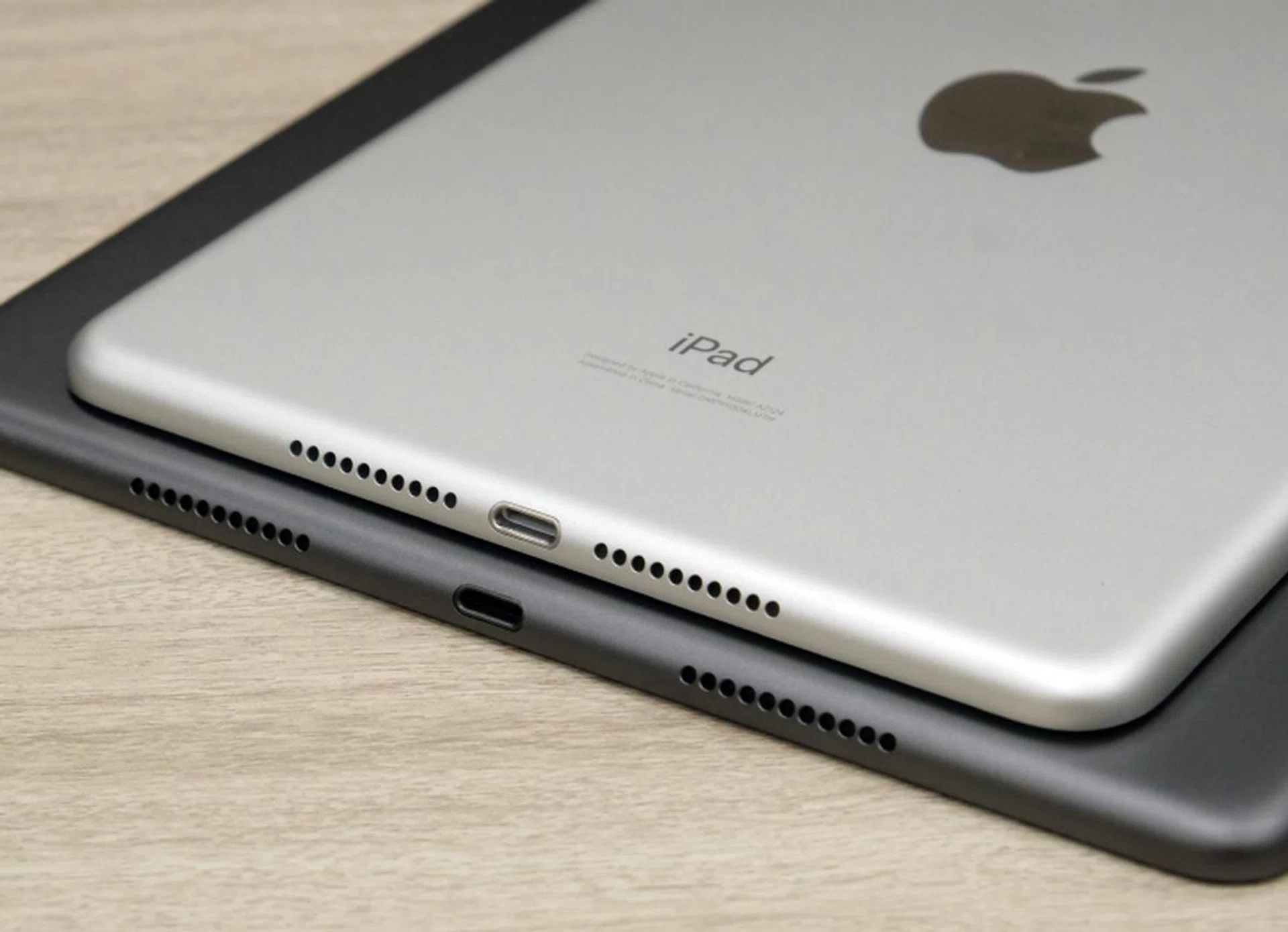
These new iPads have Lightning connectors, not USB-C.
The line-up, however, is a little confusing and raises some questions. While all new iPads now support Apple Pencil, not all iPads have the option of a Smart Keyboard. The iPad Mini is probably too small for a keyboard, but surely the 9.7-inch iPad could have its Smart Keyboard?
And then there’s the issue of ports. The iPad Pros rely on USB-C while the rest of the iPads are still using the Lightning connector. The argument is that the iPad Pro needs USB-C to enable some of its “pro” features but I think some consistency would be much appreciated and I don’t think I’m alone in saying this. If you happen to own multiple iPads, it would certainly make charging simpler. But these are just some thoughts that I have and are by no means deal breakers.
The new iPad Air and iPad Mini are great additions to the iPad family and are good news for anyone looking to get a new tablet.
On another note, the release of these two new models shows that Apple still holds faith in tablets. In fact, sales of iPads were up a significant 22% in Q2 2019. Although I’m most comfortable with a Mac and macOS, I can see how some people can be perfectly happy using iPads and iOS alone. And a part of me is jealous of that because iOS runs so well on iPads - regardless of the iPad model you are using. Even the 9.7-inch iPad with the older A10 Fusion processor is super fluid.
With Macs and macOS, however, it's a different story. There’s a noticeable, almost shocking, difference going from a 15-inch MacBook Pro with a hexa-core Core i9 processor to a humble MacBook Air with a dual-core low-power Y-series Core processor. This is testament to the tremendous work Apple has done in optimizing the performance of its mobile devices by tightly integrating the development of its A-series processors and iOS operating system.
All of this is to say that if you are shopping for a new tablet now, you will be happy to know that Apple has an impressive line-up of iPads across a wide price range, and all of them perform exceedingly well and are easily the best tablets in their respective classes.


Our articles may contain affiliate links. If you buy through these links, we may earn a small commission.