
NVIDIA is working with MediaTek to make G-Sync gaming monitors more affordable
This eliminates the need for a separate G-sync module and reduces costs for manufacturers. #nvidia #mediatek #gsync
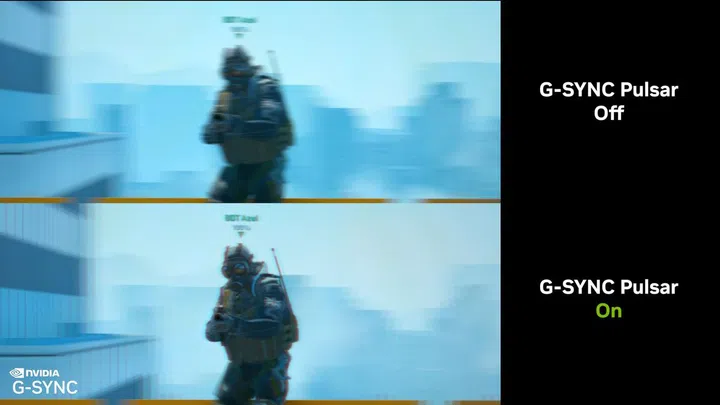
With G-Sync Pulsar, the clarity and visibility of content in motion is significantly improved, enabling you to track and shoot targets with increased precision. Image: NVIDIA
NVIDIA has announced a partnership with MediaTek to integrate all of its current and future G-Sync features into MediaTek scalers.
This move by NVIDIA is intended to make its full suite of G-sync features more accessible across a wider range of monitors. According to the tech giant, this collaboration will eliminate the need for a separate G-SYNC module, streamlining the production process and reducing costs. A highlight of this collaboration is the introduction of G-Sync Pulsar. This new technology will offer four times the effective motion clarity alongside a smooth and tear-free variable refresh rate (VRR) gaming experience.

Historically, G-Sync required a dedicated module to synchronise display refresh rates with a GPU, helping to eliminate screen tearing and reduce input lag. However, this partnership will integrate G-Sync directly into the world’s most popular scalers (yep, MediaTek’s), removing the need for proprietary hardware.
The first monitors to feature this integrated G-Sync support via MediaTek scalers include the AOC Agon Pro AG276QSG2, Acer Predator XB273U F5, and ASUS ROG Swift 360Hz PG27AQNR. These monitors are designed with 360Hz refresh rates, 1440p resolution, and HDR support, all while incorporating G-Sync Pulsar technology for reduced motion blur.
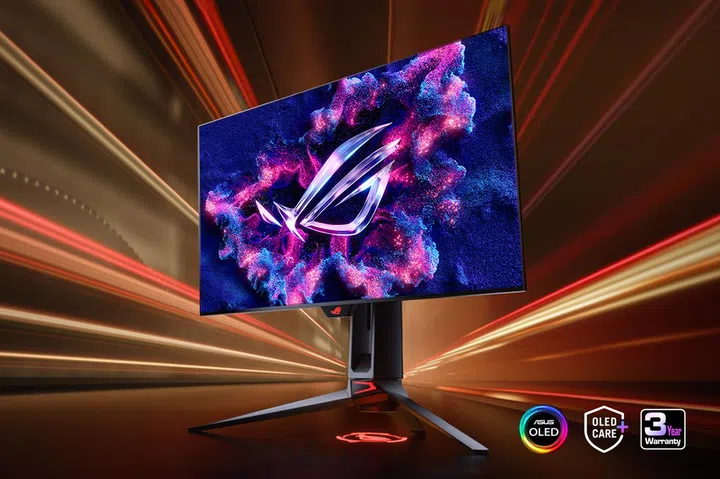
ASUS ROG Swift PG27 Series G-SYNC gaming monitors with Pulsar technology launches later this year for S$999. Image: ASUS
By working with MediaTek, NVIDIA is effectively democratising its G-Sync technology, making it easier for manufacturers to include these features without the added cost and complexity of a dedicated module. It should also narrow the gap between G-Sync and G-Sync Compatible monitors, bringing a more consistent and high-quality gaming experience to a larger segment of the gaming market. (Editor’s Note: Read here to find out what it means for a monitor to be G-Sync certified or G-Sync Compatible)
For gamers, this means that the premium benefits of G-Sync – such as smoother gameplay, reduced input lag, and enhanced visual clarity – are set to become more widely available, and hopefully, less expensive.
Our articles may contain affiliate links. If you buy through these links, we may earn a small commission.