
Microsoft confirms next-gen Xbox is a cross-device platform, not just a console, built with AMD
Seems like Microsoft is taking a conscious break from the old console war narrative.
#microsoft #amd #xbox
Image: Xbox
Microsoft has finally confirmed what’s been rumoured for a while now on the internet: the next Xbox isn’t just a console – it’s a platform. And instead of launching one definitive console box to sit under or next to your television, the company is now thinking in terms of an entire gaming ecosystem that can live across multiple devices, from handhelds to cloud servers. At the heart of this shift is a new multi-year partnership with AMD, with both companies working together to co-engineer chips that will power everything from future Xbox consoles to handhelds and Xbox Cloud Gaming.
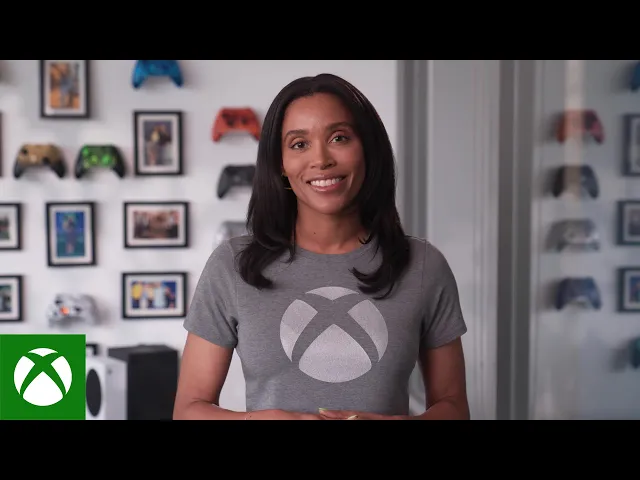
That last bit is key. Microsoft isn’t so much interested about squeezing more teraflops into a shiny new box than it is about rethinking what “an Xbox” even is. In a short video, Xbox president Sarah Bond put it plainly: the next-generation Xbox experience won’t be tied to a single device or locked to one store. It’ll be “a consistent experience” that lives on your living room console, your portable device, and, of course, in the cloud. You can catch the video below.
It’s a shift we’ve already started to see in motion. Microsoft has just teamed up with ASUS to launch the Xbox-branded ROG Ally handhelds that runs on a semi-custom Windows and let you access not just Game Pass, but also Steam and Epic Games Store. In many ways, those devices feel like prototypes for what Microsoft has in mind: Xbox as a layer on top of Windows and not an isolated platform.
And while Sarah didn’t go into detail about specifications or hardware just yet, she did mention one thing that will matter to long-time Xbox fans – the next generation will support your existing game library. That’s a big deal, especially after years of mixed messages across console generations. It means whatever this future Xbox hardware looks like, it won’t be starting from scratch.
What’s also very interesting is how Microsoft seems to be taking a conscious break from the old console war narrative. Instead of chasing Sony or Nintendo with one box to rule them all, the company is building a family of devices under the Xbox banner that is unified by Windows and powered by AMD. Of course, this approach comes with trade-offs and one is very obvious: Running on Windows means there’s always a risk of bloat, inconsistency, and all the friction PC gaming is known for. But if Microsoft can smooth that over with a front-end, or a “lite” version of the operating system if you will, that actually feels console-like, this could be an interesting reset for the brand.
Our articles may contain affiliate links. If you buy through these links, we may earn a small commission.