
Dragon Quest III HD-2D Remake (PS5) review: A refreshing remake that stays faithful to the original
We would like to see more HD-2D treatment with JRPG classics.
#squareenix #dragonquest #jrpg

Note: This review was first published on 30 December 2024.
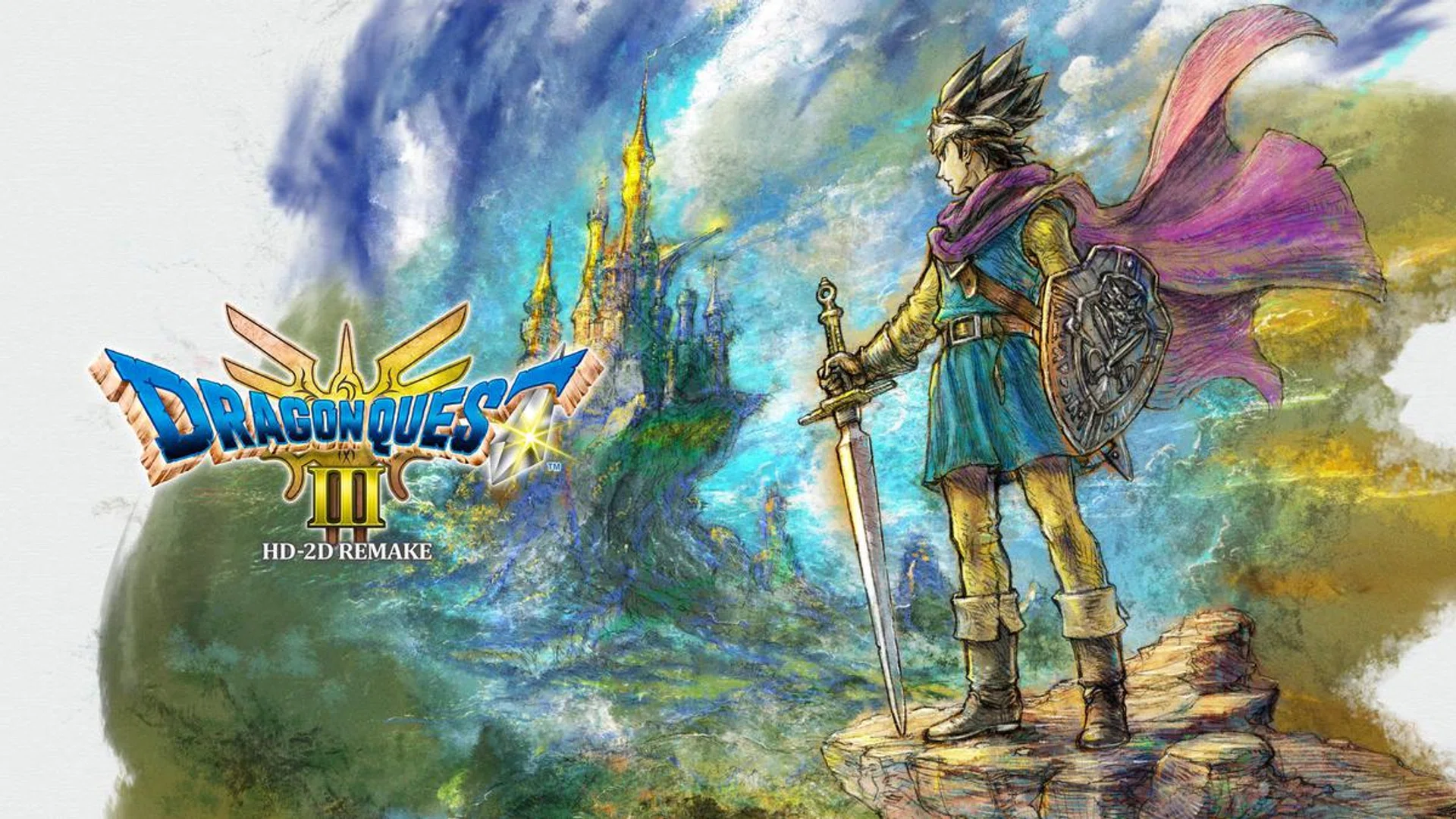
Image: Square Enix
The Dragon Quest series is considered a pillar of JRPG gaming history and for many, Dragon Quest III stands as the standout game in the beloved franchise – in the same way Final Fantasy VII is (and still is) to the Final Fantasy series. Square Enix’s HD-2D remake for the PlayStation 5 doesn’t just revitalise a classic – it reimagines it with a reverence that’s hard to overlook. Whether you’re a nostalgic fan who still calls it Dragon Warrior or a fresh-faced adventurer dipping your toes into this iconic series, this remake delivers a thoughtfully crafted experience.
I still remember the first time I booted up the game, the visuals hit me with a wave of nostalgia that was wrapped in modern splendour. Square Enix’s signature HD-2D aesthetic is a masterstroke, blending retro pixel art with modern lighting and depth. Towns, dungeons, and the overworld burst with life, making every corner of the game world feel inviting. The updated orchestral soundtrack complemented this visual overhaul too, giving familiar tunes a rich, almost cinematic quality that underscores the journey. I won’t go too in-depth into the game as this has been done to death, and the core and narrative of the game are unchanged from the original. However, I would like to talk about what’s new or changed in this fantastic remake.
Mechanically, the Dragon Quest III balances old-school charm with new conveniences. The most significant upgrade comes in the form of variable combat speeds. It’s a welcome addition, especially for veterans like me who might find the traditional pace too plodding. That said, this feature isn’t without its quirks. Speeding up battles makes them more palatable but can also feel disorienting, especially if you look away and miss crucial moments. While it’s a minor gripe, it does make you wonder why combat couldn’t have been streamlined further without relying so heavily on a turbo button.
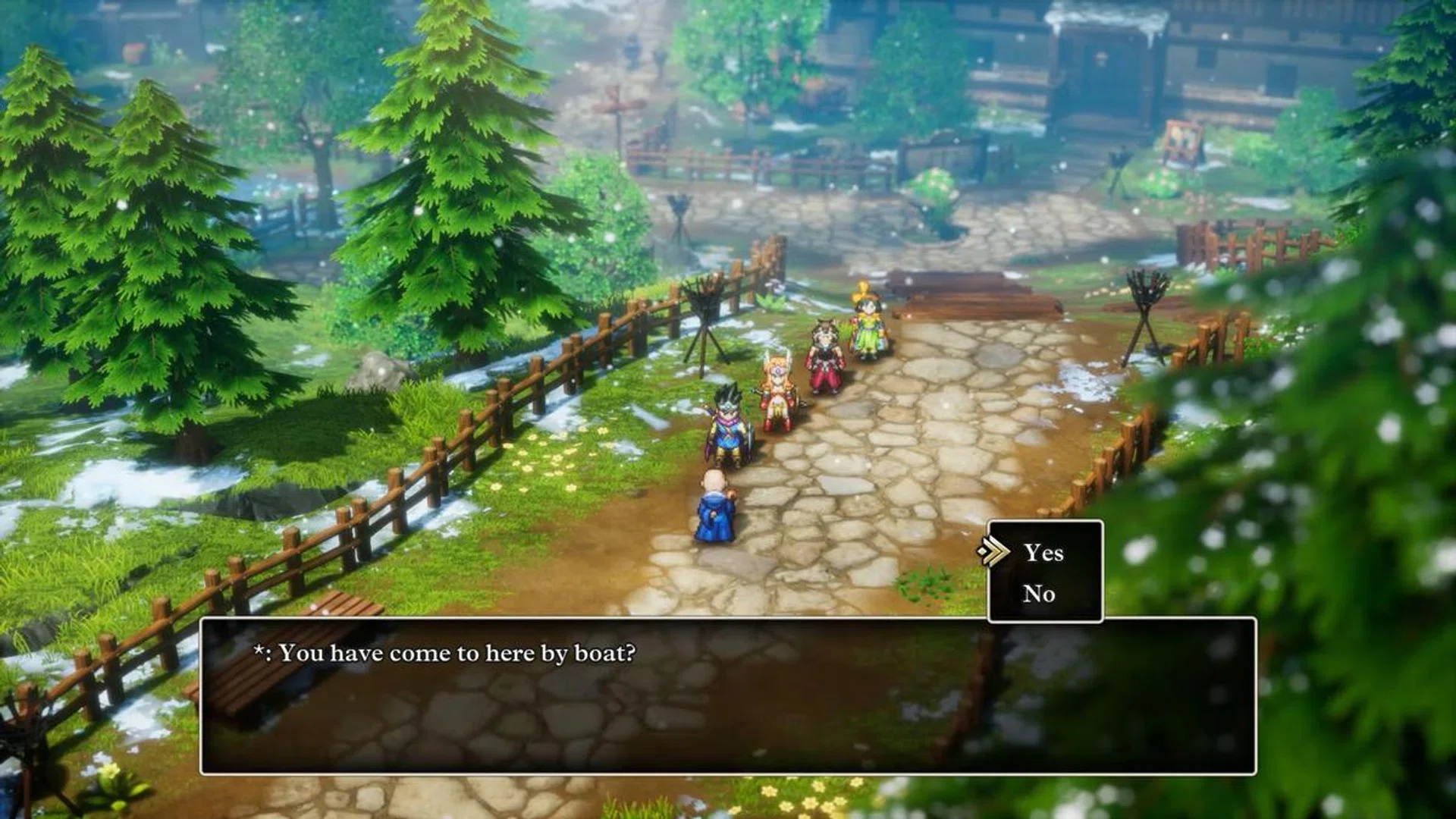
Image: Square Enix
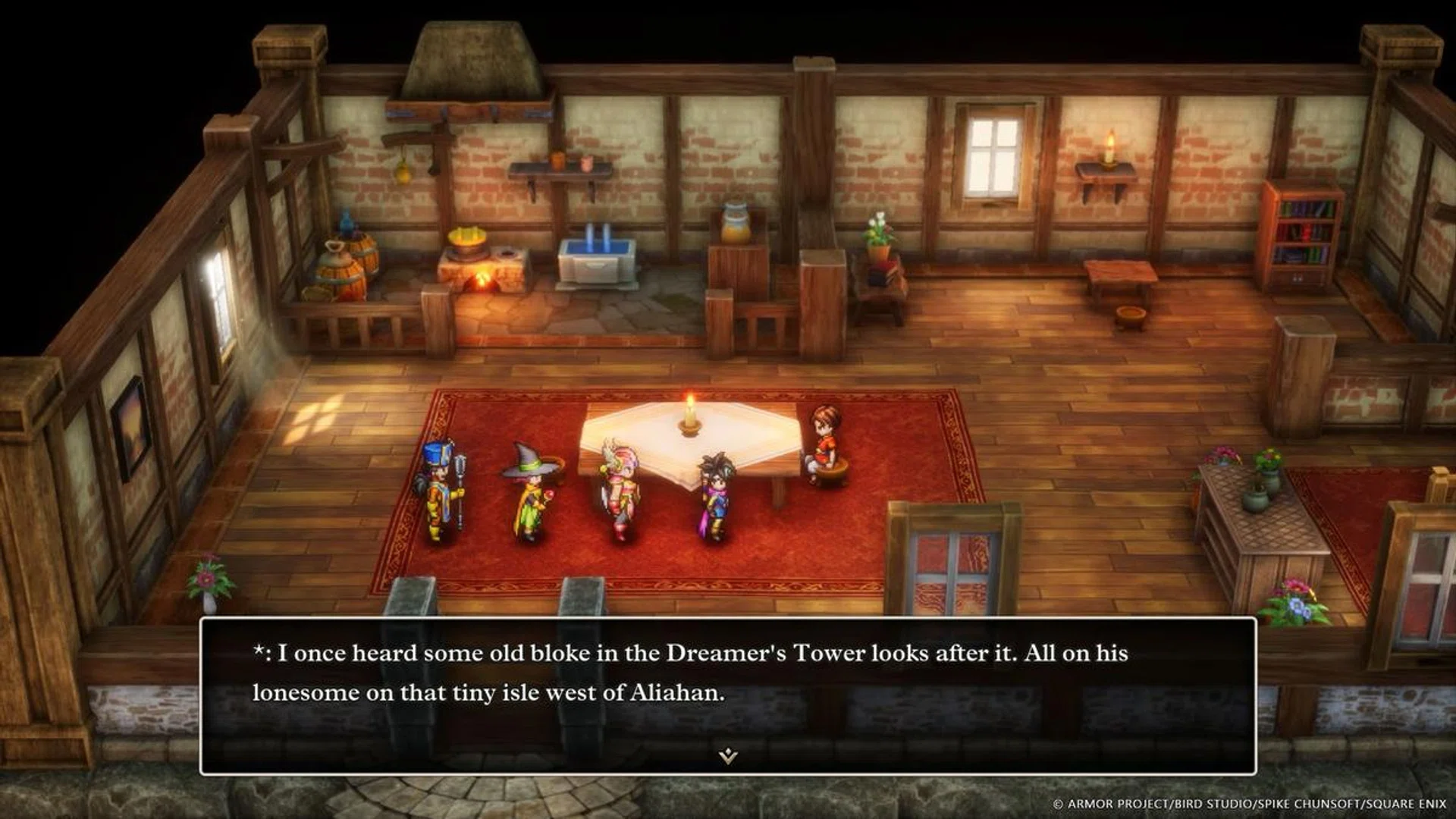
Image: Square Enix
A new highlight is the addition of Monster Wrangling, which injects fresh life into the gameplay loop. This feature encourages exploration of the beautifully reimagined environments, rewarding players with collectable monsters that can join your team – a little like a Pokemon-ish element if you will. The new Monster Wrangler class adds a layer of strategy to party dynamics too, while arena battles provide a welcome distraction when you’re taking a breather from the game’s story or want to earn rewards. These additions, though not revolutionary, feel like thoughtful extras that enhance rather than dilute the experience.
Of course, Dragon Quest III is still very much a product of its time. The story – an archetypal hero’s journey to defeat a great evil – is hardly groundbreaking by today’s standards. A silent protagonist and a party of faceless allies don’t offer much in the way of emotional engagement, especially compared to more recent entries in the series. But therein lies the charm. The simplicity of the narrative lets the gameplay shine, reminding us why this era of RPGs is still fondly remembered. It’s less about intricate storytelling and more about the joy of exploration, the grind of random encounters, and the quirky NPCs with their unmistakable regional accents.
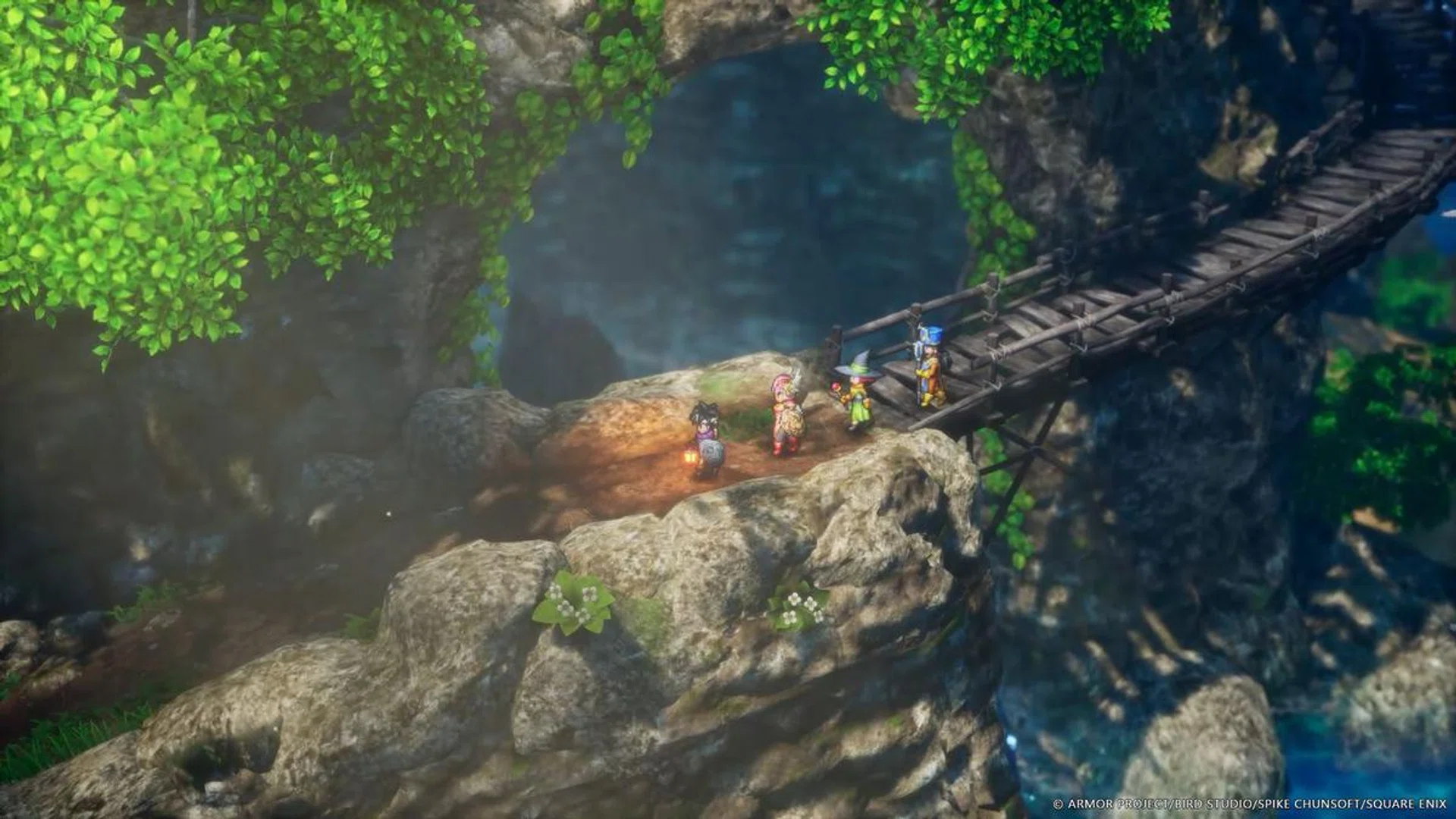
Image: Square Enix
Combat, for all its nostalgic appeal, can occasionally test your patience like the original. But encounter rates have been better tuned now, making grinding feel satisfying rather than a chore. Boss fights are challenging without being unfair, demanding proper preparation and smart strategy. However, certain segments – like the pyramid dungeon, infamous for its traps and curses – are as frustrating now as they were decades ago. I guess some things never changed, and for better or worse, a part of Dragon Quest III’s charms.
For long-time fans, this remake feels like coming home. It stays faithful to the original while updating it enough to feel fresh and inviting. It’s not quite like the reimagination of the remakes of Final Fantasy VII. For newcomers, it’s a brilliant introduction to Dragon Quest and a lesson in why the series remains one of gaming’s most enduring legacies. The HD-2D visuals and modern enhancements are more than just cosmetic too, as they elevate the experience without losing the essence of what made Dragon Quest III so beloved in the first place.
Despite some minor flaws, Dragon Quest III HD-2D Remake is a clear win for both fans and Square Enix. It showcases a careful stewardship of its classics while making a strong case for the HD-2D treatment as the future of retro remakes of JRPG classics. Whether you’re here for the nostalgia or simply curious about this storied series, Dragon Quest III HD-2D Remake is a journey worth taking.
Dragon Quest III HD-2D Remake is now available on PlayStation 5 (version reviewed), Xbox Series X|S, Nintendo Switch and PC
Our articles may contain affiliate links. If you buy through these links, we may earn a small commission.