
Project Cars 3 takes the racing series in a strange new direction
The newest Project Cars game is a departure from the series' usual focus on simulation, favouring more arcade-y gameplay instead.
Our review:

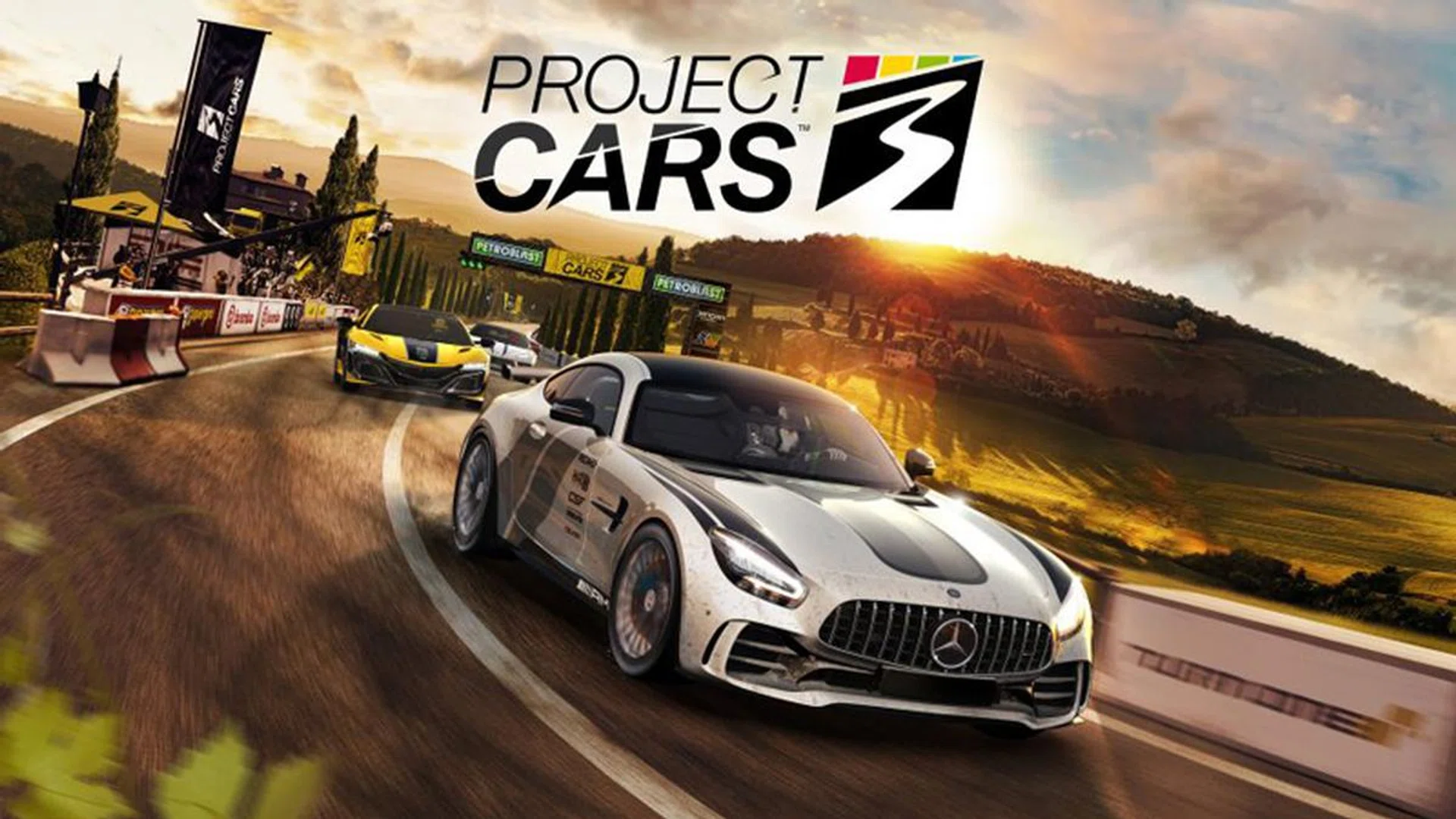
Image: Bandai Namco Entertainment
Project Cars 3 is Slightly Mad Studios’ third installment in their racing simulation game series, but it might appear borderline unrecognisable to its fans.
Whether or not you end up liking Project Cars 3 largely depends on your interest in the franchise. If you’re a fan of Project Cars and its sequel, you will likely be let down by the series’ sudden and dramatic shift into more arcade-y gameplay, which is a far cry from the simulation fare it was previously known for. If you’re a newcomer to the series however, this is a perfectly fine racing game - albeit one with its fair share of problems.
Pedal to the metal
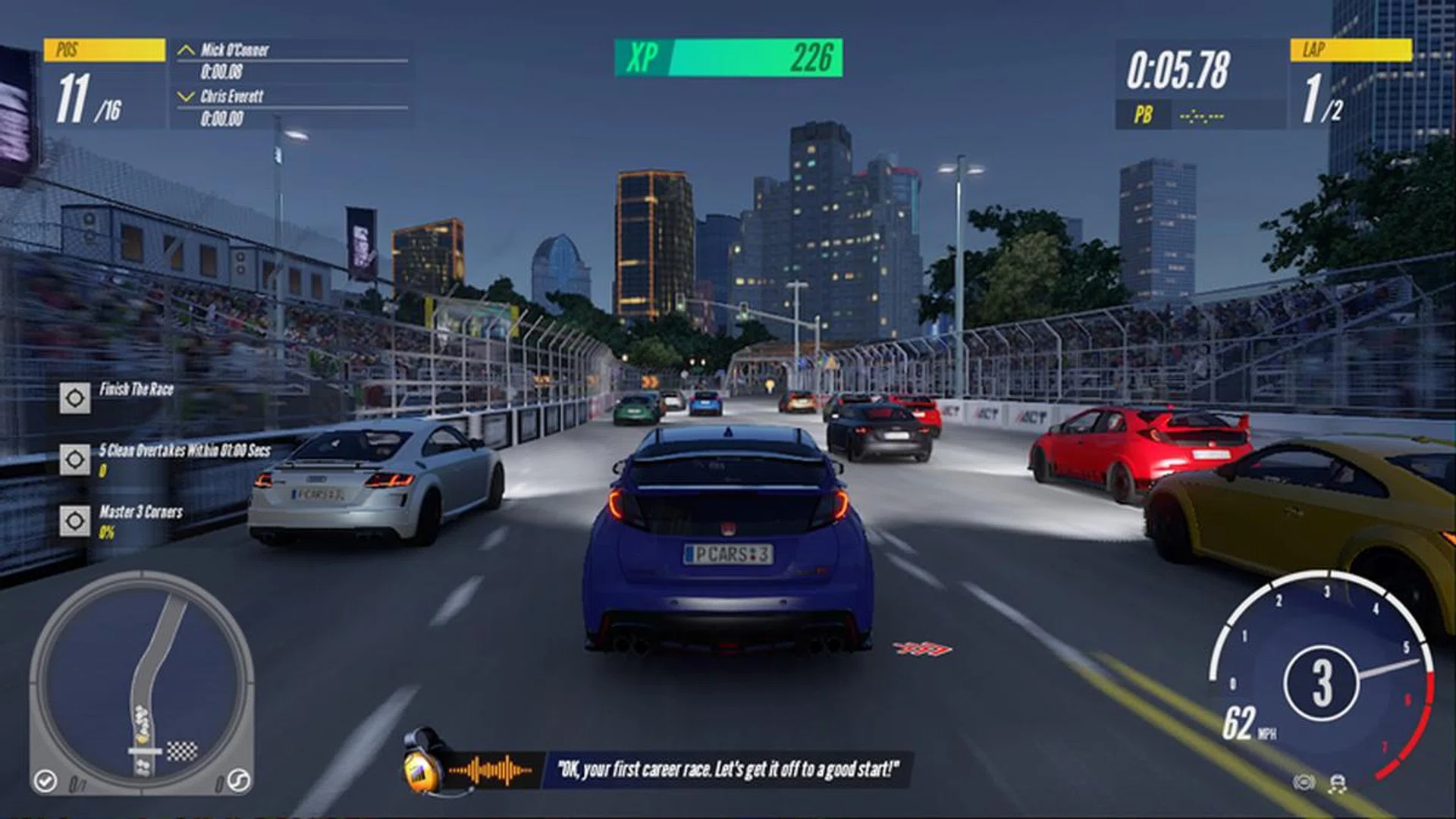
Racing gameplay is fun enough - but there might be a steep learning curve for novices to the genre.
The second you start playing Project Cars 3, you’ll find that most of your time is best spent in its career mode. This is a series of themed racing events, separated into different tiers of difficulty based on your in-game progress. The idea is that you start small, with a fairly humble road car to take into beginner races. After that, you can either upgrade it - and eventually even convert it into a racing car - or buy better vehicles as you play through all these races.
Your first car is kind of like your first Pokémon. You’ll probably want to upgrade it instead of swapping it out for different cars, but expanding your garage is something that will be forced upon you as you go. Slightly Mad Studios has thankfully injected a lot of variety into the career mode’s racing events, to the point that certain races require cars of a certain quality tier, or from a particular model or country. It’s a good way to keep things fresh as you play through the career mode, but it does highlight the game’s problem with currency.
There is an unfortunate amount of grinding involved in Project Cars 3. It will take you a really long time to garner enough currency for a new car, and an even longer time to have enough currency to buy and upgrade multiple cars at once. While the races you play through are generous in XP (which helps you unlock more cars), they’re not as generous with currency. You’ll probably see a couple of cars in the store that you really want - but find that it’s more worthwhile to spend your credits upgrading existing cars instead of buying new ones.
How does it handle?
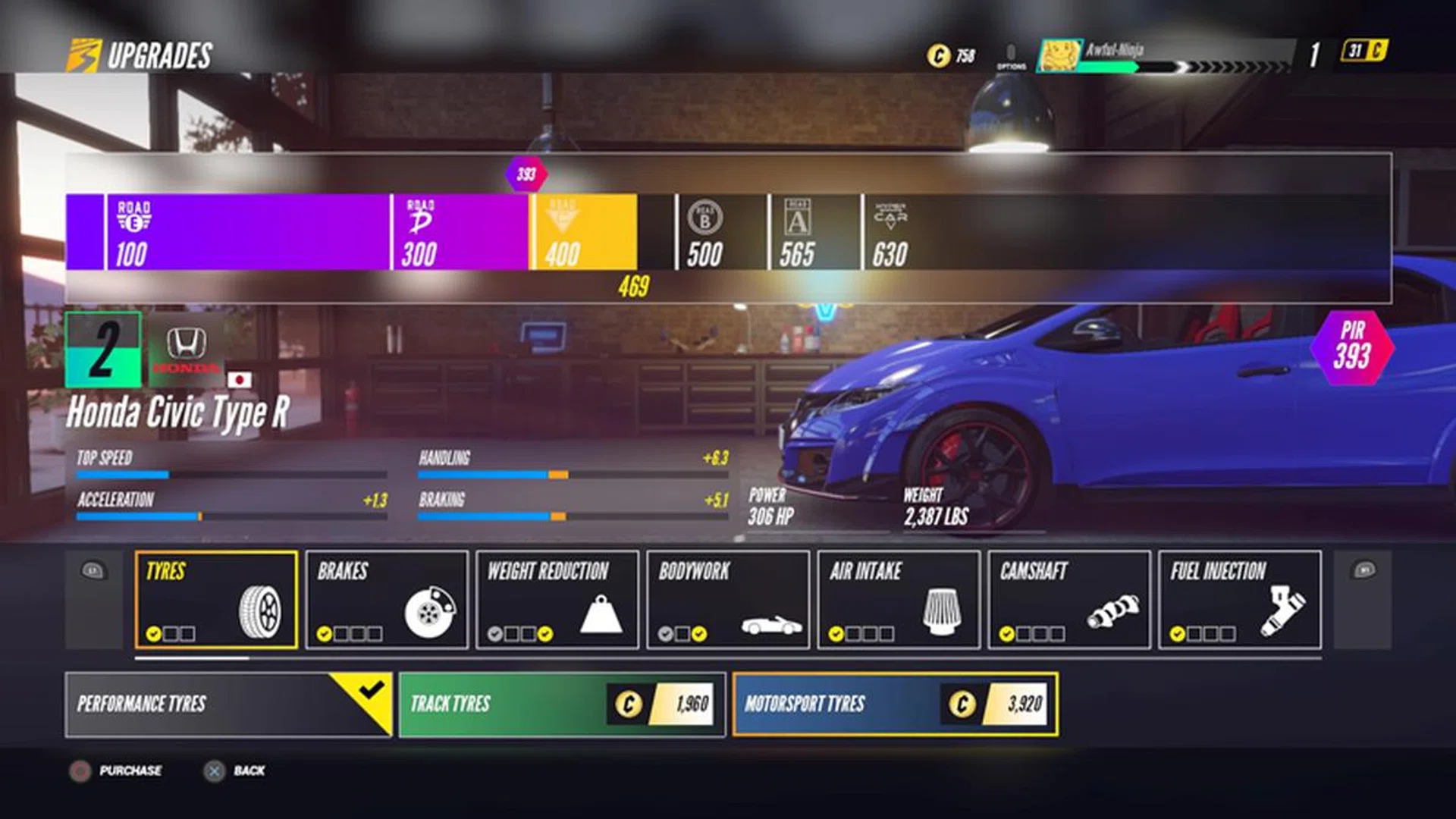
Upgrades are the name of the game. You'll have to pay up to get your cars into certain races - and even downgrade them sometimes. It's better if you have multiple cars tuned for different types of races, though.
Project Cars 3 has raised the ire of fans for removing simulator-like features like tyre wear, fuel depletion and pit stops. It still features a couple sim-like aspects, such as having to brake at just the right time when rounding corners. None of it makes Project Cars 3 feel like anything close to a racing simulation game, however. It’s not an arcade game either - more of a weird cross between the two. A racing game with an identity crisis, in a series desperately trying to break out into the mainstream.
That being said, it controls great. As you race, you’ll find little icons on the road that notify you of when to tap the brakes or avoid driving into a nearby car. These little game-y additions are thankfully subtle enough to keep your immersion intact. Playing with a controller feels great, though it definitely takes getting used to. You might bounce from Crash Team Racing to this and think you have it all figured out - only to spin into grass after turning your very first corner. Most of the rules that come with real-life racing apply here, so a little bit of practice might be necessary before you get settled in.
Project Cars 3 has an insanely impressive amount of tracks (130 variants) and cars (more than 200), and that translates to a career mode with tons of variety. It’s not all racing against other cars, either. Some tiers will have you do timed solo laps, and participate in other unique game modes. As far as the career mode goes - it’s not exactly what fans of the series were likely looking forward to, but it’ll suit newcomers just fine.
Tap the brakes
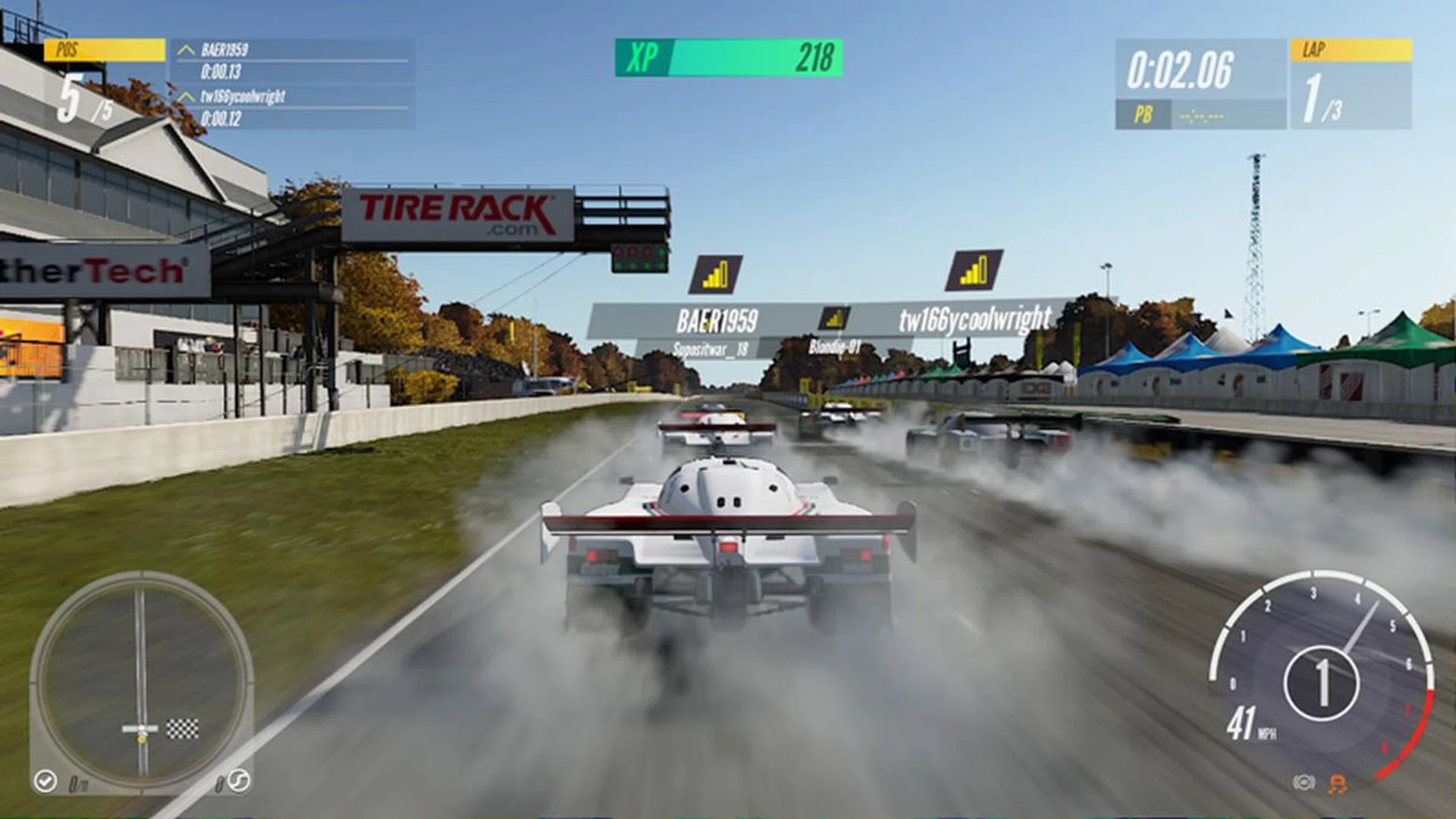
The novelty of racing against others is all you need to have fun in this game's multiplayer mode. There isn't anything particularly exciting or innovative to be seen here otherwise.
Project Cars 3 also has a multiplayer mode, which is fairly standard stuff for games of this genre. You can jump into quick play races, scheduled events or build a custom lobby of your own. Quick play drops you into fast and loose races with other players online (although you might have difficulty finding a match), whereas scheduled events have you sign up for races that occur regularly throughout the day. You can also try ‘Rivals’, which has you participate in timed races against the ‘ghosts’ of other drivers.
It’s worth mentioning that the PlayStation 4 version of Project Cars 3 is pretty underwhelming in the visuals department. While it probably doesn’t have as much budget behind it as games like The Crew 2, it's hard to overlook its drab visuals compared to the competition. The game’s lighting system makes environments look like they’re a generation behind, and I noticed some severe pop-in issues - such as grassy textures growing on fields right in front of my vehicle, as I sped through a track.
Collision effects aren’t as convincing either, and you don’t really feel any impact or consequence if you happen to bump into other cars or steer into walls during races. The vehicles themselves look great, but this isn’t a pretty game.
Verdict
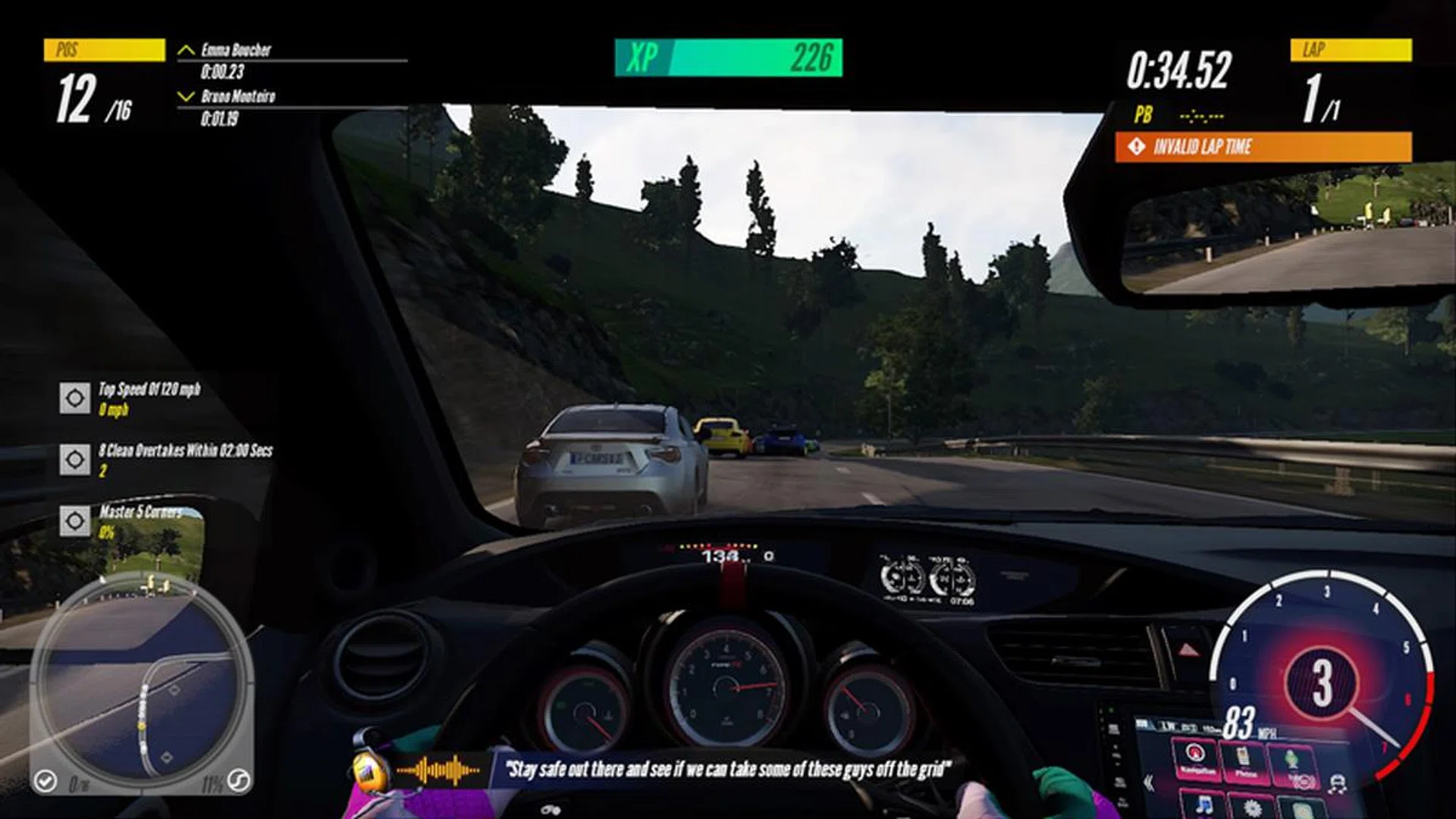
On PlayStation 4, Project Car 3's visuals aren't exactly impressive. You will experience lots of pop-in issues and lackluster graphics.
Project Cars 3 should be a fantastic racing game. It boasts an incredible amount of variety in its tracks, vehicles and race types, and its racing gameplay and multiplayer modes are enticing enough to keep you coming back for more. However, all of this is weighed down by a grindy progression system, dated visuals and a strange departure from previously-beloved simulation aspects in the series. The result is a passable racing game - one that could’ve been so much more if the series had opted to build up its iconic features, instead of taking them away.
Our articles may contain affiliate links. If you buy through these links, we may earn a small commission.