
Civilization VII (PC) review: Not as brutal as it once was but still as addictive as ever
It might not be as brutal as it once was, but it’s as addictive as ever.
#civilizationVII #gaming #strategy

Note: This review was first published on 24 February 2025.
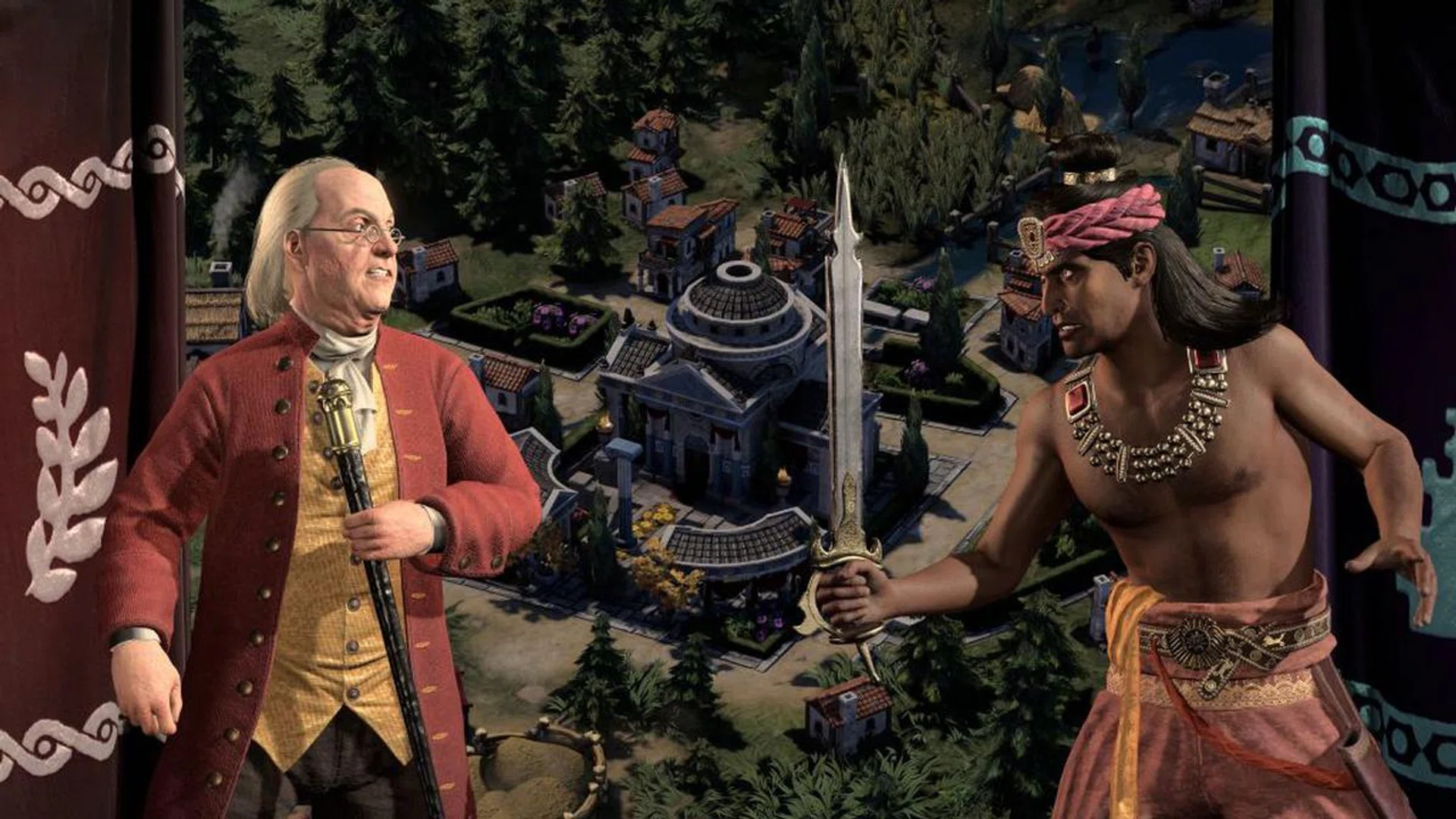
Image: 2K Games
It has been nearly a decade since the last entry in the Civilization series, but now, with the latest iteration Civilization VII, fans of the long-running strategy sim have a new, if familiar, opportunity to immerse themselves in the art of world domination. From its early days, the Civilization franchise has been a cornerstone for turn-based strategy fans, offering a vast, intricate simulation of human history, development, and diplomacy. While the core of the series remains as captivating as ever, Civilization VII brings some significant changes that push the game into fresh territory, offering both new players and long-time fans of the series something to sink their teeth into.
We have already covered this in our earlier preview but one of the most striking innovations in Civilization VII is the departure from the traditional gameplay structure. Instead of playing a single civilisation through the entirety of a campaign, the game now gives players the opportunity to guide a leader through multiple historical ages. This means you’ll select a leader, such as the cunning Machiavelli or the wise Confucius, and then steer them through different time periods, from the ancient world to the modern era. During each age, you’ll choose a civilisation, each with its own unique traits, units, and wonders, which brings new dynamics to the game. Your leader remains the same throughout these transitions, ensuring that the game still feels cohesive, while also adding layers of complexity to how you manage your empire’s progression.
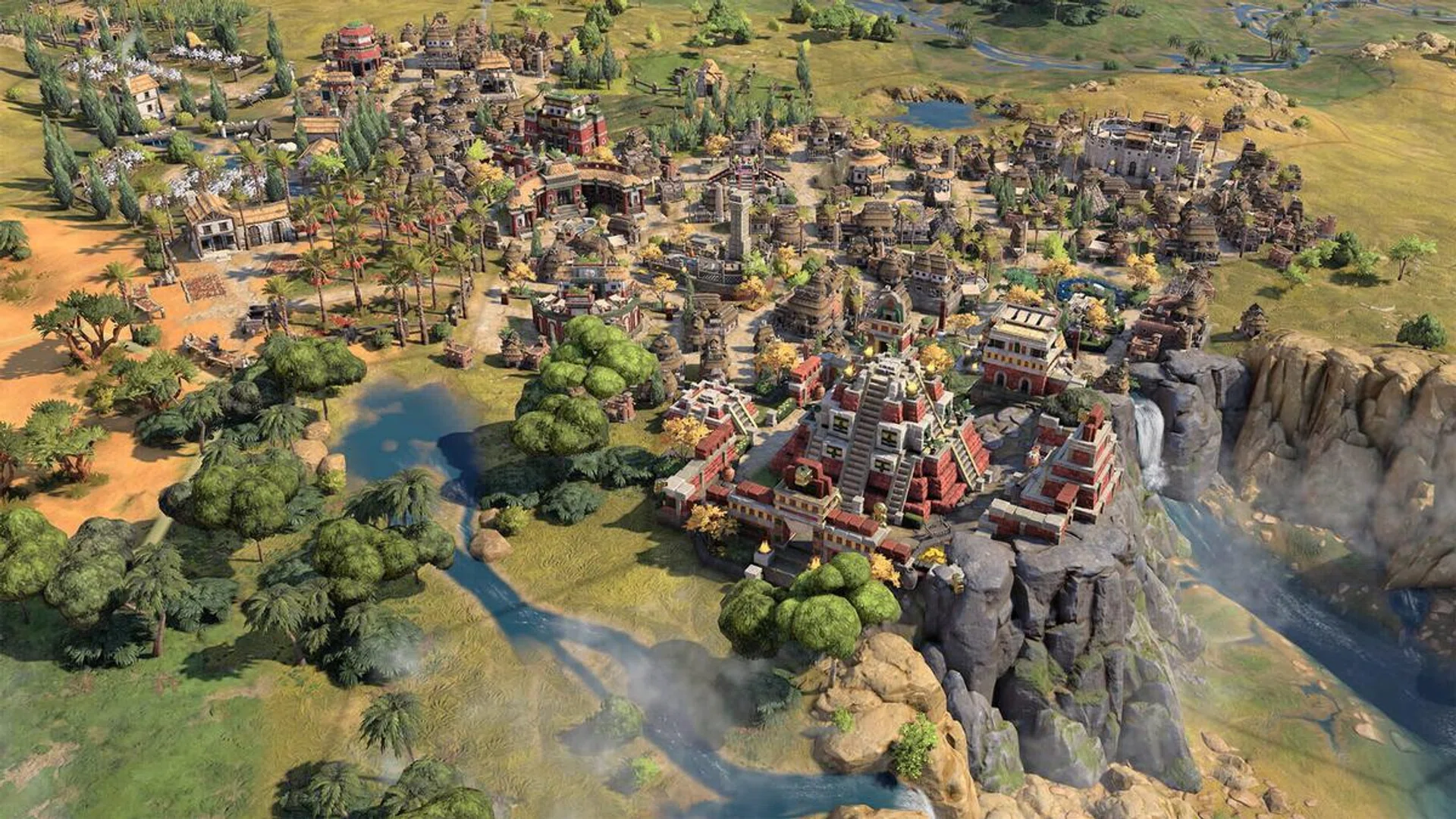
Image: 2K Games
This new system of shifting civilisations introduces a more structured experience, addressing one of the frustrations that many players have faced in previous Civilization games: the sudden power imbalance that can arise when your neighbour develops an insurmountable military force. Rather than feeling like the game is doomed when you fall behind, this system allows players to reset, adapt, and start fresh at the beginning of each new age. The continuation of progress from previous eras, along with the ability to bring forward certain legacies, means that even if you're struggling, you still have an opportunity to reclaim control as your leader evolves through time.
On the surface, it might seem like a departure from the classic Civilization formula, but it serves to make the game feel more like an adventure. It’s less about playing a seemingly endless game of resource management and more about navigating the ups and downs of various periods of history. The feeling of resetting your objectives with each new age – whether it’s shifting from ancient Han China to the Incas and eventually to Meiji Japan – feels less like grinding through a spreadsheet of stats and more like a story of personal progression, as though your leader is on an epic journey through time. The familiar sense of empire-building is preserved, but with an exciting new sense of pacing that prevents the game from stagnating.
For those worried about the game’s accessibility, Civilization VII introduces several features to make it more approachable for modern players. A key addition is the introduction of attribute points for leaders, which can be spent to enhance skills across six categories, such as culture, science, and military. This feels reminiscent of RPG systems, allowing for a deeper sense of player agency in shaping how their leader evolves. The inclusion of legacy targets further enhances this, providing players with specific goals, like constructing Wonders of the World or advancing particular scientific fields. These legacy targets are not just about achieving victory but also provide a sense of narrative direction that helps players stay engaged and focused on a clear path.
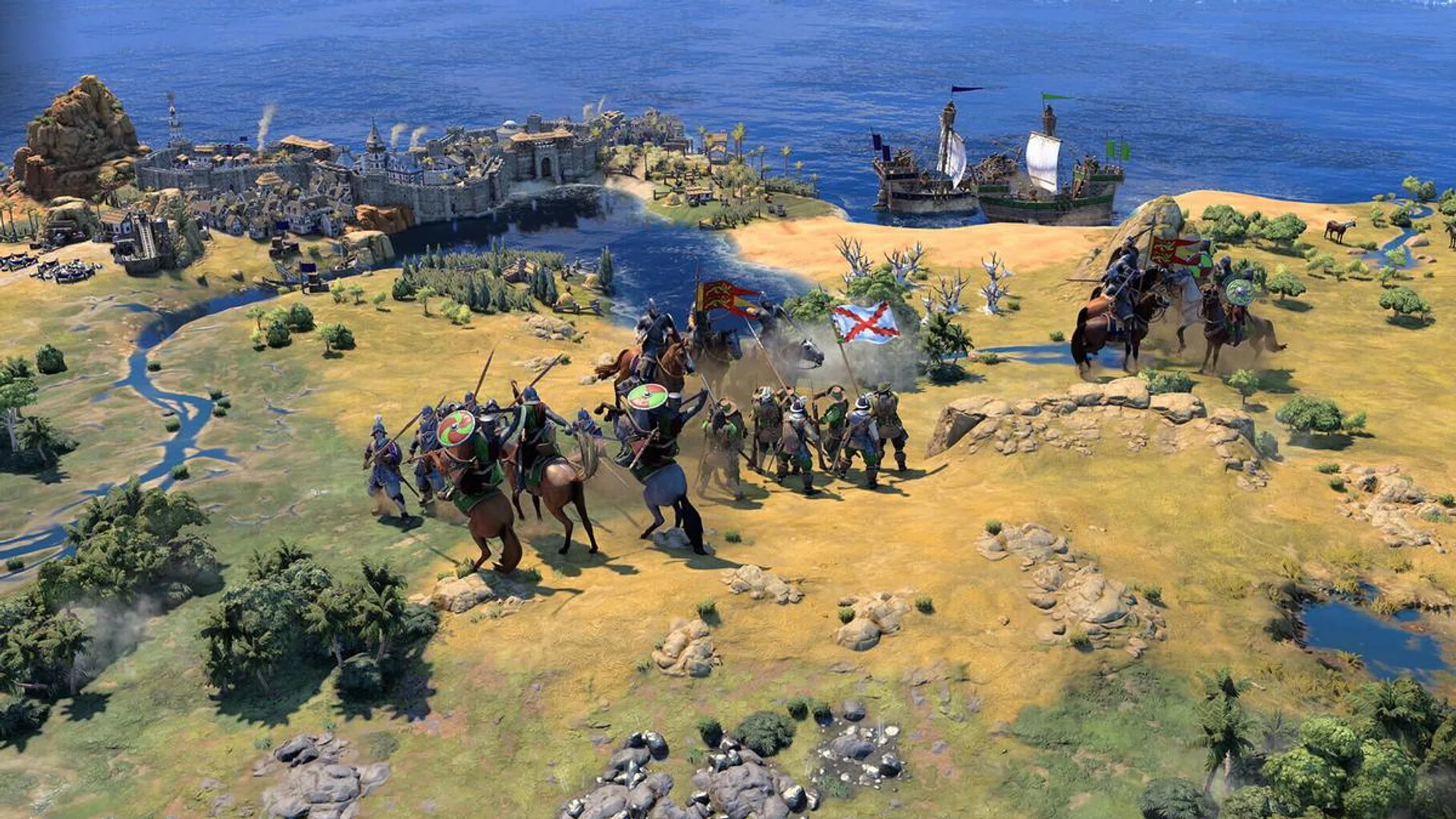
Image: 2K Games
The game’s diplomacy mechanics have also been overhauled, with the addition of a new currency – influence. This adds an extra layer of strategy when dealing with other nations, as influence can be spent to arrange cultural exchanges, economic deals, or – when things take a darker turn – to execute sabotage and subterfuge. The nuanced diplomatic system helps elevate the complexity of international relations in the game, with players needing to balance their ambitions with the delicate nature of keeping other nations at bay or onside. Diplomacy no longer feels like a simple checkbox but a dynamic, multifaceted system that keeps you on your toes.
Civilization VII also boasts a host of visual upgrades. While the hexagonal tiles from its table-top wargaming roots remain intact, the landscapes now pop with colour and detail. The variety in terrain, from jagged mountains to sprawling seas, and the richly detailed cities full of unique, era-specific buildings, makes the world feel alive in ways it hasn’t before. Battles, too, are given new life with animated units that clash in dramatic, miniaturised skirmishes, adding a sense of scale to what can sometimes feel like a very abstract game of numbers. Even the occasional natural disaster, be it a devastating flood or a swirling tornado, brings an extra layer of intensity to the proceedings, making the world feel more reactive and immersive.
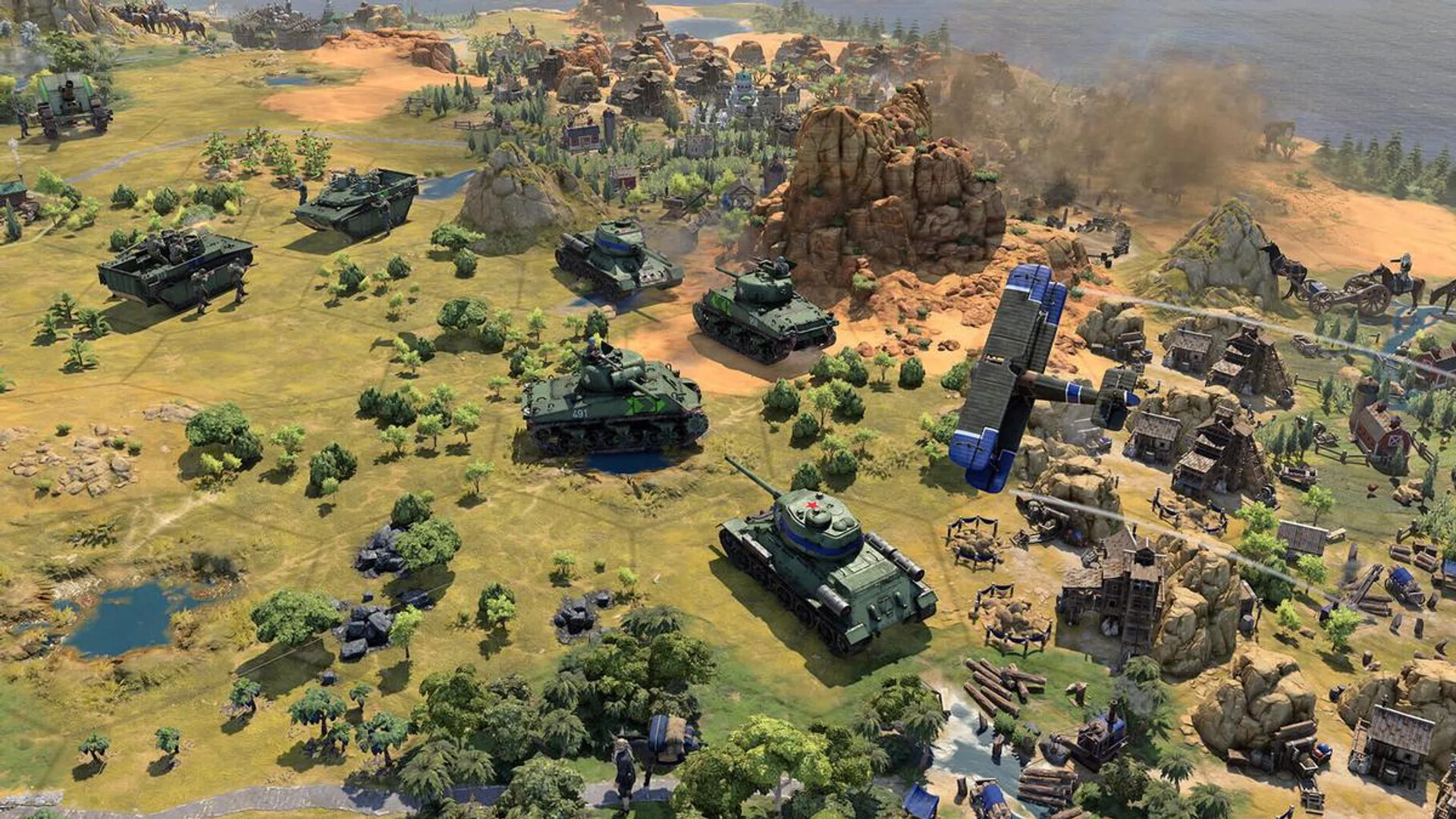
Image: 2K Games
One of the big questions surrounding Civilization VII in the lead-up to release was how the AI would fare, particularly in terms of its ability to provide a challenging and varied experience. In my playthroughs, I find the AI is still prone to either holing up and quietly progress towards space travel while you’re still figuring out how to build a stable infrastructure or launch military campaigns against you with little warning. For players looking to test their strategic mettle against others, the cross-platform multiplayer mode promises to provide a more dynamic and competitive experience, although I haven’t had the chance to explore this part of the game yet.
In terms of overall experience, Civilization VII represents a shift towards a more personalised, story-driven approach to the traditional formula. It’s still a game of immense depth, requiring players to balance military, economy, and diplomacy, but now with the added complexity of managing a leader’s progression through different historical eras. For veterans of the series, this might initially feel like a big change and could be divisive for some, but I found that once you settle into the rhythm of it, it becomes clear that Civilization VII has found a way to keep the core gameplay fresh and exciting. It’s less about the sweeping grandeur of controlling vast armies and more about the individual journey of your chosen leader, providing a narrative thread that keeps the experience engaging.
In the end, Civilization VII is still very much a game that can consume your time like few others. It might not be as brutal as it once was, but it’s as addictive as ever, with the capacity to hijack hours, and possiblyt even days of your life.
Our articles may contain affiliate links. If you buy through these links, we may earn a small commission.