
Monster Hunter Wilds (PS5) review: Capcom takes the hunt mainstream, and all the better for it
A game of the year contender.
#capcom #monsterhunter #gaming

Note: This review was first published on 17 March 2025.
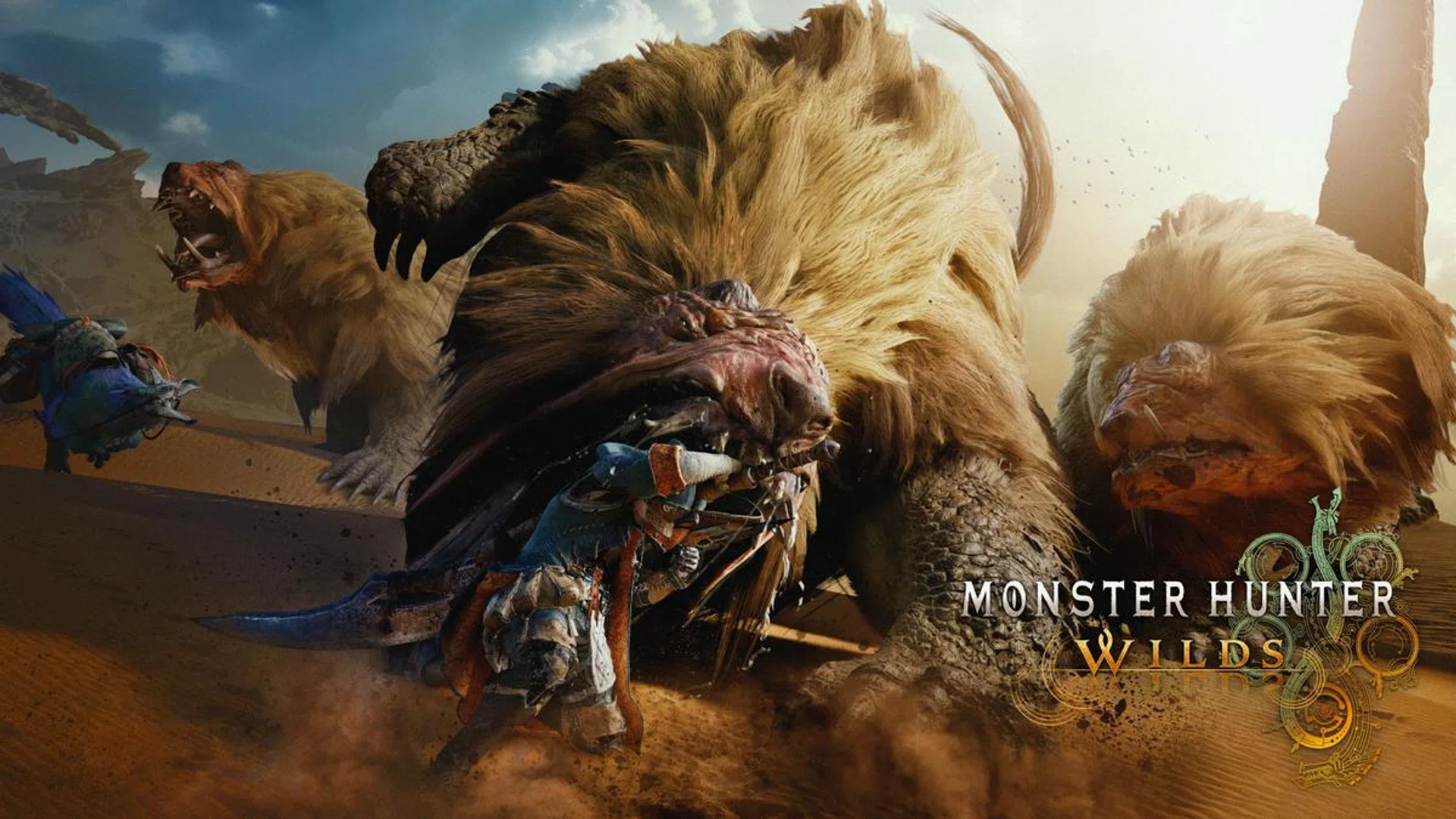
Image: Capcom
Monster Hunter Wilds could easily have coasted on the past glories of the franchise, replicating a tried-and-tested formula that veteran hunters know and trust. But Capcom’s latest beast-slaying escapade sets out with noticeably different intentions. Instead of treading comfortably familiar ground, Wilds pushes towards an immersive world-building approach, inviting both seasoned players and fresh faces into a lush, reactive ecosystem where the thrill of the hunt remains as vibrant as ever, albeit simplified in places that may split opinion among veterans.
I’ve spent a good chunk of time tracking, battling, and outsmarting beasts across the expansive biomes of Wilds, each encounter bringing a satisfying rush of adrenaline. Yet, what sticks most vividly in my mind are not just the big, cinematic triumphs, but rather the subtler changes that underscore a refined yet controversial direction. Gone are some of the layered complexities – those painstaking preparations and detailed systems that required meticulous attention. Wilds strips away these intricacies, replacing them with streamlined mechanics, granting players smoother, frictionless hunts.
One might worry that in the quest to broaden appeal, Monster Hunter risks losing its identity. After all, the series has built a dedicated community around its depth, difficulty, and demanding preparation. Wilds acknowledges this tension, softening some of the rigid edges to encourage wider accessibility, which inevitably brings trade-offs. But the heart of what makes Monster Hunter compelling remains intact: the electrifying, fluid combat sequences, punctuated by moments of astonishing drama and tactical depth.
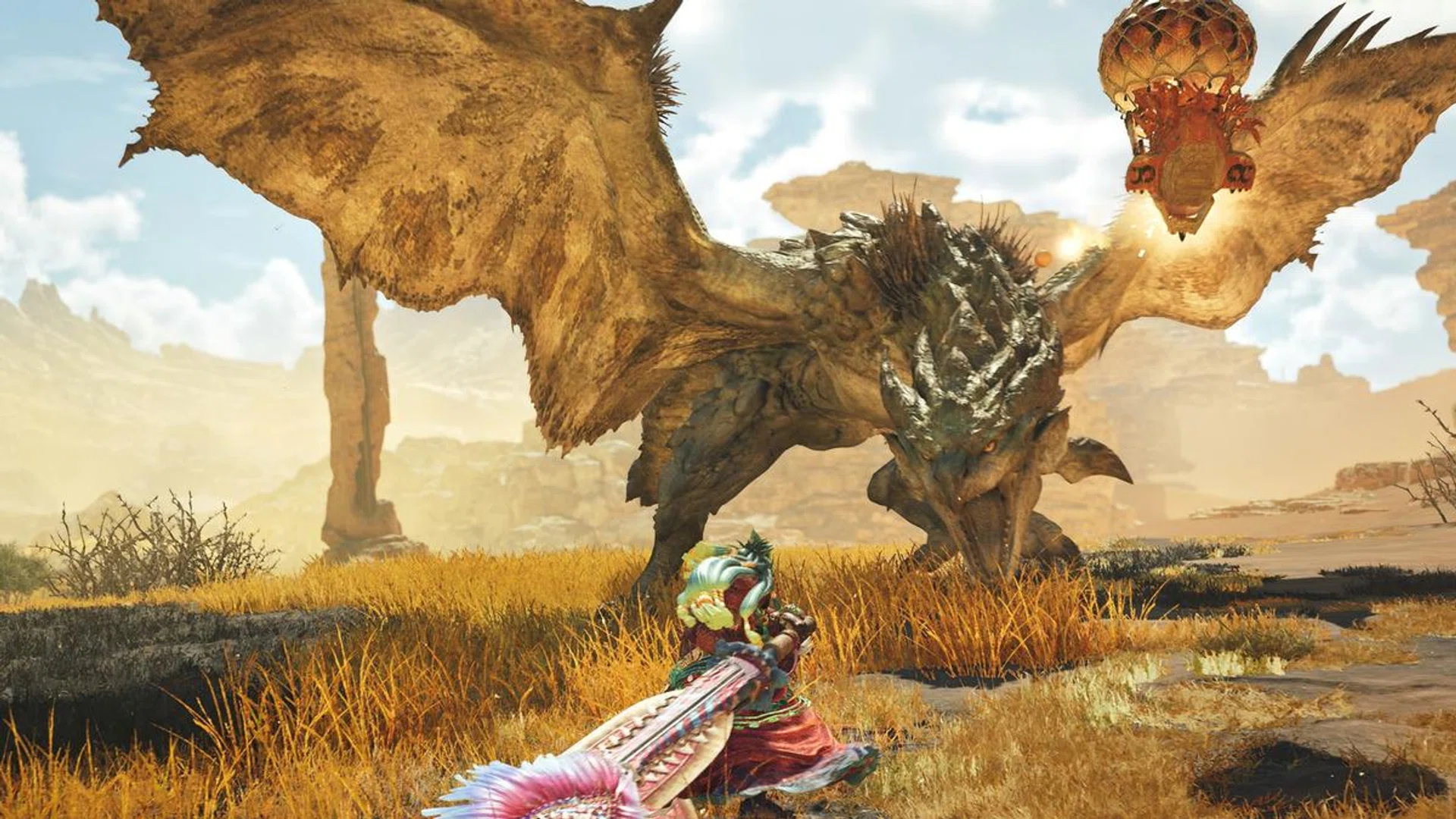
Image: Capcom
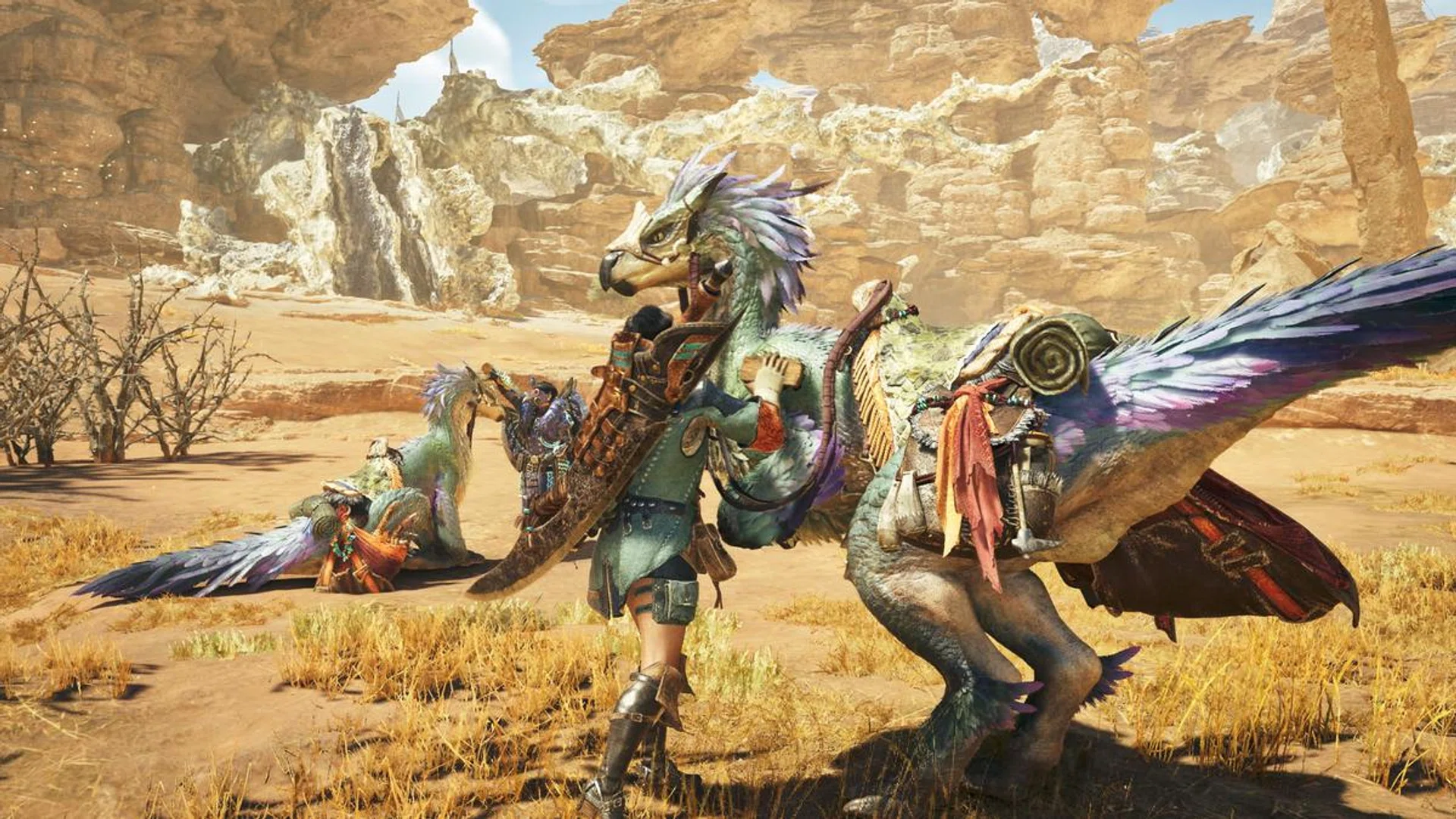
Image: Capcom
Let's start with Wilds’ revamped hunting grounds. Though Capcom’s sleek marketing campaign has stylised them as open-world, the experience isn’t exactly as free-form as you might expect. The seamless connectivity between biomes provides a convincing illusion of uninterrupted exploration, yet traditional hunt structures persist. You’ll still select targets through menus, fast-travel into the thick of action, and whisk back to camp afterwards. That said, Wilds does excel in breathing new life into these familiar beats with impressively dynamic environments.
Take, for instance, the ever-changing Crimson Forest – one of Wild’s standout biomes in my opinion. Its cyclical shift from a dry, threatening wasteland during the Fallow, to a vibrant, bustling habitat during the Plenty season, is more than merely cosmetic. It can fundamentally alters your tactical considerations; seasonal changes influence creature behaviours, migration patterns, and available resources, challenging you to adjust your approach constantly. These dynamic elements keep exploration fresh, especially as you delve deeper into Wilds’ hefty end-game content.
Where Wilds takes its biggest gamble – and wonderfuly succeeds – is with the addition of your new (and trusty) companion, the Seikret. This new mount transforms the rhythm of hunts entirely. Its introduction smooths away much of the downtime, keeping you consistently engaged and mobile. Previously precarious situations, like fumbling for potions mid-battle or desperately trying to sharpen your blade, are neutralised as your Seikret dashes in, providing quick escapes or on-the-fly inventory swaps. It’s a change I welcomed initially for its convenience but soon began to question if it tilted the scales a little too far in players' favour.
This highlights perhaps the largest philosophical shift in Wilds. Veteran hunters familiar with past titles might find this new level of assistance slightly disconcerting. Capcom’s decision to provide immediate, convenient solutions to traditional frustrations, such as quickly applying status-effect remedies via the intuitive quick-select wheel, significantly lowers the skill barrier, effectively removing certain challenging elements. The presence of powerful NPC companions (or other players) you can call upon mid-hunt only compounds this reduction of difficulty, raising legitimate concerns that Wilds may have sacrificed some rewarding complexity in favour of approachability.
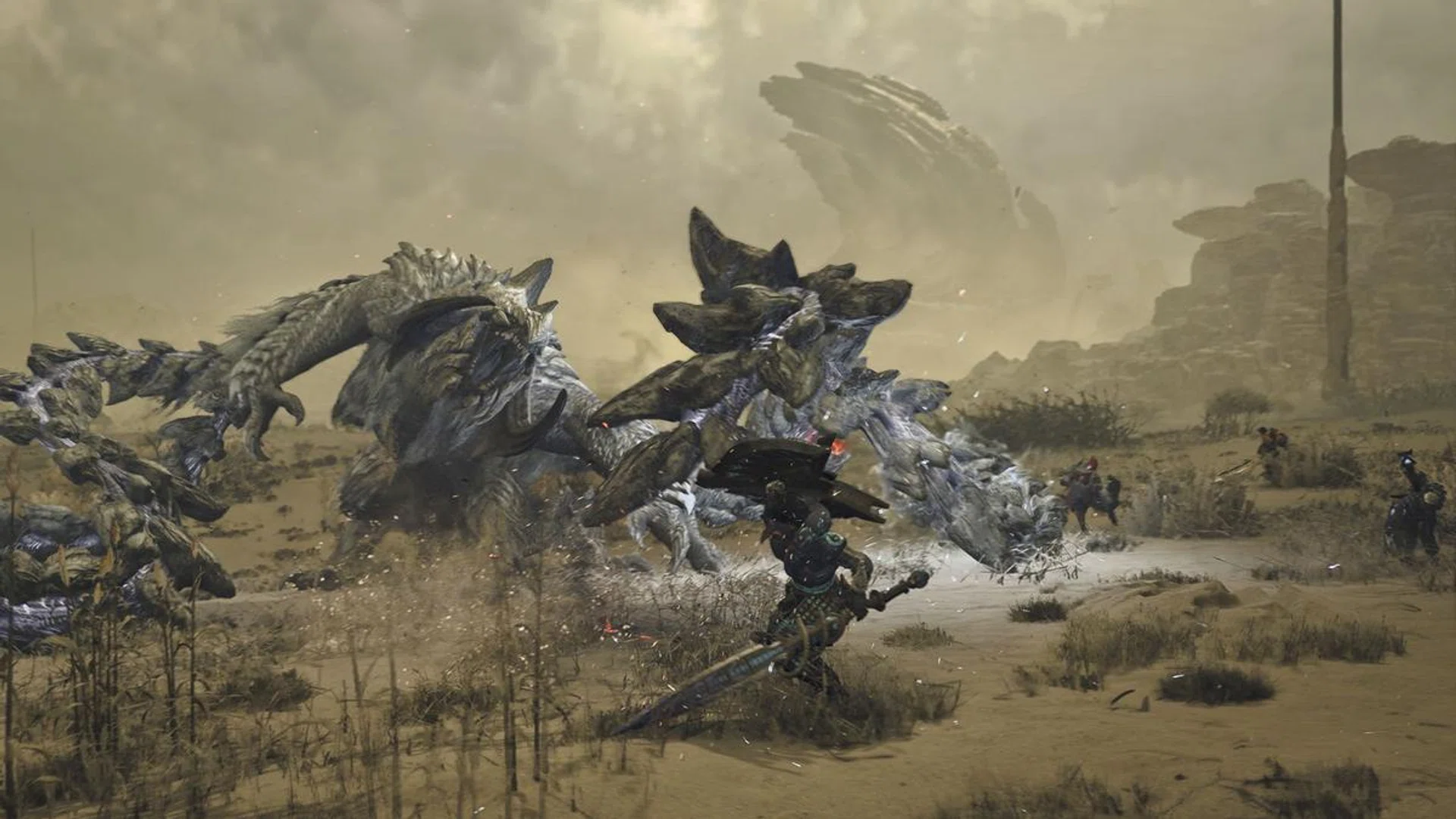
Image: Capcom
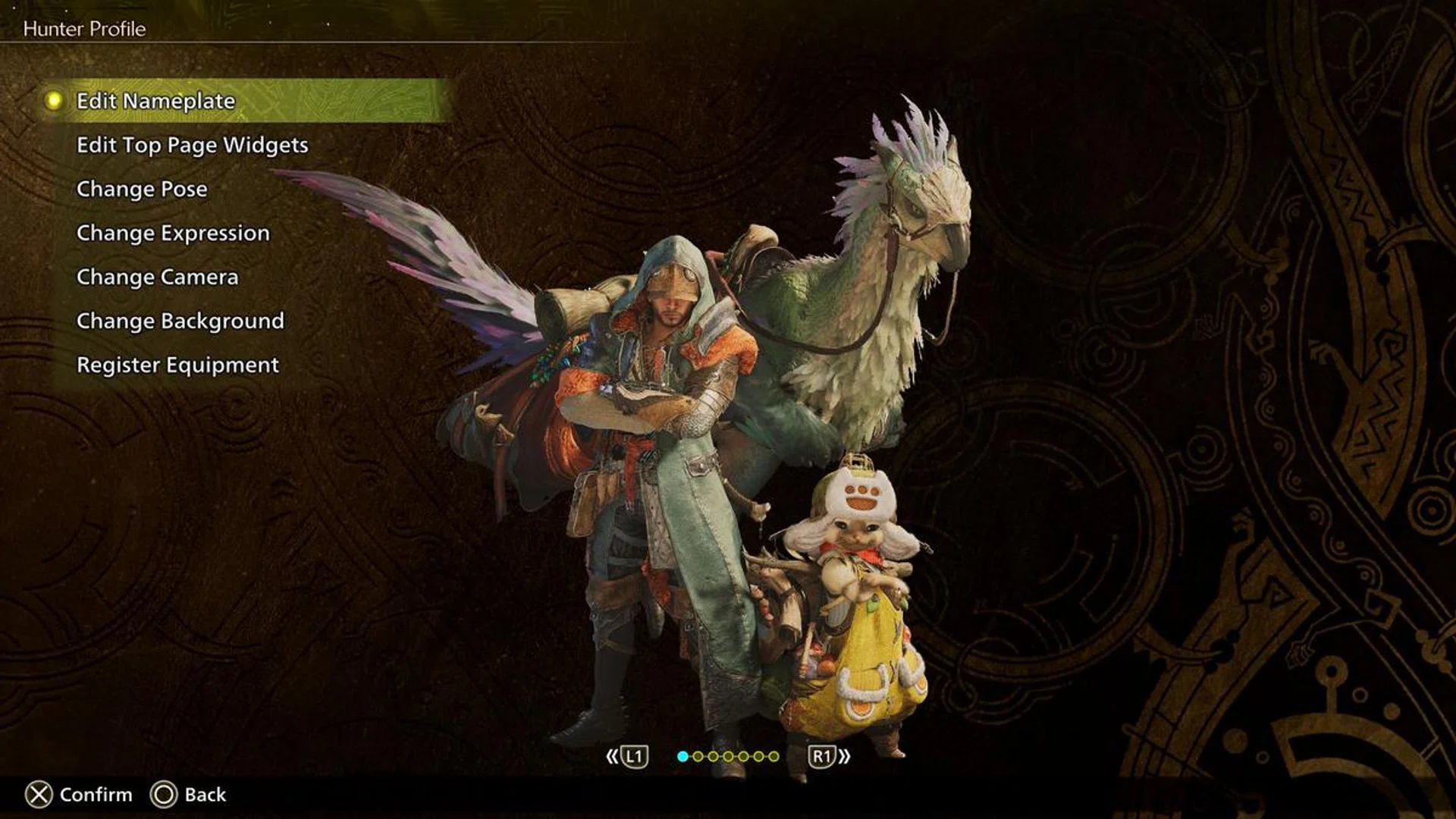
Image: Capcom
To be clear, none of this convenience renders Wilds unenjoyable. Quite the opposite in my opinion – gameplay remains fluid, fast-paced, and consistently engaging. Battles against new monsters, such as the bear-like Alpha Doshaguma, deliver intensely satisfying set pieces, balancing visual spectacle with tactical combat. Whether it’s carefully positioning to trigger environmental traps or masterfully timing strikes, encounters still demand quick thinking and sharp reflexes. Moreover, Wilds’ expanded emphasis on verticality and environmental interactivity adds genuine depth and tactical nuance, enriching combat scenarios significantly.
But the simplifications inevitably leave some aspects of the hunting life feeling slightly hollow. Traditional hunter management elements, like farm cultivation, buddy management, detailed resource allocation, are notably diminished or altogether absent. While less fuss means quicker entry to hunts, veterans might sense something amiss after repeated expeditions. Monster Hunter has historically thrived on intricate, interconnected systems. Their absence here occasionally leaves Wilds feeling somewhat shallower, streamlined to a point of minor predictability.
Of course, for those new to Monster Hunter, these concerns likely won’t register. Wilds is undeniably the most beginner-friendly entry yet. The removal of more arcane, menu-heavy traditions opens the franchise to a broader audience. Capcom appears to be actively balancing the tightrope walk between satisfying dedicated fans and attracting newcomers. For every veteran frustrated by the simplicity, countless new players will appreciate a more accessible entry point.
Still, there remains something irreplaceably exciting about this world and its relentless stream of thrilling, spontaneous moments. Wilds understands that, above all, Monster Hunter lives or dies on the strength of its confrontations. Moments where your pulse quickens as you leap dramatically onto your prey’s back, clutching frantically while aiming a well-placed strike, still feel profoundly exciting. Those explosive interactions – where precise skill and planning collide with spur-of-the-moment instinct – are what Wilds does exceptionally well, preserving the essence of what makes the series captivating.
Ultimately, Monster Hunter Wilds is a carefully calibrated balancing act. I’m impressed by how Capcom has cleverly increased accessibility without completely abandoning the series' identity. Veterans might grumble at the streamlined simplicity, but few will deny the sheer joy derived from seamless, intense battles against meticulously crafted creatures within these stunning biomes. It is an ambitious, commendably executed evolution, one which may divide some die-hard fans yet has undoubtedly broadened the appeal of Capcom’s flagship series. Monster Hunter Wilds represents not just a fine-tuning of beloved mechanics, but a thoughtful reimagining of how Monster Hunter games could – and perhaps should – feel in an era where accessibility and approachability are as critical as complexity and challenge.
Monster Hunter Wilds is available now on PC, PlayStation 5 and Xbox Series X|S.
Our articles may contain affiliate links. If you buy through these links, we may earn a small commission.