
Metal Gear Solid Delta is a remake that stays true to Snake Eater – for better and worse
It looks new, it sounds new, but beneath the Unreal Engine shine, this is the MGS3 you remember.
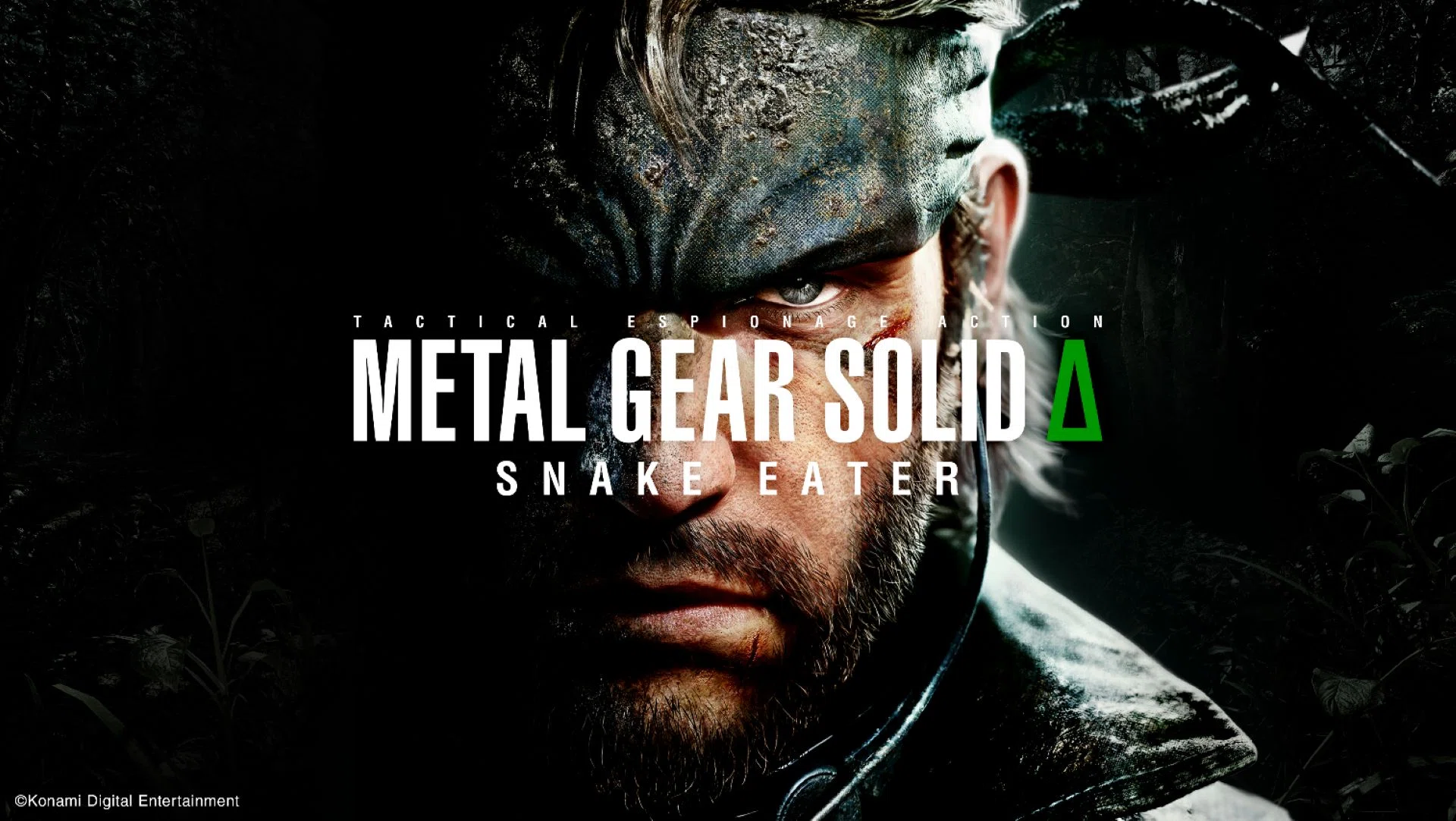
I wasn’t sure what to expect going into Konami’s Metal Gear Solid Delta: Snake Eater. It’s been just over 20 years since the original MGS3 launched, but I can still hum its title song, still remember exactly where I used to place claymores in Groznyj Grad, and still feel the creeping dread of hearing The Fear’s manic laughter echo through the jungle. This is a game that’s baked into my memory. So a remake – not a remaster – immediately had me curious but cautious. How much would Konami dare change? How much would they leave alone?
The answer, as it turns out, is that they’ve left almost everything alone – sometimes to the game’s benefit, sometimes to its detriment. Metal Gear Solid Delta is about as faithful a recreation of MGS3 as you can imagine. If you’ve played the original, you already know the plot: Naked Snake is sent into the Soviet wilderness to rescue a defecting scientist, sabotage a secret nuclear weapon, and assassinate his mentor. Things go wrong, Snake gets hurt, and what follows is a slow, deliberate journey about survival, betrayal, and the making of a legend. It’s still a brilliant story and for me probably the best in the series, and playing through it again reminded me why MGS3 is still held up as a classic and original creator Hideo Kojima’s best MGS today.
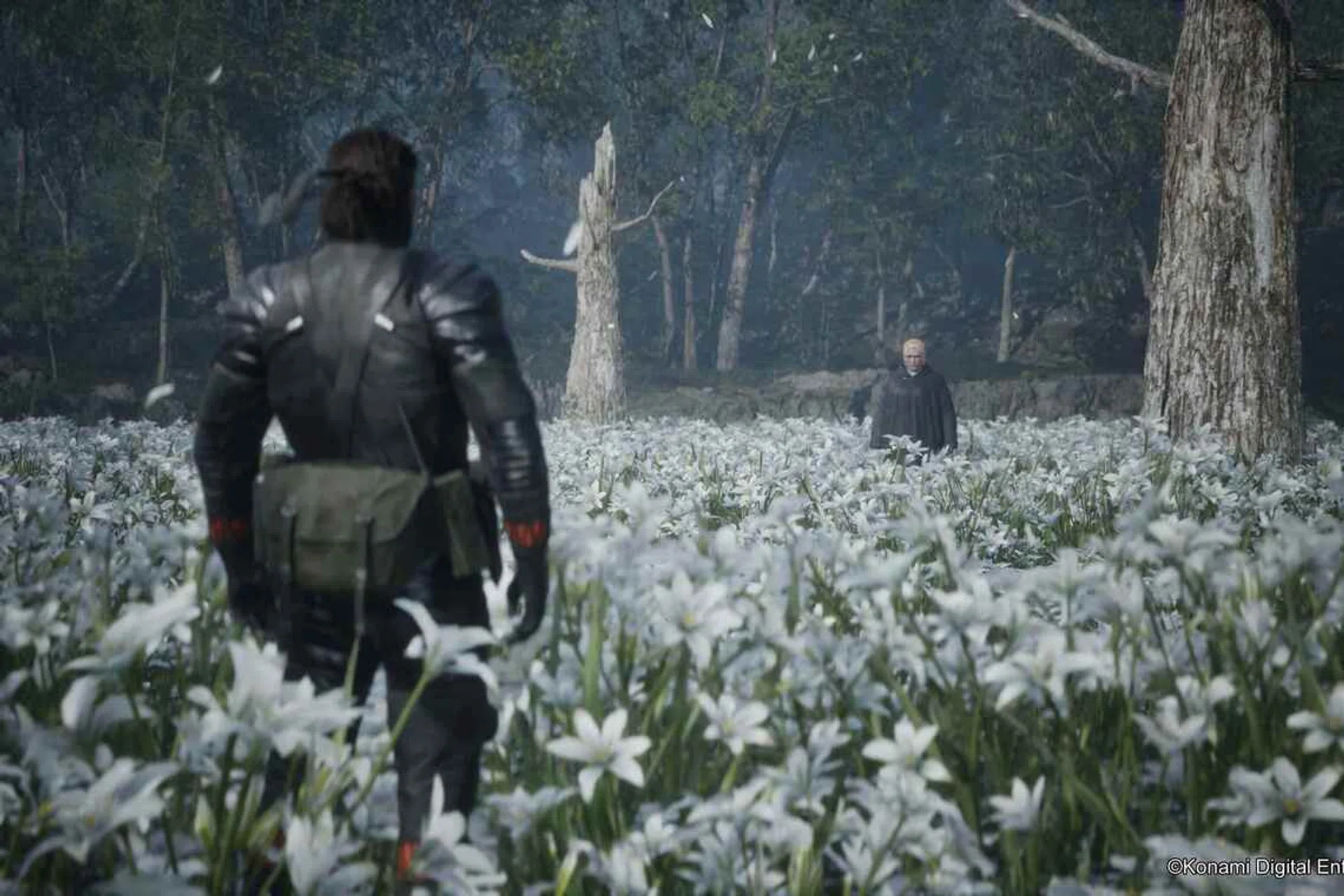
What’s changed is almost entirely skin deep. Konami rebuilt the game in Unreal Engine, and the first thing you notice is how much denser the jungle looks. Trees are fuller, undergrowth thicker, and the whole place looks appropriately humid and uncomfortable. Snake’s character model is impressively detailed too – sweat and grime show on his face after a long crawl through mud, and his camo gear actually looks worn instead of painted on. It’s a gorgeous game to look at, but the more I play, the more I notice the seams.
For all the visual upgrades, this isn’t a game that aged well. Guards still patrol in stiff little loops, sometimes syncing up in awkward ways that feel more like a theatre routine than a believable patrol route. Snake still does the same weirdly rigid kick combo to finish off wildlife, which then magically transforms and drops as floating food packs. The collision can feel a bit off, and every now and then, an animation will look slightly out of place because the new detailed models are acting out old motion capture data. Now it’s not necessarily game-breaking, but it can pull you out of the moment especially when compared to later Metal Gear games like MGSV.
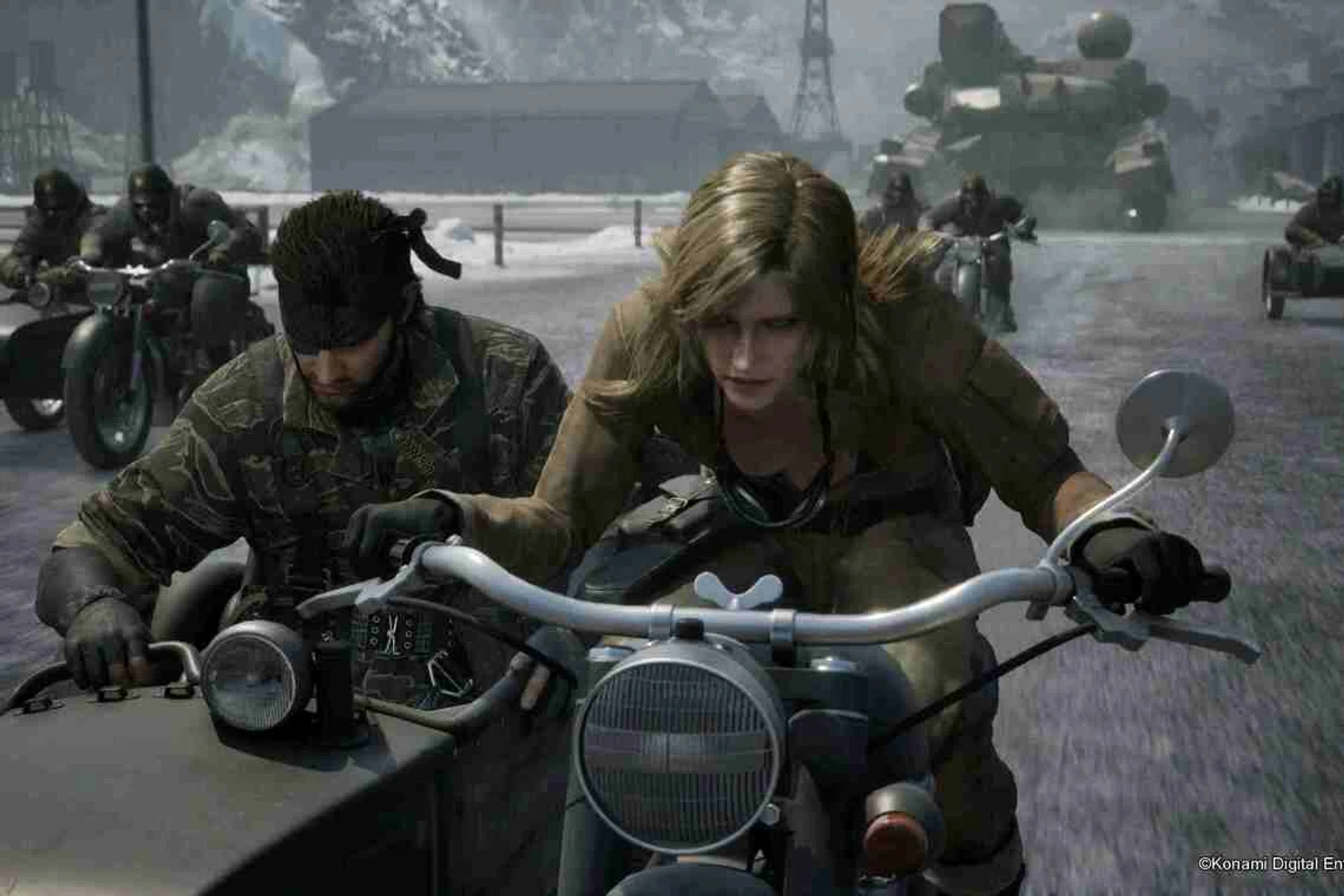
That clash between new and old is the main juxtaposition in Metal Gear Solid Delta. The game wants to look like a modern stealth-action experience, but it plays like a snapshot from the PS2 era. The level layouts are identical, right down to the old screen transitions. Groznyj Grad, for instance, is still divided into multiple sections that load one by one. After spending time with games like the aforementioned MGSV, which gave you a wide-open area to play, it feels almost quaint to be funnelled down a narrow path with a fixed camera angle every few minutes.
But here’s the thing – once I got into the groove of the game, I stopped caring. MGS3 was never about sandbox freedom, and I’m reminded that it was about precision. Every little clearing, every guard post, is like a self-contained puzzle box. You approach it, figure out your plan, execute, then move on. The remake preserves that game’s core completely, and in a way, it feels refreshing in 2025 to play something so focused and deliberate, without the distractions of an open-world environment and its endless optional side-quests.
Controls have had a few quality-of-life updates too. Delta offers two control schemes: Legacy and New Style, where the former keeps the top-down perspective and manual first-person aiming – just like the PS2 original. New Style brings in the over-the-shoulder camera and crouch-walking from the expanded edition, Subsistence, and the later 3DS version. New Style is definitely my preferred mode as I found the game more approachable this way. Audio has been improved too, even if the voice acting is unchanged (in a good way). David Hayter’s performance as Snake is still pitch-perfect, and codec calls, jungle ambience, the sound of a silencer popping off – they all have a clarity to them that makes headphones almost mandatory.
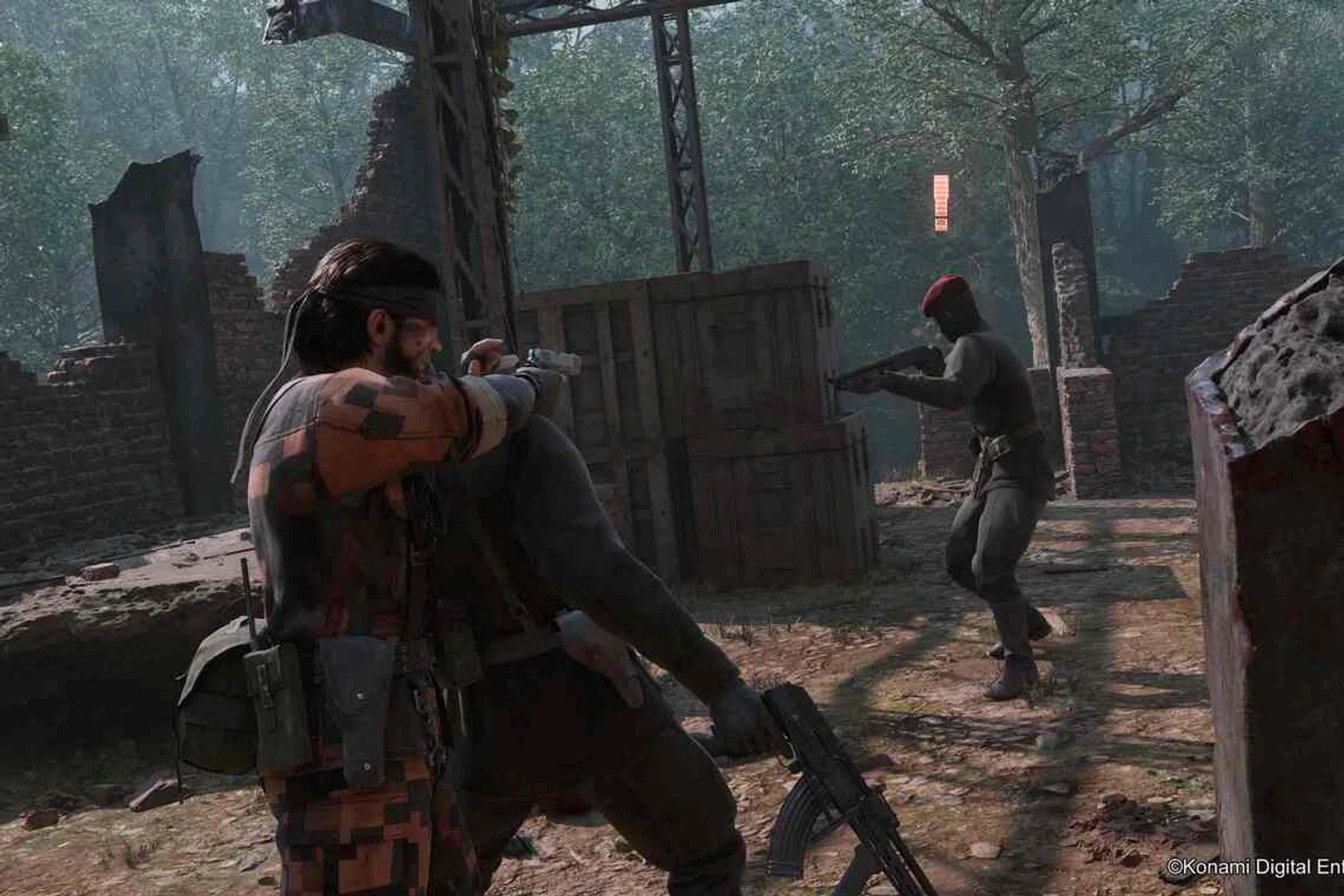
Metal Gear Delta: Snake Eater
That said, there were moments where I wished Konami had taken a few more risks. The long ladder climb is still here – which is great – but some of the drawn-out shooting scenes later in the game drag just as much as they used to. I thought the remake could have trimmed some of those sequences, or at least given players more control during them.
After dozens of hours with it, I think Metal Gear Solid Delta is a game for people like me – those of us who played and love MGS3 and just want an excuse to play it again with nicer visuals. It doesn’t replace the original, but it doesn’t need to. It’s there so a new generation of players can experience one of gaming’s greats without dusting off a PS2. For better or worse, this is the same game under the cardboard box. And honestly, that’s fine by me.
Metal Gear Solid Delta: Snake Eater is now available on PlayStation 5, Xbox Series X|S and PC.