
Silent Hill f (PS5) review: Reshaping the survival horror genre
By moving the action to rural Japan and focusing on vulnerability, Konami’s latest entry leans hard into atmosphere and dread.
When Konami first revealed Silent Hill f, I wasn’t sure what to make of it. A franchise that had always lived in small-town Americana was suddenly transplanted to rural Japan in the 1960s, and with a teenage schoolgirl in the thick of it all the body horrors. If you’ve grown up with the original Silent Hill games, those changes sound drastic, maybe even misguided. It felt like Konami was steering the series away from what made it resonate in the first place.
Having followed our gaming editor’s preview of the game and now having played it to completion in my first try, I’ve landed somewhere very different. It isn’t a simple return to form, nor is it a total reinvention. Silent Hill f is its own strange creature, and while it stumbles here and there, it’s also one of the most unsettling and rewarding survival-horror games I’ve picked up in years.
All too familiar fog
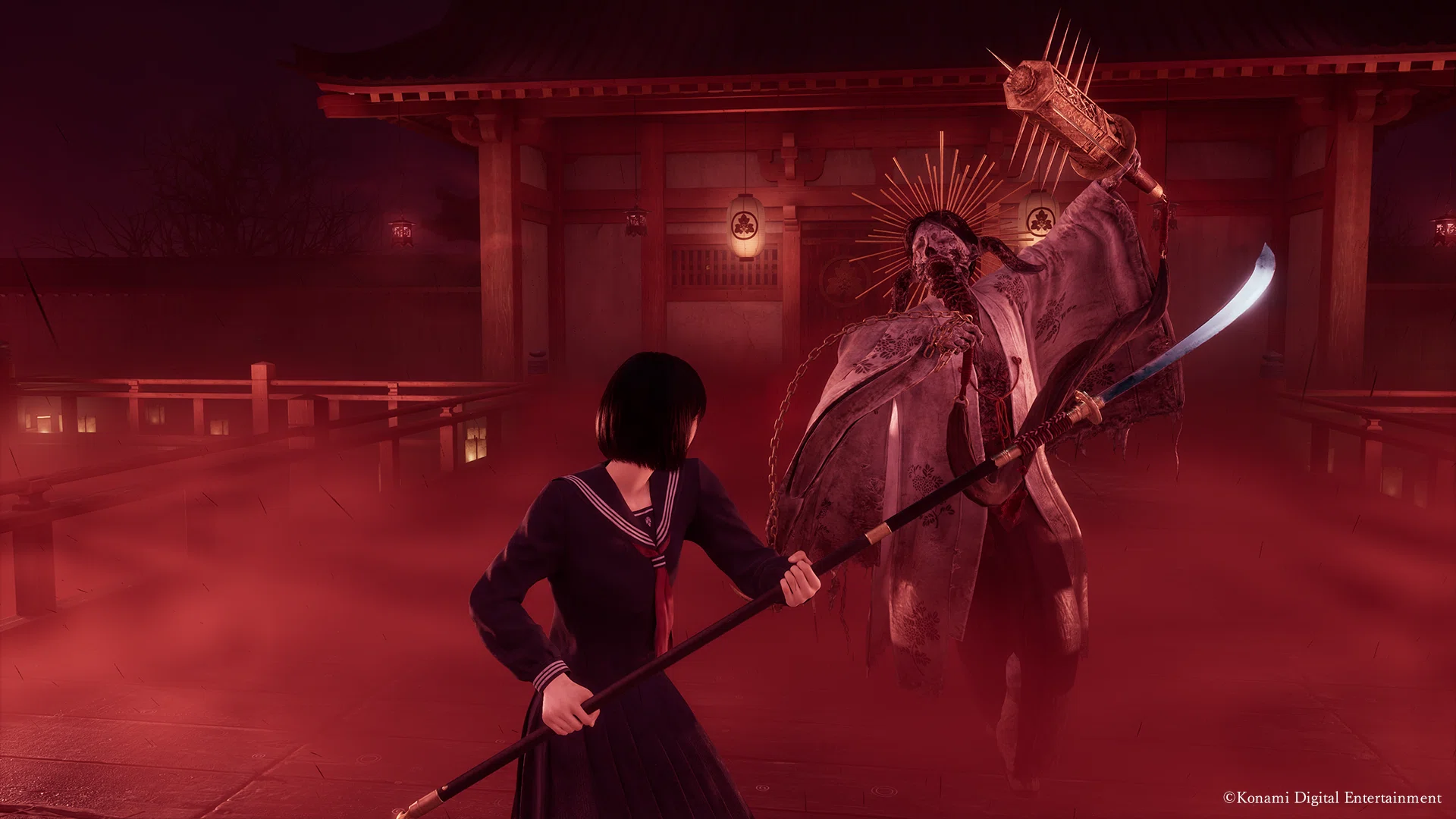
The story of Silent hill f follows ordinary teenager Hinako Shimizu, who lives in the fictional rural town of Ebisugaoka. When the mysterious fog rolls in and the town becomes twisted with grotesque, plant-like horrors, her only option is to survive with whatever she can scavenge. That grounding – someone vulnerable, ill-prepared, and way out of her depth –fits the series’ ethos better than I expected.
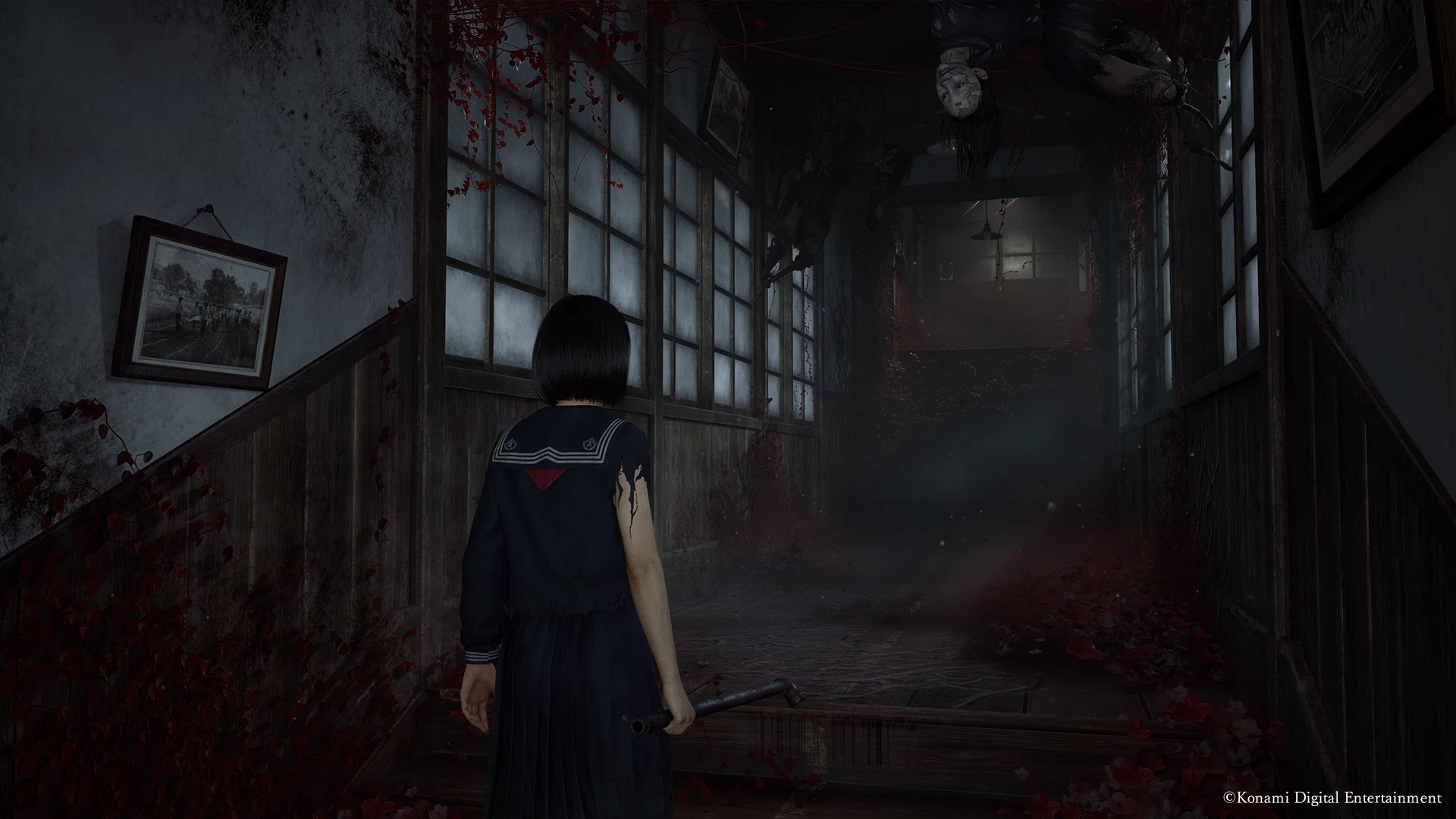
Instead of pistols and shotguns, the game hands you pipes, kitchen knives, and baseball bats. These everyday weaponised items are fragile and break after repeated use, thus forcing you to improvise constantly. Repair kits exist but are scarce, which makes every fight a calculation: do you risk damaging your only working blade, or try to sneak around and save it for later? Resource management has always been central to Silent Hill, and here it extends beyond ammo counts into the tools you wield.
Combat is clunkier by design. Dodging is generous at first, almost laughably so, but stamina keeps it from being abused. As enemies pile on or corridors tighten, the awkwardness of Hinako’s movements makes sense – she isn’t a trained fighter, and the struggle makes each encounter feel desperate. I had moments where I cursed the sluggish swing of a pipe, only to realise later that this vulnerability is exactly what pushes the tension up. If you breeze through without ever fearing death, it wouldn’t be Silent Hill.
One of the earliest set-pieces cemented this for me. Exploring an abandoned house, I found myself stalked by a mannequin-like monster wielding a blade, who was roaming the same halls I needed to search. I could have fought it, but instead I darted into rooms, searching for keys while listening to its footsteps draw closer. Hiding, holding my breath, and trying not to waste precious durability on my weapon felt far more terrifying than a straightforward fight. That encounter sold me on the game’s approach: survival here isn’t about mowing down monsters but enduring them.
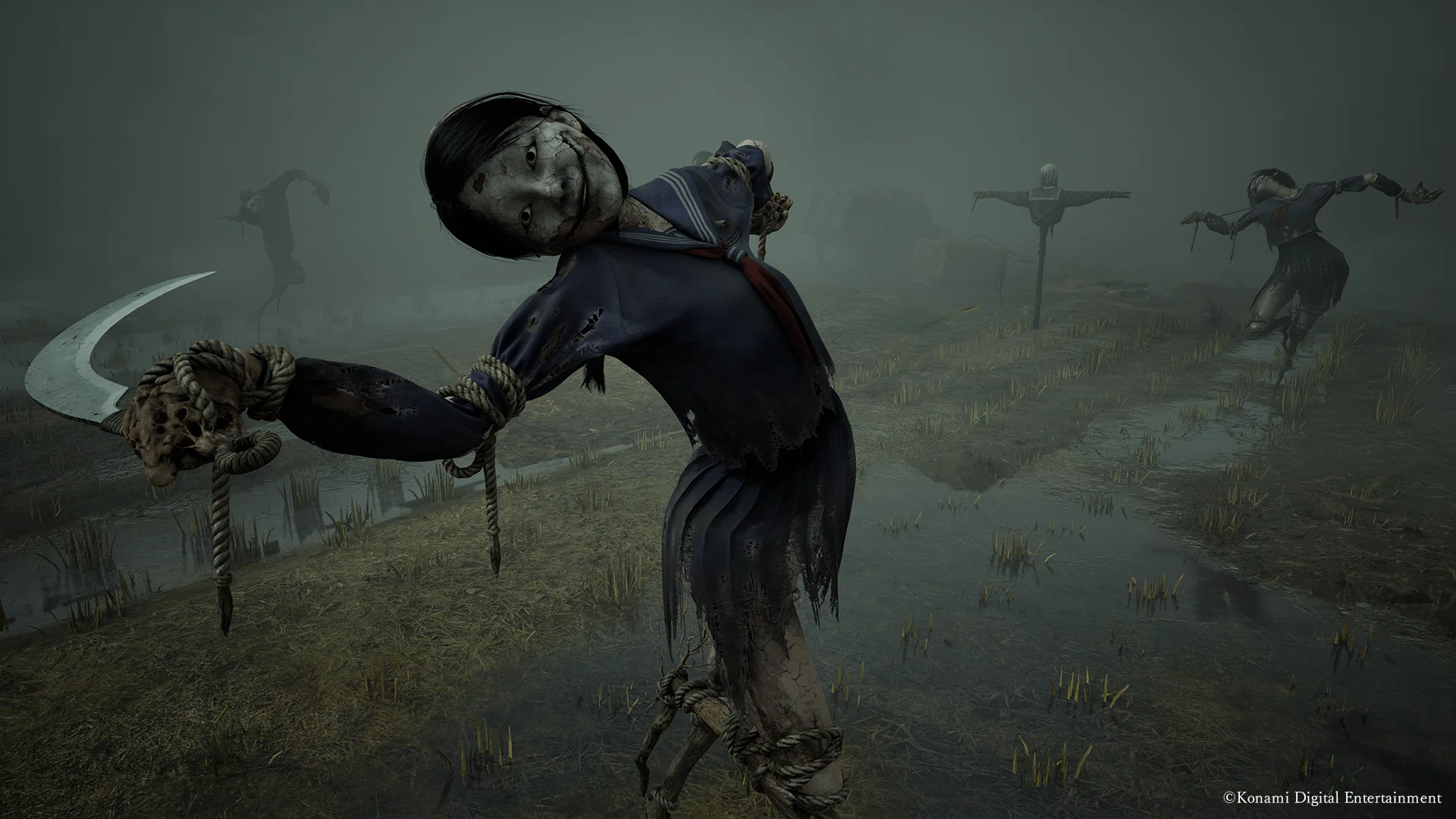
The monster design leans heavily into body horror, and it’s some of the most grotesque imagery the series has seen. From child-sized creatures built from bone fragments, slug-like things that spit acidic bile, to faceless blobs that shuffle and moan – there’s variety and imagination at play. That said, none one of them have the immediate cultural weight of Pyramid Head (not to me, anyway), but taken as a whole they contribute to a visual language of rot, decay, and unnatural growth. To put it in our gaming editor’s words in his preview, there’s something deeply unpleasant about finding beauty in Konami’s latest horror series.
The game also layers in a sanity mechanic. Certain attacks chip away at Hinako’s mental state, and if that meter is empty, she dies. But developer NeoBards has added an interesting twist: players can deliberately burn chunks of Hinabko’s sanity meter to unleash more powerful attacks. It’s a constant temptation: do you sacrifice some sanity now to survive, knowing it might come back to bite you later? It adds another wrinkle to the already tight juggling act of health, stamina, and weapon durability.
And then there’s the “otherworld,” here called the Dark Shrine. Each time Hinako falls unconscious in a cutscene, she awakens in this oppressive, shifting nightmare where the rules bend. Weapons don’t carry over, enemies reawaken unless eliminated under certain conditions, and the entire space feels truly hostile. Some of my most memorable sequences came from wandering these dreamlike realms, unsure if I was making progress or simply sinking deeper. If older Silent Hill games treated the otherworld as a visual flip of the same environment, Silent Hill f makes it its own terrifying stage.
Fear that lingers
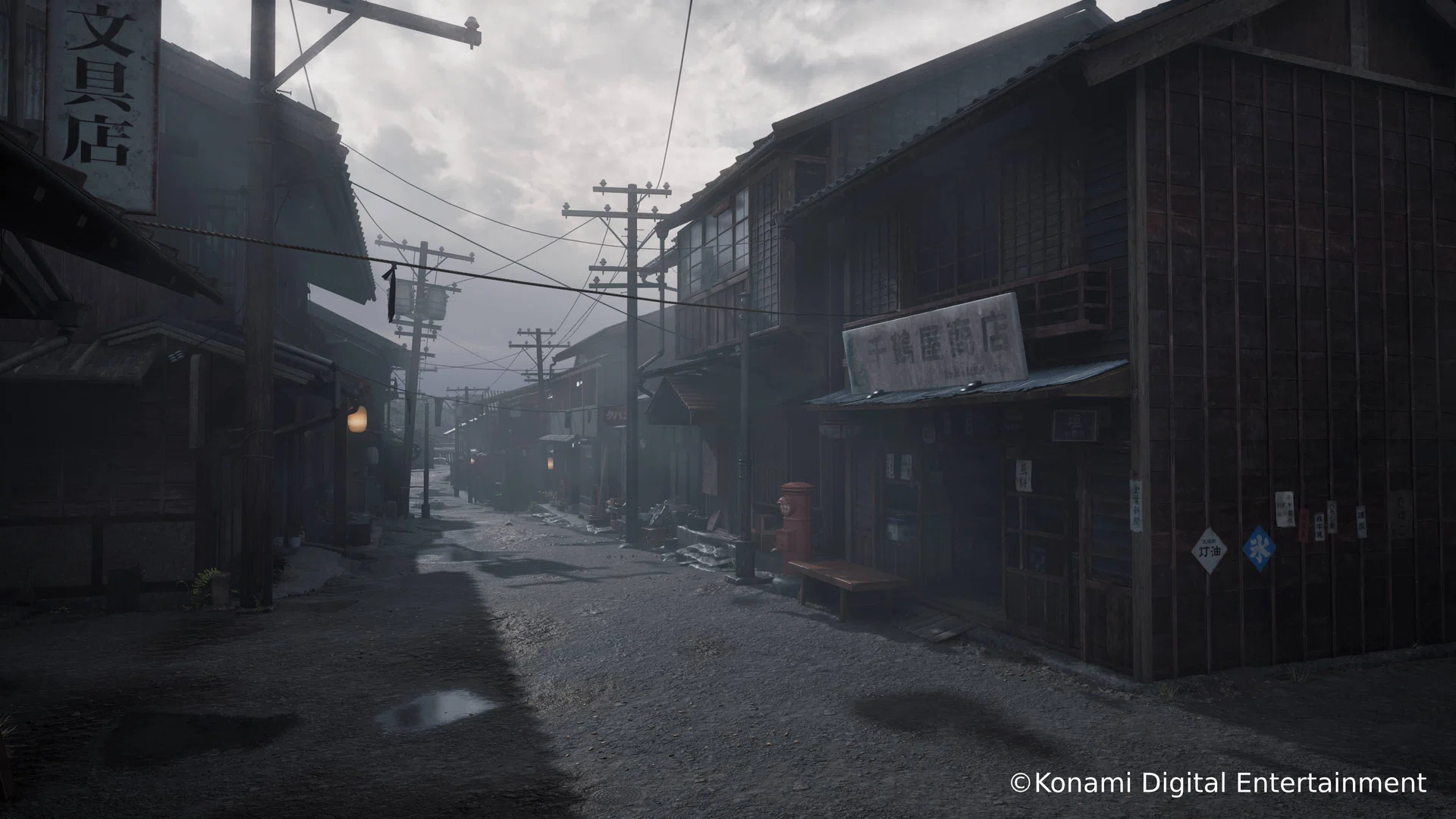
The real hook of Silent Hill f is its willingness to take risks with story and atmosphere. Rather than rehashing the psychological trauma of a single protagonist, it spins a layered tale full of folklore, curses, and generational decay. On the surface, you can play it as a straightforward survival-horror romp, but dig deeper and you’ll find hints (and there are plenty to discover) of wider themes: repression, societal expectations, and the rot beneath Japan’s economic boom era of the 60s.
Puzzles are what maketh a Silent Hill game and unsurprisingly these make a welcome return. Some are basic lock-and-key affairs, but a handful are genuine head-scratchers that forced me to stop and think. I can promise you that solving them will give you that old-school satisfaction you rarely get in modern horror games, where objectives are often streamlined. I liked that the game allows you to scale puzzle difficulty separately from combat too, so if you want brainteasers without brutal fights (or vice versa), you can tune it to your taste in the game’s settings.
Of course, not everything lands perfectly. There are moments when the combat feels too cumbersome, when dodges fail to register cleanly or weapons break at frustrating times. Some enemy encounters repeat a little too often, and not every puzzle has that satisfying “a-ha” payoff. But these are blemishes on a game that largely knows what it wants to be. The deliberate awkwardness won’t work for everyone, but for me, it reinforced the theme of fragility and dread.
My closing thoughts
Coming into Silent Hill f, I was braced for disappointment. Moving the series to Japan, swapping firearms for melee scraps, and tying in mechanics that flirt with Soulslike ideas all sounded like red flags. Yet after hours of creeping through fog, breaking makeshift weapons on nightmare creatures, and piecing together Hinako’s tragic story, I came away impressed.
It isn’t simply “classic Silent Hill” reborn, nor is it an unrecognisable spin-off. It’s a careful balancing act: new ideas woven into old frameworks, creating something that feels both alien and familiar. At times, it leans into frustration, but that frustration is what makes the relief of survival so sharp.
For long-time fans, this is proof that Konami hasn’t forgotten what makes Silent Hill tick – uncertainty, vulnerability, and a world that unsettles more than it empowers. For newcomers, it’s a chilling entry point that doesn’t require encyclopaedic knowledge of the series. And for me, it’s the rare horror game I know I’ll revisit not just for its multiple endings, but because it genuinely unsettled me in a way few games do.
Silent Hill f is available on 25 September for PlayStation 5, Xbox Series X|S and PC.