
What makes a good remake or remaster game?
Do people like remasters and remakes purely for nostalgia? Let’s see.
Image: Unsplash
Ever come across a dusty old game in your attic that you feel like playing, only to realise that it’s probably not going to inspire the same awe it did when you first brought it home? Maybe it could, if some of the graphics were spruced up for your modern gaming rig.
Indeed, with so many remakes and remastered games running amok recently, it’s about time we addressed the elephant in the room: is nostalgia the only thing these “revised” games have going for them?
Remastering versus remaking a game: What’s the difference?
But before all that, what exactly makes a remaster different from a remake?
Well, imagine you’ve got a nice little house by the seaside. One day, you notice that the house is looking a little worse for wear, so you decide to do some spring cleaning and perhaps give the exterior a new coat of paint. Despite the work that’s been done, the house itself hasn’t changed, although it does look a lot better - that’s a remaster.
However, there might also come a time when you just feel like having a change of scenery, so you sell your seaside home and move to a new and perhaps larger house in the forest. Naturally, you’d bring some, if not all of your existing stuff with you to your new home, right? So, in essence, although you’ve changed houses, some of the furniture inside are the same ones as before - that’s a remake.
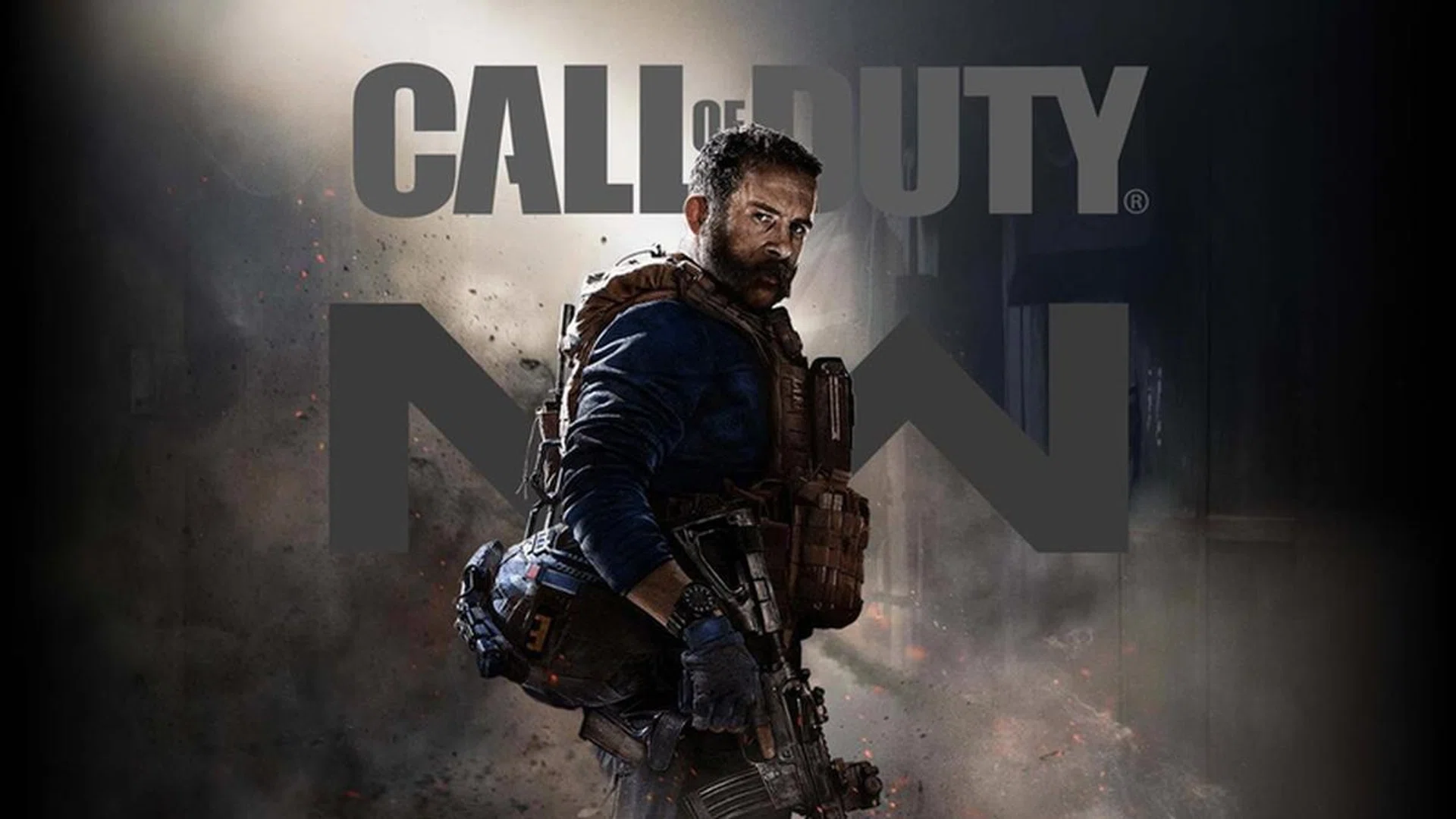
Image: Activision
Basically, remastered games are often the exact same thing as the original, but with updated graphics, audio and other aesthetic features to fit current-gen tech standards. Meanwhile, remakes are more of a re-exploration - developers can explore alternative angles for the game’s concept and story, although the main “nostalgia factors” tend to be similar to the original.
Call of Duty 4: Modern Warfare Remastered as well as the more recent Modern Warfare remake are excellent examples of how they differ. The former is a photocopy of the hit FPS with updated aesthetics, while the latter took some of the characters fans love, like Captain John Price or Sergeant Kyle “Gaz” Garrick and spun an alternative, completely different narrative around them.
But if remakes provide newer and fresher material, why bother about remastering the originals in the first place? That’s a great question, so let’s dive right into it.
Why would developers even remaster a game versus remake it?

Image: Unsplash
It’s logical: surely there’s more money to be made by giving the fans something that’s fresh, as compared to simply updating the old game and tossing it out again, right?
Not necessarily. Let’s assess the money aspect first. It’s probably a lot cheaper, not to mention easier for the developers to give an already-successful title a facelift as compared to creating a remake from scratch. But while lower production costs doesn’t necessarily mean higher profits, neither is there a guarantee that the remake will perform as well as its predecessor. After all, remaking a game brings the risk of removing elements that fans liked about the original, and that would mean that the developers actually shot themselves in the foot.
Essentially, sometimes creating a remaster is the safer play for them. This worked out really well for Call of Duty 4: Modern Warfare, as the original game retained an impressive player base even after a decade, and there isn’t much of a point in fixing something that doesn’t need to be fixed, right?
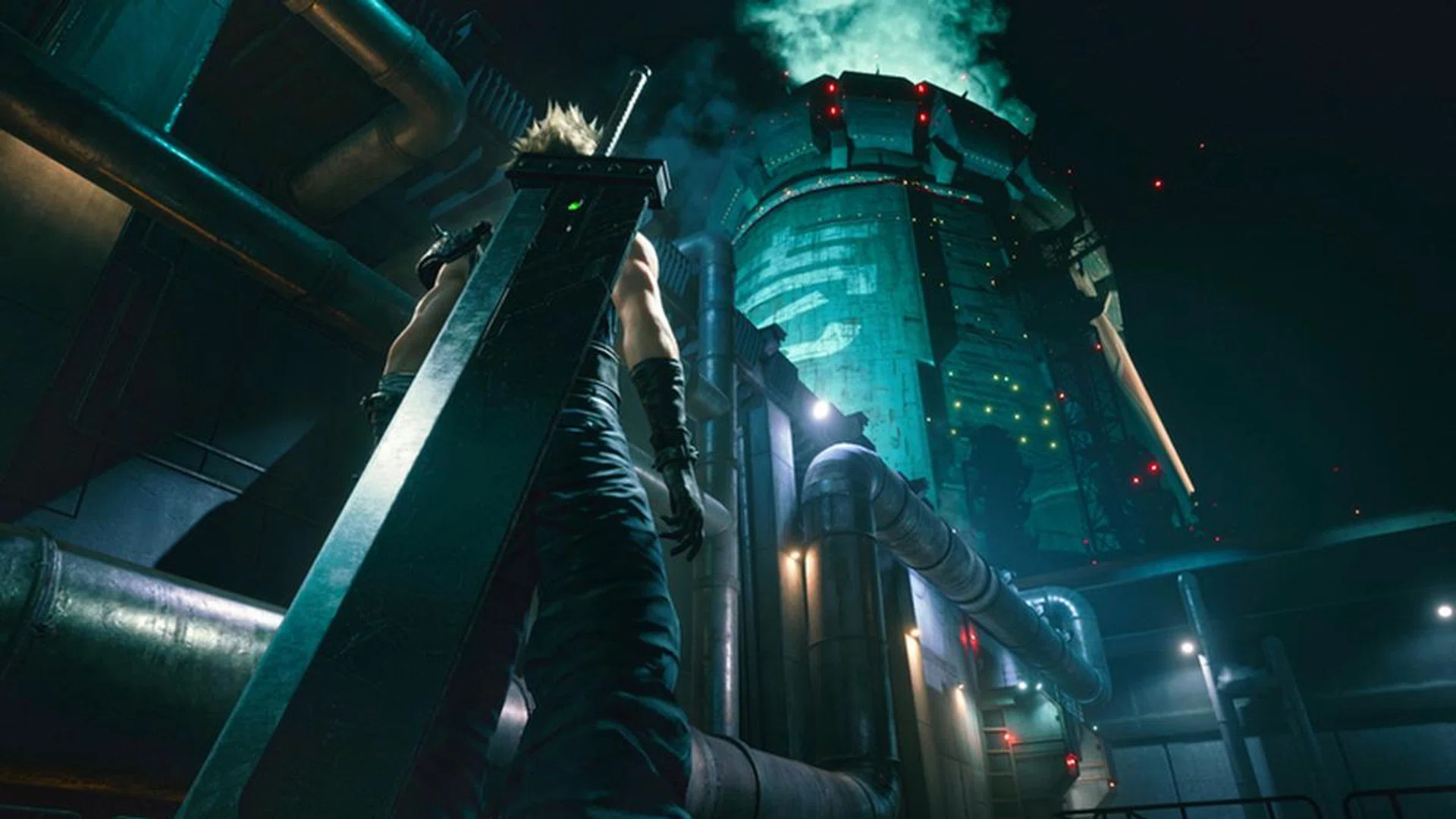
Image: Square Enix
On the other hand, sometimes a game really is in dire need of an overhaul, and there’s no two ways about it. Usually it’s just due to age, but sometimes it’s for various other reasons - pick your poison. Either way, that’s when a case can be made for a remake. Take the Final Fantasy VII Remake for example. No matter how much Square Enix spruced up the original, it would probably only appeal to fans of the series or those looking for a spot of nostalgia. As such, recreating the game with a modern twist and the main elements intact would not only make the longtime fans happy, but possibly interest new players to hop on board as well. It’s a win-win situation, and we all know how that decision turned out - it’s one of the hottest games this year!
Speaking of which, what do people actually want in each case?
Image: Unsplash
What might people look out for in a remaster versus a remake?
This question might appear to be answered by the quintessential phrase of “it depends on personal preference”, and while that’s certainly a valid point to make, let’s dig a little deeper. After all, you’d pay attention to a lot of different things when buying gifts for a friend versus your significant other.
For remasters, given that the game itself hasn’t changed per se, the most obvious thing people would look out for is the aesthetic improvements over the original. Does it look sleek, smooth or modern enough that I’d buy a copy of a game I already have? Perhaps. At the same time, there’s also the consideration of whether there’s any bonus value in the form of included DLCs, given that some remastered games tend to include their entire DLC package to entice players.
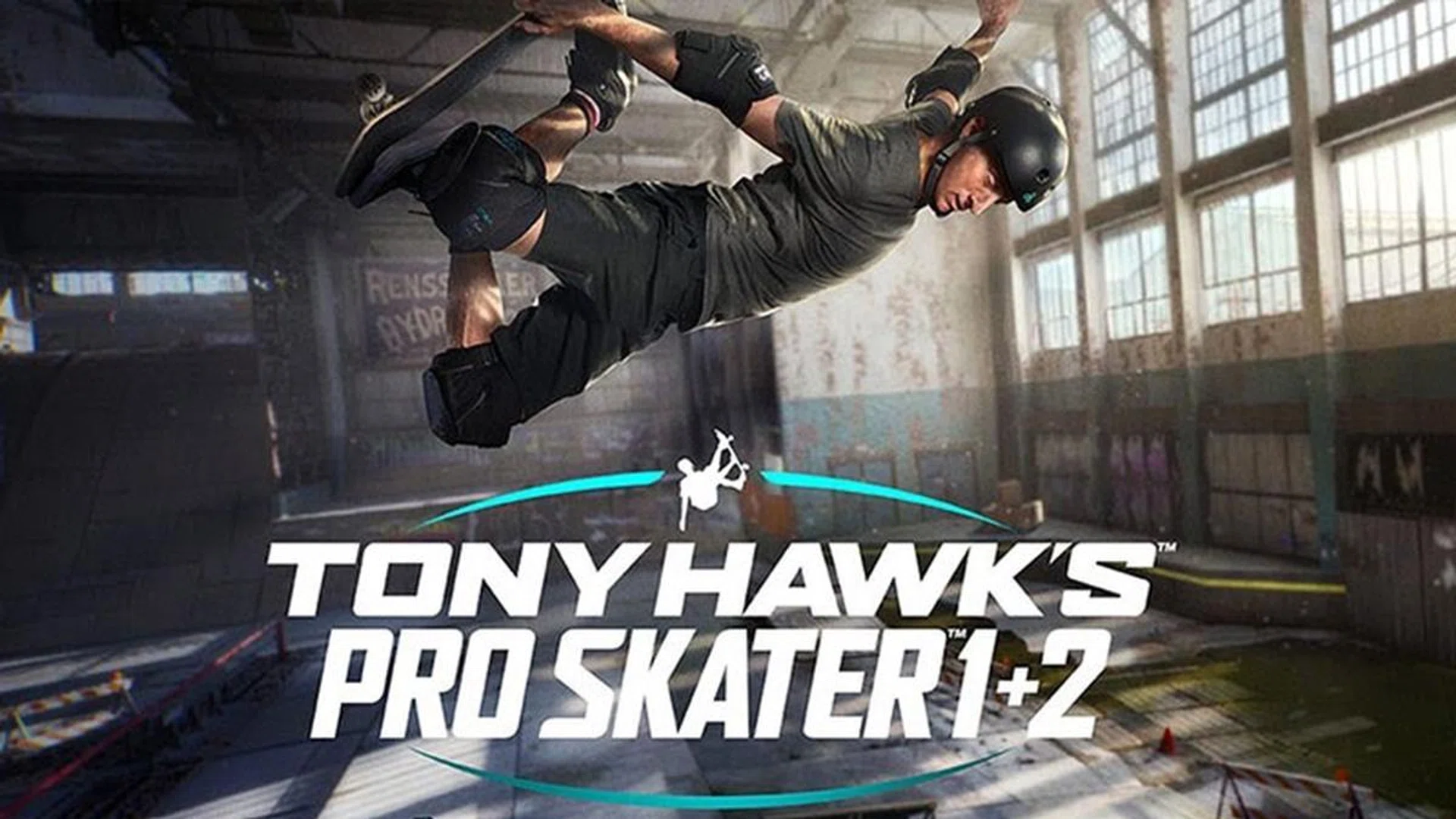
Image: Activision
It’s also possible that developers intend to use a remaster as a “lead-in” to the series, making use of the improved aesthetics to convince new players that the game itself is modern, even if the content is mostly the same. For example, if I were a gamer with a beefy, decked out setup who’s never touched Tony Hawk’s Pro Skater before, I’d probably be more willing to purchase the remastered version rather than the original, since the former would objectively make better use of the tech I already had. Admittedly, it does sound slightly narcissistic when we put it that way, but it’s logical.
Oh, since we’re on the topic of the Pro Skater games, we weren’t kidding about the remaster - it’s actually coming out this September!

Image: Unsplash
What about remakes then?
Meanwhile, the main things we’d expect people to look out for in a remake can be distilled into two categories: familiarity and novelty. Yes, both are polar opposites, and being able to properly balance these two factors is integral to creating a successful remake.
Let’s use the Final Fantasy VII Remake as the canvas again. Straight off the bat, we can already tell it’s in a whole different league from the original, in terms of aesthetics and gameplay. Yet, we can still identify many of the elements that people remember the original game for. The story and characters are one of them, of course, as well as their emotional (and physical) baggage. Ahem.
There are also some remnants of the original’s turn-based combat system and features incorporated into it via the “bullet-time” mid-battle item and skill usage interfaces, among other things.
However, at the same time you can definitely feel the fast-paced nature of the combat - things are much more hectic than what you’d expect from a game that was originally turn-based. Essentially, we find that one of the reasons why the game was so well received was because it made sure to find a suitable compromise for both veterans and newcomers alike.
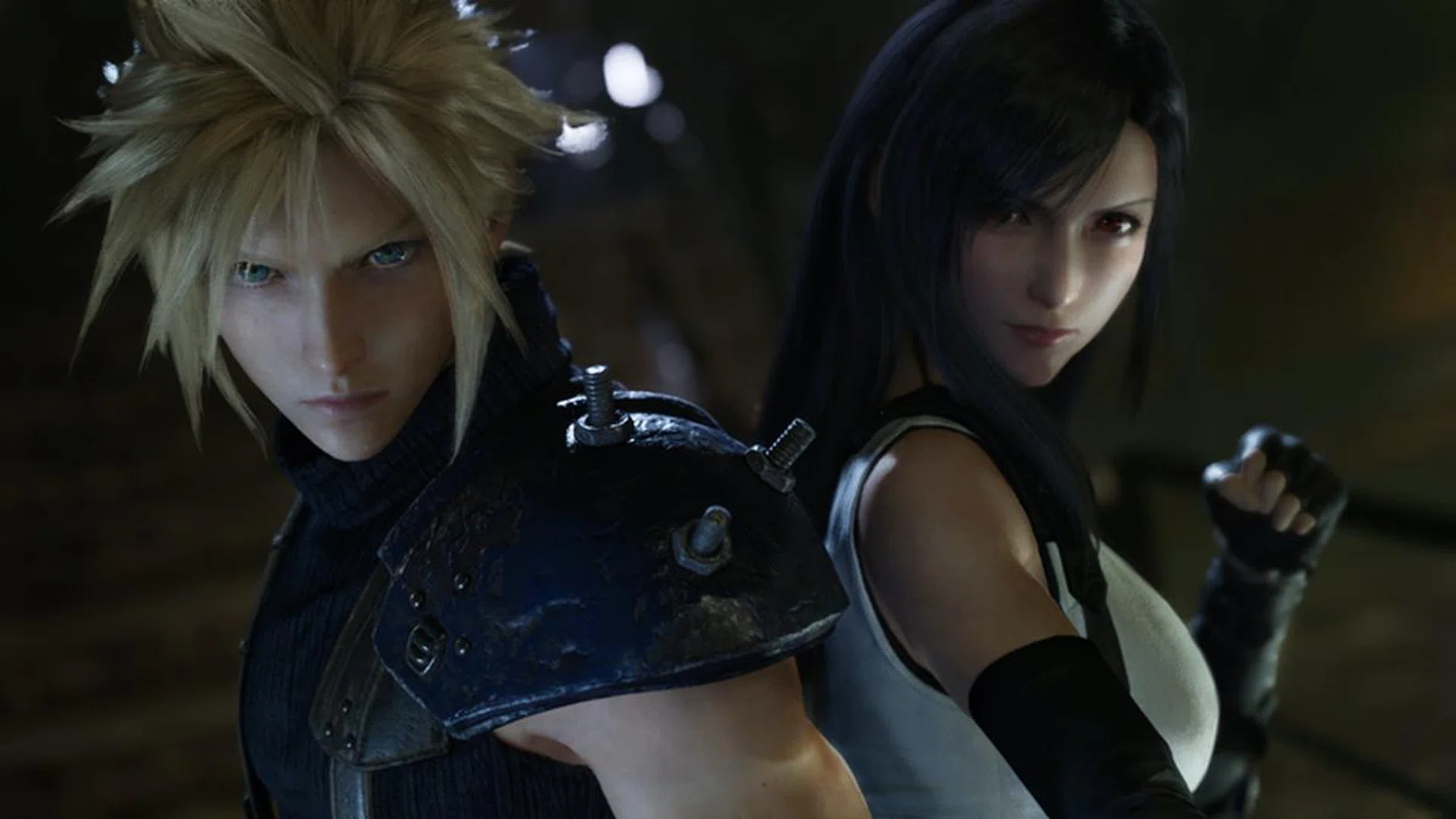
Image: Square Enix
People who bought it for nostalgia and series loyalty would find that there are still some bits of the game they adored way back when, hence “familiarity”, while those who bought it for “novelty” would find a sufficiently fresh experience to differentiate it from its predecessor.
Then, of course, there’s Tifa, Aerith, and that gorgeous part-cinematic part-anime package Square Enix used as wrapping paper. Just shut up and take my money already.
Anyway, coming back to the point. As a rule of thumb, you could say gamers buy both remasters and remakes for nostalgia, but the key draw for the former is probably “experience” in terms of the gameplay elements and general feel of the game, whereas the main selling point of the latter is the conceptual novelty, so to speak.
Our articles may contain affiliate links. If you buy through these links, we may earn a small commission.