
Doom: The Dark Ages (PC) hands-on: A risky and bold new direction for the revered franchise
A fundamentally different Doom game. Yay or nay?
#doom #idsoftware #gaming
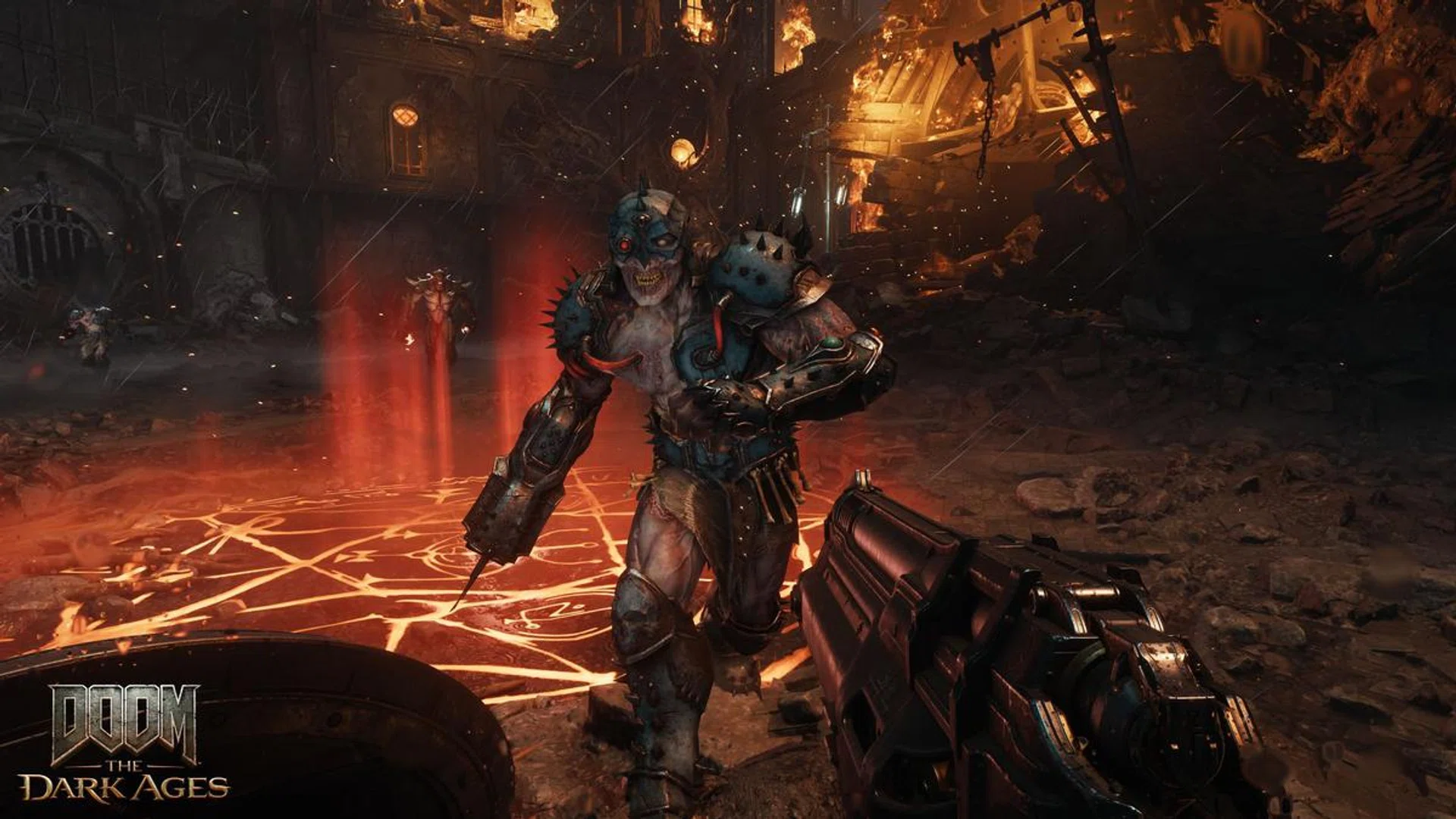
Image: Bethesda
When id Software launched Doom Eternal (read our review) back in 2020, it captured my heart and imagination. There weren’t a lot of shooters that married relentless speed with platforming finesse, and combat that felt as cerebral as it was chaotic. What I really like Eternal was how it wasn’t just about gunning down demons; it was a high-stakes dance, forcing you to strategise and dominate to survive. With the upcoming Doom: The Dark Ages, id Software appears to have thrown much of that rhythm out the window, opting instead for a very different, decidedly slower tune.
The Dark Ages represents a considerable departure from Eternal's frantic gameplay, something that became immediately clear as I spent some quality hands-on time with the game during a recent media preview held in Hong Kong. Set long before the events of 2016’s rebooted Doom, this prequel plunges players into a world filled with medieval castles, dragons, and hulking mechs. But despite its compelling setting, the stark shift in gameplay mechanics is something fans will have to grapple with – and I'm still undecided if this approach resonates with what makes Doom genuinely enjoyable. In short, it’s a Doom game in all shapes and forms, but underneath its skin is a markedly different experience that might surprise, or even challenge, Doom veterans accustomed to relentless speed and aggression.
Right off the bat, fans will notice an emphasis on a grounded, defensive combat system. Gone is the frenetic momentum of Eternal’s agile Slayer, replaced with what feels like a more stationary, calculated fighting stance. Central to this is his new shield saw – a weapon that’s admittedly quite fun initially. It's designed to block, reflect, and even dish out its own brutal brand of justice. You can even hurl it at enemies, slicing or stunning them if you time it right. Yet, the novelty soon wears thin as the combat's slow pace becomes apparent. Doom has always thrived on kinetic energy, and stripping away double jumps and dashes in favour of sprint buttons and parrying mechanics makes Dark Ages feel distinctly unlike traditional Doom.
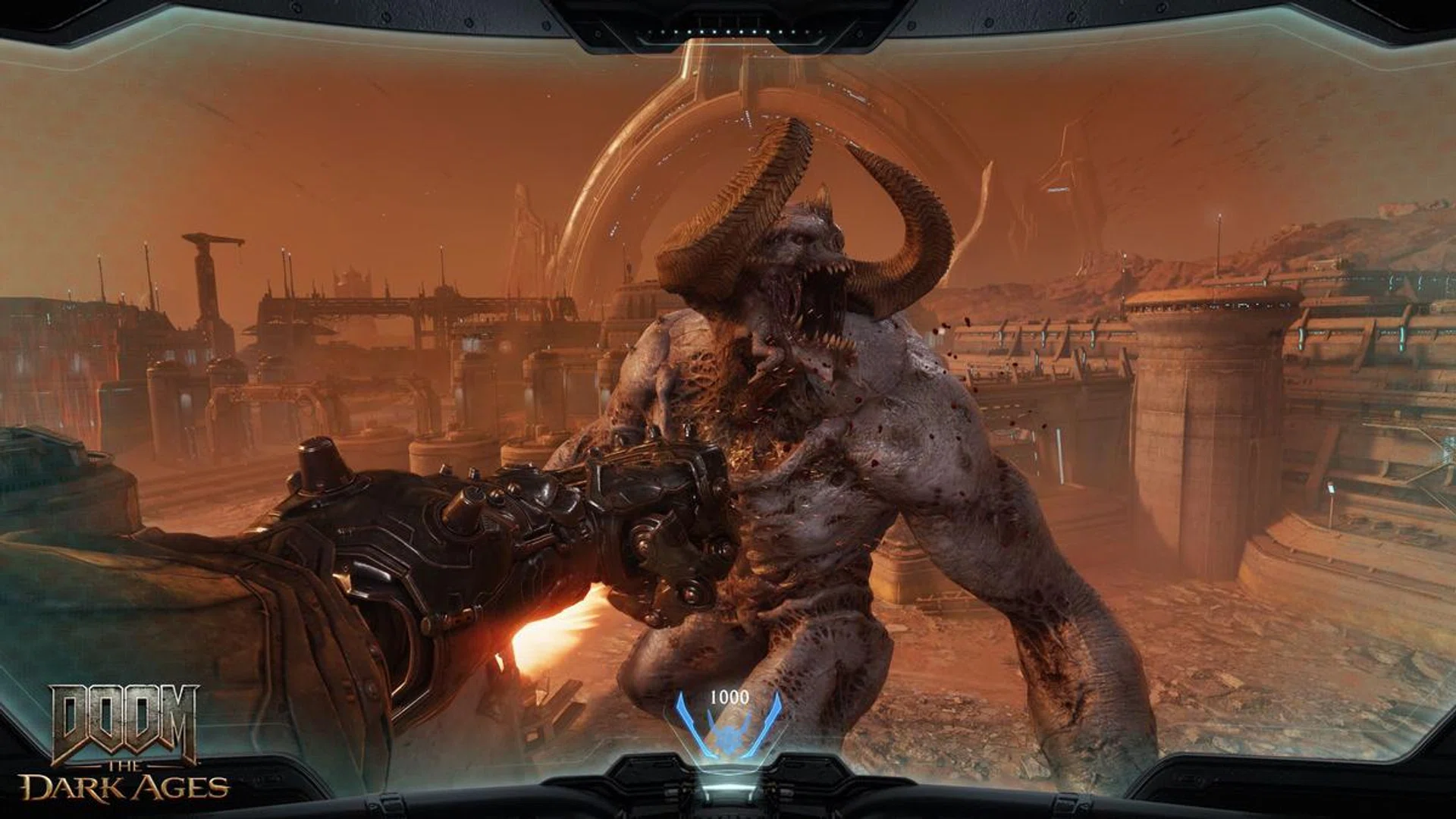
Image: Bethesda
The move to a more measured, stand-your-ground style might be id Software’s effort to showcase the Slayer as an immovable object, a relentless force capable of weathering demonic storms. Like a tank, if you will. However, from a purely gameplay perspective, this feels less engaging than expected. Combat encounters became a repetitive chore of timing parries and counterattacks, forcing me into rigid patterns rather than allowing fluid creativity. I found myself repeatedly slipping into old habits, instinctively attempting jumps and dashes that were no longer possible, resulting in frustration rather than excitement.
The Dark Ages also introduces open-zone levels, offering freedom to tackle enemy encampments in any order. Yet, even here, the execution felt surprisingly…how should I say – uninspired? At least not in the “Siege” stage that I got to play on, where I had to clear the area of demonic portals. If anything, the map is huge, but each portal area presented nearly identical challenges, differing only slightly in their bosses or enemy types. Navigating between them offered no meaningful engagements or unique scenarios – it was finding a portal, clear the area of demons, and repeat – and makes exploration feel like filler rather than contributing to the overall pace and immersion.
The preview session also introduced mech combat, which initially seemed promising due to the sheer spectacle. Piloting a colossal war machine – known as the Atlan – and battling towering demonic titans sounded thrilling. In my time with it however, these segments fell disappointingly flat. They lack the depth and tactical nuance that Doom’s traditional combat offers, quickly devolving into simplistic slugfests. Beyond the initial visual grandeur of stomping through structures and brawling with oversized foes, there wasn’t enough substance or variety to hold my interest for long. To be fair, my time with the Atlan was just a tiny part of the preview and it’s very possible id Software is saving up some surprises here. An over-the-top kaiju-like boss fight, perhaps? We’ll just have to see.
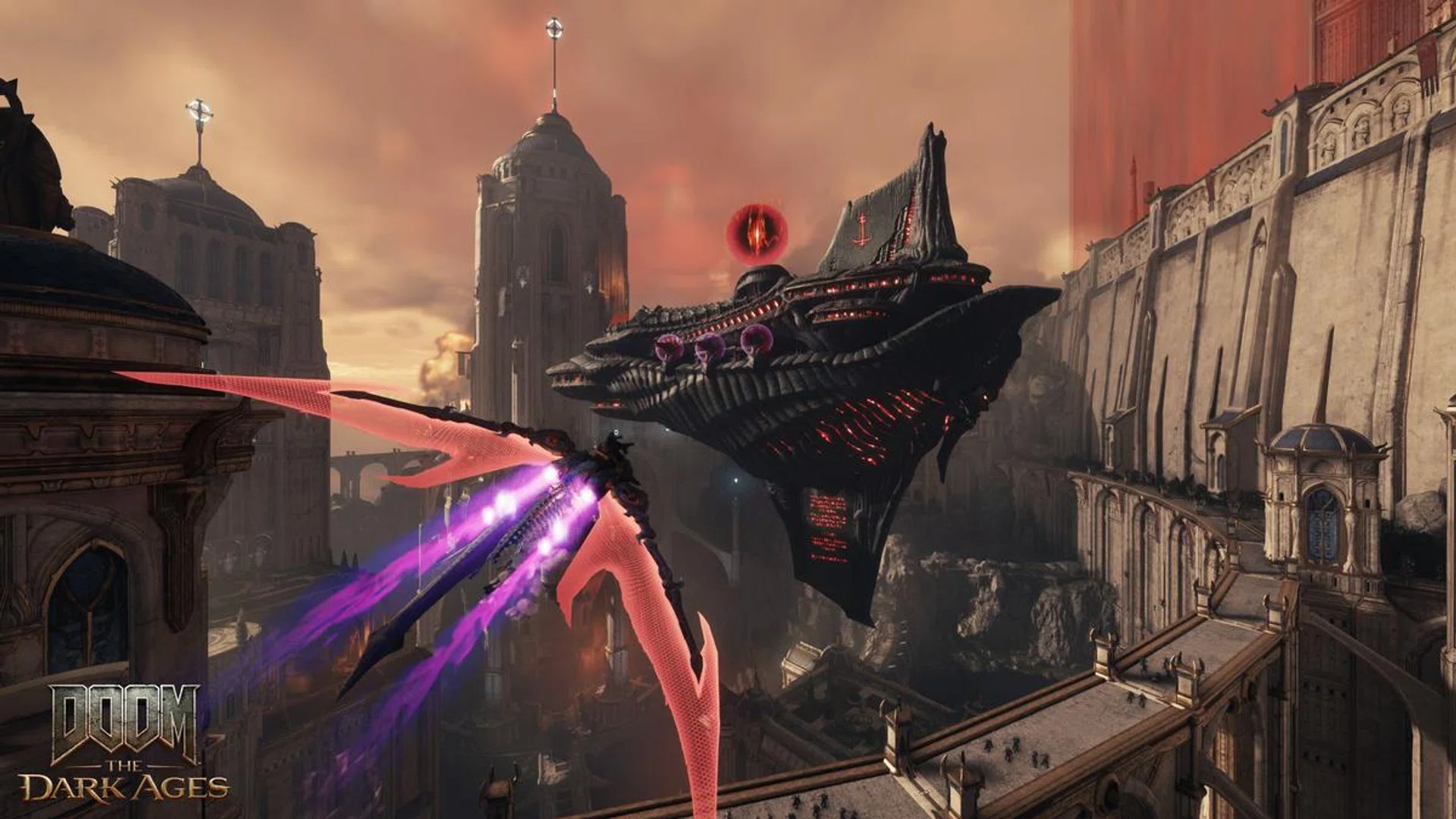
Image: Bethesda
Similarly, the cybernetic dragon-riding sequences got me excited during the game’s reveal but didn’t quite glue me to my chair. Combat here felt particularly restrictive as it doesn’t offer the same expansive freedom found in ground-based gameplay. Performing perfect dodges required unintuitive positioning, often resulting in clashes with these hidden barriers and turning what should have been exhilarating aerial battles into frustrating exercises in trial and error.
Where Doom: The Dark Ages does hold some intrigue is in its storyline potential. The Doom reboot series has increasingly leaned into its lore, fleshing out the enigmatic background of the Slayer and the history of Argent D’Nur – providing more context and depth to the Slayer’s evolution leading up to the events of Doom 2016. The promise of uncovering more layers of Doom’s universe remains very appealing, even if gameplay currently struggles to match that same allure, for me at least.
However, narrative alone might not be enough to sustain a series celebrated for its high-energy gameplay. Doom Eternal thrived precisely because its lore and mechanics were complementary, with each element reinforcing the other. Here, the slower, more deliberate combat threatens to sever that link, risking the alienation of players who cherished the seamless fusion of story and action. It's not simply a matter of resisting change; rather, the question is whether this evolution aligns with what Doom fundamentally represents.
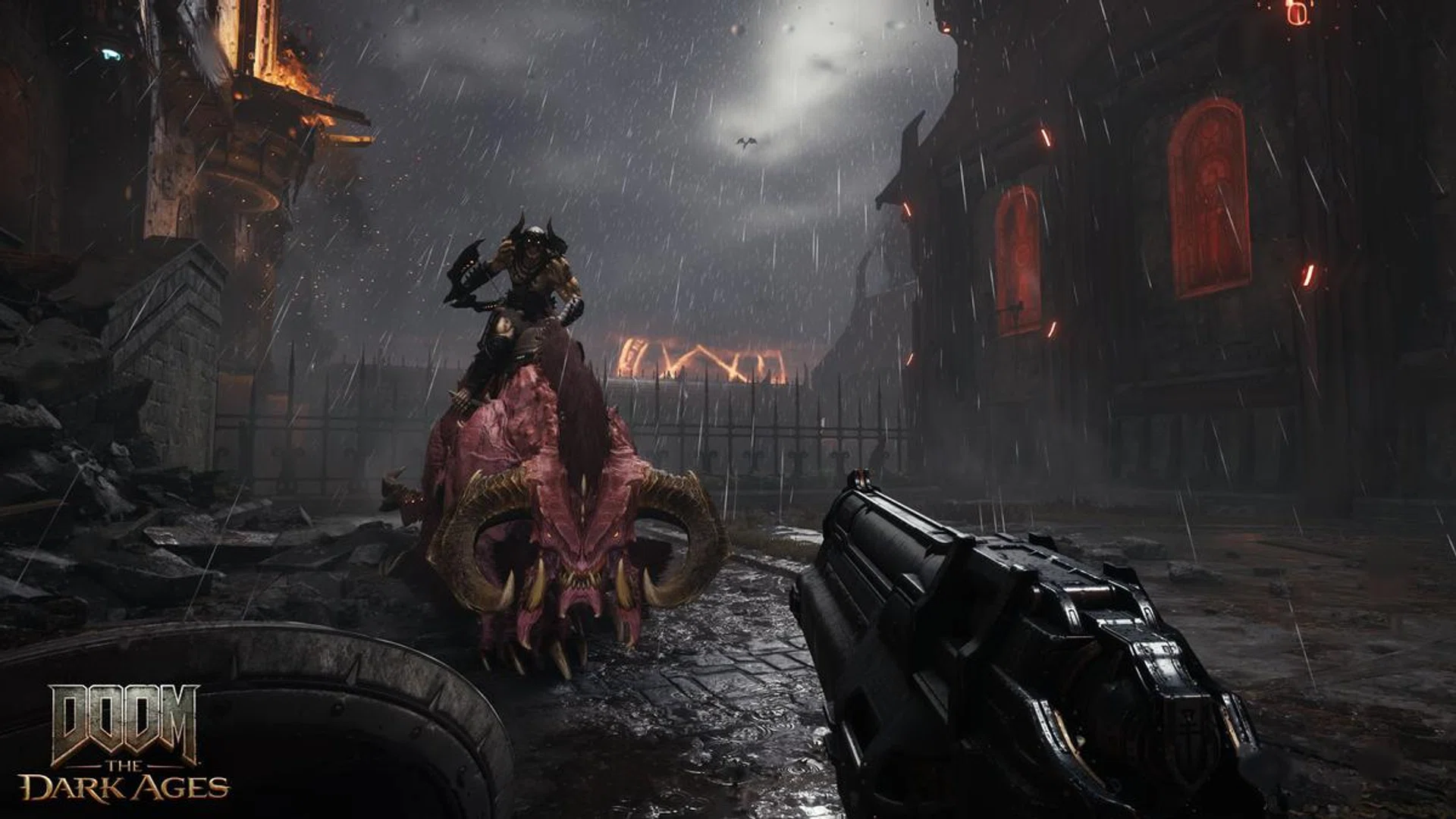
Image: Bethesda
This early look has left me conflicted. Doom, at its core, should be a celebration of aggressive, high-octane combat. The Dark Ages, in pursuit of a different identity, risks losing sight of what made Doom extraordinary in the first place. I came away cautiously intrigued by its narrative possibilities but distinctly unconvinced by the new combat direction. Doom fans, myself included, must now brace themselves for a markedly different kind of game. It remains to be seen whether this gamble by id Software will pay off or if it'll leave players yearning for the good old days when Doom was synonymous with blistering, unrestrained violence. Don’t get me wrong; if id Software had introduced this game under a completely new title, it might well have stood out as an impressive shooter on its own merits. However, with the considerable weight of Doom’s legacy behind it, it's up to fans to debate whether these significant changes are for better or worse.
This early look has left me conflicted. Doom, at its core, has always celebrated aggressive, high-octane combat, and in pursuing a fresh identity, Doom: The Dark Ages risks drifting too far from the elements that defined its legacy. While I'm cautiously intrigued by the narrative possibilities, the new combat mechanics that I’ve experienced at the media event left me somewhat unconvinced. Fans of the franchise, myself included, must brace themselves for a very different experience. It remains to be seen if id Software’s gamble will pay off or if players will be left longing for the intense, unbridled chaos of classic Doom. We’ll find out on 15 May, when it launches on PC (via Battle.net and Game Pass), Xbox Series X|S and PlayStation 5.
Our articles may contain affiliate links. If you buy through these links, we may earn a small commission.