
Bandai Namco’s Shadow Labryinth isn’t for everyone, and that’s the point
This Metroidvania is built on frustration, repetition and dead ends, yet somehow rewarding
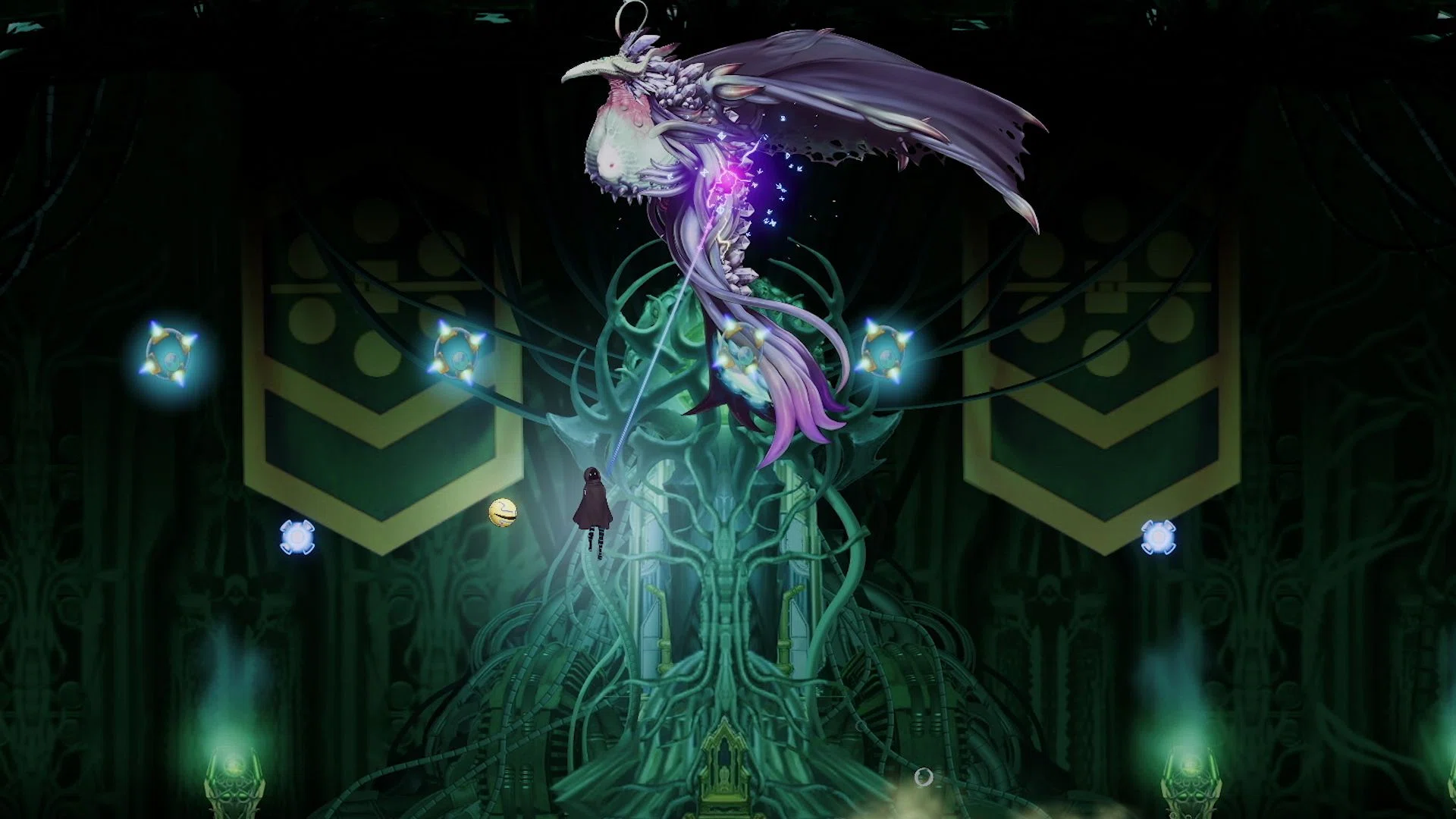
There are games you play, and there are games you survive. Bandai Namco’s Shadow Labyrinth sits firmly in the latter. It doesn’t roll out a welcome mat. In fact, it almost feels like it’s sneering at you from the start, daring you to keep going. I’m not exaggerating when I say there were moments where I nearly gave up – my Nintendo Switch 2 put down, muttering to myself at 2am – but somehow, I always booted it back up the next night. And that cycle of frustration and compulsion might be the point of it all.
It’s a strange beast, really. On paper it’s a Metroidvania spun out of Pac-Man’s DNA. In reality, it’s a dark, hostile sci-fi labyrinth where you’re a lone swordsman, hacking your way through prisons and wastelands in a story that’s loosely tied to Bandai Namco’s shared but obscured galaxy-spanning UGSF (United Galaxy Space Force) universe. Don’t worry if you’ve never heard of it – I hadn’t, and half the time I barely knew what was going on. The lore washes over you in cryptic fragments, and weirdly enough, that works. Your protagonist is as lost as you are, and being out of your depth feels intentional.
A labyrinth that resists you
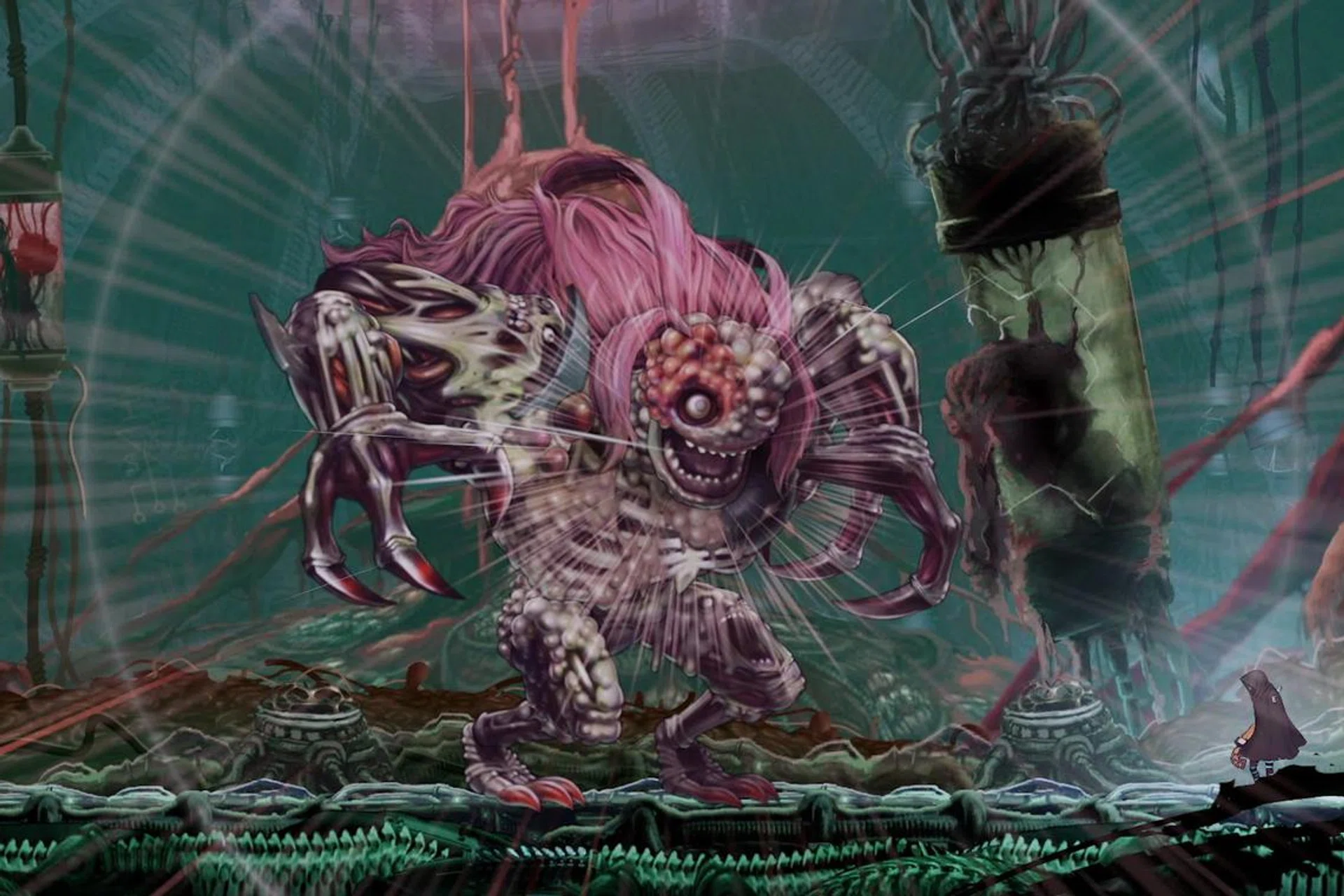
The first few hours lull you into thinking this is a fairly standard affair. You cut through zone after zone, enemies fall into a rhythm, and just when you thought you got the hang of the game’s rhythm, it slams you into a wall. Progress stops. You’re staring at the map like it’s a crossword puzzle written in another language, realising the only way forward is to retrace everything you thought you’d conquered. It was at that moment I knew the game wasn’t going to hold my hand—it was going to slap it away.
And it does. There are no quest markers, no breadcrumb trails, no friendly voice in your ear telling you where to go. The map is an incomprehensible tangle that you’ll spend hours poring over like some obsessed cartographer. Enemies respawn, bosses you thought you’d beaten pop up again, and there’s no shame in admitting I groaned every time I realised I’d taken the wrong corridor. One night I played for nearly five hours, made almost no progress, and actually considered moving on to another game. Yet when I finally stumbled into a new zone, the relief was real.
The thing is, even when you’re wandering in circles, you’re not wasting time. You’re collecting scraps, powering up, earning new traversal abilities that reframe the entire map. The air dash, the grapple hook, and eventually the double jump – they all open up previously impassable areas. That continuous masochistic loop of pain is exhausting, but also strangely addictive. It’s the kind of punishment that makes the eventual victory feel earned rather than handed to you.
Combat is cut from the same cloth. Bosses rarely use more than three attacks, yet they hit like freight trains and demand absolute precision. I lost count of how many times I died trying to parry something I knew was coming, but my timing was just off by a hair. Some fights stretched over hours. One particular boss fight had me stuck for more than 10 attempts before I realised he wasn’t even the real deal. At some point, I just accepted that dying was part of the process, not a failure. Shadow Laybrinth is a game that demands you adapt to its rhythm, or you don’t – it’s as simple, and as brutal, as that.
That said, there are tools to mix things up. ESP abilities like grenades or orbiting satellites give you small tactical edges, and I leaned on them hard when the pressure got too much. Even the Gaia mech suit that you can summon feels less like a power fantasy and more like a short-lived panic button. Nothing lets you breeze through. You’re always just one mistake away from death, and the game seems proud of that fact.
The kind of game you play to survive
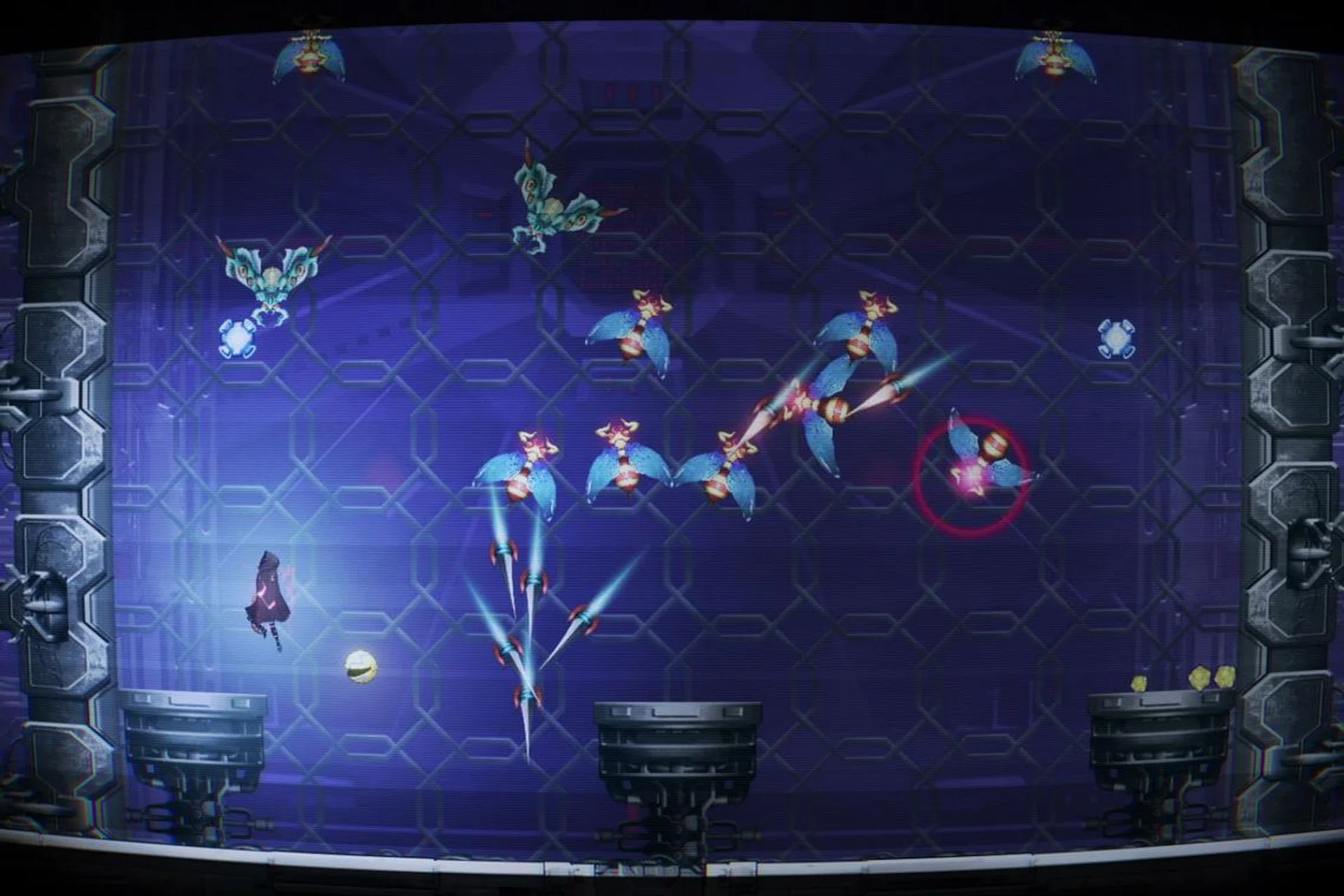
Calling Shadow Labyrinth “fun” feels disingenuous. Plenty of nights it made me miserable. There were times I was so stuck I just left the Switch 2 running and went to make coffee, hoping a break would magically reveal the way forward (it didn’t). But that’s exactly what makes the game linger. It doesn’t just test your reflexes – it tests your stubbornness. And when you finally break through? When the locked doors stop being dead ends and start being proof you’ve levelled up enough to open them? The payoff is incredible.
The story is…well, honestly, a blur. I couldn’t tell you half of what actually happened, and maybe that’s fine. The sense of being a small, lost thing in a world that doesn’t bother to explain itself. But that’s the point. And it ties neatly into the way the game plays: overwhelming, disorienting, but never meaningless.
It reminded me of playing older games as a kid, before wikis and walkthroughs were a click away. When progress wasn’t guaranteed and sometimes you’d spend days trying to figure out a single jump or puzzle. That same rough-edged, almost antagonistic philosophy pulses through Shadow Labyrinth, and while it won’t appeal to everyone, I couldn’t help but respect it.
My verdict
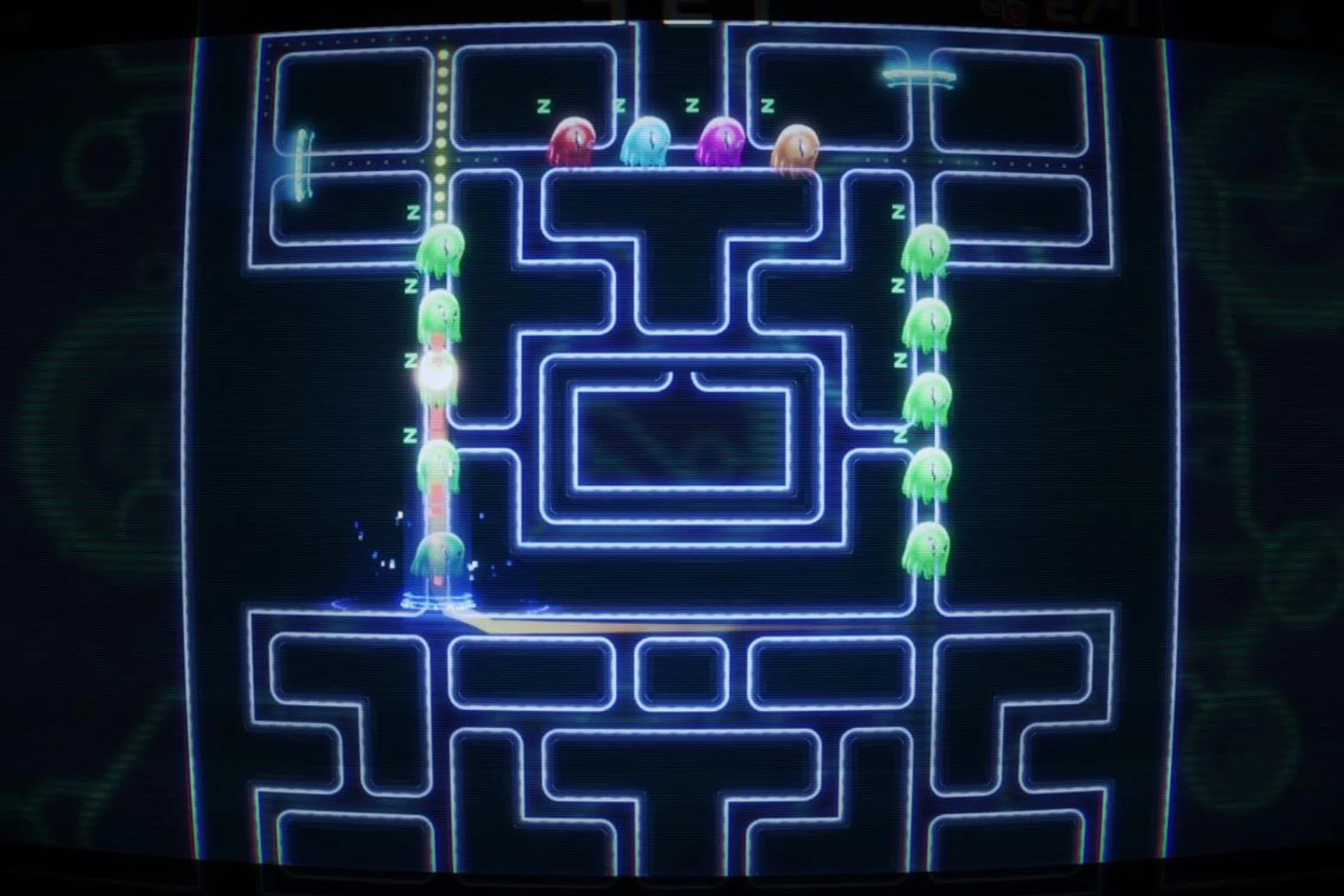
So no, I didn’t love every second of Shadow Labyrinth. I cursed it, raged at it, even swore I’d quit. But it also left me with the kind of memories modern, polished games rarely do. It’s a stubborn, hostile piece of design that demands patience and punishes complacency. And while that’s not something I’d recommend to everyone – hell, maybe not even to most – it’s exactly what made me appreciate it.
If you’re after a slick, friendly Metroidvania that gently nudges you along, this isn’t it. But if you’re willing to get lost, to fight the same boss 20 times, and to treat progress like survival rather than entertainment, then Shadow Labyrinth might just leave an impression you won’t forget. Not because it’s kind, but because it isn’t. And in today’s market where so many games want to hold the player’s hands, that makes it feel almost refreshing.
Shadow Labryinth is published by Bandai Namco and is now available on PlayStation 5, Xbox Series X|S, Nintendo Switch / Switch 2 and PC.