

From empires to emotions: The cast of Apple TV+’s Foundation on what really drives the story
Jared Harris, Lee Pace, Laura Birn, and Lou Lovell talks about power, identity, and the complicated, human choices at the heart of Foundation’s latest season.
Note: This feature was first published on 6 August 2025.
Apple TV+’s epic sci-fi, Foundation, has never really been just about grand space battles or impressive futuristic tech – but there are. At its heart, the series is a deeply human story and is centered on themes about what it means to be alive, free will and to be trapped by your own purpose. During a roundtable to promote the third season that premiered last month, I spent speaking to its cast – Jared Harris, Lee Pace, Laura Birn, and Lou Lovell – and found that this season isn’t just about collapsing empires or rogue mutants. It’s about identity, loneliness, regret, and how messy people (and sentient machines) deal with impossible expectations.
Jared Harris, who plays Harry Seldon, or rather, multiple versions of him, was the first to join the call. When I asked what Harry’s biggest inner struggle was in season three, Harris quickly quipped, “Realising he’s an edited consciousness. That he hasn’t been told everything. That he’s just a piece in someone else’s game”. He added, “Harry always thought he had agency. That he was driving the car. This season, he’s starting to realise maybe he was just the passenger.”
Later, when I asked him which Harry was harder to play – the digitised Vault version or the one sharing space and secrets with Gail – he paused for a moment. “They’re both challenging in different ways. The Harry with Gail is more human, easier to ground emotionally. But the Vault version? That’s where I have to dig for something recognisably human in something fundamentally not”.
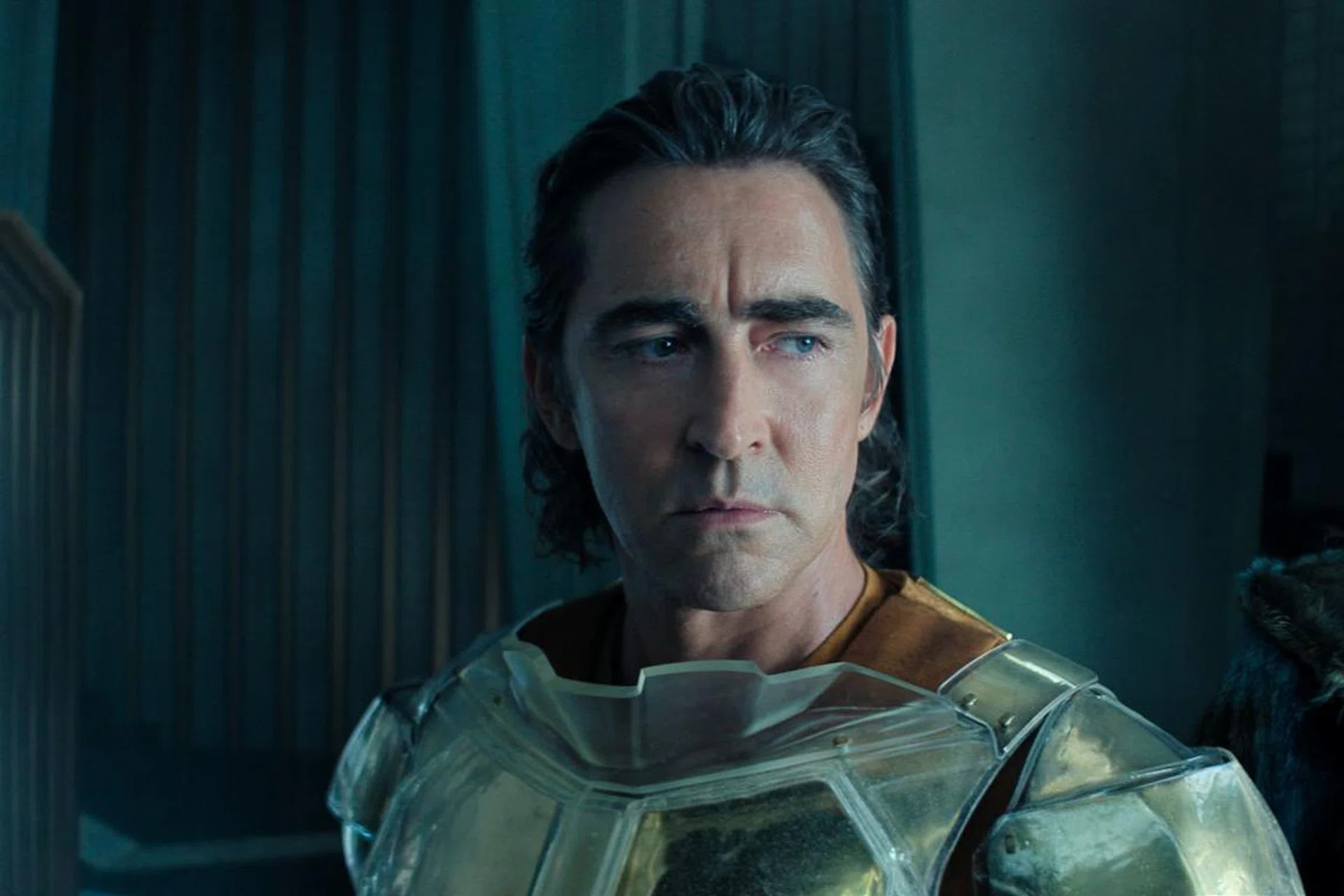
The question of what it means to be human came up again when I spoke with Lee Pace and Laura Birn. Their characters, Brother Day and Demerzel respectively, have one of the show’s most tangled relationships. Political, parental, romantic, manipulative…it shifts constantly. So I asked: do they talk about all this off-camera, or do they prefer to keep some ambiguity alive in the performance?
“We talk. A lot,” Pace laughed. “It’s how we get under the skin of these scenes. Understanding each other’s perspectives really helps when we’re thrown into something intense.” Birn agreed, but added that even with all that prep, Pace still managed to surprise her. “Some scenes this season really got under my skin. His Cleon was so cruel. So casually dismissive. It shook me, but in the best way. It meant we were really in it.”
It makes sense, then, that their dynamic this season feels colder, more fractured. Pace describes Cleon as a man coming apart. “He’s messy,” he said, listing off traits like he was reading from a character breakdown: “dominant, violent, lazy, sexually powerful, sexually destructive…it’s like all the worst parts of humanity dialled up. But also very recognisable.”
For Birn, Demerzel’s struggle is more interior. “She’s deeply conflicted. Her programming tells her one thing. Her feelings say another. And she has no outlet. No one to confide in. She just has to keep it all in. She’s the only one of her kind left, and the loneliness this season is extreme.”

Lou Lovell’s Gail, by contrast, has moved from isolation to authority. When I asked Lou if her perception of Gail had changed since season one, she nodded before I could finish the question. “Absolutely. She’s not the same person. She’s more ruthless now. More certain. She’s still the hero, kind of, but she’s making choices that are hard to justify. Necessary, but hard.”
I asked if she saw Gail more as a classic hero or something messier. “She was the classic hero. But not anymore. This season, she’s a disruptor. She doesn’t always do the right thing. But she’s doing what she believes is necessary. And the cost is high.”
Of course, it’s hard to separate an actor from their character completely. I asked Lou how much of herself she sees in Gail, and she laughed. “Maybe 20%. She’s definitely calmer than I am. But there are moments where I catch myself doing something she’d do. Like subconsciously touching my face where her scars are. Or softening my voice. She’s under my skin now.”
One thing that’s stood out to me, having followed Foundation from season one to now, is that it’s not the maths or the grand plans that define us. It’s the messy, human choices we make when everything falls apart. And in 2025, that feels eerily prescient.
Foundation Season 3 is now available for streaming on Apple TV+.