
Review: The Olympus Pen-F is a distinctive new classic
The new Olympus Pen-F is one of the most attractive digital cameras today, but is it more than just a good-looker? Check out what the new 20MP sensor, with 5-axis optical image stabilization and the new Creative Dial have to offer.


Introduction
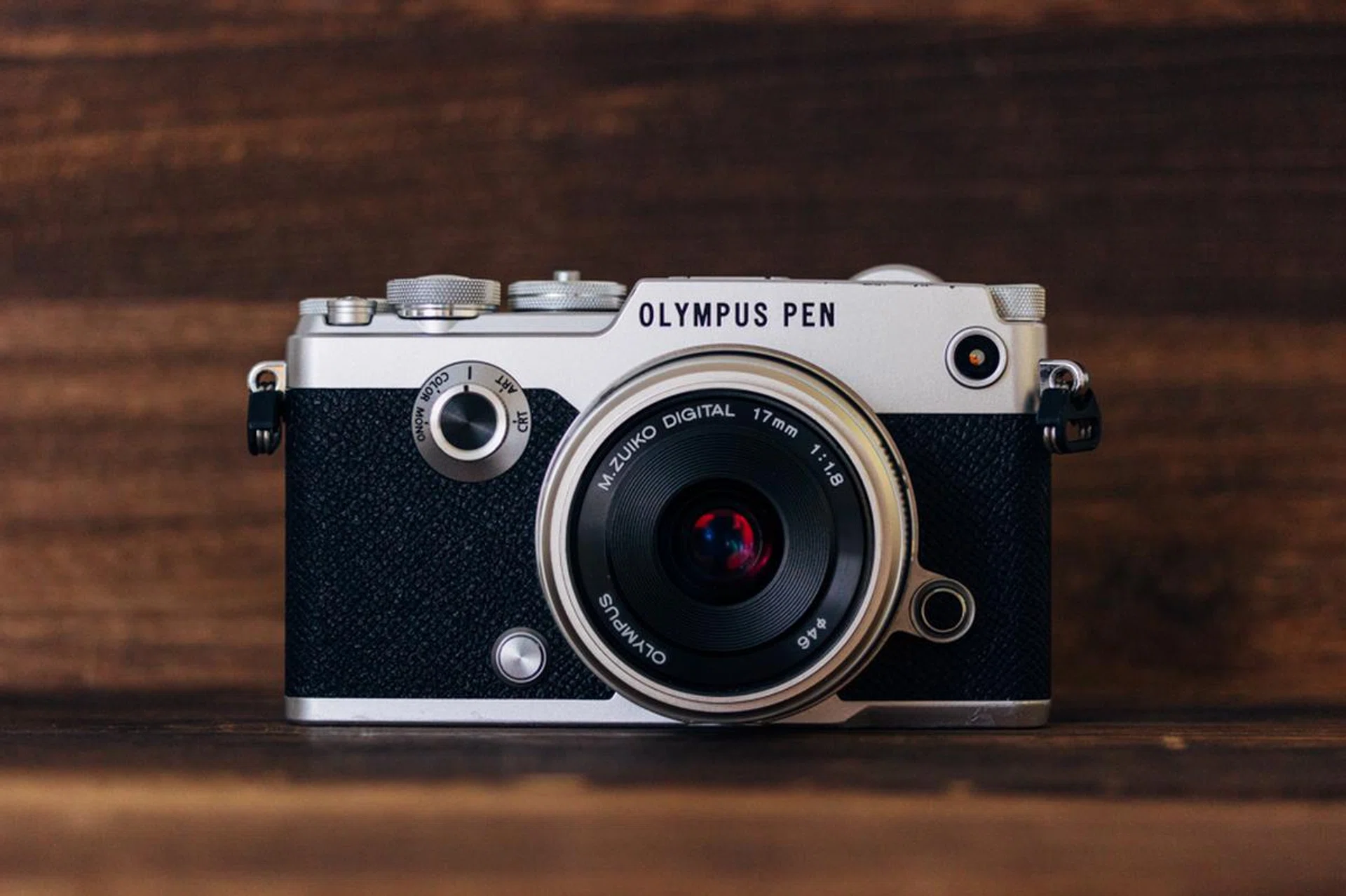
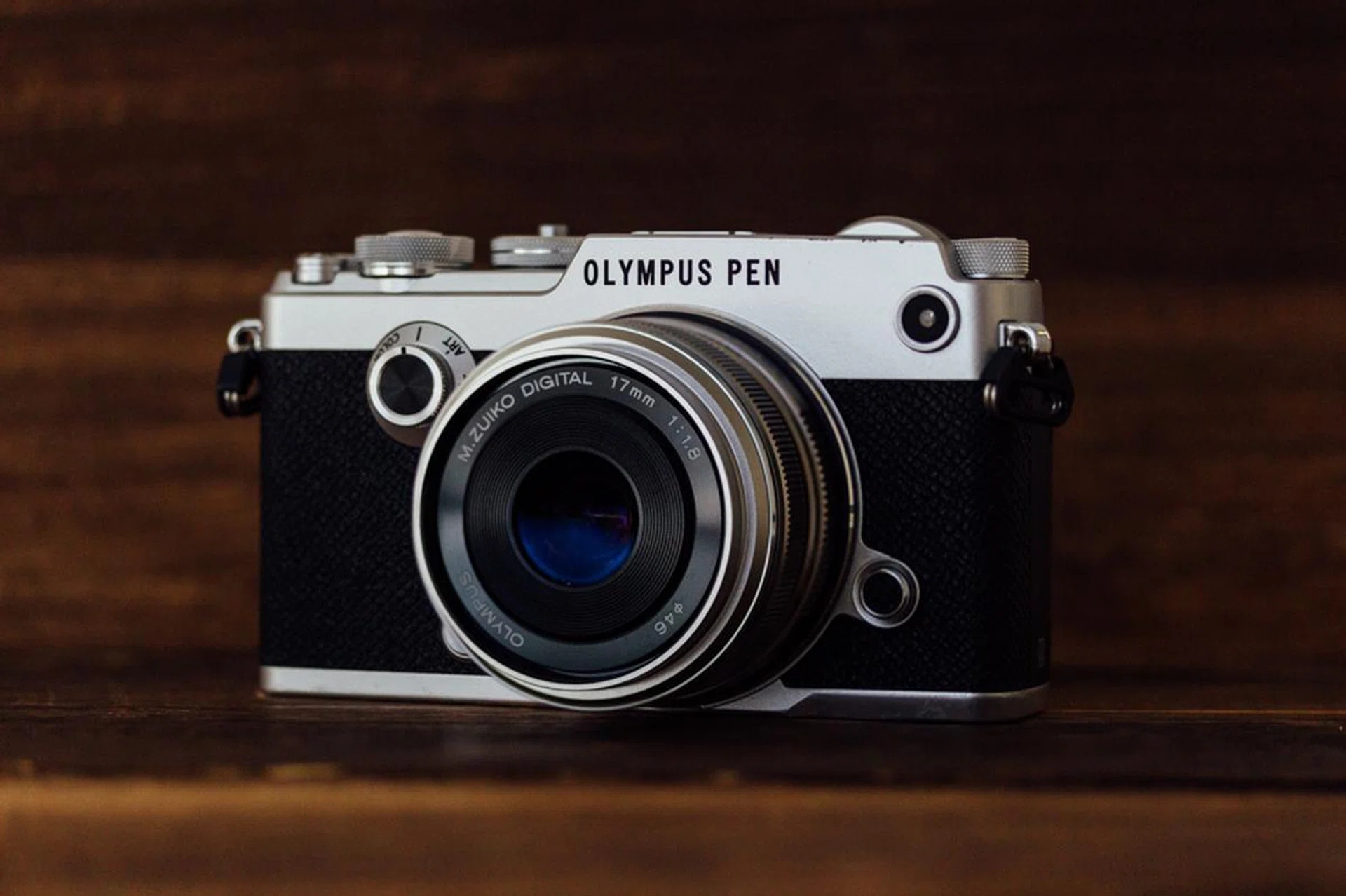
Olympus’s new Pen-F had me at hello. I love vintage, and the new Pen-F honors its 60s heritage with class, as well as updates it to make the name its own.
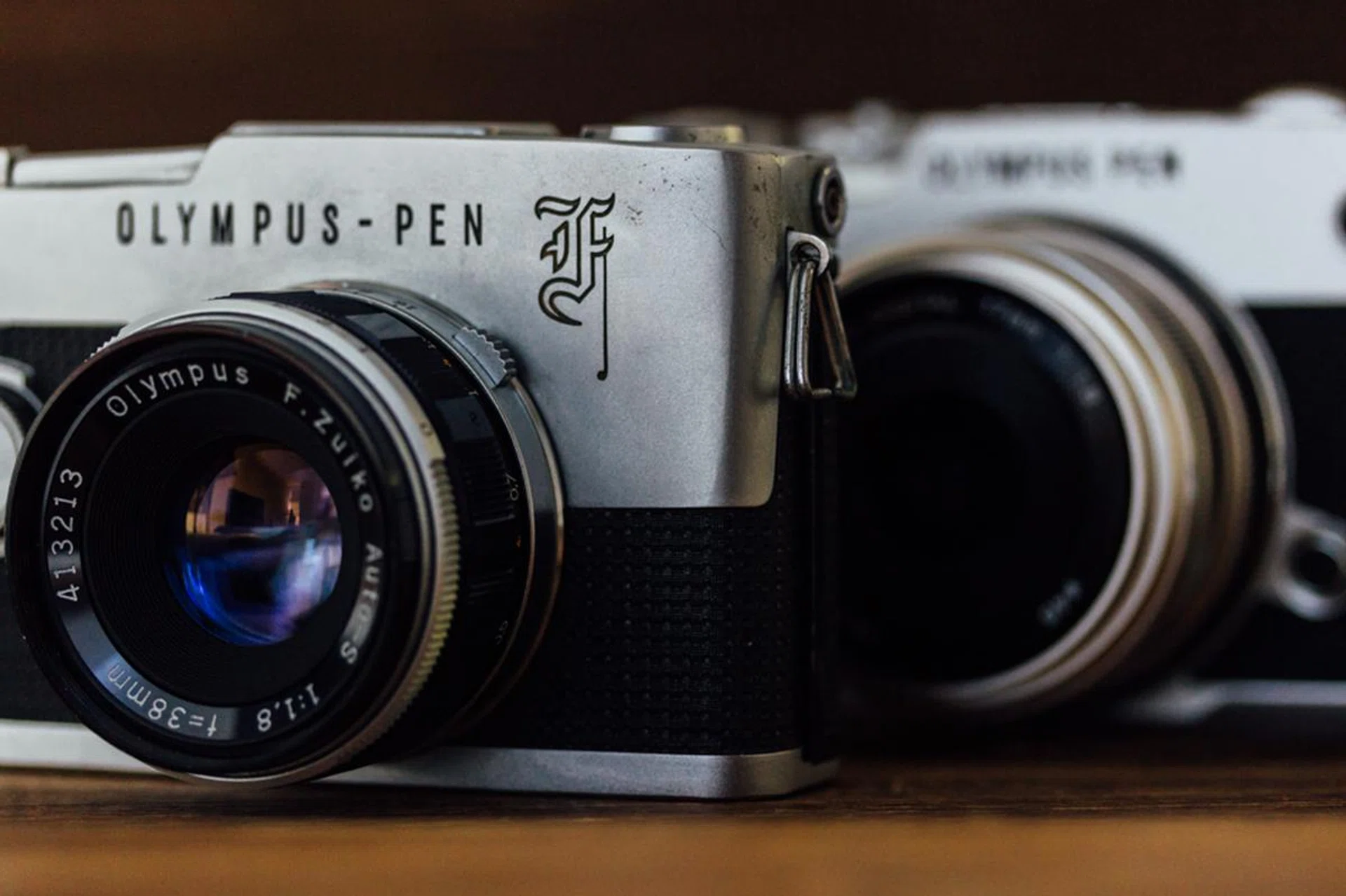
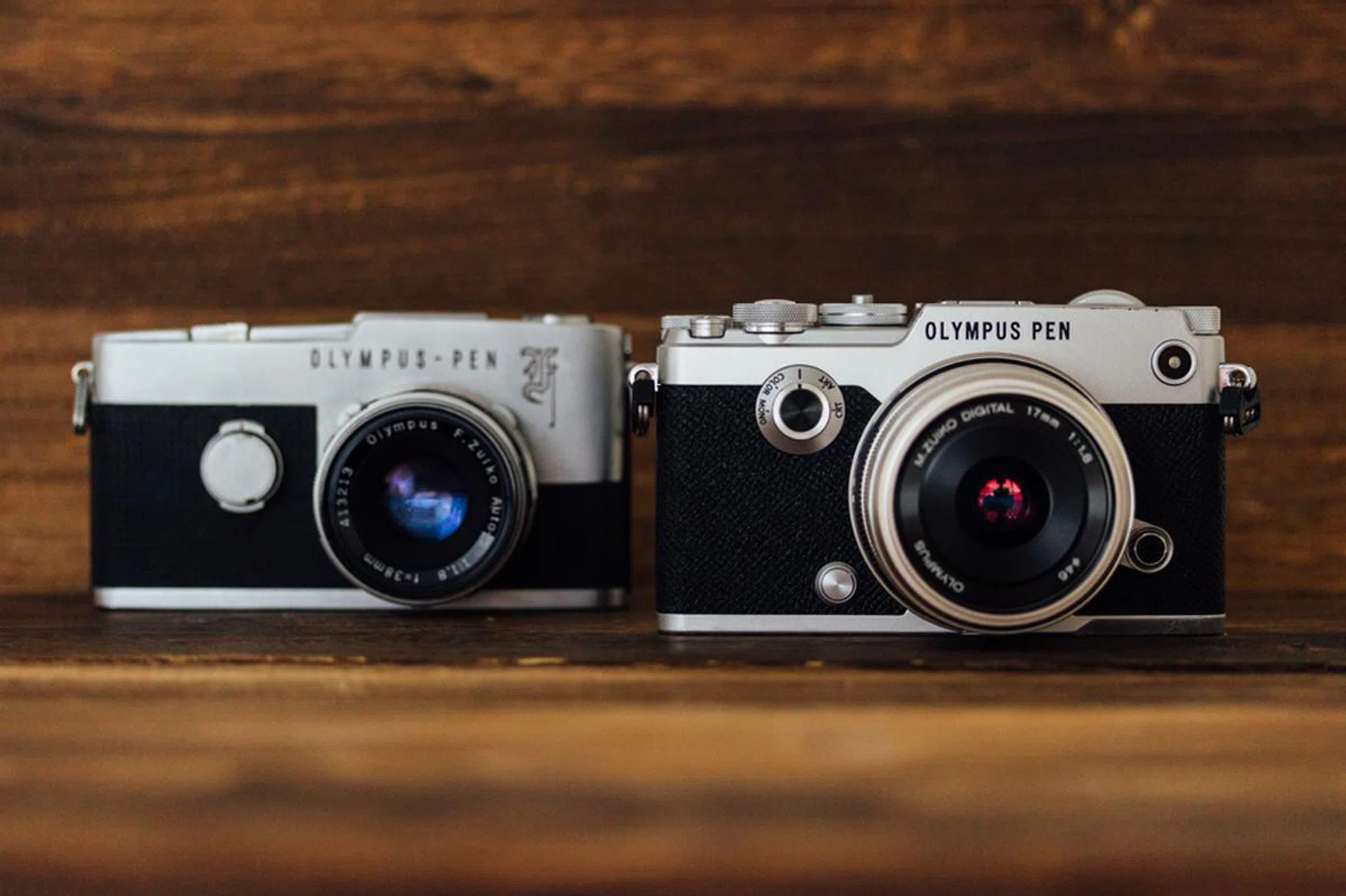
Olympus’ newest mirrorless camera is named after the first Pen F, which was released in 1963. The two Pen-Fs even look similar, but the resemblance is more than just skin-deep. By using mirrors instead of a pentaprism, the original Pen F didn’t have the triangular hump found on top of film SLRs, making it smaller and more streamlined. You could say mirrorless cameras follow in the same line of innovation, by doing away with the mirror-box in DSLRs, mirrorless cameras like the Pen-F are smaller and more streamlined.
Now, the original Pen F is part of the Olympus family designed by the legendary Yoshihisa Maitani, who also designed Olympus’ Pen, OM, XA and Stylus camera series. It was a popular camera, and renowned photojournalist W. Eugene Smith even appeared in an ad for it. With such big shoes to fill, can the Pen-F become the new classic for our digital age?
What’s New?
The Pen-F sits on top of the Pen range of mirrorless cameras, and comes packed with Olympus’ latest technology. It’s Olympus’ first Pen with an electronic viewfinder built-in, minus the triangular hump on Olympus’ sister OM-D line of mirrorless cameras.
The Pen-F comes with a new 20MP sensor, which makes it the highest resolution camera in Olympus’ mirrorless range, and the second Micro Four Thirds to come with a 20MP sensor, after the Panasonic Lumix GX8. The sensor lacks an optical low-pass filter, which will make it more susceptible to moire artifacts, but able to capture more fine detail.
The Pen-F also comes with Olympus’ excellent 5-axis optical image stabilization, a tilting LCD, built-in Wi-Fi, and a compact flash attachment with tilting head.
Design and Handling
After having used the Pen-F for a couple of weeks now, I still can’t help looking at it for a few extra moments whenever I put it on the table. This thing is a looker, and is easily one of the most attractive digital cameras on the market today. It doesn’t just take after the first Pen F, but I think it looks even better than the original. The only thing missing is the distinctive ‘F’ symbol engraved on the Pen F film camera.
The camera feels good in the hands. It’s solid, not light at approx. 427g (with battery and memory card), but not heavy either. The protruding thumb-rest gives you a good hold, and if you don’t mind increasing the camera’s size, there’s an optional front-grip you can buy and attach.
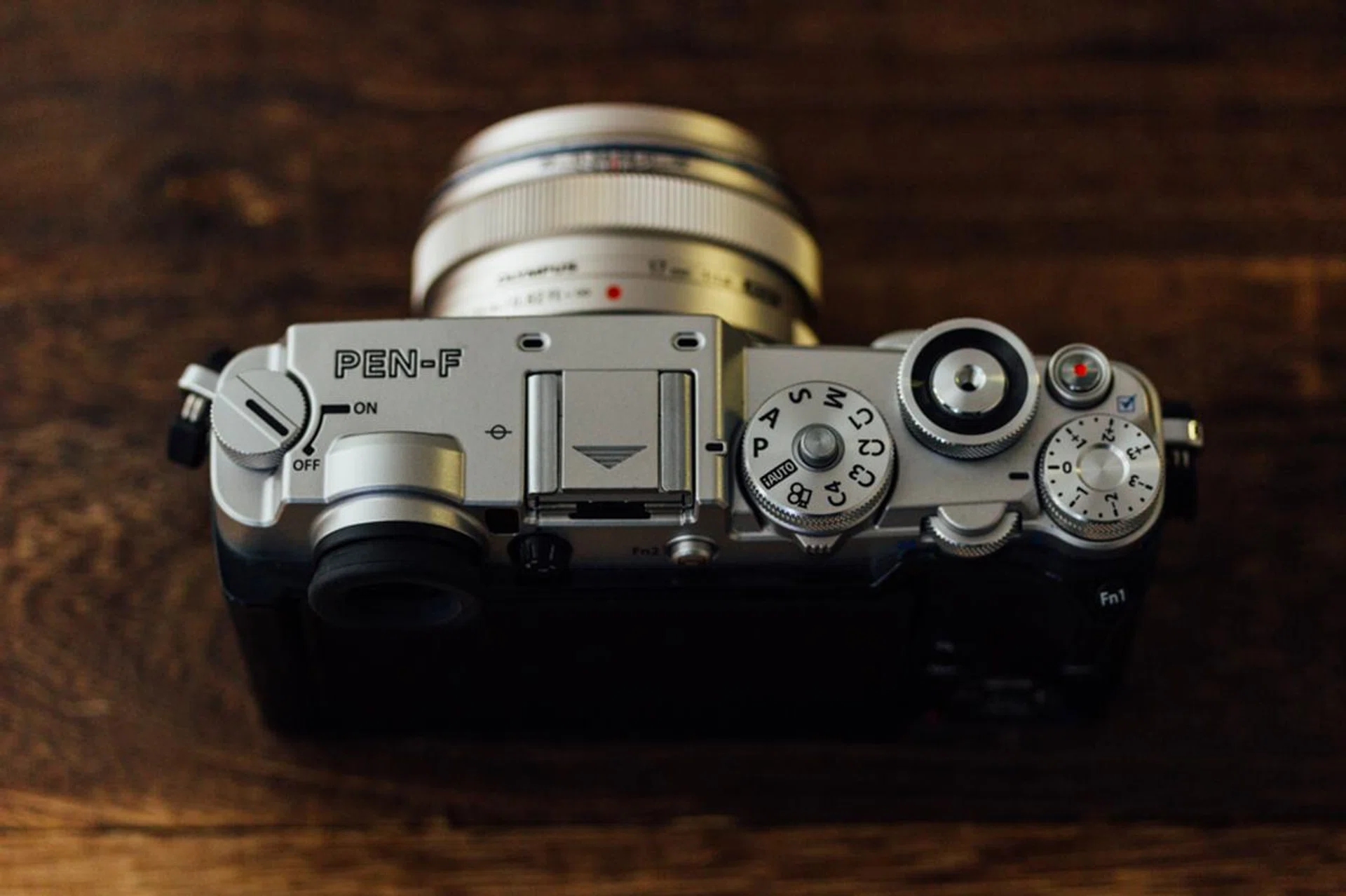
Everything feels like it’s in the right place, with a physical Mode dial, exposure compensation dial, and twin control dials that come with the 2x2 feature introduced on the E-M1. The round Power button originally looked more retro than useful, but it’s surprisingly easy to turn, thanks to its knurled surface.
Another feature that first struck me as more ornamental than useful is the new Creative Dial on the front of the body. The Creative Dial has five settings, Off, Color, Mono, Art and Color Control. In other words, it gives you quick access to color, black and white or effect presets.
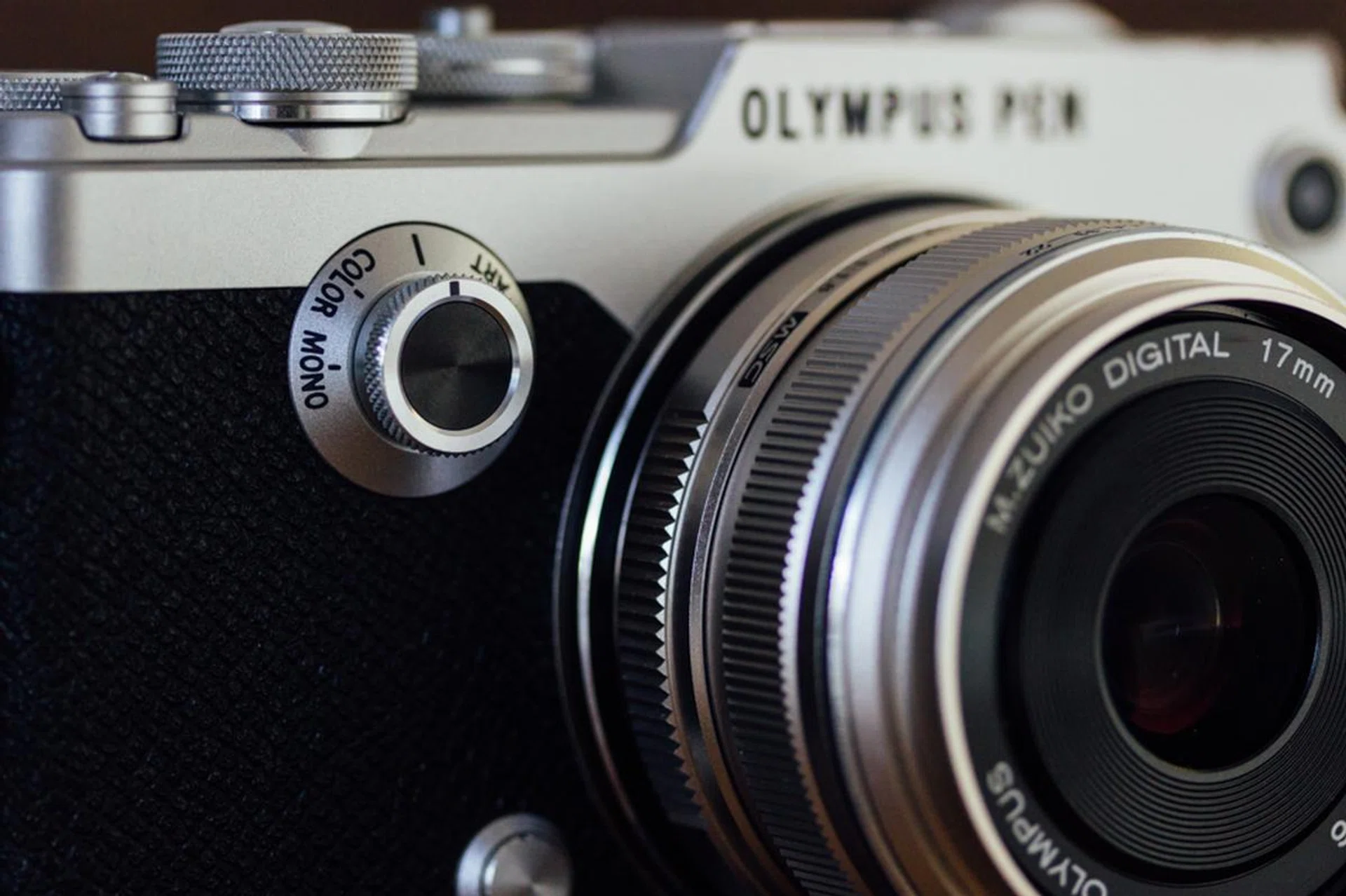
I almost always shoot in raw, so the Creative Dial seemed more superfluous to me than anything else. That’s why I was quite surprised at quite often I used it. The Color, Mono and Color Control modes are brand new, and they let you either tweak color settings and save them as presets, or use Olympus’ own presets, each of which has a different look, all of which are modeled after the look of classic films.
I found myself enjoying Olympus’ Color Profile 3 and Mono Profile 2, which provide very distinct and strong looks. Color profiles can only be applied to JPEGs, so I would turn on raw+JPEG mode to use the new color profiles, but even after importing the images into Lightroom, I found that the new profiles needed very little tweaking.
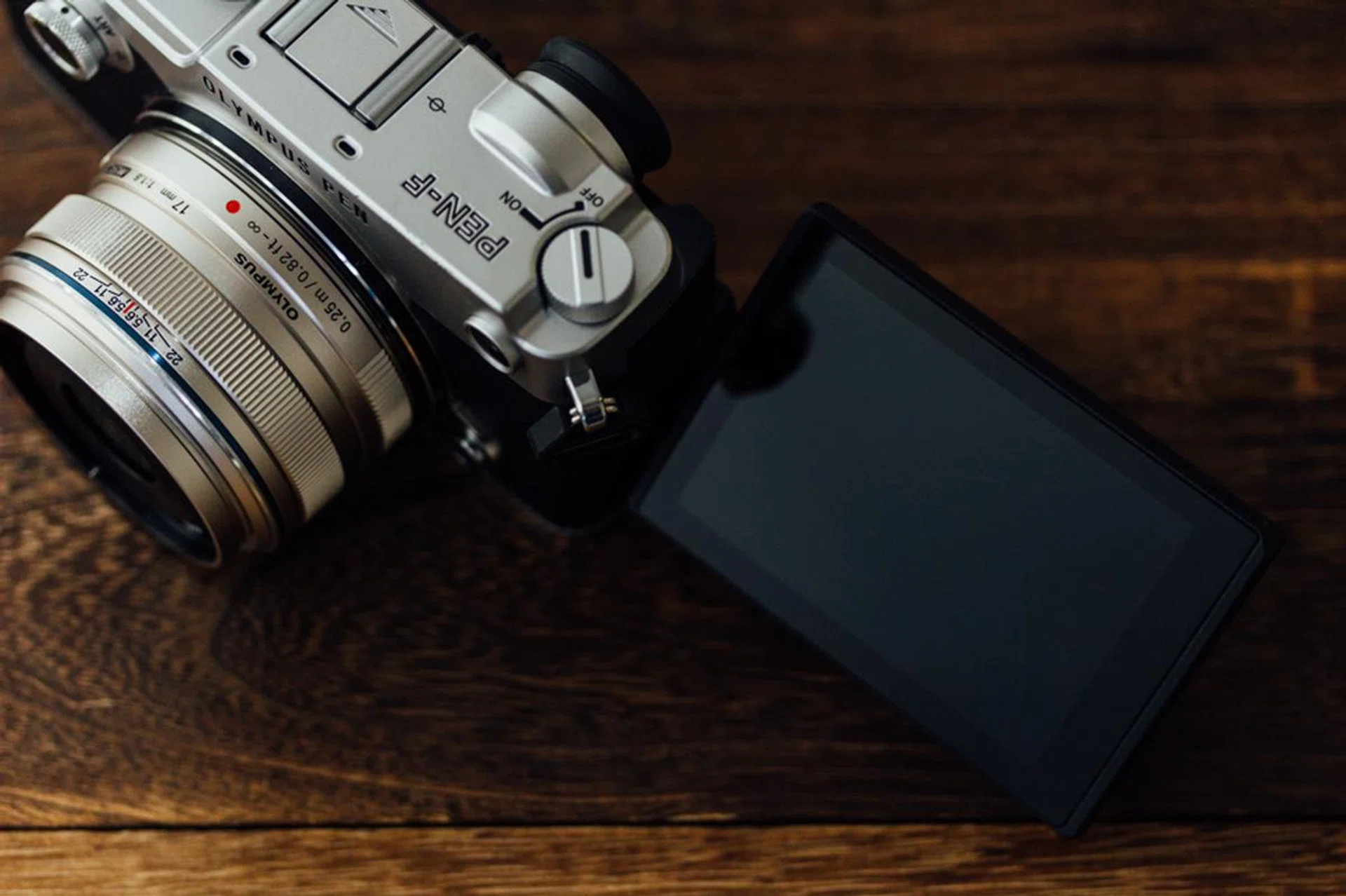
The tilting LCD provided a good way to capture unusual angles, and I found the electronic viewfinder bright and responsive. Blackout time is impressively short, and the Pen-F has a silent shooting mode which is very quiet.
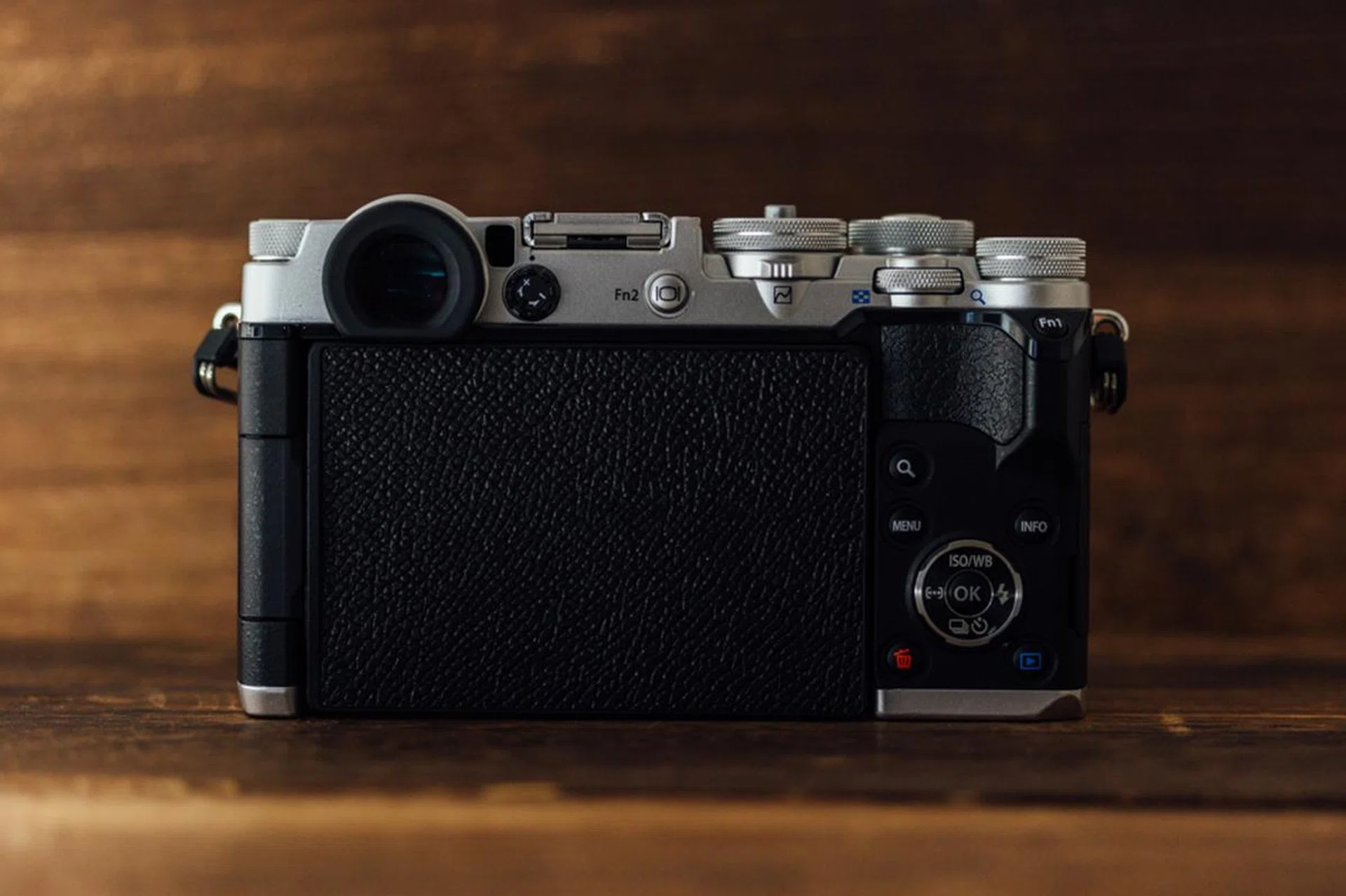
Little touches of care abound on the camera. Circular forms repeat, from the front of the camera, to the top and back. There are no visible screws, even on the bottom plate. The lens release button is covered with the same faux leather as the front of the camera, giving it a considered uniform appearance. If you flip the LCD screen around so that it faces inward, the back of the LCD panel is also covered in faux leather, giving the entire camera a strong, singular identity.
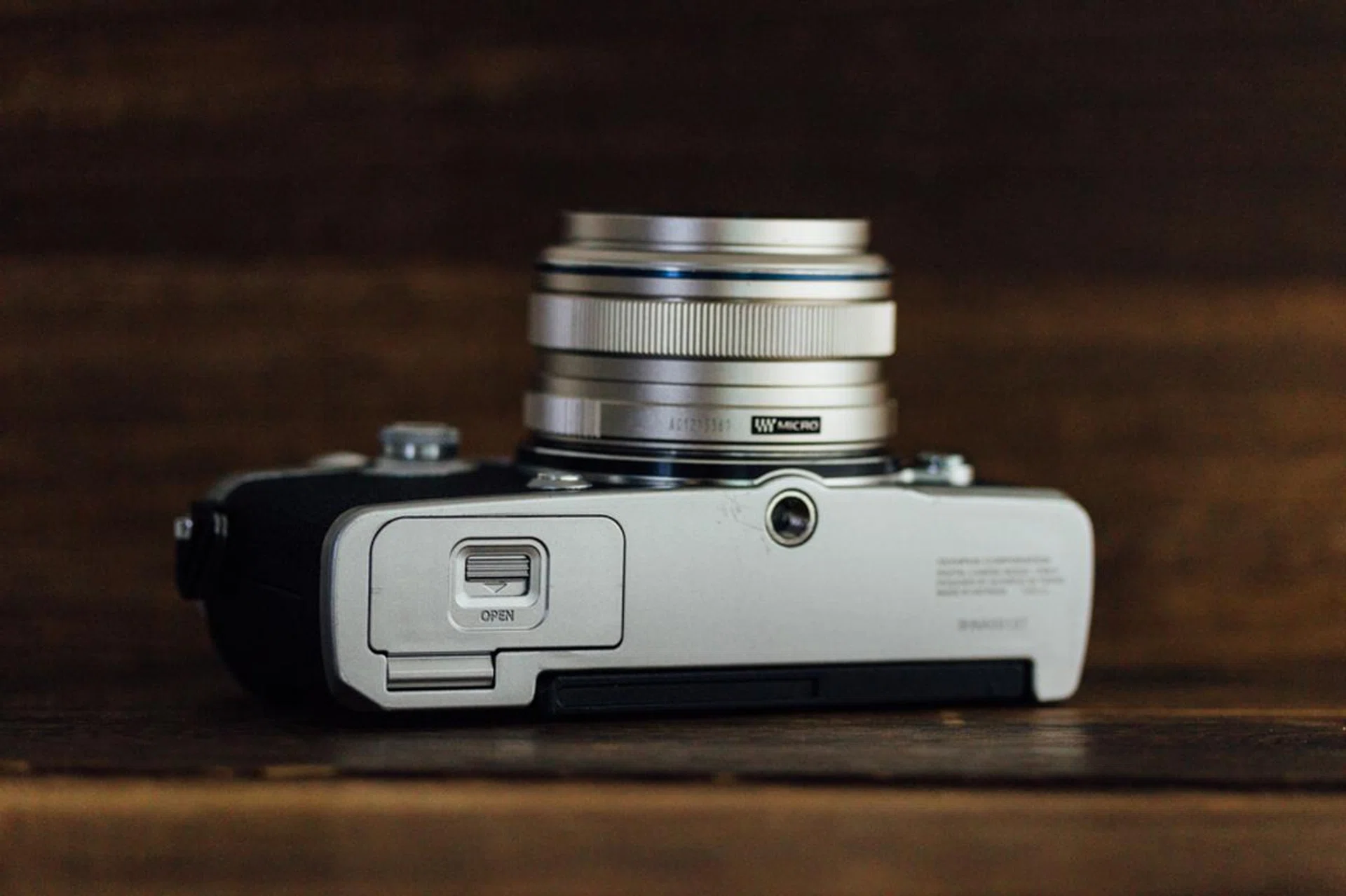
The Pen-F’s top and and front covers are made of magnesium alloy, while the bottom cover and the machined dials are made of aluminum. I did find that the top and bottom edges chipped a little after two weeks of use, I don’t mind a little patina on my gear, but it does worry me a little that it chipped that fast.
The Pen-F feels good in the hands and practically begs to be taken everywhere. It’s easy to carry around and remain inconspicuous while shooting. Most of all, it gets out of the way; it’s responsive and controls are quickly on hand. You can just pick it up, shoot and have fun.

Photographed with Color Profile 3. f/2.2 at 34mm, 1/100 sec, ISO 200.
Image Performance
Note: Images have been post-processed to taste, and are copyright to SPH Magazines. They are provided for your reference only and we ask that you do not reproduce them elsewhere.
For four years since 2011, Micro Four Thirds (MFT) cameras were stuck at the same 16MP resolution. Panasonic broke that ceiling last year with the Lumix GX8, which shoots at 20MP, and Olympus is doing the same with the Pen-F’s 20MP sensor.
That’s a 25% increase in image resolution, but it’s not as big a jump as DSLR cameras have been making, from 16Mp to 24MP, for example, which is a 50% increase in image resolution. We’re not seeing such a leap, most likely because it’s not as easy to decrease the size of each photosite on the smaller MFT sensor, while maintaining image quality, as it is with the larger APS-C and full-frame sensors on DSLR cameras.

f/2.5 at 34mm, 1/125 sec, ISO 200.
In good light, the extra resolution on the Pen-F, together with the lack of an optical low-pass filter, results in images that shine with good detail, especially when paired with any of the good lenses in the MFT stable. The higher megapixel count is also welcome when I switch to a DSLR-like 3:2 aspect ratio, which gives me images that are still approx. 17.9MP. On previous 16MP MFT cameras, switching aspect ratios would cut resolution down to 14MP.

f/1.8 at 34mm, 1/60 sec, ISO 500.
Auto-focus is quick, and spot-on most of the time. I had no qualms leaving it on auto most of the time, and whenever I needed to quickly dictate the focal point, I could do so easily using the d-pad or the touch-screen. Olympus (as well as Panasonic) also lets you use the touch-screen as a control pad for the AF point, even when you have your eye up to the electronic viewfinder.
On the other hand, the new sensor doesn’t measure up as well to the latest generation of APS-C sensors when it comes to low light performance. At ISO 1,600 and 3,200, the Pen-F is good, with low visible noise, but not great, with smudging of fine detail.

ISO 800, 100% crop.

ISO 1,600, 100% crop.

ISO 3,200, 100% crop.
While I’ve been a MFT fan for the longest time, I have to call it and say that recent APS-C and full-frame cameras have seriously leapfrogged ahead in terms of ISO performance. On many of the newer cameras, ISO 3,200 looks like the new ISO 800, but unfortunately I can’t say that about the Pen-F (or any camera in the MFT family).
I have to mention that the Pen-F, like the E-M5 Mark II, comes with a High Res Shot feature that lets you shoot extremely high-resolution images. While the E-M5 Mark II could net 40MP JPEGs and 64MP raw files, the Pen-F increases that to 50MP JPEGs and 80MP raw files. The camera is able to do this by moving the sensor around in half-pixel increments while capturing eight shots, using the 5-axis OIS system, and stitching the captured images into a single shot.
I found that the Pen-F out-resolved our resolution chart, which means it captures an amazing amount of detail. But the feature is limited by some caveats; the camera must be locked down on a tripod, and you can’t capture moving subjects. So it’ll prove interesting for some architectural, still life and product photographers, but not to others.

f/13 at 24mm, 1 sec, ISO 200.
Image Performance II
Note: Images have been post-processed to taste, and are copyright to SPH Magazines. They are provided for your reference only and we ask that you do not reproduce them elsewhere.
If the Pen-F was all about megapixels, the review would end here. But the Pen-F brings some other strengths to the table that are worth serious consideration.
The 5-axis OIS lets you get sharp images at slower shutter speeds

Photographed, handheld, at one second. Would have been impossible without the Pen-F’s excellent OIS. f/11 at 24mm, 1 sec, ISO 200.
The Pen-F’s 5-axis optical image stabilization (OIS) is exemplary, and helped me nail more sharp images at low shutter speeds than I’d ordinarily expect. I’ve even gotten some steady images with a shutter speed of a full second when handholding the camera — which would be impossible with a heavy full-frame DSLR. Because of the OIS’ abilities, I was able to play around with slower shutter speeds without the need for a tripod.
The OIS also works while shooting video, which helps to make the shot steadier and less shaky. While it works well, it also introduces some odd jerkiness at times, when there’s a sudden pan or camera movement.
An important point to remember is that, with the exception of the recently announced Pentax K-1, there are no other DSLR cameras today that come with 5-axis OIS built into the camera body.
Excellent color out of camera, and new color presets add film-like look to the image

The raw version on the left, and the JPEG shot with the Color Profile 3 preset on the right. Both versions have been minimally processed in Lightroom.
Another one of the Pen-F’s strengths is excellent color reproduction. While you can shoot straight in JPEG and/or raw and leave it at that, the Pen-F’s new Creative Dial mode gives you additional color and monochrome presets for more color creativity.
I became quite partial to Color Profile 3, which boosts color saturation and adds extra pop to your colors, as well as Mono Profile 2, which turns images into gritty black and whites. It was also quite useful to be able to turn the Creative Dial quickly into Mono mode to judge if a scene would work better in black and white.

Photographed with Mono Profile 2. f/2 at 34mm, 1/100 sec, ISO 200.
Small and compact system makes it easy to run and gun
One more strength the Pen-F has, which it shares with the rest of its Micro Four Thirds siblings, is the wide selection of high-quality lenses, all of which are compact and lightweight. Cameras have been getting smaller and smaller, but the MFT family still remains the one mirrorless system that enjoys both small camera bodies and a wide variety of small lenses.
For comparison, I can usually fit a DSLR with lens, plus an extra lens or an external flash, into my ThinkTank Retrospective 20 messenger bag. I could fit a Pen-F with a lens, plus three other prime lenses, with ample empty space, into the same bag. The entire package was lighter and easier on my shoulders than the DSLR alone would have been.

Photographed with Color Profile 3. f/1.8 at 34mm, 1/60 sec, ISO 500.
Conclusion: The New Pen-F is a Classic
The Pen-F checks all the right boxes to become a portable camera companion. It’s clear that Olympus’ has done some of their best work on the Pen-F, and it’s a new classic for our age that would make its namesake proud.
It is strikingly handsome, looking both vintage and modern at the same time. It’s also the right size to be taken everywhere, without taking up much space or weighing you down. It is also a camera you can come to trust, auto-focus is quick and accurate, the camera is responsive, and both manual as well as digital controls are readily available.
I find image quality more than good enough for an everyday camera. While the Pen-F won’t replace my DSLR for demanding low light and action work, I’d trust it with important daily moments and travel. In low light, the Pen-F’s pictures have low noise, but lose image detail. In good light, the pictures shine, especially when paired with a good lens, of which there are plenty in the Micro Four Thirds stable.
The Pen-F comes with one great strength, and that’s its leading class 5-axis optical image stabilization system, which will help you nail sharp images in low-light, and smoother looking handheld video. Again, keep in mind that, except for the recently announced Pentax K-1, no DSLR camera comes with OIS built into the camera body.
Most of all, the Pen-F is just fun to shoot with.
There’s just one more thing.
We need to talk about the Pen-F’s price
The Olympus Pen-F’s local pricing has been announced, and it’s expensive, at S$1,798 for the body alone.
To put that into perspective, here’s how the Pen-F lines up against other Olympus cameras. For fairness, the prices listed are local suggested retail prices at launch, I’d imagine it’s quite possible to find the older cameras at lower prices today.
Pen-F | OM-D E-M1 | OM-D E-M5 Mark II | OM-D E-M10 Mark II | Pen E-P5 | |
Sensor Size | 4/3 | 4/3 | 4/3 | 4/3 | 4/3 |
Megapixels | 20MP | 16MP | 16MP | 16MP | 16MP |
In-body OIS | 5-axis | 5-axis | 5-axis | 5-axis | 5-axis |
EVF | 2.36M-dot OLED | 2.36M-dot LCD | 2.36M-dot LCD | 2.36M-dot OLED | N.A. |
Size | 124.8 x 72.1 x 37.3mm | 130.4 × 93.5 × 63.1mm | 123.7 ×85 × 44.5mm | 119.5 × 83.1 × 46.7mm | 122 x 69 x 37 mm |
Weight (body) | Approx. 373g | Approx. 443g | Approx. 417g | Approx. 342g | Approx. 378g |
Price | S$1,798 (body) | S$1,948 (body) | S$1,398 (body) | S$1,148 (with 14-42mm kit lens) | S$1,388 (body) |
For S$150 more, you can get Olympus’ top of the line OM-D E-M1 camera, which comes with everything the Pen-F does and more, noticeably weather sealing and dual AF. The only thing the E-M1 misses is the new 20MP sensor, and the Pen-F’s smaller size.
In fact, for S$1,798, weather sealing is sorely missing on the Pen-F. Consider that, for S$400 less, the OM-D E-M5 Mark II actually does come with a dust-proof and splash-proof body.
Now, here’s how the Pen-F lines up against competing cameras from other camera makers.
Pen-F | Canon EOS 70D | Fujifilm X-T1 | Nikon D7200 | Panasonic Lumix GX8 | Sony A7 | |
Sensor Size | 4/3 | APS-C | APS-C | APS-C | 4/3 | Full-frame |
Megapixels | 20MP | 20MP | 16MP | 24MP | 20MP | 24MP |
In-body OIS | 5-axis | N.A. | N.A. | N.A. | Dual I.S. | N.A. |
Viewfinder | 2.36M-dot OLED | Optical | 2.36M-dot OLED | Optical | 2.36M-dot OLED | 2.36M-dot OLED |
Size | 124.8 x 72.1 x 37.3mm | 139 x 104.3 x 78.5mm | 129 x 89.8 x 46.7mm | 135.5 x 106.5 x 76mm | 133.2 x 77.9 x 63.1mm | 126.9 x 94.4 x 48.2mm |
Weight (body) | Approx. 373g | Approx. 675g | Approx. 390g | Approx. 675g | Approx. 435g | Approx. 416g |
Price | S$1,798 (body) | S$1,699 (with 18-55mm kit lens) | S$1,999 (body) | S$1,799 (with 18-140mm kit lens) | S$1,699 (with 14-42mm kit lens) | S$1,999 (body) |
You’re going to have to think twice about springing for the Pen-F, when you consider that you can get a Canon EOS 70D DSLR camera for S$99 less, a Nikon D7200 for S$1 more, and a top of the line Fujifilm X-T1 for S$201 more. Especially when you consider that each of these cameras comes with an APS-C sensor that outperforms the Pen-F. Then, for S$201 more, you can get the Sony A7, which comes with a full-frame sensor inside.
In light of all this, would I still recommend the Pen-F? Yes, with some caveats.
If absolute image quality, action photography and low light performance is key, then you’re better off with a DSLR camera. If stills image quality is important, and so is size, you can consider the smaller Fujifilm X-T1. If video quality in a small package is paramount, then Panasonic’s GX8 lets you record at 4K, and offers Dual I.S. with compatible lenses.
If you value portability, and want a good balance of stills and video quality, and you sometimes wade into rough territory, consider either the Olympus E-M1 (with weather sealing), or the E-M5 Mark II (dust and splash-proof). If you don’t see yourself going into bad weather, the Pen-F brings good portability, a good balance of stills and video quality, as well as the highest resolution sensor currently available among Olympus cameras. Last, but not least, the Pen-F just has that right combination of specs and heart to make it not just a piece of gear you use, but to become a camera you’d grow to love using.
Our articles may contain affiliate links. If you buy through these links, we may earn a small commission.