
OnePlus 5 review: The best flagship phone by OnePlus thus far
Do all the upgrades that the OnePlus 5 flaunts merely look good on paper? Can it even hold a candle to the flagships that boldly charge beyond a thousand dollars for similar processing platforms, let alone kill any of them? Let's find out.

First published on 5th September and updated on 7th September 2017: The OnePlus 5 devices will see a price drop, effective immediately. Their new retail prices are S$699 (64GB) and S$799 (128GB) respectively.
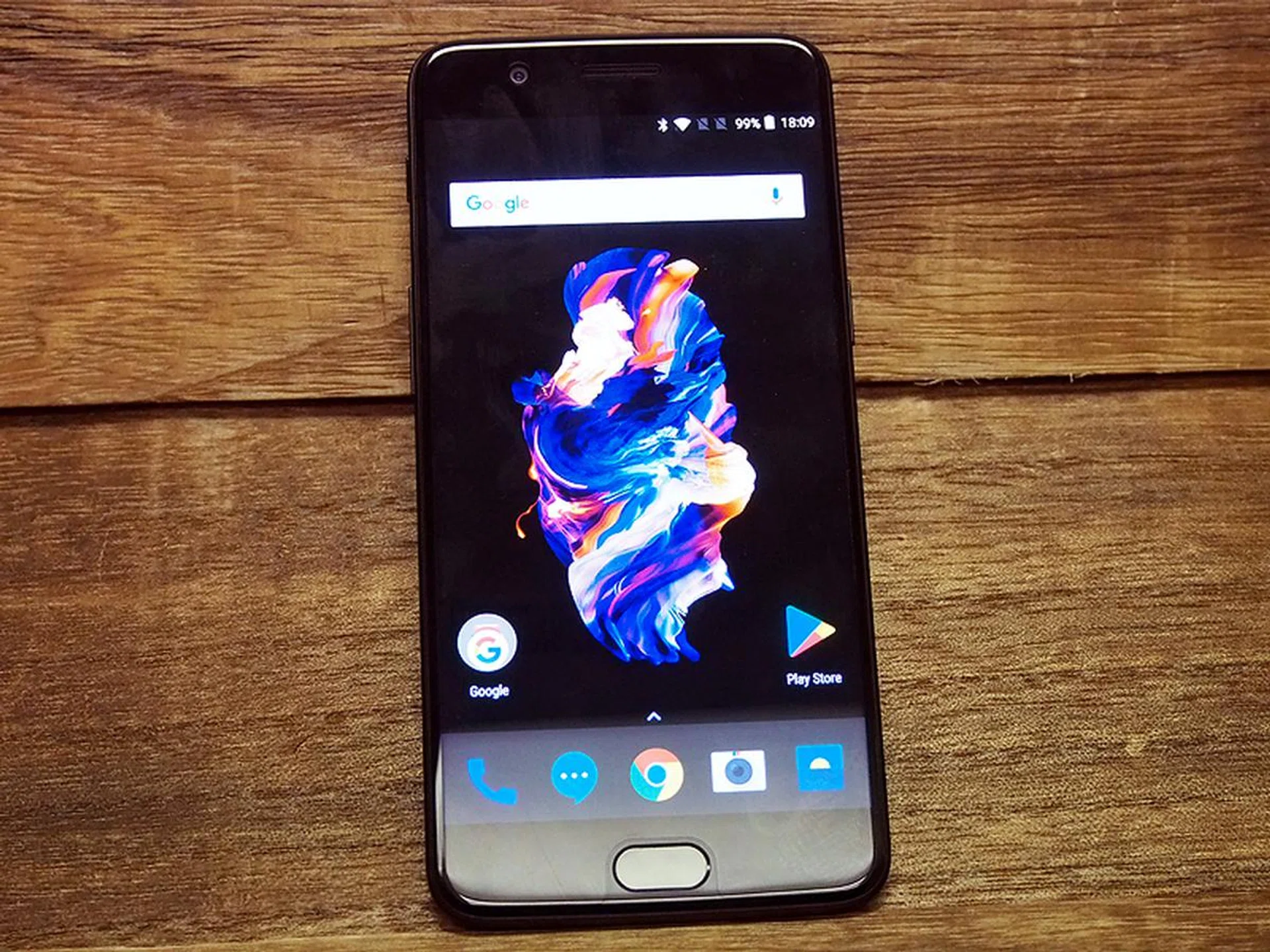
Overview
OnePlus steps up their flagship-killing game with the OnePlus 5, and they couldn’t have chosen a better time to do so. As IFA 2017 draws nearer, together with the likelihood of more updated handsets getting launched, OnePlus jumps the gun and fires their salvo, hoping to kill the rest before they are even on the market.
So why is it billed as the flagship killer? Simply put, it ticks quite a bit of essential checkboxes for a brand new device. Let's start with the obvious - the hardware platform within. The OnePlus 5 packs a current-gen top-end Qualcomm Snapdragon 835 processor, and a choice between these two configurations:-
- 6GB RAM and 64GB storage -
S$769S$699 - 8GB RAM and 128GB storage -
S$869S$799
Besides a top-end processing platform, it catches up to real flagships by offering its very first dual rear camera configuration, an AMOLED display (with DCI-P3 color space support), and UFS 2.1 storage in a 2-lane configuration – all the features that reaffirm OnePlus 5’s premium product positioning.
The OnePlus 5 is a significant step up from its previous OnePlus 3T when you look at the sum of all its parts. However, do all these upgrades merely look good on paper? Can it even hold a candle to the flagships that boldly charge beyond a thousand dollars for the same hardware, let alone kill any of them? Let’s find out.
Design & Handling
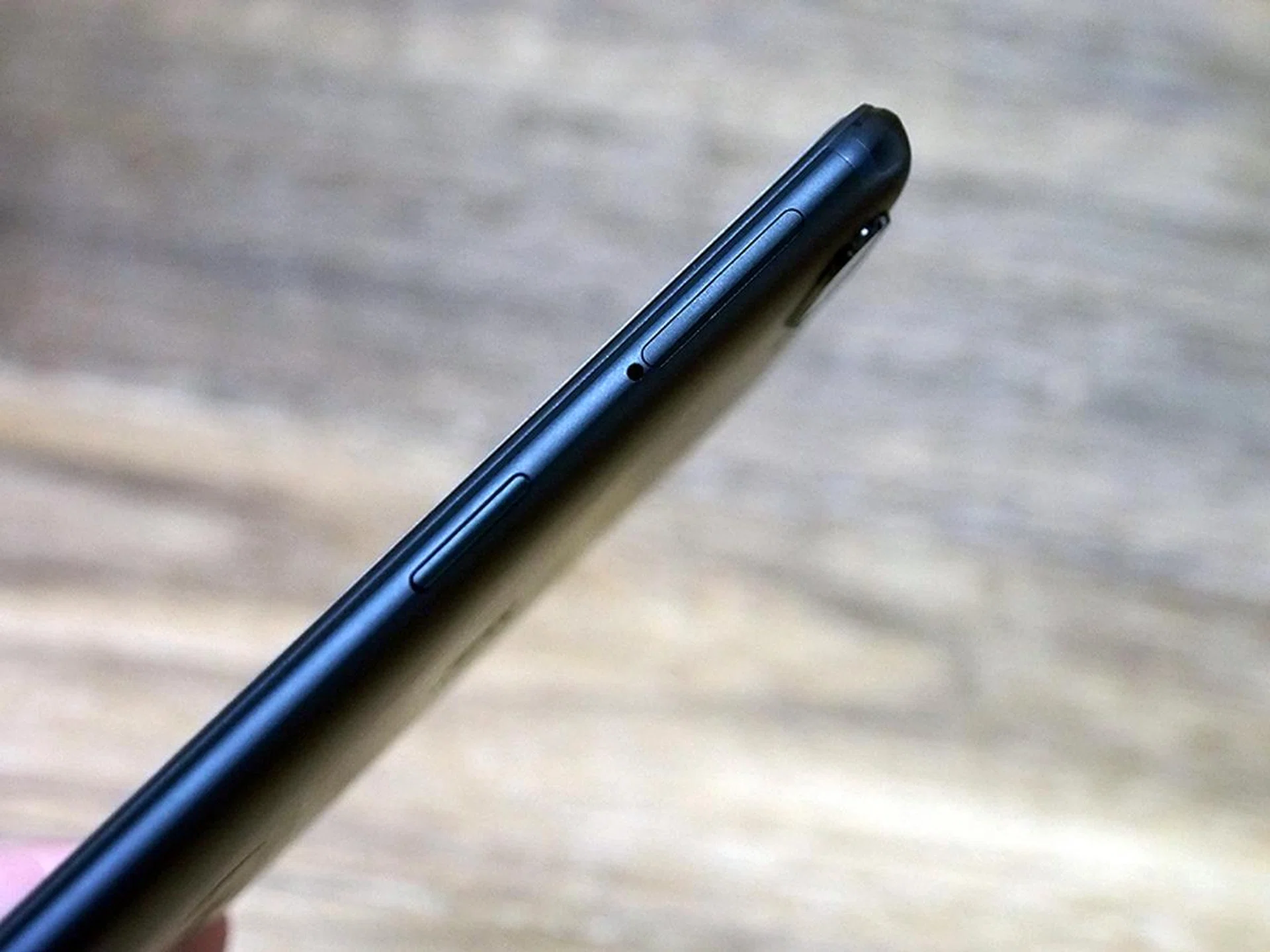
OnePlus 5 uses a metallic body that’s made even thinner than the 3T (7.25mm versus 7.4mm). The design is vastly different, seeing how the OnePlus 5 eliminated the lines on the rear while moving the dual rear housing to the top left corner. The back has a slight curve like its predecessor, and it shares the same button placement for its power, volume keys, and the Alert Slider.

The front panel appearance barely deviates from the OnePlus look. It has generous bezels to accommodate the Android soft keys, while the capacitive slate (where the Home button is) also doubles as a fingerprint sensor. Like the 3T, you can swap the menu buttons around to your preference.
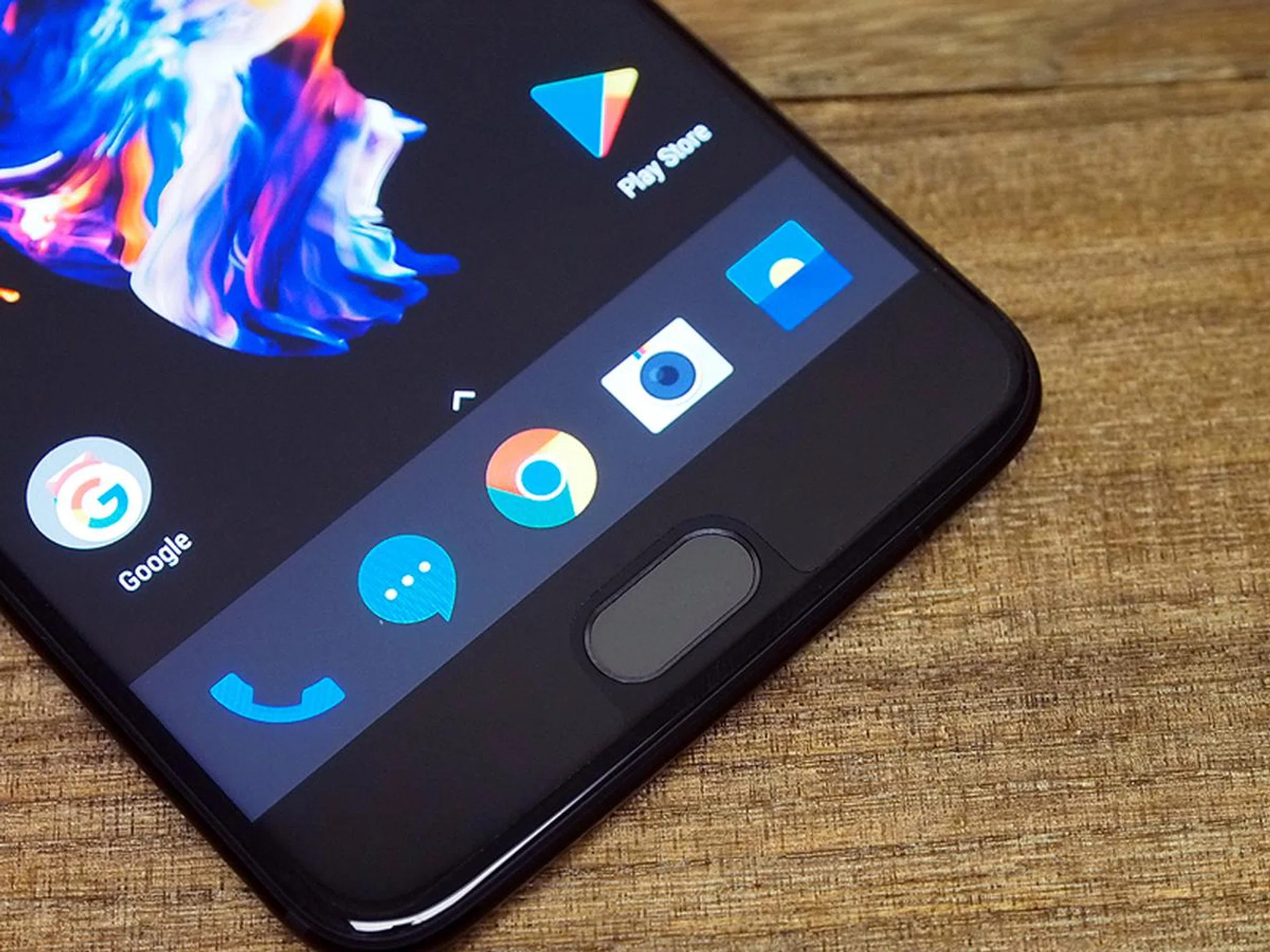
The mild differences in design contribute to its overall premium feel – the camera housing is less pronounced than its previous phones, and the smooth back lacks any of the lines it had. In fact, the antenna lines are well hidden, since OnePlus redesigned it to go around the frame, instead of running it across the rear. Sadly, the front doesn’t have the latest bezel-less look found on pricier flagships by Samsung and LG, so it has a pedestrian appearance in a sea of Android phones.
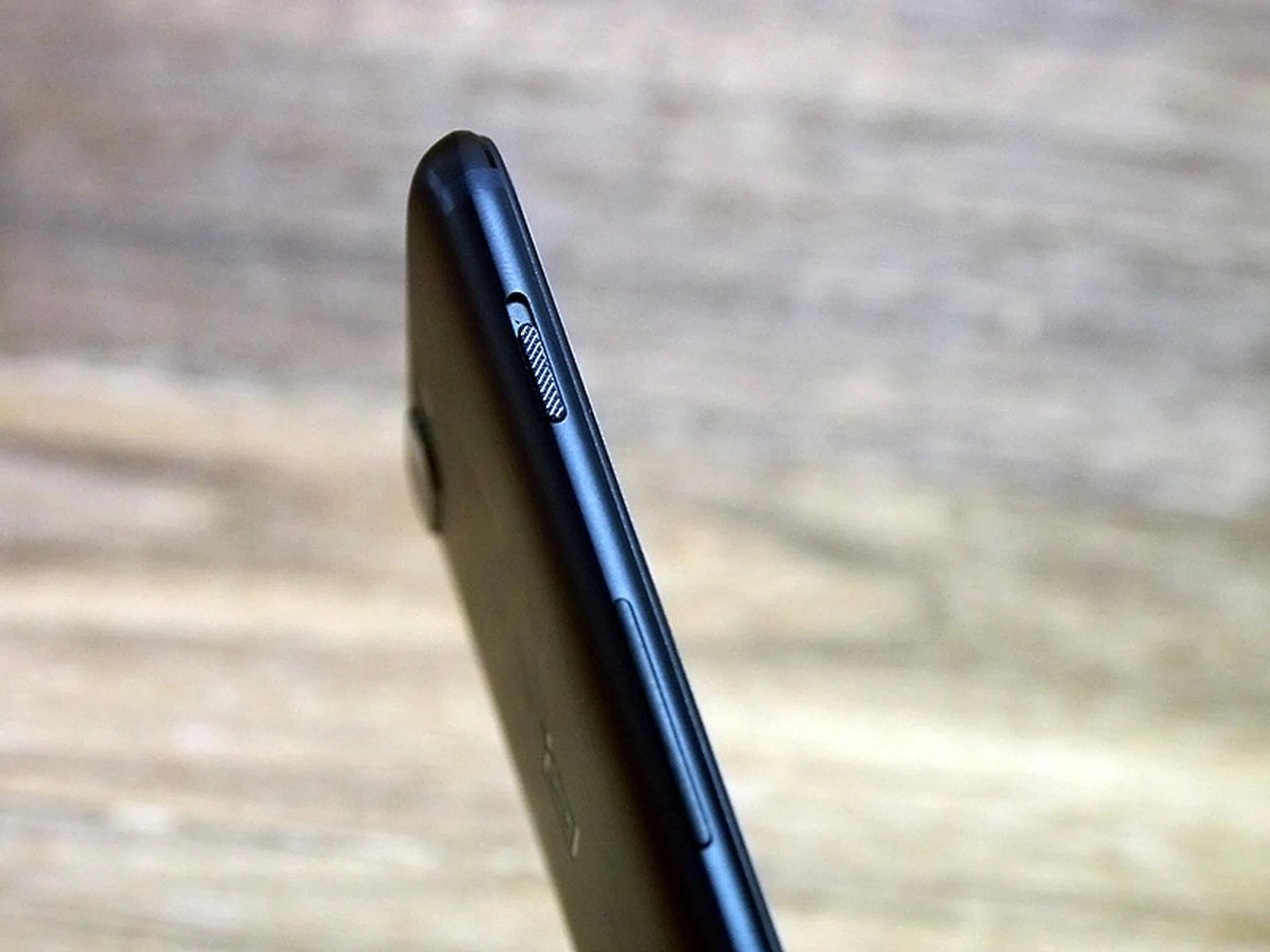
The only color variant you can get via its official reseller, Lazada Singapore, is Midnight Black. Since most folks put a cover on their phones, this isn’t a huge problem, but it’s still nice to have options in this field. There’s the 64GB internal storage with 6GB RAM variant, and the 128GB storage with 8GB RAM option available; our review set is the latter. Ports-wise, it has one USB Type-C next to the 3.5mm headphone jack, and to its left (when the phone faces up) is its built-in speaker.

The phone sits well in one hand, but the curved glass panel on the front doesn’t quite meet the sides nicely as if OnePlus couldn't decide if it should be chamfered or smooth. The rear feels slightly slippery thanks to its polish, but that’s not a big concern. The ergonomics aren’t any stranger than regular Chinese-branded smartphones, and the physical buttons feel durable enough for long-term use.
As a whole, OnePlus 5 offers the closest experience to what a premium phone should feel like, and it’s a flagship build. It’s not the most exciting look, but it’s functional, straightforward and neat.
Display & Audio

You can find a 5.5-inch Full HD (1,920 x 1,080 pixels resolution) AMOLED display sprawled across the front. That’s the same as its predecessor, and we believe that the choice of Full HD resolution (over QHD or higher resolutions) helps keep the OnePlus 5’s price tag a touch lower than its competition.
Color temperature on the OnePlus 5 seems very well-balanced for an AMOLED display, which is usually biased towards warmer color temperatures (more on that later). Screen details and sharpness are great, and it aces in vibrancy thanks to the nature of AMOLED screens. We feel that OnePlus took note of previous feedback about how display temperature seemed off when it’s just out of the box. Neutral may sound boring, but neutral is extremely crucial for display color accuracy, which the OnePlus 5 excels at.
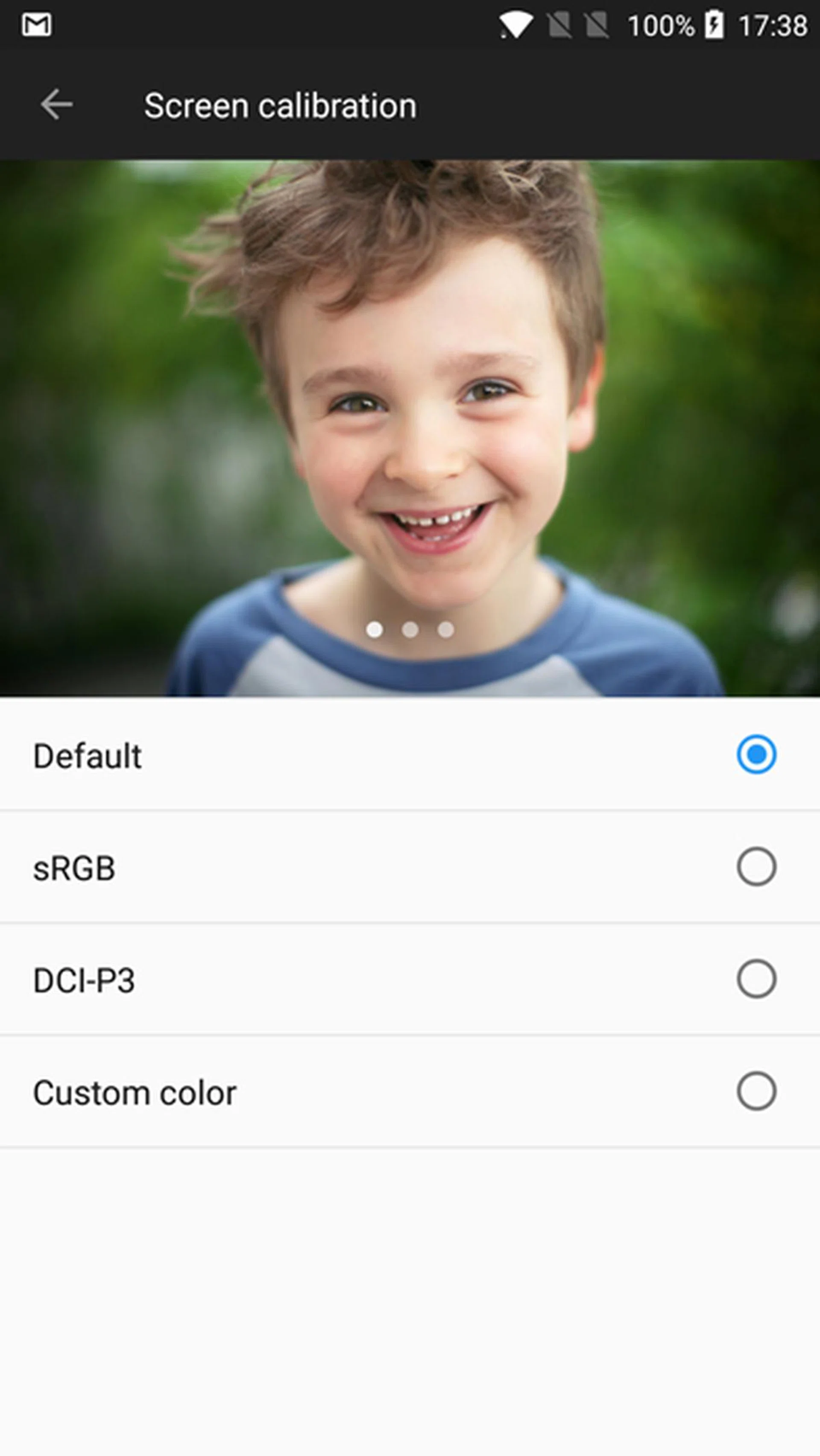
OnePlus adds support for DCI-P3 color gamut within its display settings, along with sRGB and “Default” (as seen above). DCI-P3 is new to OnePlus, but it’s not new to phones – the defunct Samsung Galaxy Note7 shipped with DCI-P3 support. From our experience, the DCI-P3 profile offers better color saturation on the OnePlus 5’s AMOLED panel, while the sRGB option offers the same warmth with slightly less colorization. Personally, we preferred Default, since it offers the freshest visuals with its cooler color temperature, but tired eyes may prefer warmer displays over time. There’s also the option to manually adjust the screen’s color temperature from the same settings page.
OnePlus 5’s Bluetooth comes with support for AptX, AptX HD, and conventional SBC encoding. If you have headphones or speakers that can take advantage of AptX or AptX HD, don’t forget to toggle it on in the Settings app (under Advanced, followed by Bluetooth Audio Codec). OnePlus 5 uses Bluetooth 5, so it has better range than the familiar Bluetooth v4.2 standard, as well as a doubled transmission rate if we are to believe the Bluetooth folks (PDF here).
Features & UI
OxygenOS 4.5

If you’re picking up a brand new OnePlus 5, it should come with OxygenOS 4.5 pre-installed. That is OnePlus' very own UI for Android 7.1 OS (Nougat), with a few additional features and proprietary visuals. OnePlus has since fixed the emergency number glitch, and OxygenOS 4.5.8 (latest patch at the time of writing) fixes game-stuttering issues. OxygenOS updates approximately twice a month outside of its initial teething stage, and the painless OTA (over-the-air) update method makes it as simple as updating stock Android (and some other OEM reskins). It also features some conveniences, like displaying its battery percentage (something that requires developer’s access if you’re on stock Android).

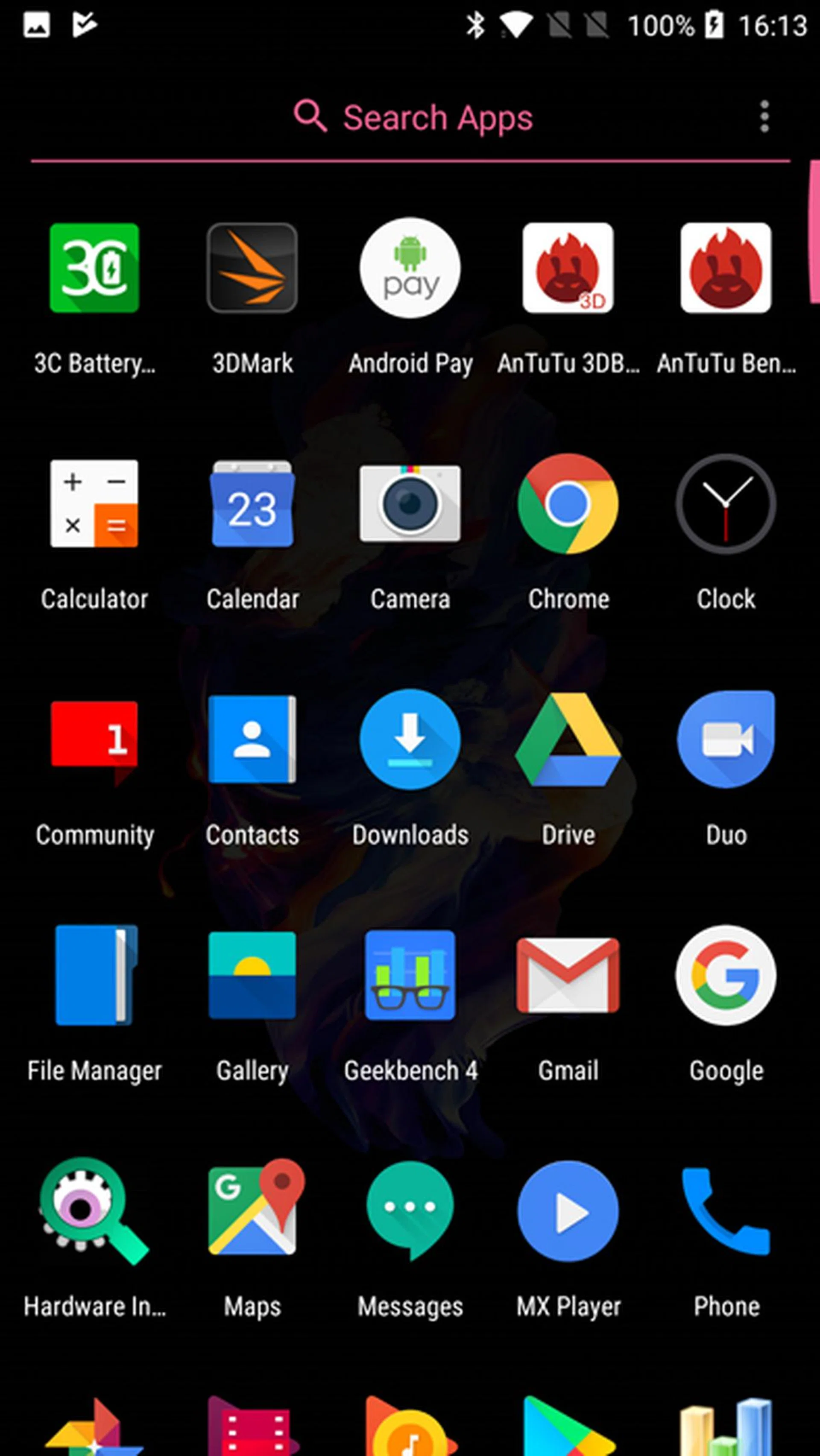
You can see how OnePlus refined its interface when you compare the latest device to our past OnePlus reviews (2, 3, 3T). For instance, the older devices stuck to stock Android’s menus for some essential apps (like Settings and the drop-down Notification), which resulted in a slight design mismatch with the rest of the phone. This was corrected on the OnePlus 5, despite not being a necessary tweak. The phone now has a congruent design language from start to end, and it feels more like a flagship device than ever before without deviating from its original, minimalistic appearance.

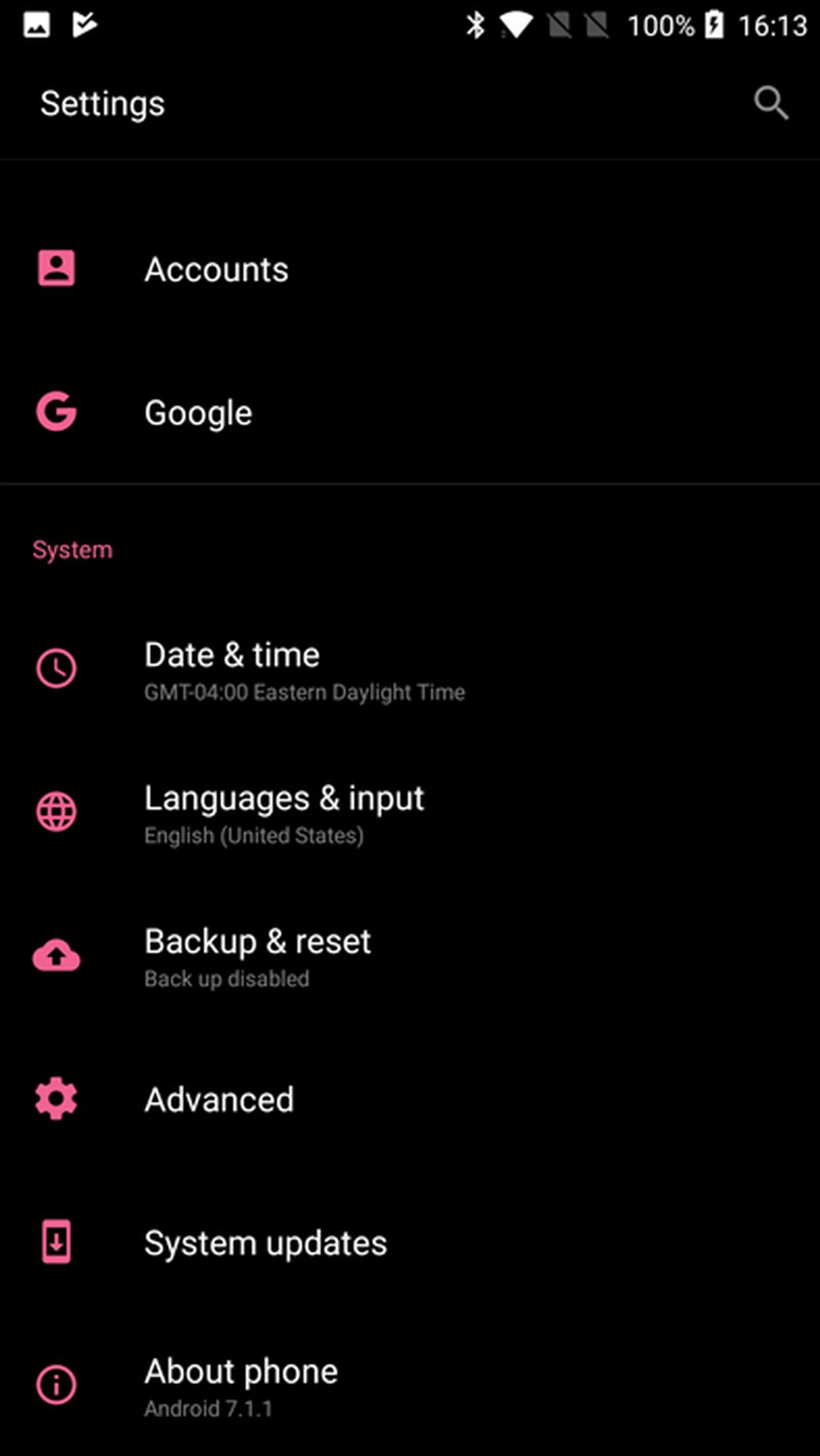
That’s not to say OxygenOS is perfect since it’s still easy to spot inconsistencies. Their time and date placement is one such example, and their Dark theme has blindingly white Notifications. (Side note: if you like having a longer battery life, the Dark theme found under Display settings can help, since OLED panels like the OnePlus 5’s AMOLED display switches off pixels that are supposed to display pure black).
Reading Mode
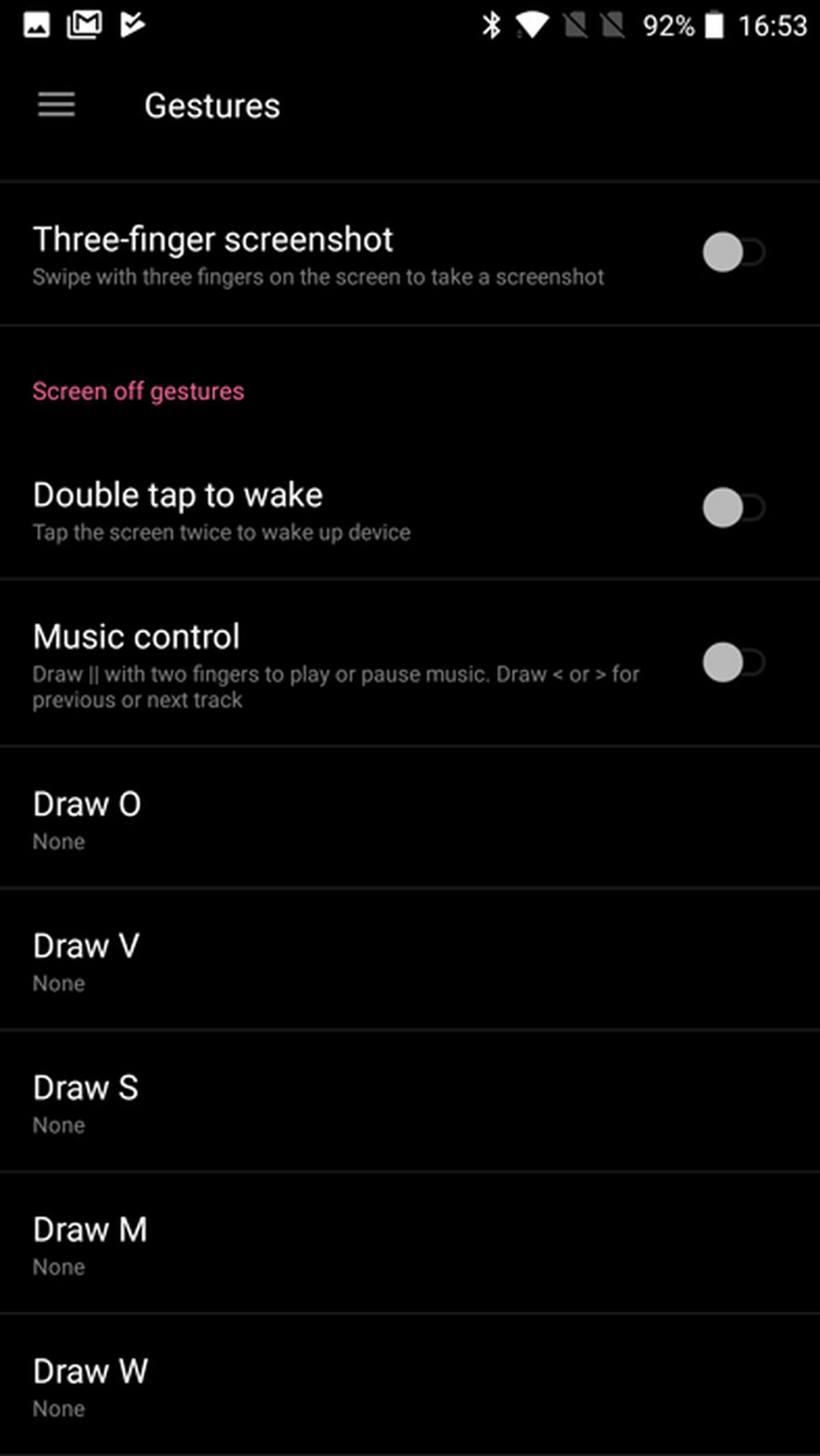
OxygenOS 4.5 has a built-in Reading Mode. It dials down the blue light glare on your display while converting all text and image to greyscale, giving it a sepia tone effect. You can set it such that Reading Mode will always trigger in an app of your choosing, or by toggling the option within the same Settings page (it’s under Display).
Stock Android OS doesn’t have this feature available by default, and brands like Samsung have their own implementation on their OS. It loses out to iOS in ease of use, since iOS allows you to toggle it on/off within the Safari web-browsing app. However, OnePlus’s whitelist approach makes it ideal for exclusive Reading Mode settings in selective apps of your choosing (like e-book apps or e-mail apps, etc.).
Take note: Reading Mode is not the same as Night Mode (also under Display), which only turns down the blue light glare from your screen. Night Mode on the OnePlus 5 lets you configure a custom time range, or to have it trigger automatically at sunrise and sunset.
UFS 2.1, two-lane configuration
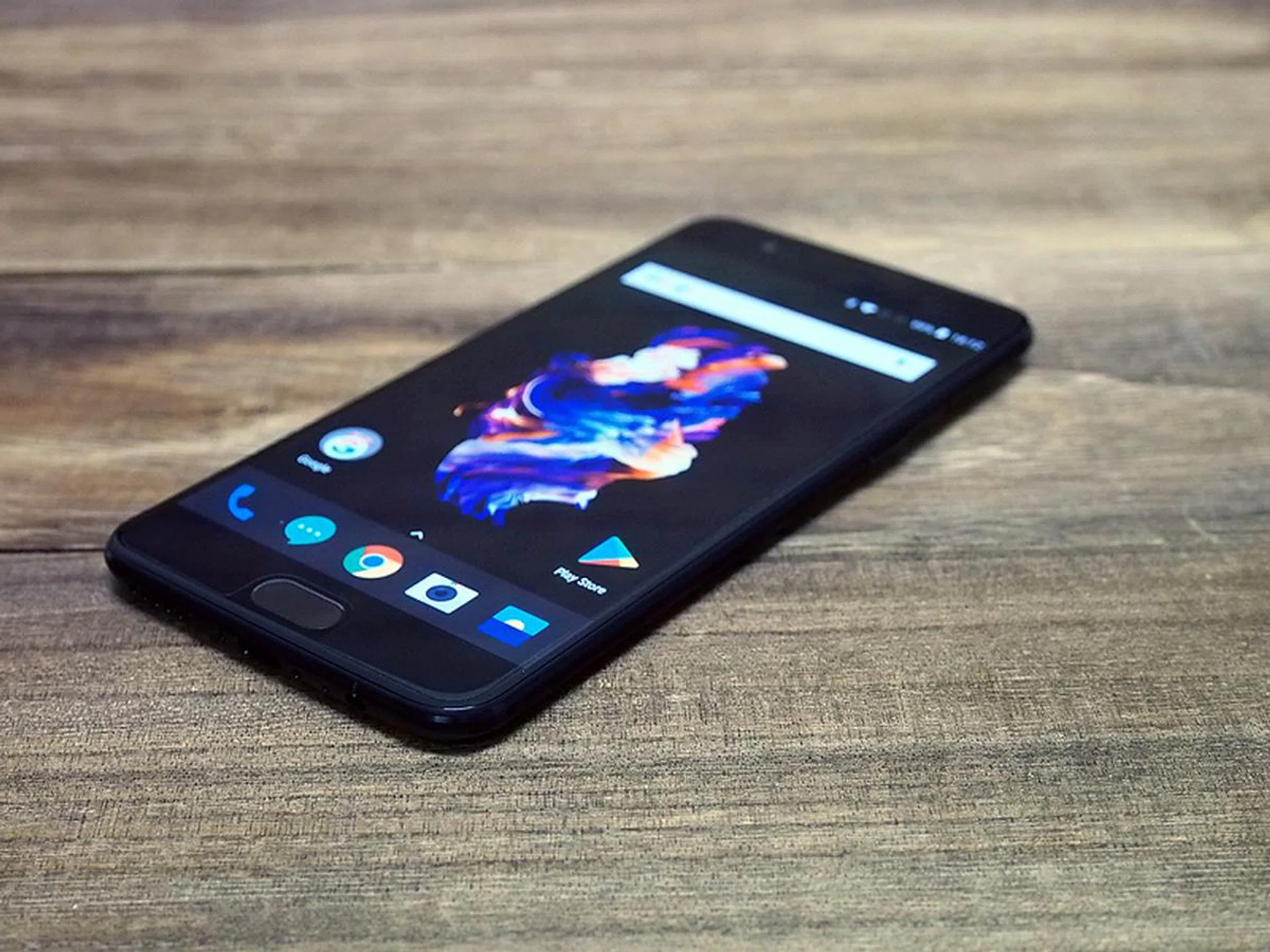
OnePlus 5 comes with UFS 2.1 internal storage – to the layperson, that’s the latest storage technology you can find on a smartphone in this day and age, with devices like Samsung Galaxy S8, HTC U11, and some Huawei P10 phones using the same storage tech too.
The 2-lane configuration refers to the lanes used when reading from or writing to OnePlus 5’s internal memory. Instead of the old single lane setup for reading and writing data, there are now two paths for reading and writing. OnePlus said that this offers 26% faster performance when compared to its predecessor.
Storage speed directly affects app launch times and responsiveness, and with a brand new OnePlus 5, this is most evident when you’re installing apps and starting them. It certainly does feel faster than what we are accustomed to, but it’s not immediately noticeable if you aren’t looking out for it.
Dual nano-SIM, no MicroSD card support
OnePlus 5 can take up to two nano-SIM cards in its card tray (dual standby configuration), but no support for expandable storage (like before), which is a quite a shame. While they aren’t the first to exclude microSD card support, having it could be critical in convincing Android users from other makes to their device. It’s seemingly small features like these that your average phone user would be concerned about – not the chipset’s horsepower, or the cutting-edge storage technology, or the broad handset customization offered by Android and OxygenOS. They are all welcomed of course, but storage is a basic necessity from how much media you can store to how many apps you can install on your device.
Performance Benchmarks
OnePlus 5 uses a Qualcomm Snapdragon 835 processor with a maximum clock speed of 2.45GHz. Our unit came with 8GB RAM and 128GB internal storage (there’s also a 6GB RAM, 64GB storage variant that costs S$100 less). The Snapdragon 835 processor is Qualcomm's first 10nm processor, and it’s also found on the Sony Xperia XZ Premium and HTC U11.
Naturally, we’d be including the phone’s closest rivals, along with some of the earlier 2017 flagships like the Huawei P10 Plus and LG G6. Since there’s a healthy number of 2017 phones to benchmark against, we won’t detail the OnePlus 3T in our table. However, you can still cross-examine the figures here.
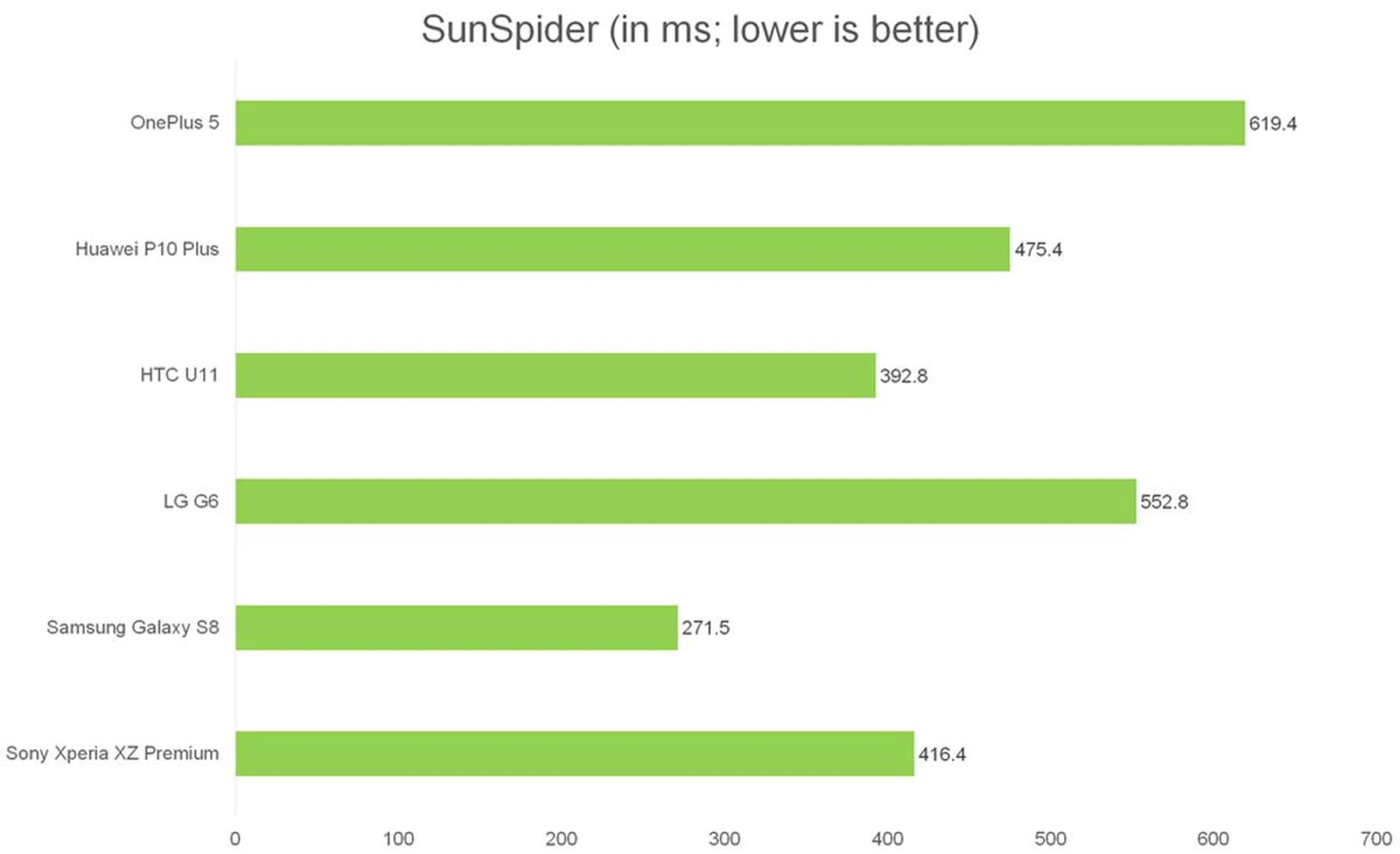
Sunspider Javascript
SunSpider JavaScript measures the browsing performance of a device when processing JavaScript. It not only takes into consideration the underlying hardware performance but also assesses how optimized a particular platform is at delivering a high-speed web browsing experience. Oddly the OnePlus 5 didn't manage well in this benchmark, though we didn't observe any concerns in actual usage.
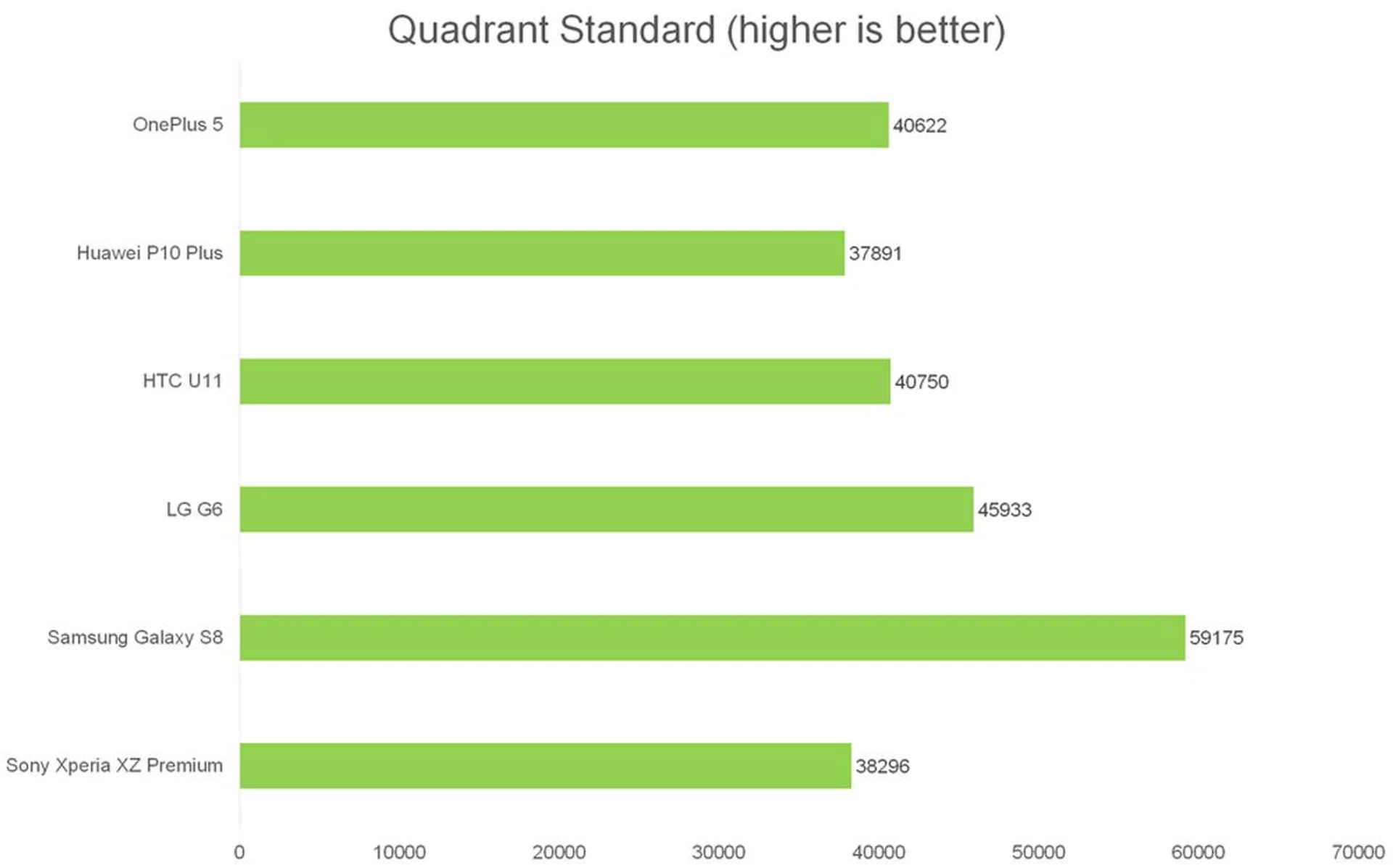
Quadrant
Quadrant is an Android benchmark that evaluates a device's CPU, memory, I/O and 3D graphics performances. The OnePlus 5’s numbers seem consistent with the other Snapdragon 835-based handsets we have tried. We suspect one aspect of the Quadrant benchmark is incompatible with the Snapdragon 835 and resulting in performance reporting that's lower than the LG G6 (which uses a much older Snapdragon 821 processor).
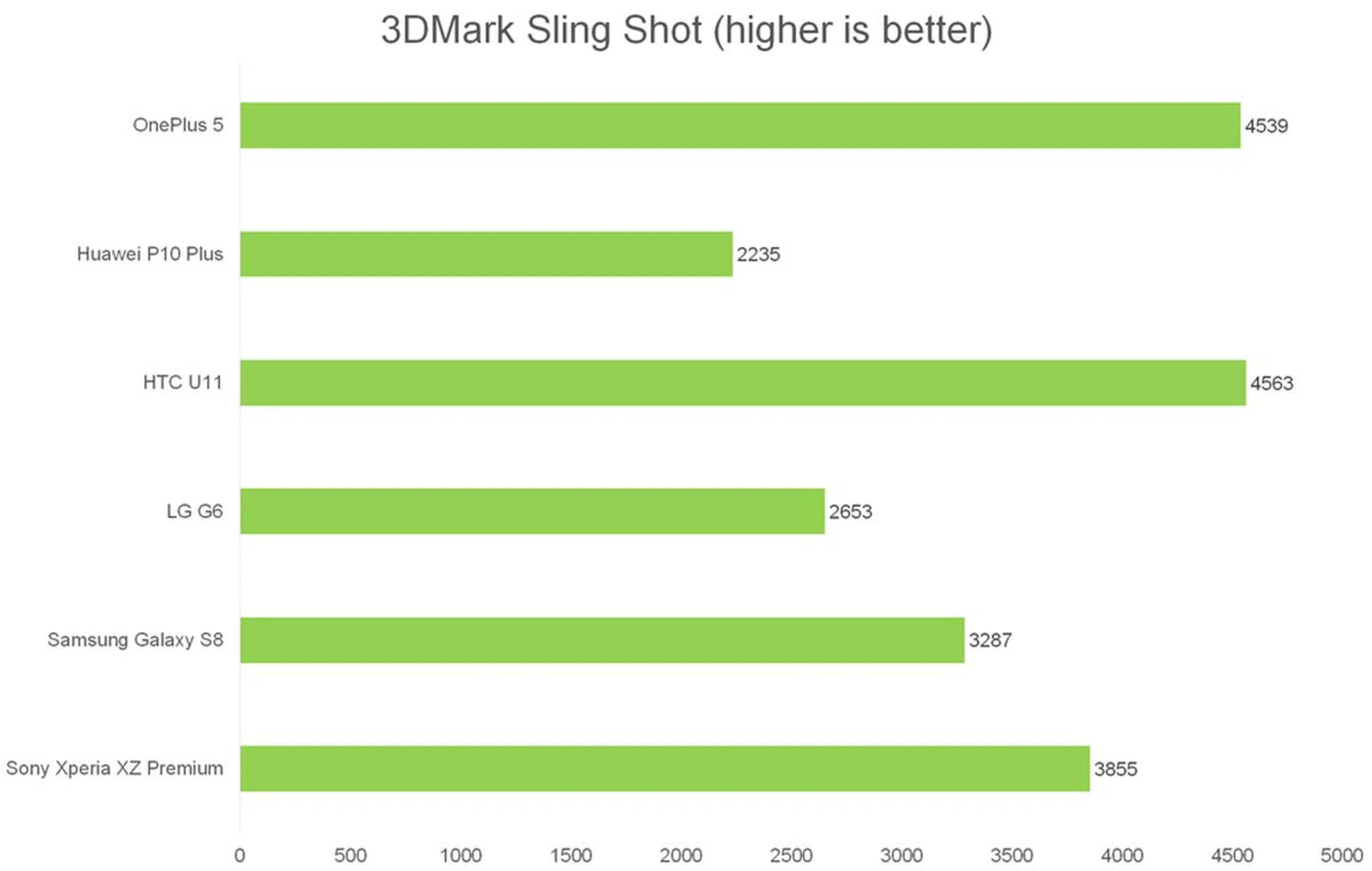
3DMark Sling Shot
3DMark Sling Shot is an advanced 3D graphics benchmark that tests the full range of OpenGL ES 3.1 and ES 3.0 API features including multiple render targets, instanced rendering, uniform buffers and transform feedback. The test also includes dramatic volumetric lighting and post-processing effects. We're running this benchmark in Unlimited mode, which ignores screen resolutions.
Phones with Snapdragon 835 SoC are coming in high in this benchmark, and the OnePlus 5 is no exception. It is on par with its rival, HTC U11, and it exceeds the Sony Xperia XZ Premium on paper, too.
Imaging Performance

The OnePlus 5 is the first OnePlus phone to have a dual rear cameras setup.
- The primary rear camera has a Sony IMX398 sensor with a wide angle, f/1.7 lens, offering up to 16-megapixels resolution with a pixel size of 1.12µm. It uses a contrast-detection autofocus and has electronic image stabilization.
- The secondary rear camera is a SonyI IMX350 sensor with a telephoto, f/2.6 lens, 20-megapixels resolution and a pixel size of 1.0µm. It uses phase-detection autofocus and has no image stabilization support.
Both rear cameras are capable of shooting in RGB (as opposed to some implementations like the Huawei P10 that has one black-and-white sensor). OnePlus 5's dual rear cameras gimmick revolves around an alternative zoom feature and an In-Depth mode, as shown below.
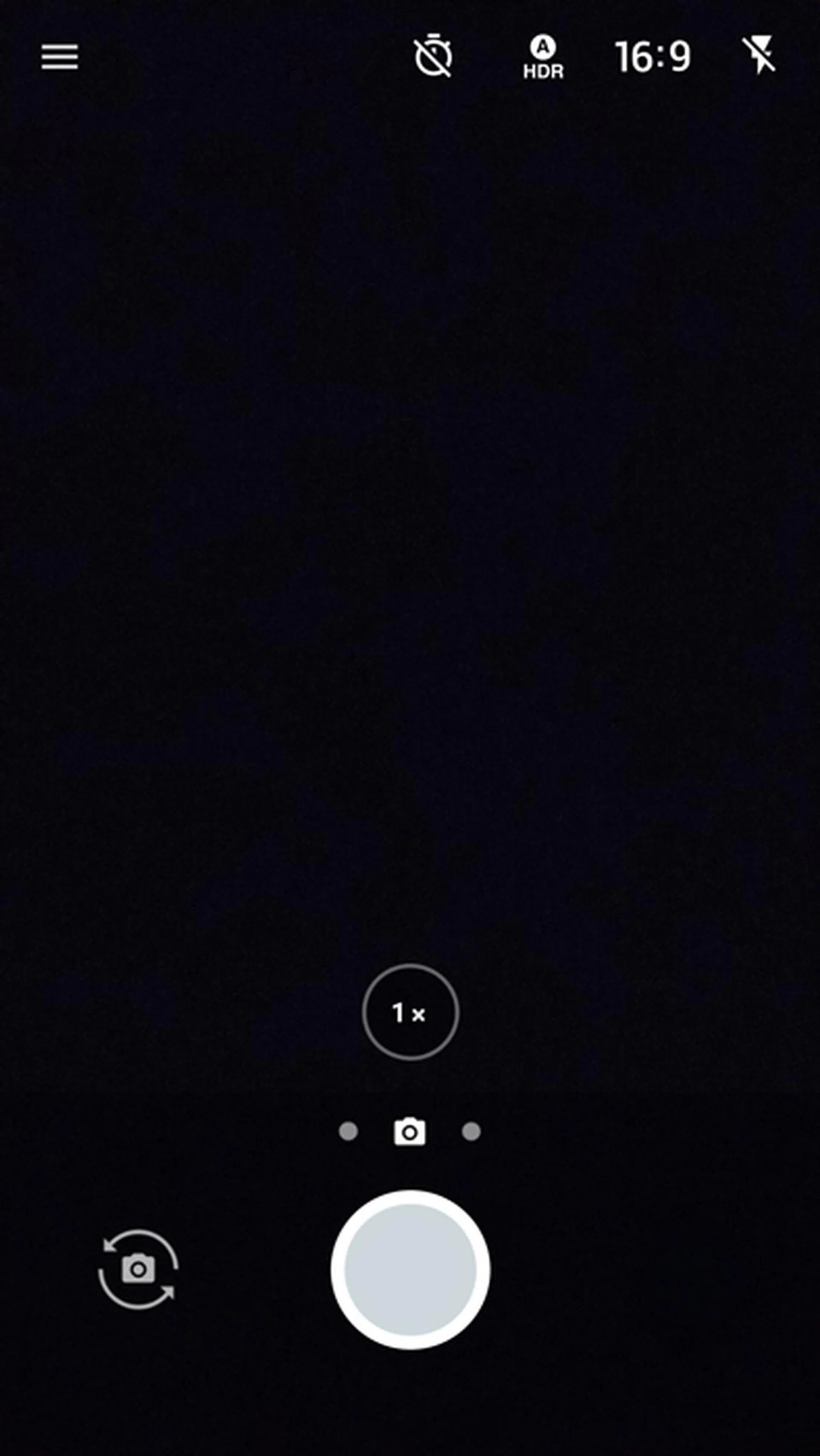
The switch between its primary and secondary rear camera happens when you tap that circular ‘1x’ option in the camera app. It then switches to ‘2x’, and the software within the phone will decide whether to continue using the main camera, or the secondary one. It’s worth noting that the secondary shooter carries a telephoto lens, but the resulting 2x zoom is a combination of optical and digital zoom – you can read more about it here.
If you swipe from right to left, you’ll enter In-Depth mode – which primarily provides digitized bokeh that helps to add a little flair to portrait photos. From our trials, the bokeh effect from In-Depth mode isn’t as refined as Huawei’s bokeh control before photo-taking, but it does the job if you give the phone sufficient distance to get the OnePlus 5 to work its magic. According to Qualcomm, the Snapdragon 835’s DSP and ISP cooperate to get a focal separation between both rear cameras before applying digitized bokeh.

Primary rear camera, Auto. Click for full-resolution image.

100% crop.
From our primary camera’s test image, we can see that the phone is capable of sharp images, vibrant hues, and accurate colors with a warmer tinge - when you don't view the picture in 1:1 ratio. The minute you see the image up-close, you can tell that needs more work with detail preservation – the focused area (center of the picture) tried to preserve as much detail as it could, but aggressive noise control resulted in artifacts and some visible noise. Contrast handling is a little diminished too – if you see the wine bottle’s label, it’s fine, but the deck of poker cards could not preserve prints since the background provided strong contrast. The secondary camera fared much worse with even greater artifacts and poor details. Image quality is unusual for a high-quality sensor beneath both lenses, and OnePlus will need to work hard to get their imaging software right. In comparison, the HTC U11's single camera did a fantastic job in imaging performance when compared with the OnePlus 5.

Secondary rear camera. Click for full-resolution image.
Battery
Our standard battery test for mobile phones has the following parameters:
- Looping a 720p video with screen brightness and volume at 100%
- Wi-Fi and Bluetooth connectivity turned on
- Constant data streaming through email and Twitter
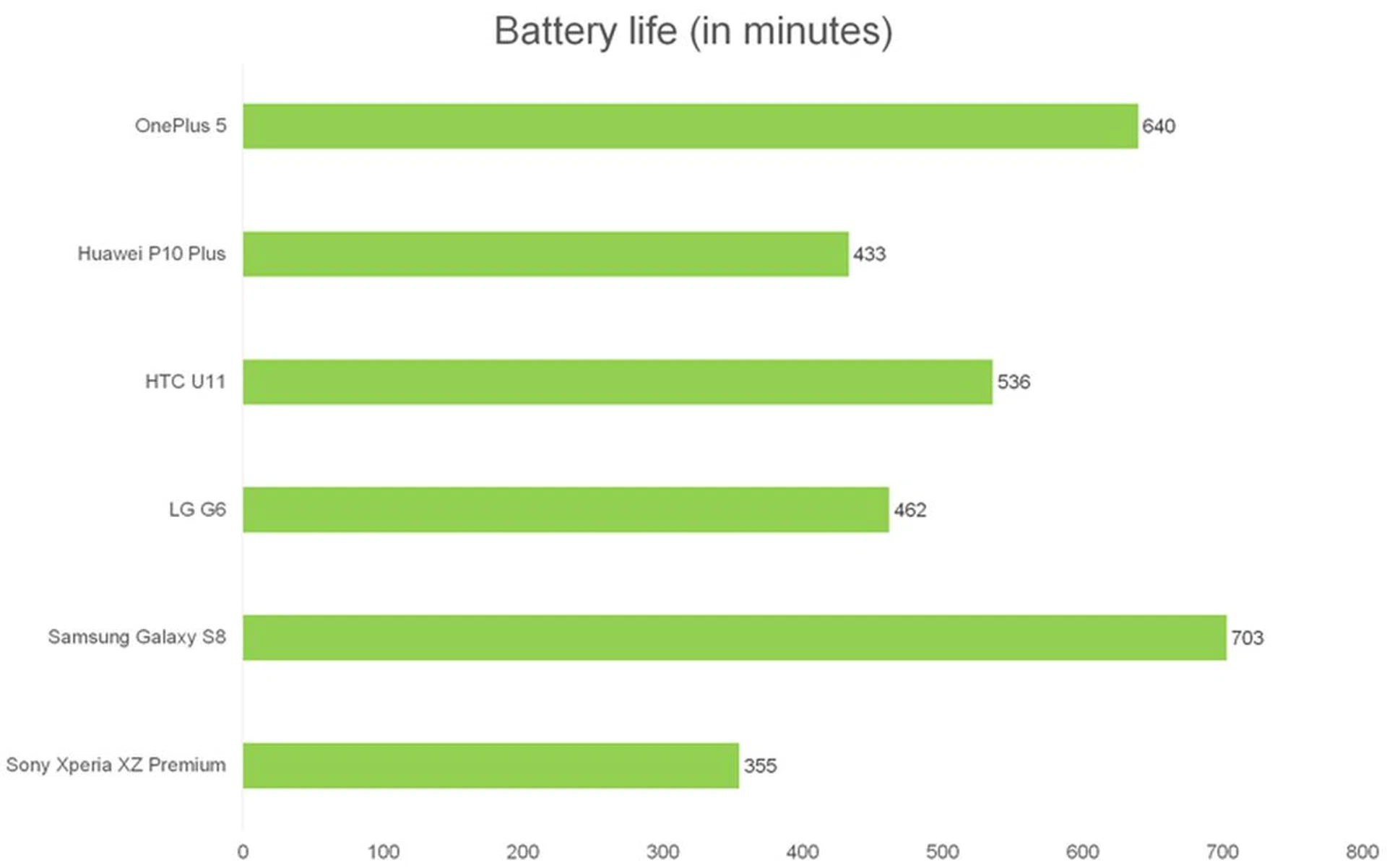
Within the OnePlus 5 comes a 3,300mAh battery capacity with support for quick-charging via its very own Dash Charge technology (5V, 4A). Among all the flagship phones in our benchmark, the OnePlus 5 has the second longest battery life, outclassing all except the Samsung Galaxy S8. This is excellent news since the OnePlus 5 uses a top-end processor. We believe that the battery longevity can be credited to the display – it’s AMOLED, and it’s only Full HD resolution, which is the only device in our comparison with such a configuration and would naturally help its battery benchmarking cause.
If you’re coming from the OnePlus 3T, the reduced 100mAh battery capacity does result in a huge uptime difference, so it’s a choice between a more powerful processor or longer battery life. The OnePlus 5 doesn't seem to be as efficiently optimized as the OnePlus 3T since the disproportionate increase in battery consumption results in far lower battery life; a 3% battery capacity change certainly does not lead to a 30% difference in uptime.
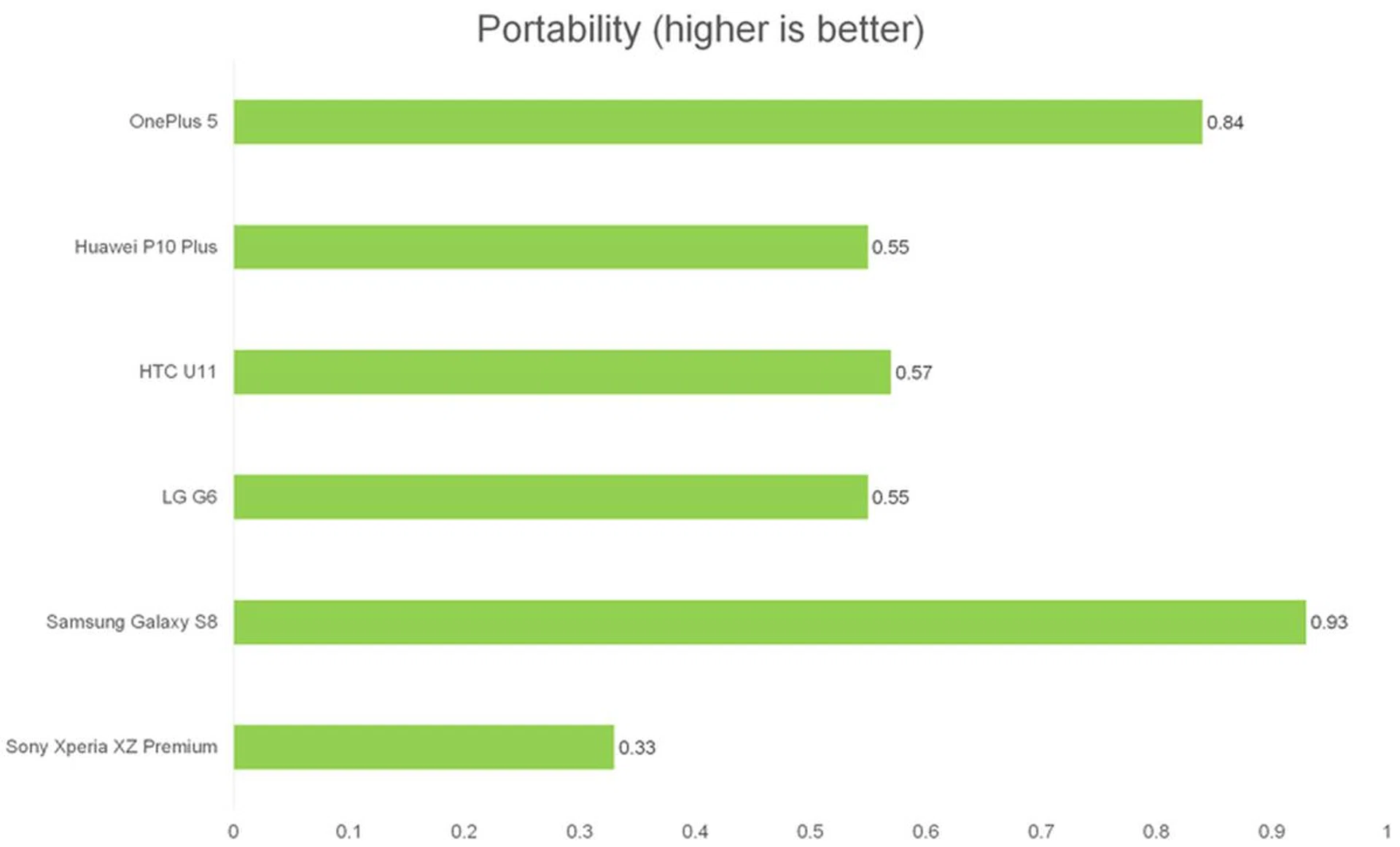
On the other hand, the OnePlus 5 offers a portability ratio (battery life vs. weight x volume) that's second only to the Galaxy S8. It does have its own merits as a flagship competitor, but only if you look at the current year's offerings.
Conclusion
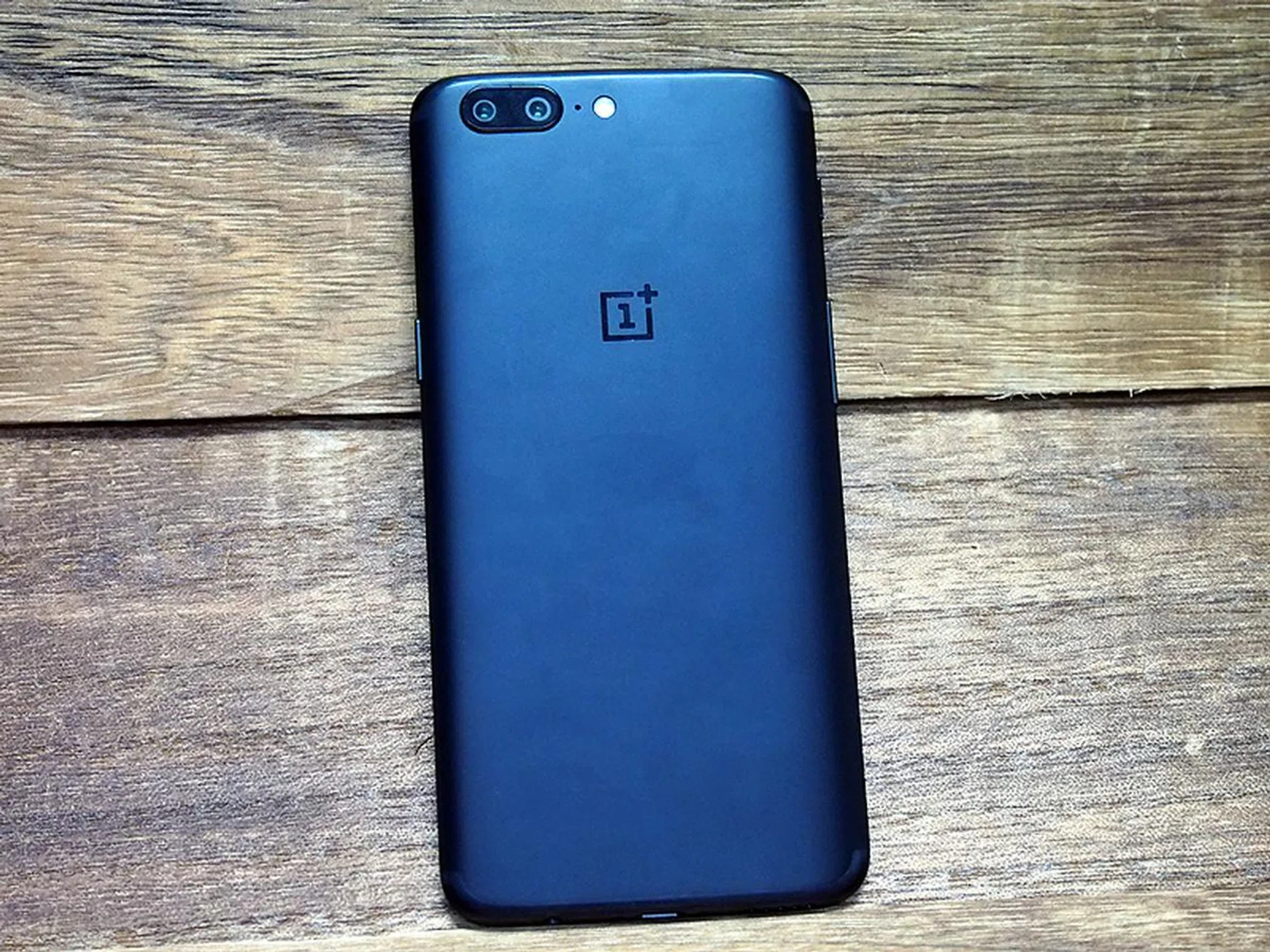
OnePlus 5 almost got everything right – the device comes across as a decent flagship offering in spite of its flaws. It’s sufficient on the hardware front, thanks to its current-gen flagship processor. Other noteworthy features include its flagship-worthy UI, a great looking display (albeit only Full HD res), a battery life that’s second only to the Galaxy S8, up-to-date Bluetooth 5 support, generous RAM (in both storage variants), and swift embedded storage technology. The extra touches help the OnePlus 5 compete with the titans of this tier, but it somewhat misses the mark on other fronts that hurt its overall standing. Mainly, its average imaging performance, lack of microSD card slot, a non-water resistant build, and a downgrade from USB Gen 3.1 to USB 2.0 transfer speed support (when compared to OnePlus 3T) are missing pieces of its puzzle. Even so, at S$869** for the OnePlus 5 (128GB, 8GB RAM variant), it would seem like it's a decent trade off since you are still getting what you pay for – lower-than-flagship price (when compared to the likes of Apple, LG, Samsung and Sony) for fewer perks.
The big concern for OnePlus 5 is the competition it faces in its unique position. By placing itself just shy of a thousand bucks, the S$869** (128GB, 8GB RAM) variant attracts rivals that offer much more for a slightly higher price tag; case in point, the HTC U11. For ~S$130** more, we’re looking at an upgrade in screen resolution, expandable storage, an IP68 water-resistant build, significantly better imaging prowess through a single lens, better audio features, squeeze gesture novelty functions and faster transfer rates on its USB port. Not to mention, it has a unique color offering. While the OnePlus 5 can be a viable alternative to devices far above the S$1,000 baseline by offering fewer things and costing less, it pales in value against its closest rival that looks to offer everything you need for the complete package for just a little more. In some ways, you might even say the OnePlus 5 is the poor man’s version of the HTC U11 if ~S$130** matters more to you than what you could gain.
At the same time, the lower priced OnePlus 5 edition (64GB, 6GB RAM) at S$768** provides far higher value next to a Huawei P10 (the only other notable flagship device at this price rung). You get an up-to-date processor with better performance, much longer battery life and a 3.5mm audio jack – things that the P10 and P10 Plus do not have. If you’re shopping for a phone below S$800, the 64GB OnePlus 5 offers great value, especially when you consider the processing platform you get along with everything else we've conveyed about the OnePlus 5.
As a whole, the OnePlus 5 seems like a hard sell in a competitive climate, but it’s still a viable alternative to the HTC U11 for the crowd that wants a decent flagship experience that’s priced well below the S$1,000 mark.
Officially, you can pick up the OnePlus 5 via Lazada Singapore from the following URLs (8GB RAM with 128GB ROM, 6GB RAM with 64GB ROM) and support and warranty matters have been covered in our earlier reporting.
**Update (7th September 2017): The OnePlus 5 devices will have a revised price point locally, effective immediately. The new retail prices are S$699 (64GB) and S$799 (128GB) respectively. Below is our revised conclusion after-the-fact.
The drop in price is a welcomed change, but it doesn't modify our assessment of the OnePlus 5 devices (it's also only S$70~ lower than before). The phones' merits and weaknesses stand on its features (or lack thereof). Now that it's S$200 less than the HTC U11, the price cut merely provides a better standing in its aforementioned unique positioning - making it easier to stomach the differences in features with regards to the price tag. The 64GB OnePlus 5 variant is now even more competitive when stacked against the Huawei P10.
According to Lazada Singapore, the price reduction is a permanent decision. To us, it's an exciting development, seeing that the device only officially started retailing through them about a month ago.
Our articles may contain affiliate links. If you buy through these links, we may earn a small commission.