
OnePlus 3 review: Refining a flagship killer
A Snapdragon 820 SoC, a 5.5-inch AMOLED display, a whopping 6GB of RAM - how does the OnePlus 3 fare in the sea of 'affordable high-end' Android smartphones? We find out in this review.

Overview
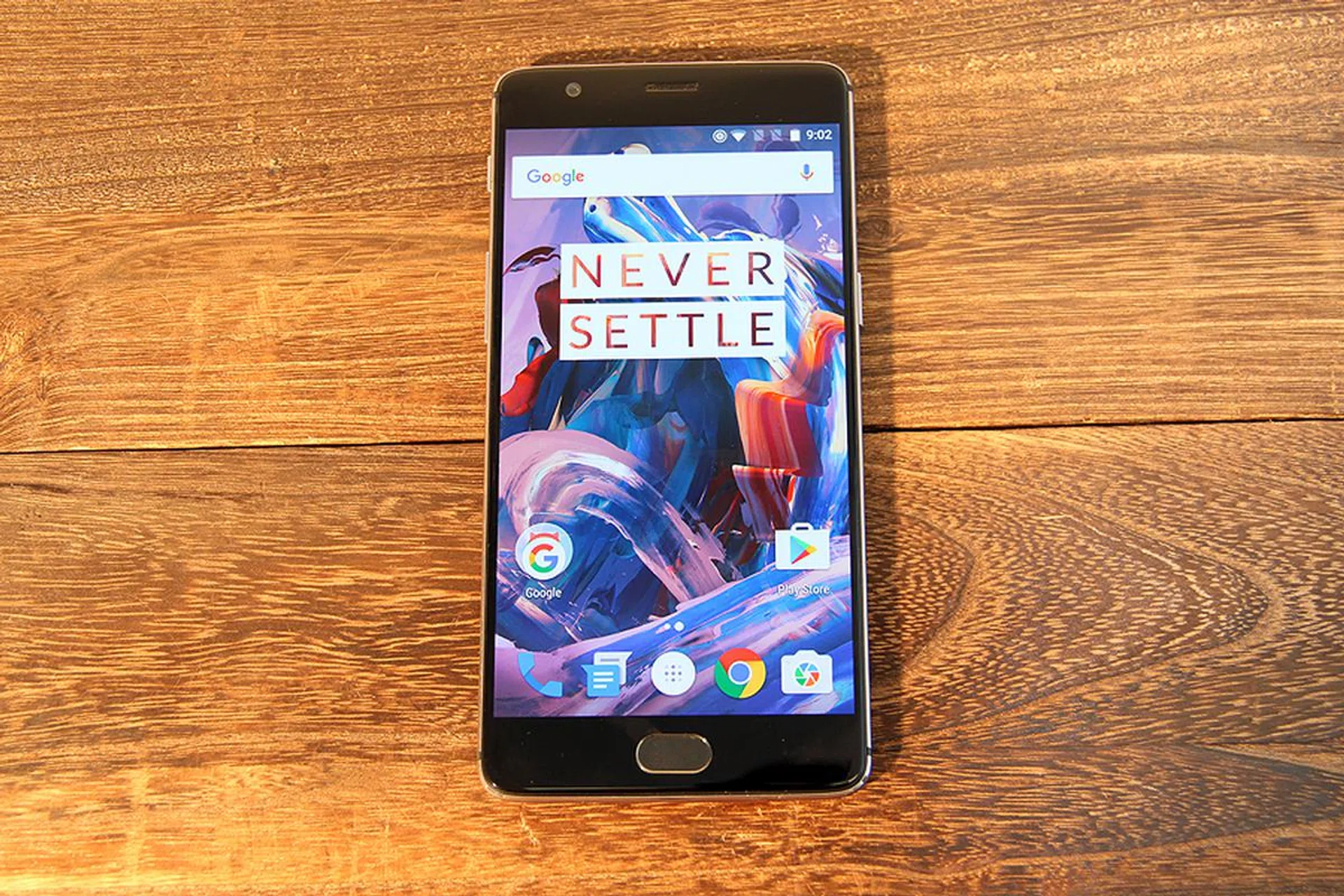
The OnePlus 3 did not call itself a flagship killer this time round, but it still packs an up-to-date Snapdragon 820 processor and a whopping 6GB of RAM. And at S$699, OnePlus' reputation for packing powerful parts in a relatively affordable handset remains intact, though it has to be said that the market for such phones is now more crowded than before, with the likes of Xiaomi, ZTE, and even Huawei all churning out high-end phones in the S$600 - S$800 bracket in recent months.
In a nutshell, the OnePlus 3 basically retains the best bits of its predecessors, but with well thought out refinements done on the inside and out. The end result is a truly uni-body metallic phone with killer components and subtle upgrades all over. But how does the OnePlus 3 fare against its well-priced rivals with equally powerful hardware?
Design & Handling
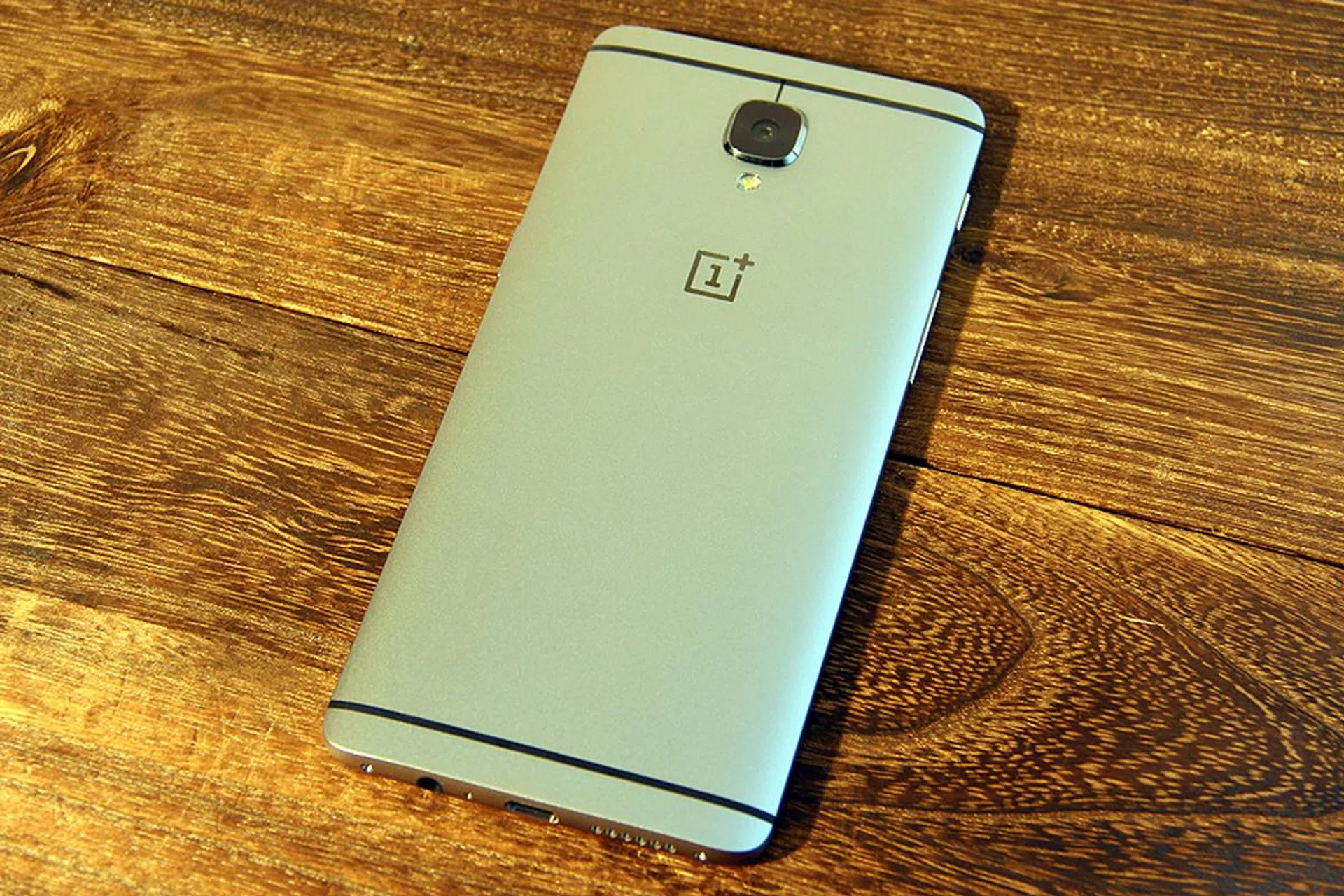
The OnePlus 3’s aesthetics reminds us of the earlier HTC flagship phones (which were award-winning). It features an attractive uni-body build made from space-grade aluminum alloy, accentuated by its stylized antenna lines on the back. The phone feels sturdy and pleasurable to the touch, and that helps to showcase the quality of its new body. The premium build quality also shows up in its gapless appearance and thin bezel, and the final touch comes in the form of its subtly rounded rims and a well-polished Gorilla Glass front. It’s not a novel look, but it’s certainly the best look OnePlus has pulled off so far.
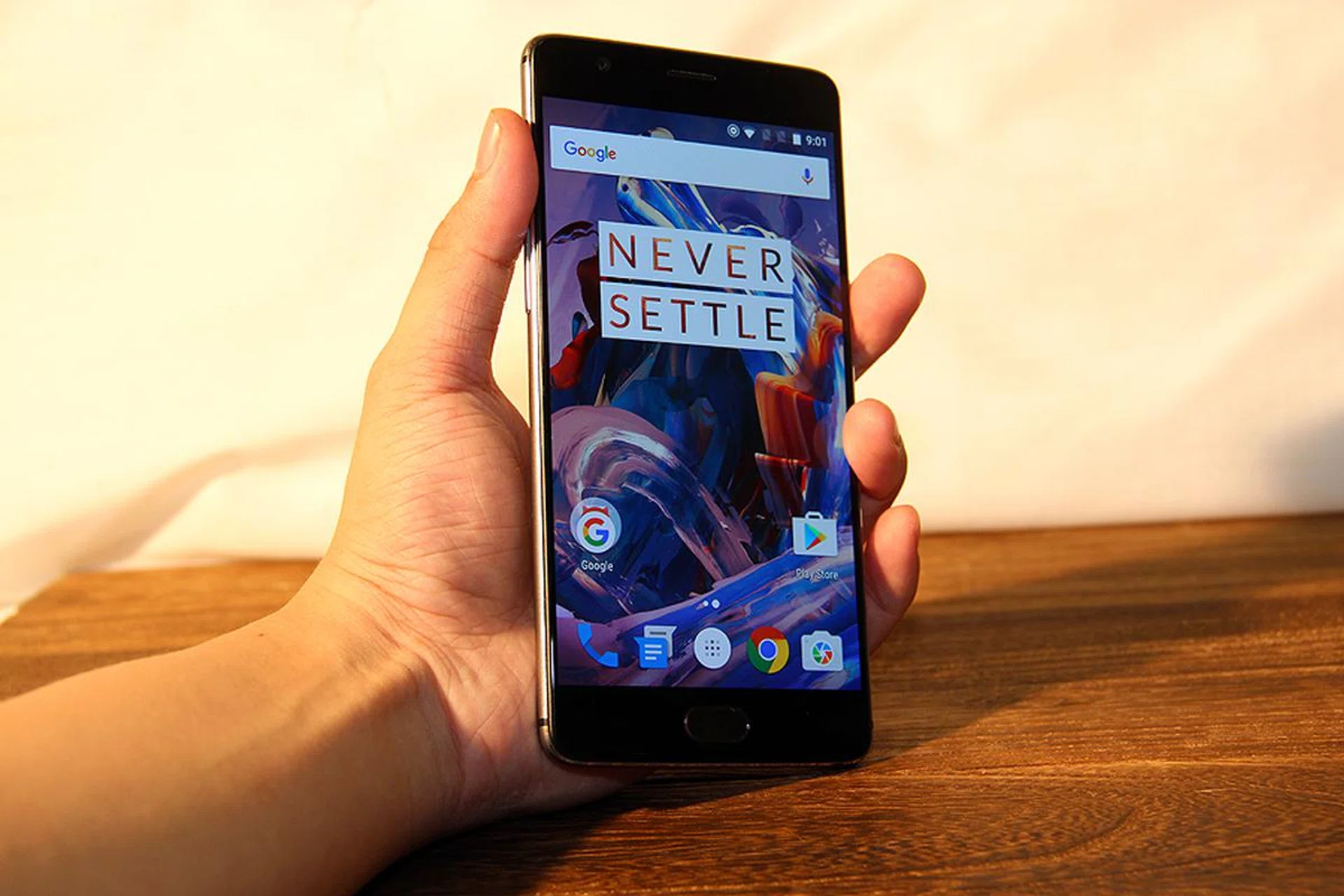
The 5.5-inch device has a comfortable grip. Its 7.35mm sides make the phone feel sleek, even though it looks hefty at first glance. Handling is a fuss-free experience as the phone feels secure in the palm despite its metallic body (we expected it to be slippery). All in all, it’s a phone that looks like a thousand bucks, even if it isn’t priced as such. Our only gripe is its rear camera bump. It doesn’t penalize the phone’s appeal, but it prevents the phone from lying flat on a surface when it’s facing up.
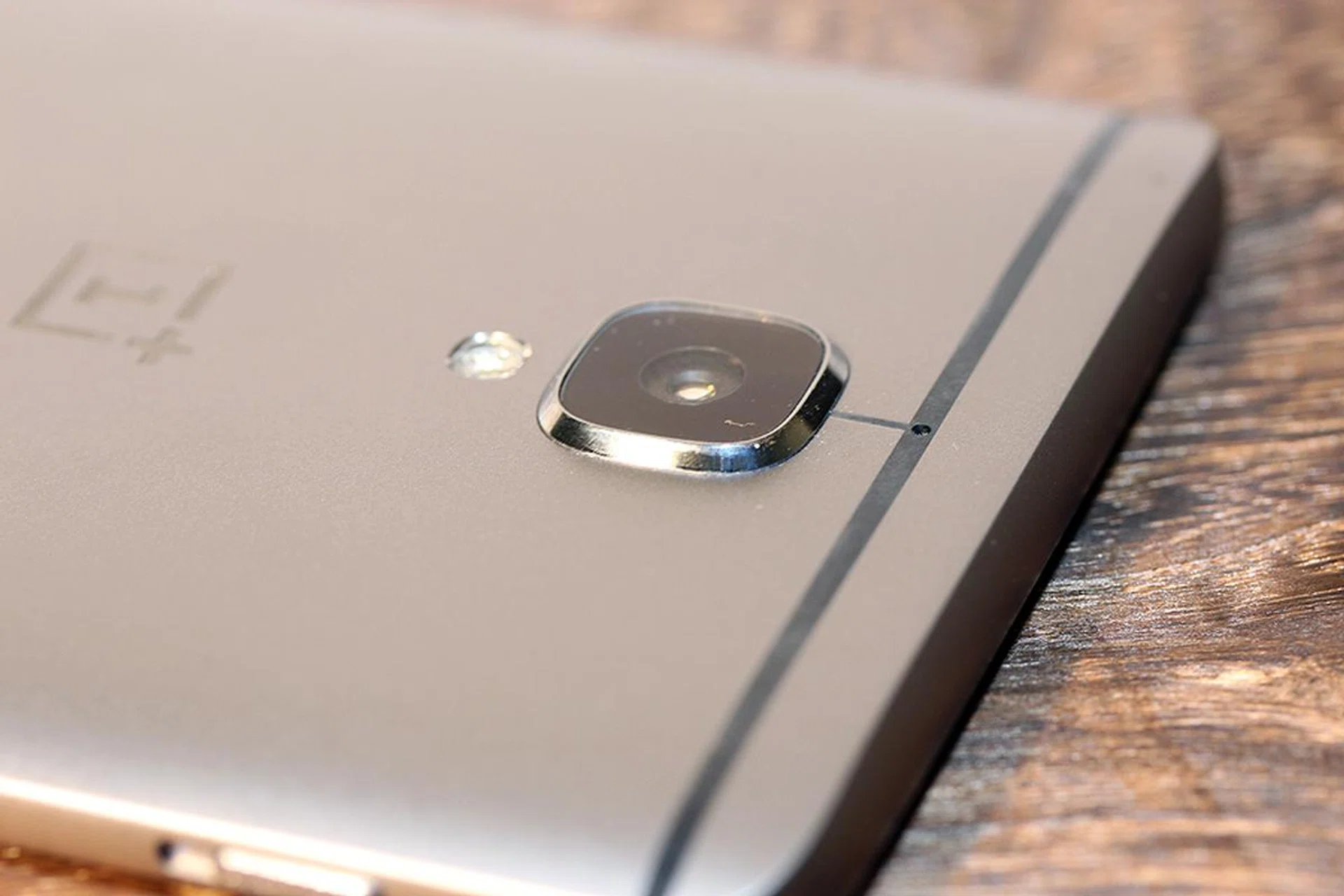
Looks like the bump on a Galaxy phone, no?
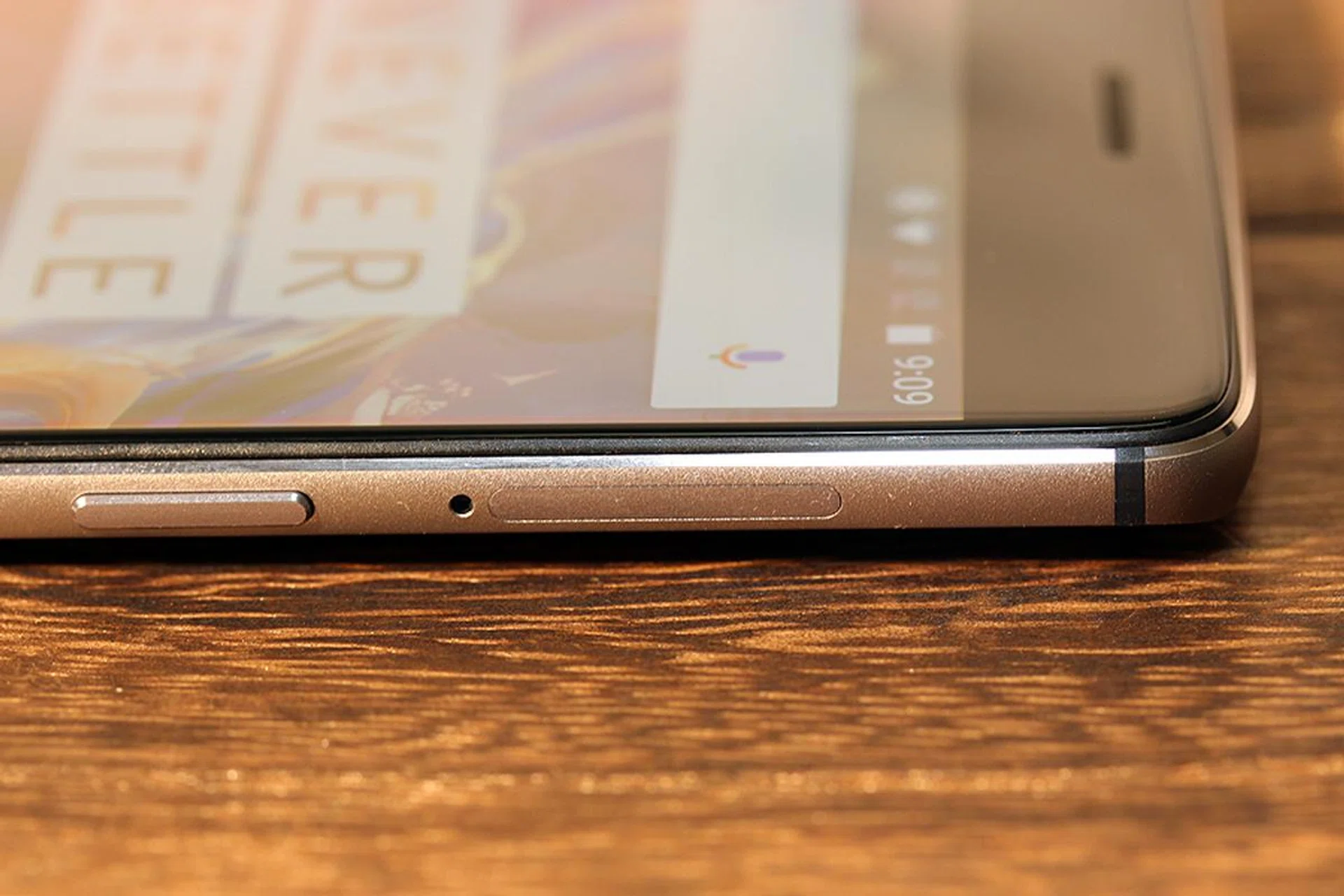
The build quality is actually quite iPhone like.
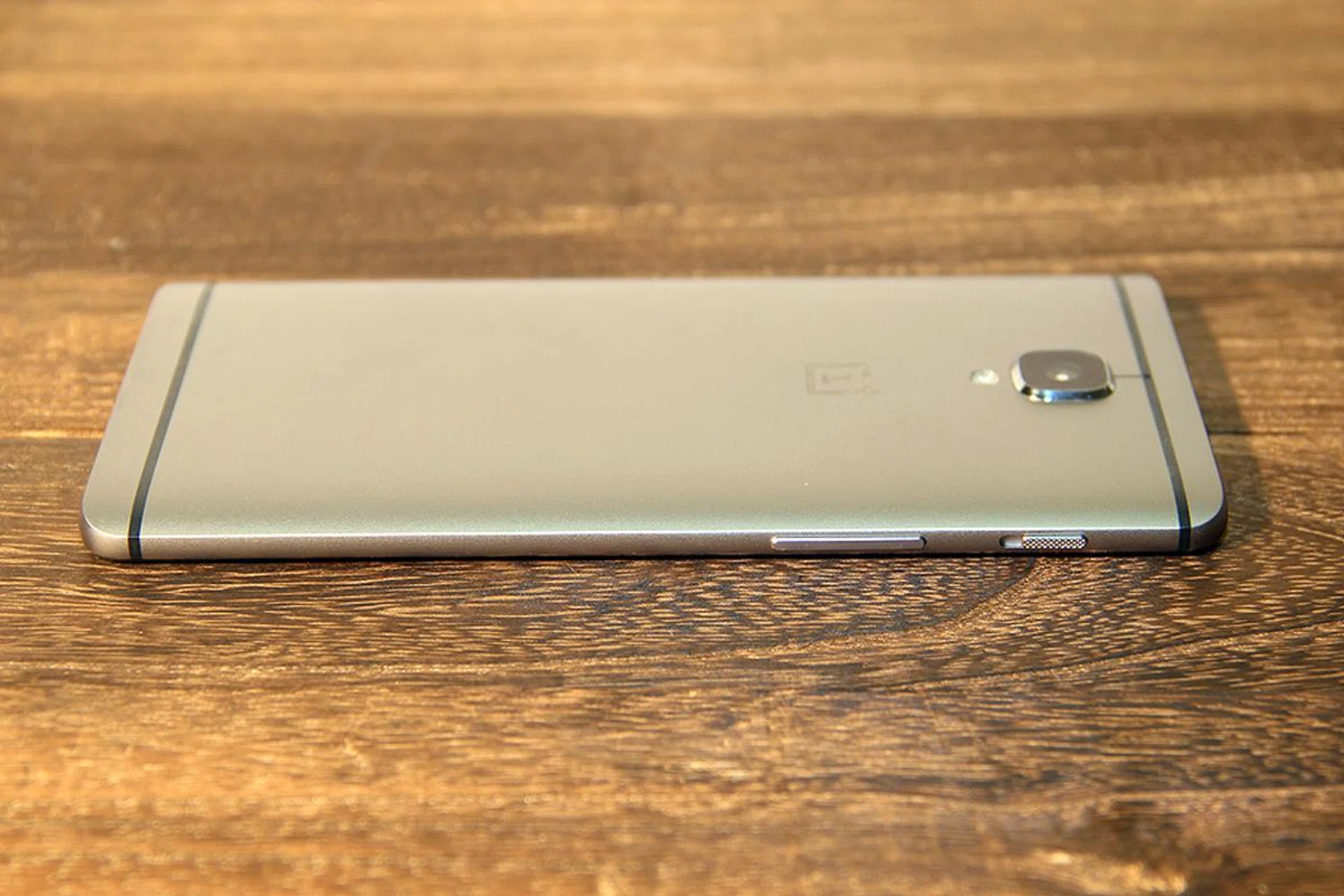
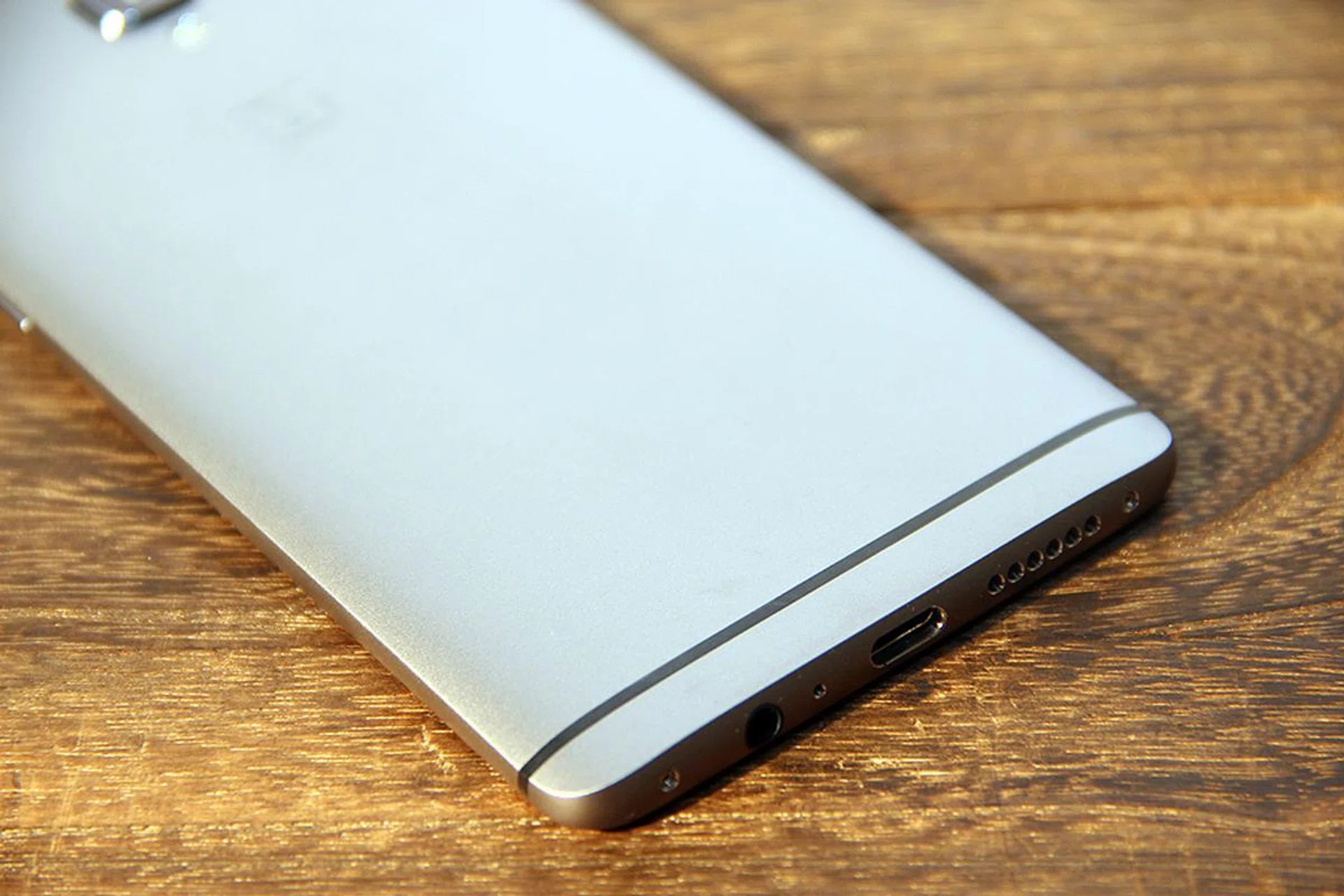
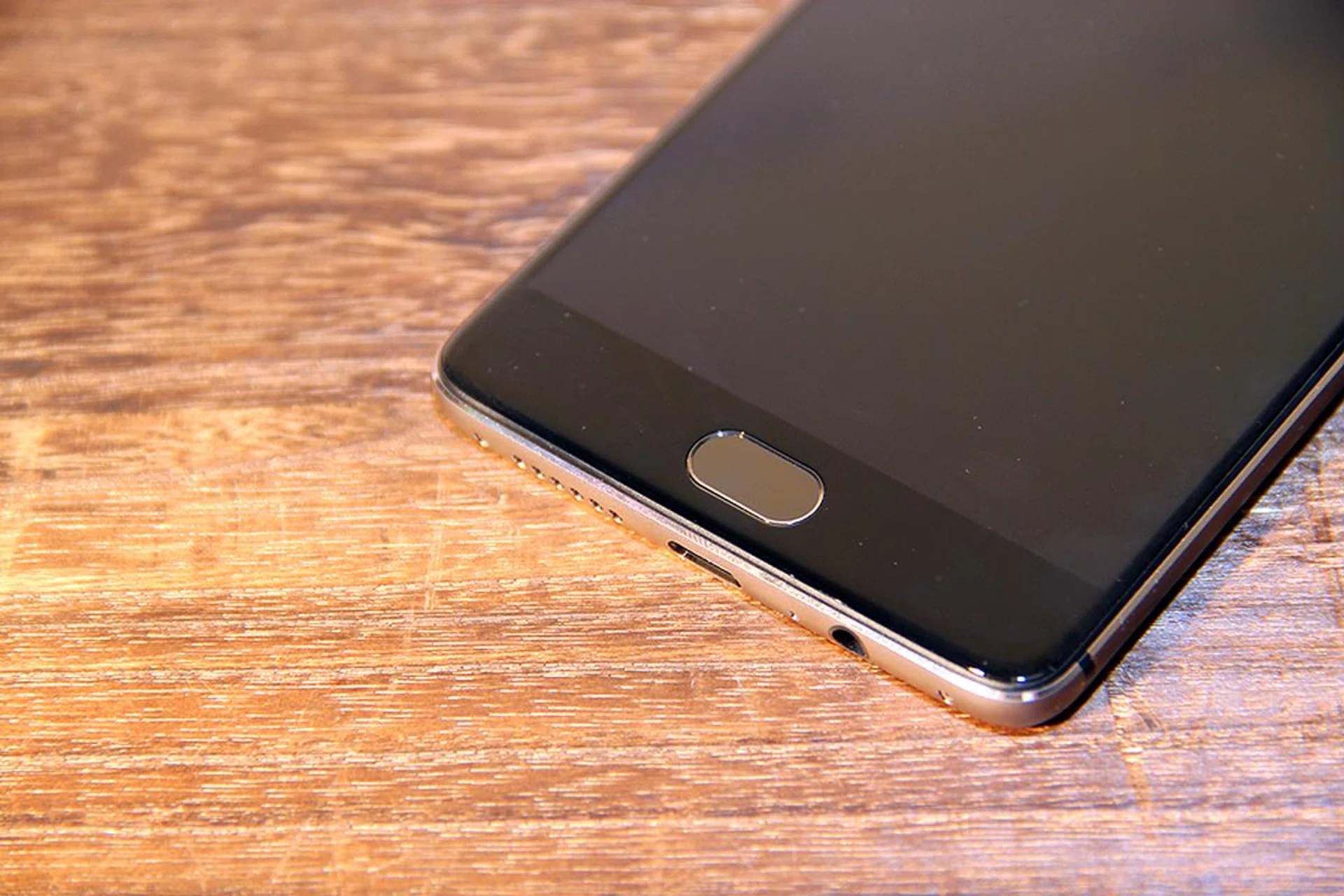
The OnePlus 3 is another phone that embraces USB-C. Don't worry, the headphone jack is still around.
Display & Audio
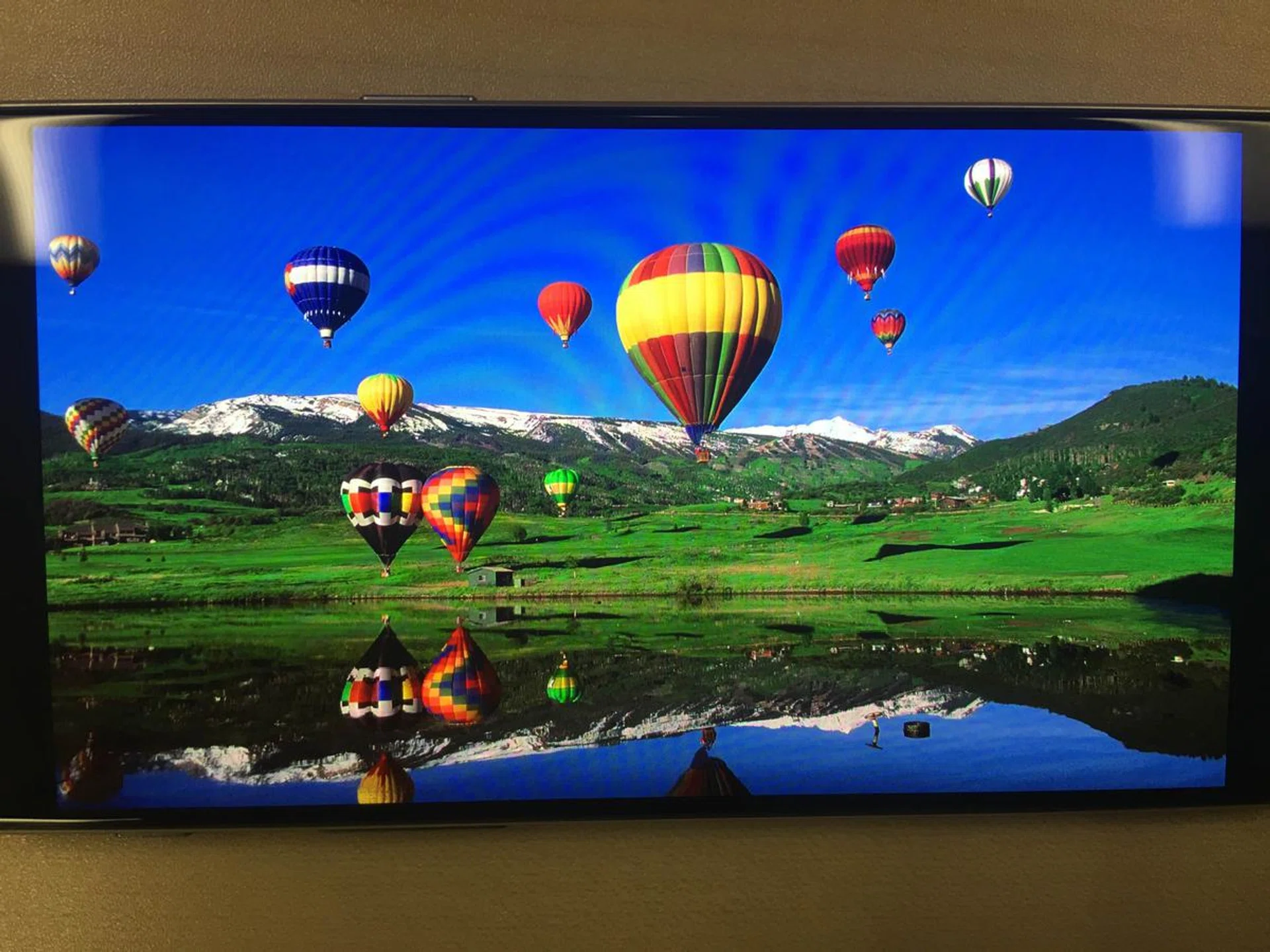
The phone uses a Full HD (1,920 x 1,080 pixels) Optic AMOLED display. Like a typical AMOLED display, the OnePlus 3’s colors are vibrant. We usually pay no mind to our test image’s green hot air balloon at the back. However, the OnePlus 3 made us appreciate how it was mindful of the tonal difference between the dominating grassland against a similarly-colored object in the background. The display itself is bright, sharp, and clear, making the phone a good choice for users who care about phone display quality.
One display quirk on the OnePlus 3 is its default color balance. The phone starts off with a very warm color temperature out of the box, and we adjusted the display by tweaking its color balance in the settings. Fortunately, that was easy to ‘fix’ since the option presented itself as an adjustable slider. It’s nice to see how easy it is to tweak the OnePlus 3 for night use, but it would be a better choice to start the phone off without an overly warm temperature.
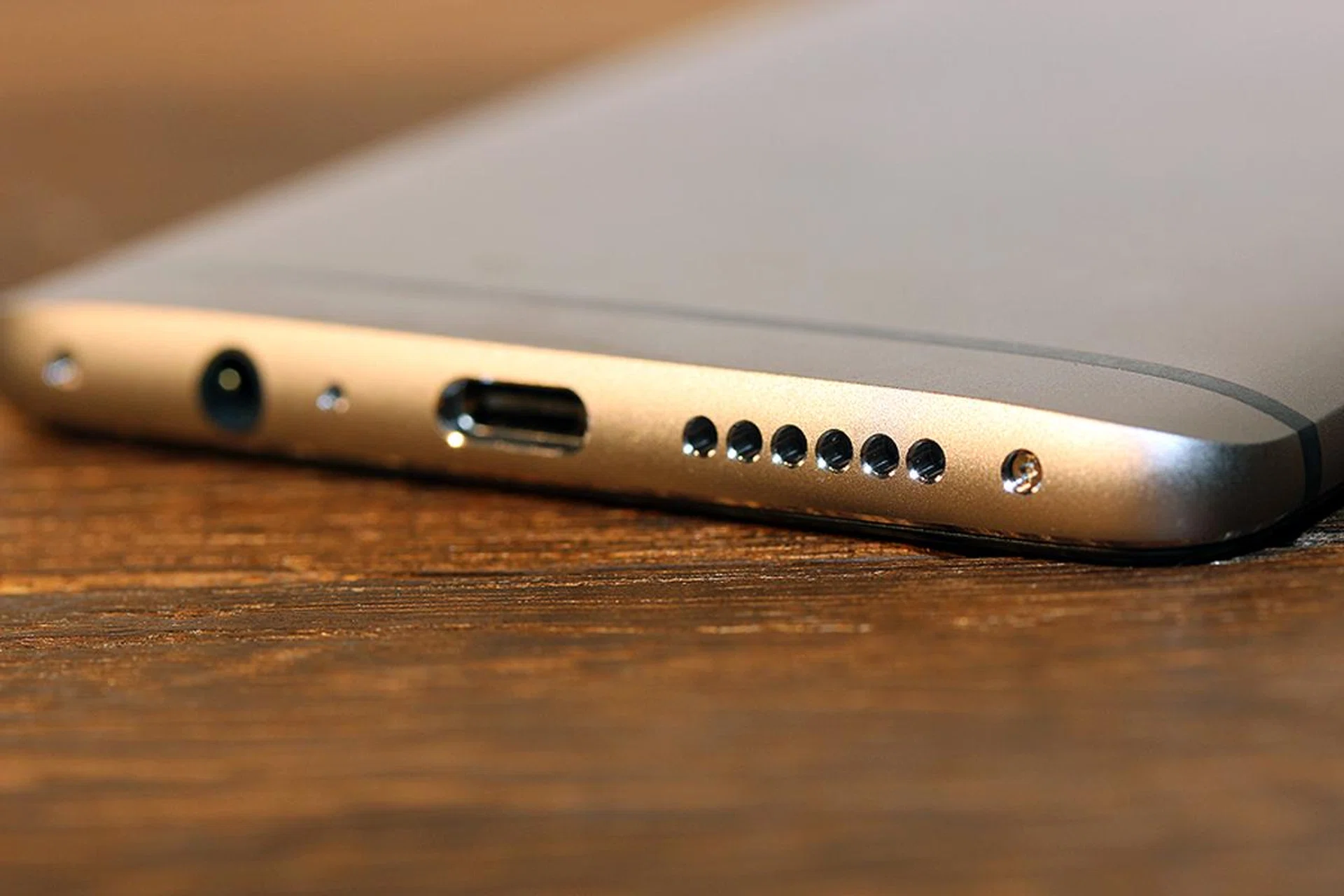
For its audio, the OnePlus 3 has its grilled speakers next to the USB Type-C slot along the bottom rim. The 3.5mm audio jack is also present. It’s sufficiently loud at maximum volume, and the speaker placement doesn’t hinder the projection or our listening experience. The audio quality is otherwise functional.
UI & Features

The OnePlus 3’s approach focuses on improving what it was. It has retained OxygenOS, which isn’t a bad alternative to stock Android OS. The fingerprint sensor gets a speed upgrade, with OnePlus claiming that it can unlock the phone in 0.2 seconds. Of course, we aren’t superhuman enough to detect the differences, but the OnePlus 3 certainly has a fast and accurate fingerprint sensor.
Most of its upgrades are hardware-oriented (processor, display, and design), so we’ll look at some of the features that emphasizes the phone’s strengths and flaws.
Alert Slider
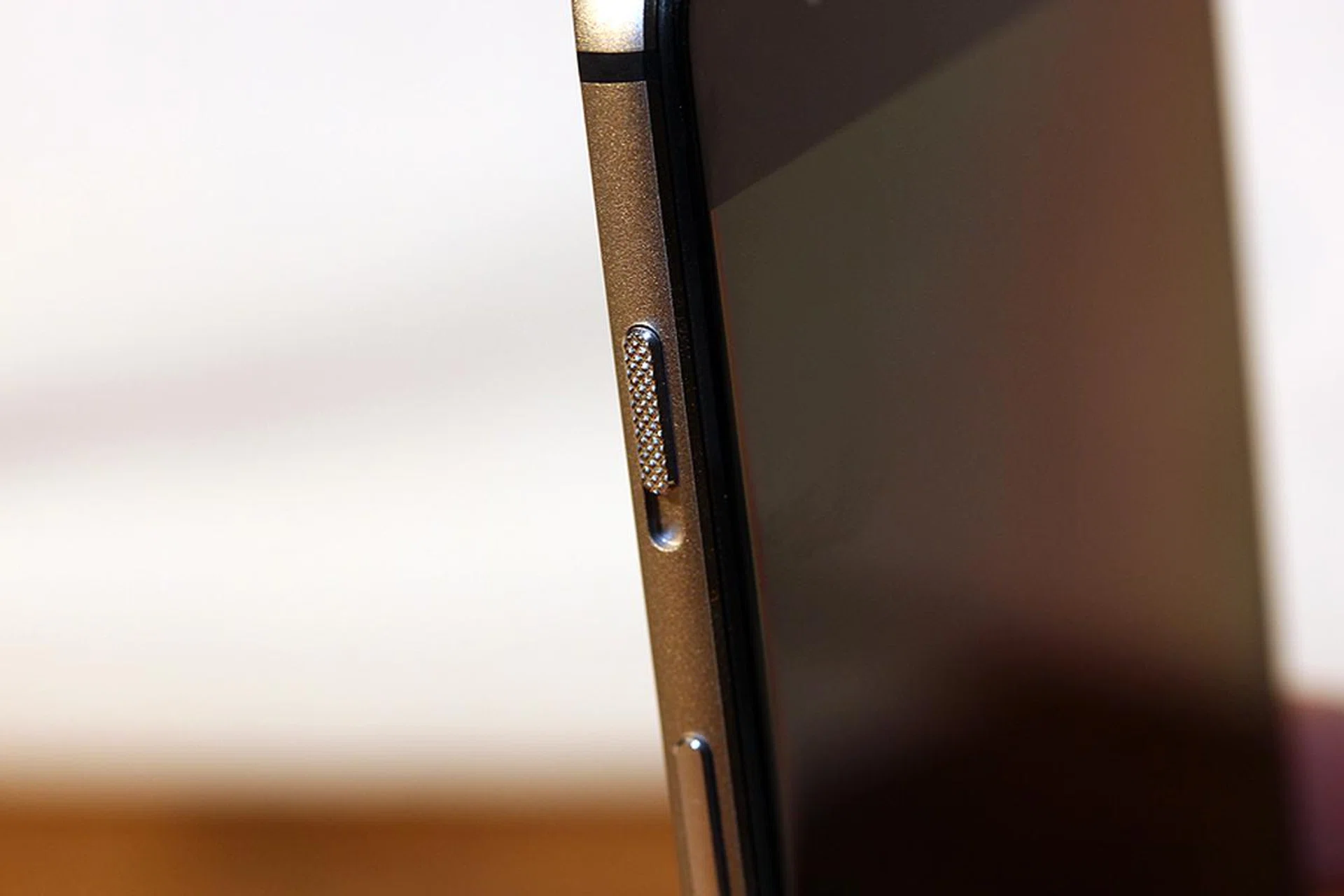
The OnePlus 3 retains the well-loved Alert Slider, and we’re still impressed by how well it works. The tactile bumps make it easy to move the slider to your preferred setting (All Notifications, Priority, or Silent). It feels as durable as the iPhone’s slider, and it’s just as intuitive and convenient. Keep it up, folks.
Dual-SIM, but no microSD slot
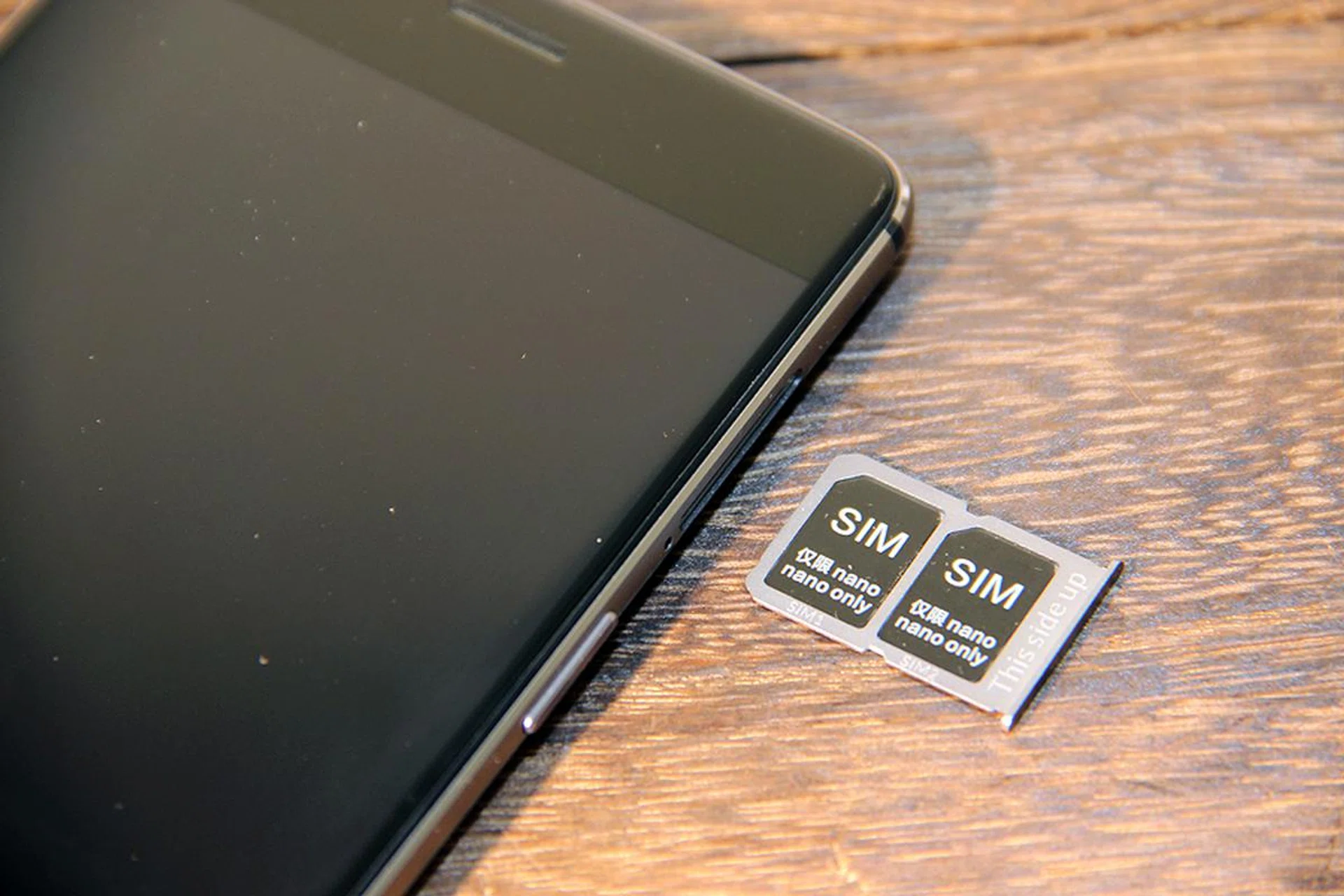
It’s worth noting that the OnePlus 3 doesn’t have a microSD slot for storage expansion. We feel that the exclusion of the microSD slot is something OnePlus overlooked - especially when OnePlus says this is a phone conceived and built by tech enthusiasts. To be fair, it’s worth noting that the Xiaomi Mi 5 also lacks a microSD card slot. Fortunately, 64GB internal storage isn’t too restrictive, unless you install plenty of games and store thousands of photos and songs.
NFC
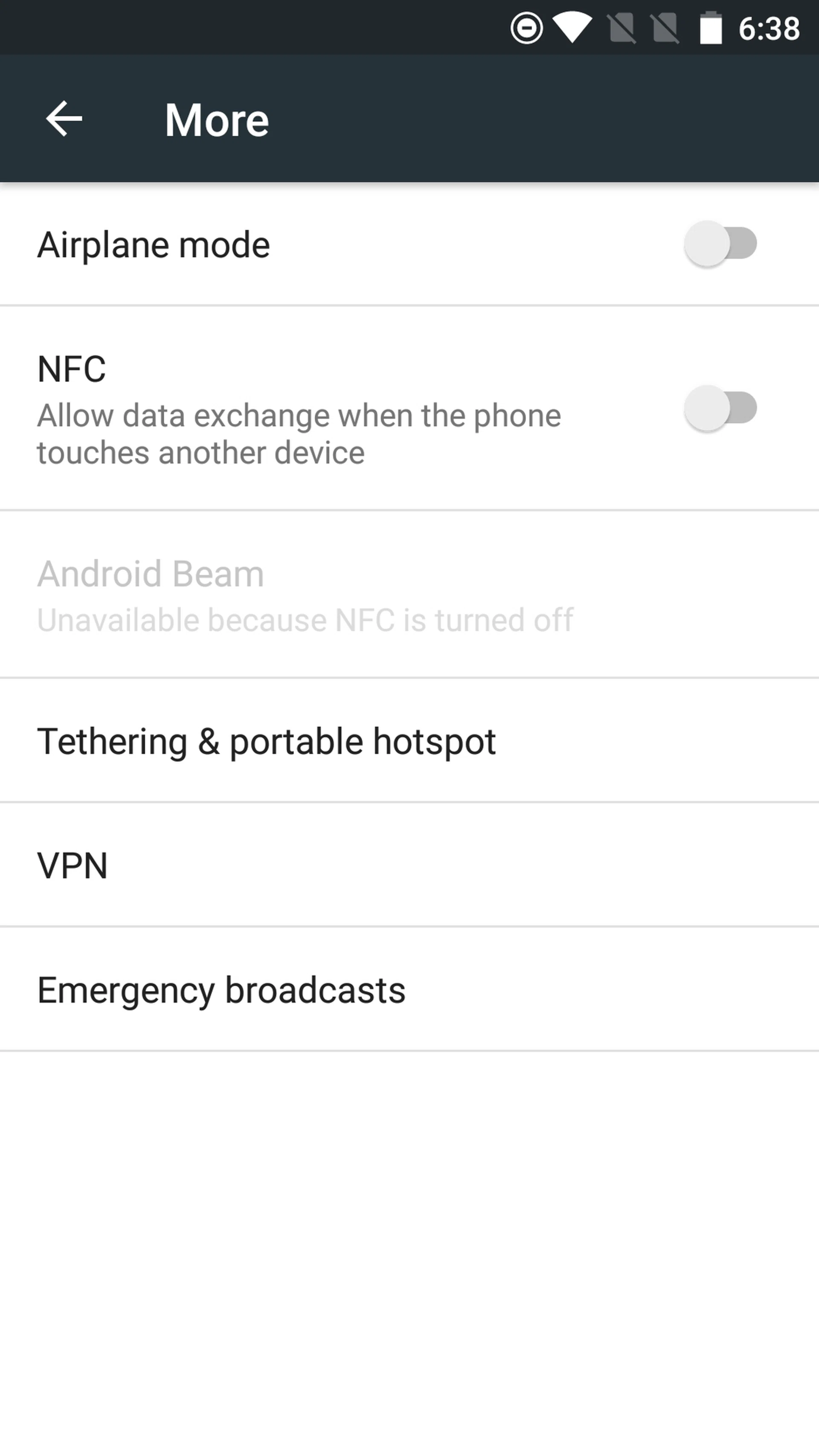
The OnePlus 2 does not have NFC, but the OnePlus 3 rectified that. It’s a feature we’d usually take for granted on flagship devices (along with the fingerprint sensor), so we're glad to see it here.
No more invite-only purchase
While it’s not exactly a feature, the most notable change to the OnePlus series is the death of the silly invite-only purchase system that plagued the OnePlus and OnePlus 2. You can buy the OnePlus 3 like a normal product - via an online store or at a retail outlet. While it’s not revolutionary, we would still like to commend such decisions, where brands do away with gimmicks that hinder user experience.
Benchmark Performance
The OnePlus 3 uses a quad-core Qualcomm Snapdragon 820 SoC, with two Kyro CPUs clocked at 2.2GHz, while the other two are at 1.6GHz. We’ve stacked the phone against other similarly-priced rivals that pack similar hardware. The OnePlus 3 stands out with its massive 6GB RAM, but the phone requires slight tweaking if you want to use all 6GB’s worth.
SunSpider
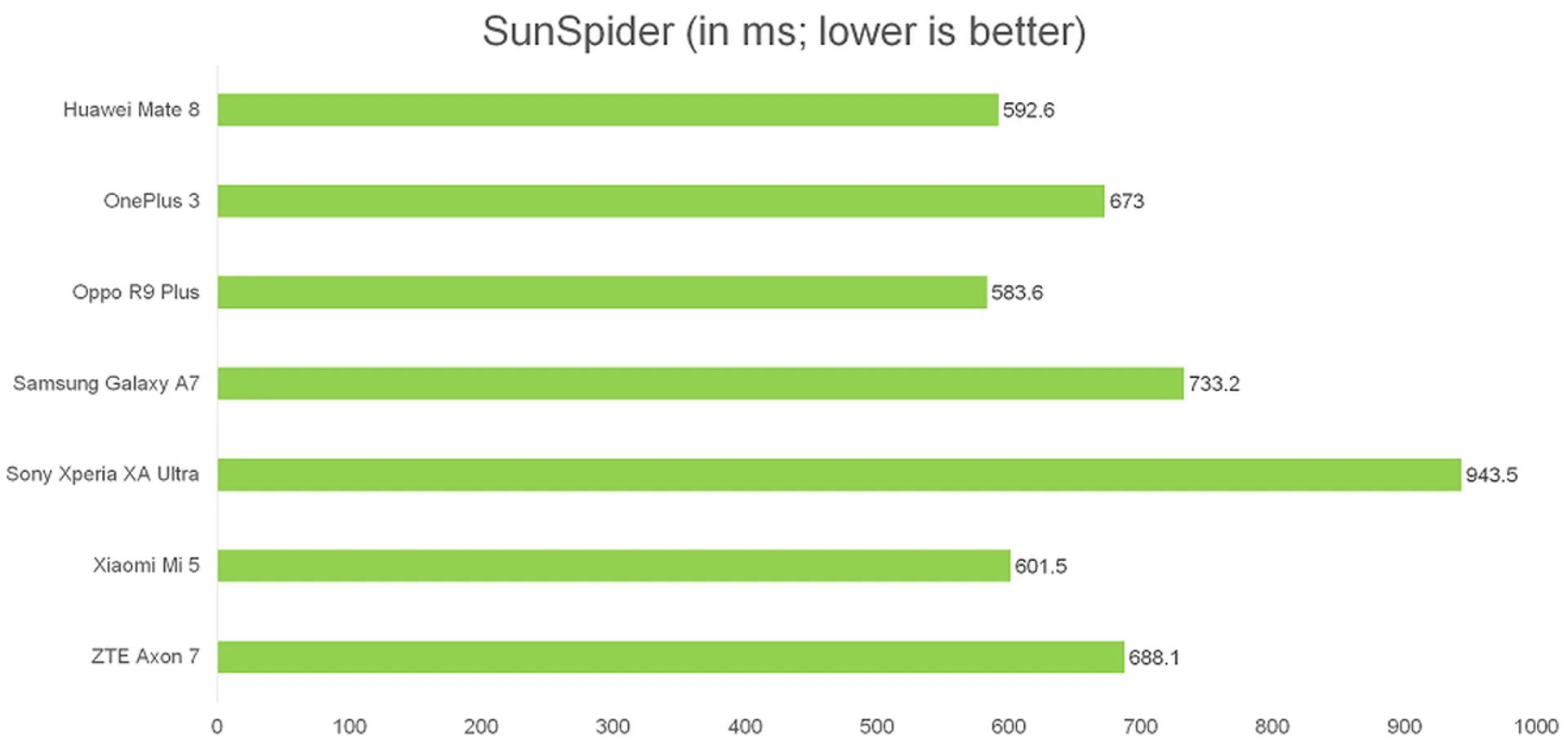
SunSpider JavaScript measures the browsing performance of a device when processing JavaScript. It not only takes into consideration the underlying hardware performance, but also assesses how optimized a particular platform is at delivering a high-speed web browsing experience. The OnePlus 3 scored decently against its peers, and we didn’t experience any noticeable slowdown during our surfing sessions.
Quadrant
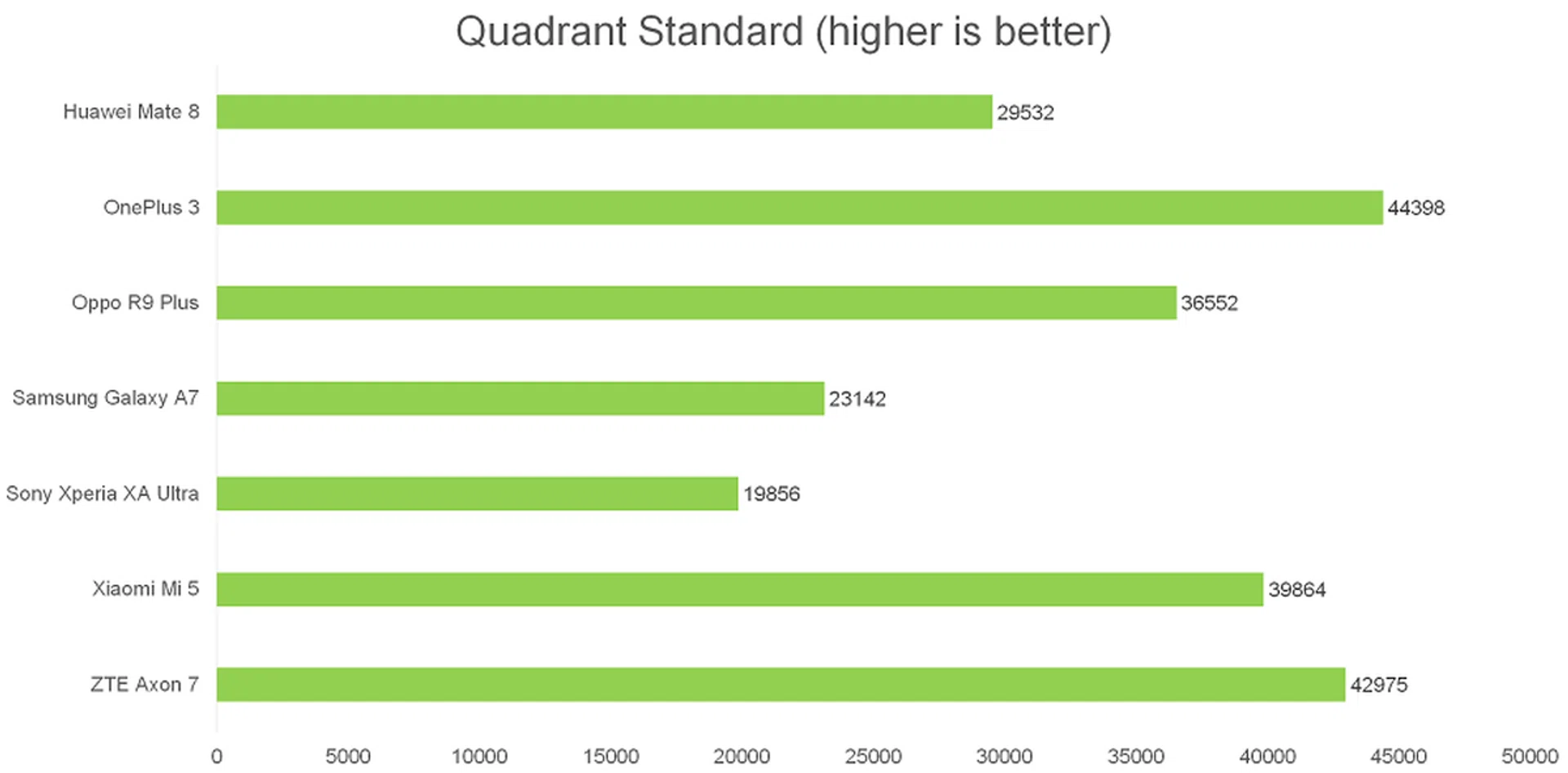
Quadrant benchmarks a device’s CPU, I/O, and GPU performance. With its Snapdragon 820 processor, the OnePlus 3 scored high in the benchmark, even beating out peers with similar hardware like the standard Xiaomi Mi 5 thanks to its higher clock speeds. Our only performance gripe was how some notifications don’t show up when they come in, but the phone is otherwise great at typical tasks.
3DMark’s Ice Storm Unlimited
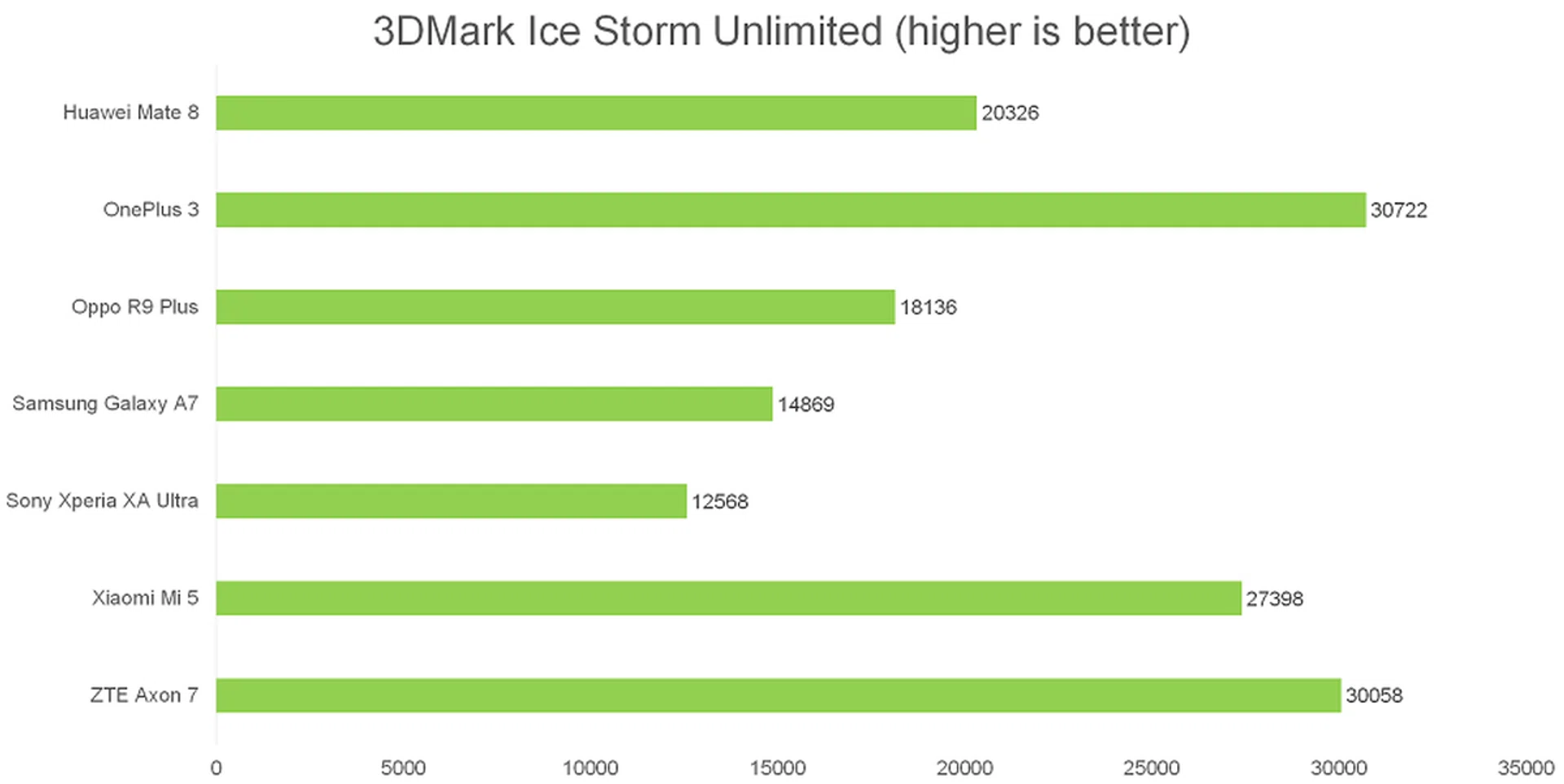
3DMark’s Ice Storm Unlimited test uses a mix of graphics and physics tests to measure hardware performance. The first test measures the GPU’s ability to process lots of vertices, while the second does the same thing with lots of pixels and post-processing effects. Finally, the physics test switches the load to the CPU to test its ability to process physics simulations, while keeping GPU load low. Once again, the OnePlus 3 smashed the competition.
Camera Performance
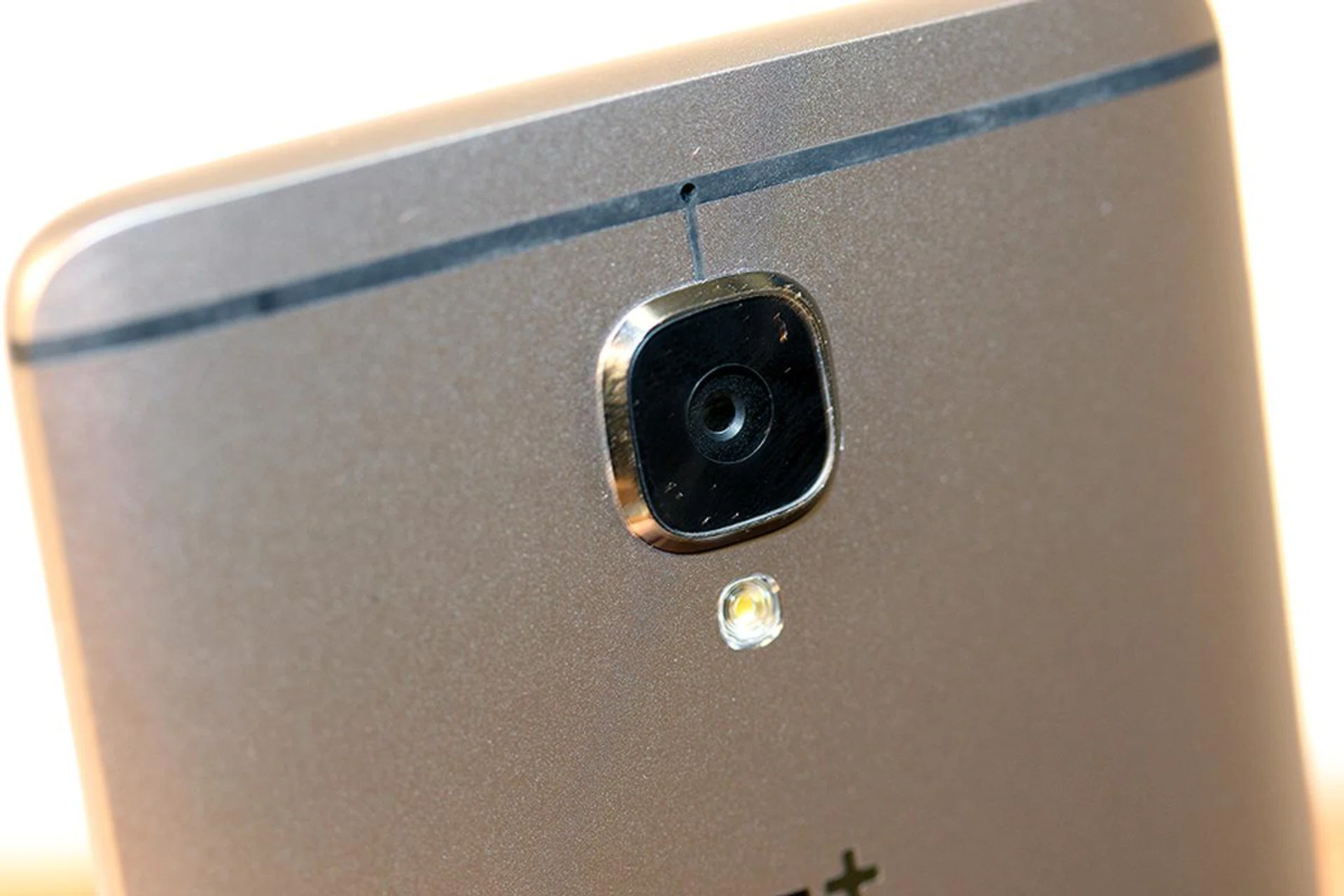
The OnePlus 3’s rear camera uses a 16-megapixel Sony IMX298 sensor with an aperture of f/2.0. It has both OIS and EIS for stabilization; OnePlus claims that the combination of both stabilization features “ensure that pictures and videos are crisp and smooth”. It uses PDAF (phase detection autofocus) and it comes with RAW support. By default, the phone will automatically decide if it should shoot in HDR. There’s also Dynamic Denoise, which removes noise (and some detail) from photos after taking them. The camera also comes with manual controls. It can shoot 4K resolution videos at 30 FPS too, but the limited storage space won’t let you get away with much footage. On the front is an 8-megapixel camera with an aperture of f/2.0.

Taken on Auto. Click to see full-resolution image.

100% crop of above shot.
While the photo quality is sharp, the OnePlus 3 is short on image detail. Creases on figurines are either diminished or lost, possibly because of its de-noising technology. While the photo looks fine and color-accurate on the phone (AMOLED!), it appeared a little washed out we checked it on a desktop monitor. This puts the phone on par with the likes of the LG G5. Against its peers, the Xiaomi Mi 5’s camera performance feels better as whole, even if the OnePlus 3 takes sharper images.
Battery Life
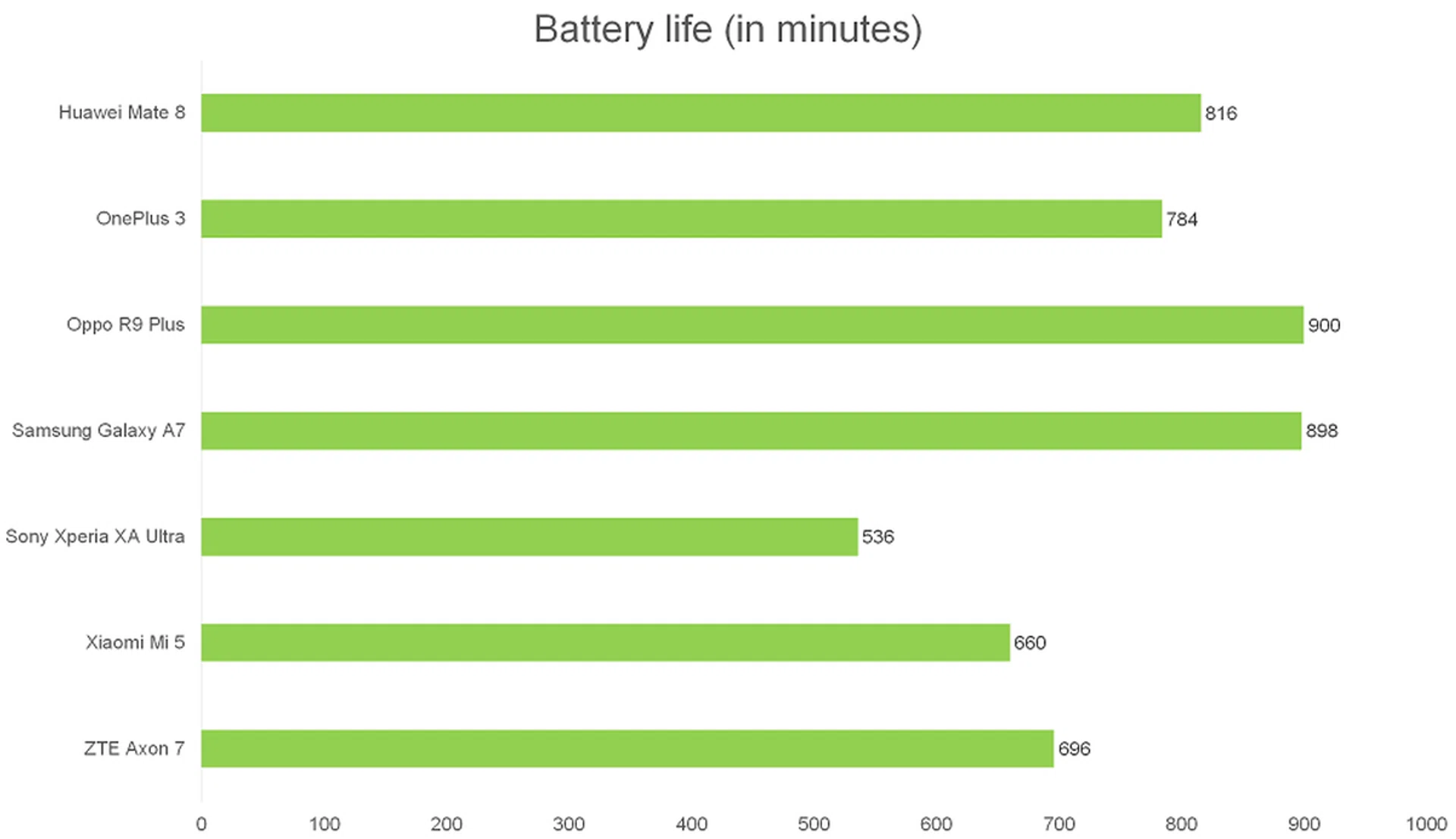
Our standard battery test for mobile phones includes the following parameters:
- Looping a 800 x 480-pixel video with screen brightness and volume at 100%
- Wi-Fi and Bluetooth connectivity turned on
- Constant data streaming through email and Twitter
The OnePlus 3 uses a non-removable 3,000mAh battery that features proprietary fast-charge technology, the Dash Charge. The fast-charging only works if you use the cable provided in the box. For a 3,000mAh phone, the OnePlus 3’s battery lasted longer than we expected. It’s no battery pack, but it drains at a comfortable pace during day-to-day use. It scored decently in our benchmarks, too.
Conclusion
A phone under S$700 that isn’t a pain to buy makes the OnePlus 3 a very tantalizing option. If you’re gunning for a smartphone with a Snapdragon 820 processor at a price point lower than typical flagship devices, the OnePlus 3 is a no-brainer. Against its peers measured in this review, it has slightly better performance than the rest, with a decent battery life. It’s hard to say no to the OnePlus 3, especially if you aren’t bothered by its camera performance.
What makes the OnePlus 3 stand out from other affordable, high-powered phones of the same tier is its physical design. Frankly, there are other ‘flagship killers’ like the Huawei Mate 8, Xiaomi Mi 5, and ZTE Axon 7, but we like the OnePlus 3 since it looks the part, and it finally measures up to its bold flagship-killing claims of the past (strangely, they didn’t go with that spiel this time round despite having a very capable device). It looks, feels, and works like a winner.
You can get the OnePlus 3 via Lazada at S$649, which is a good S$50 cheaper than its official S$699 price tag. The phone can also be found at its official retail channels.
Our articles may contain affiliate links. If you buy through these links, we may earn a small commission.