
Hands-on: Samsung Galaxy S4
Samsung finally launched its fourth generation Galaxy S flagship smartphone at an event in New York City, where we had a hands-on session with the device. Hit the link to find out our initial impressions of the Samsung Galaxy S4.
Making An Already Good Device Even Better
Now that Samsung has officially unveiled the Galaxy S 4, it's time to get our paws on the device. To start things off, here's a table comparing the specs across the four Galaxy S devices to see how far the Galaxy S range has come along since 2010: -
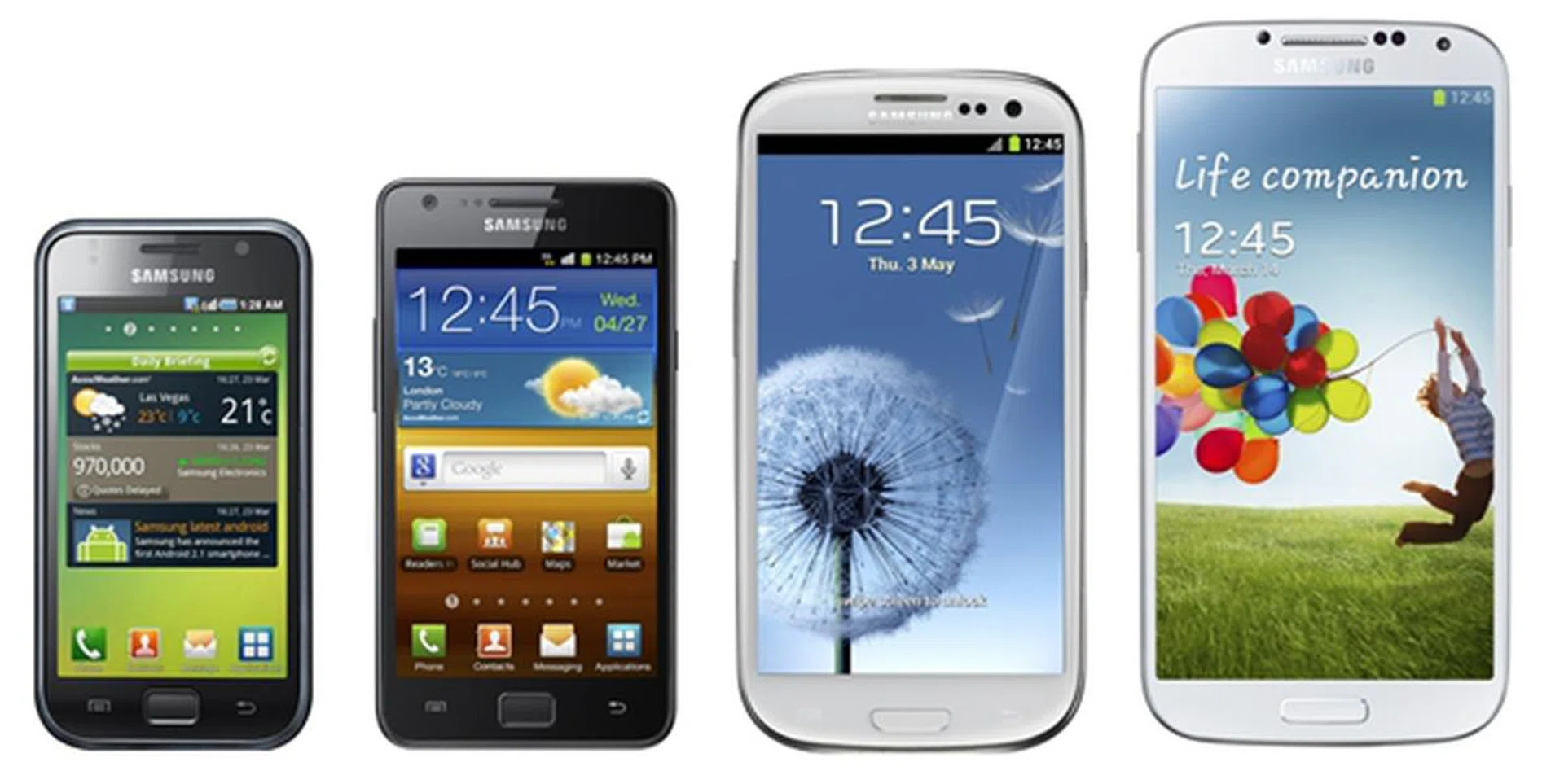
Introducing the Samsung Galaxy S family. (Note that the phones are not shown to size.)
Specifications | Samsung Galaxy S4 | |||
Operating System |
|
|
|
|
Processor |
|
|
|
|
Built-in Memory |
|
|
|
|
Connectivity |
|
|
|
|
Display |
|
|
|
|
Camera |
|
|
|
|
Storage |
|
|
|
|
Battery |
|
|
|
|
Dimensions |
|
|
|
|
Weight |
|
|
|
|
Design and Handling
Its Android counterparts (ASUS and HTC) may have taken on a different design language with their flagship devices this year, but Samsung continued to use plastic as the main material for the chassis of the Galaxy S4.
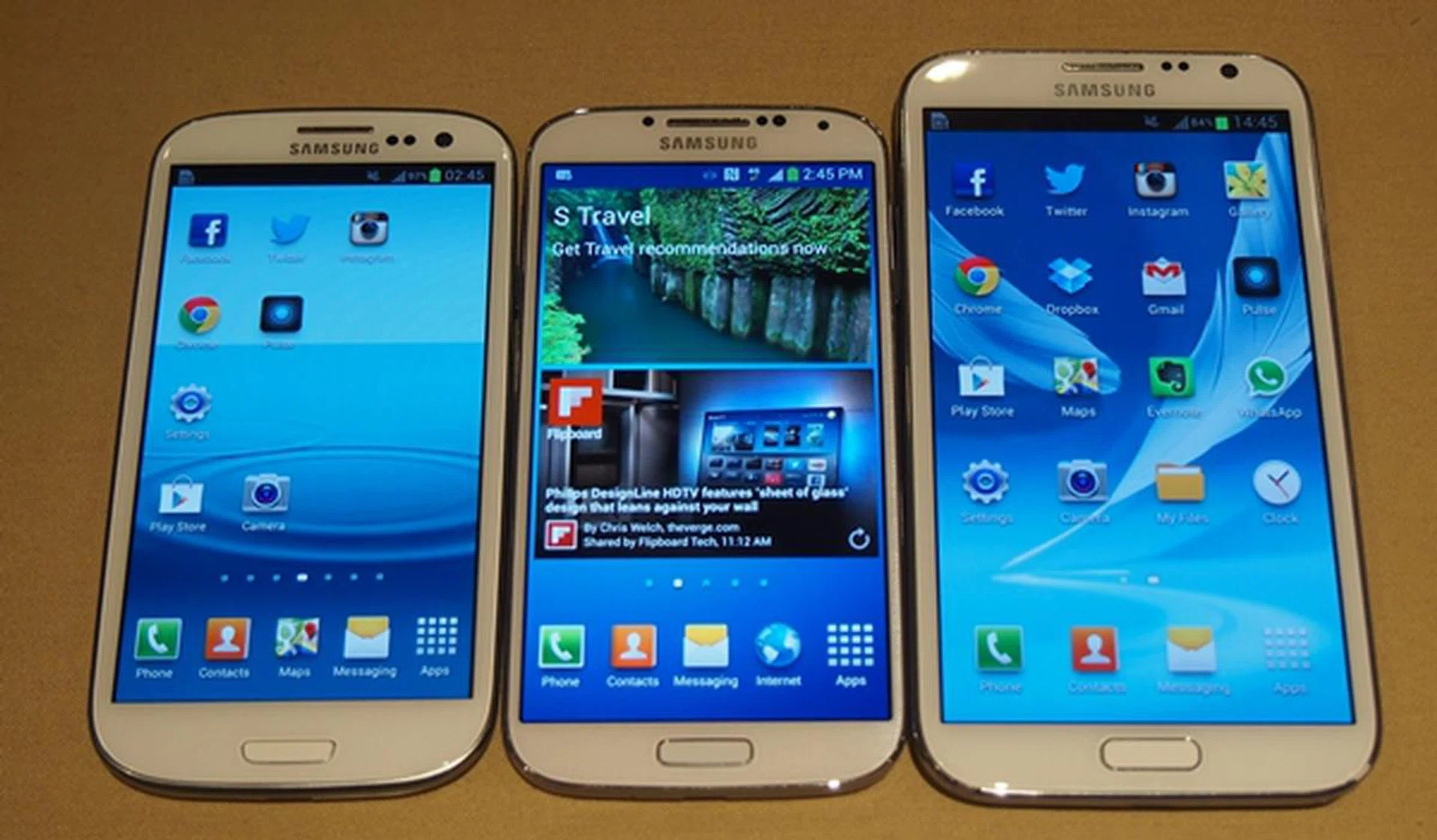
All three Samsung devices (Galaxy S III, S4, and Note II) are made up of plastic.
While you may argue that Samsung devices lack a premium feel, the popularity of the Galaxy S III and Galaxy Note II among consumers worldwide appear to suggest that the choice of material used isn't a major issue (even though many continue to voice out its plastic build as a detractor).
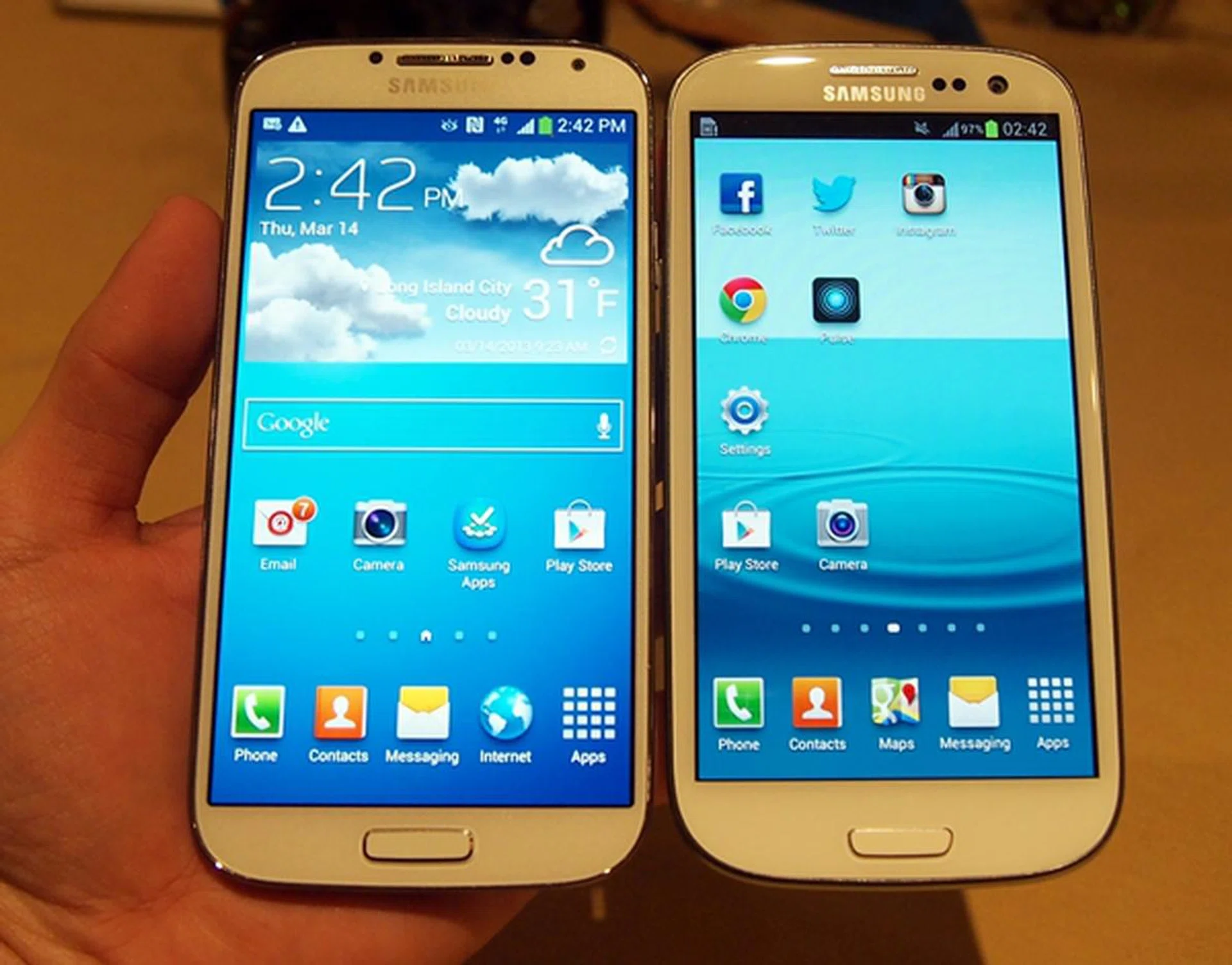
A case of déjà vu? The Samsung Galaxy S4 (left) looks almost identical to the Galaxy S III (right). Two years ago, this same situation happened to Apple and its iPhone 4S.
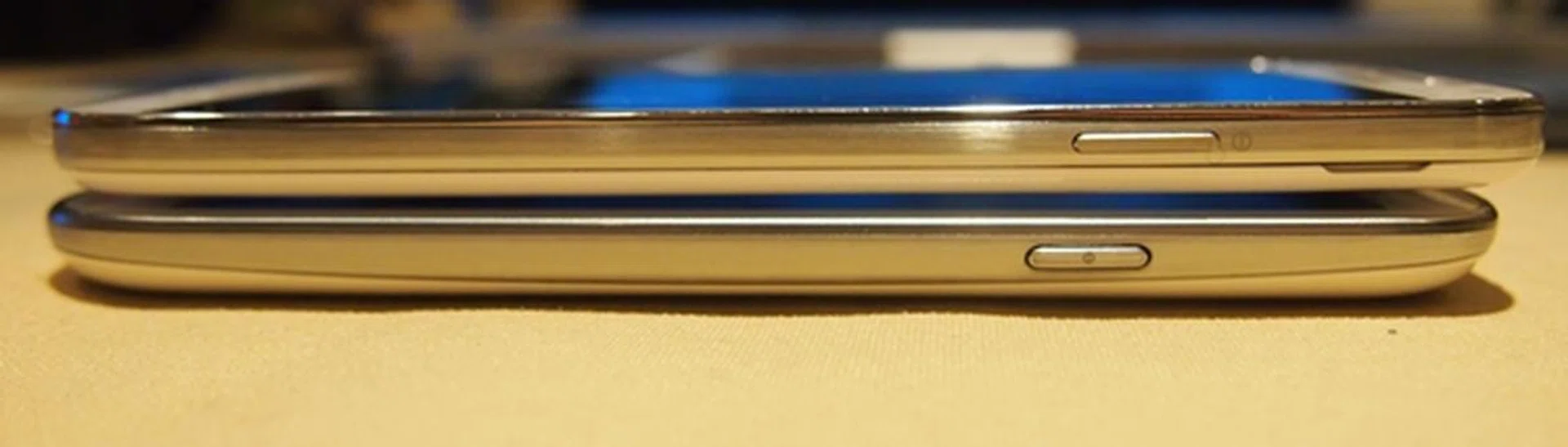
Top: Samsung Galaxy S 4. <br>
Bottom: Samsung Galaxy S III.
At first glance, it is nearly impossible for anyone to notice physical differences between the Galaxy S4 and the Galaxy S III. If you stare hard enough, you can probably spot some disparities between the two devices such as the marginally narrower, slimmer chassis, thinner bezels, and the arrangement of the sensors and front-facing camera.
In terms of build quality and handling, the Galaxy S4 does not differ from its predecessor which is both a good and bad thing. The plasticky build may not appeal to those who fancy a more solid build build and feel from using more premium materials, but for Samsung customers, this is probably something that they're gotten accustomed with. On another note, the use of plastic primarily helps keep the weight of the device low. In the end, it really depends what aspects are more important to you personally.
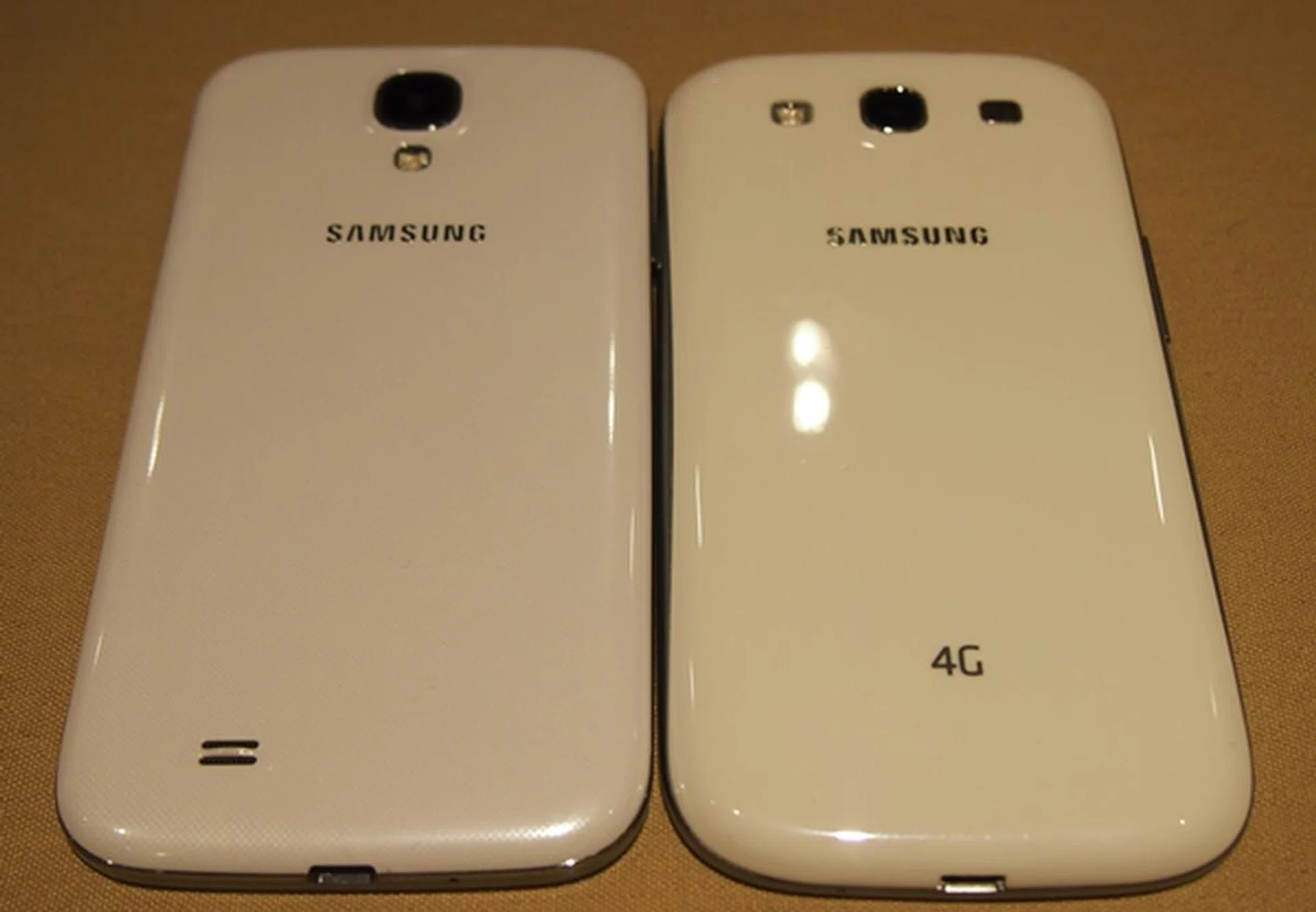
The rear LED flash is now situated below the camera on the Samsung Galaxy S4 (left) and the speaker is shifted to the bottom left.
The Galaxy S4 sports a 5-inch Full-HD Super AMOLED display, which is on-par with many of its competitors including the ASUS PadFone Infinity, HTC Butterfly and Sony Xperia Z. As expected of AMOLED displays, colors are very vibrant and dense. Taking cues from Nokia's implementation on the Lumia 920, the display on the Galaxy S4 is also operable even when you are wearing gloves. That should come in handy for using the device in cold weather.
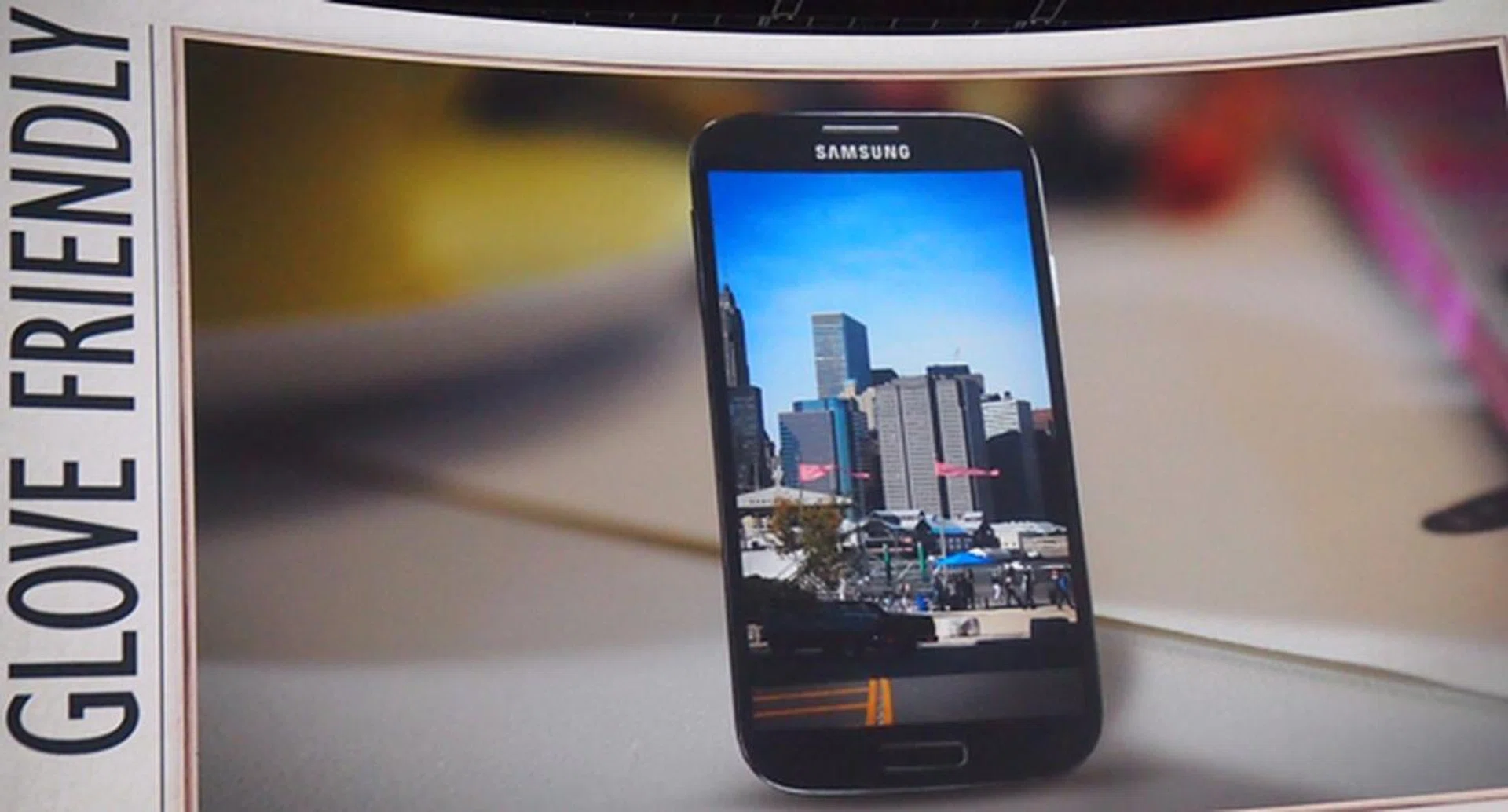
The display is still able to detect your touch inputs even if you wear gloves - great for cold weather usage.
Software
The Galaxy S4 runs on Android 4.2.2, the latest version of Jelly Bean that is running on the LG Nexus 4. While Samsung did little to change the outlook of the Galaxy S4, much of the changes are under the hood. We detail the main software features of the Galaxy S4:-
1) Enhanced Camera User Interface and Features
Drawing inspiration from the Galaxy Camera, Samsung redesigned the interface of the camera to make it more user intuitive. For example, the different scene modes are now accessed via a scroll wheel. This makes it easier for you to scroll through the different modes and allows easier selection.
Like how HTC implemented Zoe on its One device, Cinemagraph (Nokia Lens) and Cinemagram on iOS, Samsung has a similar concept on its Galaxy S4 which is dubbed as Cinema Photo. This feature basically takes a series of photos and let you select one portion of the image to be moving while the rest remains stationary.
First seen on the LG Optimus G Pro, Samsung also has a similar feature known as the dual camera function where the Galaxy S 4 is able to utilize the front and rear-facing cameras simultaneously. This feature opens up many possibilities such as combining two images together, choosing frames to add a personal touch and a dual video function which enables you to make and receive a video call with friends and family while showing what you are looking at during the call.
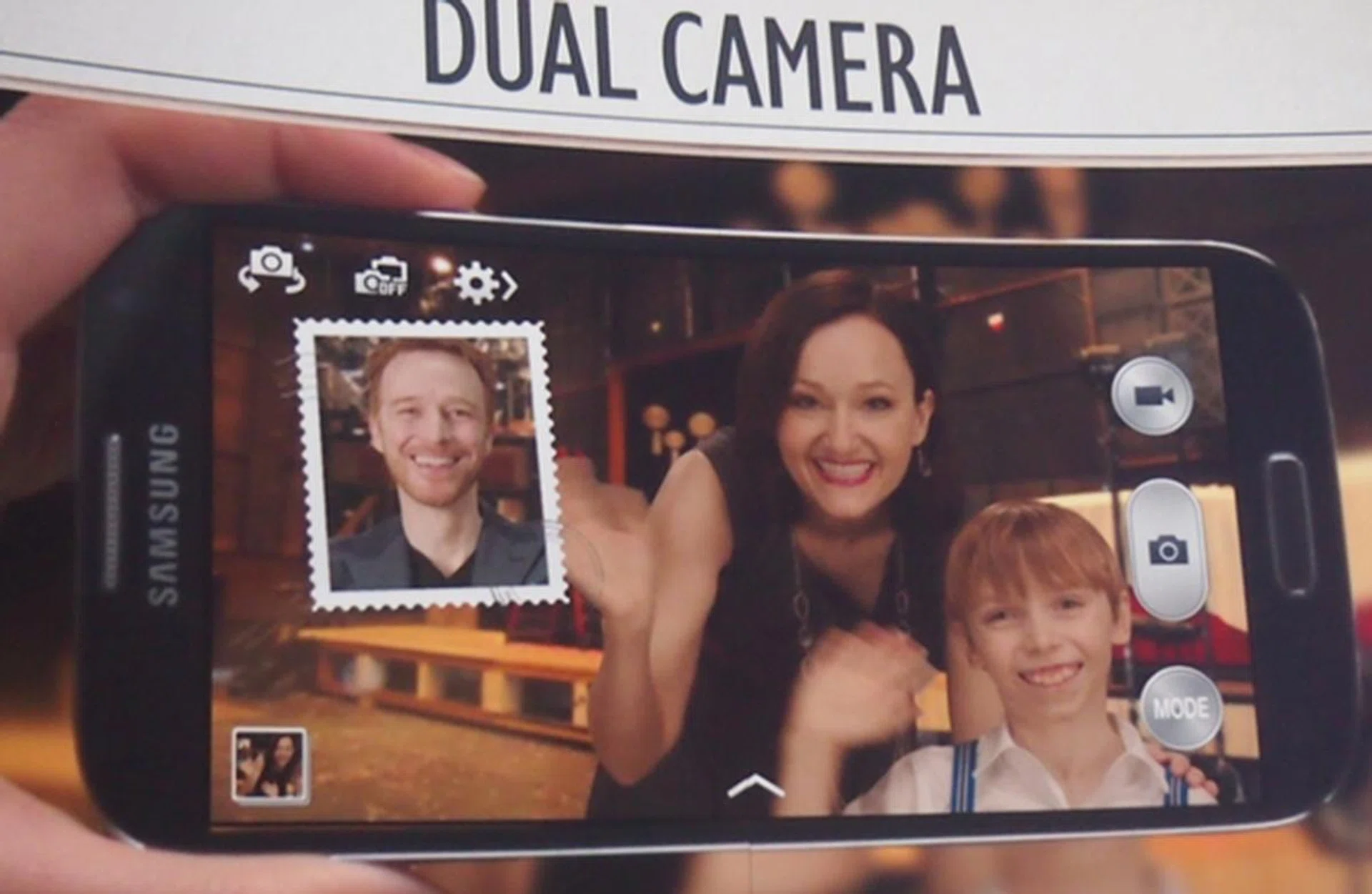
You can choose from a variety of frames or adjust the size of the smaller frame in the bigger frame.
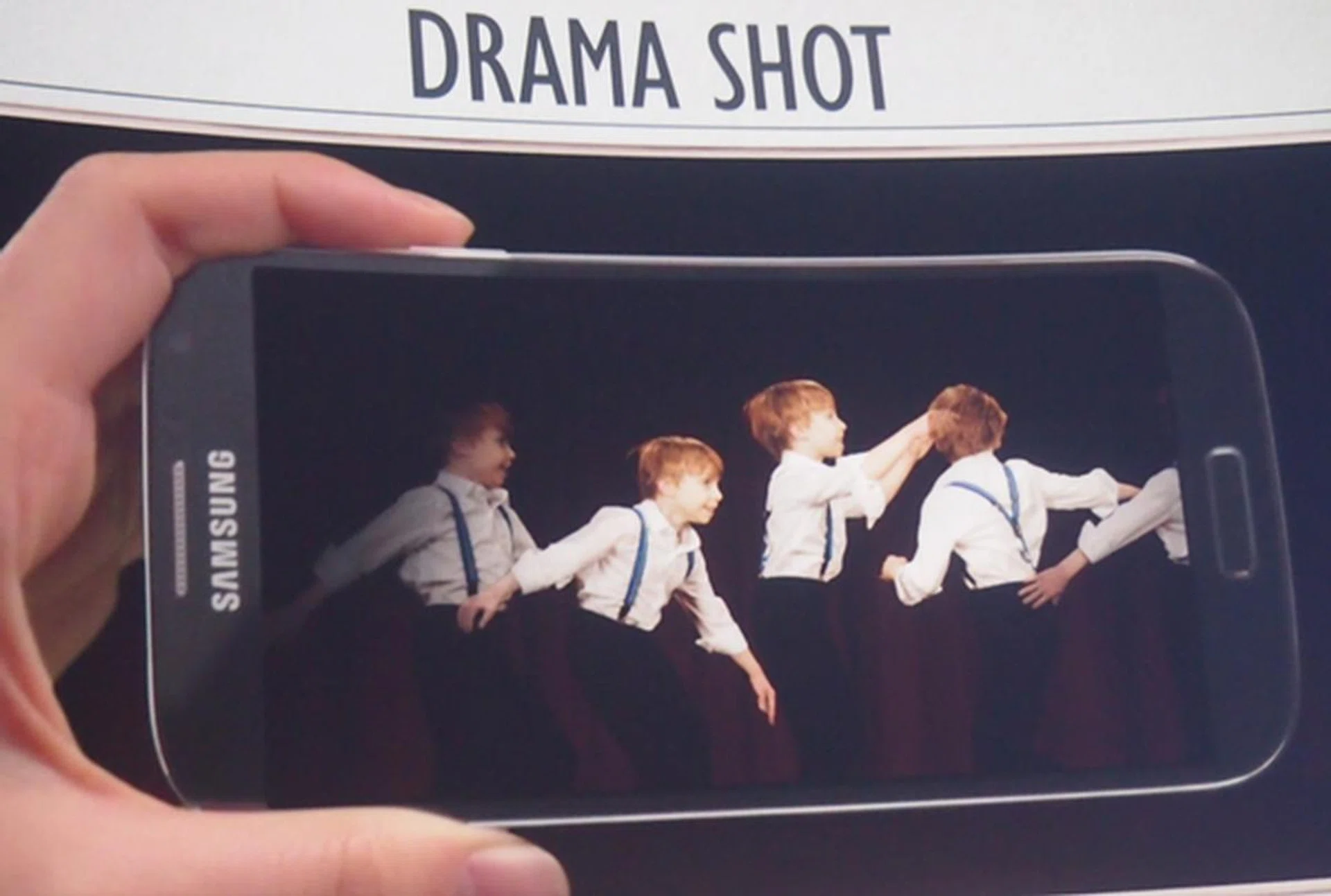
The next camera feature, Drama Shot enables the user to take a burst of 9 photos and combine them into one.
Other notable imaging features on the Galaxy S4 are the eraser mode, sound & shot and story album. Eraser mode works somewhat similar to the object removal tool on the HTC One, where the camera detects moving objects in a photo and highlights them. Once you click on them, it automatically erases the moving objects from the frame. This is a perfect tool to be used against people who like to "photo bomb" your shots. Check out the following video for an overview of the camera features on the Galaxy S4:-

2) Air View and Air Gesture
Samsung brings the Air View feature, first seen in the Galaxy Note II to the next level on the Galaxy S IV. Using just your finger, you can hover over the gallery, a text message or email to preview its content.
The Korean company also introduced Air Gesture, a feature that allows you to navigate through the phone with hand gestures. For example, you can scroll to the next photo in the Gallery without swiping. It also works in other apps such as music and browser, where you can skip to the next song in the music player (does not work in Google Music app) and wave up or down to scroll the page. In addition, you can switch before tabs by waving left.
This should be plenty useful for ladies who keep long fingernails as well as when your hands are all greasy from munching food (think chicken wings, shelled crabs and large pizza slices). Or perhaps you're doing some handiwork and following some onscreen instructions, now you can do so without physically holding your phone. For your convenience, we shot the following video to showcase how these two features work on the Galaxy S4:-

3) Smart Pause and Smart Scroll
Galaxy S III and Note II users should be familiar with these terms, as they are merely feature variations built upon the concept of Smart Stay. To put it simply, the front-facing camera decides when to stop a video playback or scroll a web page depending on whether you are looking at the screen. They are not groundbreaking, but they are useful practical implementations to improve overall handling and ease of use. Here's a video demo to see how these two features work in real use:-

Accessories for the Samsung Galaxy S 4
Samsung has listed several optional accessories for the Galaxy S 4 which include the following: -
- Pouch
- Flip cover
- Protective case
- S View Cover
- S band
- Body scale
- Heart rate monitor
The S View cover is quite an interesting accessory as it has a small viewing window for users to check the time, battery status, text messages, music playlist and caller ID with the cover on.
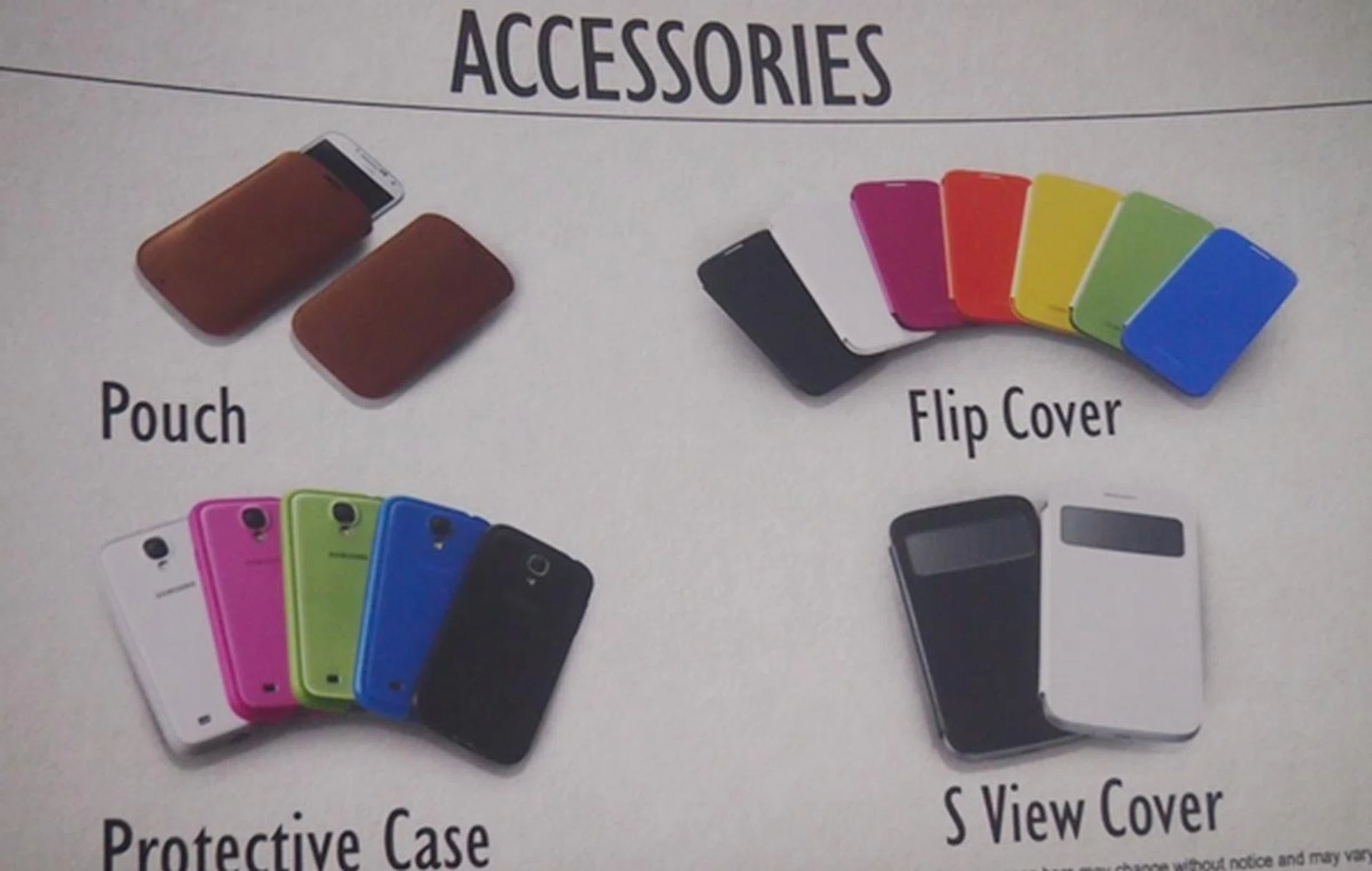
We feel that the S View Cover will be the most popular accessory among consumers when the Samsung Galaxy S4 arrives.
Comparing the Samsung Galaxy S4 with the Top Dogs
The first three months of 2013 have been very exciting in the mobile scene as each phone maker unveiled its flagship device. Sony fired the first shot with the Xperia Z at CES 2013, followed by BlackBerry and the Z10 on 30th January. HTC held a bi-continental launch for its flagship One smartphone on 19th February, a week before ASUS unveiled its PadFone Infinity at MWC 2013.
Unfortunately, ASUS and HTC were unable to secure units of their respective devices for this article and we had to make do with the following handsets for comparisons: the Nokia Lumia 920, the HTC Butterfly, the Sony Xperia Z, the BlackBerry Z10 and the Apple iPhone 5. Before you take a look at the comparison photos, here's a quick overview of the specs of the respective flagship devices from the different phone makers.
Specifications/Device | Samsung Galaxy S 4 | HTC Butterfly | Sony Xperia Z | Nokia Lumia 920 | BlackBerry Z10 | Apple iPhone 5 |
Processor |
|
|
|
|
|
|
RAM |
|
|
|
|
|
|
OS |
|
|
|
|
|
|
Display |
|
|
|
|
|
|
Camera |
|
|
|
|
|
|
Storage |
|
|
|
|
|
|
Dimensions |
|
|
|
|
|
|
Weight |
|
|
|
|
|
|
Battery |
|
|
|
|
|
|
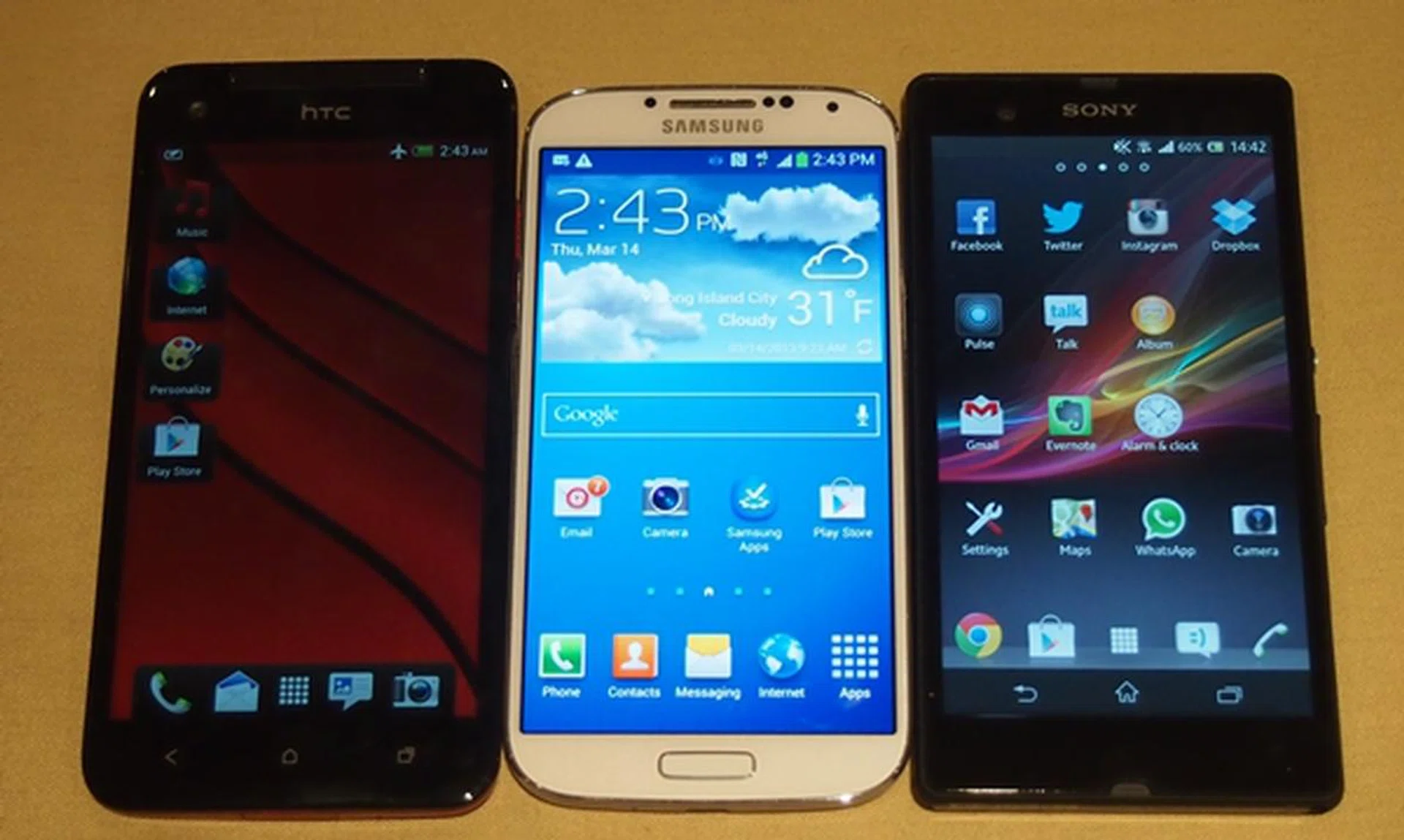
From left to right: HTC Butterfly, Samsung Galaxy S4 and Sony Xperia Z.
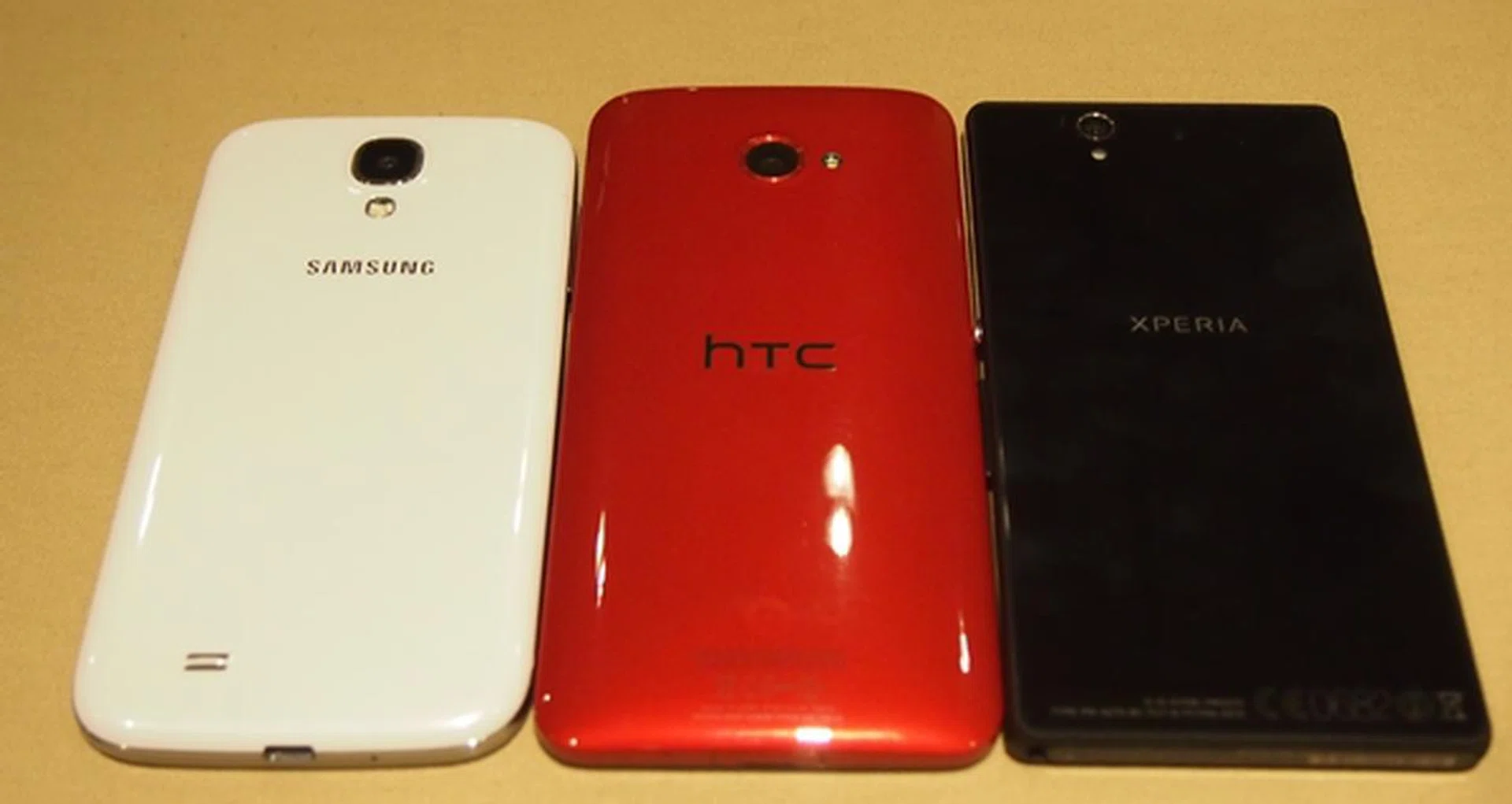
In terms of handling, we prefer the HTC Butterfly as it has a curved back. When it comes to design, the Sony Xperia Z easily takes the crown for it simple, yet elegant build.
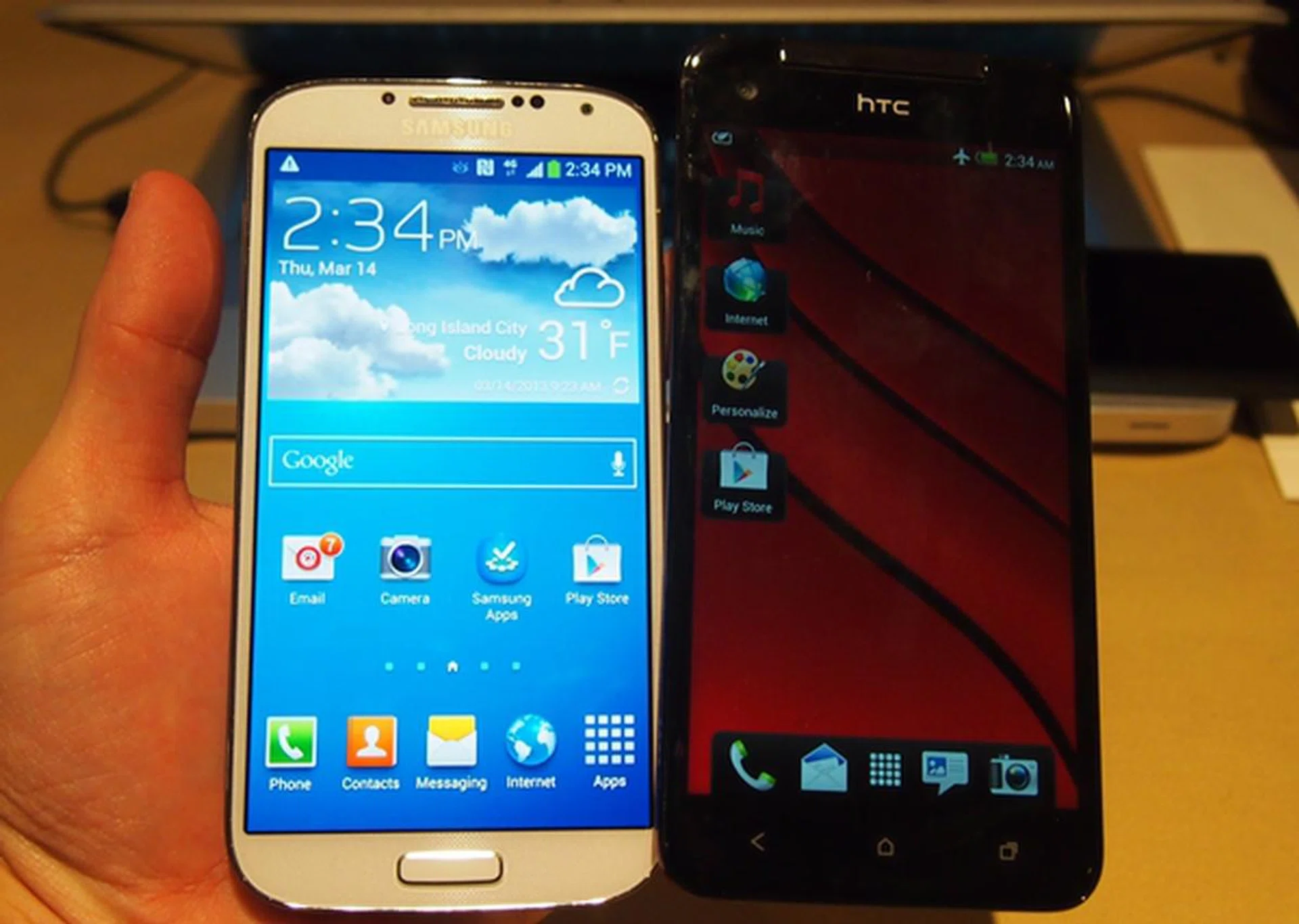
Samsung Galaxy S4 vs. HTC Butterfly
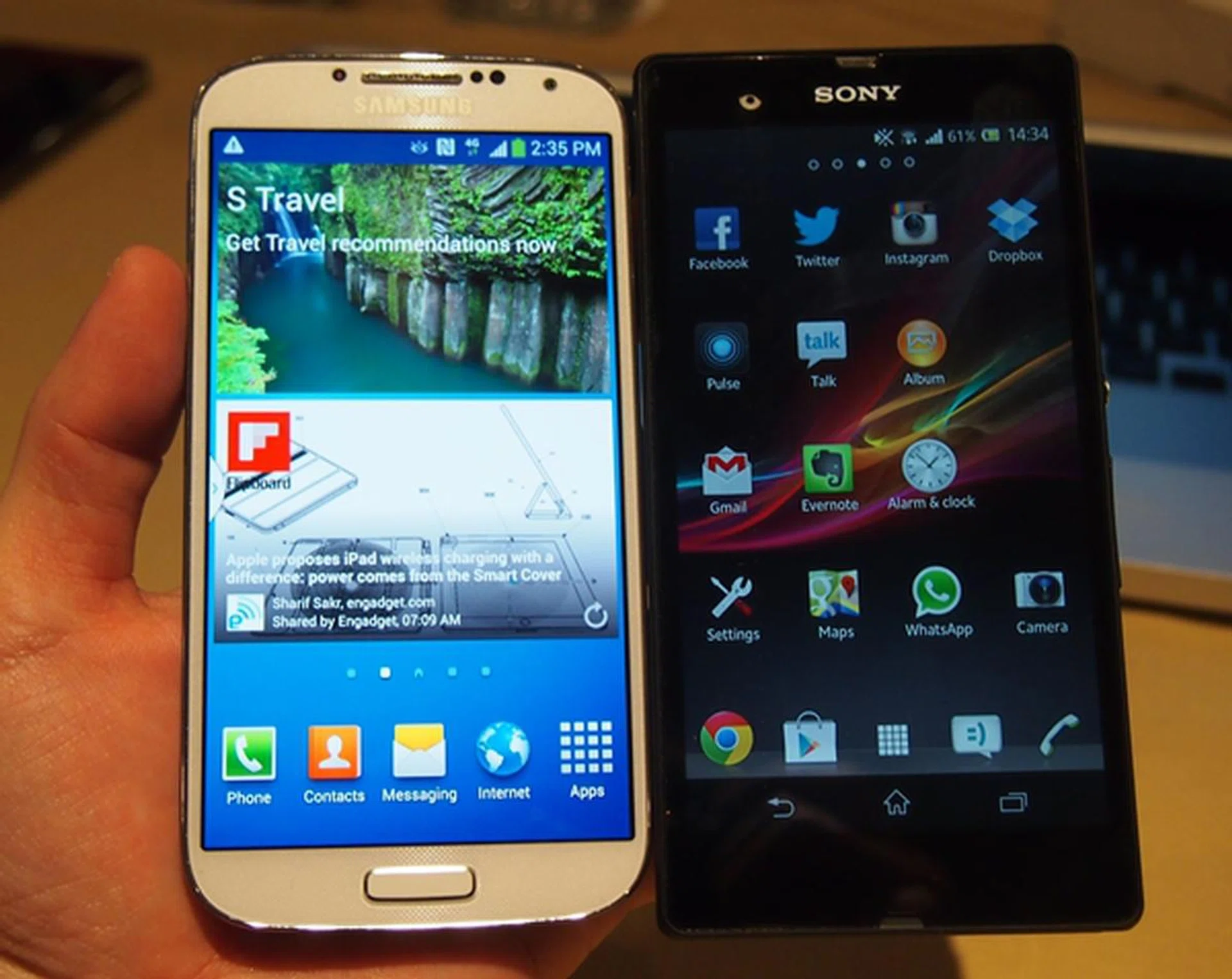
Samsung Galaxy S4 vs. Sony Xperia Z
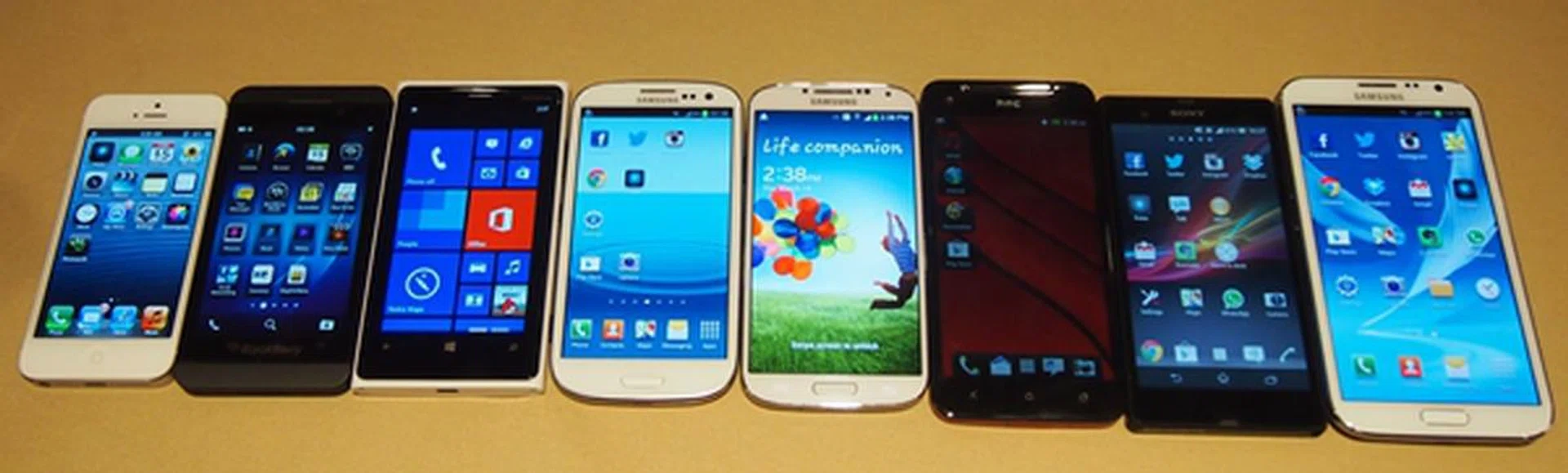
From left to right: Apple iPhone 5, BlackBerry Z10, Nokia Lumia 920, Samsung Galaxy S III, Galaxy S4, HTC Butterfly, Sony Xperia Z and Samsung Galaxy Note II.
Pricing and Availability
No information on its pricing is available at the launch event although Samsung has stated a global availability of the Galaxy S4 from the end of April. The phone will be available in Singapore sometime in May.
Taking reference from the launch price of the Galaxy S III, its launch date and its competitors, we believe that Samsung is likely to launch it in the same period with a similar price point. What's certain is that as a flagship device, the Galaxy S4 will no doubt command a premium price.
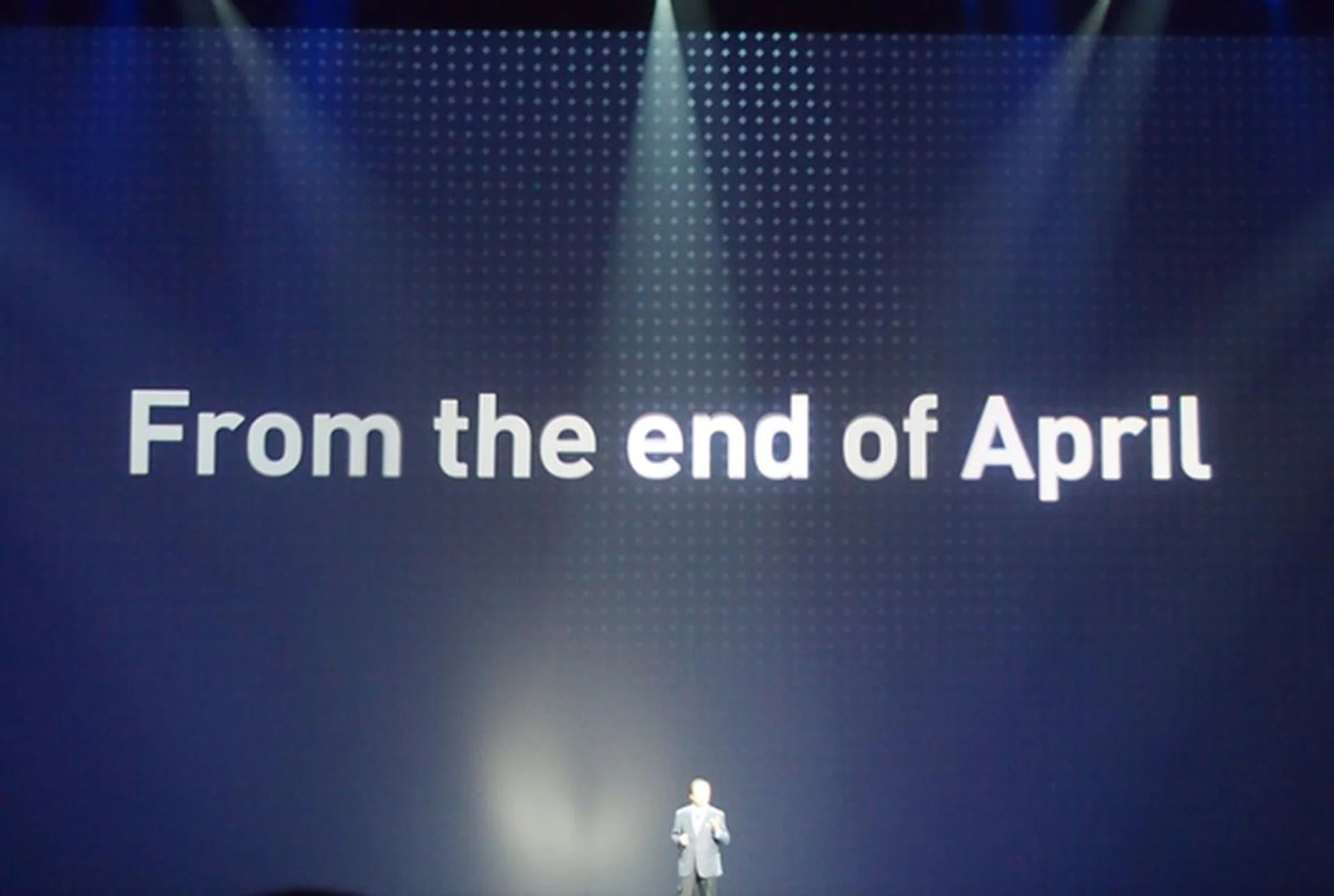
You have more than a month to start saving for the Samsung Galaxy S4, which is expected to be available globally from end of April.
Our articles may contain affiliate links. If you buy through these links, we may earn a small commission.